
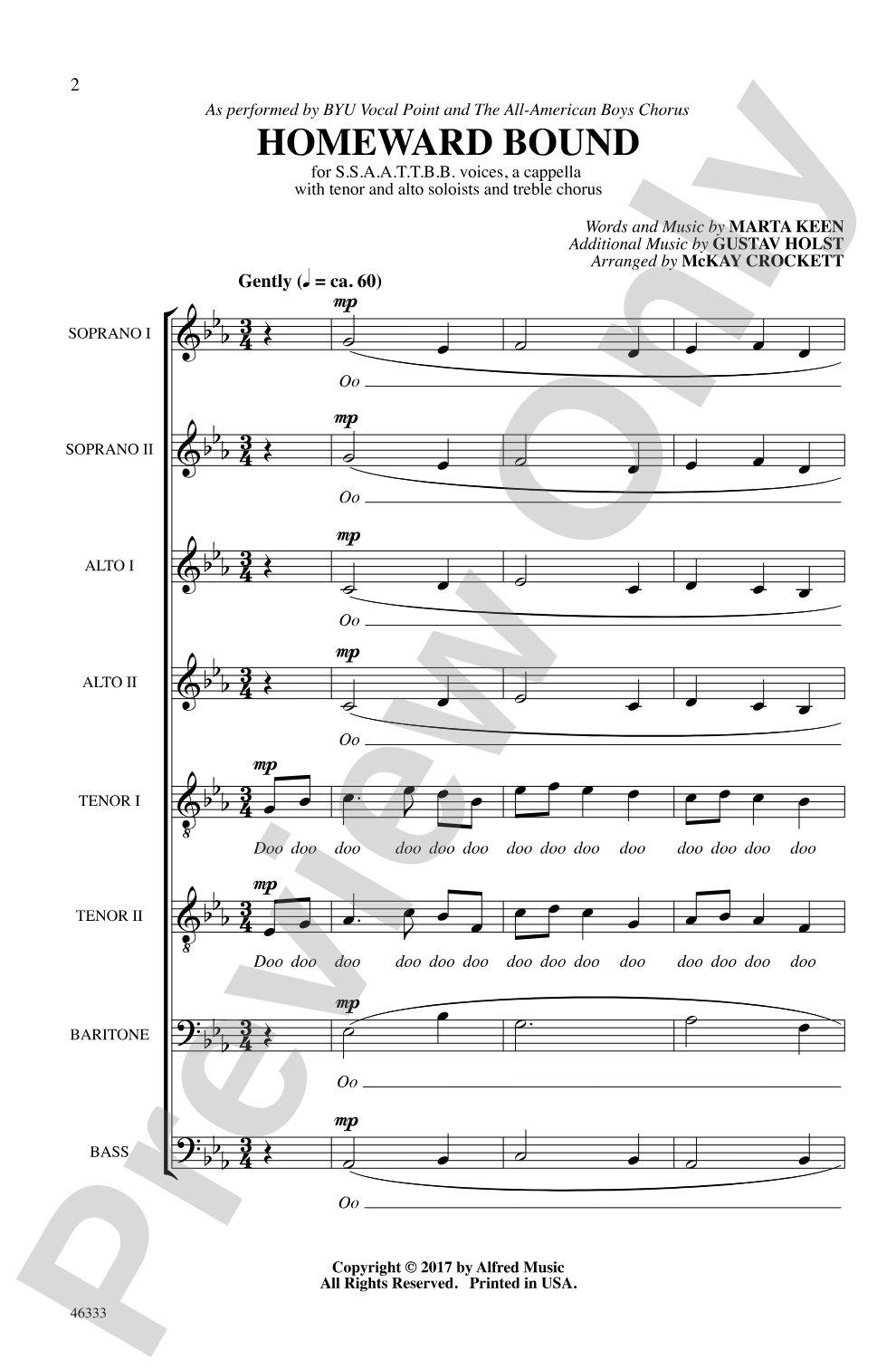

Homeward Bound: SSAATTBB, a cappella Choral Octavo
Words and music by Marta Keen, additional music by Gustav Holst / arr. McKay Crockett
Item: 00-PO-0005589
$2.45
Minimum order quantity: 20 copies
Pickup currently not available
Related Items
Homeward Bound: SSAATTBB, a cappella Choral Octavo |
$2.45
|
View |
Description
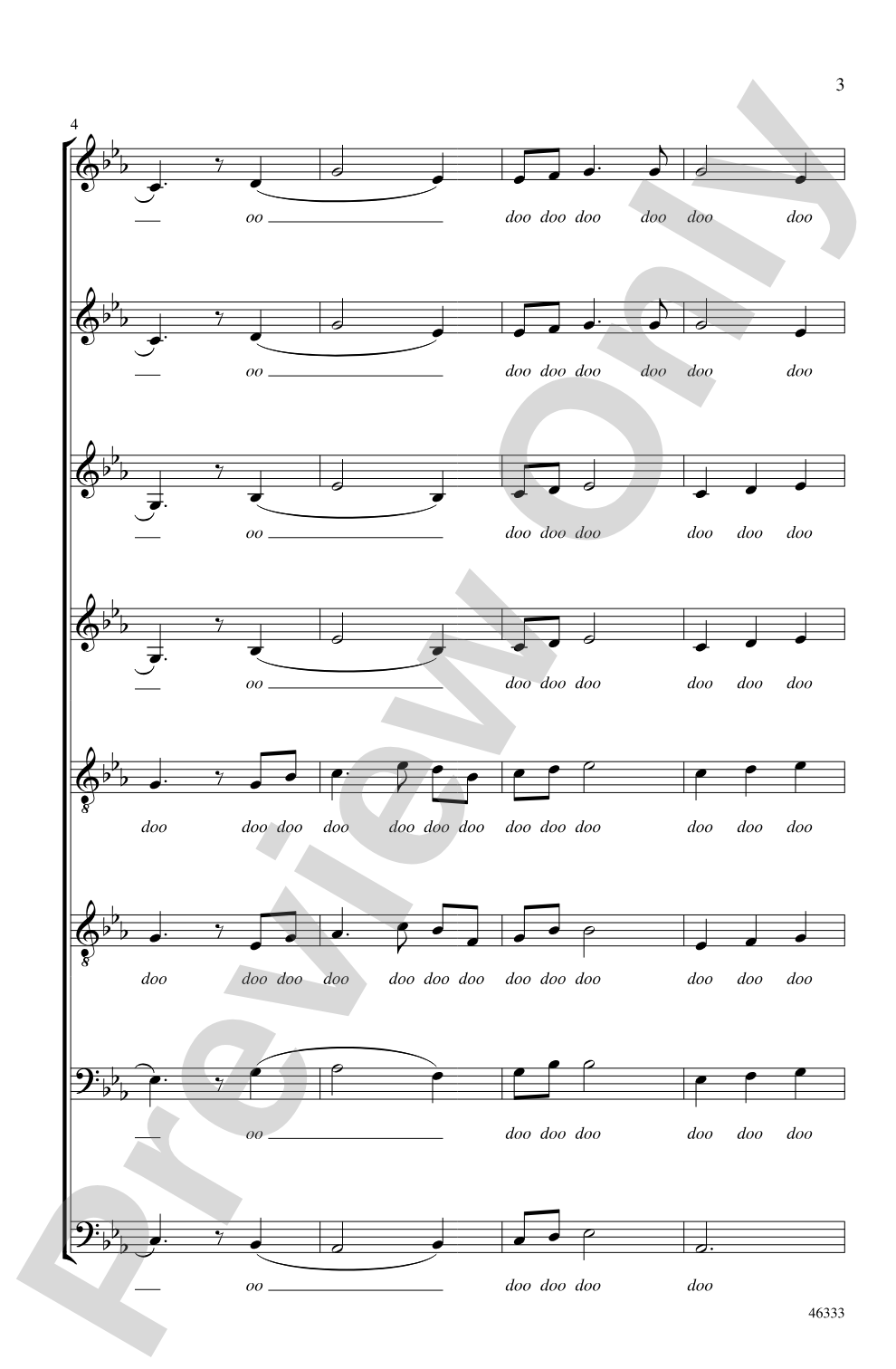
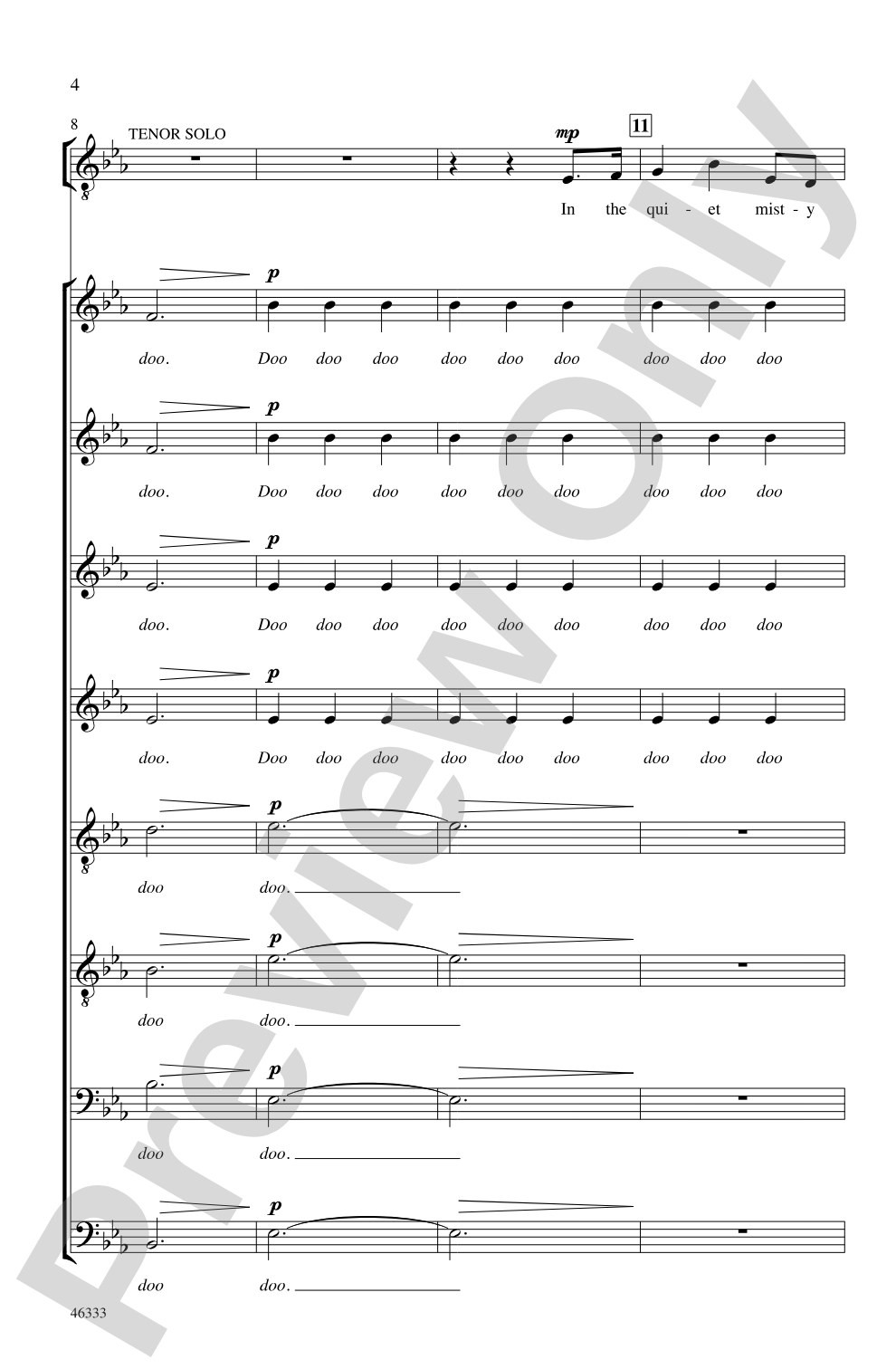
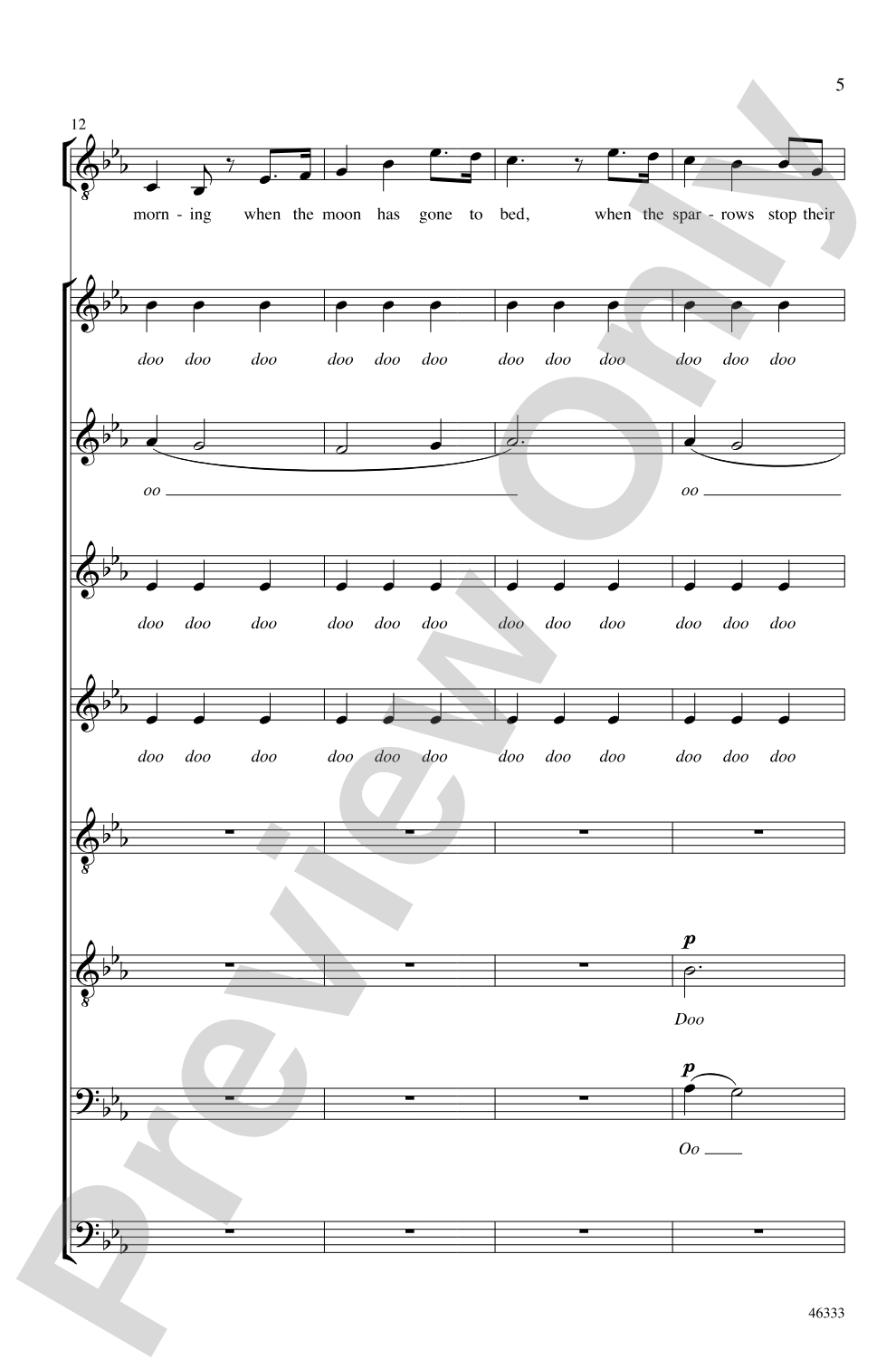
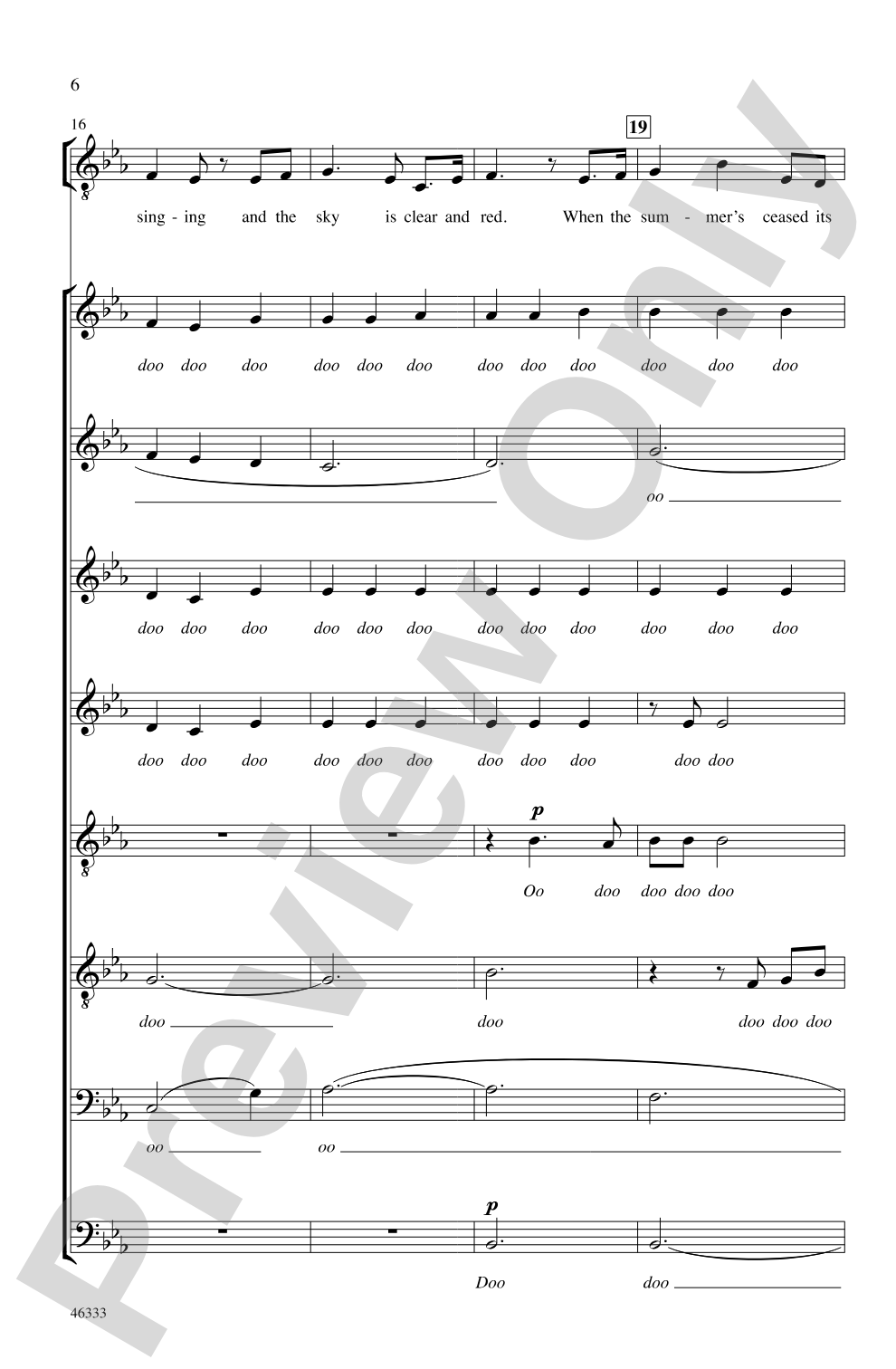
After racking up over a million views on YouTube, this unique a cappella stunner by BYU's Vocal Point and the All-American Boys Chorus is now available for SATB divisi choirs. Contemporary harmonies and layered choral textures support two soloists during the folk-like verses and bring importance to the full choral refrains. A familiar Holst melody makes a few appearances and a three-part treble chorus (or descant group) is an ethereal addition at the end.


Homeward Bound: SSAATTBB, a cappella Choral Octavo isn't in MakeMusic Cloud just yet...but it could be. Let us know you'd like to see it, and you'll help shape what comes next. In the meantime, start a free trial and dive into thousands of interactive titles your students can play along with today.
Request This Title
Tell us you want it.
Start Your Free Trial
Explore everything that's ready to play right now.
Sample Audio
1
Audio File
--:--
0:00
0:00
Sample Video
Additional Details
Series:
Alfred Choral Designs
Publisher:
Alfred Music
Page Count:
24
SKU:
00-PO-0005589
More about this title
About the Composer: Marta Keen
Marta Keen is a composer and arranger known for creating accessible, contemporary choral works that engage singers across multiple skill levels. Her arrangements have gained significant recognition through digital platforms, demonstrating her ability to craft pieces that resonate with both performers and audiences in modern concert settings.
Gustav Holst (1874-1934) was an English composer whose gift for melody and harmonic innovation shaped twentieth-century British music. His works remain central to choral and orchestral repertoires worldwide, and his melodies continue to inspire arrangers seeking to bridge classical tradition with contemporary expression.
Why we love this
This arrangement captures something rare: a piece with genuine viral reach that actually translates beautifully to a standard SATB divisi voicing. The blend of contemporary layered harmonies with a recognizable Holst melody gives your choir an exciting, concert-ready number that feels modern without sacrificing musical substance. The built-in flexibility for adding a treble descant group or keeping it SATB means you can program it exactly as your ensemble needs.
What to expect
There's an intimate quality in the verses, where two voices anchor folk-like storytelling over shifting harmonies, then the piece opens into lush, modern choral textures as the full choir enters. The appearance of the Holst melody feels like a moment of recognition and warmth, especially when the optional treble voices float above at the close, creating something both familiar and entirely fresh.
Who it's for
This octavo suits choirs ranging from strong high school groups through collegiate and community ensembles who want a contemporary piece with real musical substance. It works equally well for singers seeking concert repertoire and those preparing for festival or competition settings.
How to get the most out of it
- Balance the two soloists during verses carefully; they should sit comfortably above the harmonic bed without forcing, allowing the folk-like quality to emerge naturally.
- Rehearse the SATB divisi sections in layers, starting with one part at a time before combining, so singers understand how their line contributes to the contemporary harmonic texture.
- If using the optional three-part treble chorus or descant at the end, rehearse them separately first and think of them as creating an ethereal wash rather than a prominent melodic line.
- Pay special attention to vowel consistency across all parts during the refrains; the full choir moments depend on blend and unified tone quality to land the emotional impact.
How to use it
Program this as a centerpiece for a concert celebrating contemporary choral writing, or use it to showcase your choir's versatility when paired with either classical or other modern works. Its emotional arc and manageable length make it ideal for spring concerts or end-of-year celebrations, including graduation ceremonies.
Skills your students will build
- Singing SATB divisi with independent harmonic awareness
- Blending contemporary choral harmonies and layered textures
- Balancing soloists with ensemble support in a cappella settings
- Reading and performing optional descant parts
- Maintaining vowel consistency and unified tone in complex harmonic contexts