
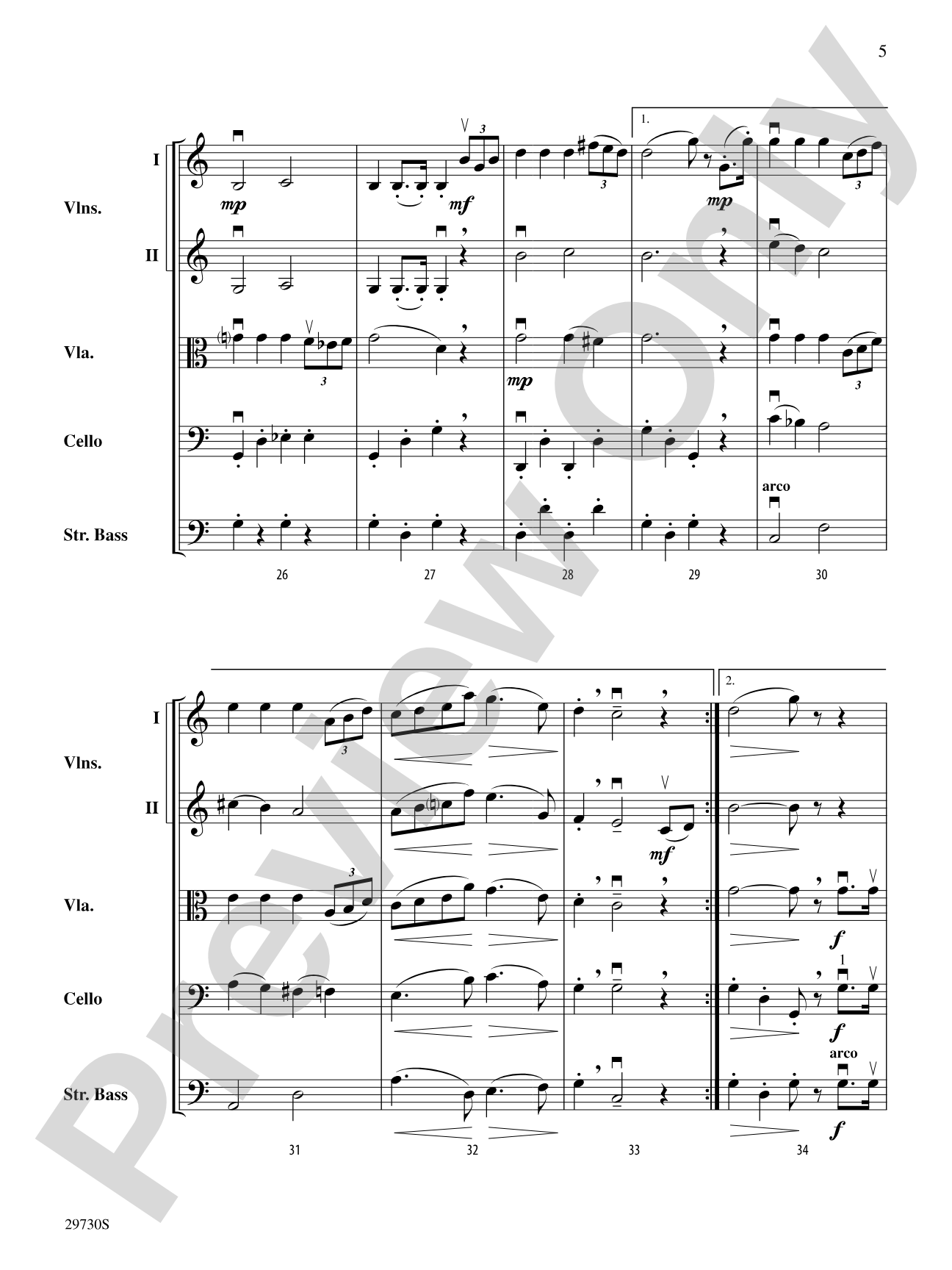
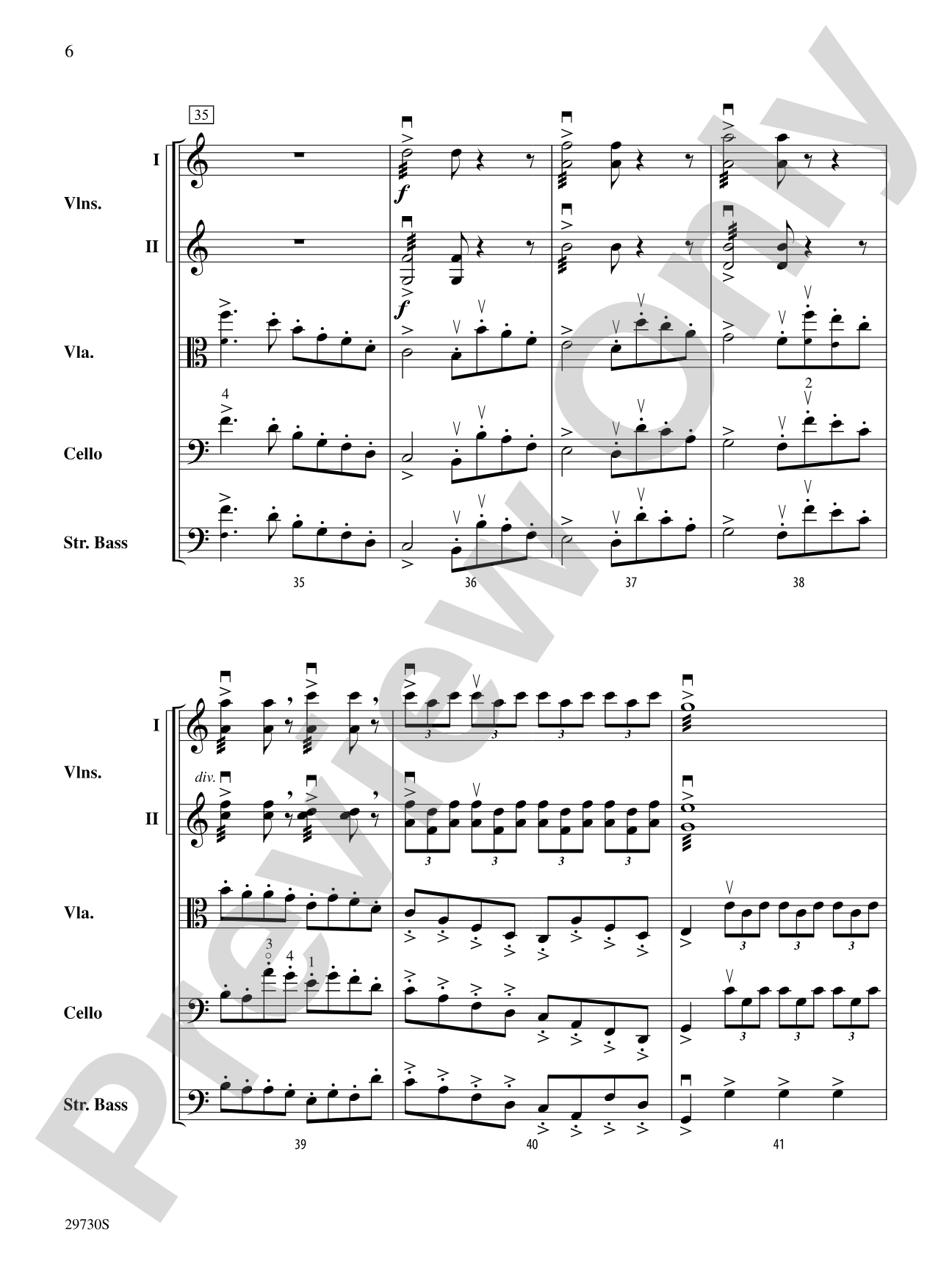
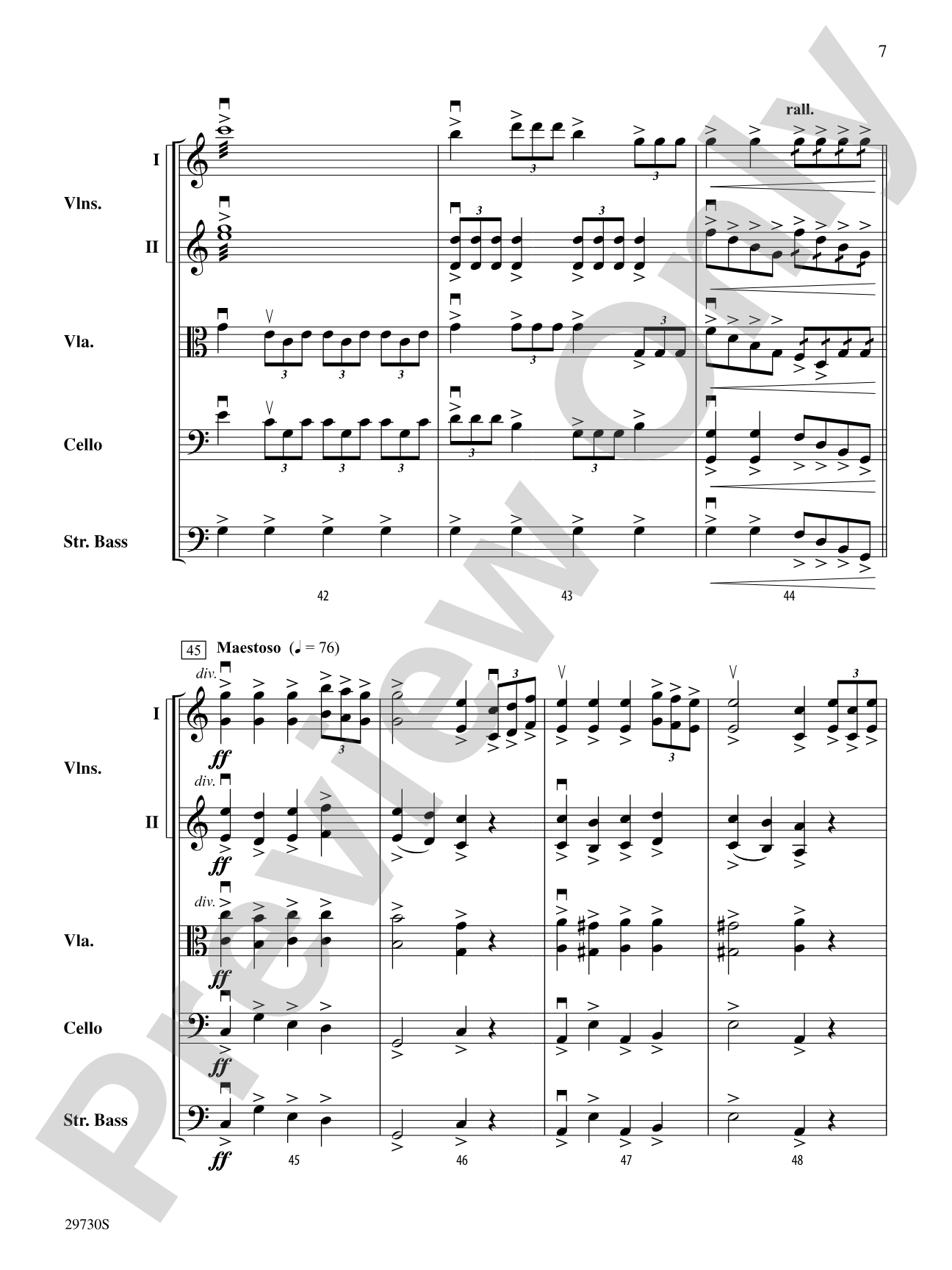
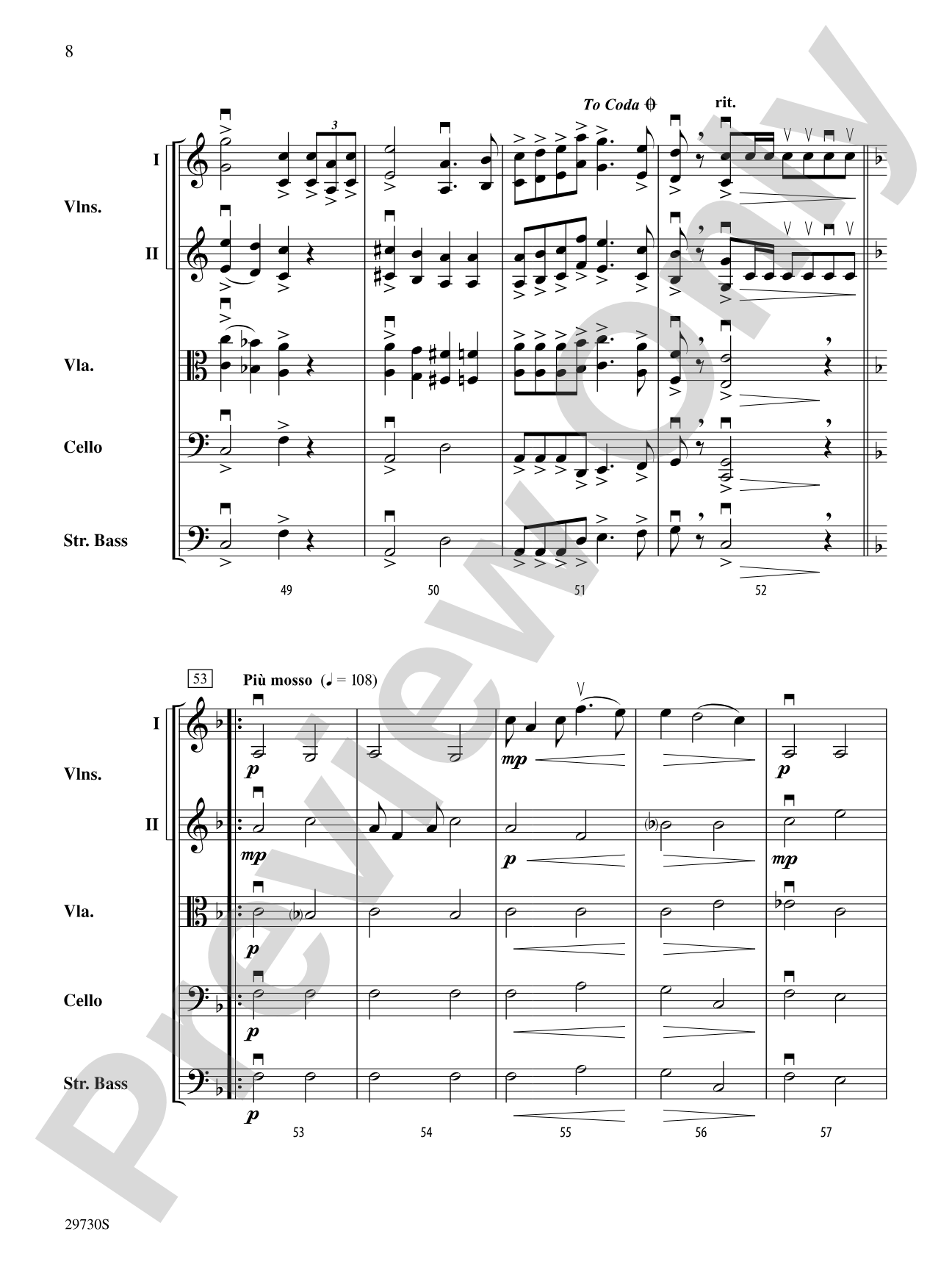
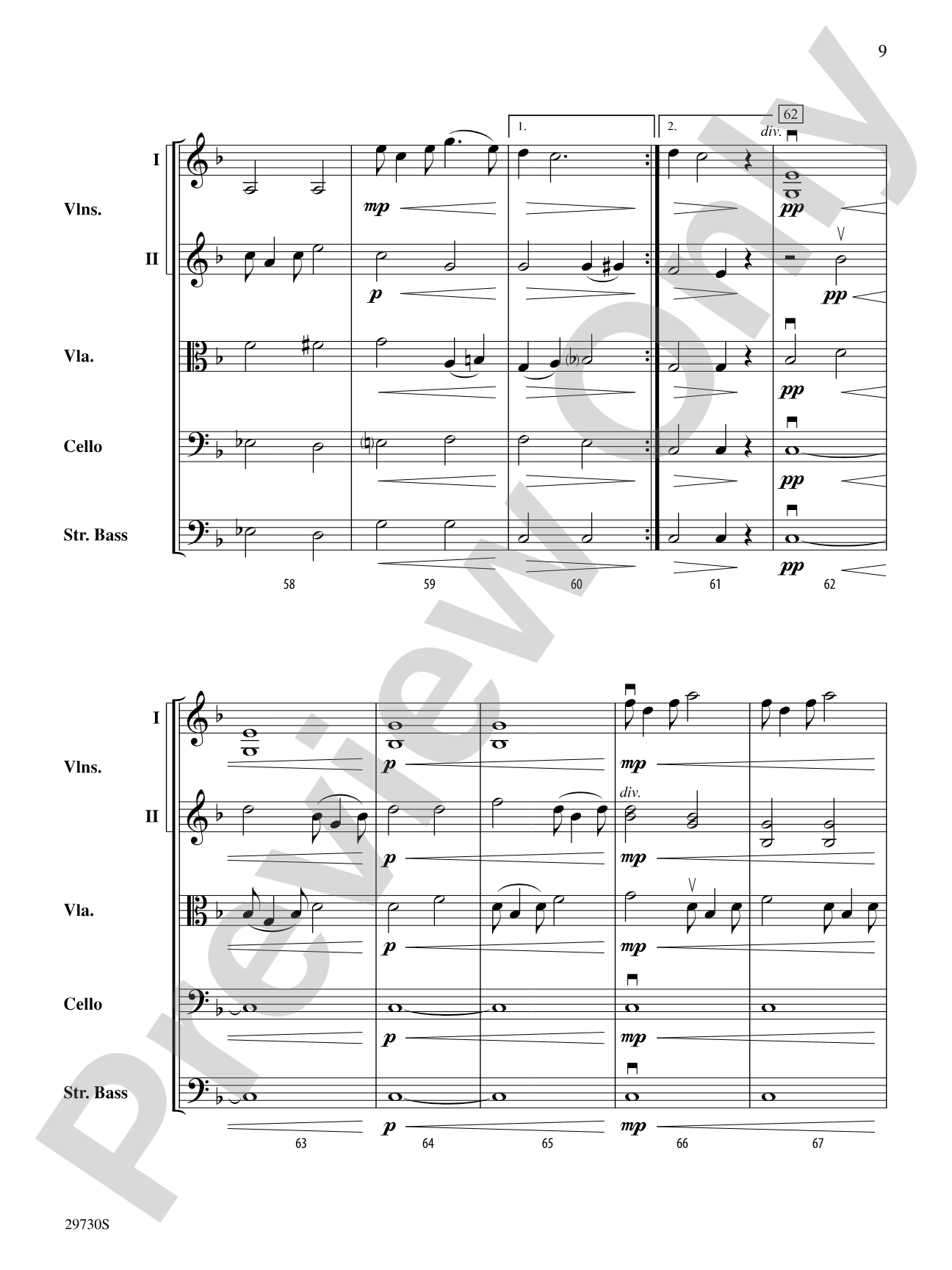
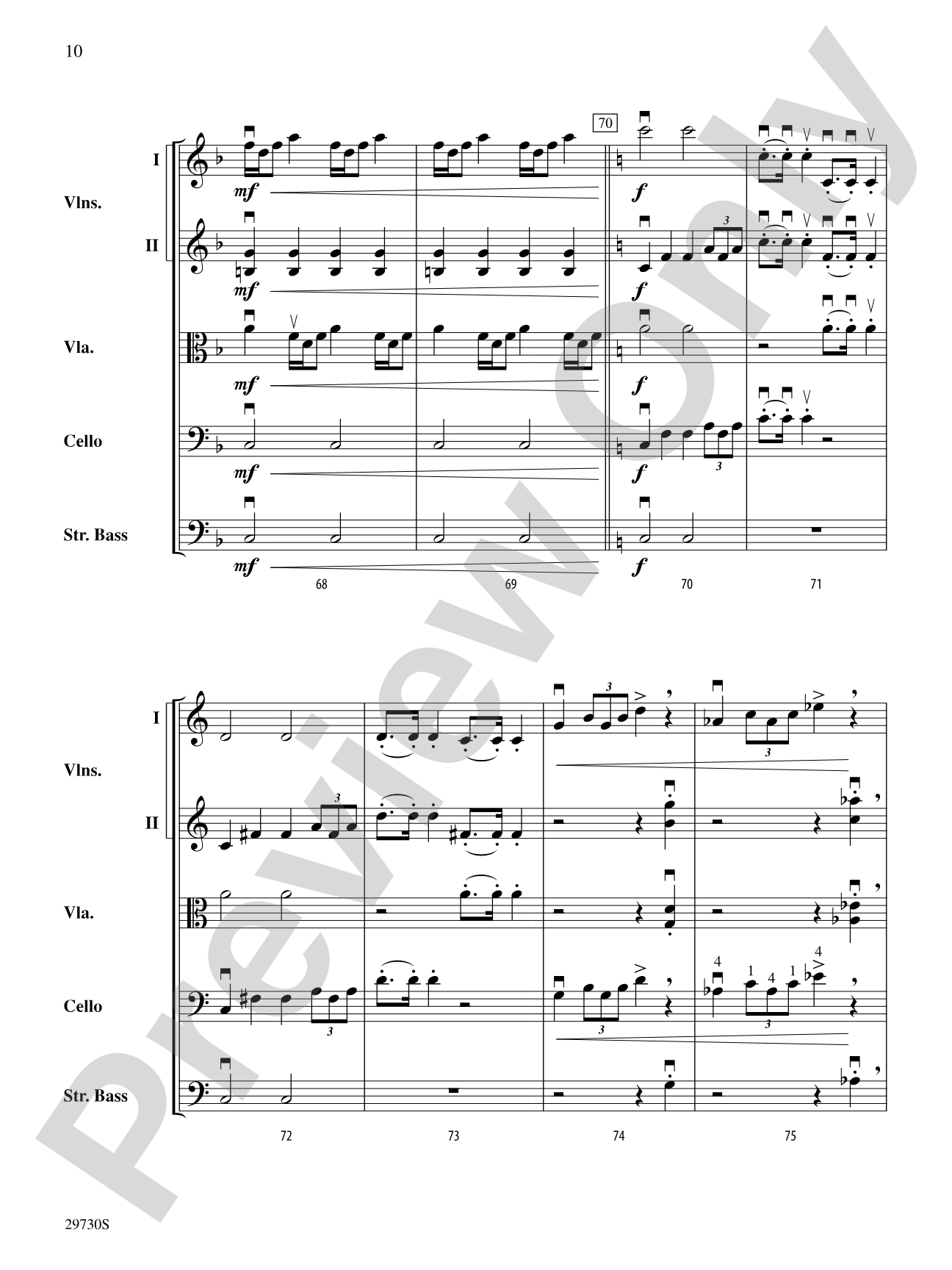
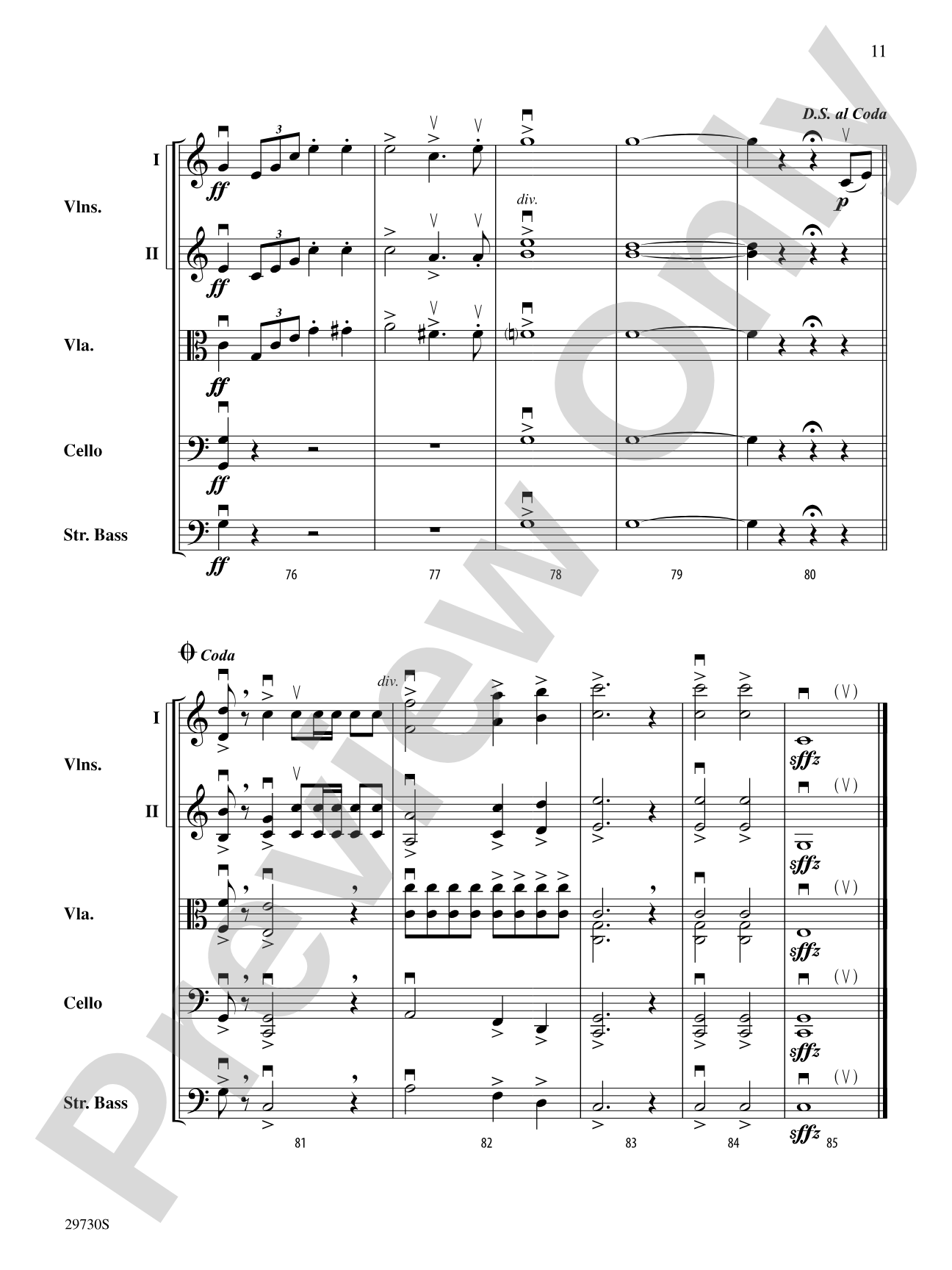


Homage March (from the incidental music to Sigurd Jorsalfar): String Orchestra Conductor Score & Parts
By Edvard Grieg / arr. Carrie Lane Gruselle
Grade: 3
Item: 00-PK-0001591

$47.00
Pickup currently not available
Buy Extra Parts (Digital PDF Download)
Parts Added to Cart!
Description
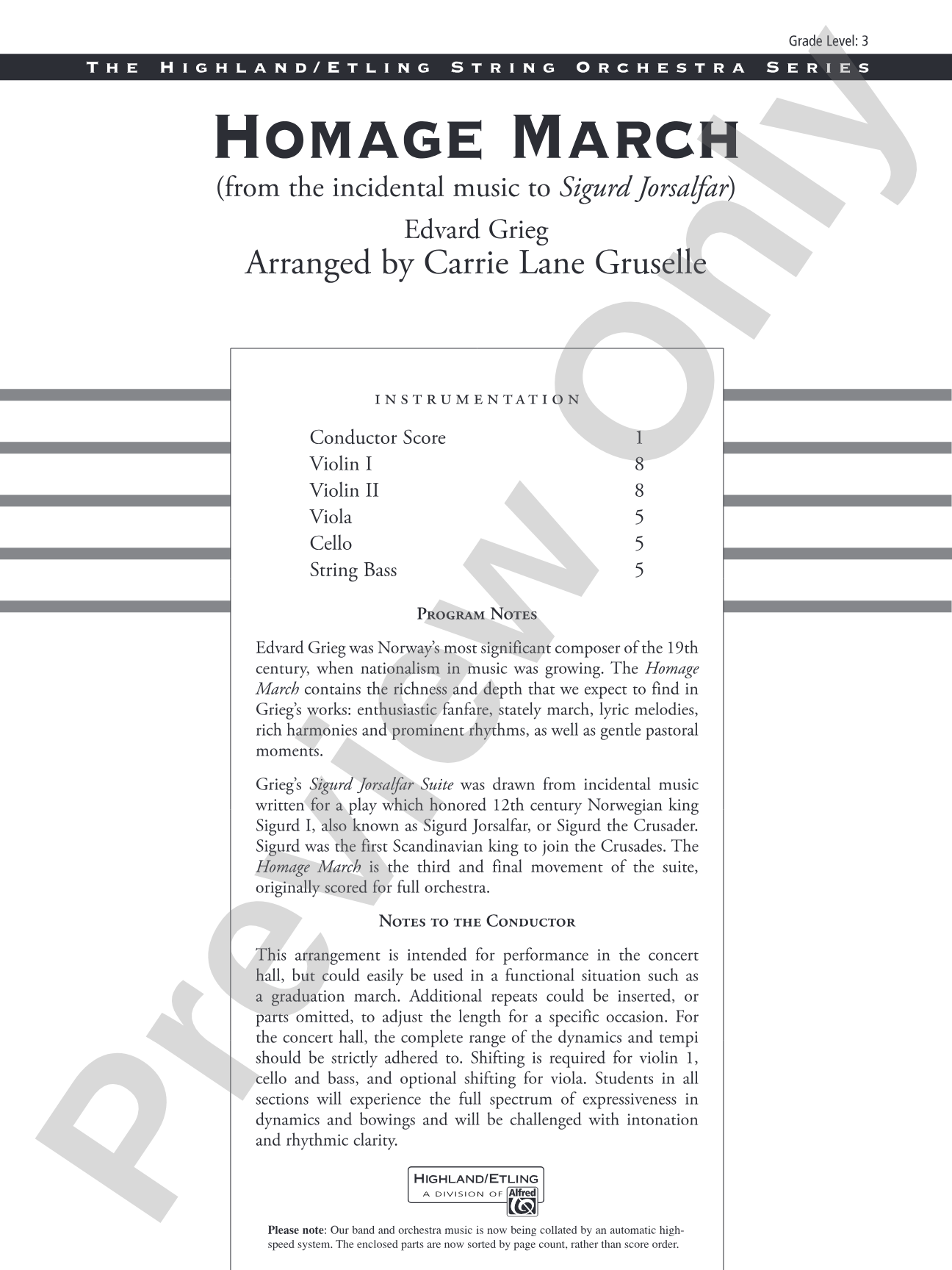
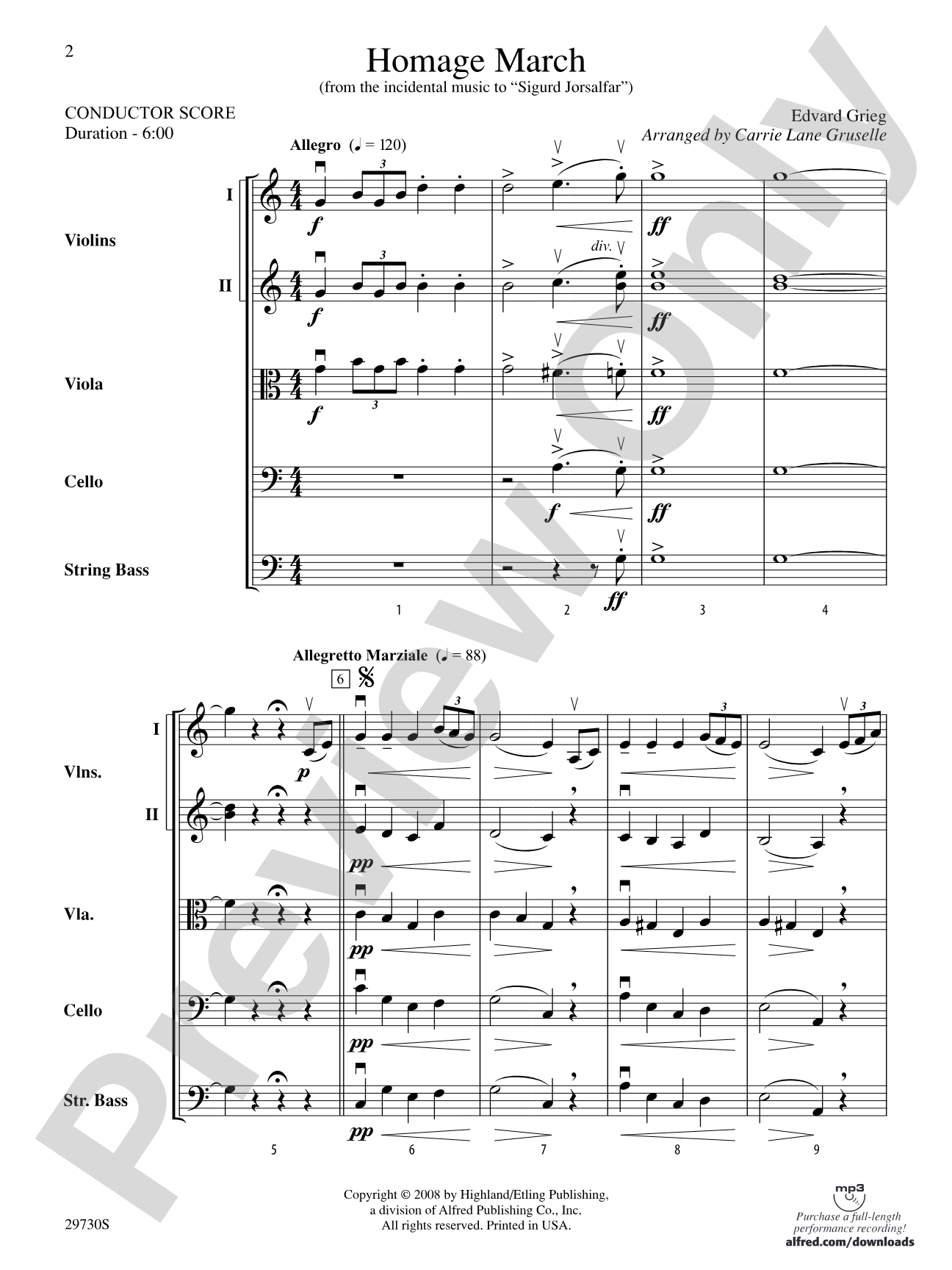
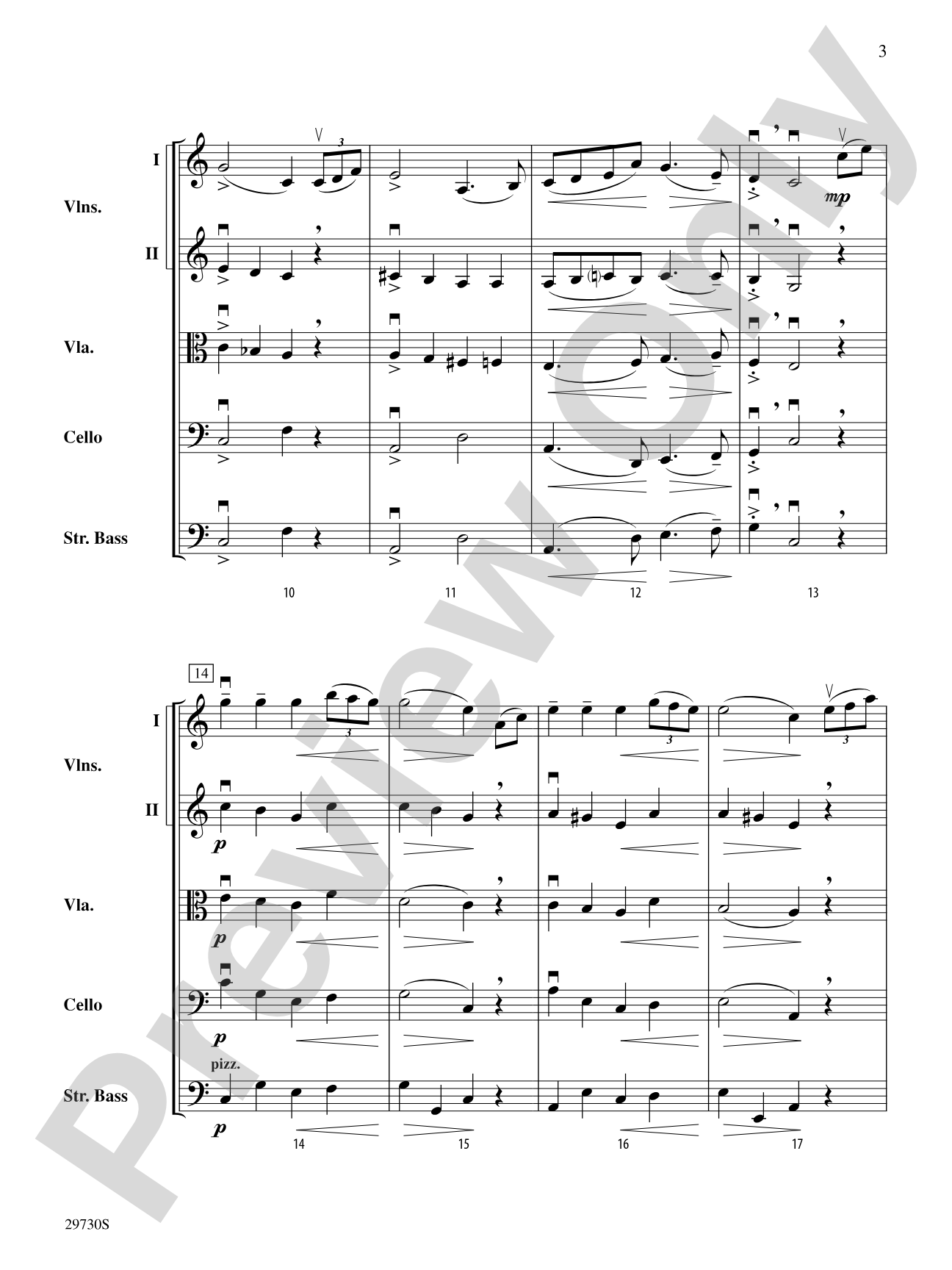
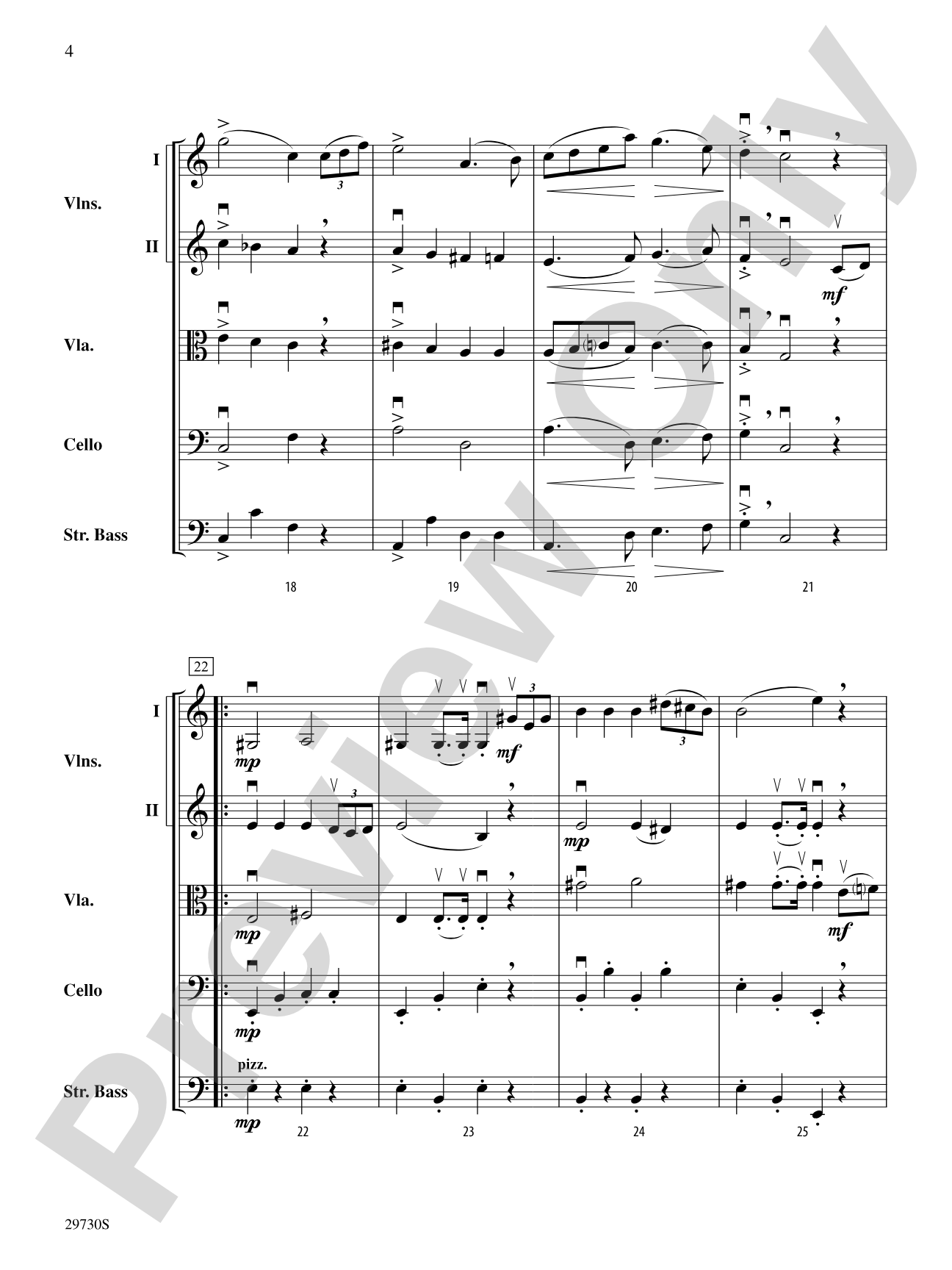
Here's a march that is so much more than a march! This celebratory concert piece contains enthusiastic fanfare, stately march, lyric melodies, rich harmonies, prominent rhythms and gentle pastoral moments. Shifting is required for violin 1, cello and bass, and optional shifting for viola. Students in all sections will experience the full spectrum of expressiveness in dynamics and bowings and will be challenged with intonation and rhythmic clarity. This might be the time to give your traditional graduation march a break! (6:00)


Don't just read it, hear it, play along with it, and watch your students grow with it. In MakeMusic Cloud, Homage March (from the incidental music to Sigurd Jorsalfar): String Orchestra Conductor Score & Parts comes alive with professional accompaniment, adjustable tempo, and built-in practice tools that turn solo practice into real progress.
Open in the Player
Jump straight in and assign it today.
Start Your Free Trial
Open this title and explore the full library in minutes.
Sample Audio
1
Audio File
--:--
0:00
0:00
Sample Video
No sample videos found.
Additional Details
Series:
Highland/Etling String Orchestra
Publisher:
Alfred Music
Page Count:
124
SKU:
00-PK-0001591
More about this title
About the Composer: Edvard Grieg
Edvard Grieg (1843-1907) stands as Norway's most celebrated composer, and his music remains foundational to concert programming across all levels. He had an extraordinary gift for melody and orchestration, drawing deeply from Scandinavian folk traditions while mastering Romantic harmonic language. His works balance accessibility with sophistication, making them ideal for student ensembles seeking pieces that sound ambitious and musical without requiring advanced technical facility.
Grieg's incidental music to plays was as carefully crafted as his concert works. Sigurd Jorsalfar, written for a historical drama, exemplifies his ability to create dramatically compelling music that serves narrative while standing alone as concert repertoire. His influence on string writing remains vital to music education because he understood how to voice for young orchestras without compromising artistic integrity.
Why we love this
This arrangement captures something rare: a march that grows more interesting the more you listen to it. The architecture moves fluidly between brilliant fanfare and genuine lyric singing, giving every section moments to shine. At Grade 3, it delivers the sound of something far more sophisticated, which means your students will feel proud of what they're producing, and your audience will hear an ensemble that's genuinely musicianly.
What to expect
A procession that occasionally breaks into jubilation. The piece carries stately march character but never feels march-bound; instead, it unfolds as a musical journey with moments of intimate lyricism, bright fanfare, and pastoral reflection woven together. The harmonic language is warm and Romantic without ever becoming saccharine, and the rhythmic energy keeps things moving forward even in its gentler moments.
Who it's for
String orchestras at Grade 3 and above who want to program something celebratory and musically substantial. This arrangement works beautifully for ensembles looking to move beyond typical graduation fare while still marking the occasion with dignity and festive character. Directors seeking a piece that challenges intonation and dynamic expression while remaining manageable from a technical standpoint will find it rewarding.
How to get the most out of it
- Balance the fanfare sections so brass-like articulations in the strings cut through without overshadowing the lyric lines that follow. Grieg's strength is contrast, so let each section breathe differently.
- Prepare your string sections for the required shifting (Violin 1, Cello, Bass) well in advance of rehearsals. Mark shift points clearly and give students time to practice those transitions at slow tempos before bringing them into full context.
- Shape the pastoral moments with genuine legato and careful attention to phrase direction. These sections reveal the lyrical side of the piece and give listeners a chance to absorb Grieg's harmonic richness.
- Lock down rhythmic clarity in the march sections by subdividing in rehearsal, especially where the different sections enter or shift rhythmic figures. The 6-minute duration means precision keeps the narrative arc alive.
How to use it
Graduation concerts obviously invite this piece, but it also serves as a strong closer for spring concerts or festival programs where you want to leave audiences with something uplifting and substantial. Programming it alongside other Romantic-era masterwork arrangements creates a cohesive concert identity while the 6-minute duration gives you flexibility in pacing a full program.
Skills your students will build
- Required and optional shifting across multiple string sections
- Dynamic contrast and expressive bowing across fanfare, march, and lyric sections
- Intonation accuracy in sustained harmonies and chord changes
- Rhythmic clarity and ensemble precision in marchlike patterns
- Phrasing and line direction in extended lyrical passages
- Sectional balance and blend across multiple textural shifts