

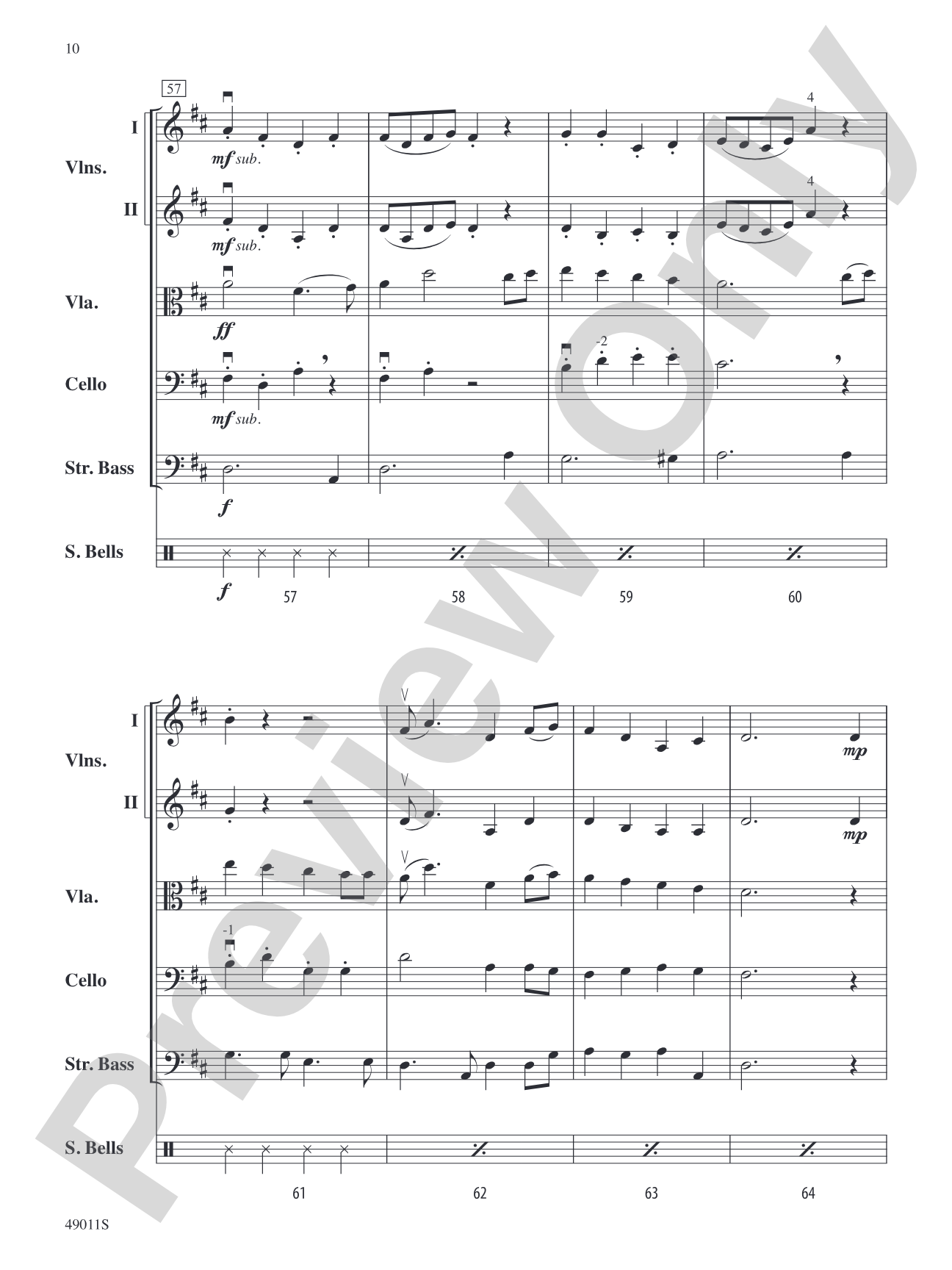
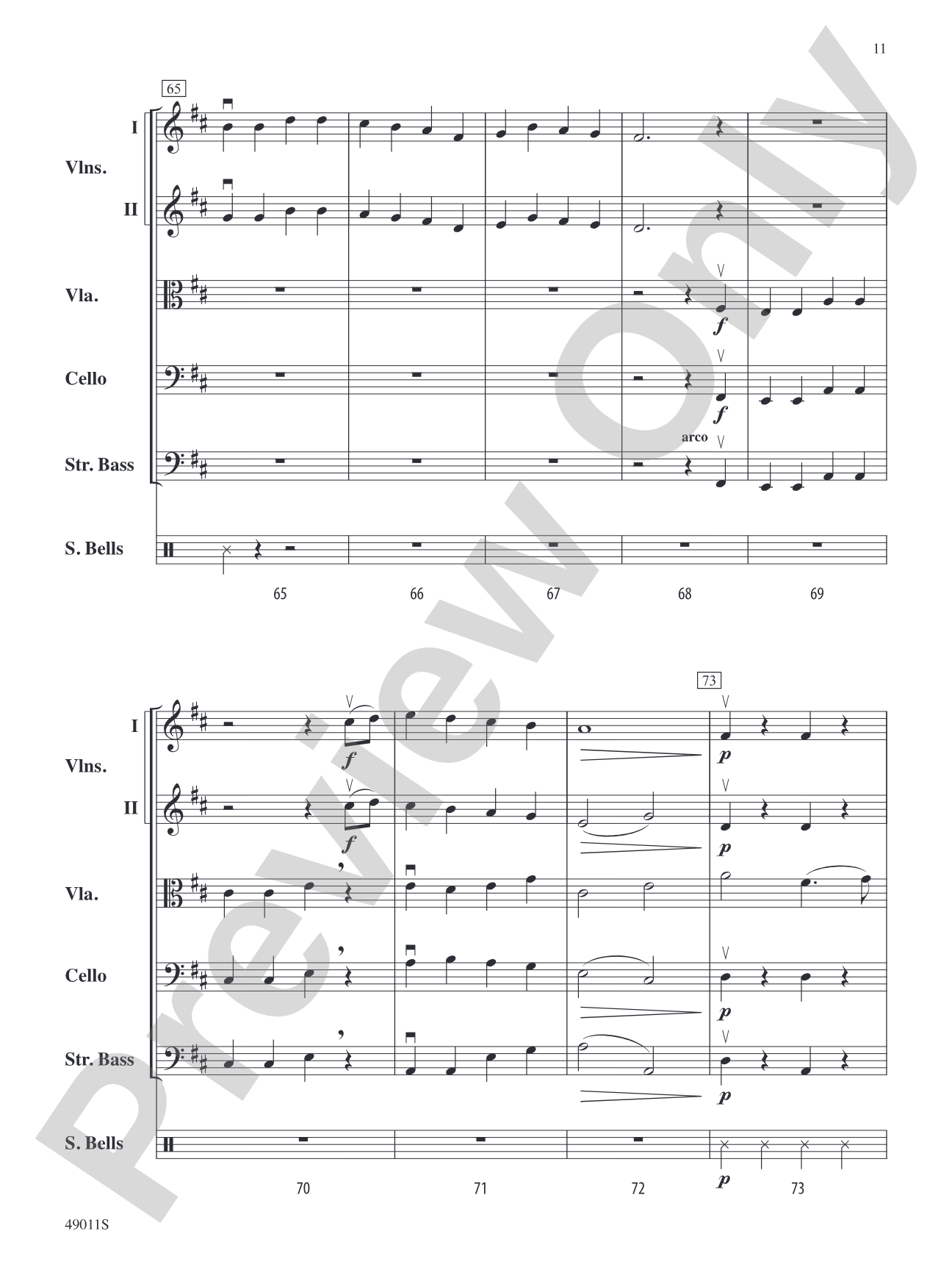
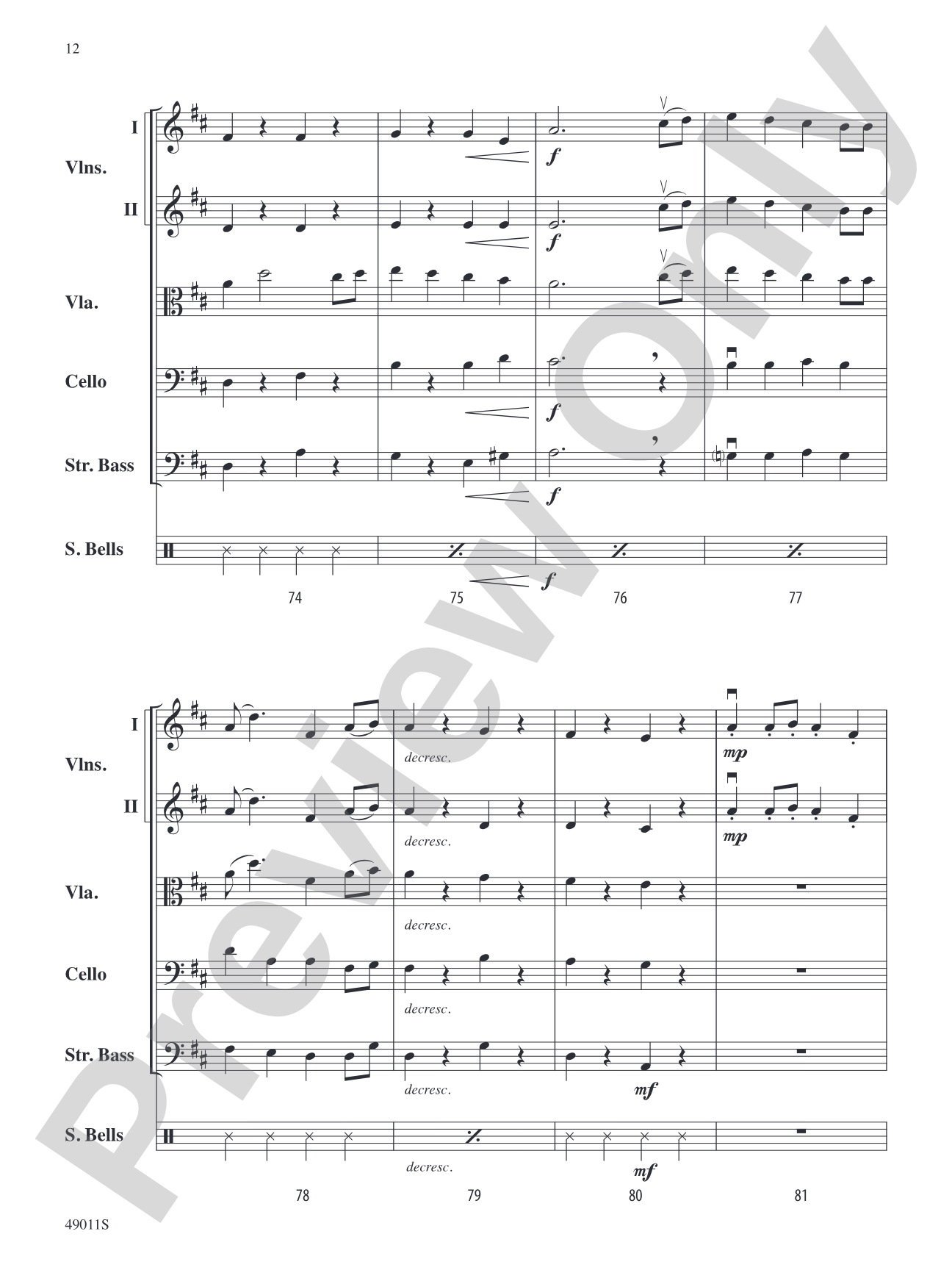
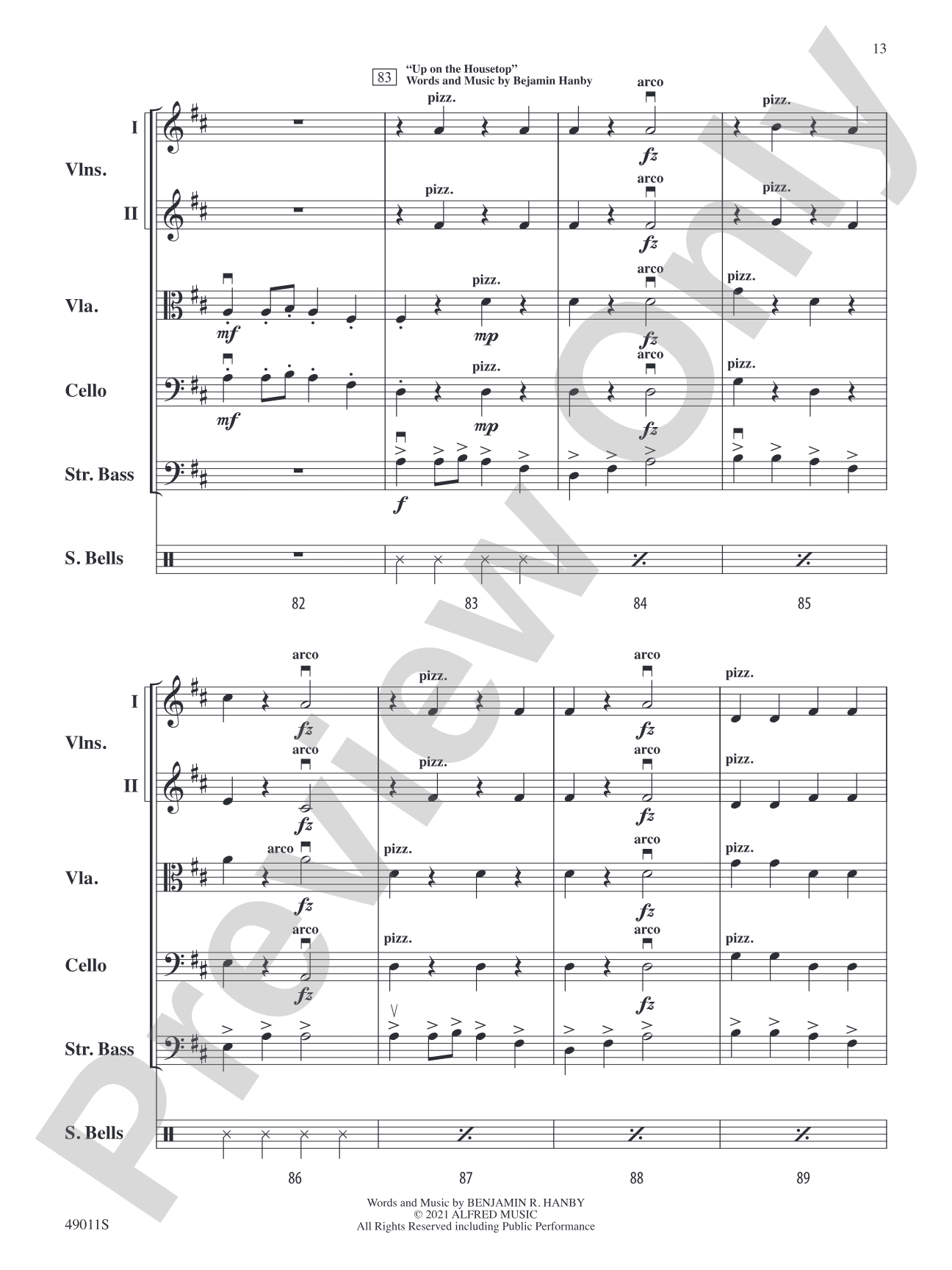
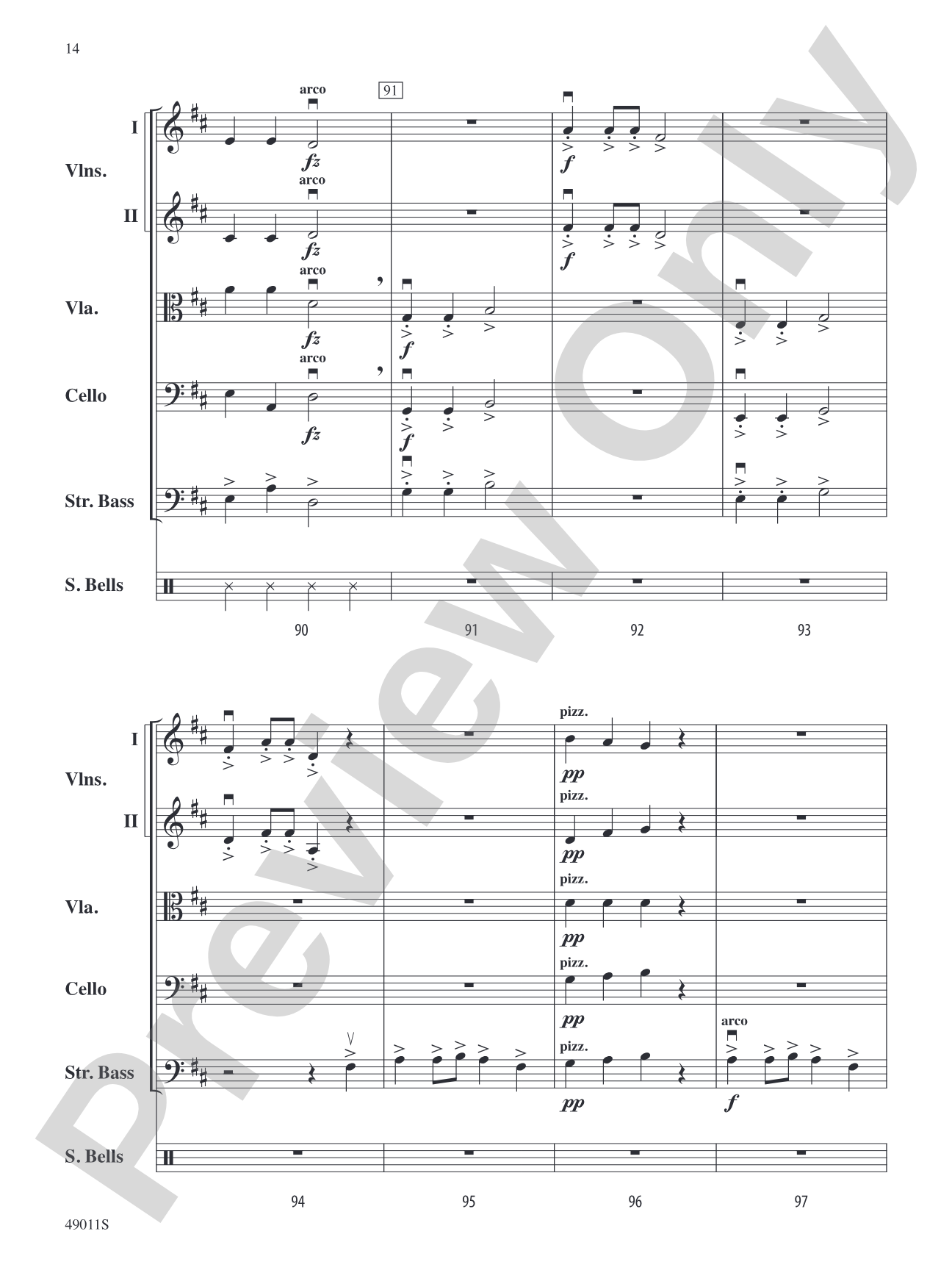
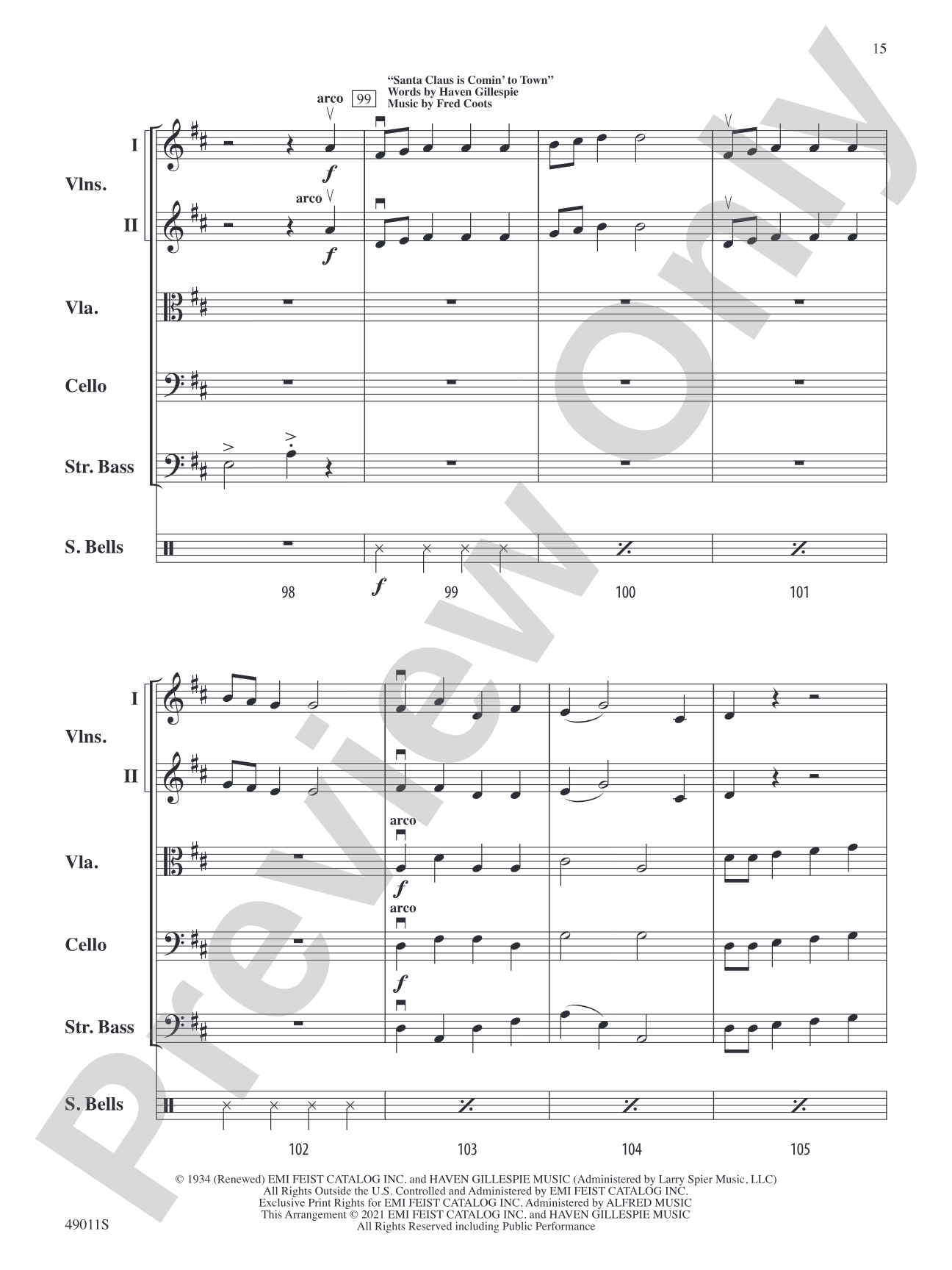
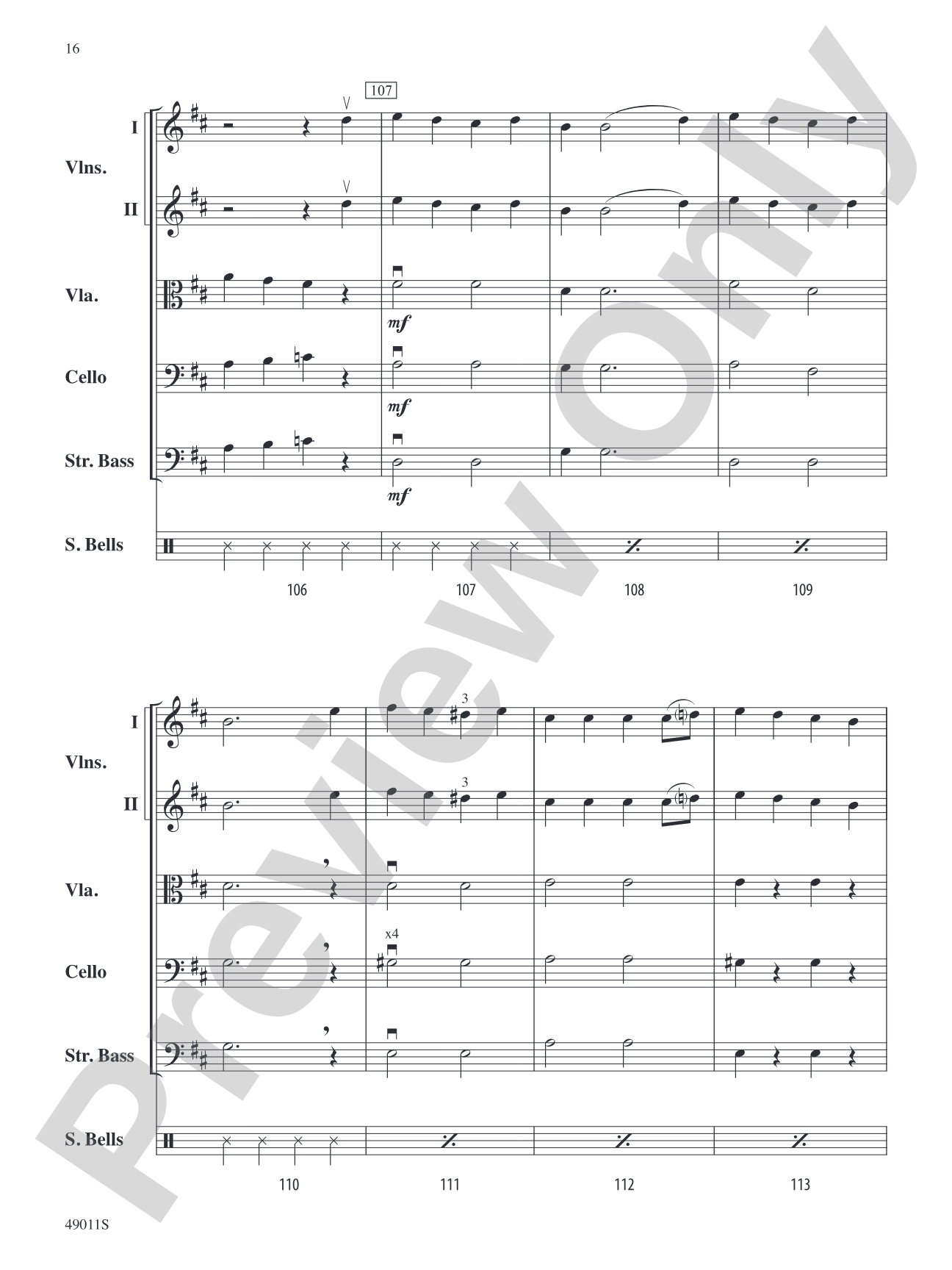
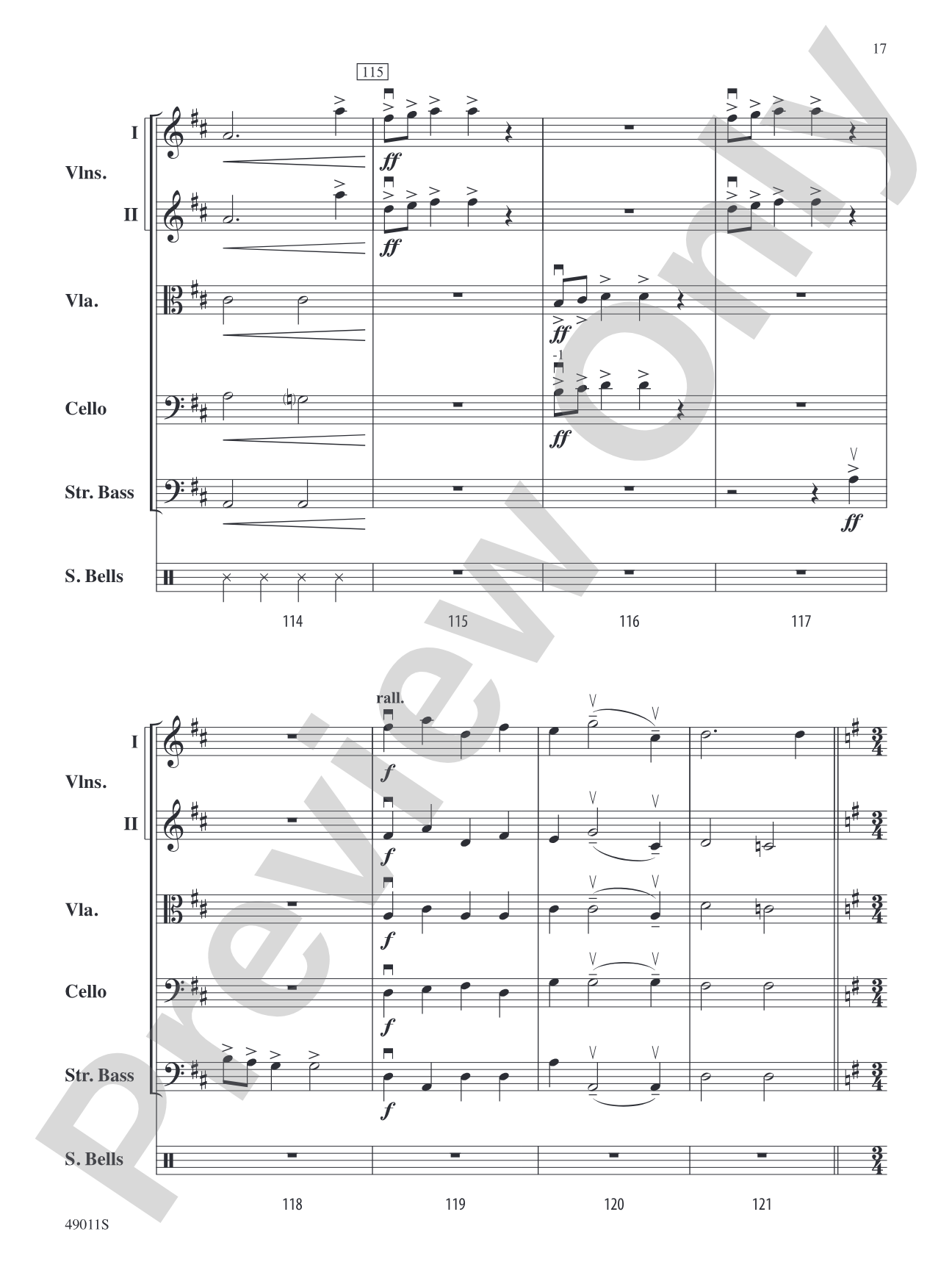

Holiday String-Along: String Orchestra Conductor Score & Parts
By Sammy Cahn, Jule Styne, Steve Nelson, Jack Rollins, Benjamin R. Hanby, and Fred Coots / arr. Jim Palmer
Grade: 3
Item: 00-PK-0008339

$70.00
One moment…
Description
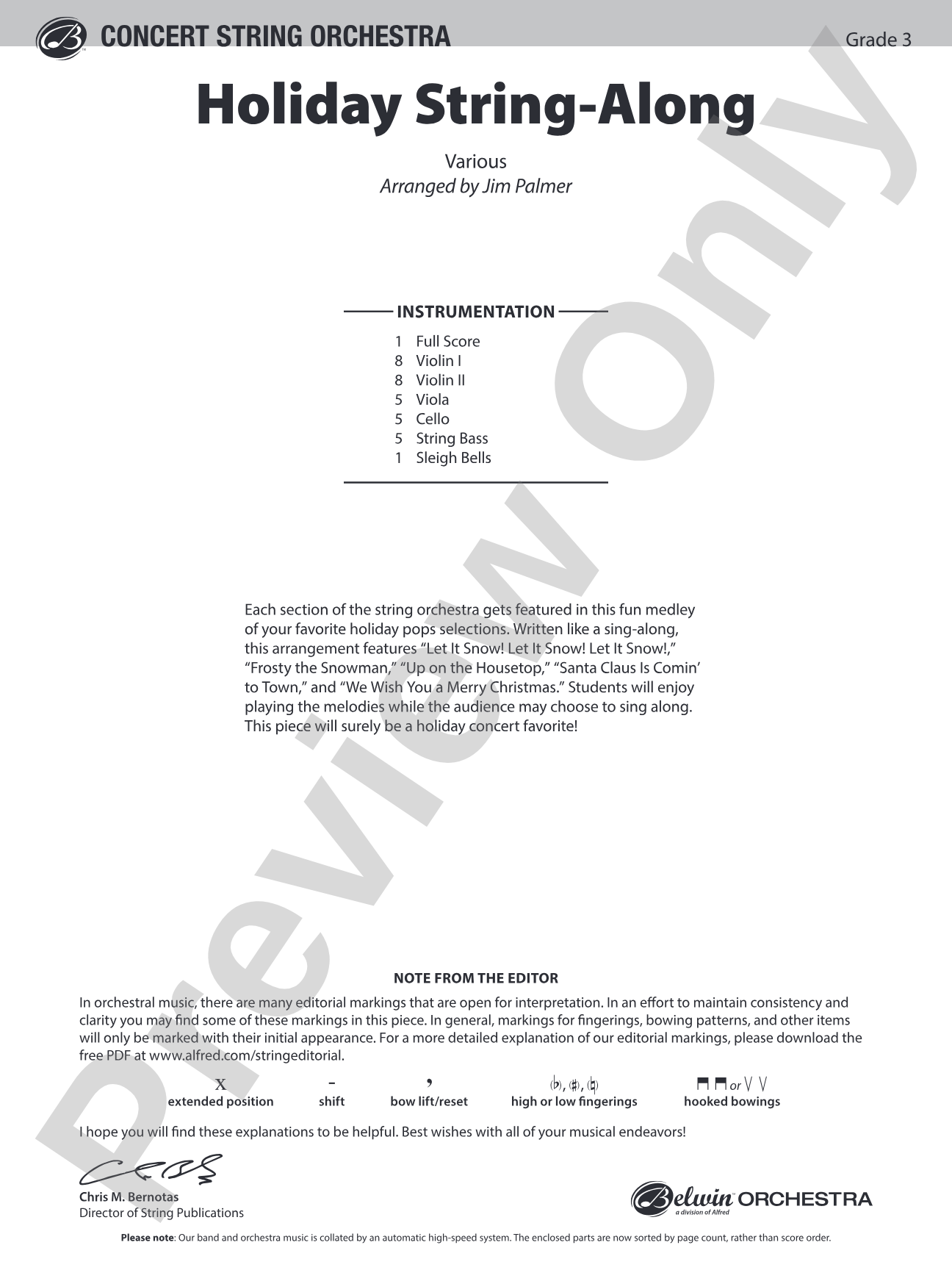
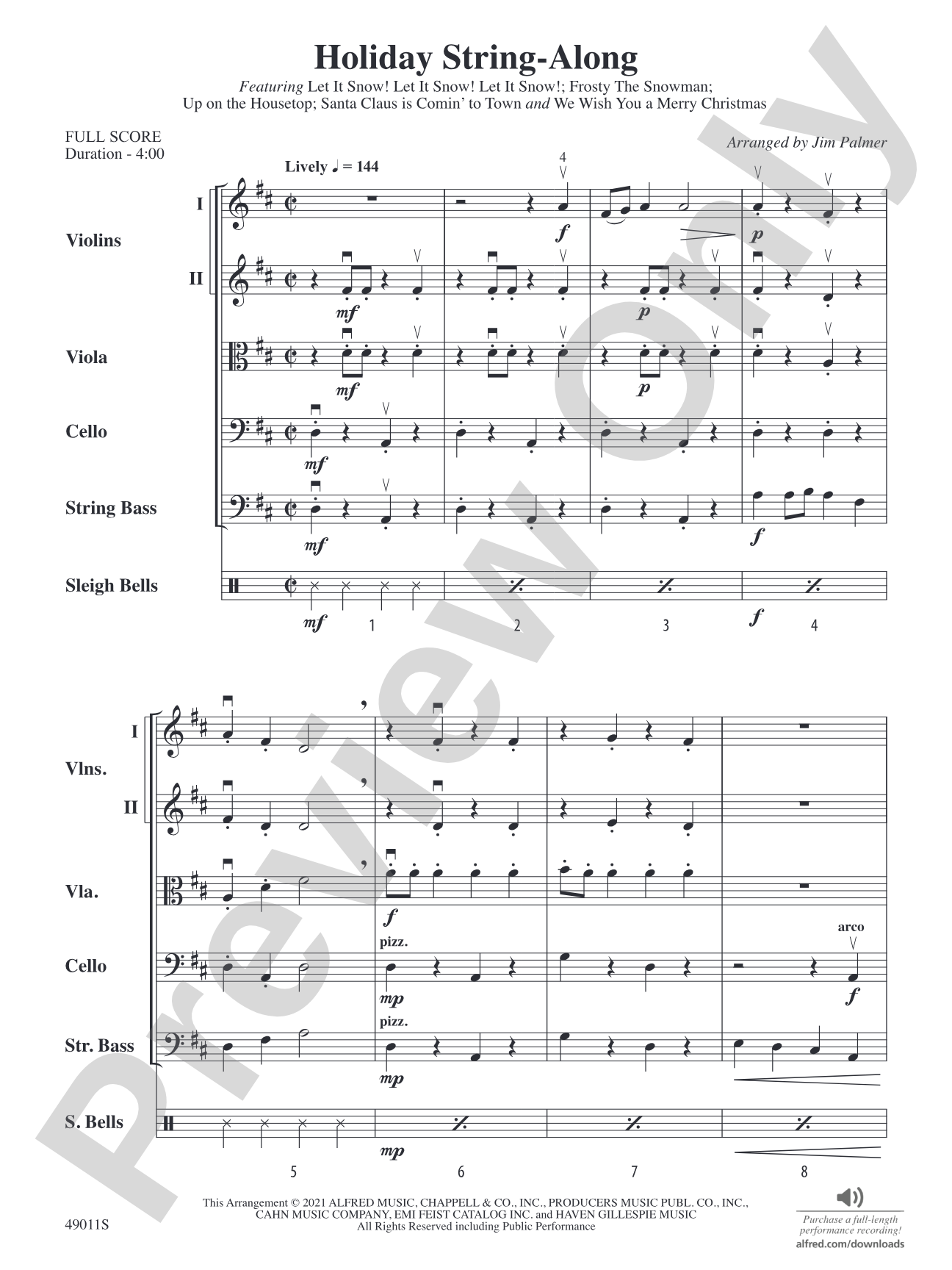
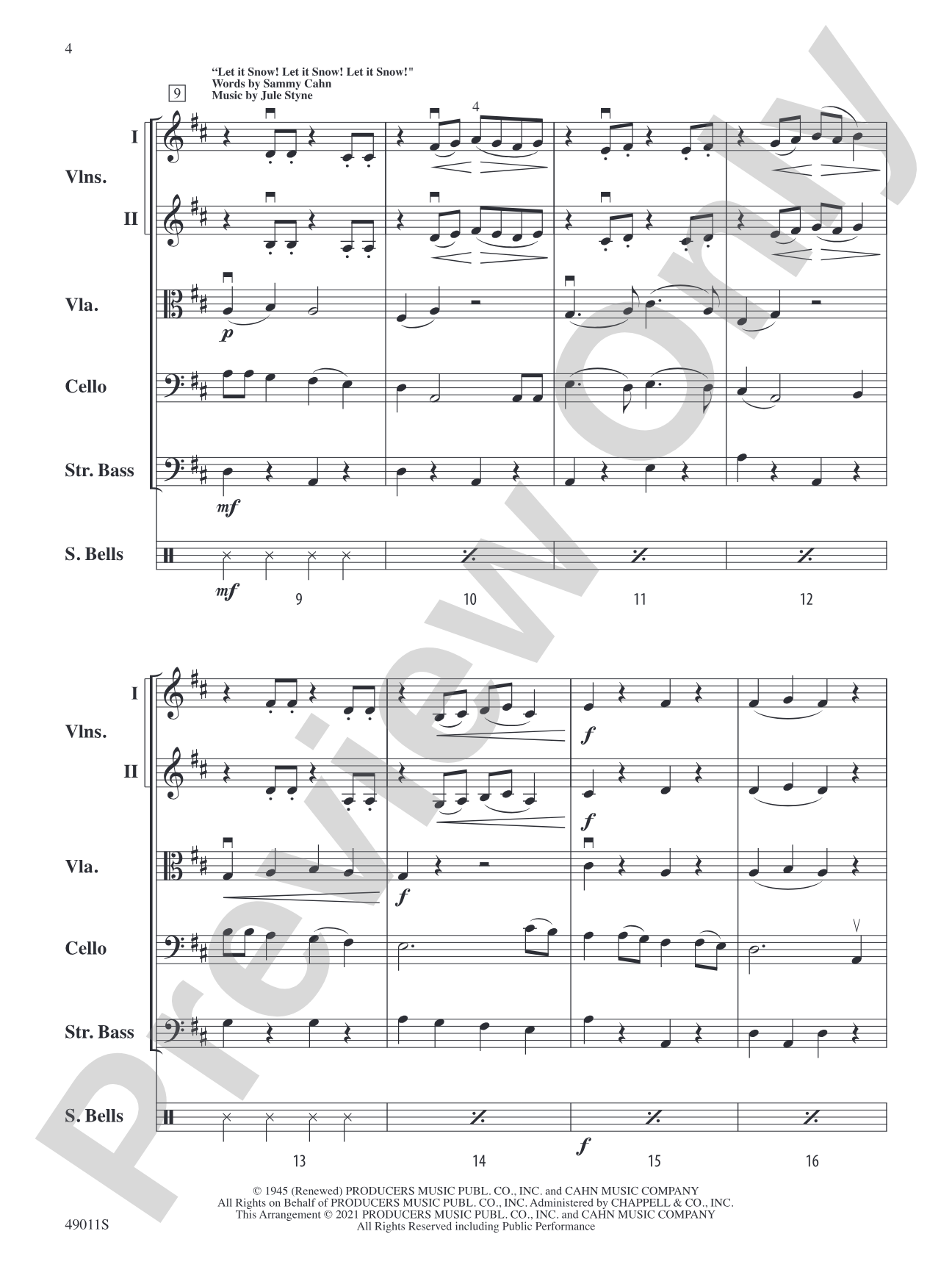
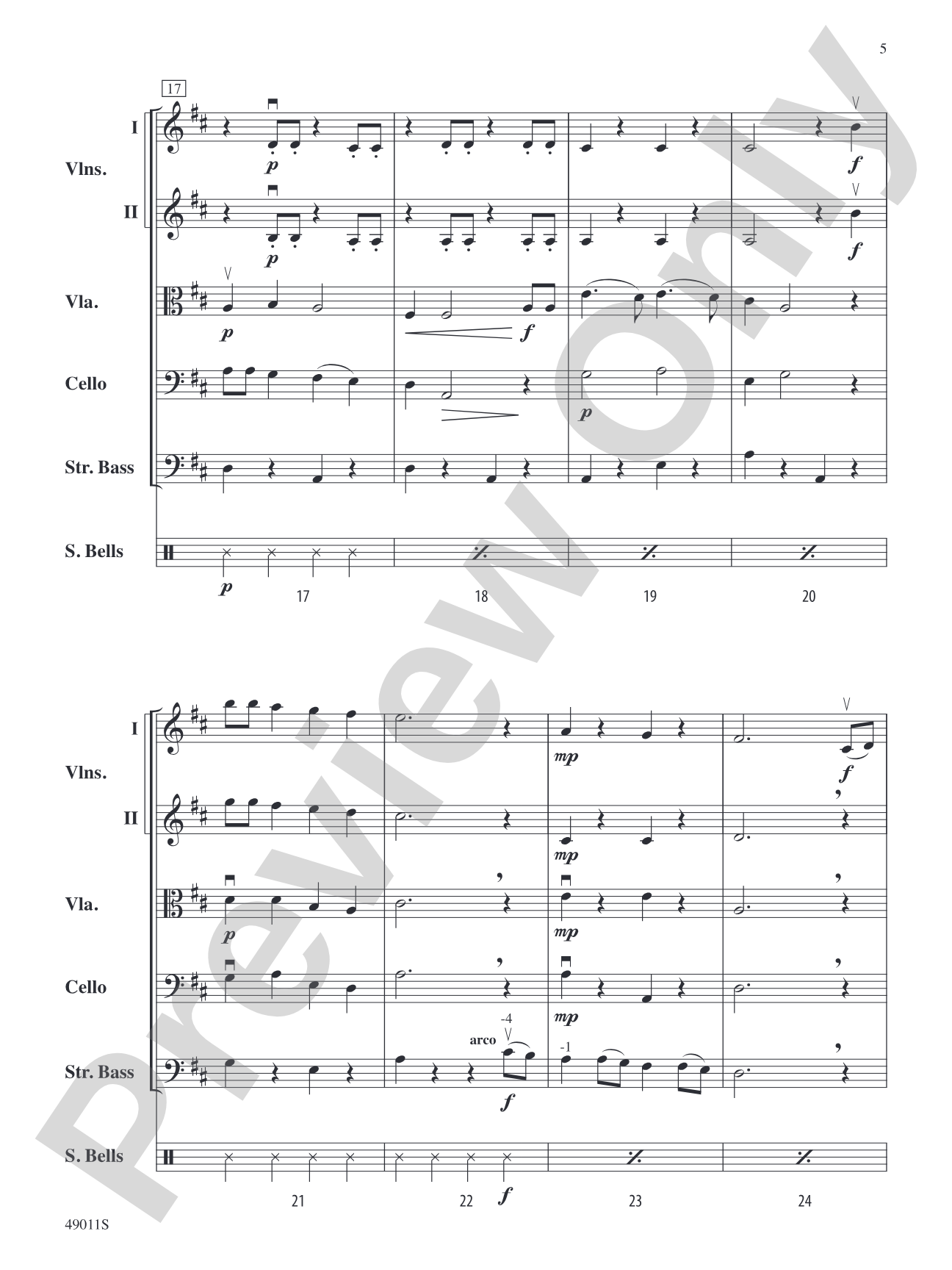
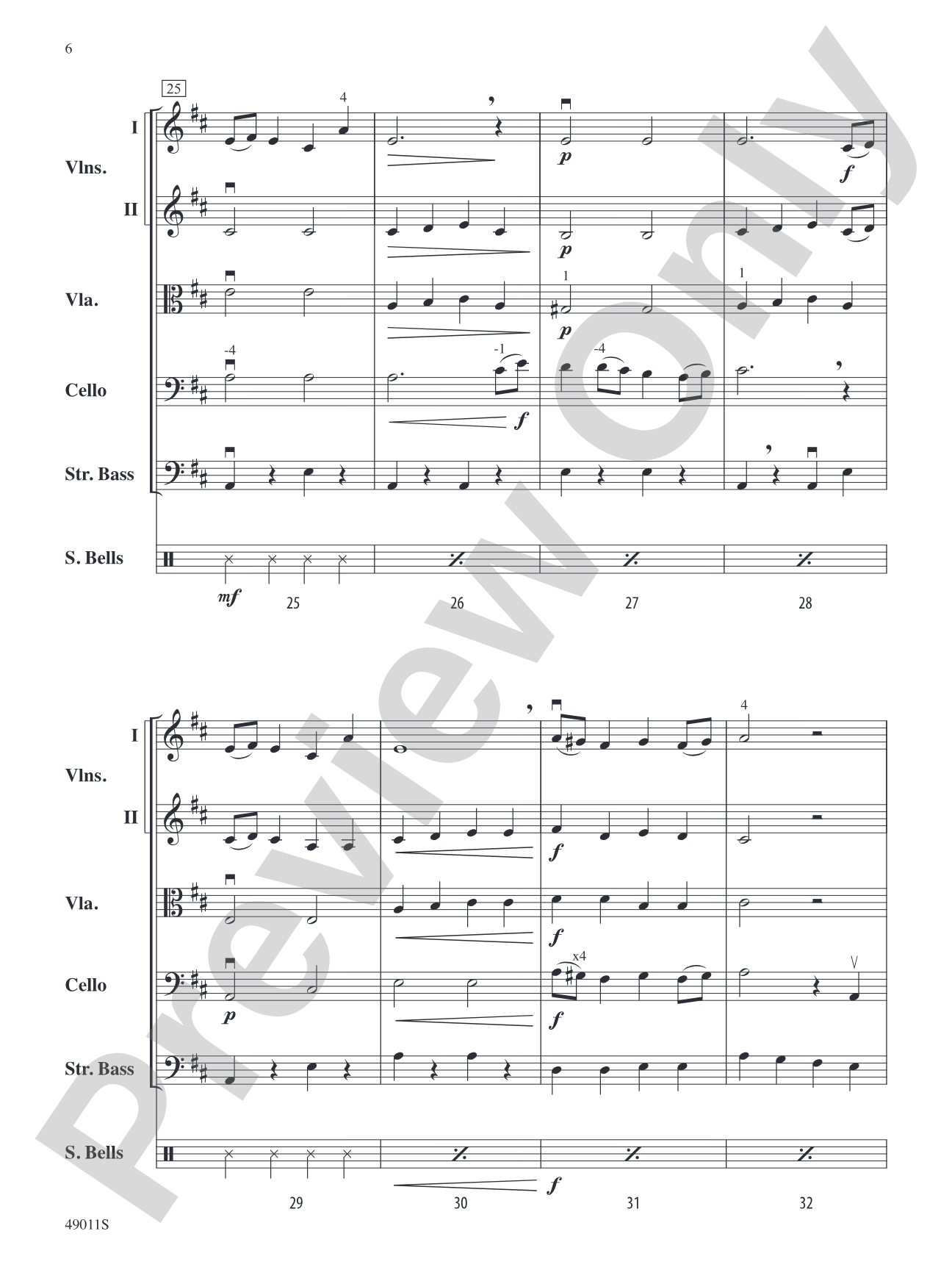
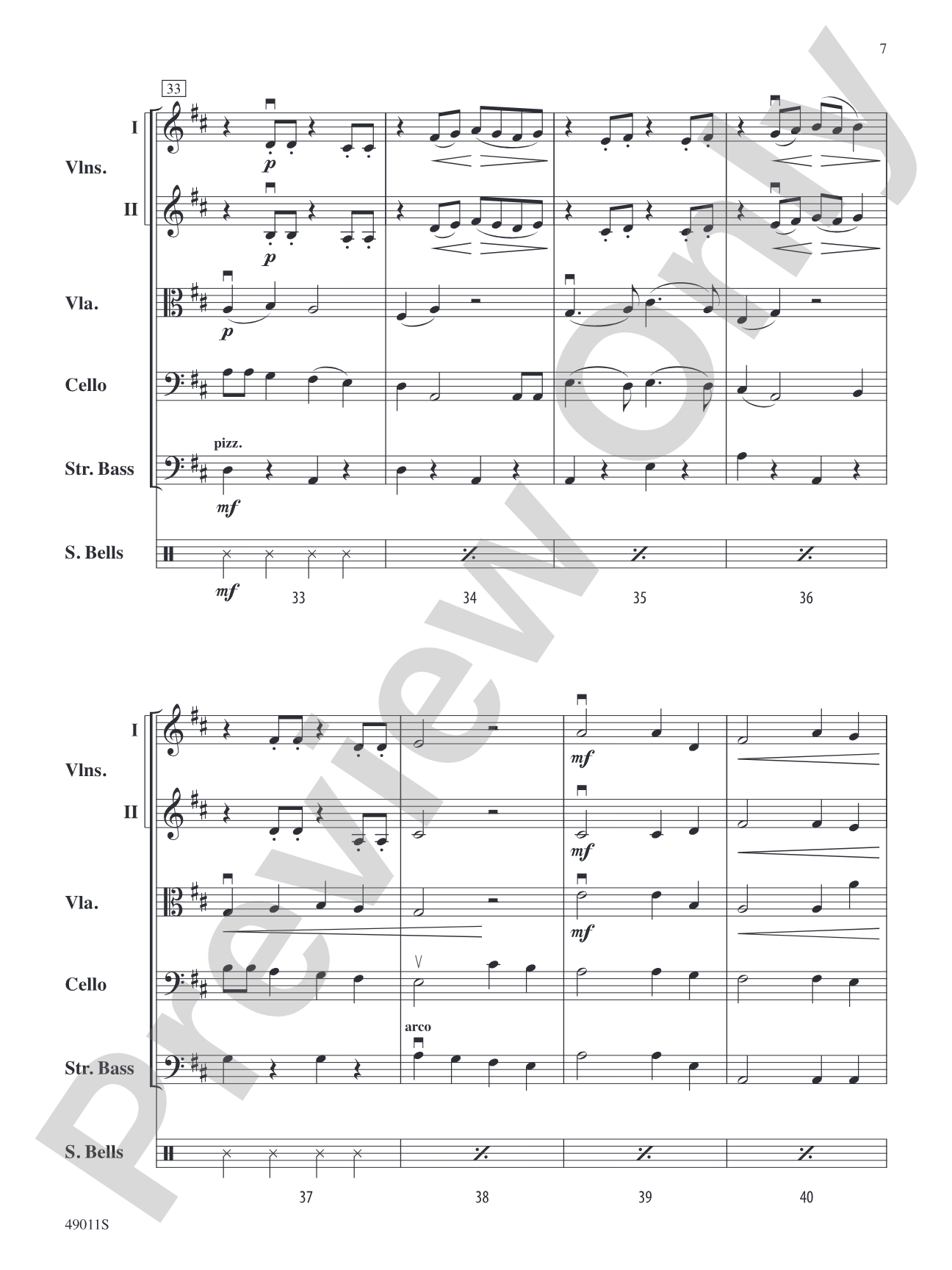
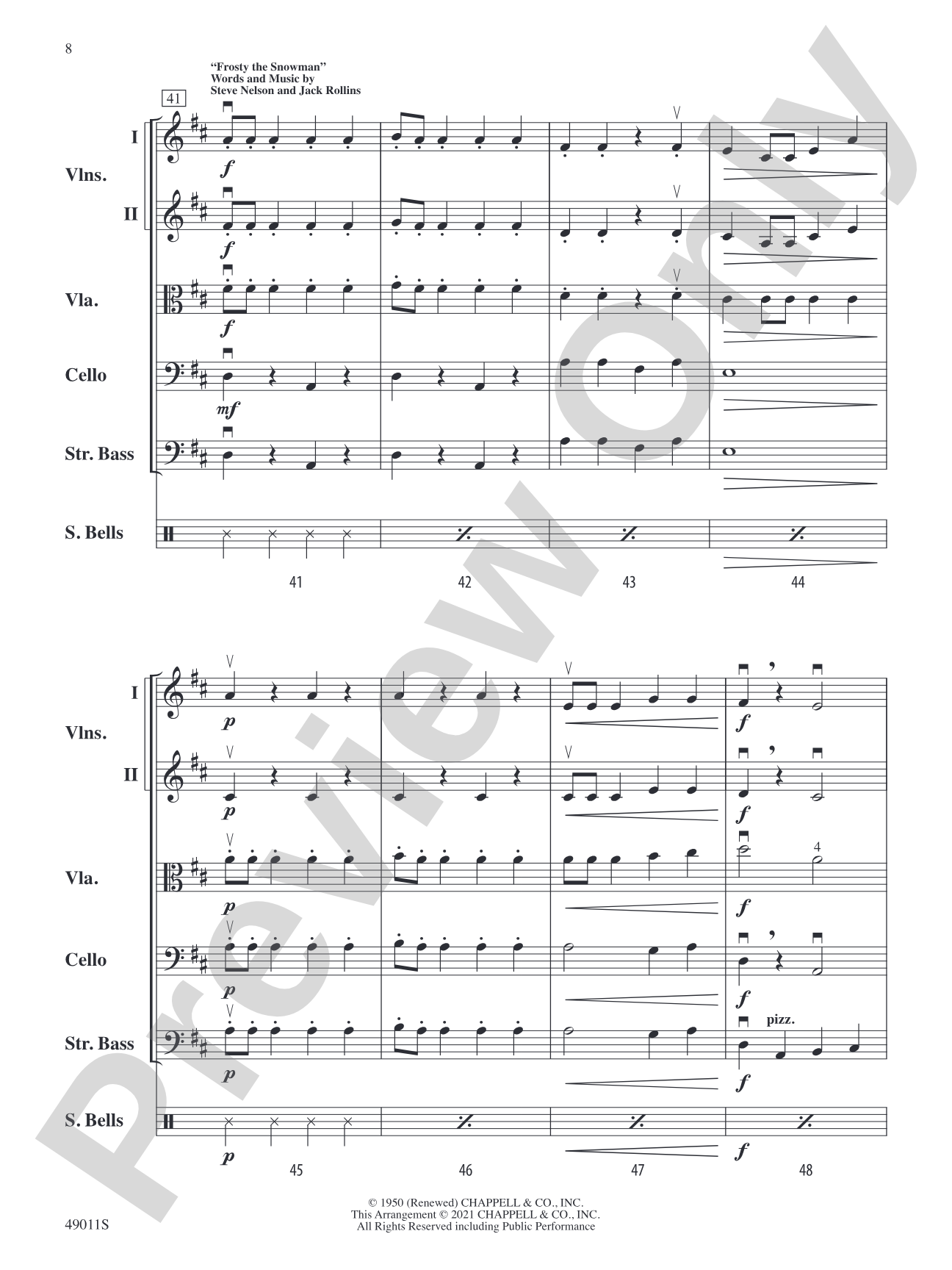
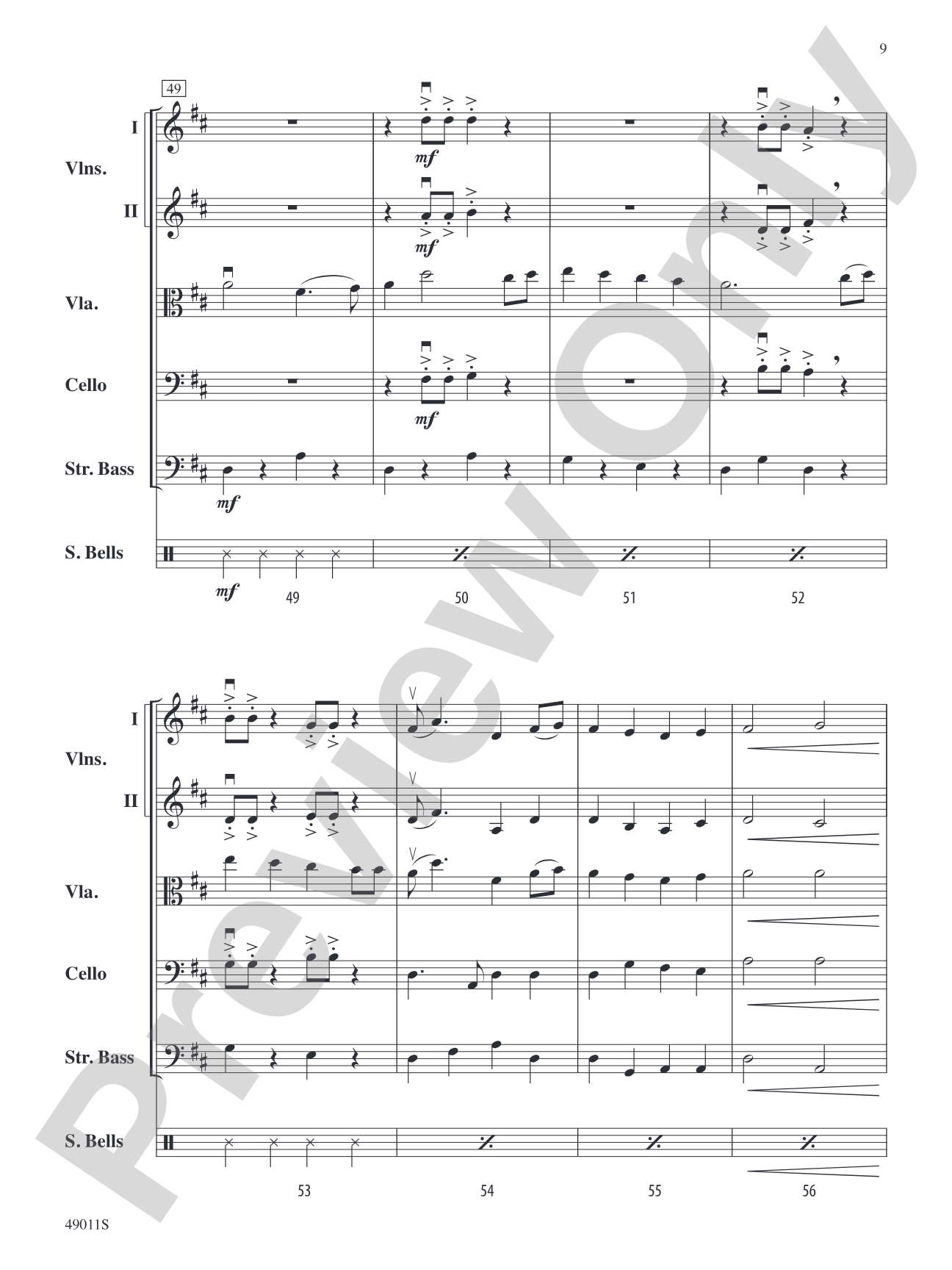
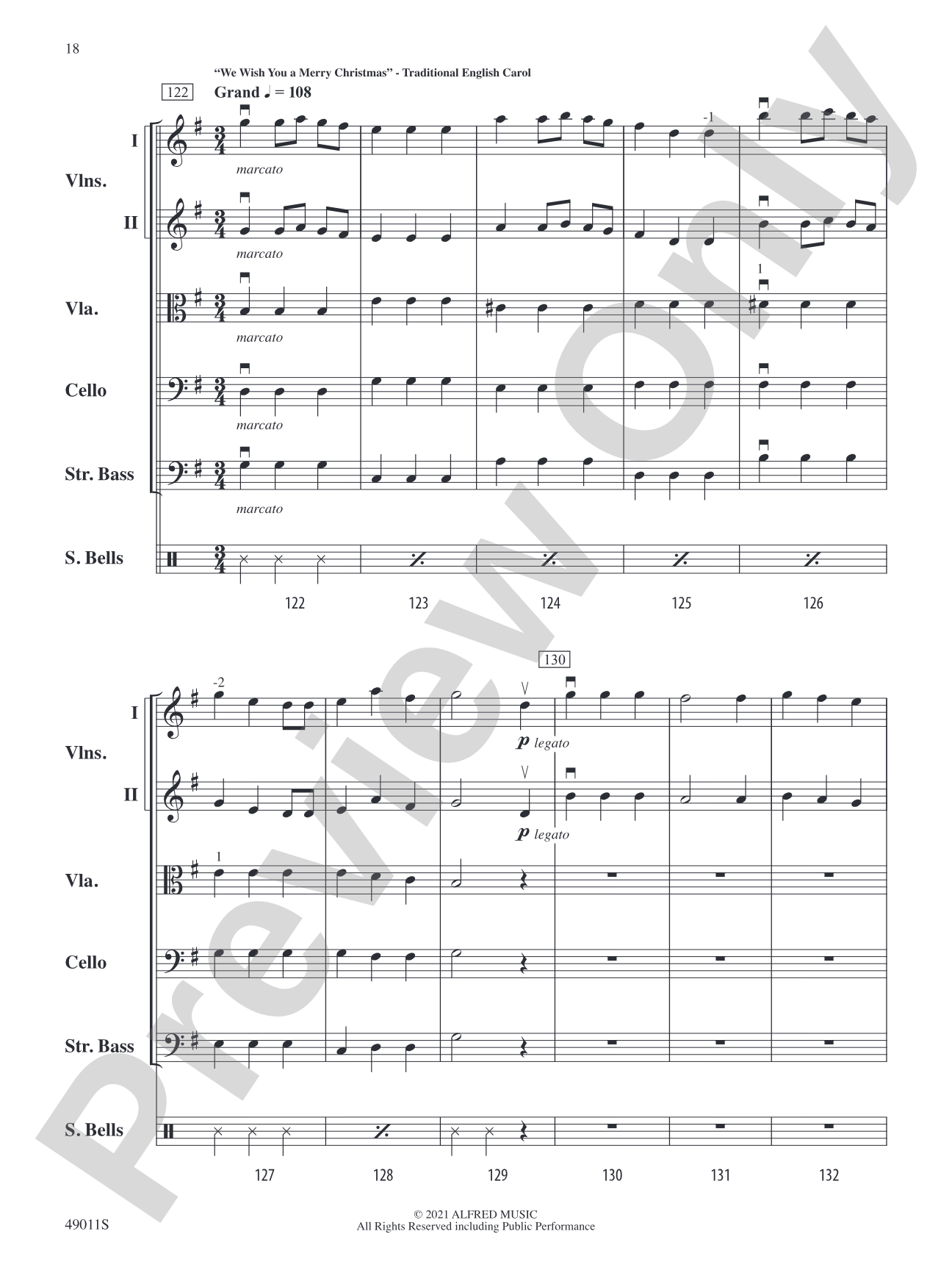
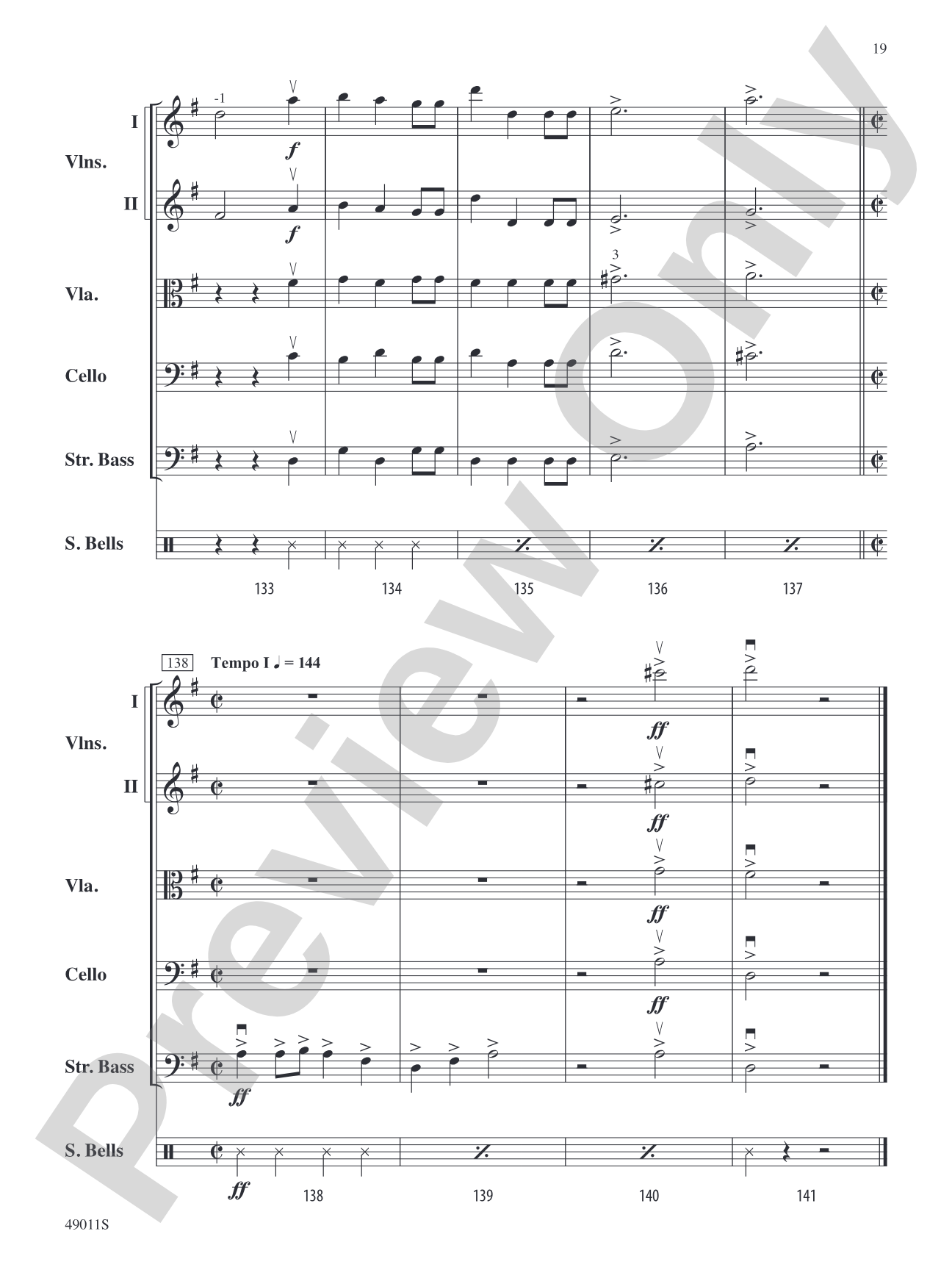
Each section of the string orchestra gets featured in Jim Palmer's Holiday String-Along. Written like a sing-along, this arrangement features "Let It Snow! Let It Snow! Let It Snow!," "Frosty the Snowman," "Up on the Housetop," "Santa Claus Is Comin' to Town" and "We Wish You a Merry Christmas." Students will enjoy playing the melodies while the audience may choose to sing along. This piece will surely be a holiday concert favorite! (4:00)


Don't just read it, hear it, play along with it, and watch your students grow with it. In MakeMusic Cloud, Holiday String-Along: String Orchestra Conductor Score & Parts comes alive with professional accompaniment, adjustable tempo, and built-in practice tools that turn solo practice into real progress.
Open in the Player
Jump straight in and assign it today.
Start Your Free Trial
Open this title and explore the full library in minutes.
Sample Audio
1
Audio File
--:--
0:00
0:00
Sample Video
Additional Details
Series:
Pop Concert String Orchestra
Publisher:
Alfred Music
Page Count:
100
SKU:
00-PK-0008339
More about this title
About the Composer: Sammy Cahn
Sammy Cahn (1913-1993) was one of America's most prolific lyricists, crafting unforgettable melodies and witty, singable lyrics for film, Broadway, and popular music throughout the 20th century. His ability to match words perfectly to music made him a master of the song form, and his work remains central to American popular standards and holiday traditions.
Cahn's influence on music education extends through the songs themselves. His Christmas standards have become repertoire staples, introducing generations of students to melody-driven composition and the craft of crafting lyrics that audiences immediately connect with and remember.
Why we love this
Jim Palmer's arrangement transforms five beloved holiday standards into a natural sing-along experience that engages both your orchestra and your audience without requiring separate vocal soloists or guest performers. The rotating section features keep all students actively engaged and invested in what's happening musically, and the Grade 3 writing balances accessibility with enough musical substance to hold a concert program together. This is a crowd-pleaser with genuine musical integrity.
What to expect
Warm, familiar, and joyful. The piece invites audiences into the music rather than keeping them at a distance, creating the feeling of a shared celebration where strings and voices unite around songs everyone knows. There's a playful quality to the rotating features that keeps energy fresh across four minutes.
Who it's for
String orchestras at Grade 3 working toward holiday concerts who want material that feels celebratory without sacrificing musicianship. This arrangement serves well for intermediate ensembles looking for accessible, audience-engaging repertoire that still requires thoughtful rehearsal and sectional attention.
How to get the most out of it
- Establish clear section leadership during the rotating features. Before each melody transitions to a new section, have that group shadow or anticipate their entrance during rehearsal so the handoff feels seamless.
- Keep the tempo steady through all five songs. Use the recorded accompaniment (if available separately) during early rehearsals to anchor your ensemble's sense of pulse across style shifts.
- Encourage the audience to sing along on the chorus sections and repeats. You might include lyrics in your program notes to invite participation without making it feel forced.
- Balance melody and accompaniment carefully in the opening sections. Once instruments and audience voices blend, the ensemble sound will fill in naturally without needing excessive volume.
How to use it
Place this closer to the end of a holiday concert when audience energy is highest and sing-along participation feels natural. It works particularly well as a closing number or penultimate piece that brings ensemble and listeners together, leaving the concert with warmth and connection rather than just applause.
Skills your students will build
- Maintaining consistent intonation across multiple key changes
- Balancing articulate melodic playing with accompaniment accompaniment textures
- Managing section transitions and coordinating handoffs between instrumental groups
- Playing with rhythmic independence while staying locked to an ensemble pulse
- Responding to audience interaction and adjusting ensemble sound in real time