




Holiday Celebrations (Celebrating Chanukah, Kwanzaa and Christmas): String Orchestra Conductor Score & Parts
Traditional / arr. Bob Phillips
Grade: 1
Item: 00-PK-0001529

$42.00
Pickup currently not available
Buy Extra Parts (Digital PDF Download)
Parts Added to Cart!
Description
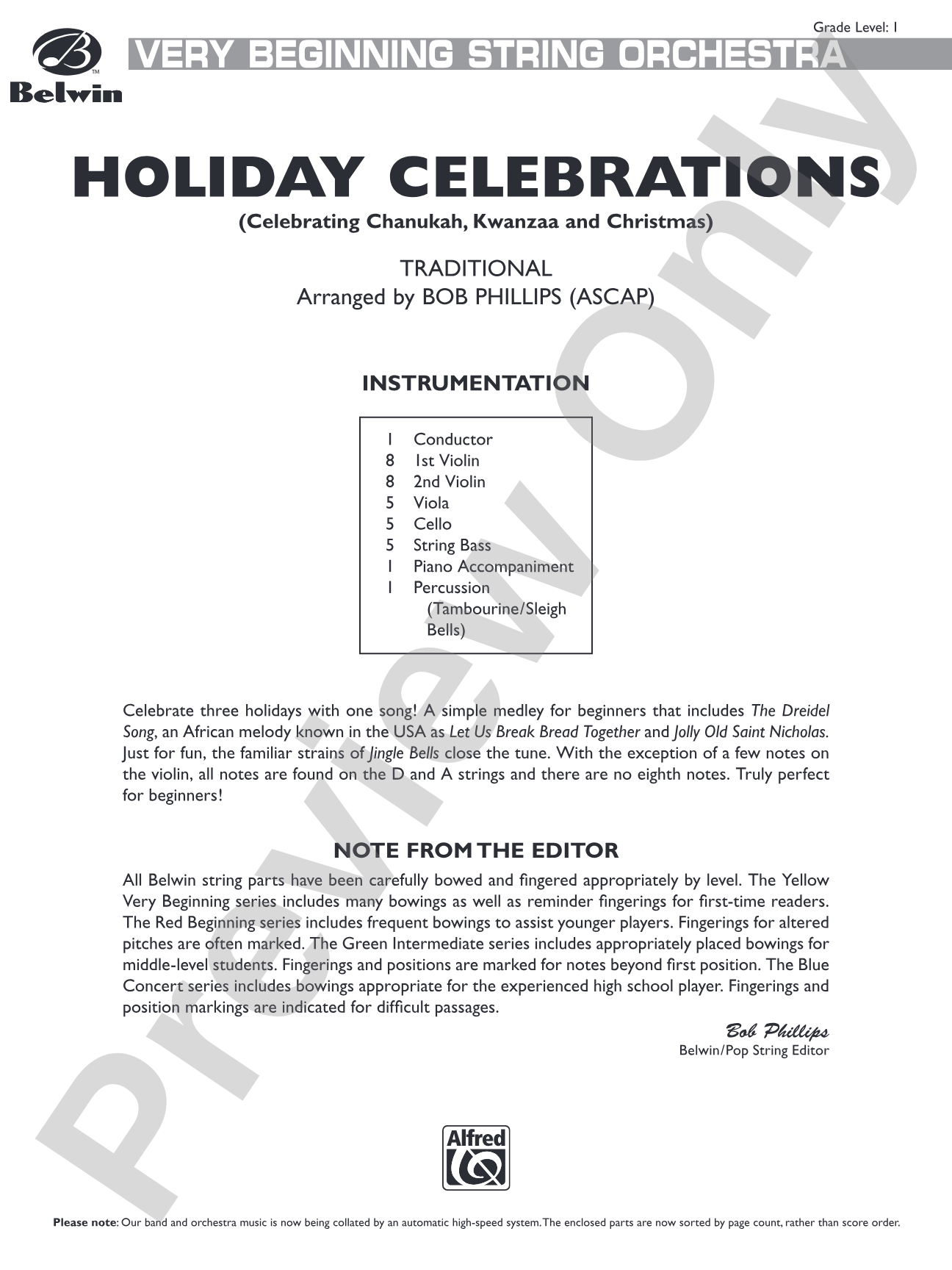
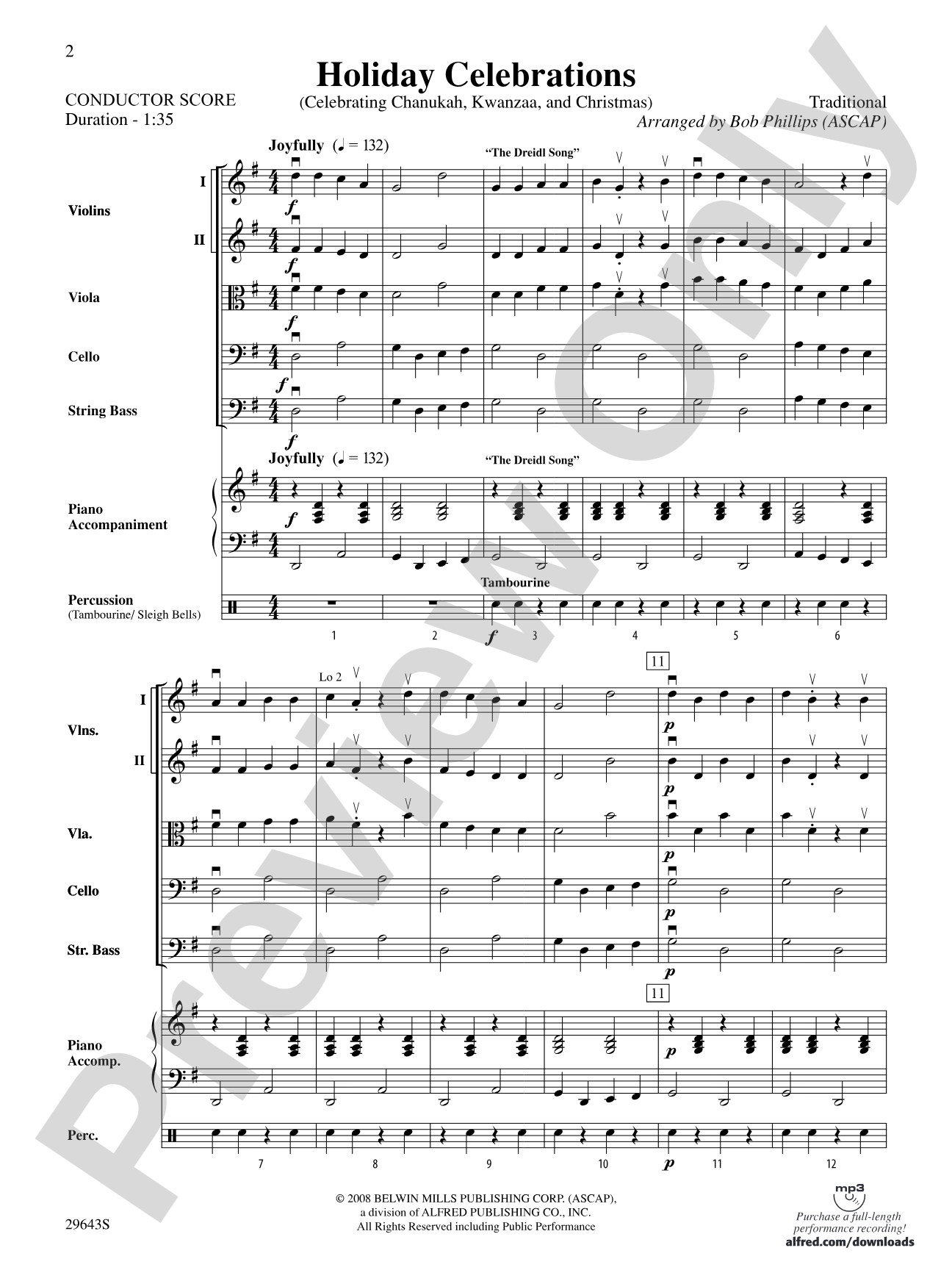
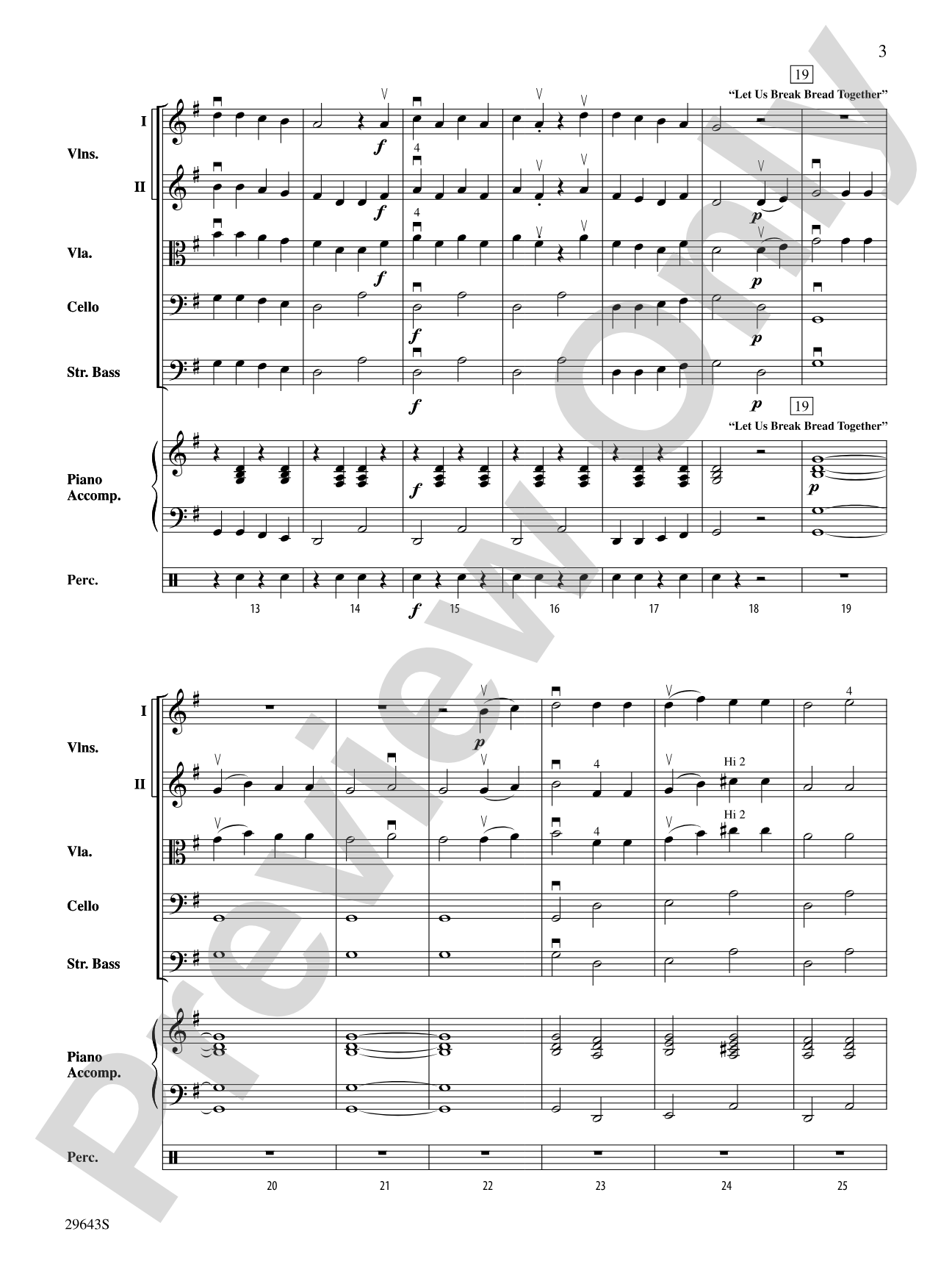
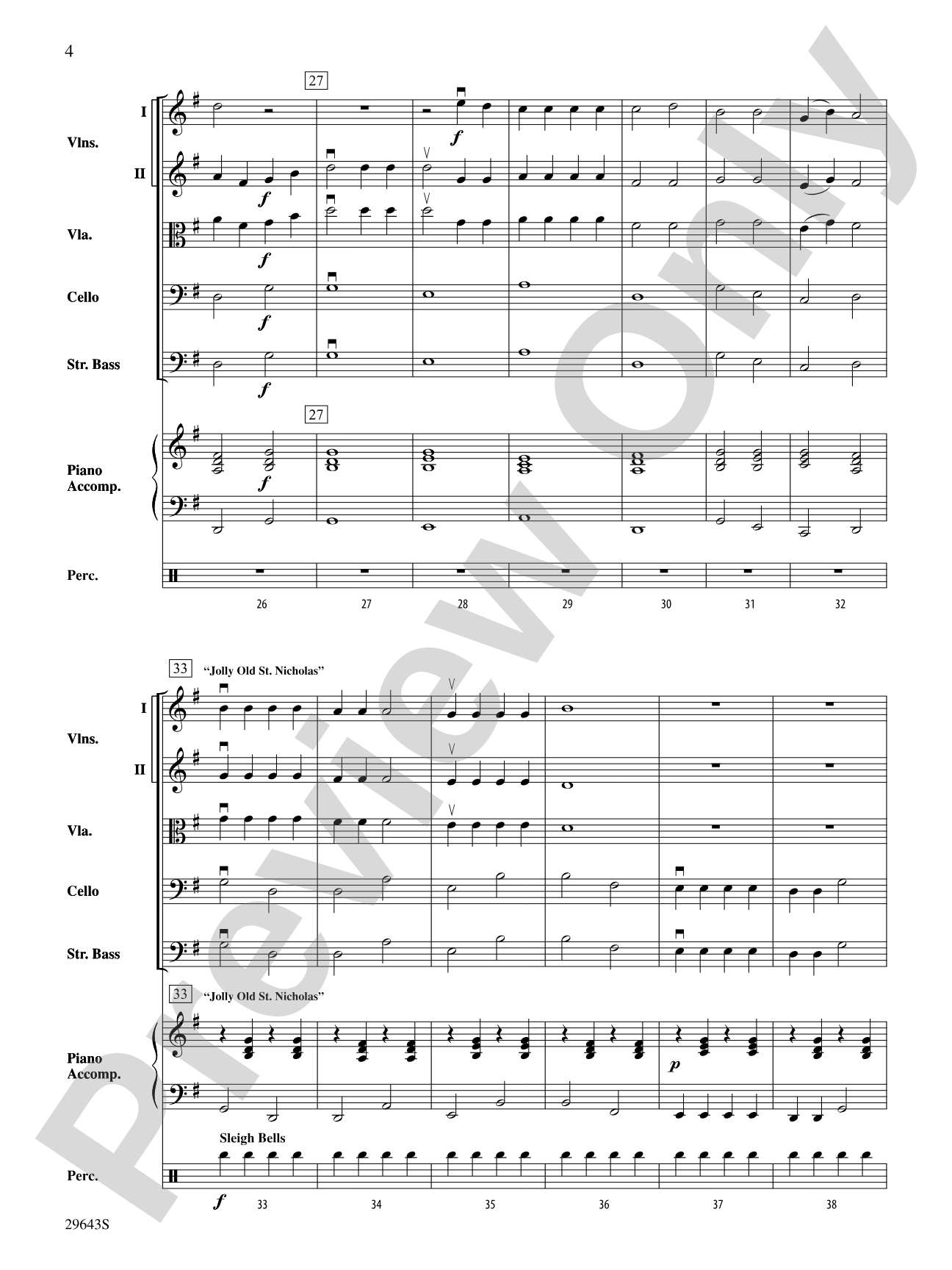
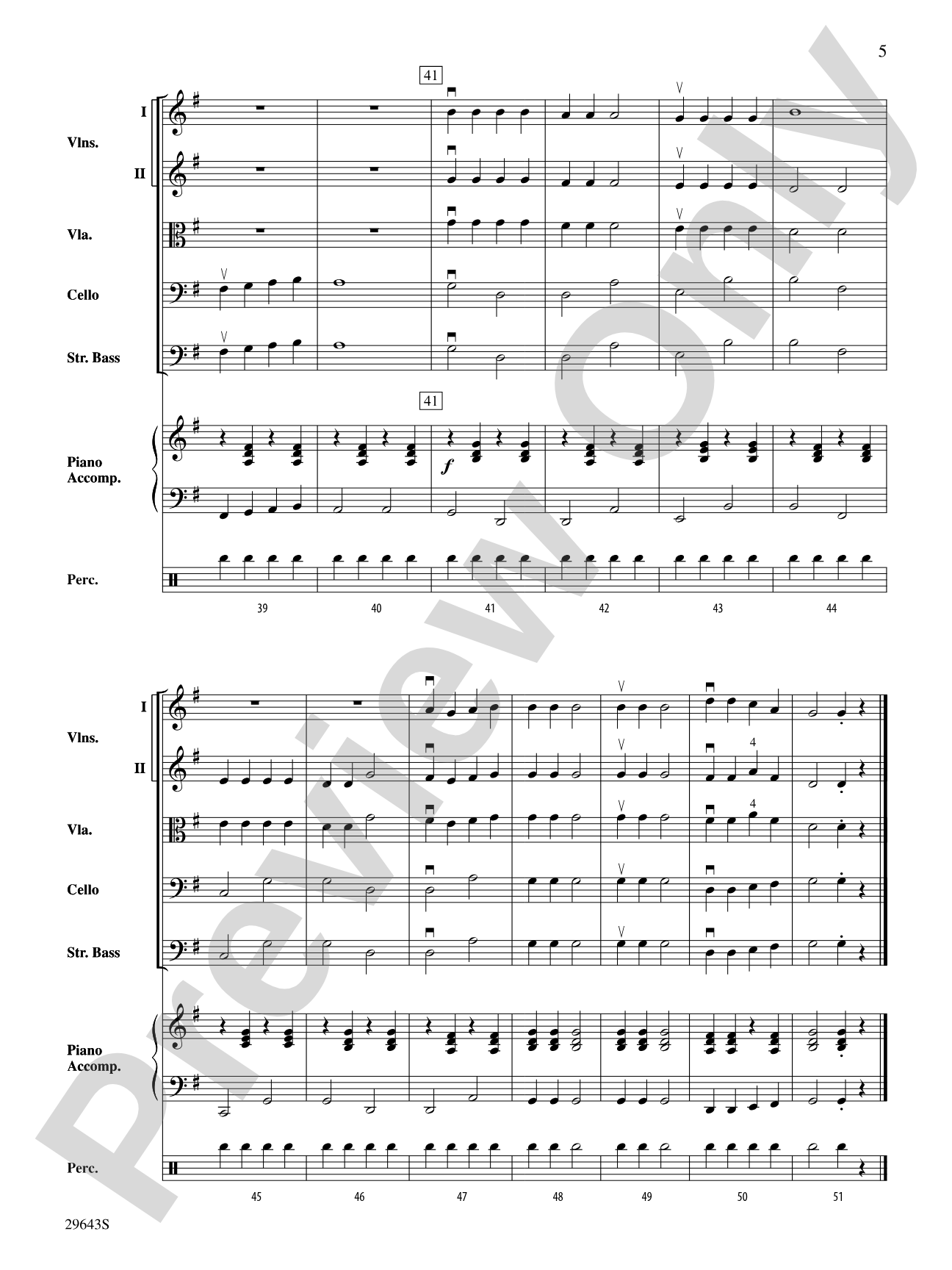
Celebrate three holidays with one song! A simple medley for beginners that includes "The Dreidel Song," an African melody known in the USA as "Let Us Break Bread Together" and "Jolly Old Saint Nicholas." Just for fun, the familiar strains of Jingle Bells close the tune. With the exception of a few notes on the violin, all notes are found on the D and A strings and there are no eighth notes. Truly perfect for beginners! (1:35)


Don't just read it, hear it, play along with it, and watch your students grow with it. In MakeMusic Cloud, Holiday Celebrations (Celebrating Chanukah, Kwanzaa and Christmas): String Orchestra Conductor Score & Parts comes alive with professional accompaniment, adjustable tempo, and built-in practice tools that turn solo practice into real progress.
Open in the Player
Jump straight in and assign it today.
Start Your Free Trial
Open this title and explore the full library in minutes.
Sample Audio
1
Audio File
--:--
0:00
0:00
Sample Video
No sample videos found.
Additional Details
Series:
Belwin Very Beginning String Orchestra
Publisher:
Alfred Music
Page Count:
68
SKU:
00-PK-0001529
More about this title
About the Arranger: Bob Phillips

Bob Phillips is a composer, arranger, and conductor who has shaped string education for decades through accessible, engaging repertoire. Born in 1953, he spent 27 years building the Saline, Michigan string program into a nationally recognized model, growing it to over 700 students and directing the acclaimed Saline Fiddlers Philharmonic to international prominence.
Phillips has authored more than 25 instructional series, including Sound Innovations and the groundbreaking eclectic styles collections (Fiddlers Philharmonic, Jazz Philharmonic, Rock Philharmonic, and others). With over 200 published works for orchestras and bands, he is an award-winning ASCAP composer whose pieces are performed by thousands of students annually. He has conducted all-state orchestras across the United States and served as resident conductor and arranger for the Wintergrass Festival in Seattle for 12 years.
Why we love this
This medley captures the essence of beginner string writing: genuine musical content without technical barriers. Phillips weaves three culturally significant traditions into one cohesive arrangement that respects each song's identity while keeping the viola and violin parts accessible, making it an excellent choice for programming that values inclusivity and representation.
What to expect
Warm, familiar, and inclusive. The arrangement invites listeners into three distinct musical worlds while maintaining a lightness and playfulness that appeals to young performers and audiences alike. The familiar closing with Jingle Bells creates a moment of genuine joy and recognition.
Who it's for
Beginning string orchestras in Grades 1-2 looking for repertoire that celebrates multiple cultures and traditions without overwhelming young players. This works especially well for ensembles with limited reading experience and for programs seeking meaningful winter programming that extends beyond a single holiday.
How to get the most out of it
- Balance the melody between first and second violins. In passages where the tune passes between parts, ensure that whoever carries the line projects with confidence while the accompaniment remains transparent.
- Keep the rhythm of the medley's transitions smooth and unrushed. Allow brief breathing space between sections so listeners can register the shift from one holiday tradition to the next.
- Encourage cellists and basses to anchor the harmonic foundation; their rhythmic stability will help younger violinists feel secure in their melodic line.
- Shape each section with gentle dynamic contour even within the simplified texture. A soft beginning and gradual growth into the familiar strains of Jingle Bells creates a satisfying arc.
How to use it
Program this as a winter concert opener or closer to set a celebratory tone that honors multiple traditions within your community. It also works beautifully as a standalone piece for school assemblies, holiday performances in public spaces, or early-season repertoire that builds ensemble confidence without technical demands.
Skills your students will build
- Reading notes on D and A strings exclusively
- Maintaining steady pulse in a multi-section medley
- Balancing melody and accompaniment within simplified texture
- Responding to conductor cues during section transitions
- Recognizing and performing traditional melodies from different cultural contexts