
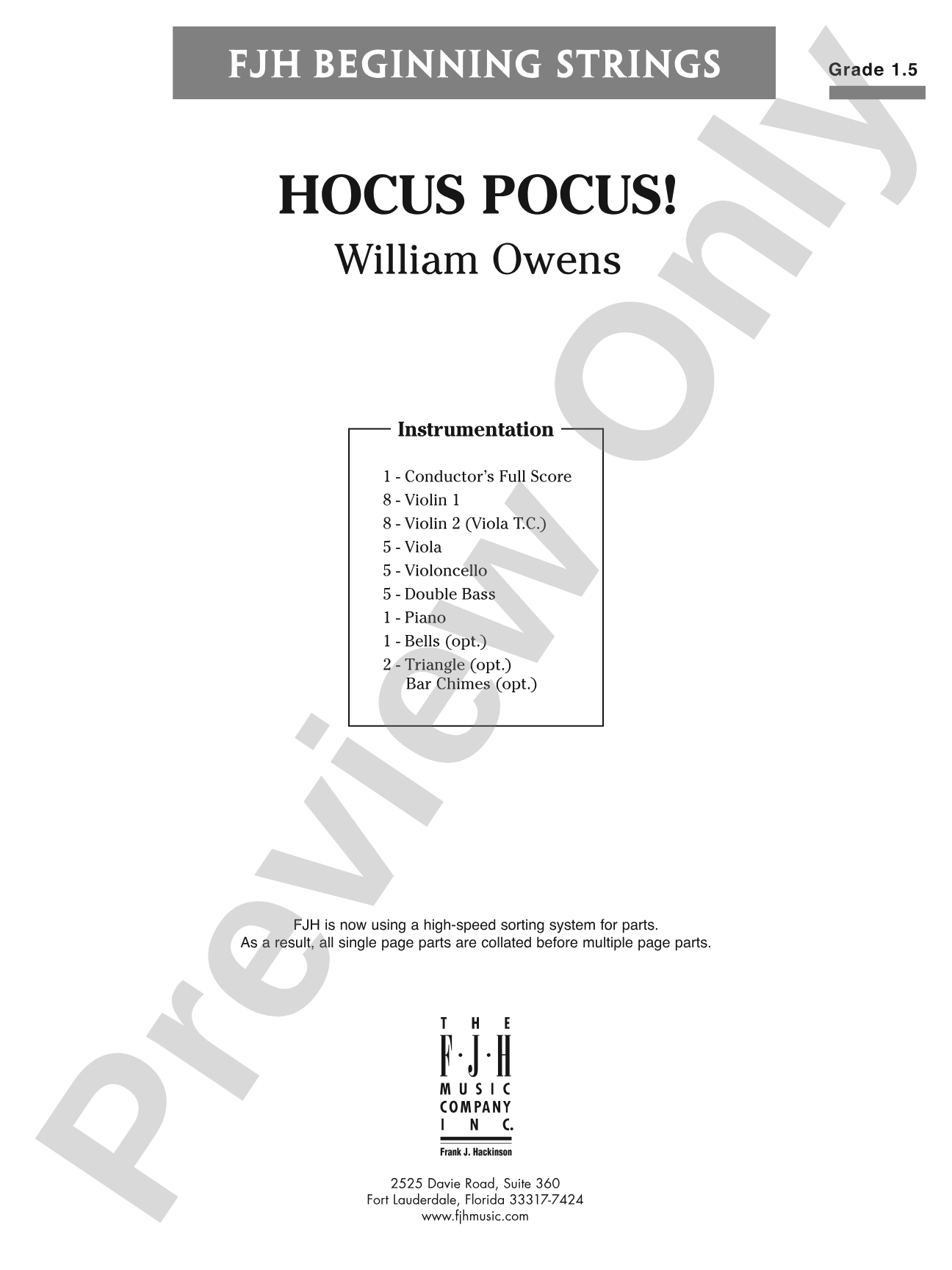
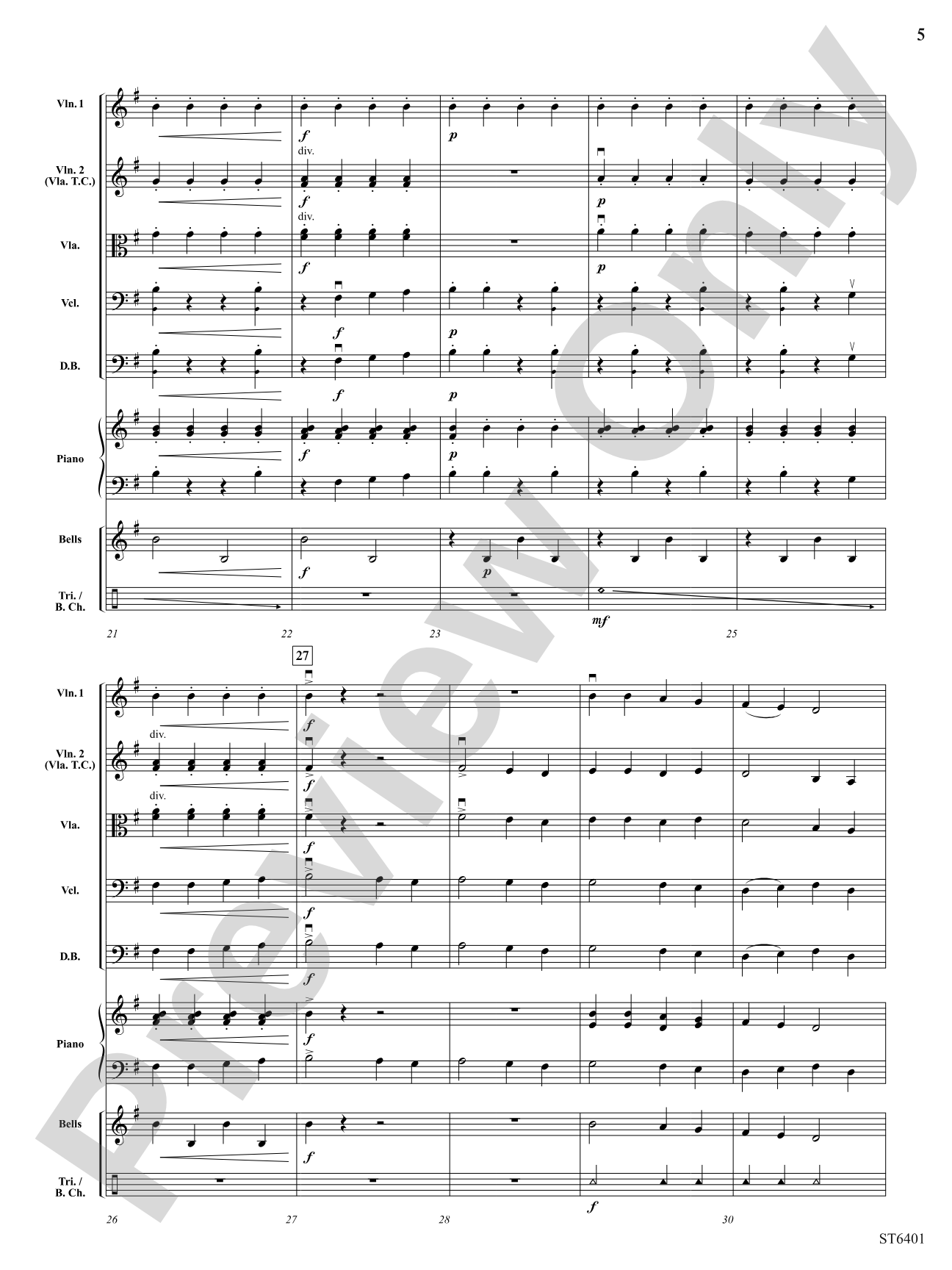
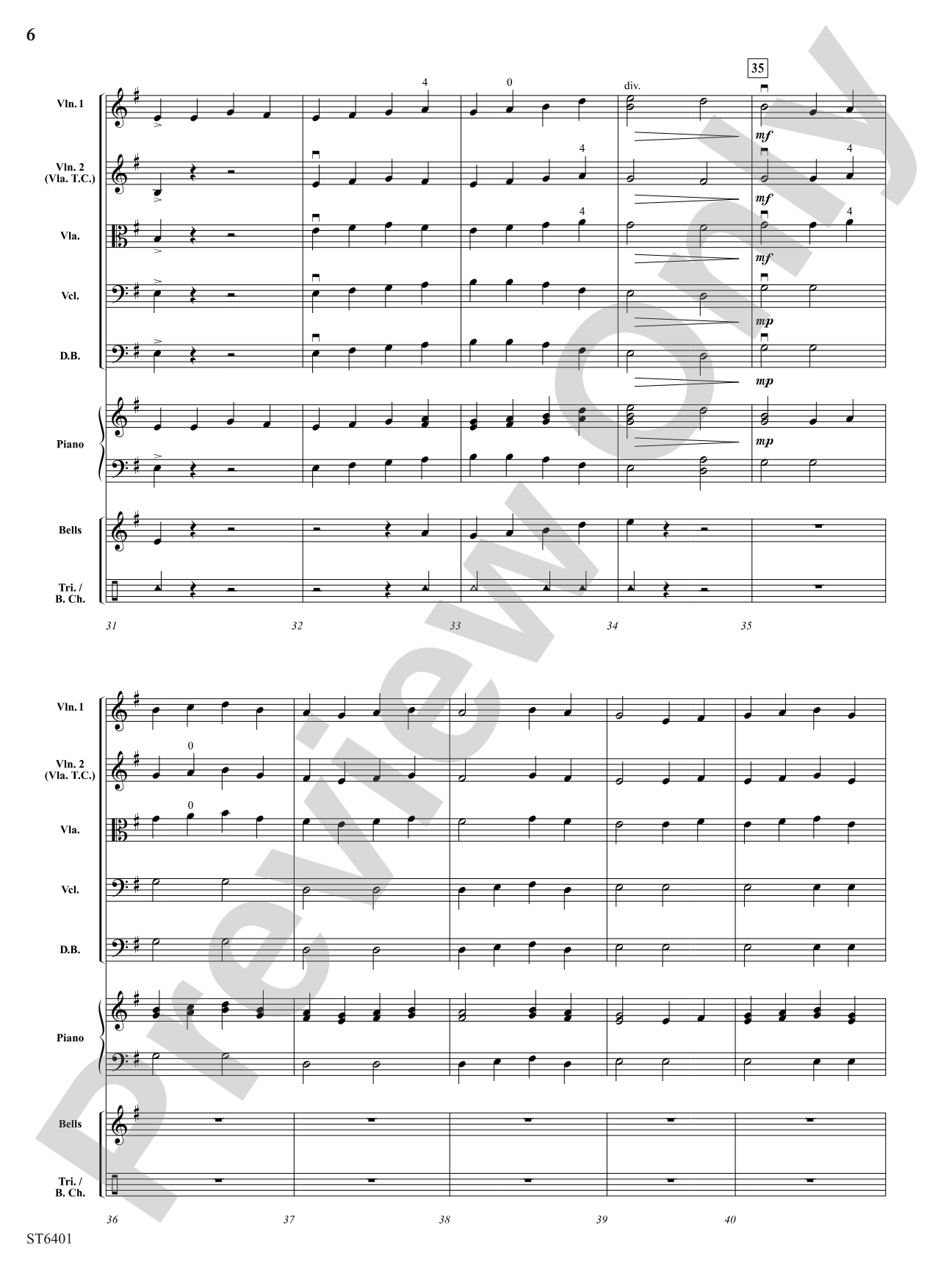
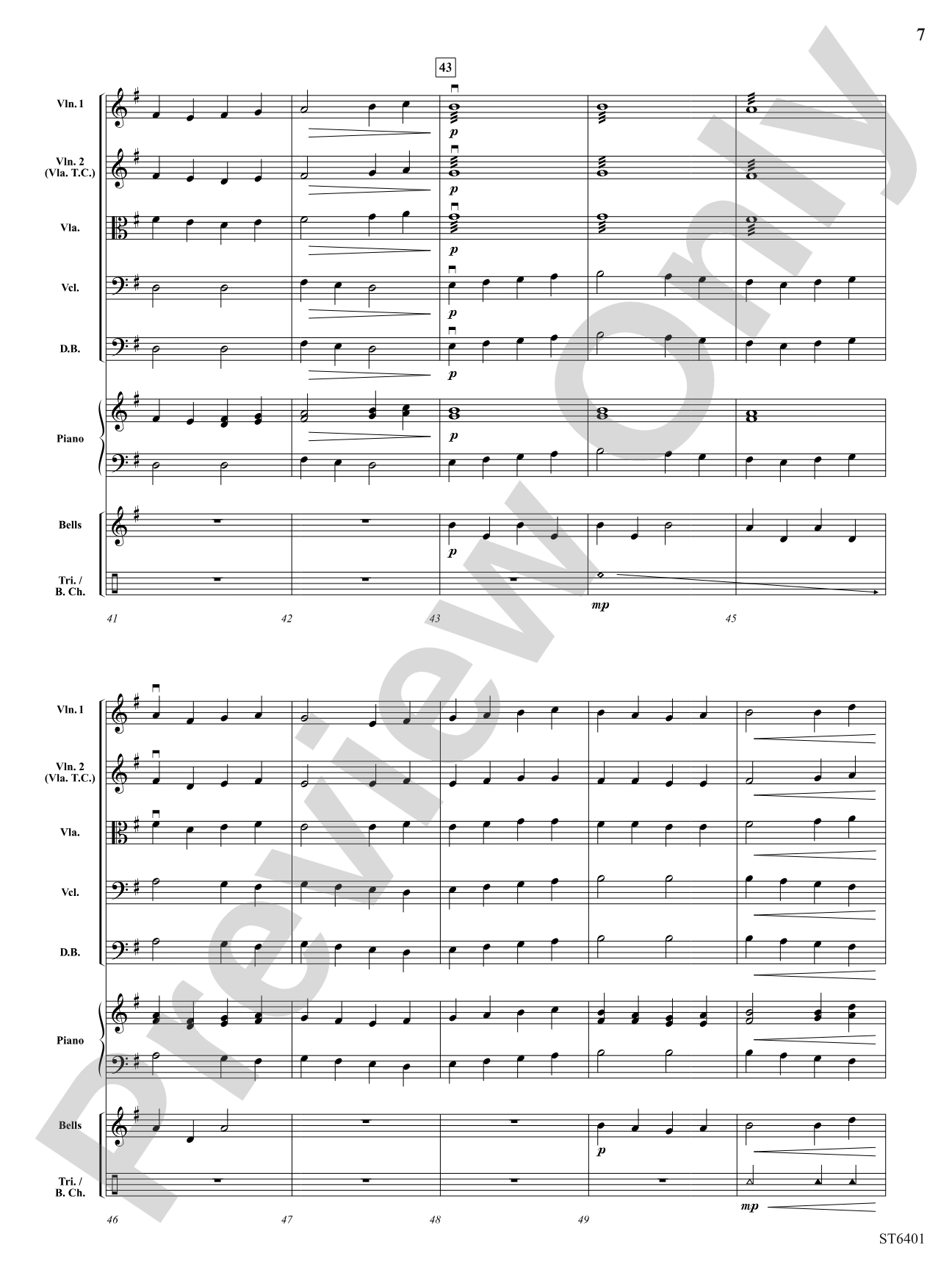
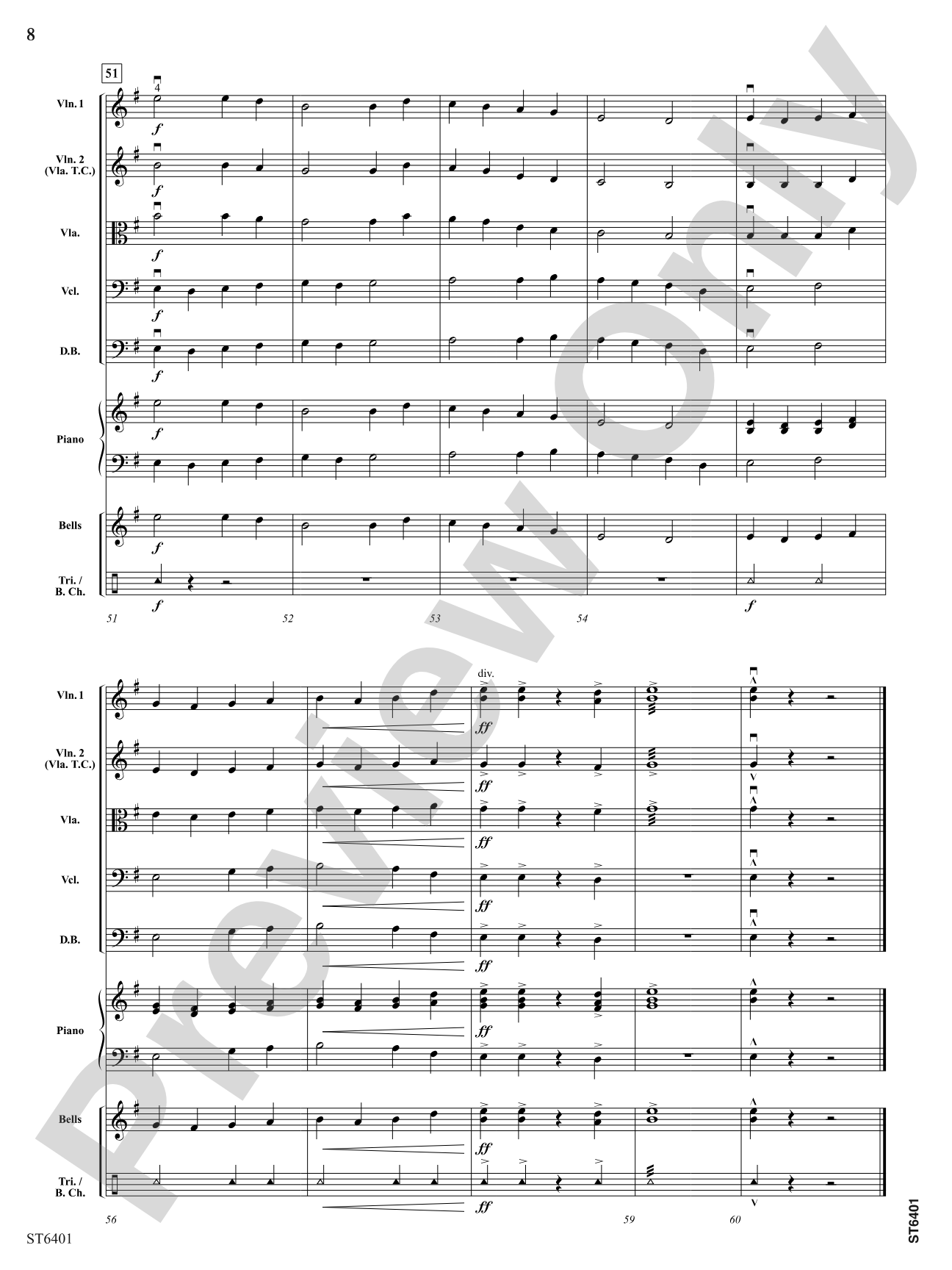

Hocus Pocus!: String Orchestra Conductor Score & Parts
By William Owens
Grade: 1.5
Item: 98-DST6401
$40.00
Pickup currently not available
Buy Extra Parts (Digital PDF Download)
| Product | Price | Quantity |
|---|---|---|
| Hocus Pocus!: Score | $5.00 | |
| Hocus Pocus!: Violin 1 | $7.00 | |
| Hocus Pocus!: Violin 2 (Viola T.C.) | $7.00 | |
| Hocus Pocus!: Viola | $7.00 | |
| Hocus Pocus!: Violoncello | $7.00 | |
| Hocus Pocus!: Double Bass | $7.00 | |
| Hocus Pocus!: Piano | $7.00 | |
| Hocus Pocus!: Bells (opt.) | $7.00 | |
| Hocus Pocus!: Triangle (opt.) / Bar Chimes (opt.) | $7.00 |
Parts Added to Cart!
Description
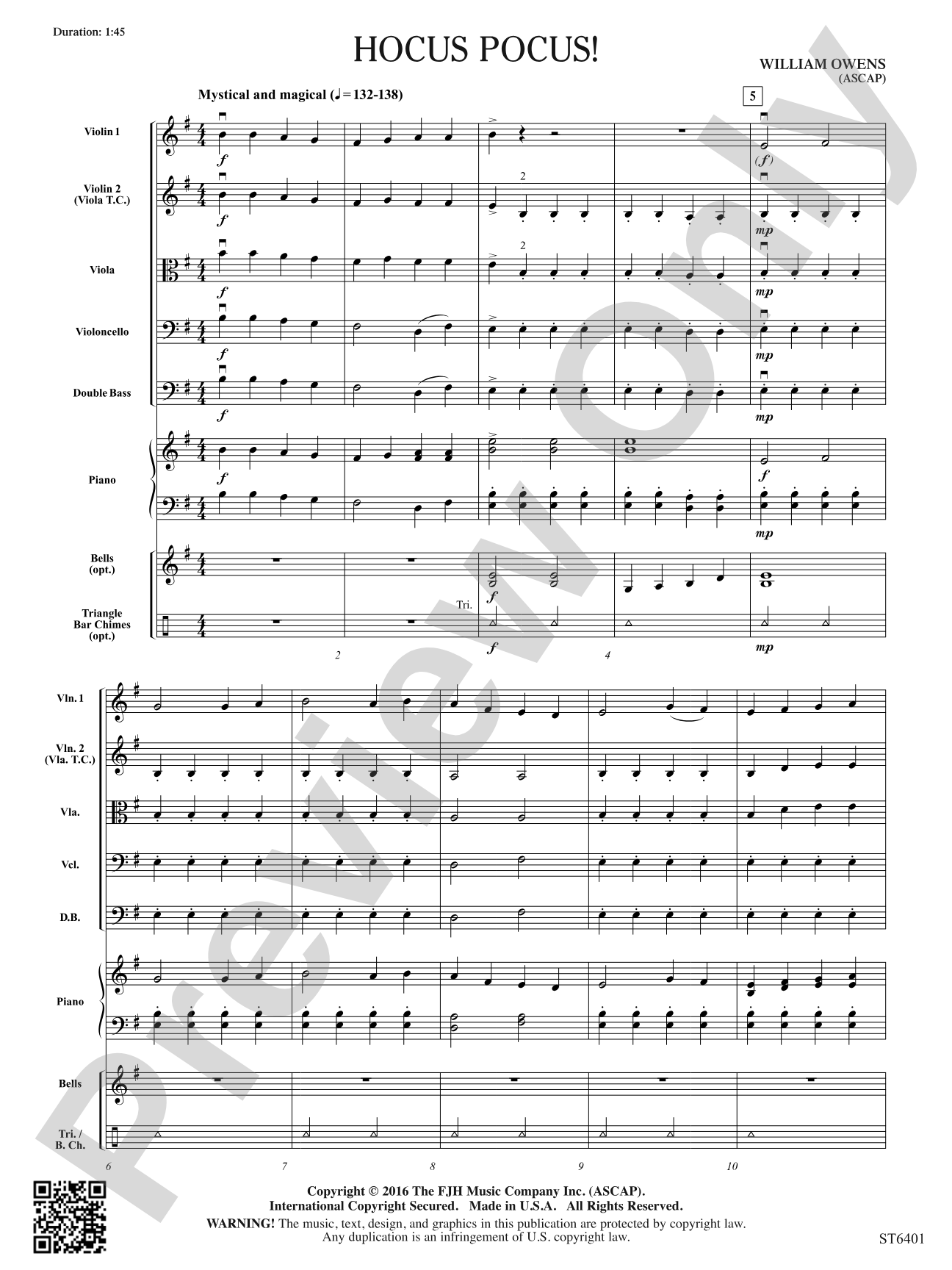
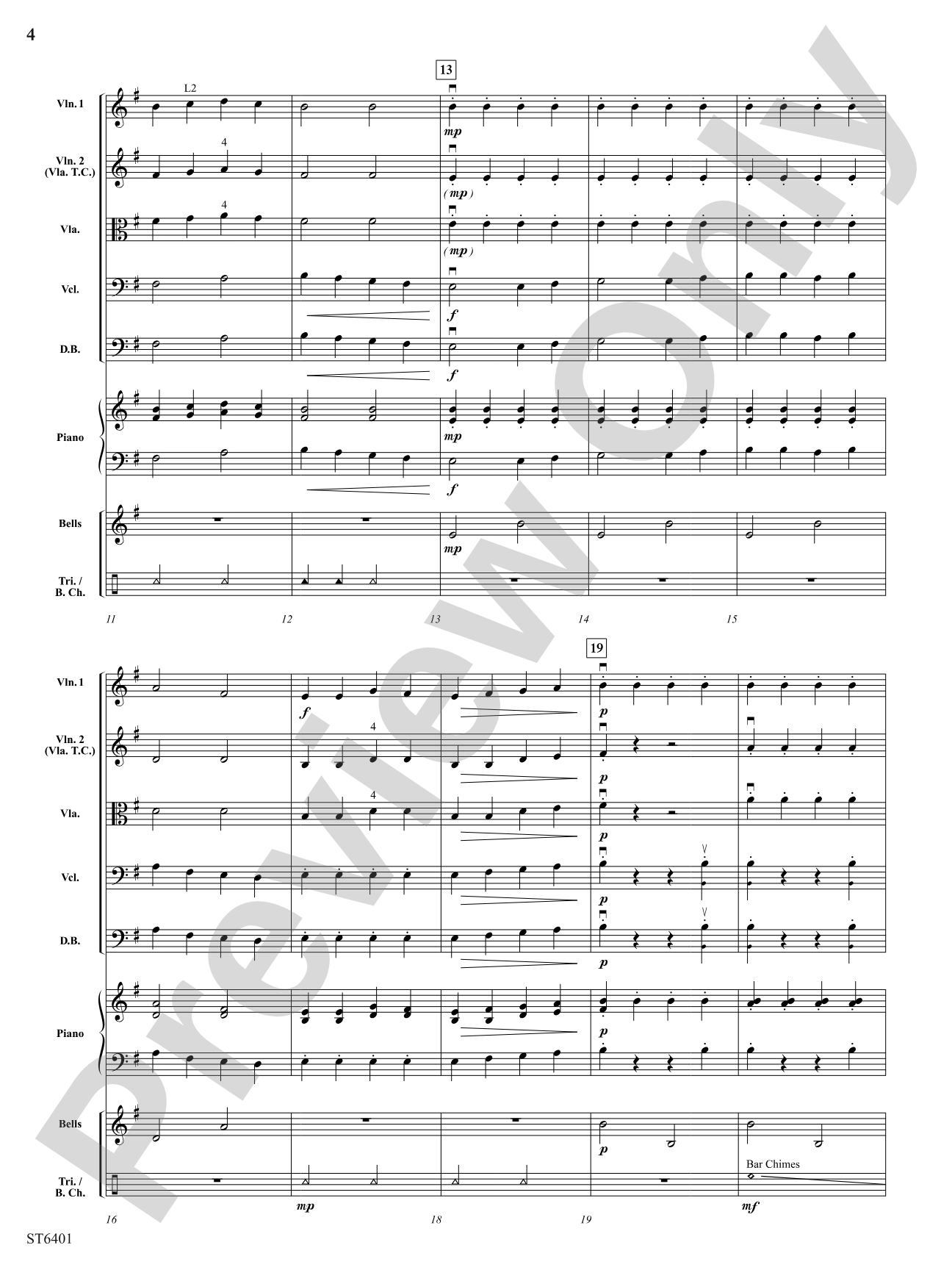
The hand truly is quicker than the eye in this whimsical piece for developing strings! Using mostly stepwise motion, it is a wonderful study in legato and staccato styles. Written tremolos can be played at the director's discretion while optional, carefully scored percussion parts will certainly add to the intrigue. Pure magic!


Hocus Pocus!: String Orchestra Conductor Score & Parts isn't in MakeMusic Cloud just yet...but it could be. Let us know you'd like to see it, and you'll help shape what comes next. In the meantime, start a free trial and dive into thousands of interactive titles your students can play along with today.
Request This Title
Tell us you want it.
Start Your Free Trial
Explore everything that's ready to play right now.
Sample Audio
1
Audio File
--:--
0:00
0:00
Sample Video
No sample videos found.
Additional Details
Series:
FJH Beginning Strings
Publisher:
The FJH Music Company, Inc.
SKU:
98-DST6401
More about this title
About the Composer: William Owens
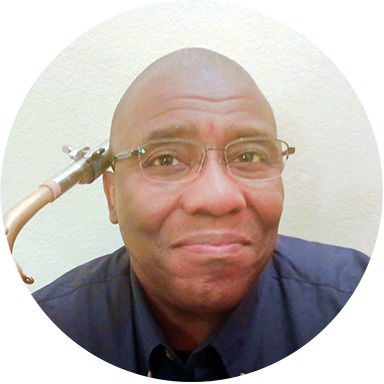
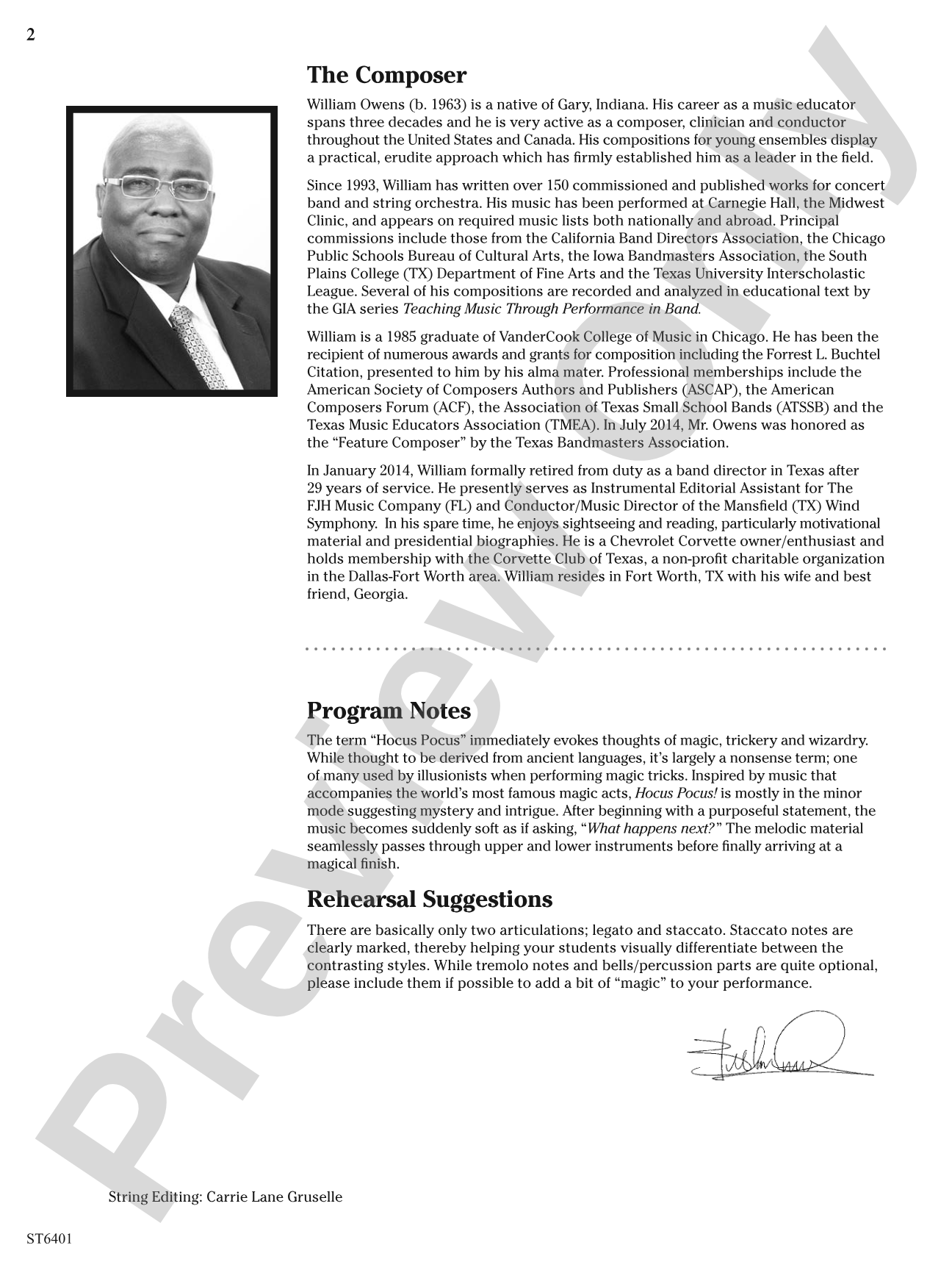
William Owens has built a career bridging the gap between accessibility and musical integrity. A native of Gary, Indiana, and graduate of VanderCook College of Music, he spent three decades as a band director in Texas before retiring in 2014. His compositional output exceeds 300 works across concert band, string orchestra, and chamber ensembles, many of which appear on state contest lists and in music education curricula nationwide.
Owens brings a clinician's ear and an educator's perspective to every piece he writes. His recognition includes commissions from major institutions, membership in ASCAP and Phi Beta Mu International, and the Texas Bandmasters Association's Meritorious Achievement Award. Beyond music, he is a devotee of American presidential history and automotive enthusiast. He lives in Fort Worth with his wife, Georgia.
Why we love this
Owens knows exactly what Grade 1.5 strings need: music that builds fundamental skills without feeling like an exercise. The balance of legato and staccato work here serves real pedagogical purpose while the novelty framing keeps rehearsals engaging. Optional percussion parts give you flexibility to add color or keep the focus tight on string tone.
What to expect
Playful and slightly mischievous, like watching a magic trick unfold just slightly faster than expected. The stepwise motion creates a sense of forward momentum without technical excess, while the interplay between legato and staccato colors adds personality and keeps the ear engaged.
Who it's for
String orchestras at Grade 1.5 learning to navigate two distinct articulation styles while building confidence in ensemble playing. It works equally well for developing orchestras preparing contest music or programs seeking accessible novelty repertoire that doesn't sacrifice musical substance.
How to get the most out of it
- Establish the legato passages first, then layer in the staccato sections once the ensemble has a secure sense of the melodic line. The stepwise motion makes this possible even with less experienced players.
- Treat the optional written tremolos as a rehearsal decision based on your ensemble's comfort level. They're scored carefully enough that adding them later, once rhythmic security is solid, keeps the focus on tuning and tone quality.
- Balance the optional percussion thoughtfully; these parts enhance the theatrical character without overwhelming the strings. Let them serve the whimsy rather than dominate it.
How to use it
This piece thrives in the first half of a concert, where its novelty appeal and lighter character set a welcoming tone. It also serves perfectly in contests and festivals, giving judges a clear snapshot of ensemble fundamentals without technical scaffolding that hides sound problems.
Skills your students will build
- Articulation contrast (legato and staccato in the same piece)
- Sustained tone in stepwise motion
- Rhythmic precision in ensemble contexts
- Tremolo technique (optional but valuable exposure)
- Dynamic control across different articulation styles