


Hit the Bricks: Jazz Ensemble Conductor Score & Parts
By Gordon Goodwin / arr. Mike Story
Grade: 1.5
Item: 00-PK-0009566
$47.00
Pickup currently not available
Buy Extra Parts (Digital PDF Download)
| Product | Price | Quantity |
|---|---|---|
| Hit the Bricks: Score | $8.00 | |
| Hit the Bricks: E-flat Alto Saxophone | $3.00 | |
| Hit the Bricks: 2nd E-flat Alto Saxophone | $3.00 | |
| Hit the Bricks: B-flat Tenor Saxophone | $3.00 | |
| Hit the Bricks: 2nd B-flat Tenor Saxophone | $3.00 | |
| Hit the Bricks: E-flat Baritone Saxophone | $3.00 | |
| Hit the Bricks: 1st B-flat Trumpet | $3.00 | |
| Hit the Bricks: 2nd B-flat Trumpet | $3.00 | |
| Hit the Bricks: 3rd B-flat Trumpet | $3.00 | |
| Hit the Bricks: 1st Trombone | $3.00 | |
| Hit the Bricks: 2nd Trombone | $3.00 | |
| Hit the Bricks: 3rd Trombone | $3.00 | |
| Hit the Bricks: Guitar Chords | $3.00 | |
| Hit the Bricks: Guitar | $3.00 | |
| Hit the Bricks: Piano Accompaniment | $3.00 | |
| Hit the Bricks: String Bass | $3.00 | |
| Hit the Bricks: Drums | $3.00 | |
| Hit the Bricks: Flute | $3.00 | |
| Hit the Bricks: 1st B-flat Clarinet | $3.00 | |
| Hit the Bricks: Vibraphone | $3.00 | |
| Hit the Bricks: Tuba | $3.00 | |
| Hit the Bricks: 1st F Horn | $3.00 | |
| Hit the Bricks: Baritone T.C. | $3.00 |
Parts Added to Cart!
Description
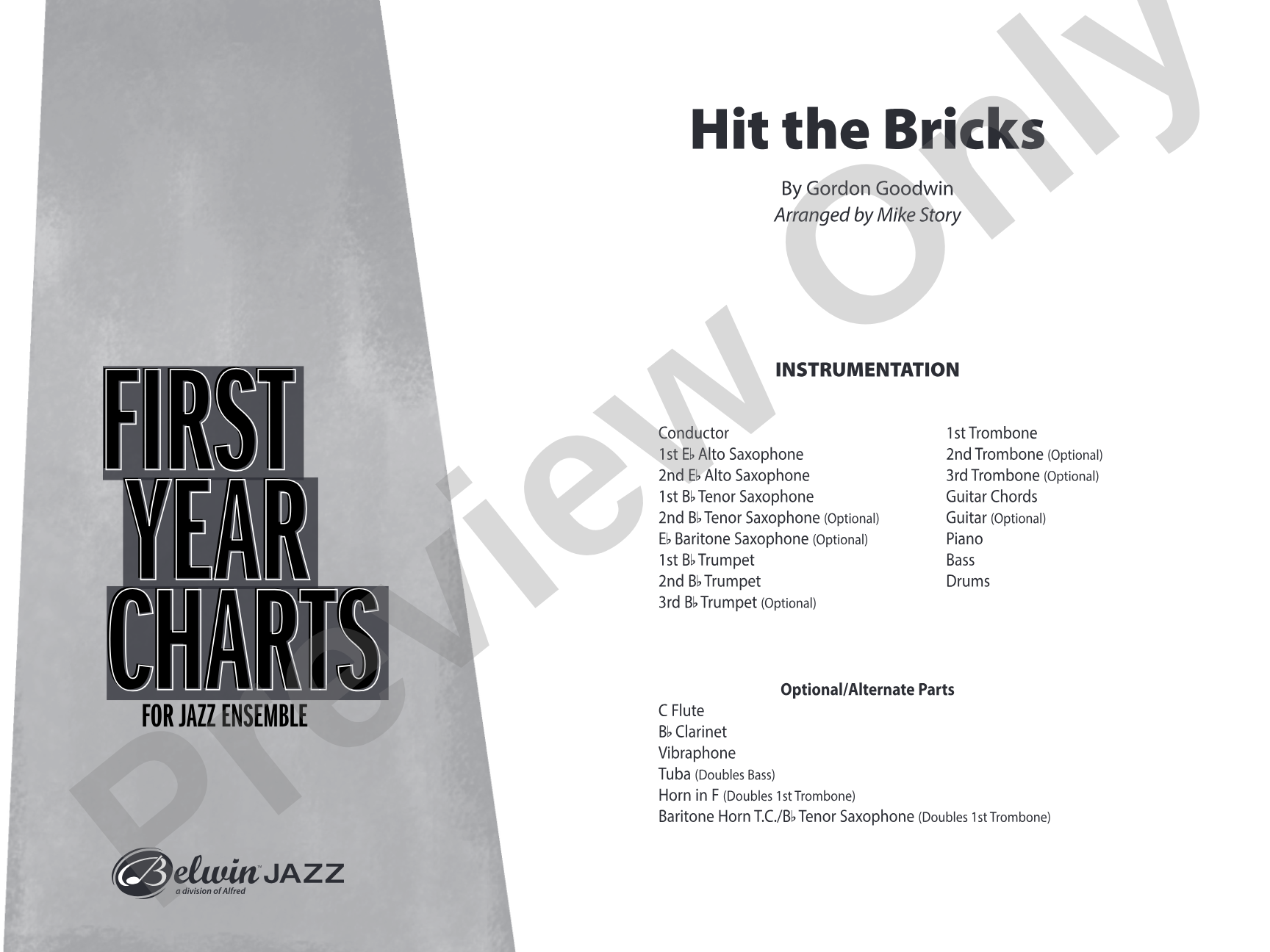
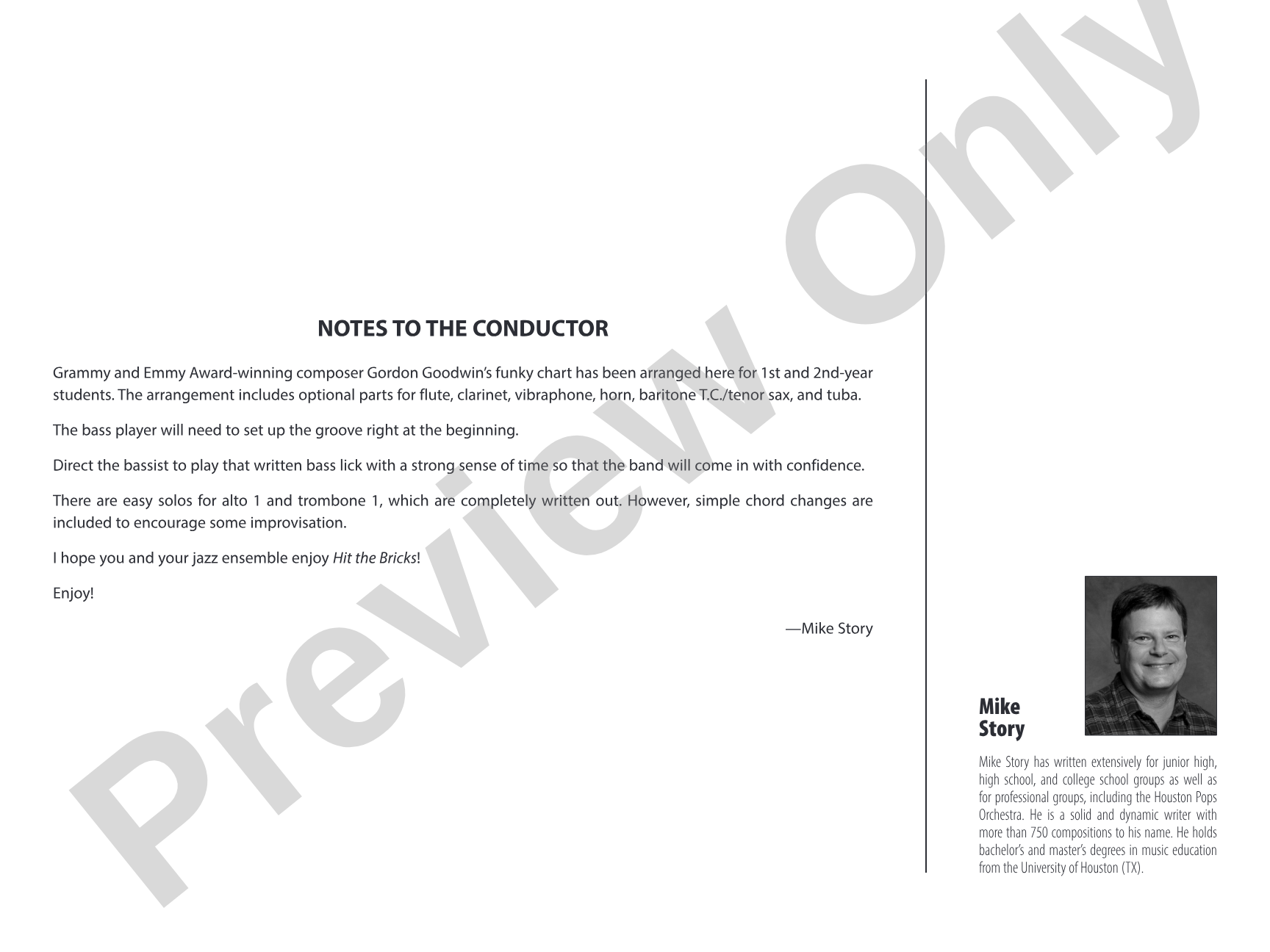
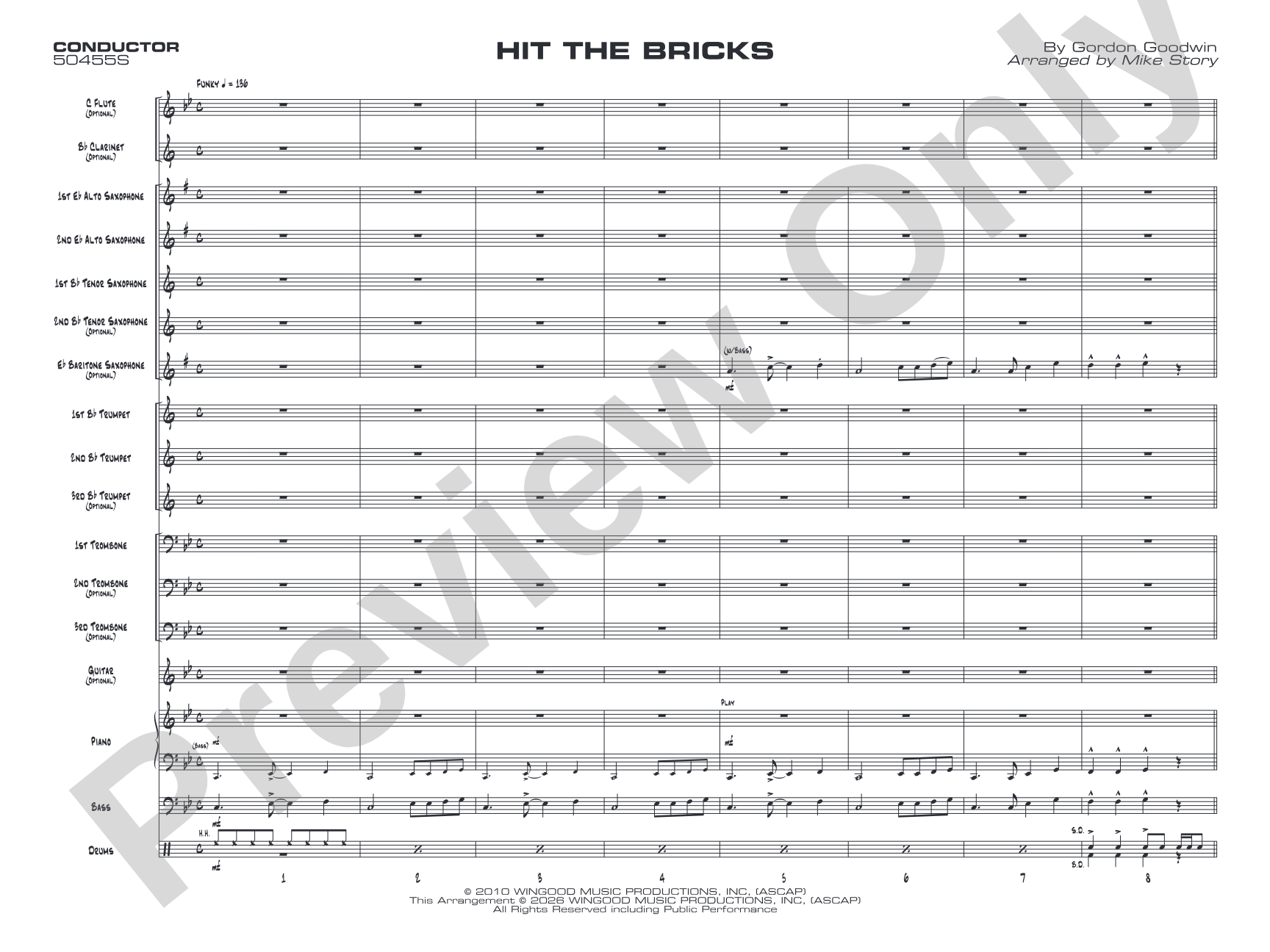
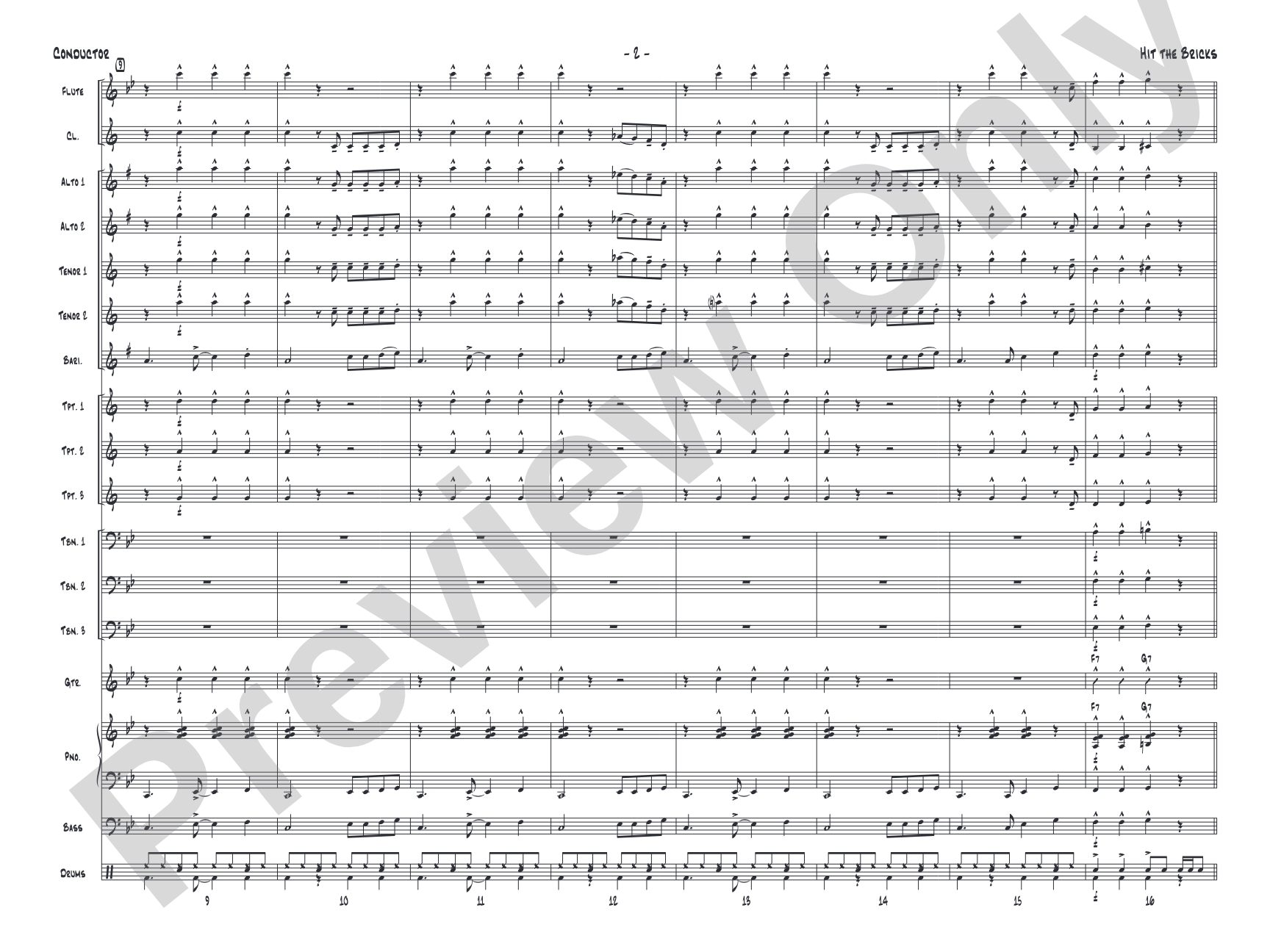
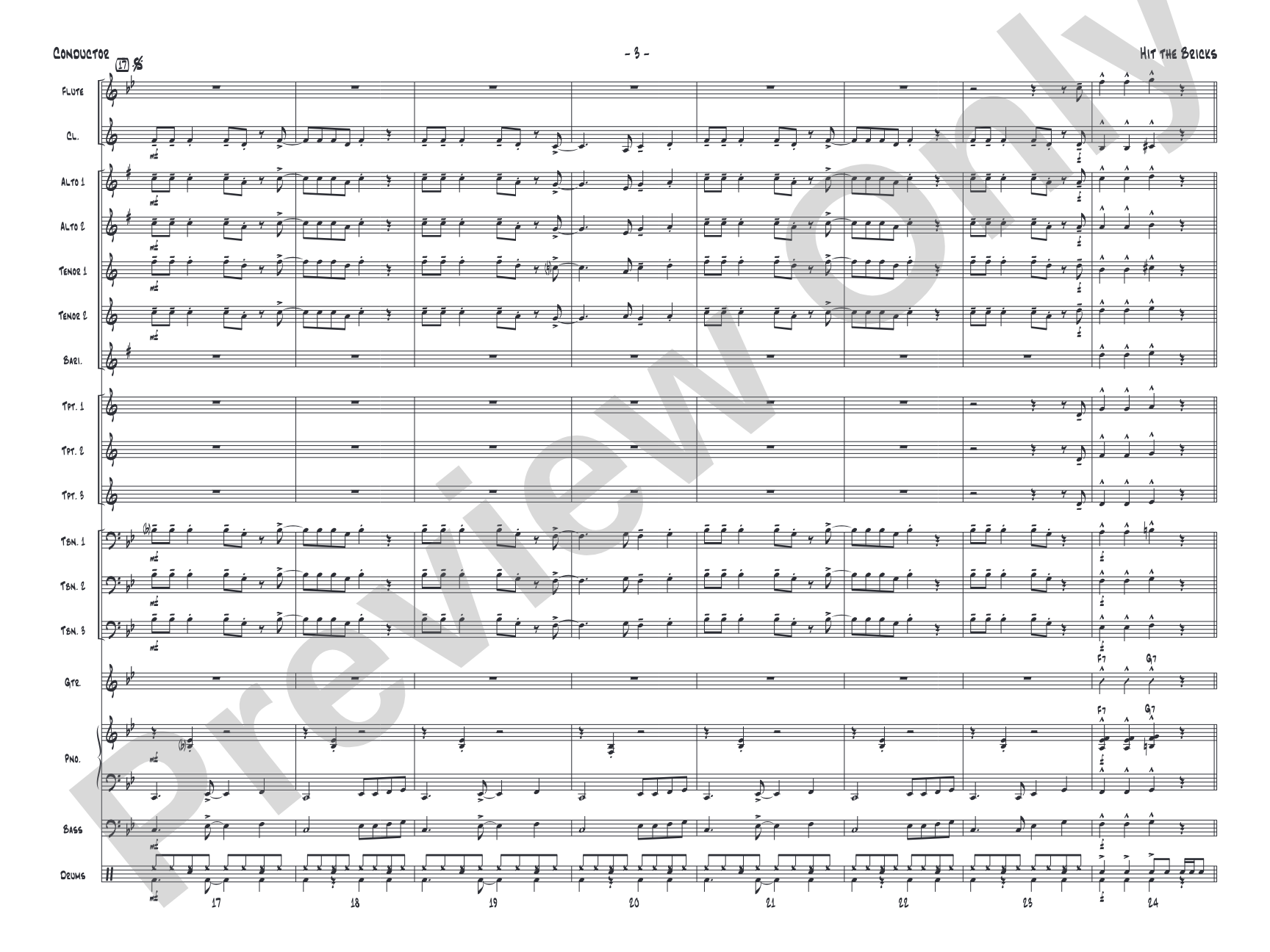
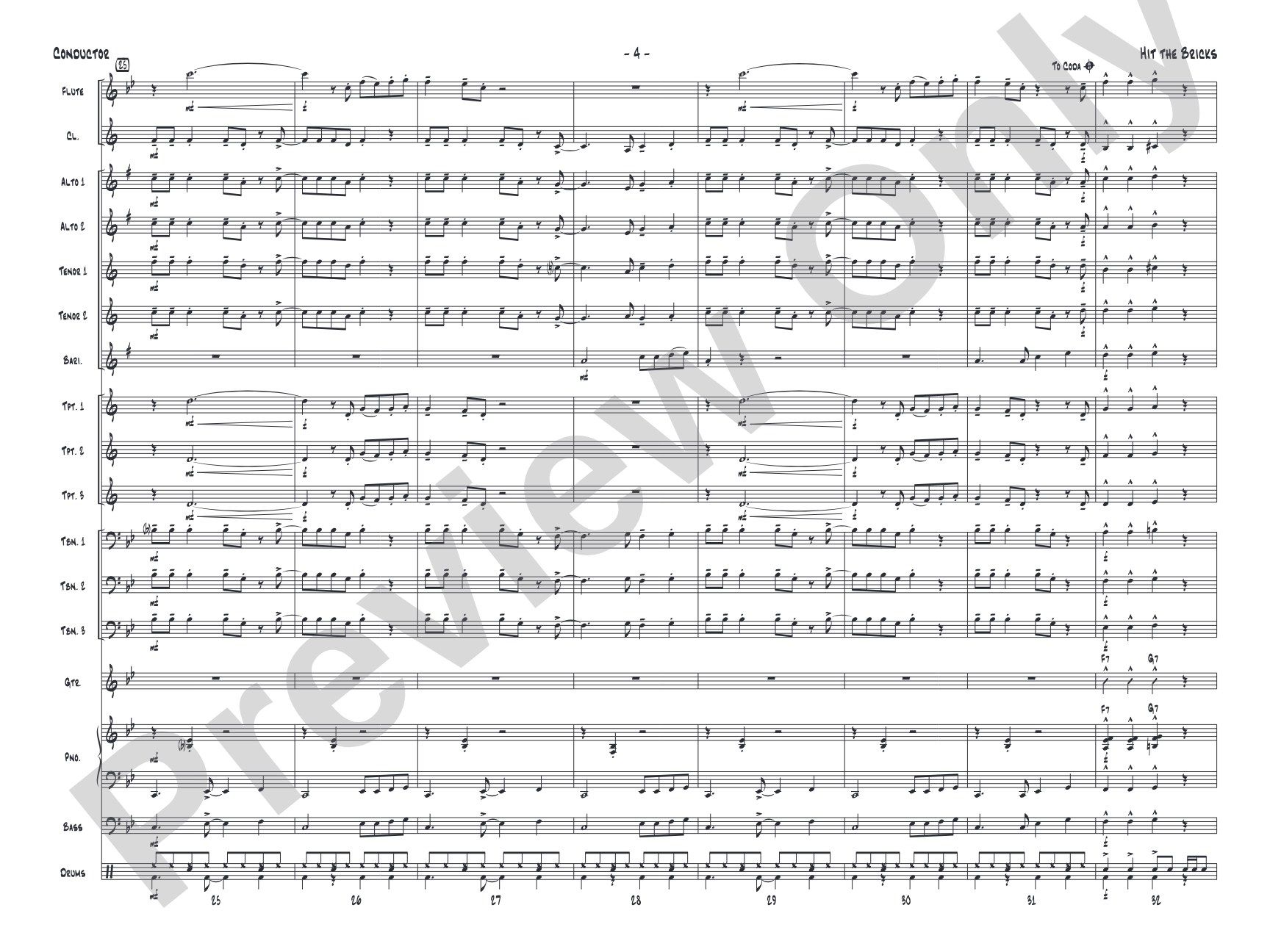
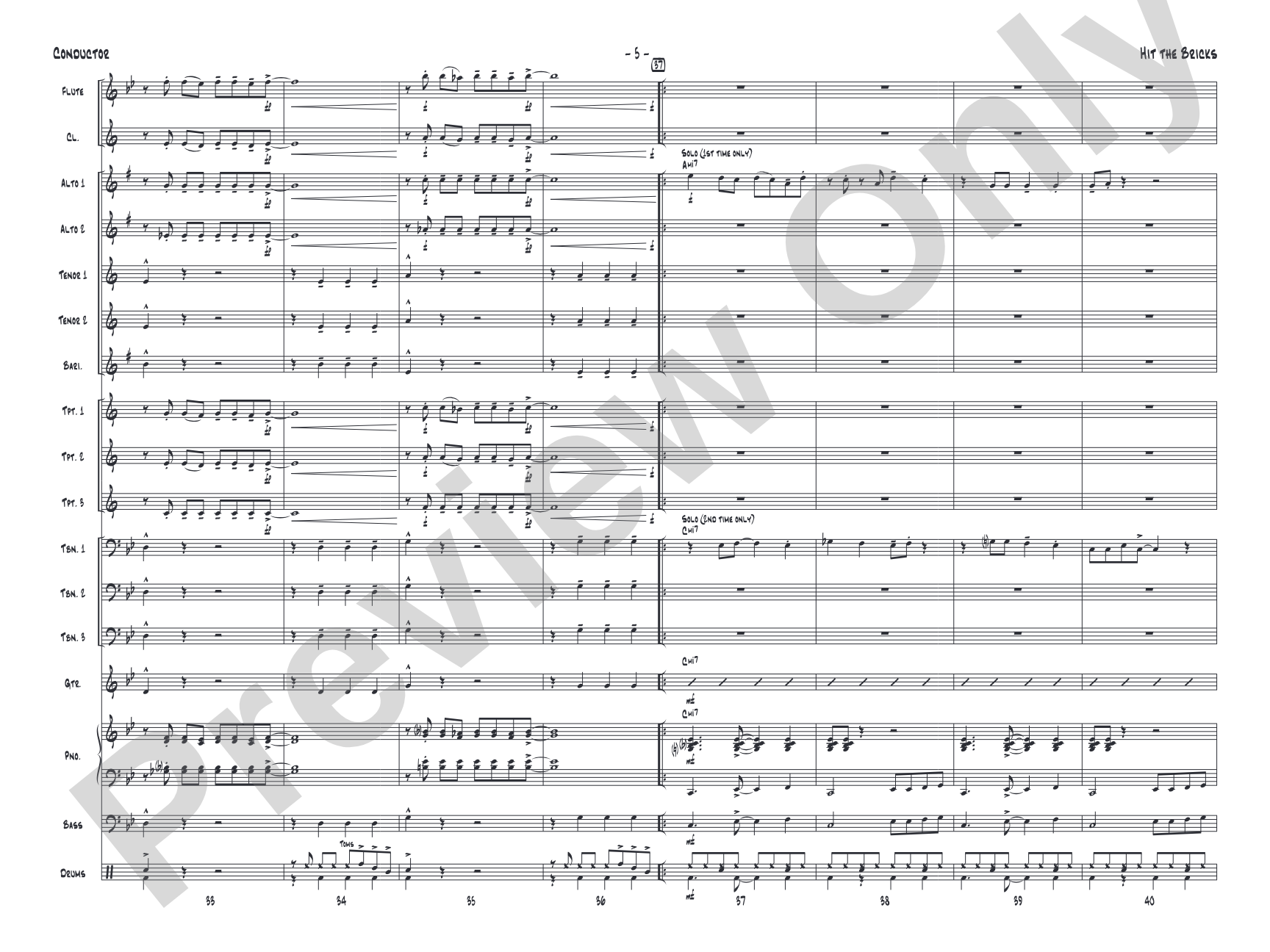
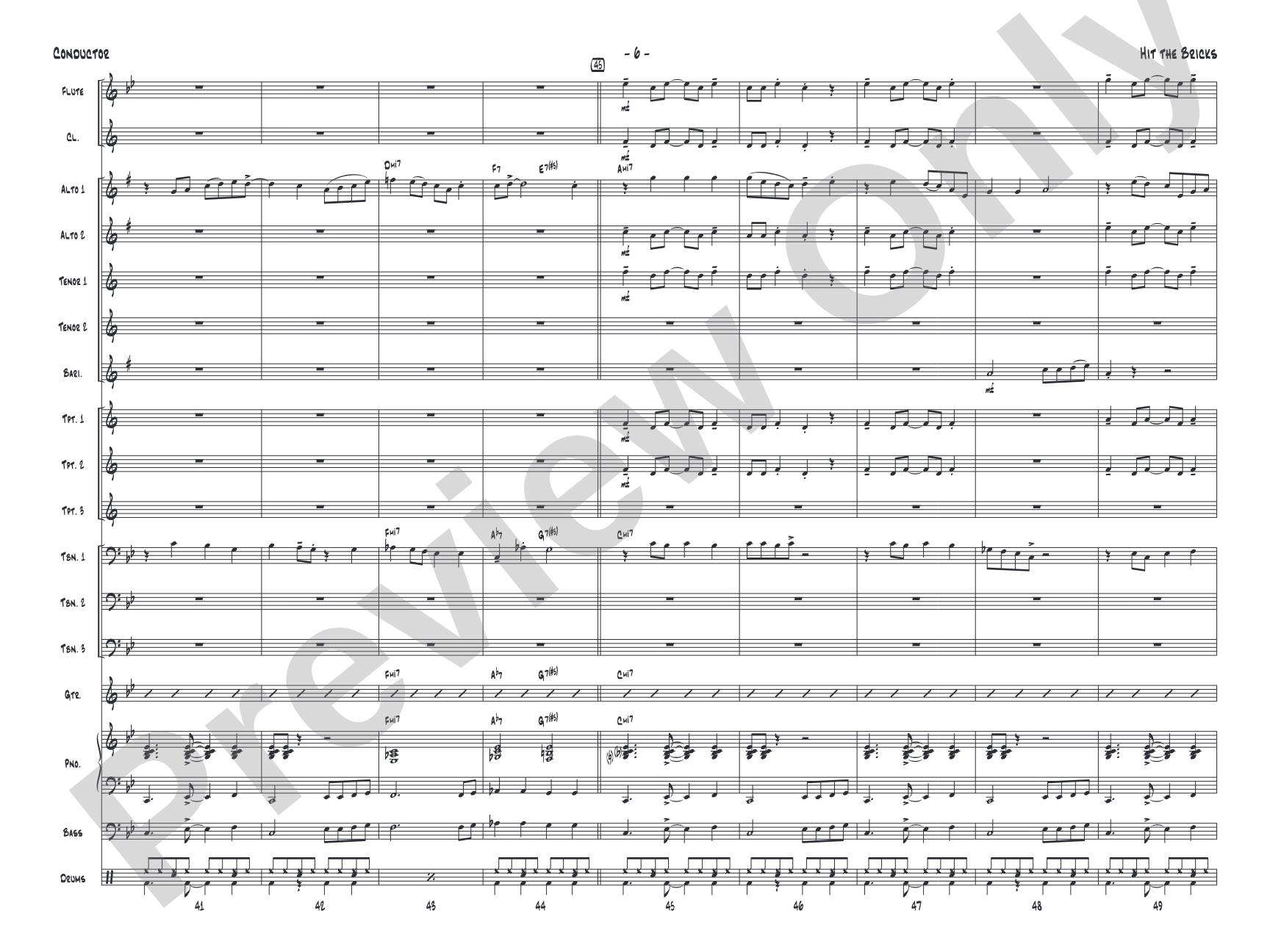
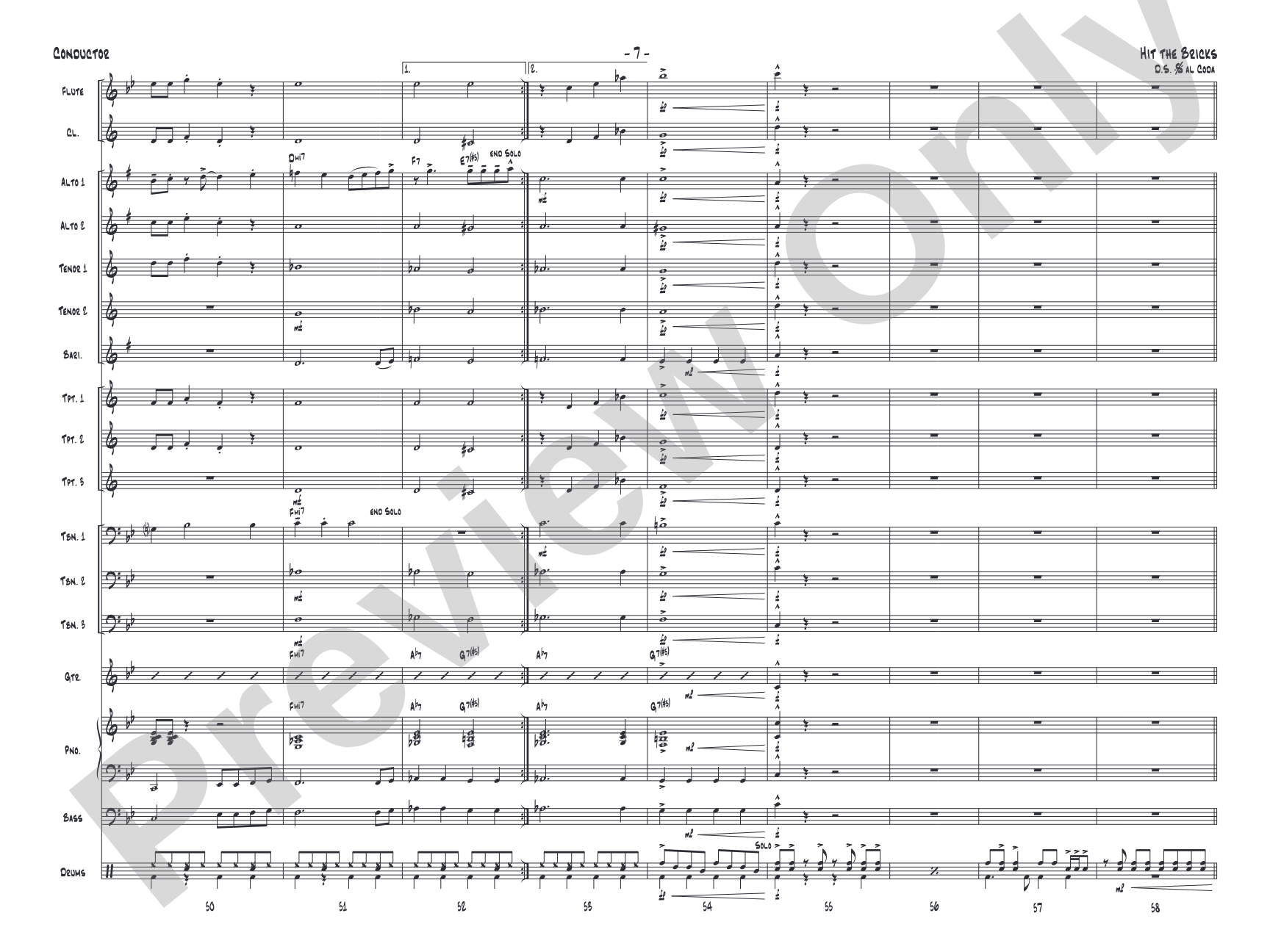
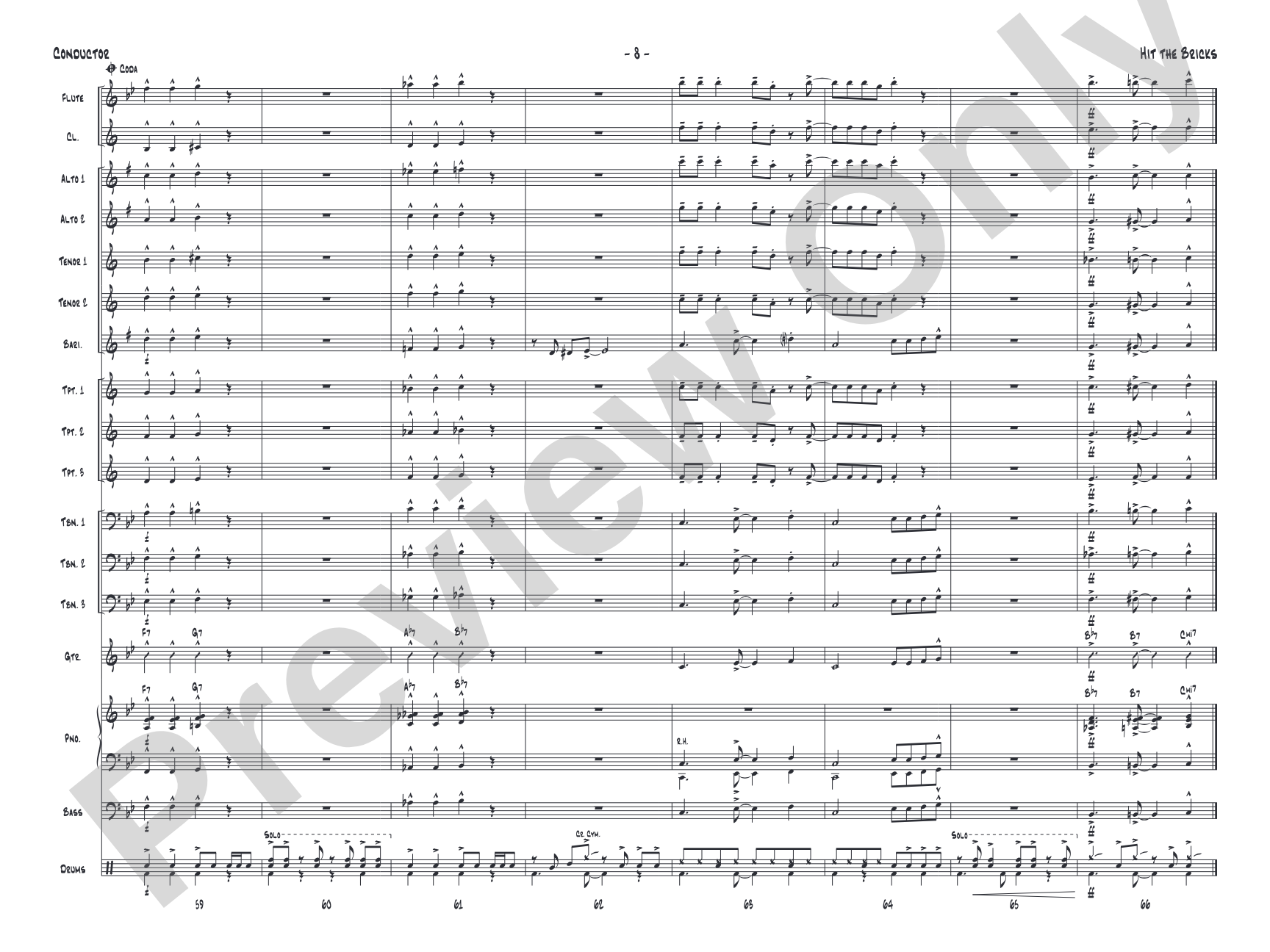
This chart is easy to rehearse and play, and is definitely funky! The tempo is around 136 BPM, with written solos for alto sax and trombone and easy brass ranges. Optional parts include flute, clarinet, and vibes.


Discover MakeMusic Cloud: thousands of interactive titles your students can play along with today.
Sample Audio
1
Audio File
--:--
0:00
0:00
Sample Video
Additional Details
Series:
Belwin First Year
Publisher:
Alfred Music
SKU:
00-PK-0009566
More about this title
About the Composer: Gordon Goodwin

Gordon Goodwin began composing at five years old, transcribing complete pieces rather than fragments or sketches. By thirteen, he had already written his first big band chart, Hang Loose, signaling an exceptional ear for ensemble writing and orchestration that would define his career.
His work spans film, television, and live performance. Goodwin has earned three Emmy Awards and multiple Grammy nominations for scores on films including Bad Boys II, Enemy of the State, and Remember the Titans. He has written for and performed alongside artists ranging from Christina Aguilera to Ray Charles, and currently leads Gordon Goodwin's Big Phat Band, the Los Angeles-based ensemble he founded in 2000.
Why we love this
Goodwin knows how to make early-level ensembles sound like they're swinging hard. The chart sits at 1.5 but feels polished and funky, with written solos that give your alto sax and trombone players real showcase moments without demanding virtuosic technique. The optional parts (flute, clarinet, vibes) let you scale the arrangement to your instrumentation without losing the groove.
What to expect
Infectious and grooving. Hit the Bricks locks into a funky groove that makes you want to move, yet stays well within the technical reach of players still building confidence with jazz language and interpretation. The written solos keep things structured while the overall feel is loose and contemporary.
Who it's for
First-year jazz ensemble students and directors looking for repertoire that swings without complexity. The chart works for groups still building fundamentals in sectional balance and rhythm section cohesion, and the optional instrumentation makes it accessible whether you have a full complement of saxes or a smaller lineup.
How to get the most out of it
- Establish the 136 BPM pocket early in rehearsal by locking in the rhythm section first; once your drums and bass are solid, the horns will sit into the funk naturally.
- Encourage the alto sax and trombone soloists to listen to each other during their written parts; the interplay between these voices is what gives the chart its character.
- Keep the brass range conversational and relaxed. Goodwin wrote this for first-year players, so there's no need to push volume or take excessive liberties with the articulation patterns he's notated.
- If you're using vibes, make sure they lock with the keyboard voicings rather than doubling them; let the vibraphone color the harmony rather than reinforce it.
How to use it
Program this as an energetic opener to show off your ensemble's new jazz chops, or pair it with a ballad and a standard to create a well-rounded first-semester jazz concert. It's also a natural fit for pep assemblies or informal performances where you want to grab immediate attention without demanding rehearsal time away from your main concert preparations.
Skills your students will build
- Funky rhythm feel and syncopation in 4/4
- Reading and playing written jazz solos with stylistic inflection
- Listening for sectional balance in a horn-driven groove
- Responding to dynamic cues and articulation marks specific to funk idiom
- Interdependence between rhythm section and ensemble