
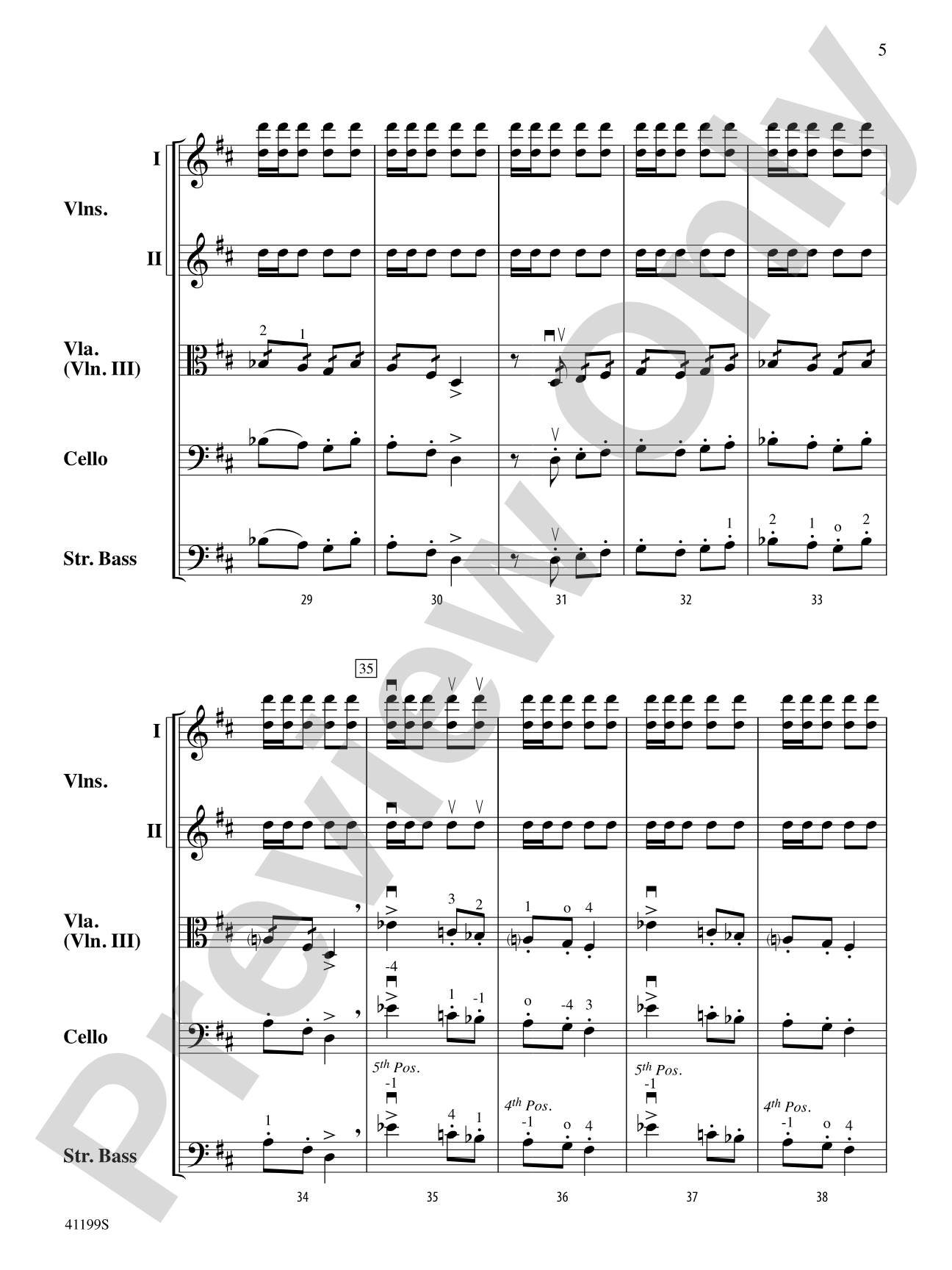
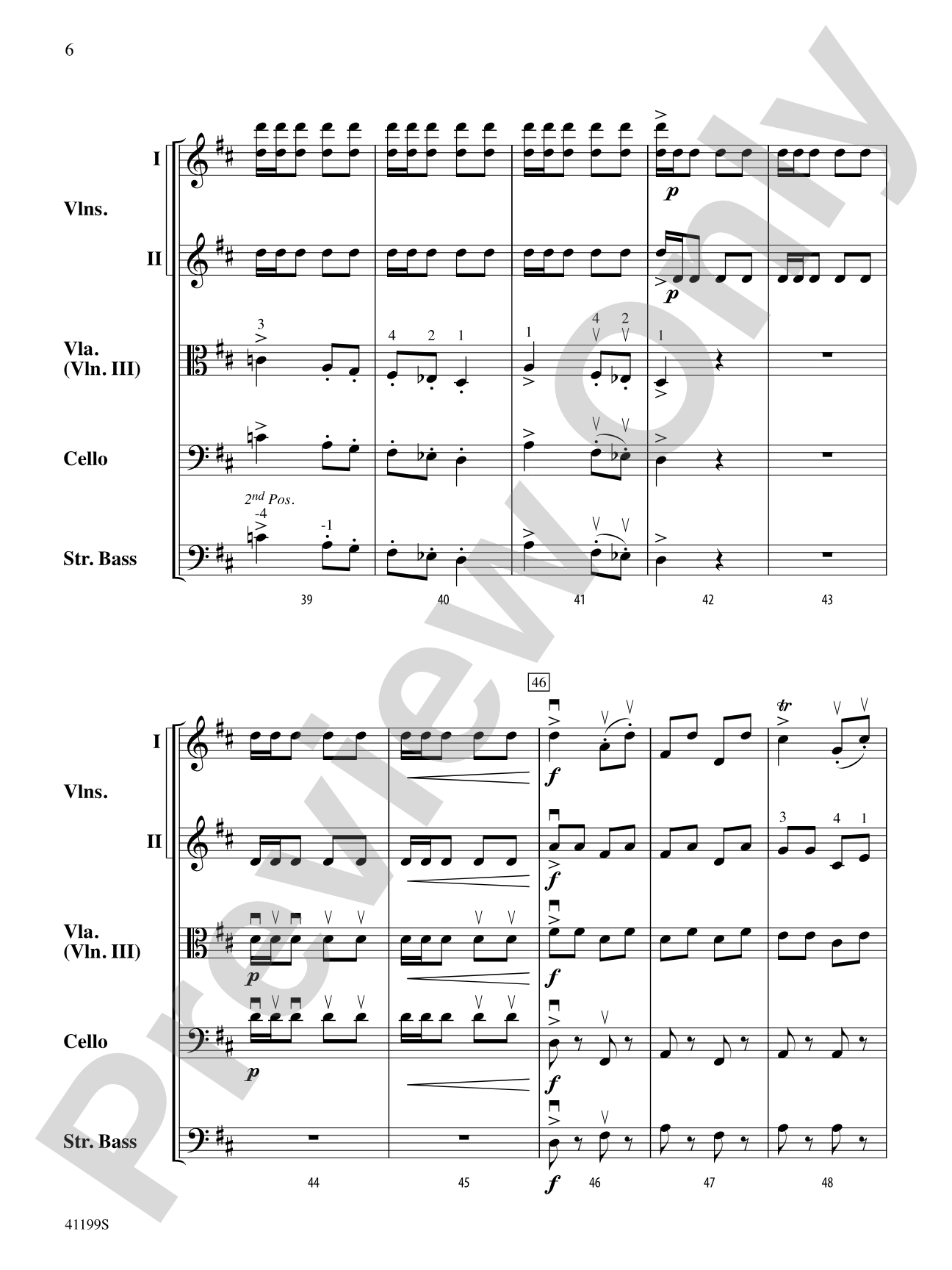
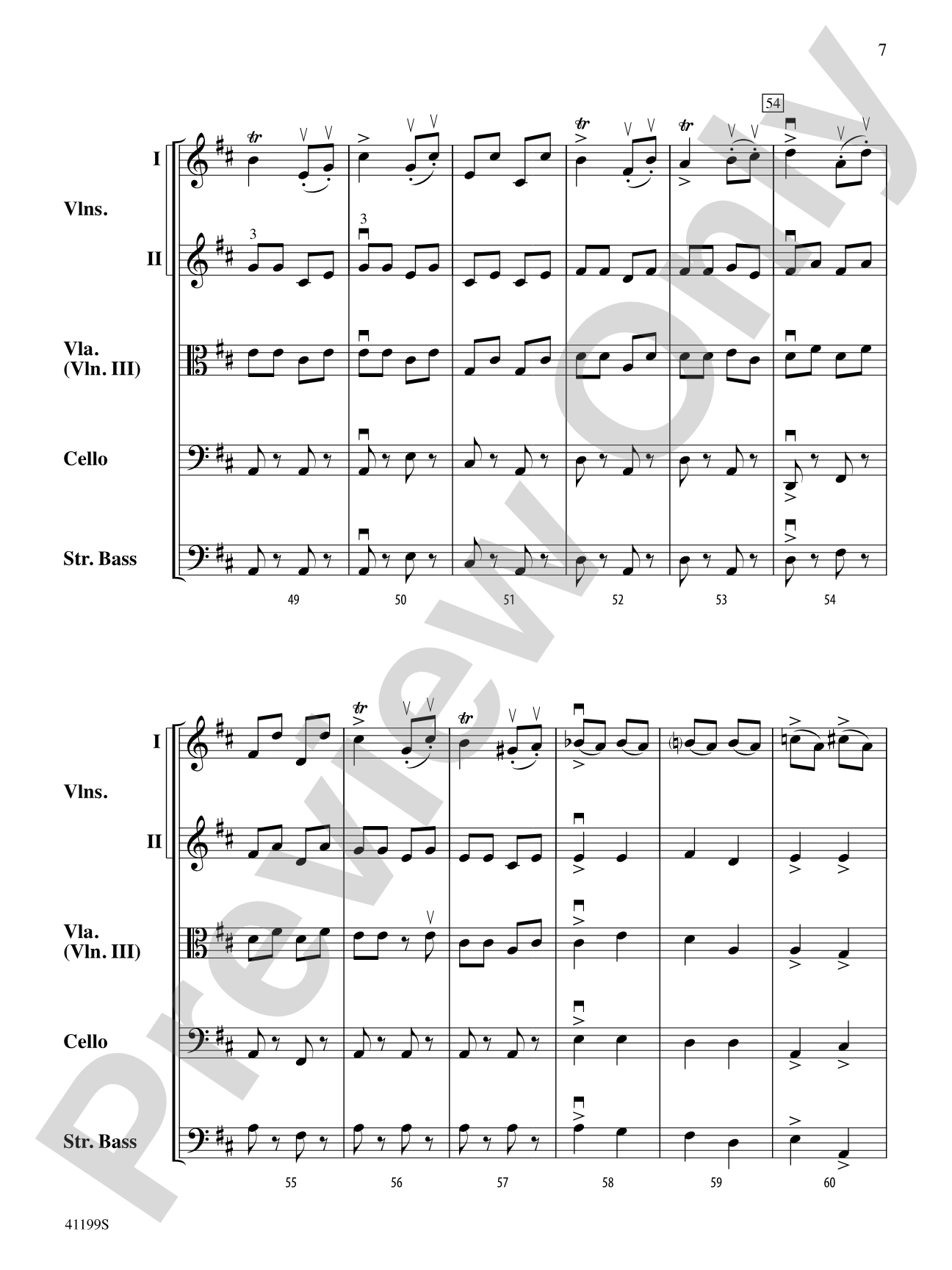
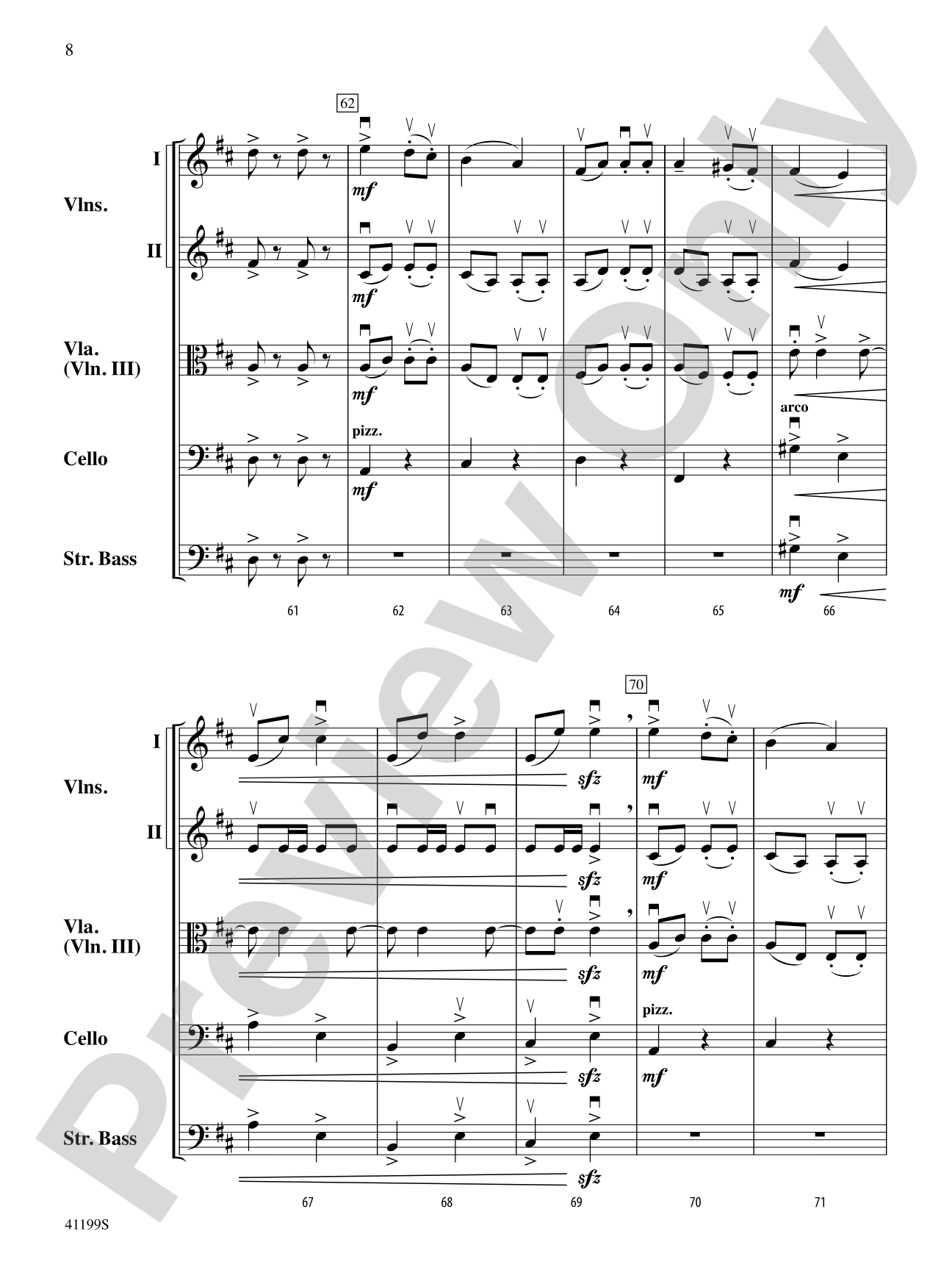

Highlights from Pique Dame: String Orchestra Conductor Score & Parts
By Franz von Suppé / arr. Ralph Ford
Grade: 3
Item: 00-PK-0006070

$48.00
Pickup currently not available
Buy Extra Parts (Digital PDF Download)
| Product | Price | Quantity |
|---|---|---|
| Highlights from Pique Dame: Score | $7.00 | |
| Highlights from Pique Dame: 1st Violin | $5.99 | |
| Highlights from Pique Dame: 2nd Violin | $5.99 | |
| Highlights from Pique Dame: 3rd Violin (Viola [TC]) | $5.99 | |
| Highlights from Pique Dame: Viola | $5.99 | |
| Highlights from Pique Dame: Cello | $5.99 | |
| Highlights from Pique Dame: String Bass | $5.99 |
Parts Added to Cart!
Description
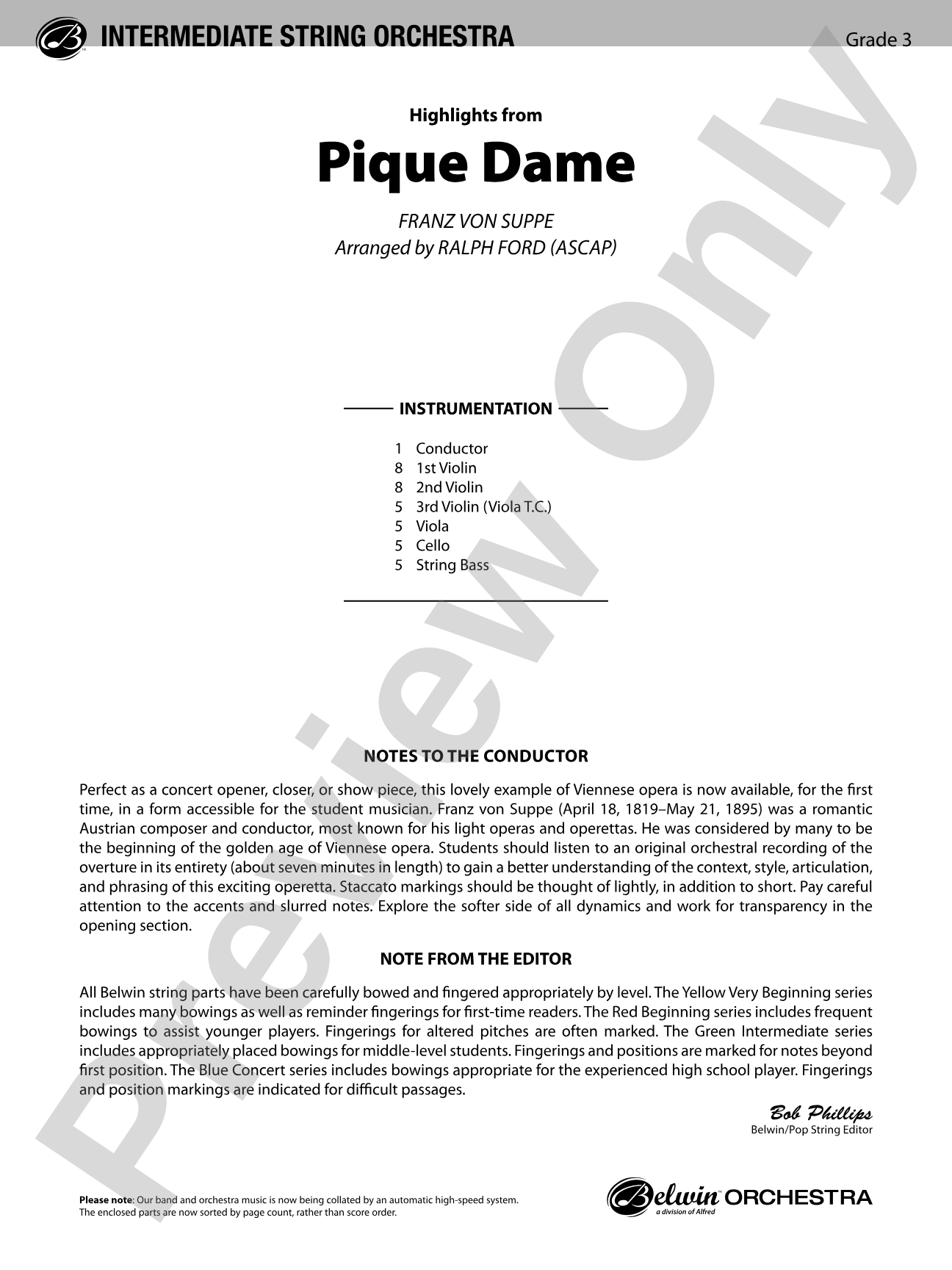
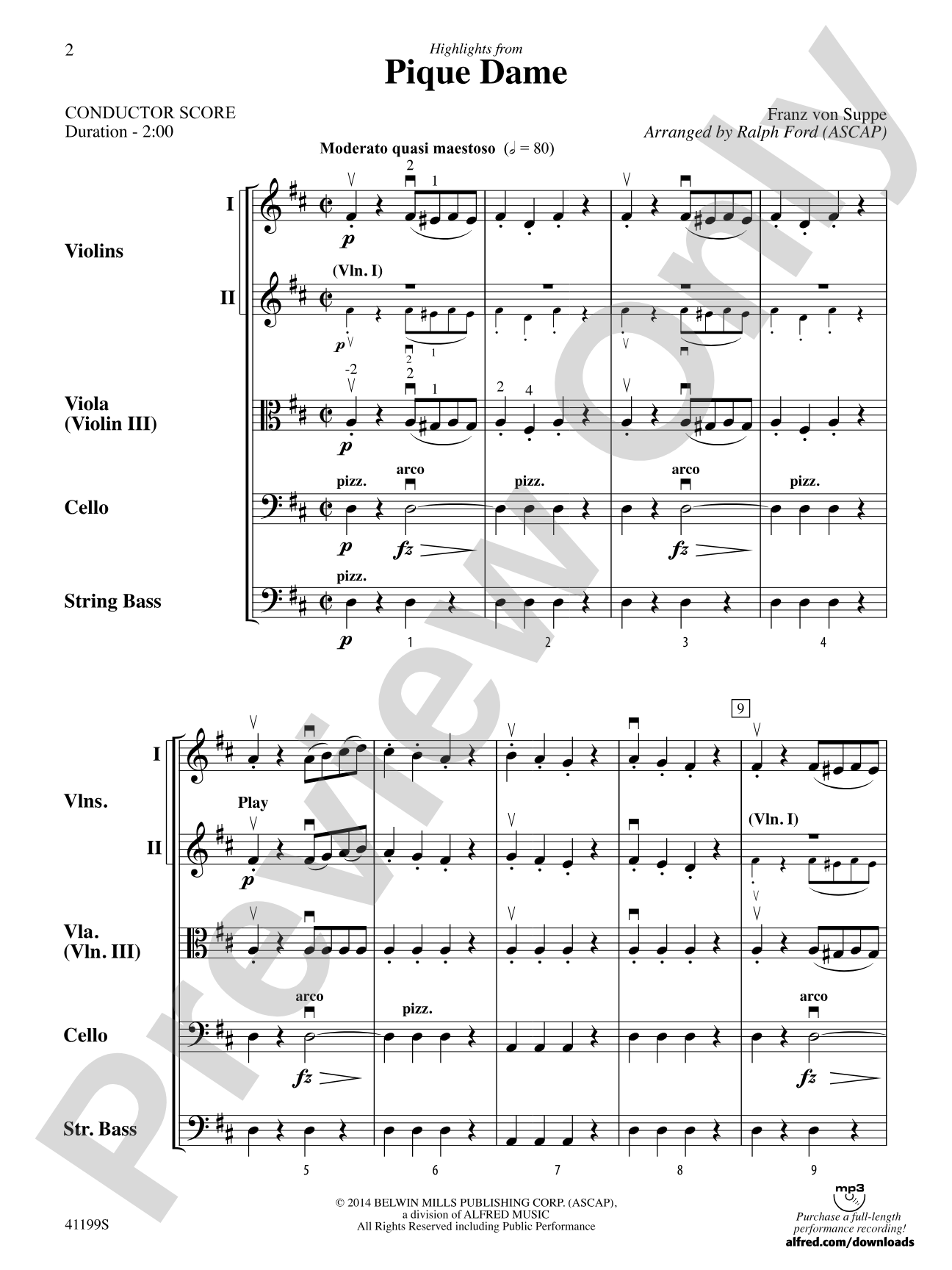
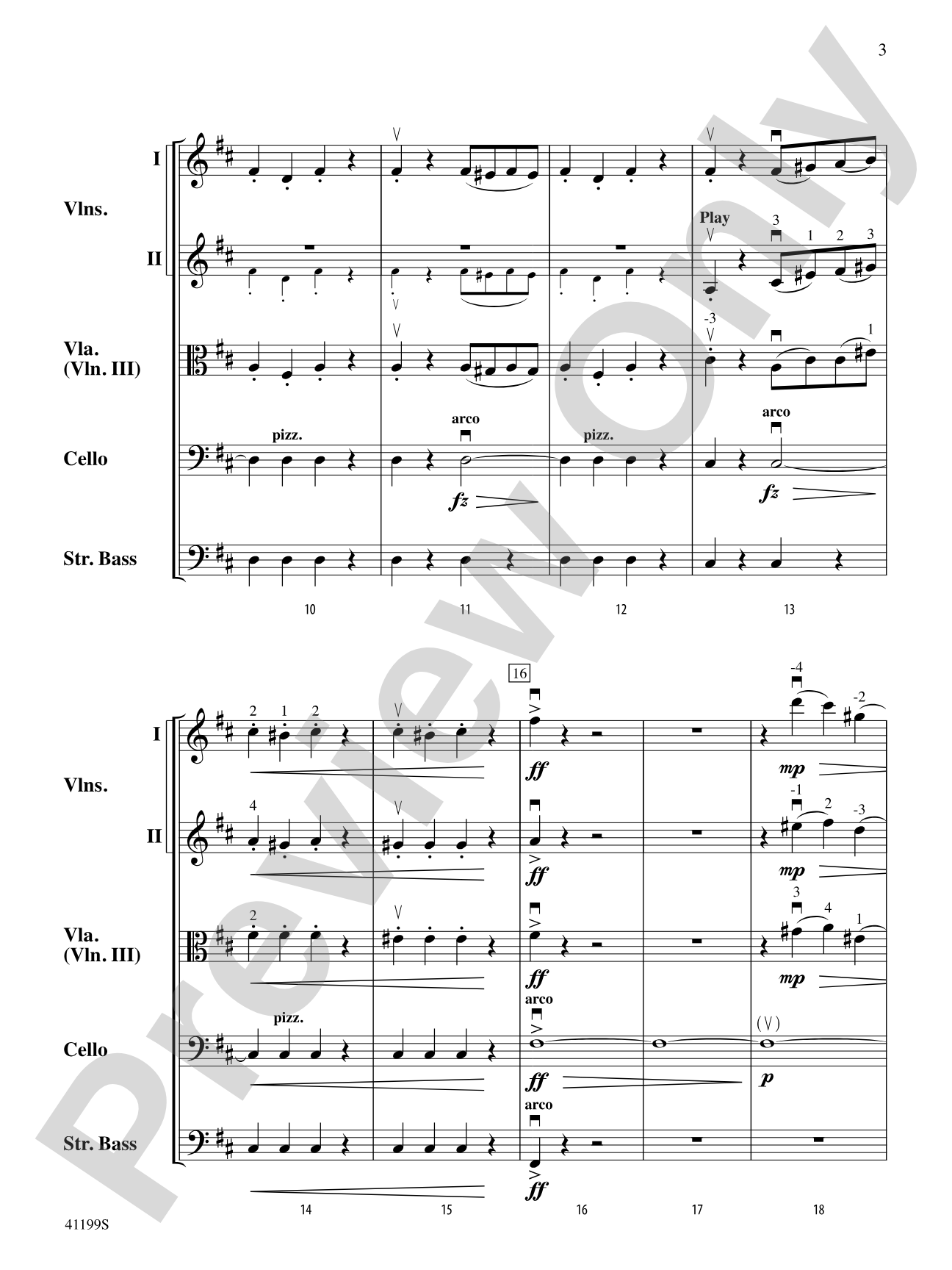
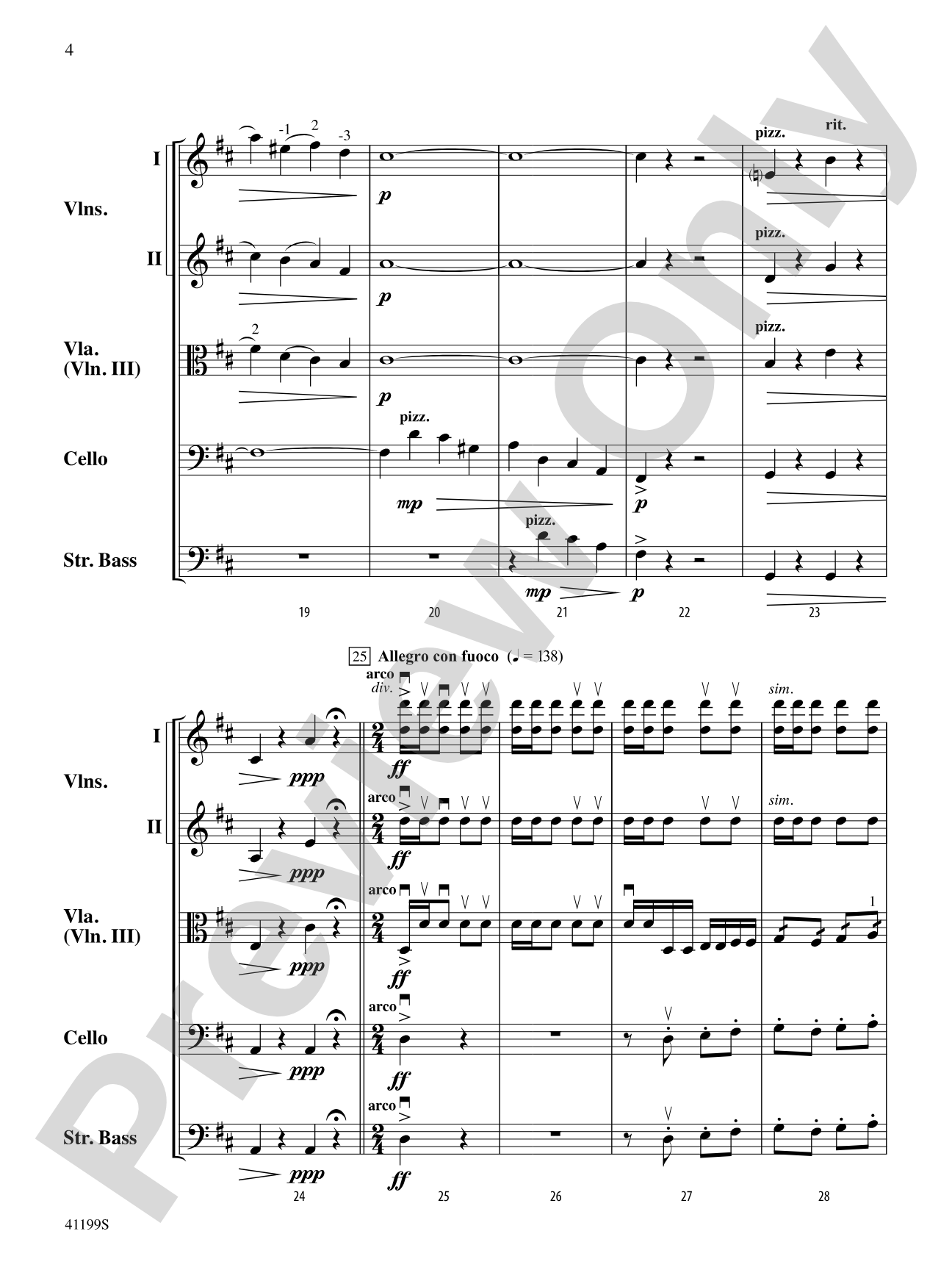
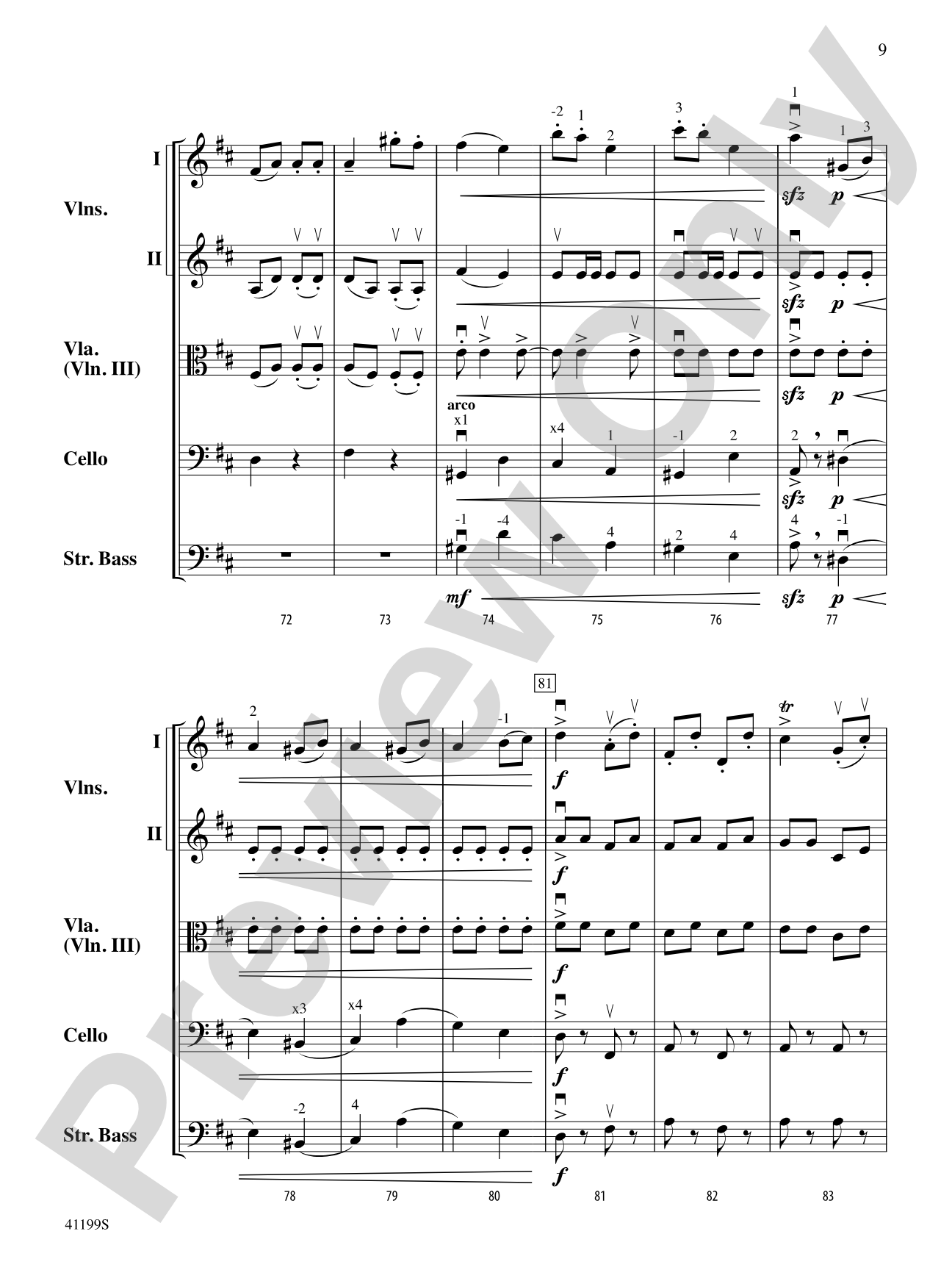
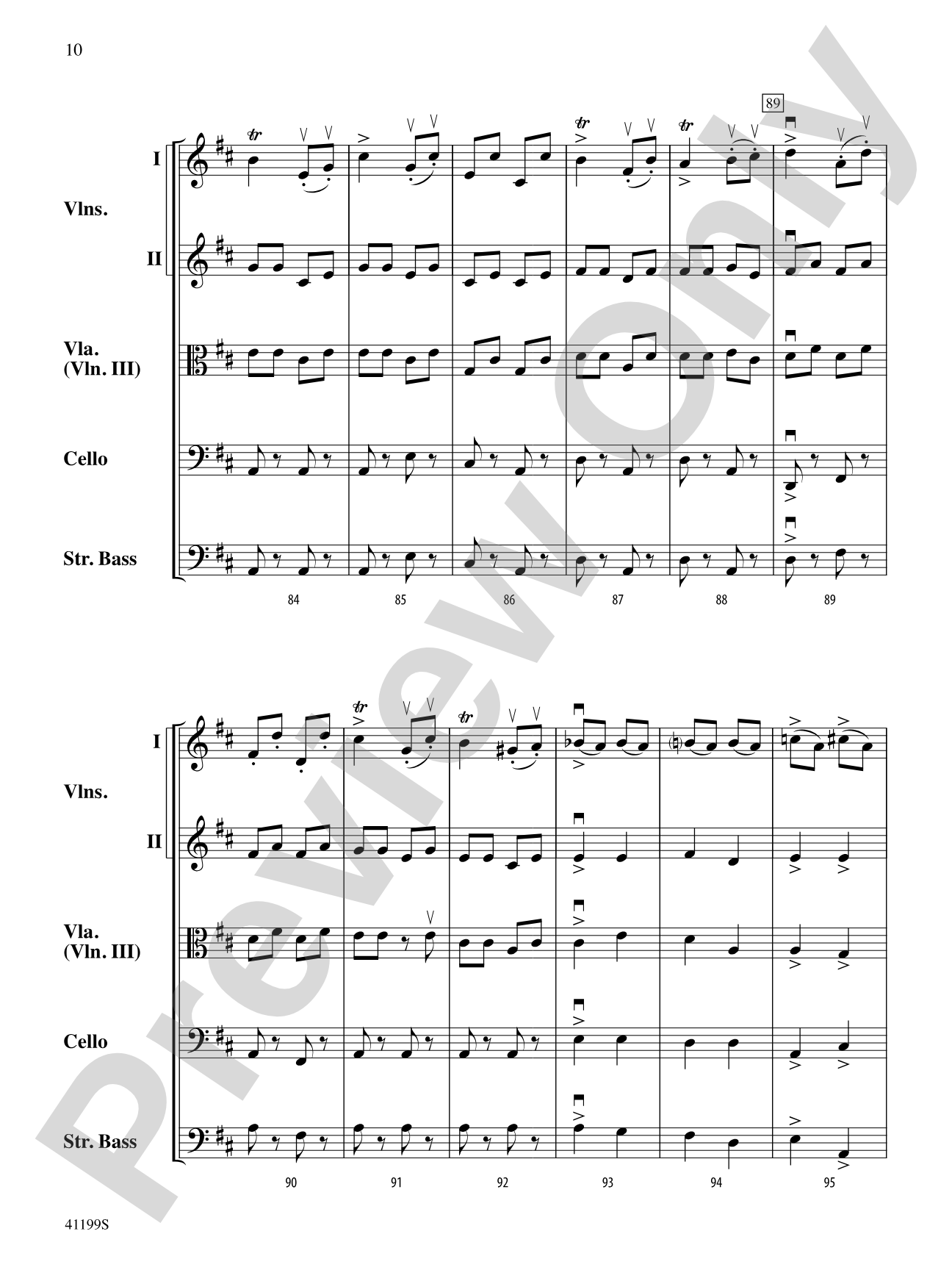
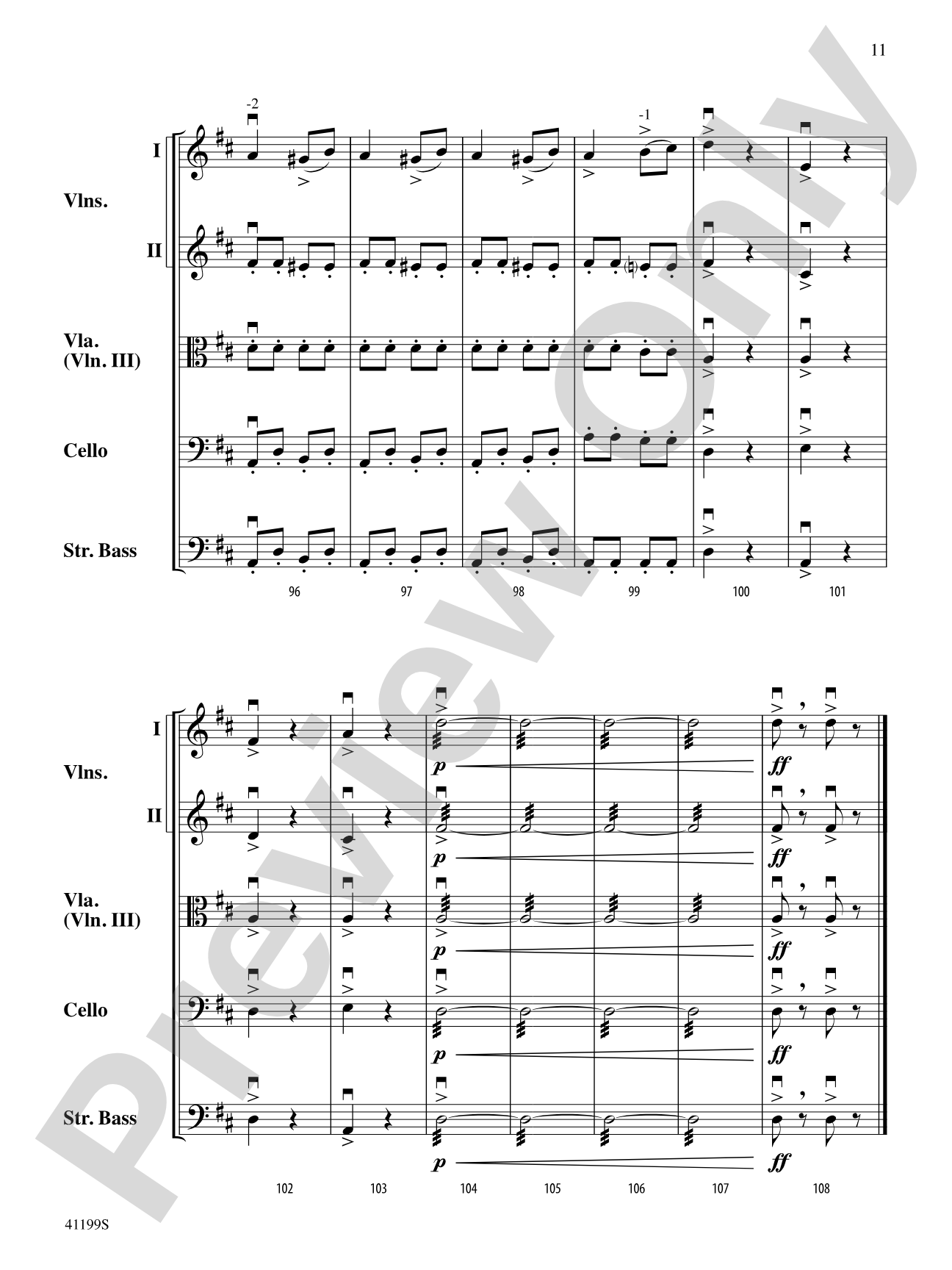
Perfect as a concert opener, closer, or show piece, this lovely example of Viennese opera is now available, for the first time, in a form accessible for the student musician. Many opportunities to work on articulations, slurs, and phrasing are provided. (2:00) This title is available in MakeMusic Cloud.


Don't just read it, hear it, play along with it, and watch your students grow with it. In MakeMusic Cloud, Highlights from Pique Dame: String Orchestra Conductor Score & Parts comes alive with professional accompaniment, adjustable tempo, and built-in practice tools that turn solo practice into real progress.
Open in the Player
Jump straight in and assign it today.
Start Your Free Trial
Open this title and explore the full library in minutes.
Sample Audio
1
Audio File
--:--
0:00
0:00
Sample Video
No sample videos found.
Additional Details
Series:
Belwin Intermediate String Orchestra
Publisher:
Alfred Music
Page Count:
144
SKU:
00-PK-0006070
More about this title
About the Composer: Franz von Suppé
Franz von Suppé (1819-1895) was an Austrian composer who shaped the operetta genre during the 19th century. His gift for melody and orchestration made him one of the most performed composers of the Romantic era, and his overtures remain concert staples worldwide.
Why we love this
Ralph Ford's arrangement captures the charm and melodic richness of Suppé's operetta without overwhelming young string players. The piece works equally well as a concert opener that establishes elegance or a closer that leaves audiences smiling, making it genuinely versatile for your programming needs.
What to expect
Elegant and buoyant, this music carries the sophistication of Viennese opera house tradition into a context where young musicians can inhabit it fully. There's a lightness to the orchestration and an infectious melodic generosity that makes playing it genuinely satisfying rather than merely competent.
Who it's for
String orchestras at Grade 3 level will find accessible material that sounds mature and polished in concert. Teachers seeking repertoire that develops musicianship alongside technical skills, and directors who want pieces that excite audiences, will both benefit from this arrangement.
How to get the most out of it
- Shape each melodic phrase with deliberate attention to the slurs and articulations written in; they define the Viennese character of the music and prevent playing that feels mechanical or rushed.
- Balance the first violin line against the inner voices, which often carry counter-melodies that enrich the harmonic texture. A conductor's careful listening in rehearsal will draw these out naturally.
- Maintain a flowing, dance-like quality in the phrasing even when managing the technical demands of articulation patterns. Suppé wrote music meant to move, not impress through precision alone.
- Control vibrato strategically during sustained passages; lightening it slightly in ensemble sections allows clearer articulation to emerge without sacrificing warmth.
How to use it
Its two-minute duration and immediate appeal make it ideal as a concert opener that establishes both elegance and approachability. Alternatively, program it as a closer to send audiences out with the warmth and familiarity that Suppé mastered so completely.
Skills your students will build
- Articulation control across bowings (staccato, marcato, and legato in mixed contexts)
- Phrasing and dynamic shaping within melodic lines
- Balance and blend when inner voices carry counter-melodies
- Reading and executing slurs that define stylistic character
- Ensemble listening in the presence of multiple simultaneous musical ideas