
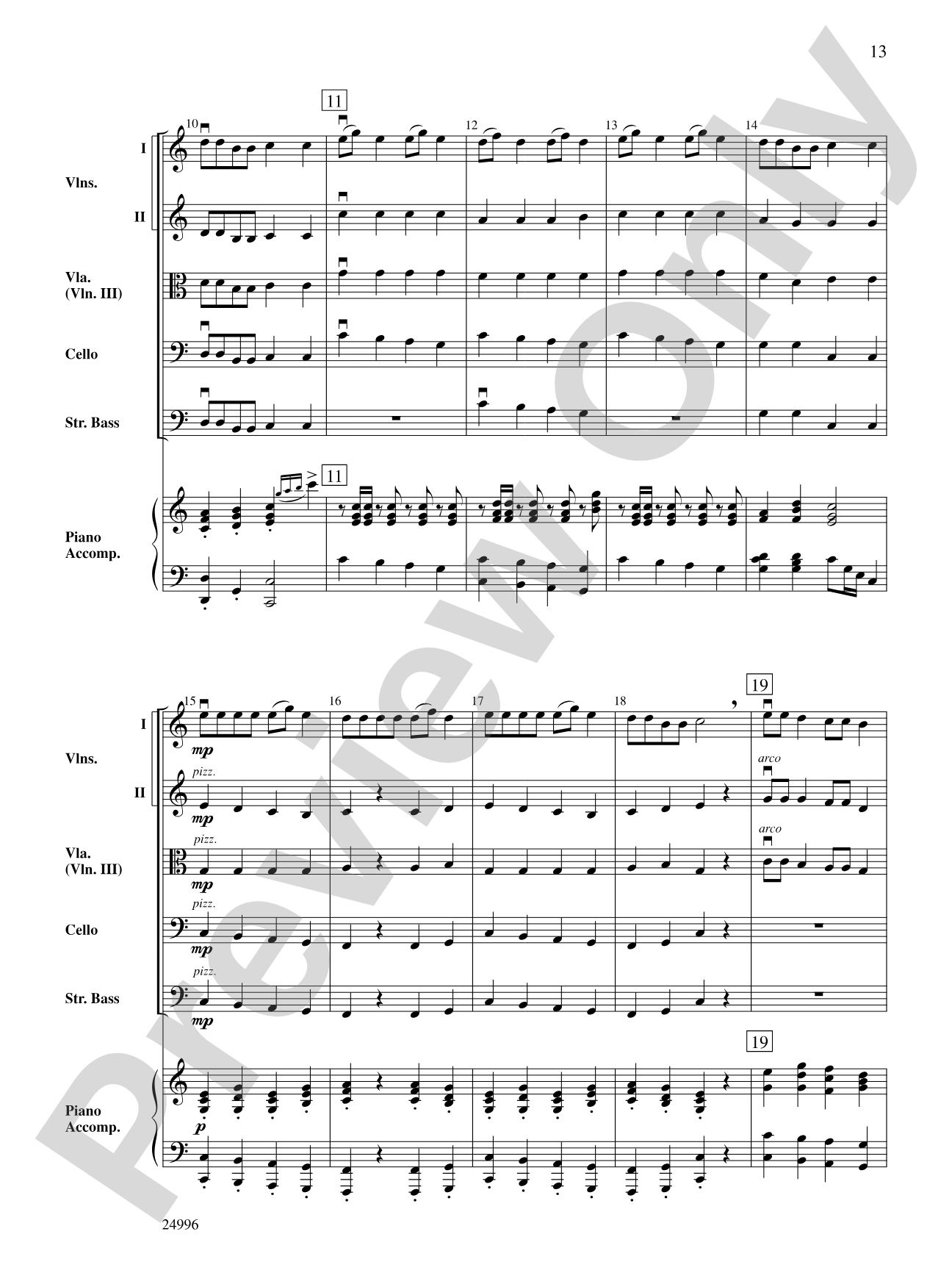
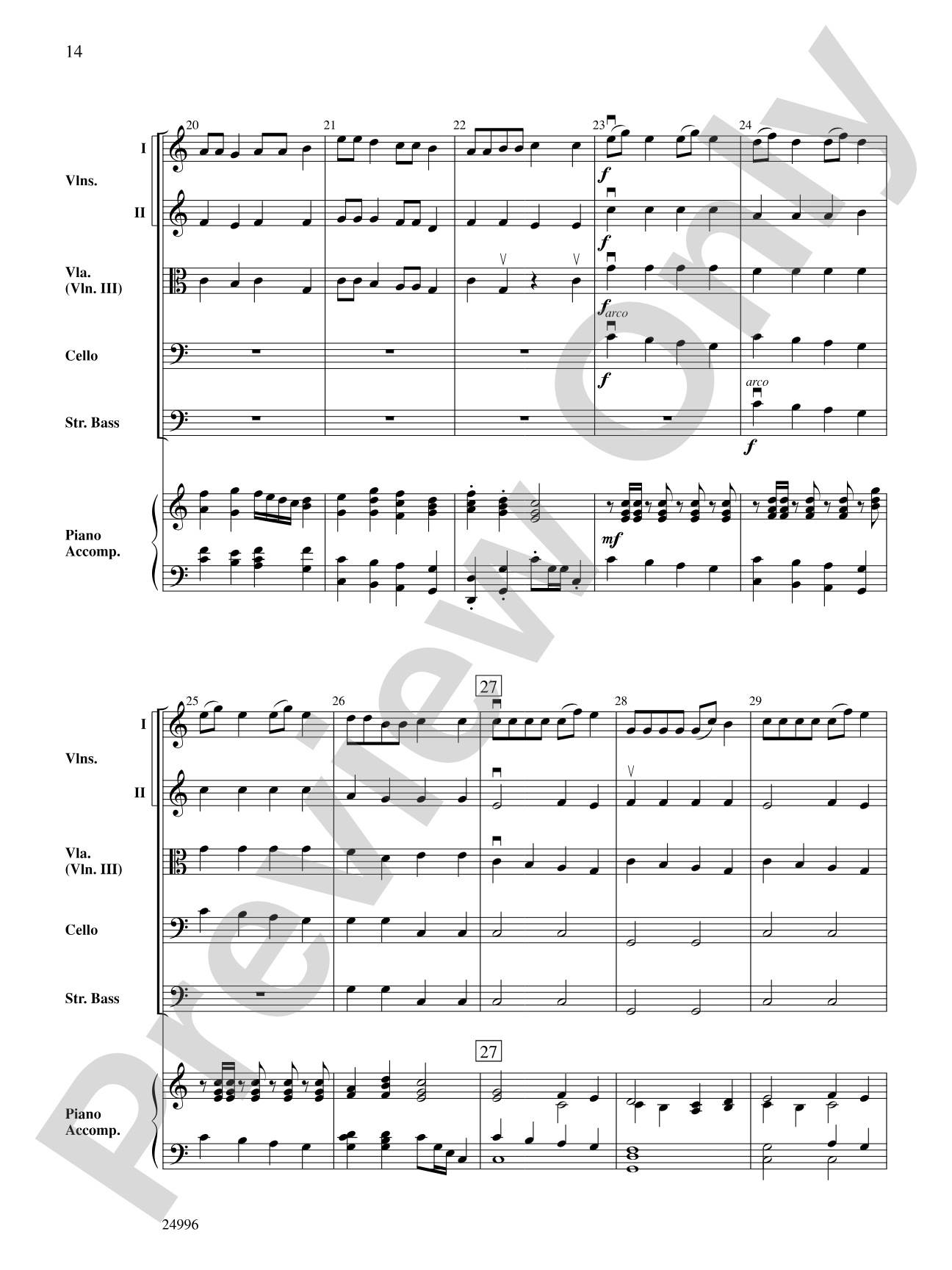
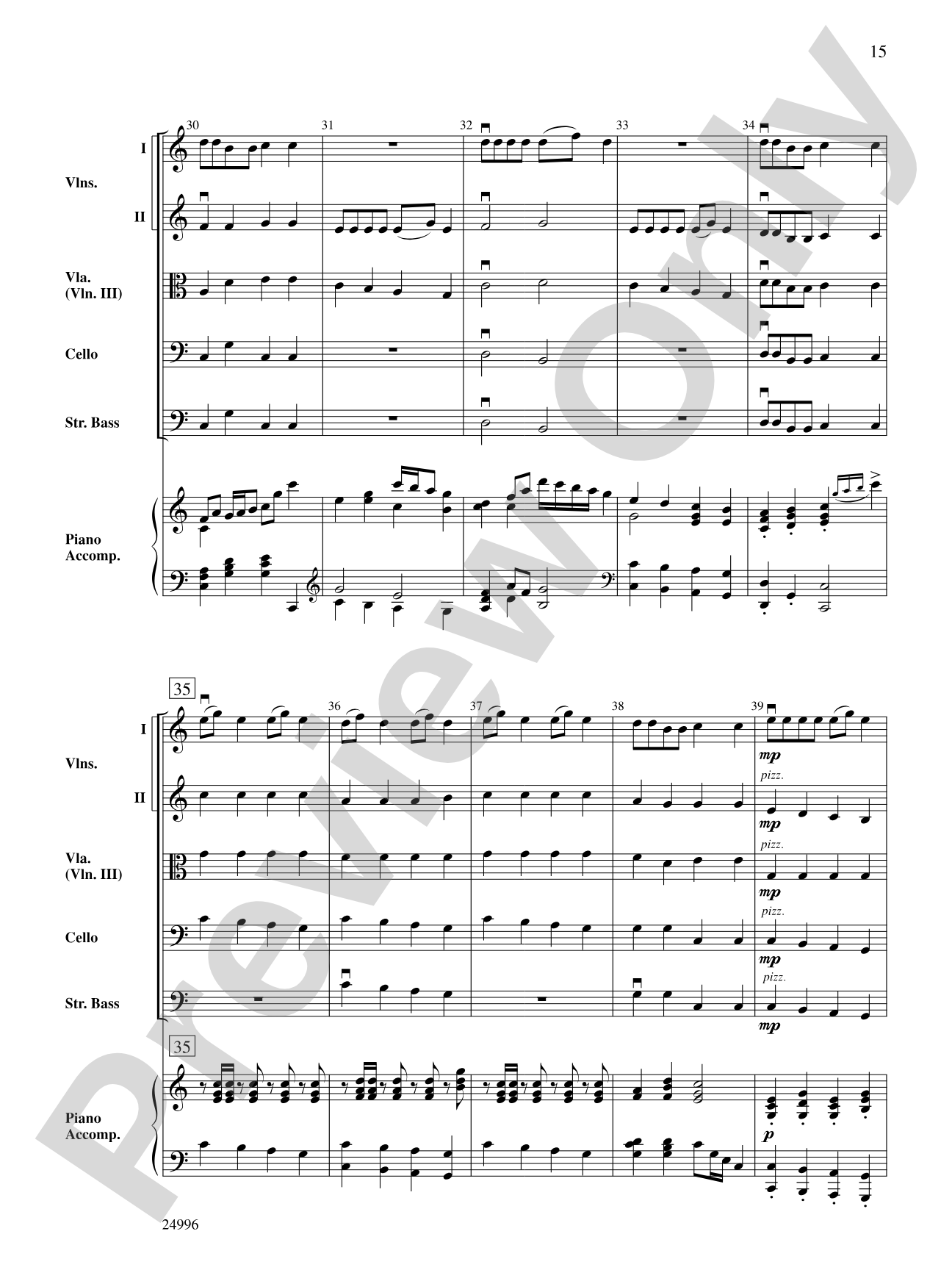
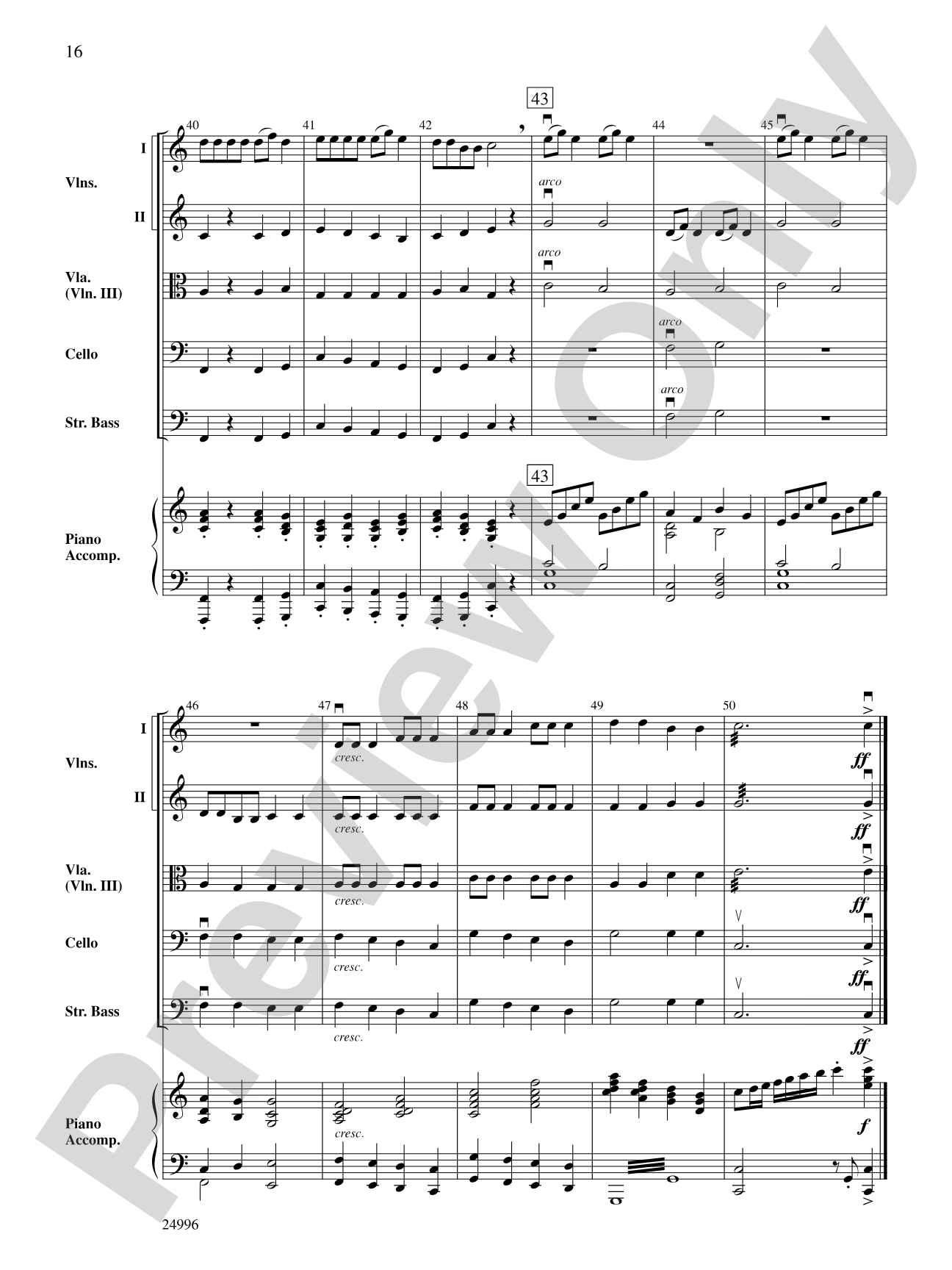

Highlands Suite: String Orchestra Conductor Score & Parts
By Douglas E. Wagner
Grade: 2
Item: 00-PK-0000986

$45.00
Pickup currently not available
Buy Extra Parts (Digital PDF Download)
| Product | Price | Quantity |
|---|---|---|
| Highlands Suite: Score | $6.00 | |
| Highlands Suite: 1st Violin | $5.99 | |
| Highlands Suite: 2nd Violin | $5.99 | |
| Highlands Suite: 3rd Violin (Viola [TC]) | $5.99 | |
| Highlands Suite: Viola | $5.99 | |
| Highlands Suite: Cello | $5.99 | |
| Highlands Suite: String Bass | $5.99 | |
| Highlands Suite: Piano Accompaniment | $5.99 |
Parts Added to Cart!
Description
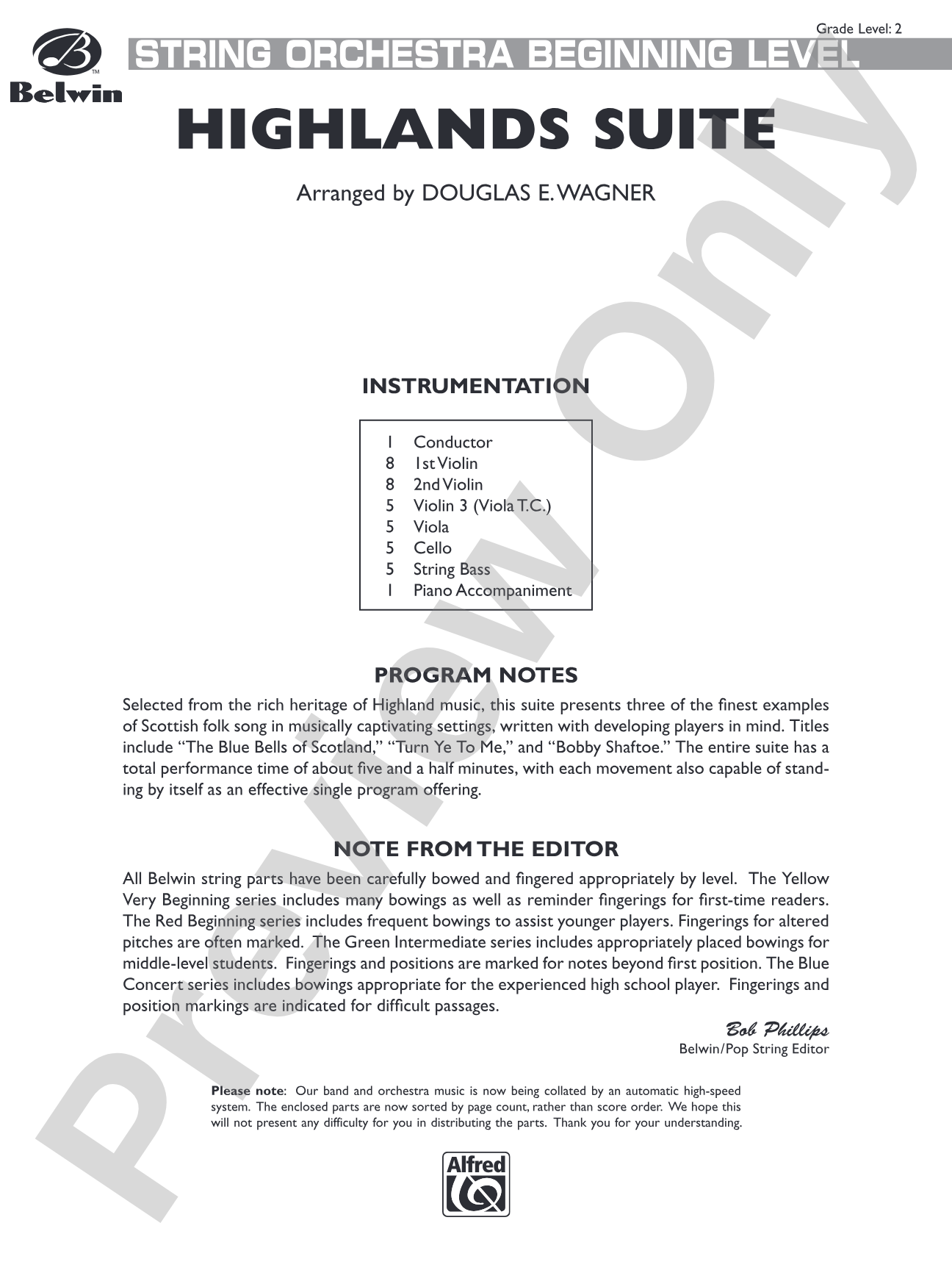
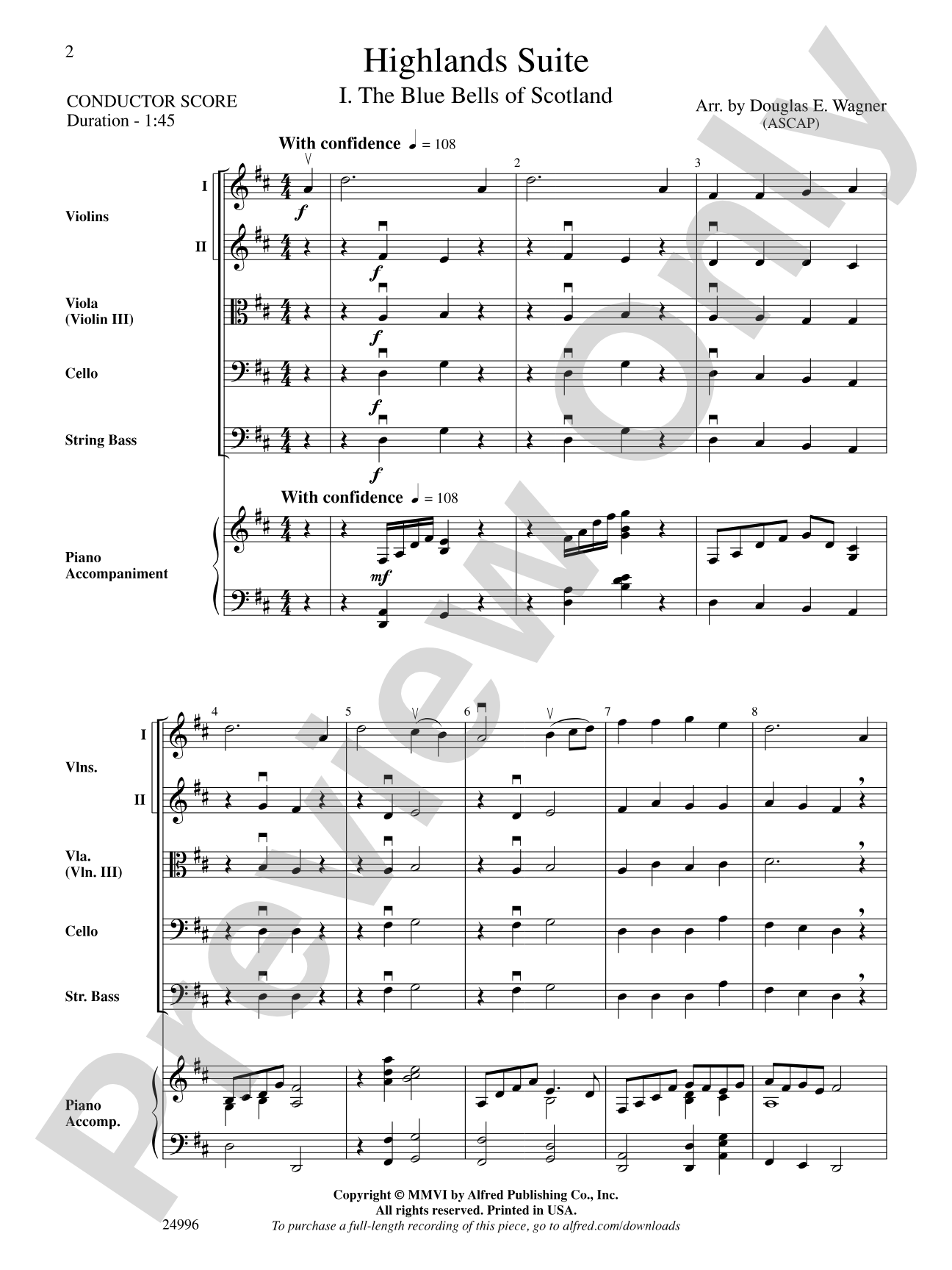
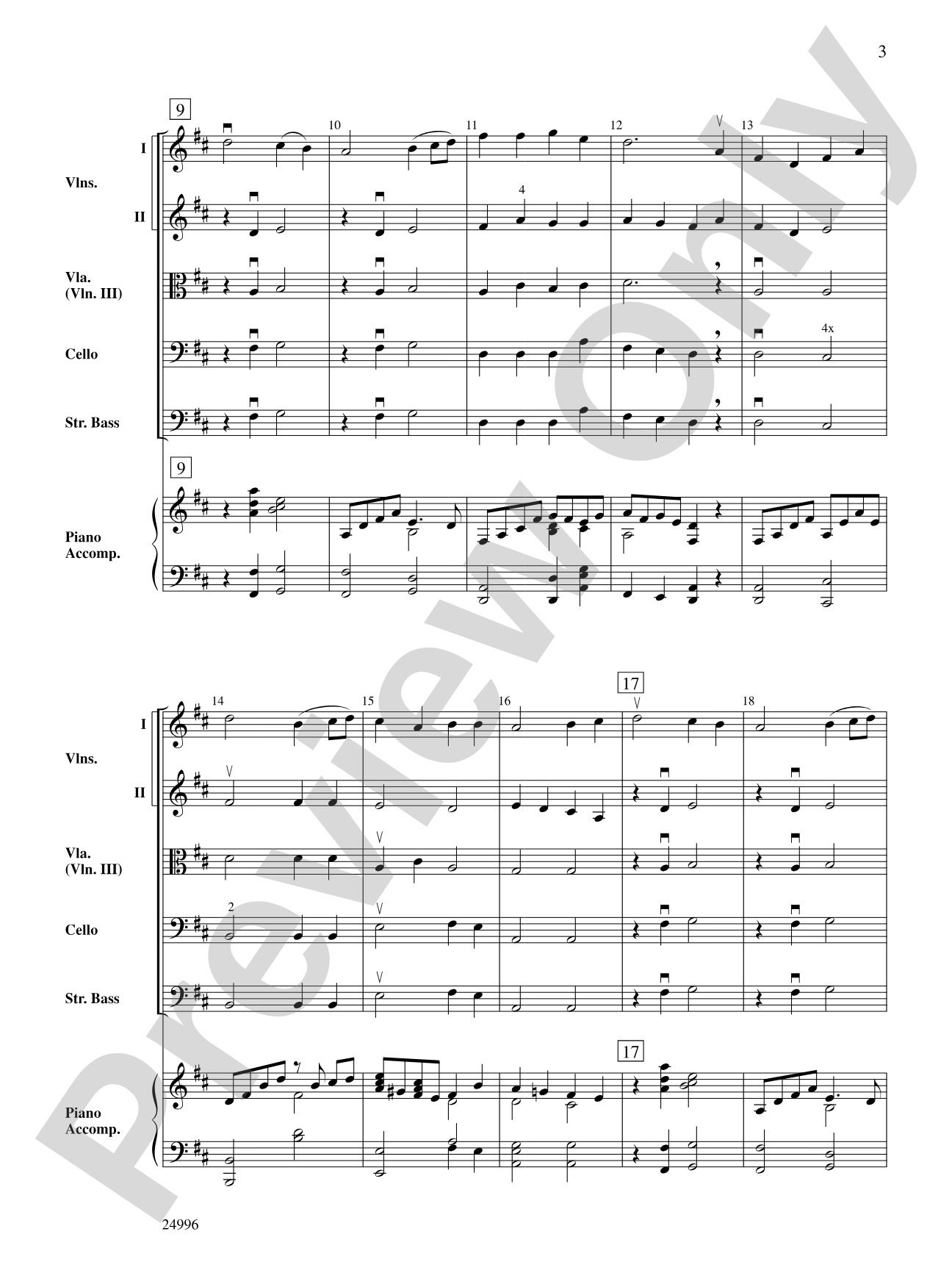
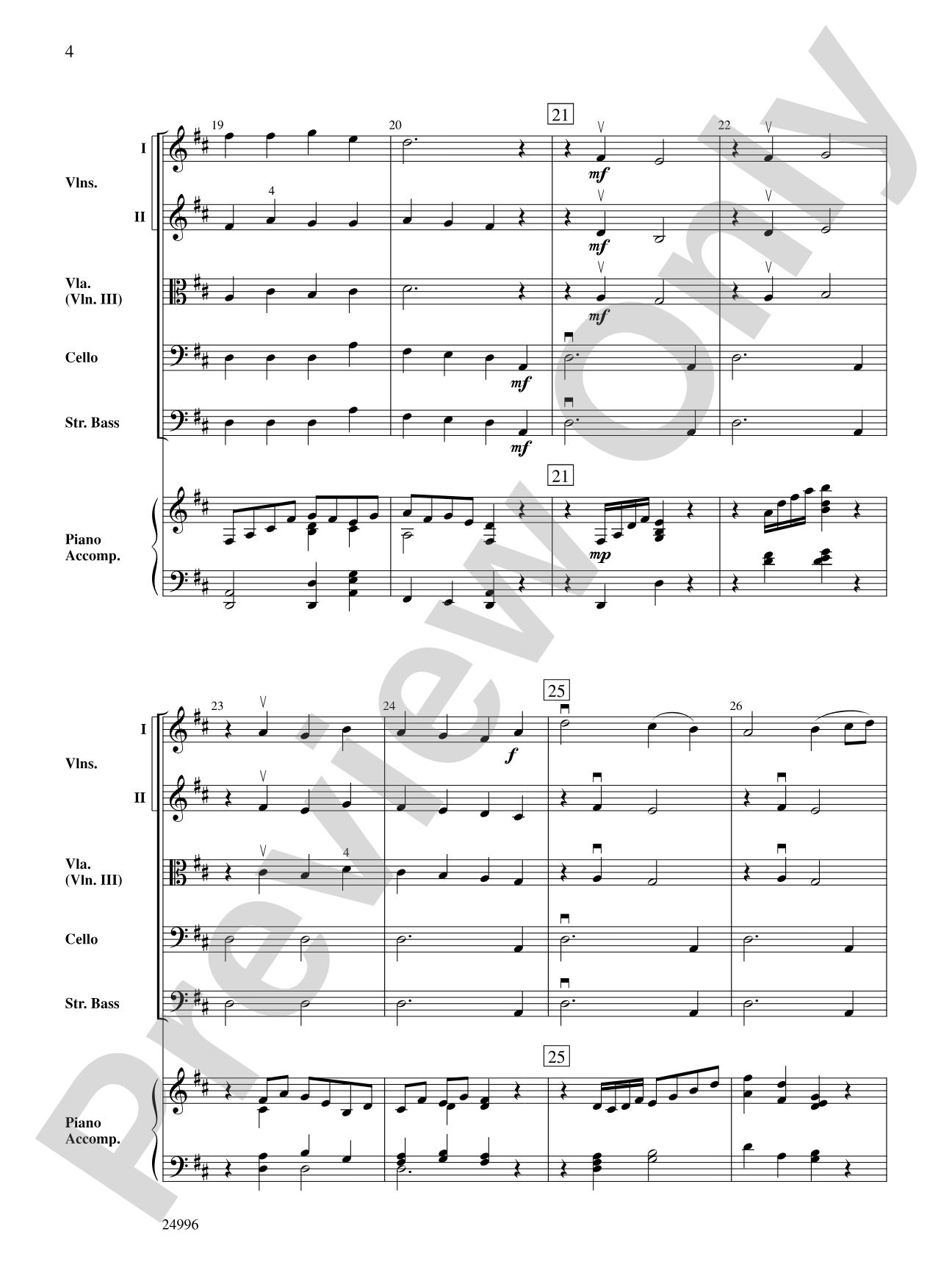
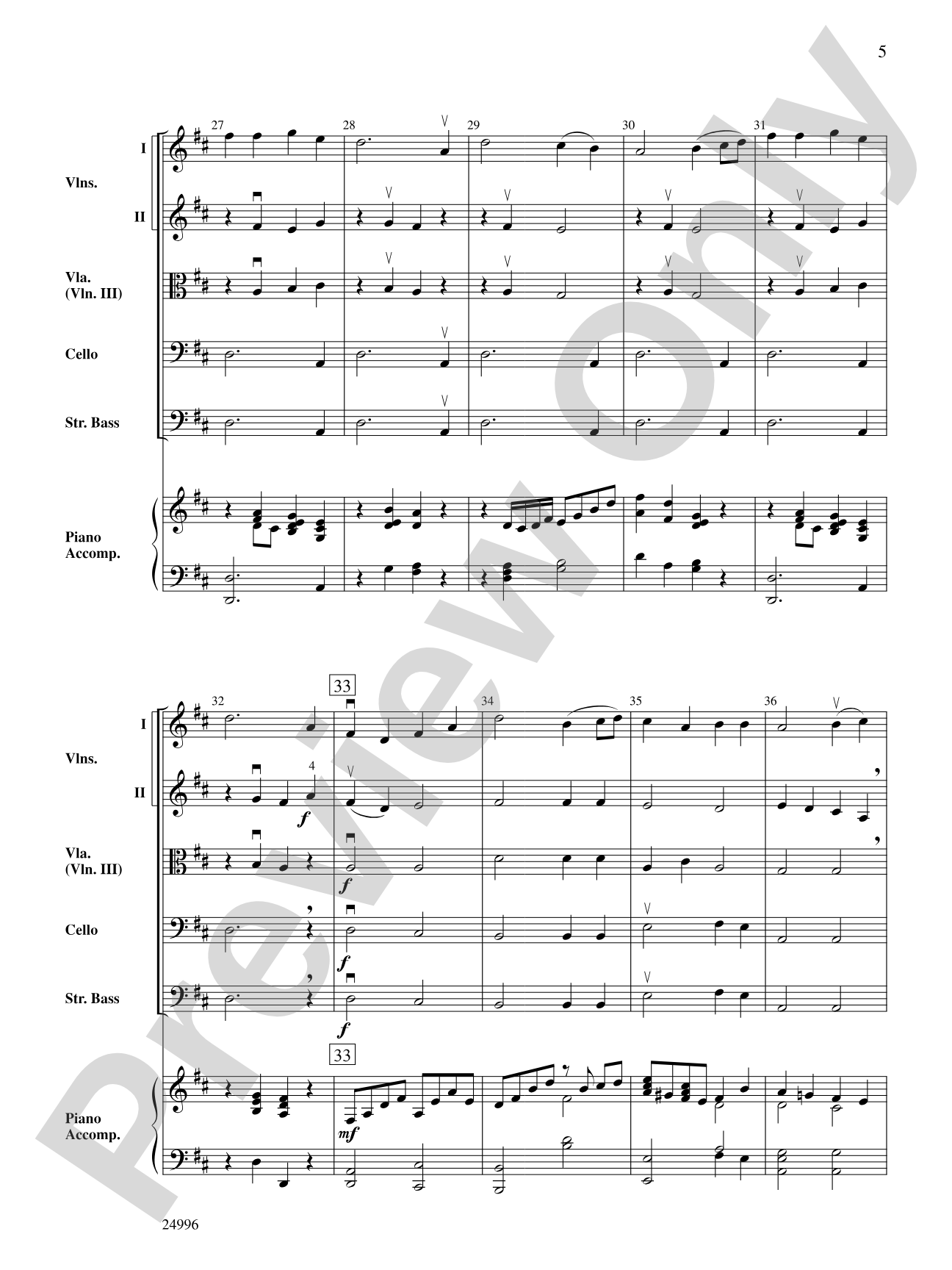
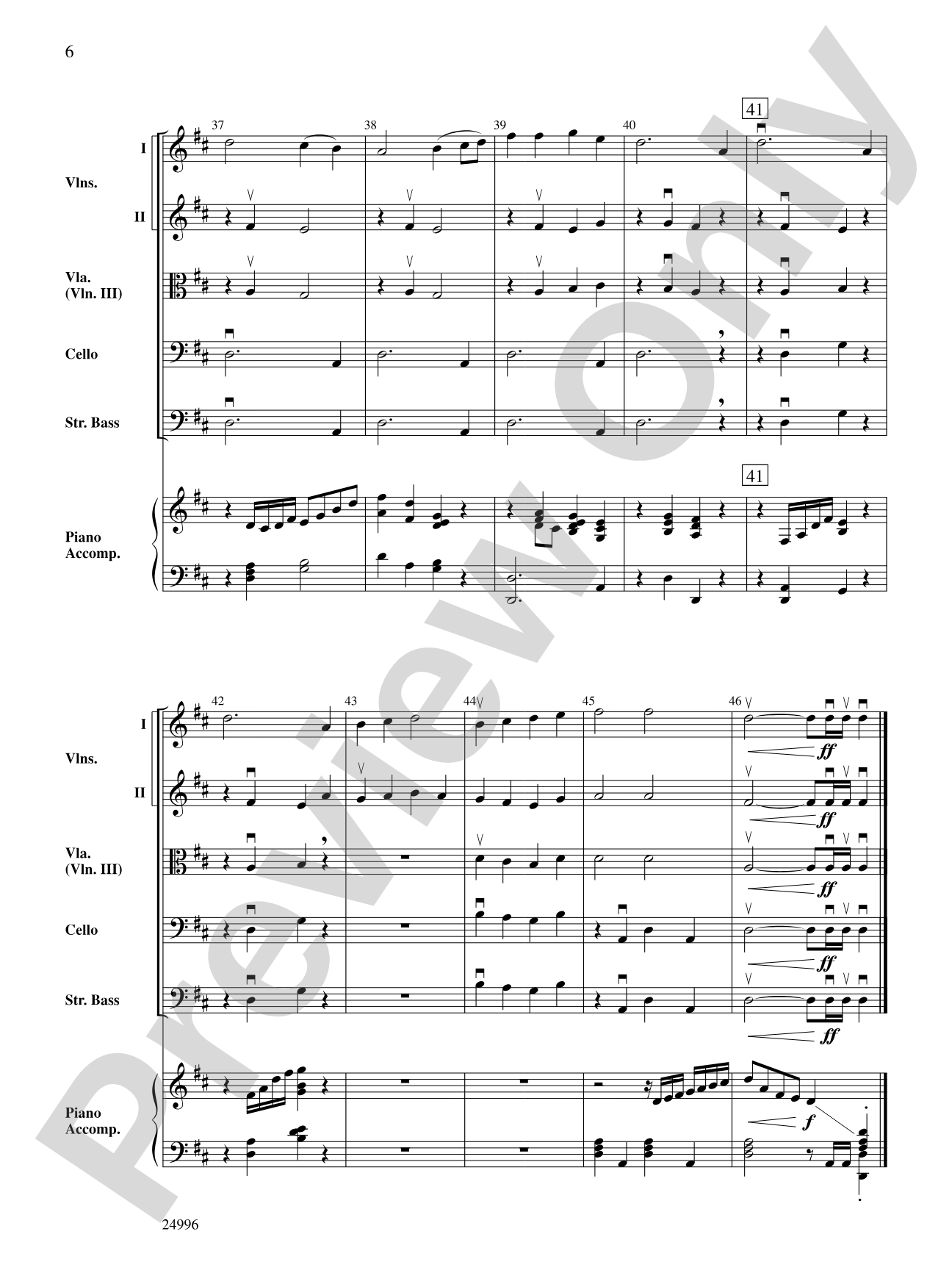
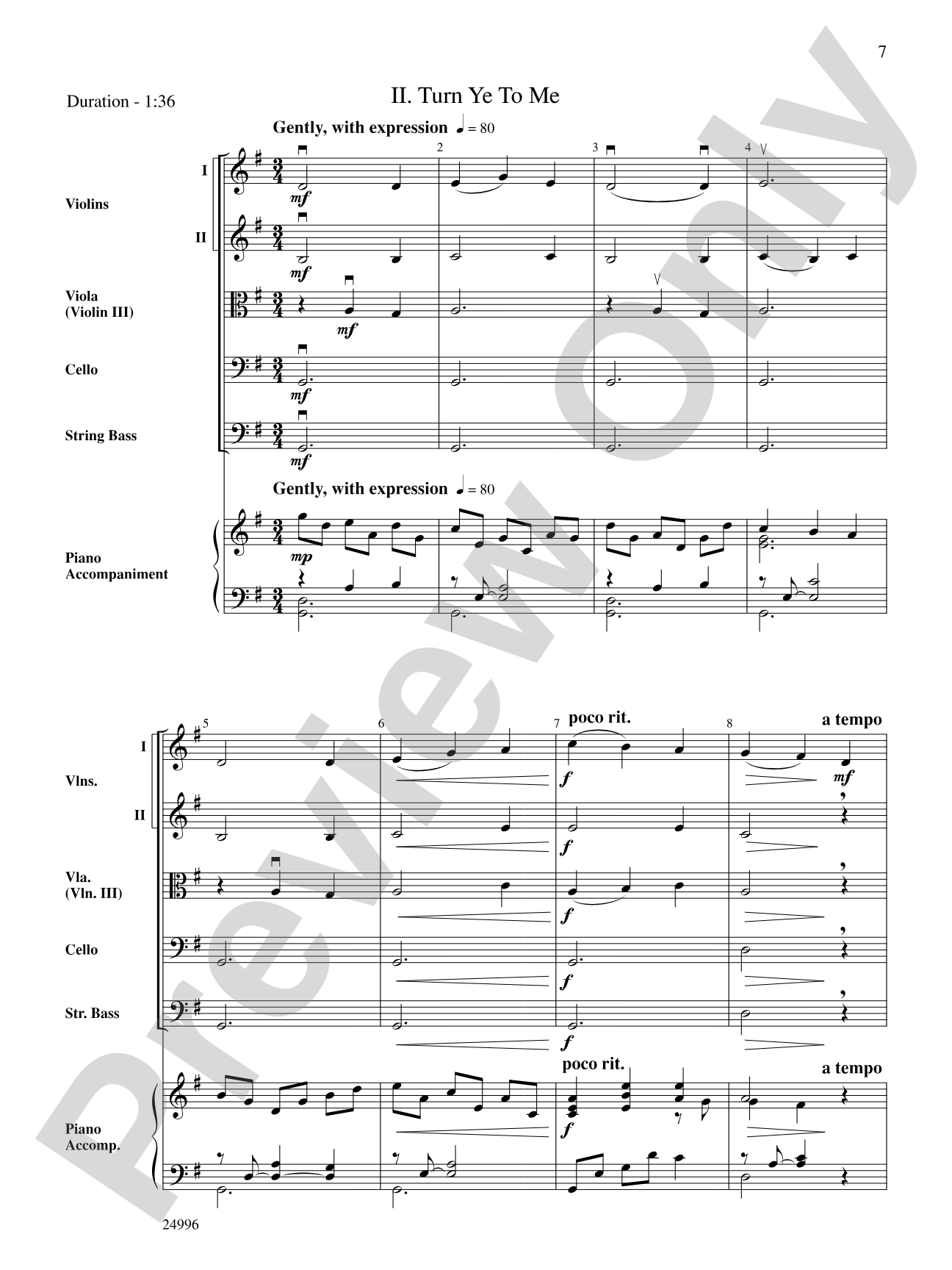
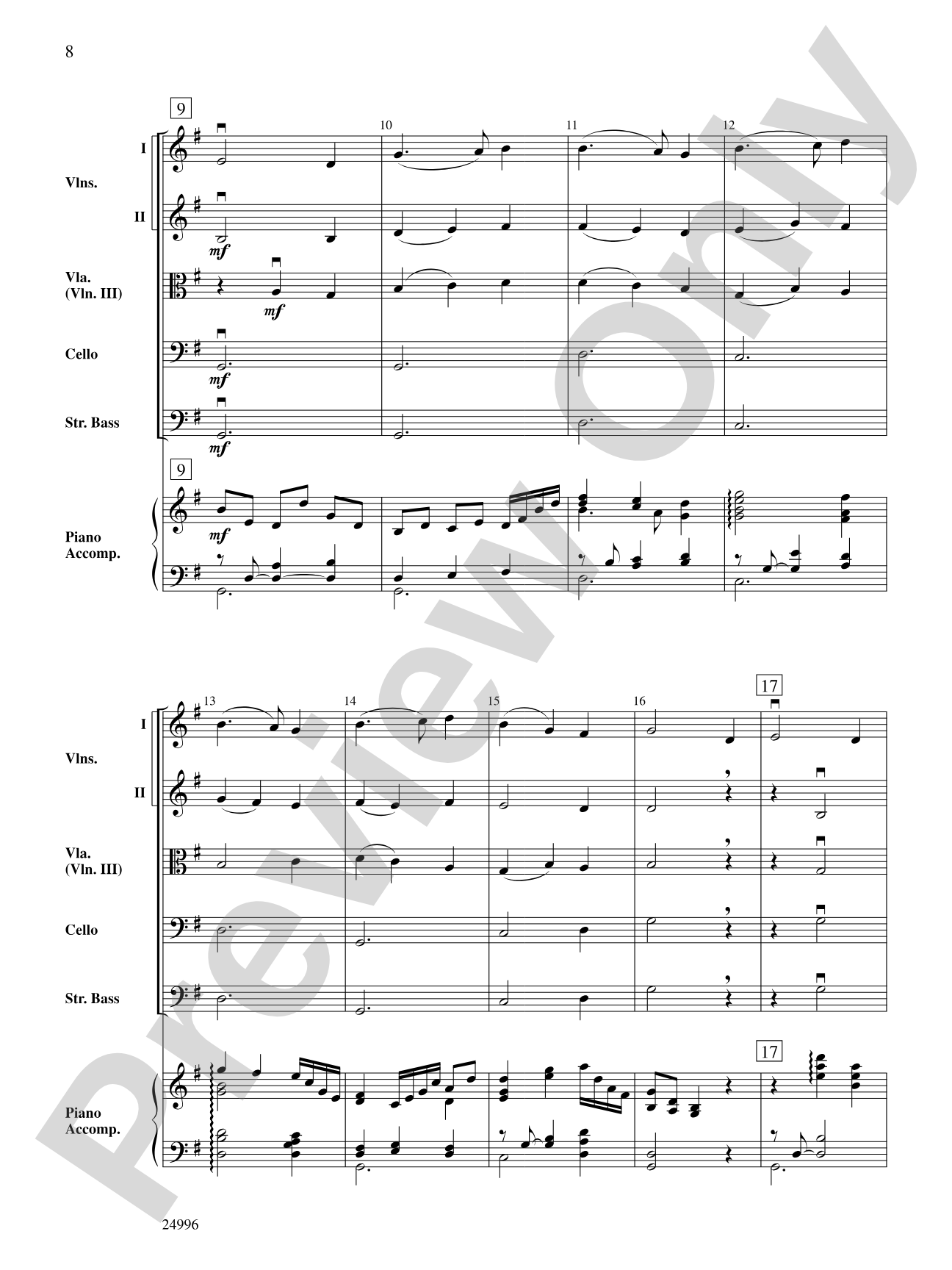
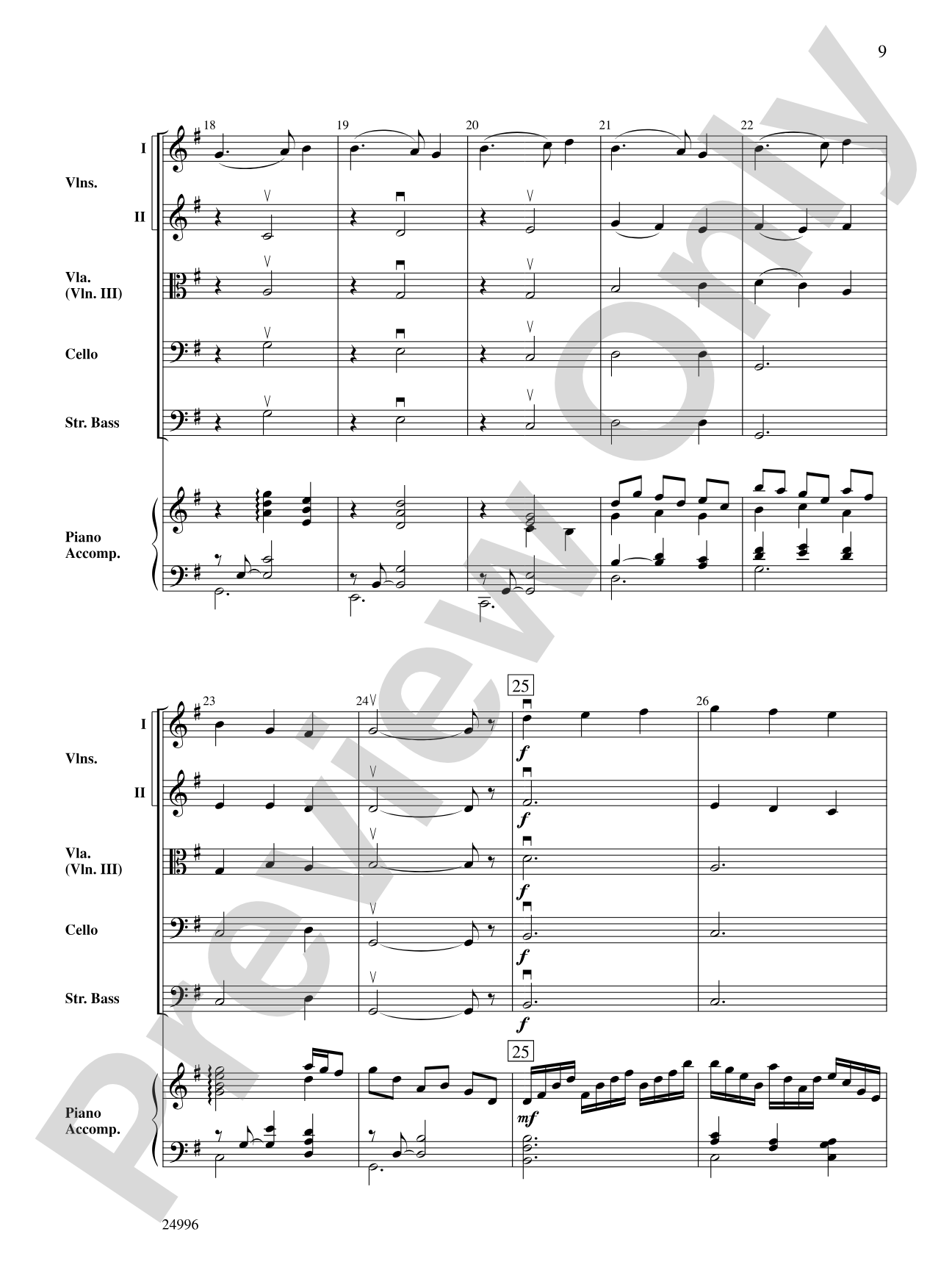
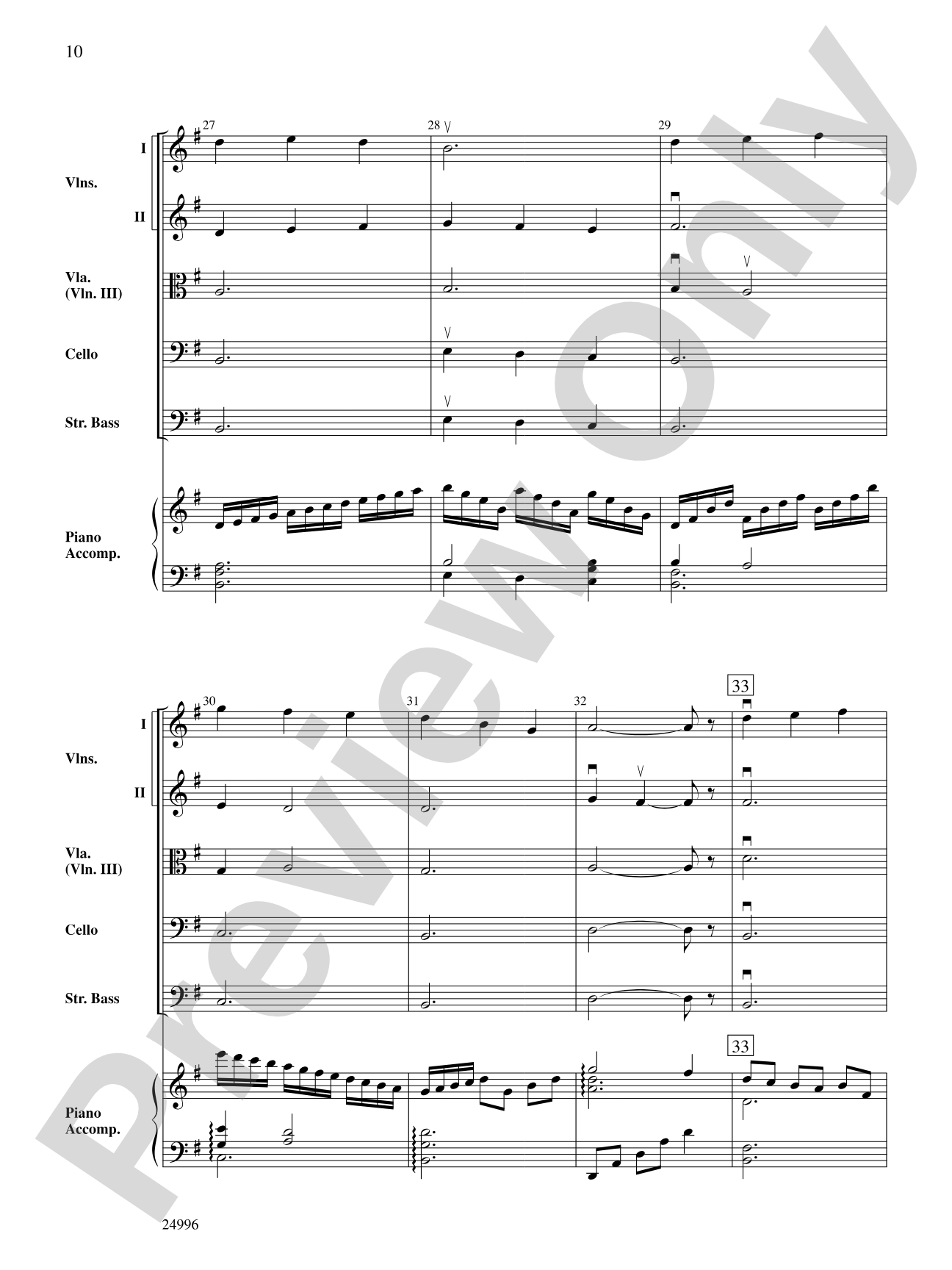
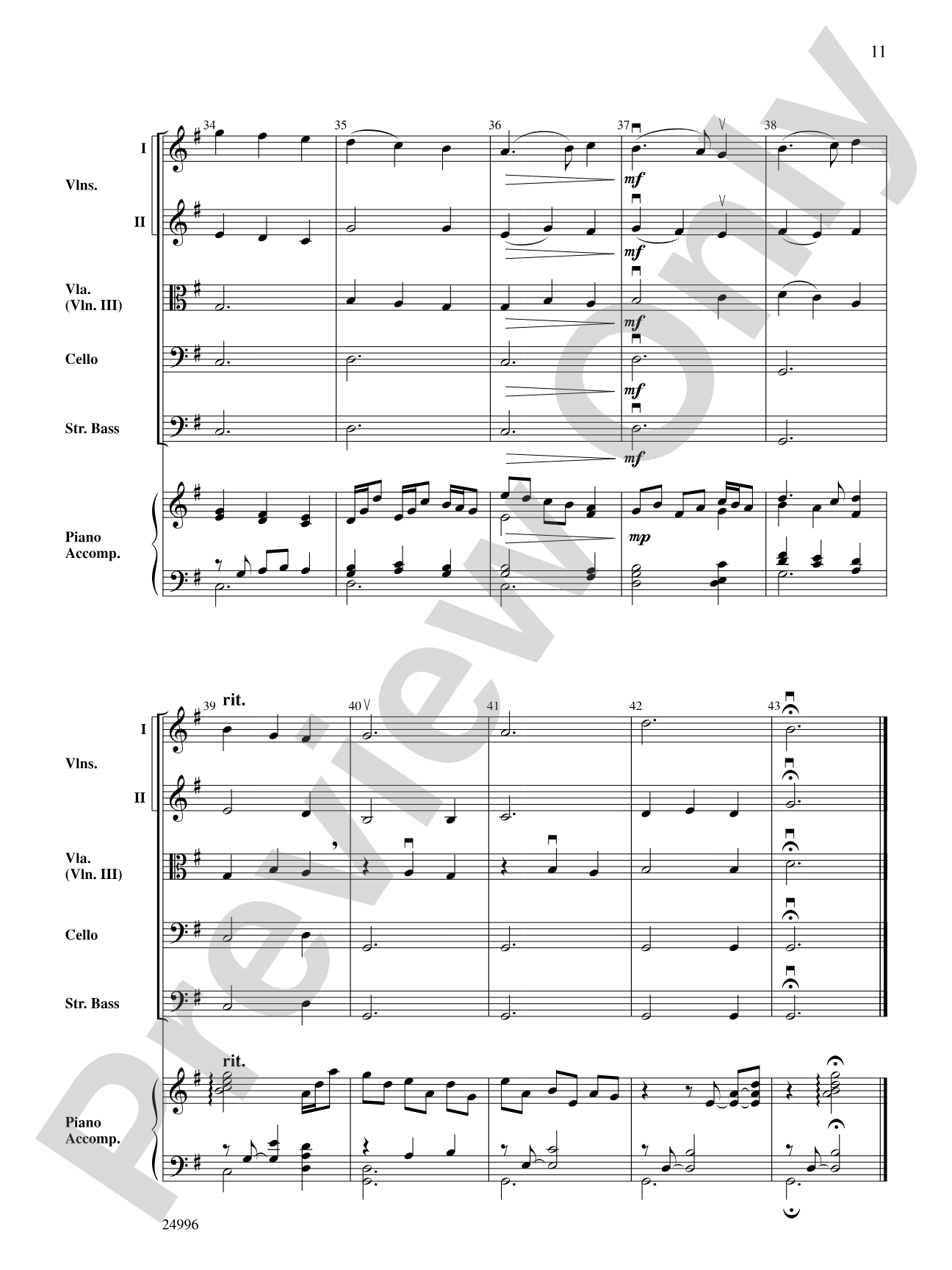
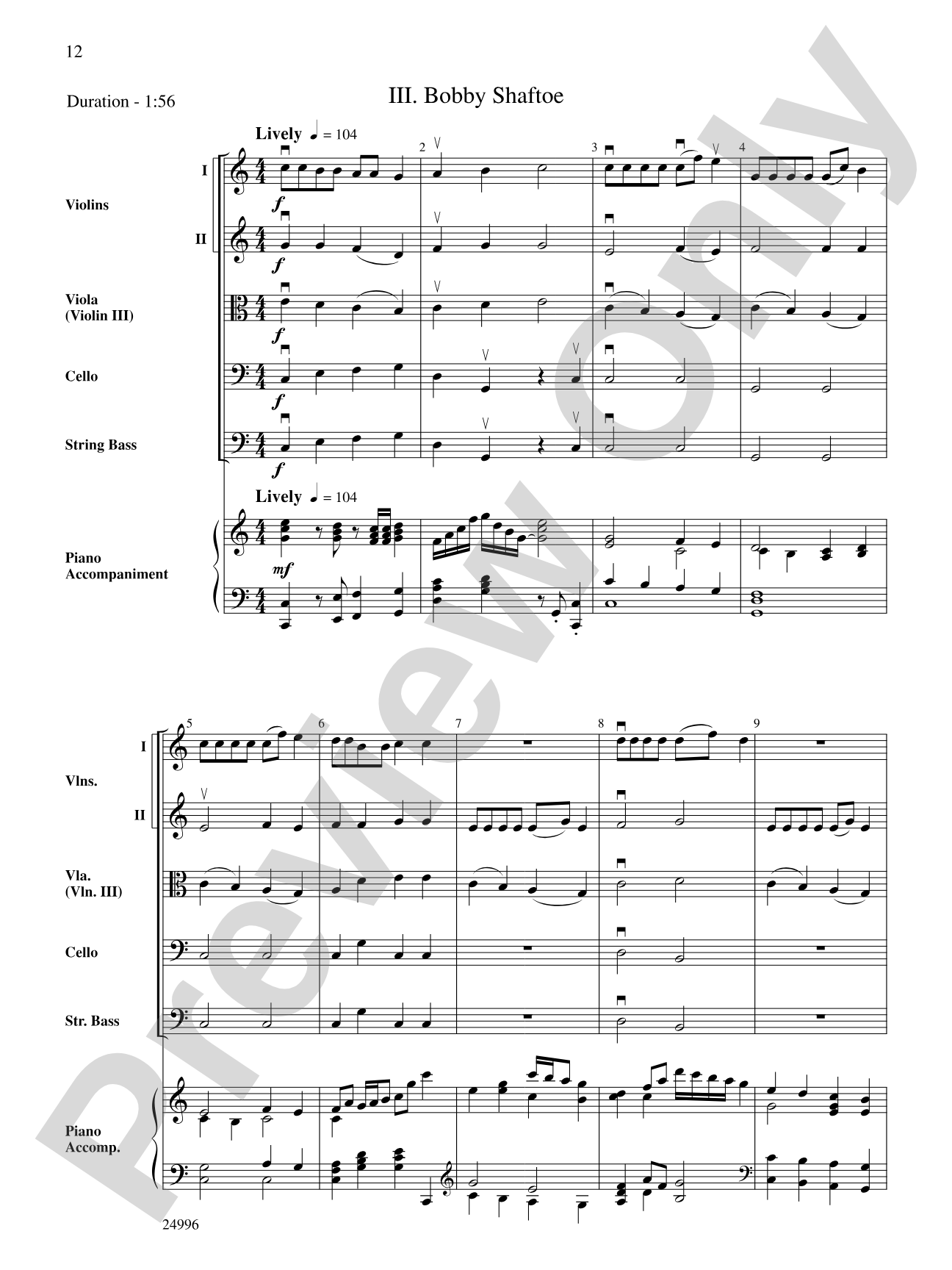
Selected from the rich heritage of Highland music, this suite presents three of the finest examples of Scottish folk song in musically captivating settings written with developing players in mind. Included are "The Blue Bells of Scotland," "Turn Ye To Me," and "Bobby Shaftoe." The entire suite has a total performance time of about five and a half minutes, with each movement also capable of standing by itself as an effective single program offering.


Don't just read it, hear it, play along with it, and watch your students grow with it. In MakeMusic Cloud, Highlands Suite: String Orchestra Conductor Score & Parts comes alive with professional accompaniment, adjustable tempo, and built-in practice tools that turn solo practice into real progress.
Open in the Player
Jump straight in and assign it today.
Start Your Free Trial
Open this title and explore the full library in minutes.
Sample Audio
1
Audio File
--:--
0:00
0:00
Sample Video
No sample videos found.
Additional Details
Series:
Belwin Beginning String Orchestra
Publisher:
Alfred Music
Page Count:
152
SKU:
00-PK-0000986
More about this title
About the Composer: Douglas E. Wagner

Douglas E. Wagner studied music at Butler University in Indiana, earning both undergraduate and graduate degrees before launching a thirty-year career as a high school music director and administrator in the Midwest. Since 1973, he has published over 3,500 compositions across virtually every school ensemble genre: orchestra, band, choir, handbell ensemble, organ, and voice.
Wagner's prolific output has reached performance stages and broadcast media worldwide, with more than seventeen million copies of his works in circulation. He continues composing full-time from his home in Indianapolis, Indiana.
Why we love this
Wagner's string writing here respects the technical realities of Grade 2 players while preserving the melodic integrity and emotional warmth of these Scottish melodies. The suite's three-movement structure and flexible performance options mean you can program it as a cohesive work or extract individual pieces to fill specific concert needs without sacrificing musical substance.
What to expect
These Scottish melodies carry a timeless, reflective quality that feels grounded and authentic. The gentle settings allow the natural beauty of the tunes to emerge without orchestral excess, creating intimate moments that resonate with audiences while remaining accessible to young players.
Who it's for
This suite serves developing string orchestras working toward independence and musical expression beyond beginner technique books. Conductors seeking repertoire that honors folk tradition while building orchestral balance, intonation, and dynamic control will find these settings both pedagogically sound and genuinely musical.
How to get the most out of it
- Shape the opening of 'The Blue Bells of Scotland' with gentle dynamic swells on the main theme rather than rigid forte markings; this draws out the lyrical quality even at a modest tempo.
- Balance the divisi sections carefully so inner voices provide harmonic support without overpowering the melody line, especially in the second movement.
- Allow 'Bobby Shaftoe' a slightly brighter, more energetic character to contrast with the first two movements; this creates natural program momentum.
- Rehearse transitions between movements as deliberate musical choices rather than logistics; clean attacks and releases at each new beginning strengthen the suite's overall arc.
How to use it
Program the full suite as a fifteen-minute concert centerpiece, or use individual movements as elegant transitions between heavier contemporary works. The moderate length and flexible structure make this ideal for spring concerts, heritage-themed programs, or as a confidence-building opener for developing orchestras.
Skills your students will build
- Sustained tone production and phrase breathing in lyrical settings
- Balance between melody and harmonic accompaniment in divisi textures
- Dynamic control and expressive shaping within a narrow range
- Clean ensemble attacks and releases across movement transitions
- Intonation stability when playing accompanying figures beneath the melody