

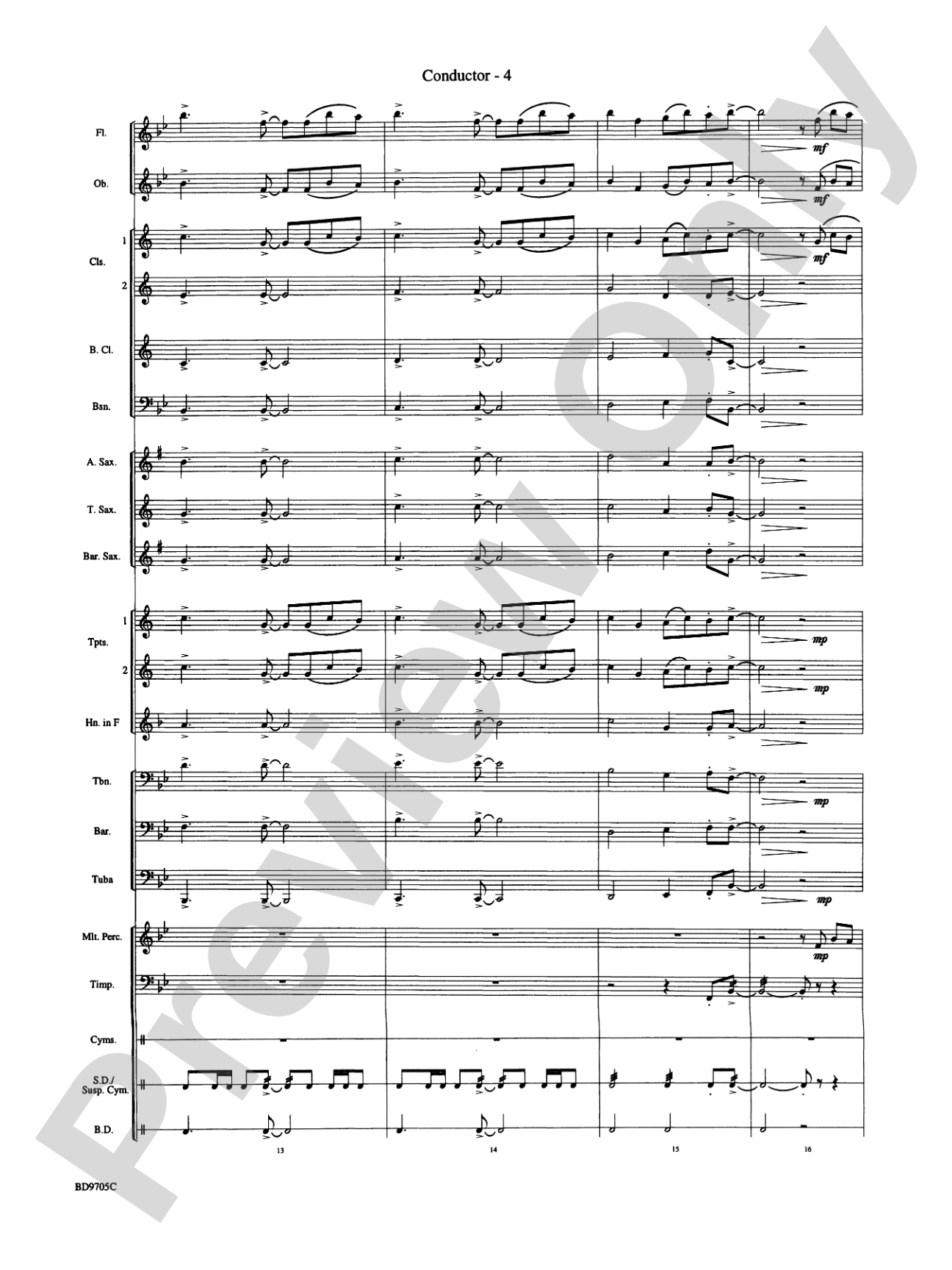
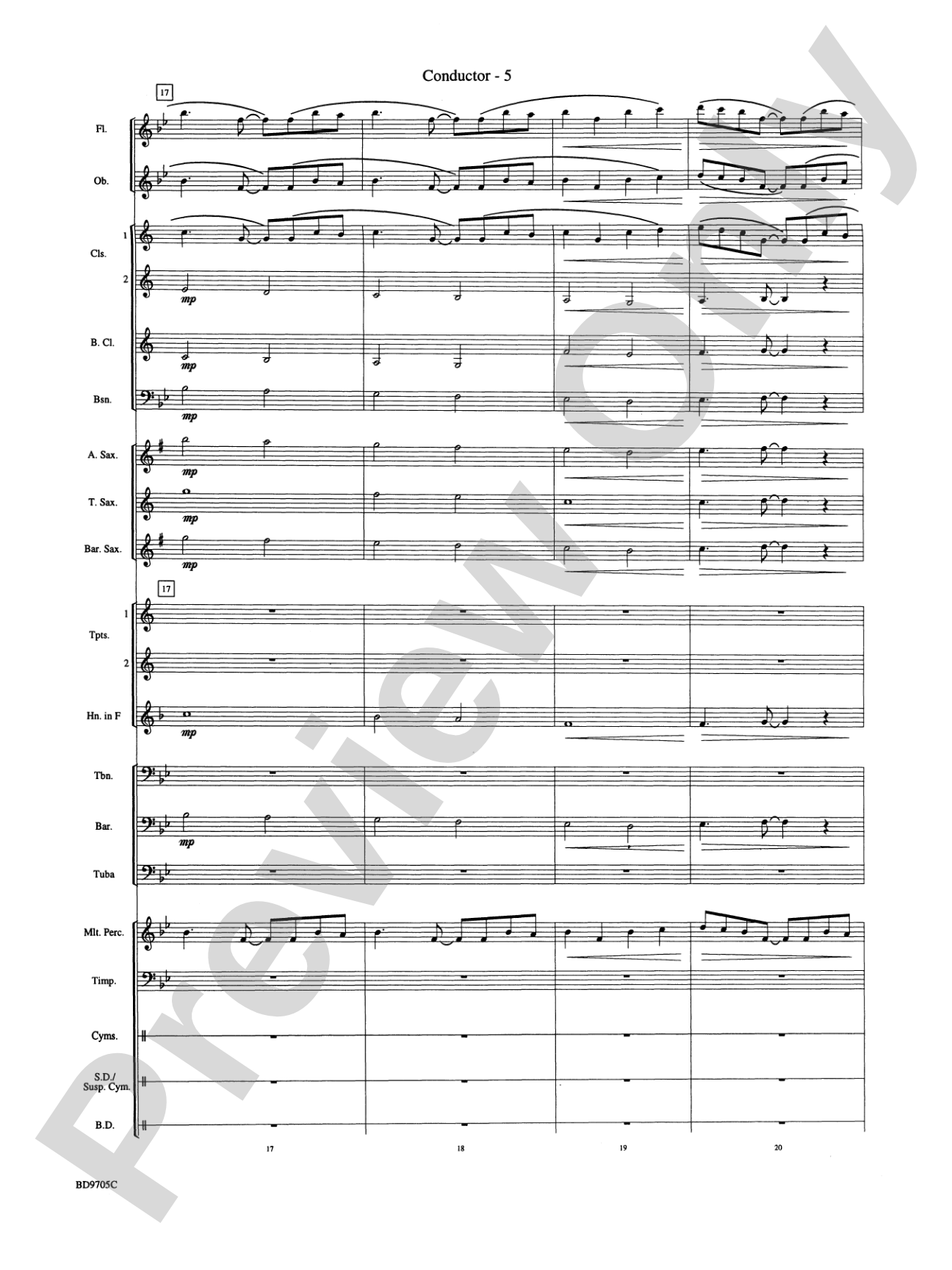
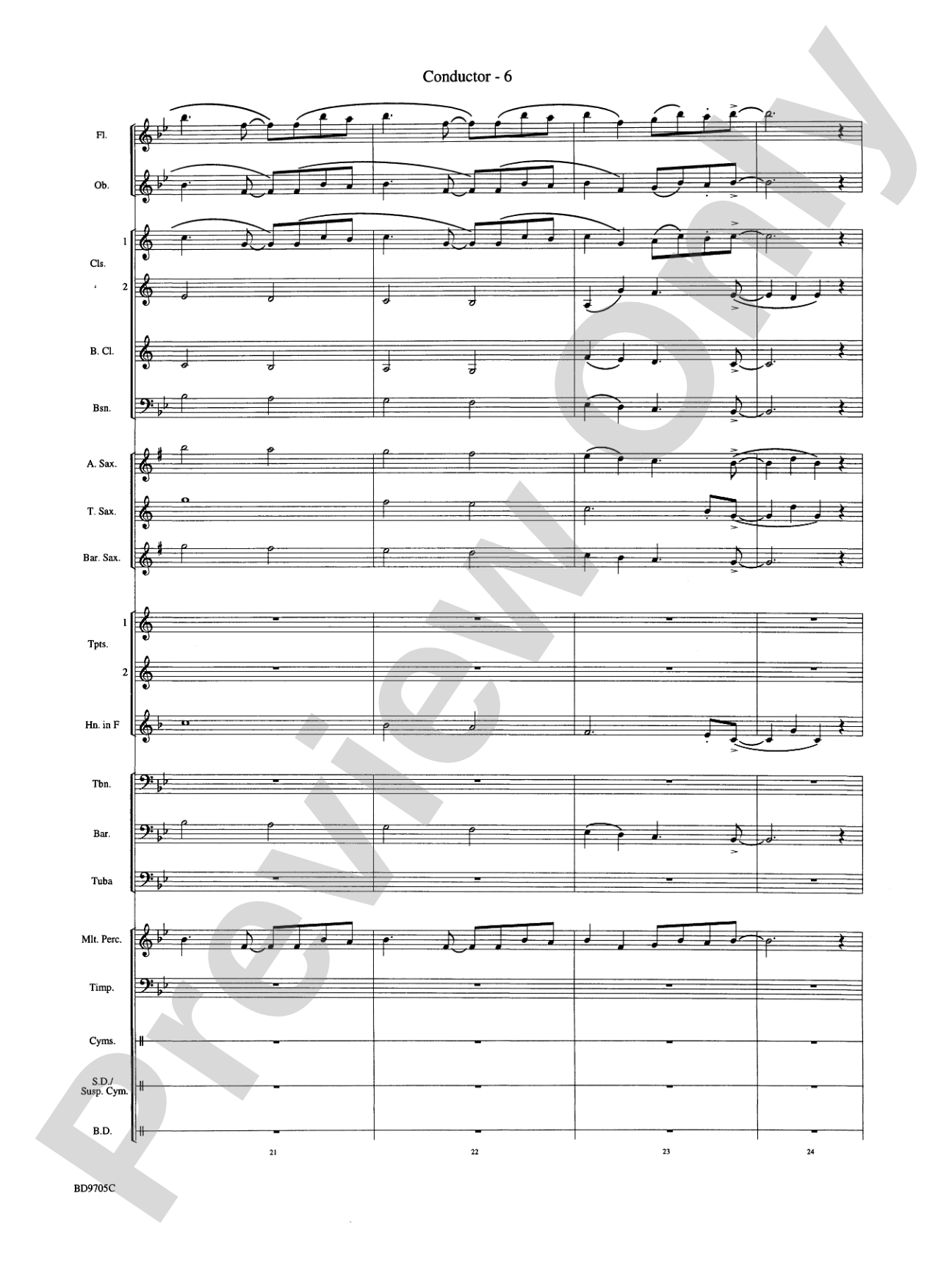
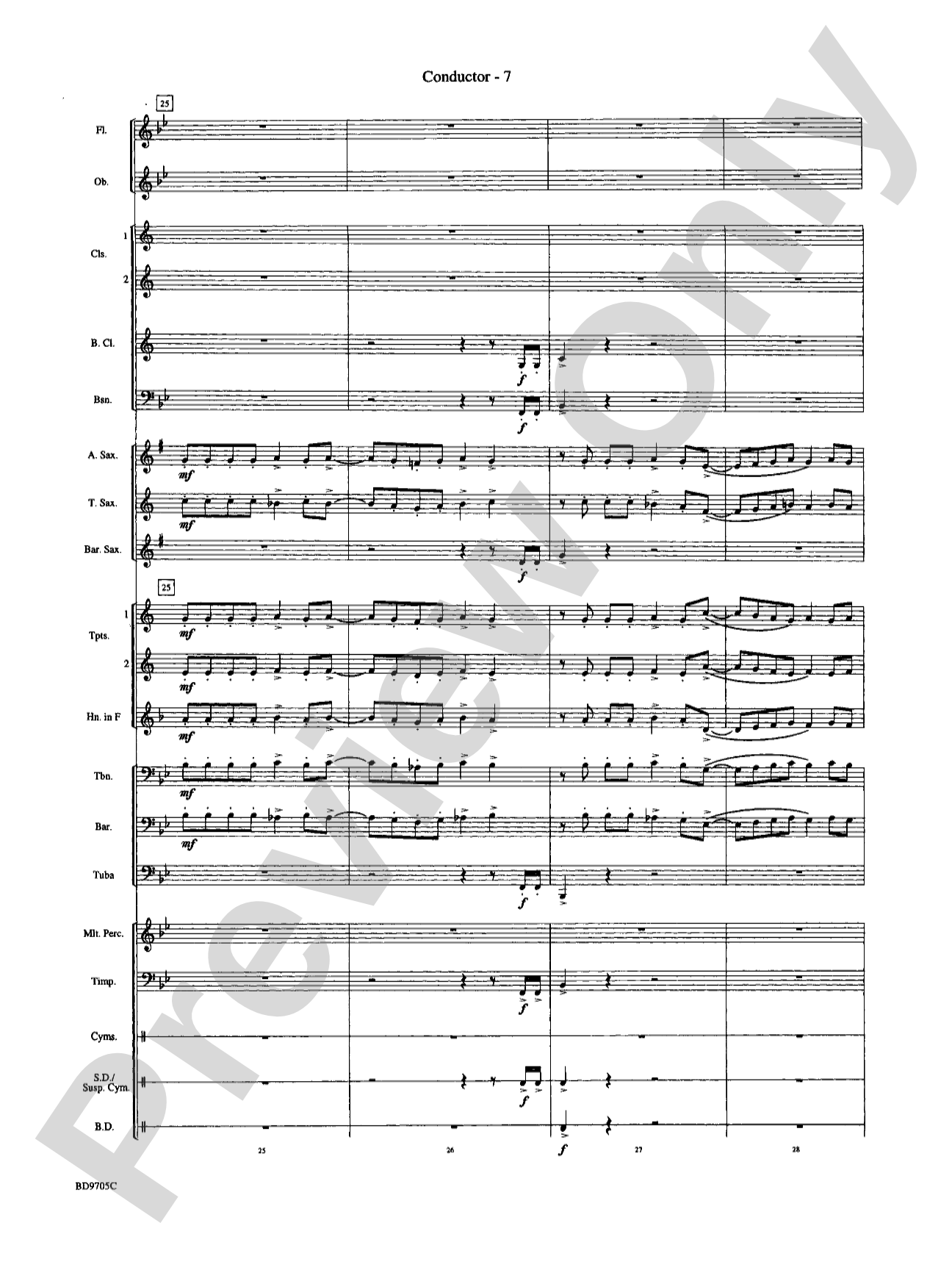
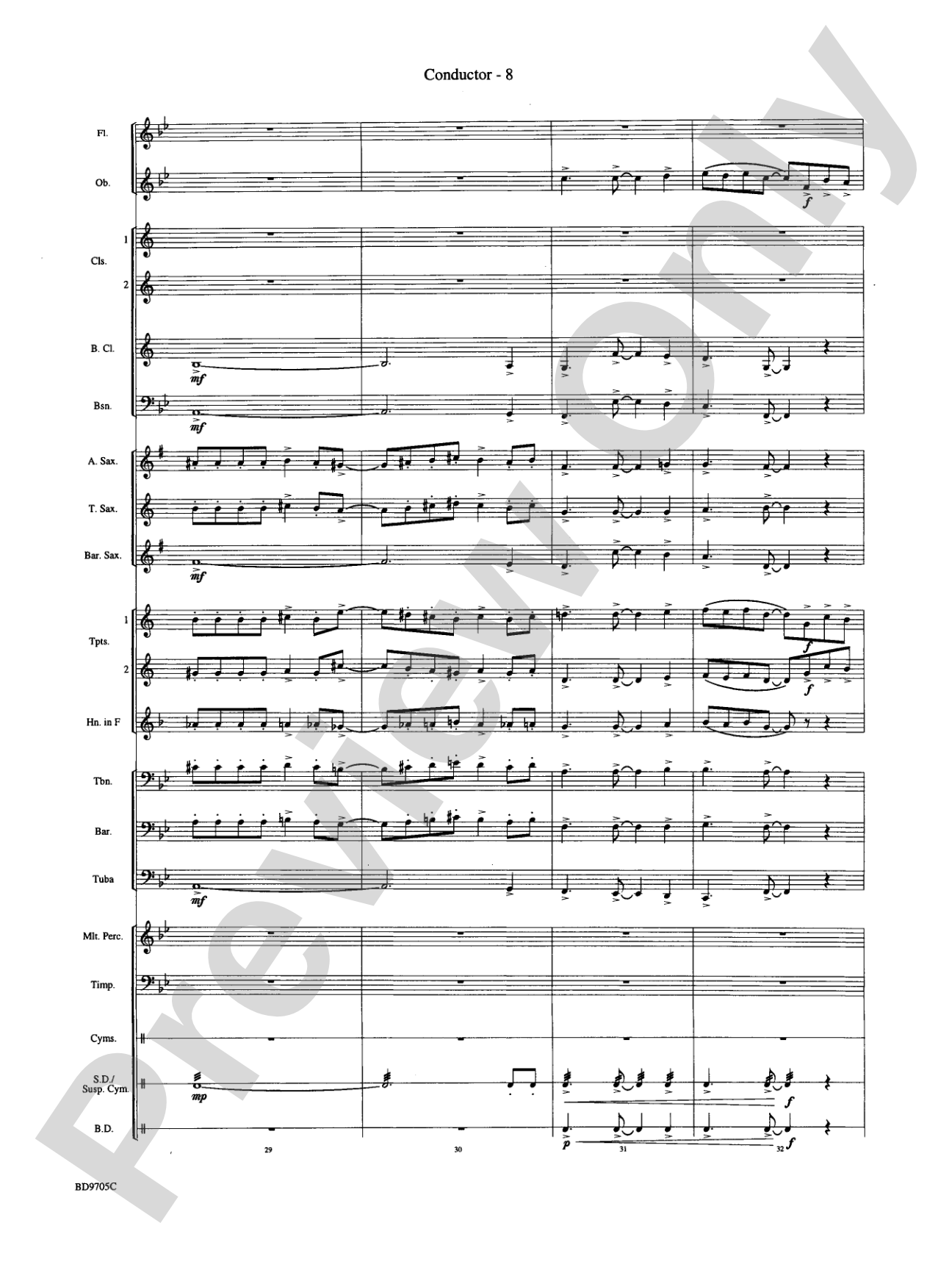
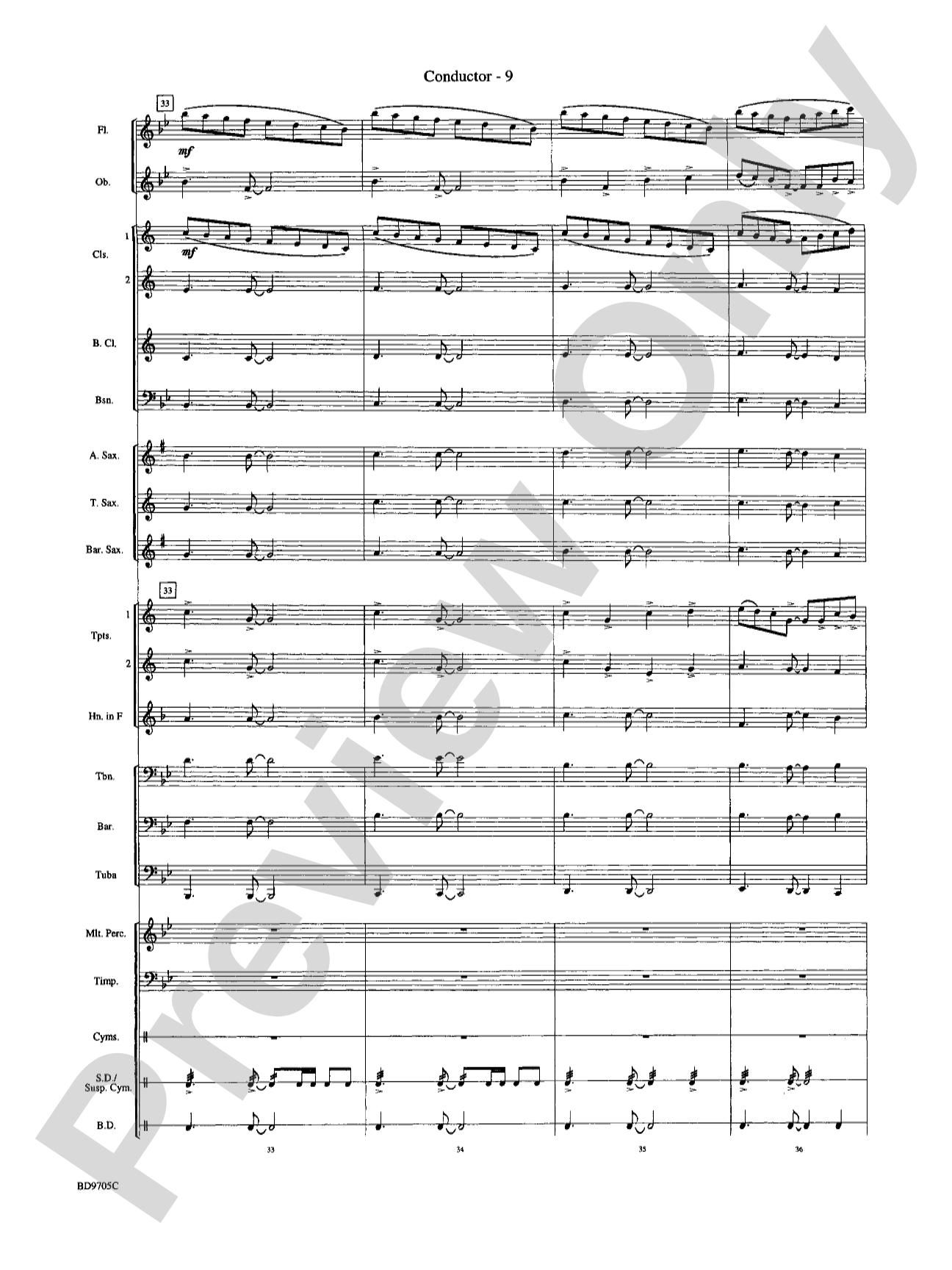
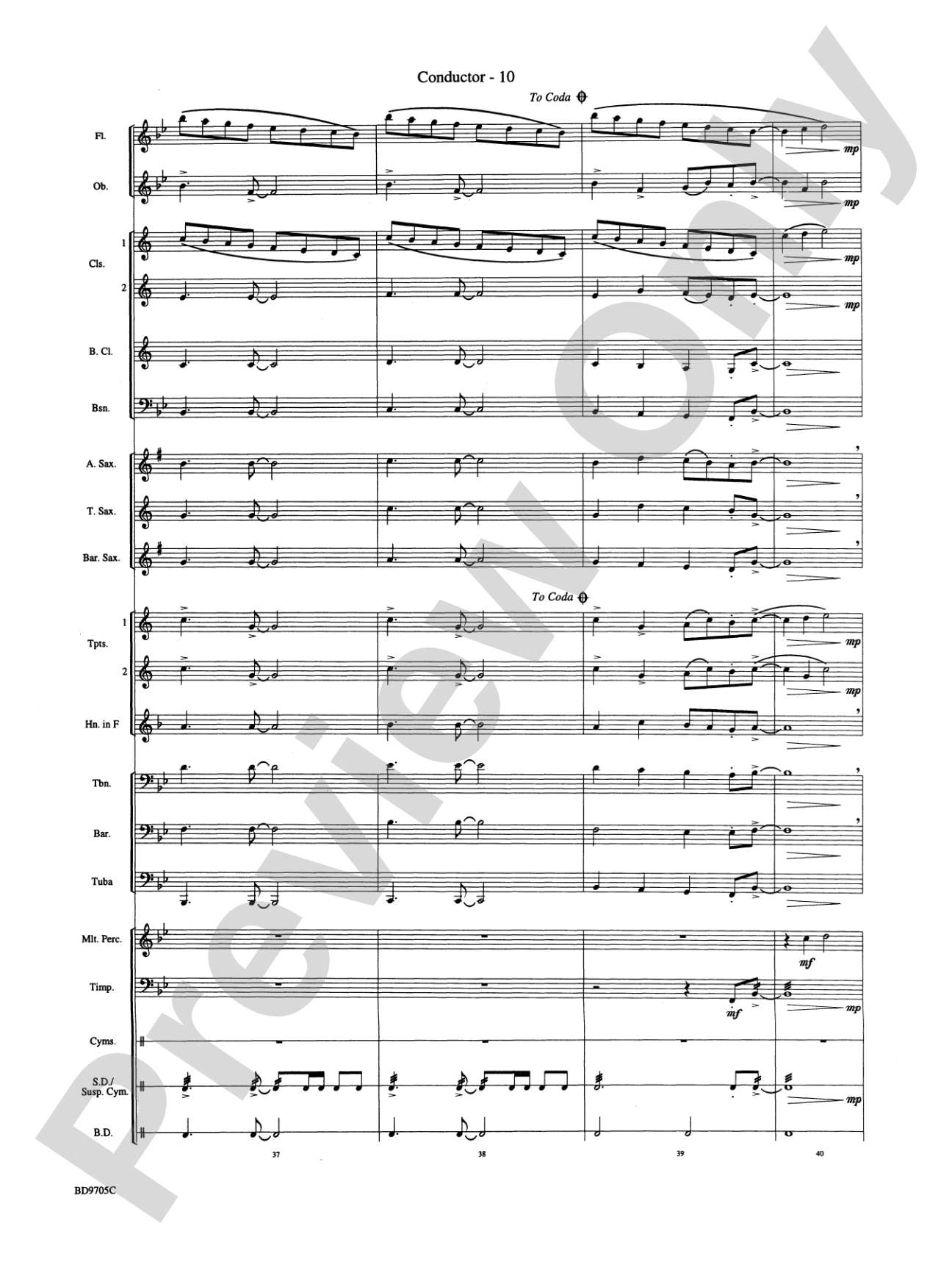
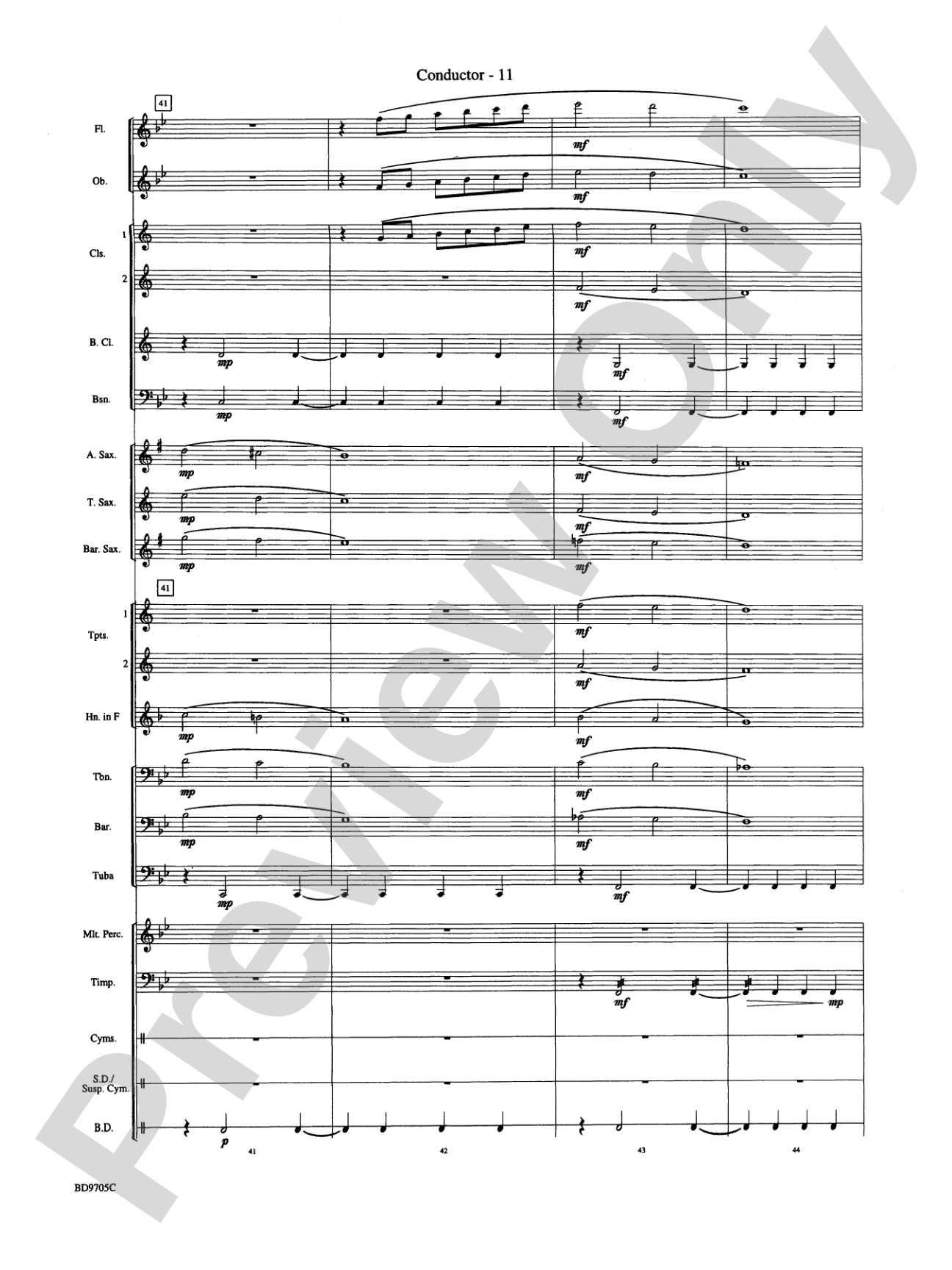
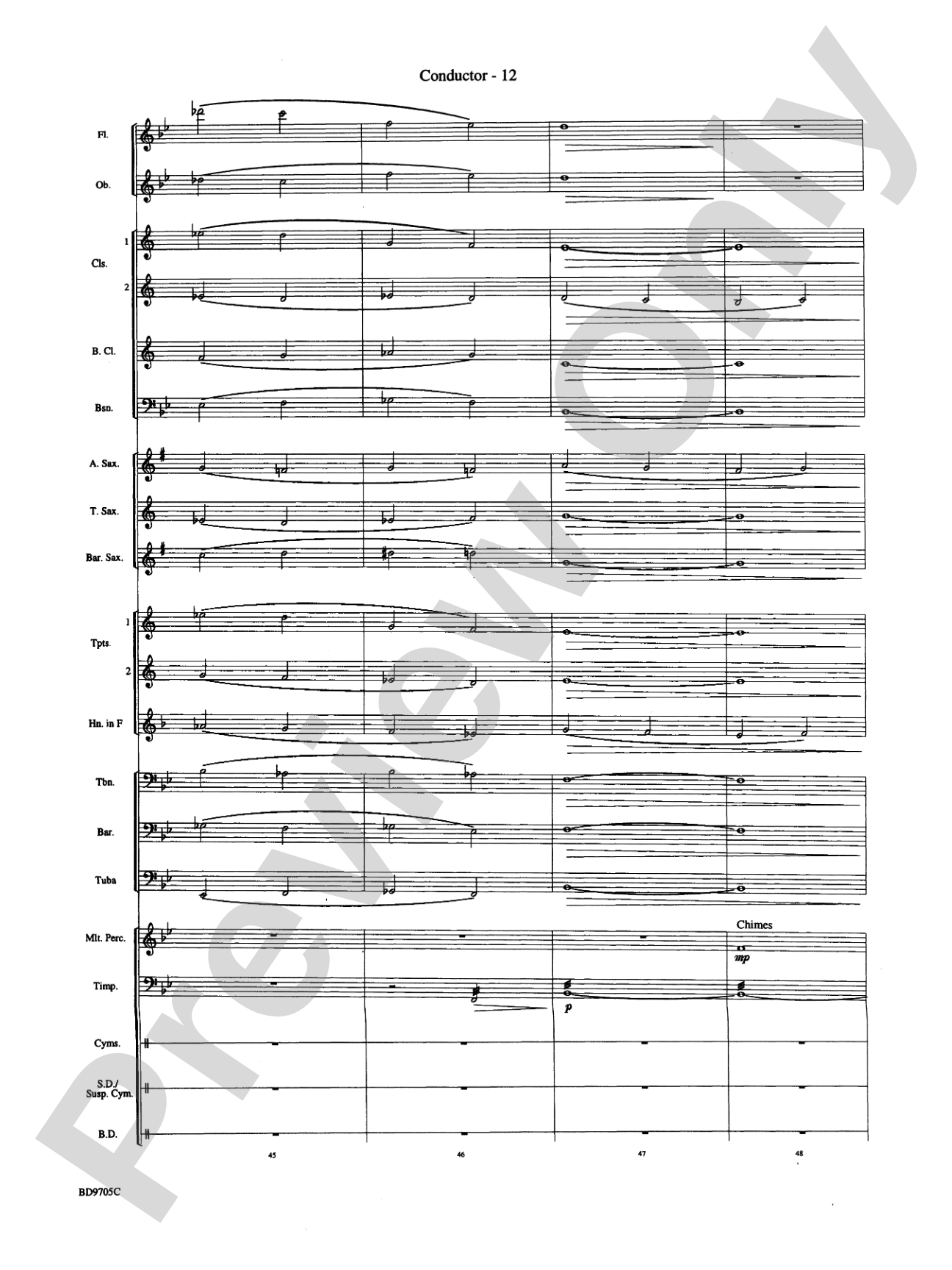
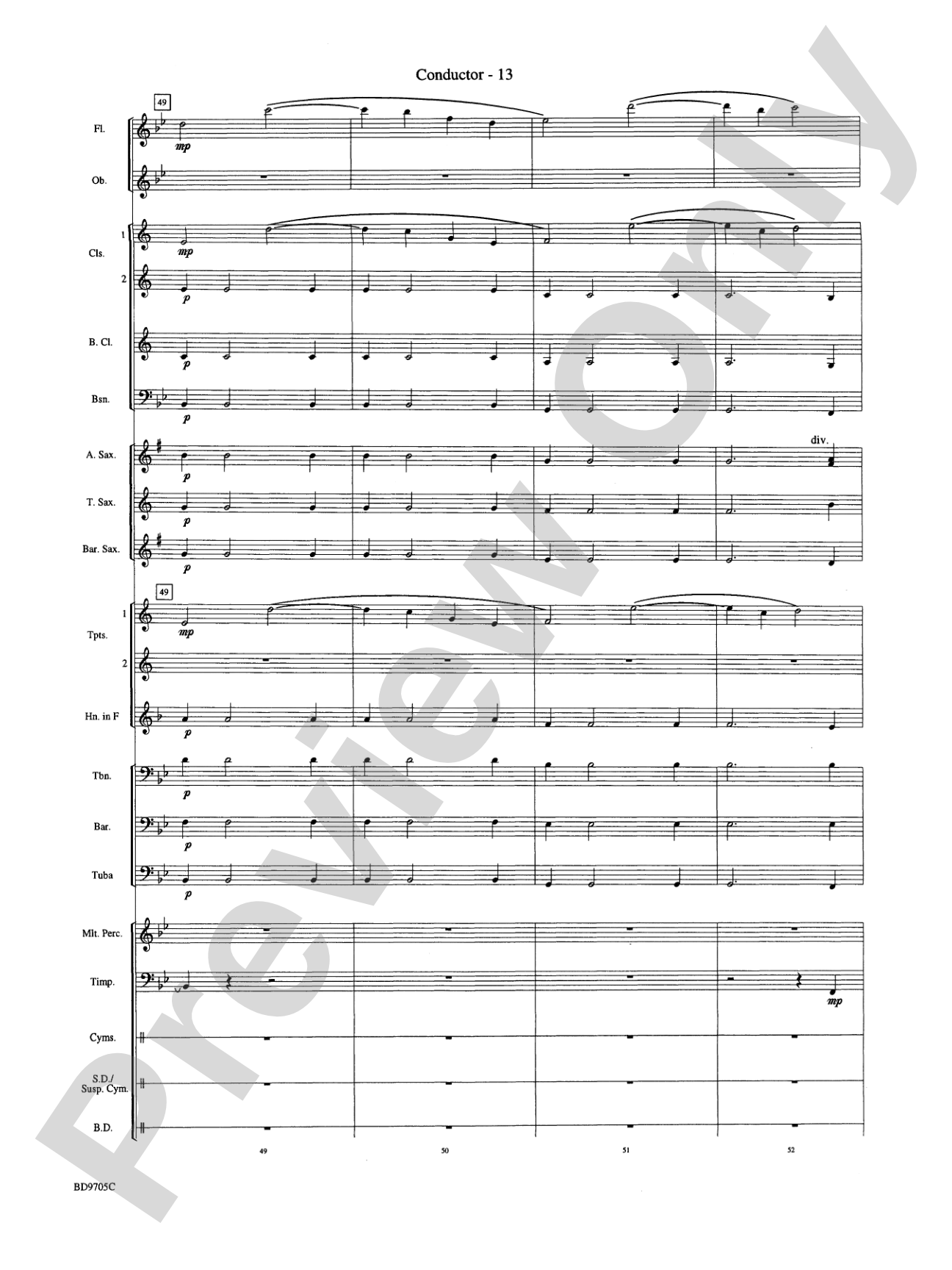
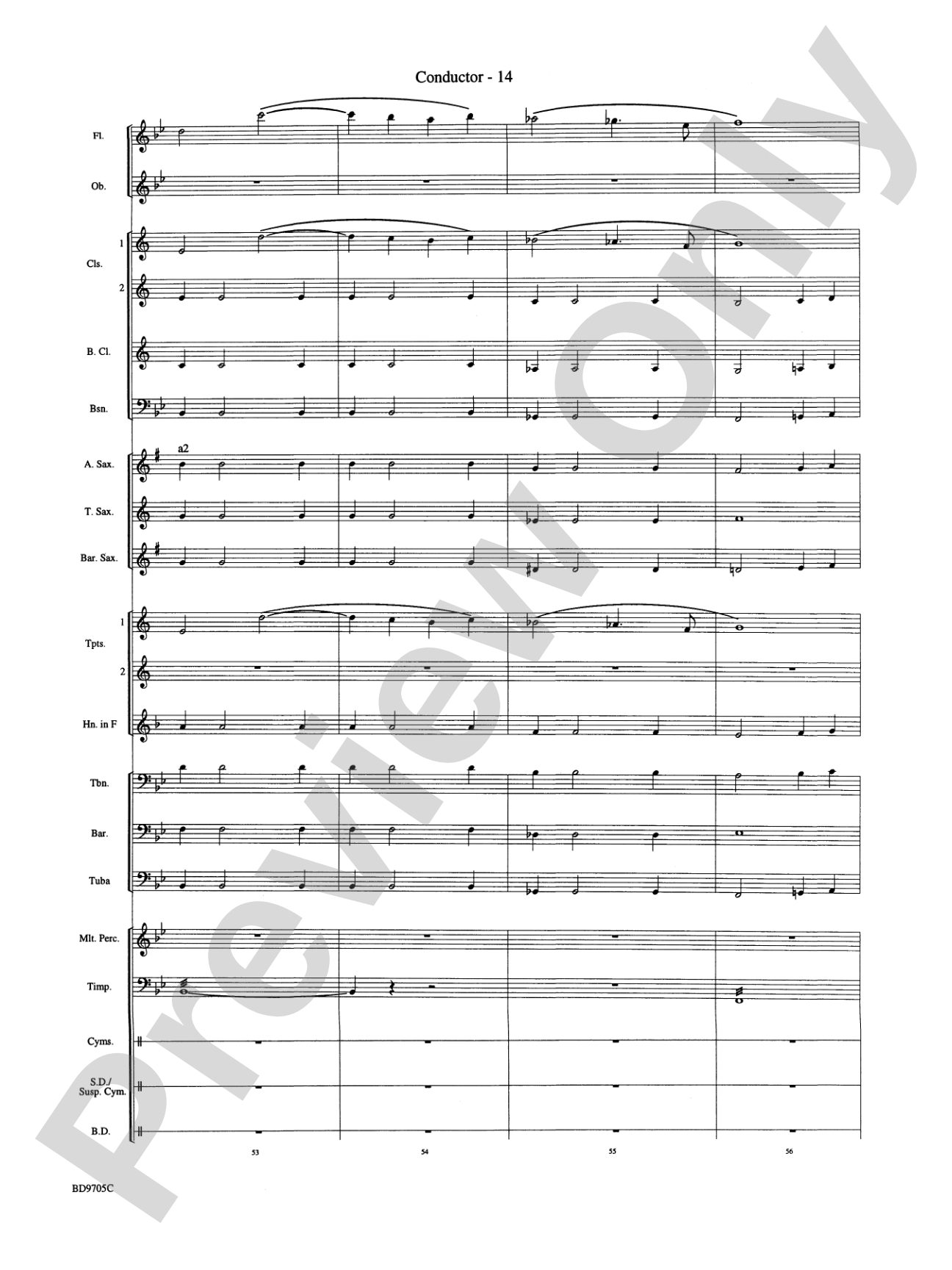
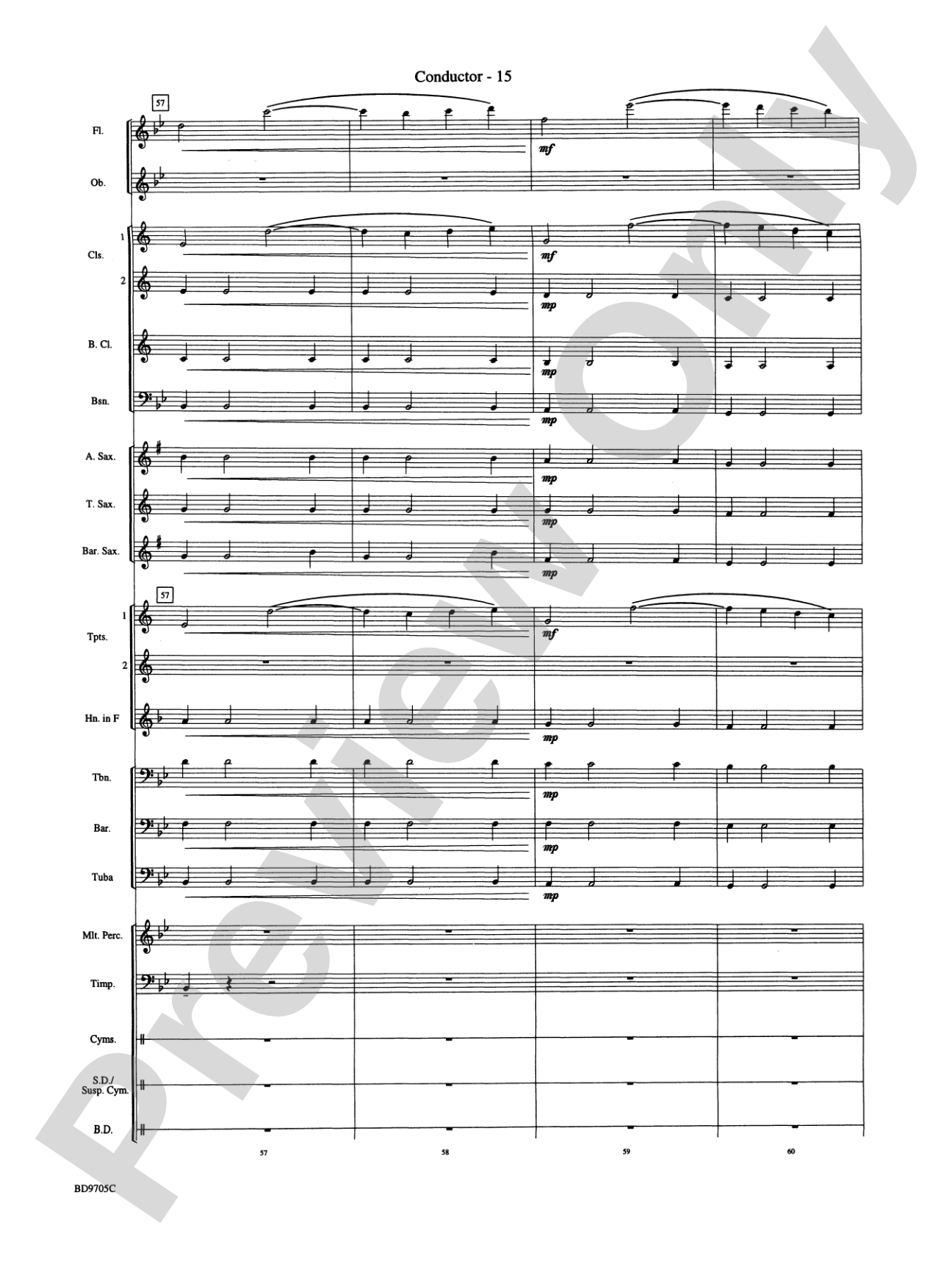
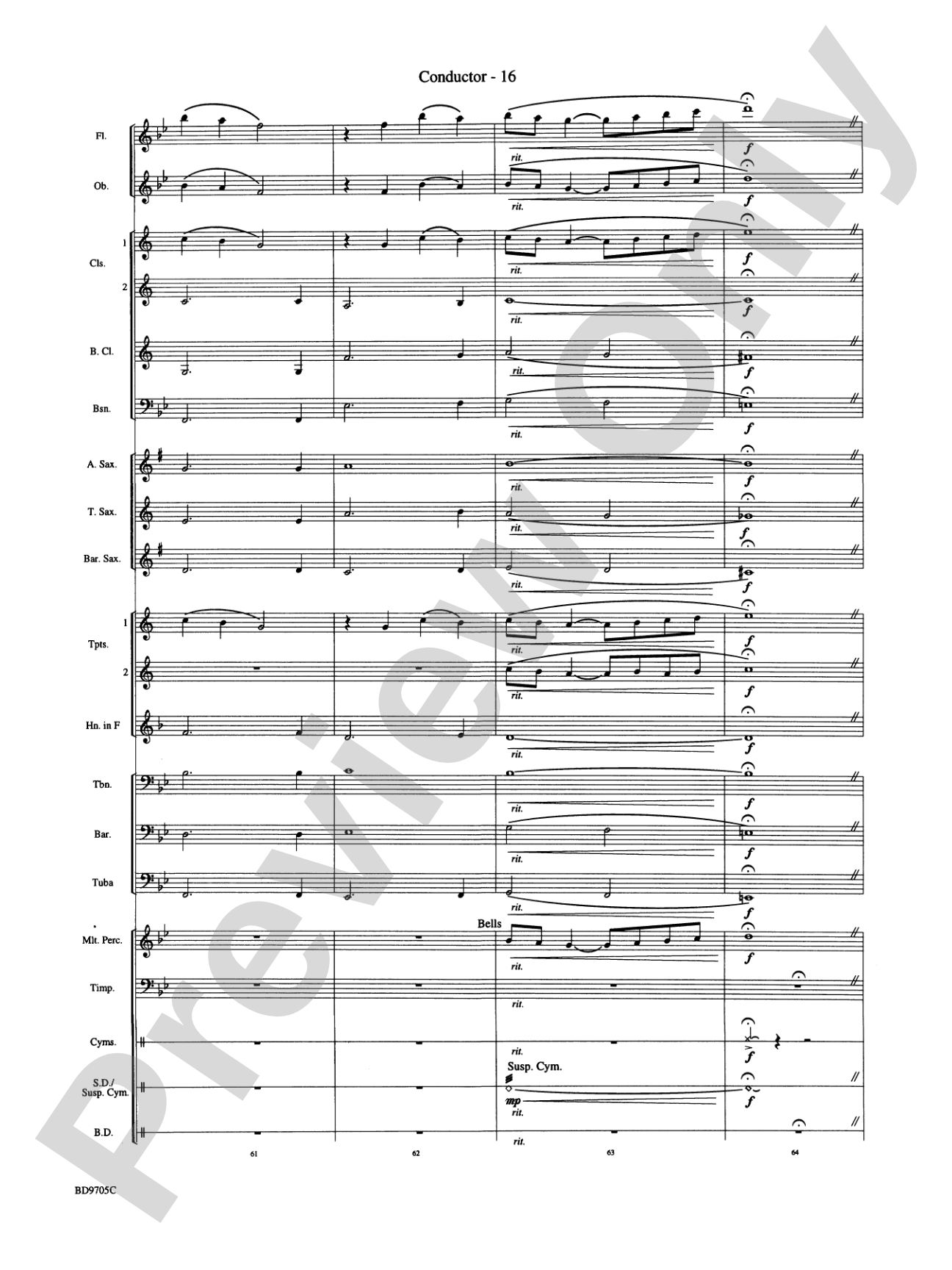
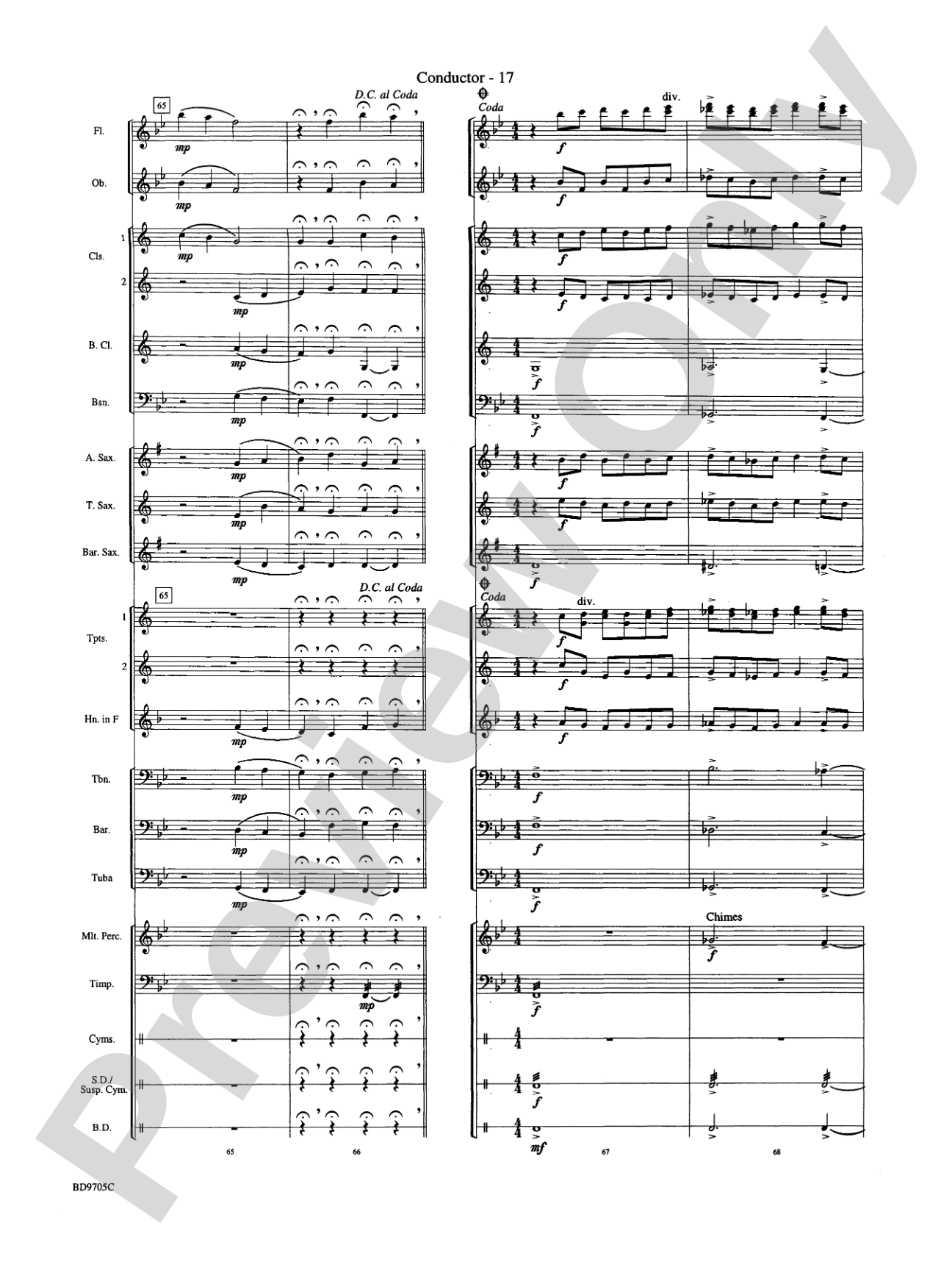
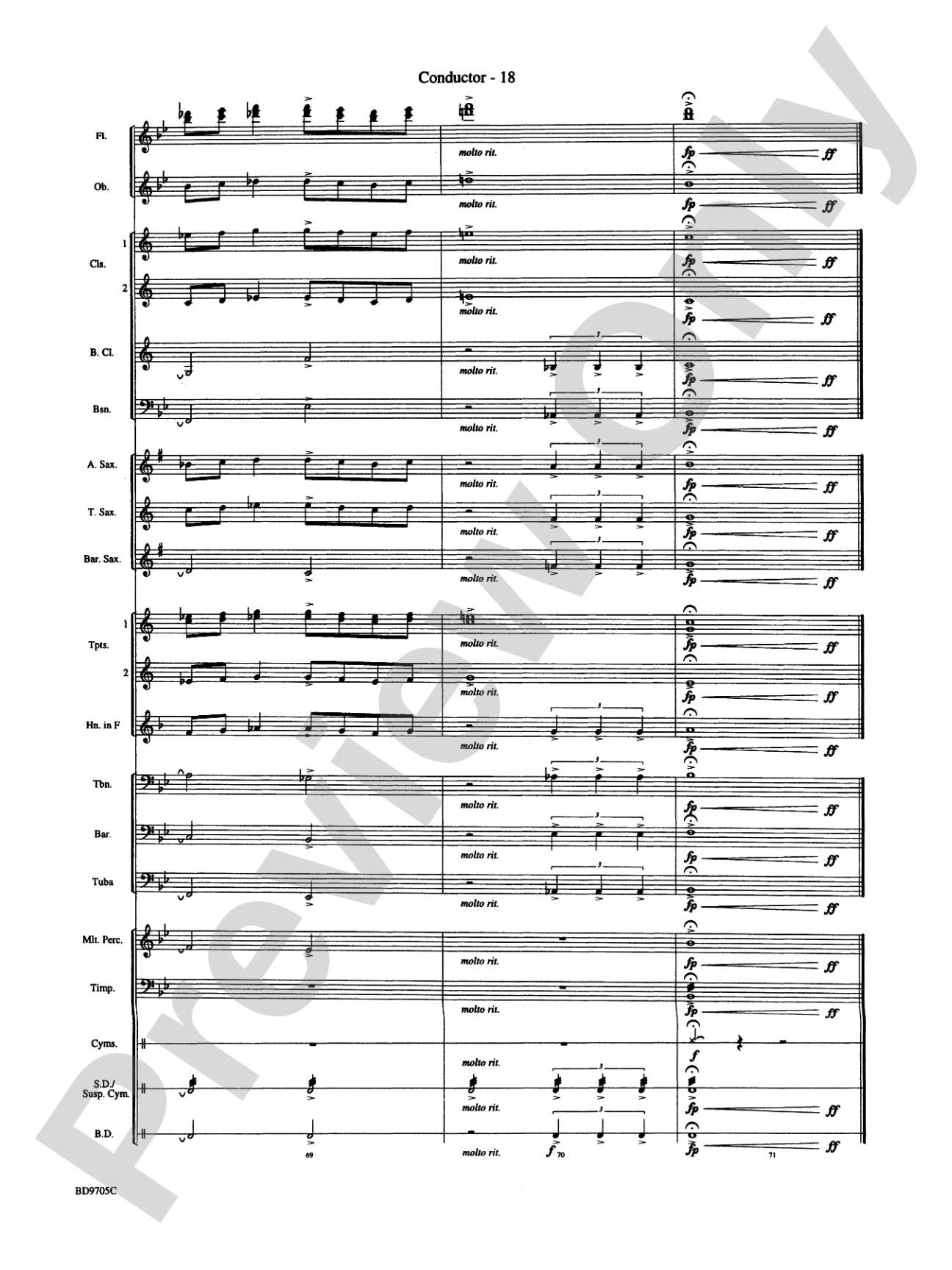

High Sierras: Score
By Douglas E. Wagner
Grade: 2 (Easy)
Item: 00-PR-0003903
$9.00
Pickup currently not available
Description
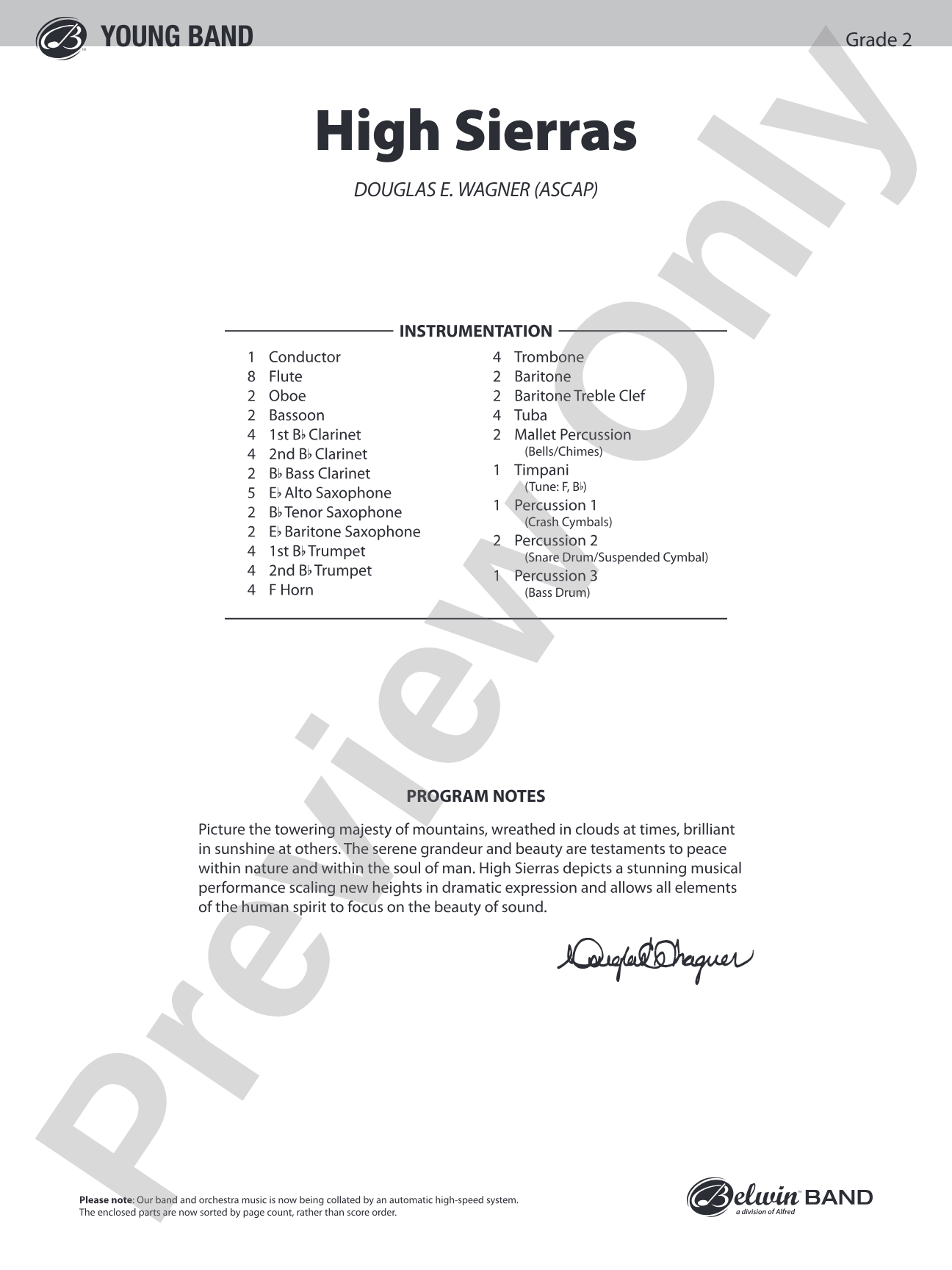
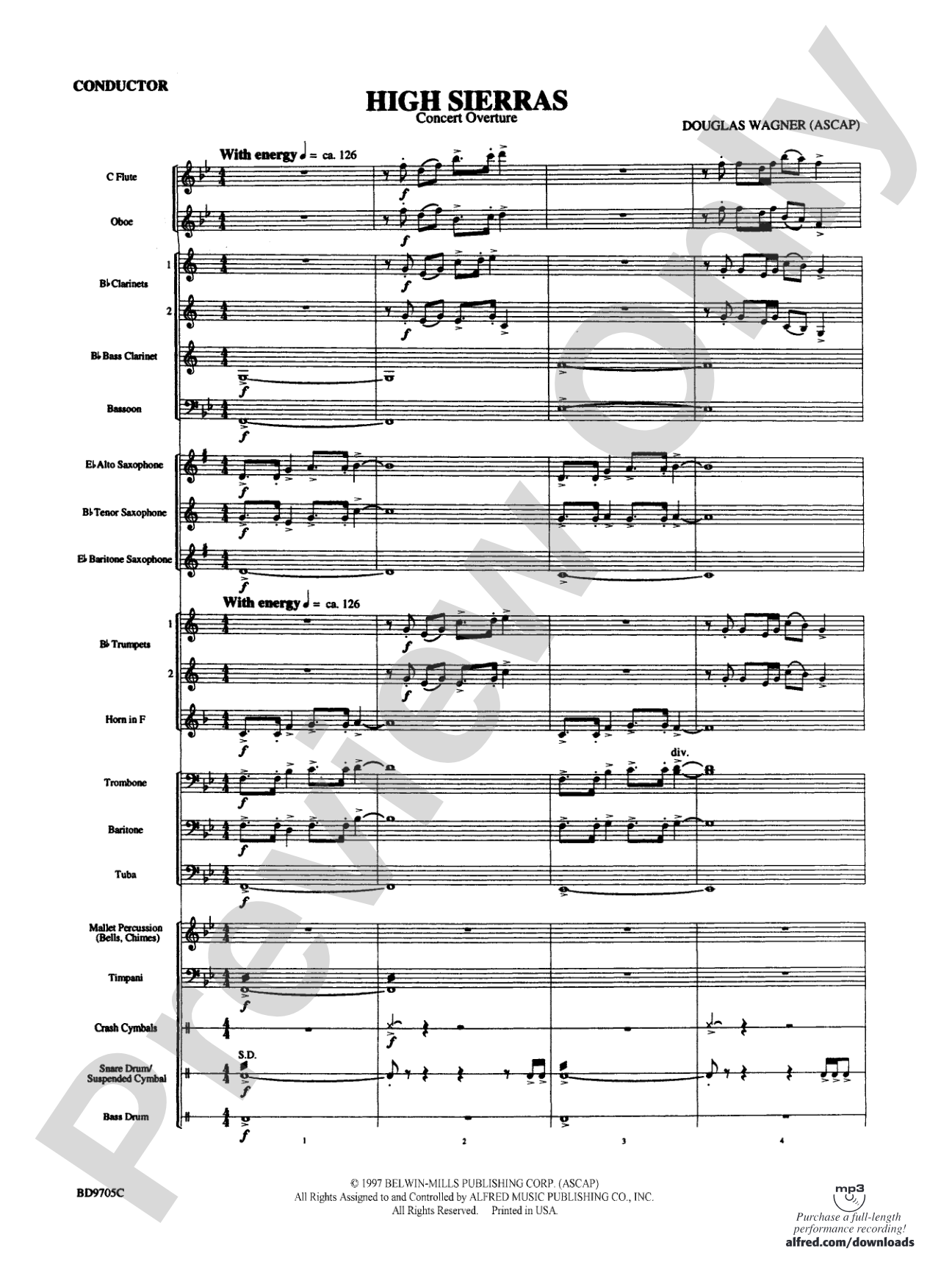
Picture the towering majesty of mountains, wreathed in clouds at times, brilliant in sunshine at other times. The serene grandeur and beauty are testaments to peace within nature and within the soul of man. Douglas Wagner's overture for band presents an opportunity in performance to scale new heights in dramatic expression and allows all elements of the human spirit to focus on the beauty of sound. Captivating!


Don't just read it, hear it, play along with it, and watch your students grow with it. In MakeMusic Cloud, High Sierras: Score comes alive with professional accompaniment, adjustable tempo, and built-in practice tools that turn solo practice into real progress.
Open in the Player
Jump straight in and assign it today.
Start Your Free Trial
Open this title and explore the full library in minutes.
Sample Audio
1
Audio File
--:--
0:00
0:00
Sample Video
No sample videos found.
Additional Details
Series:
Belwin Young Band
Publisher:
Alfred Music
Page Count:
124
SKU:
00-PR-0003903
More about this title
About the Composer: Douglas E. Wagner

Douglas E. Wagner grew up in Chicago and earned degrees in music from Butler University before spending three decades as a high school music director and administrator. Since transitioning to full-time composition in the 1970s, he has become one of the most prolific composers in American music education, with over 3,500 published works across concert band, choir, orchestra, handbell ensemble, and numerous other media.
Wagner's output has reached extraordinary scale: more than seventeen million copies of his music are in circulation worldwide, performed regularly in concert halls, on broadcasts, and at festivals across the United States and internationally. He now resides in Indianapolis with his wife, Sandy, and continues to compose actively.
Why we love this
Wagner shapes an overture that sits comfortably within the reach of developing ensembles while maintaining genuine musical substance and visual storytelling. The Grade 2 scoring avoids the trap of thin orchestration; instead, it builds dramatic texture through clear part writing that allows each section to contribute meaningfully to the mountain landscape unfolding across the score. Bands at this level will find themselves actually playing music of consequence, not just marking time.
What to expect
The overture unfolds like a morning mist clearing from a ridge, revealing sweeping vistas and serene moments of stillness. Beneath the lyrical passages runs a current of dignity and noble purpose, while the brighter sections shine with clarity and forward motion. The overall arc invites both performer and listener to contemplate beauty without sentimentality.
Who it's for
Concert bands at the Grade 2 level, including high school freshman/sophomore ensembles, middle school honor bands, and community bands seeking repertoire with genuine musical depth. Directors programming festivals, competitions, or formal concerts will find a piece that builds student confidence while maintaining the listener's attention.
How to get the most out of it
- Balance the opening impressions carefully. The early statements establish the overture's sense of scale, so resist the urge to rush through them; let each phrase breathe and settle into the acoustic space.
- Shape dynamics as you would shape a landscape: the climaxes should feel earned through gradual buildup, not sudden volume jumps. Think of the form as a journey up, across, and down the range.
- Anchor the ensemble with a solid low brass and woodwind foundation. Grade 2 writing often depends on these voices to carry harmonic weight while the upper voices float the melody, so keep the blend weighted downward.
- Use the recorded accompaniment during sectional rehearsals to help individual sections lock their parts into the larger form; this accelerates learning without sacrificing ensemble cohesion.
How to use it
Open a concert or festival performance with this overture to set a contemplative, sophisticated mood before lighter fare, or place it midway through a program as an emotional anchor between contrasting works. Its modest performance demands make it an ideal choice for early-season programming when the ensemble is still building independence, yet it carries enough presence to stand as a legitimate concert centerpiece.
Skills your students will build
- Shaping longer melodic lines with dynamic nuance
- Balancing independent part writing across four-part harmony
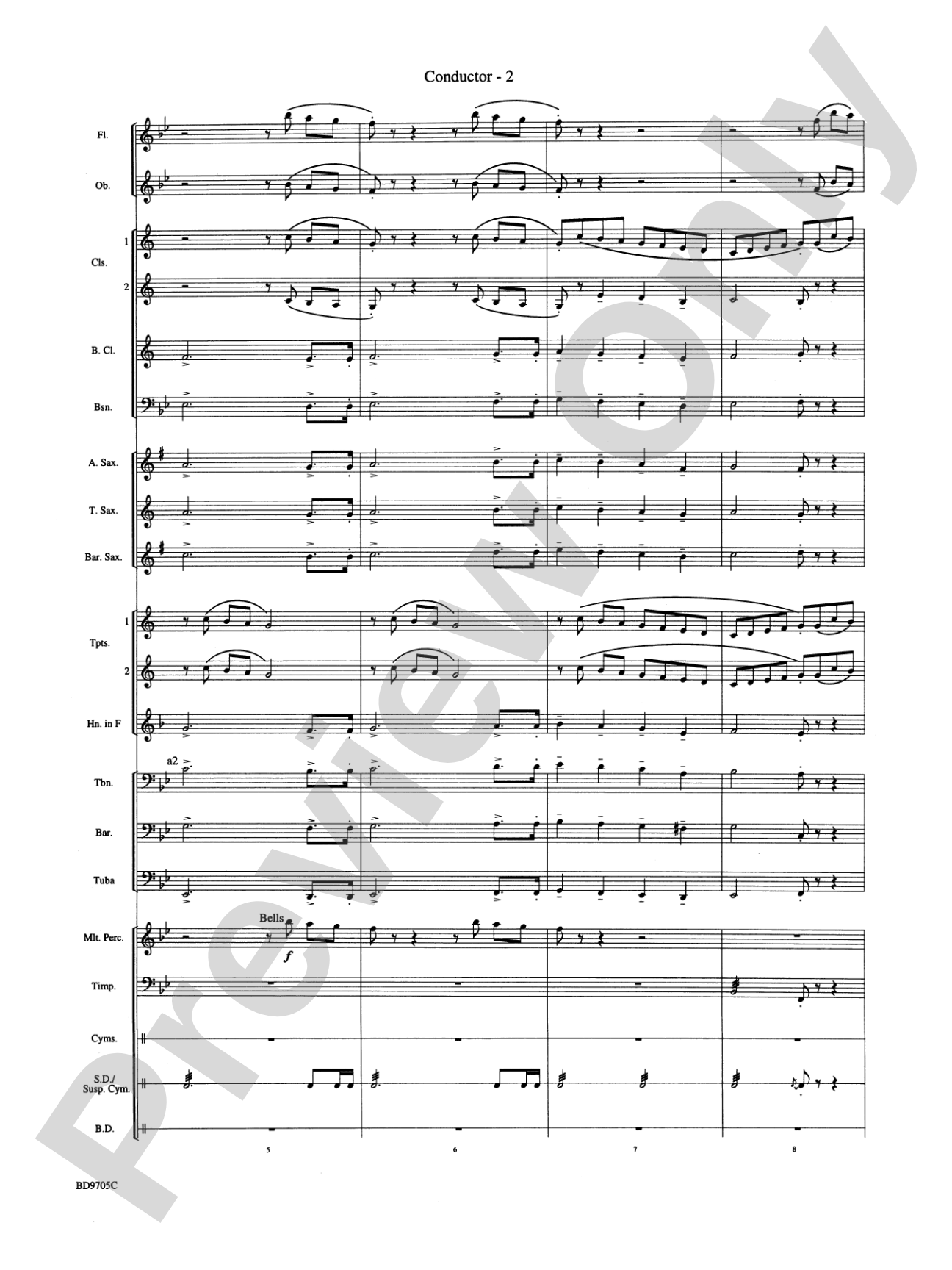
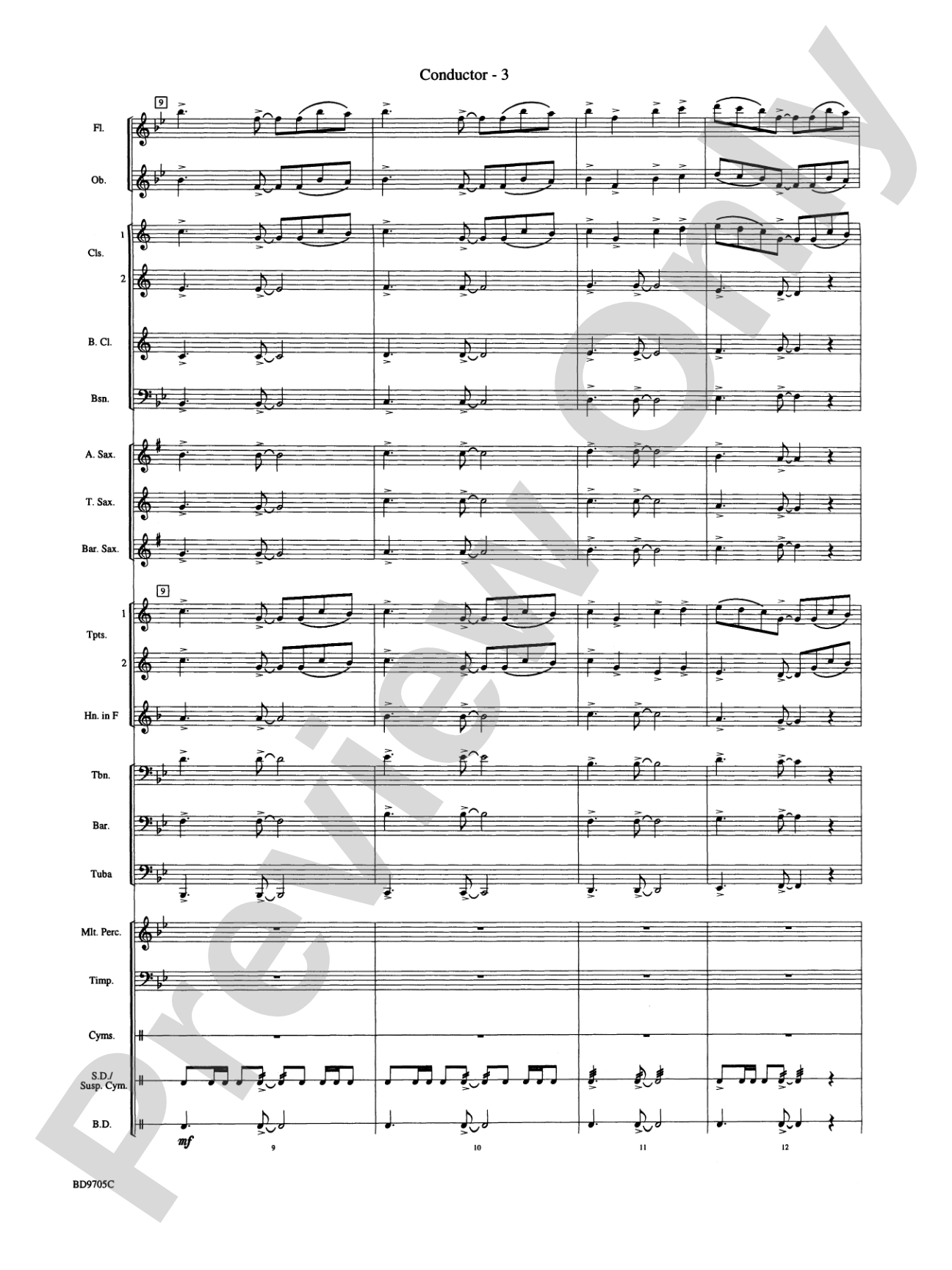
- Reading and executing a full conductor score while maintaining ensemble awareness
- Responding to expressive gesture and subtle tempo variation
- Managing sustained tones and legato phrasing across entire phrases