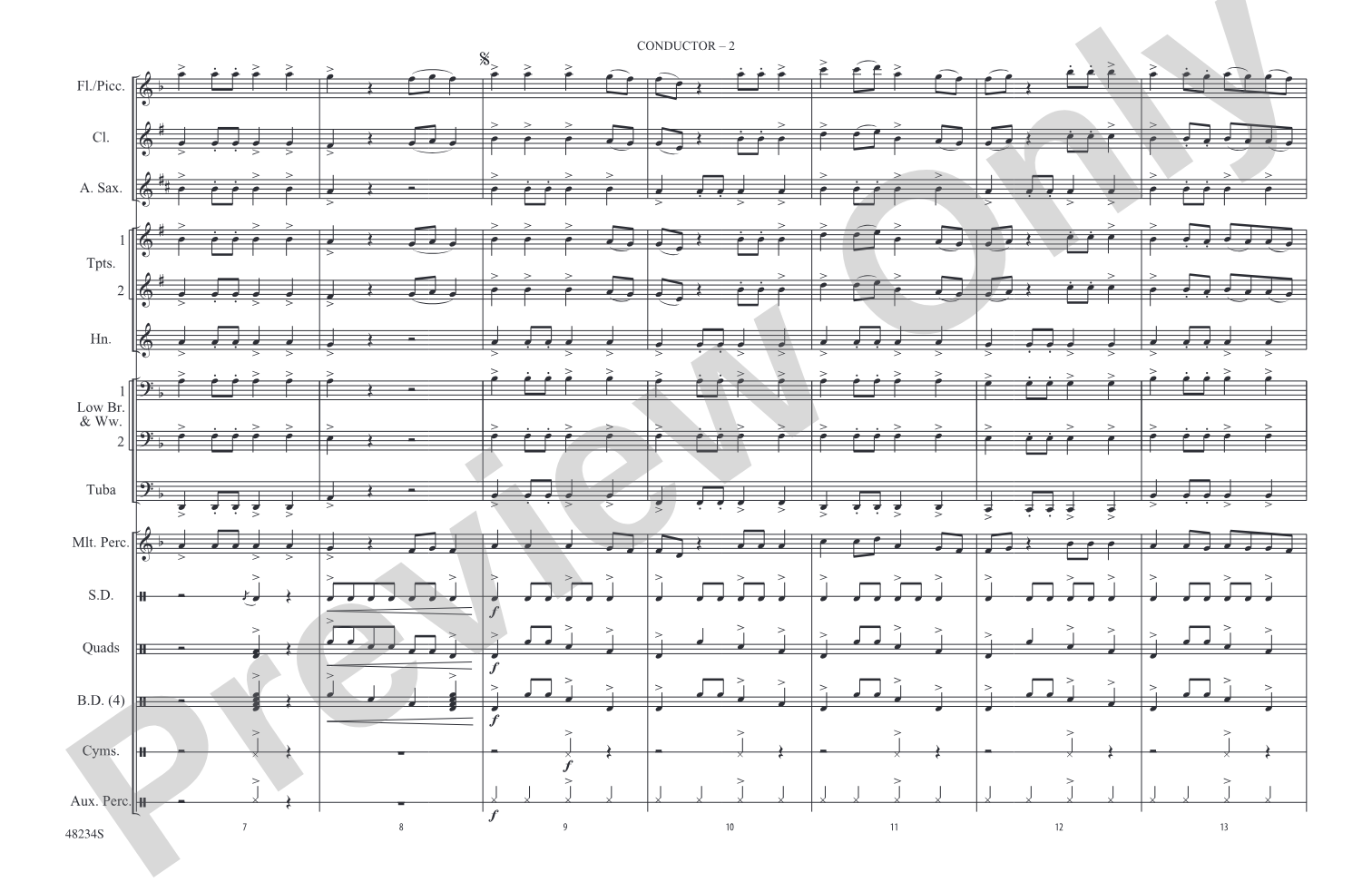
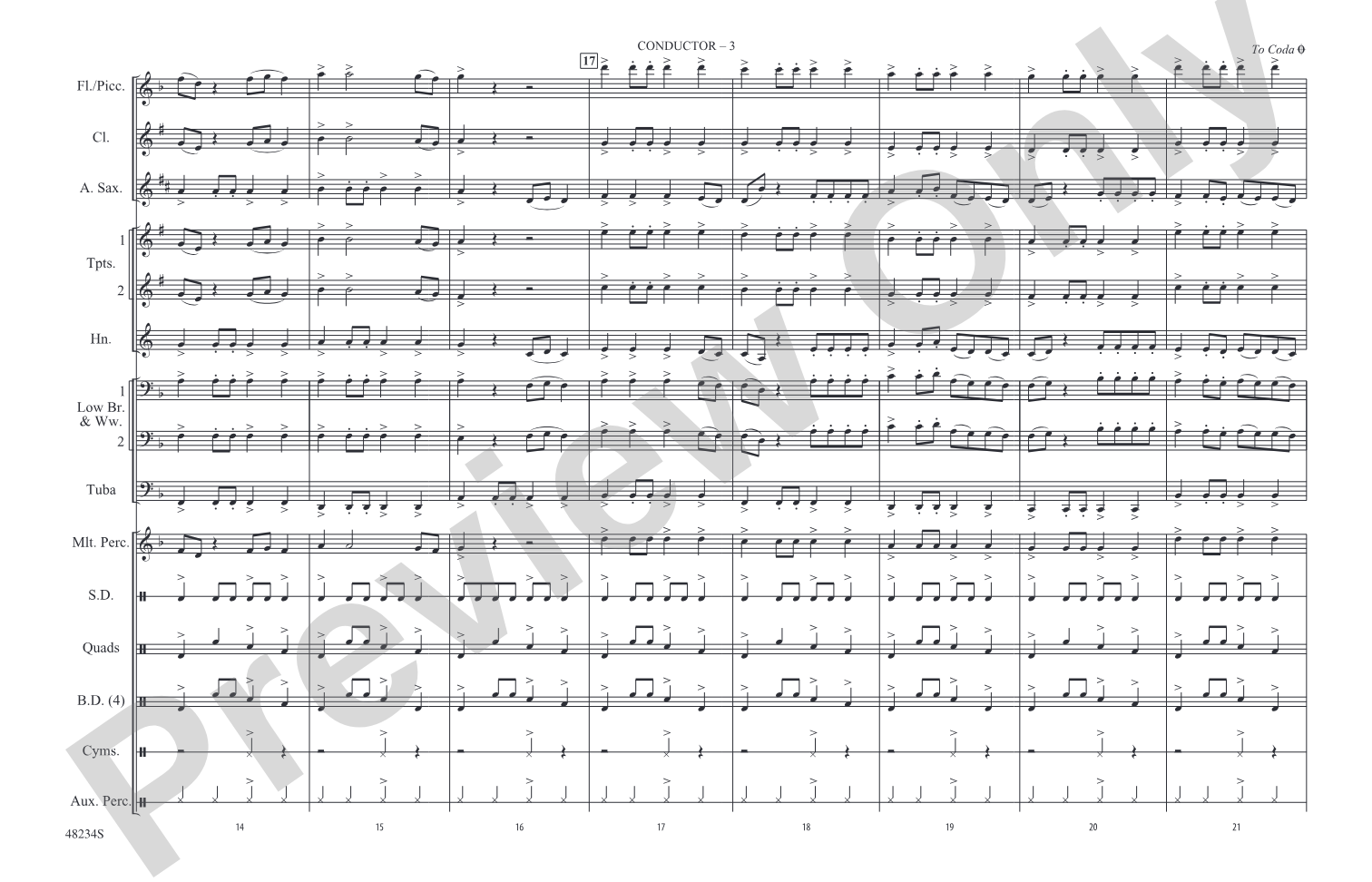
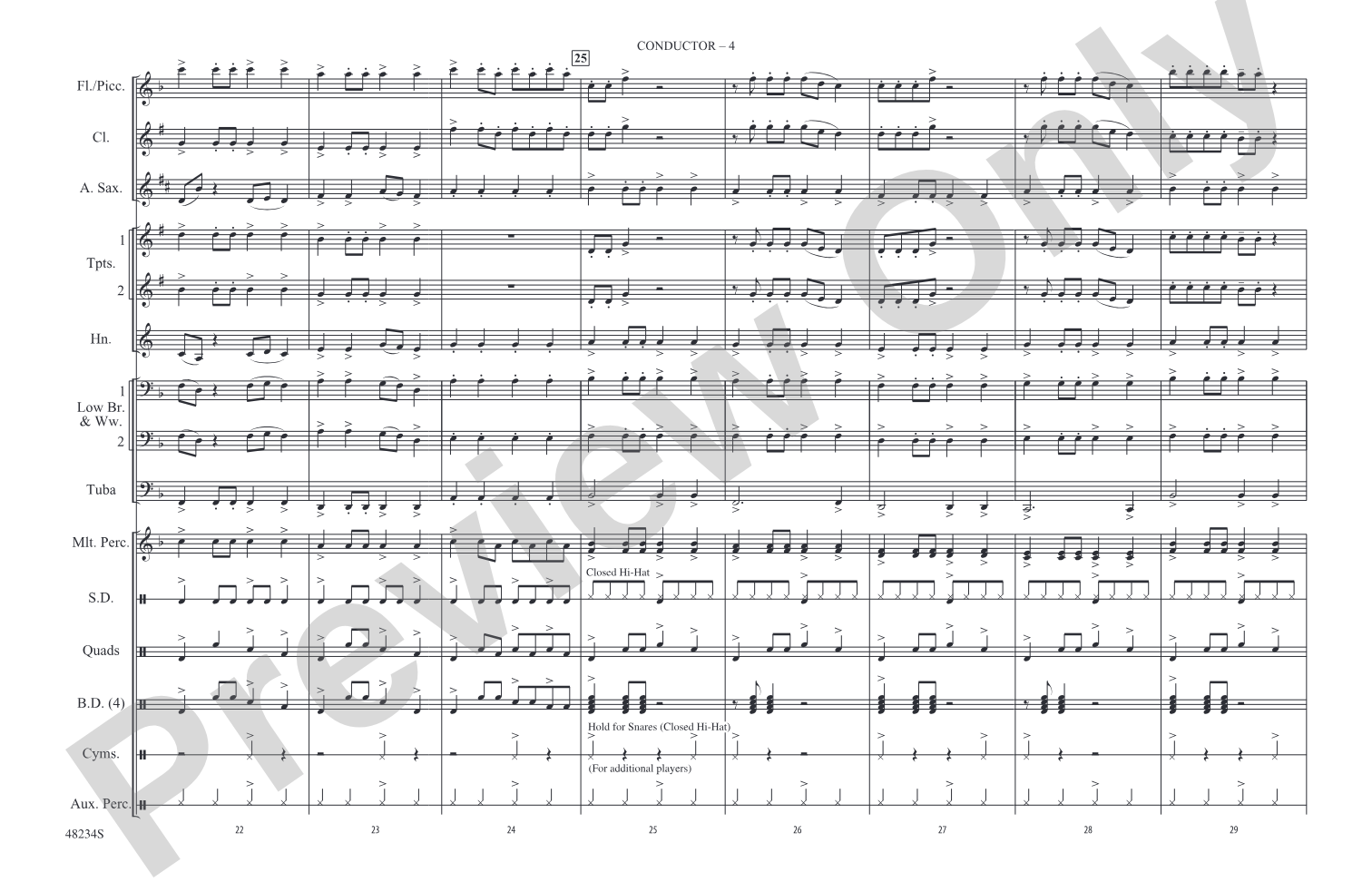
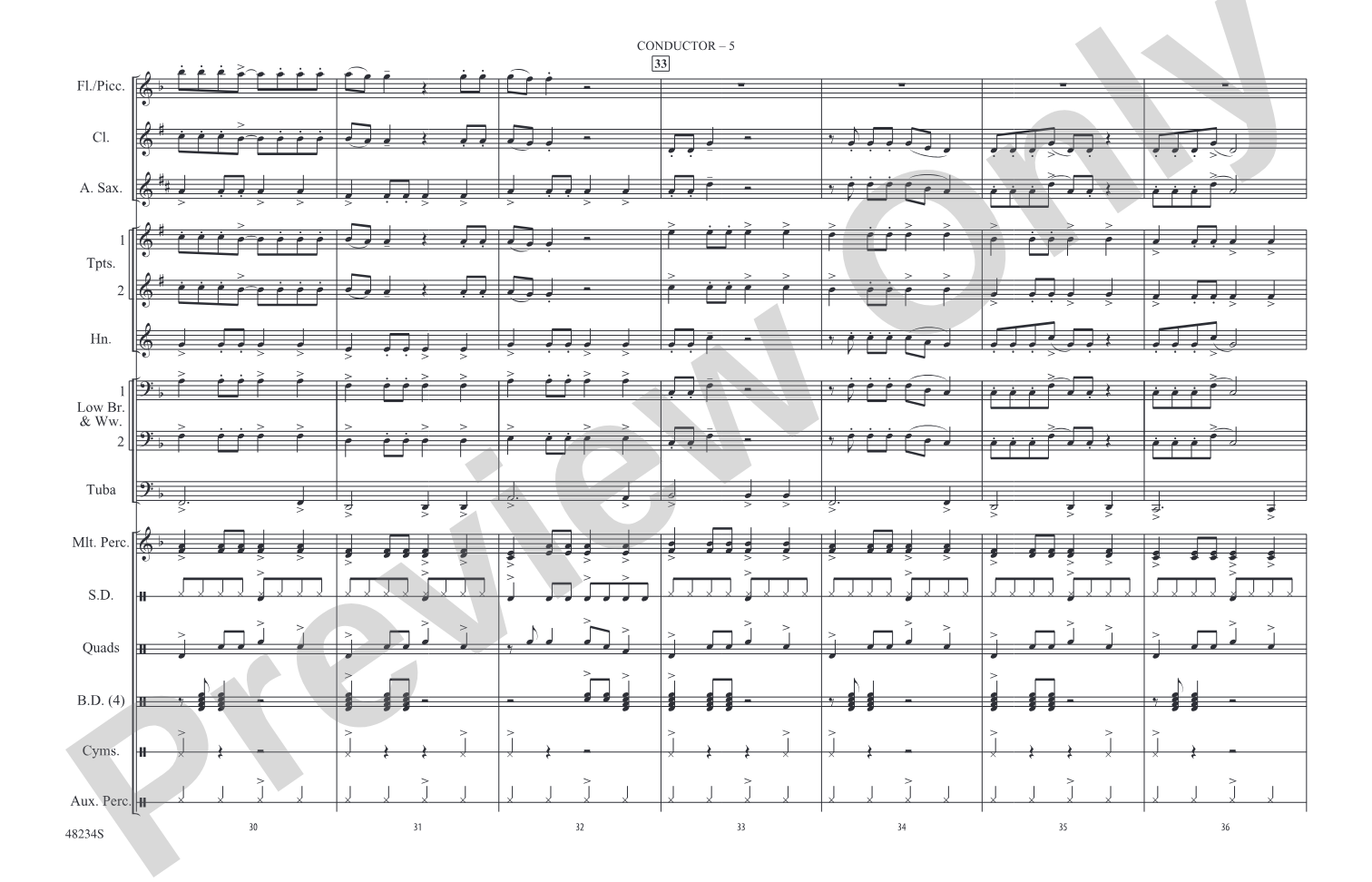
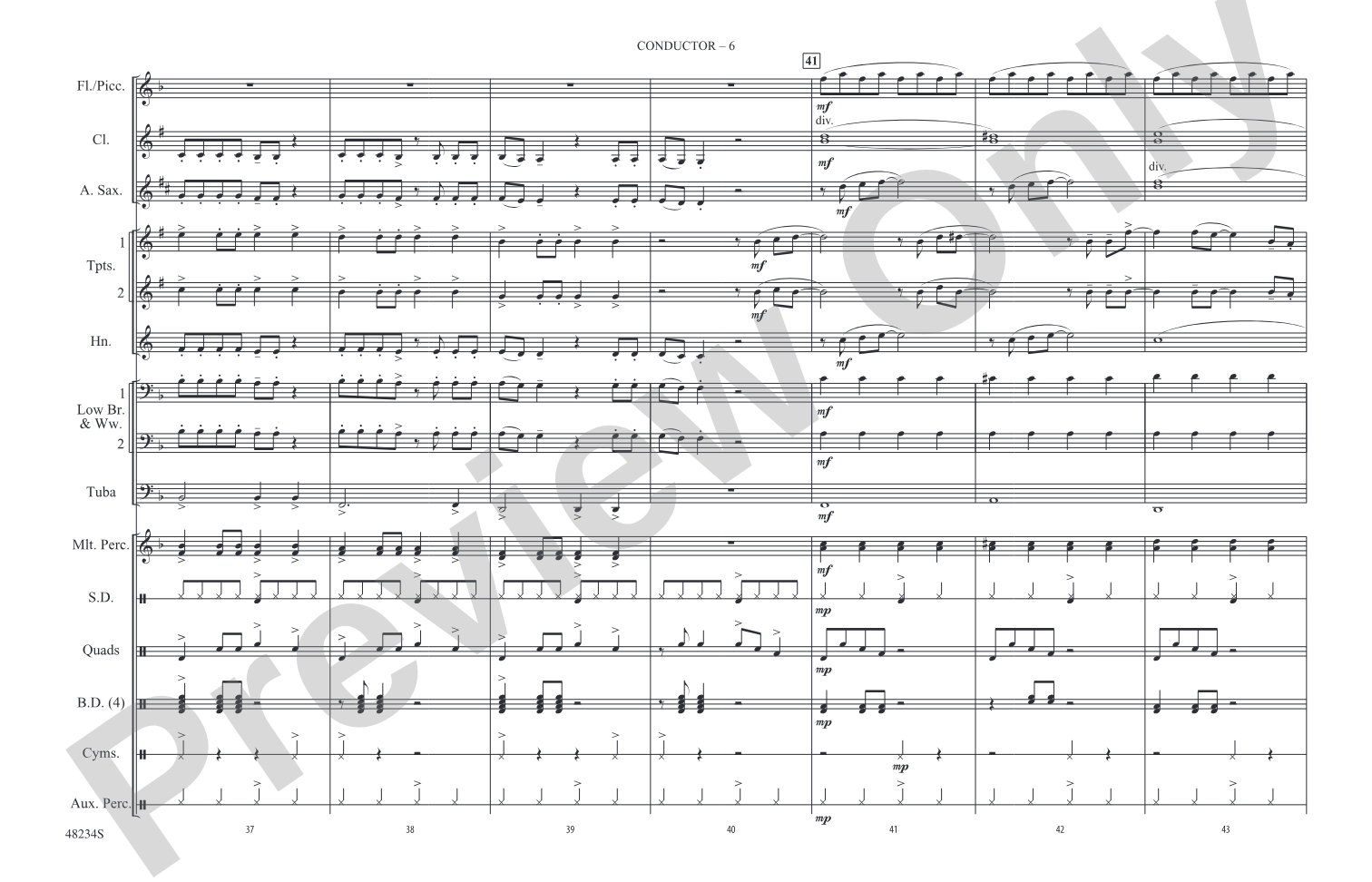
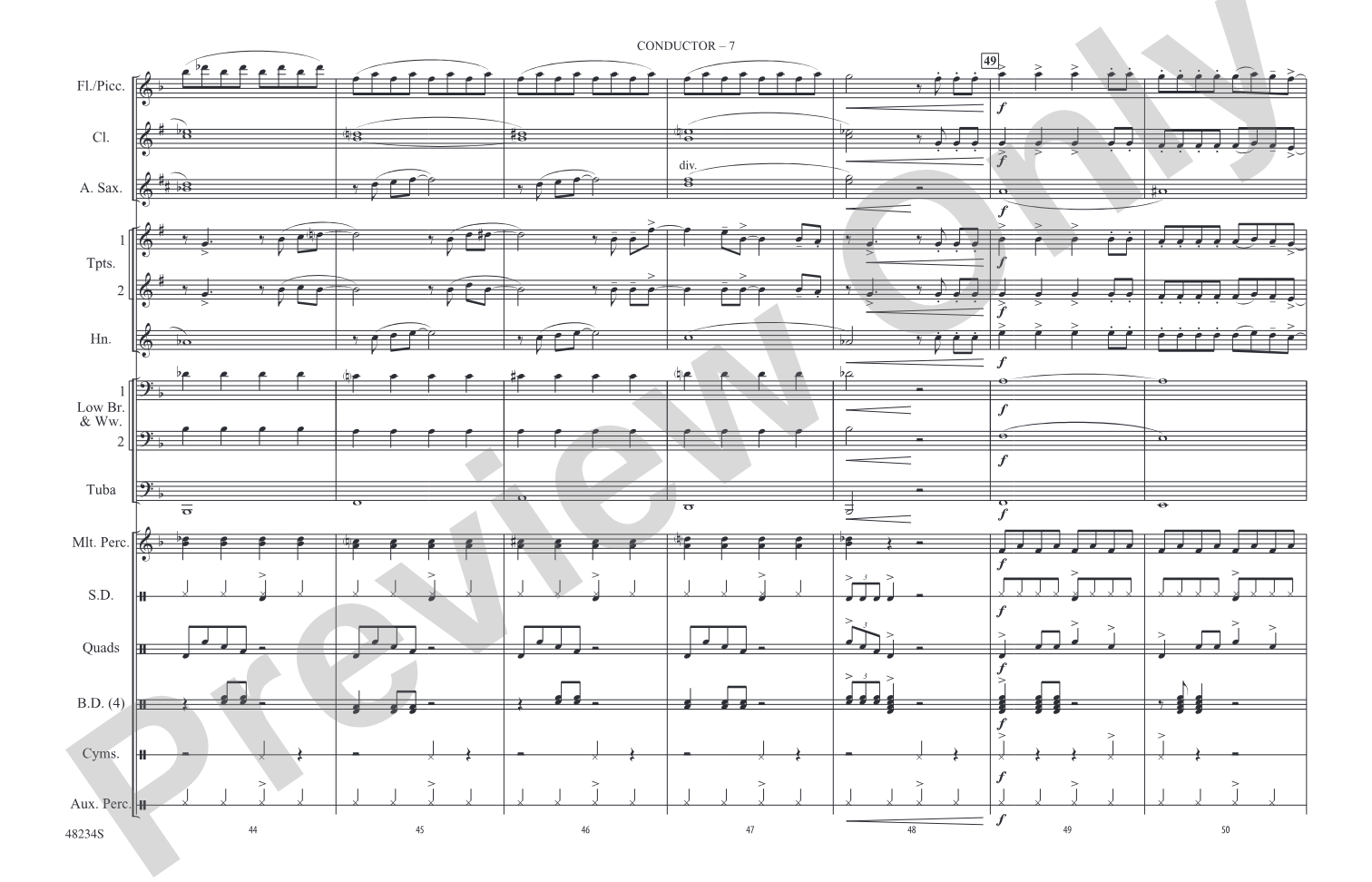
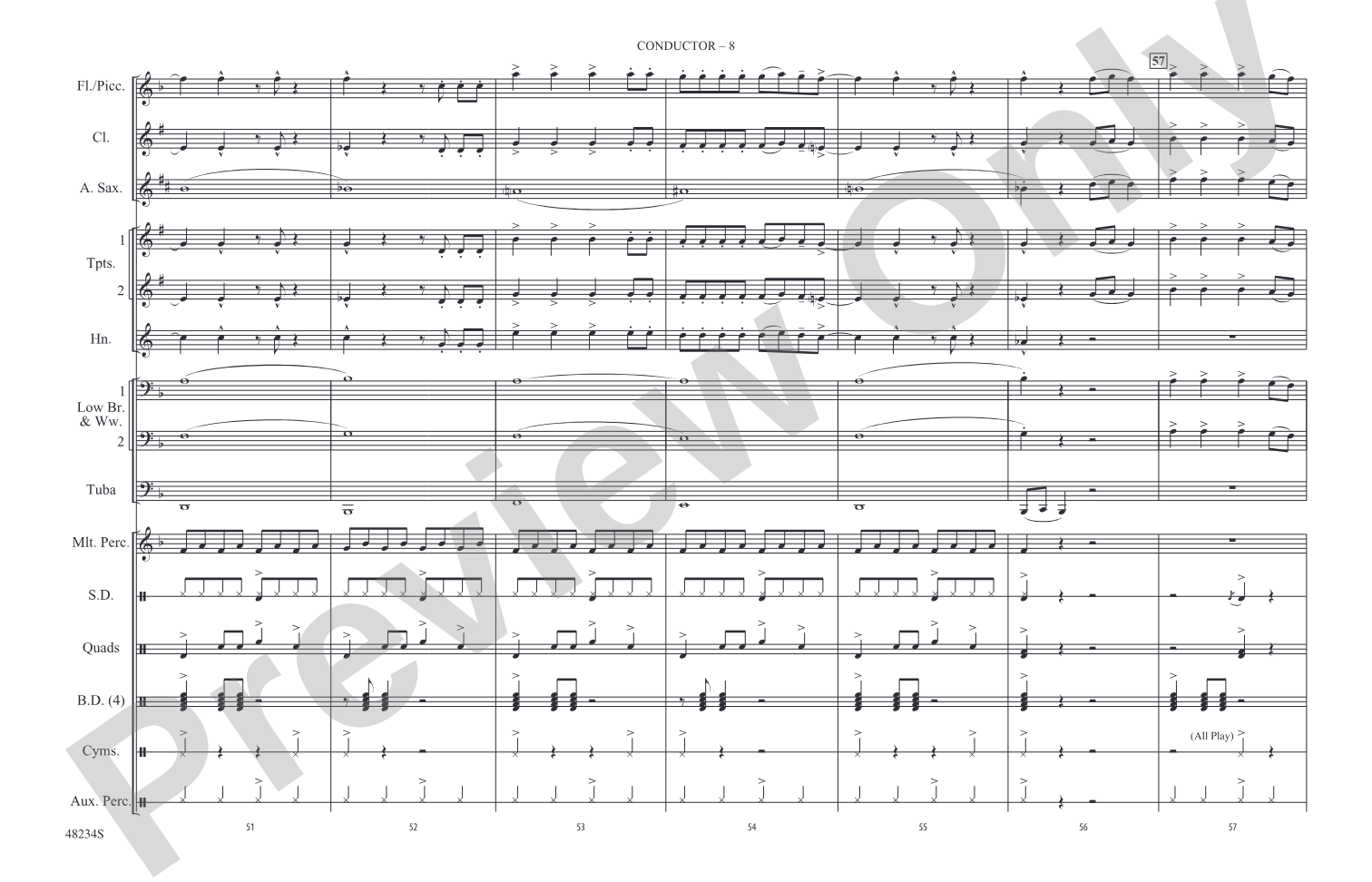
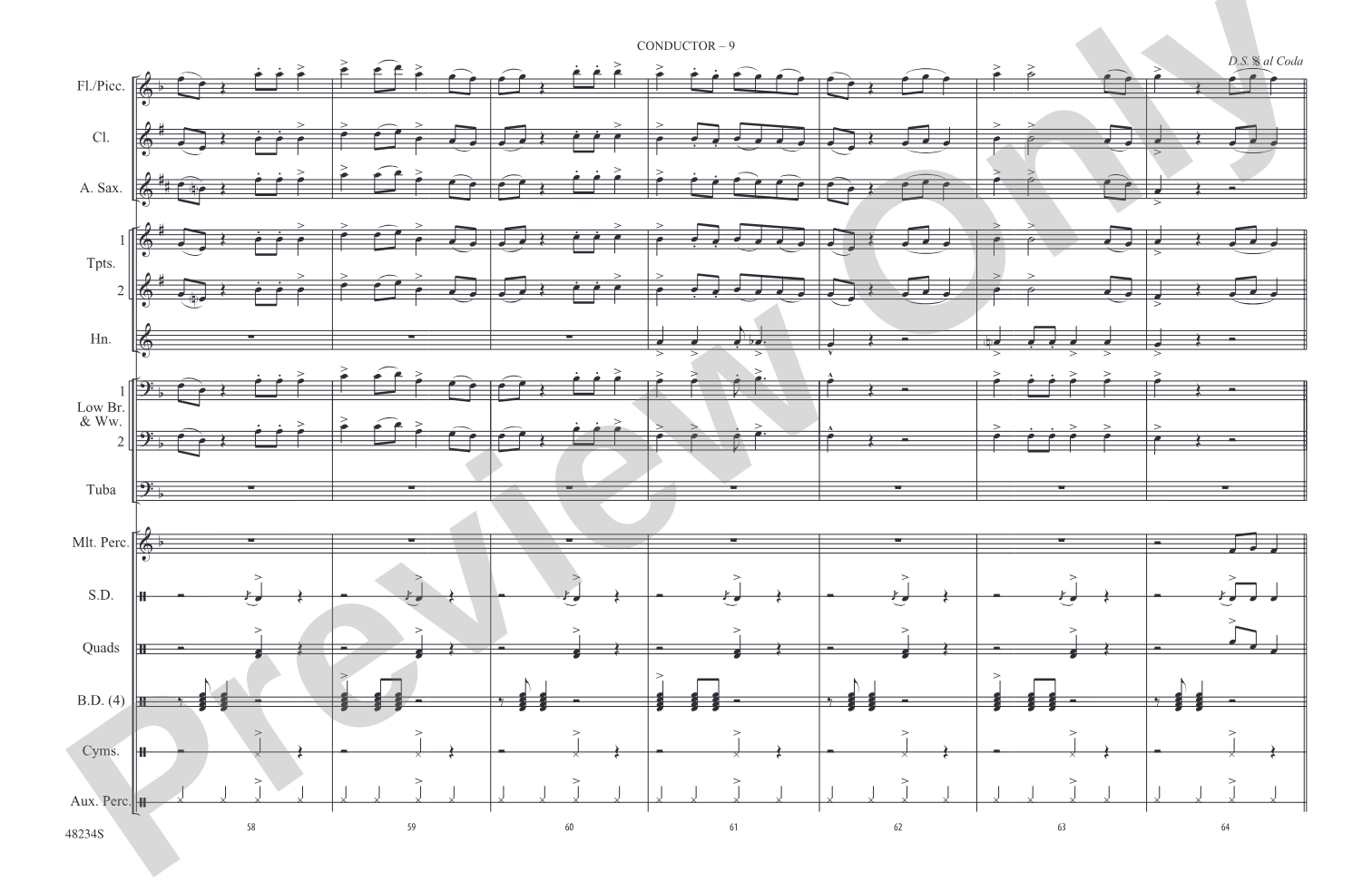
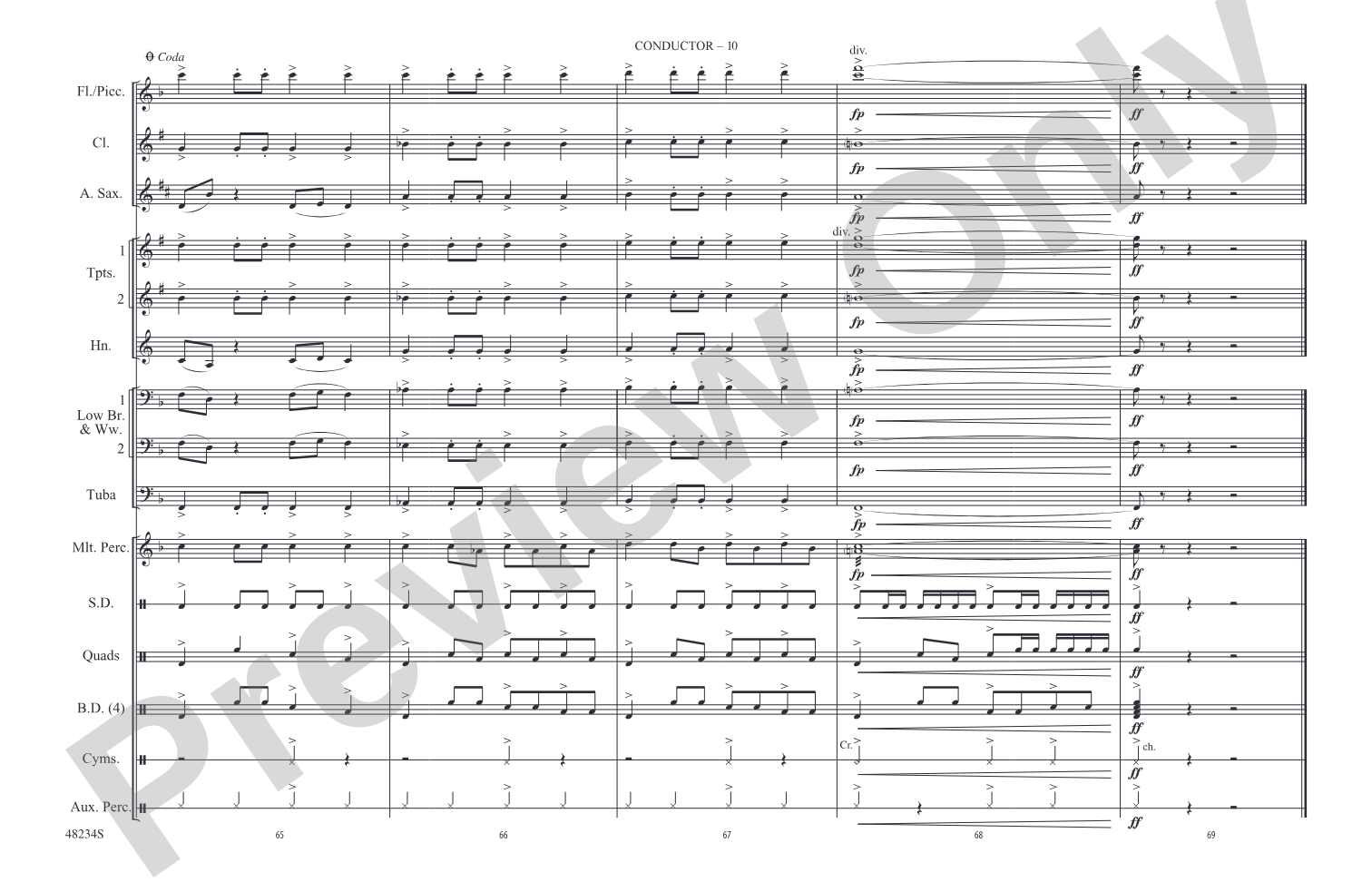
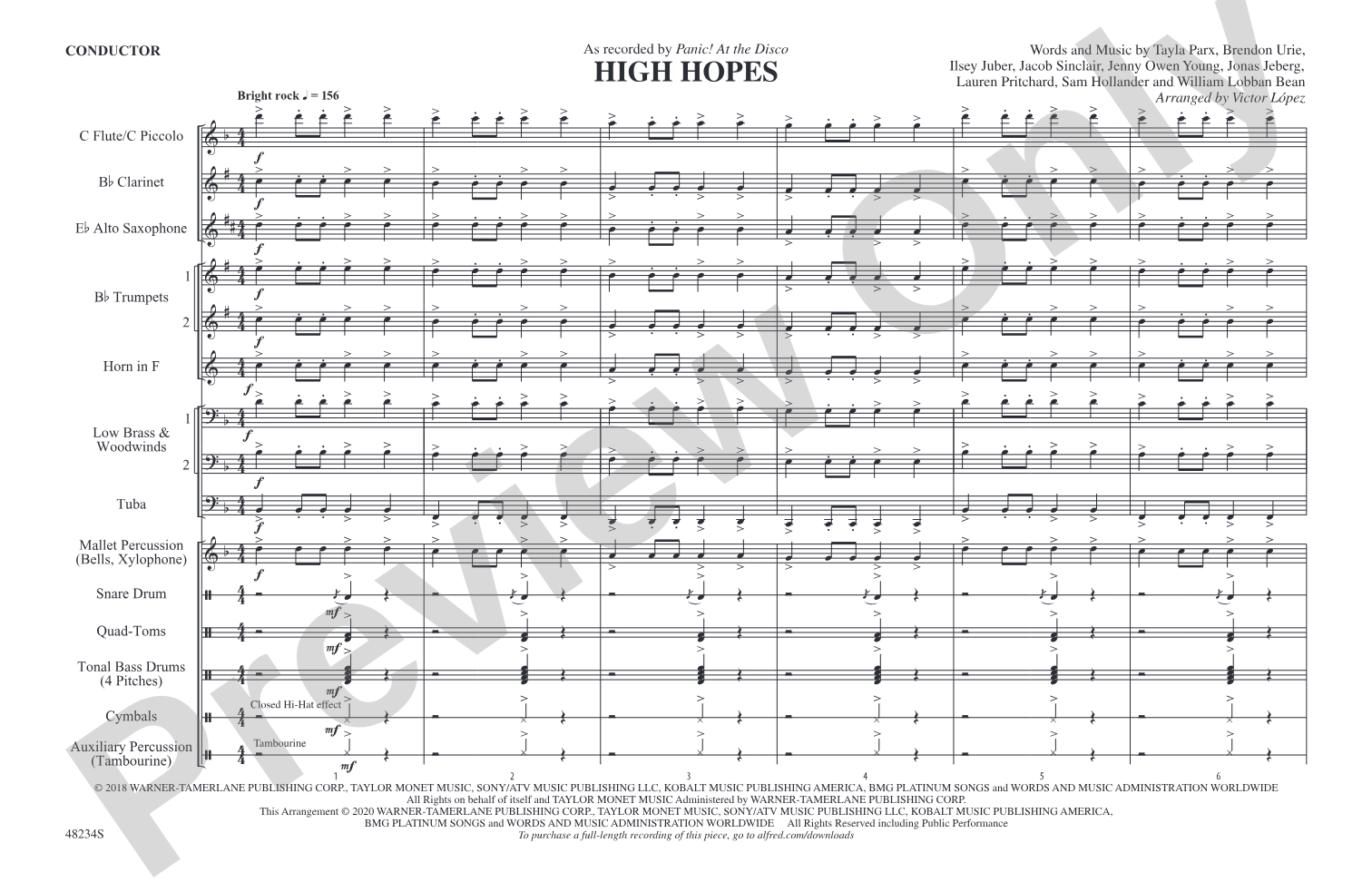
High Hopes Sheet Music Preview

High Hopes: Marching Band Conductor Score & Parts

As Performed by Panic! At the Disco

Words and Music by Tayla Parx, Brendon Urie, Ilsey Juber, Jacob Sinclair, Jenny Owen Young, Jonas Jeberg, Lauren Pritchard, Sam Hollander and William Lobban Bean / arr. Victor López

Grade: 3 (Medium)

Item: 00-PK-0008308

Digital Download
makemusic Cloud badge
$60.00

One moment…

Description
Here is the hard-rocking chart topper from the band Panic! At the Disco in a driving new arrangement by Victor López. The chart contains a lot of block scoring, which will make any band sound twice its size. (2:10)

Don't just read it, hear it, play along with it, and watch your students grow with it. In MakeMusic Cloud, High Hopes: Marching Band Conductor Score & Parts comes alive with professional accompaniment, adjustable tempo, and built-in practice tools that turn solo practice into real progress.

Sample Audio
0:00
0:00
Sample Video
Additional Details
Series: Mega Sounds for Marching Band
Publisher: Alfred Music
Page Count: 190
SKU: 00-PK-0008308

More about this title

About the Composer: Tayla Parx

Tayla Parx is a songwriter and producer who has crafted hits across pop, R&B, and hip-hop. Her work on "High Hopes" alongside Brendon Urie and other collaborators demonstrates her ability to write hooks that stick with audiences and melodies that translate across genres and ensembles.

As an educator's resource, Parx's songwriting reflects contemporary pop sensibilities while remaining accessible to student musicians. Her compositions balance catchiness with structural clarity, making them ideal for concert and marching band contexts where clarity and energy matter equally.

Why we love this

Victor López's arrangement leverages block scoring to create a full, powerful sound that plays up the anthem qualities of the original without requiring extended range or technical fireworks from your players. Grade 3 bands will sound polished and energetic here, and the familiar song gives students immediate buy-in during rehearsals and performances.

What to expect

High Hopes rides a surge of forward energy from the opening moments through the final hit. The chart captures the original's infectious optimism and driving momentum while translating that intensity into a marching ensemble sound that feels bigger than the sum of its parts. Block scoring creates a unified wall of sound that propels the melody forward with confidence.

Who it's for

Marching bands at the Grade 3 level seeking accessible, current repertoire that energizes students and audiences alike. Directors programming shows that balance classical fundamentals with contemporary hits will find this arrangement particularly valuable, as it delivers recognizable pop appeal without sacrificing ensemble musicality.

How to get the most out of it

  • Treat the block scoring as your secret weapon. Keep attacks clean and synchronized across sections; the wall-of-sound effect collapses when articulation wavers, so lock your brass and woodwind tonguing early in sectionals.
  • Emphasize the groove underneath the melody. This chart thrives on rhythmic precision and forward momentum, so work your percussion section hard on pocket and consistency before integrating the full band.
  • Lean into the contemporary energy. Avoid conducting this like a classical march; instead, keep a strong pulse that feels driving and modern while maintaining the chart's structural integrity across the 2:10 duration.

How to use it

This arrangement works beautifully as a show opener or closer, where its contemporary sound and immediate recognizability can energize both performers and audience. Pair it with one or two contrasting selections (ballad, classical encore) to demonstrate your band's full range and let this piece anchor the program's contemporary identity.

Skills your students will build

  • Rhythmic precision and groove orientation in contemporary styles
  • Block chord voicing and section balance (brass and woodwind alignment)
  • Reading and executing synchronized articulation across multiple parts
  • Sustaining energy and momentum across a chart with repetitive, driving rhythms
  • Connecting to recognizable pop melodies while maintaining ensemble discipline

You May Also Like