

High Hopes: Flexible Band/String Ensemble Score & Parts
Words and music by Tayla Parx, Brendon Urie, Ilsey Juber, Jacob Sinclair, Jenny Owen Young, Jonas Jeberg, Lauren Pritchard, Sam Hollander, and William Lobban Bean
Grade: 1 (Very Easy)
Item: 00-PK-0008207

$60.00
One moment…
Description
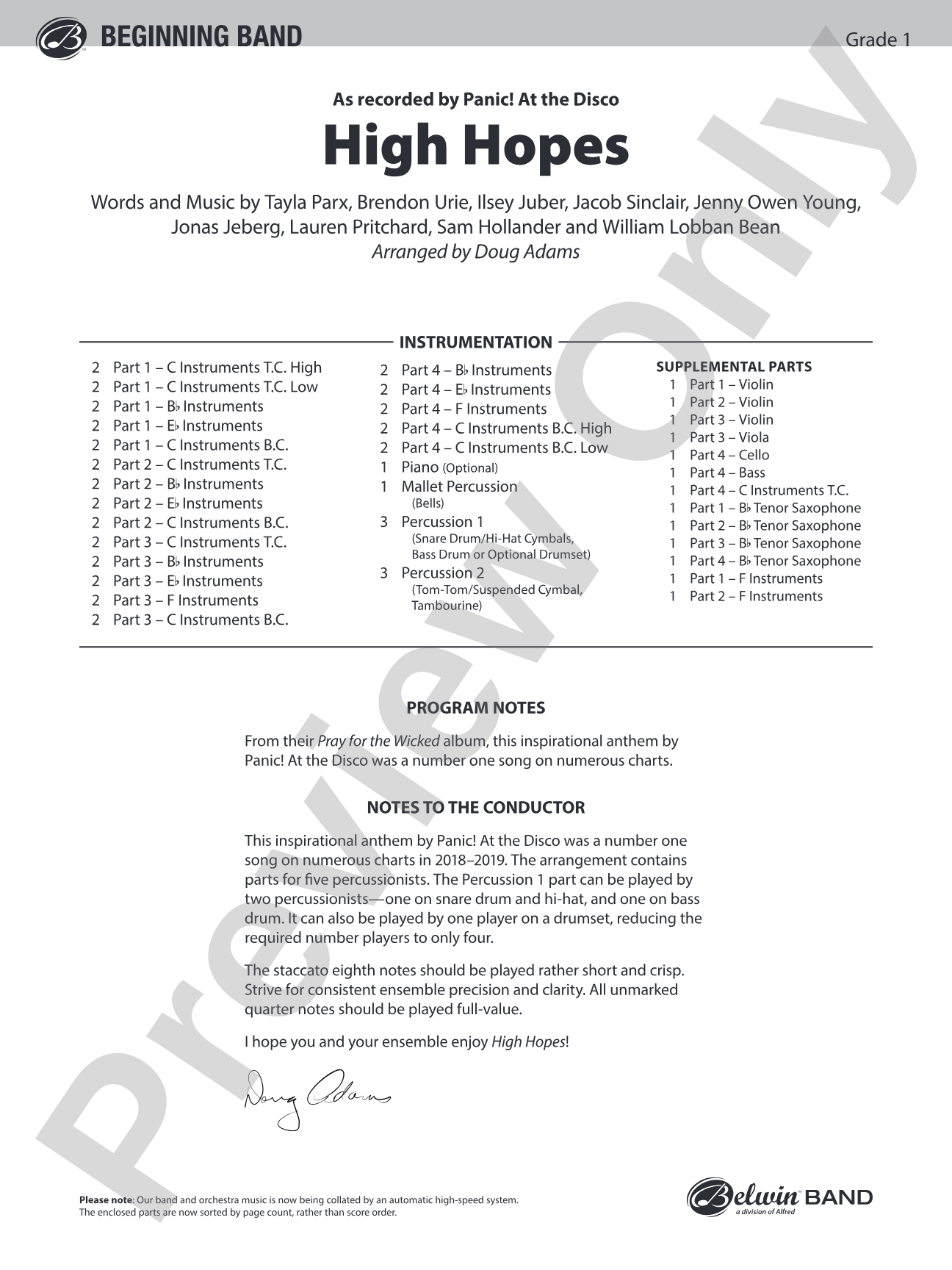
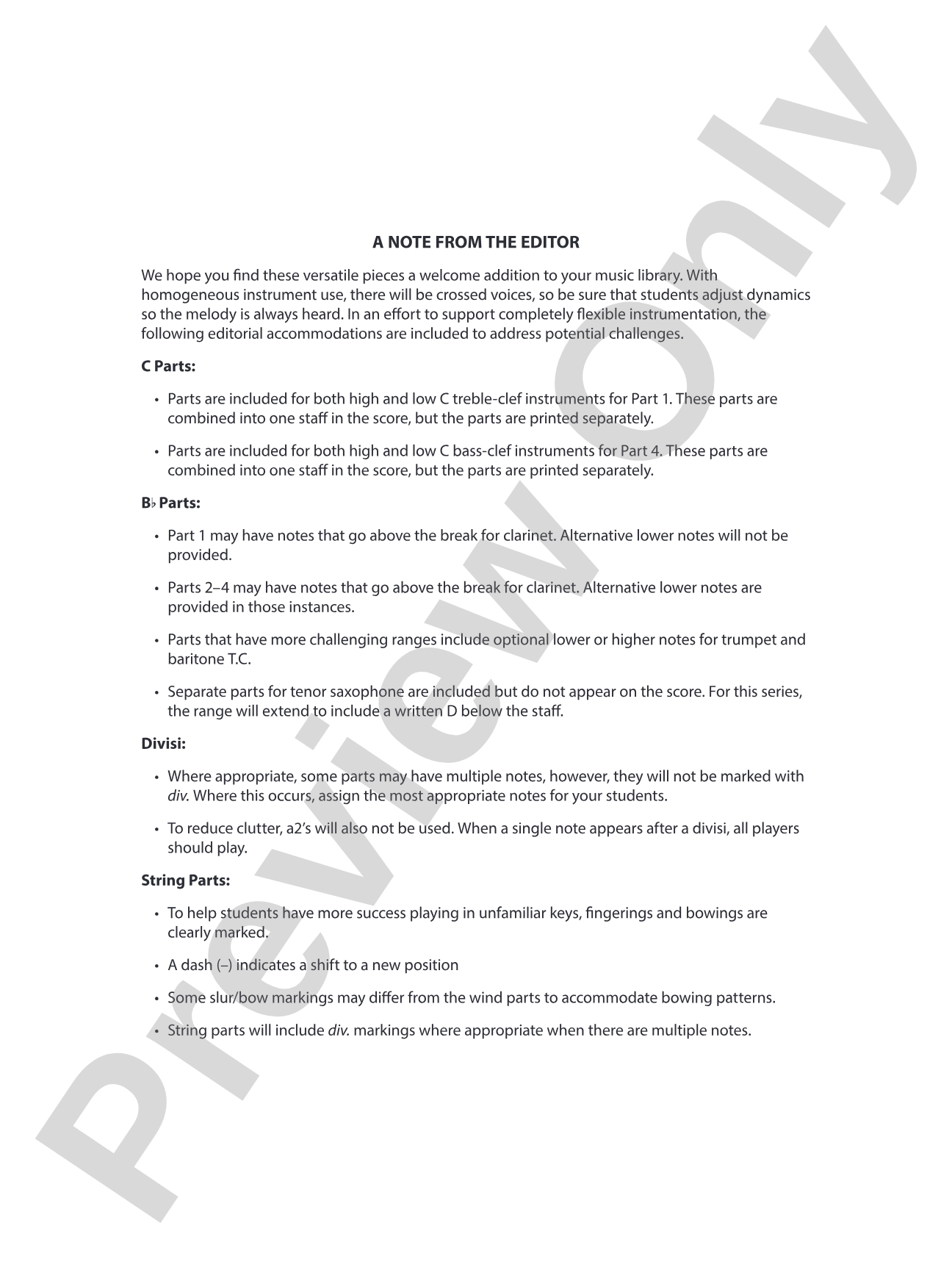
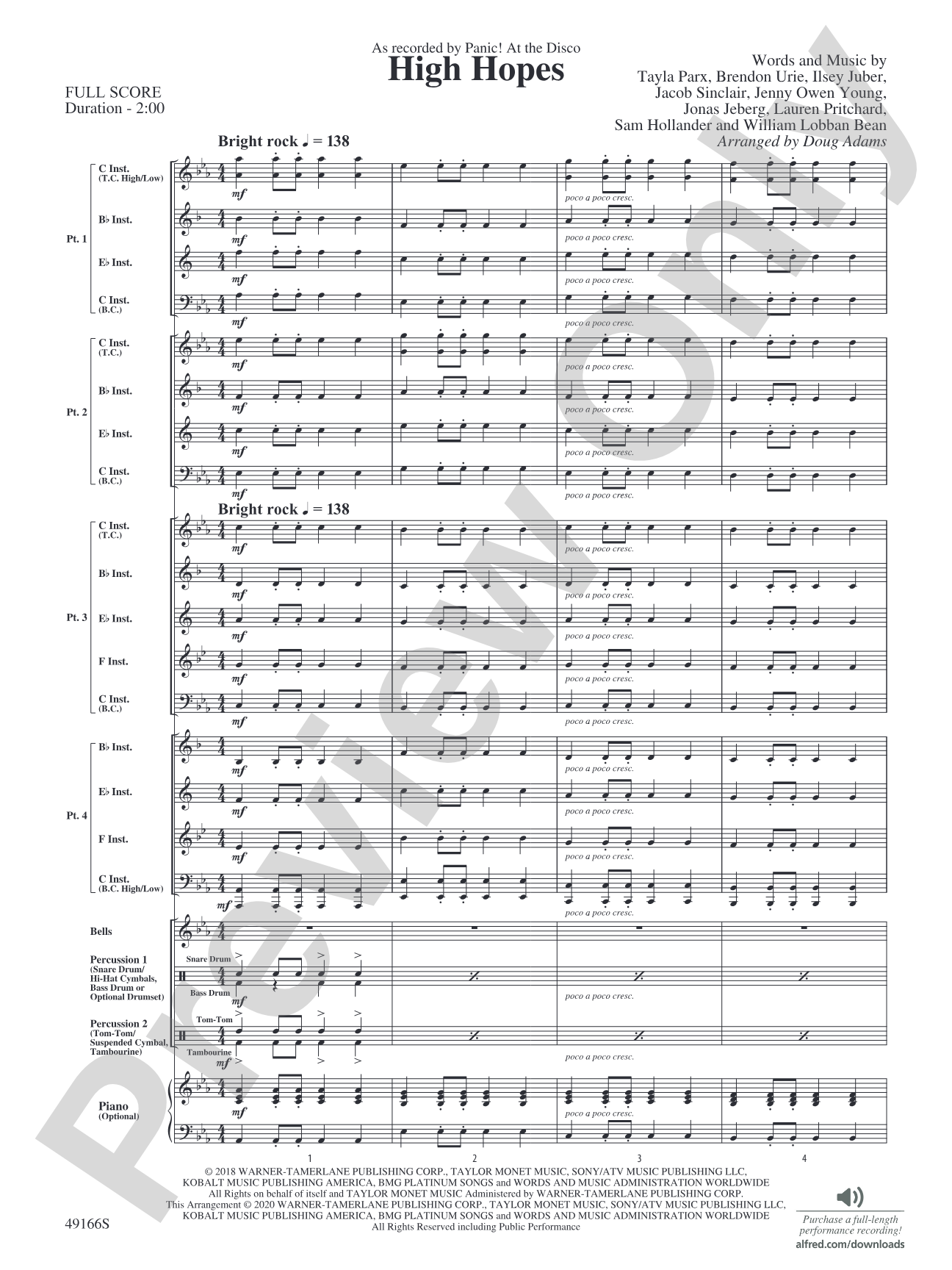
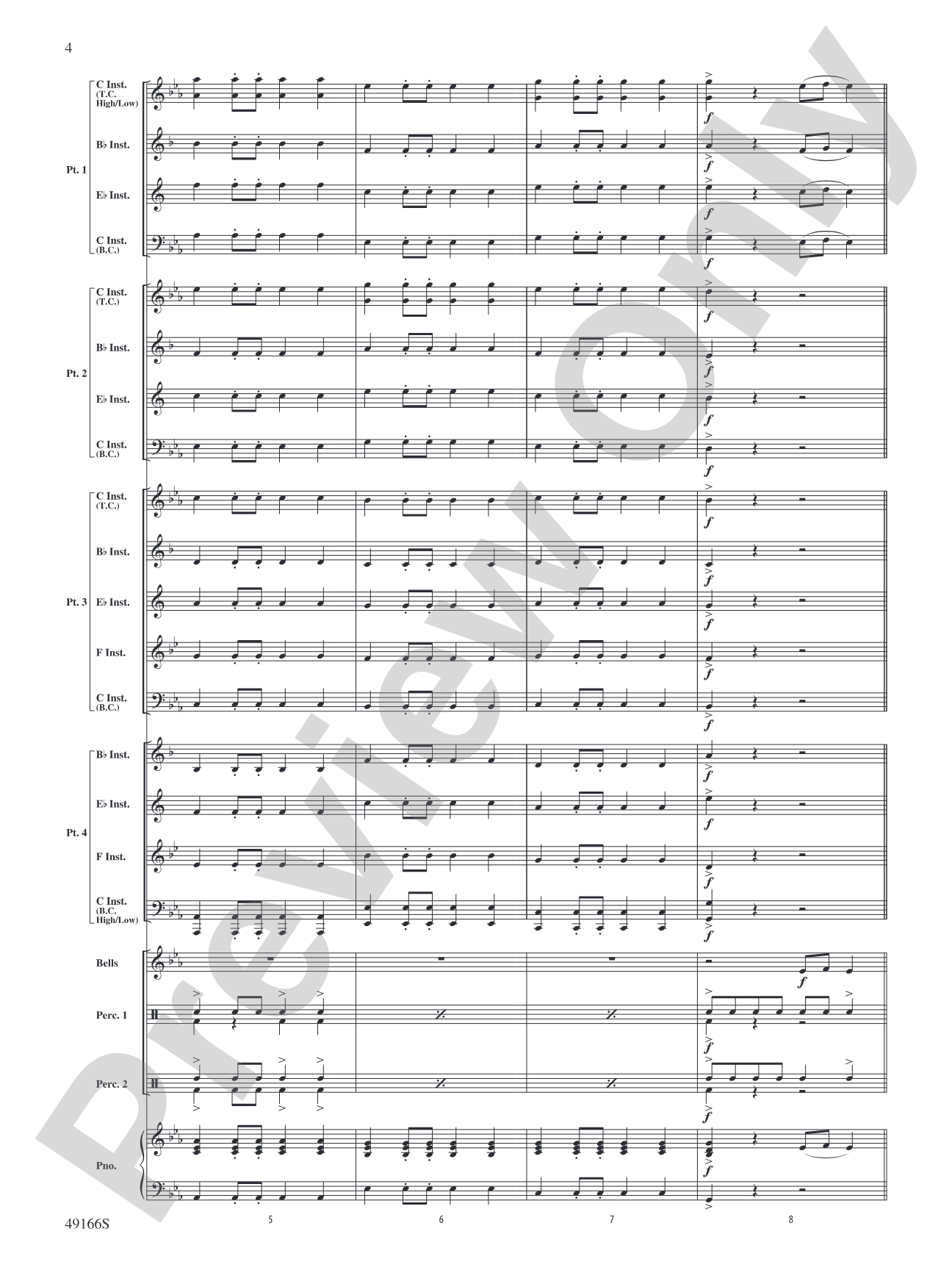
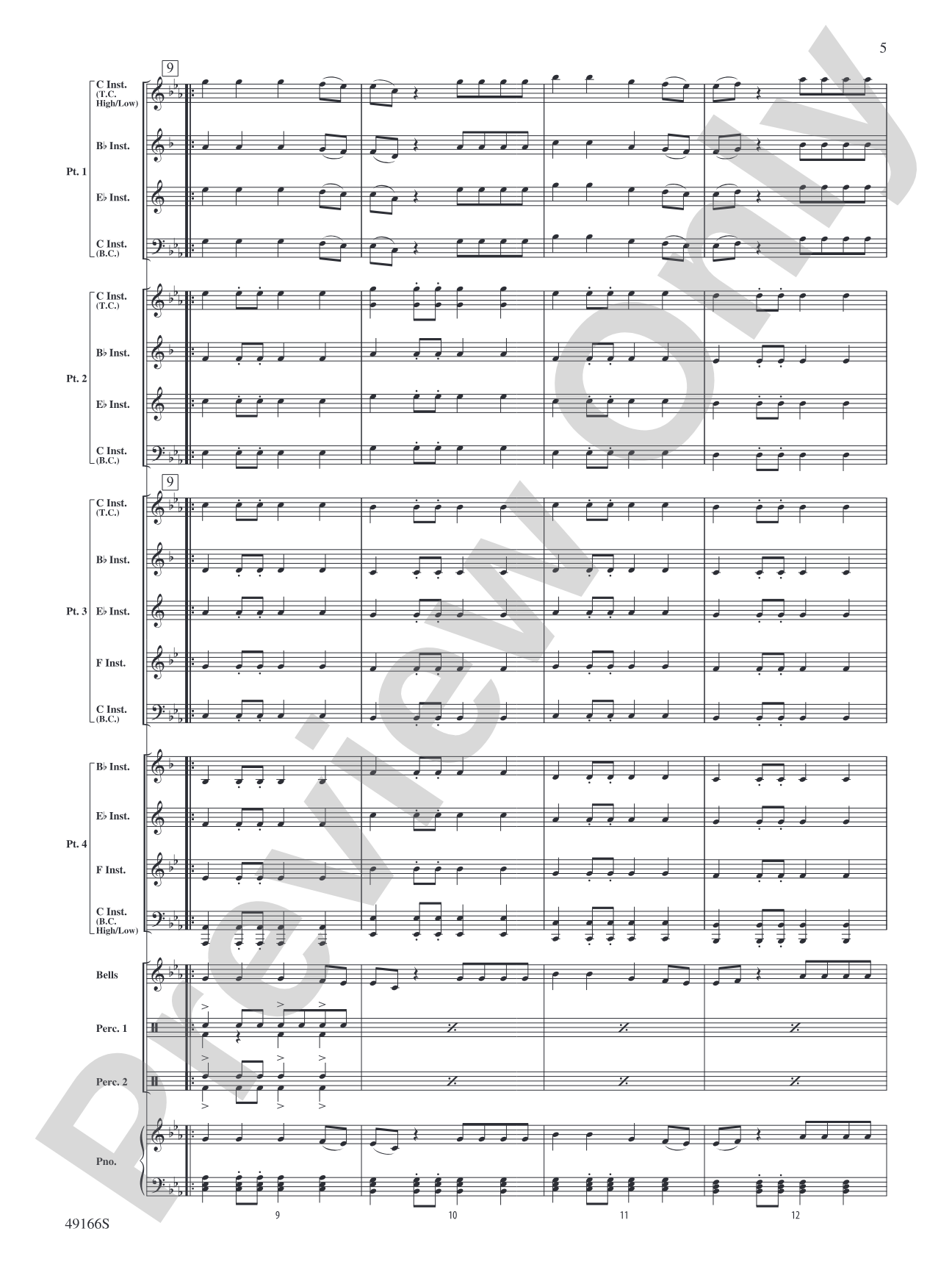
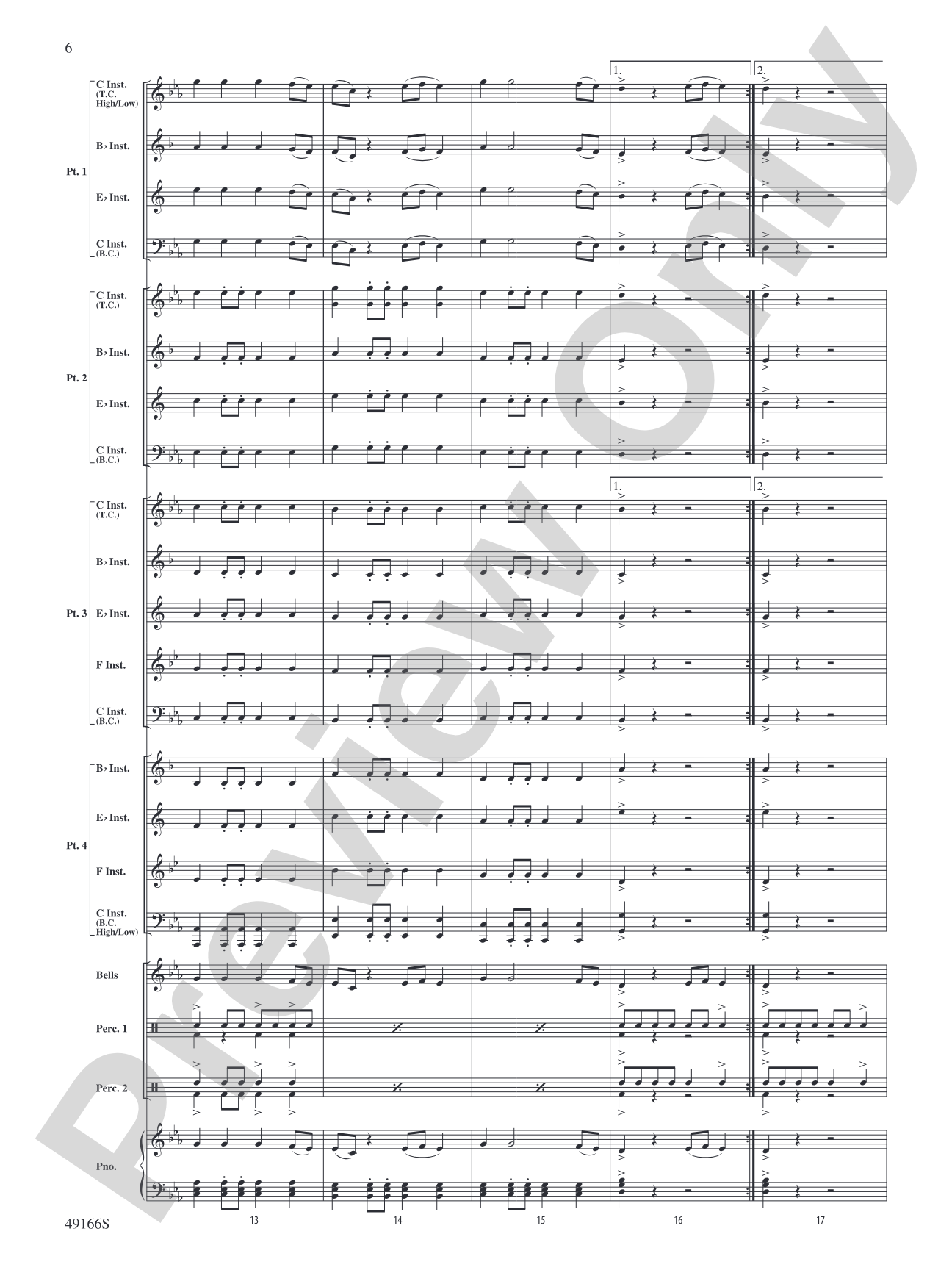
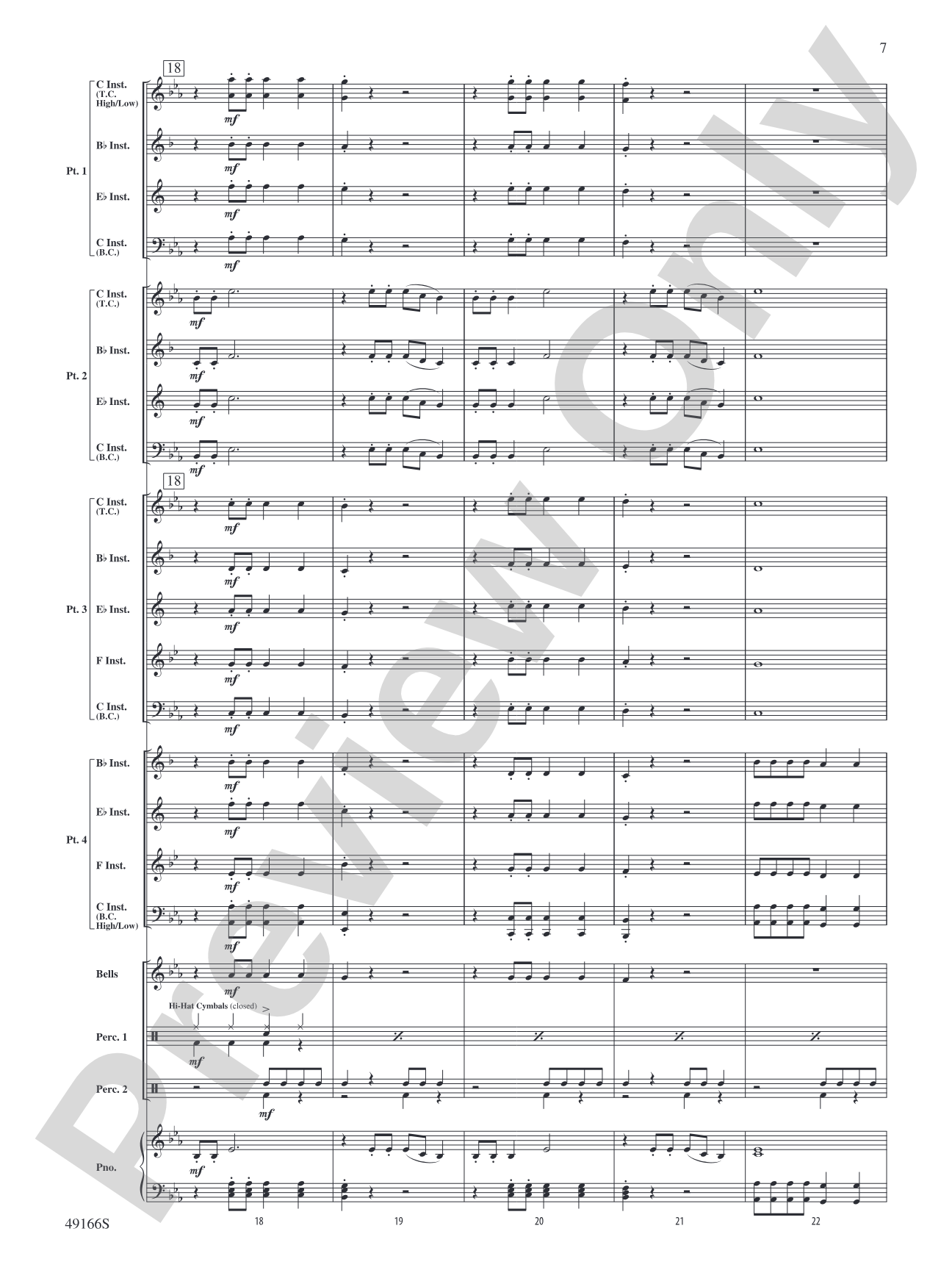
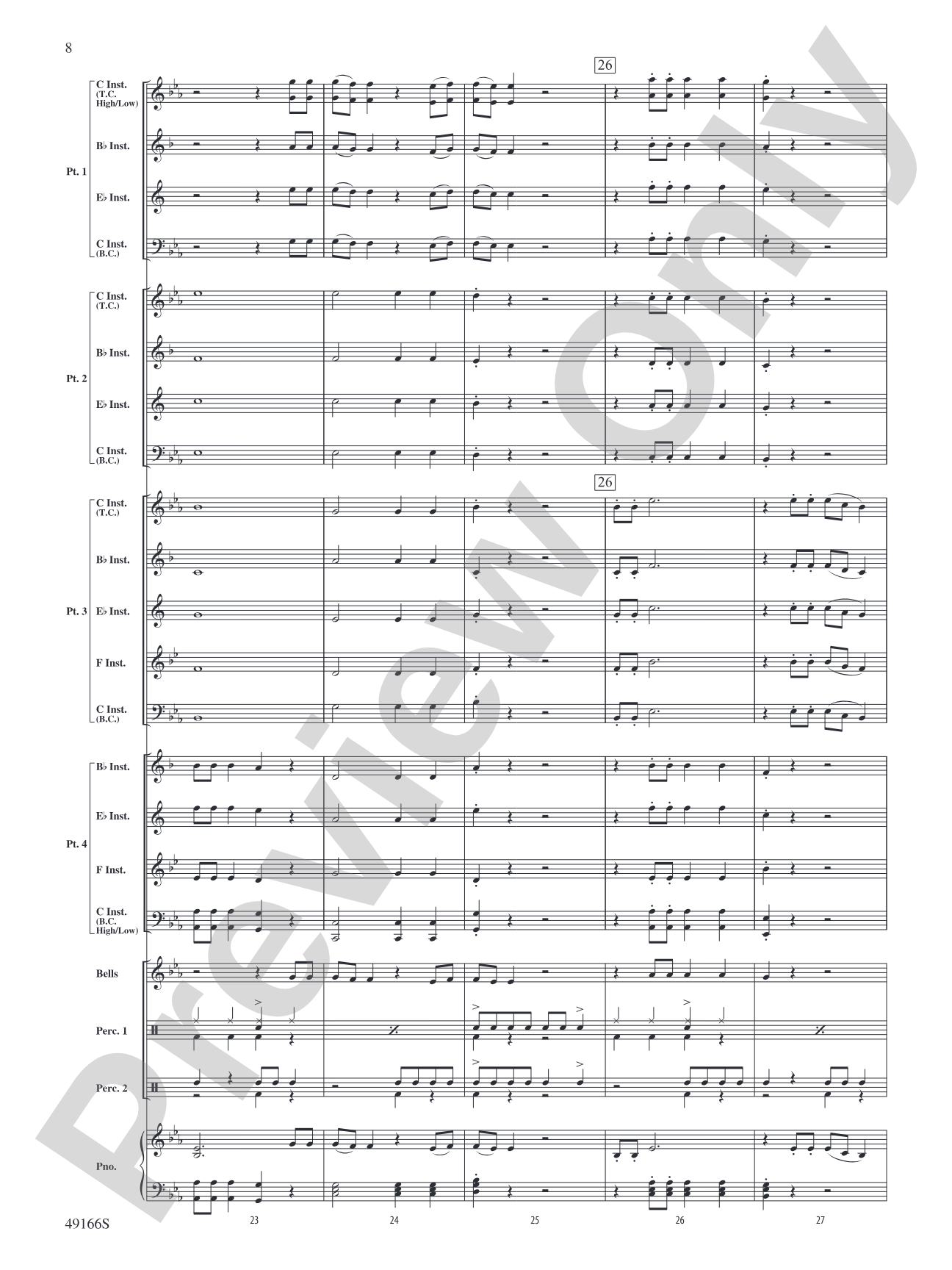
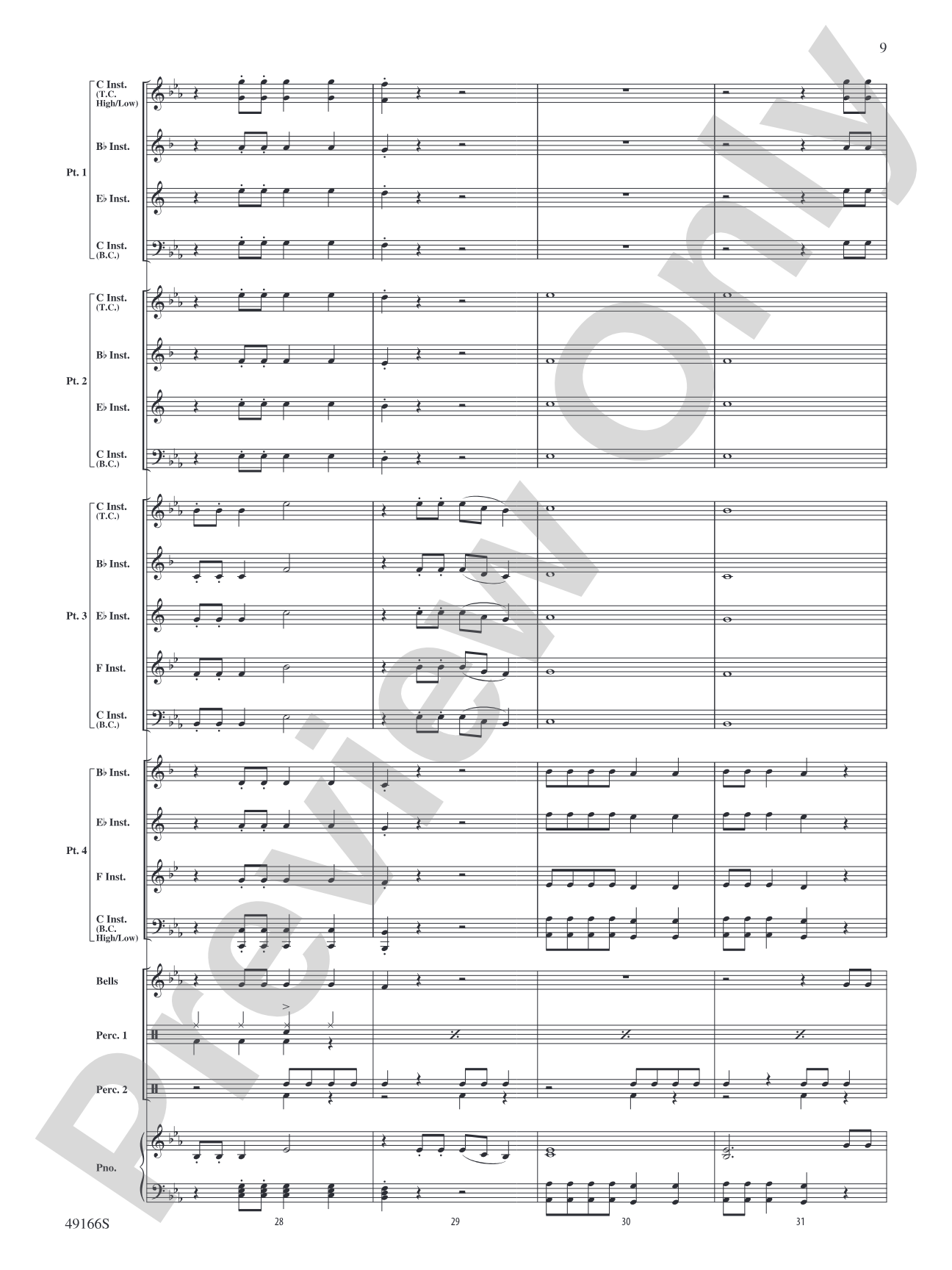
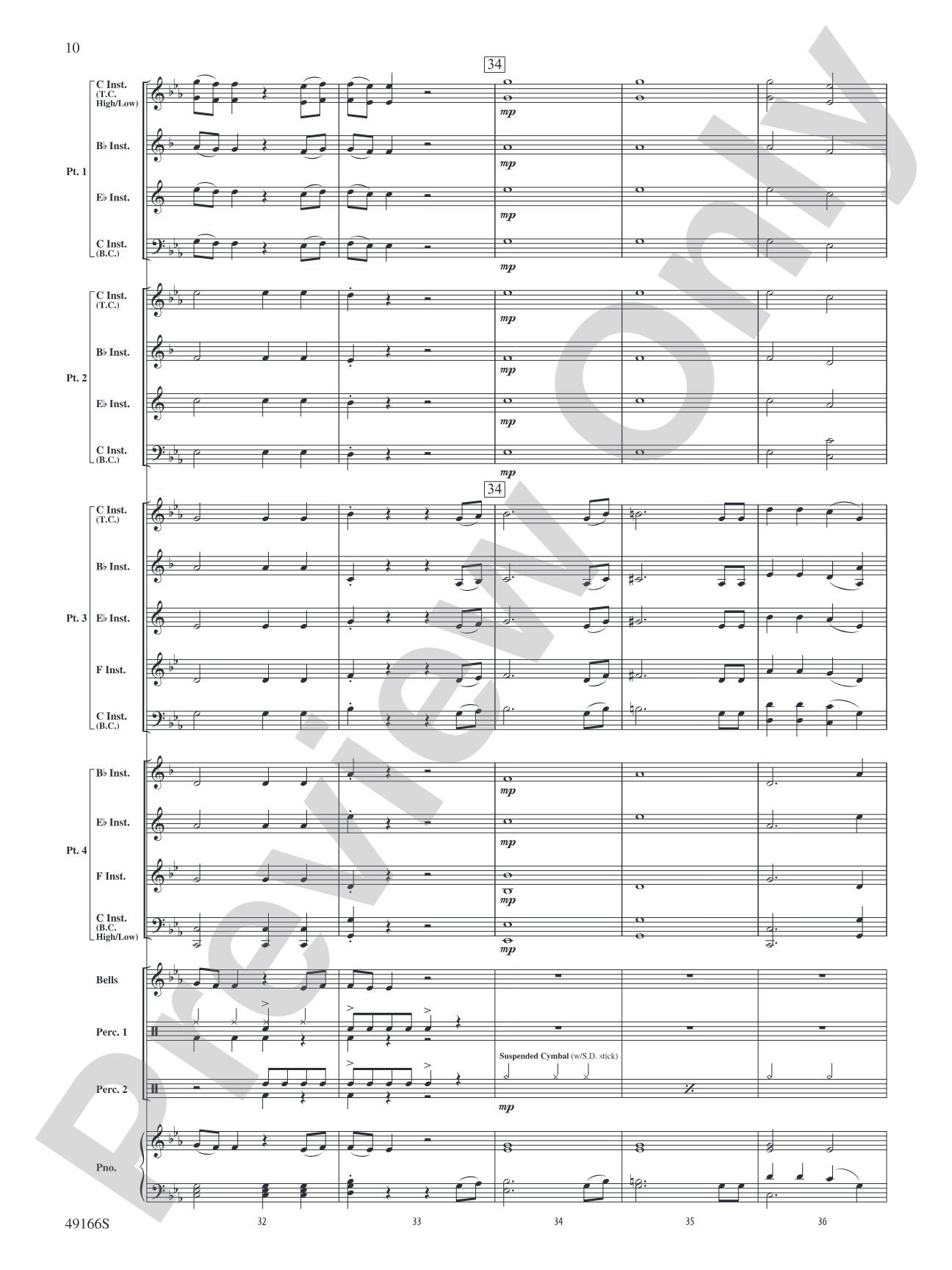
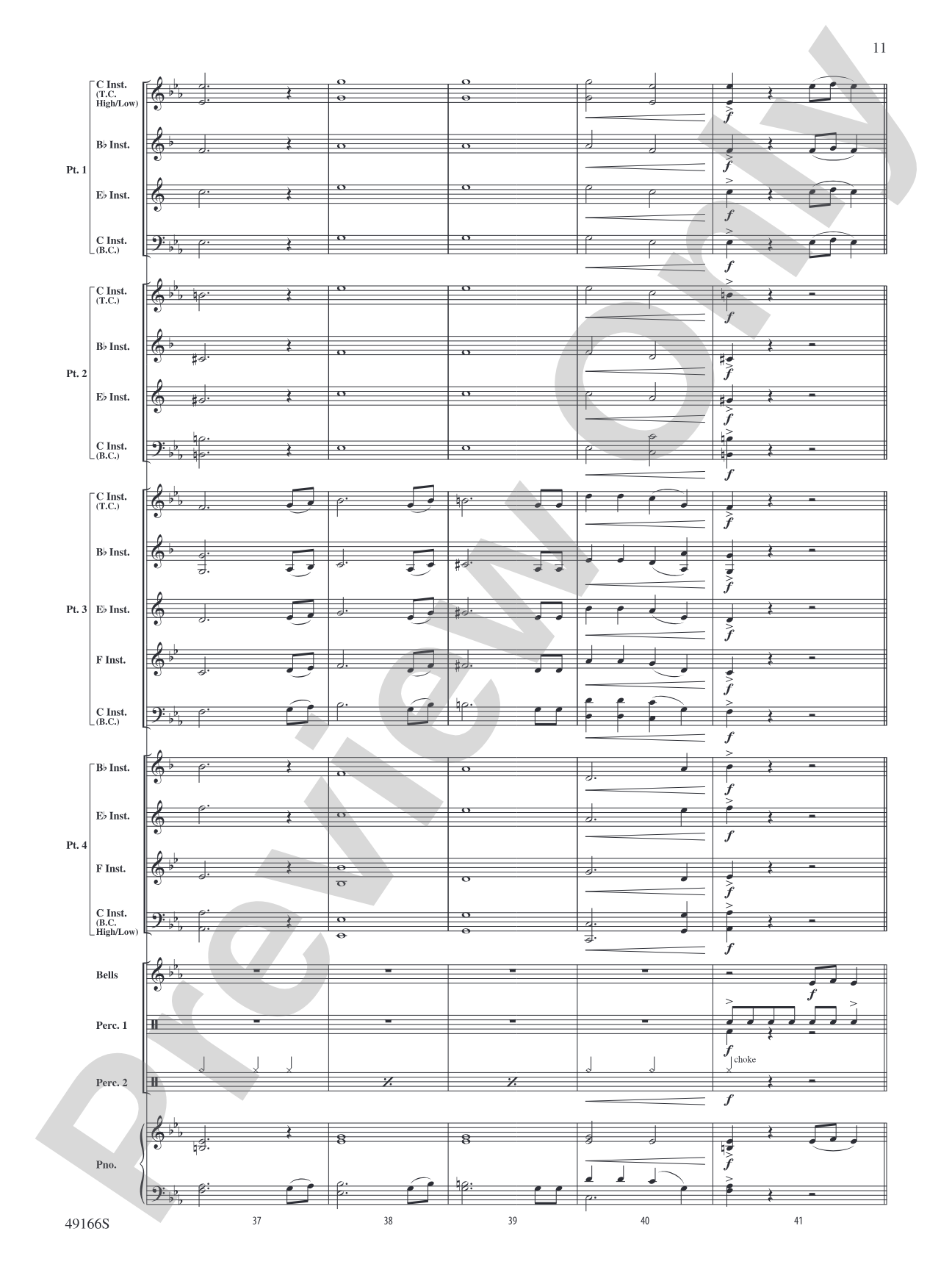
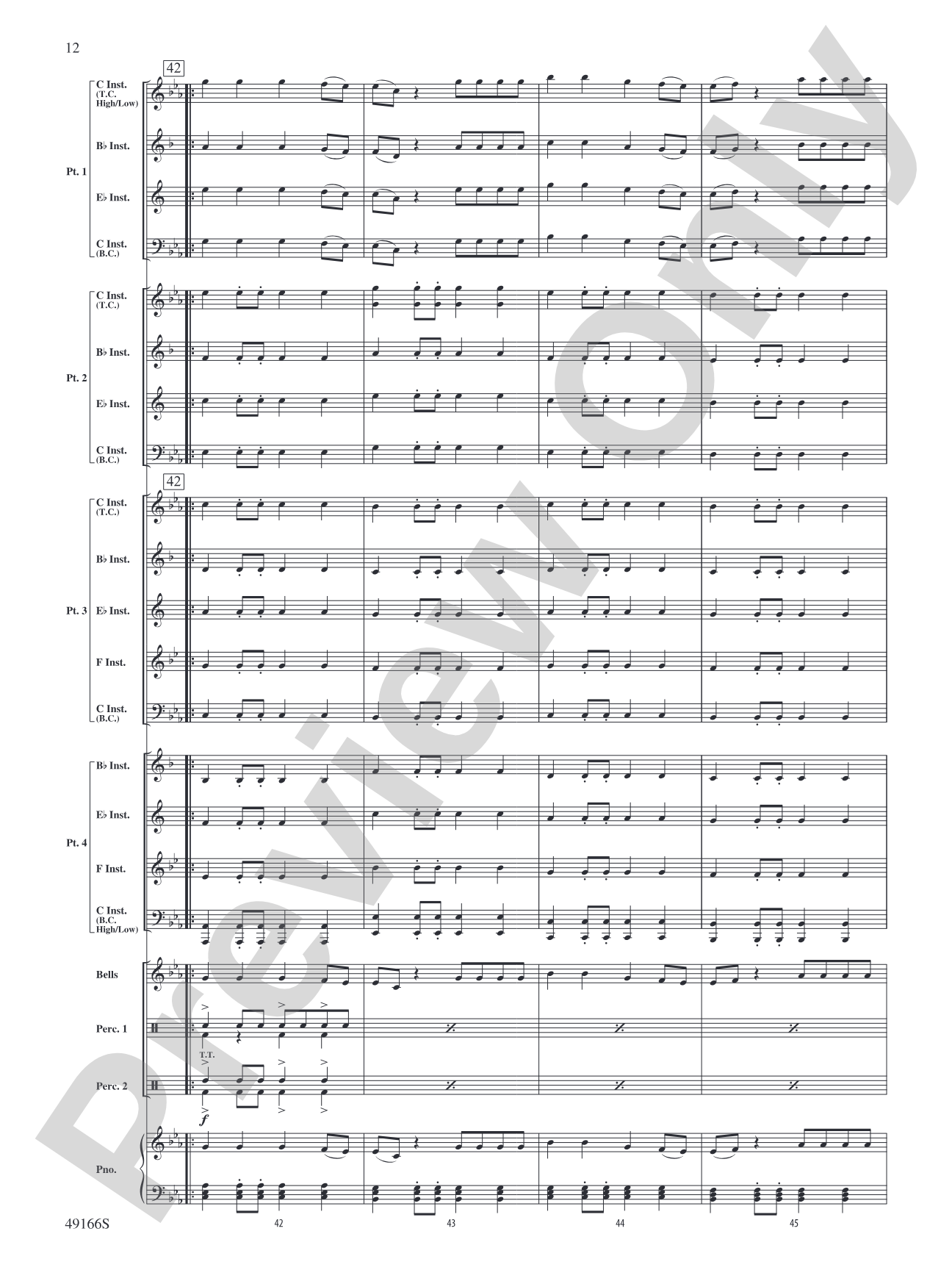
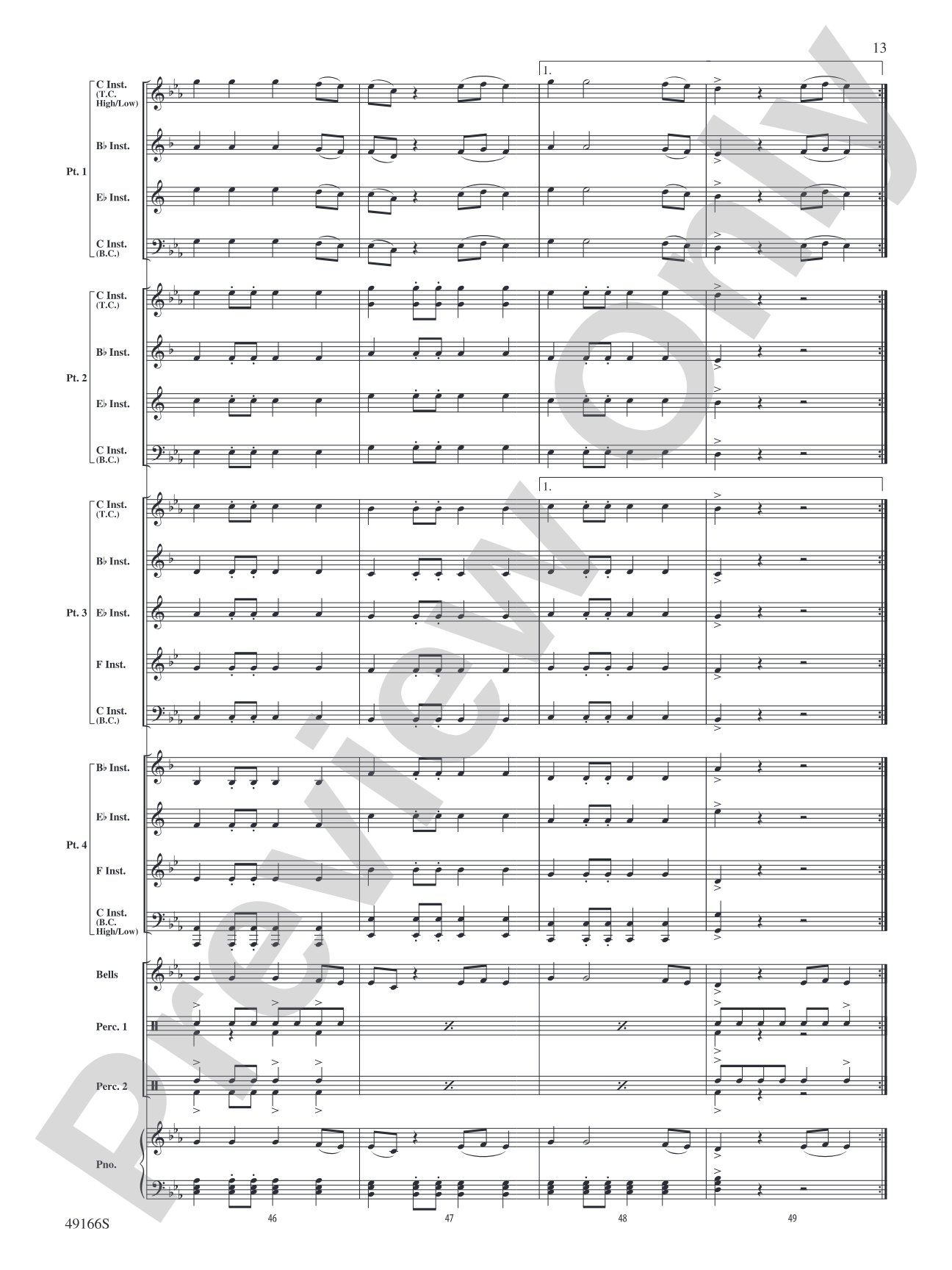
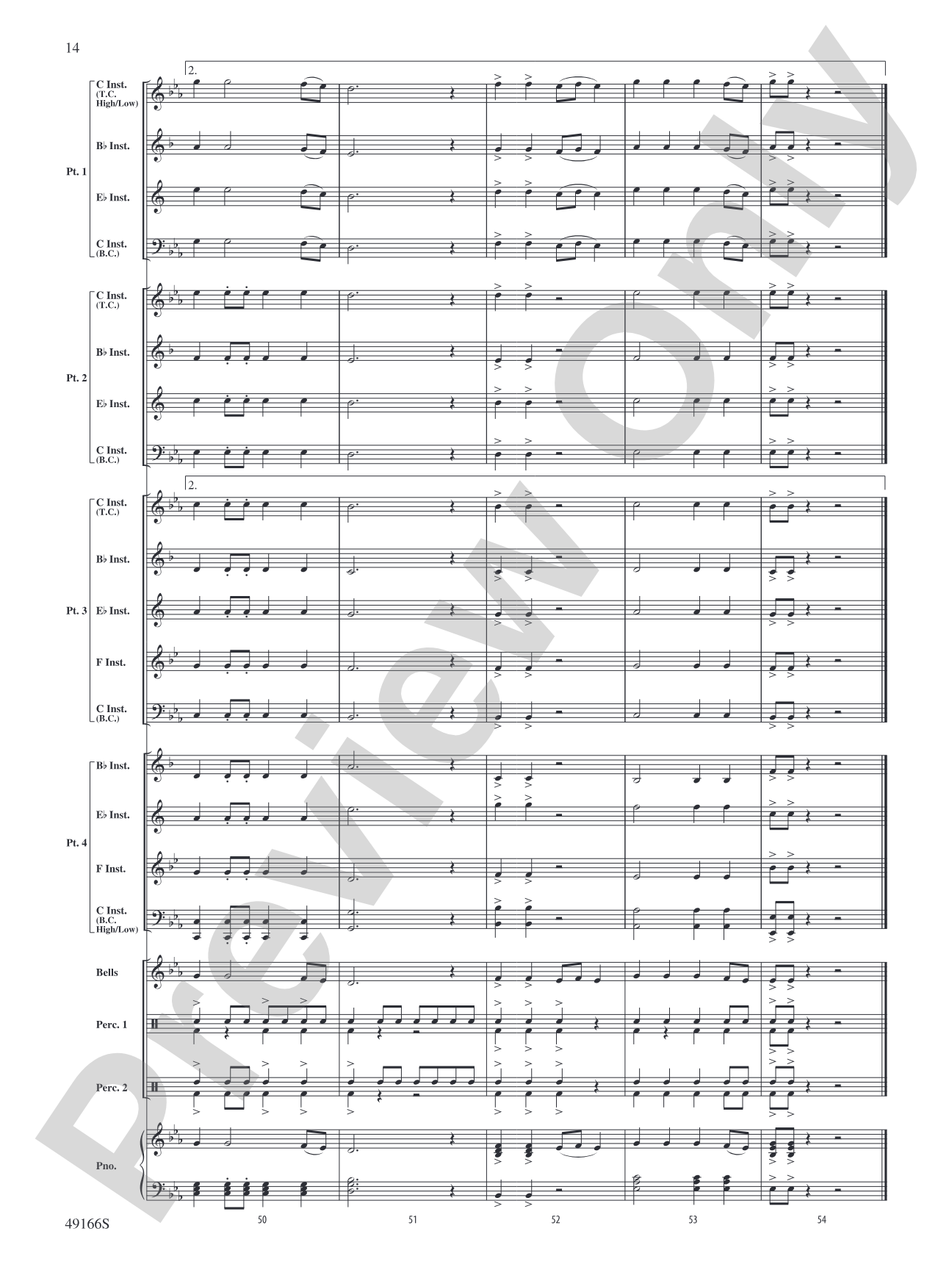
This version of High Hopes arranged by Doug Adams is part of our Belwin FLEX offerings and is designed with maximum flexibility for use by any mix of instruments---wind, strings, and percussion, including like- or mixed-ensembles with as few as 4 players. The suggested instrumentation and a customizable Teacher Map will help you plan out how to best assign parts to suit your ensemble's needs. The 4-part instrumentation will support balanced instrumentation of the lower voices. It also comes with supplemental parts for maximum flexibility. With the purchase of this piece, permission is granted to photocopy the parts as needed for your ensemble. A percussion accompaniment track is also available as a free download. String parts have been carefully edited with extra fingerings and appropriate bowings to support students in mixed ensembles playing in less familiar keys.
From Panic! At the Disco's Pray for the Wicked album, this inspirational anthem was a number-one song on numerous charts. Familiar to students and audiences alike, this solidly scored arrangement by Doug Adams for your beginners will be both their favorite and an impressive addition to your concert. The driving beat has energy to spare! (2:00)
Percussion Accompaniment Track Downloads:
with click.
without click.


From Panic! At the Disco's Pray for the Wicked album, this inspirational anthem was a number-one song on numerous charts. Familiar to students and audiences alike, this solidly scored arrangement by Doug Adams for your beginners will be both their favorite and an impressive addition to your concert. The driving beat has energy to spare! (2:00)
Percussion Accompaniment Track Downloads:
with click.
without click.
Don't just read it, hear it, play along with it, and watch your students grow with it. In MakeMusic Cloud, High Hopes: Flexible Band/String Ensemble Score & Parts comes alive with professional accompaniment, adjustable tempo, and built-in practice tools that turn solo practice into real progress.
Open in the Player
Jump straight in and assign it today.
Start Your Free Trial
Open this title and explore the full library in minutes.
Sample Audio
No sample audio found.
Sample Video
Additional Details
Series:
Pop Beginning Band
Publisher:
Alfred Music
Page Count:
79
SKU:
00-PK-0008207
More about this title
About the Composer: Tayla Parx
Tayla Parx is a Los Angeles-based songwriter and producer who has written and produced hits across pop, R&B, and hip-hop. Her work appears on albums by major artists including Ariana Grande, Mariah Carey, and Panic! At the Disco, earning her recognition as a skilled melodist and lyricist.
Parx's songwriting centers on accessible, emotionally resonant melodies paired with contemporary production. Her contributions to "High Hopes" showcase her ability to craft anthemic hooks that resonate with broad audiences, making her work particularly valuable for music educators seeking engaging contemporary repertoire.
Why we love this
Doug Adams's arrangement captures all the infectious optimism of the original without sacrificing playability for beginners. The flexible instrumentation means you can actually use this with your mixed ensemble as it sits, not as a distant dream. Best of all, students recognize the song immediately, which transforms their buy-in from zero to maximum before rehearsal even starts.
What to expect
Propulsive and bright, with an irresistible forward motion driven by steady rhythm and punchy articulation. The melody soars with genuine lift, and even at beginner tempos, the arrangement maintains the original's sense of unstoppable momentum and feel-good optimism.
Who it's for
Directors building beginning mixed ensembles from heterogeneous instrumentation, whether due to enrollment, scheduling, or intentional design. This works equally well for experienced players reading at Grade 1 level who need confidence-building literature with immediate recognition and gratification.
How to get the most out of it
- Lock the percussion accompaniment track into your tempo first, then layer your ensemble in. The driving rhythm is the spine of this arrangement, and tethering to the click eliminates timing drift across mixed instruments.
- Highlight the melodic line wherever it appears in your ensemble. Because the piece moves between voices to balance four-part scoring, younger players sometimes miss that they're carrying the tune. Mark their parts and listen for phrase shape.
- Balance the energy without pushing dynamics too hard. Grade 1 players often interpret "energetic" as "loud." Work for clarity and articulation at moderate volumes so the rhythm section can cut through without drowning out the melody carriers.
- Use the string fingerings and bowings provided as teaching tools, not just notation. String players in mixed ensembles benefit from seeing multiple options for the same passage, especially in less familiar keys.
How to use it
Program this early in the school year when students need a quick win and audiences need a jolt of contemporary energy. It pairs well alongside classical Grade 1 material to demonstrate that beginner-appropriate doesn't mean old-fashioned. Consider it a morale booster mid-rehearsal season or a spring concert anchor that requires minimal rehearsal time for maximal impact.
Skills your students will build
- Reading mixed meter contexts across wind and string sections simultaneously
- Balancing independent melodic lines in flexible instrumentation with four-part harmony
- Executing pop/rock articulation and style appropriate to the original
- Sight-reading string fingerings and bowings adapted for non-traditional keys
- Synchronizing rhythm section and melodic voices with accompaniment tracks
- Playing with consistent pulse and forward momentum across longer phrases