
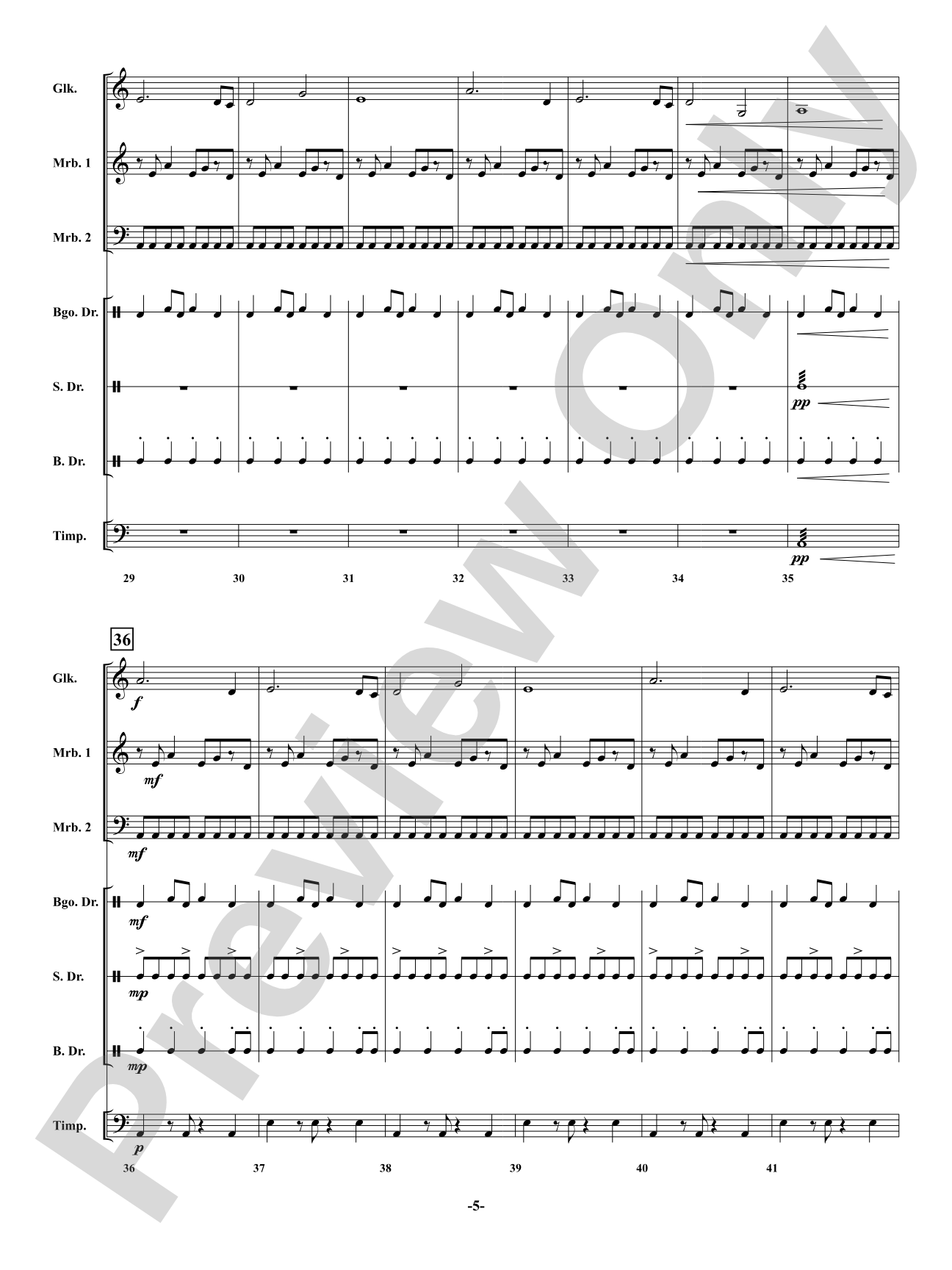
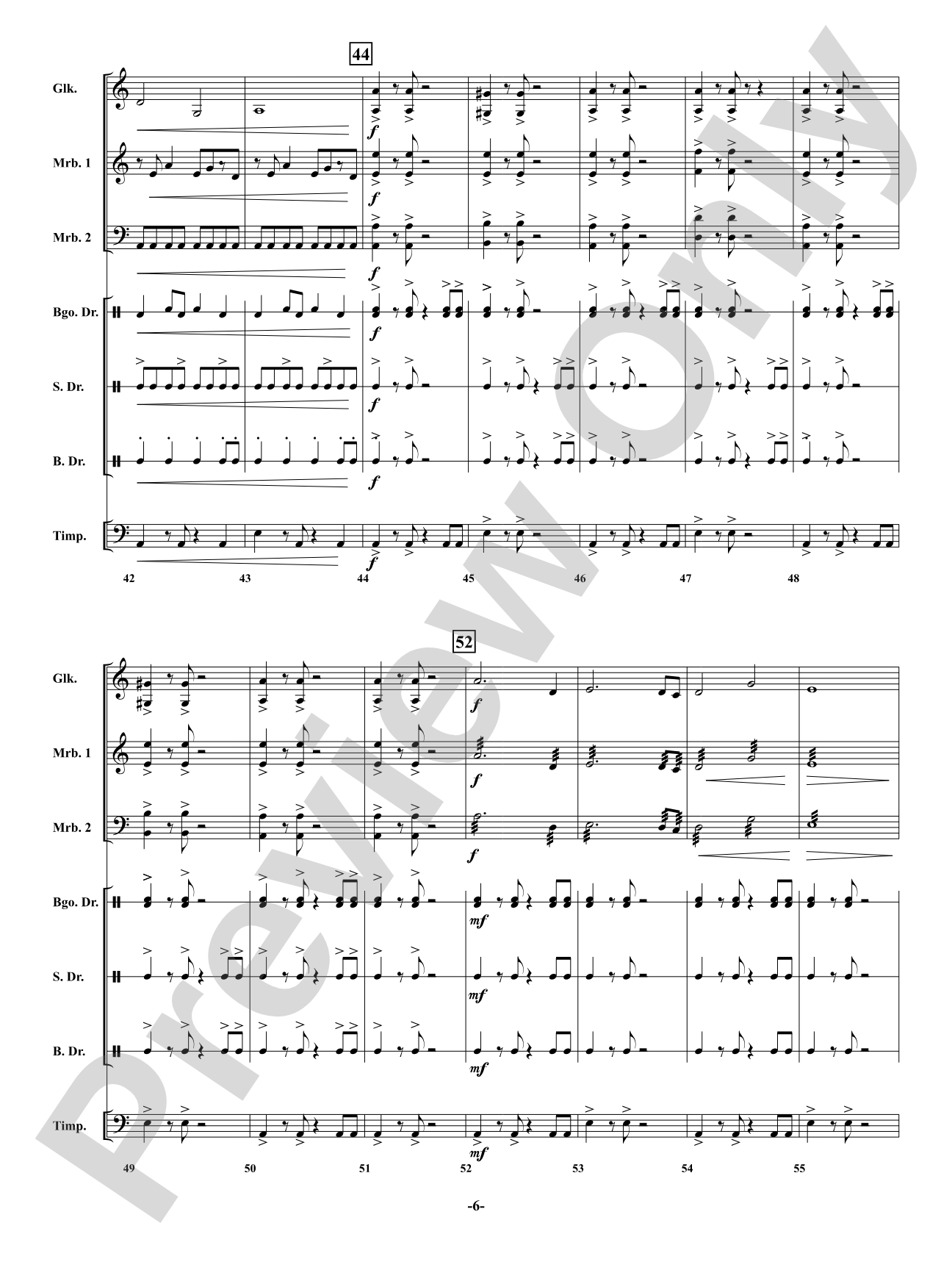
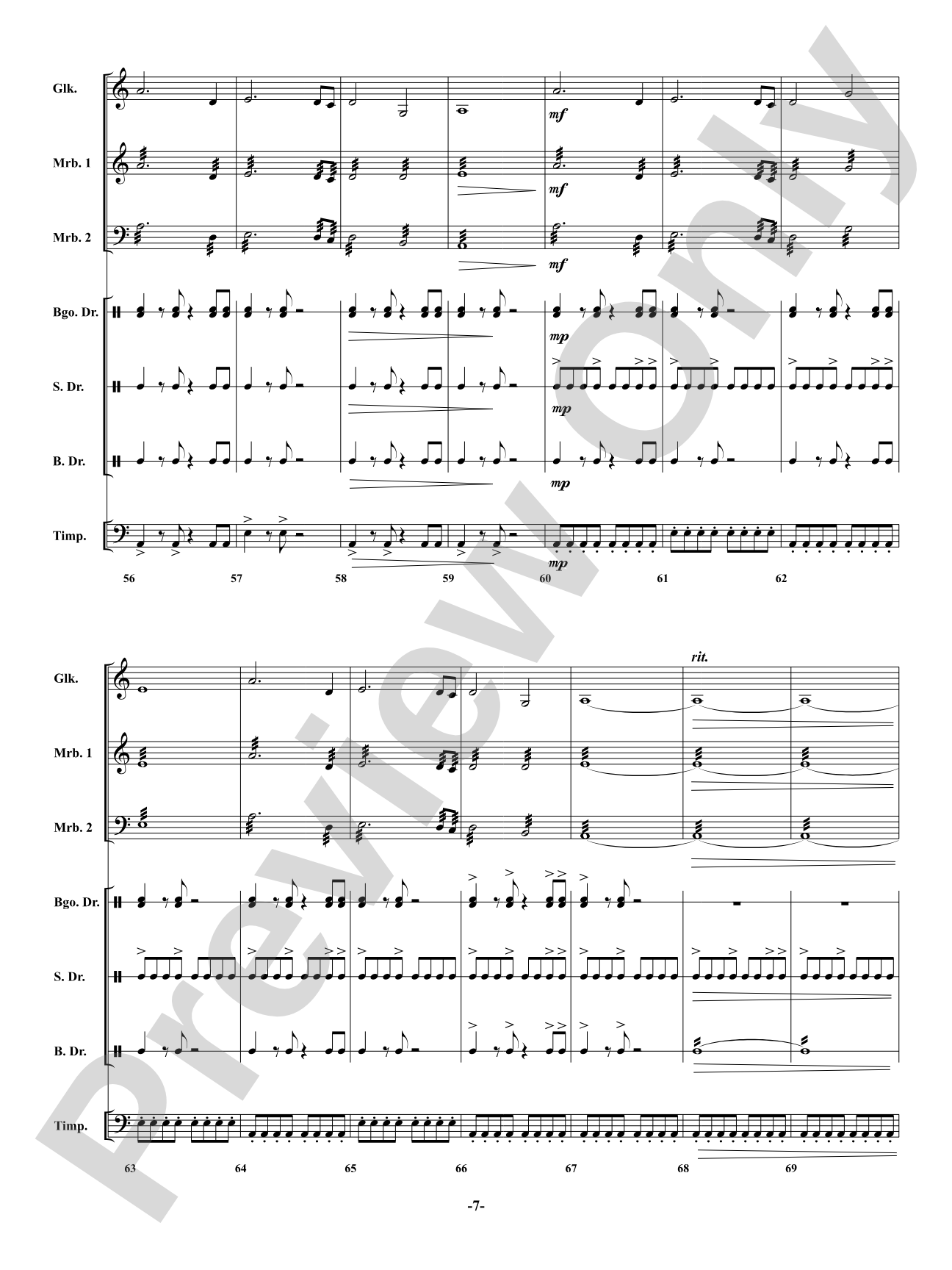
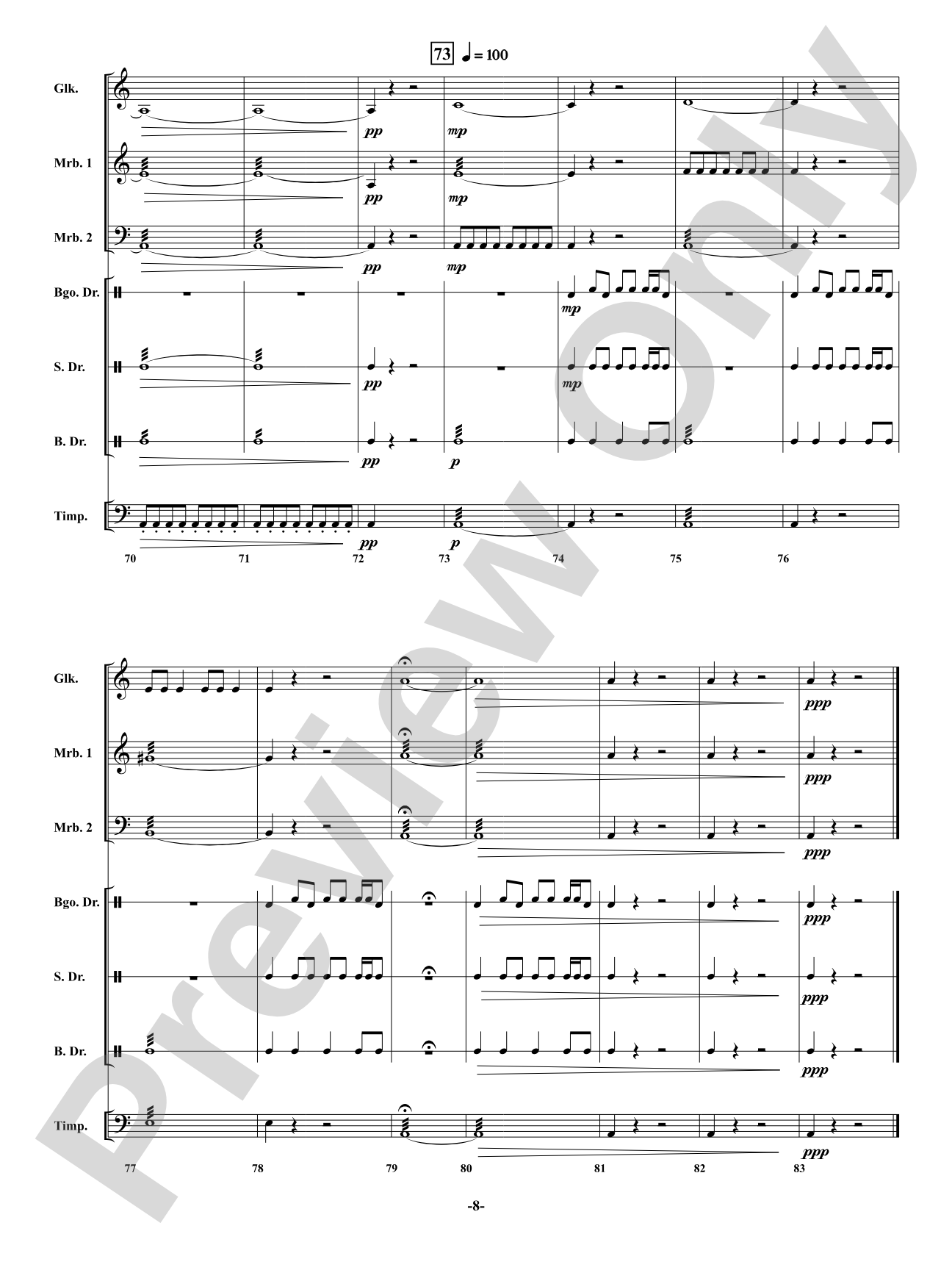

Hidden Village: Score
By e Austin Thompson
Grade: 2.5
Item: 98-PR-RWS1652
$6.00
Pickup currently not available
Description
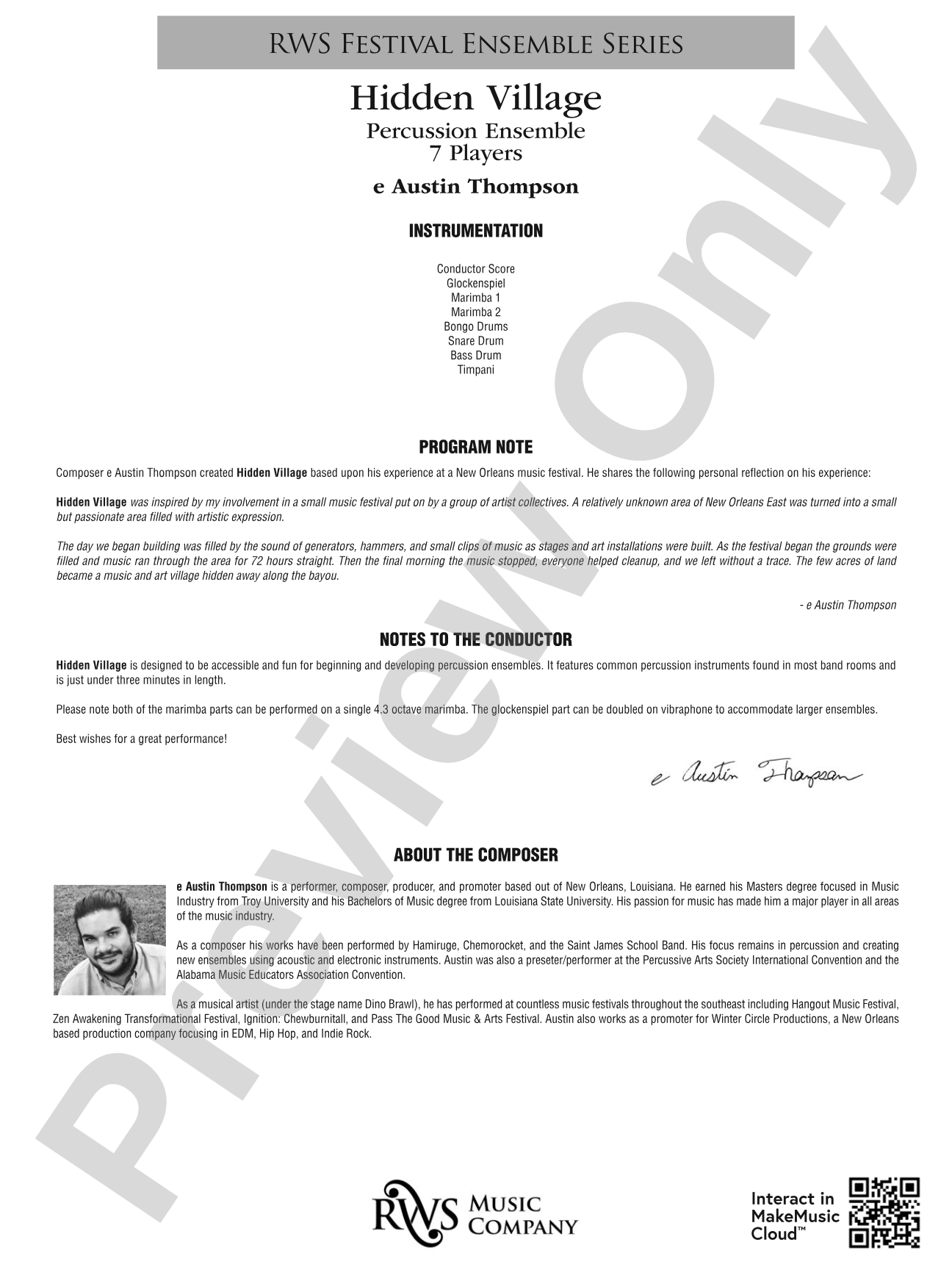
Inspired by the composer's experience building homes in a musician's village in New Orleans, the rhythms of the construction site are evident throughout the piece. Challenging yet accessible for most high school ensembles, "Hidden Village" is a must-have for your percussion library.
Original Item#: RWS-1652-00


Original Item#: RWS-1652-00
Hidden Village: Score isn't in MakeMusic Cloud just yet...but it could be. Let us know you'd like to see it, and you'll help shape what comes next. In the meantime, start a free trial and dive into thousands of interactive titles your students can play along with today.
Request This Title
Tell us you want it.
Start Your Free Trial
Explore everything that's ready to play right now.
Sample Audio
1
Audio File
--:--
0:00
0:00
Sample Video
No sample videos found.
Additional Details
Series:
RWS - Festival Ensemble
Publisher:
RWS Music Company
SKU:
98-PR-RWS1652
More about this title
Why we love this
Thompson grounds this piece in concrete experience rather than abstraction. The construction site rhythms feel earned, not imposed, which gives students something real to anchor their playing against. It's the kind of writing that respects both the intelligence of young percussionists and the limitations of a high school ensemble.
What to expect
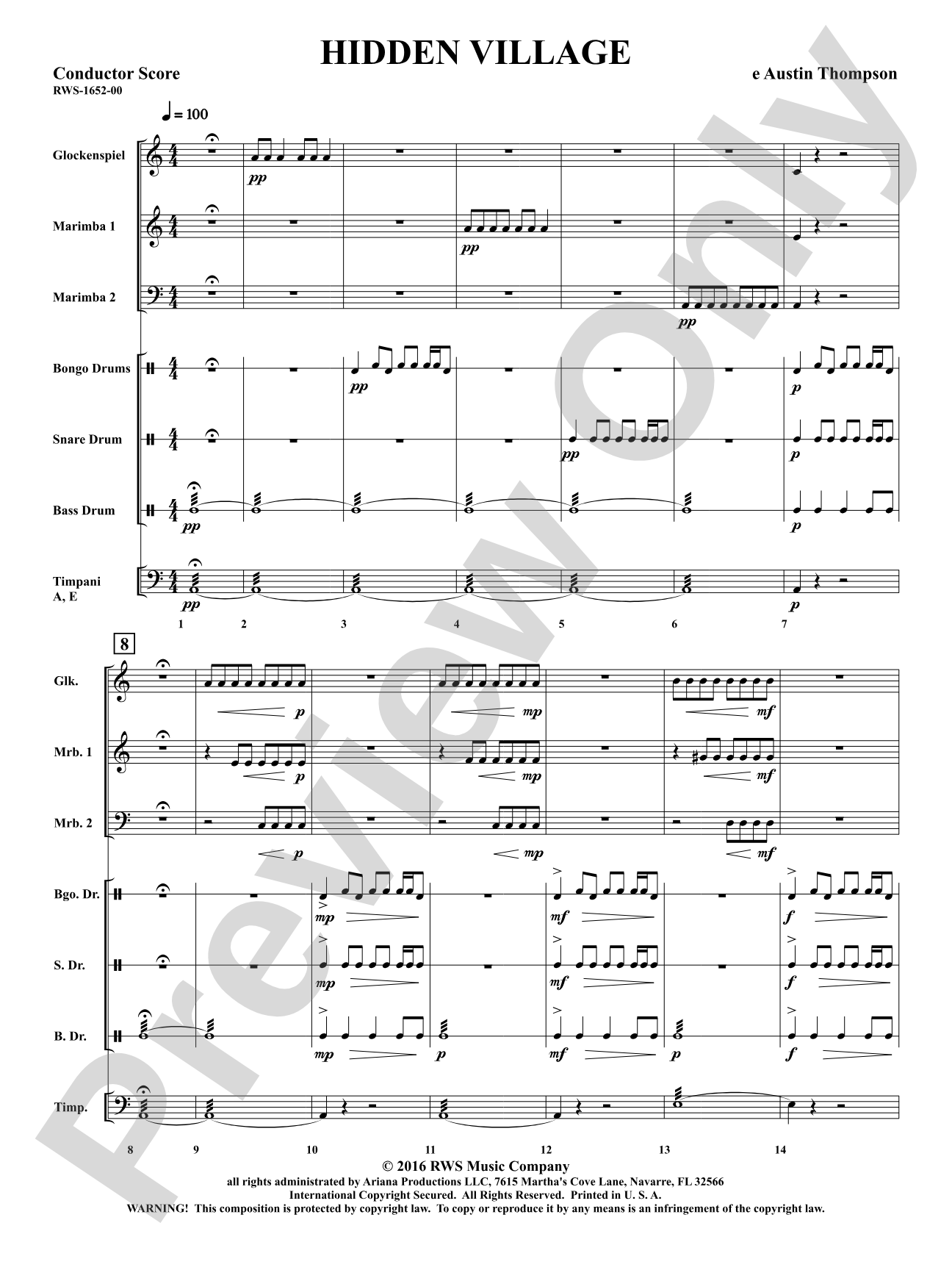
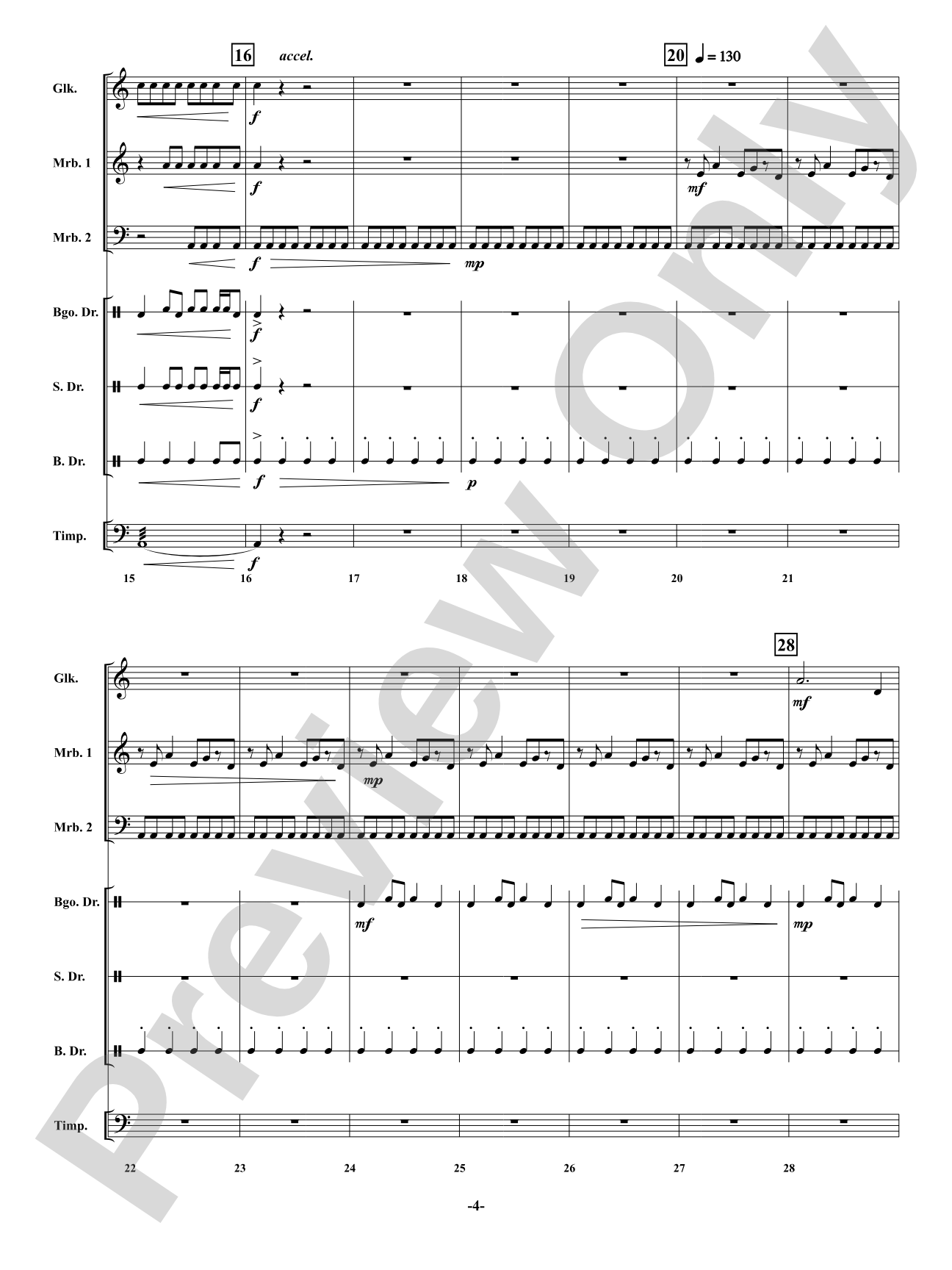
The piece carries the visceral energy of a construction site: rhythmic, purposeful, sometimes chaotic in the best way. There's a sense of collaborative labor, with different percussion voices contributing distinct materials that coalesce into something larger. The overall effect is grounded and energetic without veering into novelty.
Who it's for
High school percussion ensembles seeking repertoire with narrative depth and reasonable technical demands. The Grade 2.5 level assumes solid fundamentals but doesn't require advanced soloists. This works for groups building an intermediate percussion program or looking for something beyond standard warm-up material.
How to get the most out of it
- Lock the foundational rhythm section first (bass drums, low instruments) before layering the higher pitched elements. This creates the structural stability the construction narrative demands.
- Pay attention to dynamic contrast between solo and ensemble passages. The piece thrives when individual voice work stands out clearly against the fuller sections.
- Experiment with mallet choices across the ensemble. Varied articulation on similar instruments helps distinguish the different 'textures' of the piece.
- Mark tempo relationships carefully if there are meter or tempo changes. Communicate these clearly in rehearsal so transitions feel deliberate, not accidental.
How to use it
Include this in a fall or spring concert alongside other original ensemble works to give students ownership of the programming. It pairs well with either classical reimagined pieces or contemporary music, since it stands confidently on its own narrative footing. The Grade 2.5 level makes it ideal for a main-stage feature that doesn't require your most advanced players.
Skills your students will build
- Coordination of independent rhythmic lines in a mixed-meter or syncopated context
- Dynamic control and articulation across pitched and unpitched percussion
- Ensemble listening and ensemble balance in a non-traditional ensemble texture
- Program music interpretation: translating narrative and visual imagery into sound