
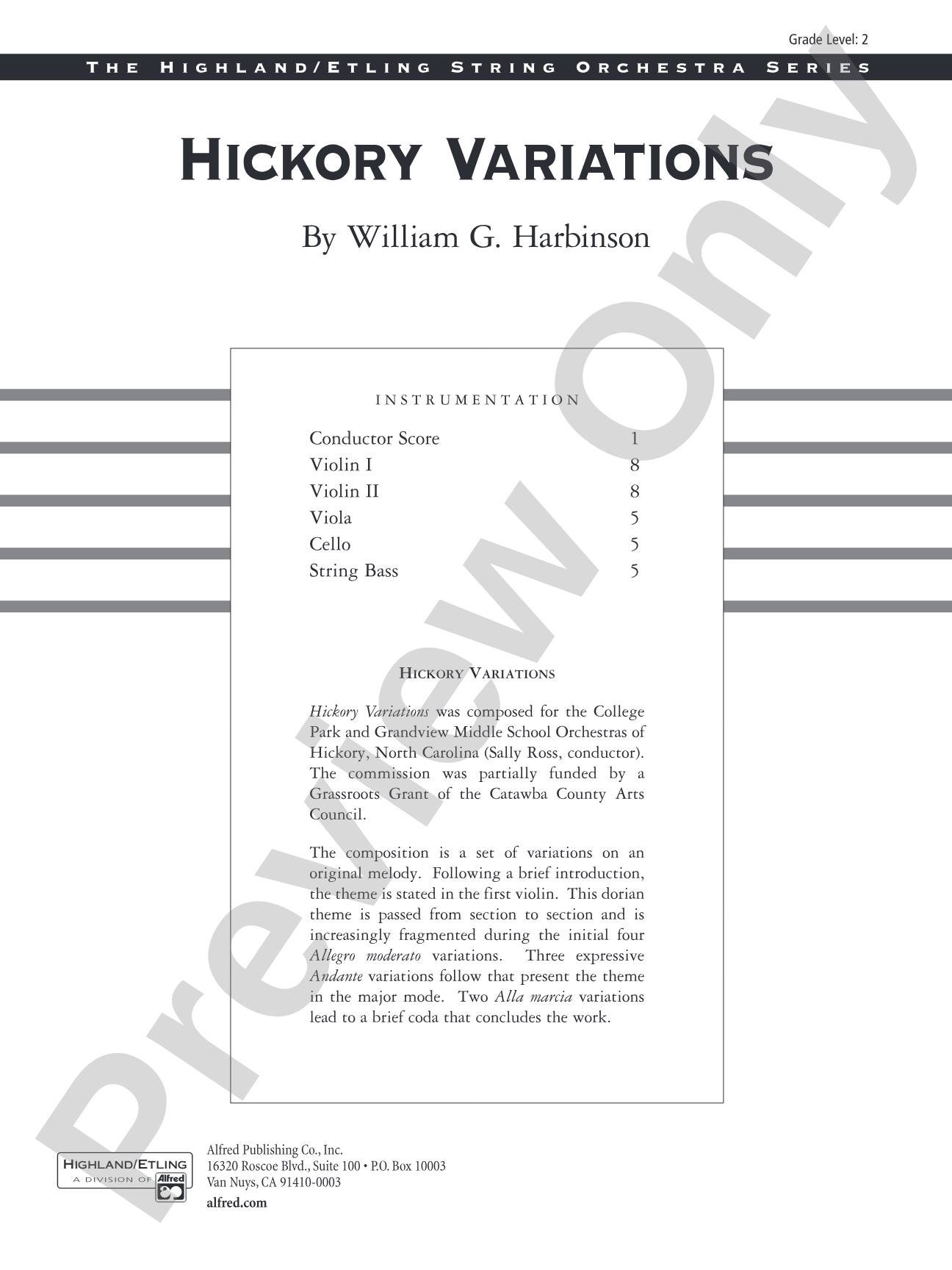

Hickory Variations: String Orchestra Conductor Score & Parts
By William G. Harbinson
Grade: 2
Item: 00-PK-0000302

$55.00
Pickup currently not available
Buy Extra Parts (Digital PDF Download)
| Product | Price | Quantity |
|---|---|---|
| Hickory Variations: Score | $9.00 | |
| Hickory Variations: 1st Violin | $5.99 | |
| Hickory Variations: 2nd Violin | $5.99 | |
| Hickory Variations: Viola | $5.99 | |
| Hickory Variations: Cello | $5.99 | |
| Hickory Variations: String Bass | $5.99 |
Parts Added to Cart!
Description
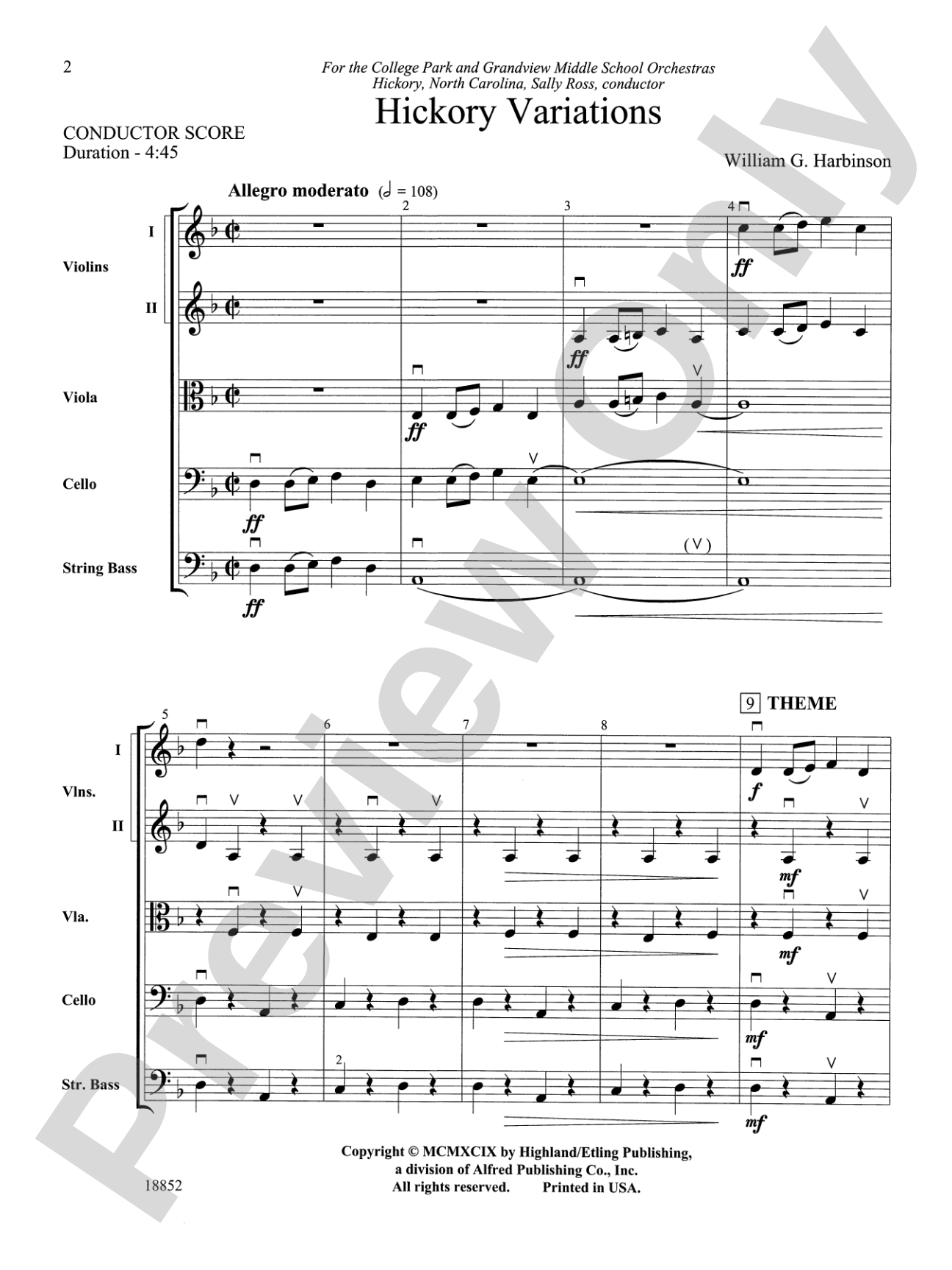
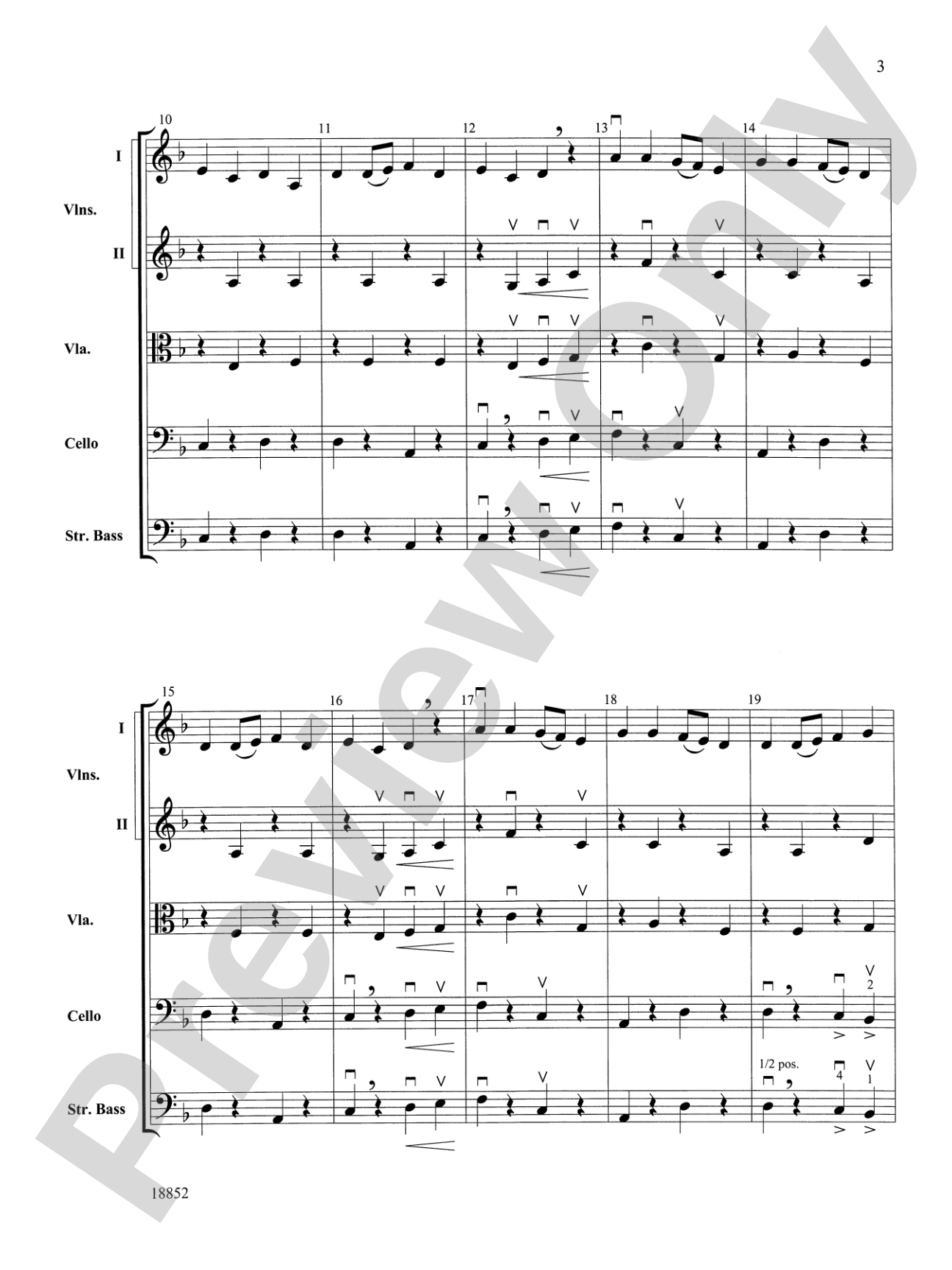
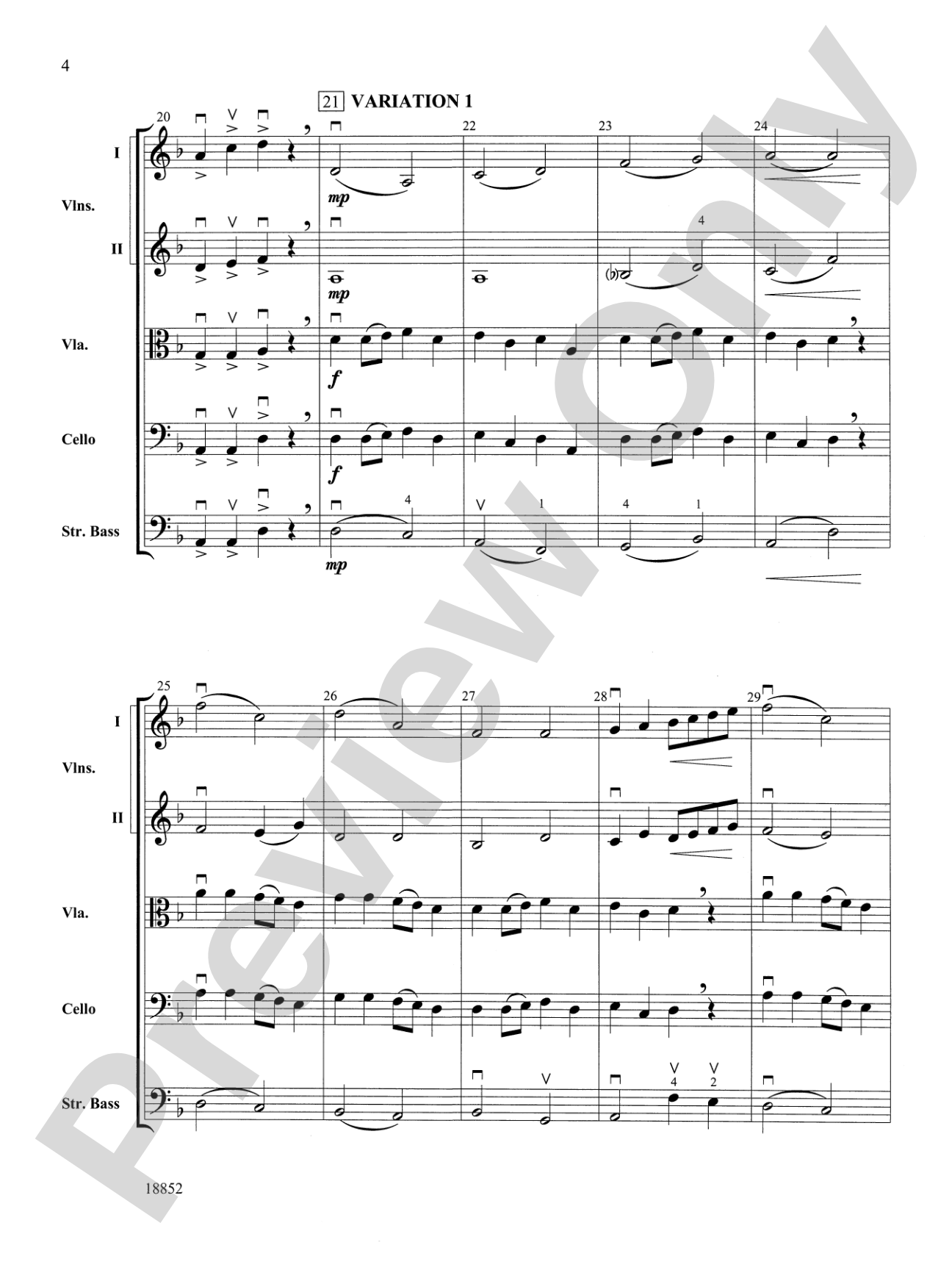
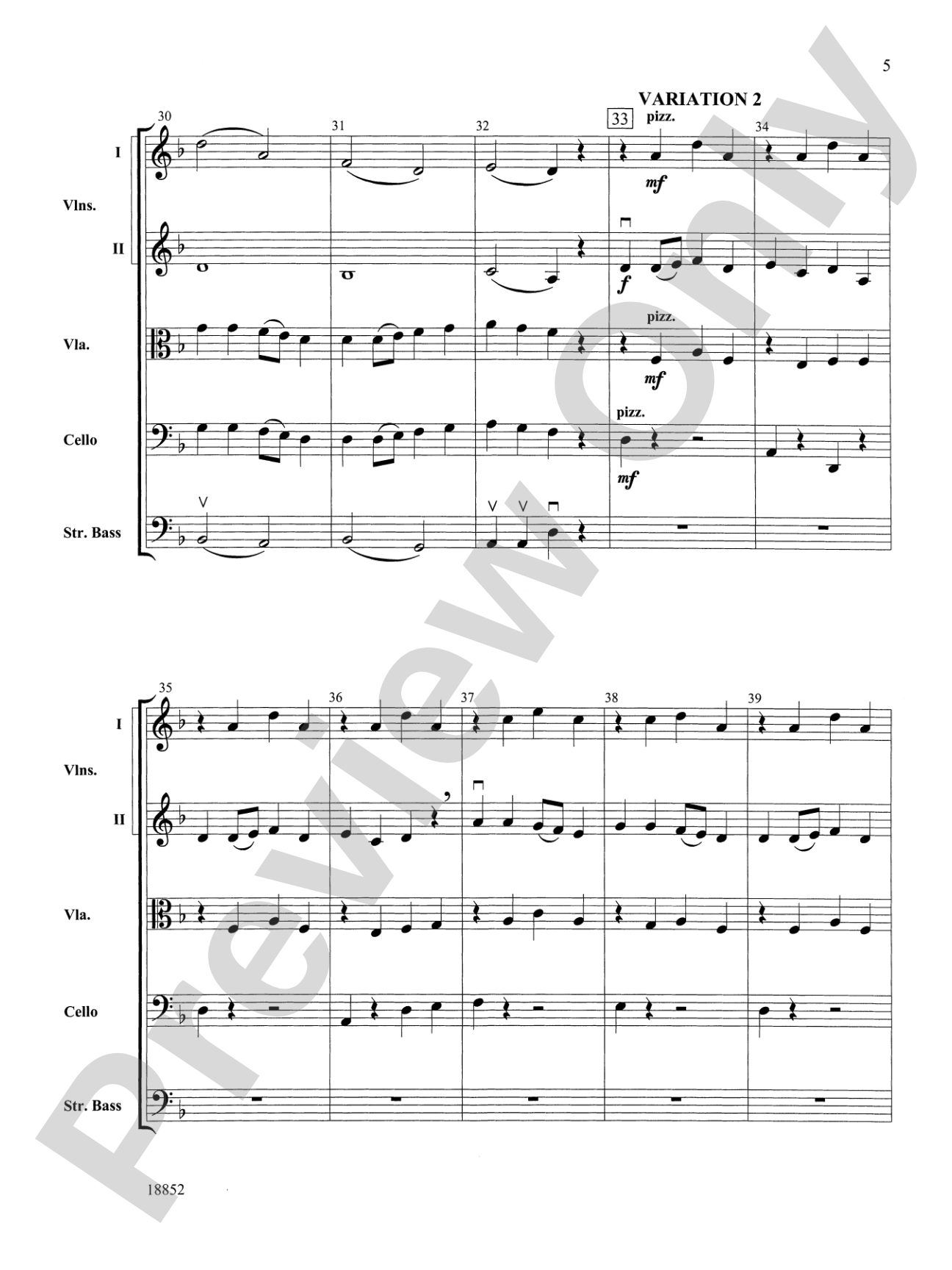
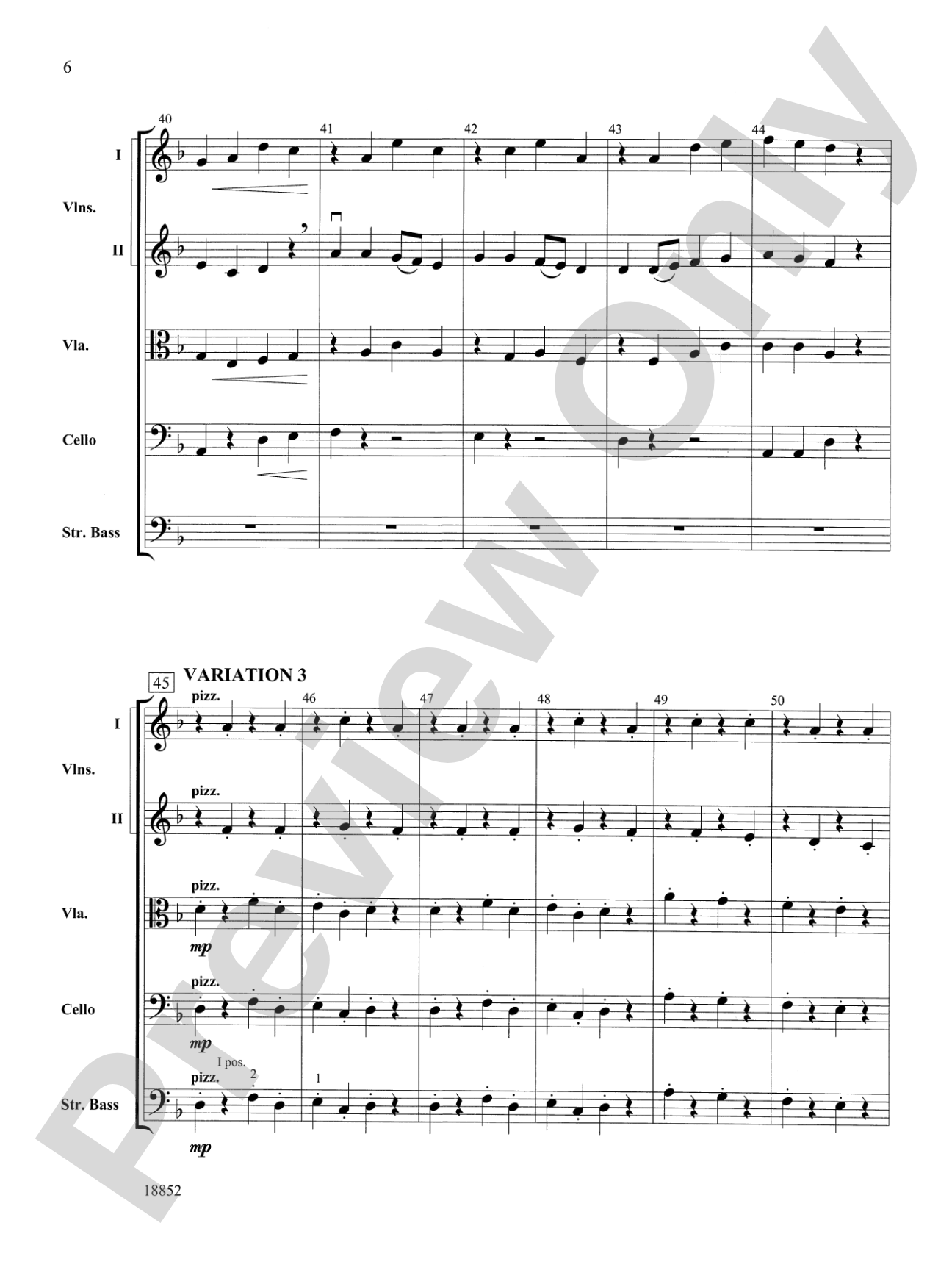
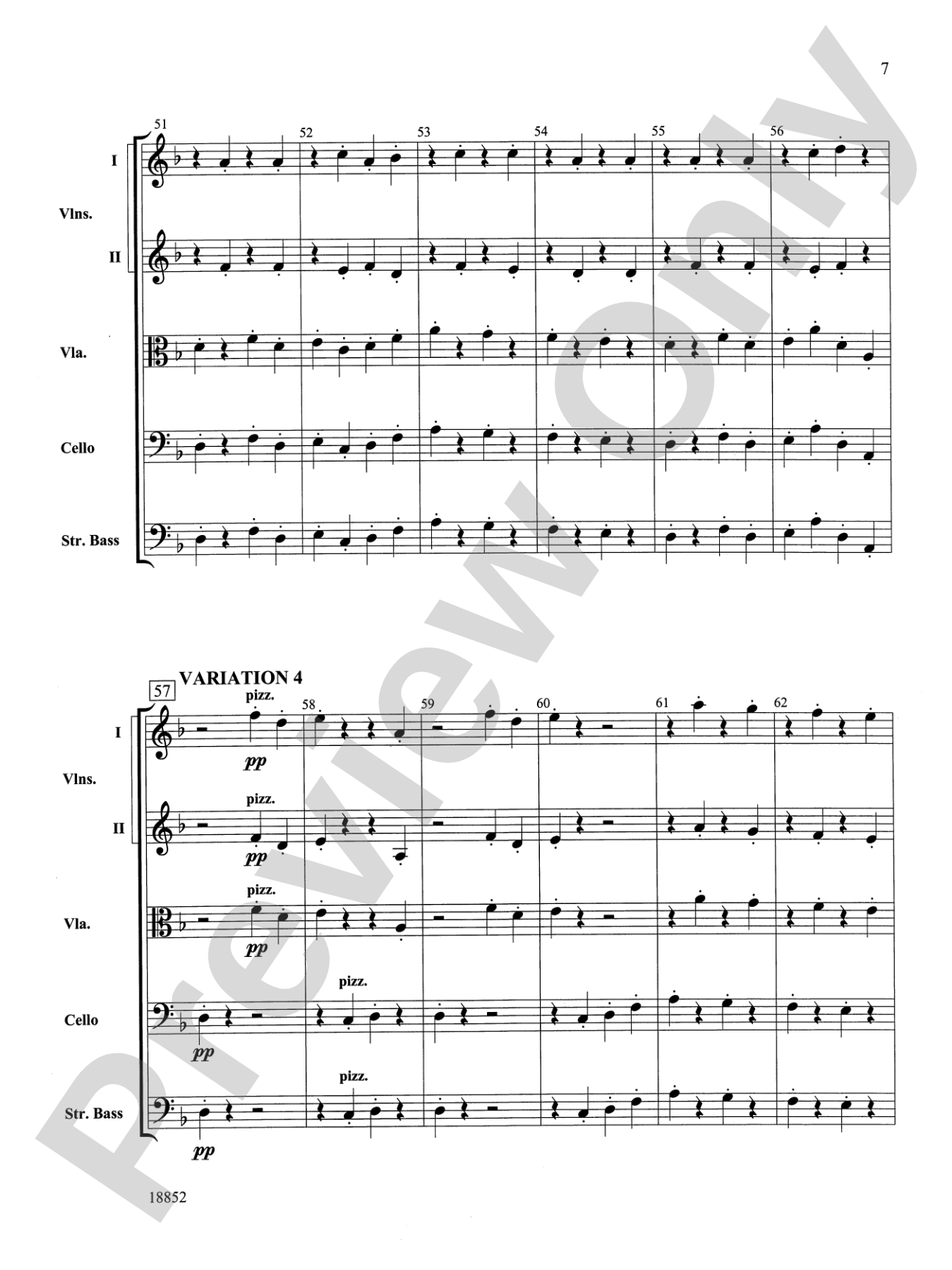
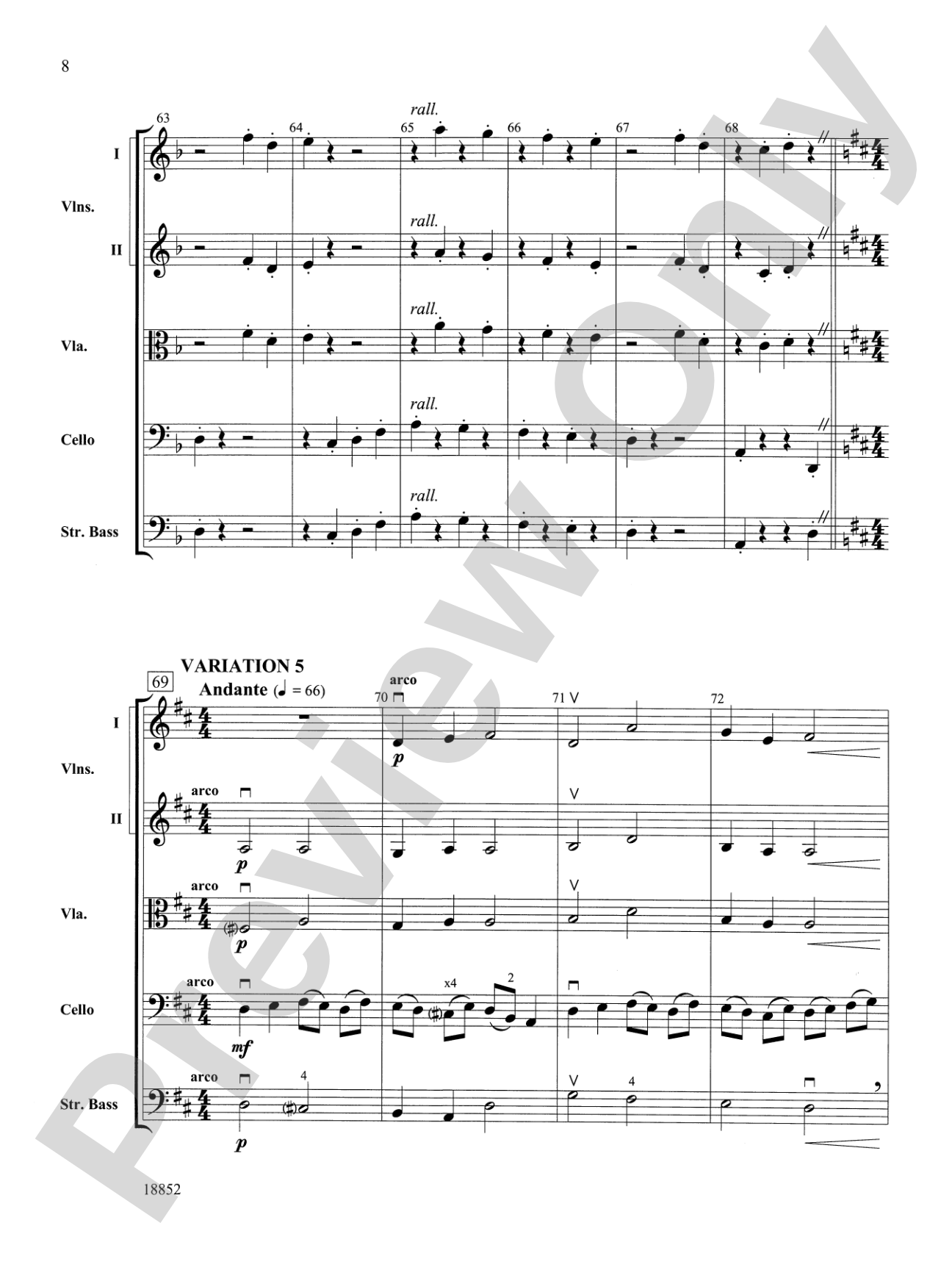
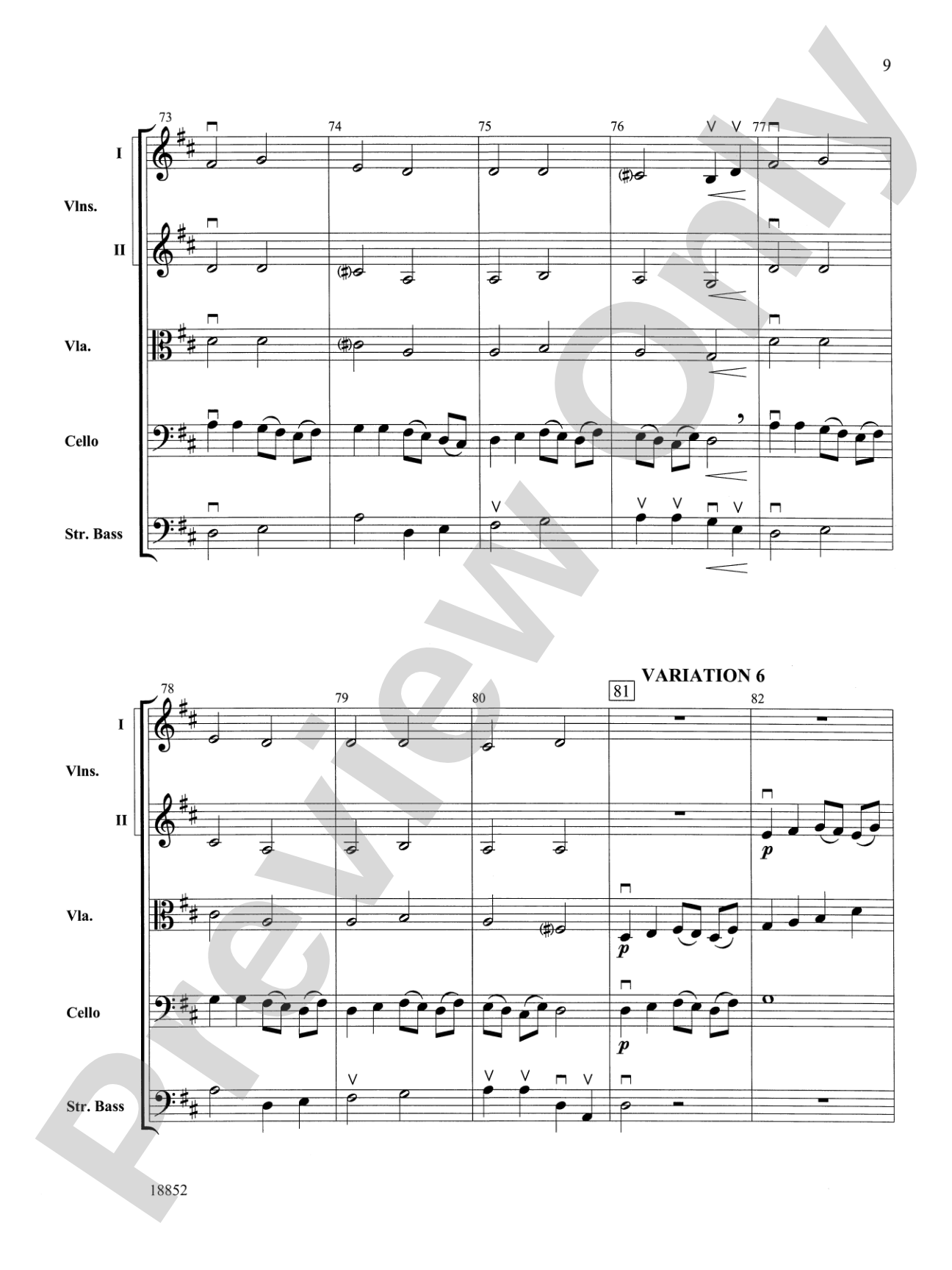
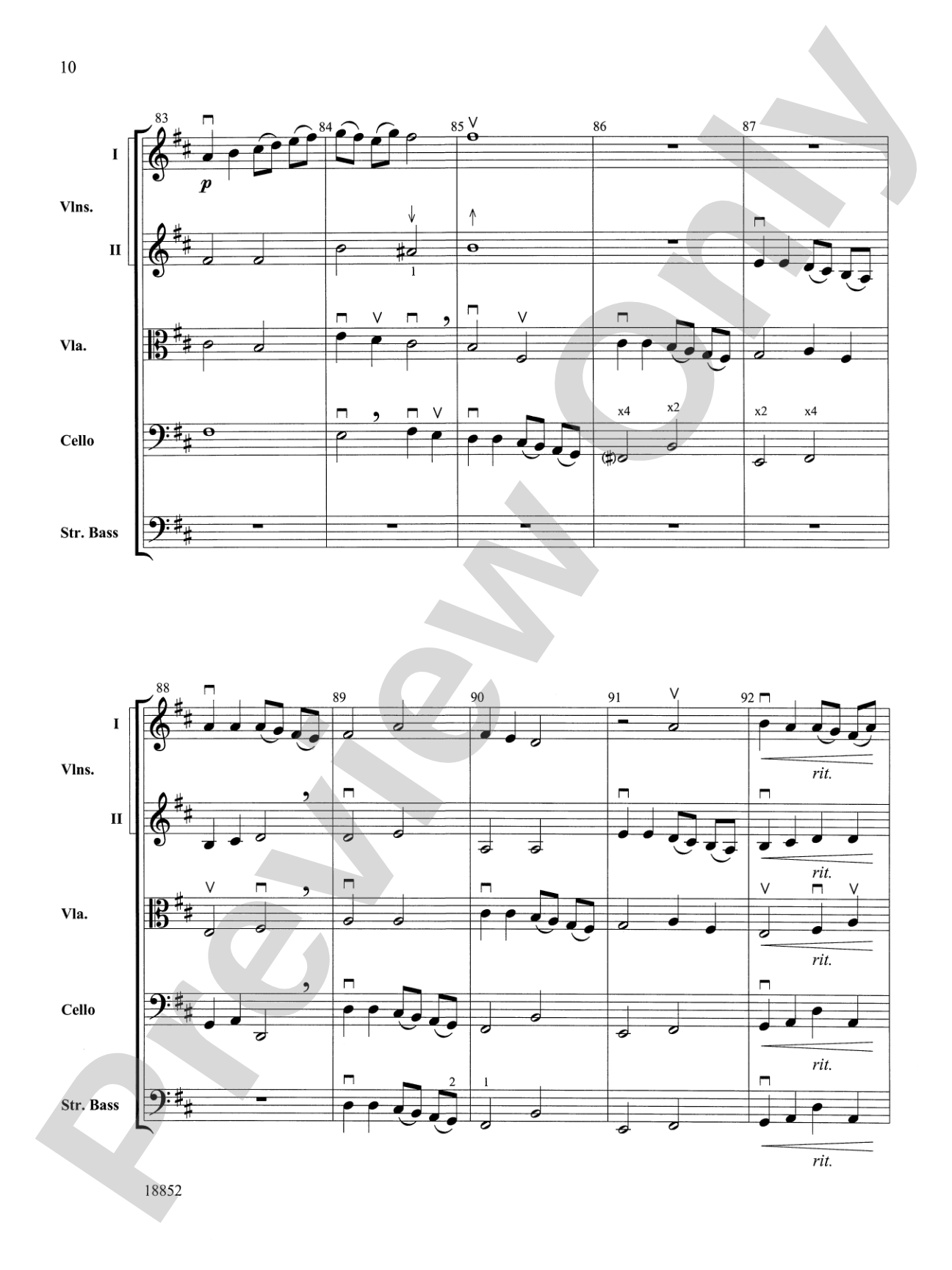
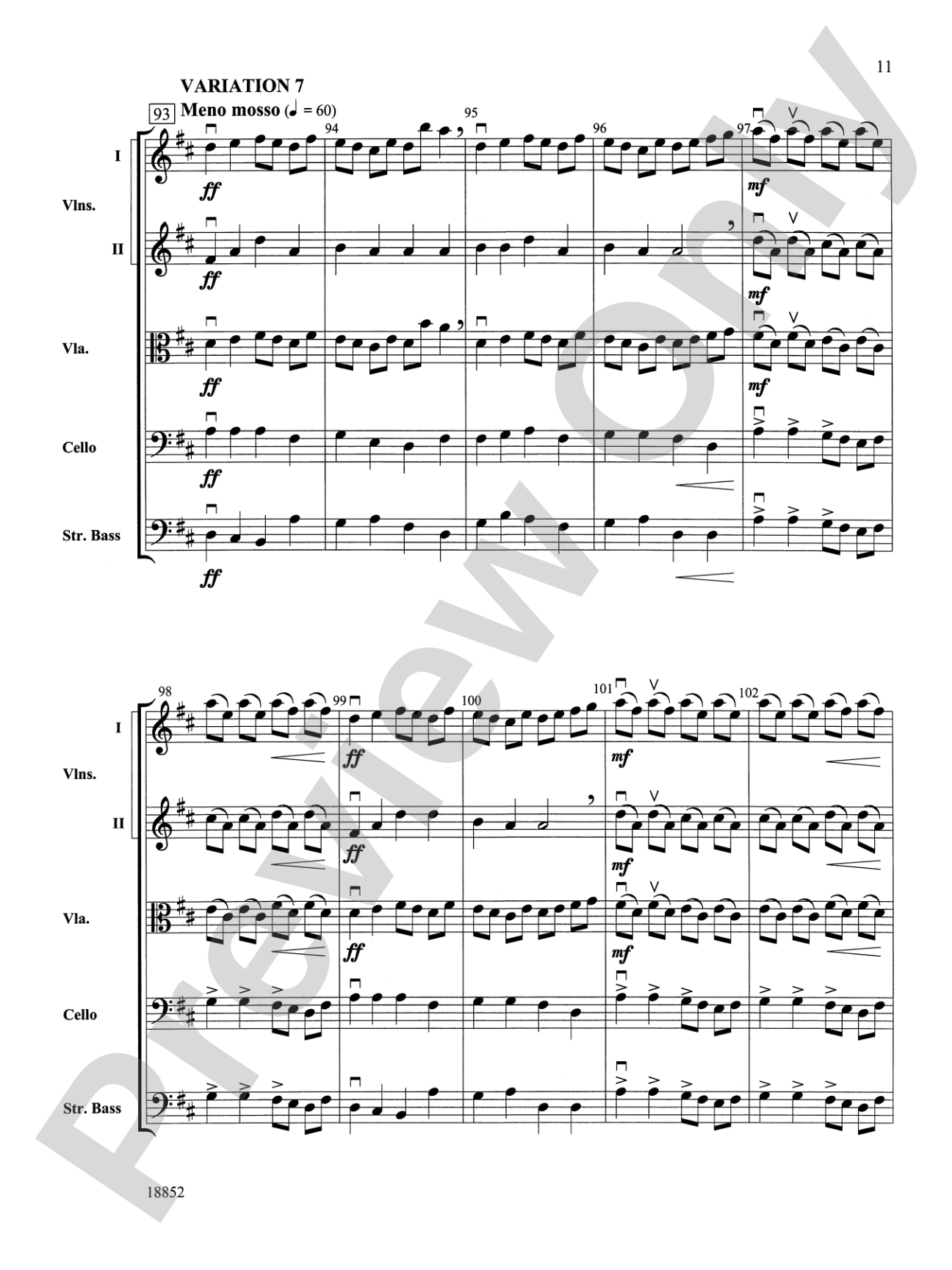
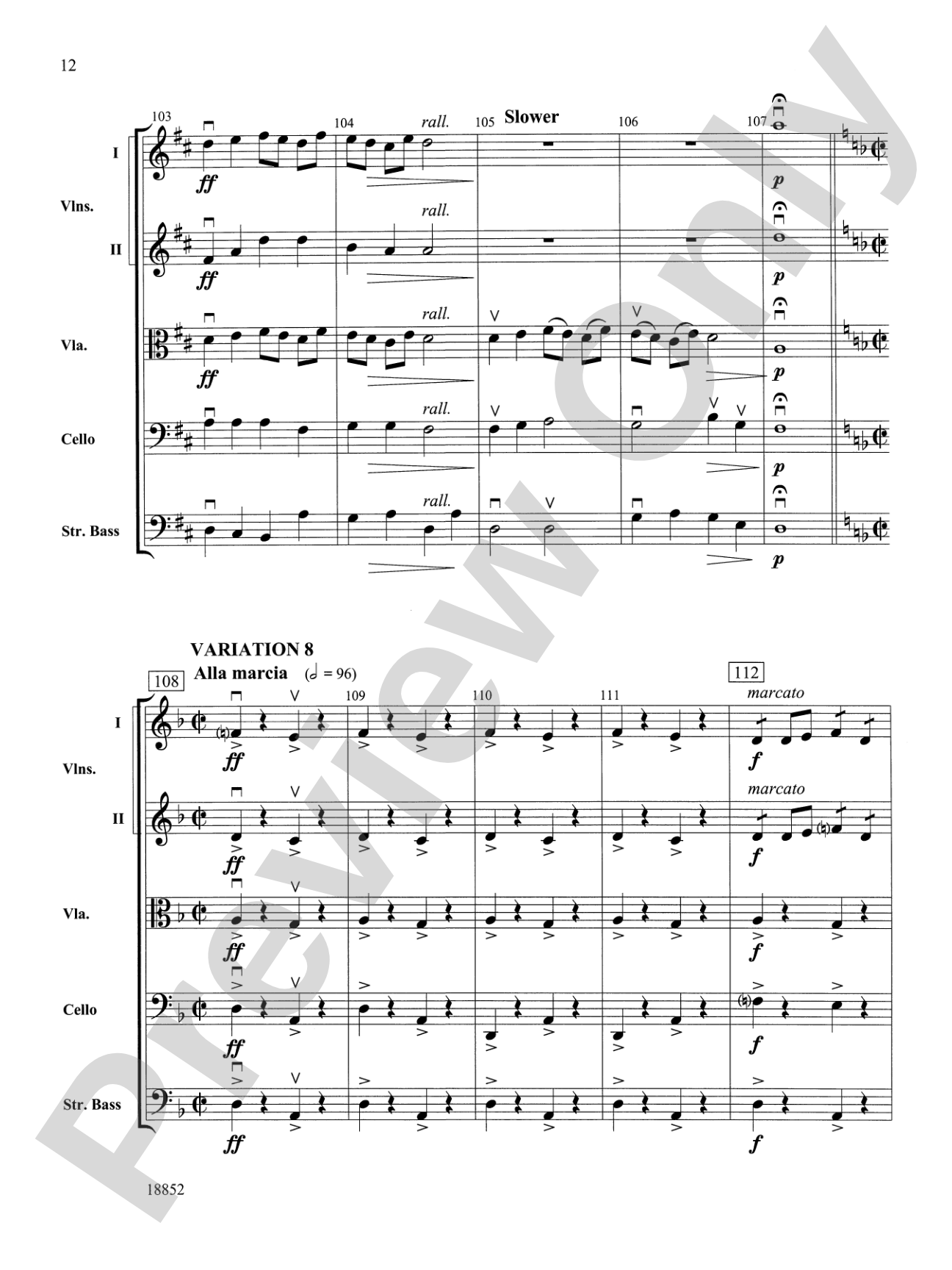
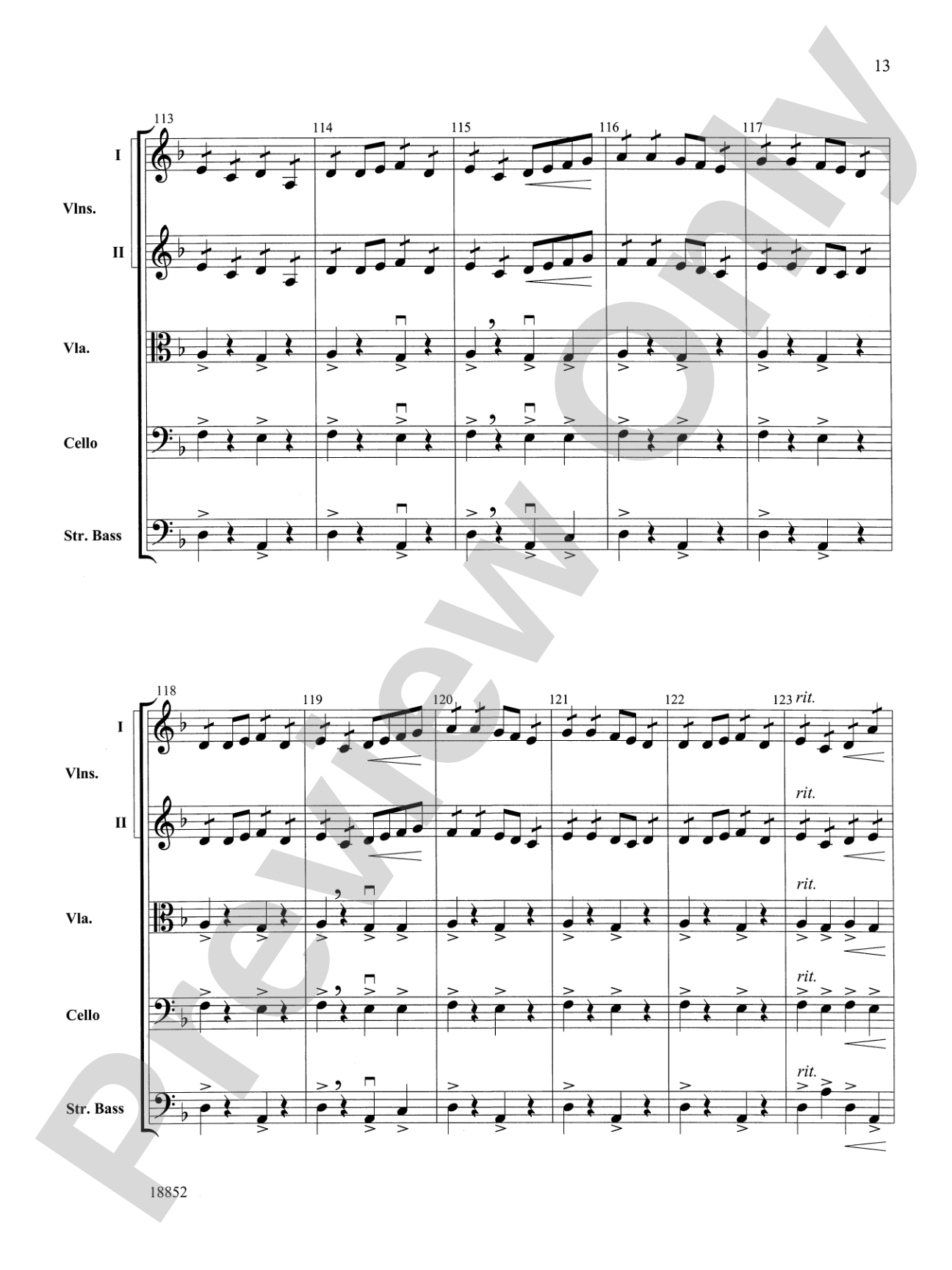
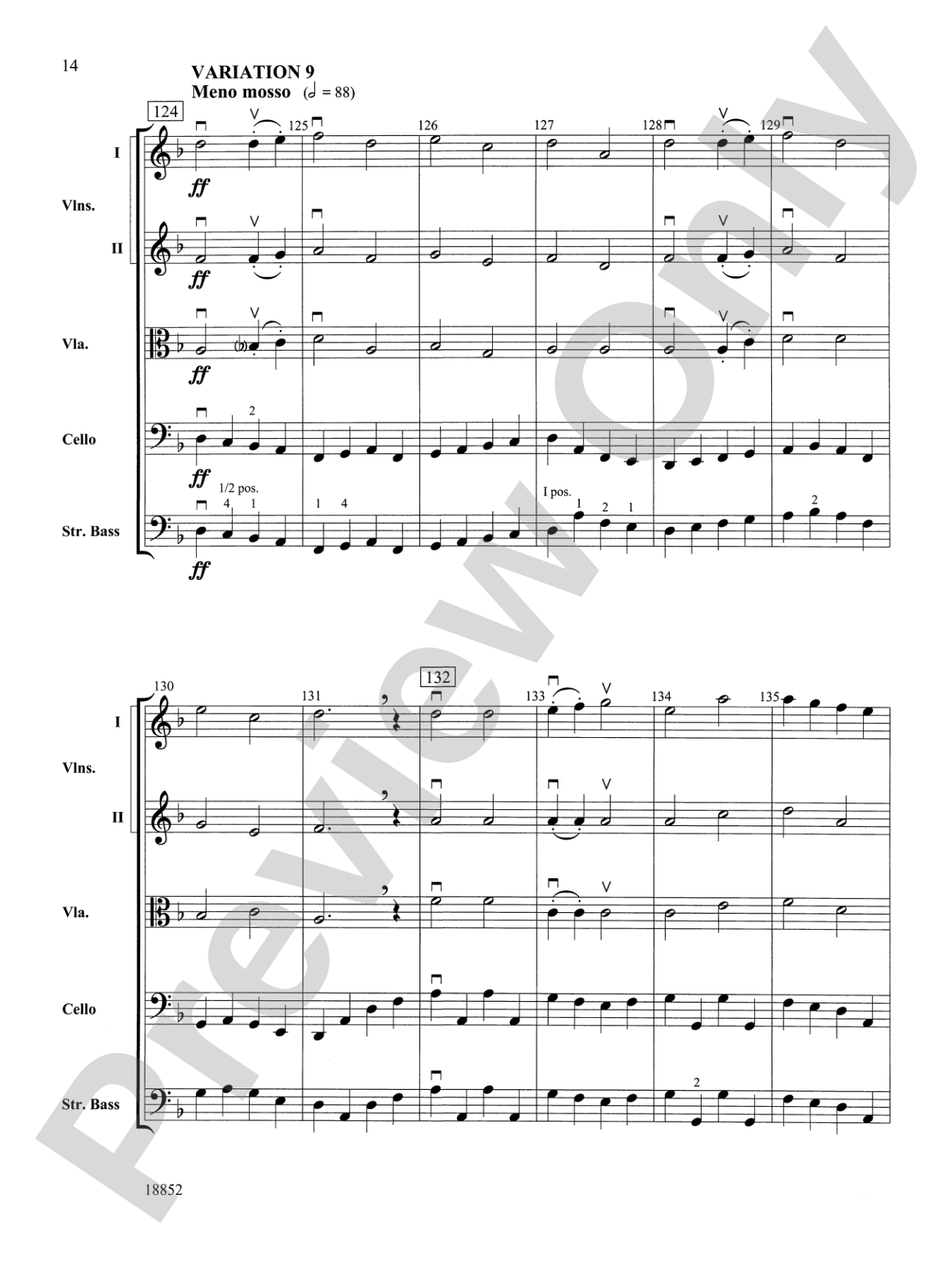
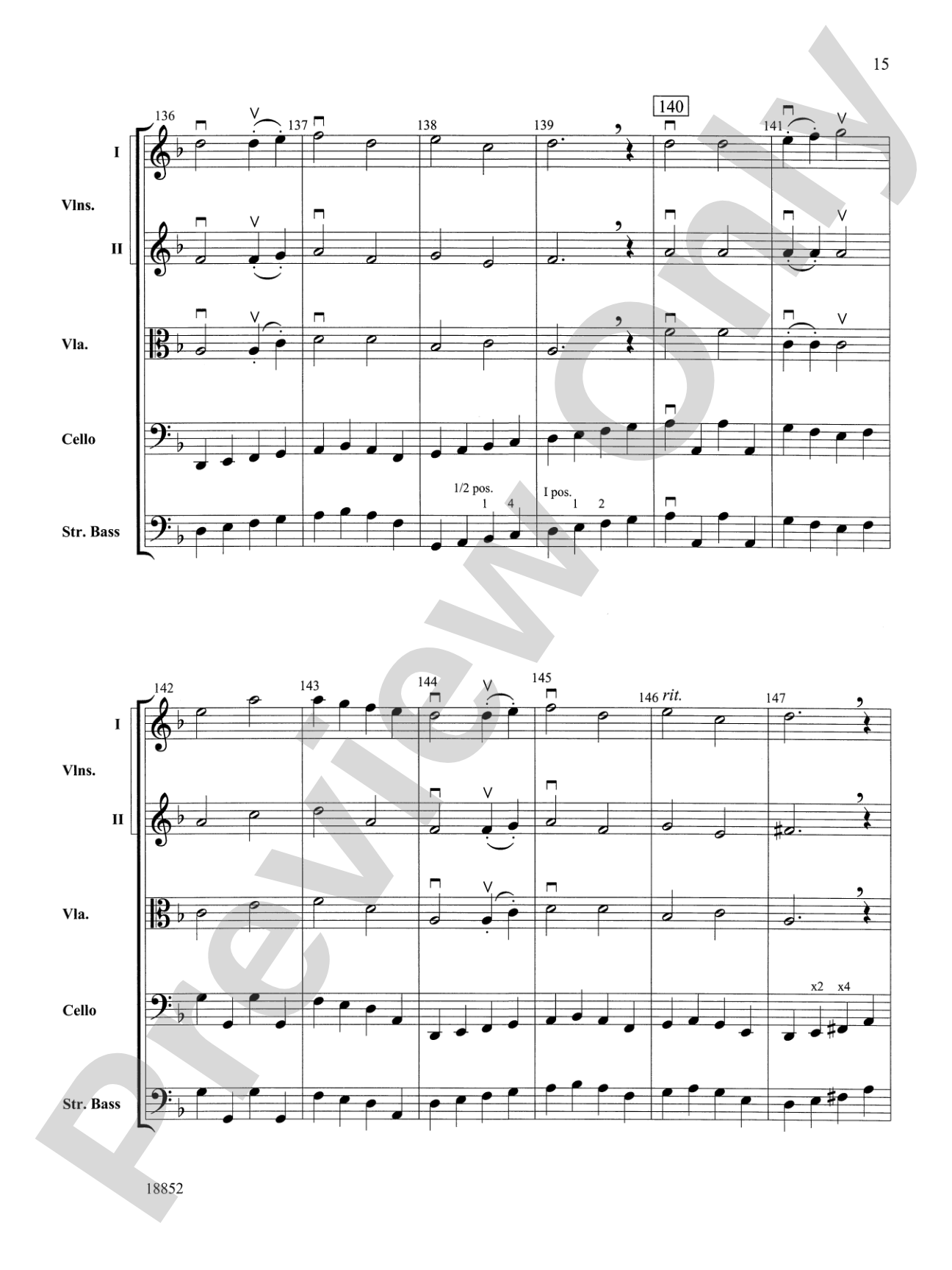
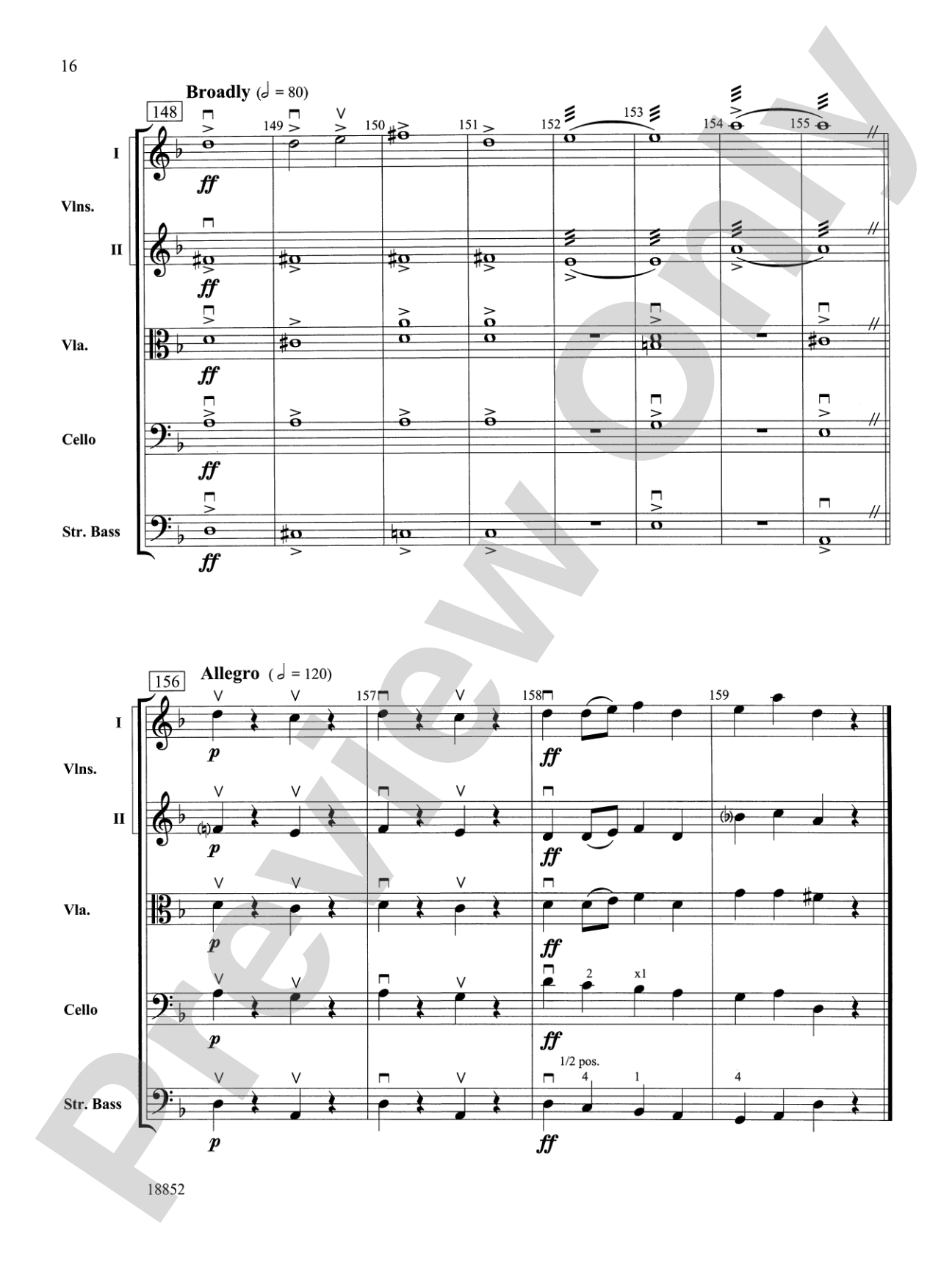
Using a wide variety of styles, tempos and keys, this creative new work is a wonderful teaching piece and an outstanding addition to the middle school string orchestra repertoire. Featuring melodic work for all sections. A great contest piece!


Don't just read it, hear it, play along with it, and watch your students grow with it. In MakeMusic Cloud, Hickory Variations: String Orchestra Conductor Score & Parts comes alive with professional accompaniment, adjustable tempo, and built-in practice tools that turn solo practice into real progress.
Open in the Player
Jump straight in and assign it today.
Start Your Free Trial
Open this title and explore the full library in minutes.
Sample Audio
1
Audio File
--:--
0:00
0:00
Sample Video
No sample videos found.
Additional Details
Series:
Highland/Etling String Orchestra
Publisher:
Alfred Music
Page Count:
124
SKU:
00-PK-0000302
More about this title
Why we love this
Harbinson understands what middle school orchestras need: a piece that sounds substantial and varied without requiring advanced technique. The rotation of styles and keys keeps both players and audiences engaged across a single work, and the even distribution of melodic material means your entire orchestra stays invested rather than watching from the background.
What to expect
This piece moves between distinct musical worlds. One moment the ensemble inhabits a lyrical landscape; the next, a different key and tempo shift the mood entirely. The journey feels fresh and purposeful rather than rambling, with each variation deepening the players' relationship to the original melody.
Who it's for
Middle school string orchestras seeking a piece with substance and variety at an accessible level. The Grade 2 range accommodates mixed ability within a single orchestra while maintaining musical integrity and keeping all voices active throughout.
How to get the most out of it
- Mark the key and tempo changes clearly in your score before rehearsal so transitions feel intentional rather than abrupt; students respond well to visual cues that signal what's coming next
- Balance the melodic lines across sections by rotating which ensemble carries the tune through each variation; this prevents any one section from dominating and showcases the strengths of your middle school players
- Establish a steady pulse through the tempo shifts by conducting subdivisions slightly larger than the marked tempo during transitions; this technique keeps ensemble cohesion when the character changes
How to use it
Pair this with a single-movement classical work to show your orchestra's range in one concert slot, or place it midway through a program where the stylistic shifts provide a natural energy reset. The contest designation makes it equally effective for adjudicated events where the combination of technical accessibility and musical substance scores well.
Skills your students will build
- Shifting between contrasting keys and tempos within a single work
- Sustaining musical focus across multiple sections while maintaining intonation
- Balancing as both a melody carrier and an accompaniment voice
- Responding to conductor cues for transition points and character changes