
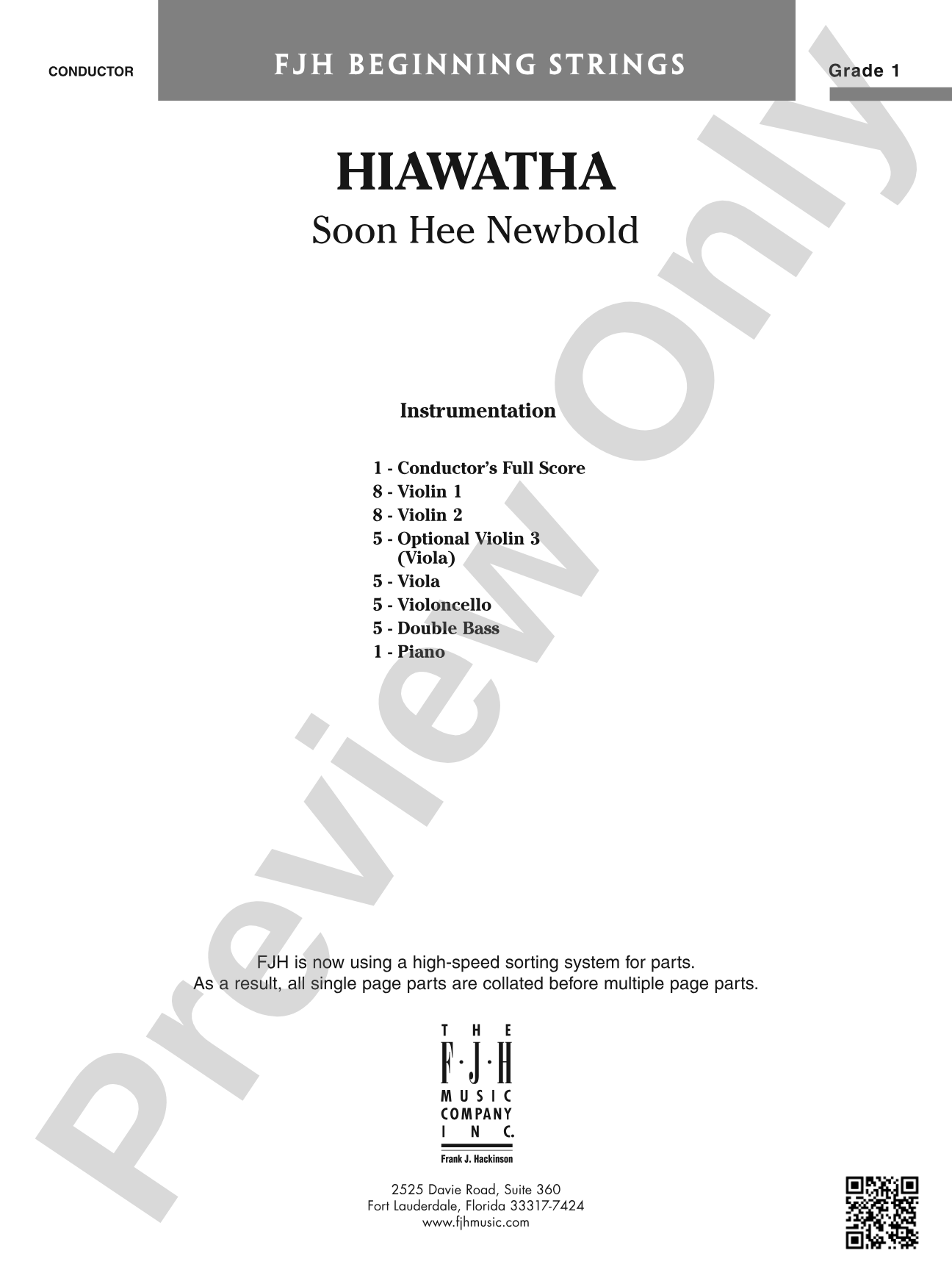
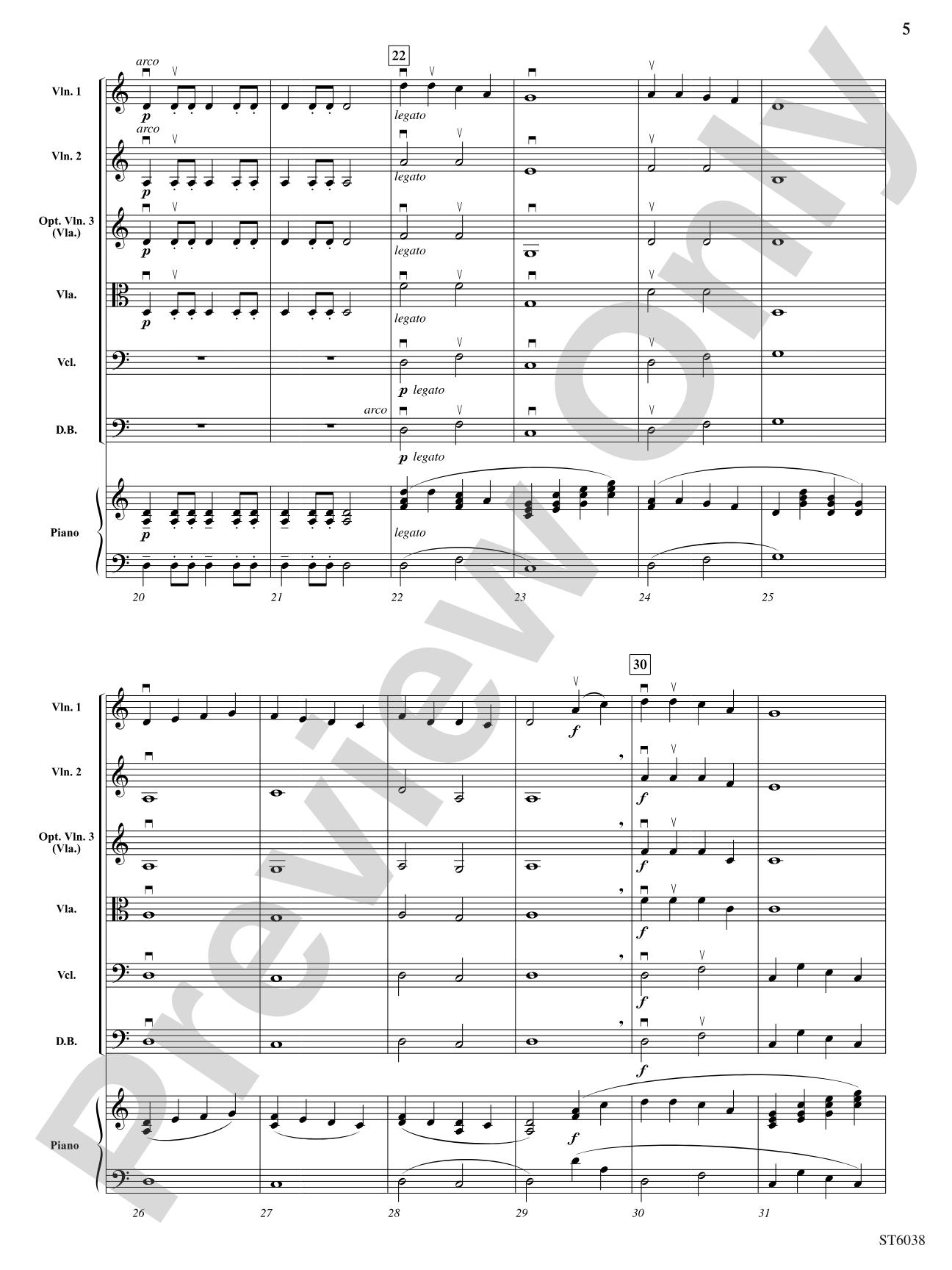
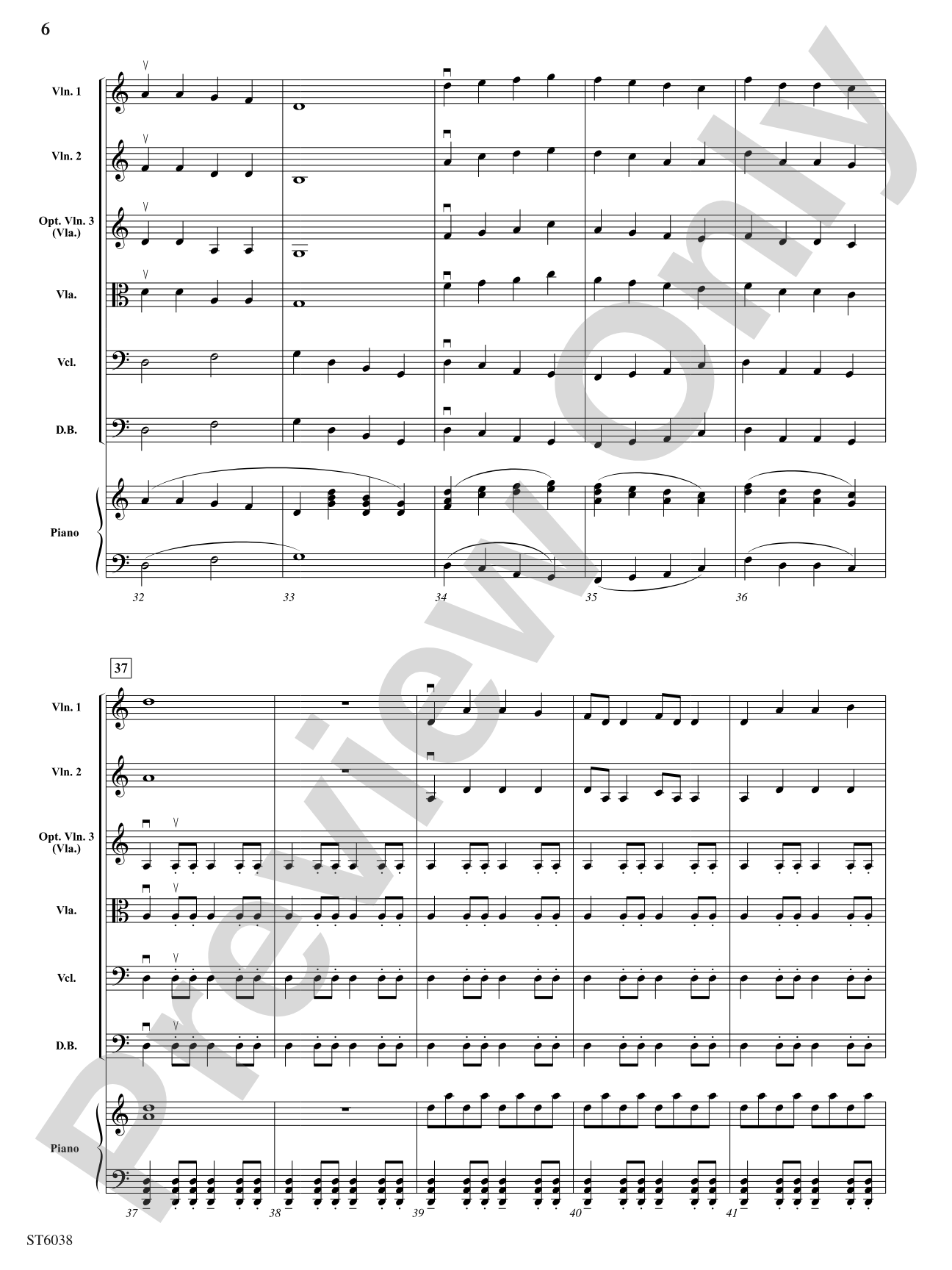
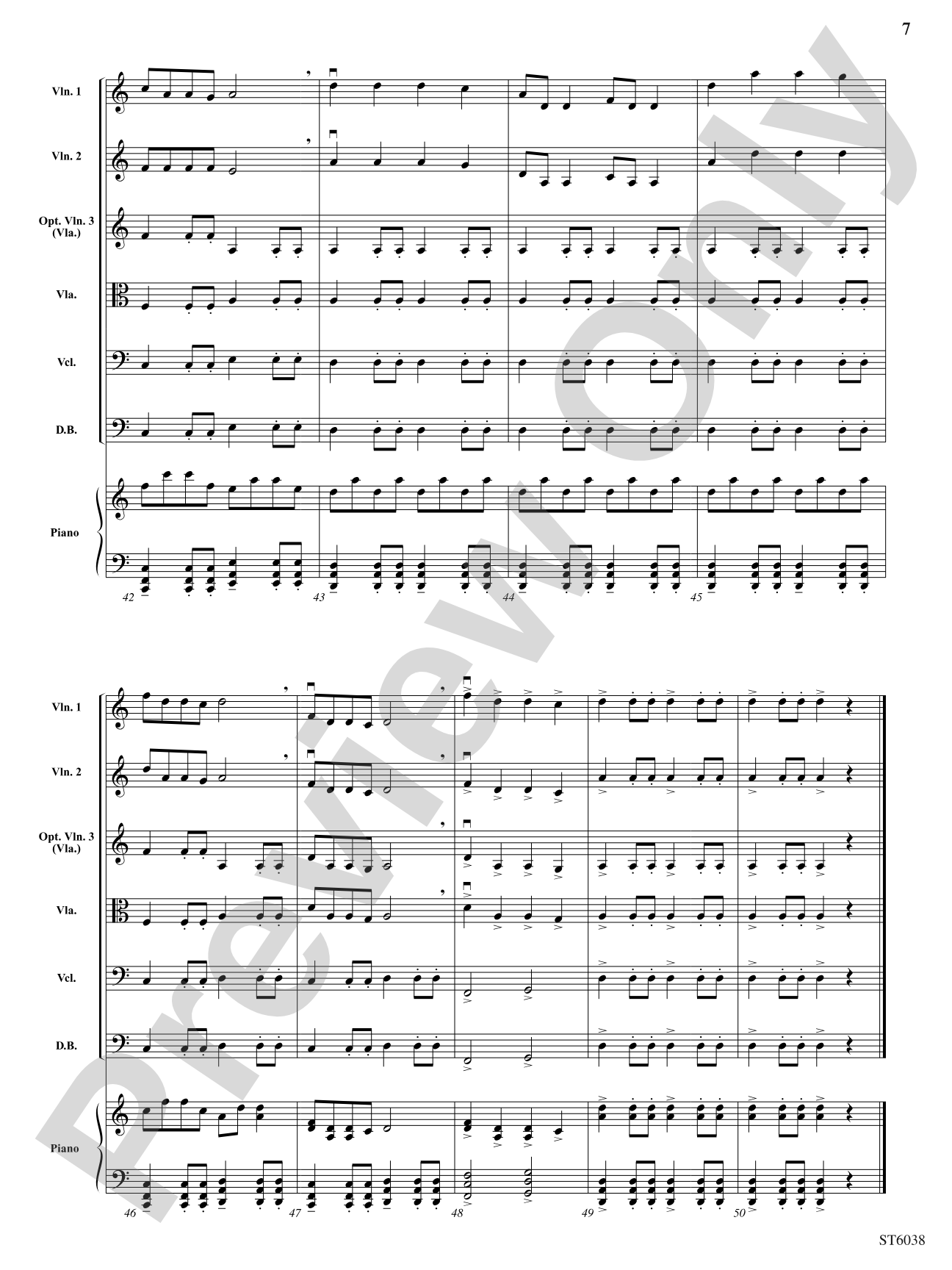

Hiawatha: String Orchestra Conductor Score & Parts
By Soon Hee Newbold
Grade: 1
Item: 98-DST6038

$50.00
Pickup currently not available
Buy Extra Parts (Digital PDF Download)
| Product | Price | Quantity |
|---|---|---|
| Hiawatha: Score | $10.00 | |
| Hiawatha: Violin 1 | $7.00 | |
| Hiawatha: Violin 2 | $7.00 | |
| Hiawatha: Optional Violin 3 | $7.00 | |
| Hiawatha: Viola | $7.00 | |
| Hiawatha: Violoncello | $7.00 | |
| Hiawatha: Double Bass | $7.00 | |
| Hiawatha: Piano | $7.00 |
Parts Added to Cart!
Description
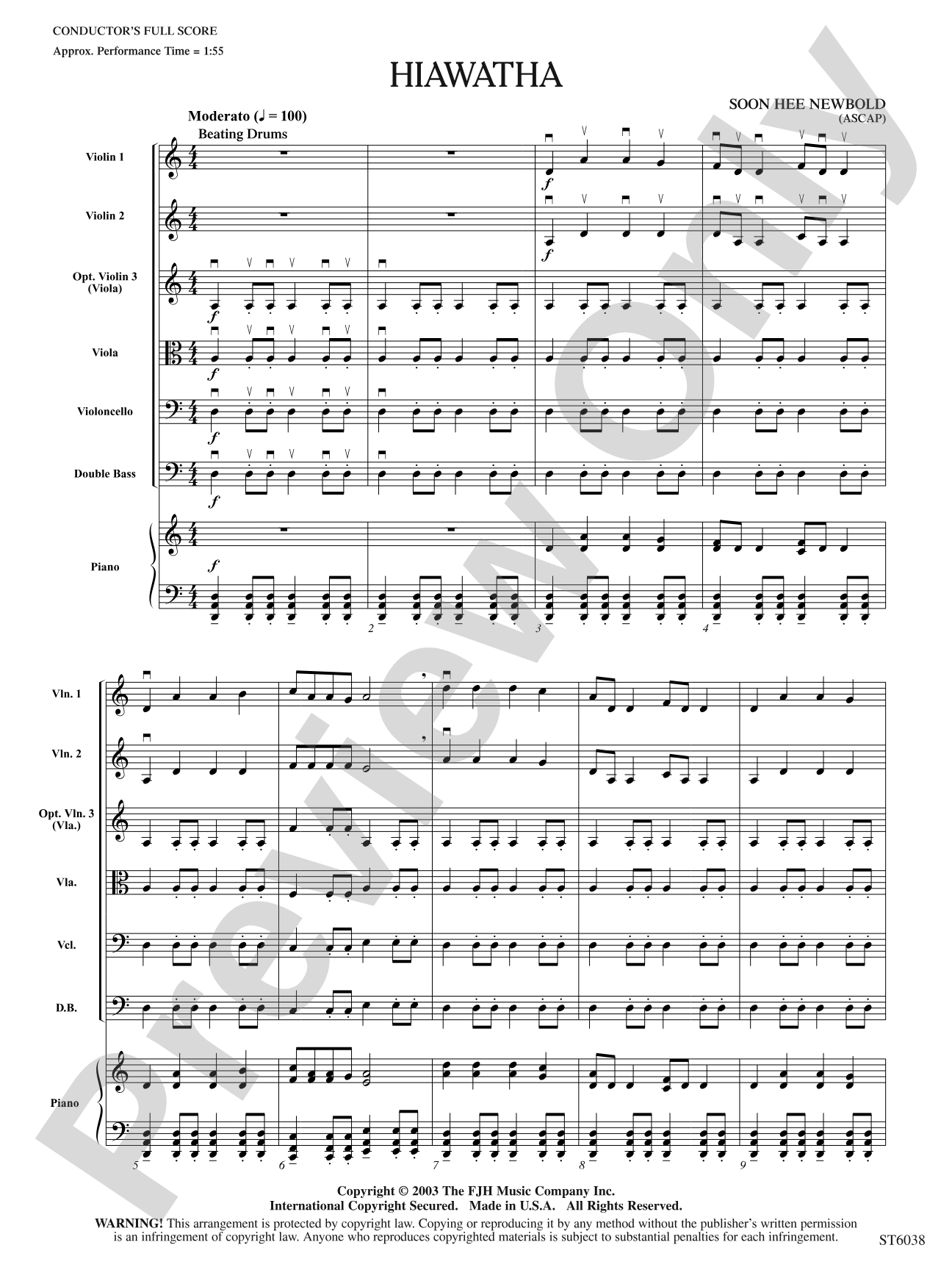
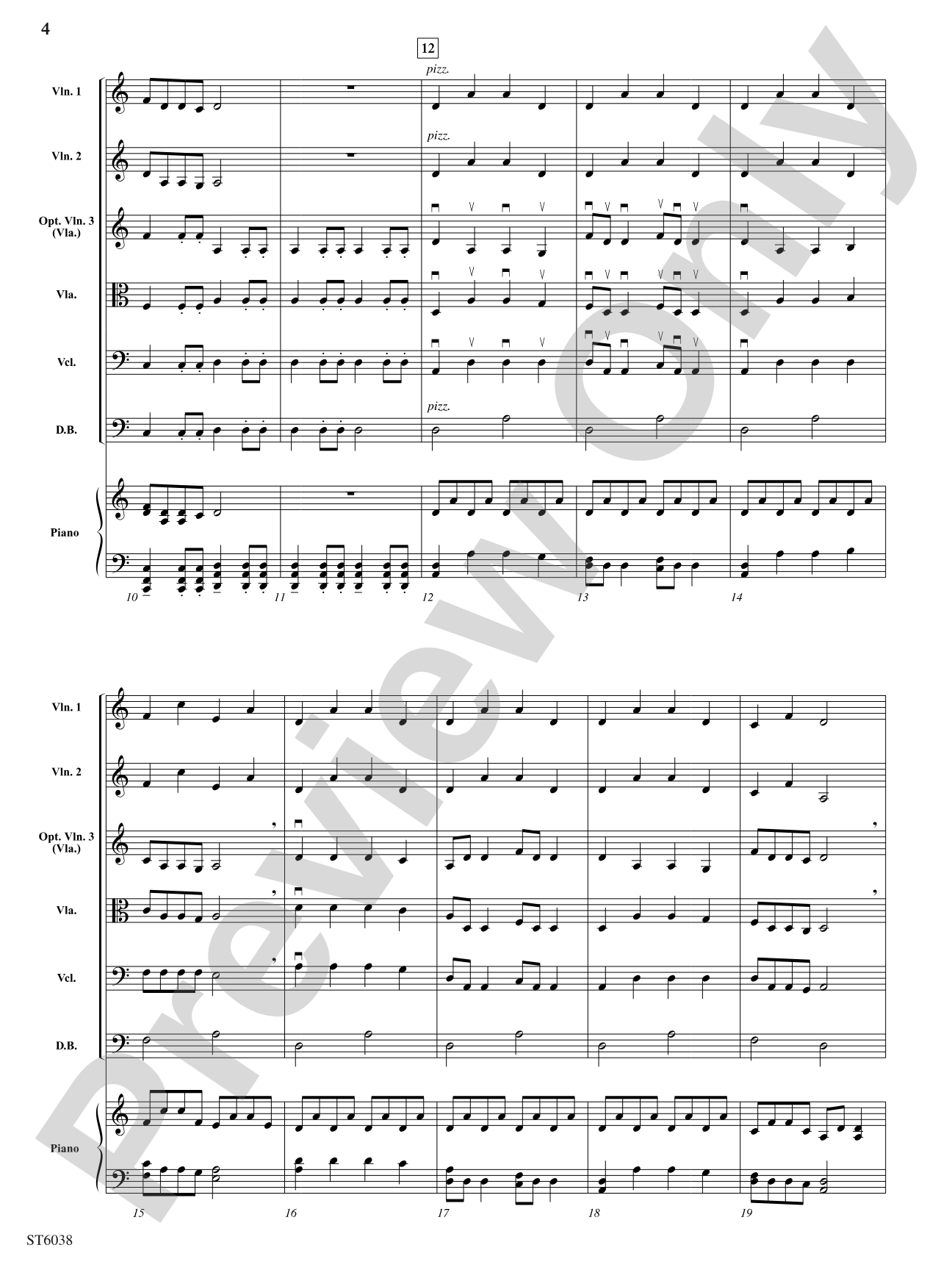
The Native American Chief Hiawatha served as the inspiration behind this creative work. A rhythmic motif is immediately introduced and represents the beating drums often associated with this type of music. There are no tempo changes, and a lyrical section offers a nice contrast with the opening and closing material. Very engaging.


Don't just read it, hear it, play along with it, and watch your students grow with it. In MakeMusic Cloud, Hiawatha: String Orchestra Conductor Score & Parts comes alive with professional accompaniment, adjustable tempo, and built-in practice tools that turn solo practice into real progress.
Open in the Player
Jump straight in and assign it today.
Start Your Free Trial
Open this title and explore the full library in minutes.
Sample Audio
1
Audio File
--:--
0:00
0:00
Sample Video
No sample videos found.
Additional Details
Series:
FJH Beginning Strings
Publisher:
The FJH Music Company, Inc.
SKU:
98-DST6038
More about this title
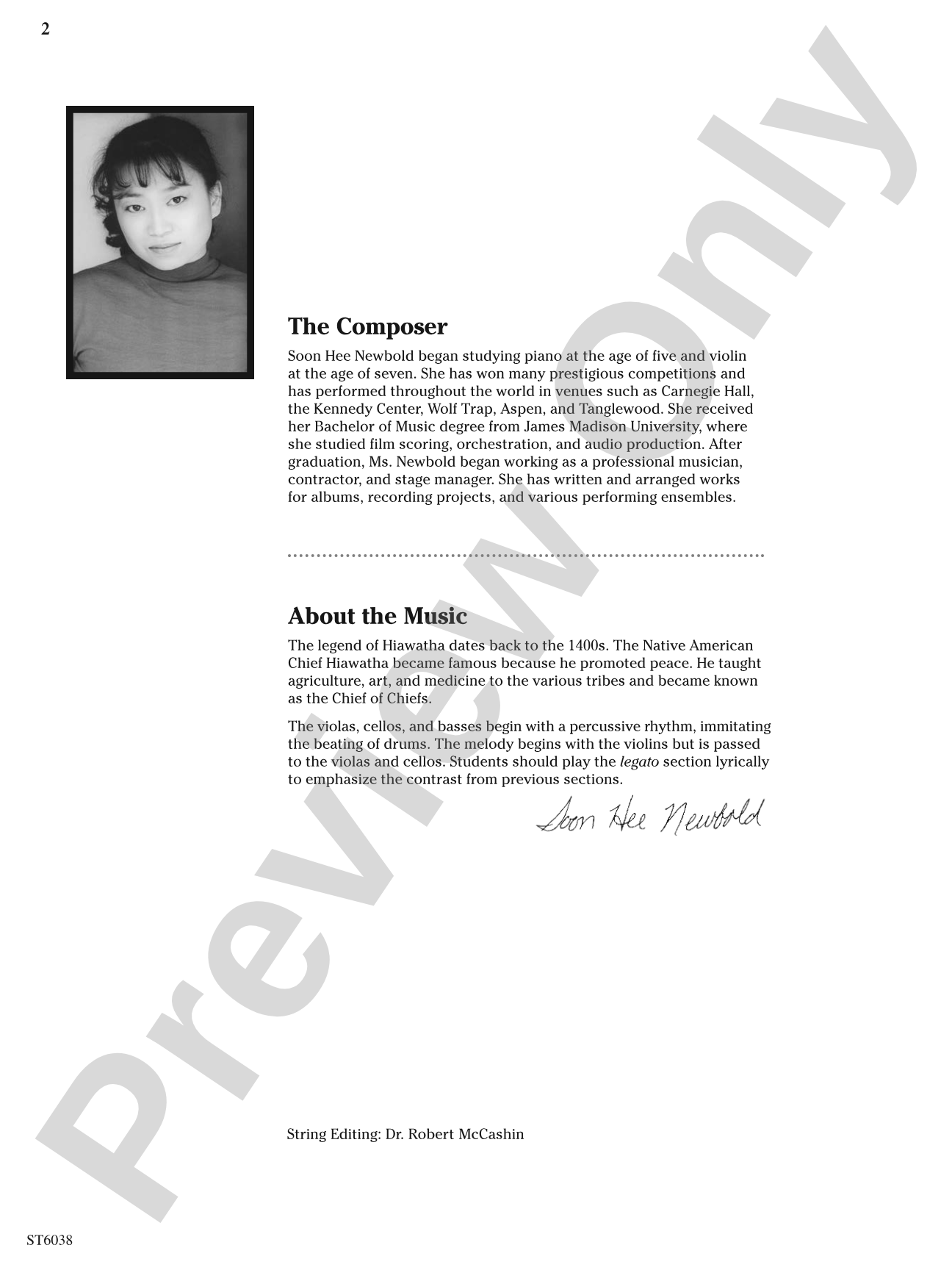
About the Composer: Soon Hee Newbold

Soon Hee Newbold brings a global perspective to her compositions, drawing inspiration from the diverse cultures she has encountered throughout her career as both a performer and conductor. Her musical training began at age five with piano, followed by violin at seven, leading to performances as a concert artist across professional ensembles worldwide. Her works span the full spectrum of musical life, from professional orchestras performing at Carnegie Hall, the Kennedy Center, and Lincoln Center to beginning students in elementary school programs. Beyond concert music, Newbold has also composed for film and recording projects in Hollywood, expanding her voice across multiple mediums.
As a clinician and keynote speaker, Newbold is recognized for her ability to bridge cultural and stylistic traditions in her writing. Her conducting experience spans the United States and international venues including The Netherlands, Belgium, Australia, Indonesia, Singapore, and China. This extensive background in both creating and teaching music informs her approach to composition, making her work particularly accessible and engaging for emerging musicians while maintaining artistic depth.
Why we love this
Newbold captures the essential character of a Grade 1 piece without oversimplifying: a clear rhythmic foundation anchored by percussion imagery, a contrasting lyrical section that teaches phrasing, and a tightly constructed form that holds young players' attention. The programmatic approach gives students an immediate connection to the music's narrative, making rehearsals more engaging and performance more meaningful. Contest and festival suitability is built in, so you can program with confidence.
What to expect
Rhythmic energy opens the door with percussion-inspired figures that evoke the heartbeat of Native American musical tradition. A graceful lyrical section offers respite before the material returns with renewed clarity, creating a satisfying arc that feels substantial despite its accessibility.
Who it's for
String orchestra programs at the elementary and early middle school level benefit most from this piece. The Grade 1 designation makes it ideal for developing ensembles that have learned fundamental technique and are ready to explore programmatic music with cultural awareness.
How to get the most out of it
- Lock the opening rhythmic motif as a full ensemble before layering parts; this unifying element deserves precision and clarity from the start.
- Shape the lyrical section with careful dynamic control in the melodic voices, allowing the contrast to emerge naturally rather than forcing it.
- Maintain steady tempo throughout without changes, which frees you to focus interpretively on articulation and balance rather than navigation.
- Balance the percussion representation of drumming so it enhances rather than drowns the string lines, especially in opening and closing material.
How to use it
Program this early in a concert to showcase your ensemble's rhythmic clarity and dynamic range. It pairs well with other multicultural repertoire, or it can stand alone as an accessible entry point if you are building a concert around cultural themes or Indigenous music.
Skills your students will build
- Ensemble pulse and rhythmic precision in repeated motifs
- Dynamic contrast between rhythmic and lyrical sections
- Articulation that brings programmatic character to life
- Balance of melodic voices with accompanying figures