
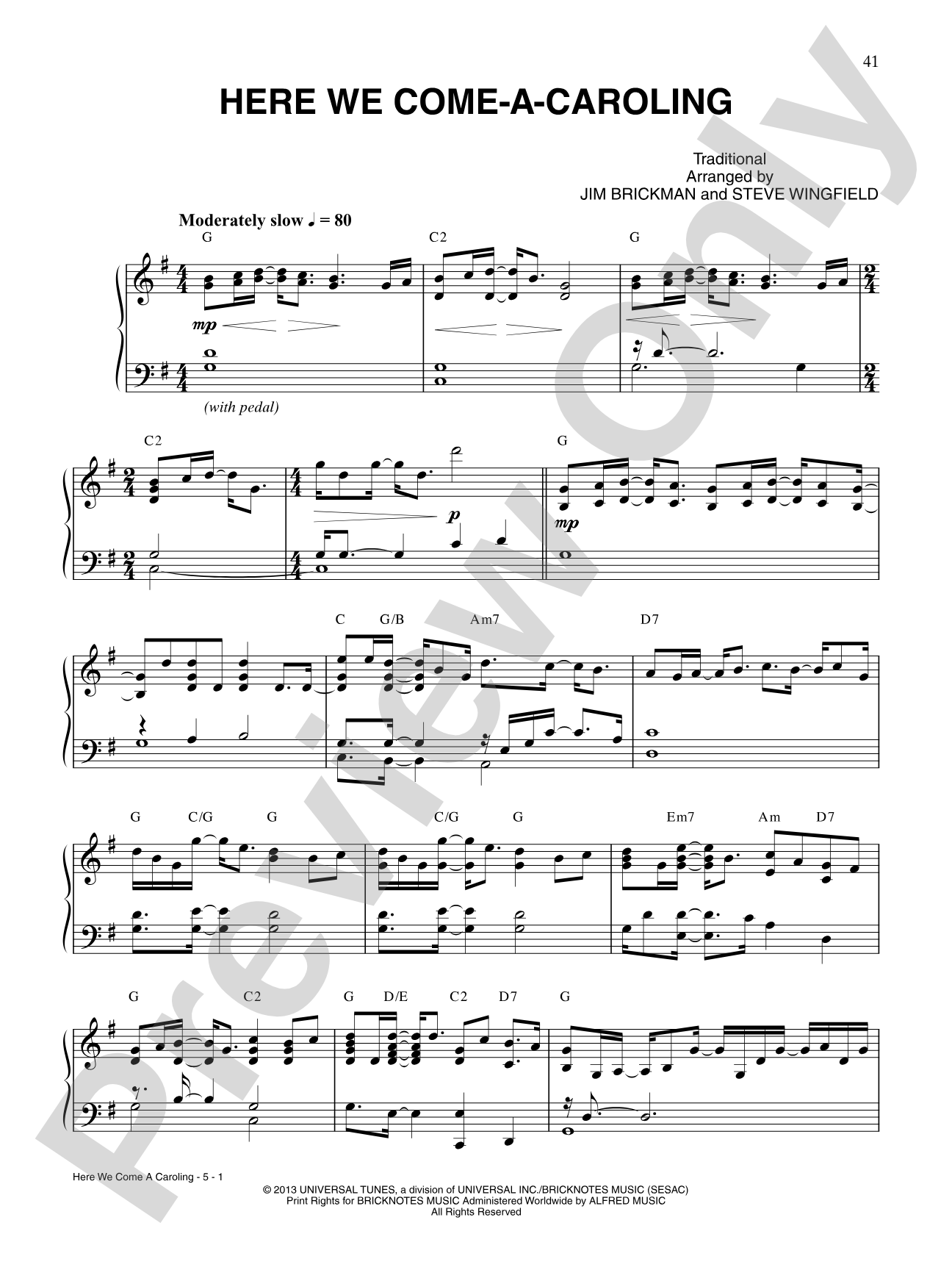

Here We Come-A-Caroling: Piano
Composed by Jim Brickman
Item: 00-PS-0015756
$4.99
Pickup currently not available
Related Items
Have Yourself a Merry Little Christmas: Piano |
$4.99
|
View | |
Sending You a Little Christmas: Piano |
$4.99
|
View | |
Angels We Have Heard on High: Piano |
$4.99
|
View | |
We Three Kings: Piano |
$4.99
|
View | |
Hark the Herald Angels Sing: Piano |
$4.99
|
View | |
Silent Night: Piano |
$4.99
|
View | |
God Rest Ye Merry, Gentlemen: Piano |
$4.99
|
View | |
The Magic of Christmas: Piano |
$5.99
|
View | |
On a Winter's Night: Piano |
$4.99
|
View | |
Jim Brickman: The Magic of Christmas: Piano/Vocal Book |
$19.99
|
View |
Description
Play Jim Brickman's inspired piano solos exactly as they sound on his album. A dozen new solo piano pieces are at the heart of this Christmas collection, including the single, "Sending You a Little Christmas." This official album-matching sheet music folio will delight any pianist who is a fan of Jim Brickman's music. Titles: Angels We Have Heard on High * My Favorite Things * We Three Kings * Christmas Time Is Here / O Christmas Tree * Hark! The Herald Angels Sing * What Child Is This? * Have Yourself a Merry Little Christmas * Here We Come A-Caroling * The Magic of Christmas * What Are You Doing New Year's Eve? * Silent Night * God Rest Ye Merry Gentlemen * On a Winter's Night * Merry Christmas Darling * Sending You a Little Christmas.


Discover MakeMusic Cloud: thousands of interactive titles your students can play along with today.
Sample Audio
No sample audio found.
Sample Video
No sample videos found.
Additional Details
Publisher:
Alfred Music
Page Count:
80
SKU:
00-PS-0015756
More about this title
About the Artist: Jim Brickman
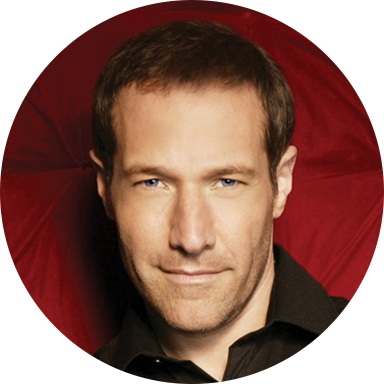
Jim Brickman stands among the most commercially successful solo pianists in modern music, known for a style that bridges classical training with contemporary sensibility. His approach to composition centers on emotional clarity and accessibility; he views the piano as a vehicle for storytelling that connects directly to listeners' lives, whether in moments of quiet reflection or celebration.
Why we love this
Brickman's arrangements preserve the warmth and sophistication of his original recordings while remaining playable by intermediate pianists. The collection spans beloved carols and secular winter standards, giving you fifteen distinct pieces that work equally well in a holiday recital, a casual house concert, or layered throughout a season's programming. The folio captures genuine musicianship rather than simplified novelty arrangements.
What to expect
These arrangements balance traditional carol melodies with modern harmonic language, creating a sound that feels both nostalgic and current. Each piece has breathing room and emotional space, inviting the pianist to shape phrases with genuine expression rather than technical display.
Who it's for
Pianists at the intermediate level who enjoy contemporary Christmas music and Brickman's accessible, emotionally direct style will find these arrangements immediately rewarding. Teachers seeking authentic album-matching arrangements for holiday recitals or winter concert programming will appreciate the variety and quality across all fifteen pieces.
How to get the most out of it
- Honor the rubato and breathing spaces in these pieces; they're written for sustained legato and emotional phrasing rather than strict metronomic playing.
- Study the recorded versions on Brickman's album to absorb his interpretation of pedal use and dynamic shaping, which are essential to the piano's voice in these arrangements.
- Balance the melody against accompaniment carefully in pieces that layer traditional carol melodies over contemporary harmonic settings.
- Allow time for the slower, more reflective pieces (such as "Silent Night") to settle into the room; resist the urge to rush passages with sparse texture.
How to use it
These pieces work beautifully across November and December recitals or holiday-themed concerts, whether performed individually or as a curated set spanning the collection. The mix of beloved carols ("Angels We Have Heard on High," "Silent Night") alongside newer compositions and secular winter pieces ("What Are You Doing New Year's Eve?") gives you flexibility to build a program that feels cohesive rather than purely traditional.
Skills your students will build
- Sustaining legato lines across hand position shifts
- Balancing melody prominence against contemporary harmonic accompaniment patterns
- Interpreting rubato and phrase shaping in contemporary solo literature
- Pedal technique in pieces that blend traditional melodies with modern textures
- Sight-reading intermediate-level piano arrangements with varied harmonic language