Here, There And Everywhere (arr. Craig McLeish) Sheet Music Preview

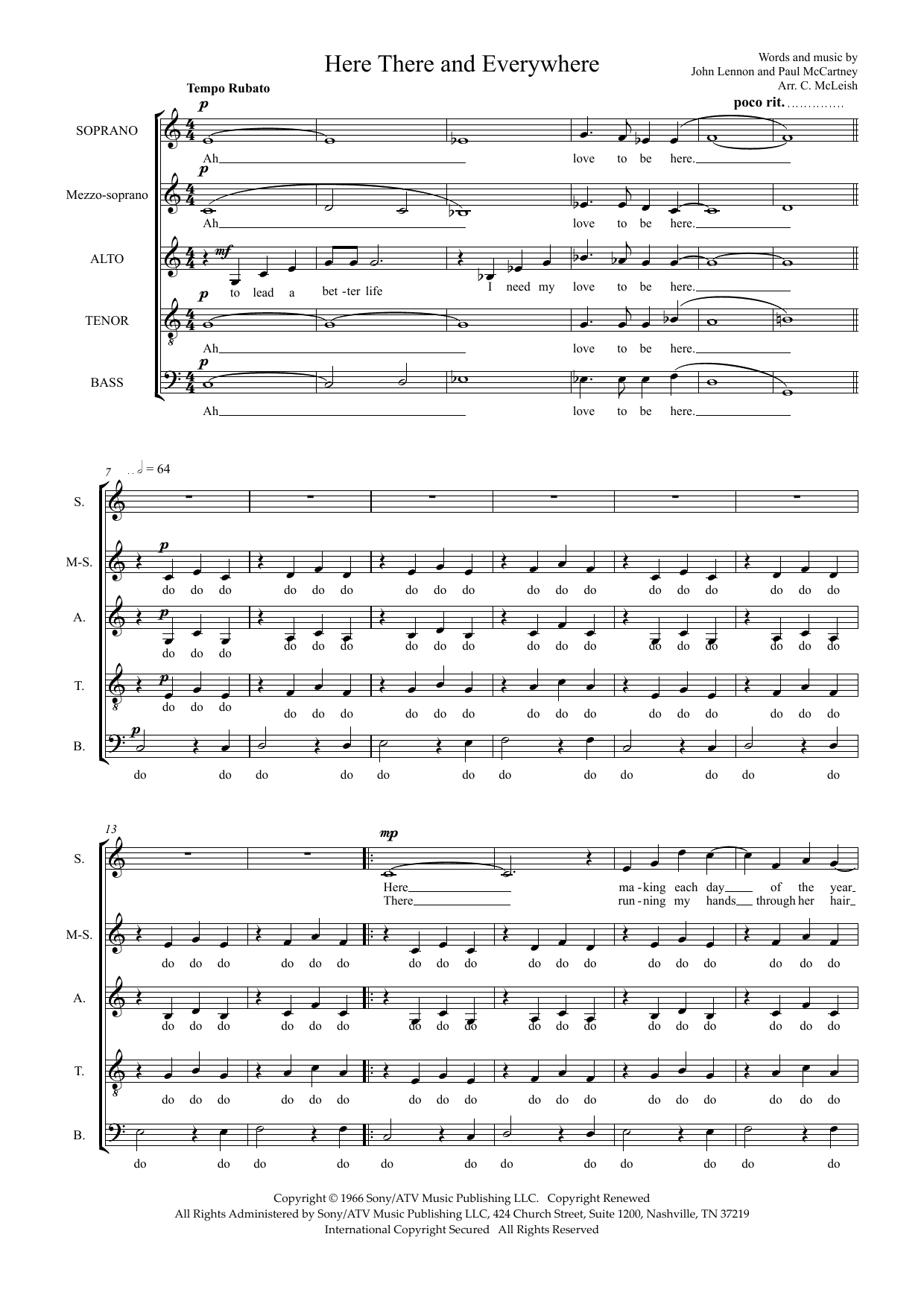
Here, There And Everywhere (arr. Craig McLeish): SSATB Choral Octavo

As performed by The Beatles / Arranged by Craig McLeish

Item: 35-DS00457647

Digital Download
$1.99
Description

Here, There And Everywhere (arr. Craig McLeish): SSATB Choral Octavo isn't in MakeMusic Cloud just yet...but it could be. Let us know you'd like to see it, and you'll help shape what comes next. In the meantime, start a free trial and dive into thousands of interactive titles your students can play along with today.

Sample Audio
No sample audio found.
Sample Video
Additional Details
Publisher: Hal Leonard
Page Count: 4
SKU: 35-DS00457647

More about this title

About the Artist: The Beatles

The Beatles transformed popular music into an art form that demanded serious musicianship and innovative arranging. Their compositions, from early pop confections to sophisticated late-period work, reveal an understanding of harmony, counterpoint, and orchestration that influenced generations of musicians and composers. For choral directors, their catalog represents accessible yet substantive material that engages student singers while maintaining musical integrity.

Beyond their cultural impact, the Beatles created songs that reward close listening and thoughtful interpretation. Their melodies are memorable enough to stick with performers throughout rehearsal, yet their harmonic language pushes singers to hear beyond basic progressions. This combination makes their music ideal for building both musicianship and ensemble cohesion.

Why we love this

Craig McLeish's arrangement captures the tenderness of this Lennon/McCartney composition while making it accessible for developing choirs. The SSATB voicing sits comfortably across all ranges, and the four pages move quickly enough to keep rehearsal energy high without sacrificing the song's introspective quality. Singers love performing it because the melody feels natural in their voices, yet they're building real harmonic awareness by supporting the top line from below.

What to expect

Intimate yet ensemble-focused, the arrangement creates space for singers to breathe together rather than pushing them into competition. The harmonic colors shift gently, creating small moments of warmth and harmonic surprise without ever feeling overwrought. There's a reflective quality throughout that makes this less about showmanship and more about connection.

Who it's for

Choirs with solid blend and basic four-part balance can handle this arrangement successfully. It works equally well for high school ensembles building their classical repertoire and college groups looking for accessible pop material that doesn't compromise musicianship. Community choirs will find it rewarding because the piece sits so naturally in the voice.

How to get the most out of it

  • Balance the soprano line so it sings through without strain. This melody deserves clarity, not force; let the other voices provide warm support rather than competing for attention.
  • Treat the harmonic changes with care. Each chord shift carries emotional weight in this arrangement, so shape each transition intentionally rather than rushing through.
  • Shape phrases with the lyrical content in mind. The text moves through memory and presence, so your phrasing should reflect moments of reflection punctuated by moments of discovery.
  • Blend vowels carefully across voice parts at key harmonic moments. When voices overlap on sustained notes, matching vowel color will make the chord sing rather than splinter.

How to use it

Pair this with other pop arrangements to build a set that proves contemporary music can coexist with your classical programming. It also works beautifully as a concert closer when you want to end on a contemplative note rather than high energy. Consider programming it in the spring when audiences and singers alike respond to its gentle introspection.

Skills your students will build

  • Blending and balancing four-part harmony
  • Singing sustained harmonic movement without losing pitch center
  • Shaping phrased lines that serve text and music simultaneously
  • Reading and executing pop arrangements with classical attention to ensemble tone

You May Also Like