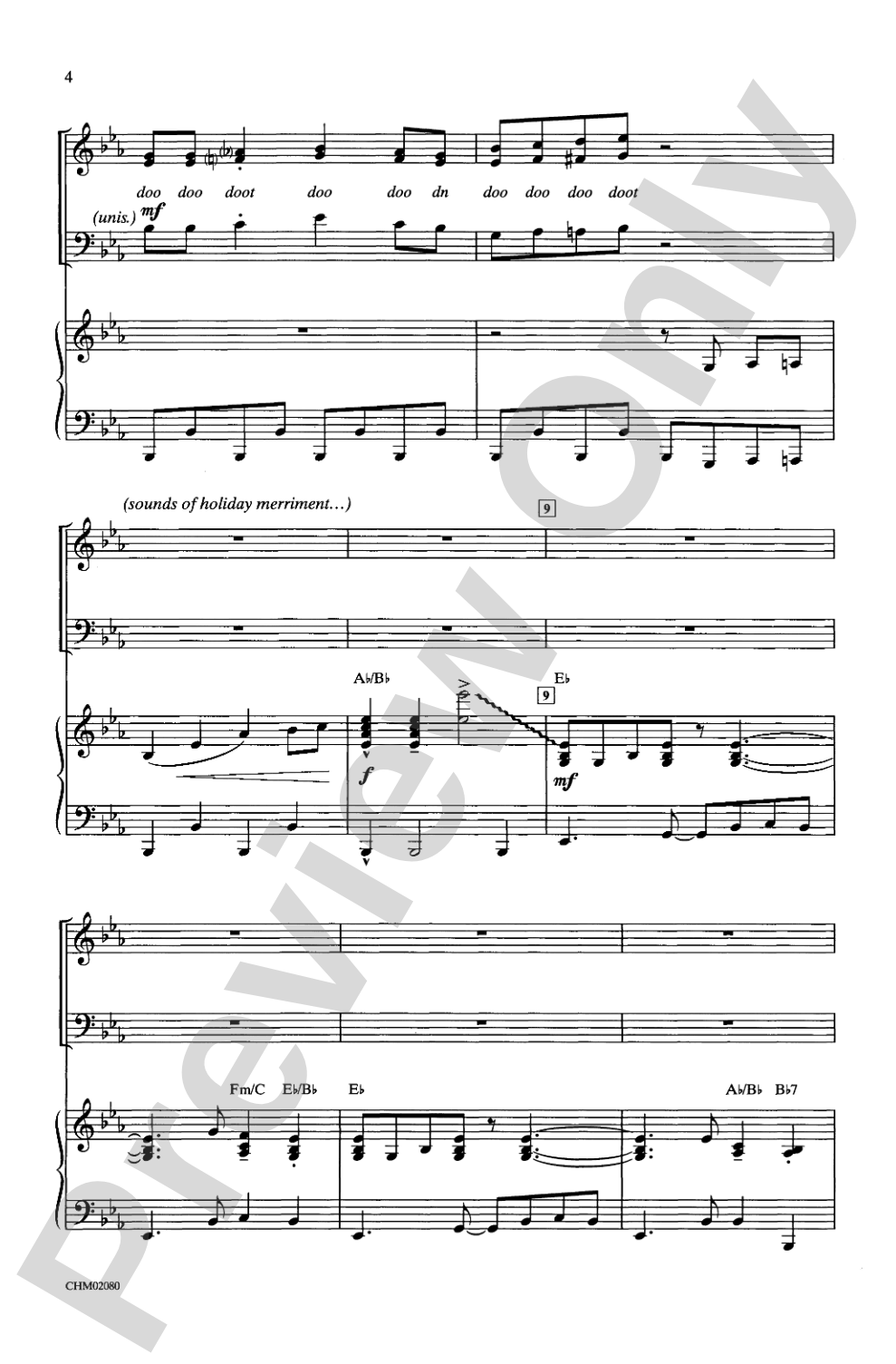
Here Comes Santa Claus Sheet Music Preview

Here Comes Santa Claus: SATB Choral Octavo

Words and music by Gene Autry and Oakley Haldeman / arr. Kirby Shaw

Level: Moderate

Item: 00-PO-0006766

Digital Download
$2.25

Minimum order quantity: 20 copies

One moment…

Description

Here Comes Santa Claus: SATB Choral Octavo isn't in MakeMusic Cloud just yet...but it could be. Let us know you'd like to see it, and you'll help shape what comes next. In the meantime, start a free trial and dive into thousands of interactive titles your students can play along with today.

Sample Audio
0:00
0:00
Sample Video
Additional Details
Series: Alfred Archive Edition: Alfred Pop Choral Series
Publisher: Alfred Music
Page Count: 12
SKU: 00-PO-0006766

More about this title

About the Composer: Gene Autry

Gene Autry was a singer, actor, and songwriter who became one of the most recognizable entertainers of the 20th century. Beyond his film and recording career, Autry wrote and co-wrote numerous songs that have become standards in American popular music, including several holiday classics that remain teaching staples in choral programs.

Why we love this

Kirby Shaw's arrangement strips away nothing essential from the original while making it genuinely singable for developing choirs. The moderate difficulty sits in that sweet spot where students feel accomplished without the arrangement becoming an obstacle to the song's infectious charm.

What to expect

Bright, spirited, and celebratory. The arrangement bounces with holiday joy while maintaining enough vocal substance that singers feel they're making real music, not just singing a novelty tune.

Who it's for

Choirs in grades 3-5 with basic four-part blend and pitch-matching skills. Directors programming a winter concert can use this with confidence that it will sound polished without demanding extensive rehearsal time.

How to get the most out of it

  • Let the recorded accompaniment set a steady, bright tempo first. Singing along with it in rehearsals builds ensemble confidence faster than trying to establish the groove acoustically.
  • Keep the tone bright and forward throughout, especially in the refrain. This song lives in upper-middle voice placement; lower, darker singing undermines its energy.
  • Balance the parts carefully in measures where the melody sits in different voice sections. Sopranos and tenors carry the tune most often, but altos and basses need definition when they have countermelody lines.
  • Mark breath points in pencil before the first full run-through. The moderate tempo can mask the need for strategic breathing, and singers who wait for the obvious phrase endings often run short of air.

How to use it

Open a holiday concert with this if you want immediate audience engagement and applause. It also works beautifully as a closer, leaving listeners in a buoyant mood on the way out.

Skills your students will build

  • Singing sustained melodic lines over moving harmonic accompaniment
  • Maintaining rhythmic precision with a recorded track
  • Blending four independent voice parts at moderate tempo
  • Projecting clear diction in a secular song style
  • Reading SATB voicing with occasional part independence

You May Also Like