
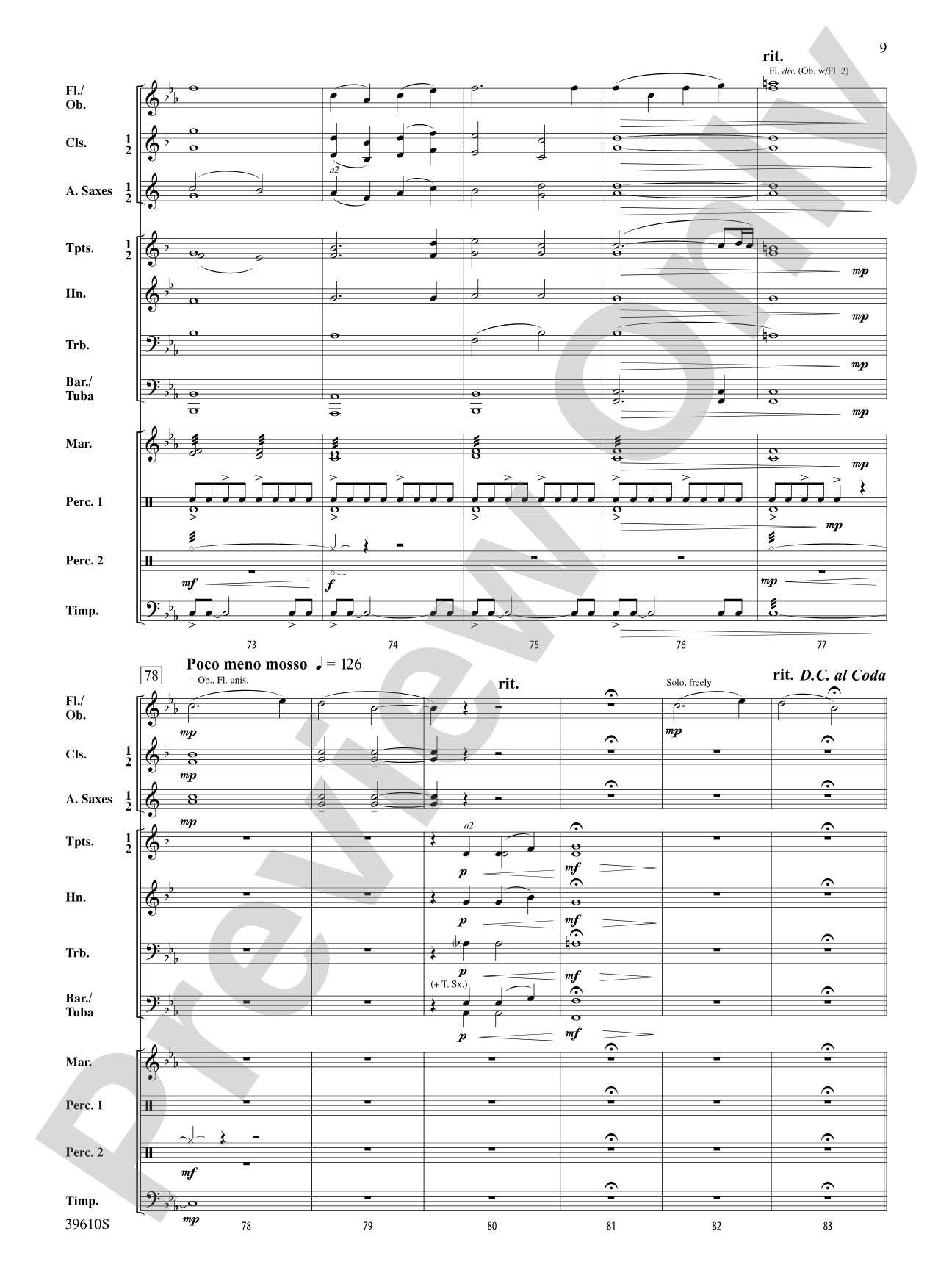
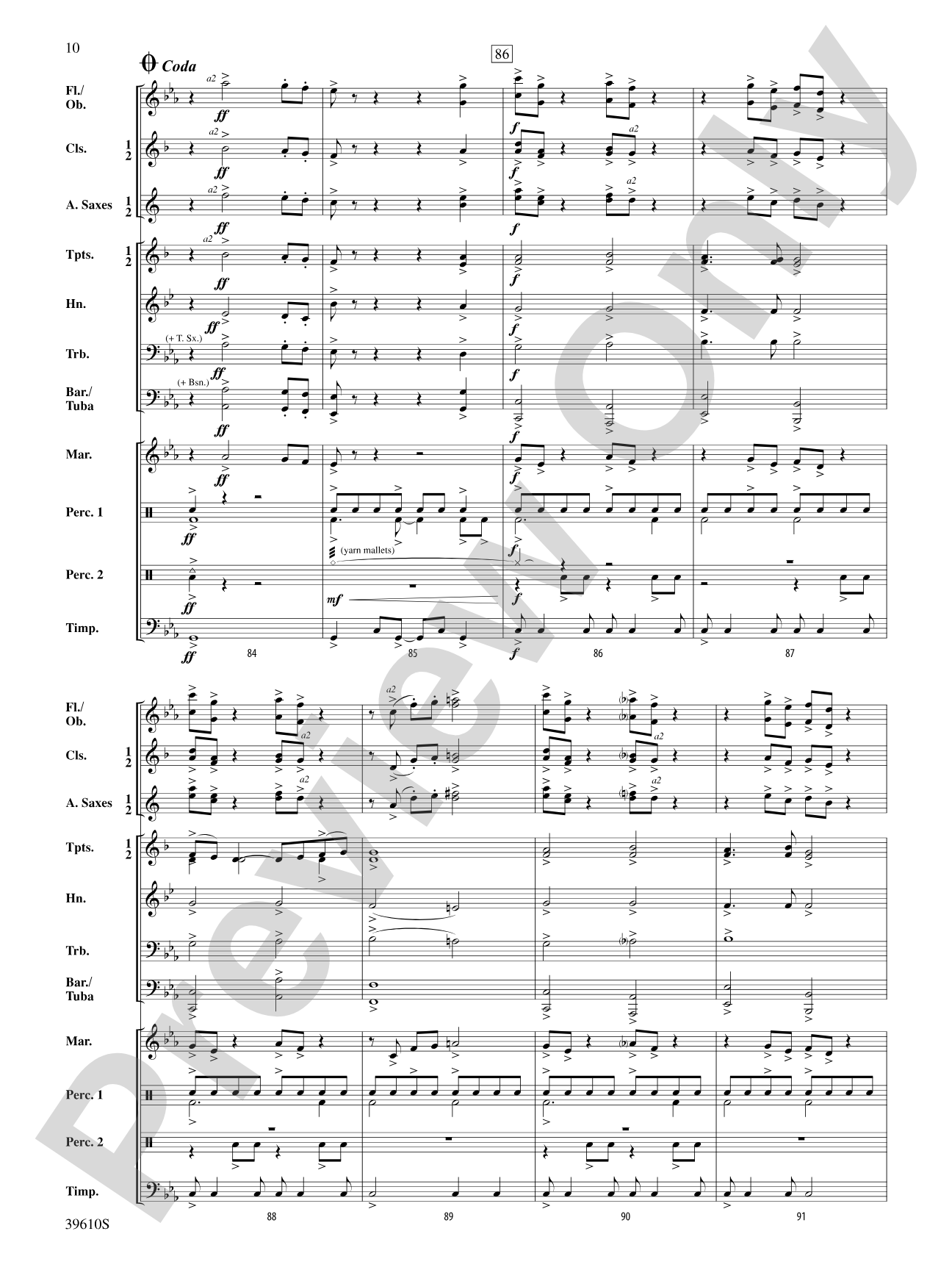
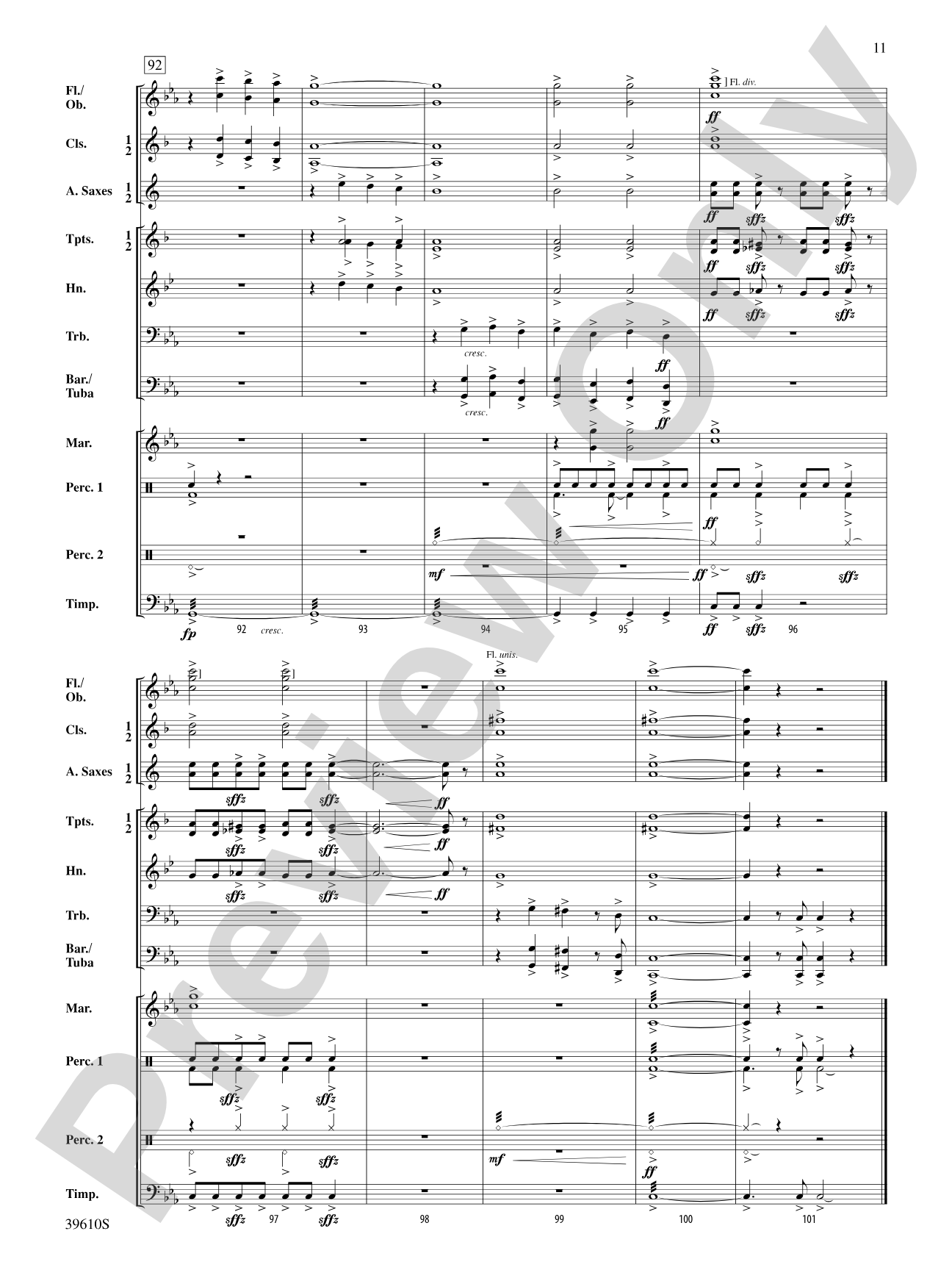


Hercules vs. the Hydra: Concert Band Conductor Score & Parts
By Scott Watson
Grade: 2 (Medium Easy)
Item: 00-PK-0005634

$65.00
Pickup currently not available
Buy Extra Parts (Digital PDF Download)
Parts Added to Cart!
Description
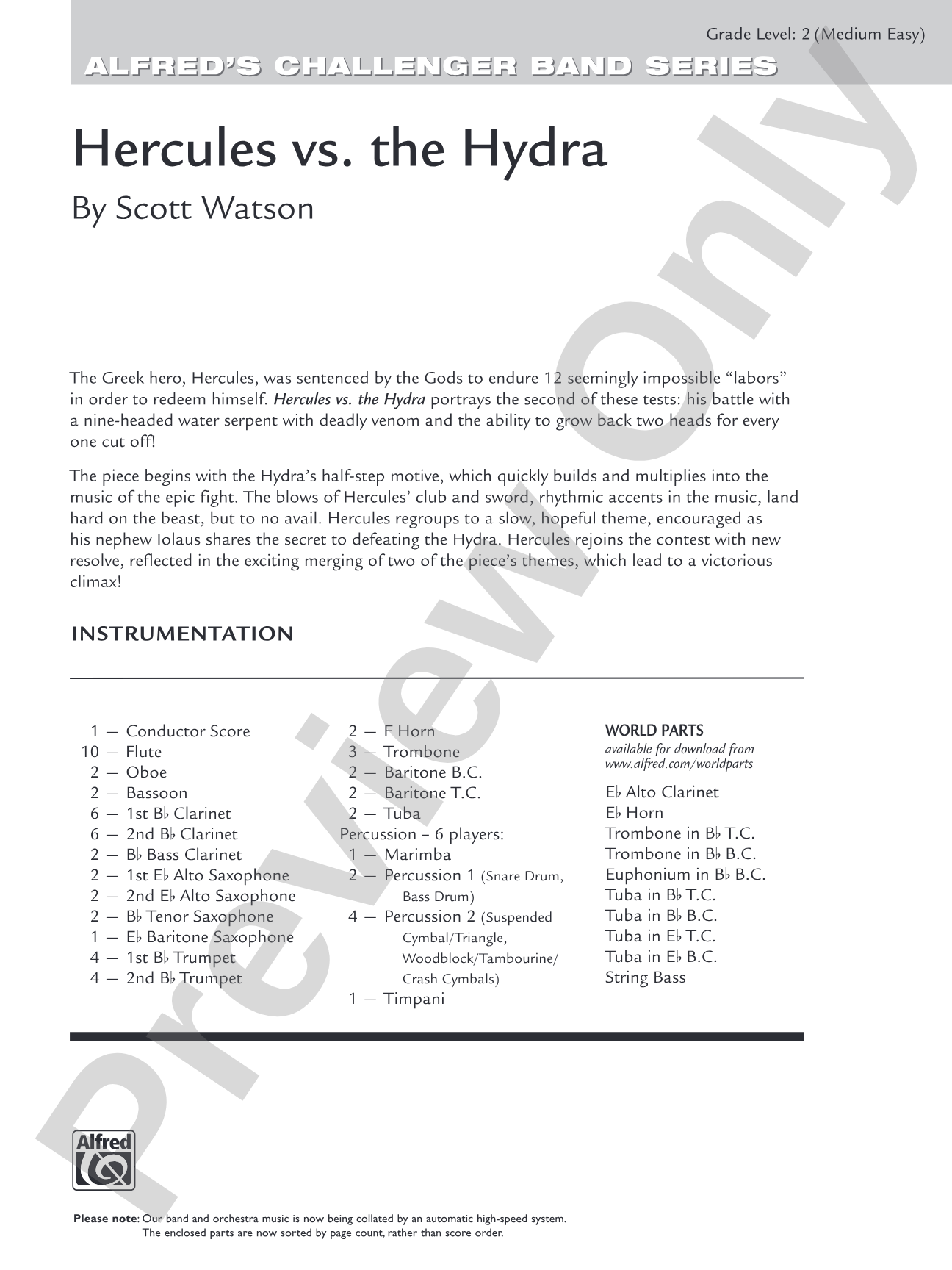
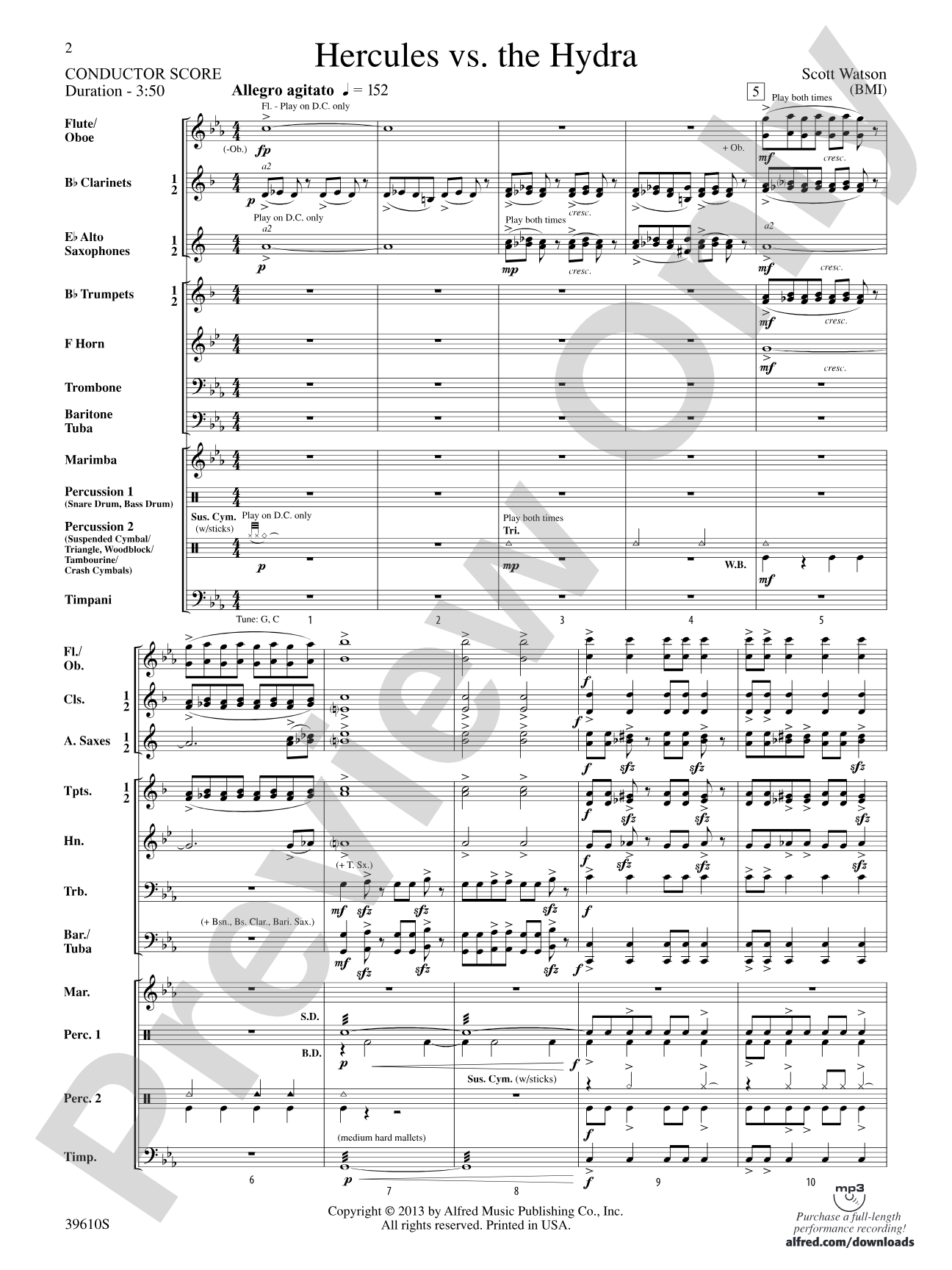
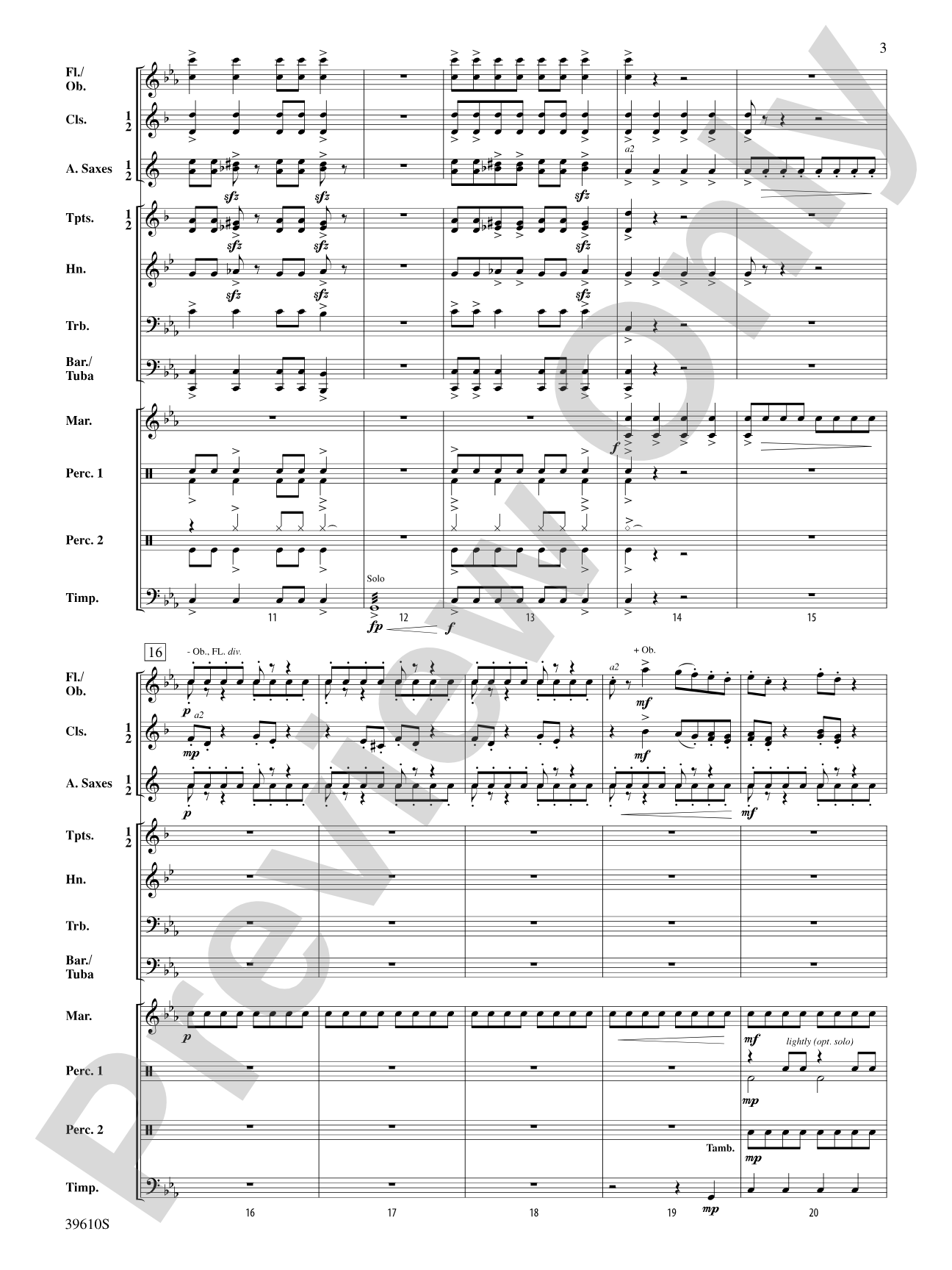
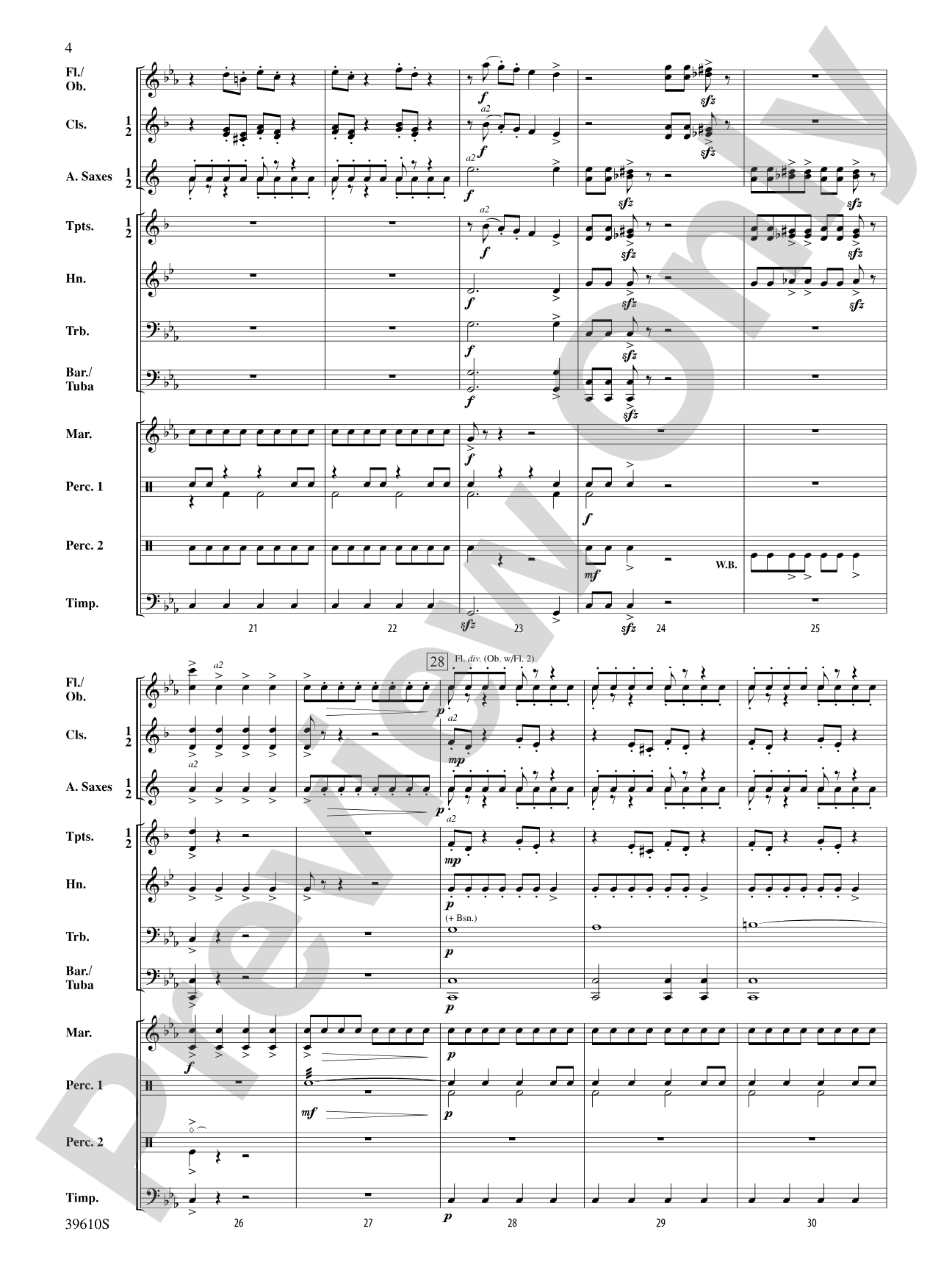
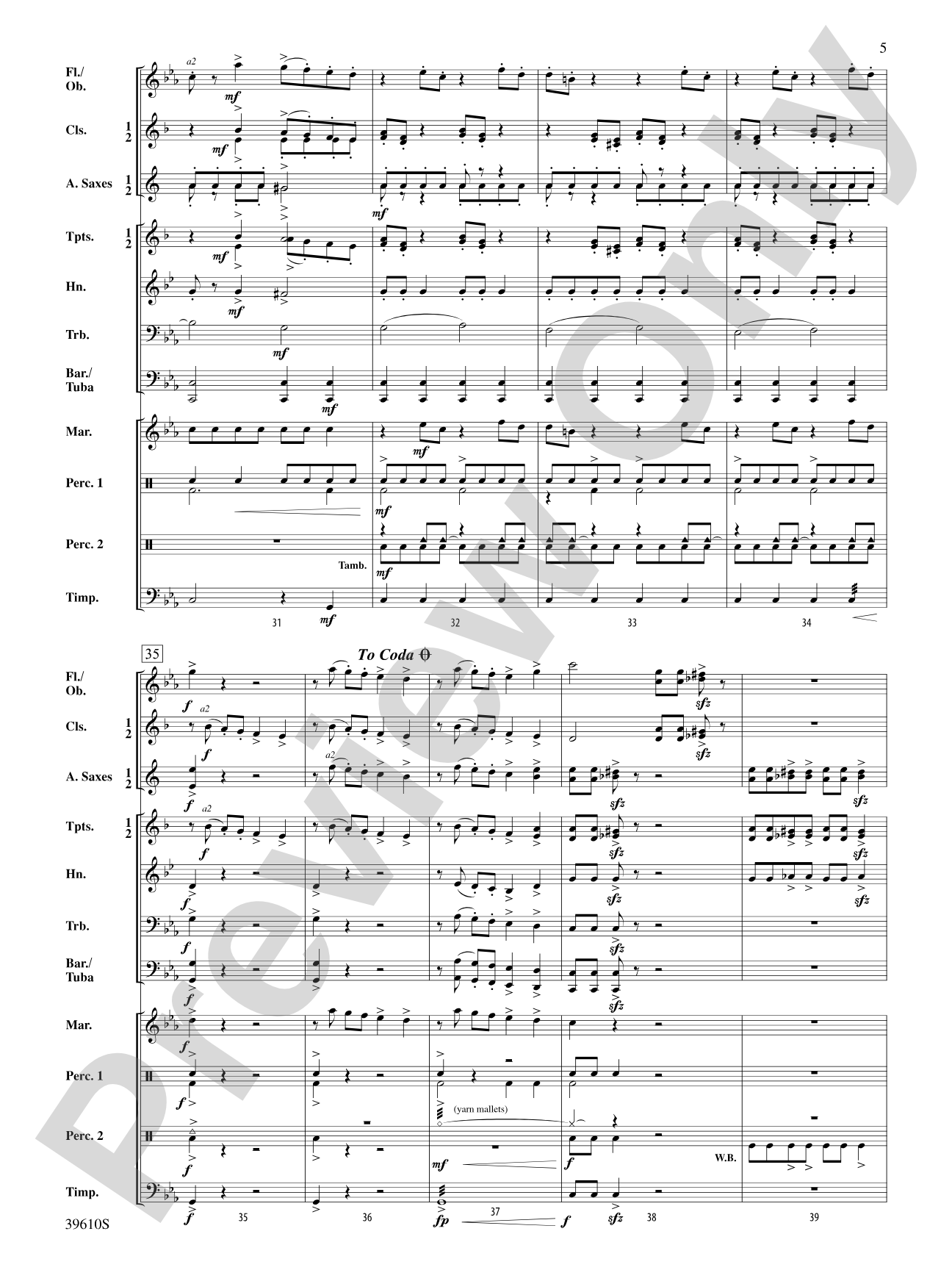
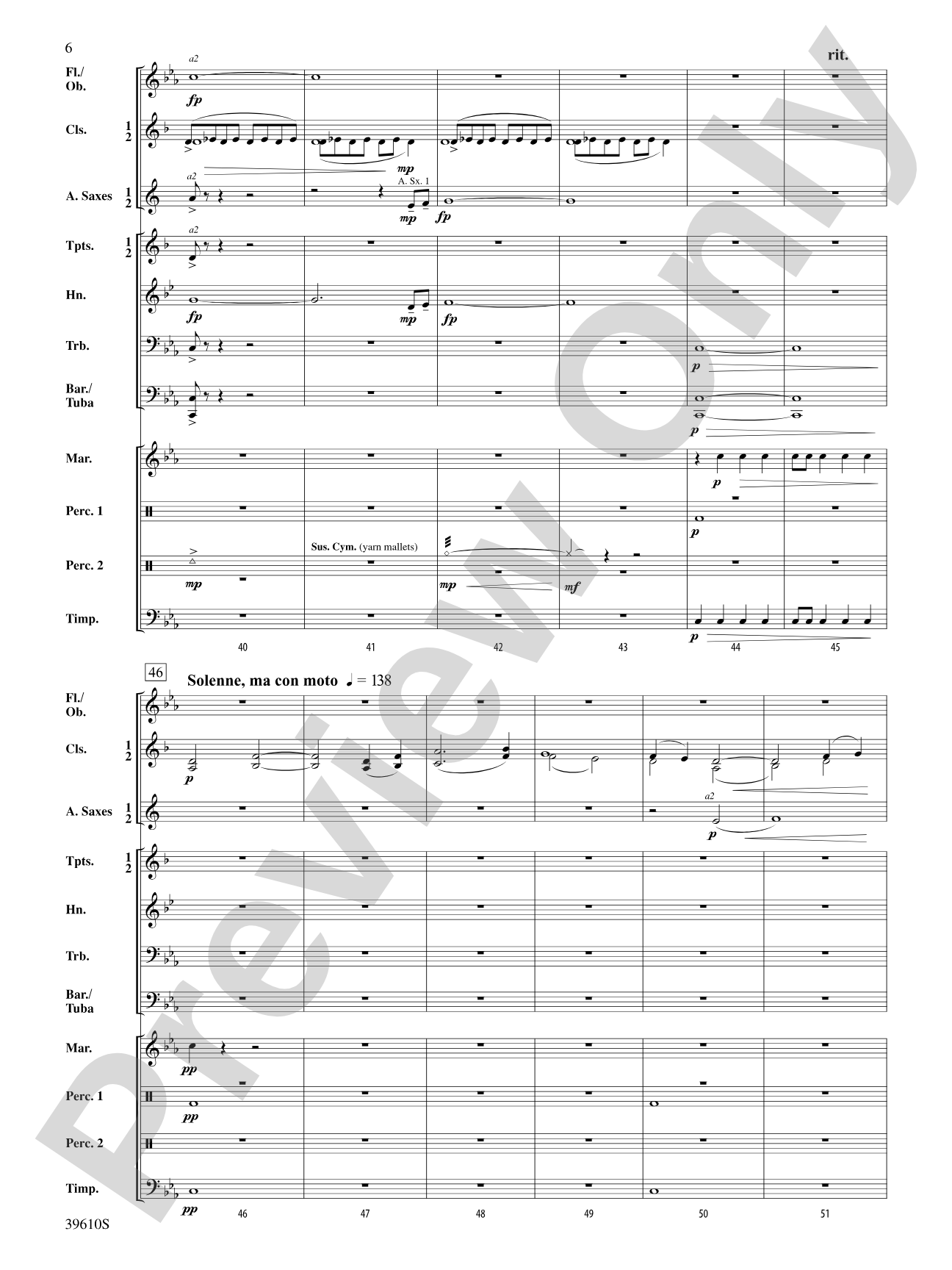
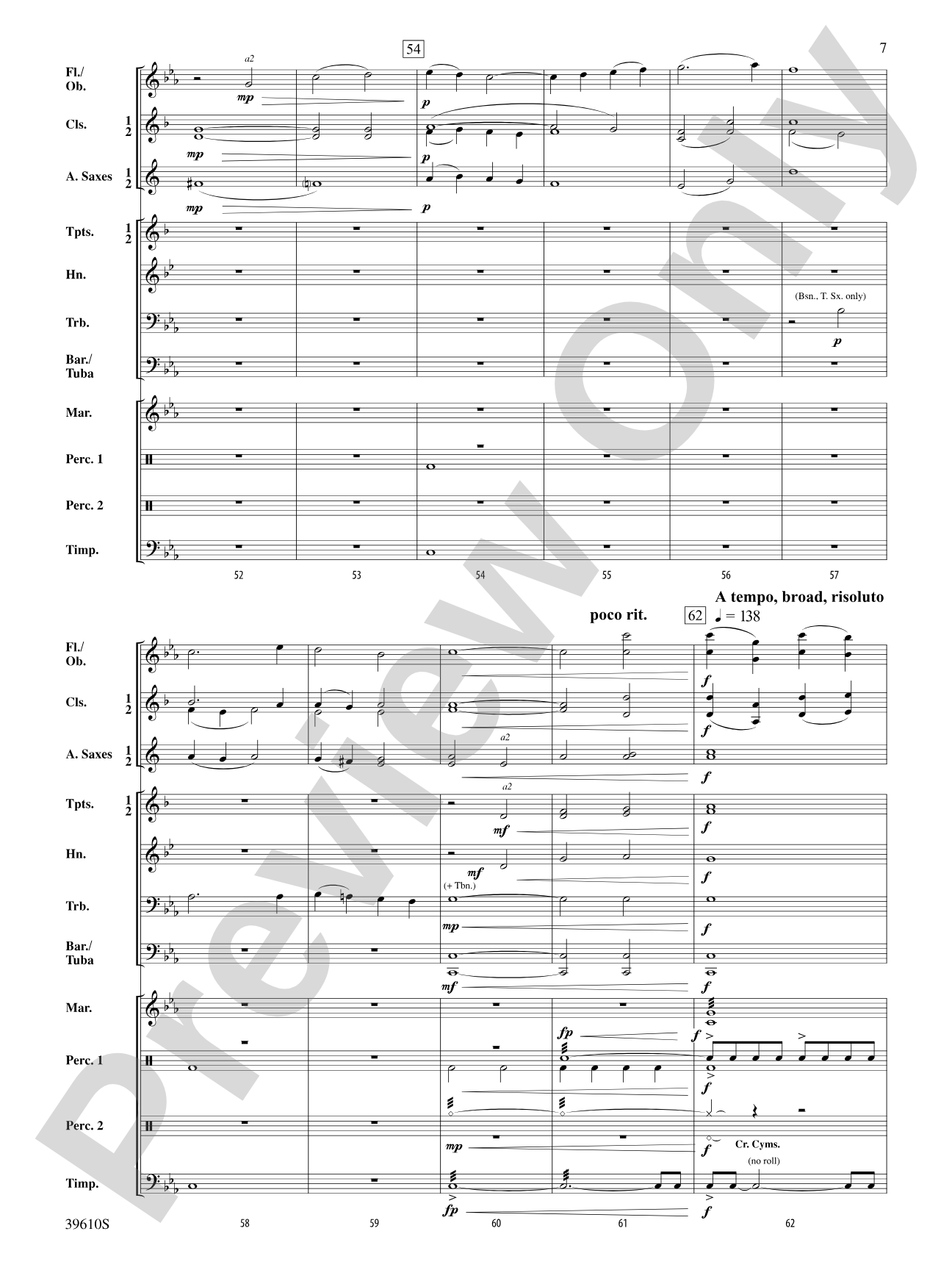
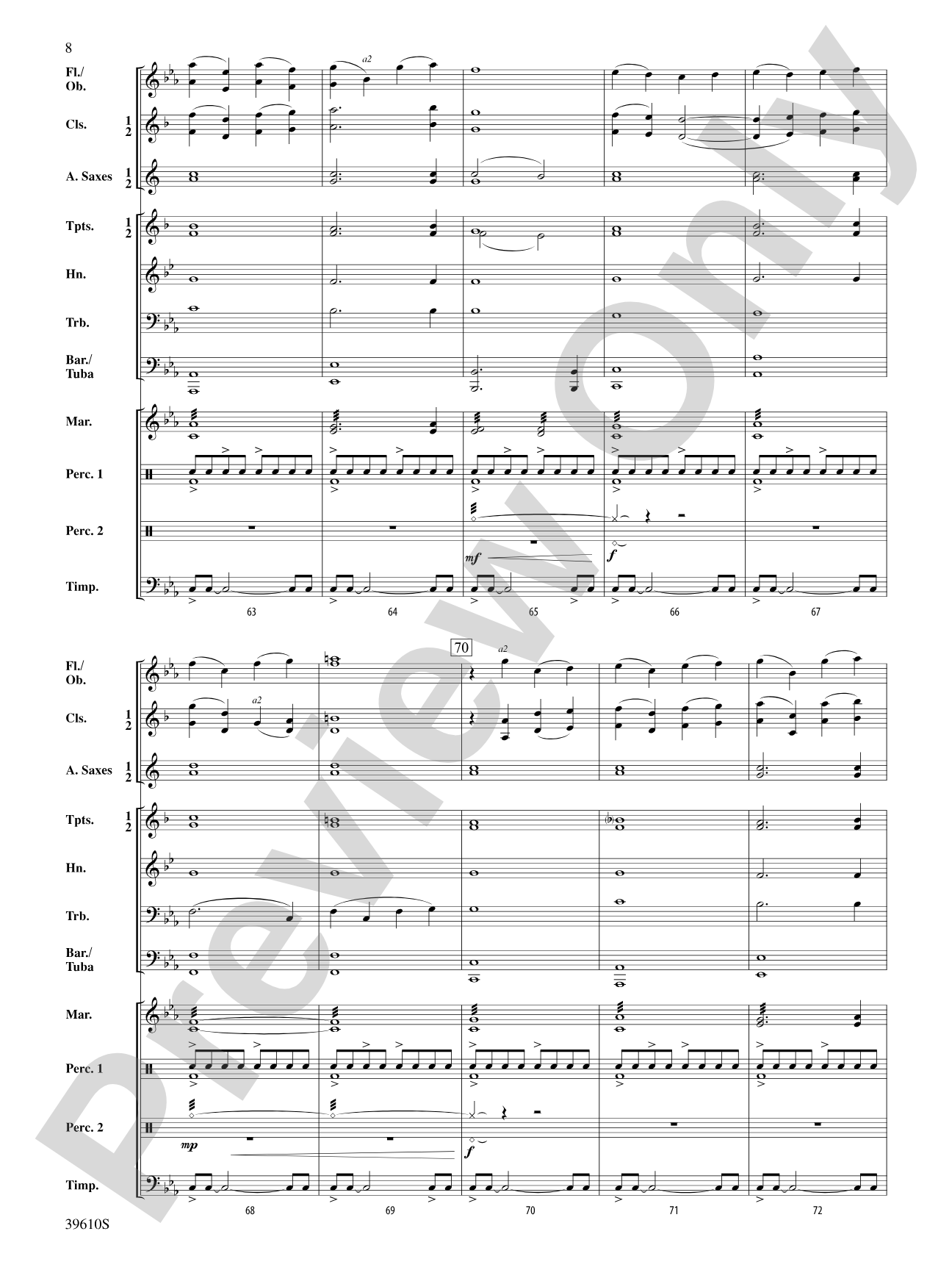
The Greek hero, Hercules, was sentenced by the Gods to endure 12 seemingly impossible "labors" in order to redeem himself. This composition portrays the second of these tests---his battle with a nine-headed water serpent with deadly venom and the ability to grow back two heads for every one cut off! This programmatic piece will excite your players and thrill the audience! (3:50) This title is available in MakeMusic Cloud.


Don't just read it, hear it, play along with it, and watch your students grow with it. In MakeMusic Cloud, Hercules vs. the Hydra: Concert Band Conductor Score & Parts comes alive with professional accompaniment, adjustable tempo, and built-in practice tools that turn solo practice into real progress.
Open in the Player
Jump straight in and assign it today.
Start Your Free Trial
Open this title and explore the full library in minutes.
Sample Audio
1
Audio File
--:--
0:00
0:00
Sample Video
Additional Details
Series:
Challenger Band Series
Publisher:
Alfred Music
Page Count:
238
SKU:
00-PK-0005634
More about this title
About the Composer: Scott Watson

Scott Watson spent 35 years in the Parkland School District (Allentown, PA) as high school Director of Bands and later as coordinator of the district's elementary band and strings programs. His teaching experience shaped a compositional voice rooted equally in contemporary concert art music and the practical realities of the band room. He is now Associate Professor of Music at Cairn University in Langhorne, PA.
Watson has published over 120 works for concert band, string orchestra, and chamber ensembles across all difficulty levels. His compositions have been performed at venues including the Academy of Music in Philadelphia, the Midwest Clinic in Chicago, and the White House. He serves as an exclusive composer and clinician for Alfred Publications, contributes to their Sound Innovations series, and authored Using Technology to Unlock Musical Creativity (Oxford University Press, 2011). Visit scottwatsonmusic.com for more information.
Why we love this
Watson balances accessibility with genuine drama here. The programmatic narrative of Hercules battling the regenerating Hydra translates into orchestration that excites young musicians without requiring virtuosic demands, making it an ideal choice for Grade 2 ensembles that want to perform something with real cinematic impact and audience appeal.
What to expect
Muscular and urgent from the opening. The piece captures the frenzy of an impossible battle: moments of heroic defiance alternate with the sinister, slithering presence of the Hydra's many heads. At 3:50, it maintains momentum throughout without wearing players down.
Who it's for
Grade 2 concert bands seeking substantial repertoire with narrative punch. Directors programming contest festivals or concerts want music that engages both musicians and audiences, and students benefit from playing character-driven compositions that make sense musically and dramatically.
How to get the most out of it
- Shape the battle sequences with clear dynamic arcs so the nine heads feel like a genuine escalating conflict rather than repetitive material. Each encounter should sound progressively more desperate.
- Lock the rhythm section into a steady foundation during the Hydra's themes; this gives the upper voices freedom to convey the monster's growing menace without the ensemble falling apart.
- Balance the heroic Hercules motif so it cuts through the orchestration even when the full band is playing. This clarity helps the audience follow the narrative thread of the struggle.
- Use the recorded accompaniment as a rehearsal tool to check intonation and balance against a professional ensemble, then perform with live parts only.
How to use it
Anchor a concert's second half with this as a standalone feature, or program it alongside other classical mythology arrangements to create a thematic arc. Its contest-festival designation also makes it ideal for spring festival participation when ensembles want to showcase ensemble musicianship with engaging, recognizable storytelling.
Skills your students will build
- Narrative pacing and musical storytelling through programmatic listening and performance
- Dynamic control and dramatic contrast between heroic and ominous material
- Sectional balance and clarity in moderately complex textures
- Rhythmic precision in repeated figures that suggest the Hydra's regeneration and growing threat
- Following a conductor's interpretation of emotionally driven content