
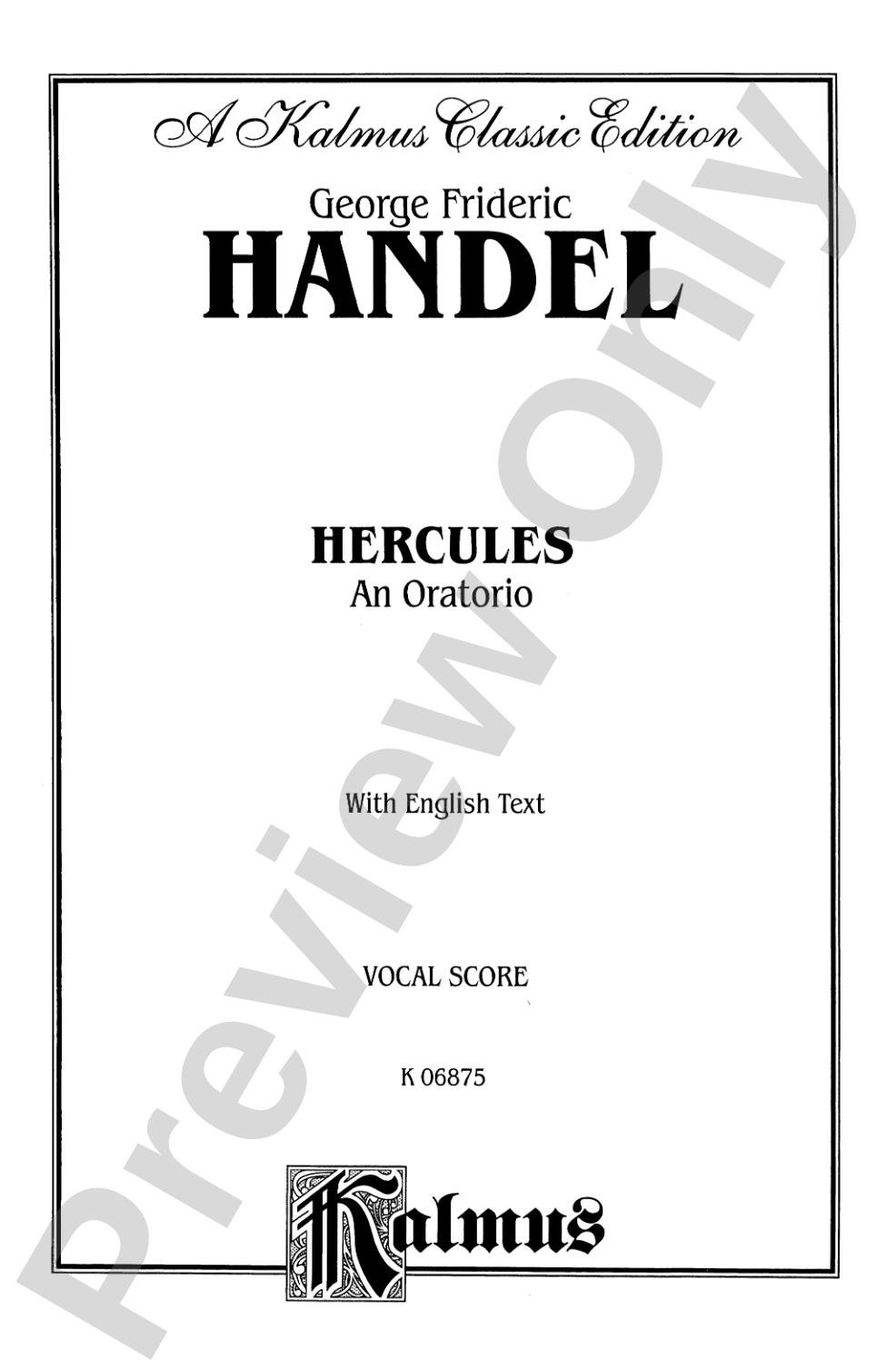

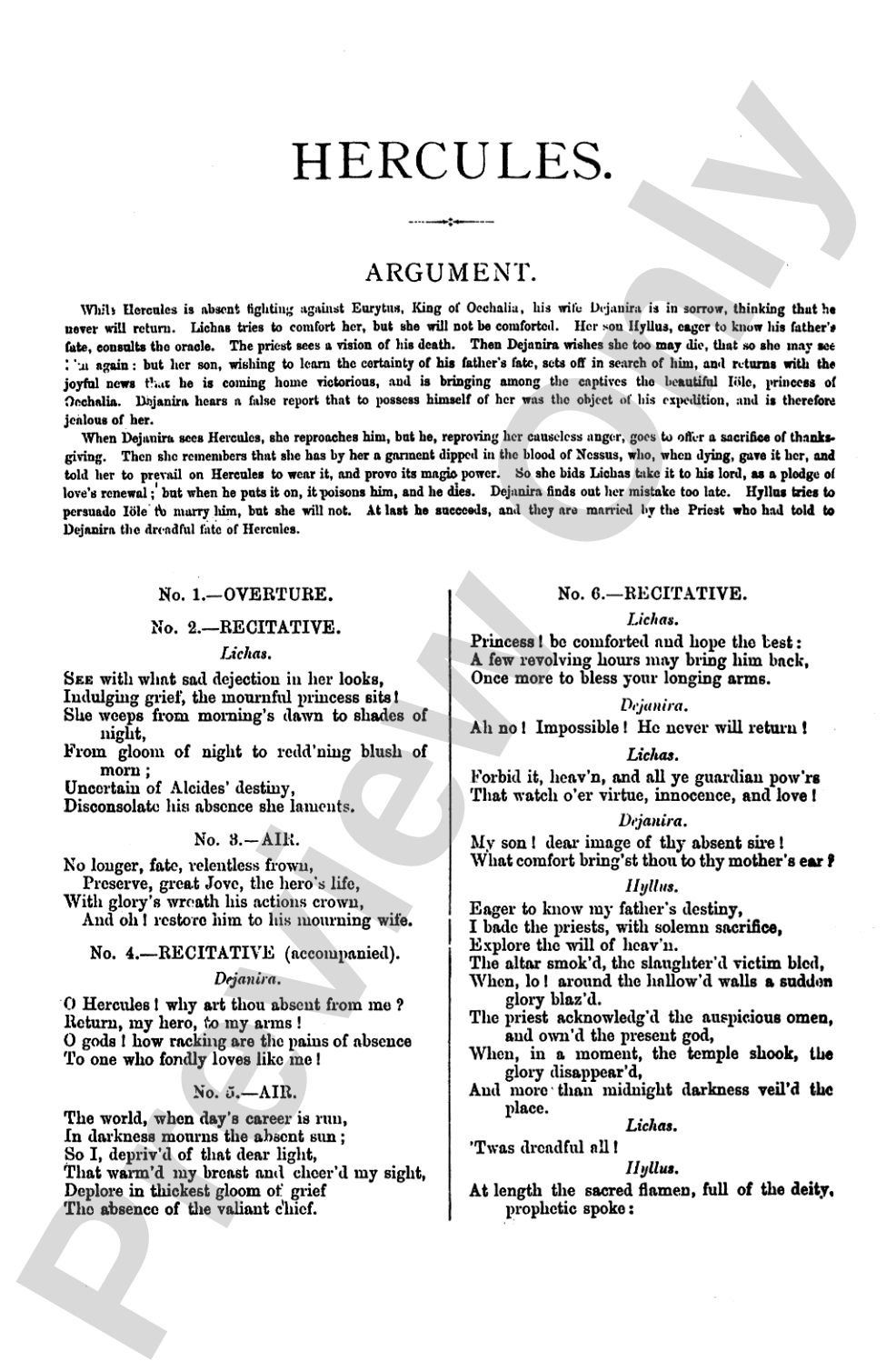
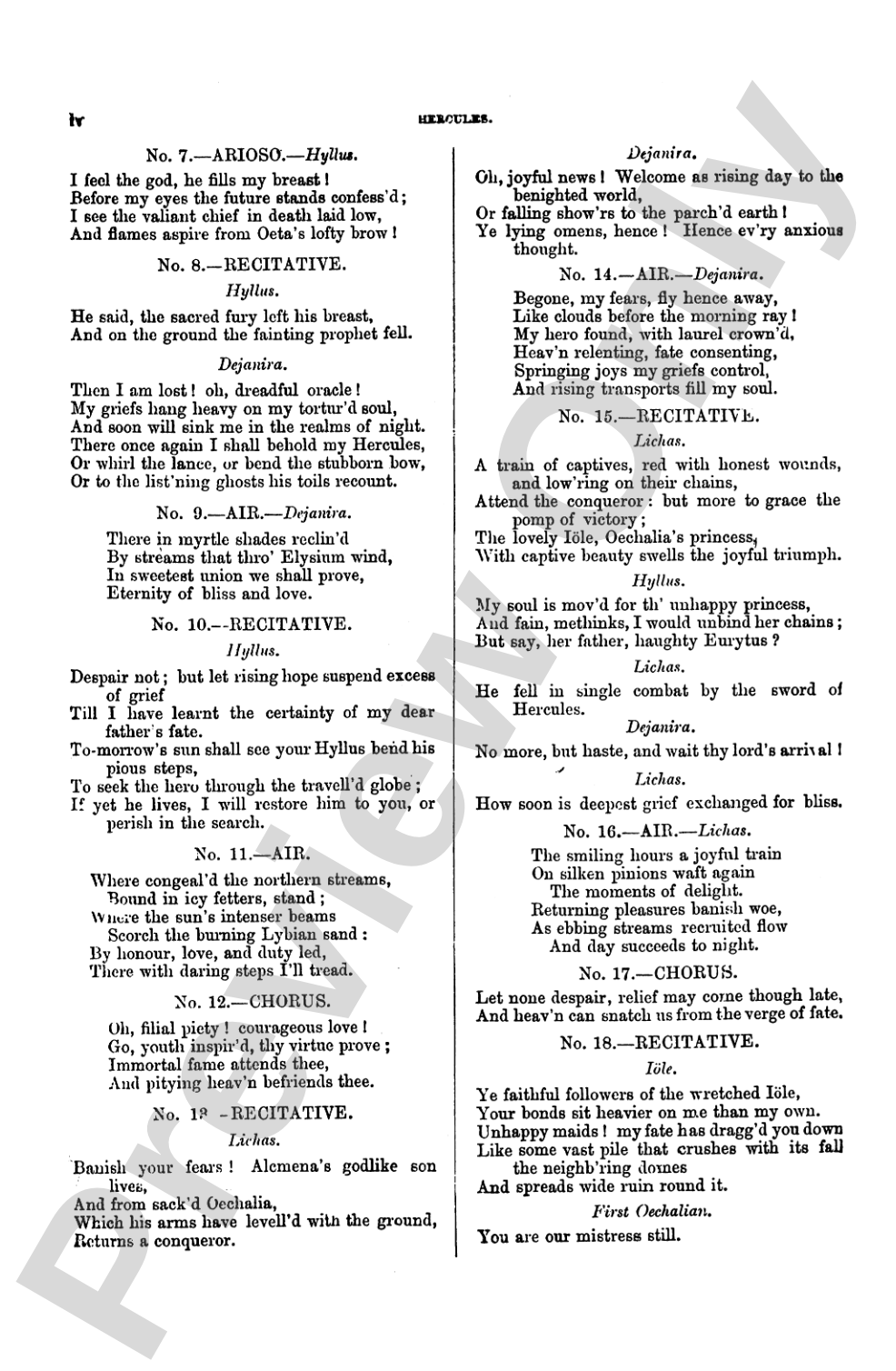
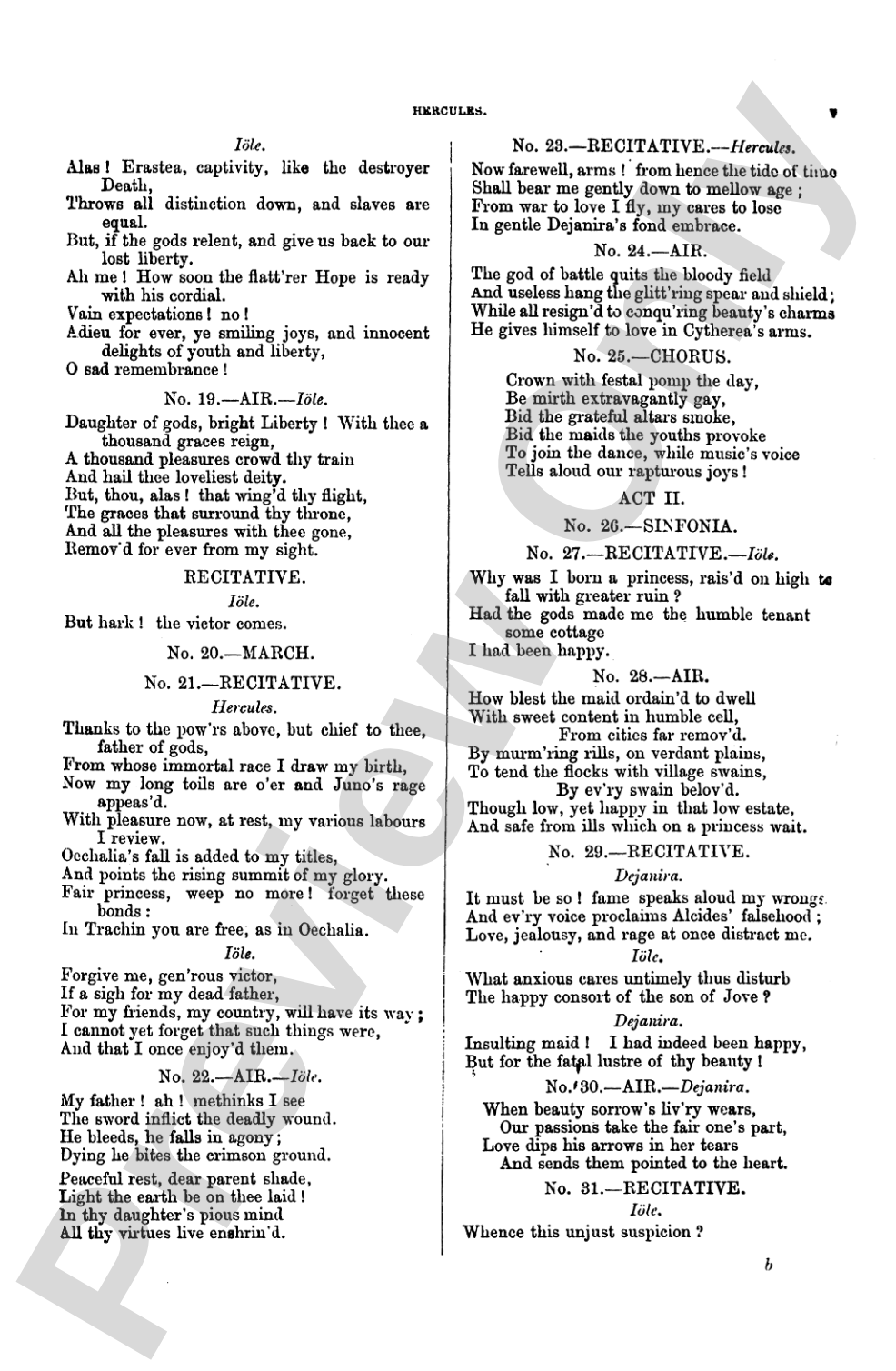
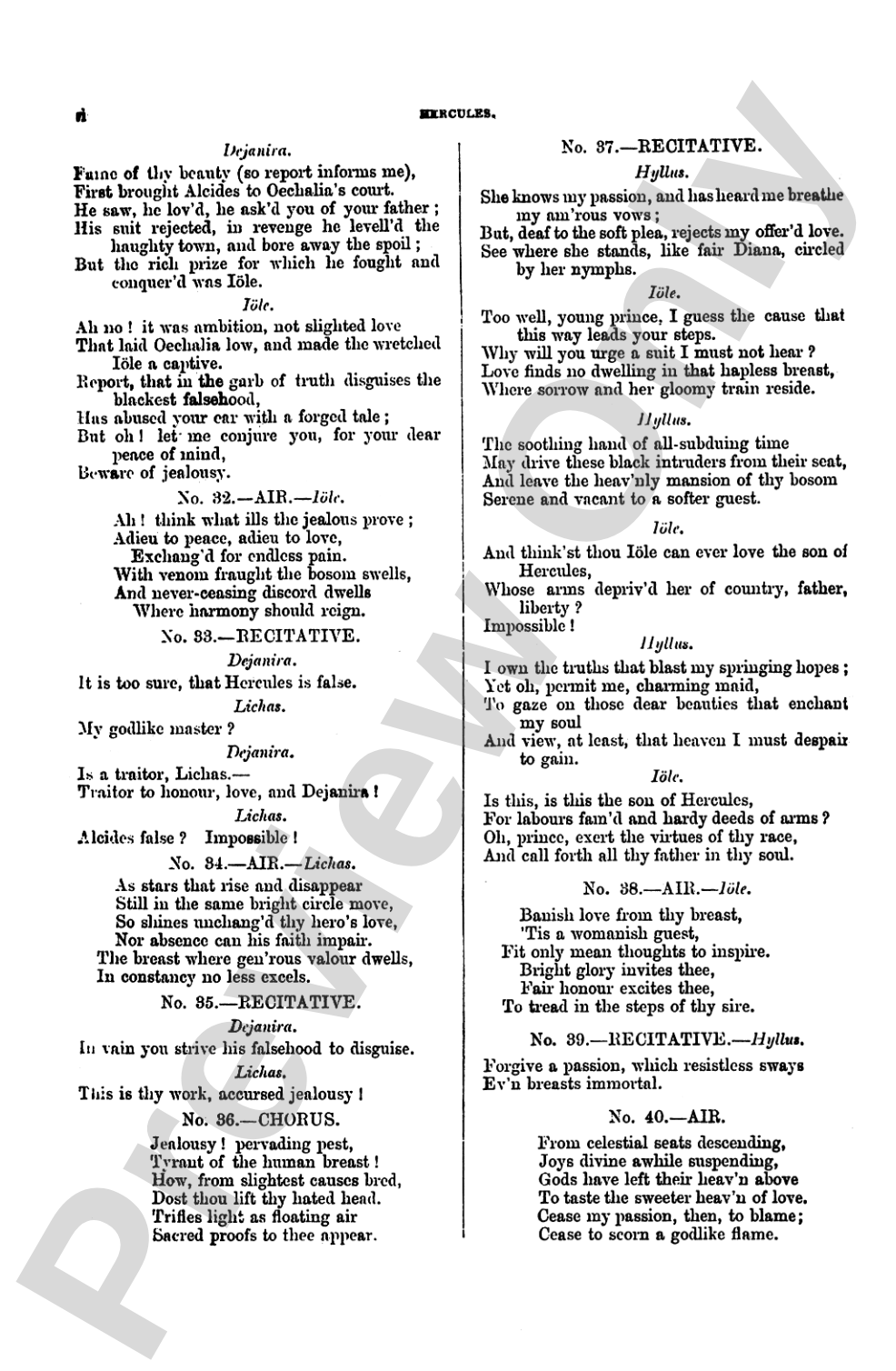
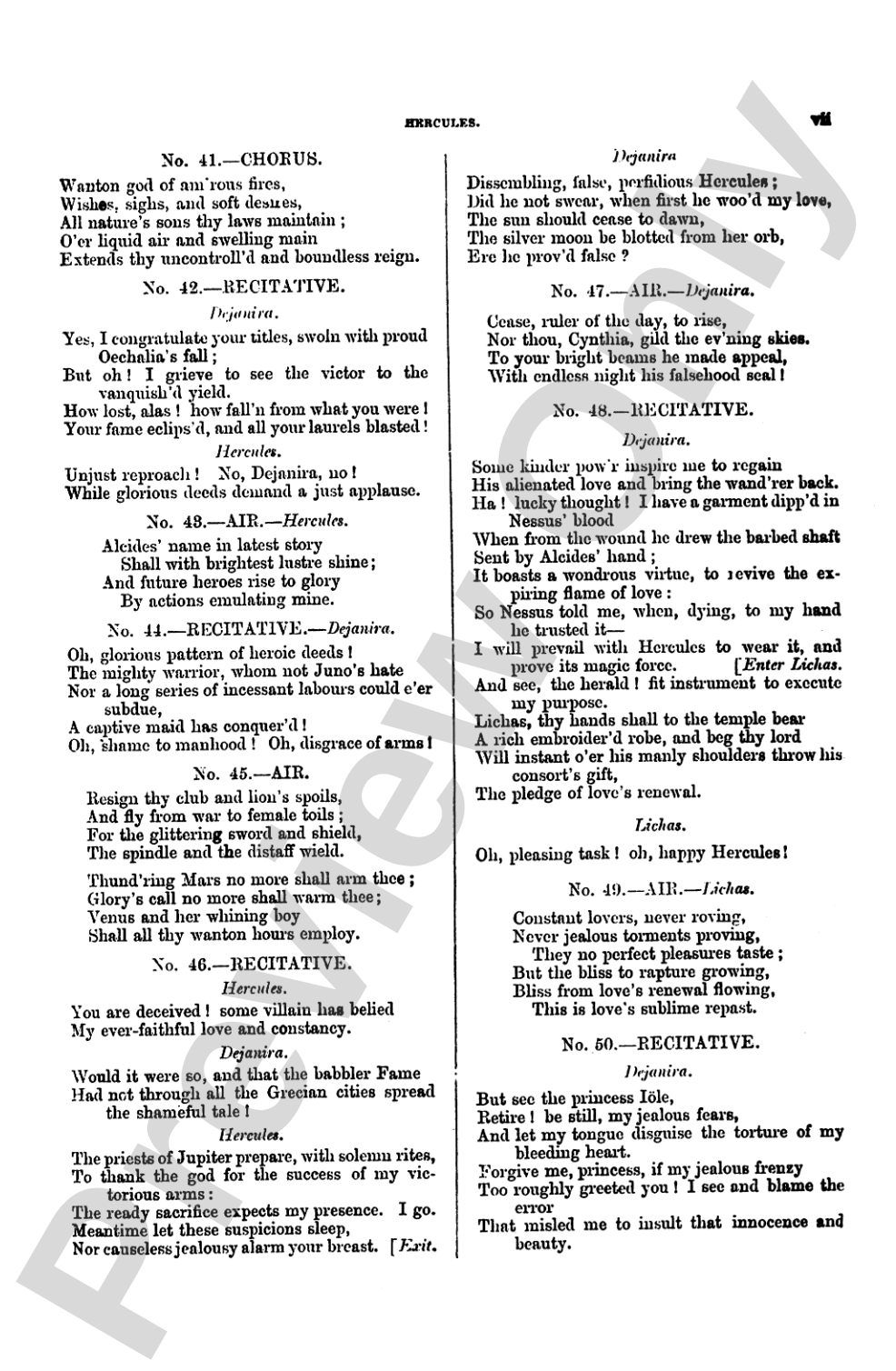
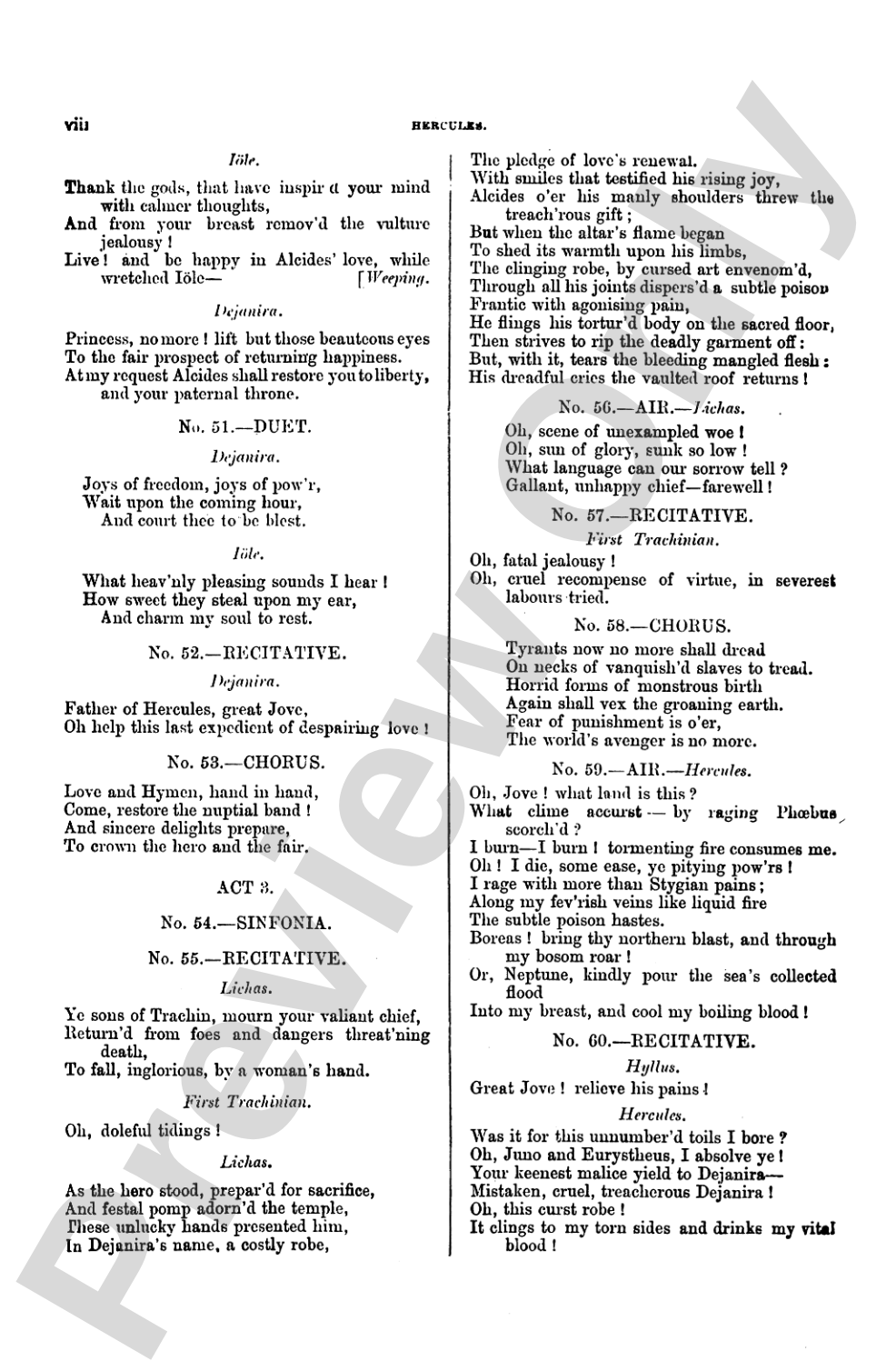
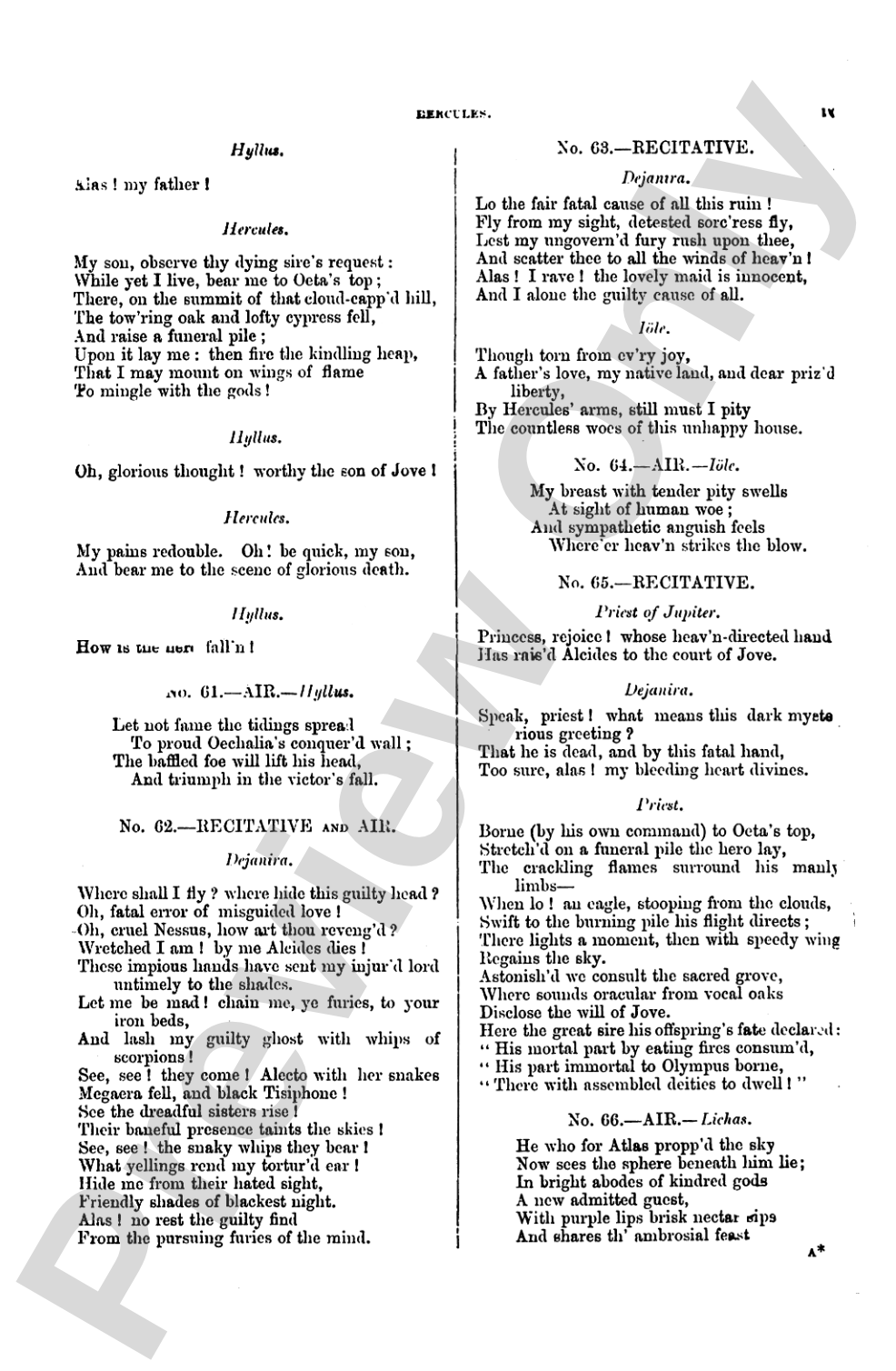
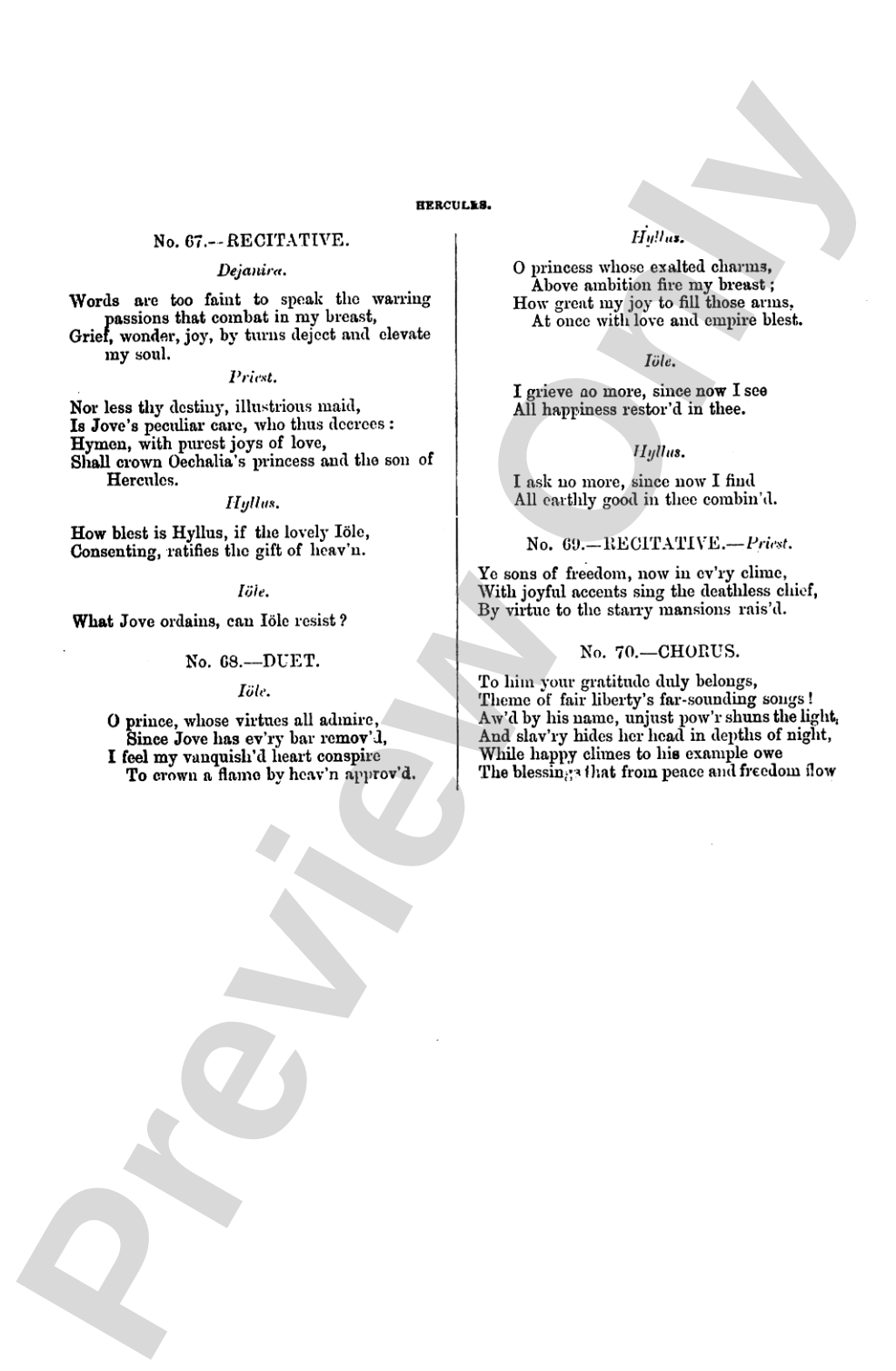
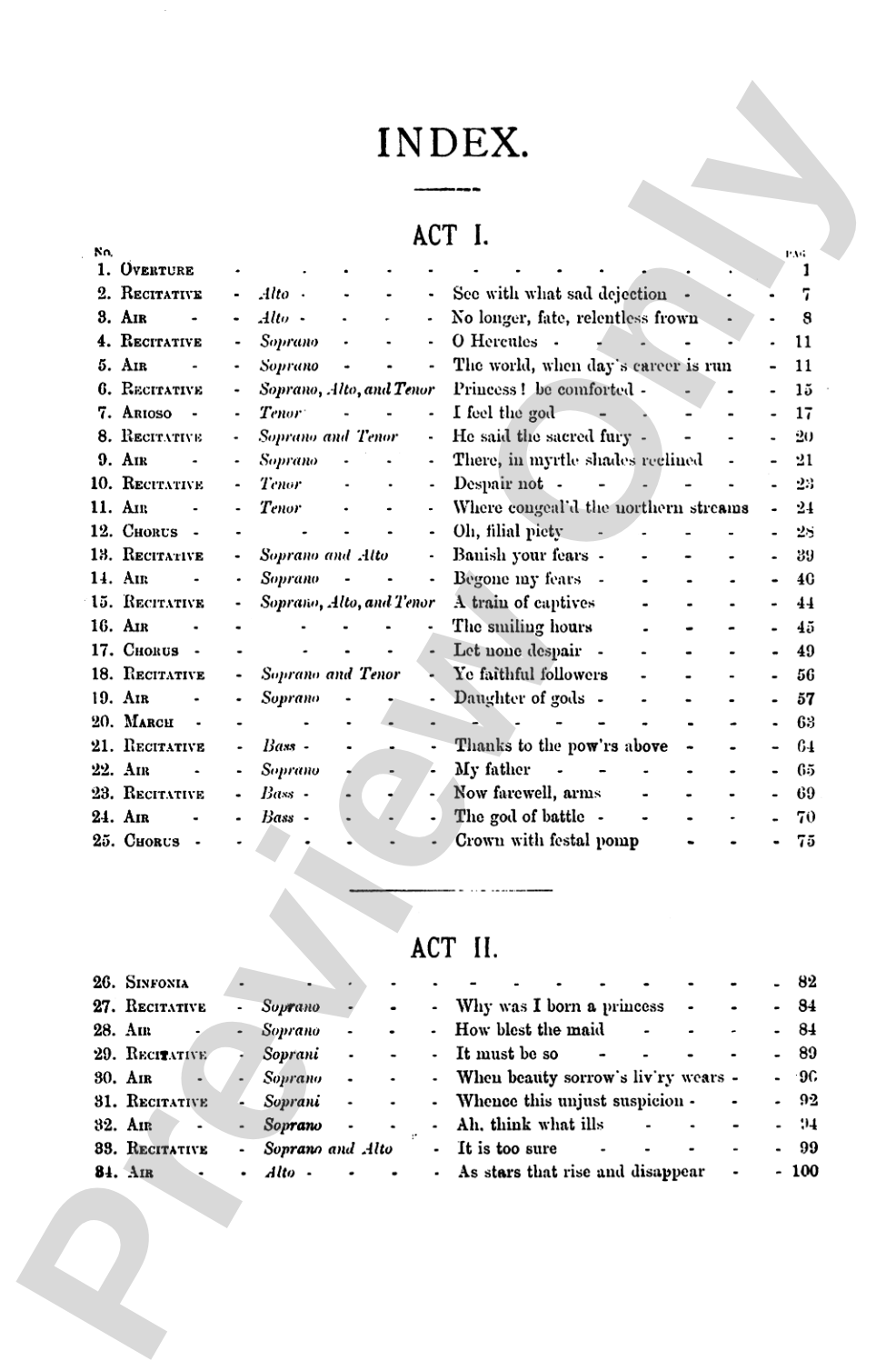
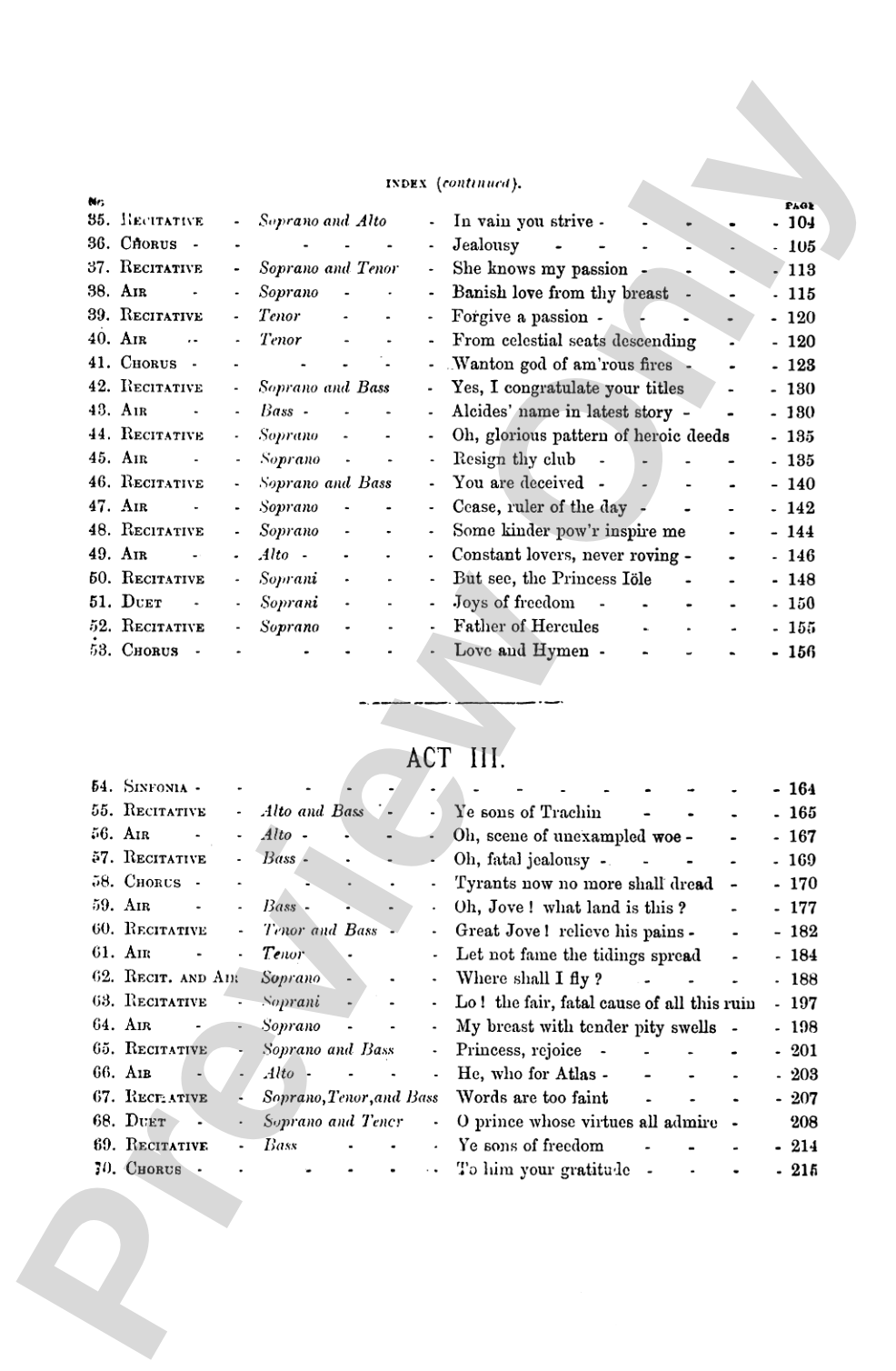
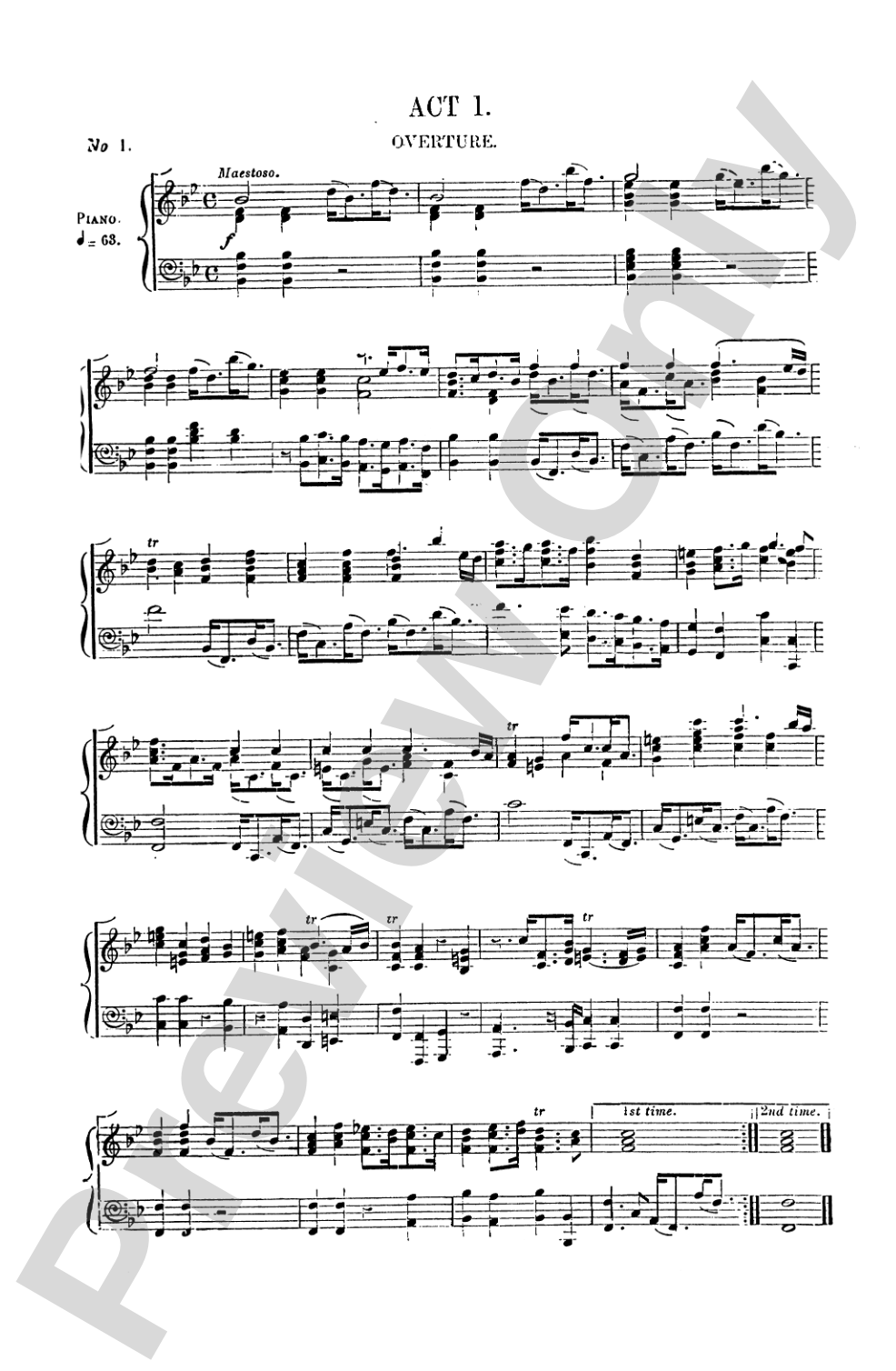
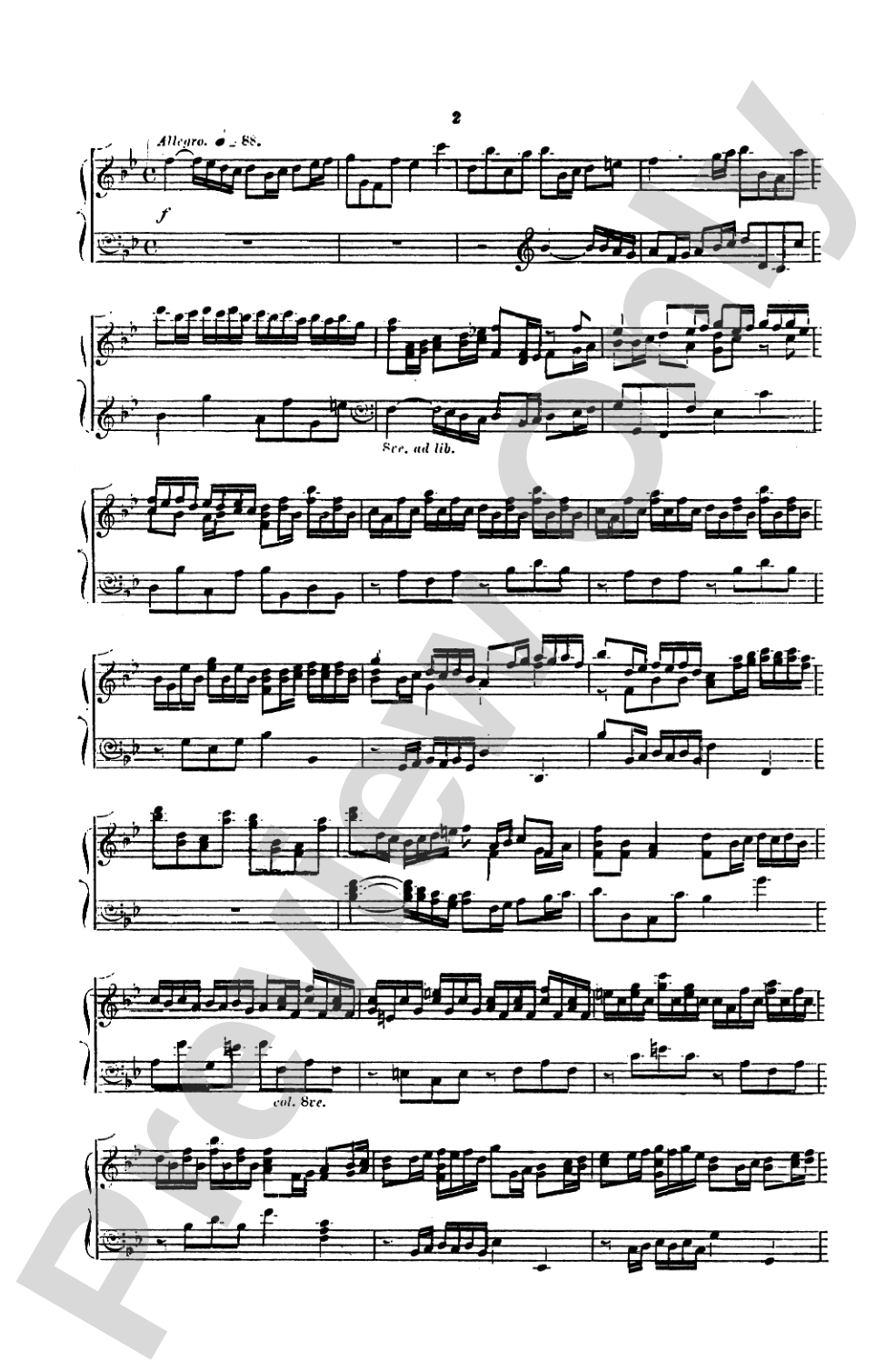
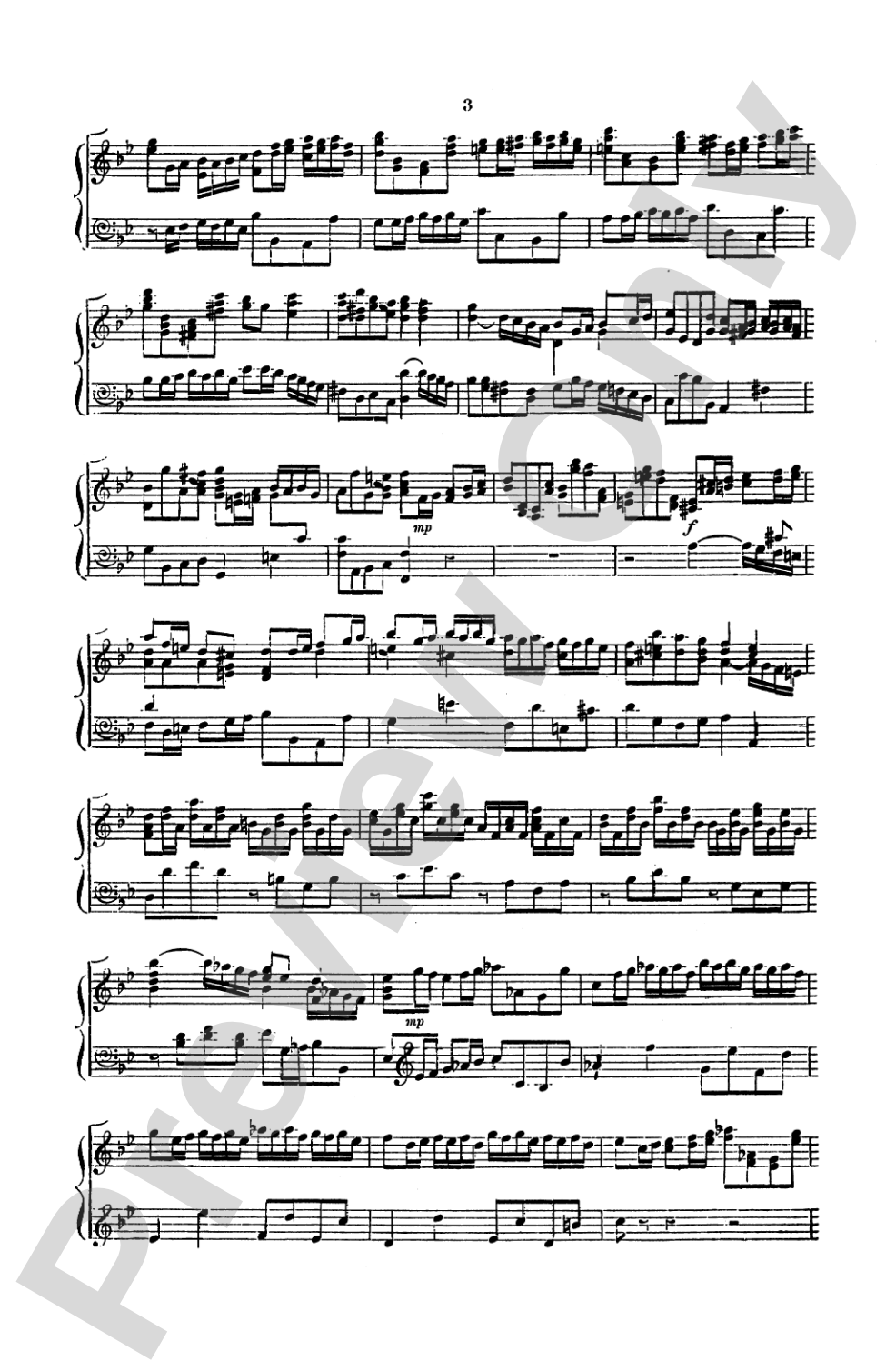
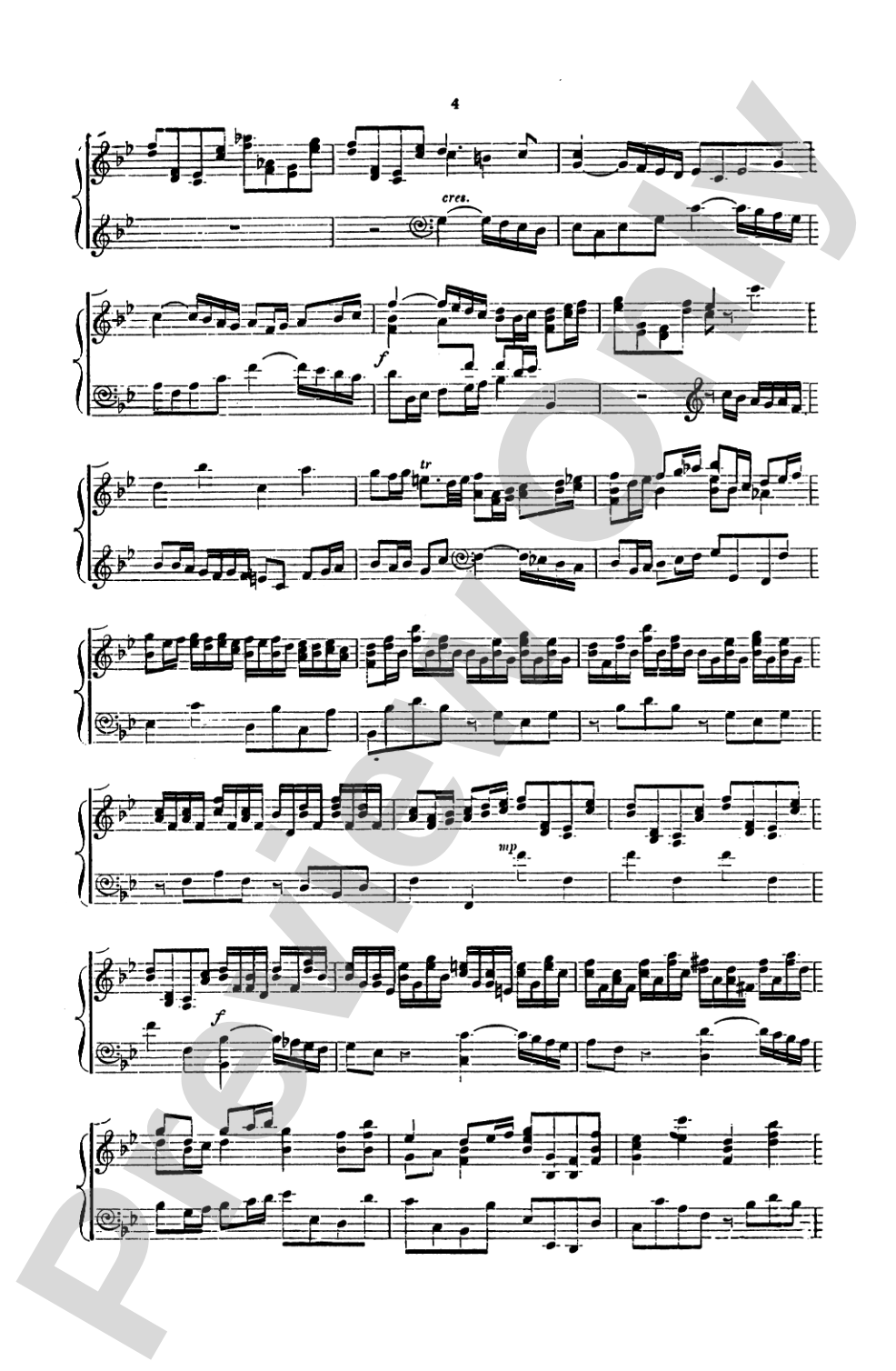
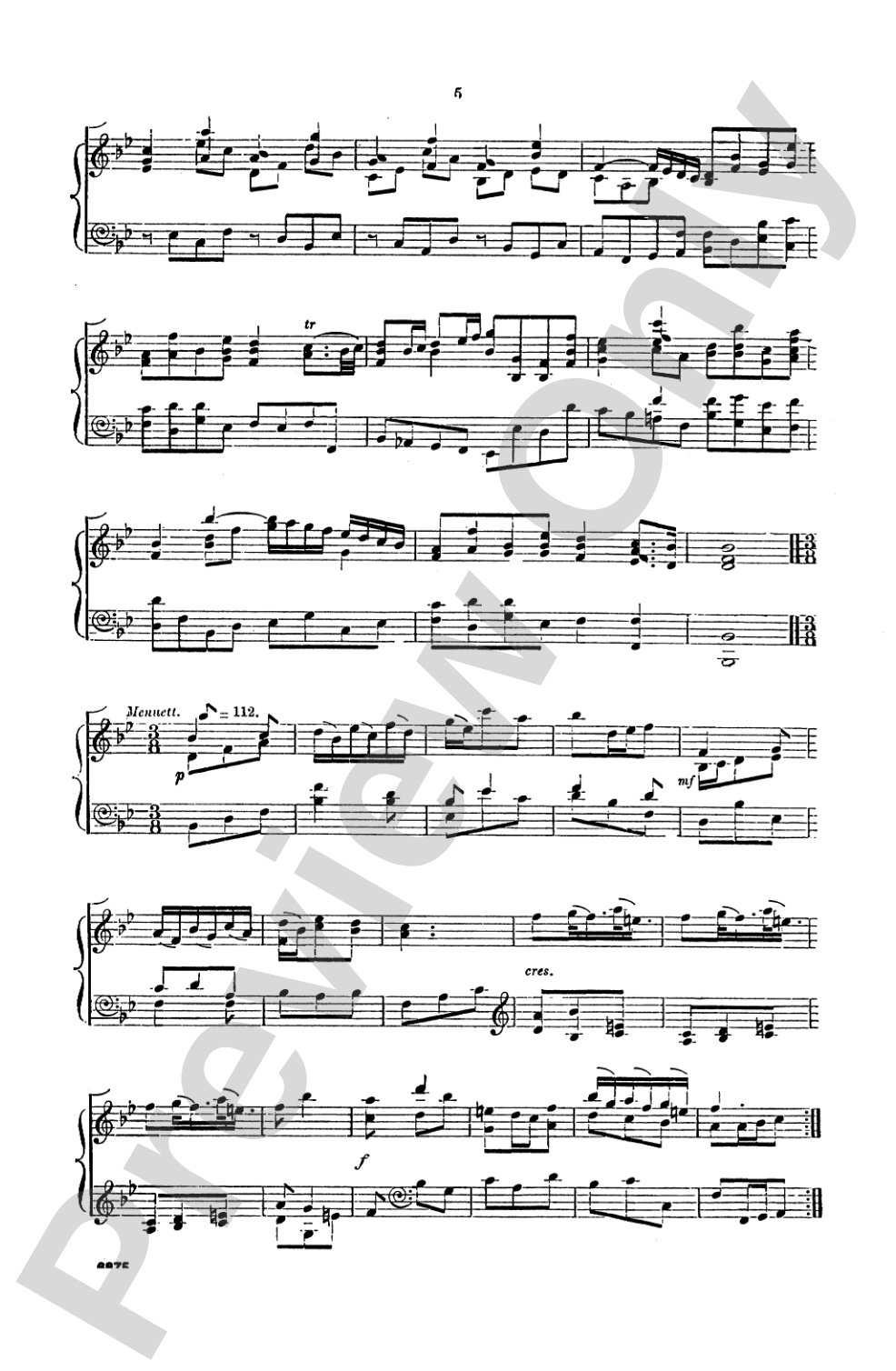
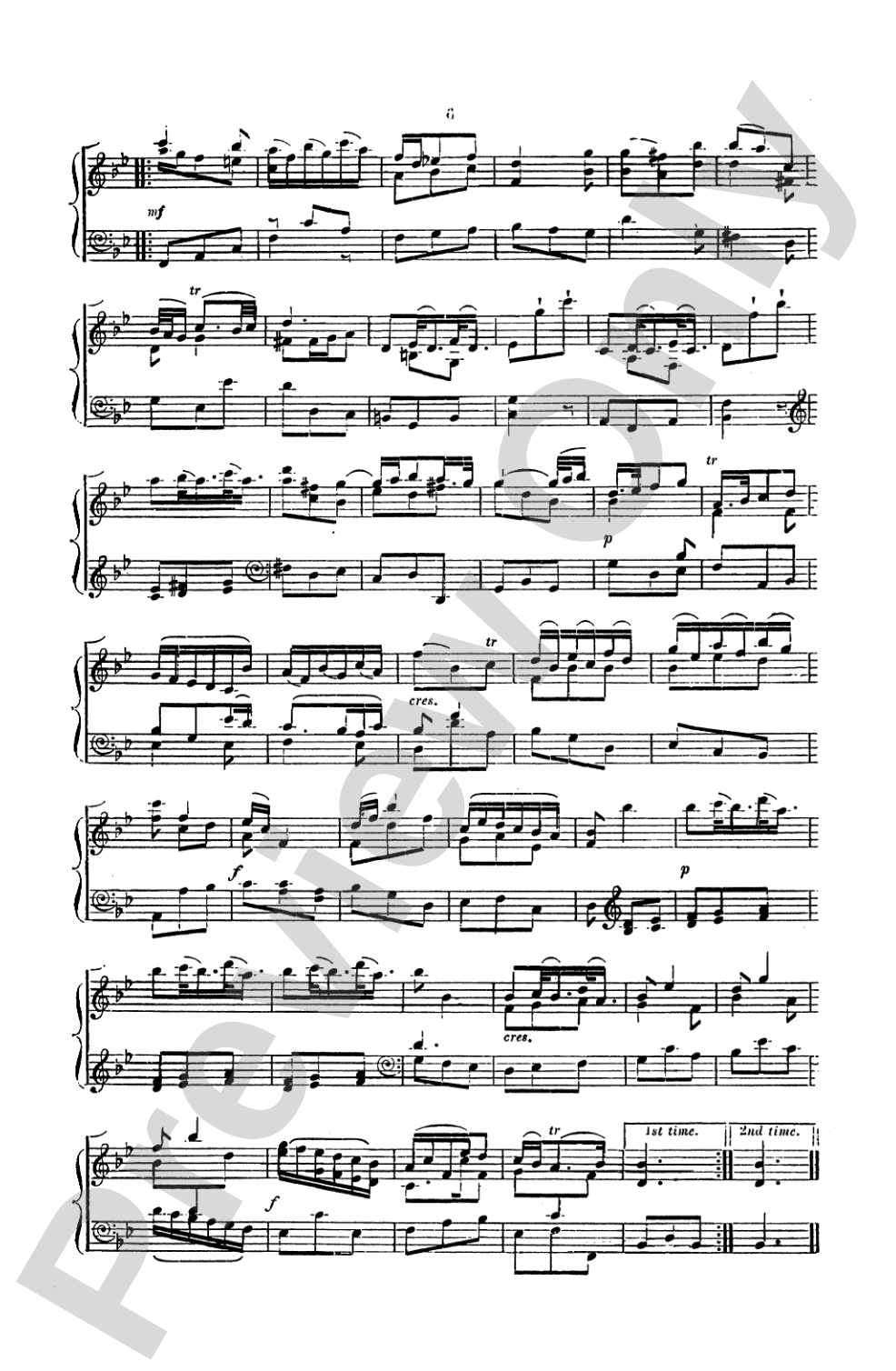
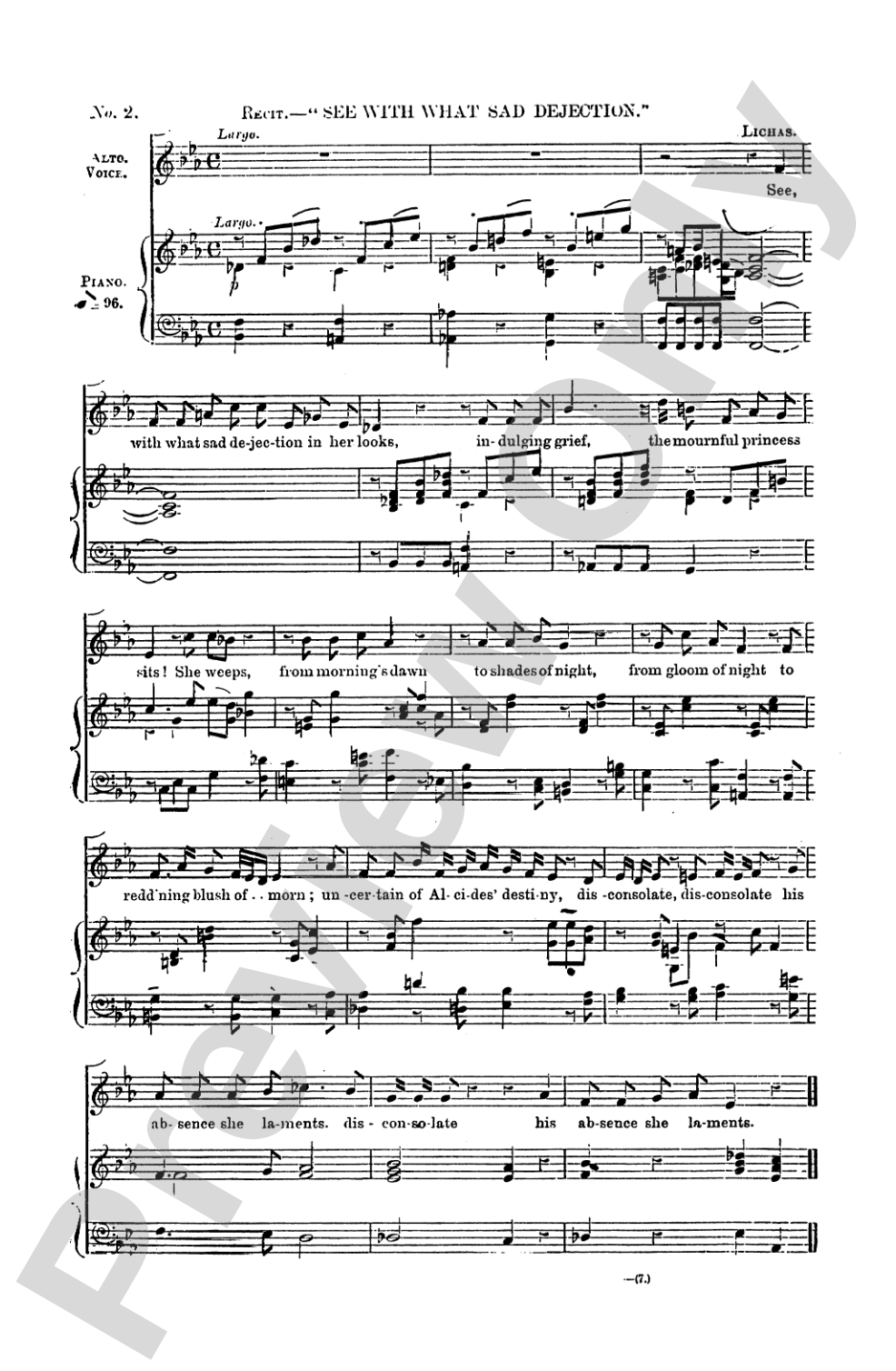
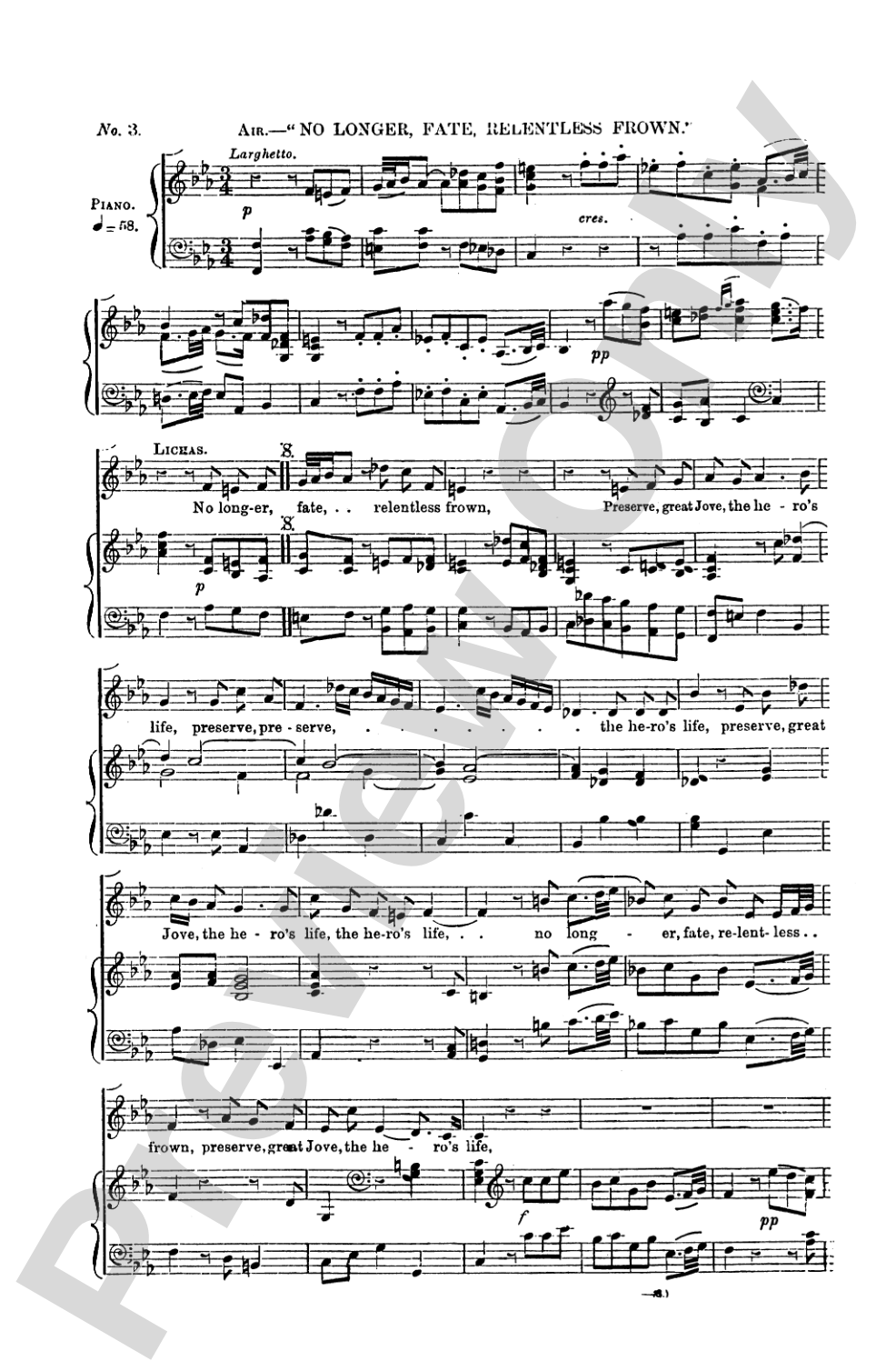
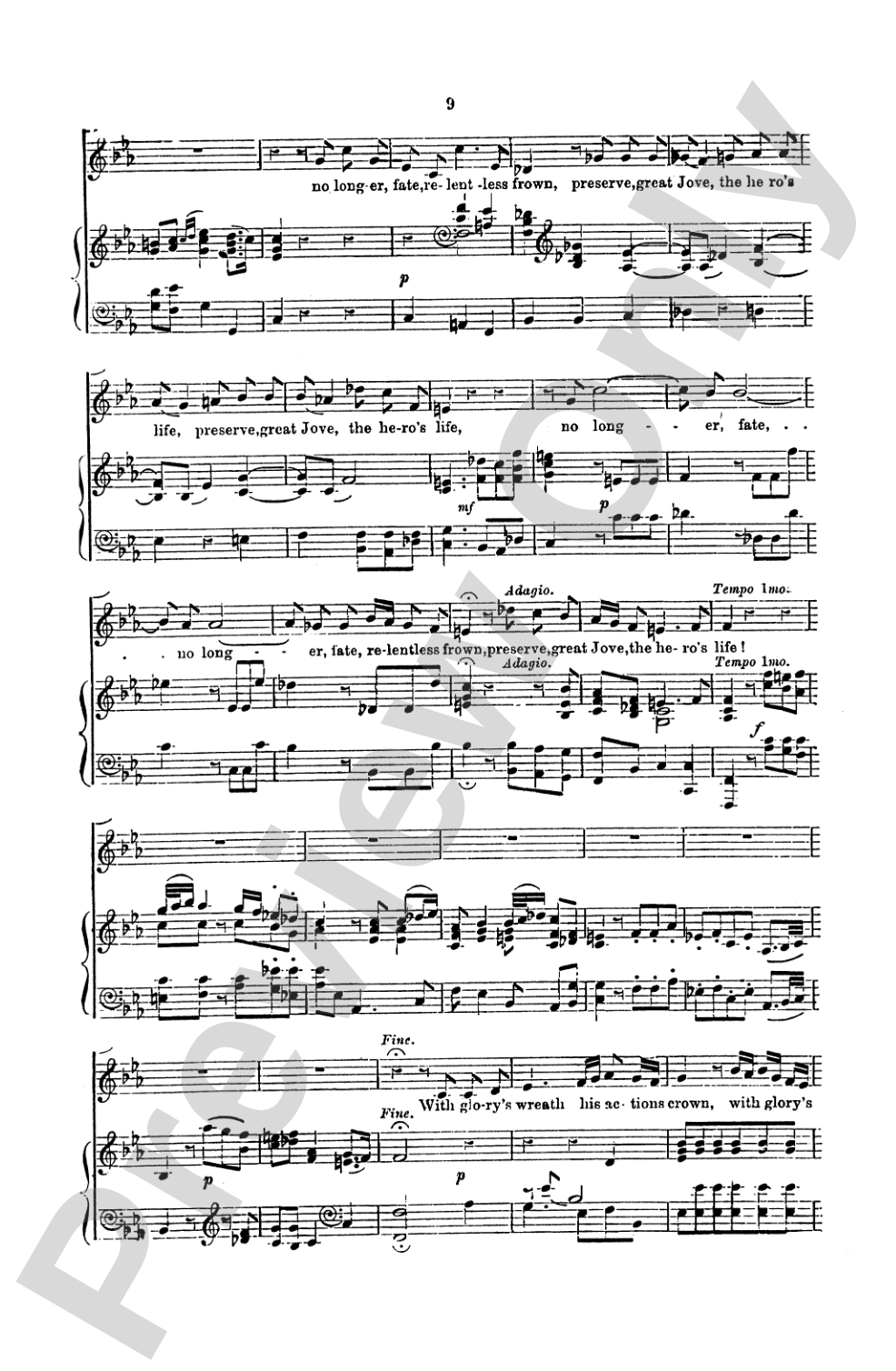
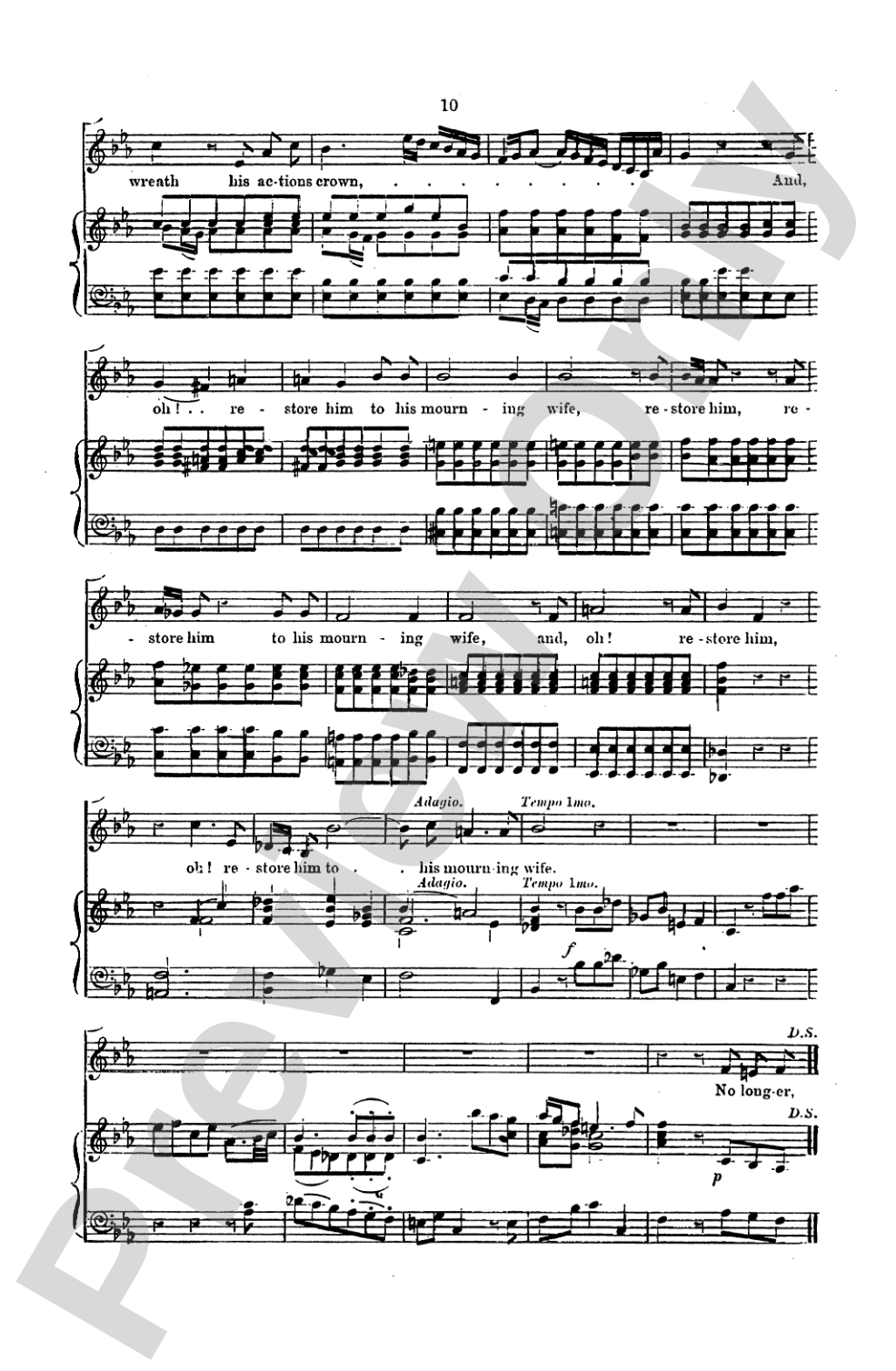
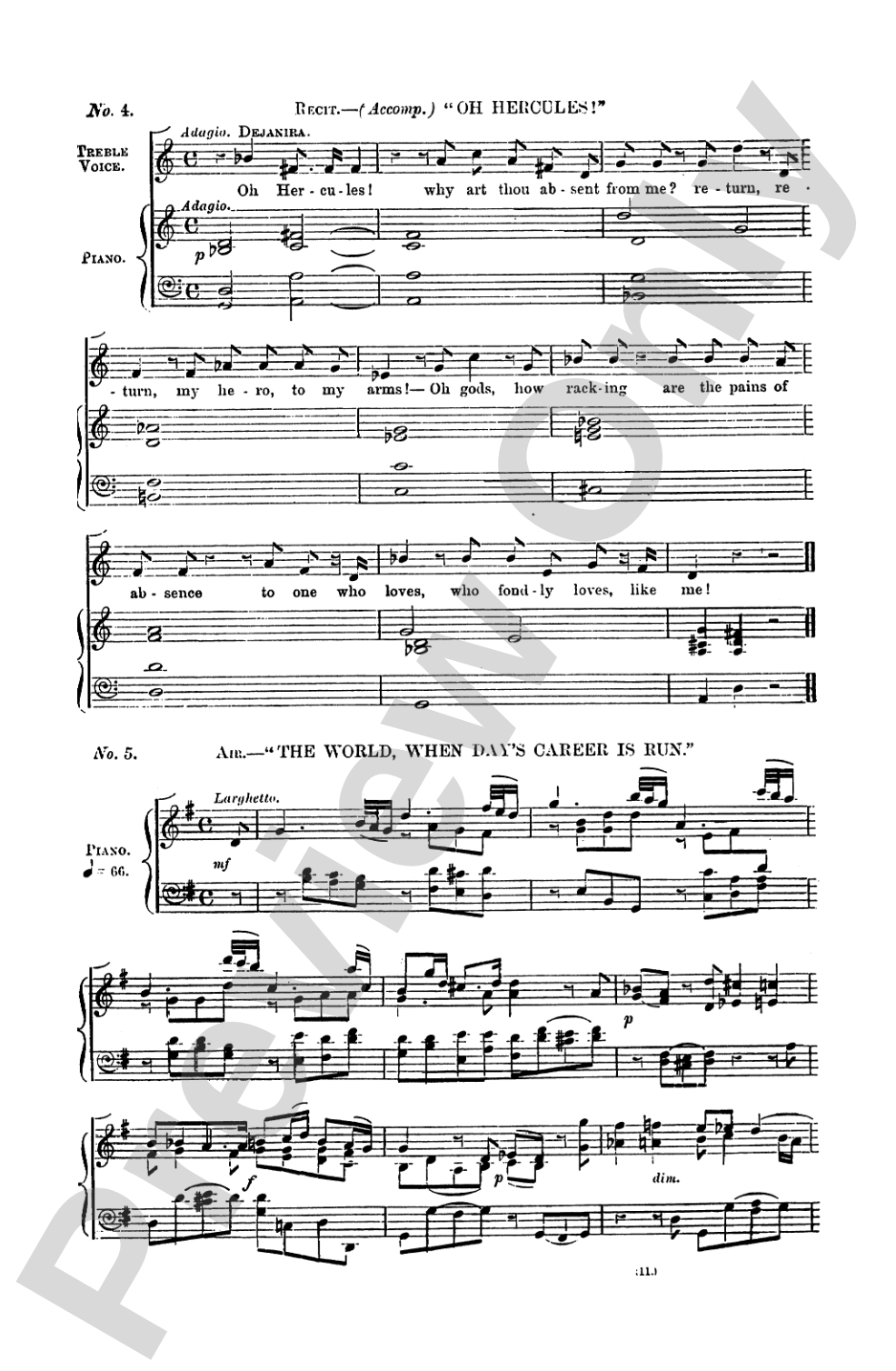
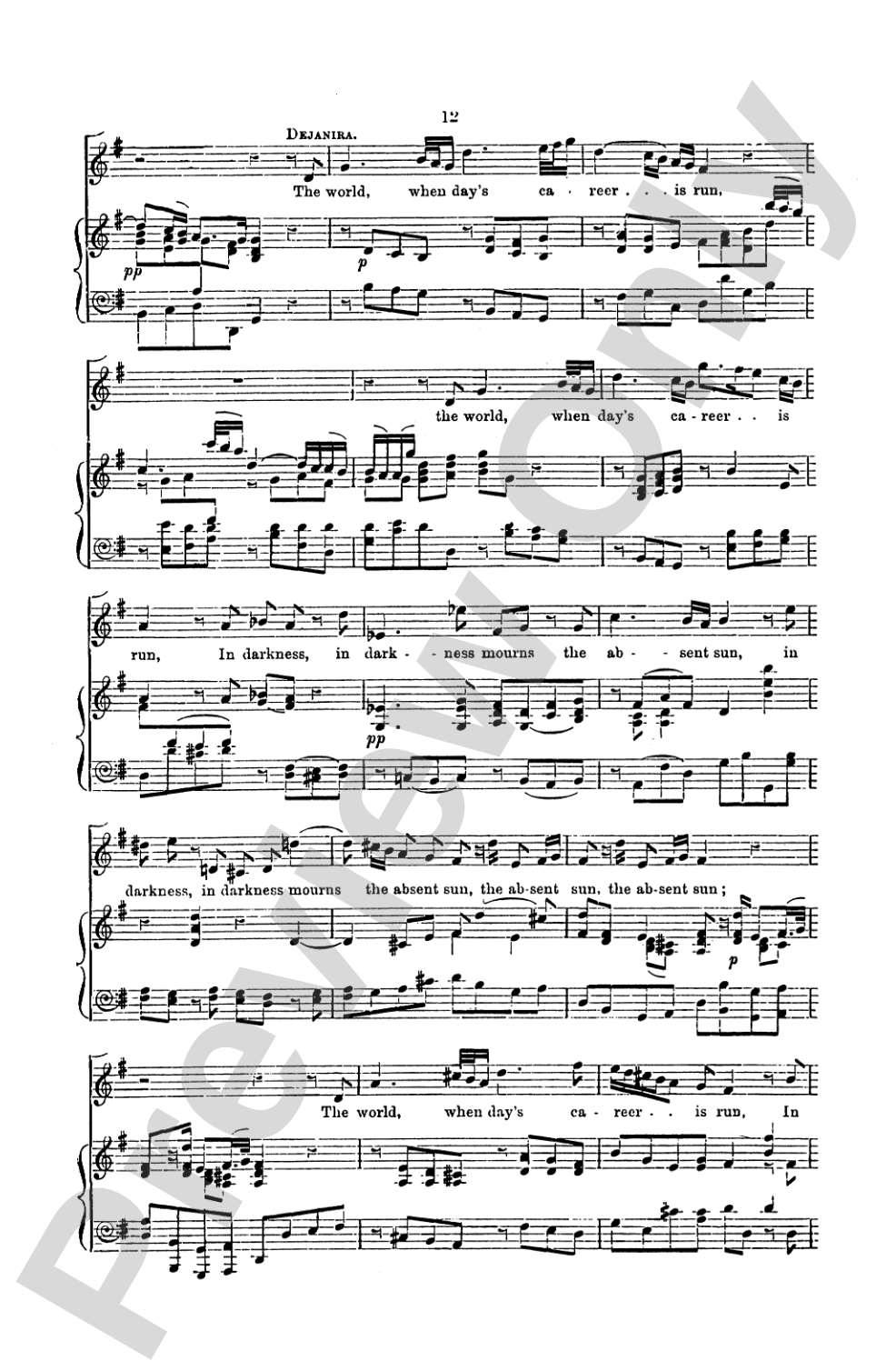
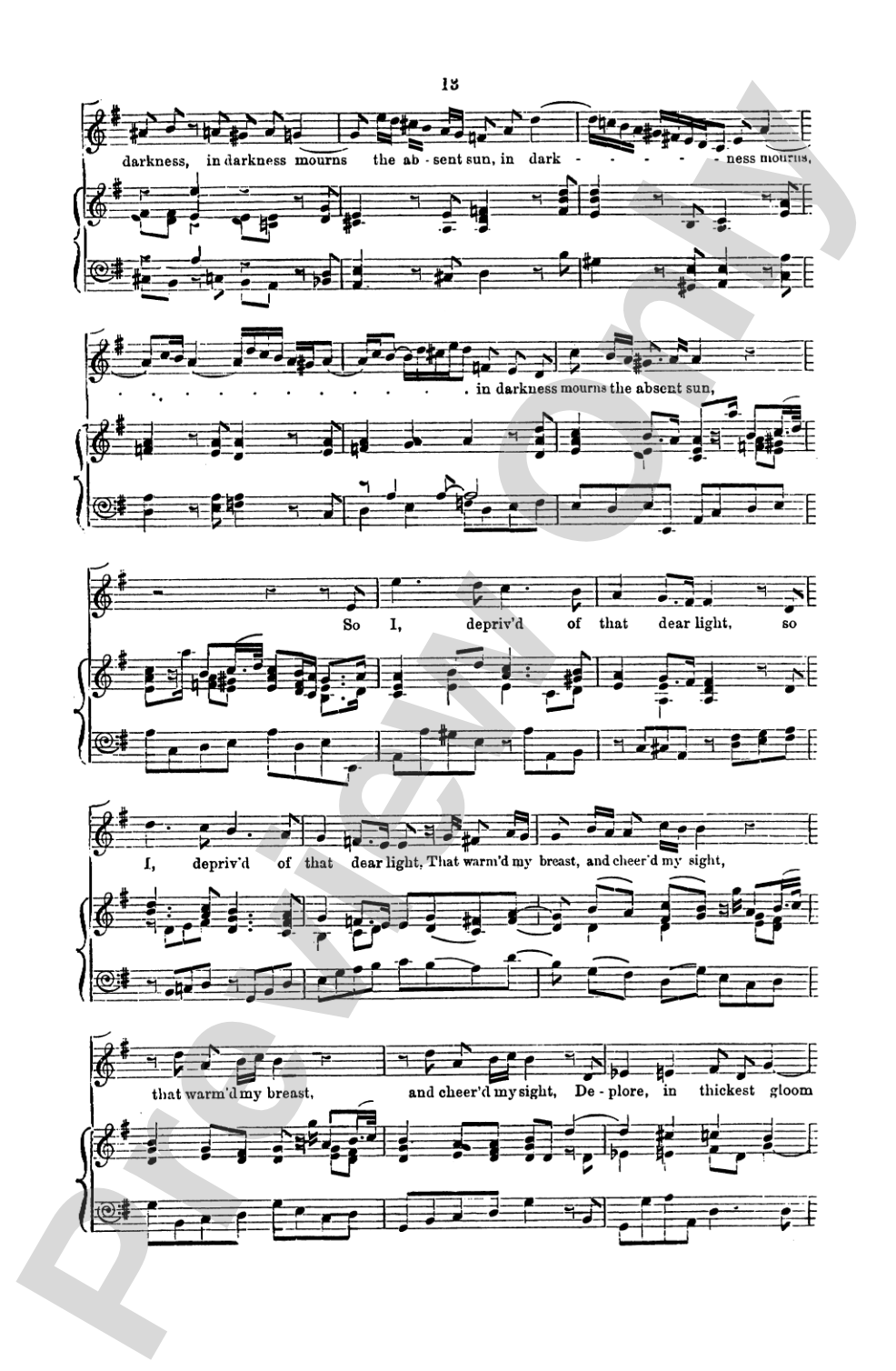
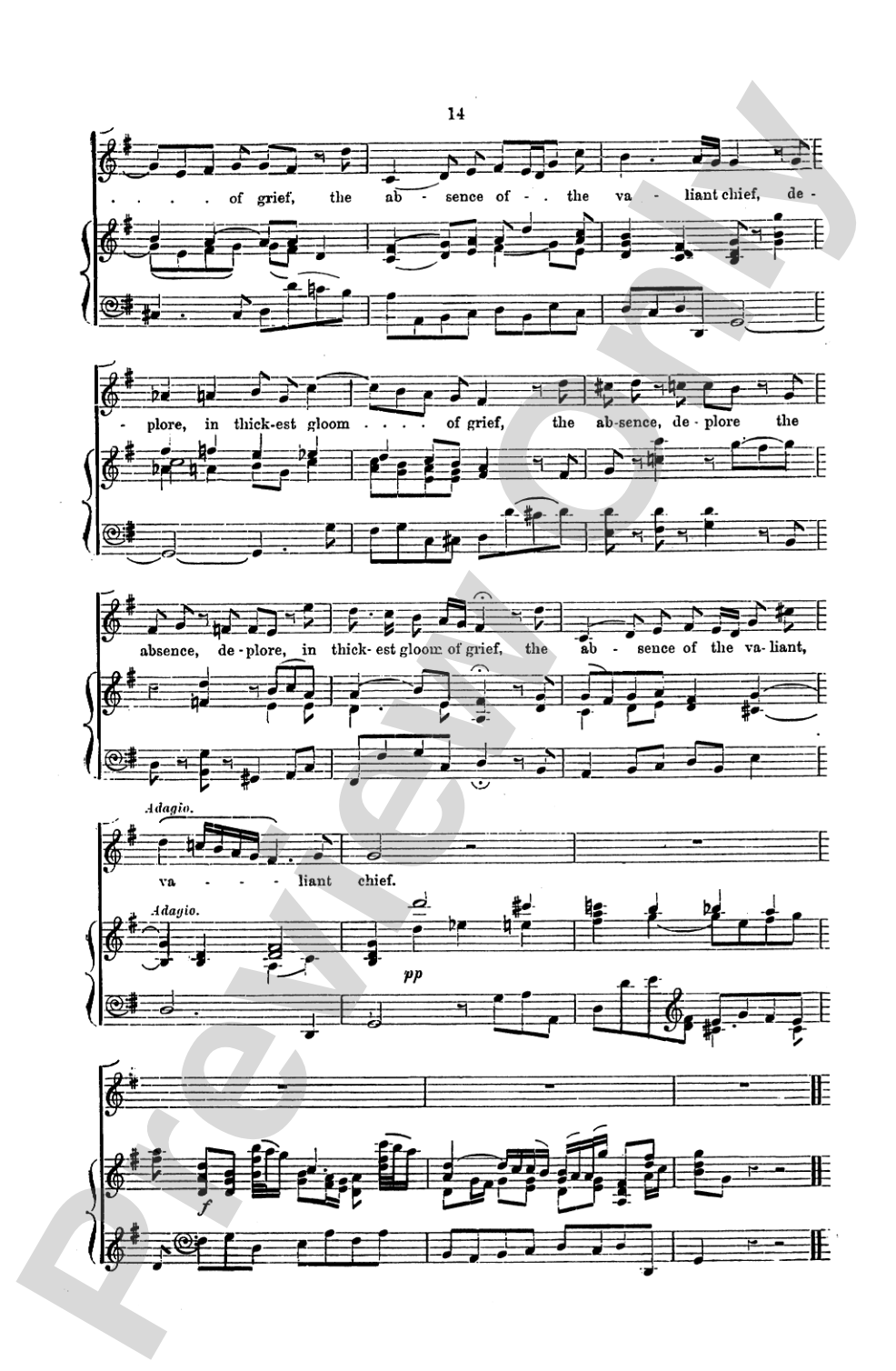
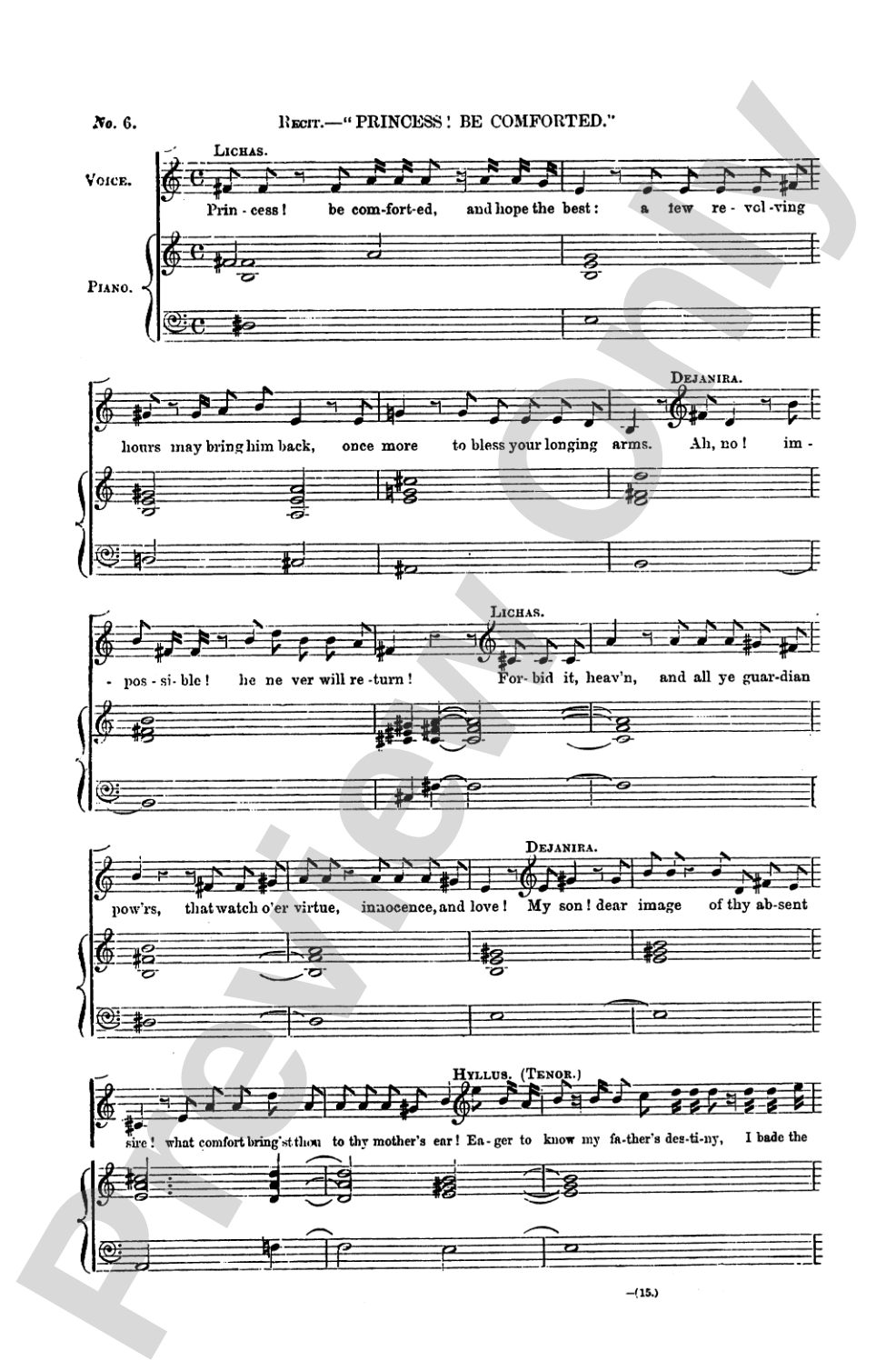
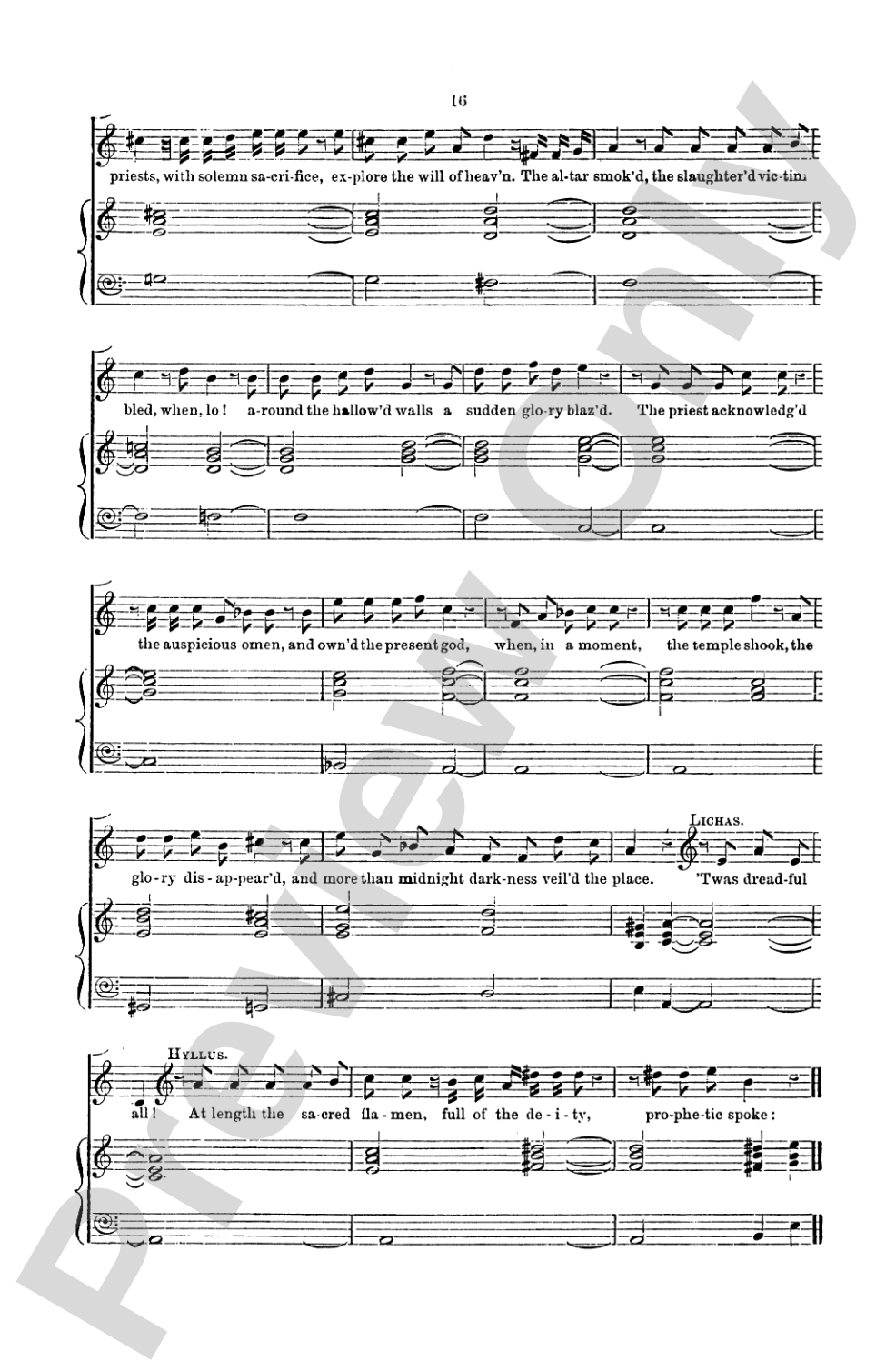
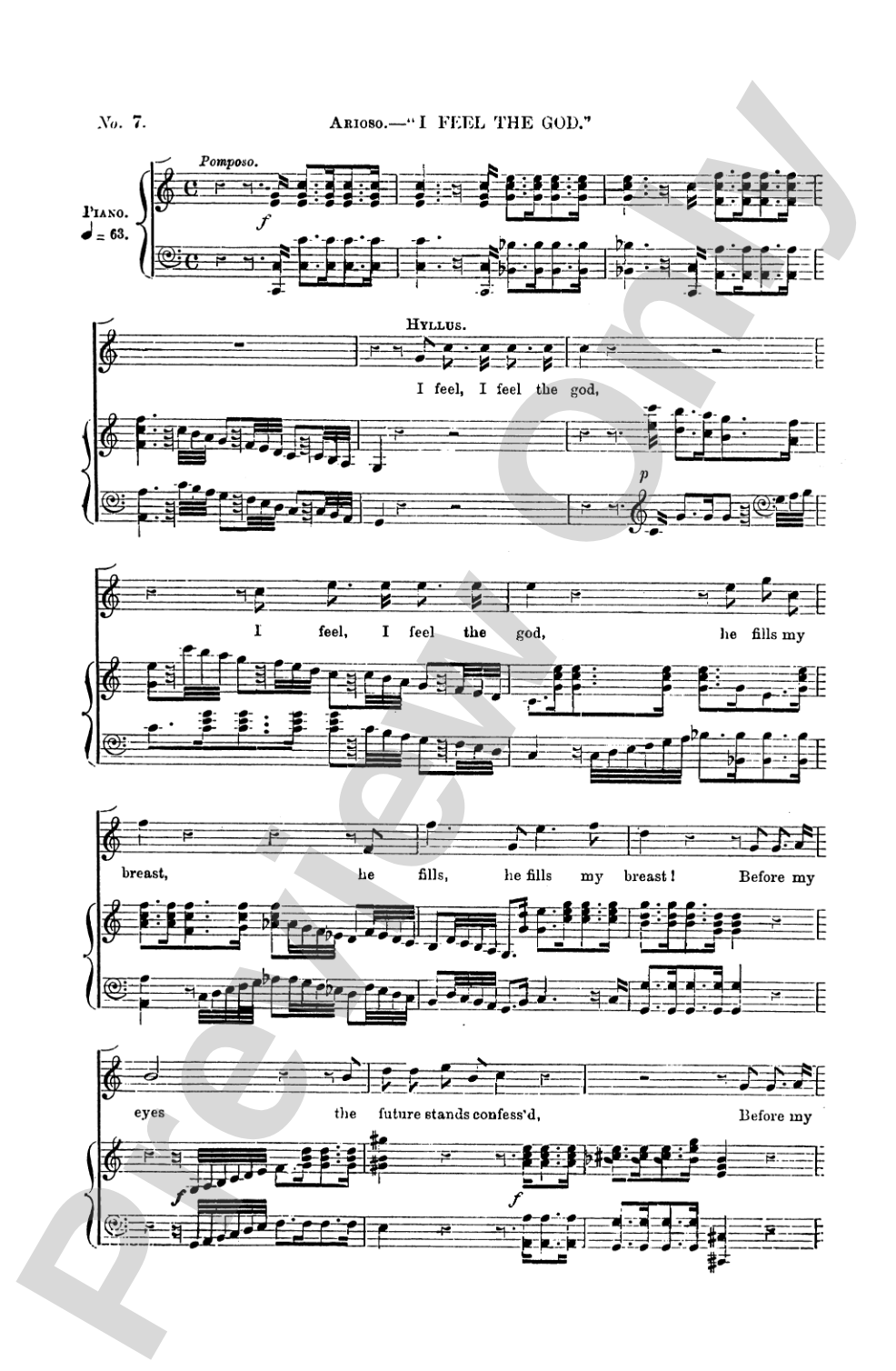
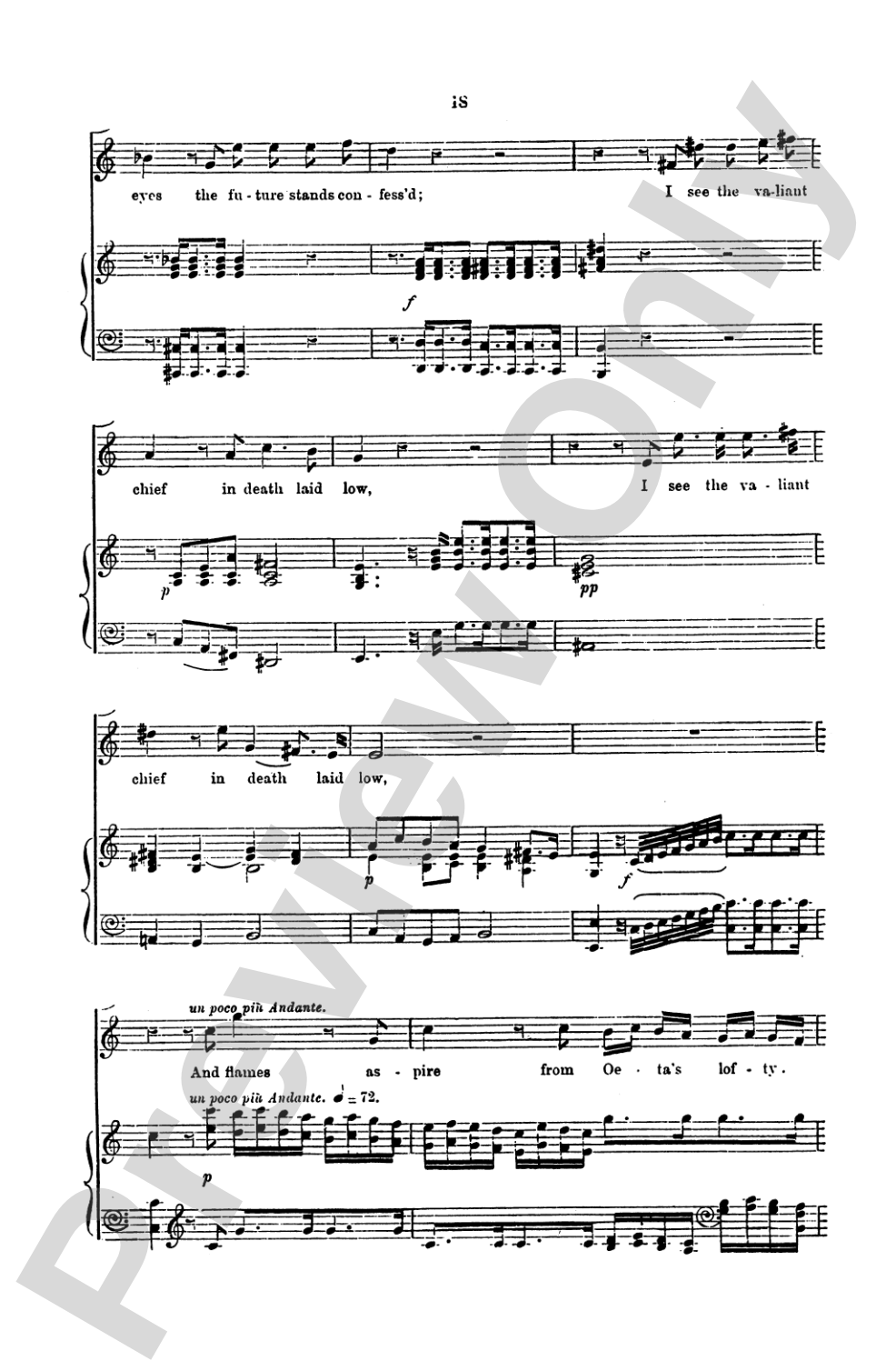
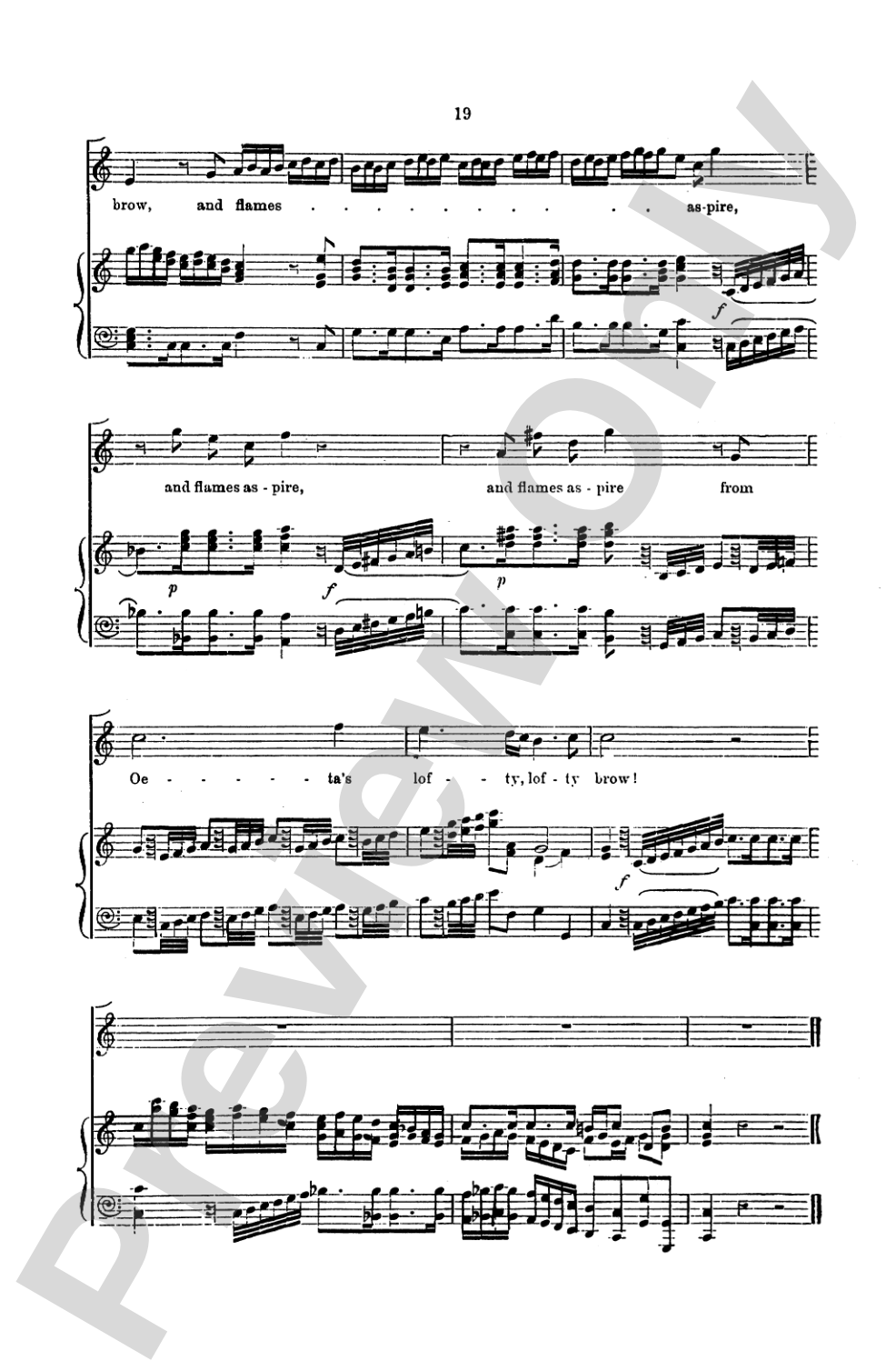
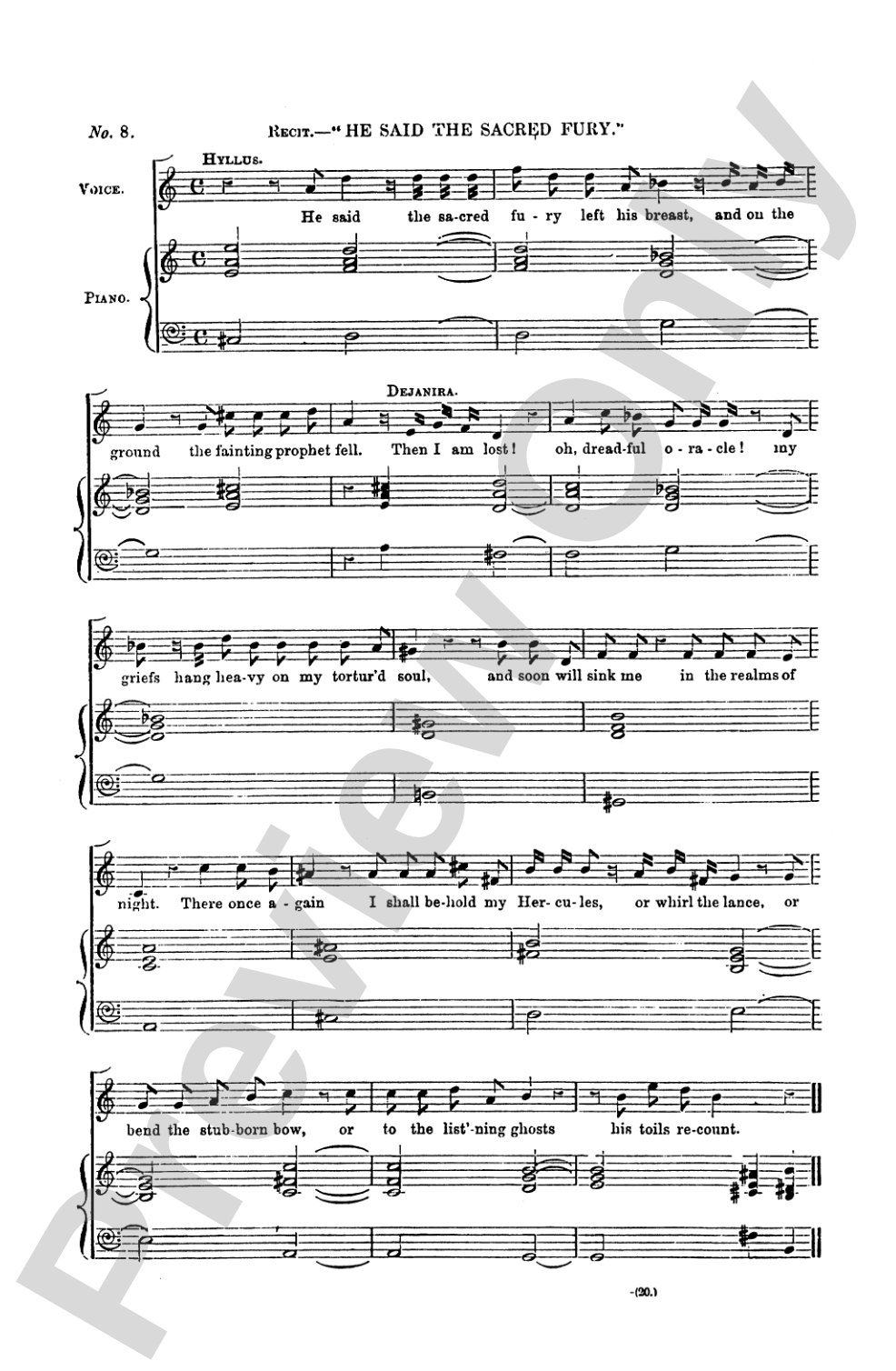
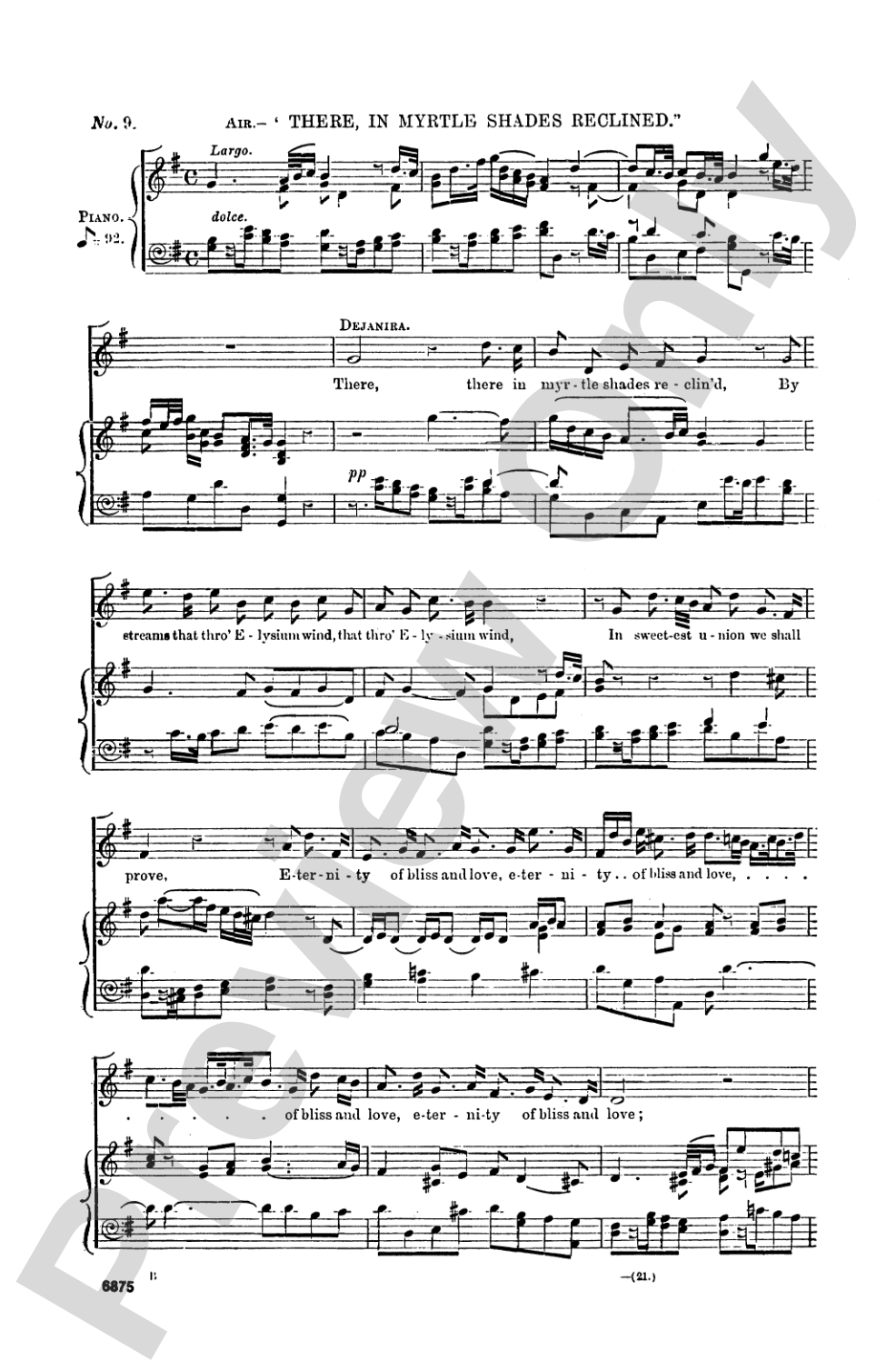
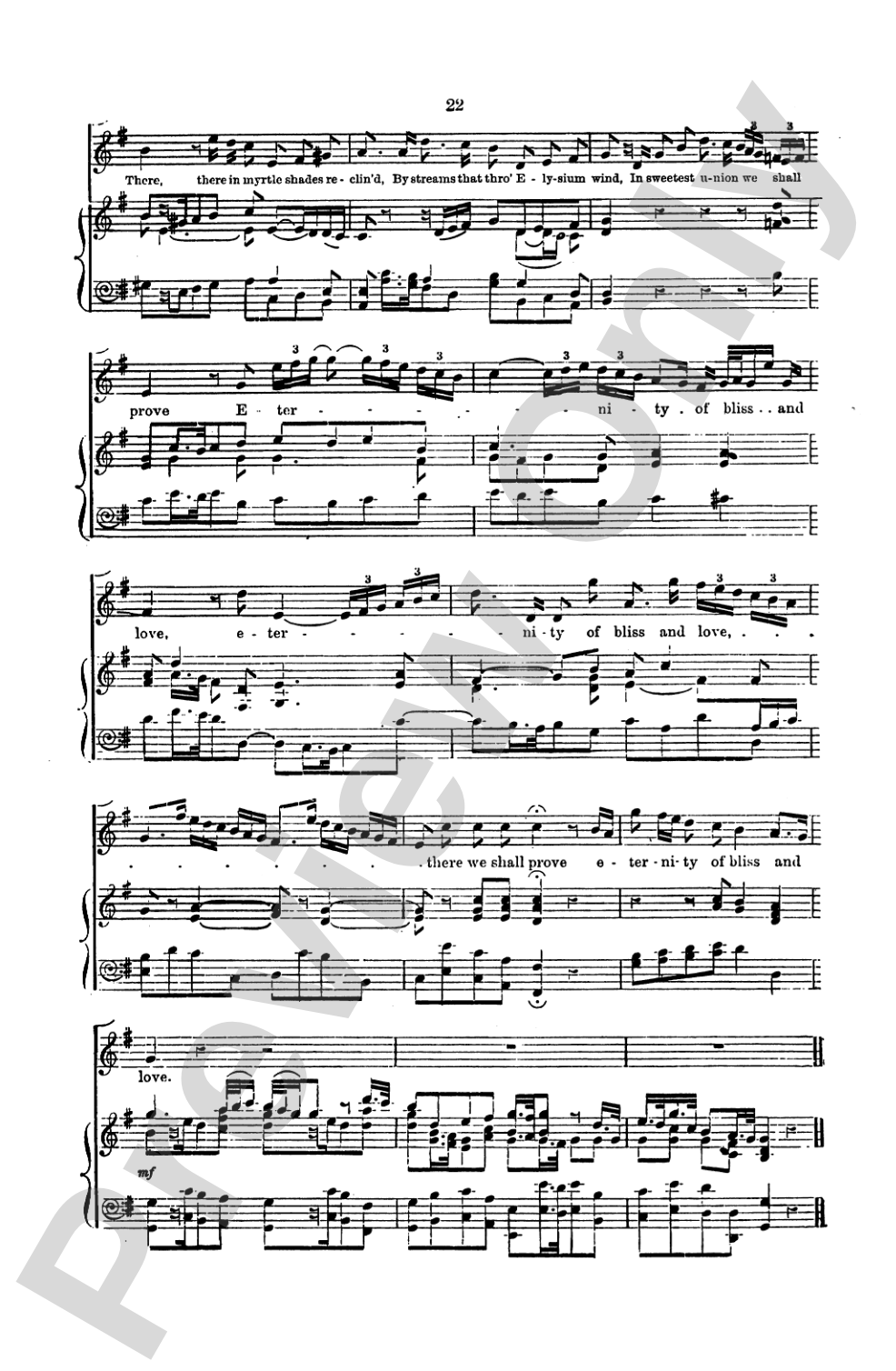
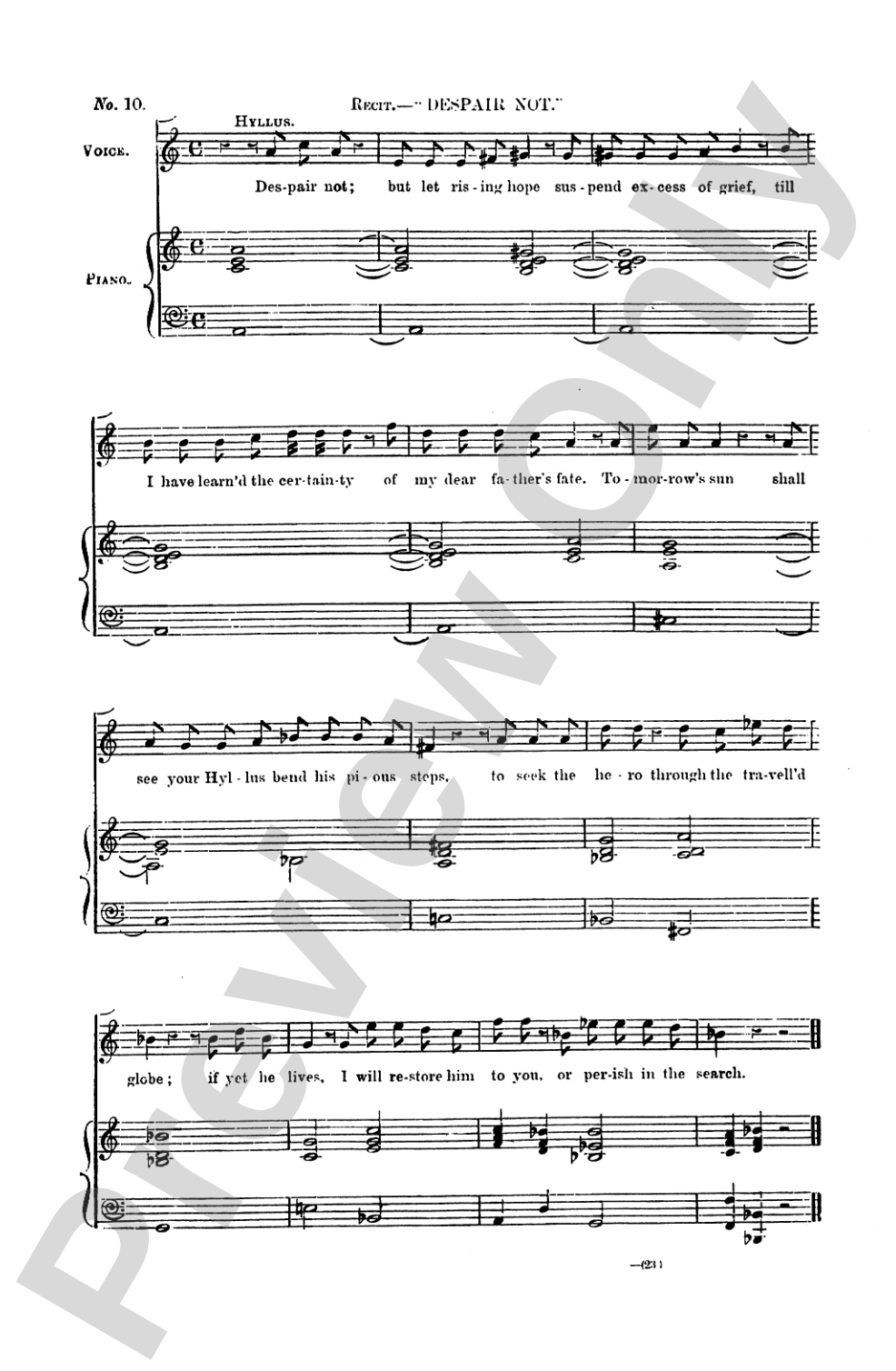
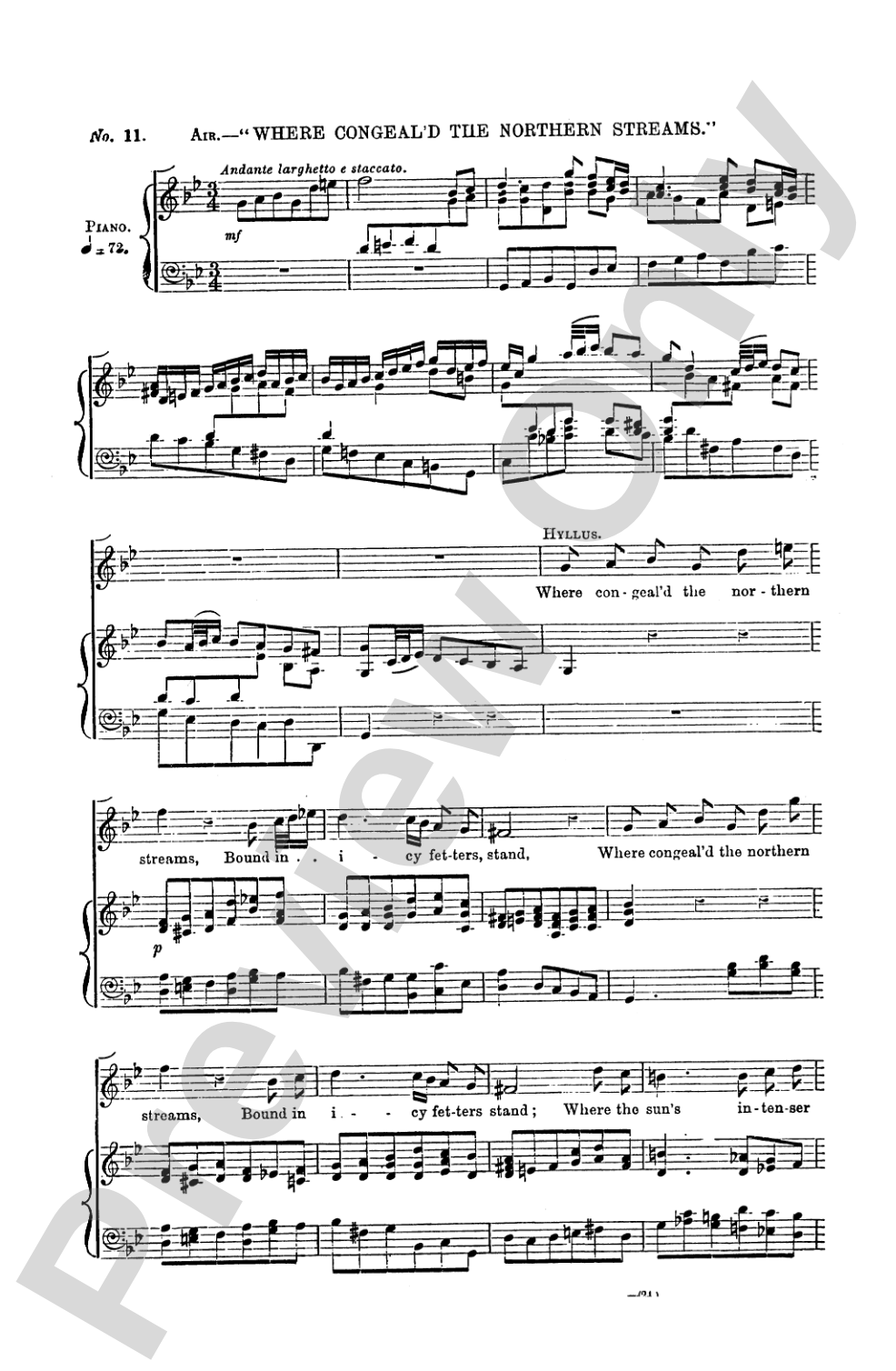
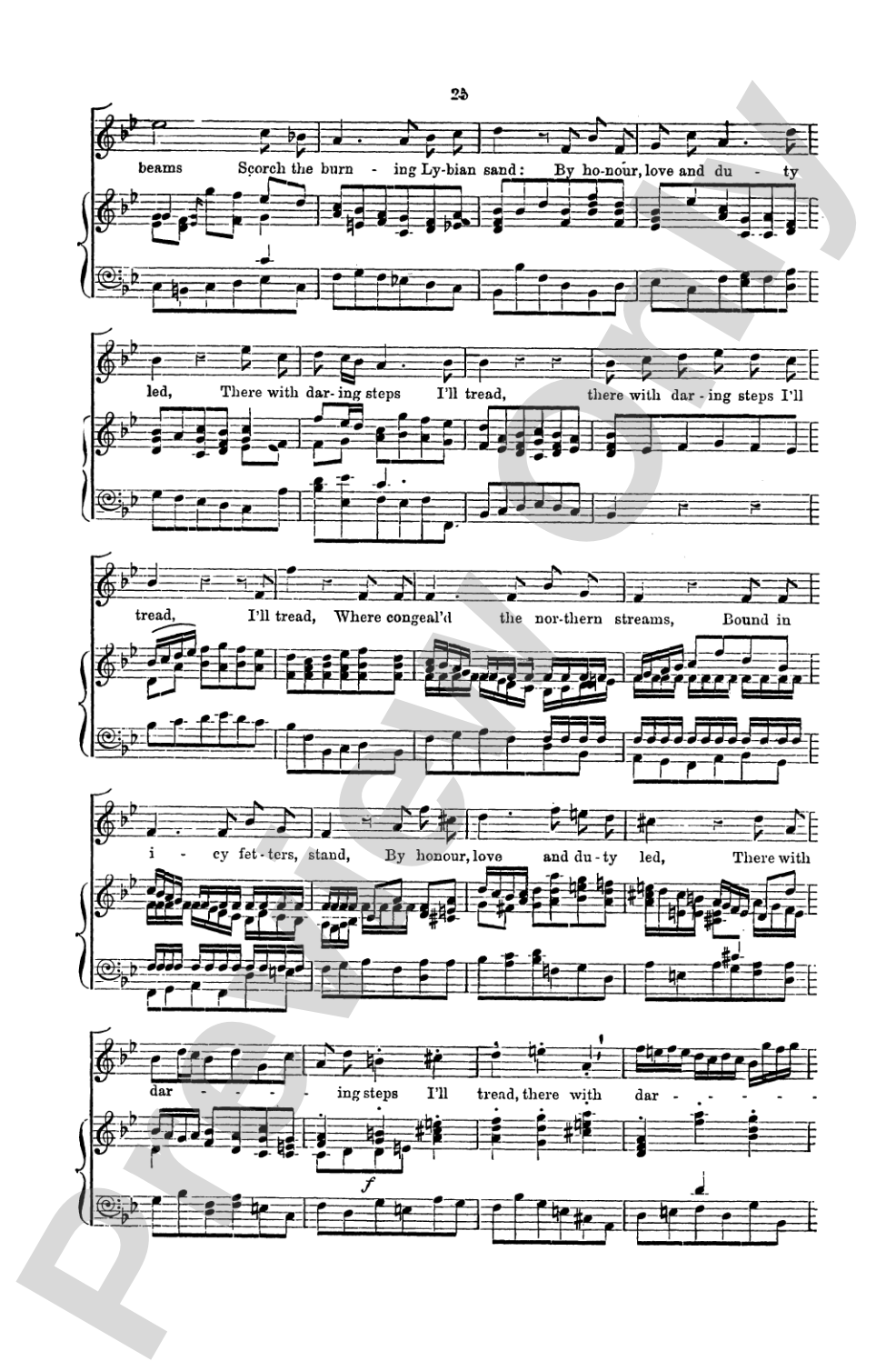
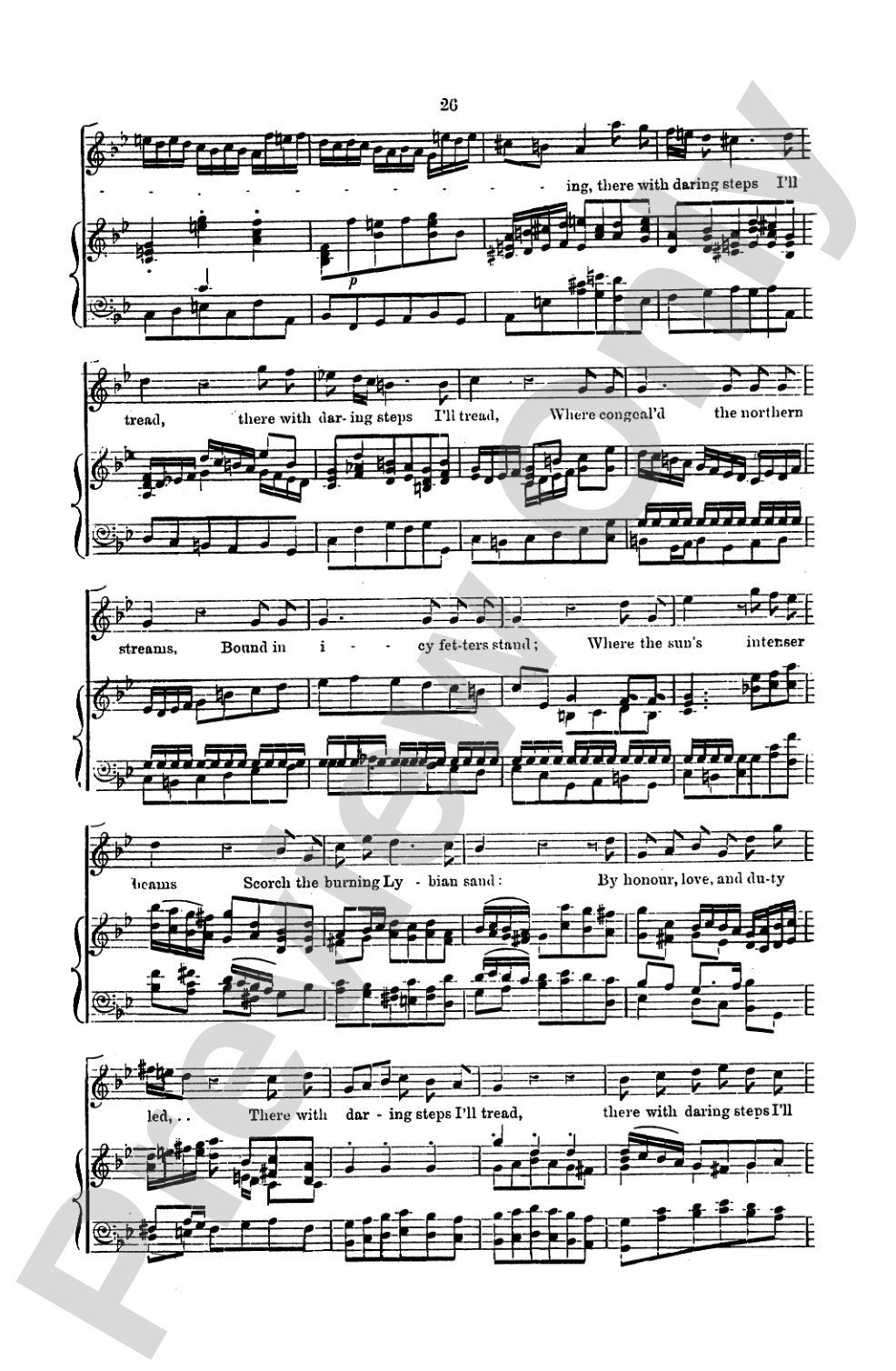
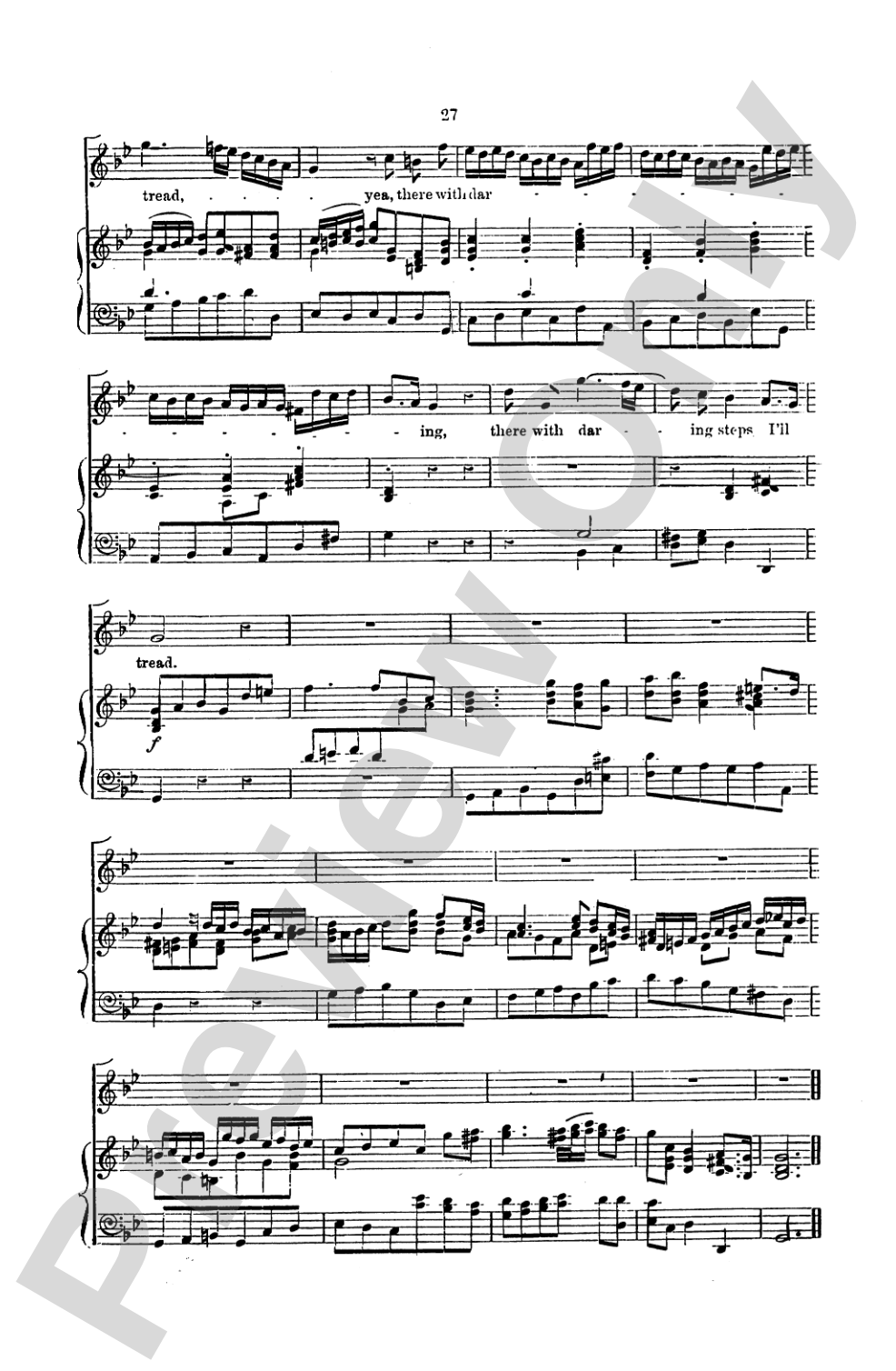
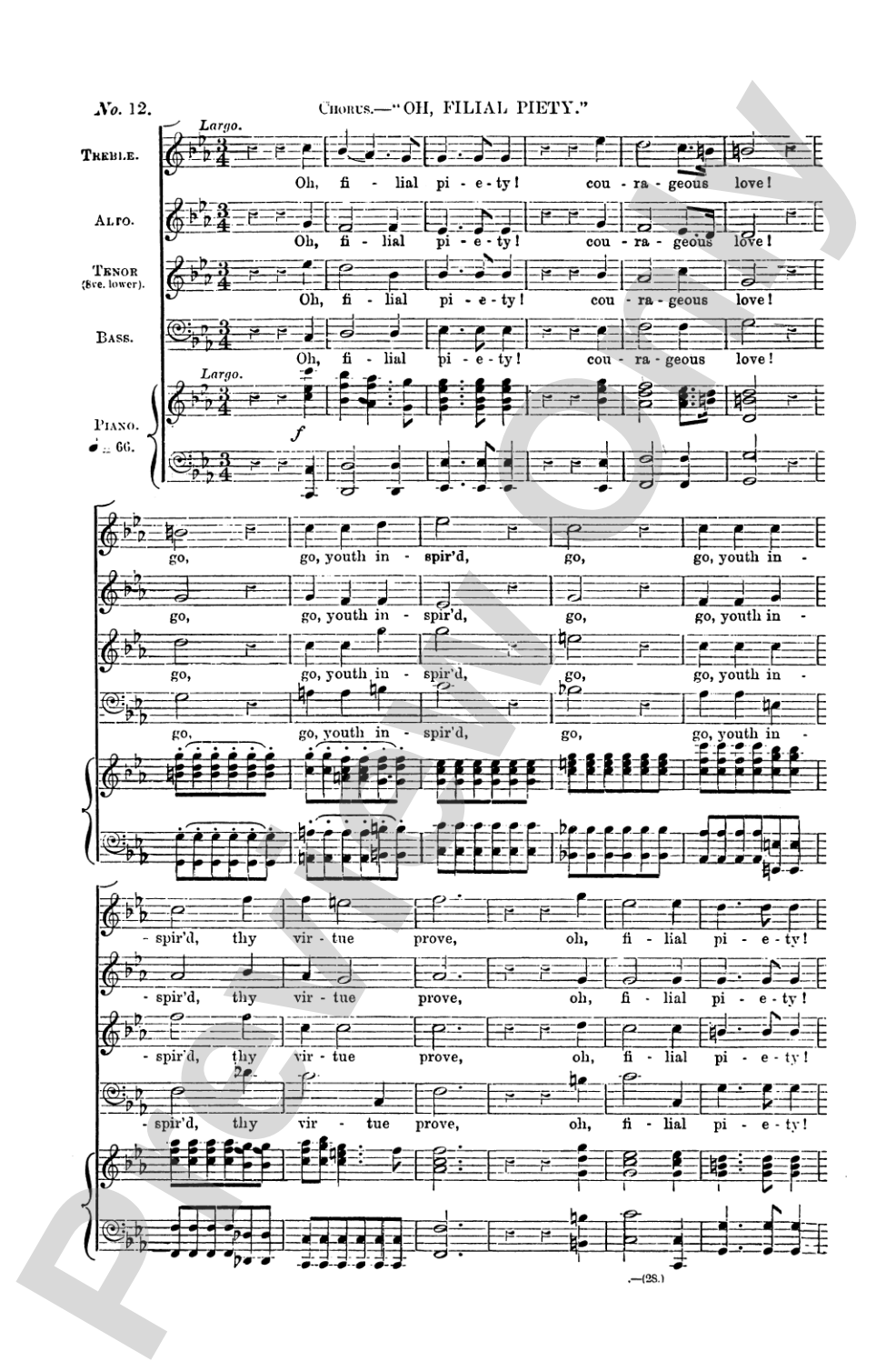
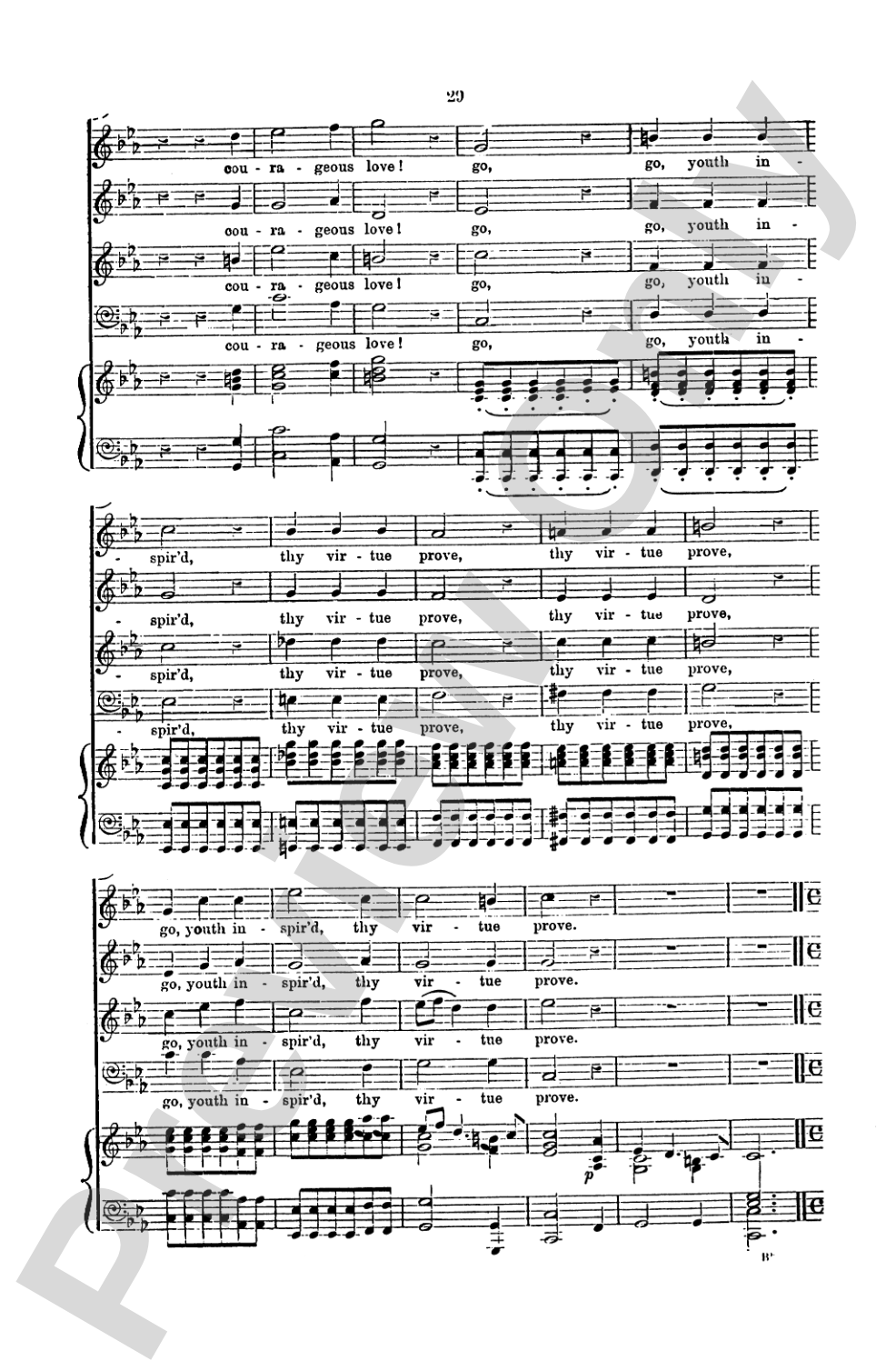
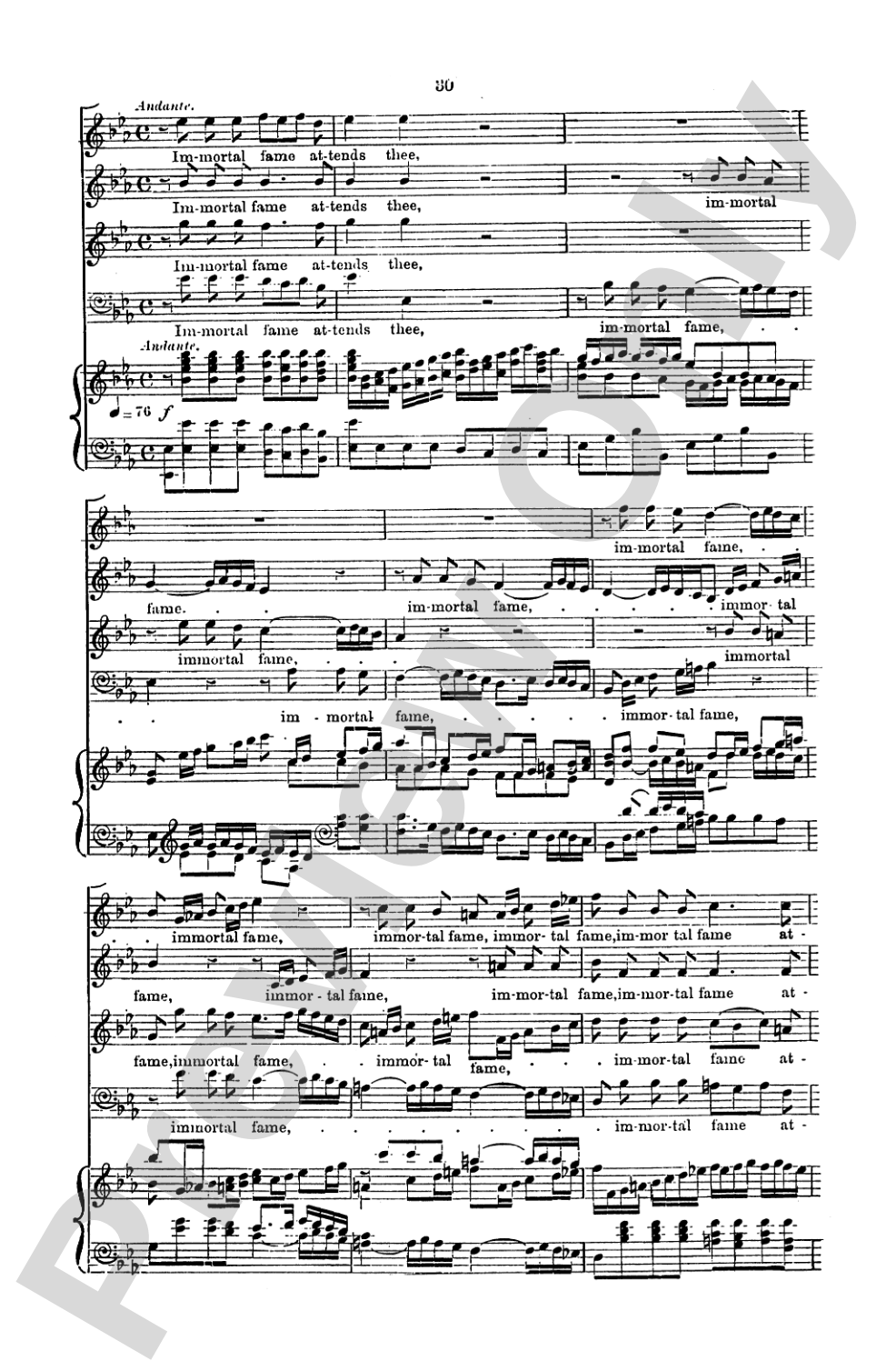
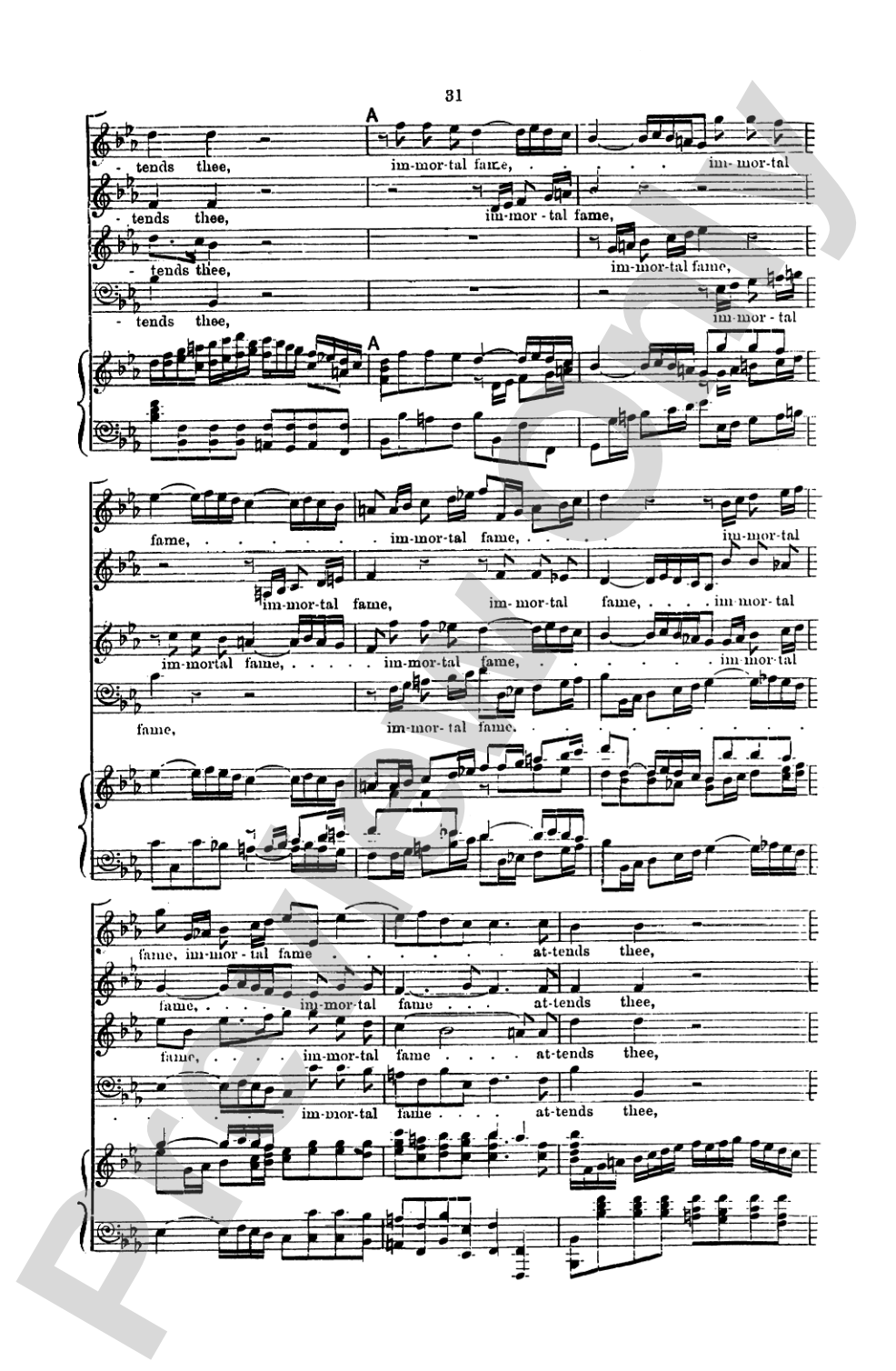
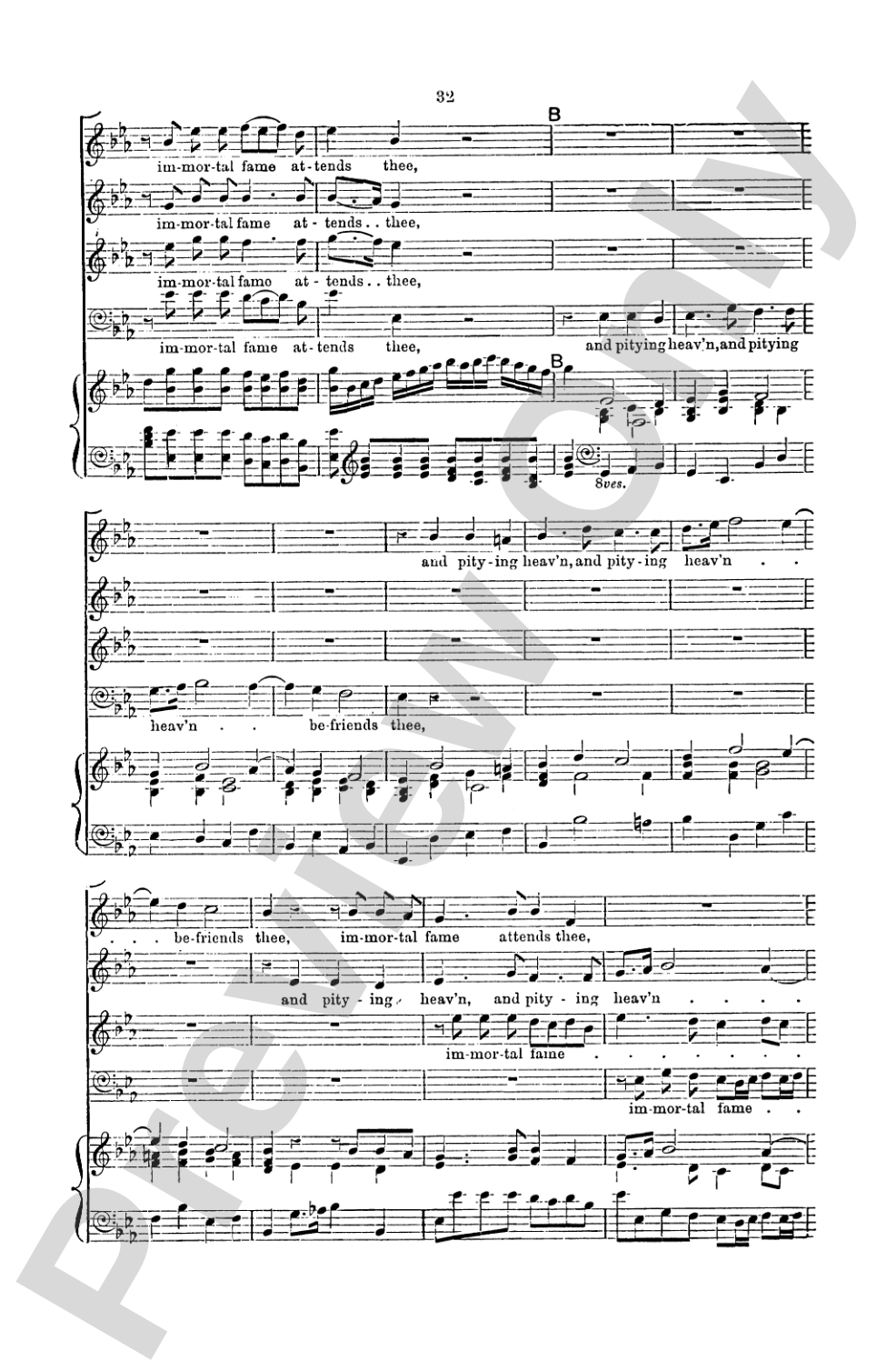
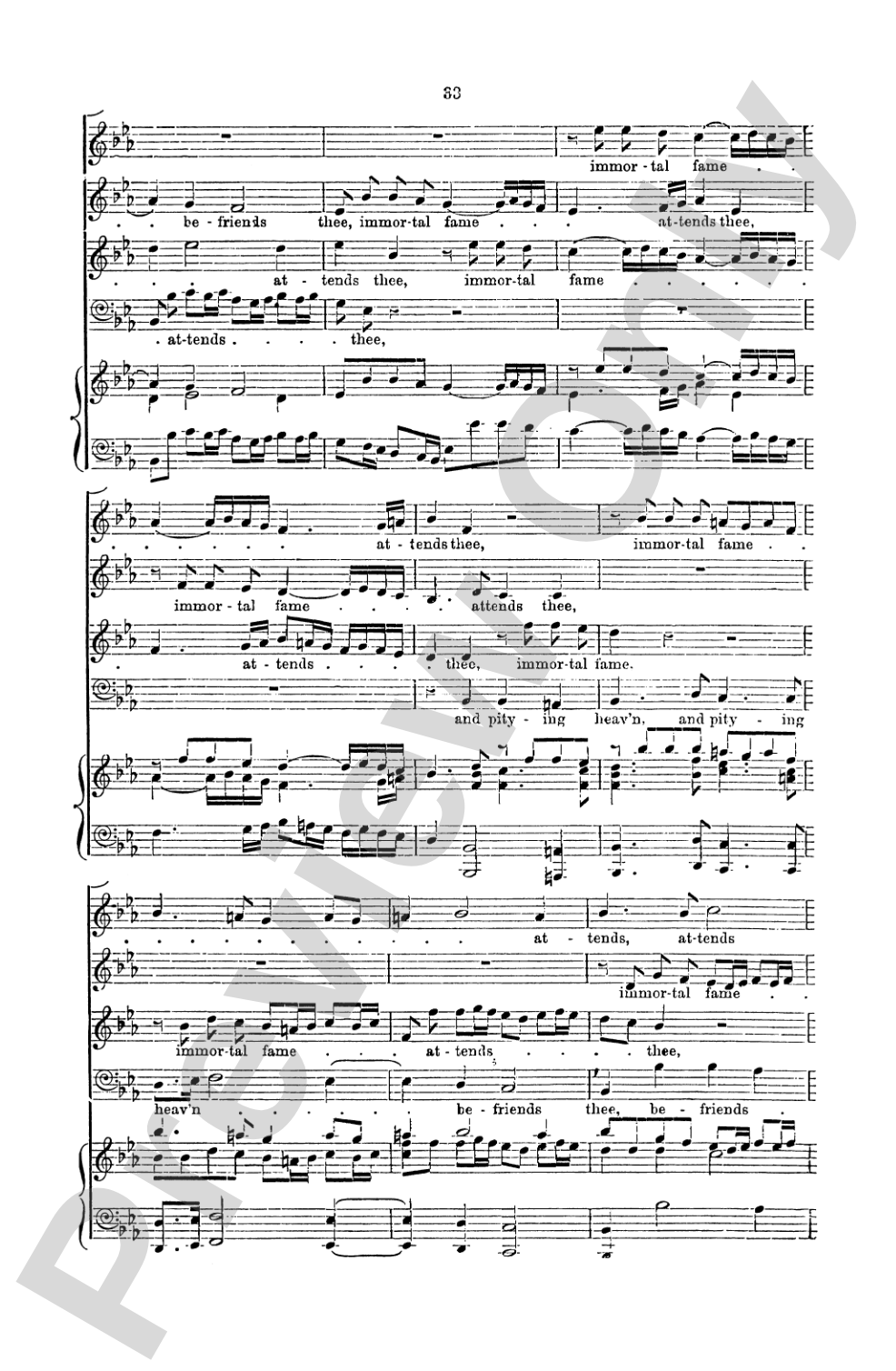
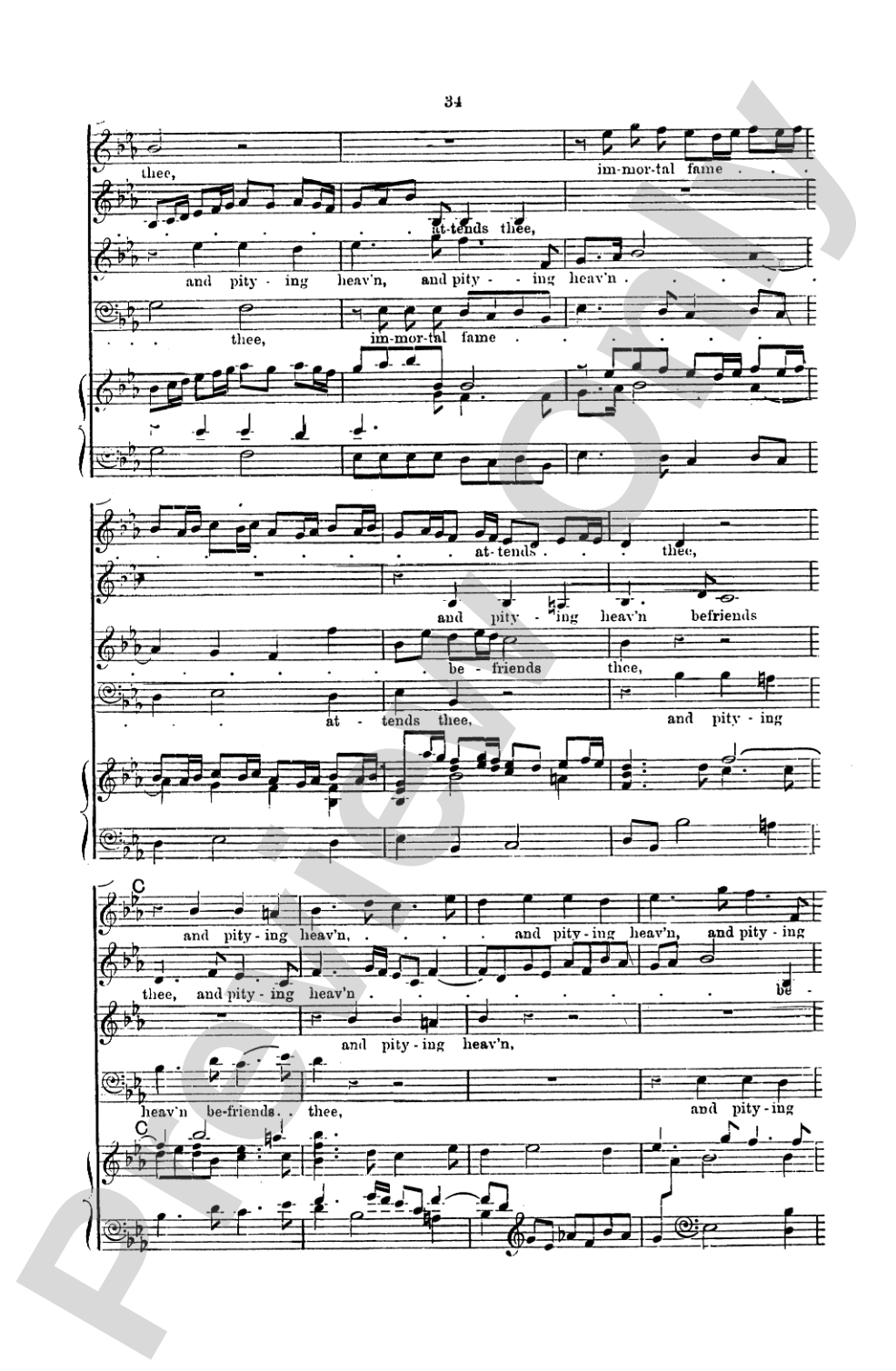
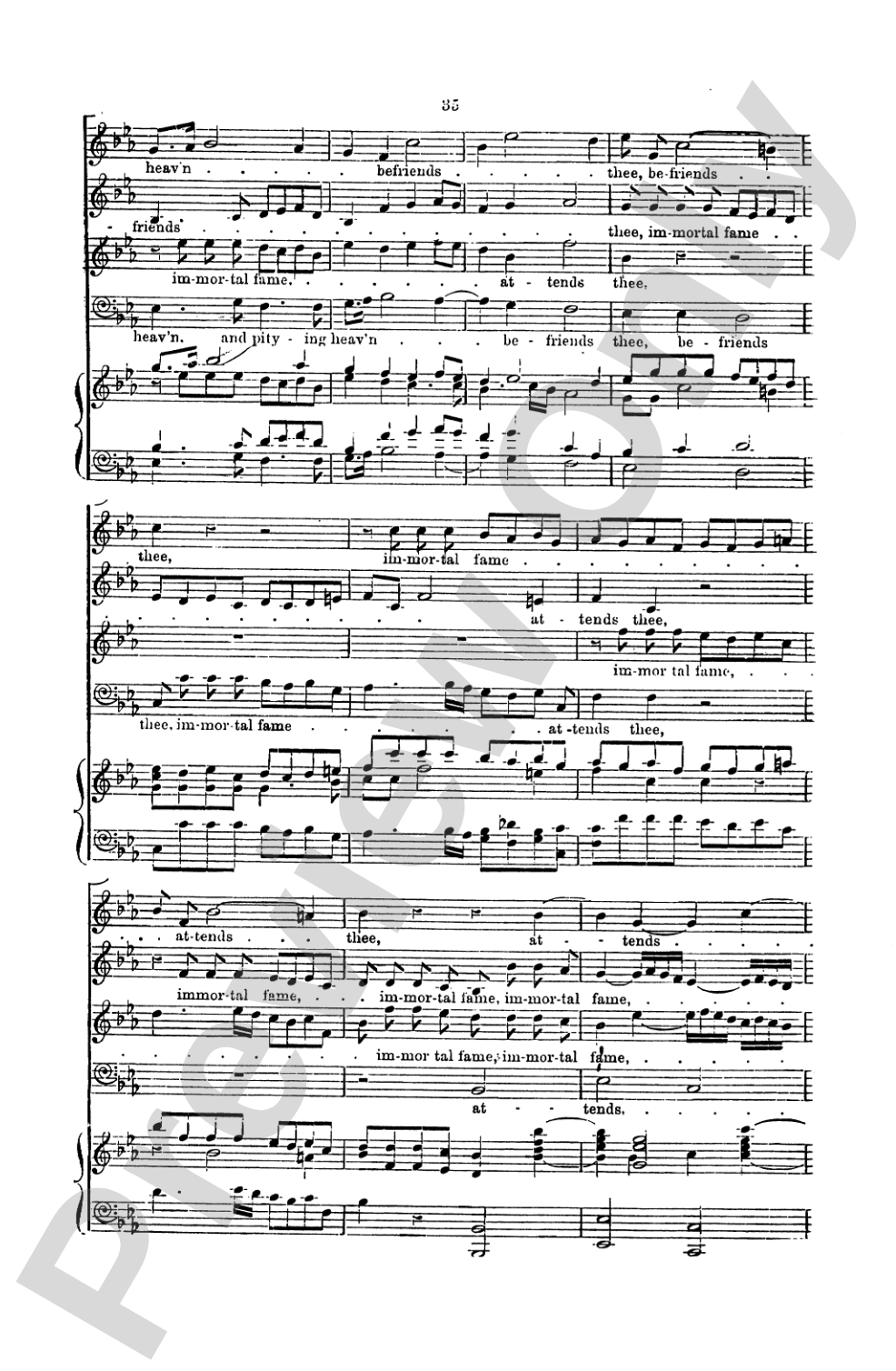

Hercules (1745), An Oratorio: Choir
By George Frideric Handel
Item: 00-PB-0001161
$22.95
Pickup currently not available
Description
Expertly arranged Choral for SATB with SSATBB Soli by George Frideric Handel from the Kalmus Edition series. This Secular Choral is from the Baroque era.


Hercules (1745), An Oratorio: Choir isn't in MakeMusic Cloud just yet...but it could be. Let us know you'd like to see it, and you'll help shape what comes next. In the meantime, start a free trial and dive into thousands of interactive titles your students can play along with today.
Request This Title
Tell us you want it.
Start Your Free Trial
Explore everything that's ready to play right now.
Sample Audio
No sample audio found.
Sample Video
No sample videos found.
Additional Details
Series:
Kalmus Edition
Publisher:
Alfred Music
Page Count:
236
SKU:
00-PB-0001161
More about this title
About the Composer: George Frideric Handel
George Frideric Handel (1685-1759) was a German-born composer who shaped the musical identity of 18th-century England. His mastery of vocal writing across oratorio, opera, and sacred music established him as one of the Baroque era's most performed composers, and his works remain central to choral repertoire today.
Handel's genius lay in his ability to craft memorable melodic lines and dramatic pacing that engage both performers and audiences. His oratorios, written for English-speaking congregations and concert halls, demonstrate a composer who understood how to balance architectural ambition with immediate musical impact. These qualities made his music accessible then and continue to make it rewarding for modern ensembles.
Why we love this
Hercules showcases Handel at his most dramatically inventive, with arias and choruses that sit gratefully for singers while maintaining sophisticated harmonic language. The combination of SATB chorus with soloists drawn from the ensemble gives you flexibility in casting and creates natural spotlight moments without requiring separate principal singers. This is Baroque grandeur that actually works in real rehearsal spaces.
What to expect
Hercules moves between moments of operatic splendor and intimate ensemble writing, with the kind of melodic clarity that Handel perfected. The music feels immediate and theatrical, built on confident harmonic progressions and vocal lines that reward good singing.
Who it's for
Advanced high school and college choirs with solid vocal training and reading skills. This works well for ensembles with enough singers to cover six soloists without draining the chorus section.
How to get the most out of it
- Balance the solo passages against the full choir by having soloists step forward rather than amplifying them. Handel's textures are transparent enough that positioning handles dynamics effectively.
- Attend to the continuo figures even when singing a cappella; they suggest the harmonic rhythm and keep everyone grounded through longer phrases.
- Shape Handel's sequences with slight dynamic flexibility. These passages can feel routine if sung as static blocks; let the sequence itself create forward momentum.
- Separate your SATB singers from the SSATBB soli section during rehearsals so each group locks their parts independently before combining them.
How to use it
Select acts or extended excerpts for a concert celebrating Baroque choral masterworks, or program it alongside Bach's larger works to show how different approaches to the form coexisted. The 236-page score gives you substantial material; a complete performance or a carefully curated sequence of choruses and solos works equally well.
Skills your students will build
- Reading figured bass notation and understanding continuo harmony
- Baroque phrasing and ornamentation across extended arias
- Managing ensemble blend when soloists are drawn from the chorus
- Text declamation in English with Baroque musical syntax
- Sustaining long vocal lines with historically informed breath placement
- Balancing solo and choral writing in multi-movement works