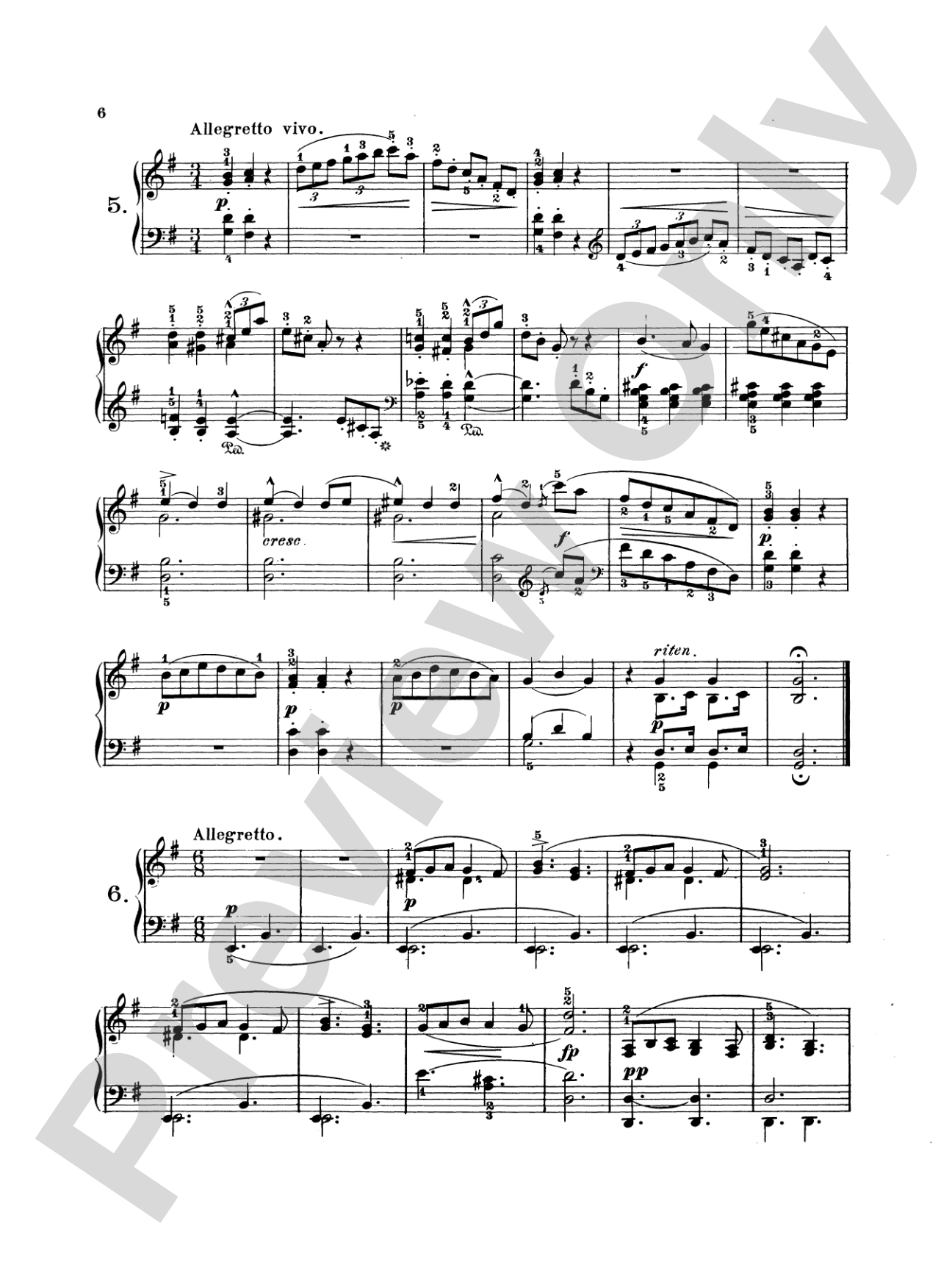
Heller: Thirty-two Preludes, Op. 119 Sheet Music Preview

Heller: Thirty-two Preludes, Op. 119

By Stephen Heller

Item: 00-PC-0007762

Digital Download
$0.99
Description
A collection of exercises for Piano, composed by Stephen Heller.

Don't just read it, hear it, play along with it, and watch your students grow with it. In MakeMusic Cloud, Heller: Thirty-two Preludes, Op. 119 comes alive with professional accompaniment, adjustable tempo, and built-in practice tools that turn solo practice into real progress.

Sample Audio
No sample audio found.
Sample Video
Additional Details
Series: Kalmus Edition
Publisher: Alfred Music
Page Count: 40
SKU: 00-PC-0007762

More about this title

About the Composer: Stephen Heller

Stephen Heller (1813–1888) was an Austrian pianist and composer whose prolific output shaped Romantic piano pedagogy. Working in Paris during the mid-19th century, he crafted hundreds of studies and character pieces that balanced technical demand with genuine musical substance, earning respect from contemporaries including Chopin and Liszt.

Heller's approach to composition prioritized singing melodies and logical harmonic progressions over empty virtuosity. His works remain staples in conservatory curricula because they teach through musicality rather than mechanical repetition, making them invaluable for students developing both technique and interpretive judgment.

Why we love this

These thirty-two preludes occupy a rare middle ground: they're musically sophisticated without being showy, and they build real pianistic skills through repertoire that students actually enjoy playing. Unlike collections that devolve into finger drills by the second piece, Heller maintains the narrative quality of each prelude, so your students will experience genuine variety across all forty pages and return to these pieces willingly.

What to expect

These preludes capture the Romantic spirit without excessive drama. They inhabit intimate emotional spaces: lyrical singing passages, gentle character sketches, moments of harmonic surprise. Some are purely contemplative while others shimmer with gentle figurations. Throughout, there's a sense of refinement and restraint that feels refreshingly honest in its expression.

Who it's for

Intermediate to advanced piano students (typically Grades 4-6 level) who are ready for Romantic-era repertoire and need studies that double as performance pieces. Teachers seeking material that develops musicianship alongside technique will find these preludes essential for students preparing for recitals, examinations, or simply deepening their relationship with the keyboard.

How to get the most out of it

  • Shape the melody in the character piece preludes by breathing at natural phrase boundaries, even though you're playing an instrument without literal breath. Let silence speak.
  • Treat each prelude's opening measures as an introduction to its harmonic language. Slow down initially to hear the chord progression clearly, then gradually find a tempo that feels inevitable.
  • Pay attention to dynamic markings as structural signposts. Heller uses them sparingly, which means each one matters and often signals a shift in texture or emotional direction.
  • Balance accompaniment and melody carefully in two-part writing. Resist the urge to make the left hand equal in weight to the right; the melody should emerge naturally from a supportive texture.

How to use it

Slot individual preludes into student recitals as standalone pieces or group two or three with contrasting characters for a mini-suite. Teachers can also use these as daily warm-ups that carry more musical interest than traditional finger exercises, helping students build work ethic and ear training simultaneously throughout the practice week.

Skills your students will build

  • Sight-reading in multiple keys and time signatures
  • Pedal control and harmonic resonance
  • Melodic phrasing and rubato in Romantic style
  • Voice independence in two and three-part textures
  • Chord progression recognition and harmonic analysis
  • Dynamic shaping and tonal variety at the keyboard

You May Also Like