
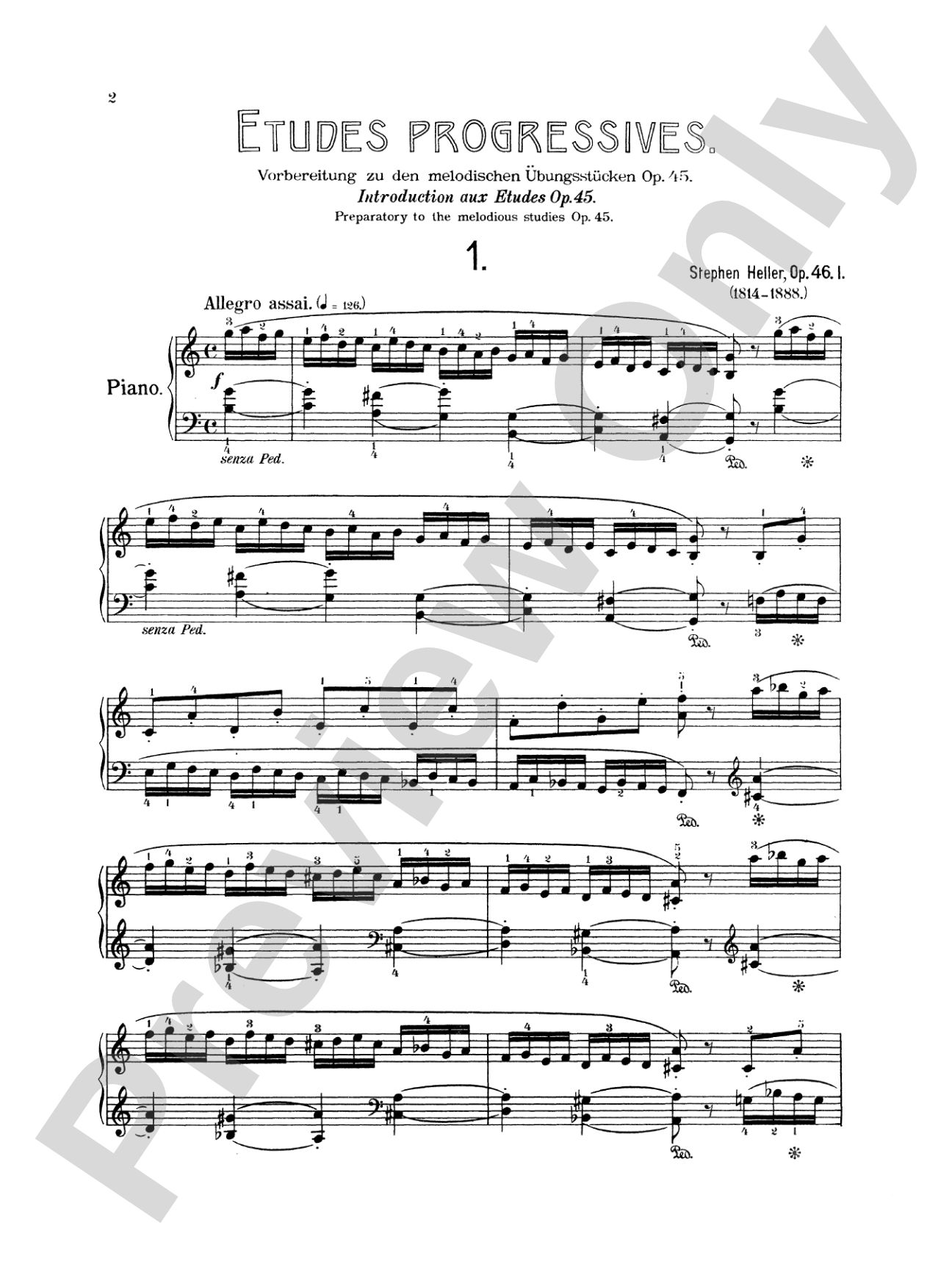

Heller: Studies, Op. 46
By Stephen Heller
Item: 00-PK-0003139

$14.99
Pickup currently not available
Buy Extra Parts (Digital PDF Download)
| Product | Price | Quantity |
|---|---|---|
| Heller: Studies, Op. 46 | $0.99 | |
| Heller: Studies, Op. 46 | $0.99 | |
| Heller: Studies, Op. 46 | $0.99 | |
| Heller: Studies, Op. 46 | $0.99 | |
| Heller: Studies, Op. 46 | $0.99 | |
| Heller: Studies, Op. 46 | $0.99 | |
| Heller: Studies, Op. 46 | $0.99 | |
| Heller: Studies, Op. 46 | $0.99 | |
| Heller: Studies, Op. 46 | $0.99 | |
| Heller: Studies, Op. 46 | $0.99 | |
| Heller: Studies, Op. 46 | $0.99 | |
| Heller: Studies, Op. 46 | $0.99 | |
| Heller: Studies, Op. 46 | $0.99 | |
| Heller: Studies, Op. 46 | $0.99 | |
| Heller: Studies, Op. 46 | $0.99 | |
| Heller: Studies, Op. 46 | $0.99 | |
| Heller: Studies, Op. 46 | $0.99 | |
| Heller: Studies, Op. 46 | $0.99 | |
| Heller: Studies, Op. 46 | $0.99 | |
| Heller: Studies, Op. 46 | $0.99 | |
| Heller: Studies, Op. 46 | $0.99 | |
| Heller: Studies, Op. 46 | $0.99 | |
| Heller: Studies, Op. 46 | $0.99 | |
| Heller: Studies, Op. 46 | $0.99 | |
| Heller: Studies, Op. 46 | $0.99 | |
| Heller: Studies, Op. 46 | $0.99 | |
| Heller: Studies, Op. 46 | $0.99 | |
| Heller: Studies, Op. 46 | $0.99 | |
| Heller: Studies, Op. 46 | $0.99 | |
| Heller: Studies, Op. 46 | $0.99 |
Parts Added to Cart!
Description


Don't just read it, hear it, play along with it, and watch your students grow with it. In MakeMusic Cloud, Heller: Studies, Op. 46 comes alive with professional accompaniment, adjustable tempo, and built-in practice tools that turn solo practice into real progress.
Open in the Player
Jump straight in and assign it today.
Start Your Free Trial
Open this title and explore the full library in minutes.
Sample Audio
No sample audio found.
Sample Video
No sample videos found.
Additional Details
Series:
Kalmus Edition
Publisher:
Alfred Music
Page Count:
68
SKU:
00-PK-0003139
More about this title
About the Composer: Stephen Heller
Stephen Heller (1813, 1888) was a Hungarian pianist and composer whose prolific output shaped 19th-century piano pedagogy. Though overshadowed by his contemporaries Liszt and Chopin, Heller earned respect as a thoughtful musician whose works balanced technical rigor with genuine musicality. His études and character pieces became standard teaching repertoire across Europe and remain essential for serious students.
Heller's pedagogical philosophy emphasized artistic development alongside technical mastery. He wrote for students at intermediate and advanced levels, creating works that demanded precision without sacrificing musical expression. This commitment to the union of craft and artistry explains why conservatories still assign his études today.
Why we love this
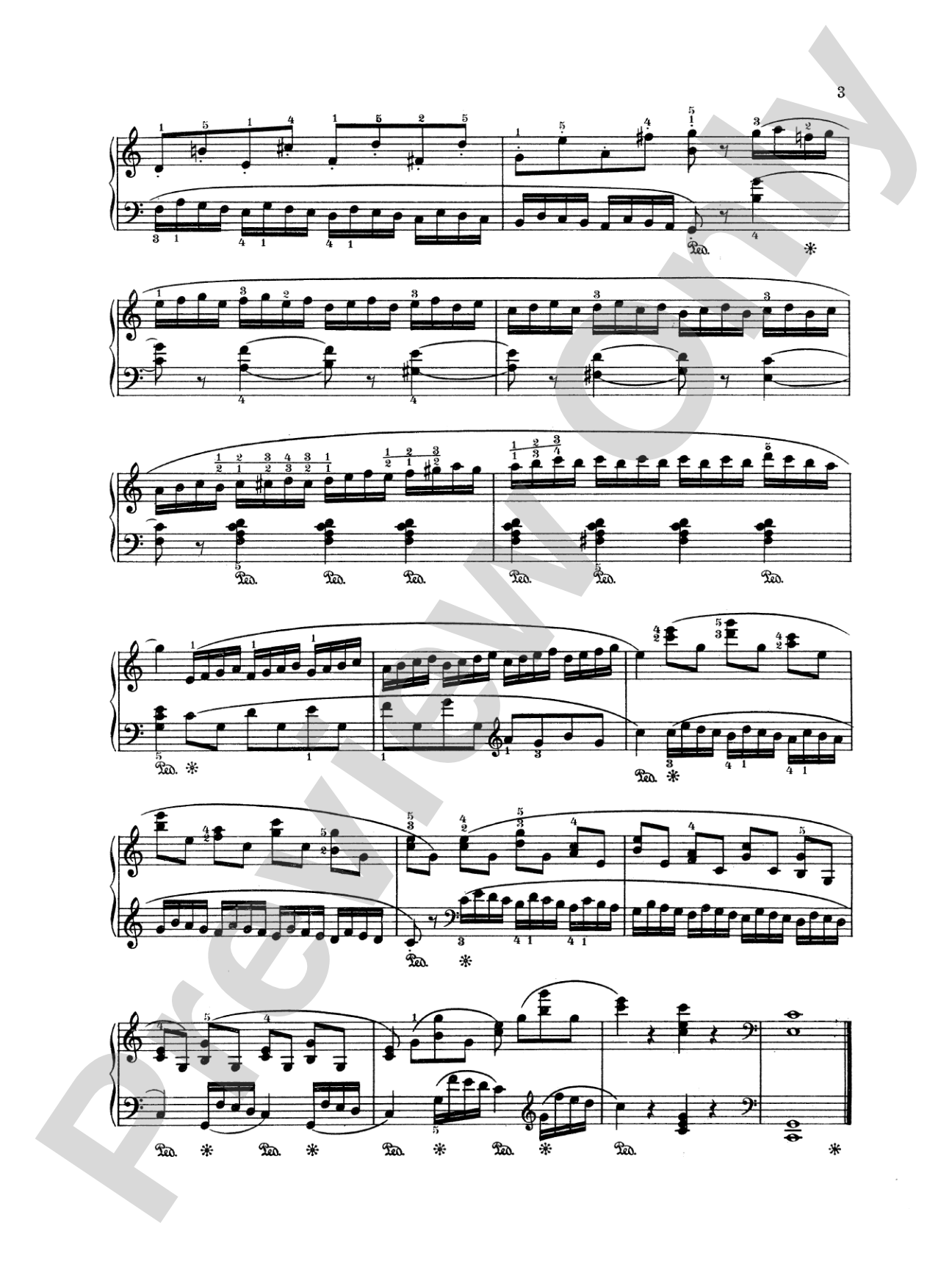
Op. 46 presents a rare collection where technical work and musical interest coexist naturally. These studies move well beyond mechanical patterns, offering students real repertoire to refine and program rather than material to grind through and discard. The varied character pieces within the set keep practice sessions musically alive while building the hand independence and voice control that foundation-level pianists genuinely need.
What to expect
These studies breathe with the lyricism of the Romantic salon. They balance clarity and expressiveness, with melodies that sing and supporting voices that ask for careful voice control. Each piece has its own character, whether drawing on folk-like simplicity or more intricate contrapuntal writing, creating a collection that never feels repetitive despite its pedagogical purpose.
Who it's for
This collection suits intermediate pianists working toward a more independent musical voice. Teachers preparing students for recitals or exams will find substantial material here that serves double duty as both technical training and performance-ready repertoire. Advanced beginners ready to move beyond primer-level studies but not yet ready for the virtuosic demands of Czerny or Hanon will find genuine musical challenge without the technical ceiling.
How to get the most out of it
- Shape each study with the phrasing and dynamic attention you'd give a concert piece; Heller's melodies deserve the same care as a lyric song.
- Pay attention to the interplay between hands, especially in studies where one hand carries a melody while the other provides accompaniment; clarity in voice separation is essential.
- Let the Romantic character come through without forcing rubato; Heller's notation is generally clear about where flexibility belongs, and respecting that gives the pieces their best voice.
- Use these studies as opportunities to develop a singing, singing tone rather than focusing solely on velocity; the musical payoff comes from listening carefully to the sonority you're creating.
How to use it
Pair individual studies from Op. 46 with other early Romantic solo literature to show students how character pieces work within a broader recital arc. Several studies work well in student recitals as shorter bracketing pieces between longer works, offering contrast and demonstrating progress in voice control and interpretation. Some teachers use selected studies as the core of a unit on Romantic era keyboard writing, moving from Heller to more complex composers like Mendelssohn or early Brahms.
Skills your students will build
- Hand independence and contrapuntal awareness between melody and accompaniment
- Vocal line phrasing in the context of accompaniment figures
- Dynamic shape and voice control across varied harmonic textures
- Finger dexterity in moderate tempos without sacrificing musicality
- Interpretation of Romantic era character and rubato within notated structure