

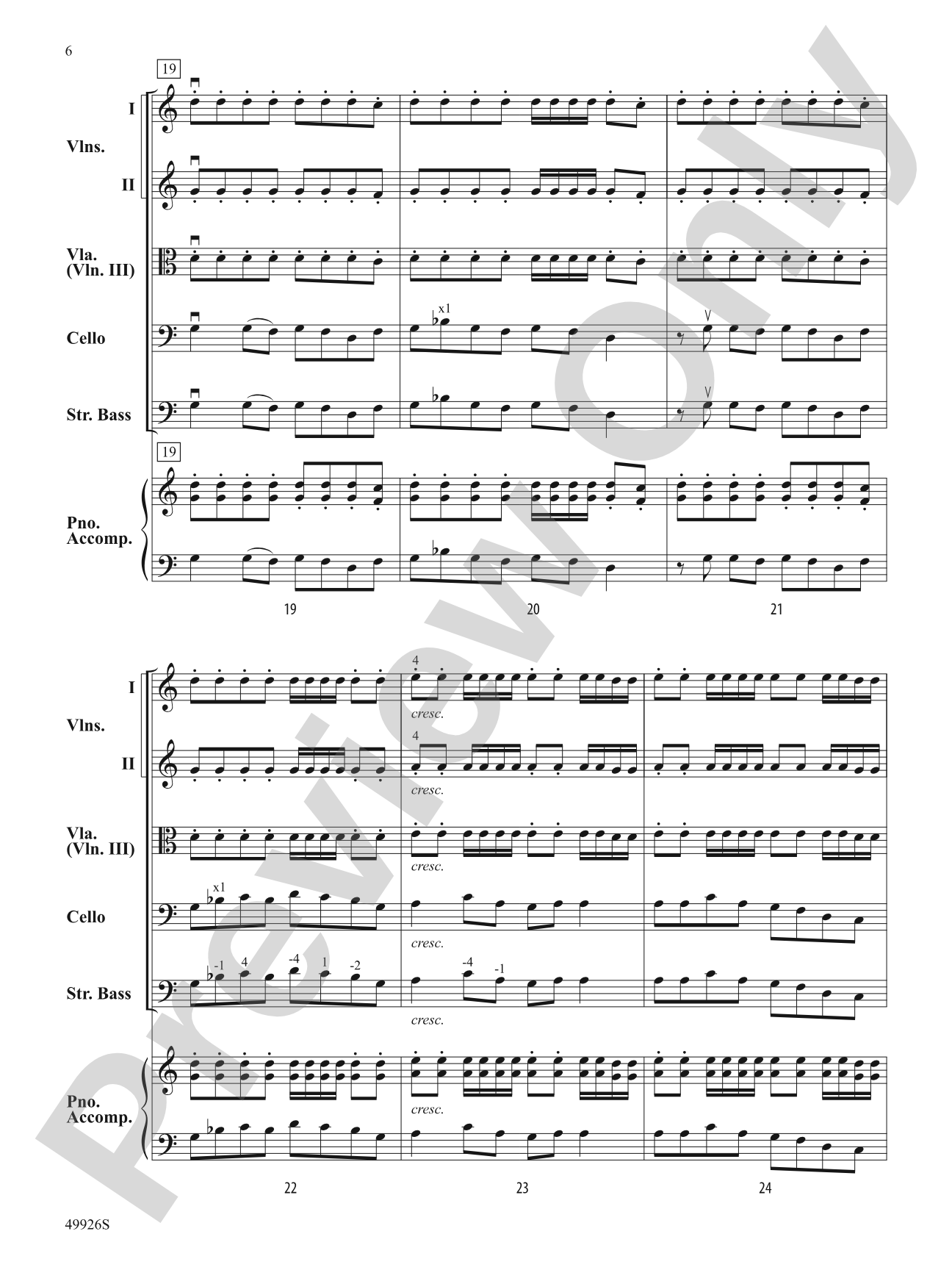
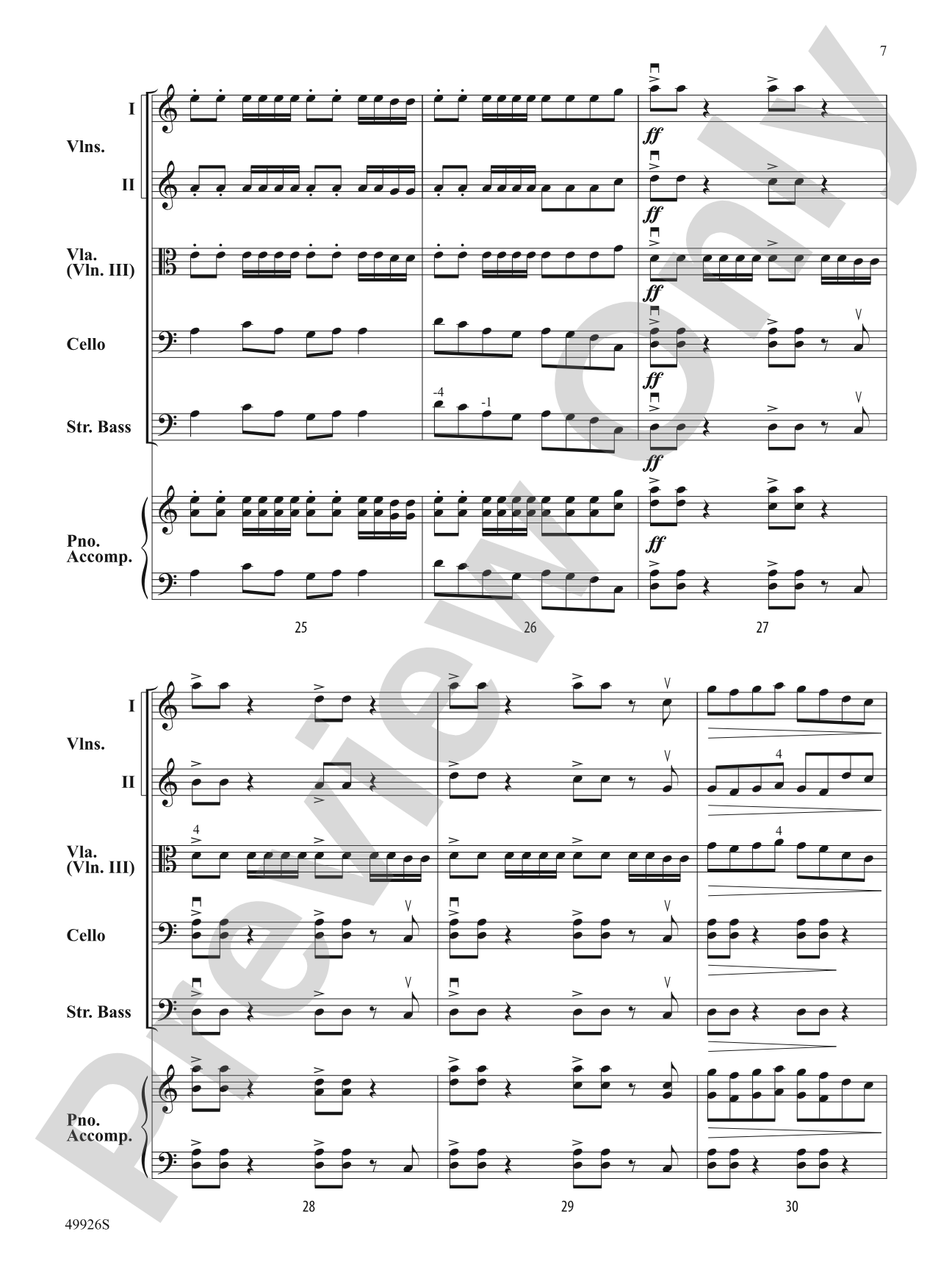
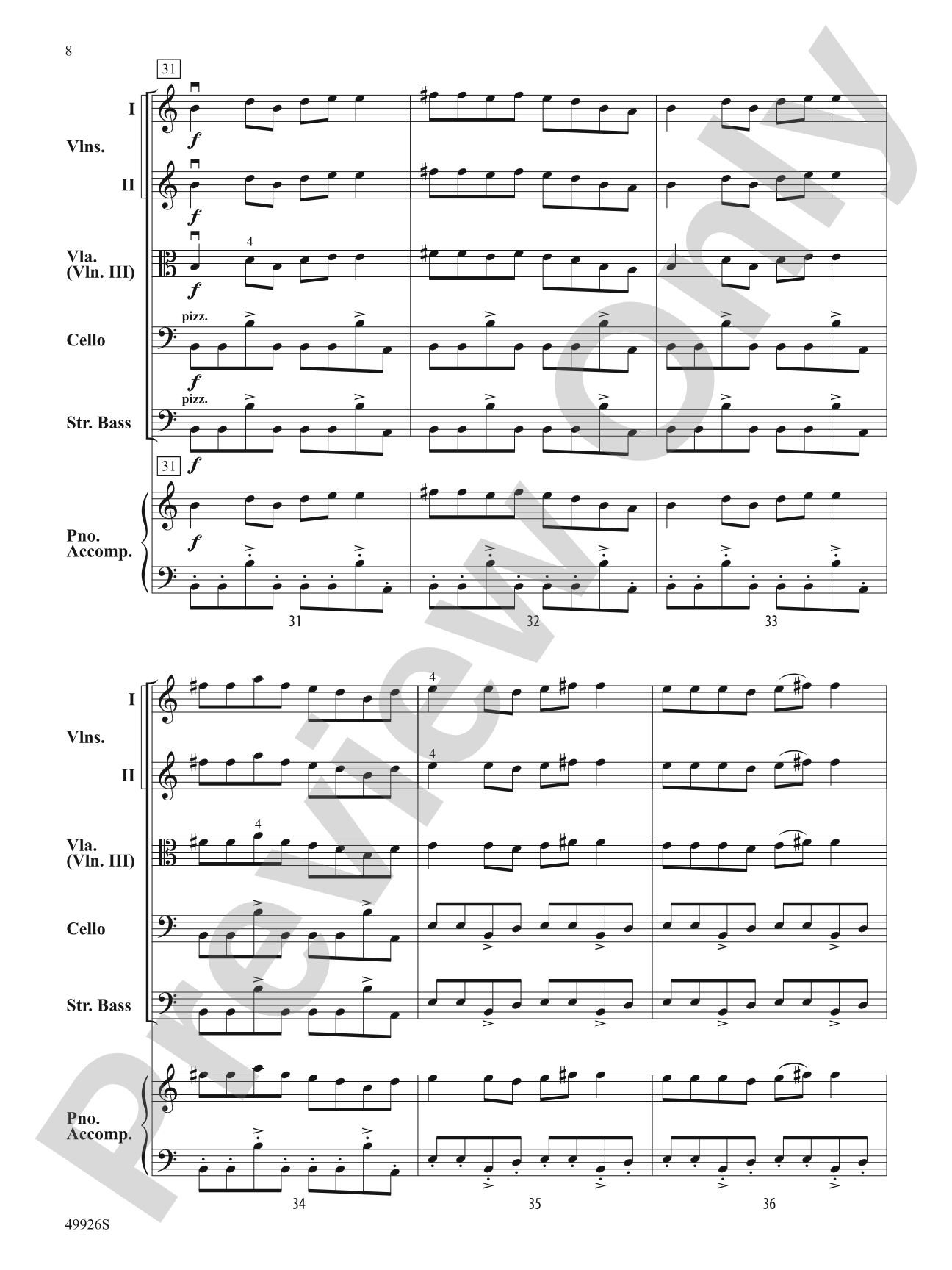
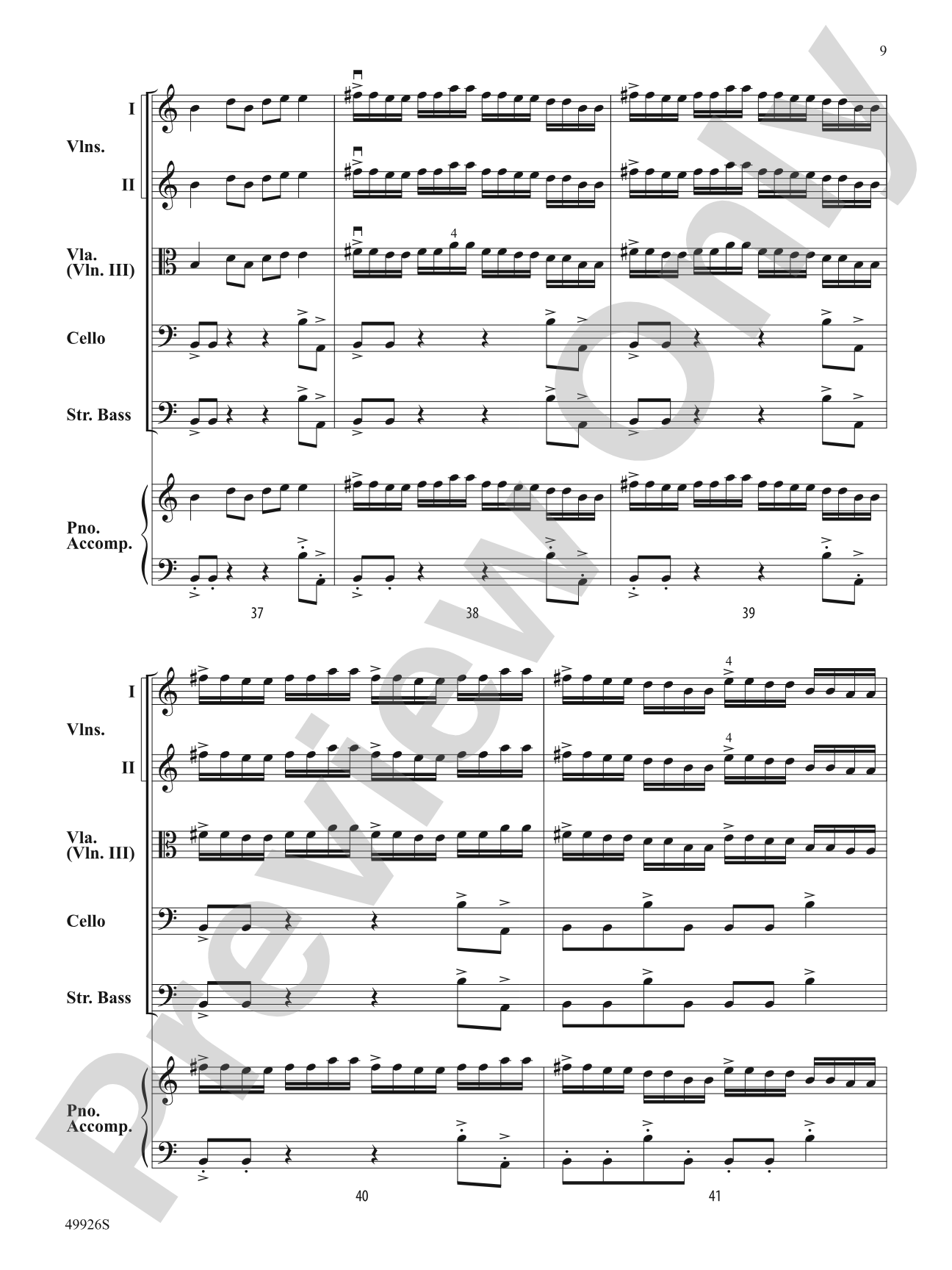

Heavy Lifting: Flexible String Ensemble Score & Parts
Cello and String Bass Feature
By Chris M. Bernotas
Grade: 2
Item: 00-PK-0008662

$55.00
Pickup currently not available
Buy Extra Parts (Digital PDF Download)
| Product | Price | Quantity |
|---|---|---|
| Heavy Lifting: Score | $10.00 | |
| Heavy Lifting: 1st Violin | $3.00 | |
| Heavy Lifting: 2nd Violin | $3.00 | |
| Heavy Lifting: 3rd Violin (Viola [TC]) | $3.00 | |
| Heavy Lifting: Viola | $3.00 | |
| Heavy Lifting: Cello | $3.00 | |
| Heavy Lifting: String Bass | $3.00 | |
| Heavy Lifting: Piano Accompaniment | $3.00 | |
| Heavy Lifting: Violin Educational Pack | $3.00 | |
| Heavy Lifting: Viola Educational Pack | $3.00 | |
| Heavy Lifting: Cello Educational Pack | $3.00 | |
| Heavy Lifting: Bass Educational Pack | $3.00 |
Parts Added to Cart!
Description
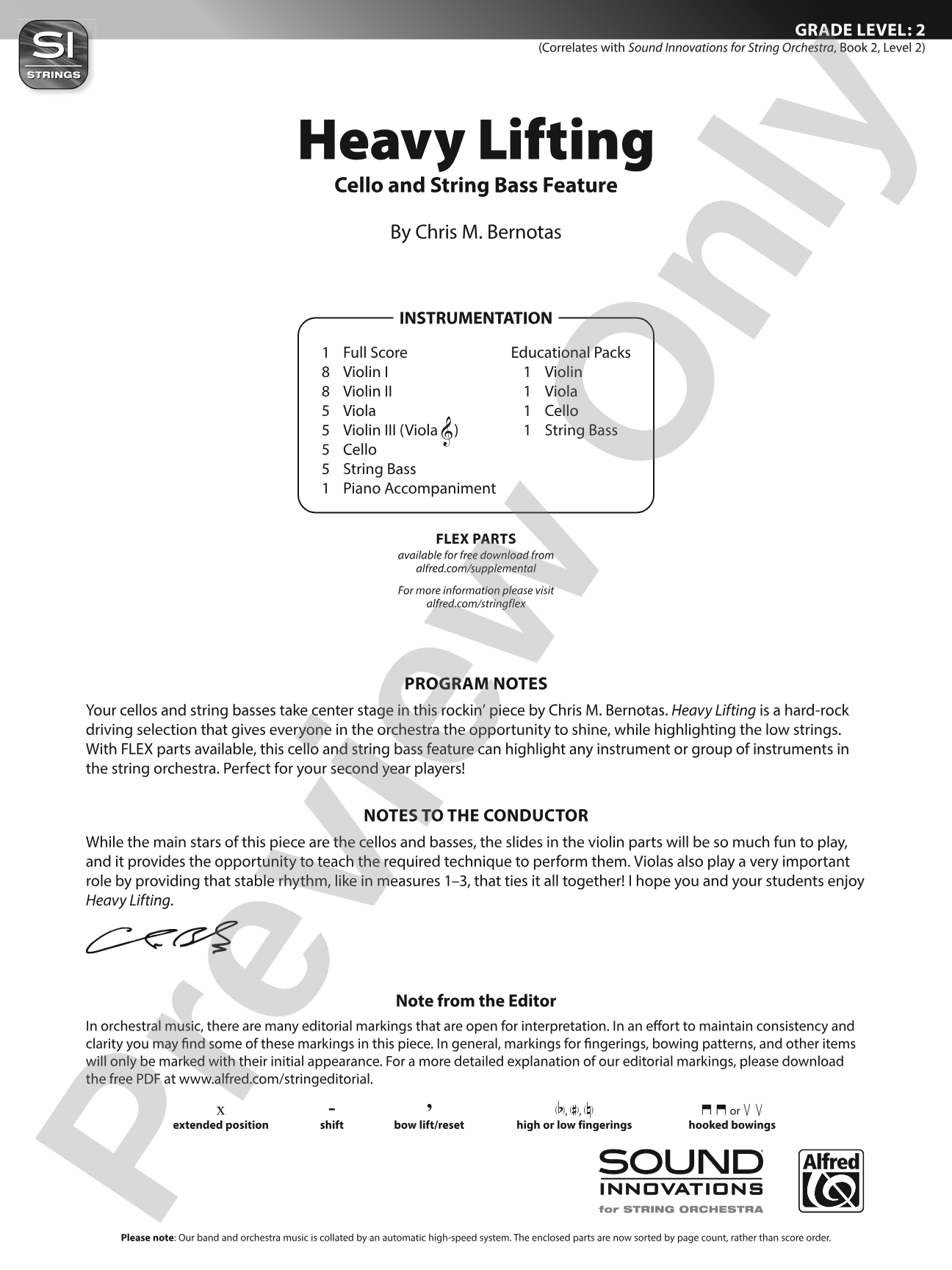
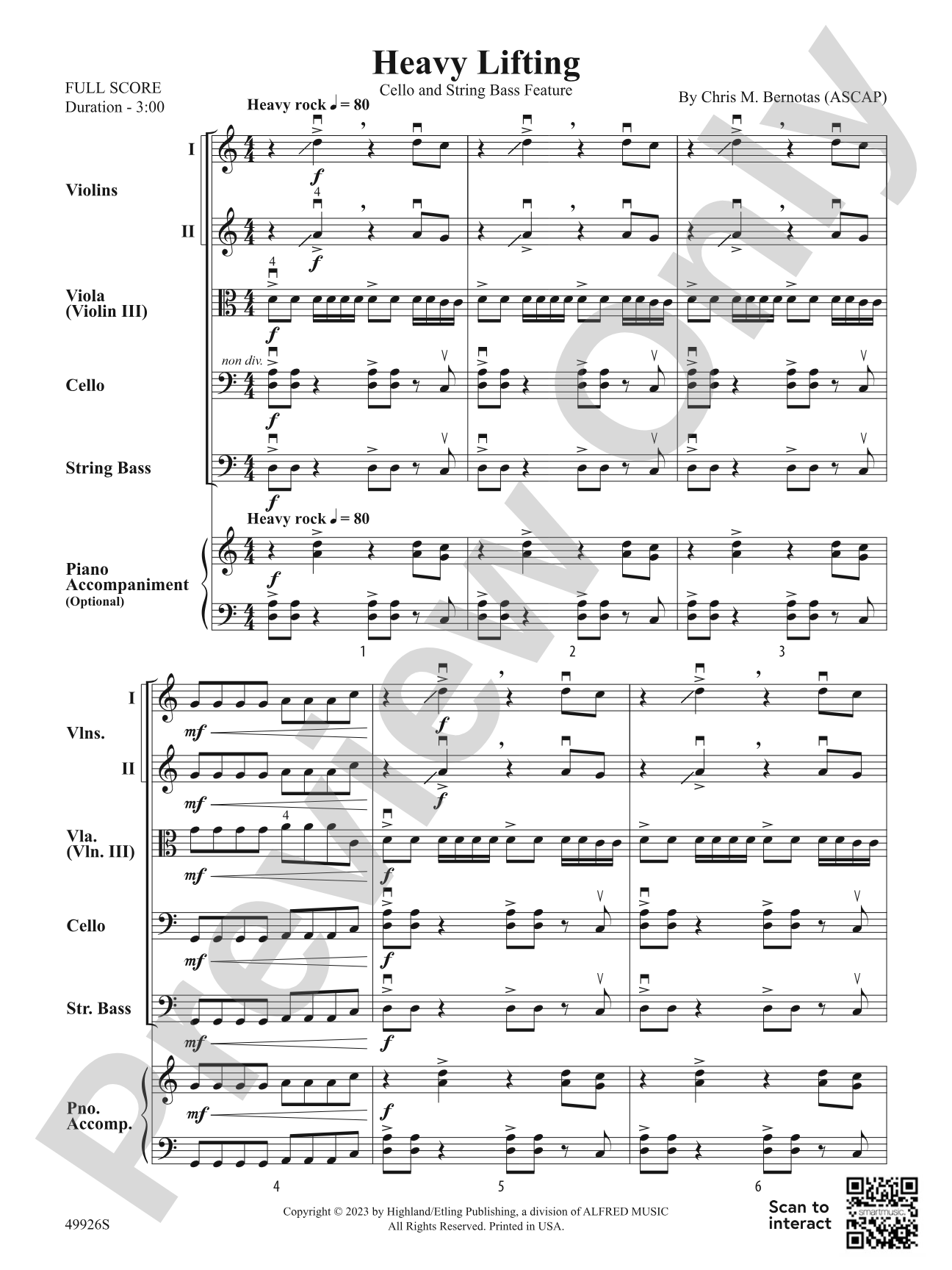
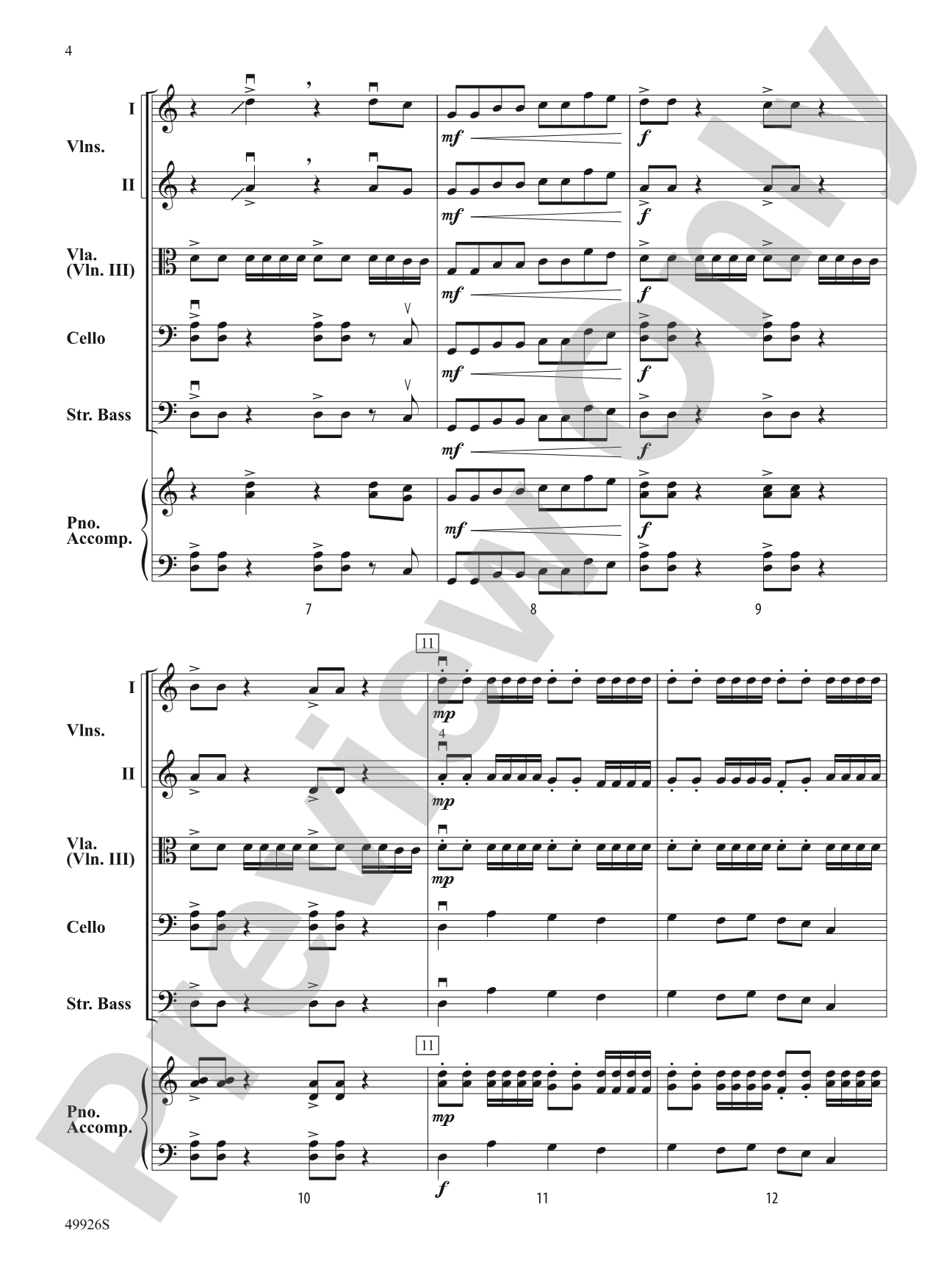
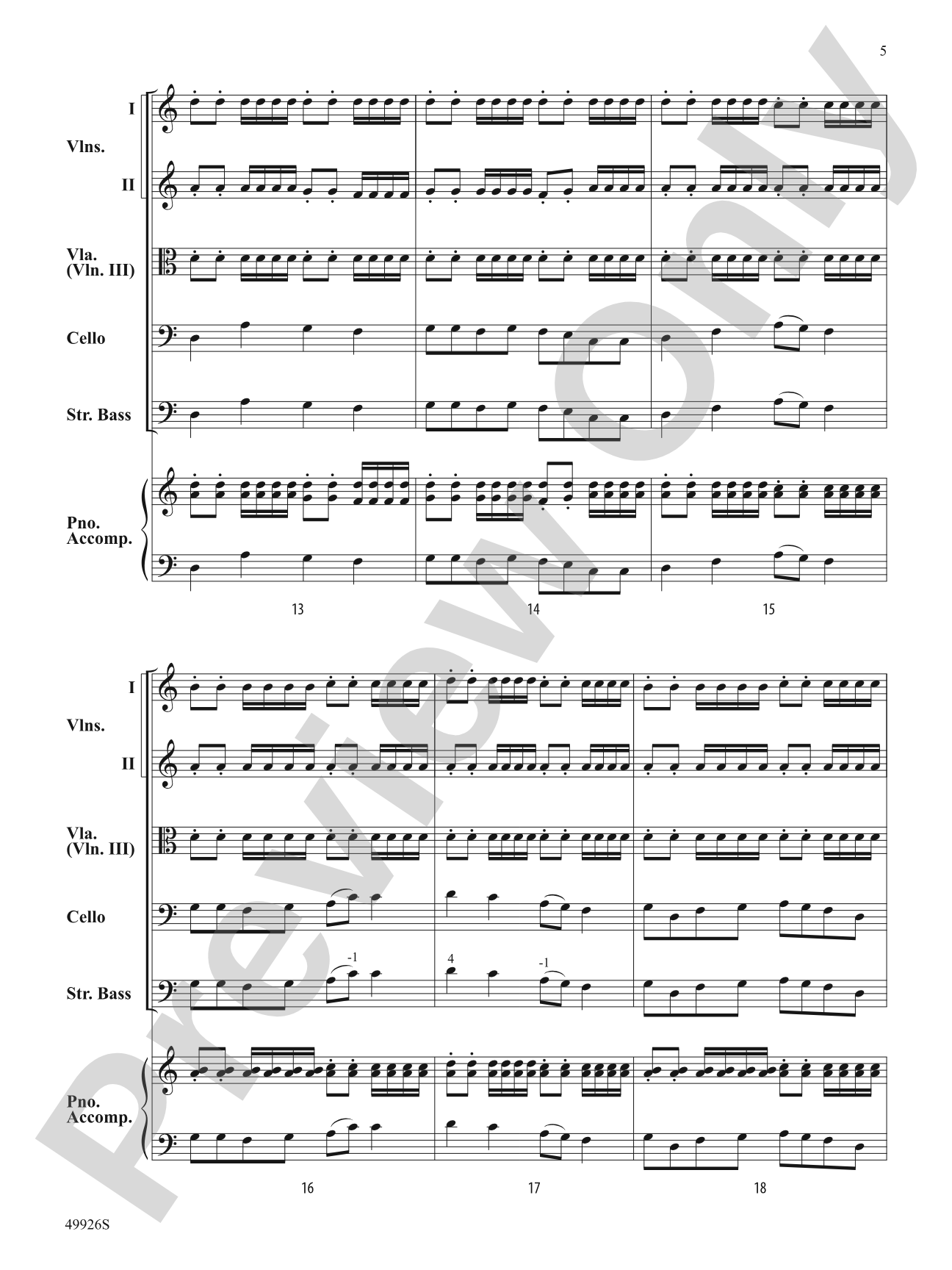
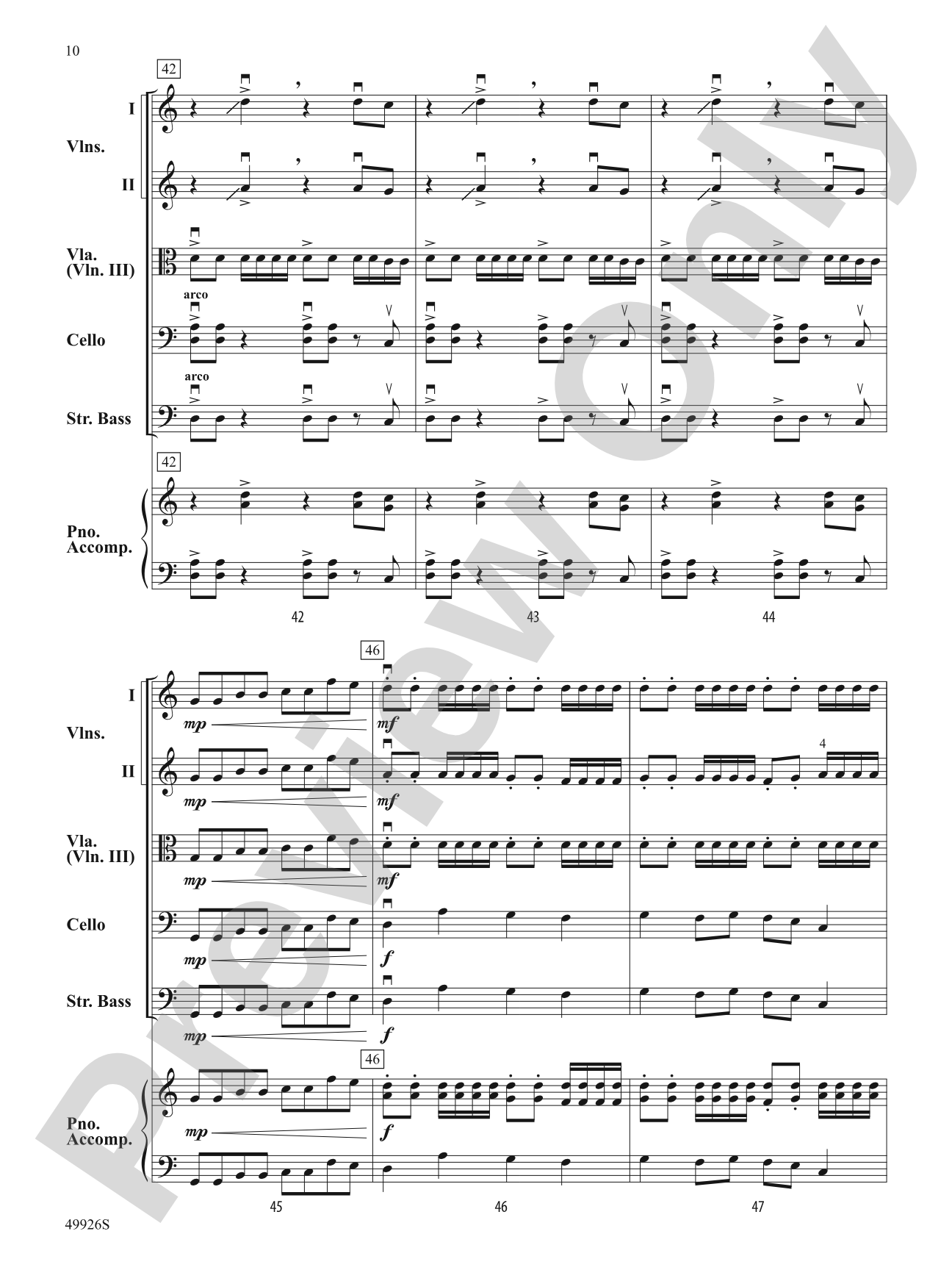
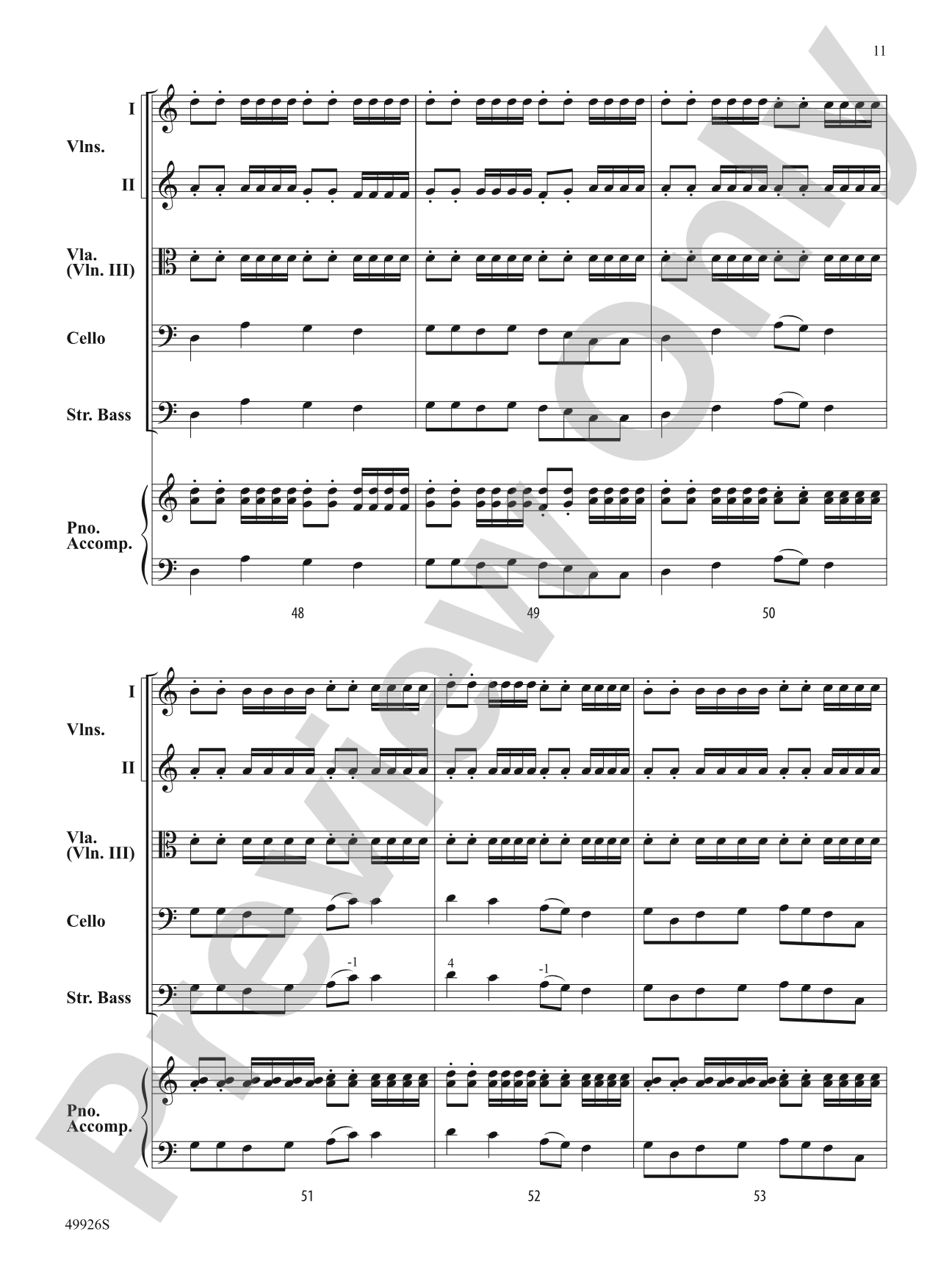
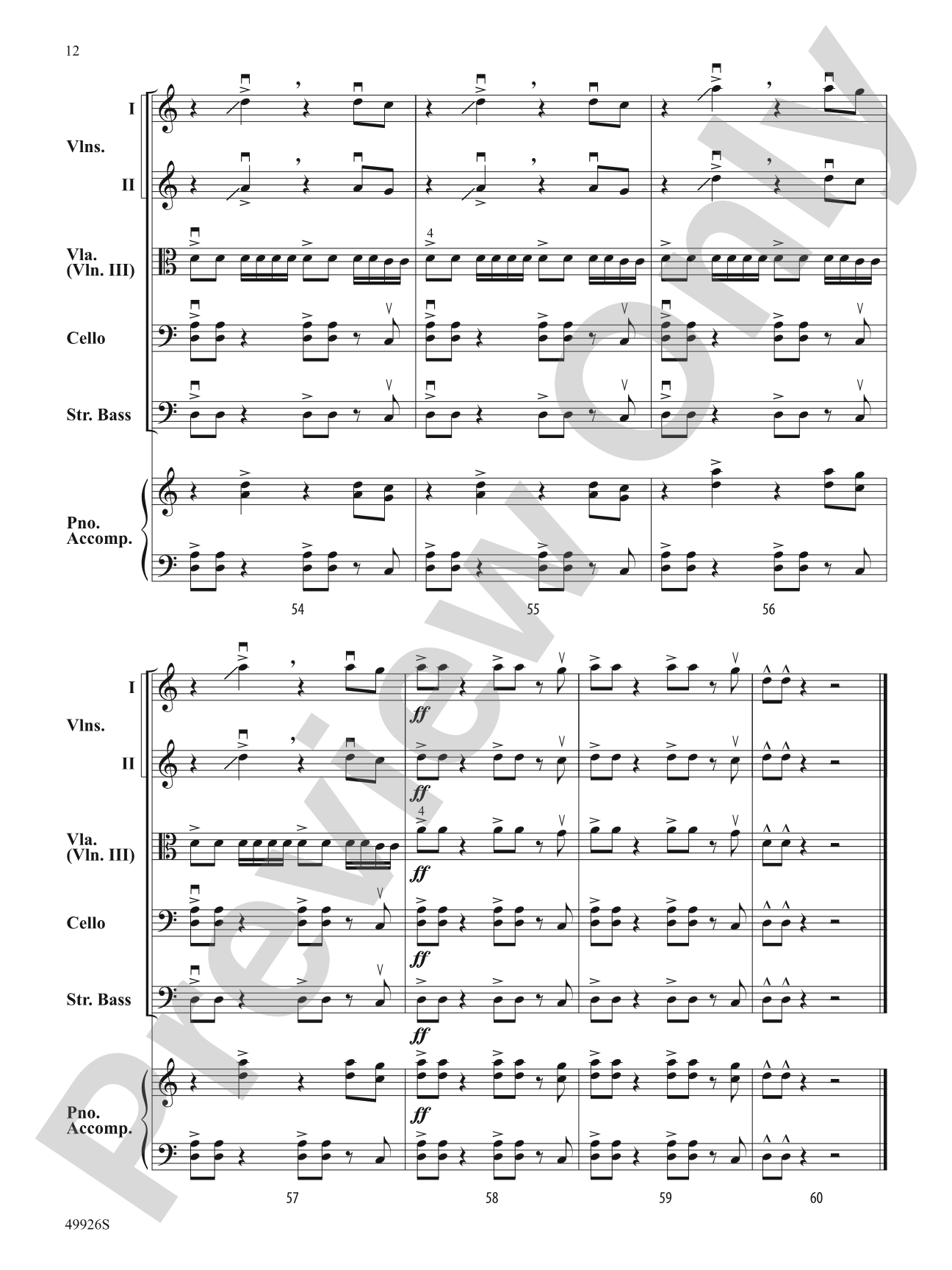
Your cello and string bass sections take center stage in this rockin' piece by Chris M. Bernotas. Heavy Lifting is a driving, hard-rock selection that gives everyone in the orchestra the opportunity to shine while highlighting the low strings. With FLEX parts available as a free download, this cello and string bass feature can highlight any instrument or group of instruments in the string orchestra. Perfect for your second-year players! (3:00) Correlates to Sound Innovations, Book 2, Level 2.


Don't just read it, hear it, play along with it, and watch your students grow with it. In MakeMusic Cloud, Heavy Lifting: Flexible String Ensemble Score & Parts comes alive with professional accompaniment, adjustable tempo, and built-in practice tools that turn solo practice into real progress.
Open in the Player
Jump straight in and assign it today.
Start Your Free Trial
Open this title and explore the full library in minutes.
Sample Audio
1
Audio File
--:--
0:00
0:00
Sample Video
Additional Details
Series:
Sound Innovations for String Orchestra
Publisher:
Alfred Music
SKU:
00-PK-0008662
More about this title
About the Composer: Chris M. Bernotas

Chris M. Bernotas brings 25+ years of music education experience to his work as a composer, conductor, and educator. As Director of Instrumental Publications for Alfred Music, he shapes curriculum and repertoire for band and orchestra programs across the country, grounding his approach in direct classroom experience and a deep understanding of what teachers and students need.
Bernotas is known for writing music that balances musicality with pedagogical clarity. His compositions span from early-level ensembles to advanced groups, and he has co-authored foundational resources including the Sound Innovations series, Sound Artistry, and Sound Performance. As a frequent guest conductor and clinician, he works directly with honor groups and workshops, combining his skills as a composer, arranger, and advocate for music education.
Why we love this
Heavy Lifting delivers the kind of energy that transforms second-year orchestras. The arrangement spotlights cello and bass sections while keeping every player engaged, and the flexible scoring lets you reshape the piece to highlight whatever strengths your ensemble brings. Hard-rock grooves at this level rarely feel this sophisticated.
What to expect
Heavy Lifting is exactly what its title promises: a driving, hard-rock sound built on a foundation of low-string power. The piece pulses with forward momentum and attitude, giving ensembles permission to play with edge and swagger while staying accessible.
Who it's for
String orchestras at the second-year level who are ready to tackle contemporary styles and ensemble roles beyond standard voicing. Directors seeking repertoire that excites growing players while developing their rhythmic precision and section awareness will find this piece essential.
How to get the most out of it
- Keep the low strings locked in rhythmically; the groove lives in the foundation. Make sure cellos and basses hear each other and anchor the harmonic movement.
- Balance the featured sections with the ensemble texture. When the piece highlights a particular instrument or group via the FLEX parts, confirm that accompaniment voices remain audible and purposeful.
- Let the rock character breathe through articulation and dynamics. Clean attack on the driving rhythms will make the energy read across a concert hall.
How to use it
This works powerfully as a second-half opener or closing statement at a concert, establishing a refreshing contrast if programmed alongside traditional classical fare. The flexible parts also make it ideal for a showcase concert dedicated to contemporary or popular styles, where you can feature different instrumental combinations across performances.
Skills your students will build
- Reading and executing hard-rock rhythmic figures with precision
- Supporting ensemble texture while featured sections carry the melody
- Playing with stylistic character beyond traditional classical articulation
- Understanding low-string voice independence and rhythmic lock
- Adapting to flexible scoring and understanding how parts recombine