
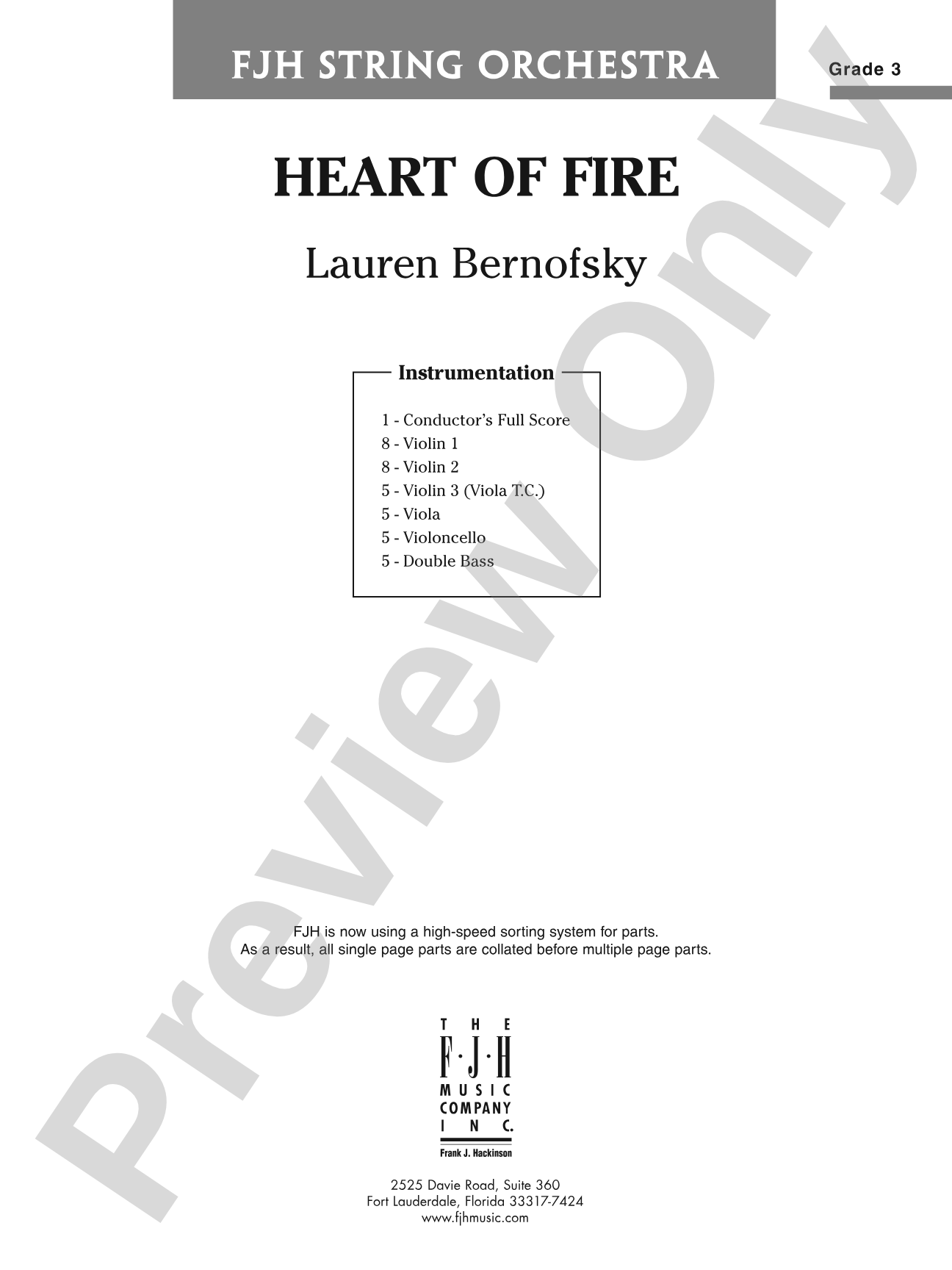

Heart of Fire: String Orchestra Conductor Score & Parts
By Lauren Bernofsky
Grade: 3
Item: 98-DST6273

$80.00
Pickup currently not available
Buy Extra Parts (Digital PDF Download)
| Product | Price | Quantity |
|---|---|---|
| Heart of Fire: Score | $12.00 | |
| Heart of Fire: Violin 1 | $7.00 | |
| Heart of Fire: Violin 2 | $7.00 | |
| Heart of Fire: Violin 3 (Viola T.C.) | $7.00 | |
| Heart of Fire: Viola | $7.00 | |
| Heart of Fire: Violoncello | $7.00 | |
| Heart of Fire: Double Bass | $7.00 |
Parts Added to Cart!
Description
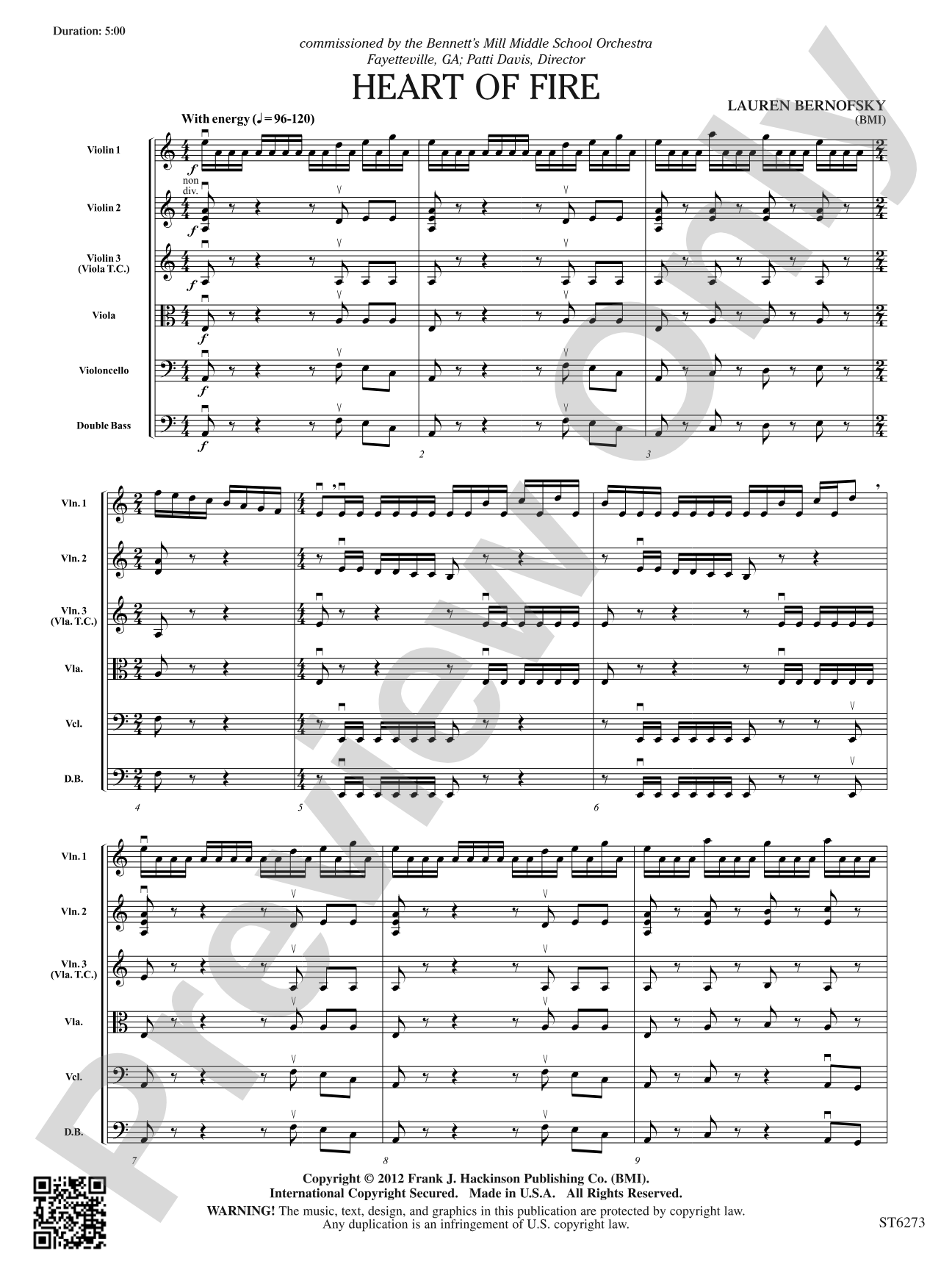
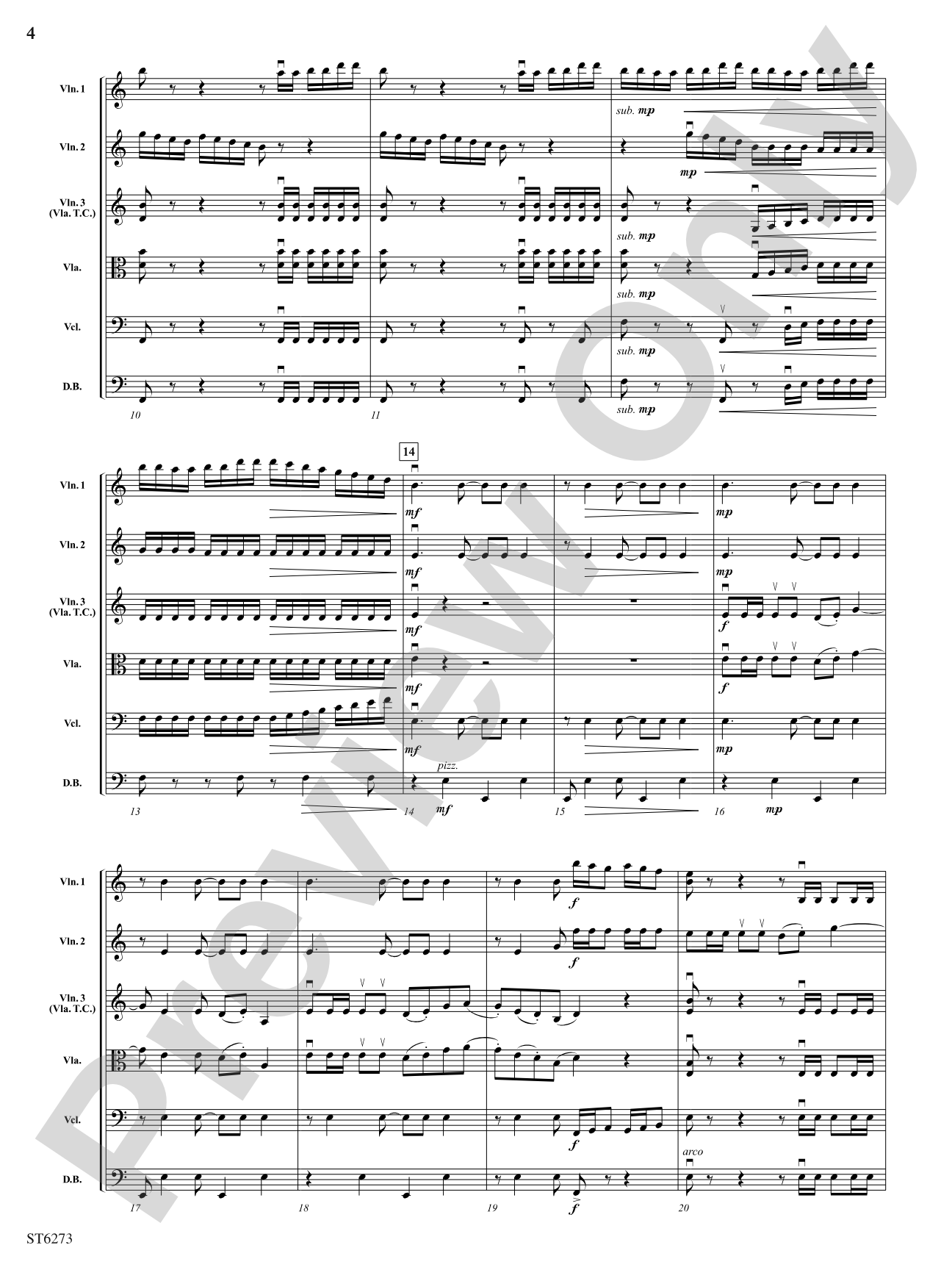
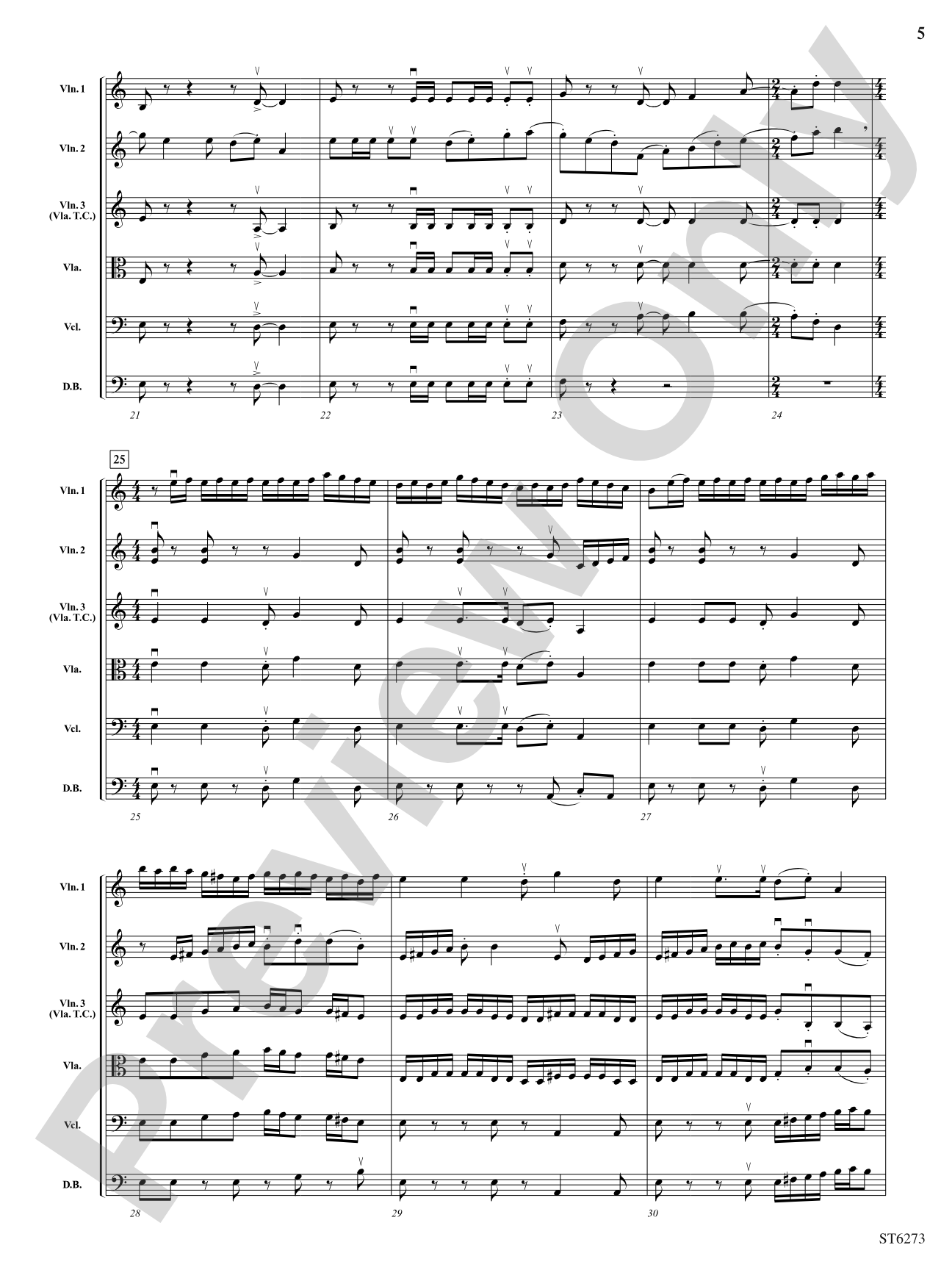
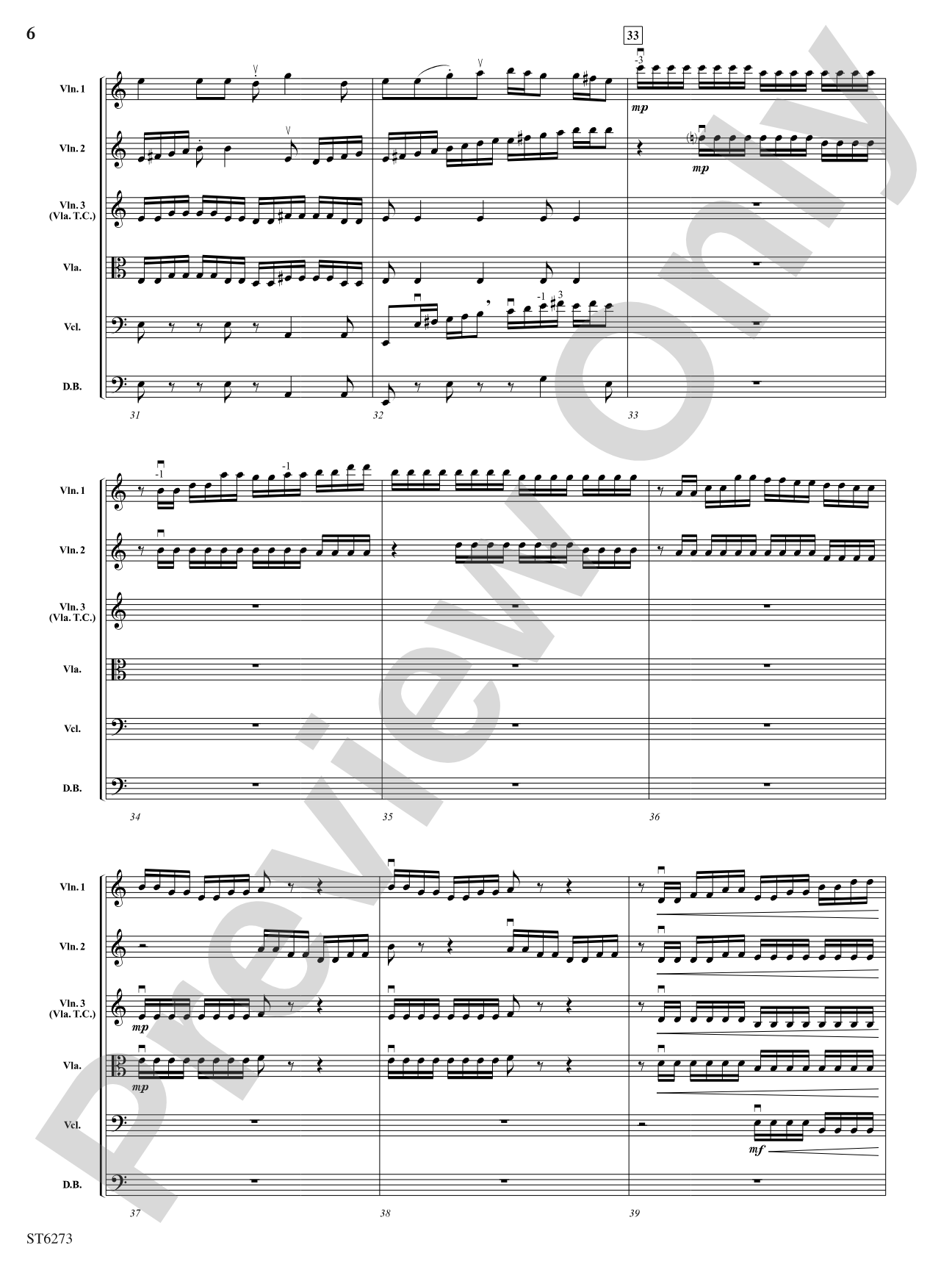
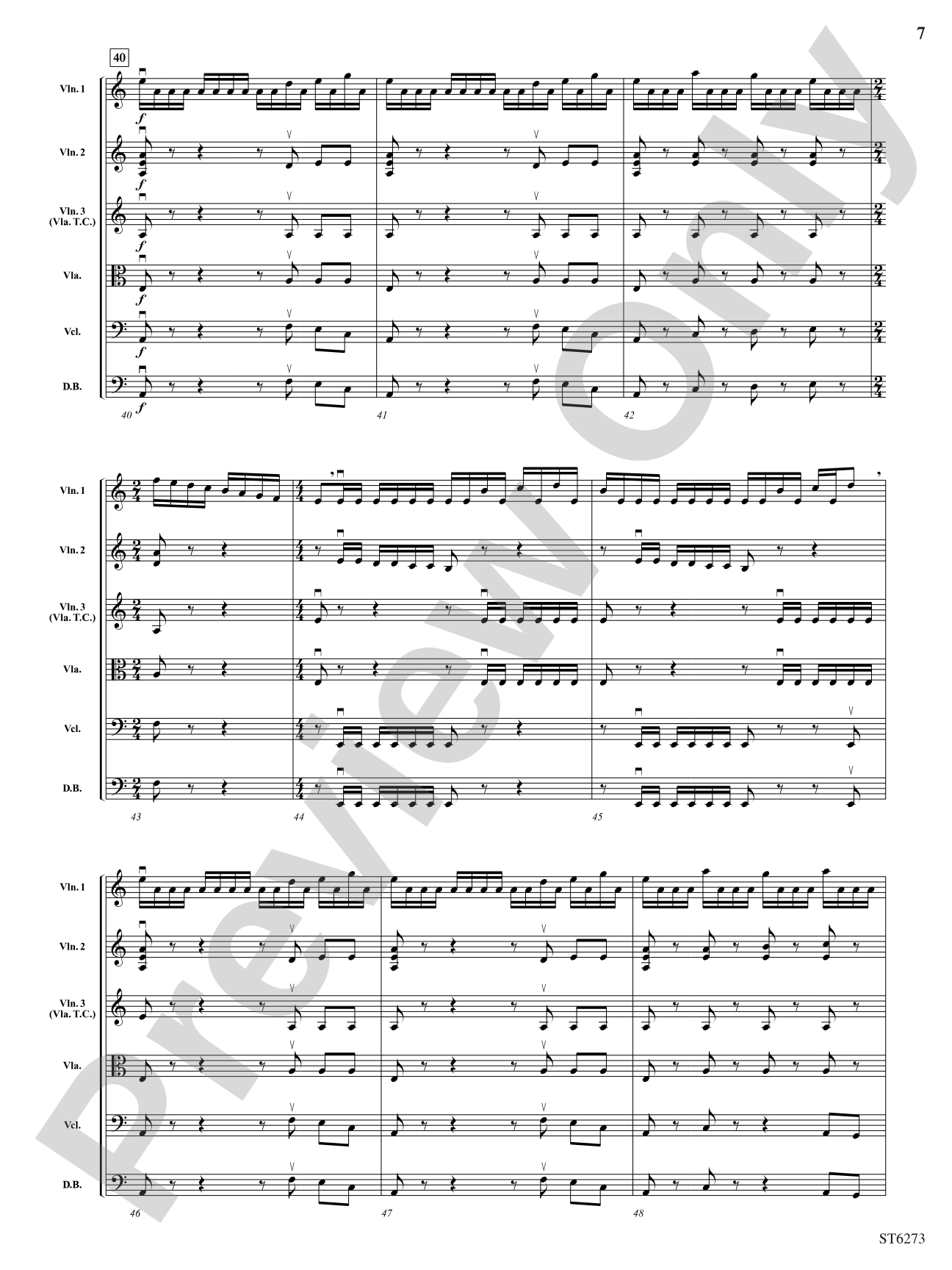
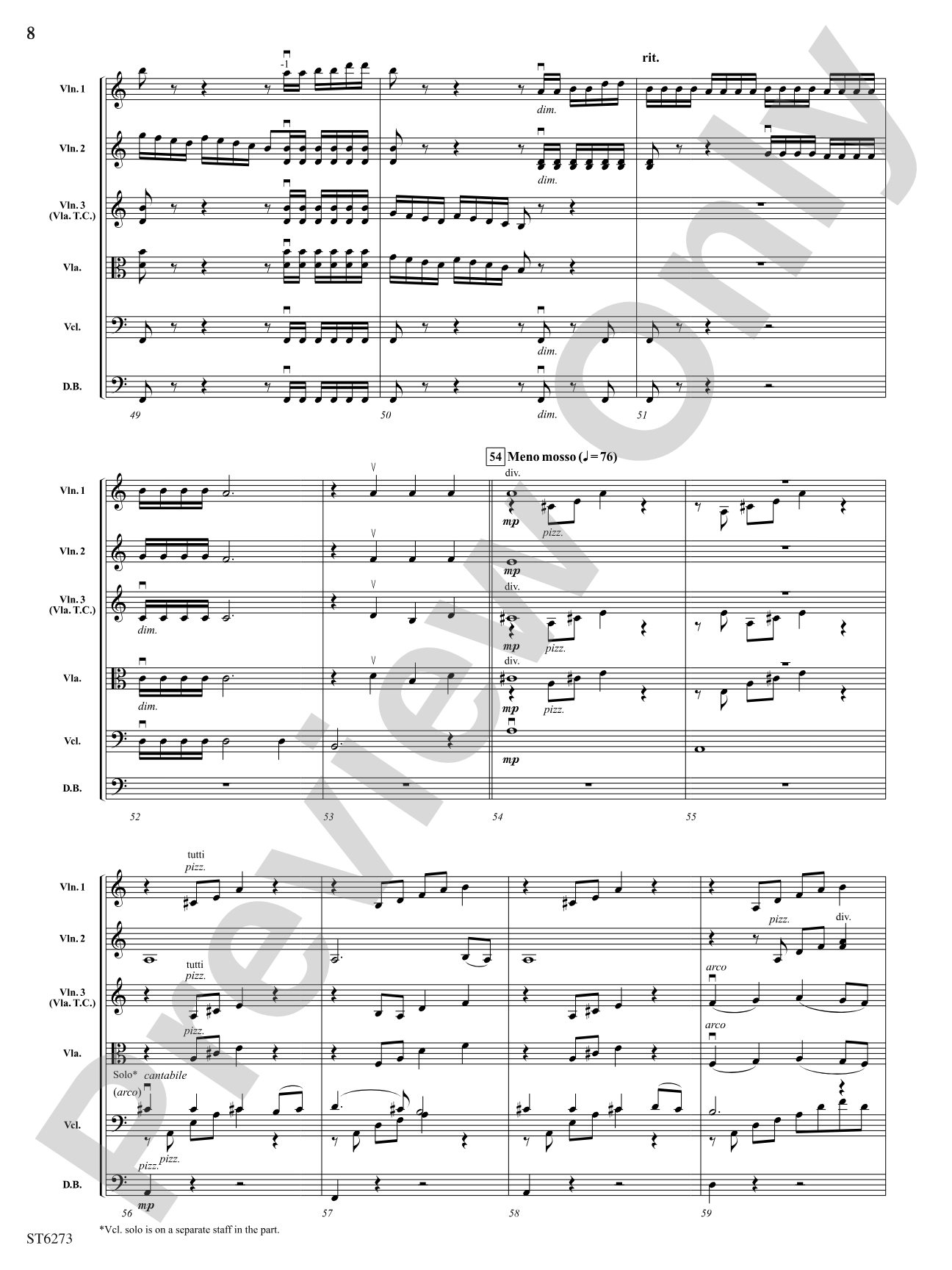
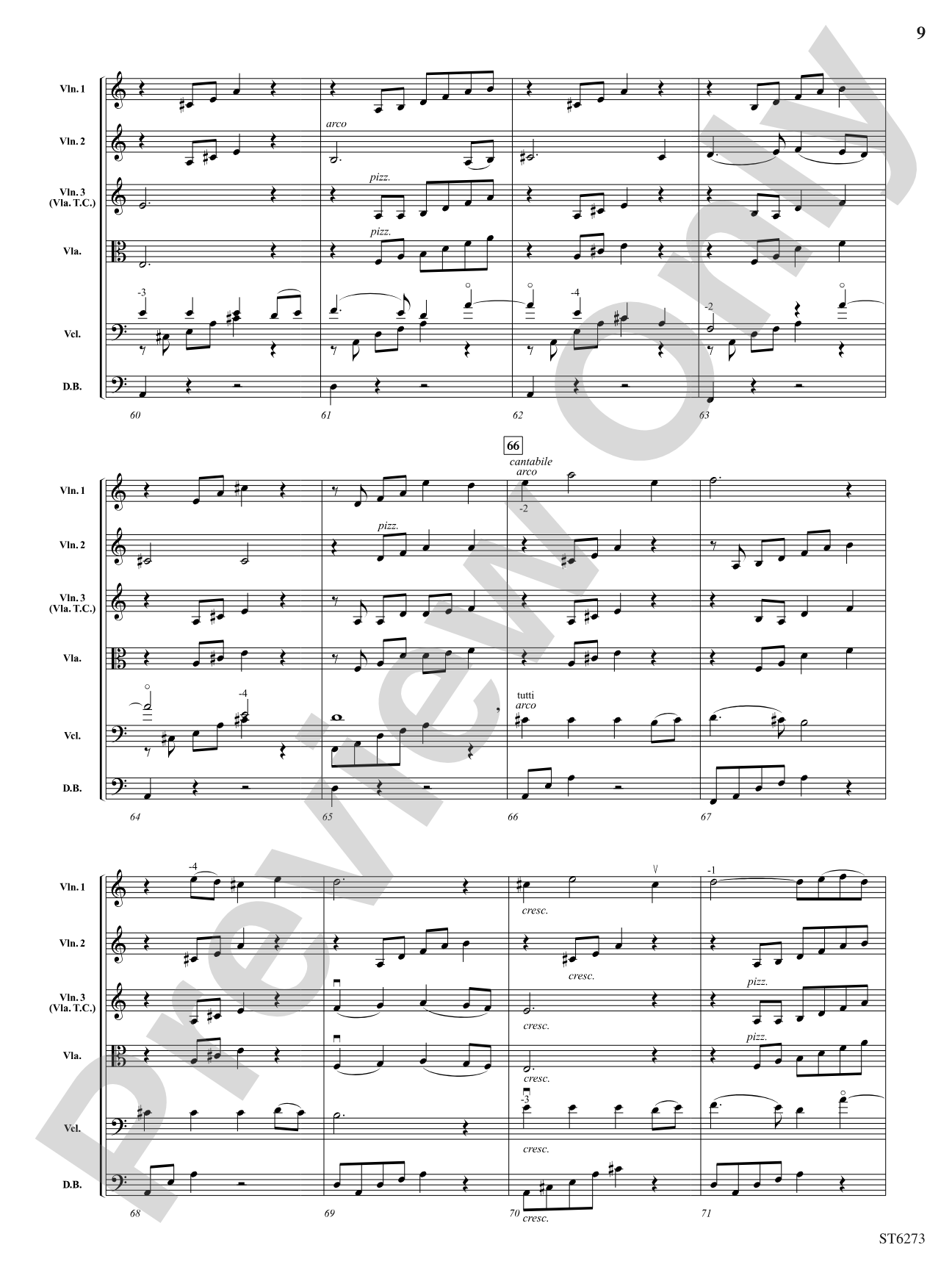
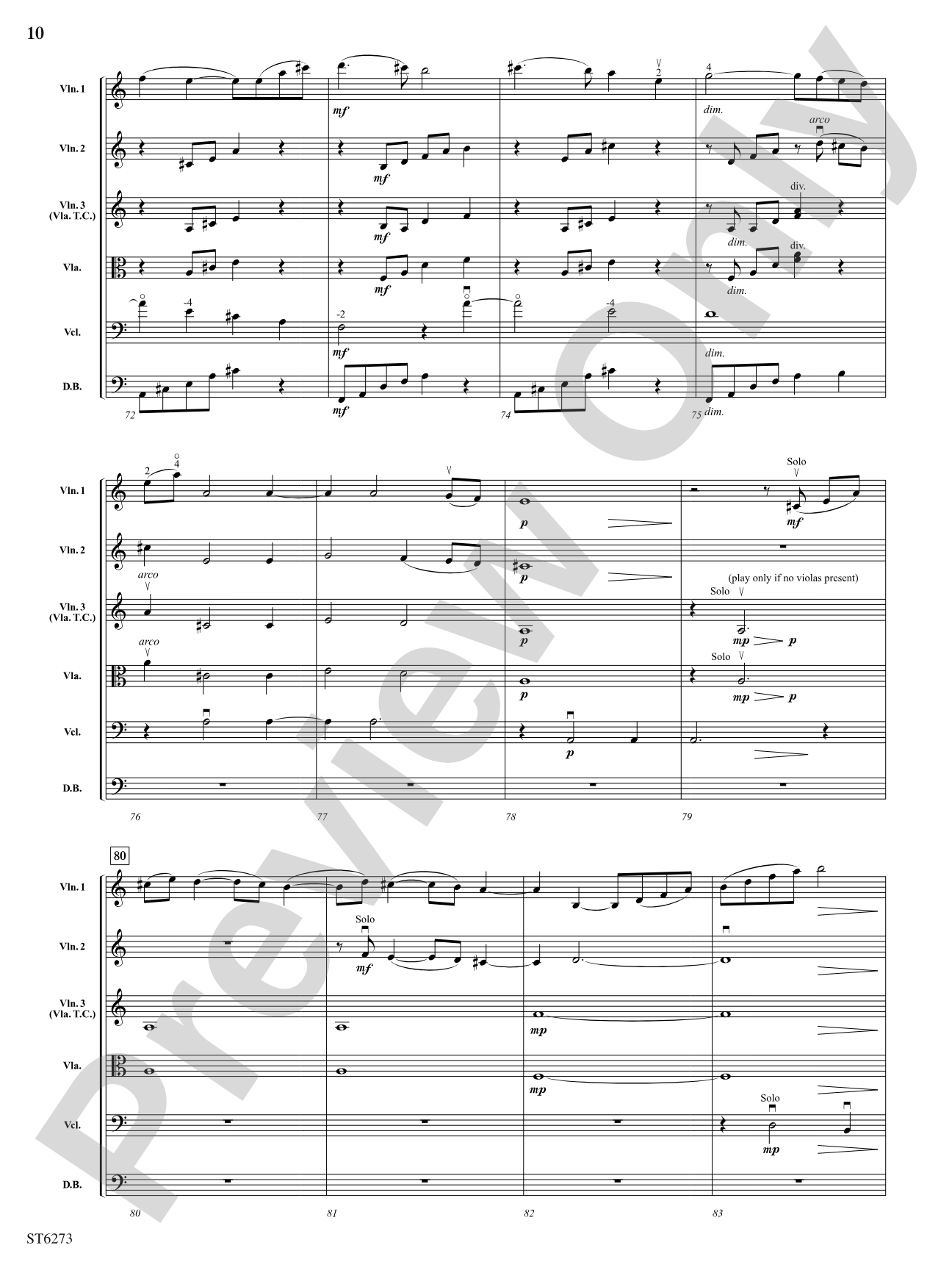
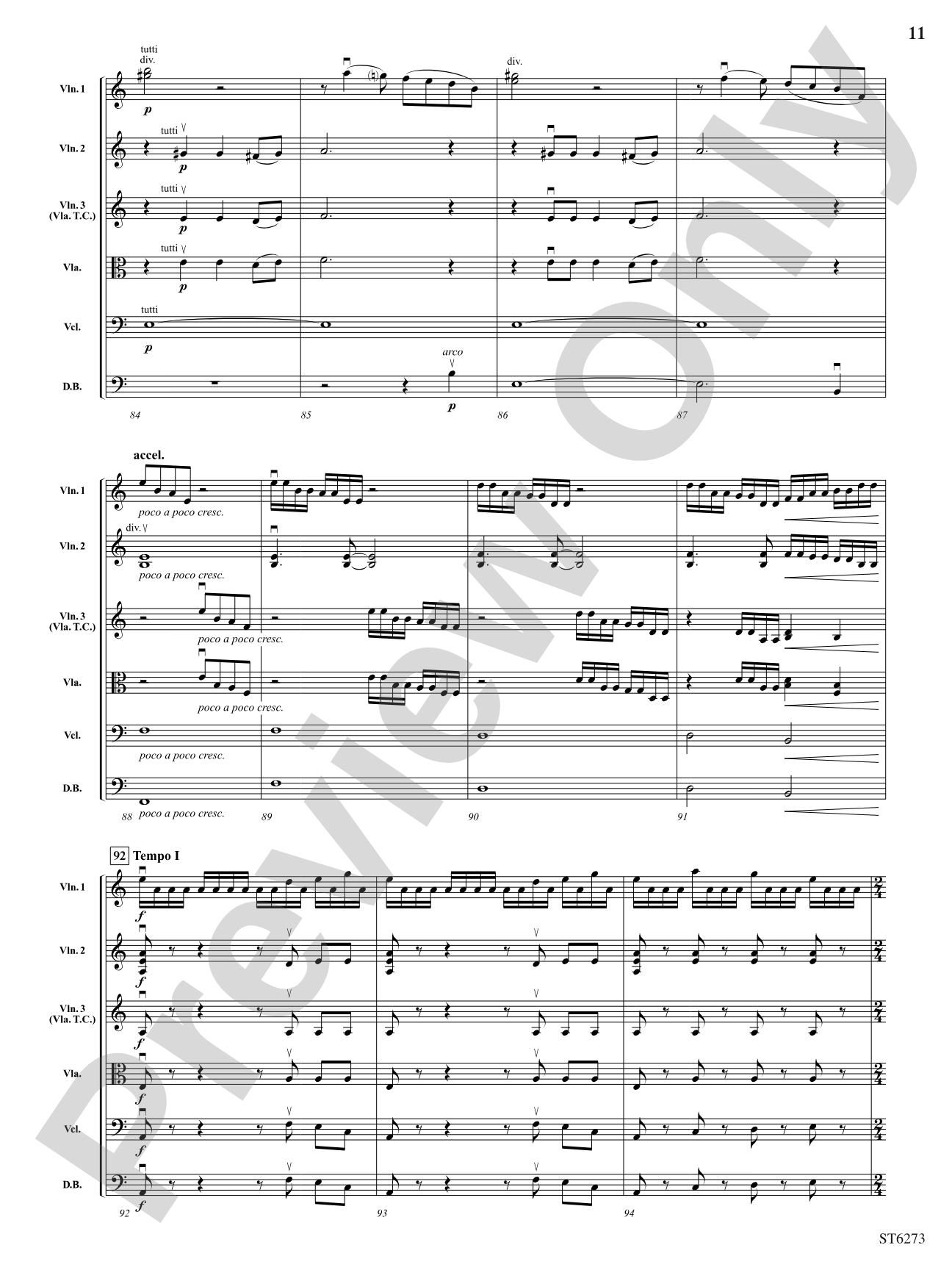
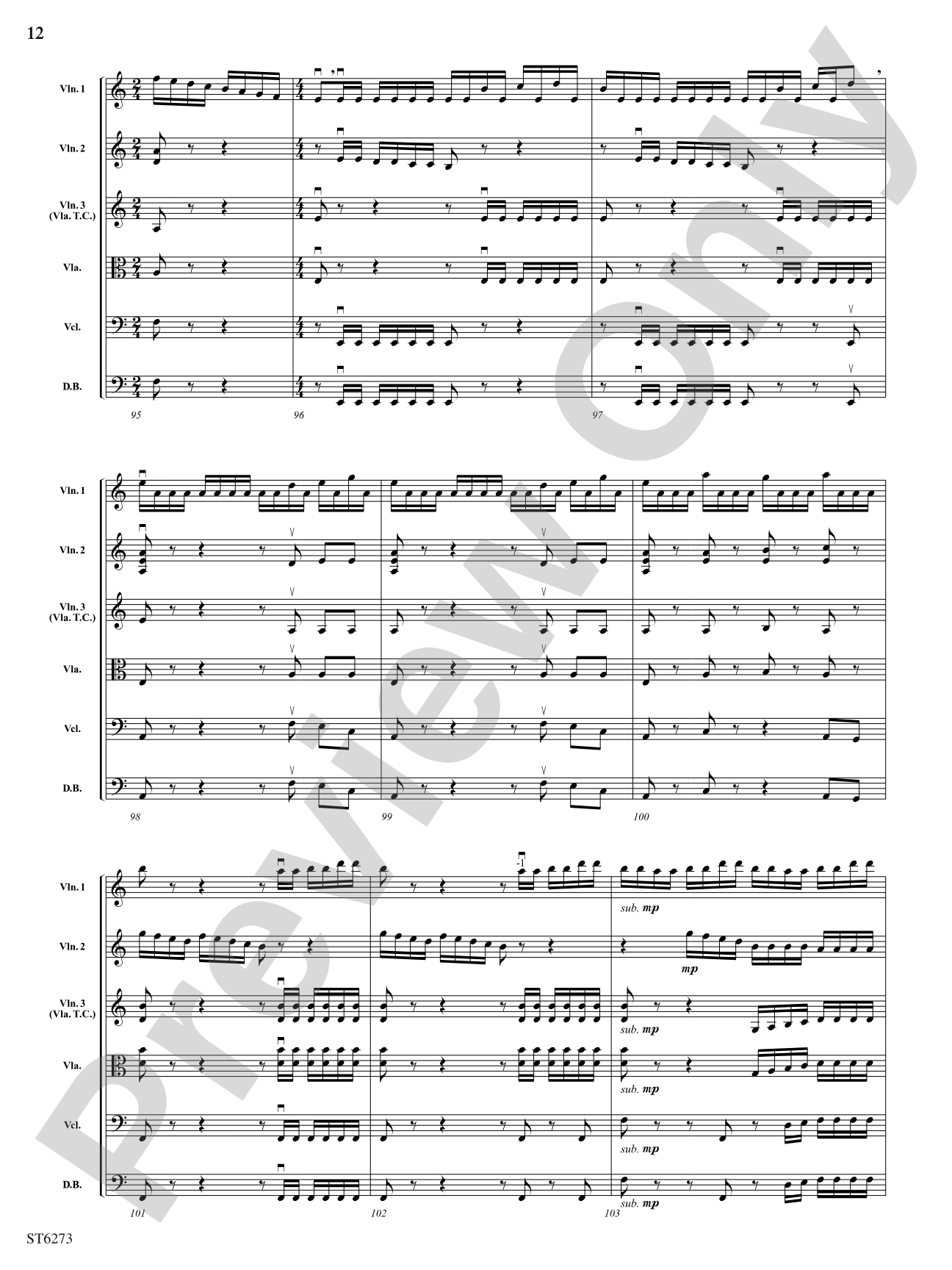
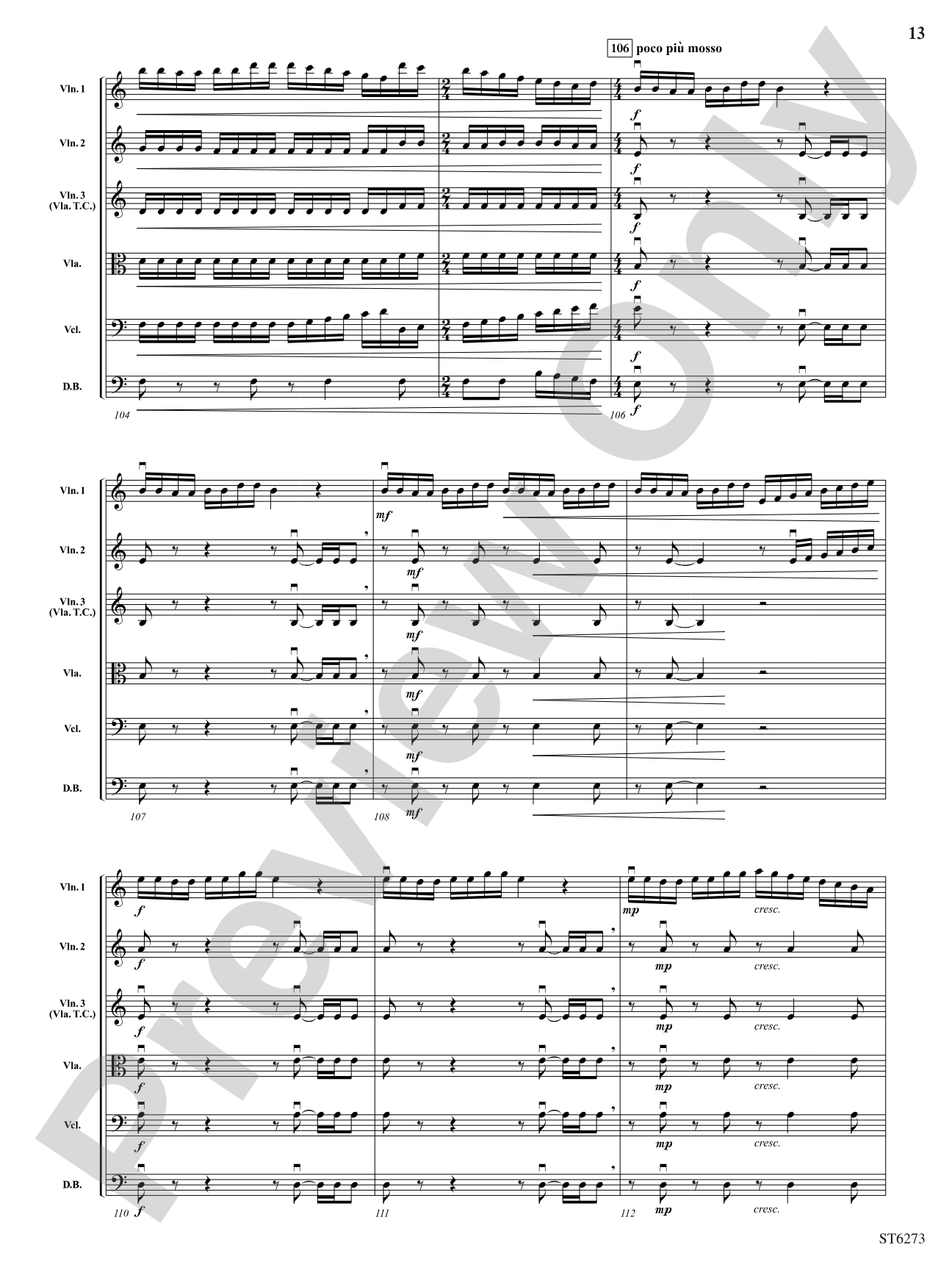
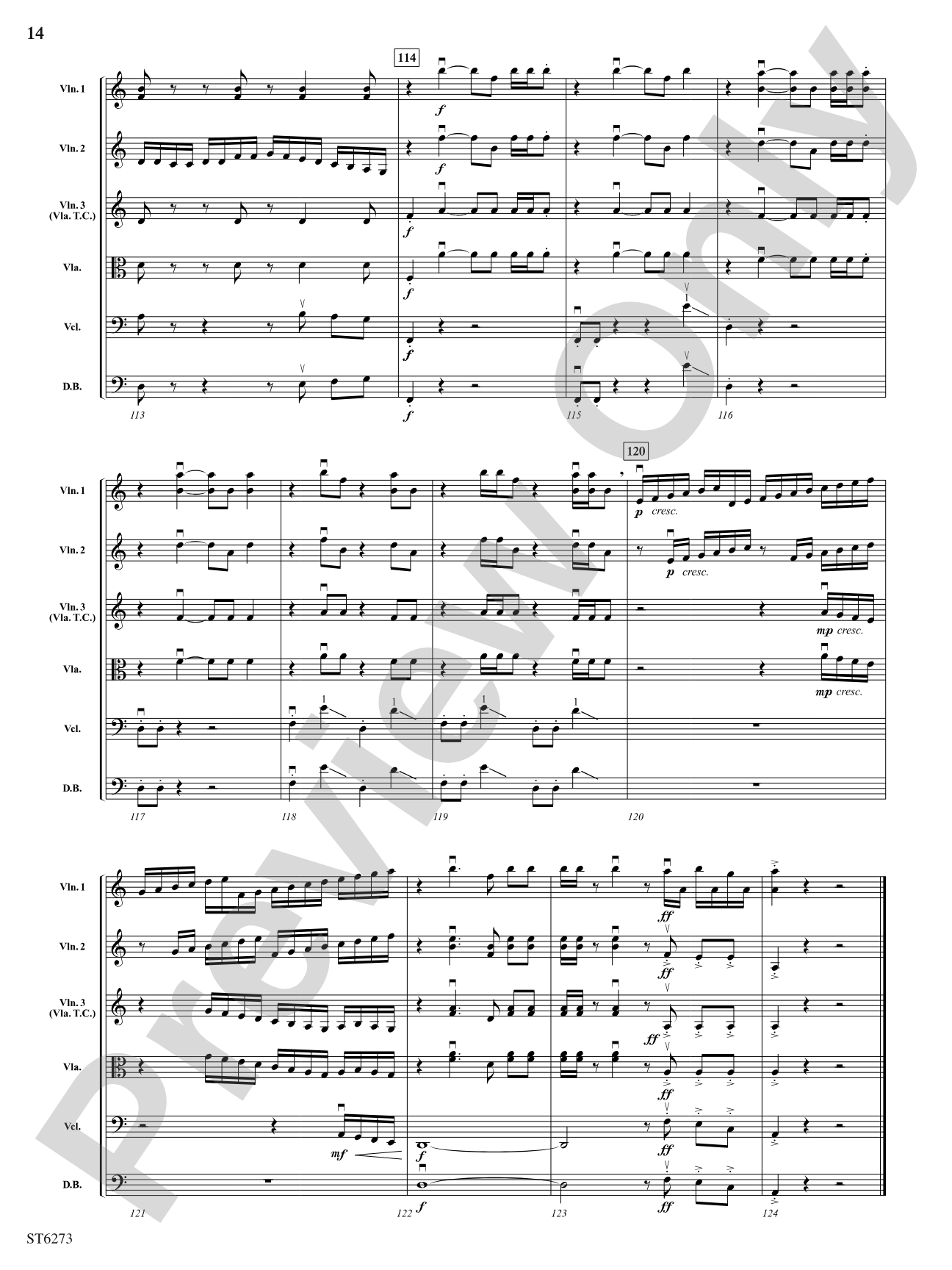
Inspired by those incredible figures in history whose passion and perseverance are legendary, this bold work is a tribute to those fiery hearts that have left a legacy of a better life for us today. The opening sixteenth note pulse in the strings immediately grasps the audience's attention as the music propels forward. A haunting lyrical melody becomes the focus of the second section, which features solos in both violin parts, viola and cello. A brief transition brings back the aggressive themes from the opening as the work comes to a powerful conclusion! (5:00)


Don't just read it, hear it, play along with it, and watch your students grow with it. In MakeMusic Cloud, Heart of Fire: String Orchestra Conductor Score & Parts comes alive with professional accompaniment, adjustable tempo, and built-in practice tools that turn solo practice into real progress.
Open in the Player
Jump straight in and assign it today.
Start Your Free Trial
Open this title and explore the full library in minutes.
Sample Audio
1
Audio File
--:--
0:00
0:00
Sample Video
No sample videos found.
Additional Details
Series:
FJH String Orchestra
Publisher:
The FJH Music Company, Inc.
SKU:
98-DST6273
More about this title
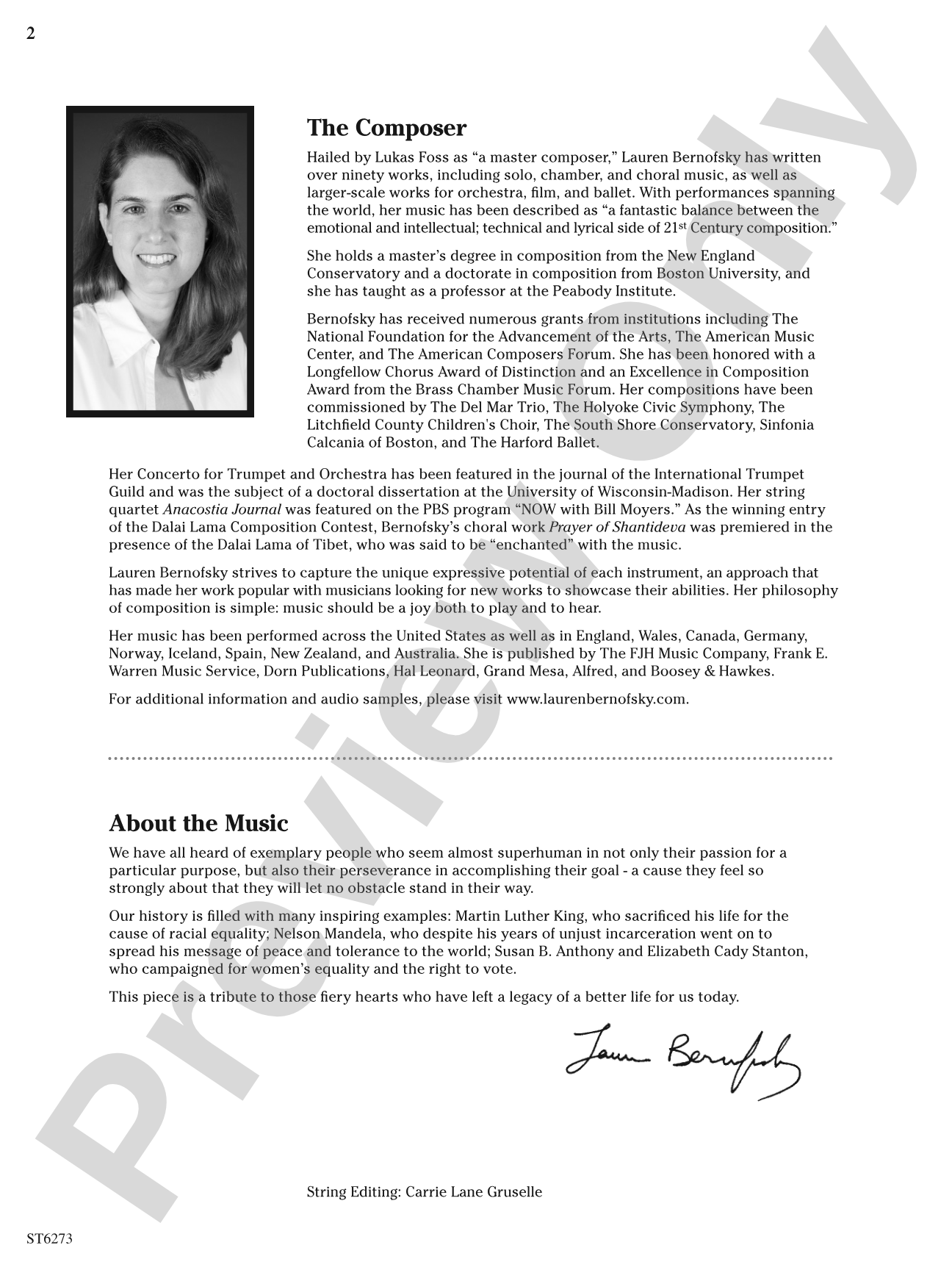
About the Composer: Lauren Bernofsky

Lauren Bernofsky's catalog spans over a hundred compositions across solo, chamber, orchestral, operatic, and ballet genres. Lukas Foss called her "a master composer," and her work consistently demonstrates what critics describe as "a fantastic balance between the emotional and intellectual; technical and lyrical sides of 21st Century composition." Her accolades include the National Flute Association's Newly Published Music Competition (for Sonatine), the Opera Puppets Award at Boston Metro Opera (for Mooch the Magnificent), and the Dalai Lama Composition Contest (for the choral work Prayer of Shantideva, which was premiered at a prayer service attended by the Dalai Lama himself). Her string quartet Anacostia Journal was featured on PBS's NOW with Bill Moyers, and her Concerto for Trumpet and Orchestra has been published in the International Trumpet Guild journal and was the subject of a doctoral dissertation at the University of Wisconsin-Madison.
Bernofsky holds degrees from The Hartt School (Bachelor's in violin and composition), the New England Conservatory (Master's in composition), and Boston University (Doctor of Musical Arts in composition). She has been commissioned by ensembles including The Del Mar Trio, The Bloomington Symphony, The Harford Ballet, and Sinfonia Calcania of Boston, and has received grants from The National Foundation for the Advancement of the Arts, The American Music Center, and The American Composers Forum. She has taught at the Peabody Institute and Interlochen Center for the Arts and regularly gives clinics and conducts at national and international festivals.
Why we love this
Heart of Fire delivers immediate dramatic impact without sacrificing musicality or clarity at Grade 3, making it an excellent choice for ensembles ready to tackle concert or festival programming that demands audience engagement. Bernofsky's structure builds intelligently from the driving opening through a genuinely lyrical mid-section that gives soloists in both violins, viola, and cello genuine musical substance, then returns to power without feeling repetitive. The five-minute duration fills a program slot gracefully and the composition reads as mature and purposeful rather than simply energetic.
What to expect
Heart of Fire pulses with urgency from the first measure, driven by relentless string motion that captures restless energy and determination. The sudden shift to a haunting, soloistic melody offers emotional depth and vulnerability, inviting the listener into intimate reflection before the opening aggression surges back, leaving the impression of unstoppable force tempered by profound feeling.
Who it's for
String orchestras at the intermediate level (around Grade 3) that have solid technical control and are ready for pieces with programmatic intent and emotional range. This work suits ensembles preparing for festival or contest performance, or directors seeking material that challenges students to balance rhythmic precision with lyrical expression.
How to get the most out of it
- Establish the sixteenth-note pulse clearly from the opening: lock your bow articulation with the violas and cellos so the entire string section locks into one rhythmic engine. The audience feels the propulsion only if every player commits to precision.
- Shape the lyrical melody in the second section with long, connected bow strokes across the solo lines. Encourage your soloists to sing through their phrases rather than play note-to-note; this section is the emotional heart of the piece.
- Balance the transition back to the aggressive opening material so it lands with fresh intensity rather than fatigue. Your lower strings need clarity here to signal the return without muddying the texture.
- Build the conclusion gradually through dynamic layering and controlled ensemble unity. Let the final statement breathe slightly so it lands as a true culmination rather than rushing to the finish.
How to use it
Program Heart of Fire as a concert opener or centerpiece where its dramatic arc and festival credentials can shine without competing with quieter works. It pairs well on a spring concert or competition set with more lyrical pieces, providing contrast and showcasing your ensemble's range in both rhythmic drive and expressive playing.
Skills your students will build
- Precision in sixteenth-note rhythmic figures across the full ensemble
- Balancing aggressive articulation with sustained bow control
- Solo playing with musical phrasing and expressive depth (violin, viola, cello solos)
- Ensemble unity during transitions between contrasting sections
- Dynamic control from soft, lyrical passages to bold, powerful statements