
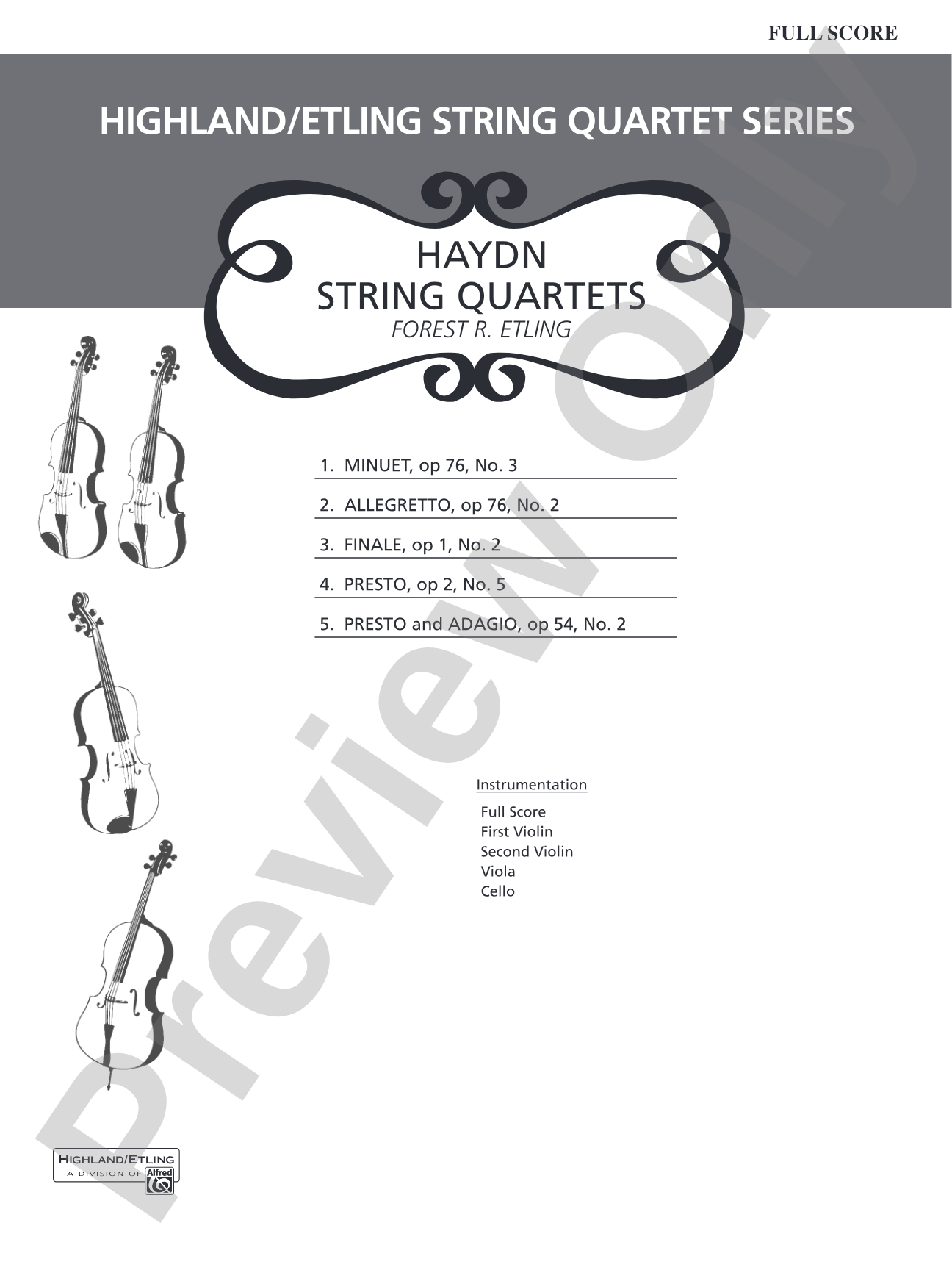
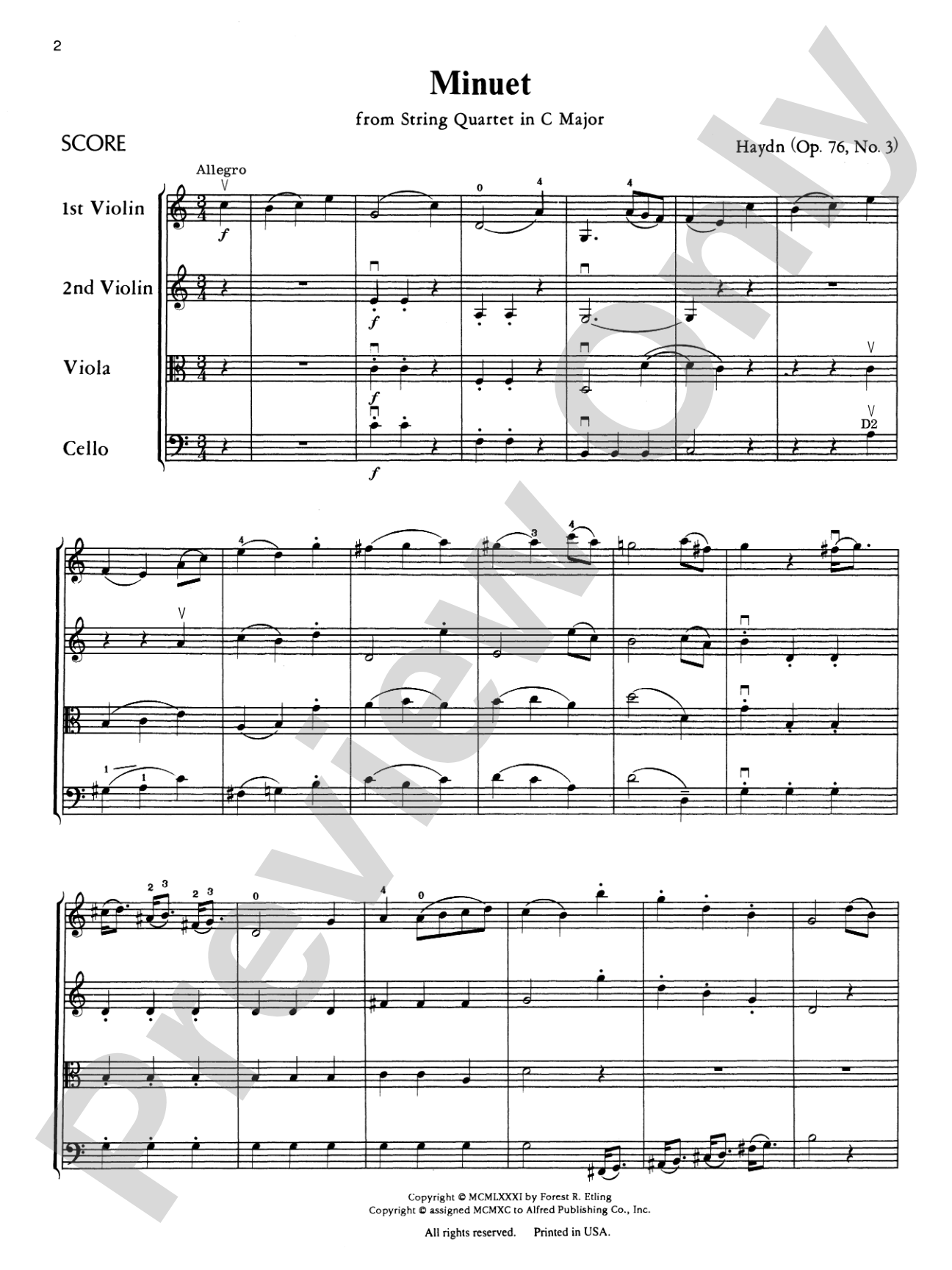
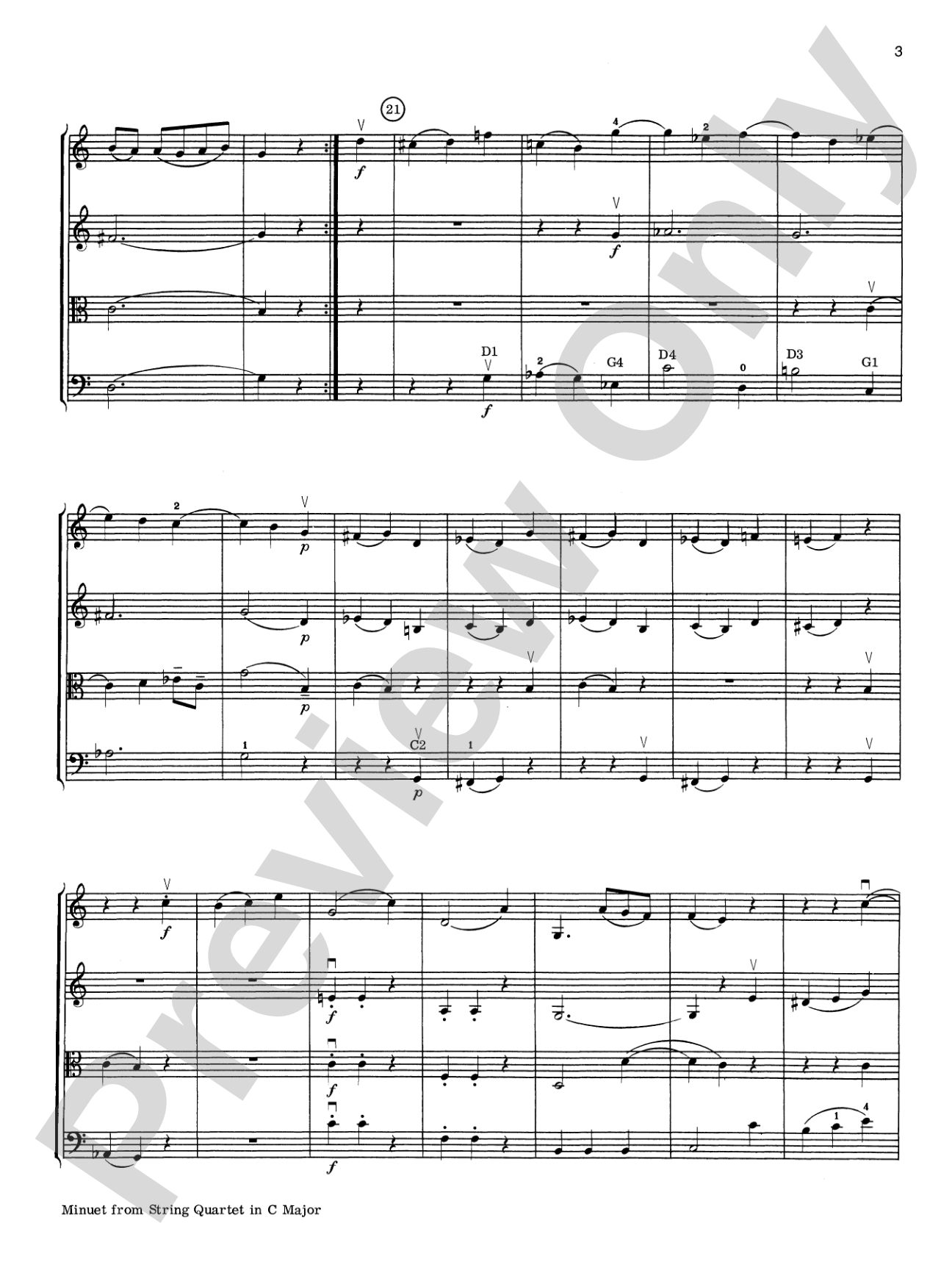
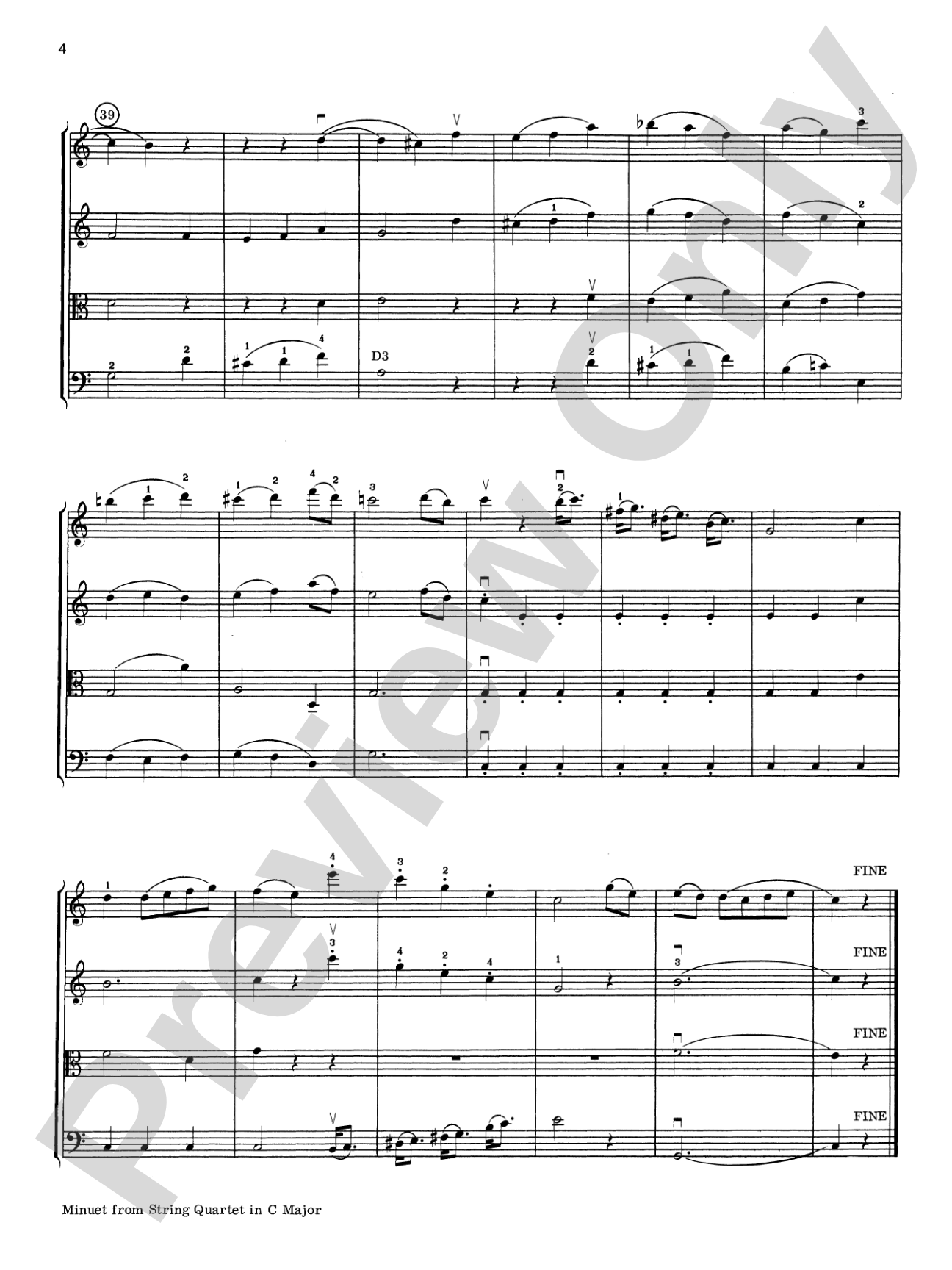
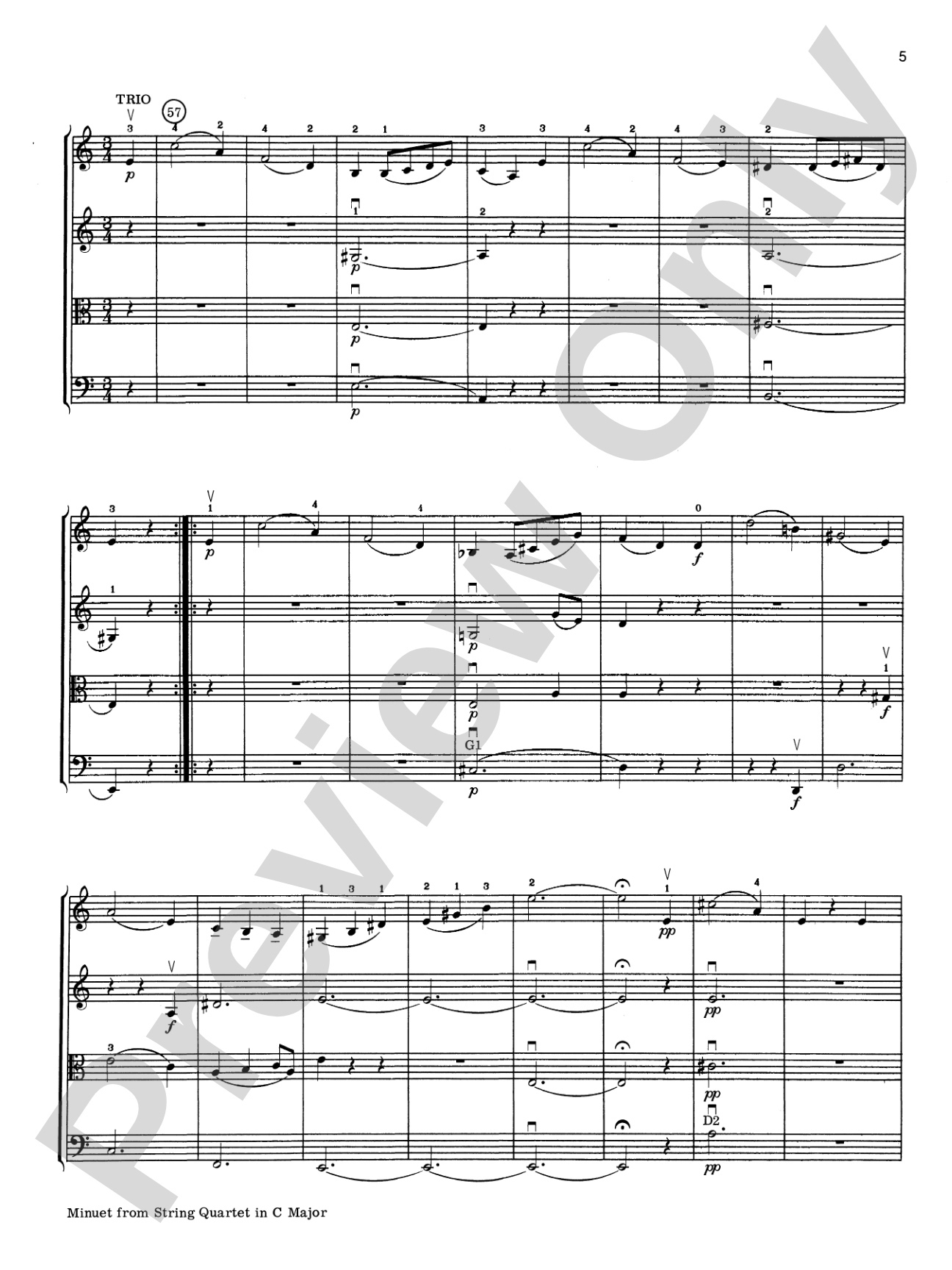
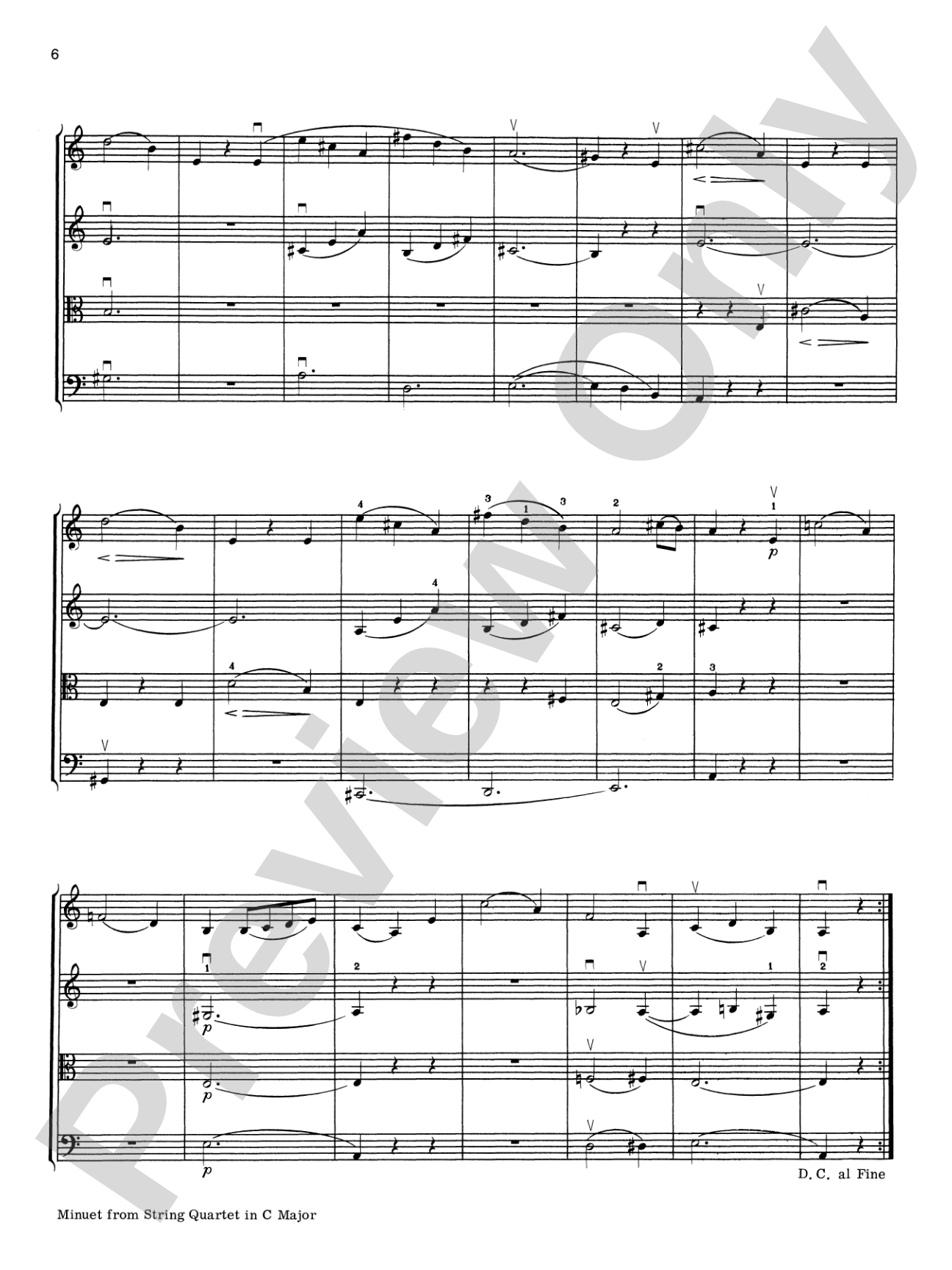
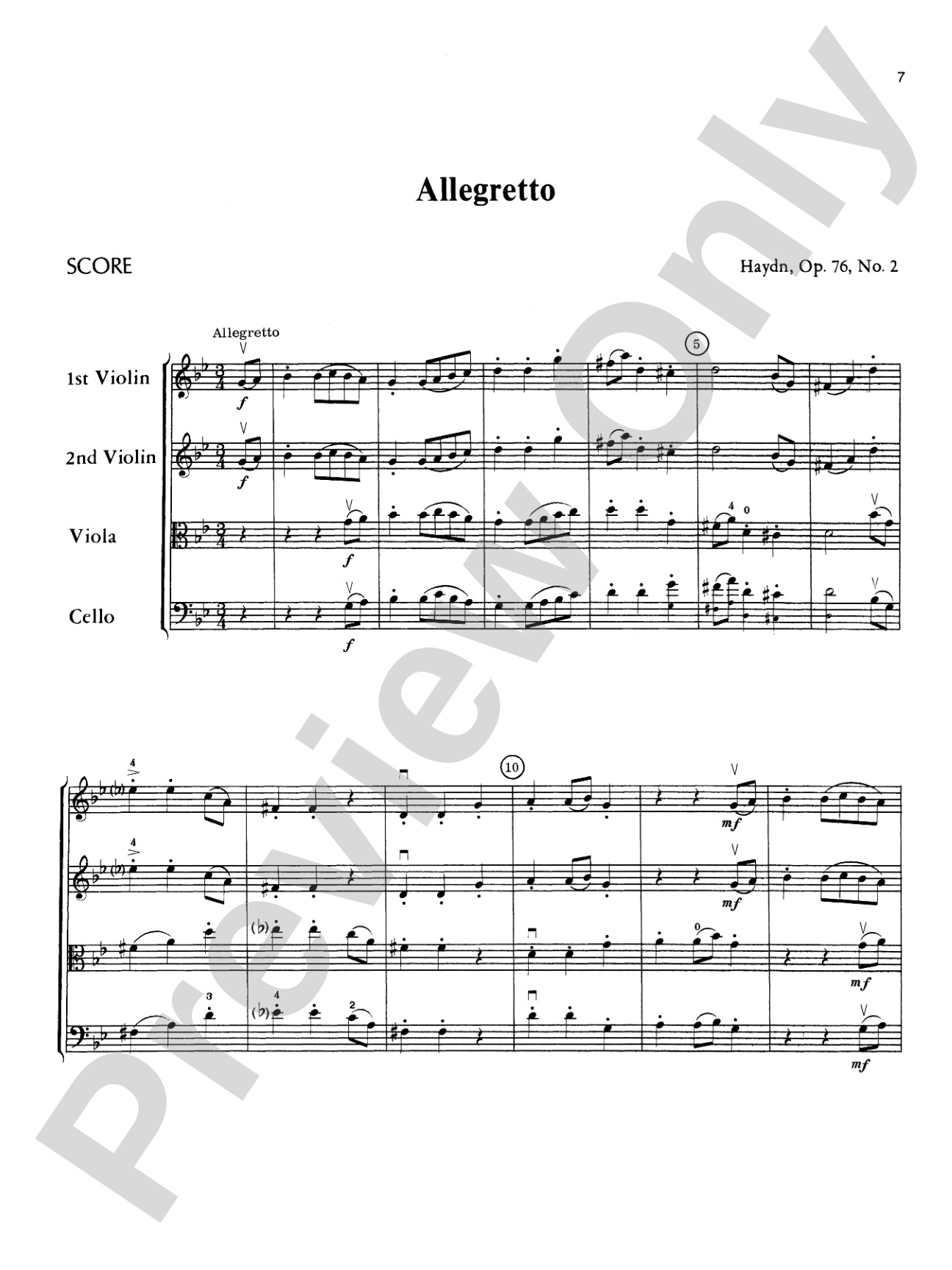
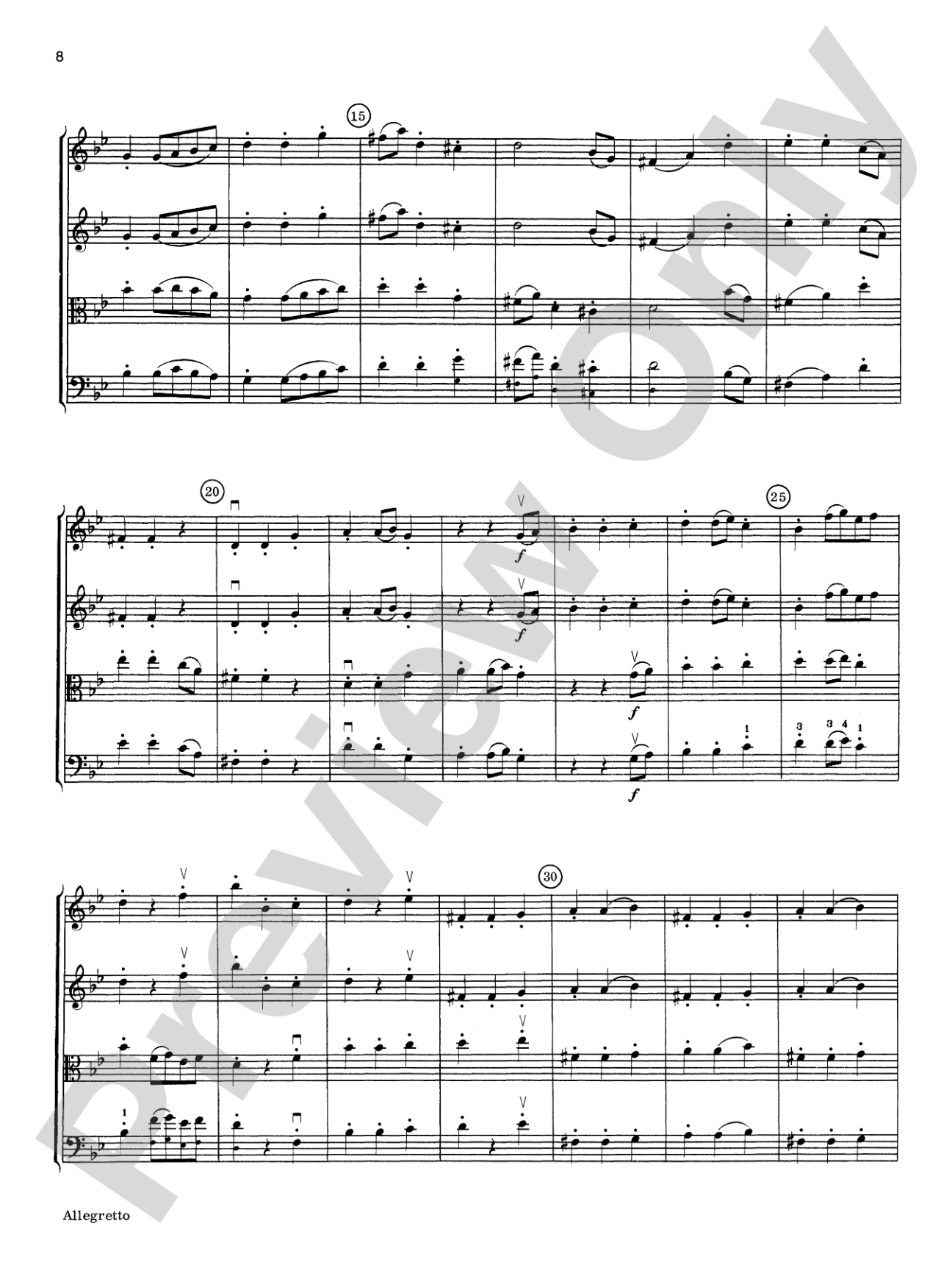
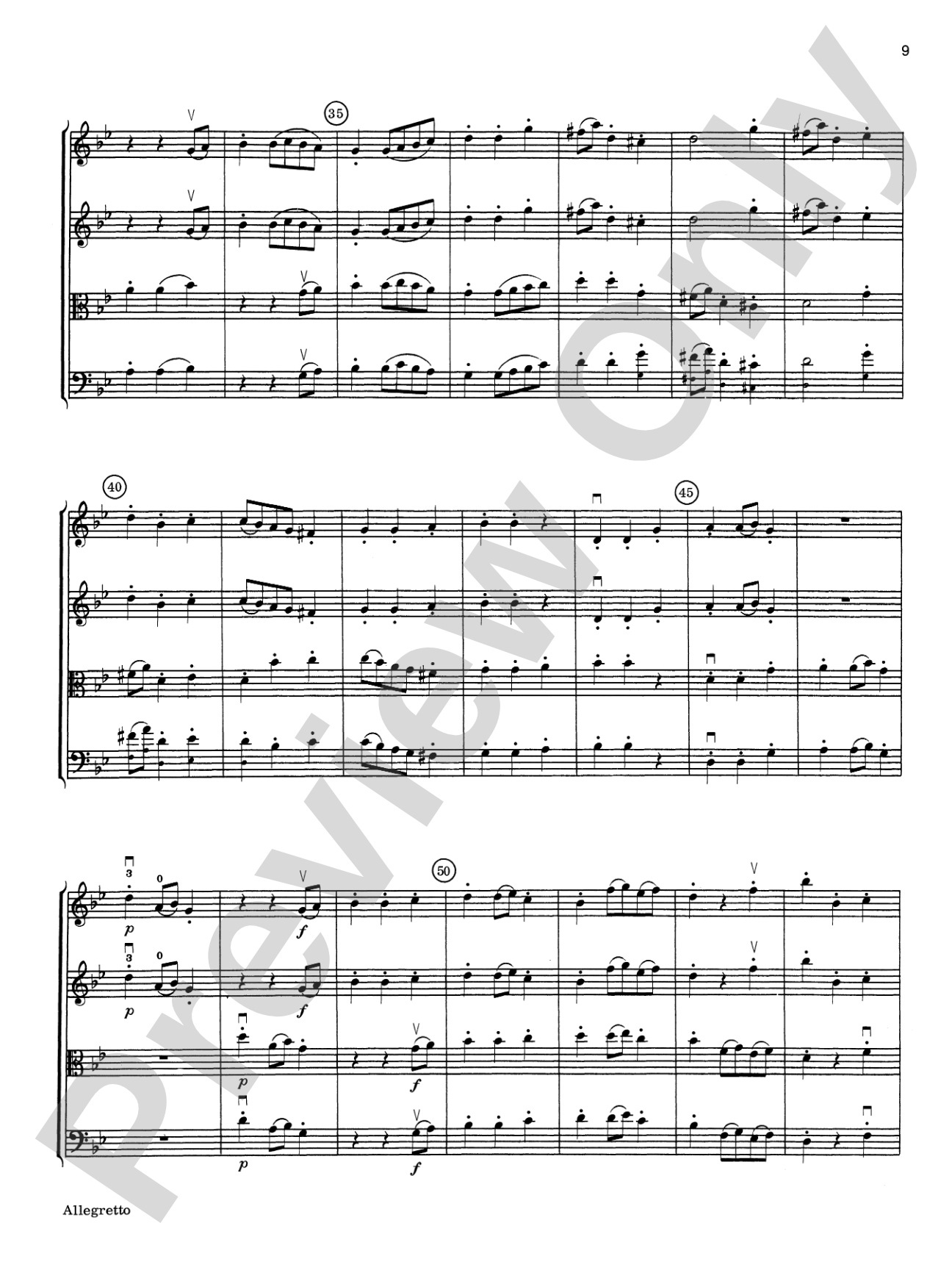
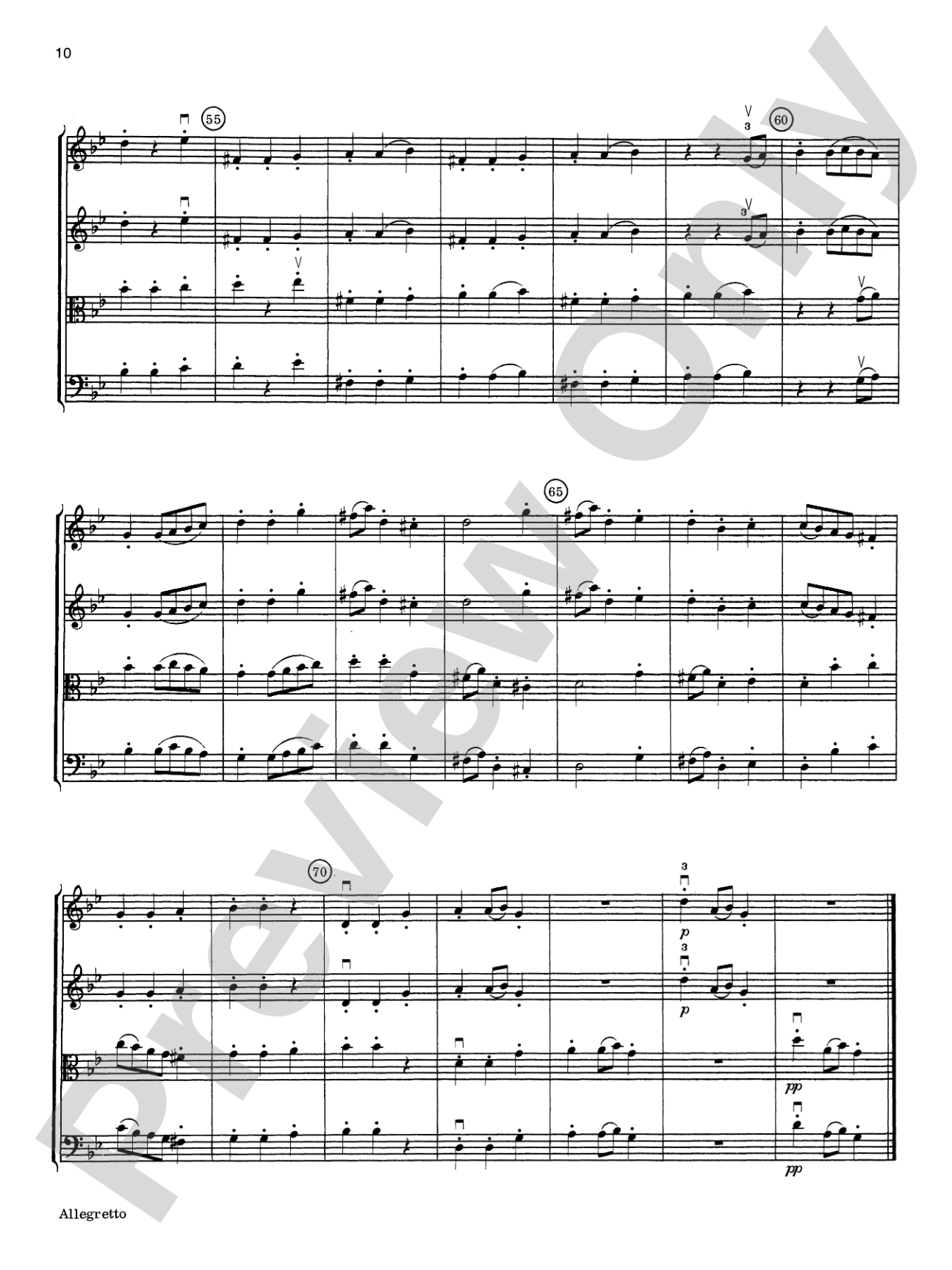
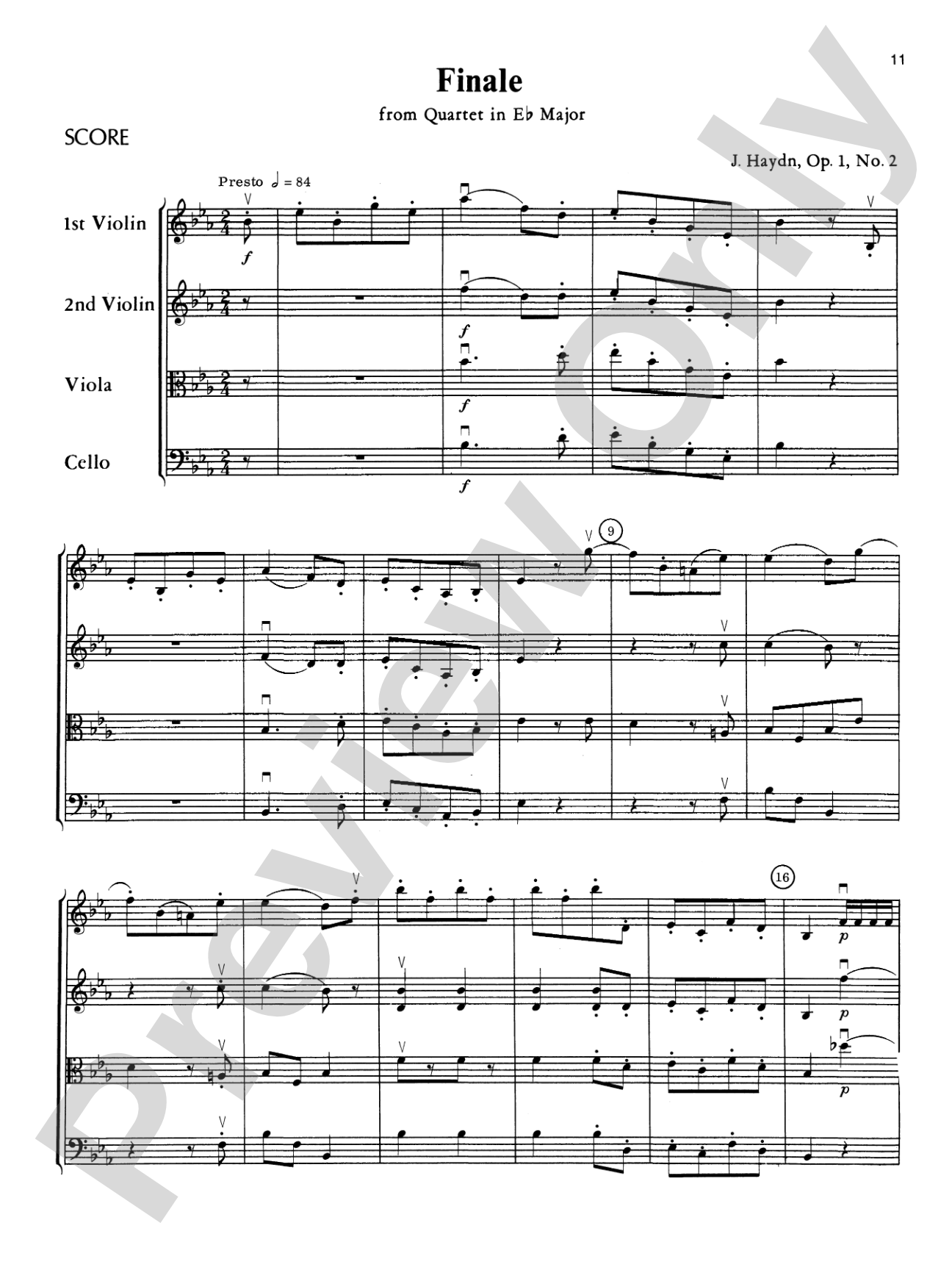
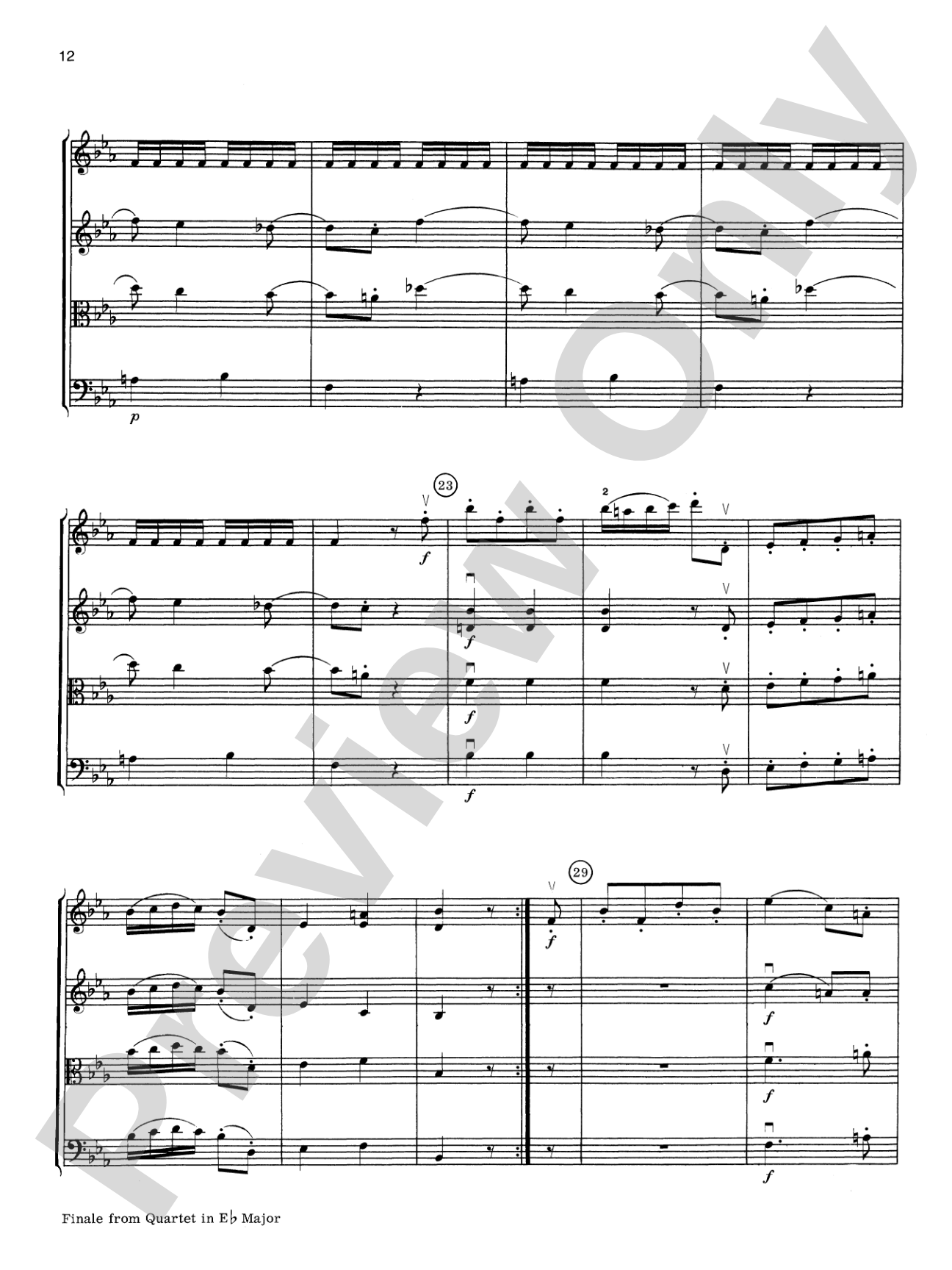
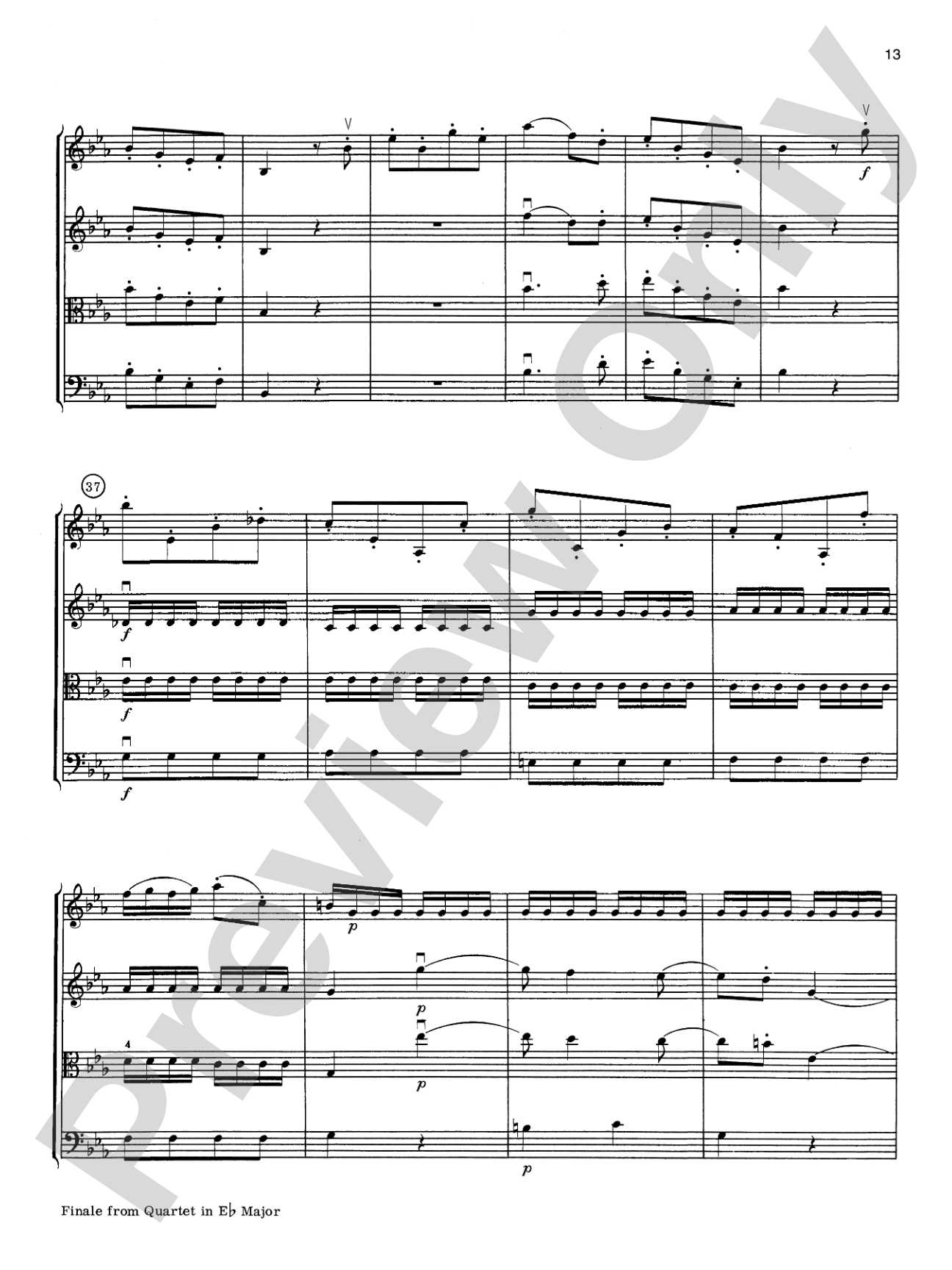
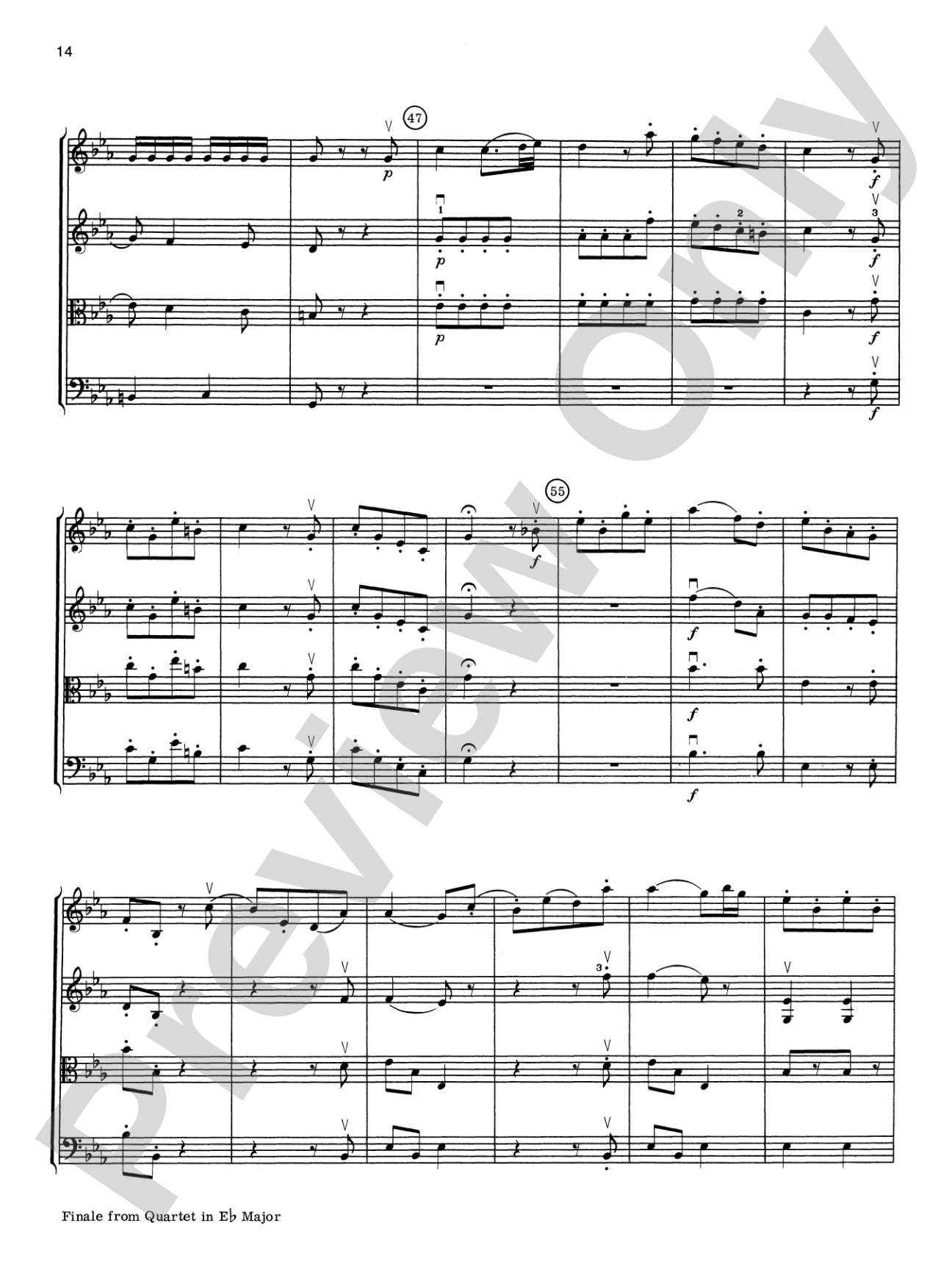
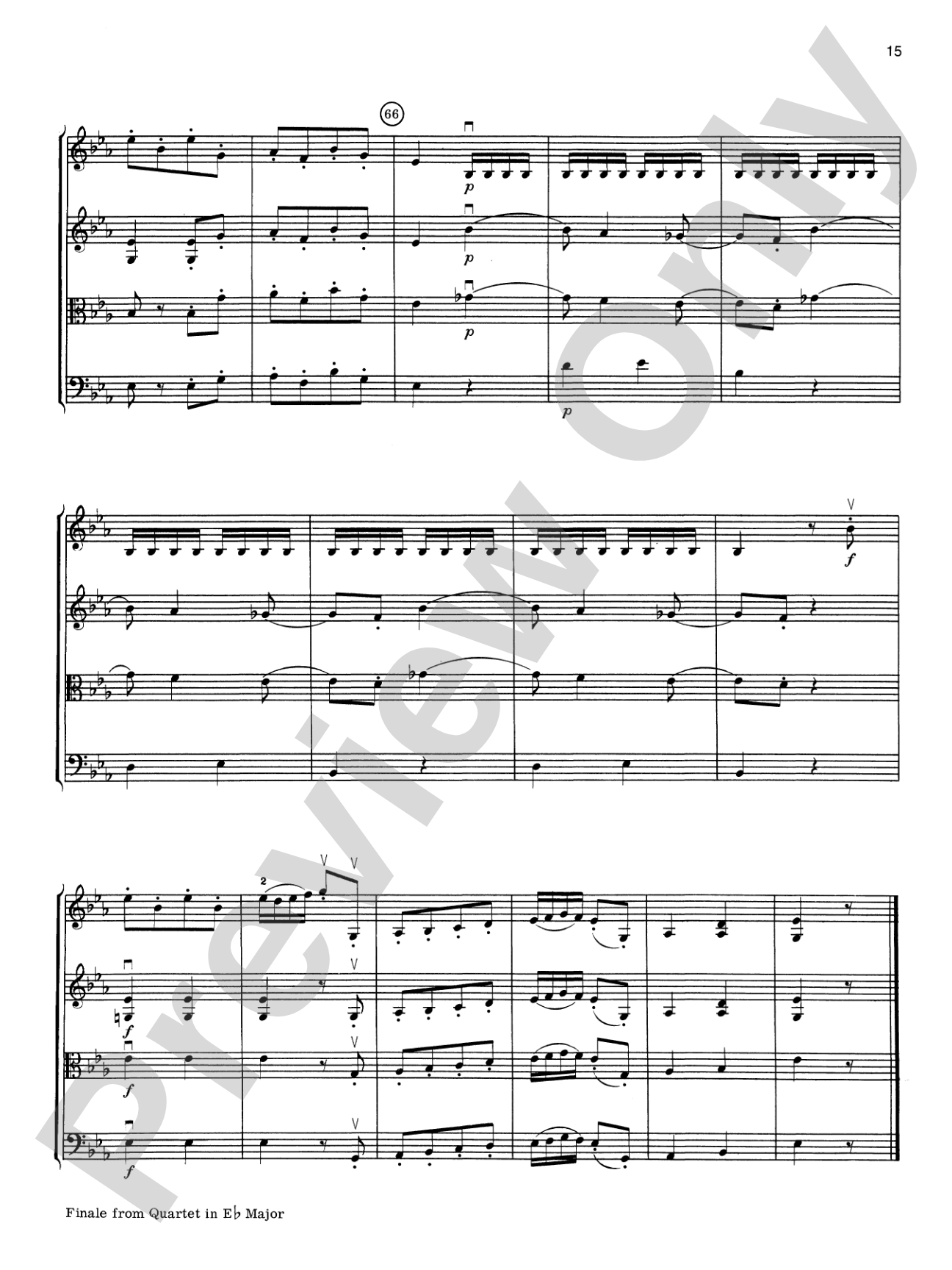
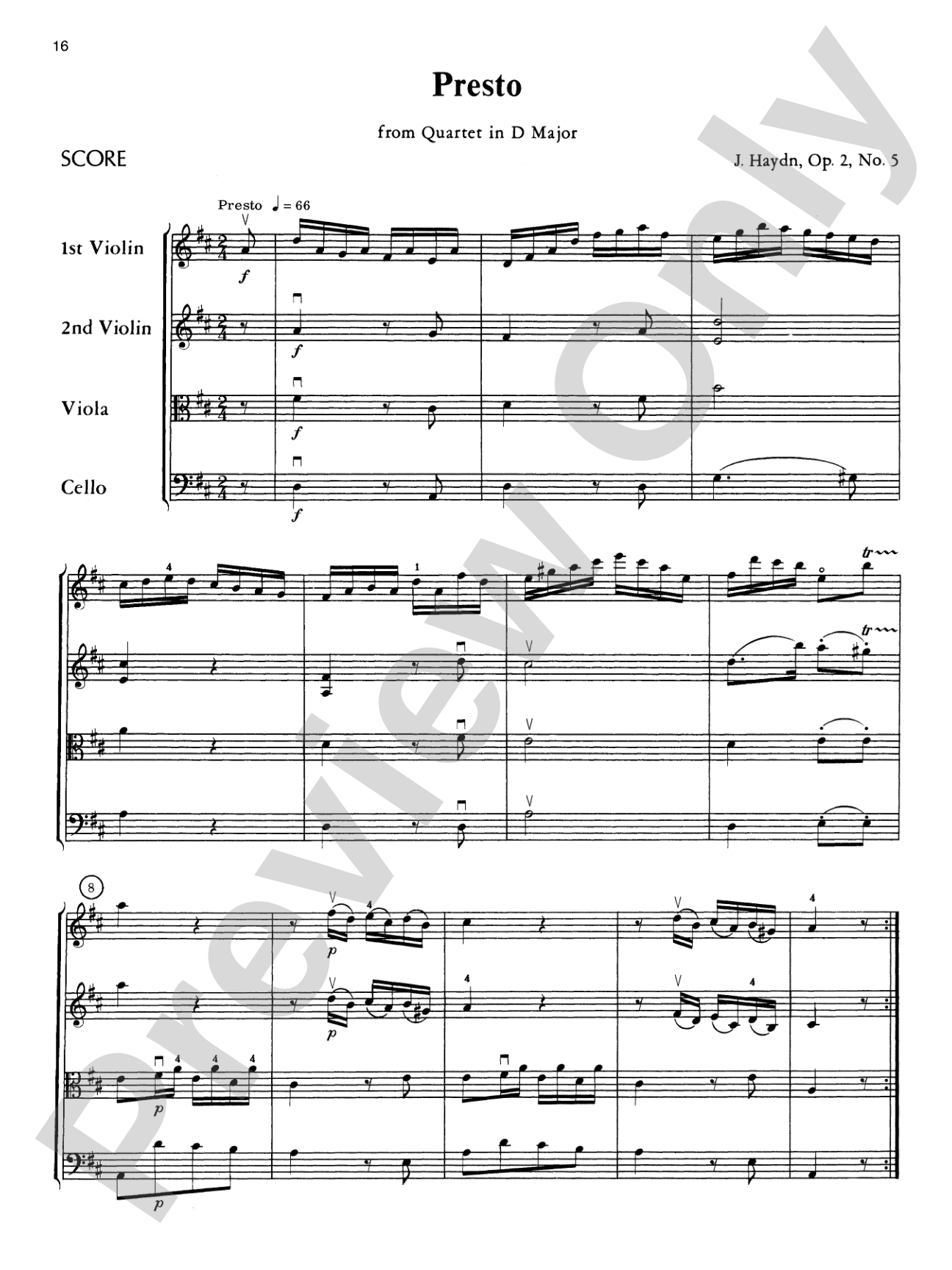
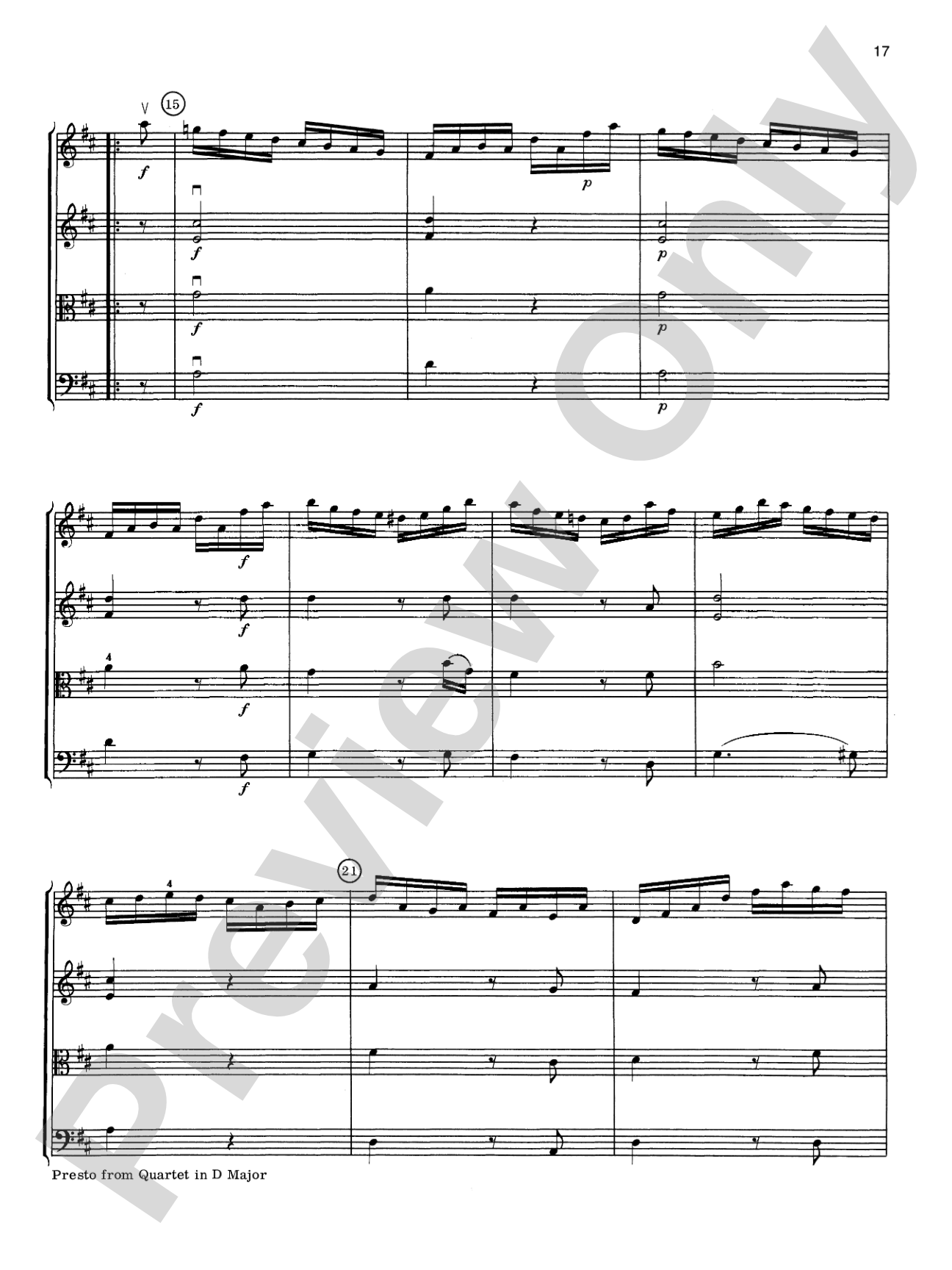
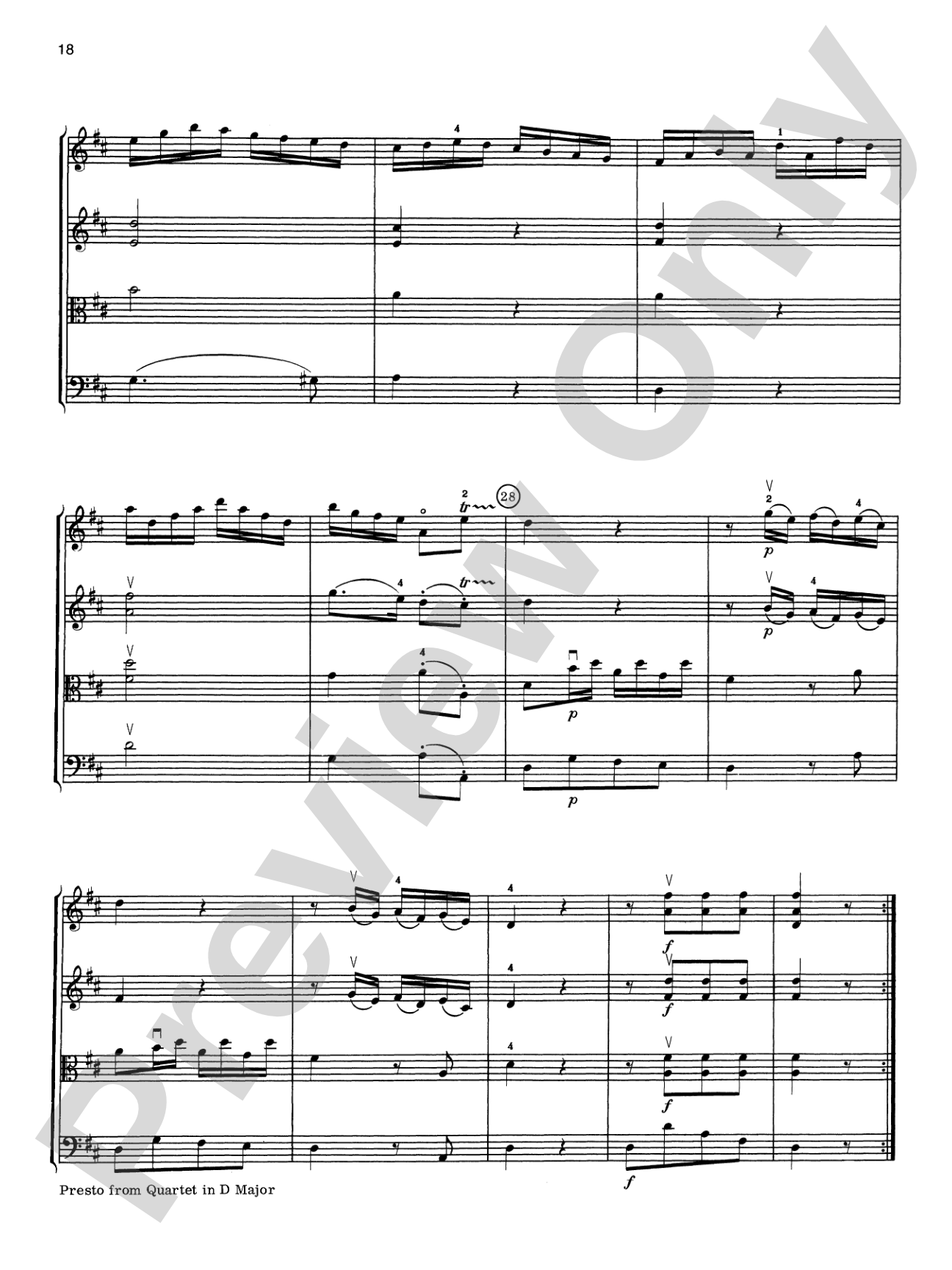
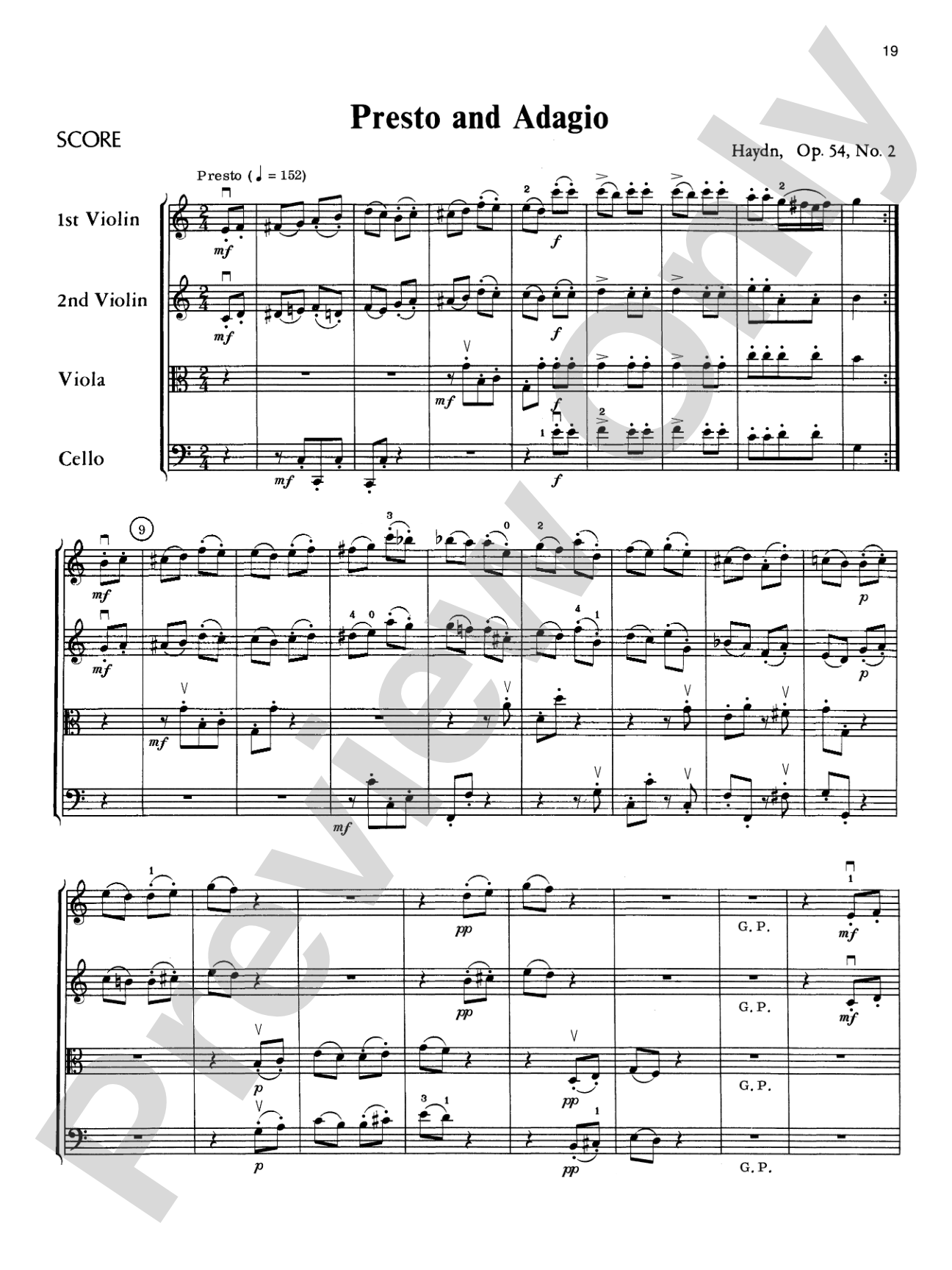
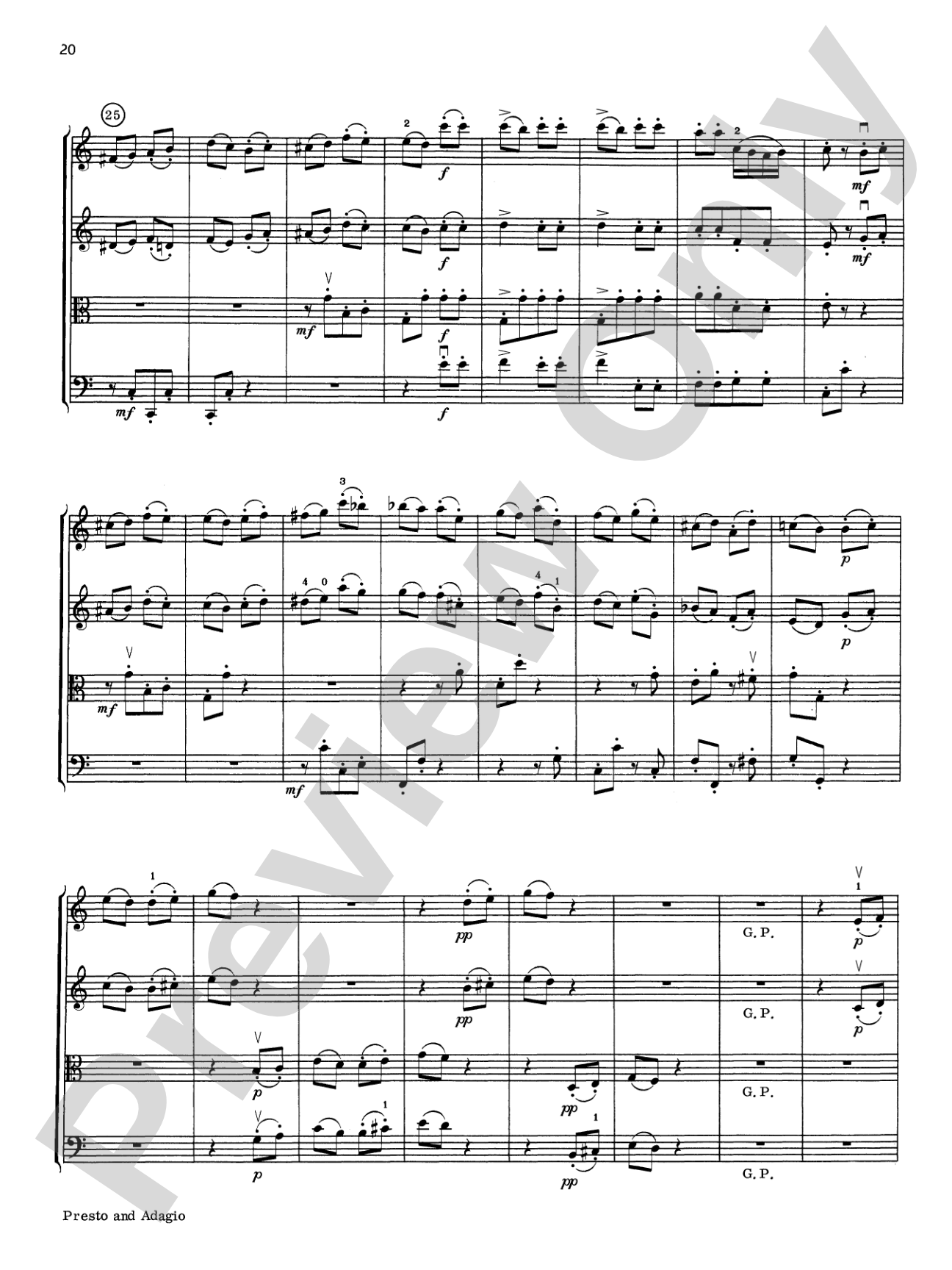
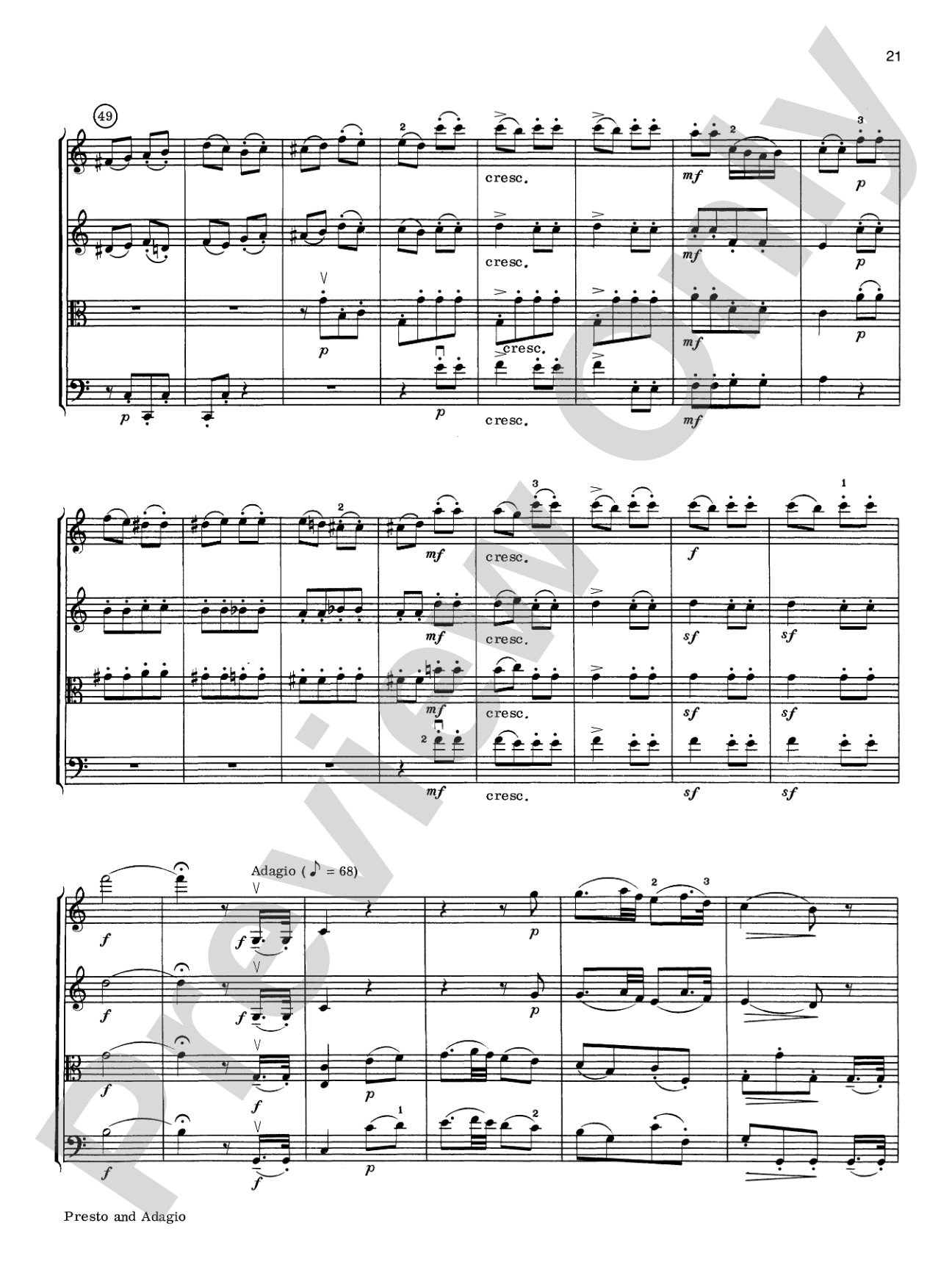
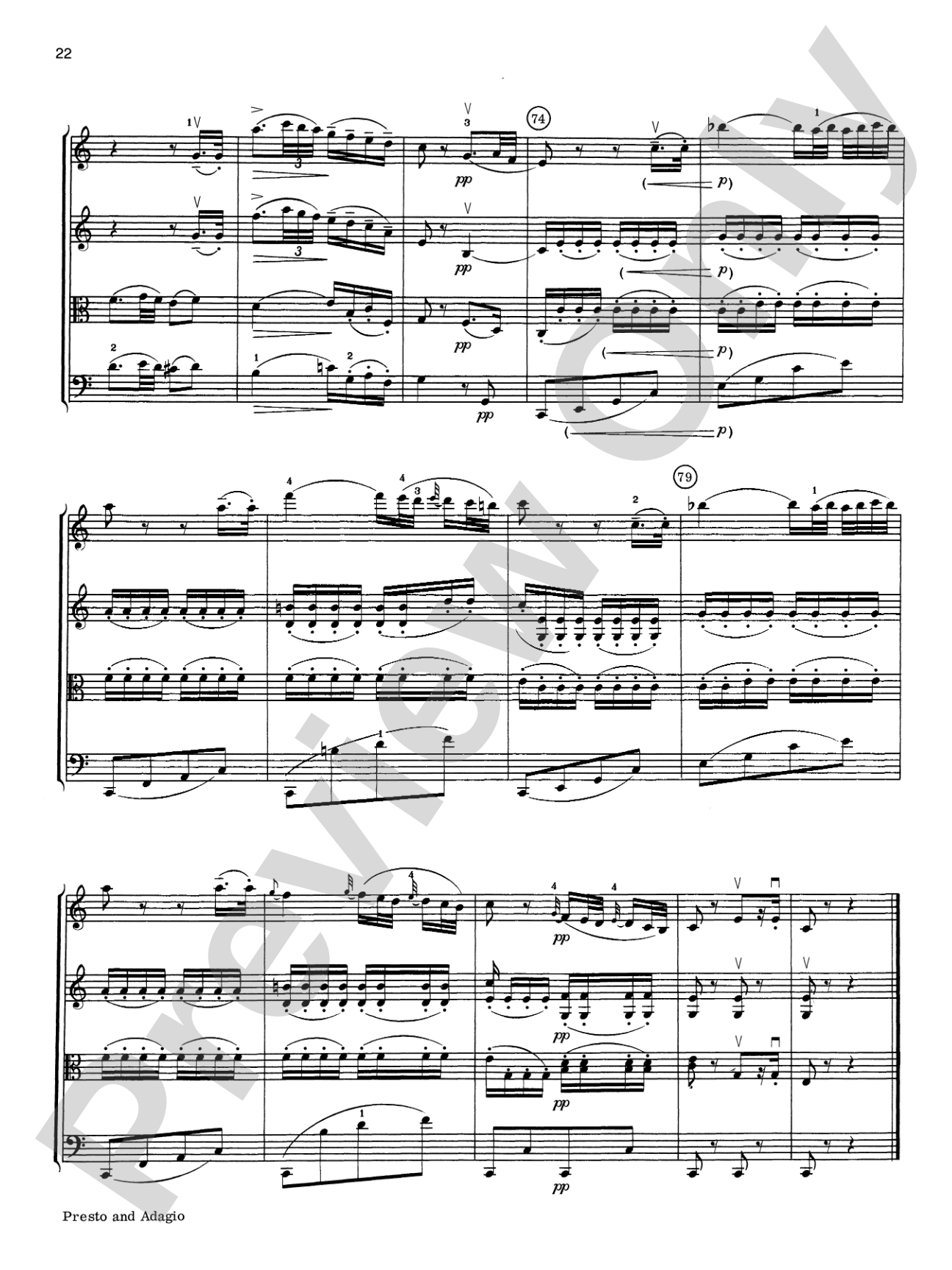



Haydn String Quartets: String Quartet
By Franz Joseph Haydn / ed. Forest Etling
Item: 00-PK-0000082

$45.00
Pickup currently not available
Buy Extra Parts (Digital PDF Download)
| Product | Price | Quantity |
|---|---|---|
| Haydn String Quartets: Score | $10.00 | |
| Haydn String Quartets: 1st Violin | $9.00 | |
| Haydn String Quartets: 2nd Violin | $9.00 | |
| Haydn String Quartets: Viola | $9.00 | |
| Haydn String Quartets: Cello | $9.00 |
Parts Added to Cart!
Description


Don't just read it, hear it, play along with it, and watch your students grow with it. In MakeMusic Cloud, Haydn String Quartets: String Quartet comes alive with professional accompaniment, adjustable tempo, and built-in practice tools that turn solo practice into real progress.
Open in the Player
Jump straight in and assign it today.
Start Your Free Trial
Open this title and explore the full library in minutes.
Sample Audio
No sample audio found.
Sample Video
No sample videos found.
Additional Details
Series:
Highland/Etling String Quartet Series
Publisher:
Alfred Music
Page Count:
32
SKU:
00-PK-0000082
More about this title
About the Composer: Franz Joseph Haydn
Franz Joseph Haydn (1732-1809) spent much of his career in the service of the Esterházy family in rural Hungary, where he developed the string quartet into one of the most important chamber music genres in Western classical music. Working in relative isolation, he composed 68 string quartets across five decades, treating each work as a laboratory for harmonic innovation, structural clarity, and ensemble dialogue.
Why we love this
Haydn's quartets reward careful listening and offer genuine musical substance at an accessible technical level. These works sit in that ideal pedagogical space where students encounter real compositional thinking without requiring virtuosic technique.
What to expect
Haydn's writing sparkles with wit and architectural precision. Melodies emerge from logical harmonic progressions; surprising key shifts arrive without warning; and the four instruments converse as equals, each taking the lead and stepping back in ways that feel both inevitable and delightful.
Who it's for
Advanced high school quartet ensembles and college chamber groups preparing for competitions or festival performance. Players need secure intonation, independent musicianship, and comfort with classical phrase structure and harmonic language.
How to get the most out of it
- Balance the first violin line against the three lower voices so Haydn's motivic exchanges between instruments remain audible throughout each movement.
- Pay attention to dynamic markings and sudden shifts in texture; they often signal where Haydn is redirecting harmonic tension or introducing new material.
- Maintain steady tempo through modulations, especially in development sections where harmonic movement can feel unsettling without a firm rhythmic anchor.
- Shape phrases with attention to breathing points rather than holding notes to their full written value; classical proportions depend on articulation and silence.
How to use it
Pair a Haydn quartet with baroque or romantic chamber works to trace the evolution of the form, or use it as the anchor of a chamber music concert that demonstrates how a single composer advanced the genre across decades.
Skills your students will build
- Classical harmonic language and modulation
- Independent voice leading and dialogue among four parts
- Phrase shaping within sonata and minuet-trio structures
- Stylistically appropriate articulation and dynamic control
- Intonation under rapid harmonic movement