
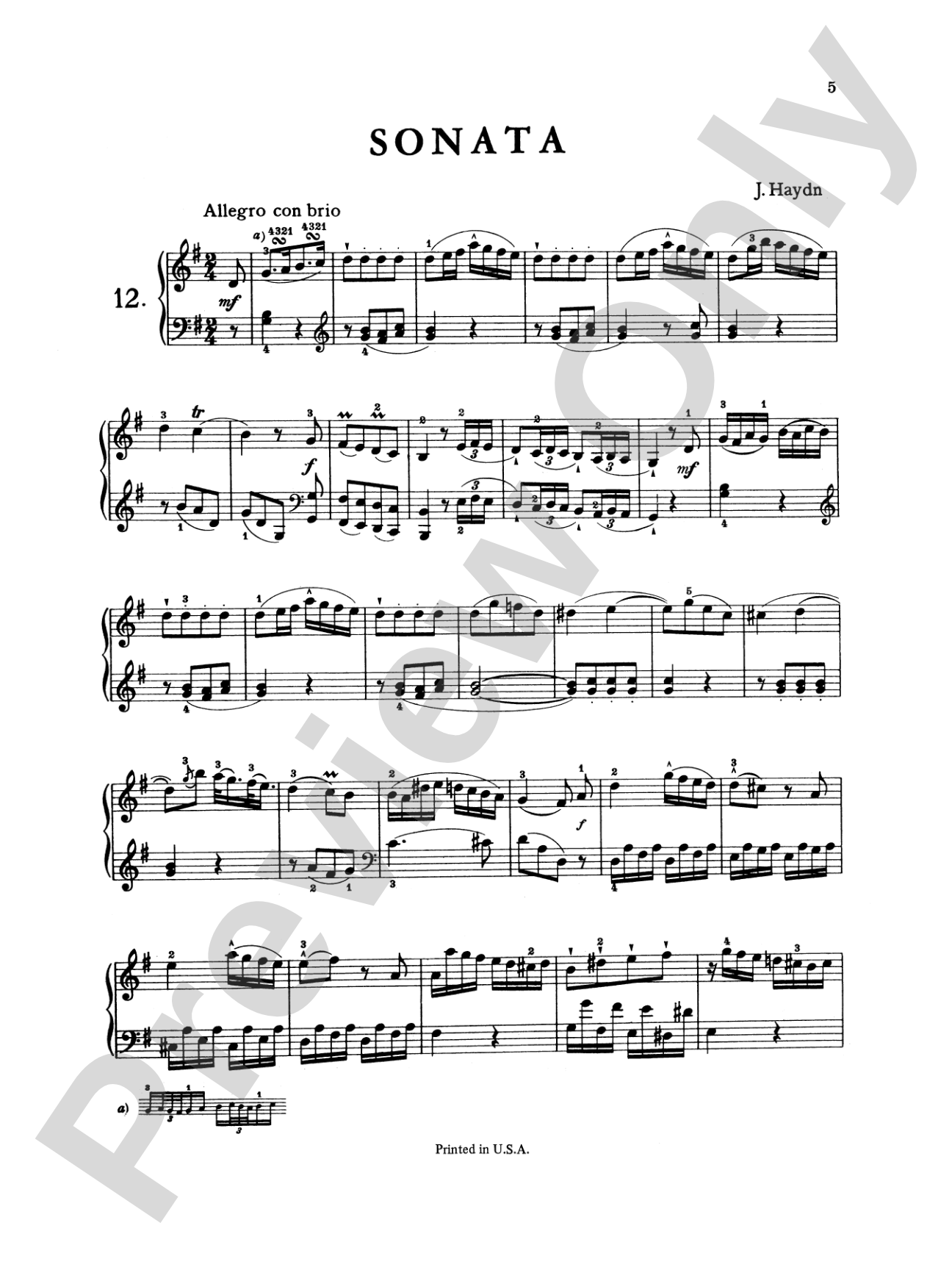
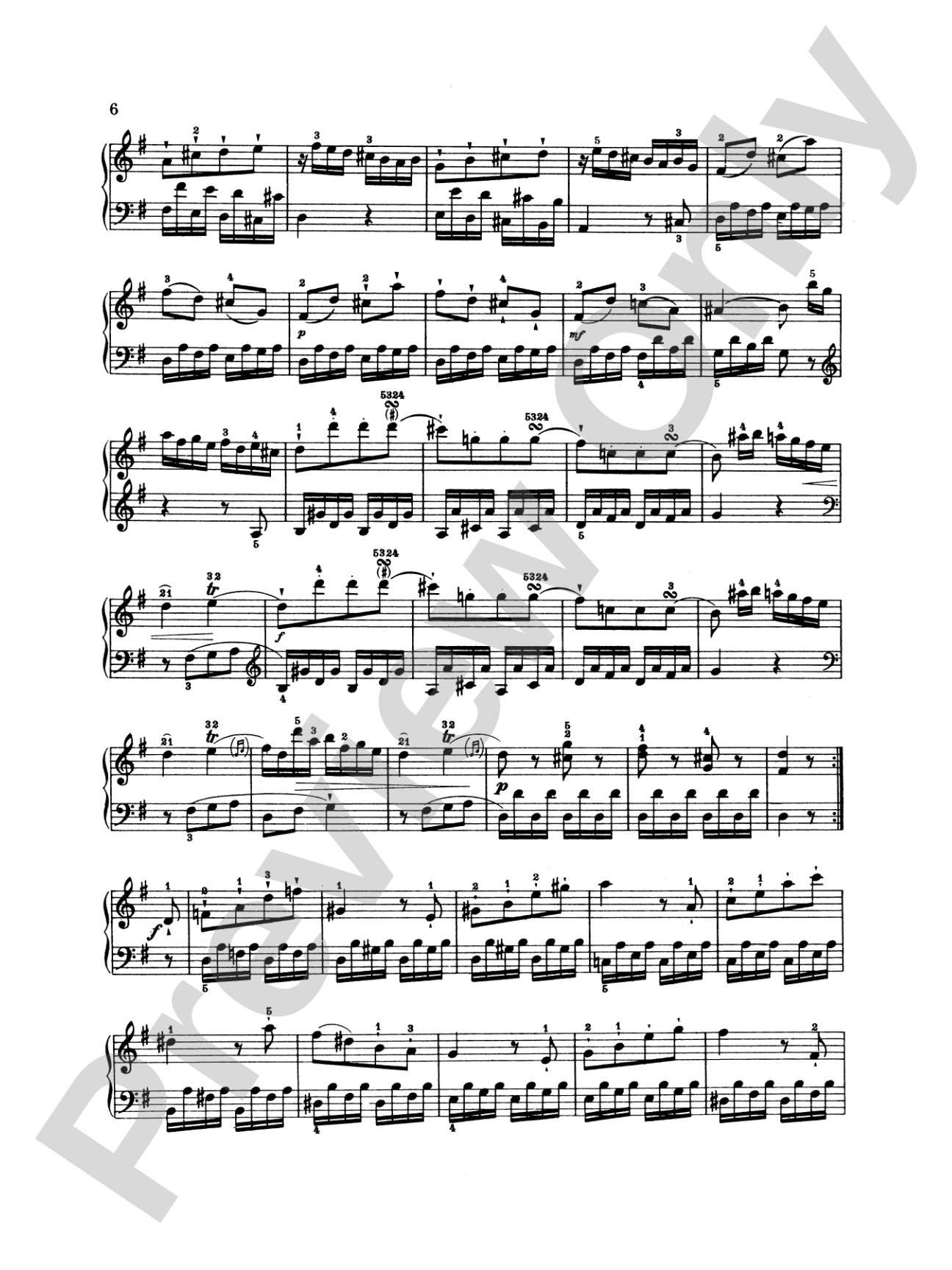
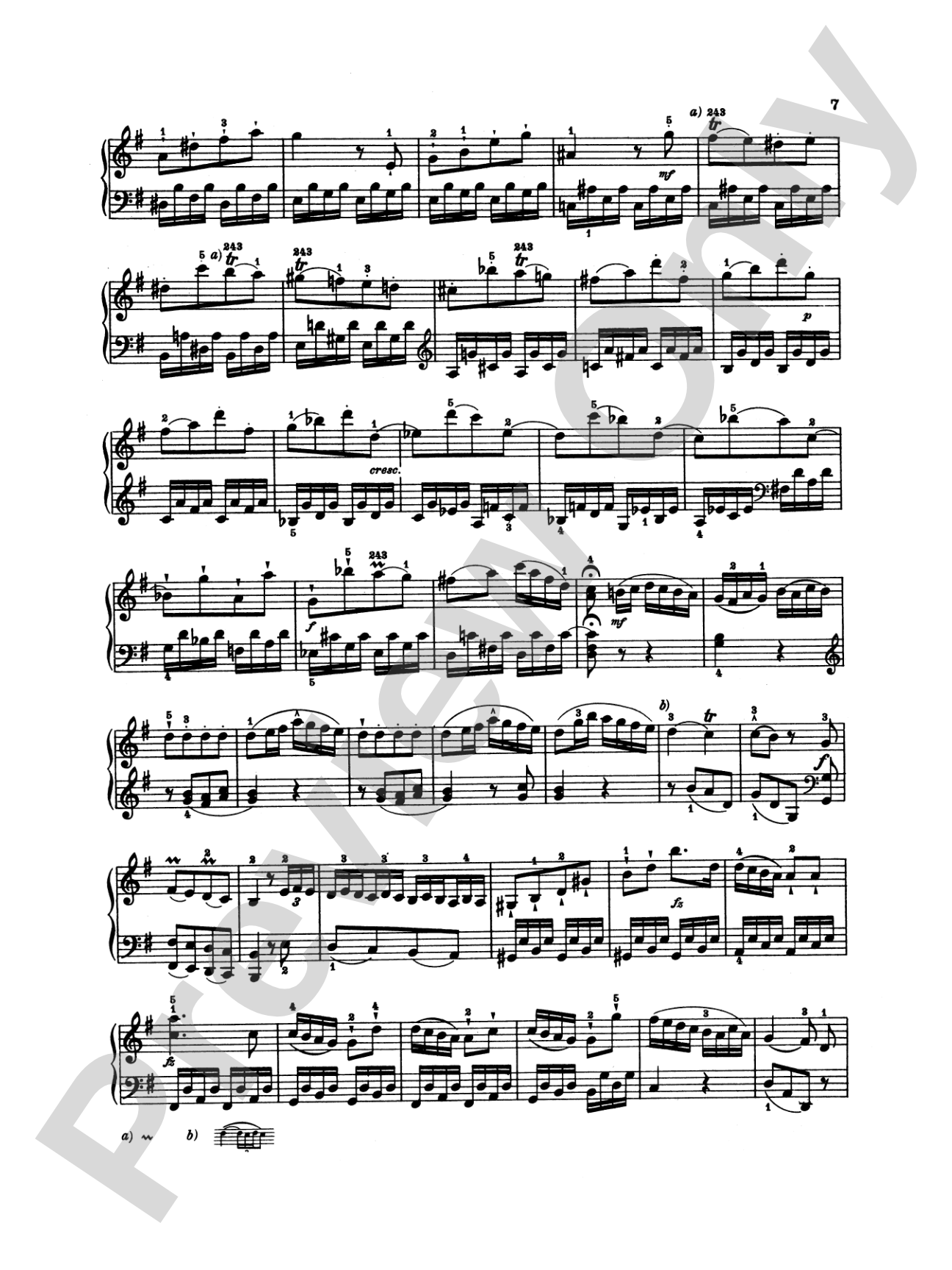
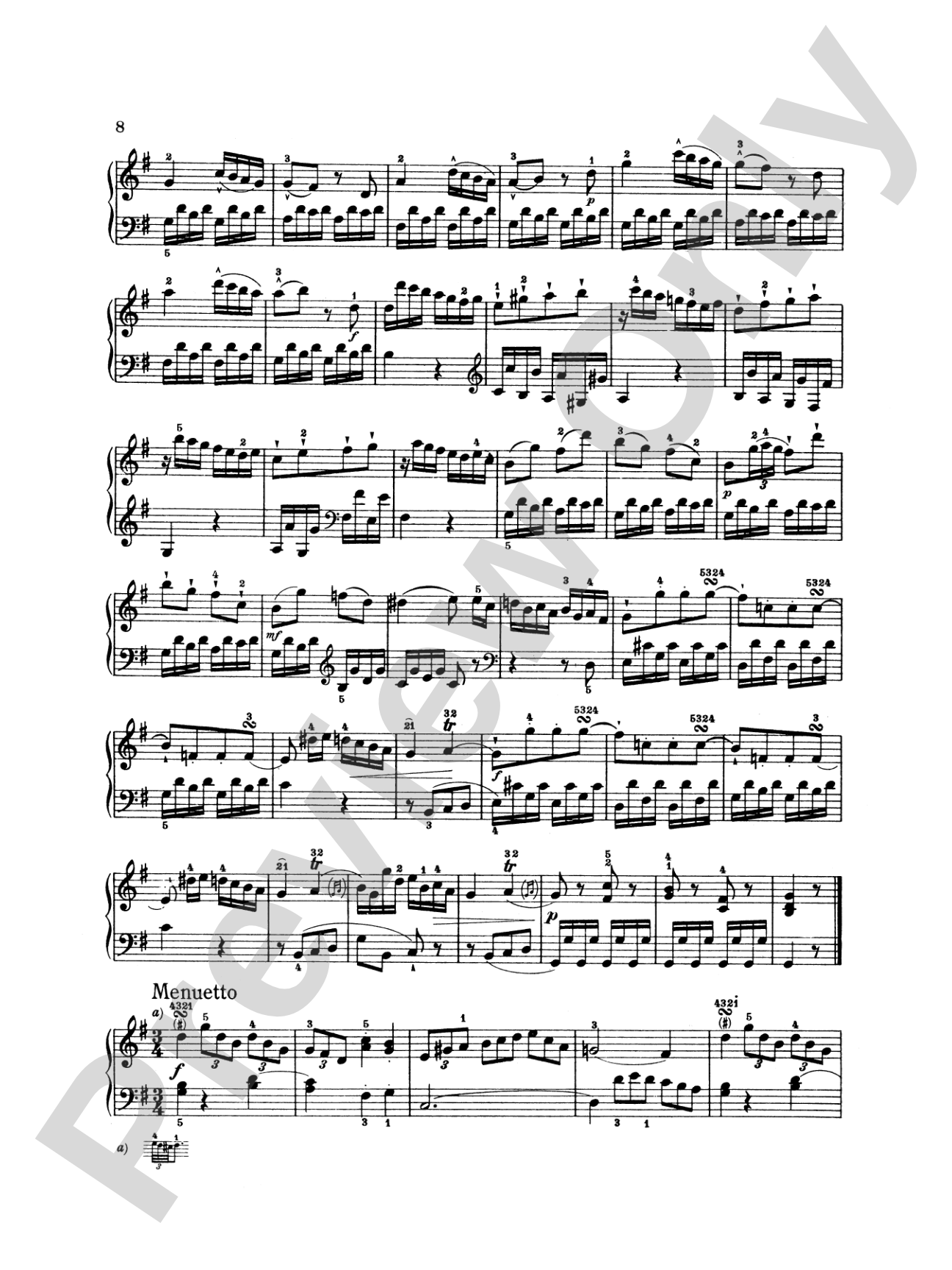
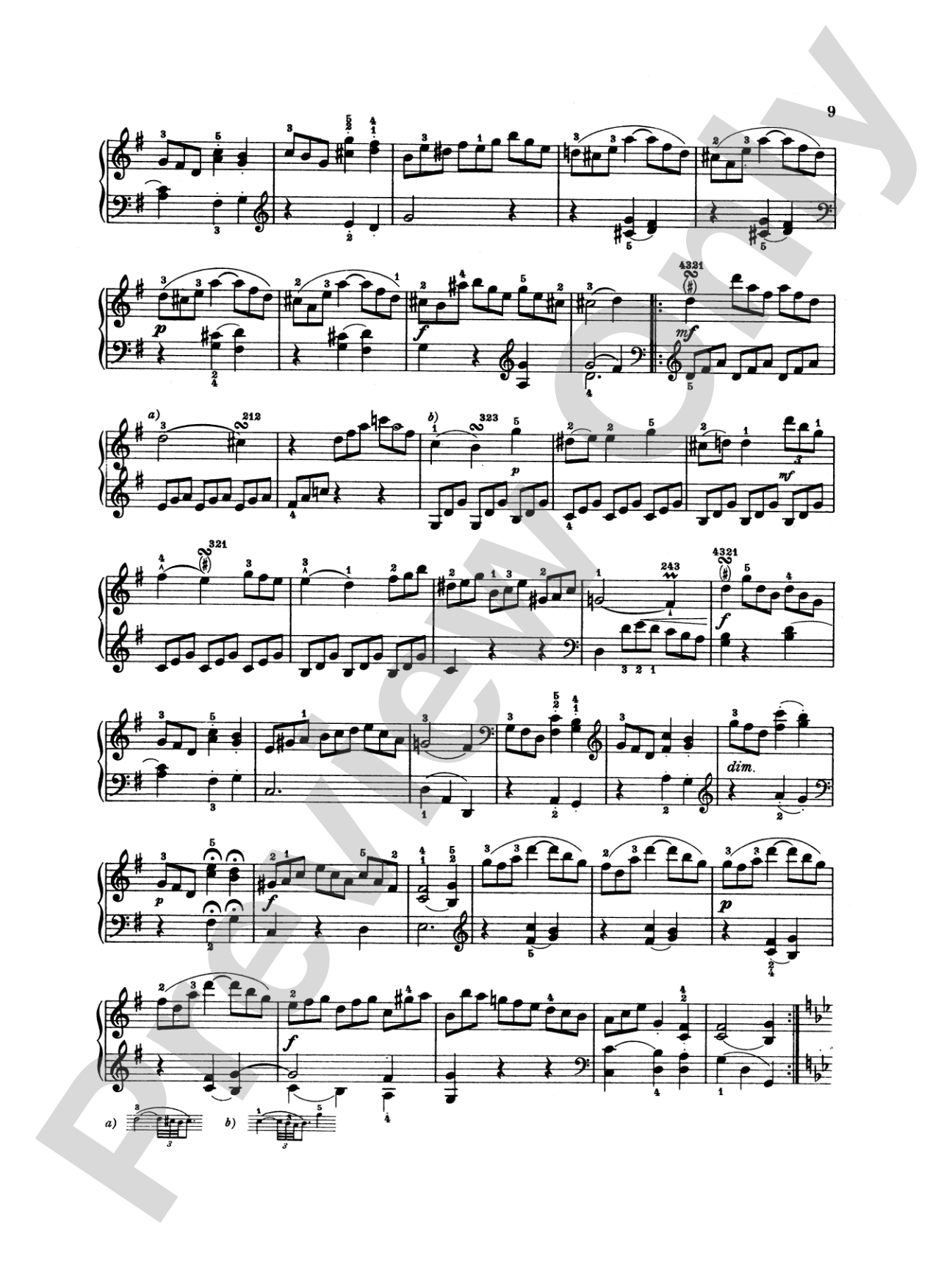
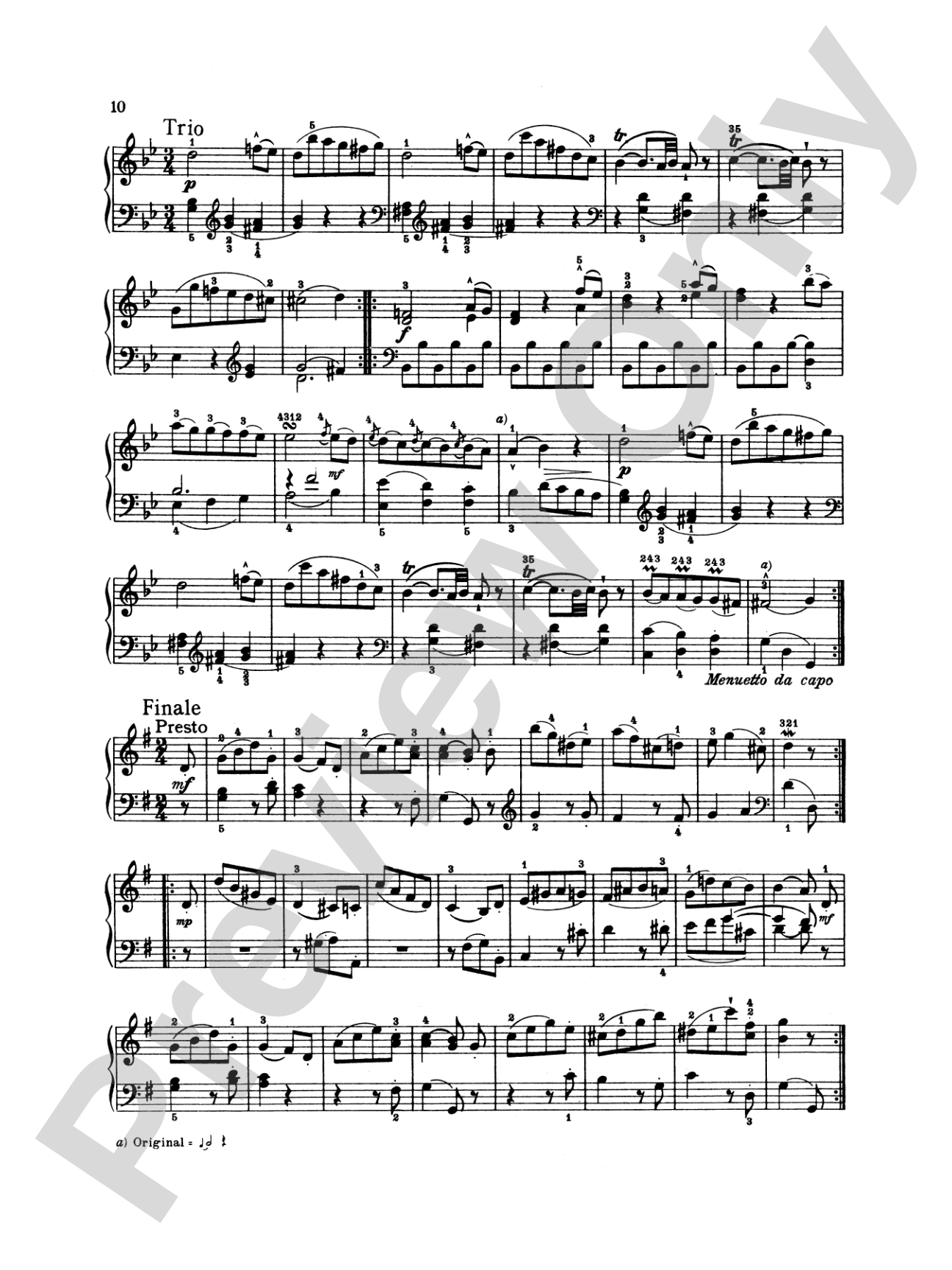
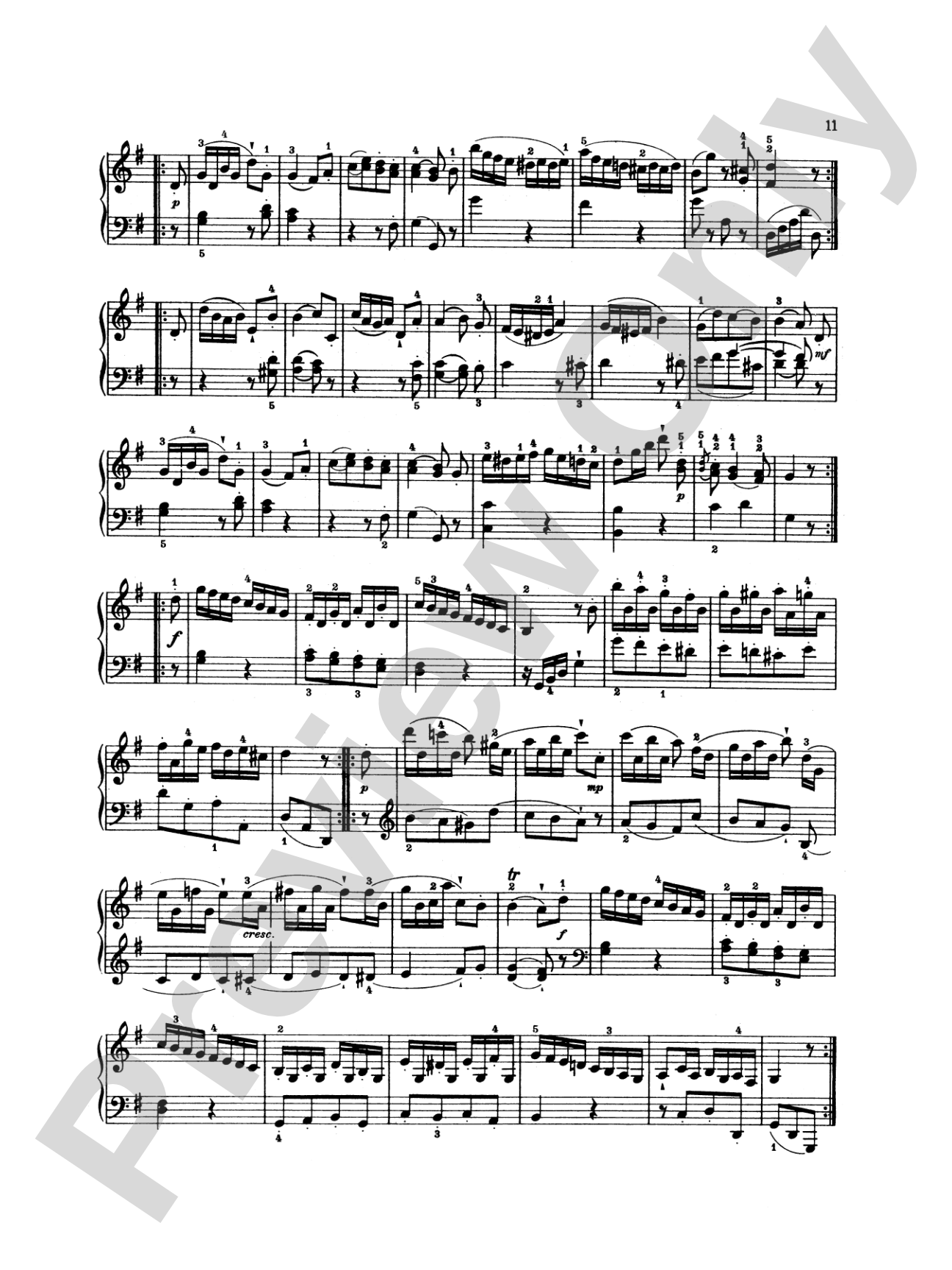
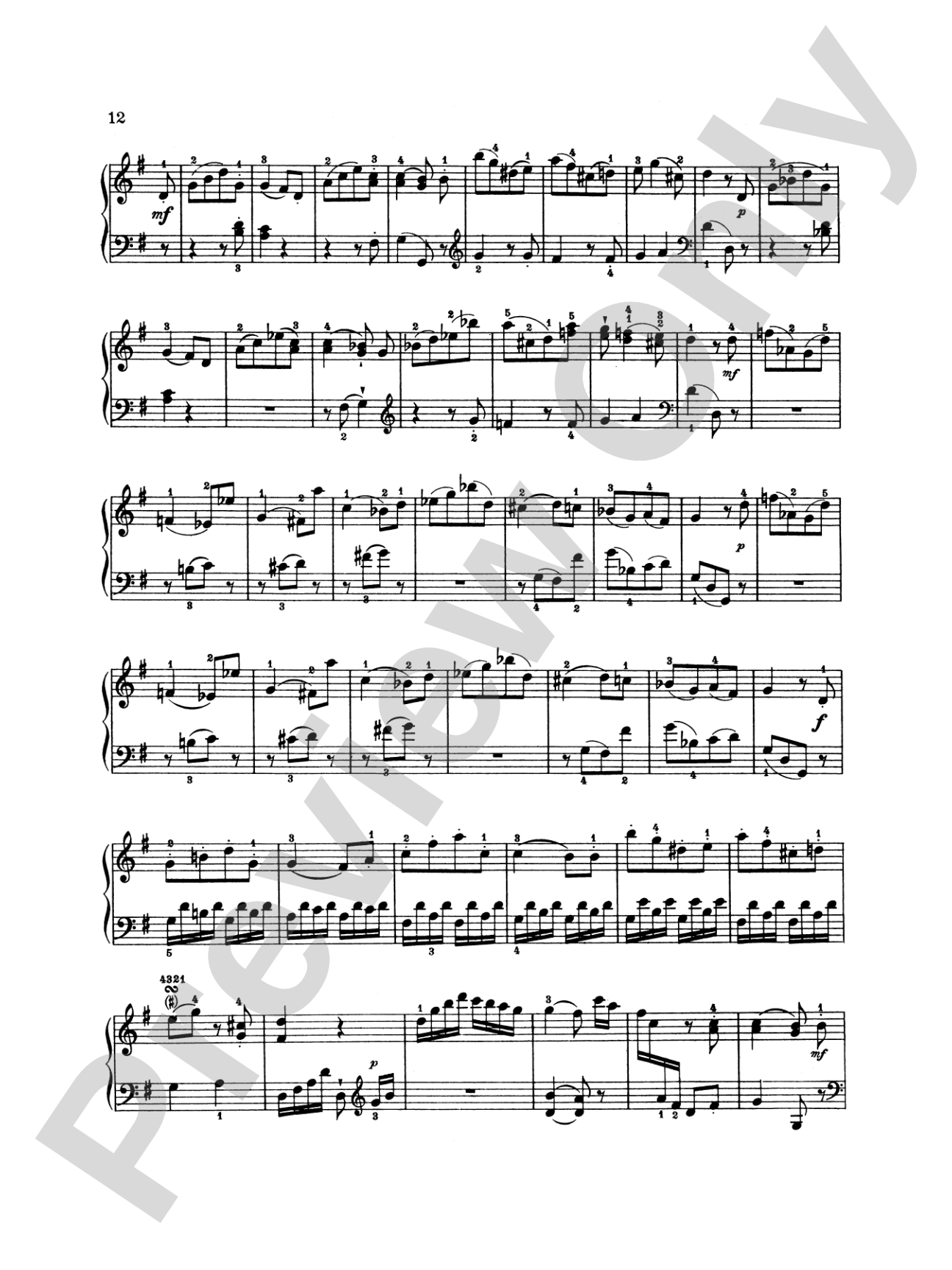
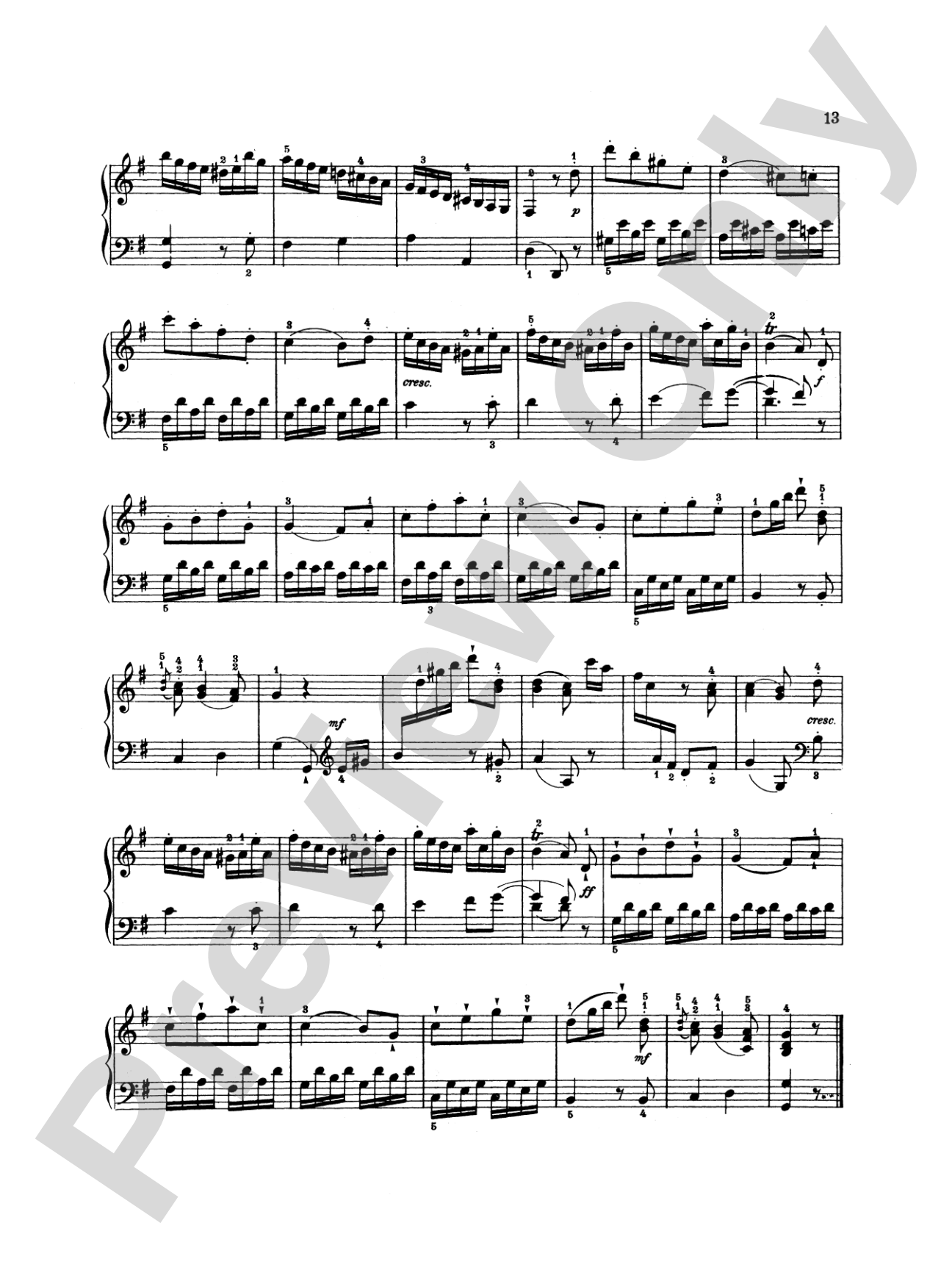

Haydn: Sonatas (Volume II): Piano Book
For Piano
By Franz Joseph Haydn
Item: 00-PK-0003148

$14.99
Pickup currently not available
Buy Extra Parts (Digital PDF Download)
| Product | Price | Quantity |
|---|---|---|
| Haydn: Sonatas (Volume II) | $0.99 | |
| Haydn: Sonatas (Volume II) | $0.99 | |
| Haydn: Sonatas (Volume II) | $0.99 | |
| Haydn: Sonatas (Volume II) | $0.99 | |
| Haydn: Sonatas (Volume II) | $0.99 | |
| Haydn: Sonatas (Volume II) | $0.99 | |
| Haydn: Sonatas (Volume II) | $0.99 | |
| Haydn: Sonatas (Volume II) | $0.99 | |
| Haydn: Sonatas (Volume II) | $0.99 | |
| Haydn: Sonatas (Volume II) | $0.99 | |
| Haydn: Sonatas (Volume II) | $0.99 | |
| Haydn: Sonatas (Volume II) | $0.99 |
Parts Added to Cart!
Related Items
Sonatas, Volume II (Nos. 12-23): Piano Book |
$14.95
|
View |
Description
Expertly arranged Piano Sonatas by Franz Joseph Haydn from the Kalmus Edition series. This is from the Classical era.


Don't just read it, hear it, play along with it, and watch your students grow with it. In MakeMusic Cloud, Haydn: Sonatas (Volume II): Piano Book comes alive with professional accompaniment, adjustable tempo, and built-in practice tools that turn solo practice into real progress.
Open in the Player
Jump straight in and assign it today.
Start Your Free Trial
Open this title and explore the full library in minutes.
Sample Audio
No sample audio found.
Sample Video
No sample videos found.
Additional Details
Series:
Kalmus Edition
Publisher:
Alfred Music
Page Count:
120
SKU:
00-PK-0003148
More about this title
About the Composer: Franz Joseph Haydn
Franz Joseph Haydn (1732, 1809) shaped the Classical sonata into a vehicle for wit, structural clarity, and emotional depth. His prolific output across all genres established templates that Mozart and Beethoven would inherit and transform, making him foundational to any pianist's understanding of how the Classical style actually works in practice.
Haydn's keyboard sonatas occupy a unique space in pedagogical literature. They demand technical facility and interpretive maturity while remaining accessible to serious students, never asking for virtuosity that obscures musical intent. His influence on the development of sonata form makes these works essential for understanding harmonic function and thematic development.
Why we love this
Haydn's sonatas reveal the architecture of Classical form in a way that serves students far beyond the piano bench. The Kalmus Edition presents clean, readable scores that let the counterpoint and harmonic language speak without editorial fussiness. Programming these works signals that your students are engaging with the real stuff, the source material that shaped everything that came after.
What to expect
Haydn's sonatas move with wit and directness; they feel like conversations with clear arguments rather than emotional declarations. There's a quality of discovery in his themes, and the way he extends or transforms them creates a sense of logic unfolding. Even in the lyrical slow movements, his Classical restraint keeps everything transparent, allowing the beauty to emerge from structure itself rather than intensity.
Who it's for
Pianists working at the intermediate-advanced level who are ready to study genuine Classical sonata form rather than simplified versions. Teachers preparing students for theory exams, recitals, or college entrance auditions will find Volume II essential, and intermediate adult students seeking substantial repertoire that rewards repeated practice will discover pieces that open up over time.
How to get the most out of it
- Pay close attention to the repeat signs and structural markers. Haydn often uses them to shape listener expectation, and skipping them collapses the joke.
- Articulation matters more than volume. These sonatas thrive on clarity of line and precision of touch; interpret dynamic markings as guides to voice priority rather than absolute intensity.
- Let the rests breathe. Haydn's silence is active silence, he's controlling pacing and setting up harmonic shifts. Resist the urge to fill them.
- Balance the hands carefully in passages where the melody passes between registers. Haydn layers intelligence in accompaniment figures that should remain audible.
How to use it
Build a recital program around a single Haydn sonata as a cornerstone work, pairing it with Baroque or contemporary pieces to highlight how Classical form bridged two musical worlds. Alternatively, use individual movements as teaching demonstrations in theory classes, where students can study form, phrase structure, and harmonic function alongside recordings. A complete sonata makes a natural intermediate-level recital closer that signals a student's command of style and structure.
Skills your students will build
- Recognizing and playing sonata form (exposition, development, recapitulation)
- Understanding two-hand independence and voice leading in the Classical style
- Shaping long melodic lines without Romantic rubato
- Executing ornaments and trills with appropriate period style
- Reading and interpreting Classical articulation and phrasing marks
- Developing consistent touch and tone across fast repeated figurations