
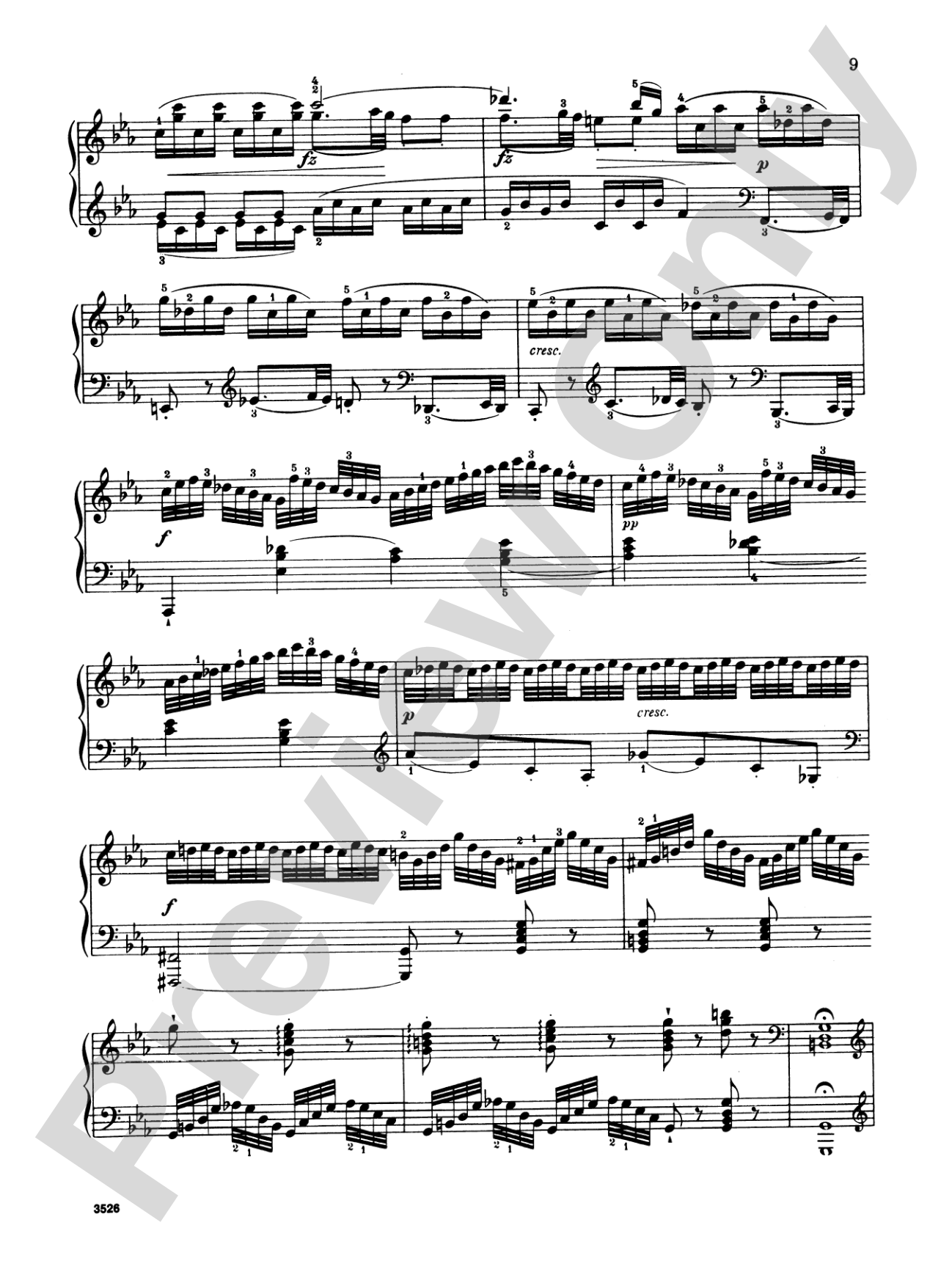
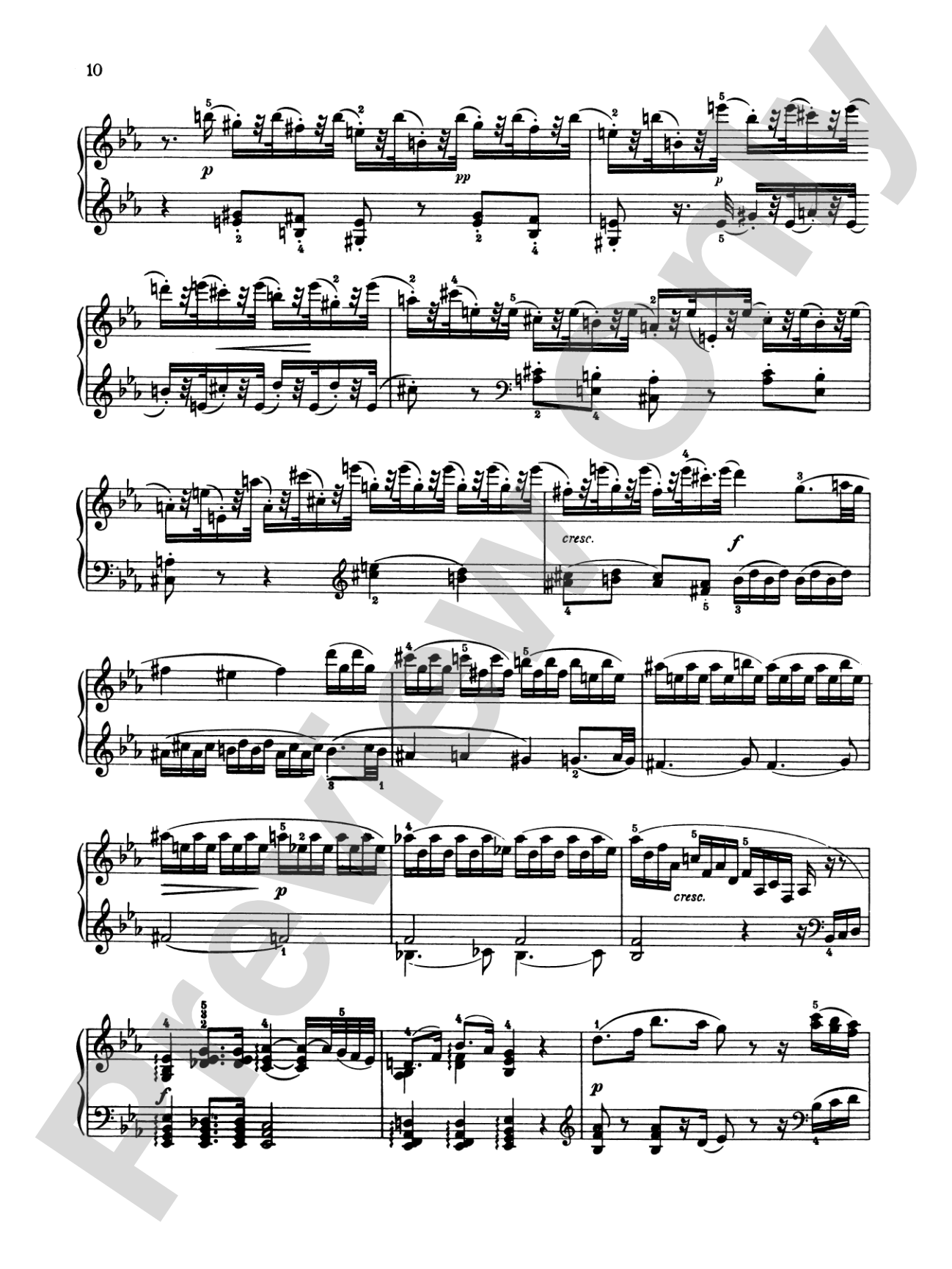
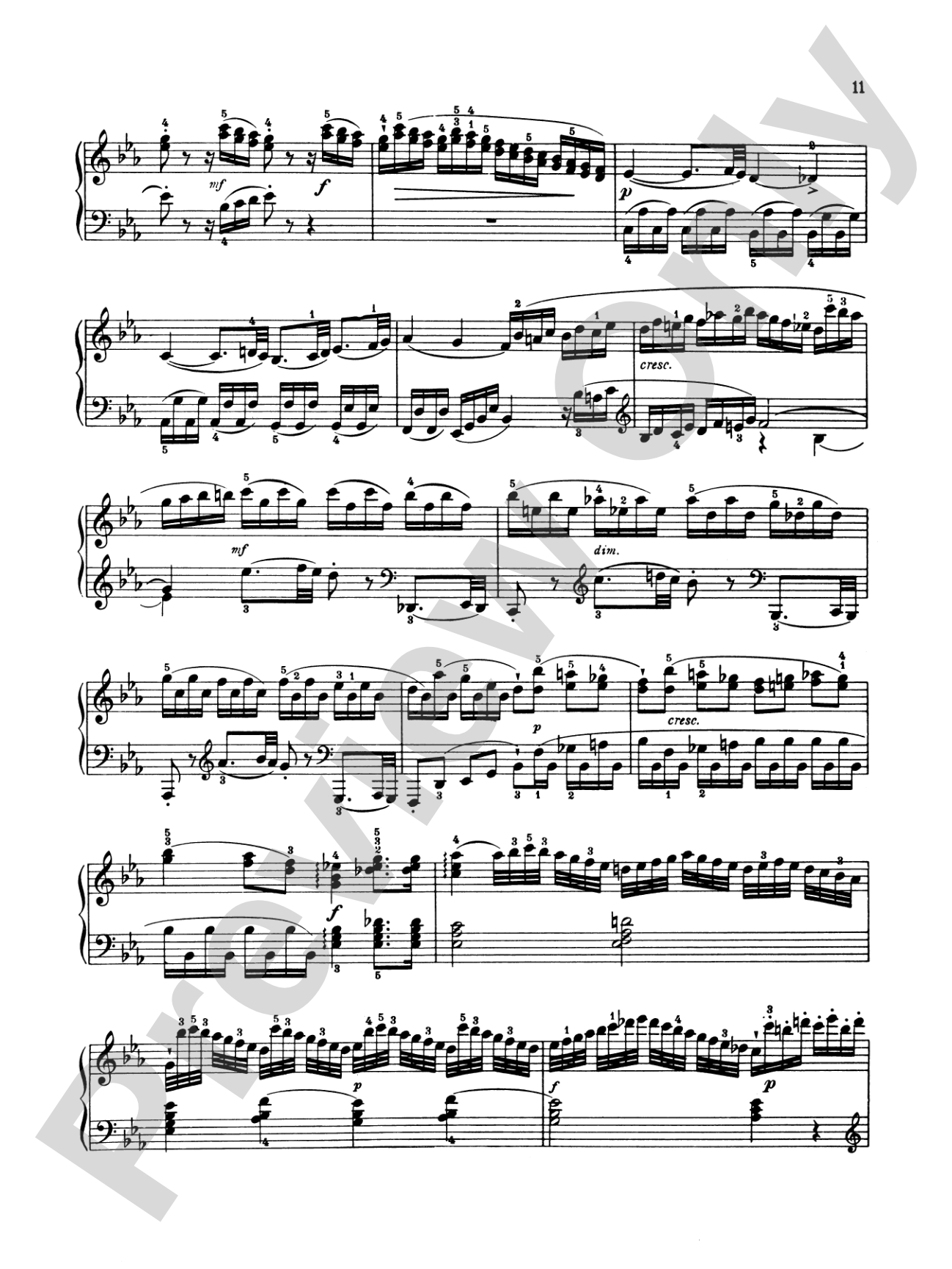
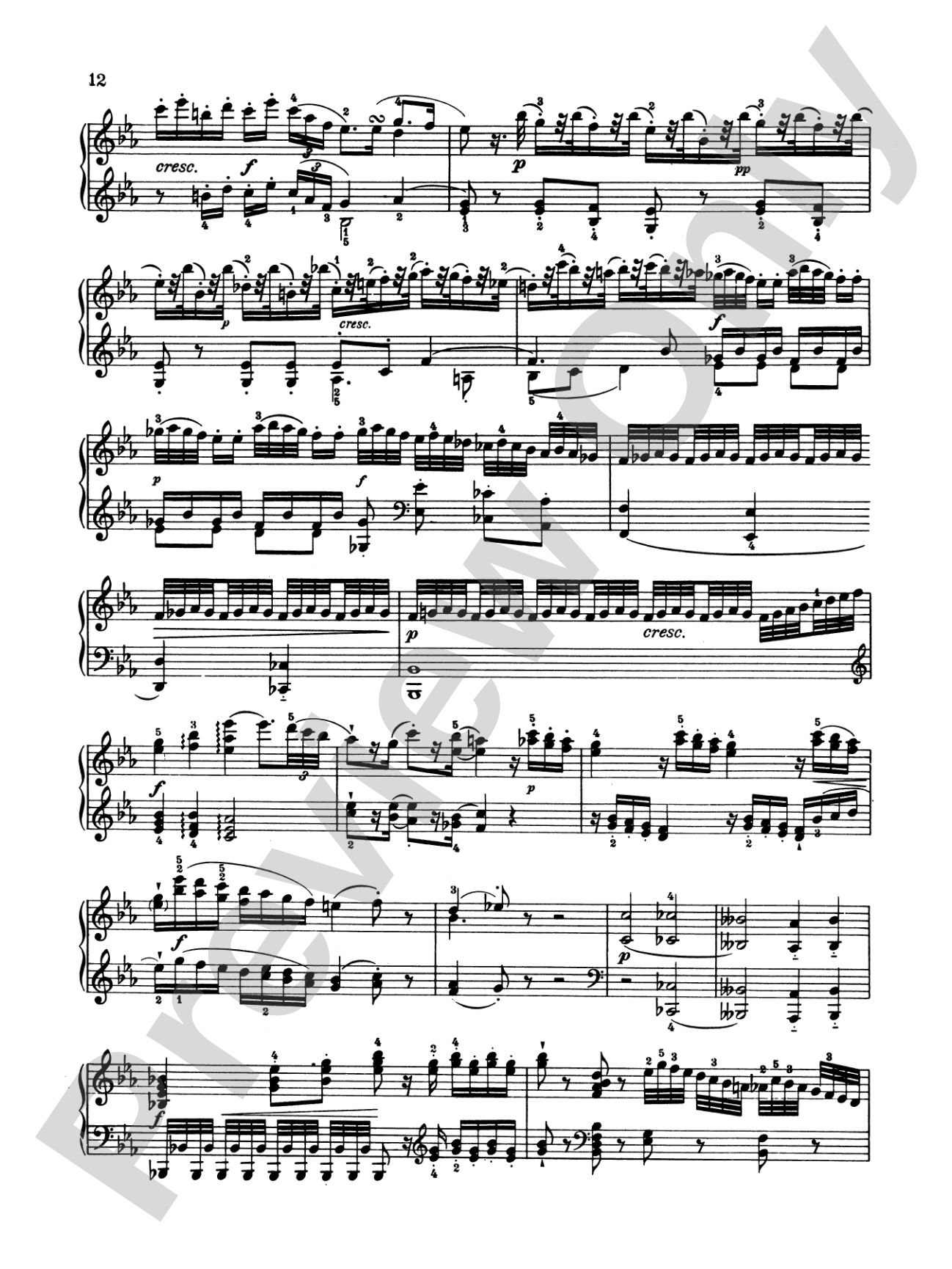
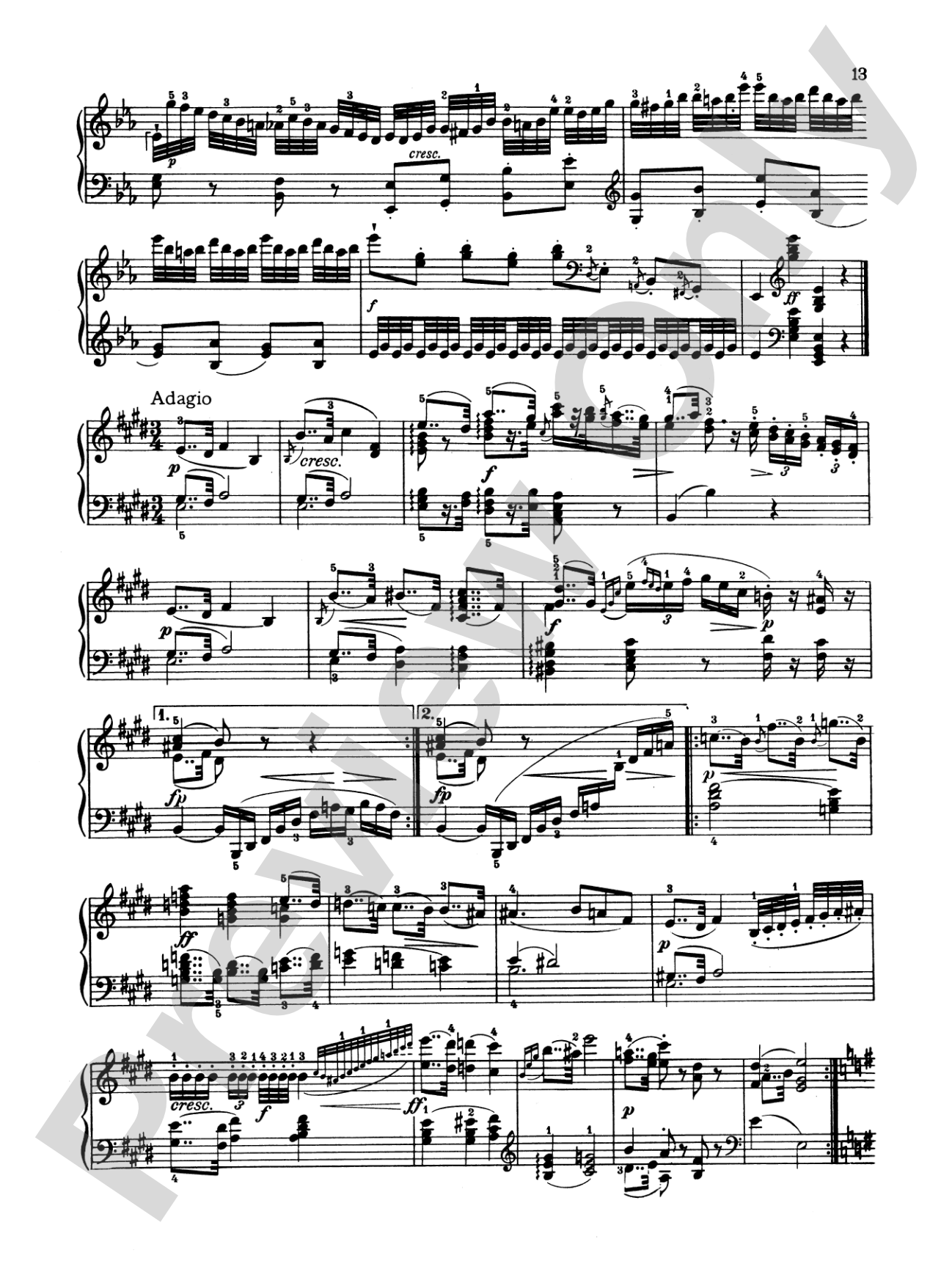
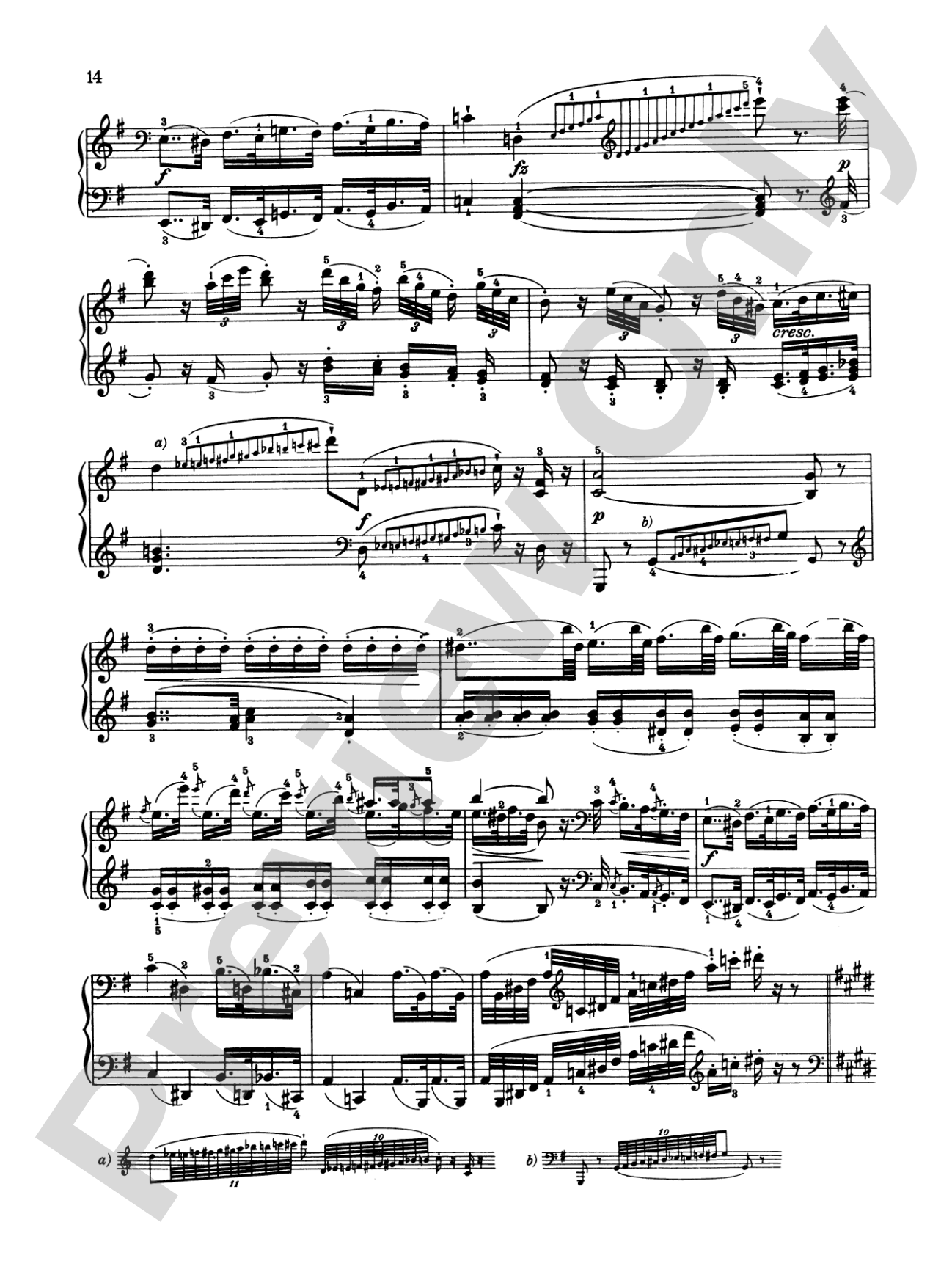
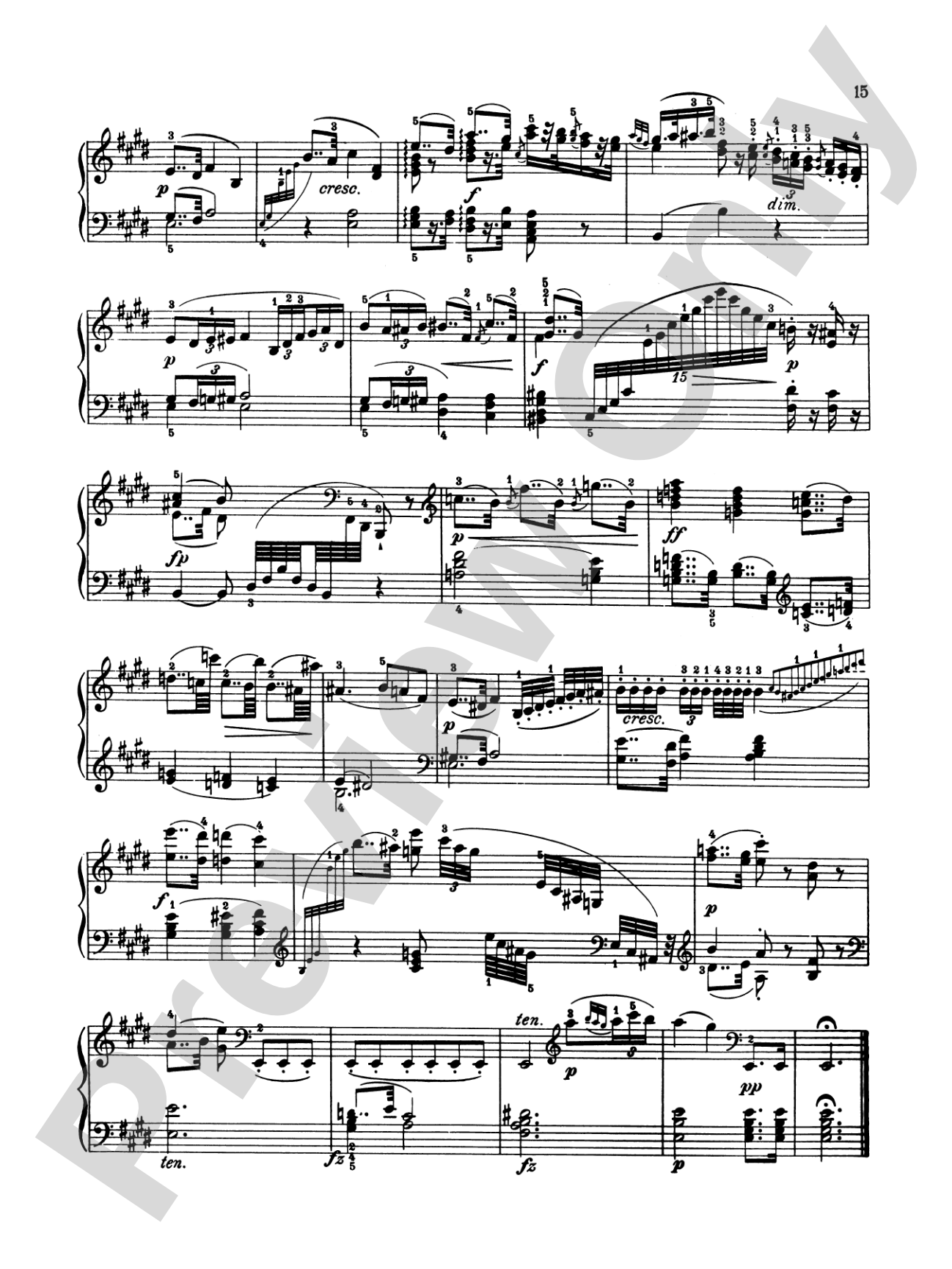
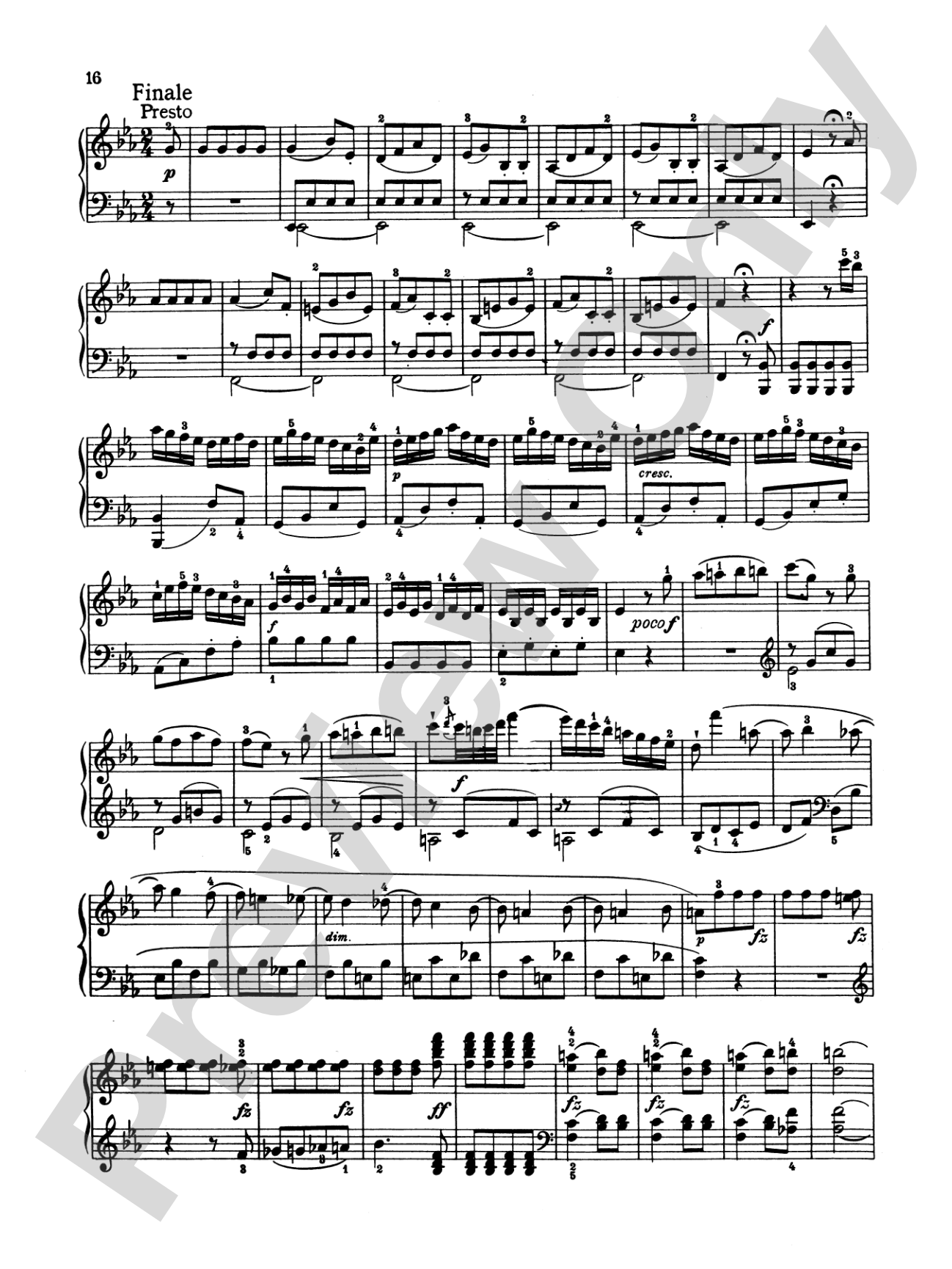
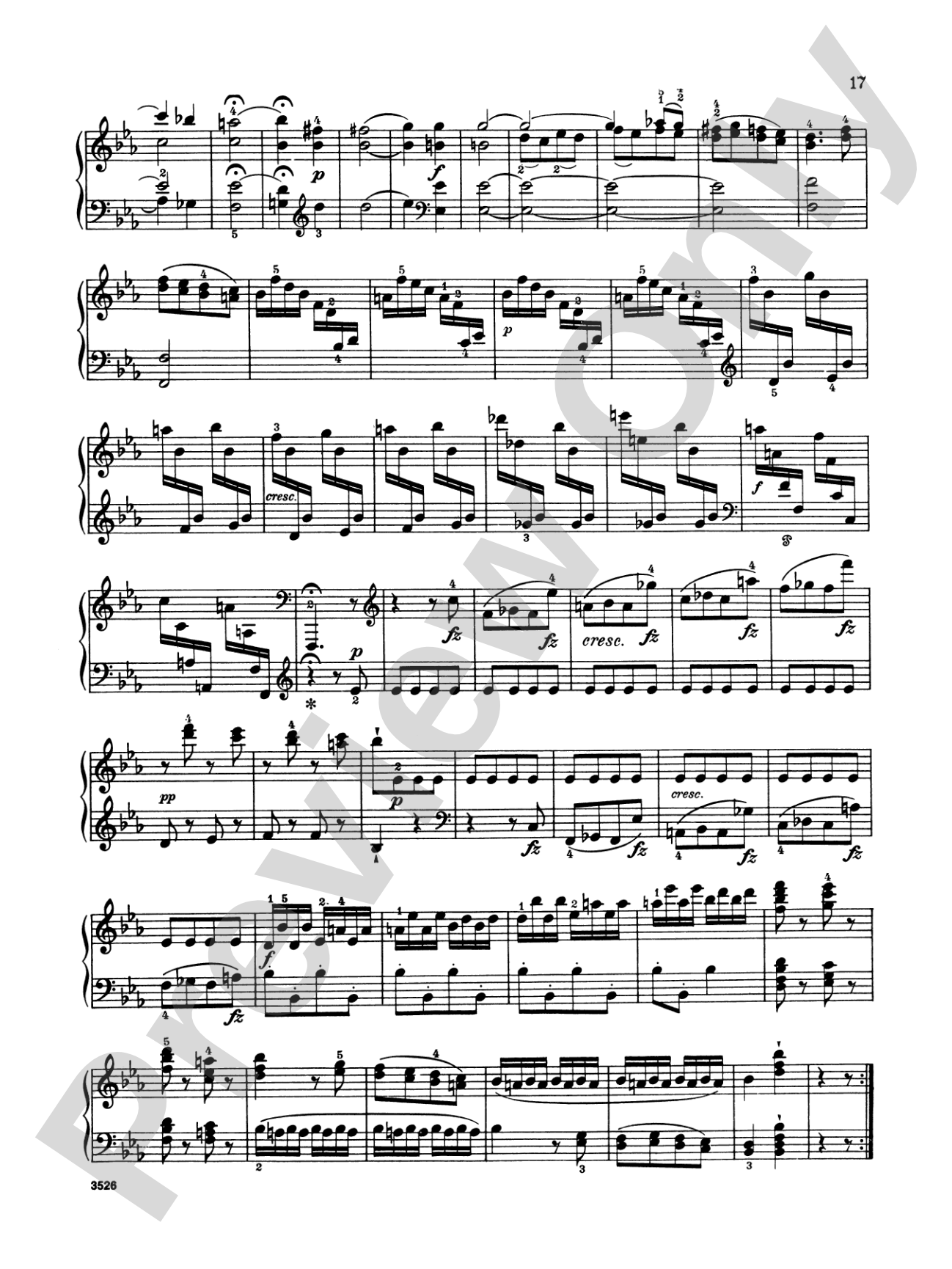
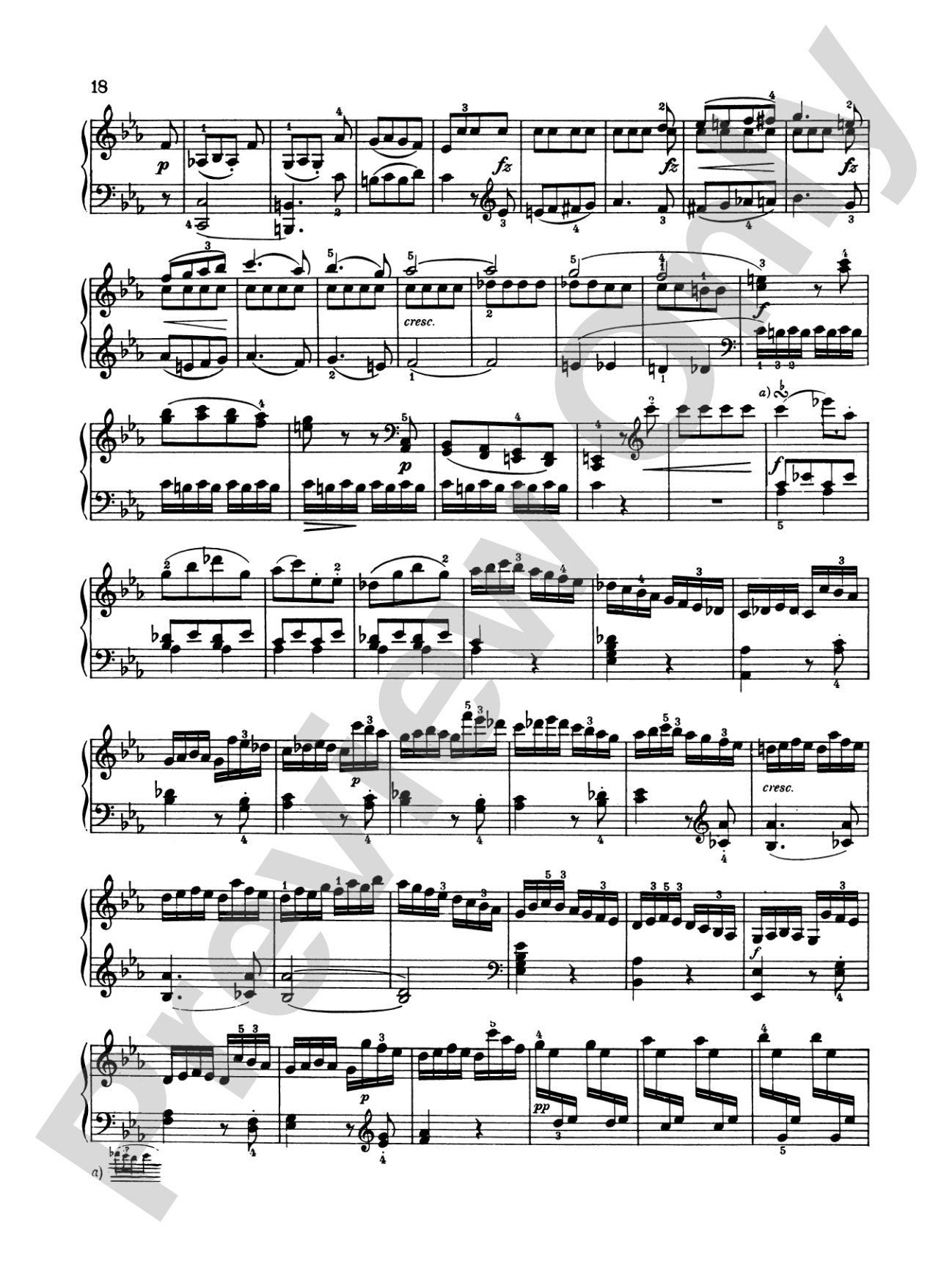
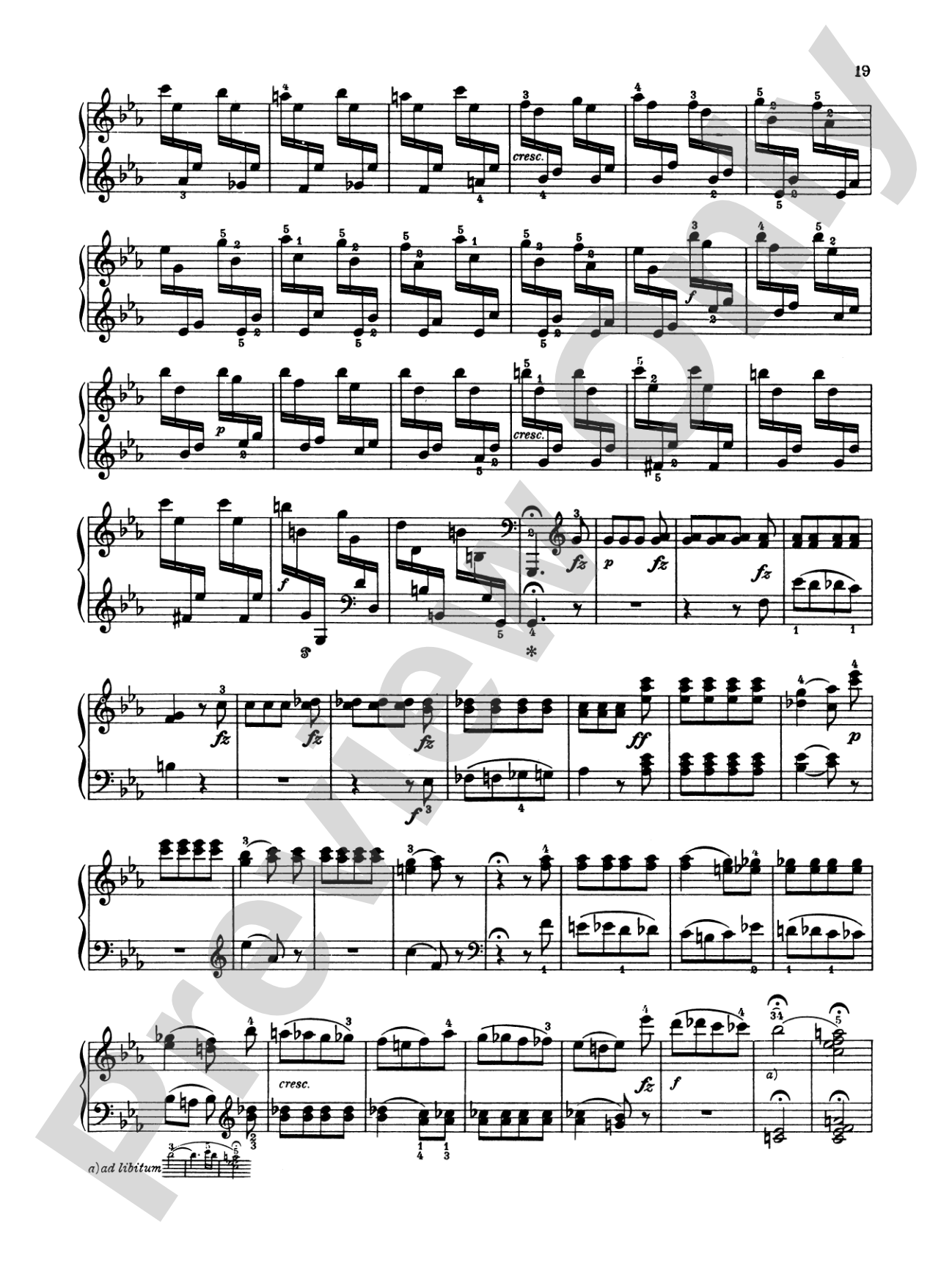
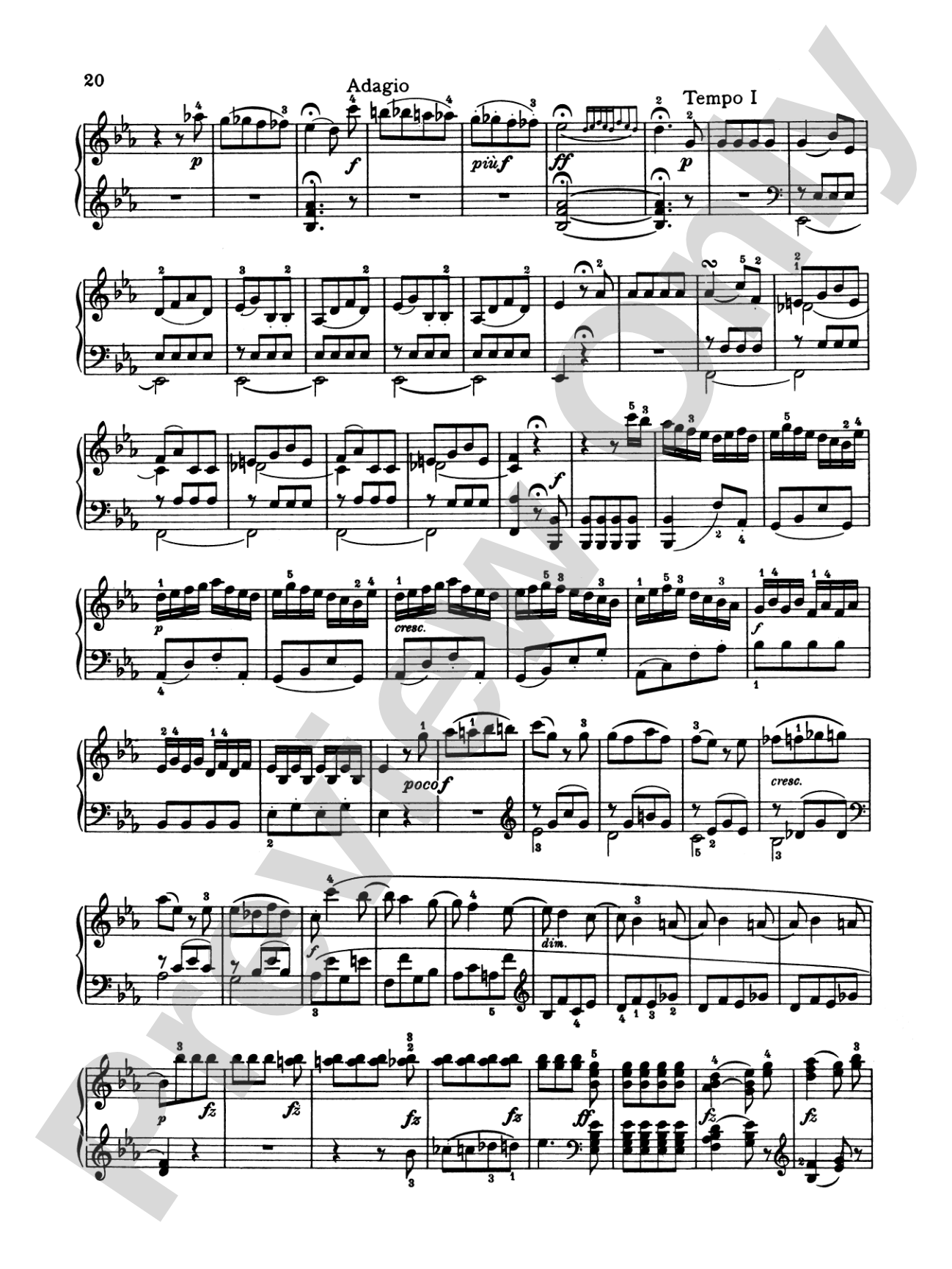
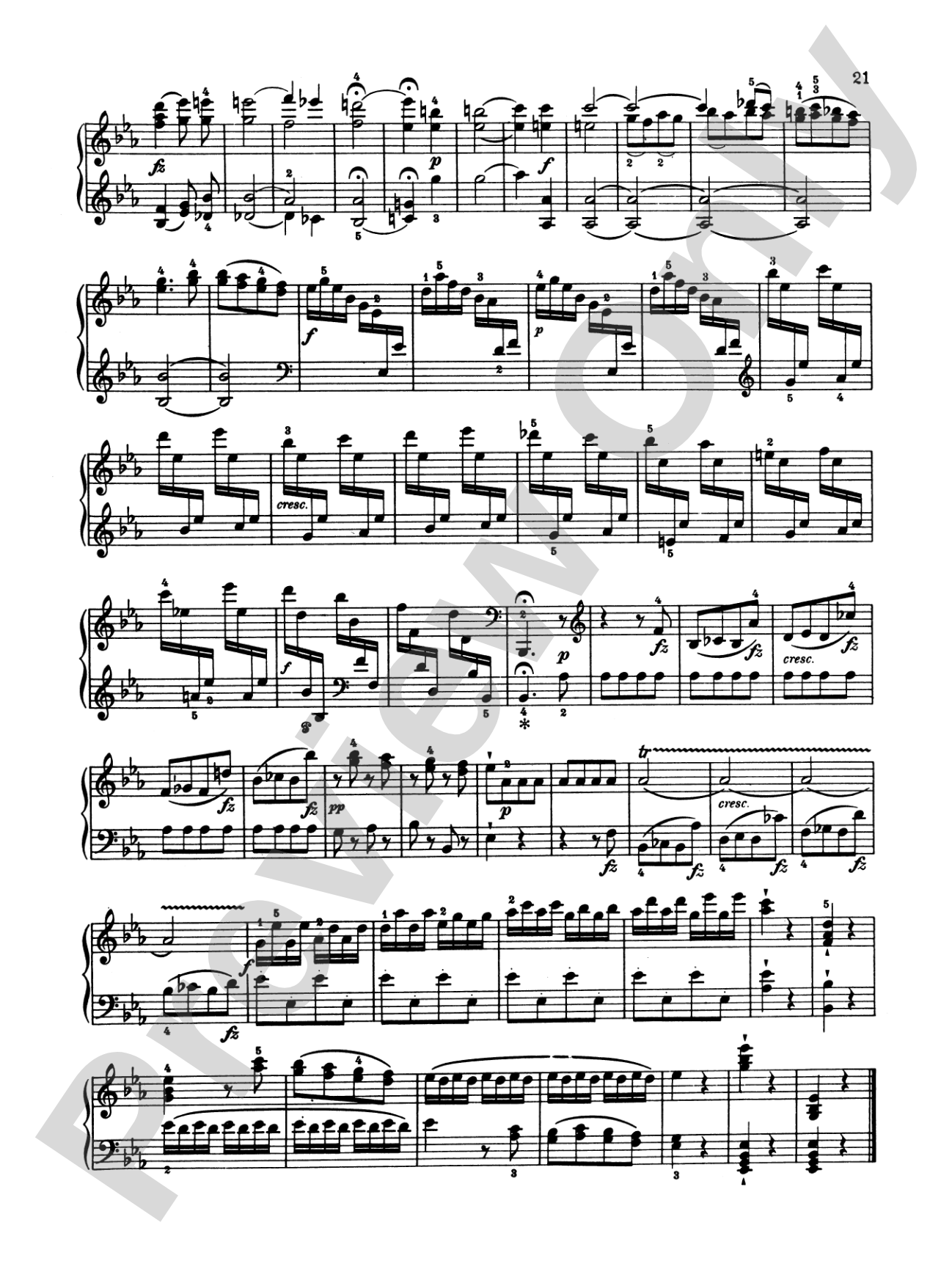

Haydn: Sonatas (Volume I): Piano Book
By Franz Joseph Haydn
Item: 00-PK-0003147

$14.99
Pickup currently not available
Buy Extra Parts (Digital PDF Download)
| Product | Price | Quantity |
|---|---|---|
| Haydn: Sonatas (Volume I) | $0.99 | |
| Haydn: Sonatas (Volume I) | $0.99 | |
| Haydn: Sonatas (Volume I) | $0.99 | |
| Haydn: Sonatas (Volume I) | $0.99 | |
| Haydn: Sonatas (Volume I) | $0.99 | |
| Haydn: Sonatas (Volume I) | $0.99 | |
| Haydn: Sonatas (Volume I) | $0.99 | |
| Haydn: Sonatas (Volume I) | $0.99 | |
| Haydn: Sonatas (Volume I) | $0.99 | |
| Haydn: Sonatas (Volume I) | $0.99 | |
| Haydn: Sonatas (Volume I) | $0.99 |
Parts Added to Cart!
Related Items
Forty Three Sonatas, Volume I (Nos. 1-11): Piano Book |
$14.95
|
View |
Description
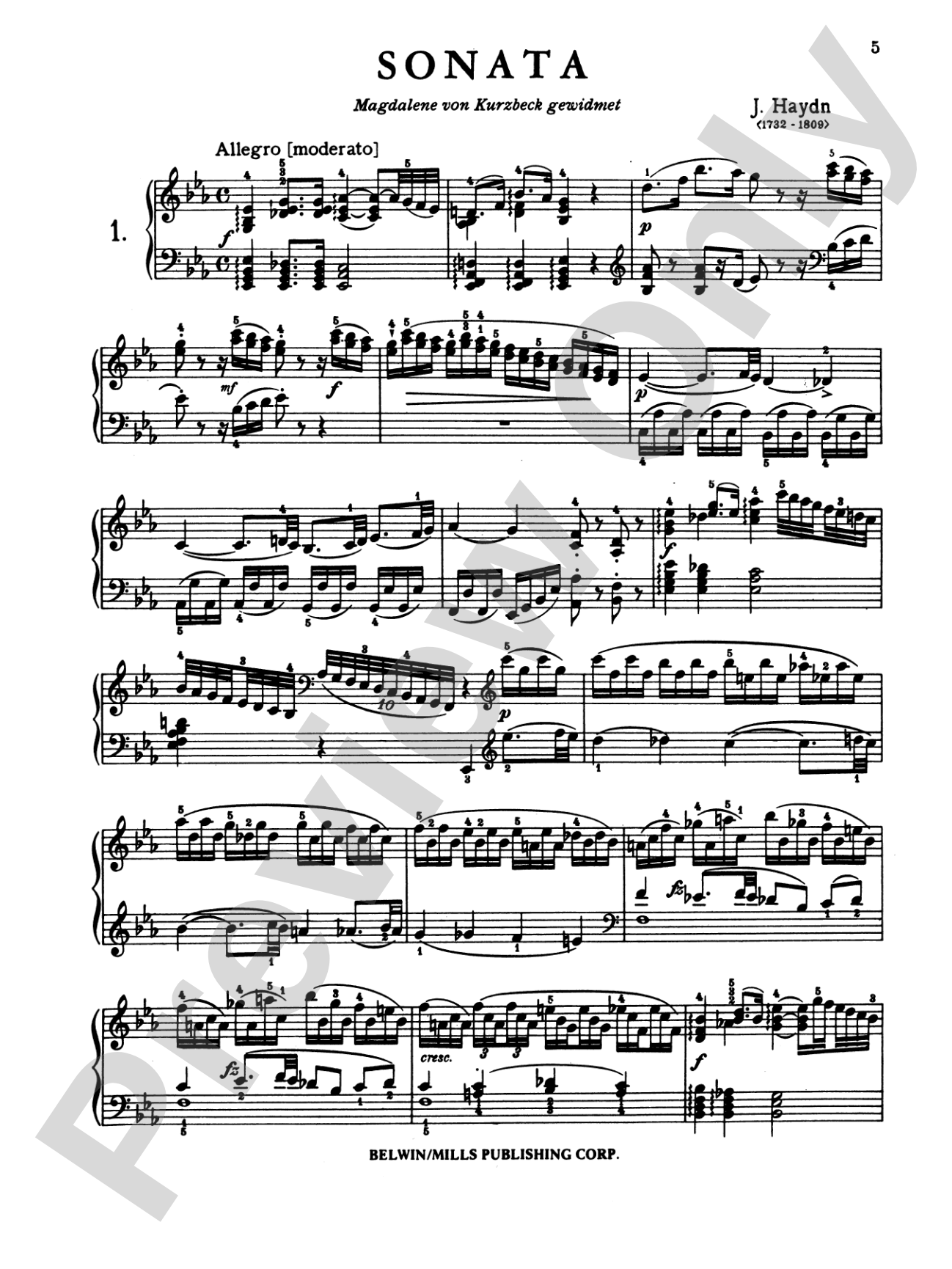
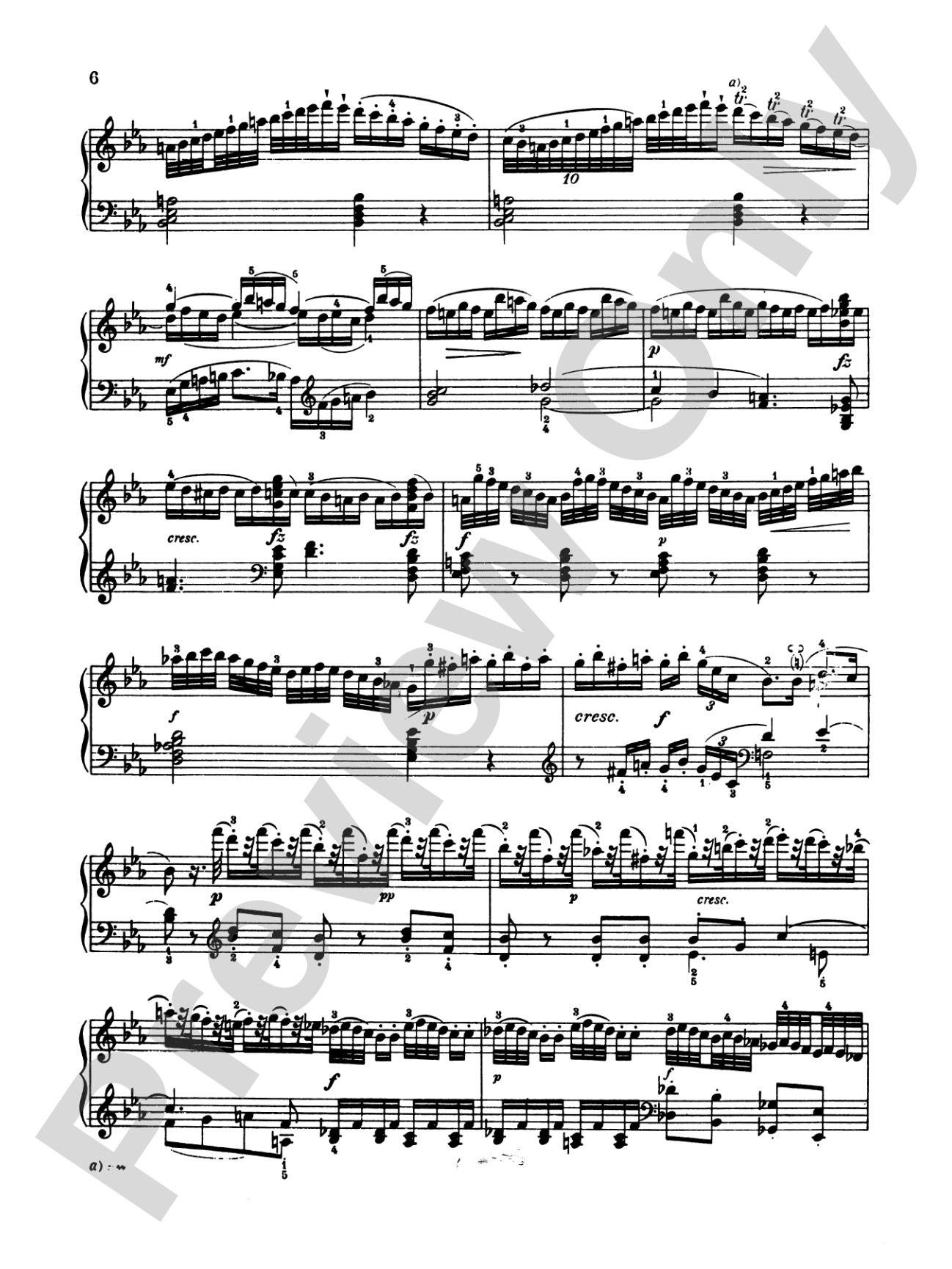
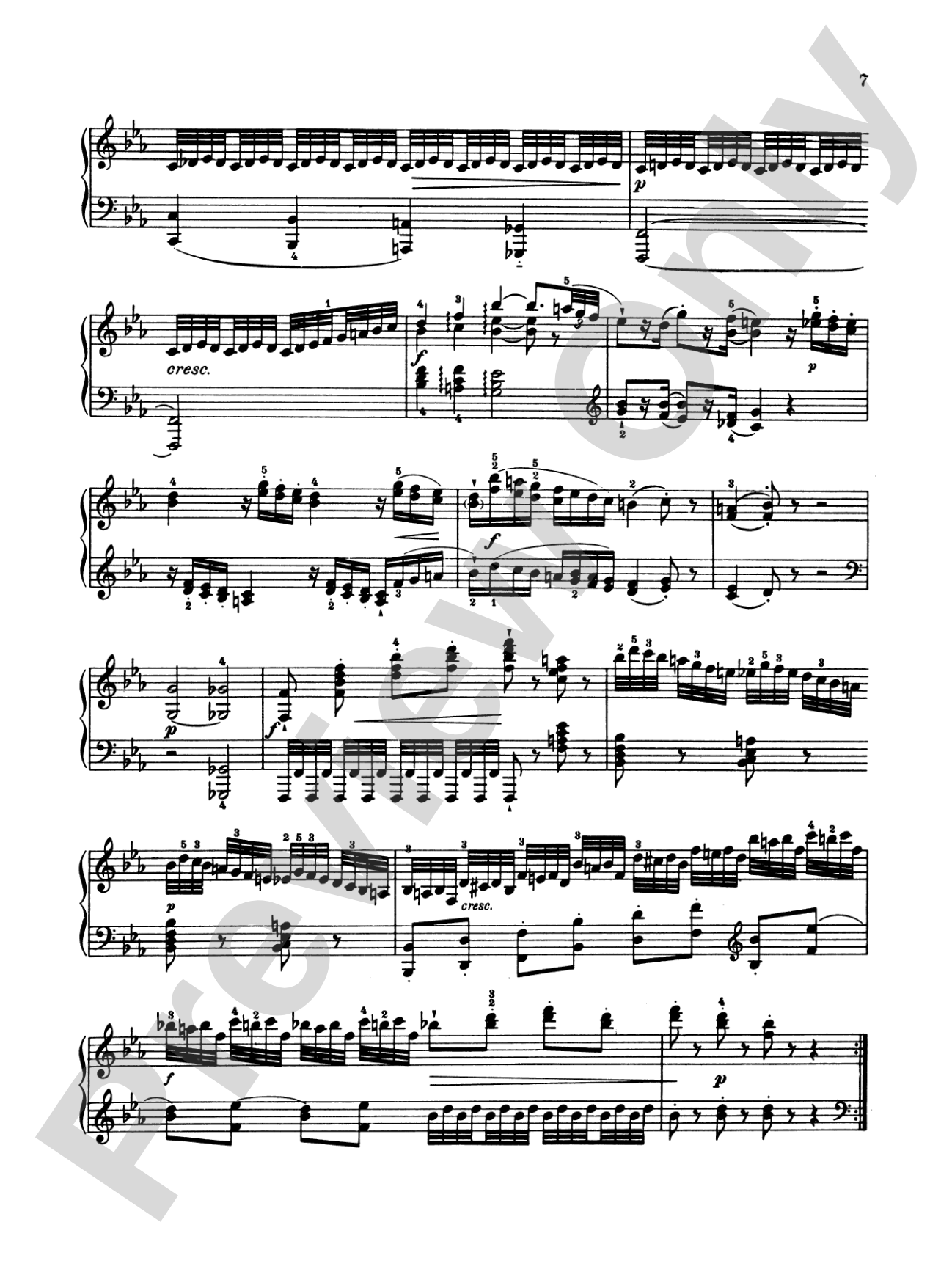
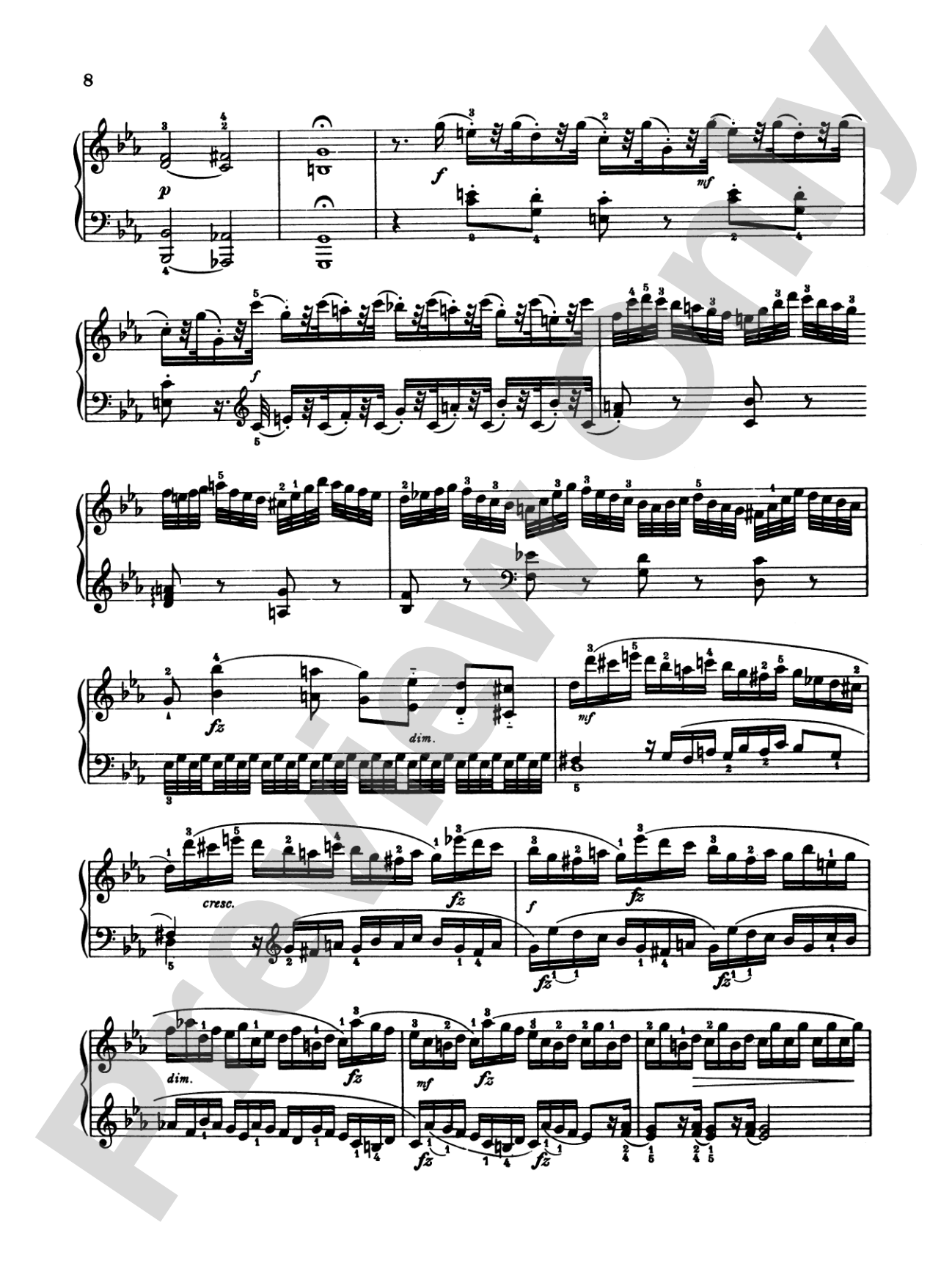
Titles: No. 1, E-Flat Major * No. 2, E Minor * No. 3, E-Flat Major * No. 4, G Minor * No. 5, C Major * No. 6, C-sharp Minor * No. 7, D Major * No. 8, A-Flat Major * No. 9, D Major * No. 10, G Major * No. 11, G Major.


Don't just read it, hear it, play along with it, and watch your students grow with it. In MakeMusic Cloud, Haydn: Sonatas (Volume I): Piano Book comes alive with professional accompaniment, adjustable tempo, and built-in practice tools that turn solo practice into real progress.
Open in the Player
Jump straight in and assign it today.
Start Your Free Trial
Open this title and explore the full library in minutes.
Sample Audio
No sample audio found.
Sample Video
No sample videos found.
Additional Details
Series:
Kalmus Edition
Publisher:
Alfred Music
Page Count:
120
SKU:
00-PK-0003147
More about this title
About the Composer: Franz Joseph Haydn
Haydn spent nearly 30 years as court composer for the Esterházy family, a position that demanded constant invention and technical mastery across every genre. His prolific output shaped the Classical symphony, string quartet, and keyboard sonata; he essentially wrote the rulebook that Mozart and Beethoven would refine. His influence on music education extends beyond his compositions, his clarity of form and structural logic remain foundational to how we teach harmonic progression and phrase architecture.
Why we love this
Haydn's early sonatas offer pianists exactly what many collections at this level fail to provide: serious compositional craft that never sacrifices playability. The range of keys and emotional territories across these eleven works means you can program them across an entire season without repeating a mood or technical challenge. They reward careful practicing and sound far more substantial than their modest technical demands might suggest.
What to expect
These sonatas balance charm with intelligence. You'll hear Haydn's signature wit in unexpected harmonic turns and rhythmic surprises, but the overall character is graceful and clear rather than virtuosic. The writing sits naturally under the hand, which frees you to focus on phrasing and form.
Who it's for
Pianists in the early intermediate to intermediate range will find these sonatas essential. Serious students preparing for music school auditions, community recitals, or competitions benefit from the mix of accessibility and substance. Teachers who want repertoire that builds both technical security and musical thinking will use this collection repeatedly across a teaching career.
How to get the most out of it
- Pay close attention to articulation markings and dynamic shape; Haydn's dry, clean touch works against the Romantic impulse to over-pedal and blur.
- Approach modulations as harmonic events that deserve space. Don't rush through key changes; let the listener feel the shift.
- Work the repeats as written. Haydn often varies repeated sections, and skipping them sacrifices musical content.
- Let silence work. Haydn leaves strategic rests that reset the ear and clarify formal divisions; honor them rather than filling them with unnecessary sound.
How to use it
Feature individual sonatas on student recitals or open studio sessions; their varied moods and lengths (most are short enough for a single-slot program) make them perfect vehicles for different pianists and occasions. Alternatively, pair a complete sonata or two with contemporary works to explore how Classical form sounds alongside Baroque or early Romantic repertoire. They work especially well in a season that emphasizes chamber music or solo keyboard literature.
Skills your students will build
- Classical sonata form (exposition, development, recapitulation structure)
- Voice leading and counterpoint in a homophonic context
- Harmonic analysis, particularly unexpected key changes and modulation
- Ornamentation and stylistically appropriate embellishment
- Clarity and independence of hands in varied textures
- Rhythmic precision in contexts without strong metric emphasis