
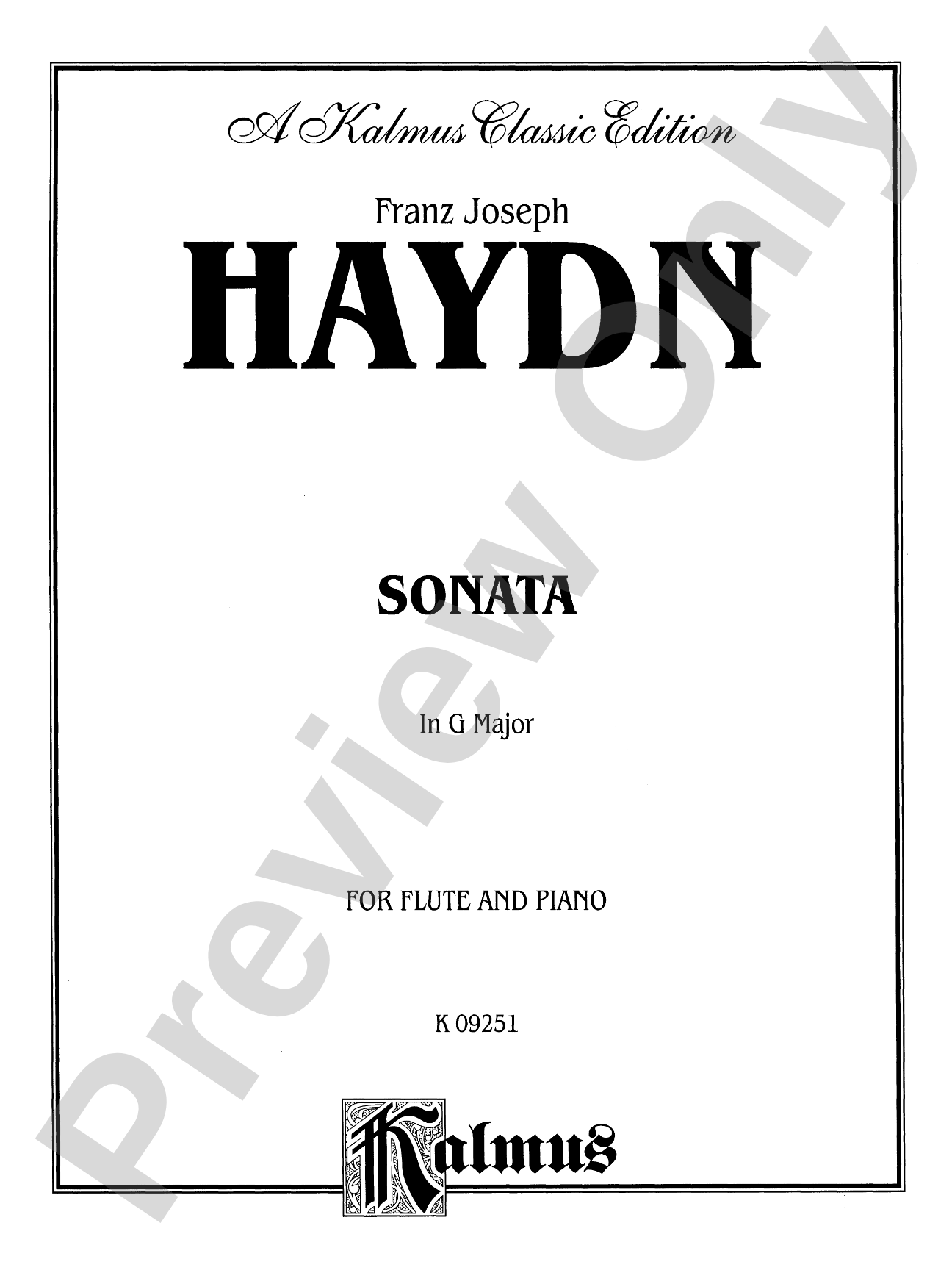

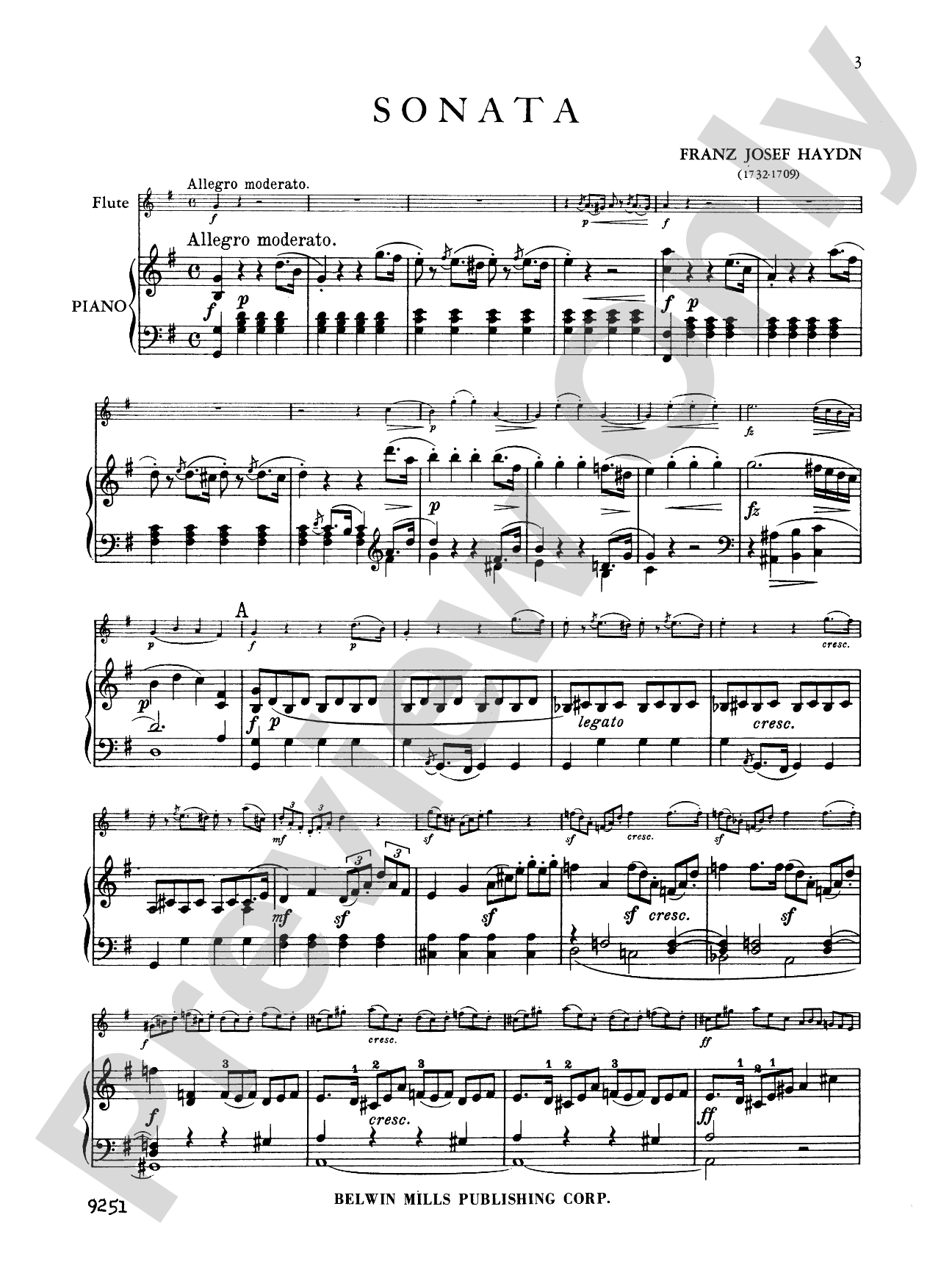
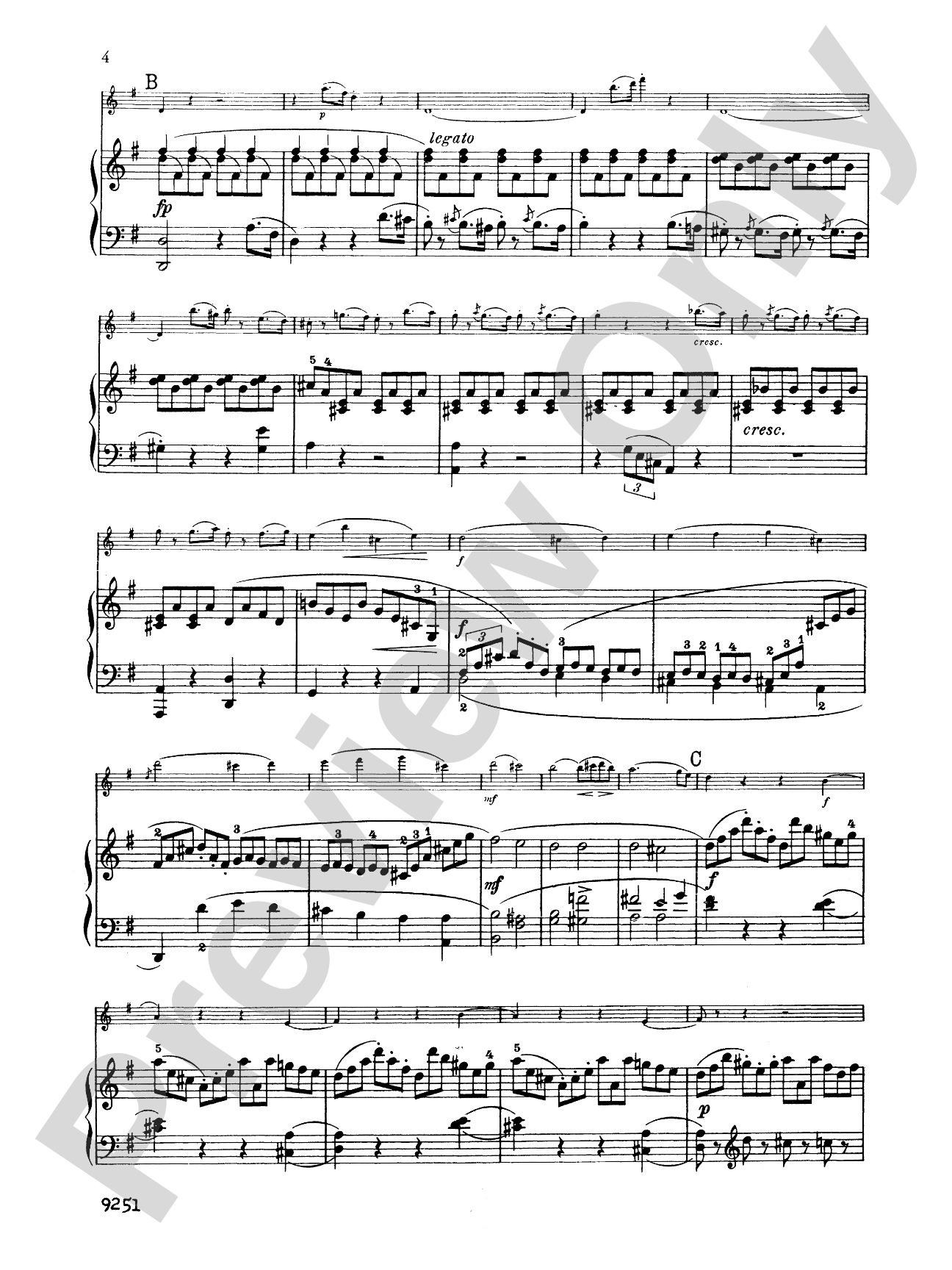
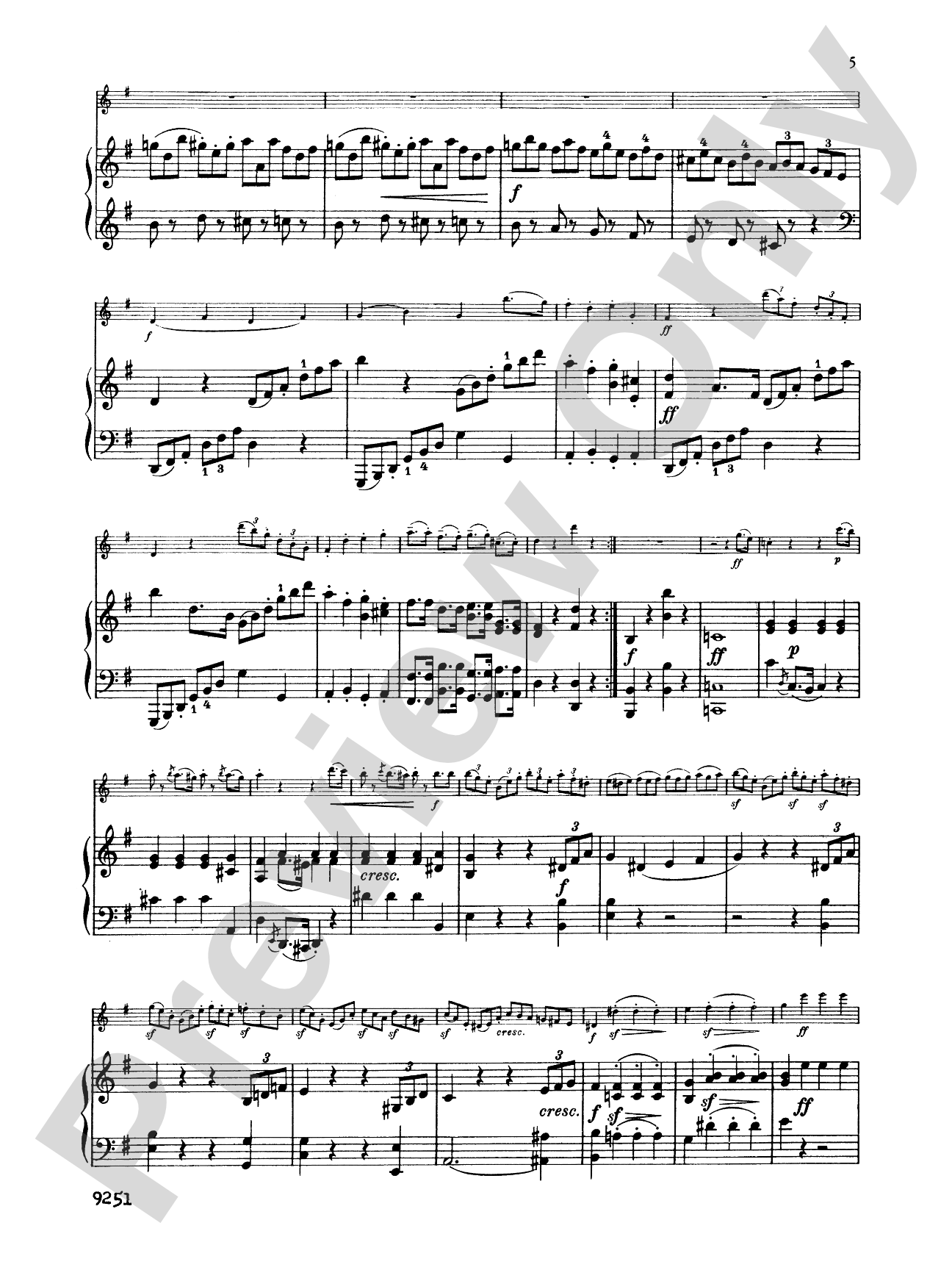
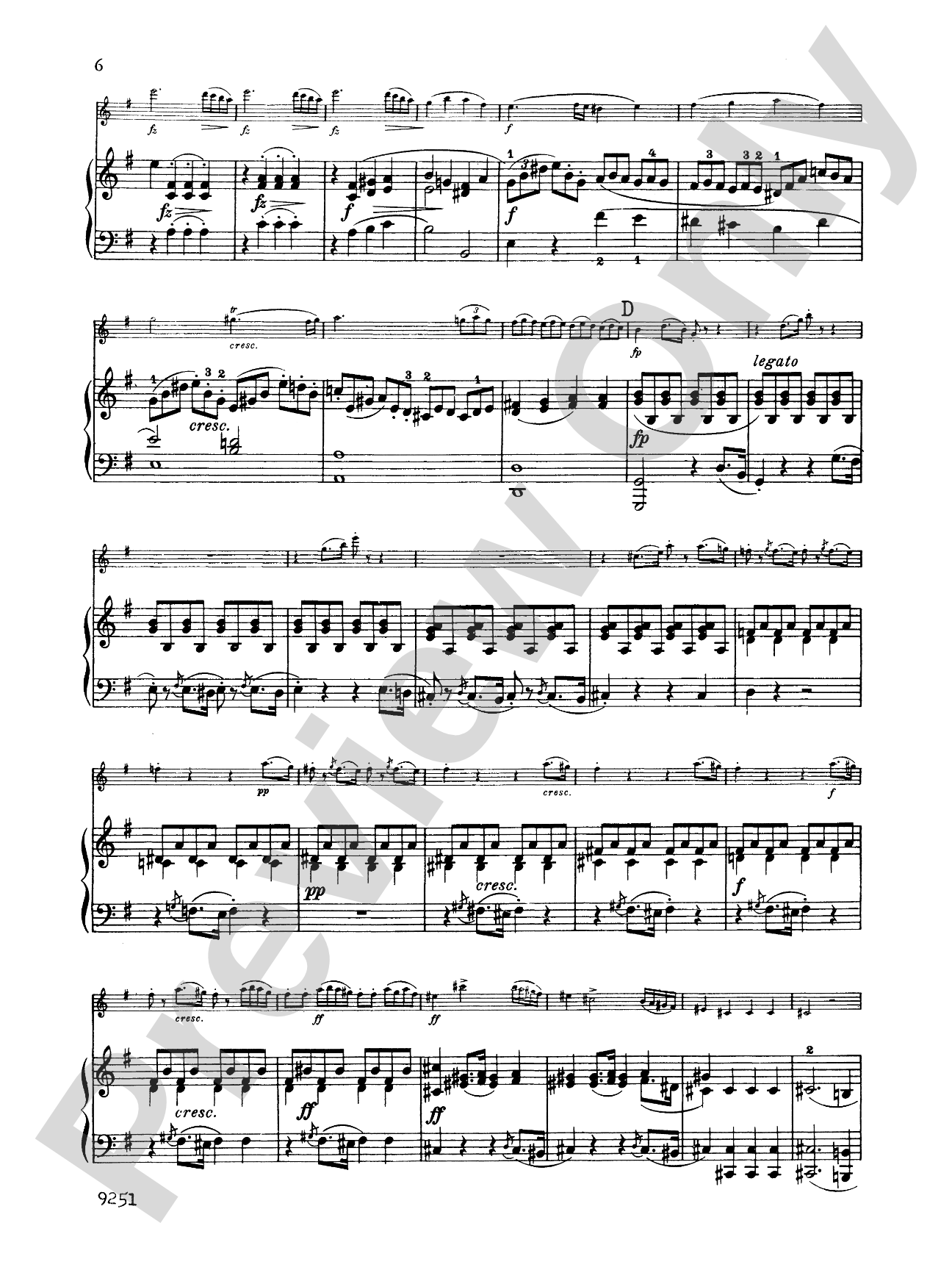
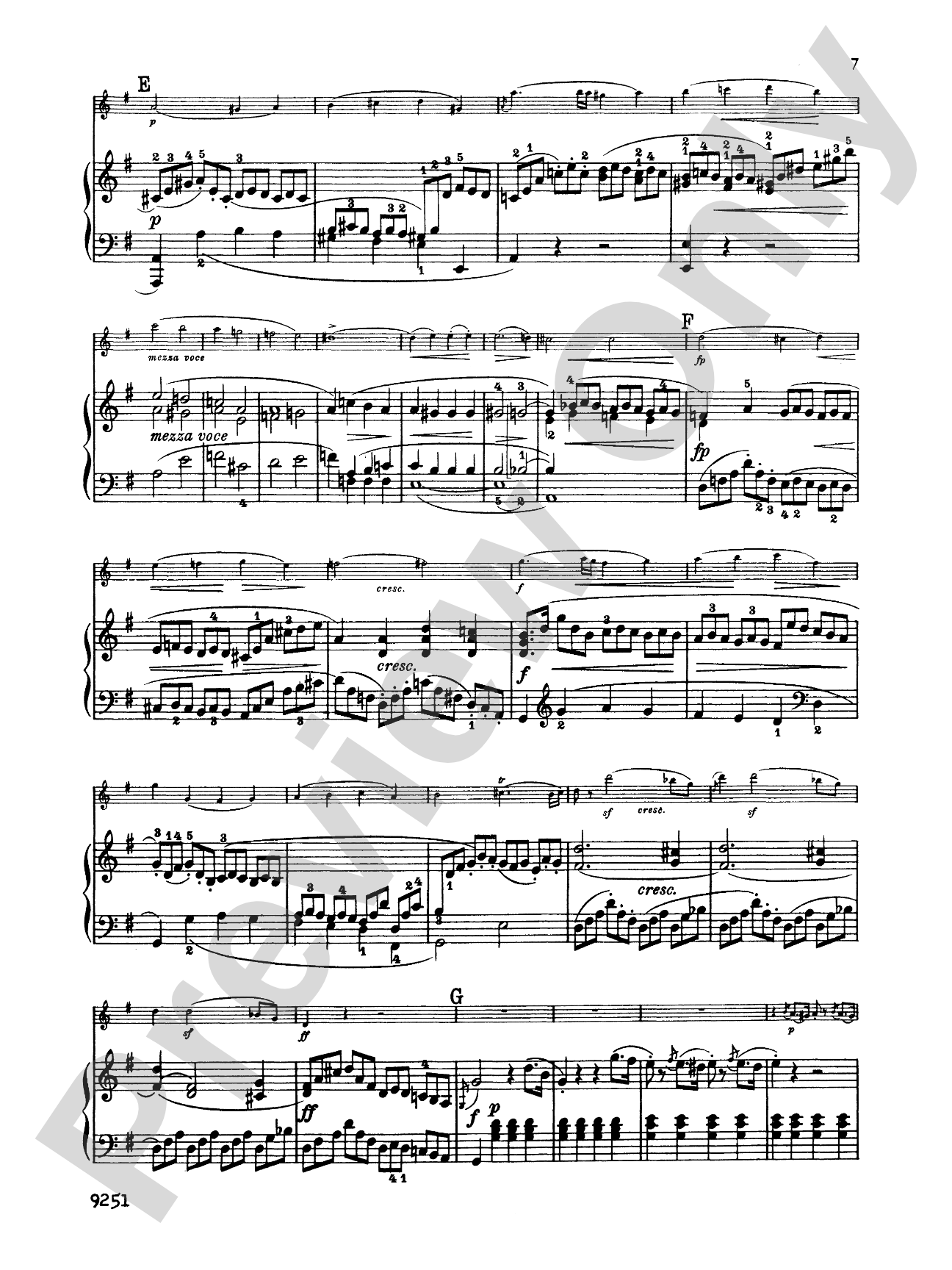
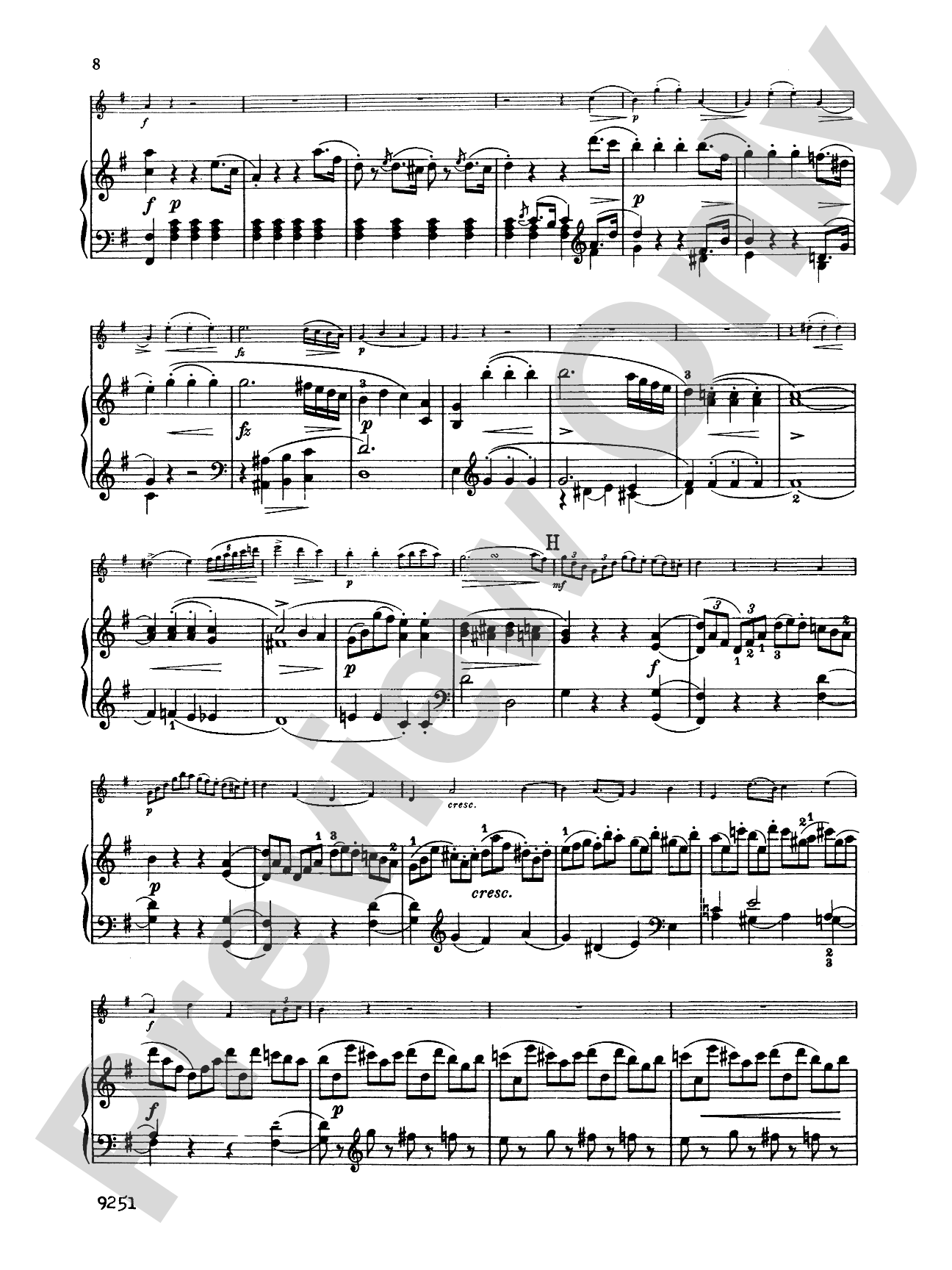
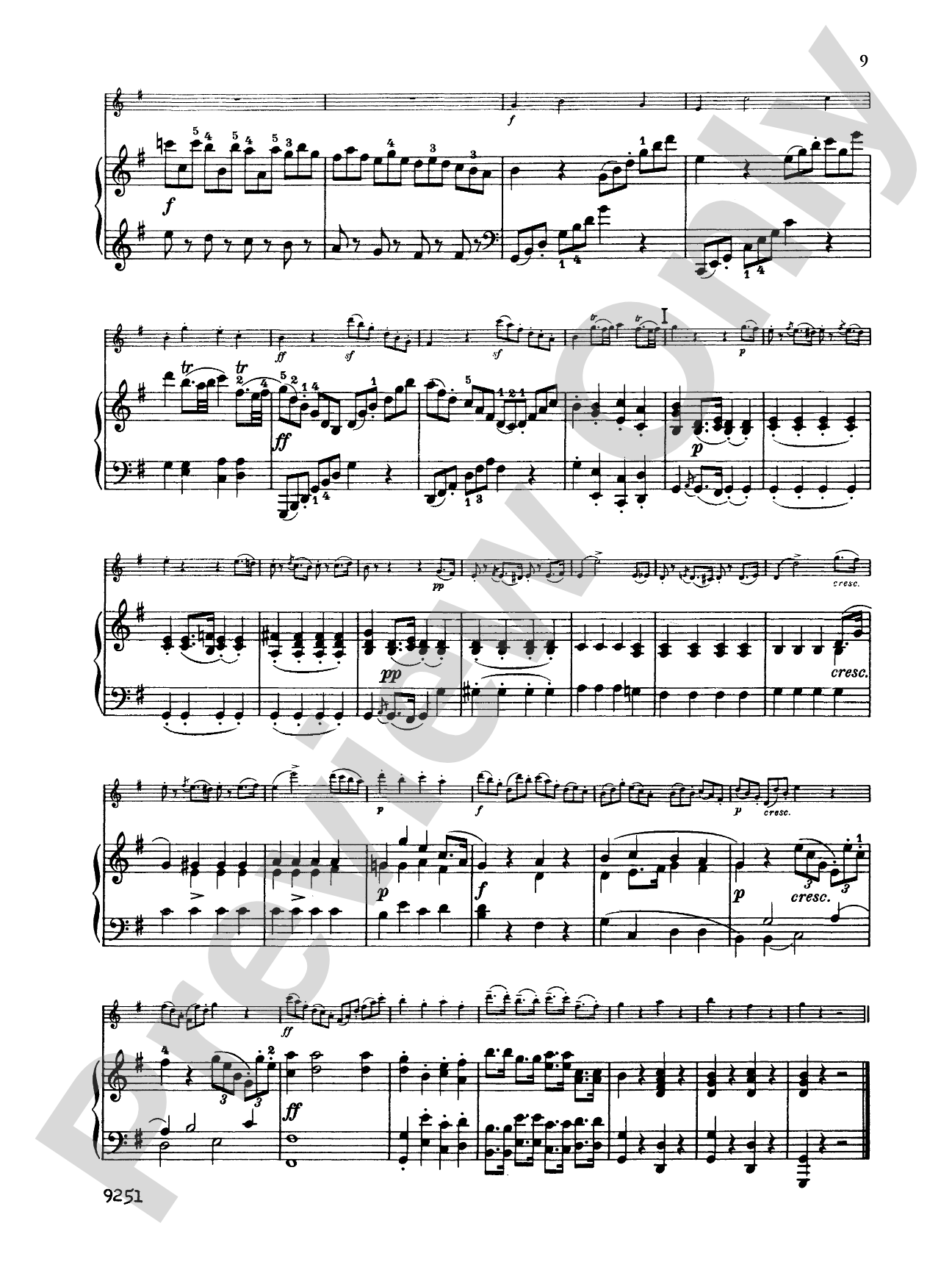
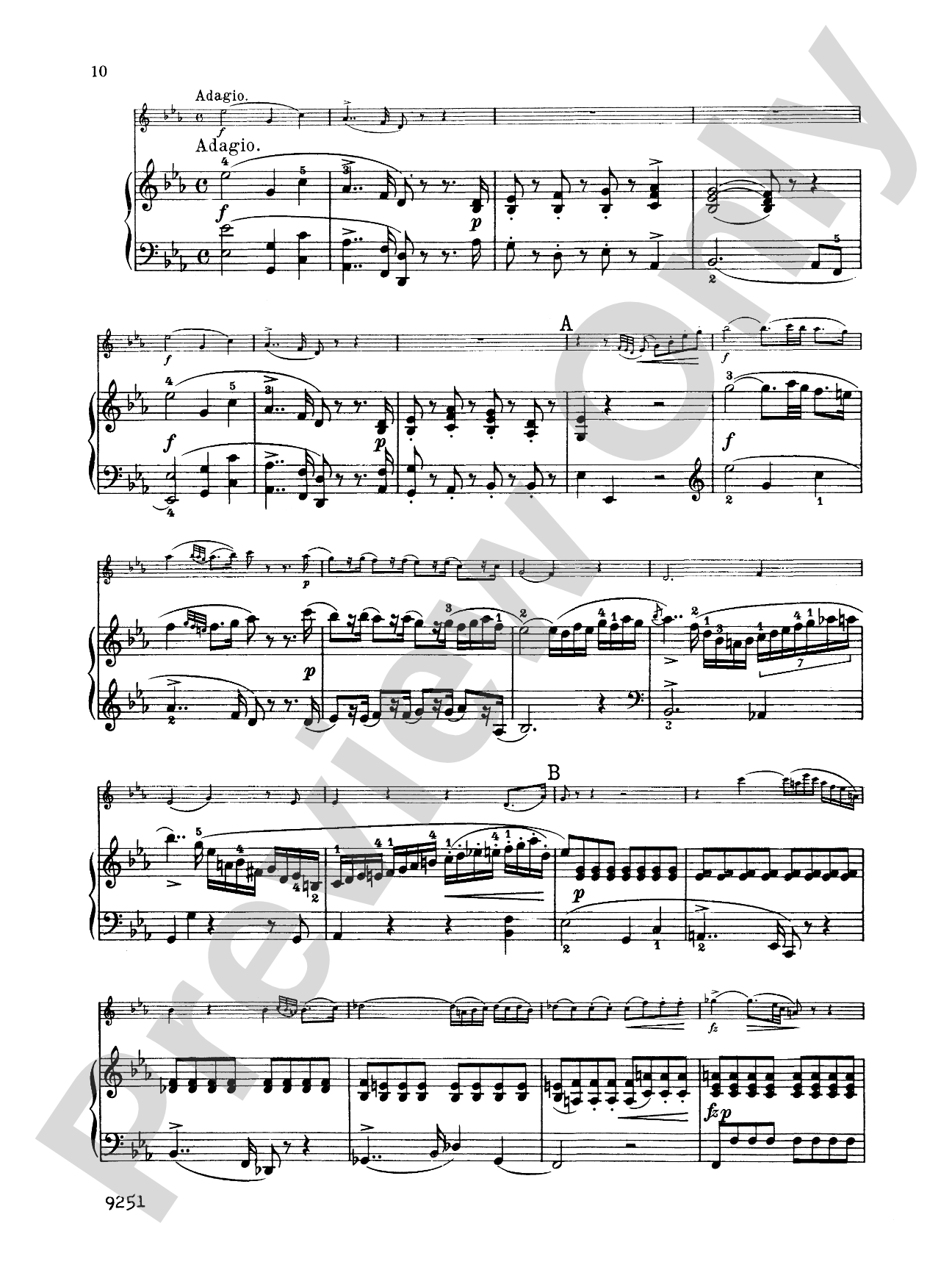
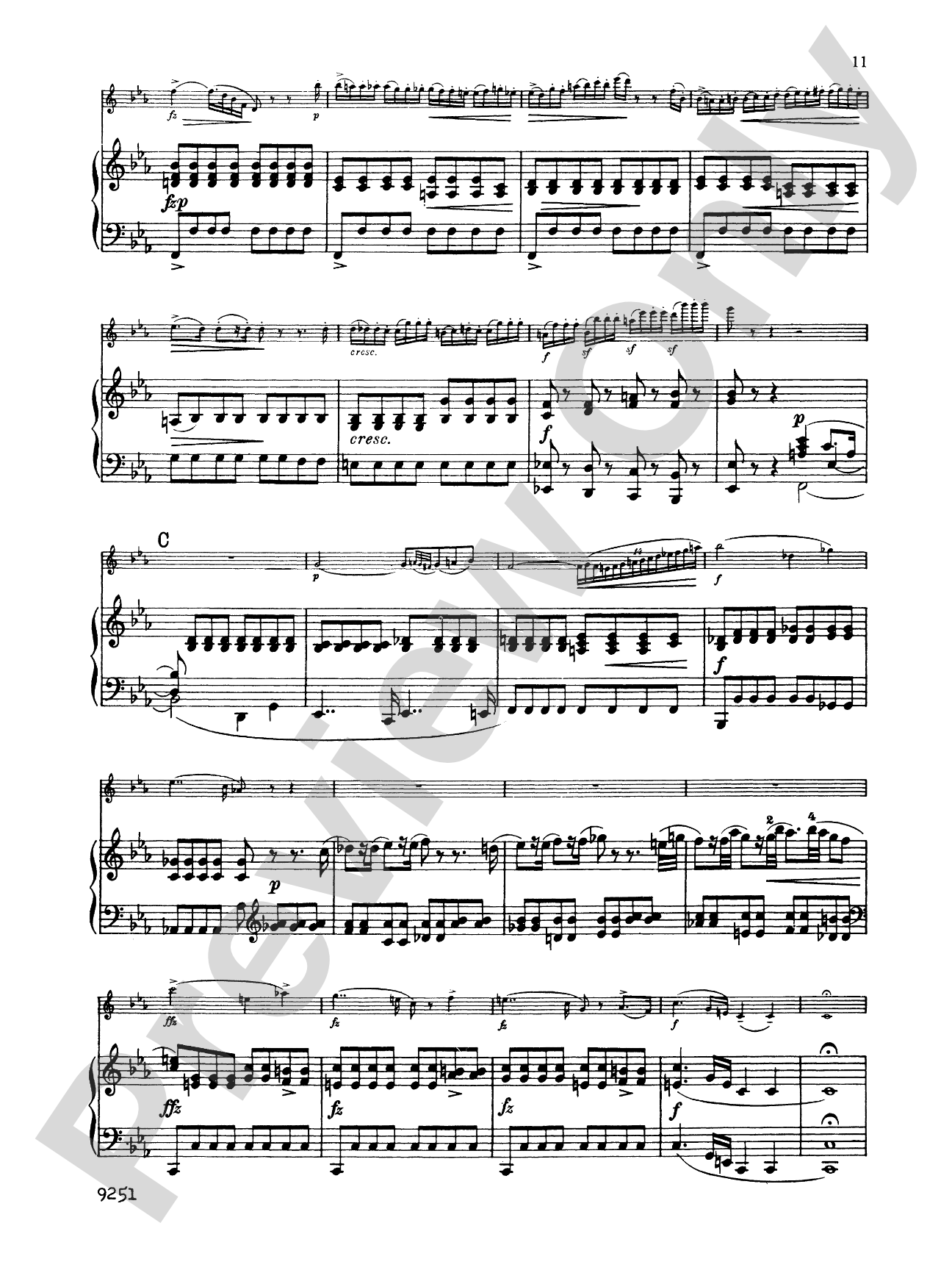
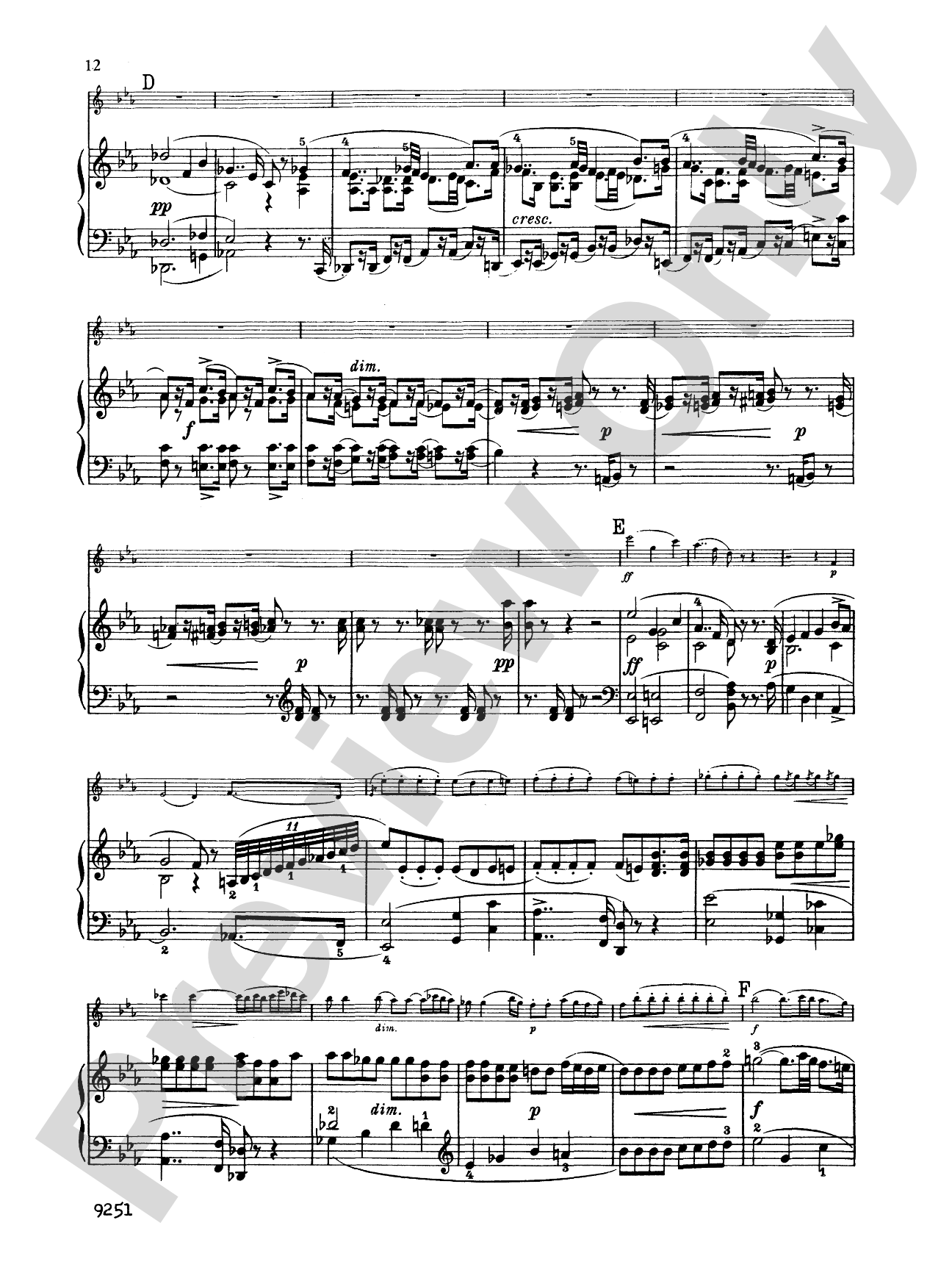
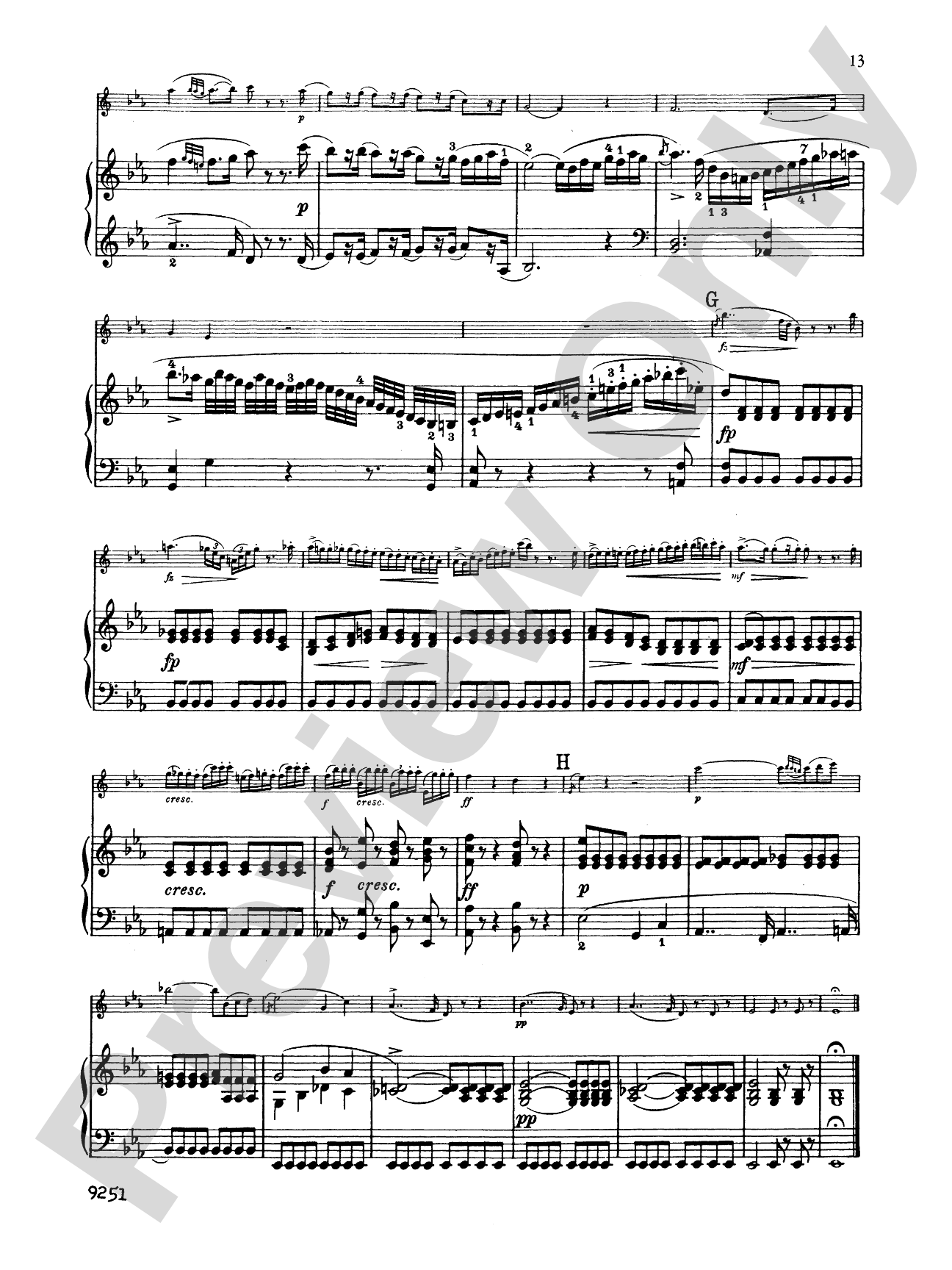
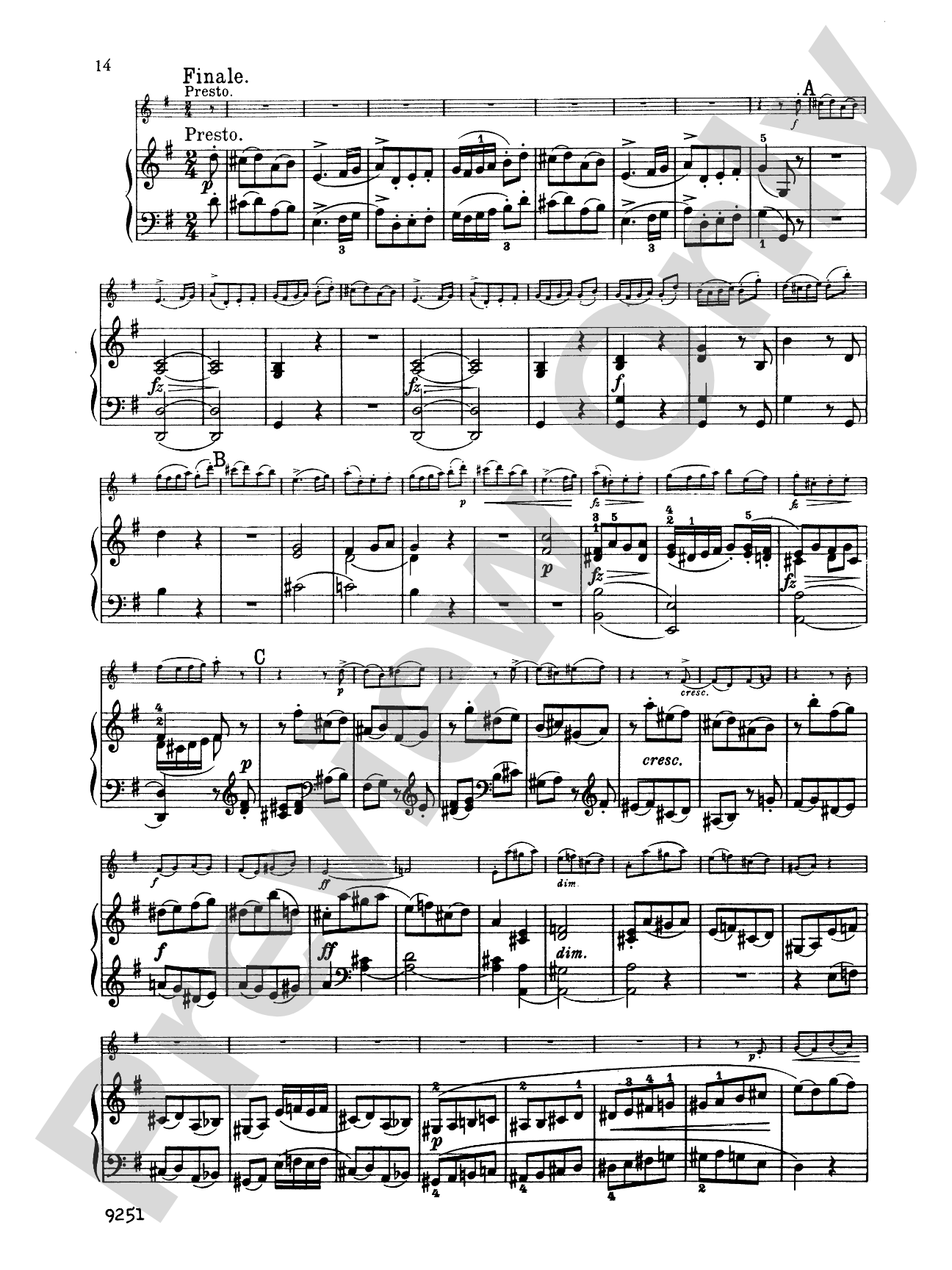
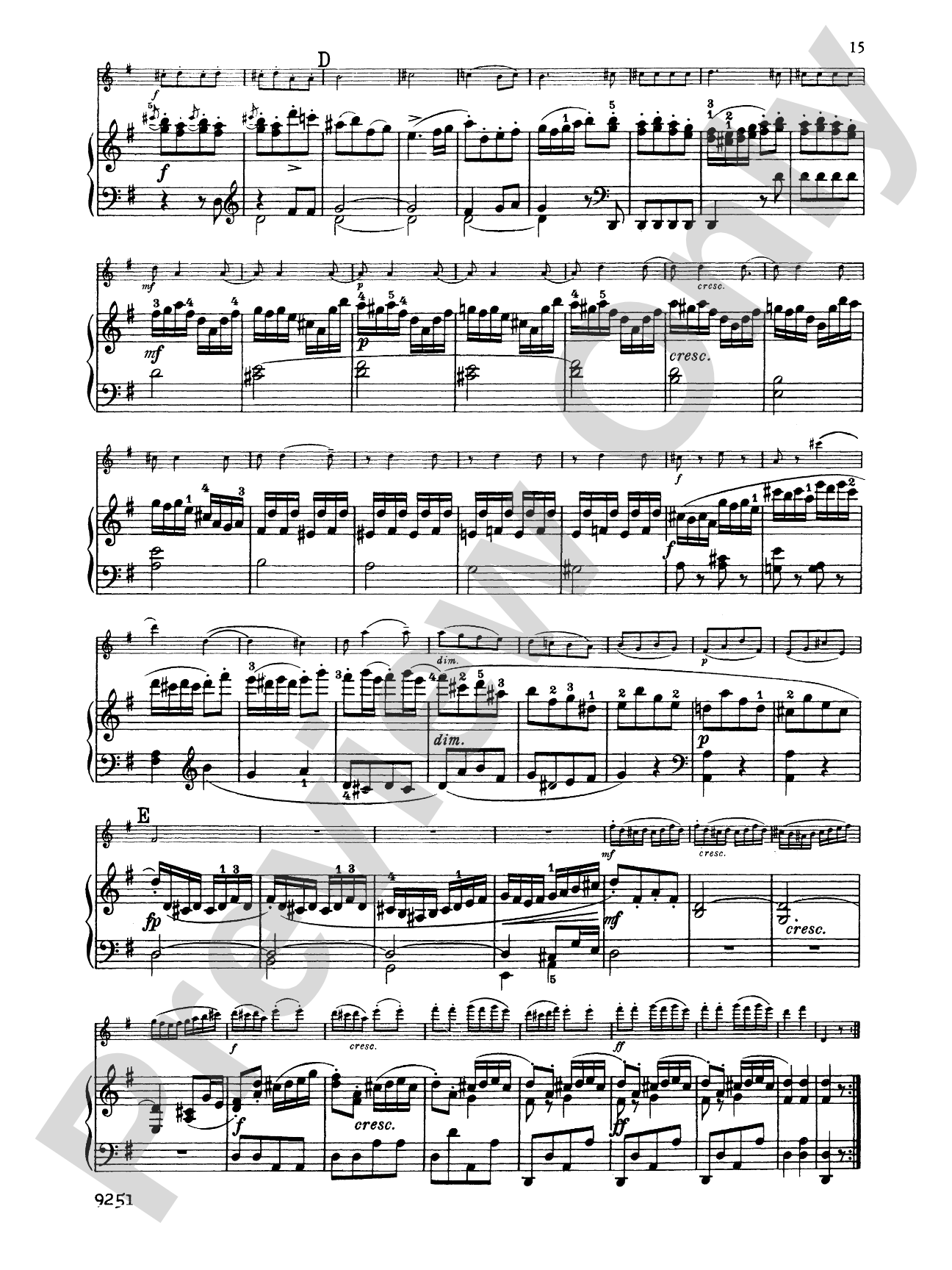
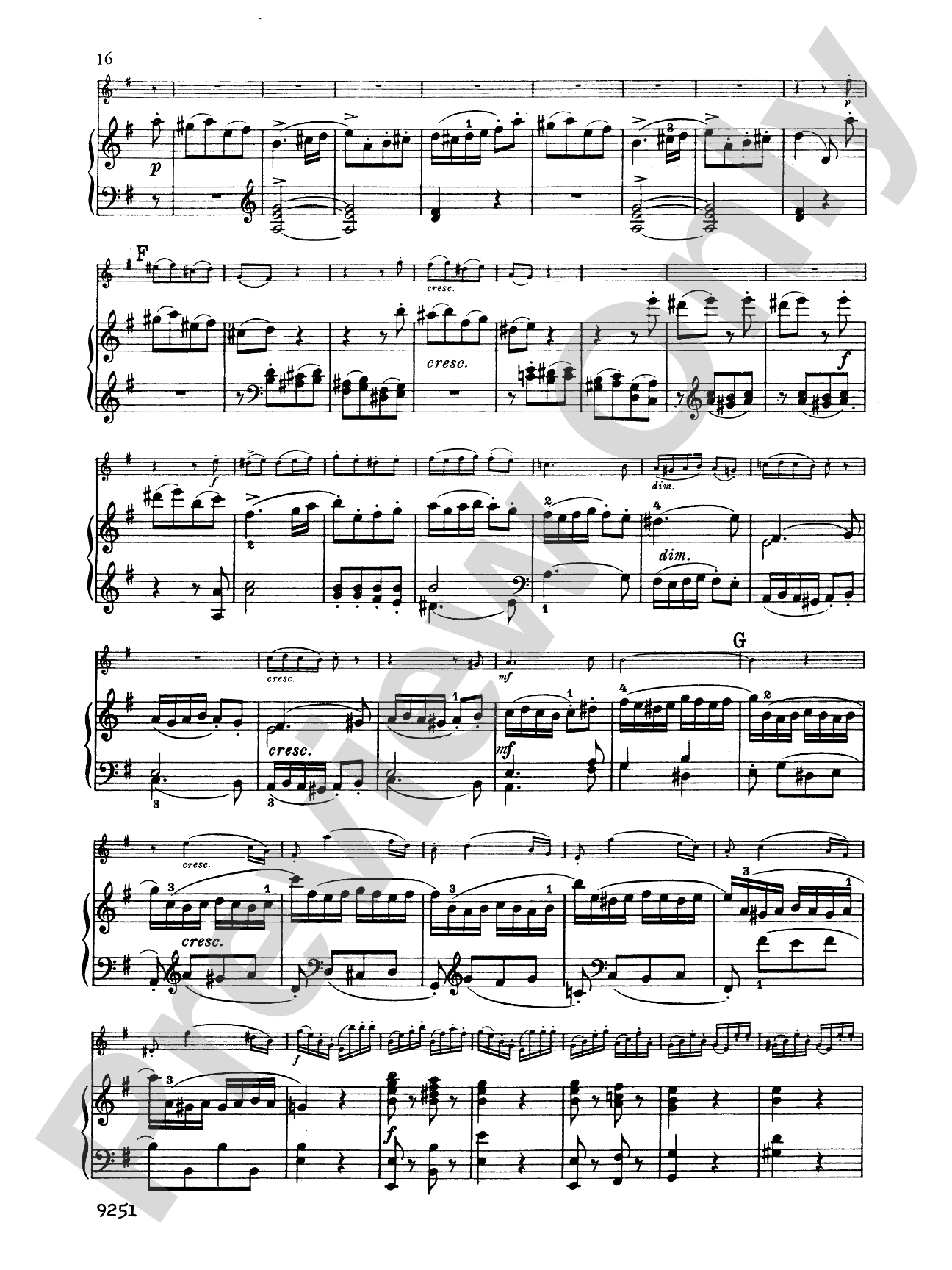
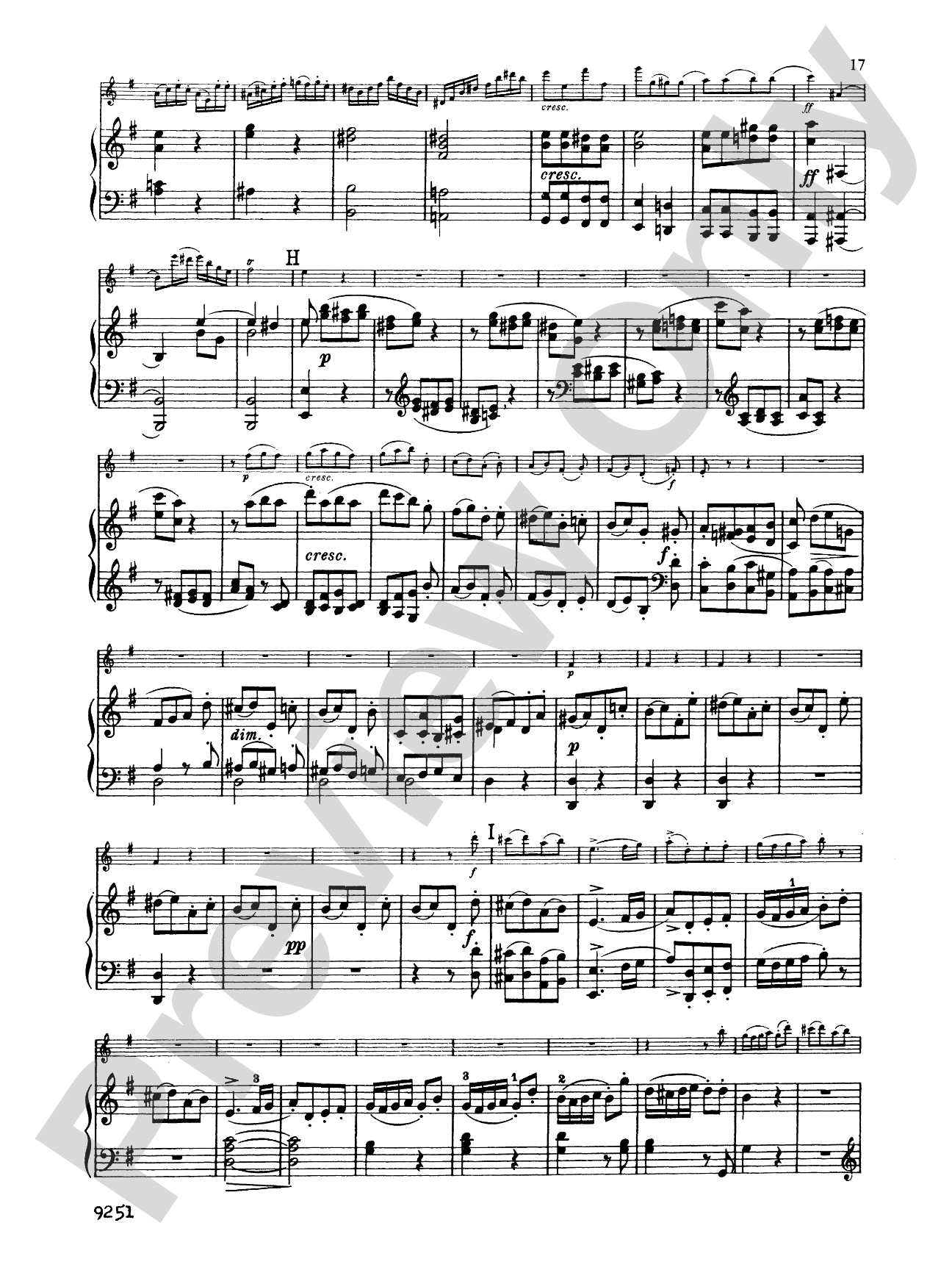
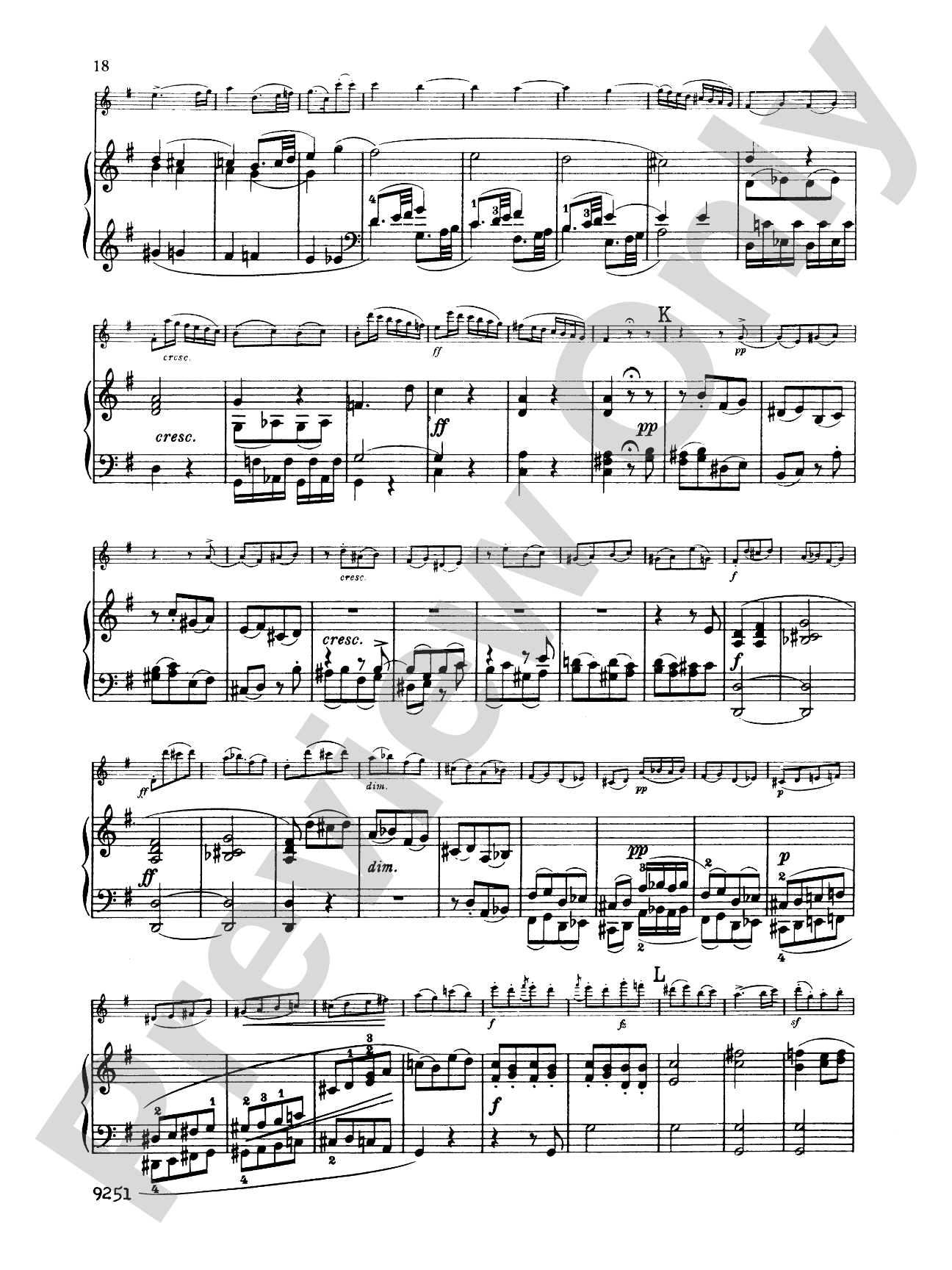
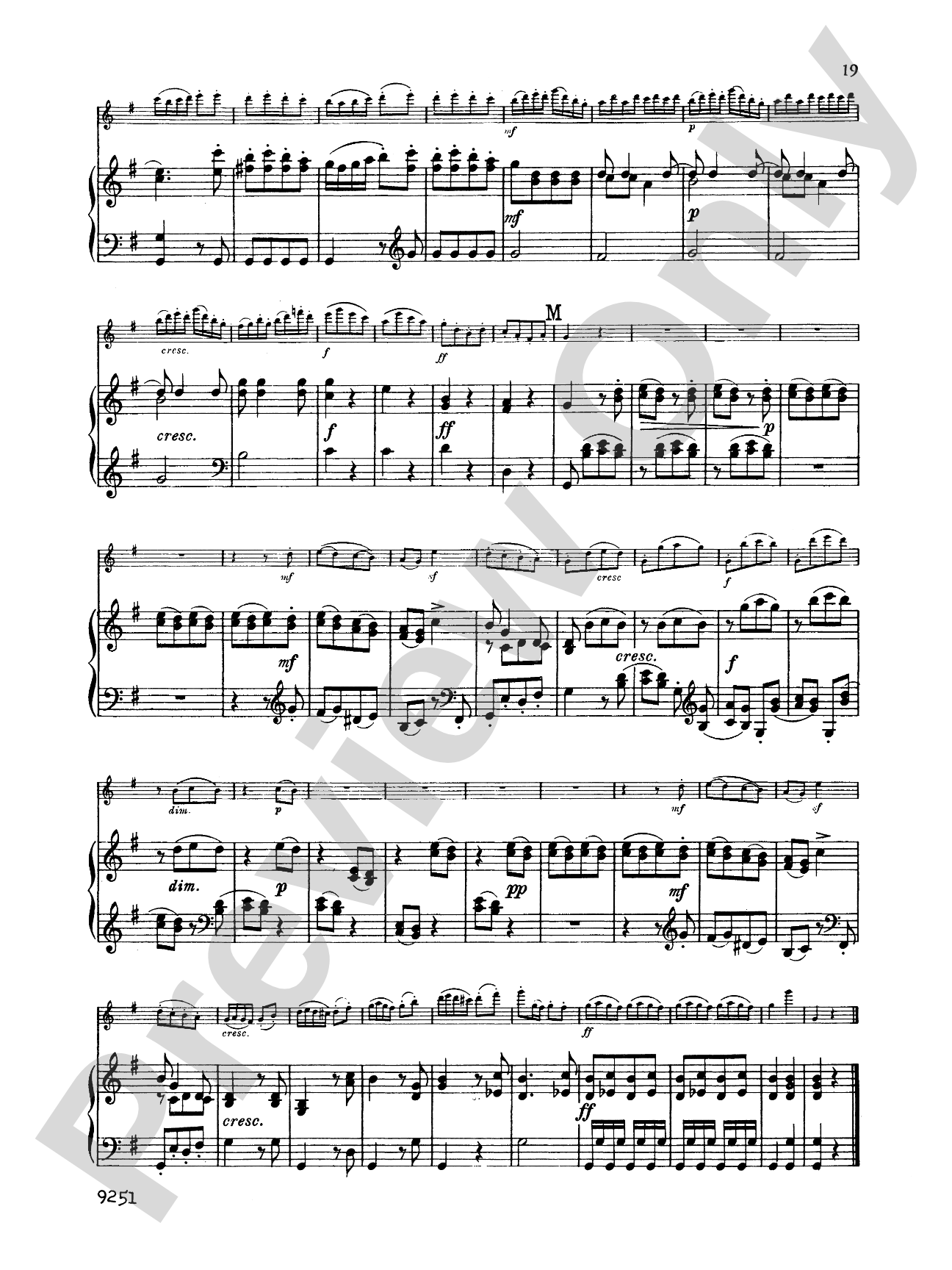


Haydn: Sonata in G Major: Flute Part(s)
By Franz Joseph Haydn
Item: 00-PK-0003720

$7.99
Pickup currently not available
Parts Added to Cart!
Description
A Flute solo with Piano Accompaniment composed by Franz Joseph Haydn.


Don't just read it, hear it, play along with it, and watch your students grow with it. In MakeMusic Cloud, Haydn: Sonata in G Major: Flute Part(s) comes alive with professional accompaniment, adjustable tempo, and built-in practice tools that turn solo practice into real progress.
Open in the Player
Jump straight in and assign it today.
Start Your Free Trial
Open this title and explore the full library in minutes.
Sample Audio
No sample audio found.
Sample Video
No sample videos found.
Additional Details
Series:
Kalmus Edition
Publisher:
Alfred Music
Page Count:
28
SKU:
00-PK-0003720
More about this title
About the Composer: Franz Joseph Haydn
Franz Joseph Haydn (1732-1809) shaped the Classical sonata form and brought wit, elegance, and structural clarity to instrumental music. His prolific output across all genres established the blueprint that Mozart and Beethoven would refine, making him foundational to the repertoire every serious musician encounters.
Haydn's instrumental works reveal a master of orchestration and form who understood how to write idiomatically for each instrument. His flute sonatas balance accessibility with genuine musical substance, offering performers the chance to inhabit a voice that sings with natural grace while navigating the harmonic language that defined an era.
Why we love this
This sonata delivers authentic Classical style without the technical demands that can overwhelm intermediate players. The writing sits beautifully on the flute, with idiomatic phrasing that sounds effortless once the part is secure, and the piano accompaniment provides both support and genuine musical partnership.
What to expect
Graceful and conversational, with the flute singing over a piano that listens as much as it accompanies. The harmonic language is clear and tonal, moving with the purposeful elegance that Haydn brought to everything he wrote; there's structural intelligence underneath every phrase, but the music never feels academic.
Who it's for
Flutists at the intermediate level and above who want to build confidence with Classical repertoire and understand how the period's formal structures work in practice. This sonata works equally well as a recital piece, a lesson tool for students preparing to encounter more complex Haydn and his contemporaries, or a satisfying solo in a mixed-instrumental program.
How to get the most out of it
- Shape long lines by thinking in terms of harmonic rhythm rather than measure-by-measure phrase length. Allow the harmony to guide your breathing and dynamic arc.
- Balance the ornamentation with melodic intent. Haydn's passages work best when each embellishment serves the line rather than calling attention to itself.
- Coordinate with the pianist on the cadences and transitional passages. Haydn often gives the piano subtle harmonic movement that can easily be buried if you're not listening carefully.
- Pay attention to the articulation markings in both parts. Classical style depends on clarity of line, and precise tonguing choices will sharpen the musical character.
How to use it
Pair this with other Classical-era woodwind solos to showcase the period's approach to instrumental melody, or position it as a contrast to Baroque ornamental writing or Romantic expressivity. It also serves well as the cornerstone of a flute recital, either as a solo piece or preceding contemporary works.
Skills your students will build
- Phrasing within Classical form and harmonic structure
- Ornamentation execution (trills, turns, grace notes) as stylistic elements rather than technical display
- Coordination with accompaniment and responsiveness to harmonic movement
- Clear articulation and light tonguing appropriate to the Classical aesthetic
- Navigation of Classical cadential gestures and formal transitions