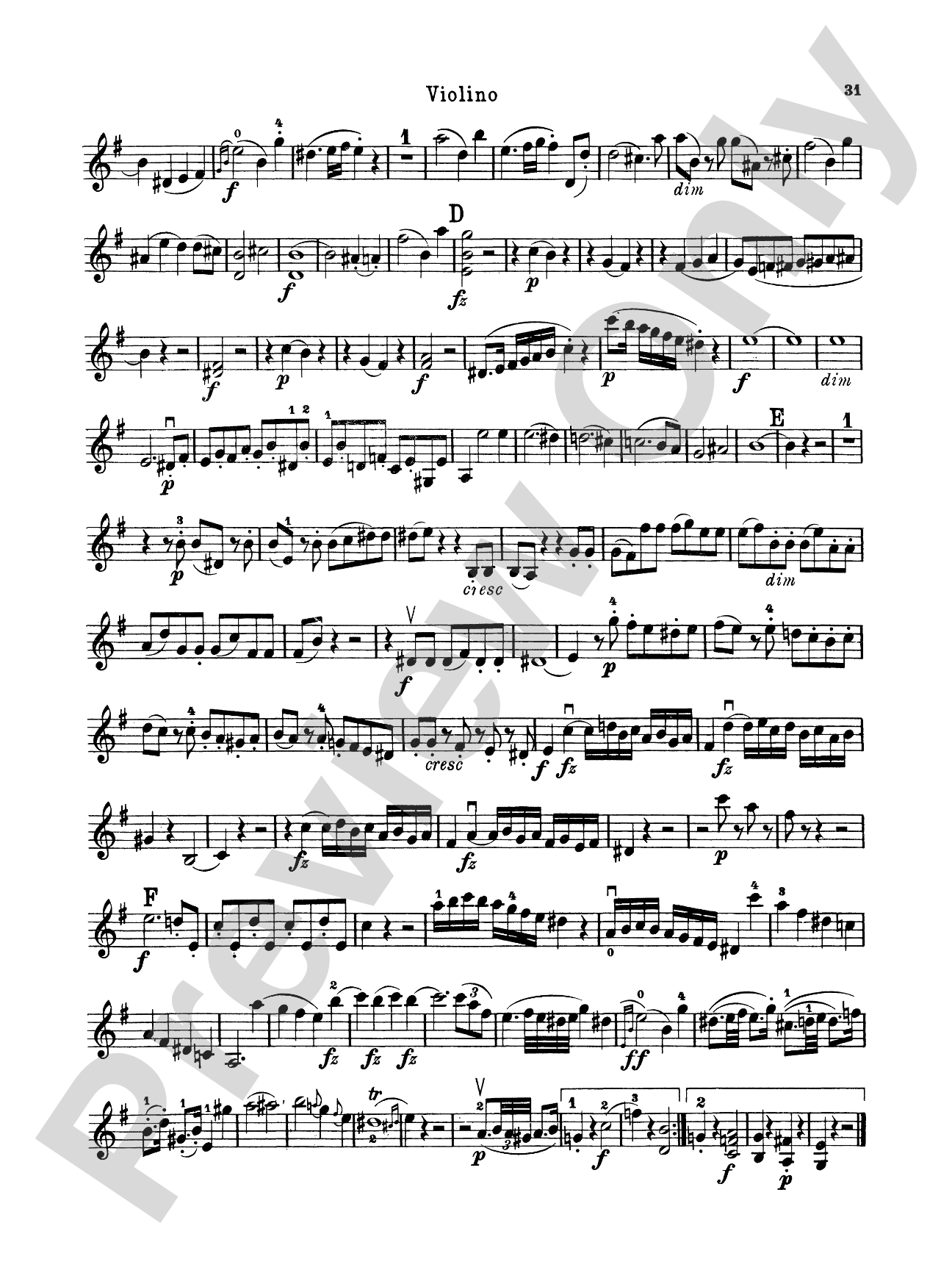
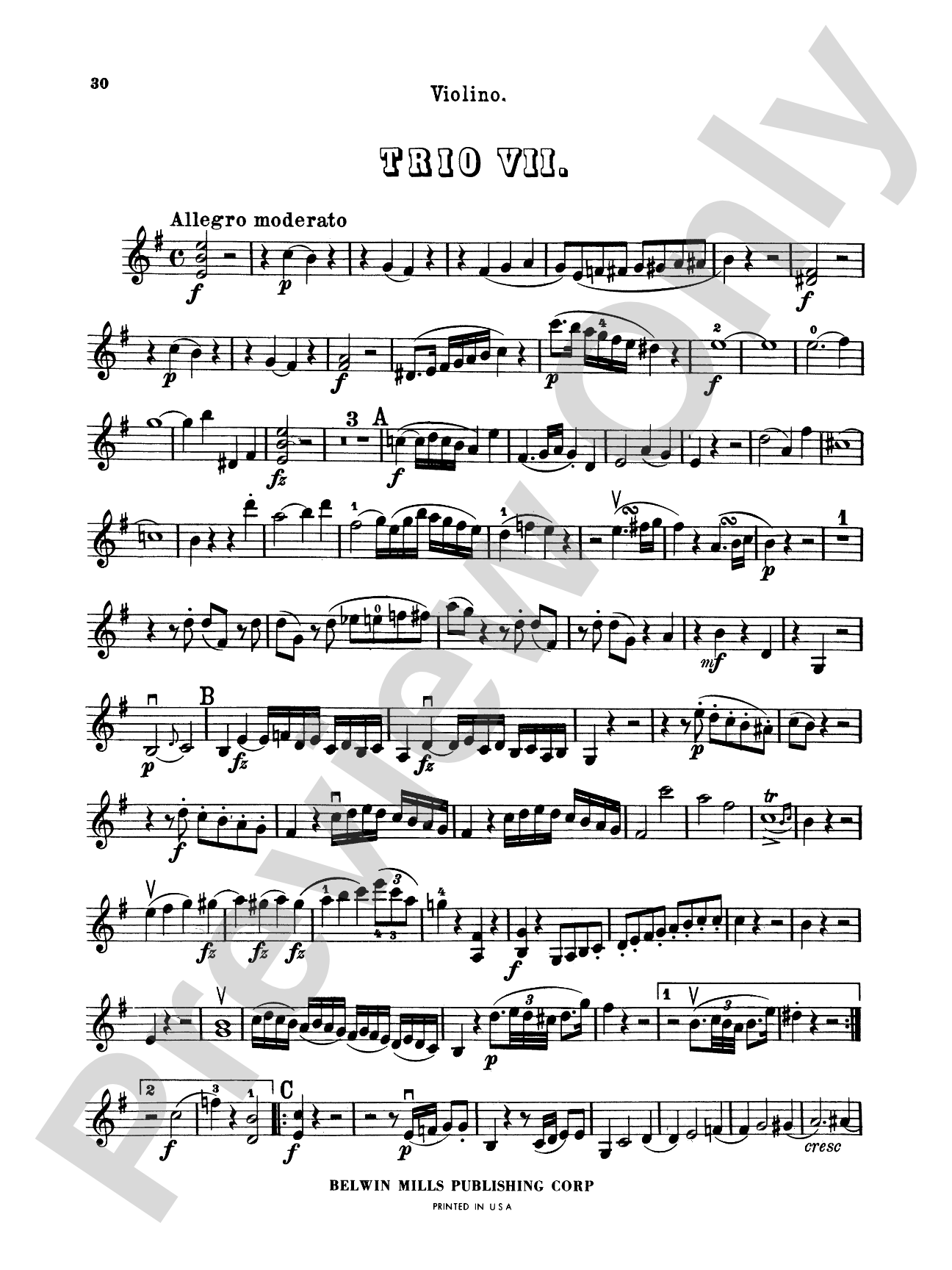
Haydn: Piano Trios, Volume II (Nos. 7-12) Sheet Music Preview

Haydn: Piano Trios, Volume II (Nos. 7-12)

By Franz Joseph Haydn

Item: 00-PC-0012967

Digital Download
$0.99
Description
Composed by Franz Joseph Haydn, this collection of trios are written for Violin, Cello, and Piano.

Haydn: Piano Trios, Volume II (Nos. 7-12) isn't in MakeMusic Cloud just yet...but it could be. Let us know you'd like to see it, and you'll help shape what comes next. In the meantime, start a free trial and dive into thousands of interactive titles your students can play along with today.

Sample Audio
No sample audio found.
Sample Video
Additional Details
Series: Kalmus Edition
Publisher: Alfred Music
Page Count: 192
SKU: 00-PC-0012967

More about this title

About the Composer: Franz Joseph Haydn

Franz Joseph Haydn (1732-1809) was a foundational figure in the development of Classical chamber music. His prolific output across all genres established structural and harmonic conventions that shaped generations of composers, and his chamber works remain central to the repertoire because they balance intellectual rigor with direct musical communication.

Haydn's 31 piano trios span his entire career and reveal his evolving approach to three-part writing. These works demand genuine collaboration among the players; the violin and cello are not mere accompaniment to the keyboard but equal partners in dialogue and development. For chamber musicians, Haydn's trios offer both technical challenge and the satisfaction of inhabiting music that feels both familiar and endlessly rewarding.

Why we love this

These six trios showcase Haydn at his most inventive and accessible. The writing is transparent enough for emerging chamber musicians to hear the architecture clearly, yet sophisticated enough to sustain the interest of experienced players. Each trio in this volume carries distinct character and harmonic language, making them ideal for festival preparation or varied recital programming.

What to expect

These trios embody Classical elegance and wit. The music unfolds with logical clarity, yet Haydn surprises listeners with unexpected harmonic turns and inventive reorchestrations of simple themes. Each movement balances charm with genuine substance.

Who it's for

Chamber musicians preparing for competitions or seeking substantial Classical trio repertoire beyond the standard Beethoven and Mozart fare. Pianists and string players benefit equally from Haydn's balanced writing and clear formal architecture.

How to get the most out of it

  • Establish clear leadership between the three parts before rehearsal. The piano often carries harmonic and structural responsibility, but the string parts drive the melodic narrative; experiment with who leads in different sections.
  • Work the rhythmic integrity between violin and cello in slow movements. Haydn frequently writes independent figurations that must stay perfectly aligned while preserving independence.
  • Pay close attention to Haydn's dynamic markings and terraced dynamics. They are compositional signals, not mere ornamentation; following them precisely shapes the form and reveals the harmonic progression.

How to use it

Pair any of these trios with Beethoven or Mozart chamber works to build a full Classical chamber program. Individual trios also work well as standalone recital offerings or as competition repertoire where period-appropriate writing is valued. Consider programming Volume II works after introducing students to earlier Haydn trios for a natural progression in difficulty and sophistication.

Skills your students will build

  • Reading Alberti bass and accompanying figures in Classical style
  • Balancing three independent lines in transparent textures
  • Executing terraced and echo dynamics with precision
  • Sustaining ensemble cohesion across extended developments and recapitulations
  • Understanding harmonic function and voice-leading in Classical form

You May Also Like