
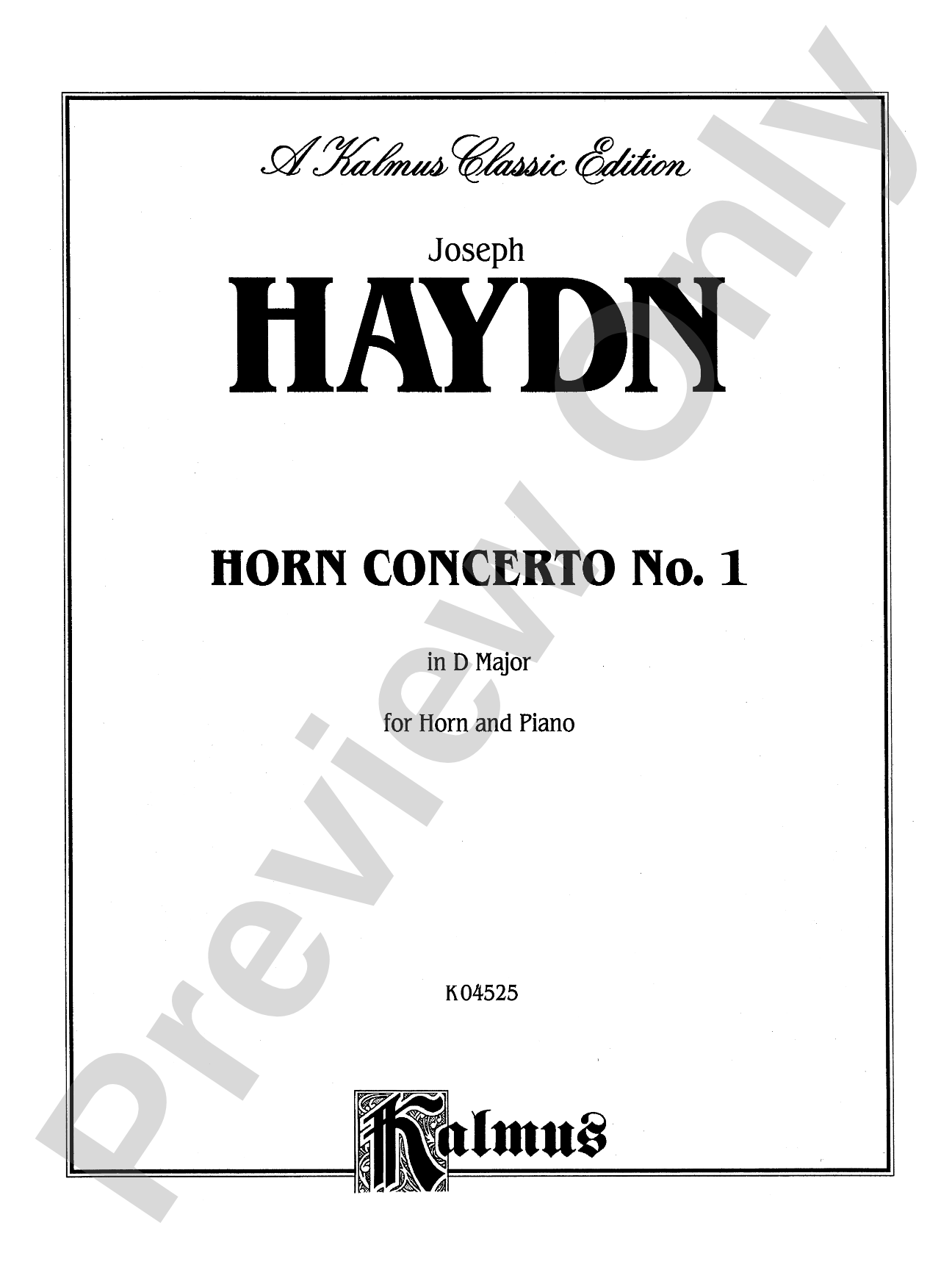
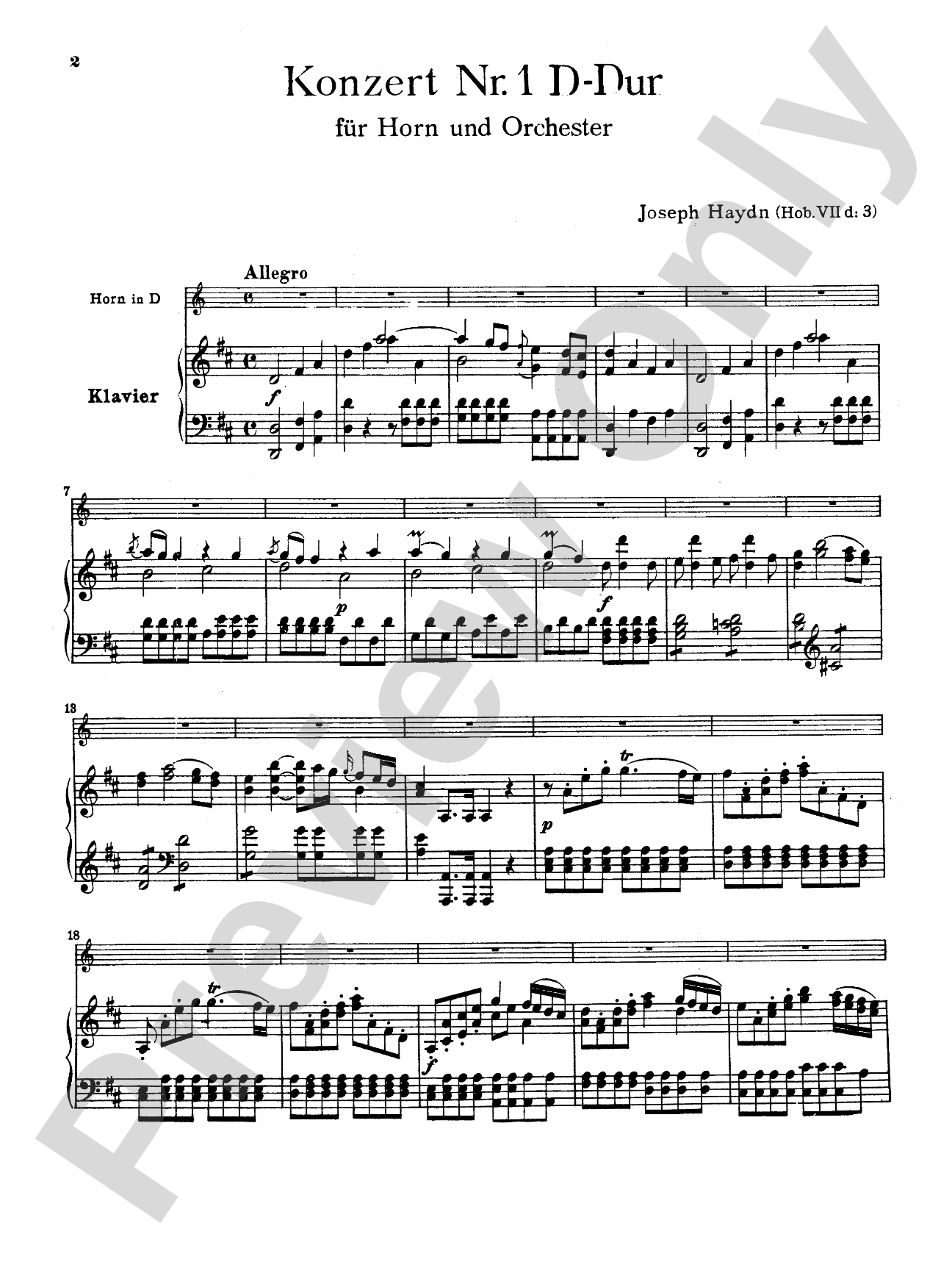
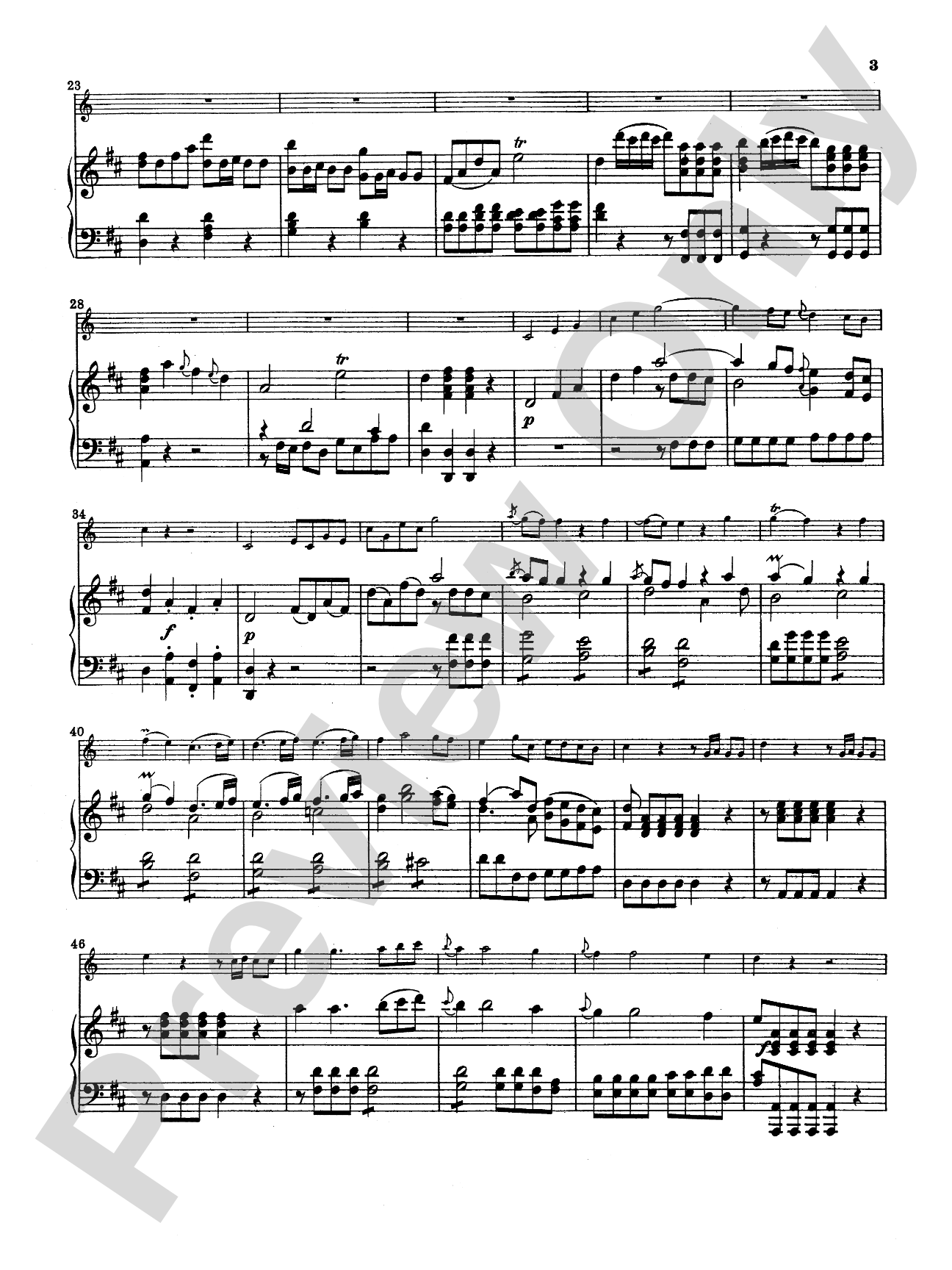
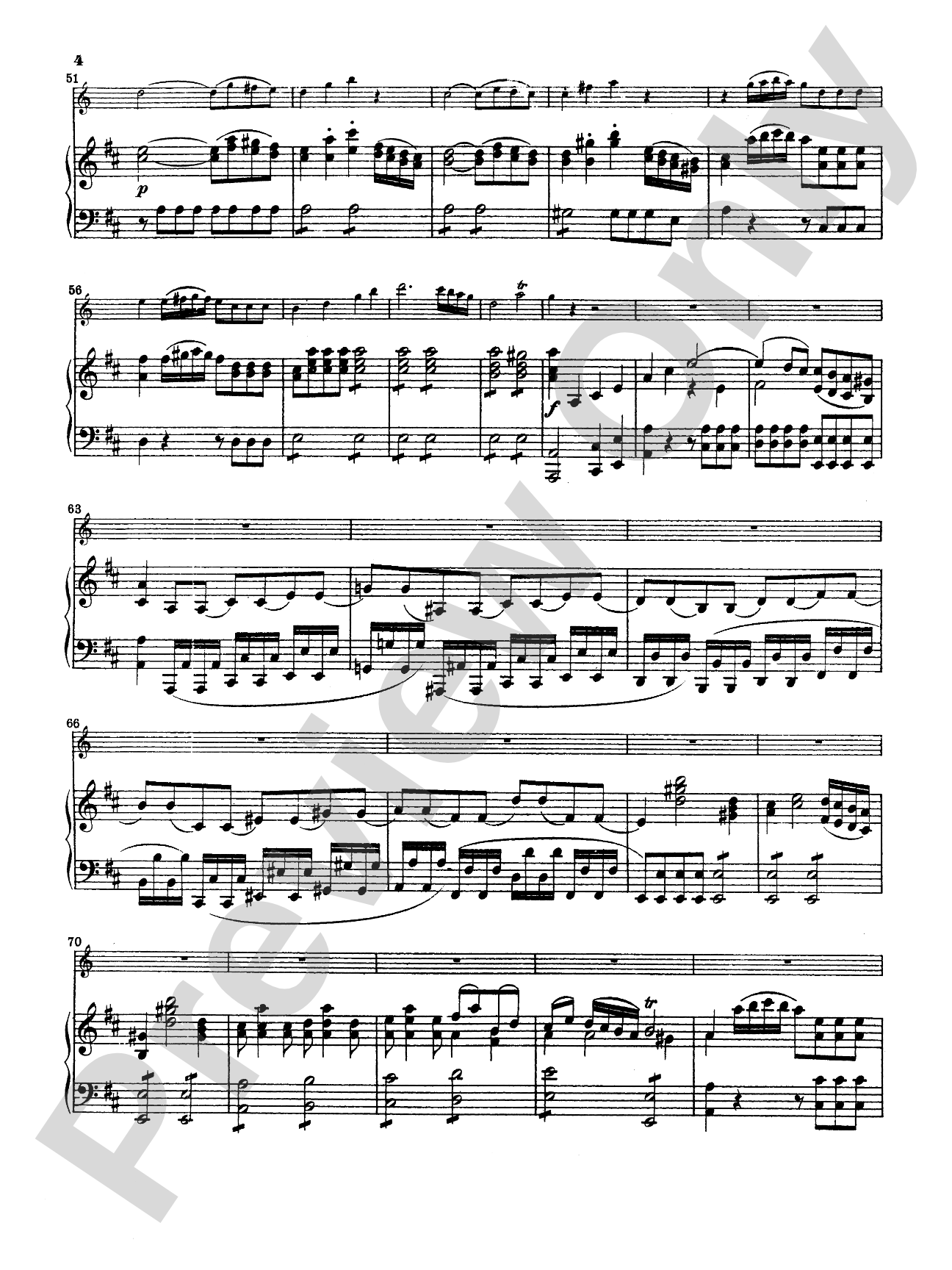
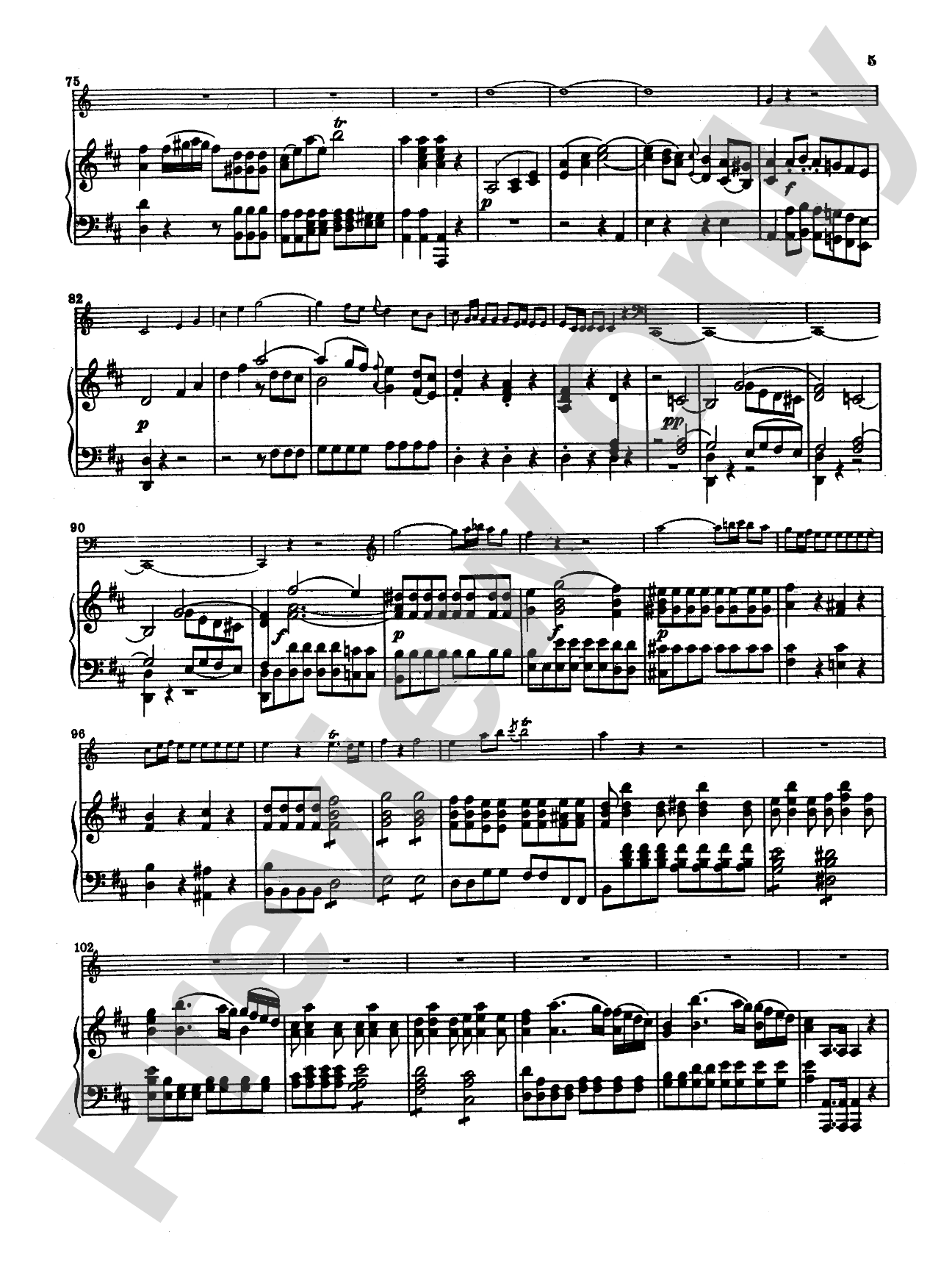
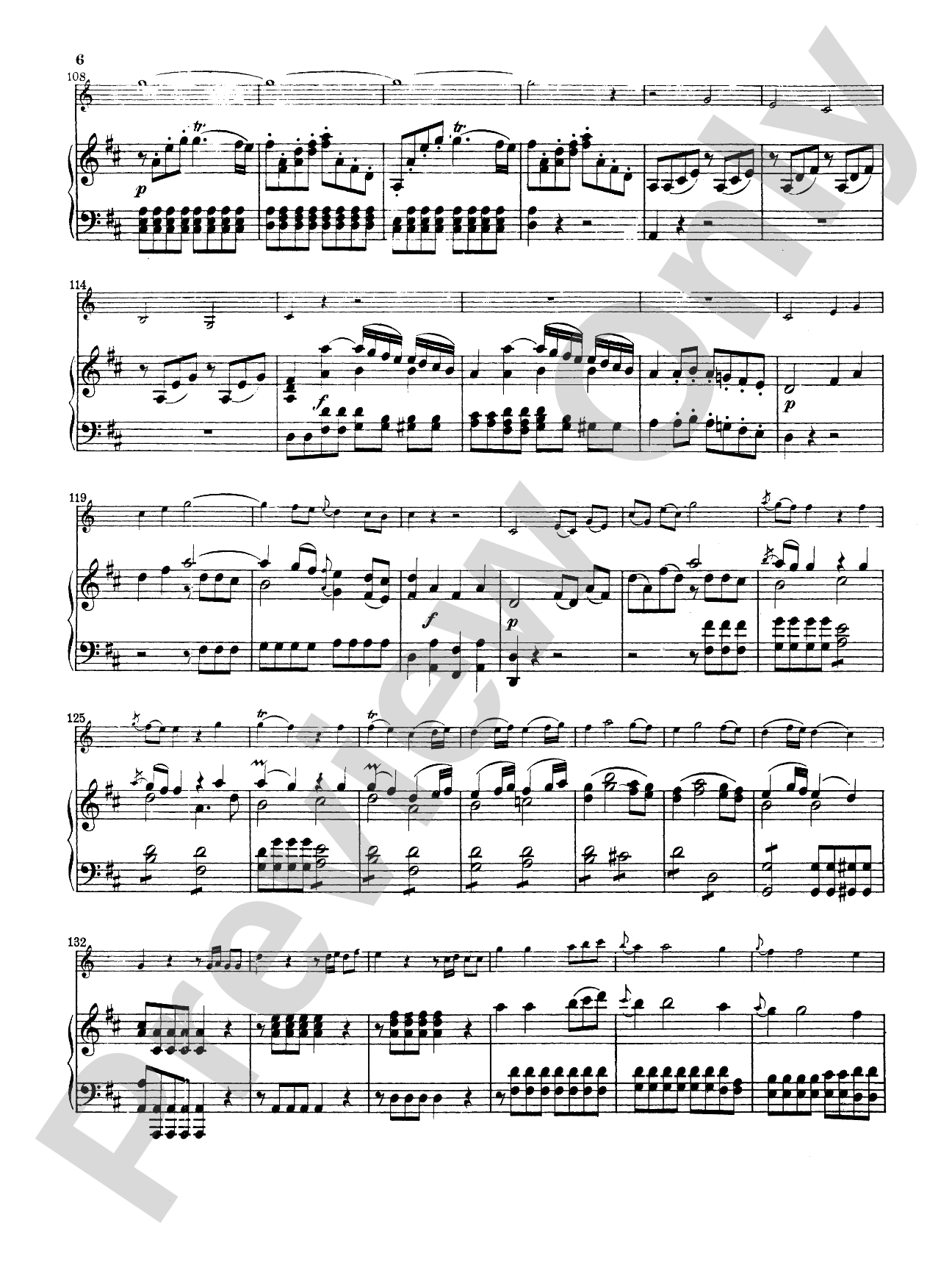
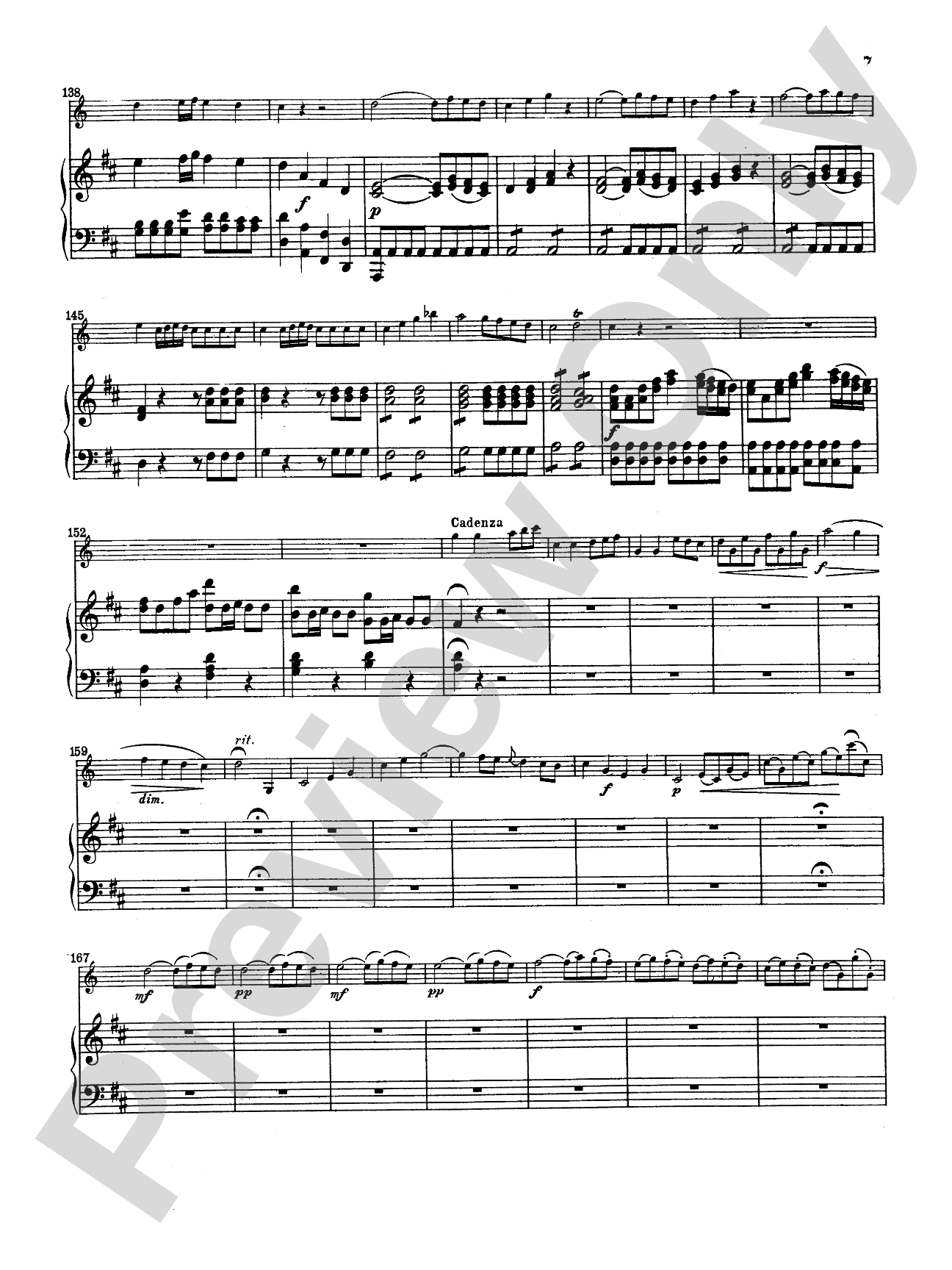
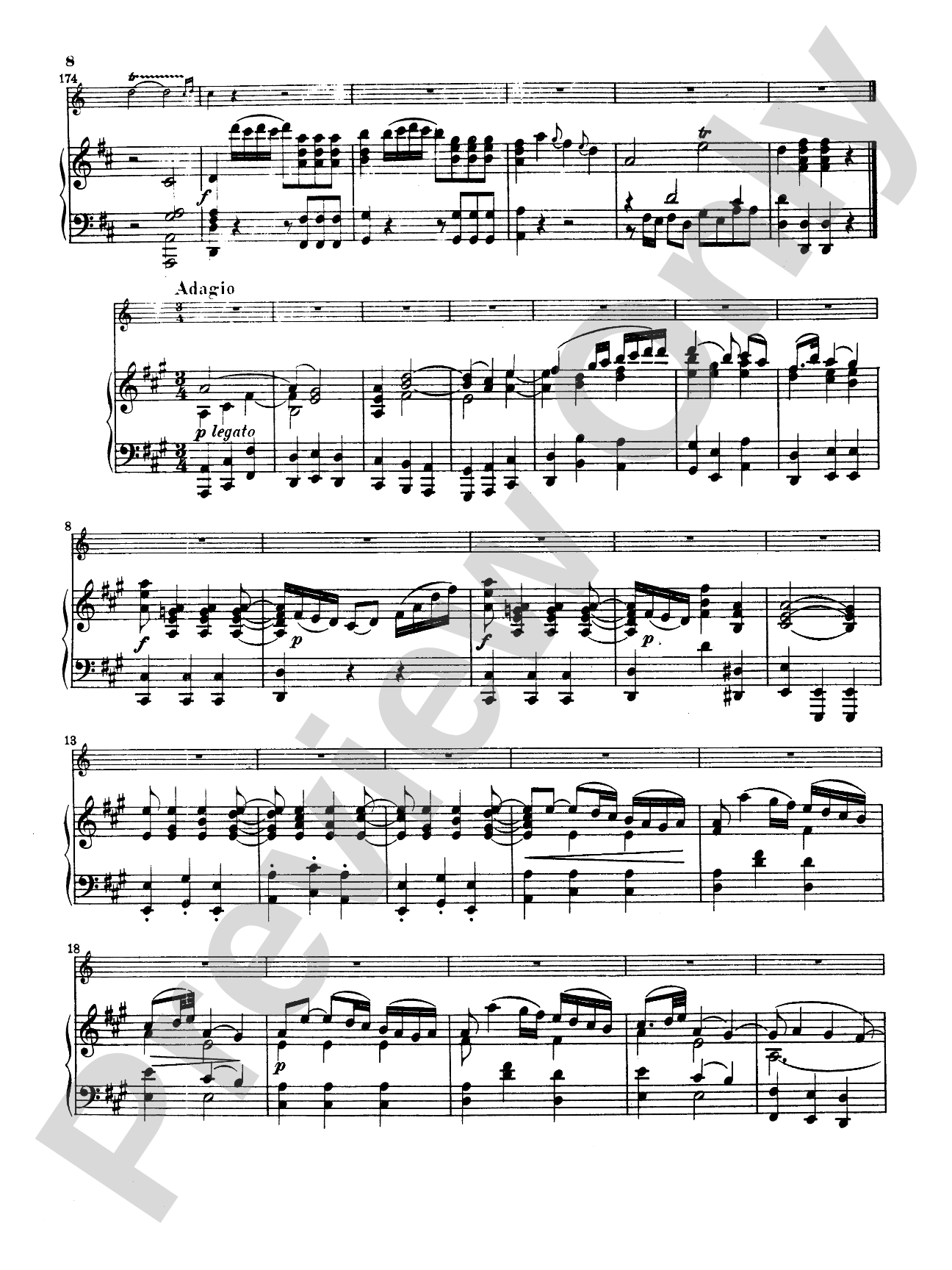
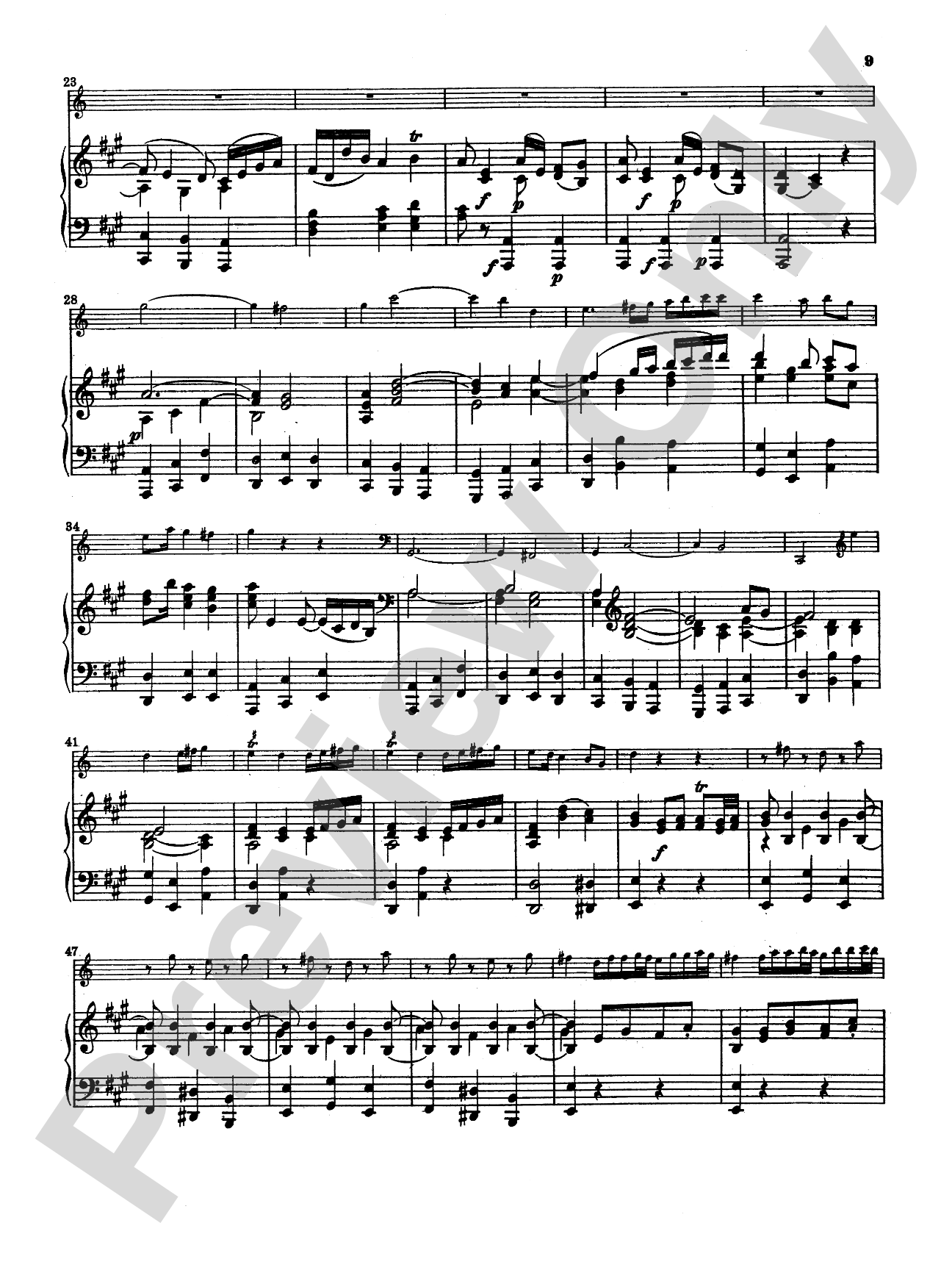
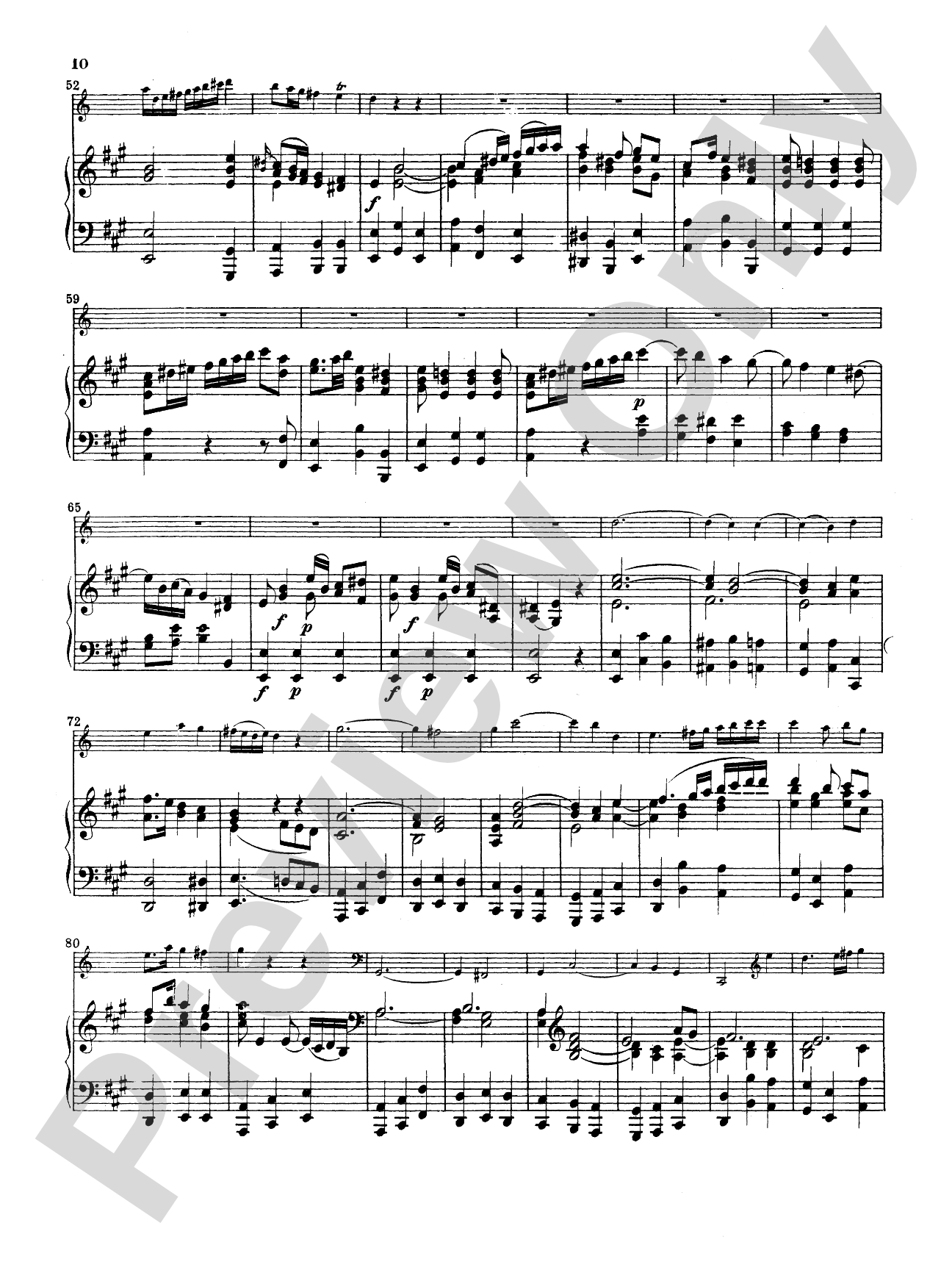
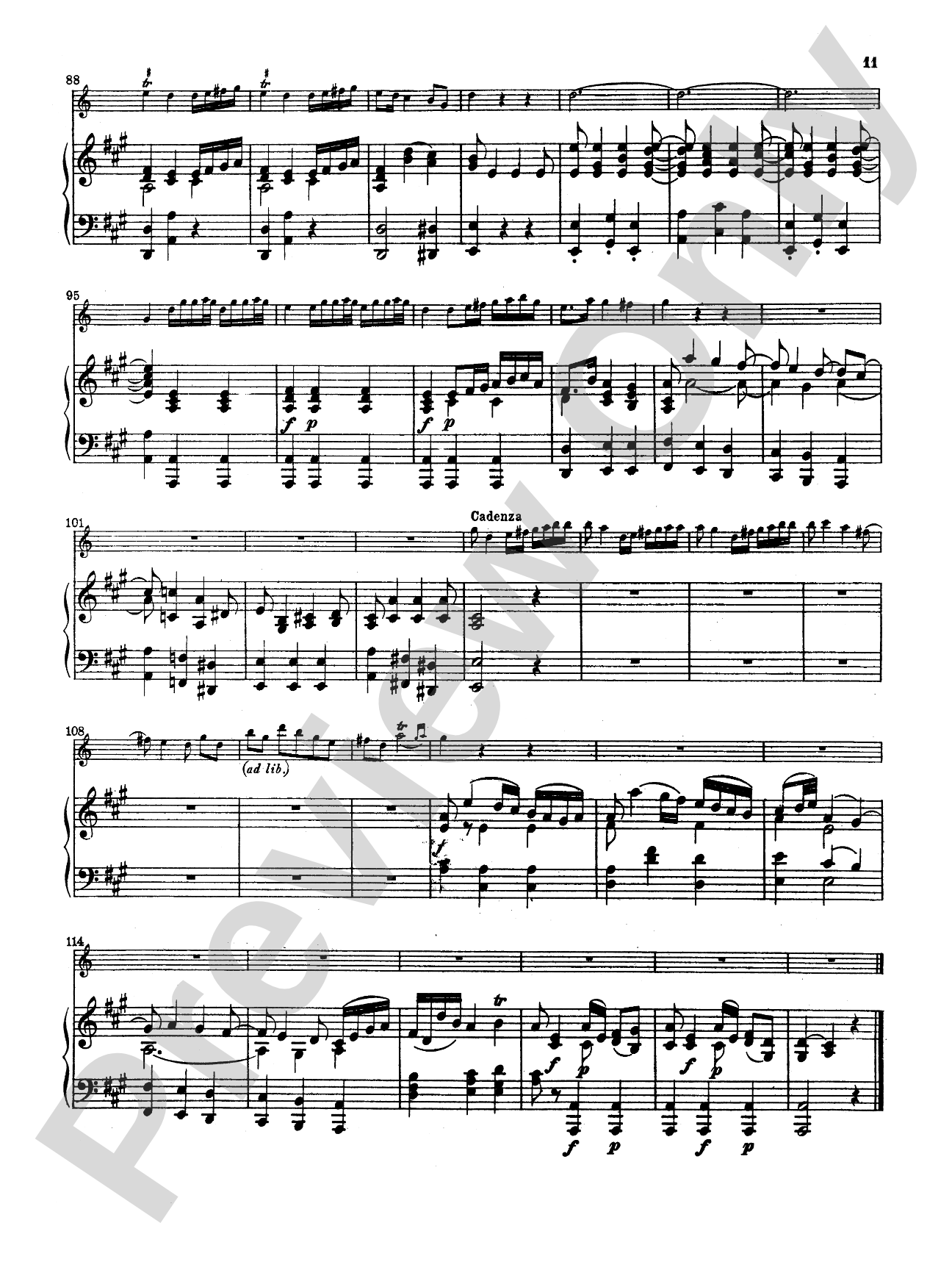
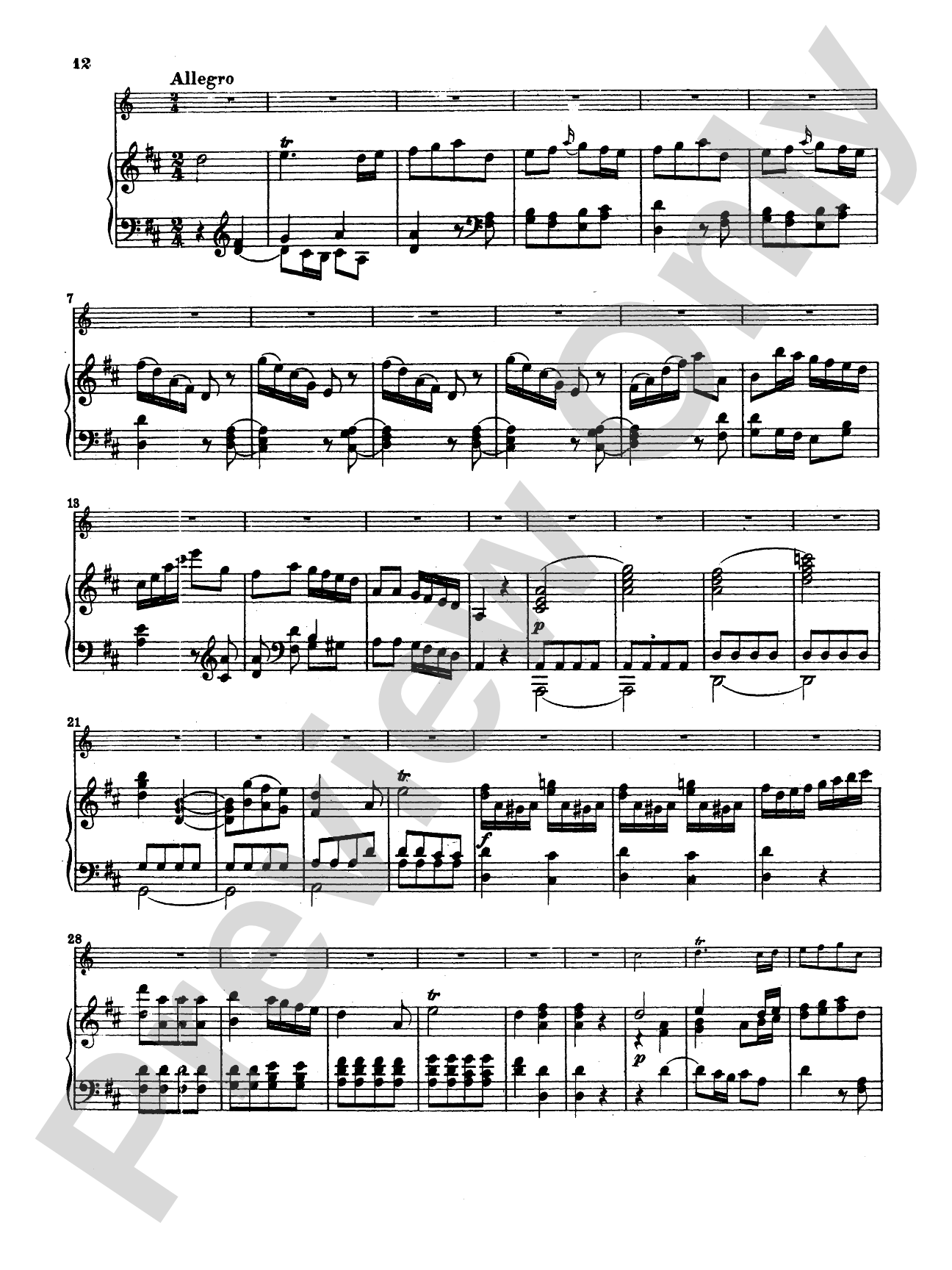
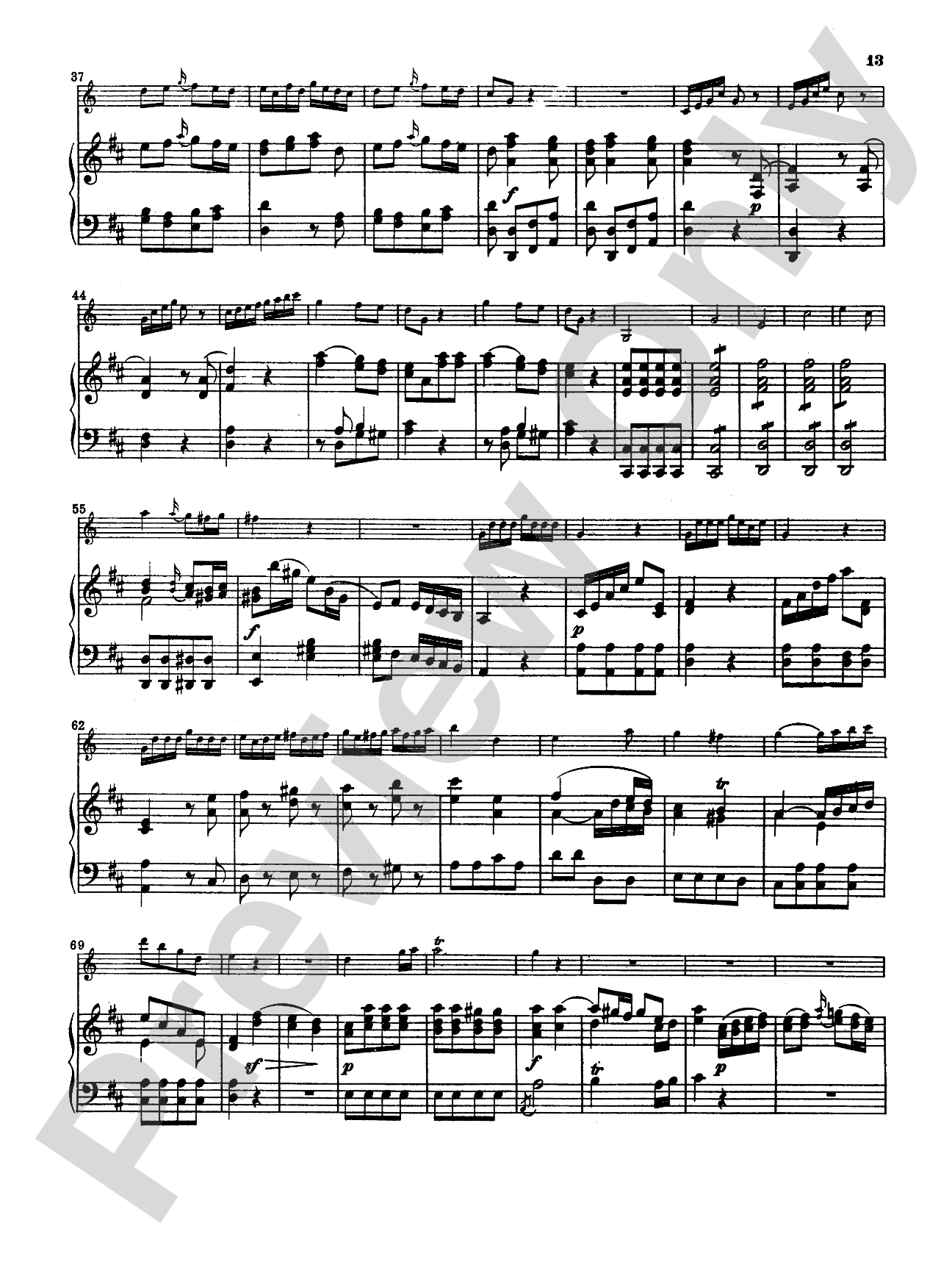
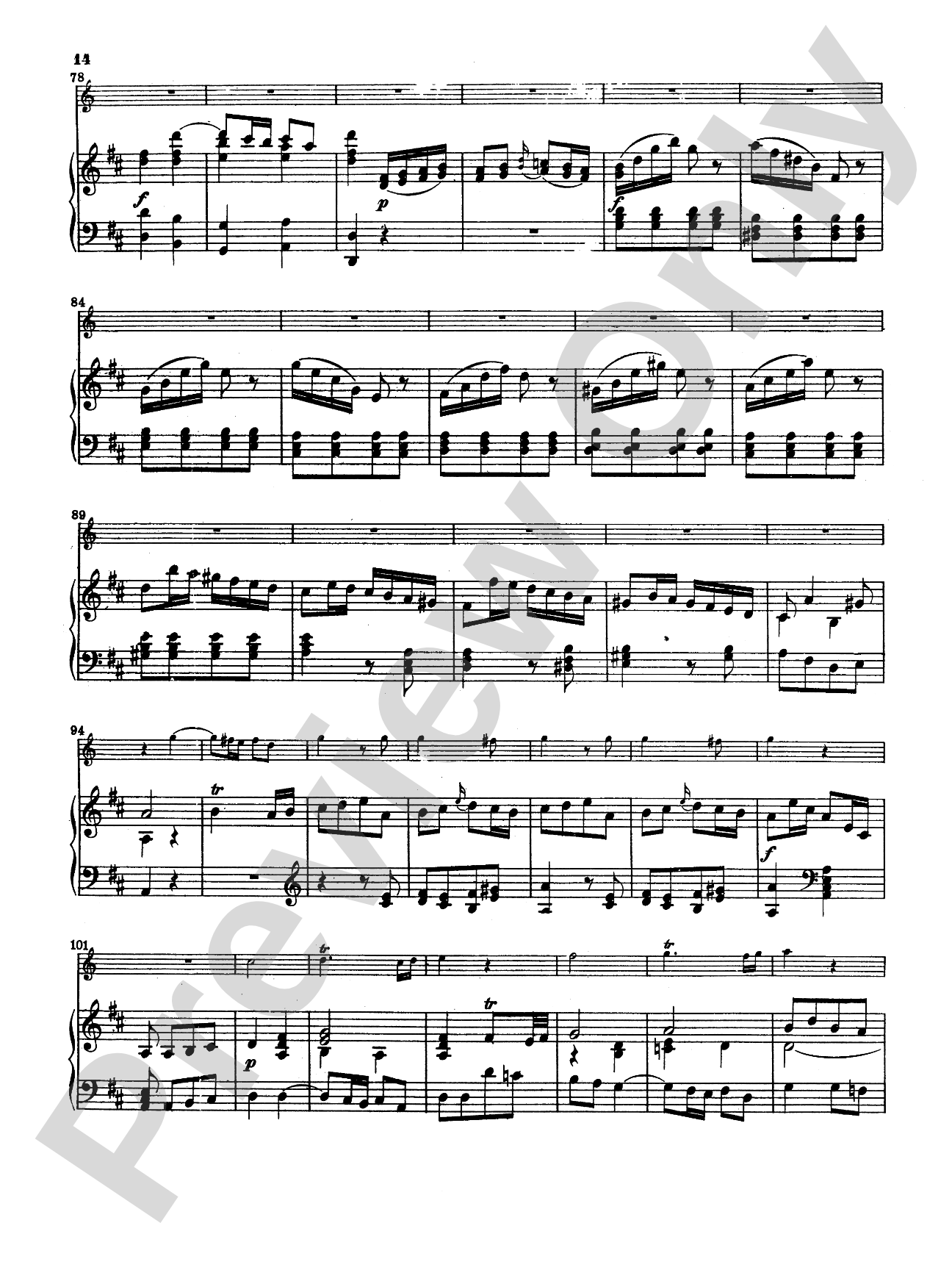
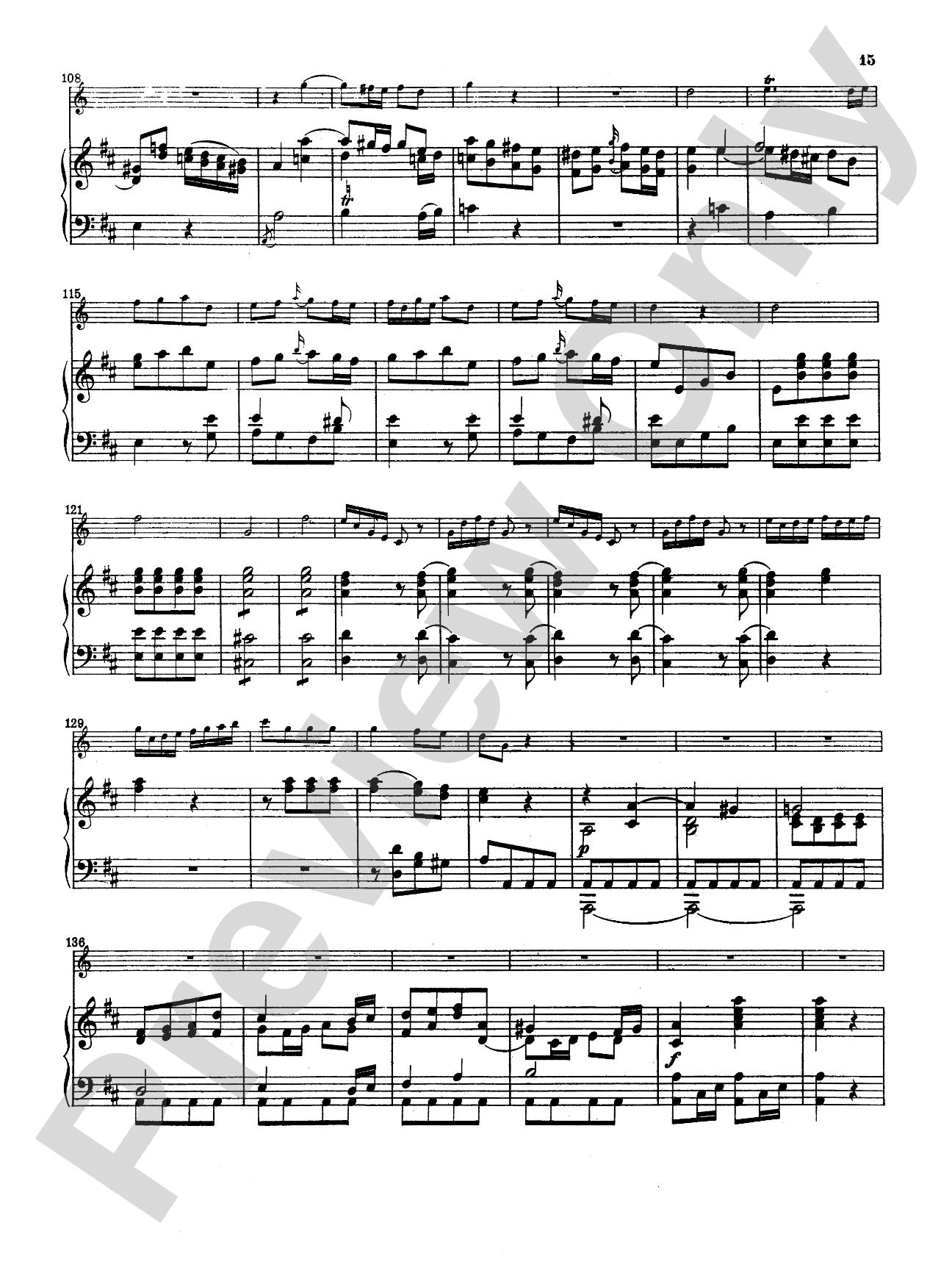
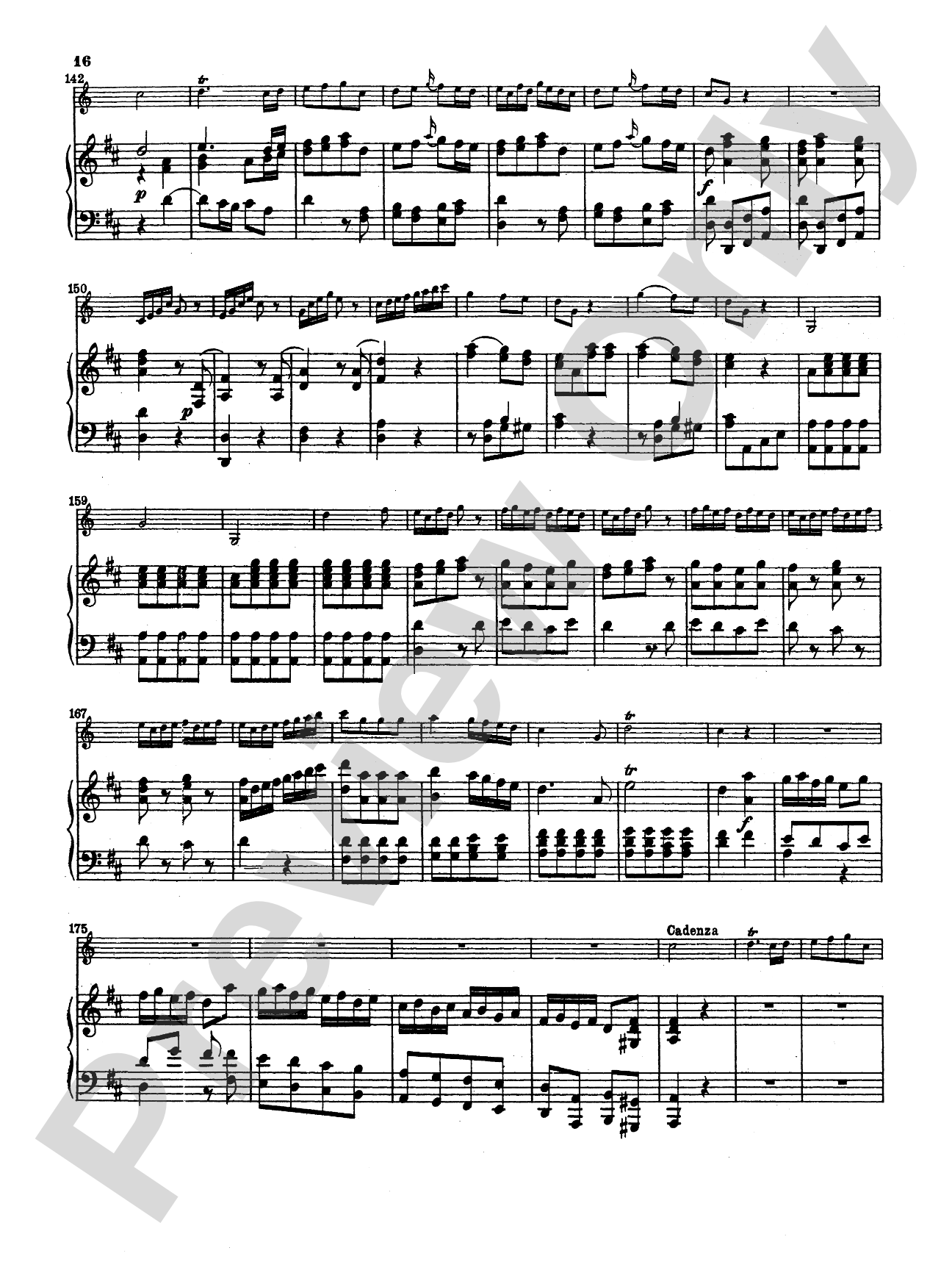
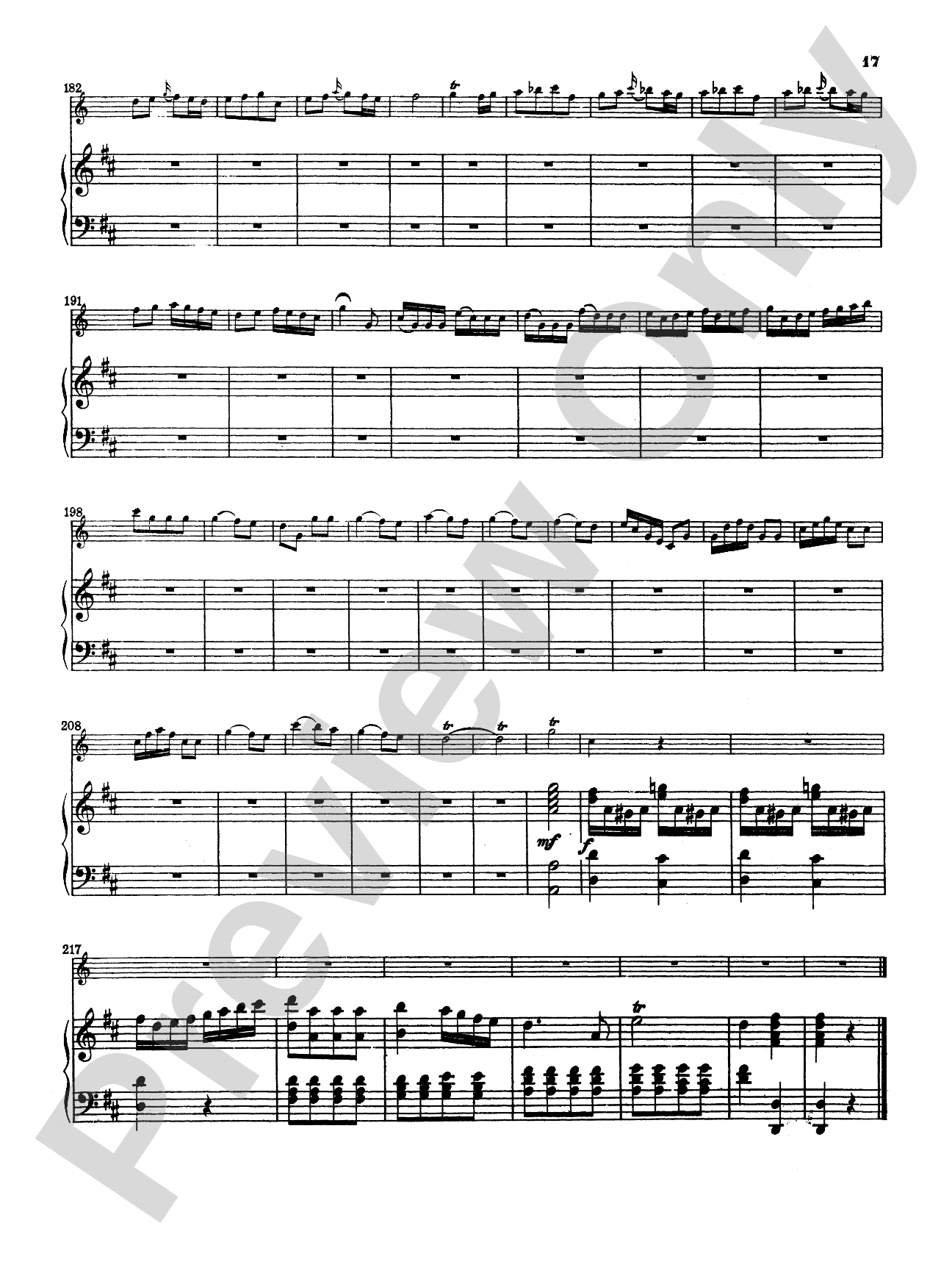




Haydn: Horn Concerto No. 1 in D Major: French Horn Part(s)
By Franz Joseph Haydn
Item: 00-PK-0003541

$9.99
Pickup currently not available
Buy Extra Parts (Digital PDF Download)
| Product | Price | Quantity |
|---|---|---|
| Haydn: Horn Concerto No. 1 in D Major | $8.99 |
Parts Added to Cart!
Related Items
Horn Concerto No. 1 in D Major: French Horn Part(s) |
$9.95
|
View |
Description
Expertly arranged French Horn Solo by Franz Joseph Haydn from the Kalmus Edition series. This is from the Classical era.


Don't just read it, hear it, play along with it, and watch your students grow with it. In MakeMusic Cloud, Haydn: Horn Concerto No. 1 in D Major: French Horn Part(s) comes alive with professional accompaniment, adjustable tempo, and built-in practice tools that turn solo practice into real progress.
Open in the Player
Jump straight in and assign it today.
Start Your Free Trial
Open this title and explore the full library in minutes.
Sample Audio
No sample audio found.
Sample Video
No sample videos found.
Additional Details
Series:
Kalmus Edition
Publisher:
Alfred Music
Page Count:
28
SKU:
00-PK-0003541
More about this title
About the Composer: Franz Joseph Haydn
Franz Joseph Haydn (1732-1809) shaped the Classical symphony and chamber music forms that defined the late 18th century. His prolific output across every genre established the structural and harmonic language that Mozart and Beethoven would build upon, making him one of the most influential composers in Western music history.
Haydn's horn concertos represent some of the finest writing for the instrument in the Classical repertoire. Composed during his tenure at the Esterházy court, where he served as Kapellmeister for nearly 30 years, these concertos showcase his gift for combining virtuosic display with elegant melodic writing. The horn parts demand technical facility while remaining deeply musical, a balance that made these works essential to horn pedagogy and performance.
Why we love this
This first concerto remains the most frequently performed of Haydn's horn works, and for good reason. The writing sits naturally on the modern French horn while preserving the lightness and charm of the original, and the three-movement structure offers enough scope to showcase both technical command and lyrical depth without overwhelming young soloists.
What to expect
Graceful and buoyant, with moments of tender lyricism in the slow movement. The piece radiates the refined elegance of the Esterházy court while remaining accessible and joyful throughout, never losing sight of the instrument's lyrical voice beneath its technical requirements.
Who it's for
Advanced high school and college hornists preparing for competitions, auditions, or solo recitals will find an ideal vehicle for demonstrating technical and musical maturity. This concerto suits musicians ready to tackle the demands of Classical solo repertoire with confidence and musicianship.
How to get the most out of it
- Shape the opening theme with gentle phrasing rather than aggressive articulation; the melody relies on its elegant contour, not on percussive attack.
- Balance rapid passagework in the first movement by maintaining consistent breath support and avoiding the temptation to separate notes that flow naturally together.
- In the Adagio, allow the horn's natural warmth to sing through sustained passages; resist over-blowing, which clouds the tone quality Haydn's writing expects.
- Approach the Rondo finale with rhythmic precision and lift; the spirited character depends on clean articulation and clear phrase boundaries rather than speed.
How to use it
Feature this concerto as a centerpiece solo performance on a chamber or pops concert, where its three movements allow enough time to make an impression without dominating the program. Pair it with other Classical brass repertoire or chamber works to showcase how horn writing evolved during this period.
Skills your students will build
- Control of legato and detached articulation across registers
- Sustained tone production and breath management in lyrical passages
- Rapid scalar and arpeggio passage work with clarity and evenness
- Secure high register playing in a virtuosic context
- Stylistically informed interpretation of Classical-era solo repertoire
- Balance between technical display and musical storytelling