
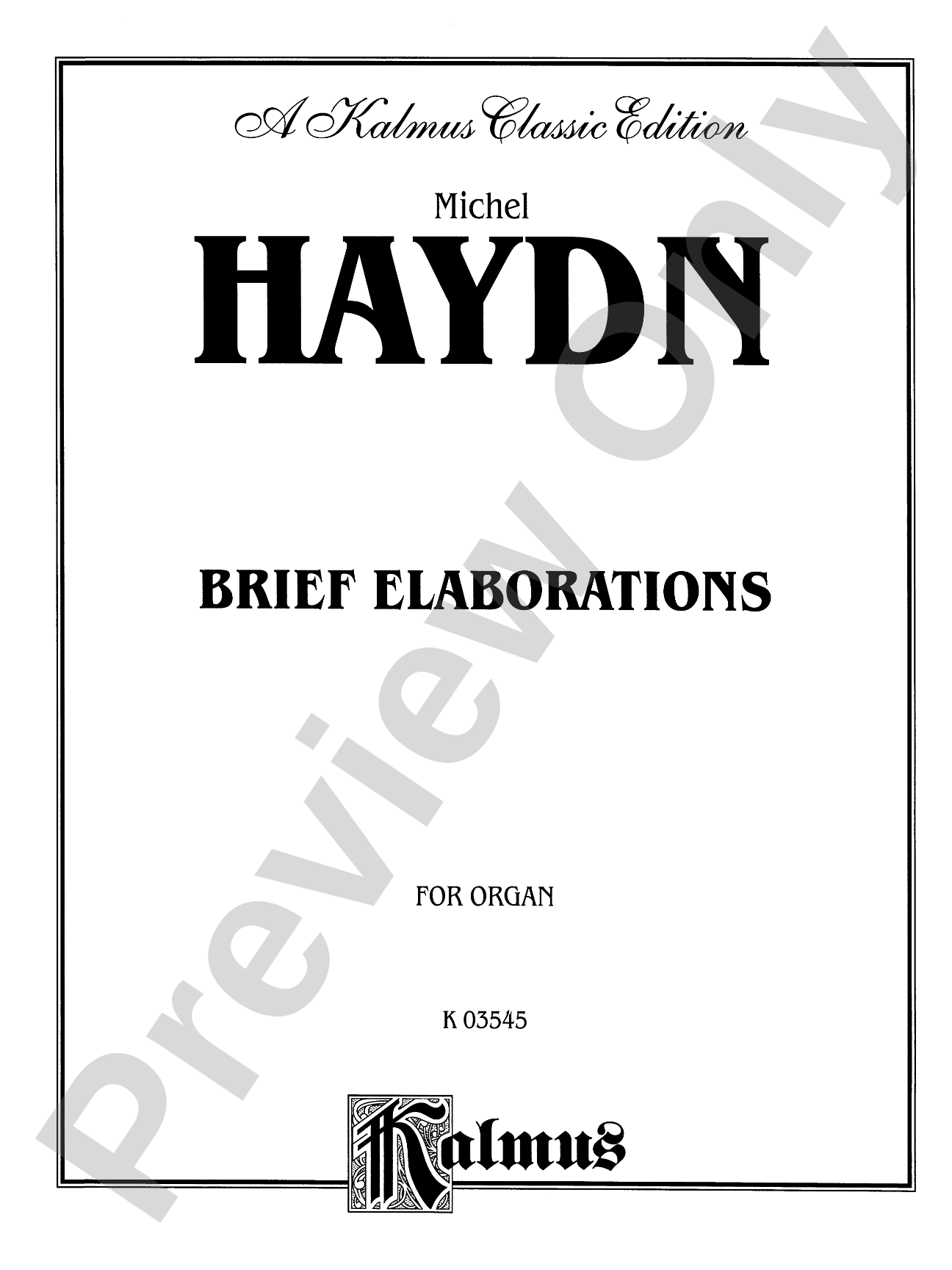
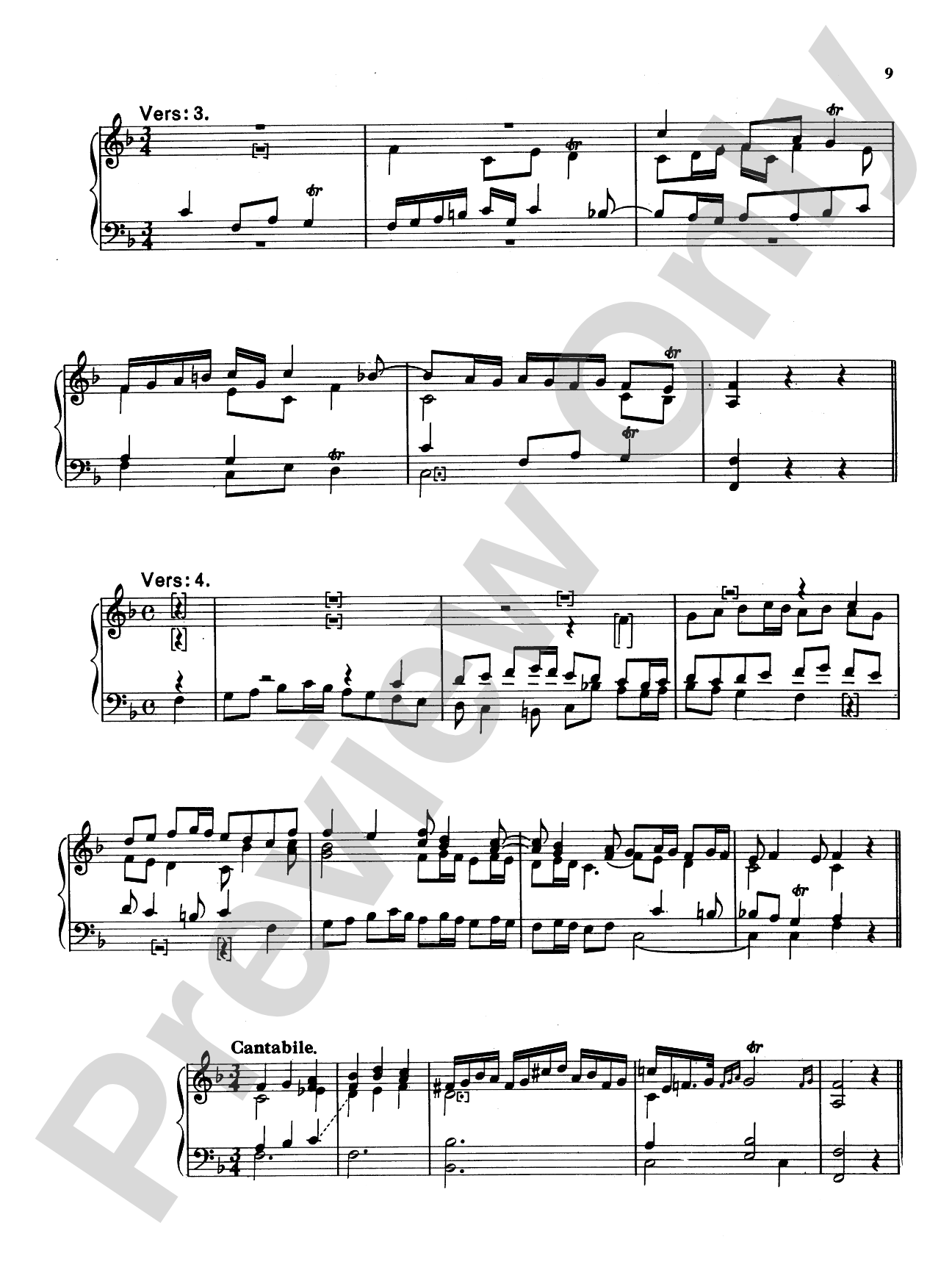
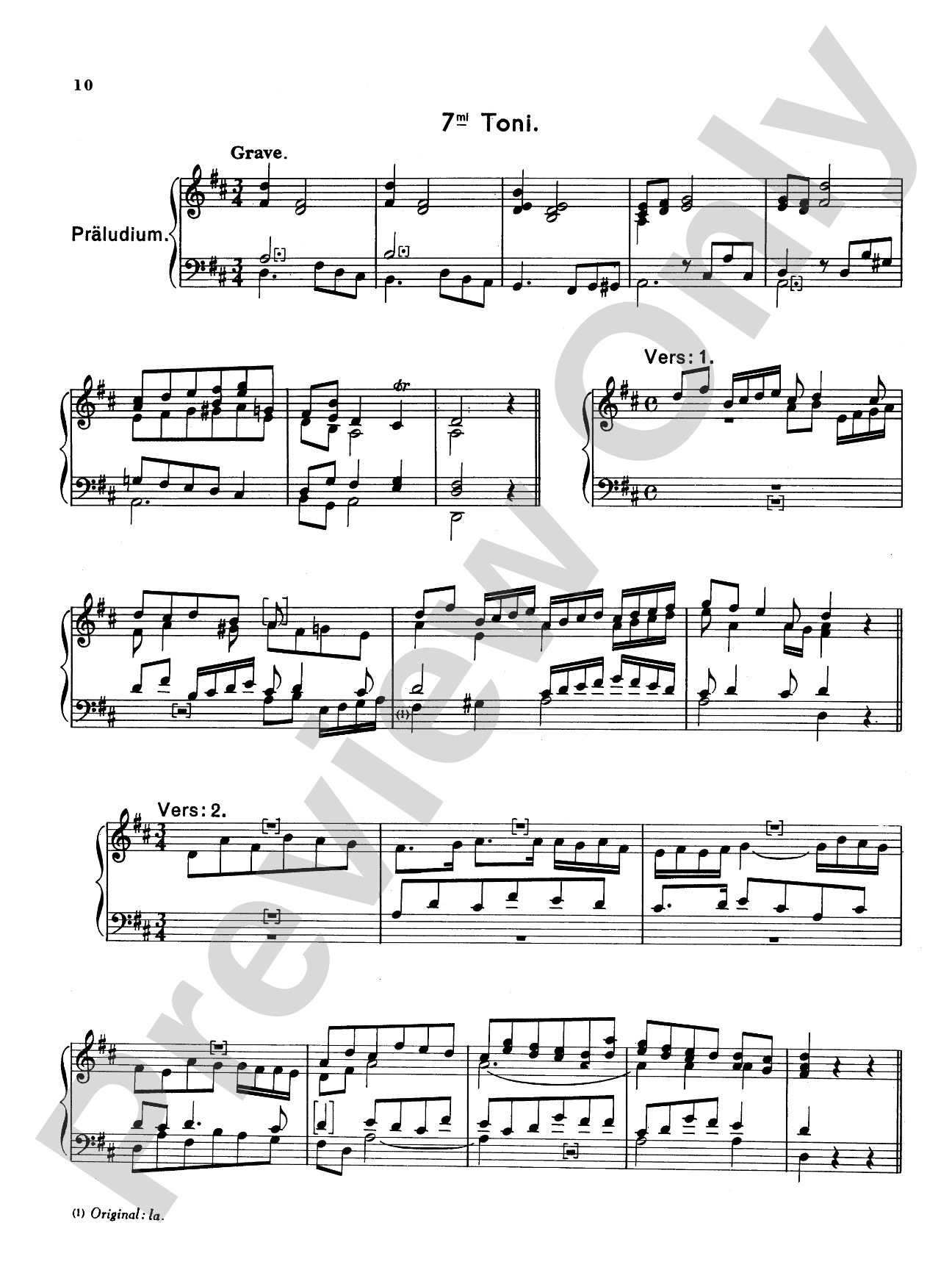
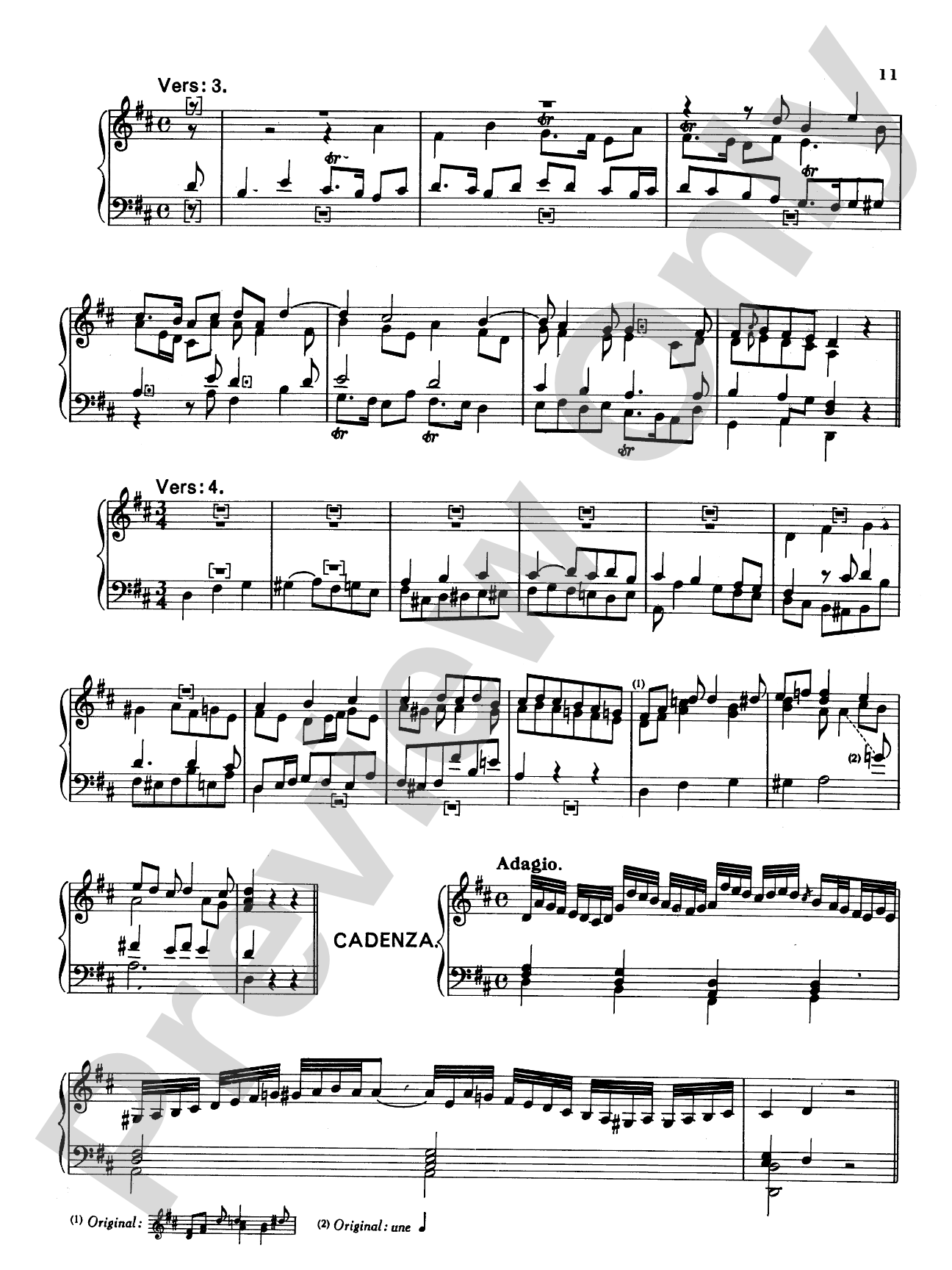
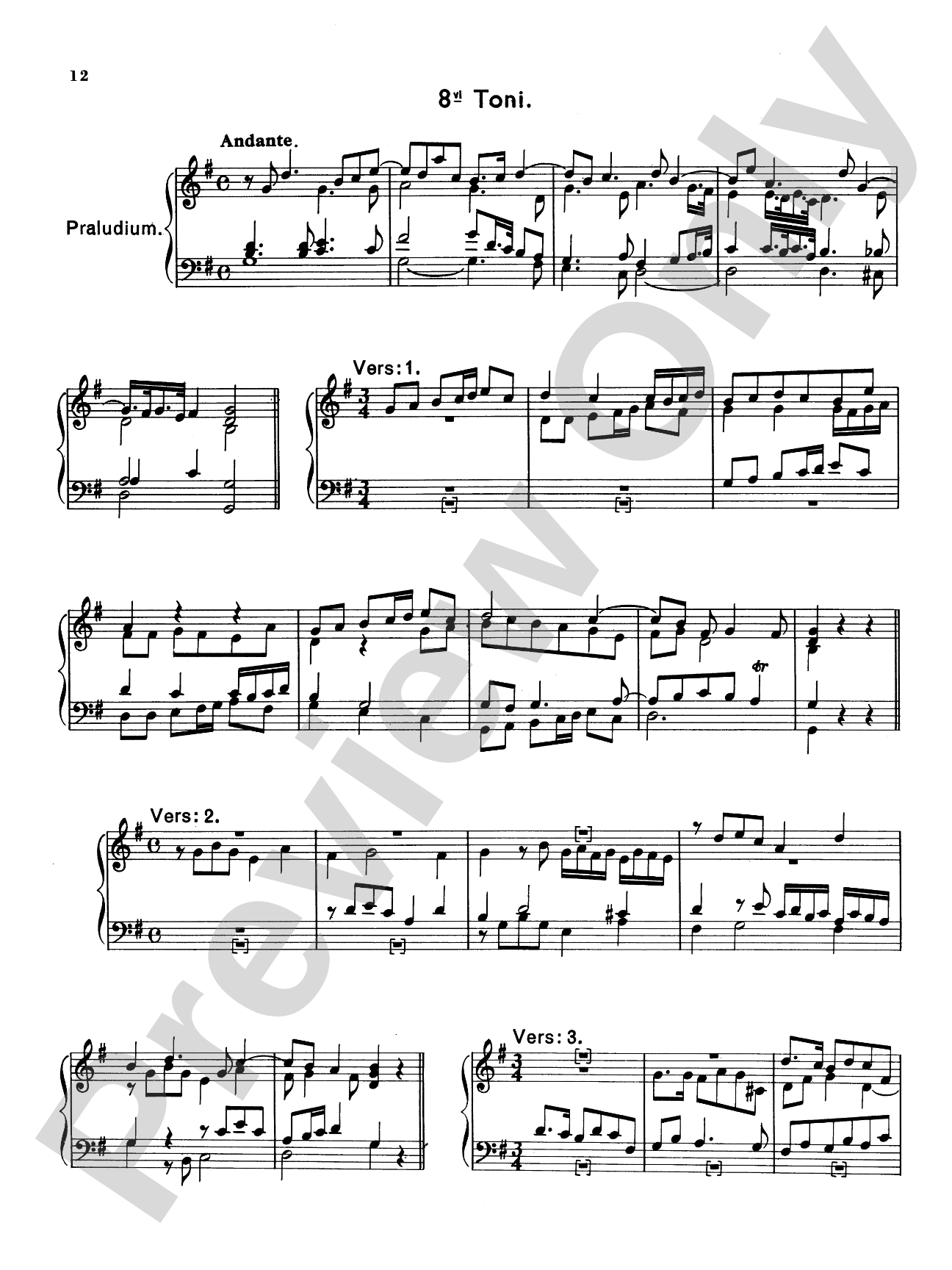




Haydn: Brief Elaborations: Organ Book
By Michael Haydn
Item: 00-PK-0003157

$7.99
Pickup currently not available
Parts Added to Cart!
Description
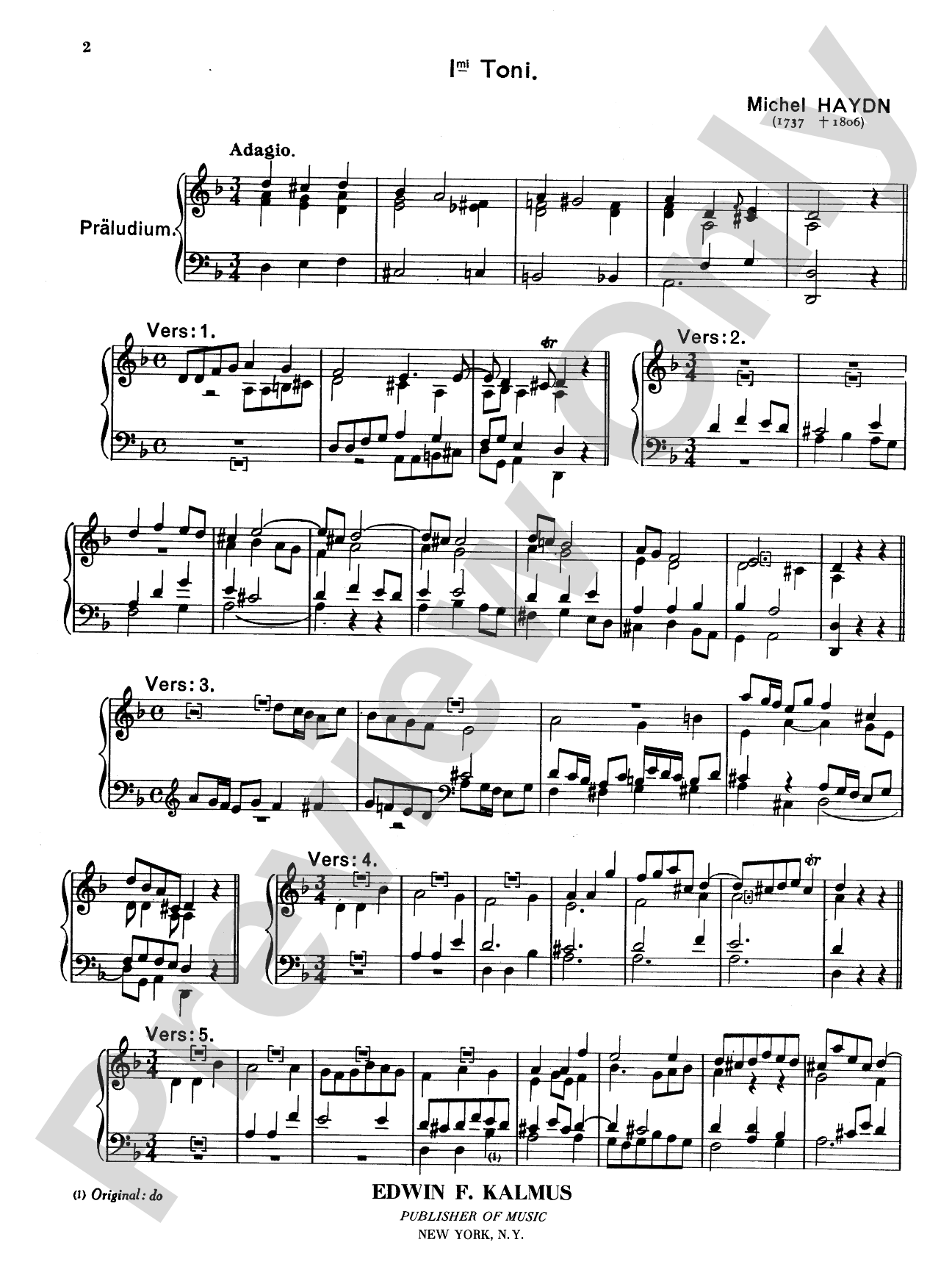
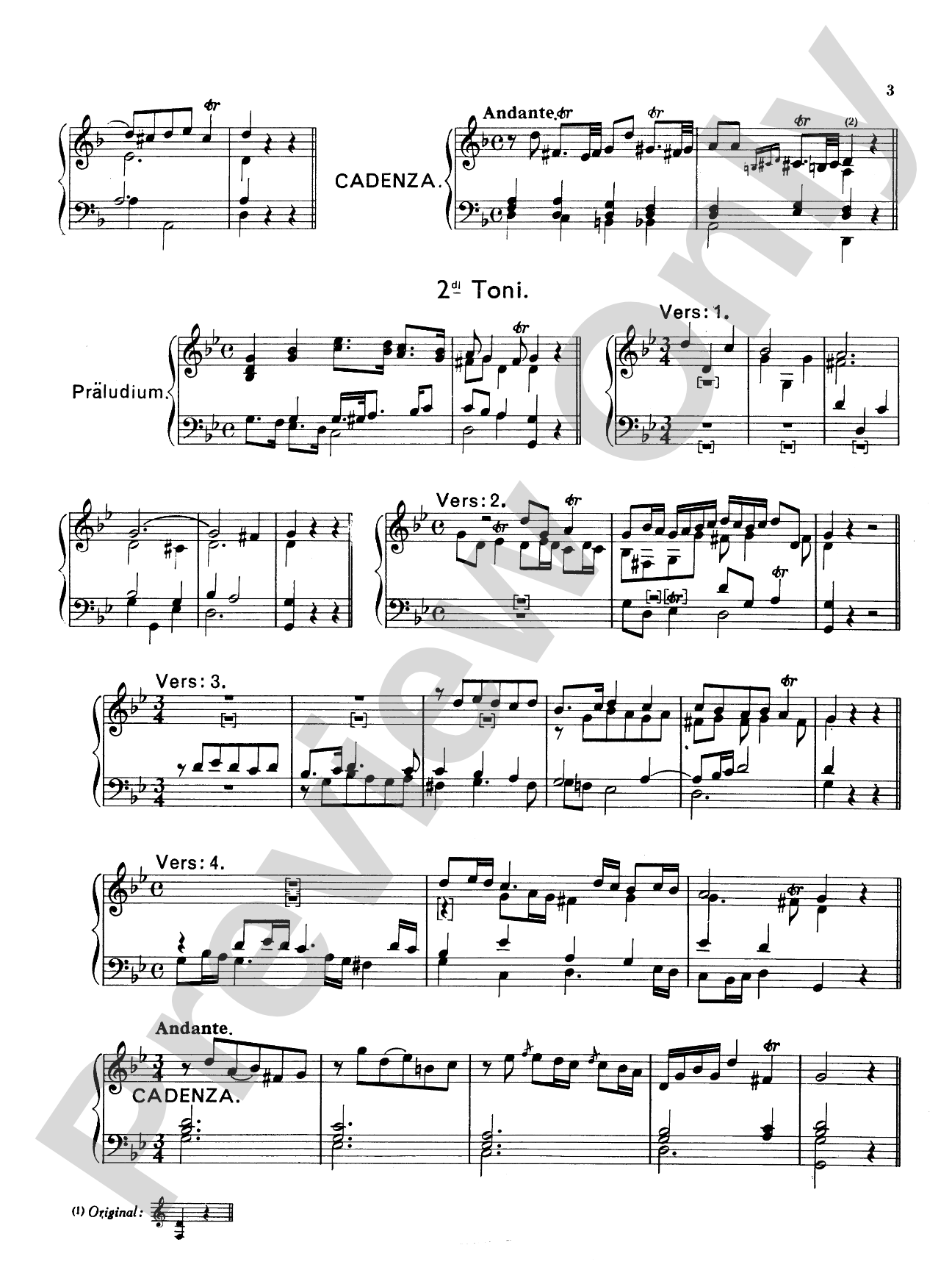
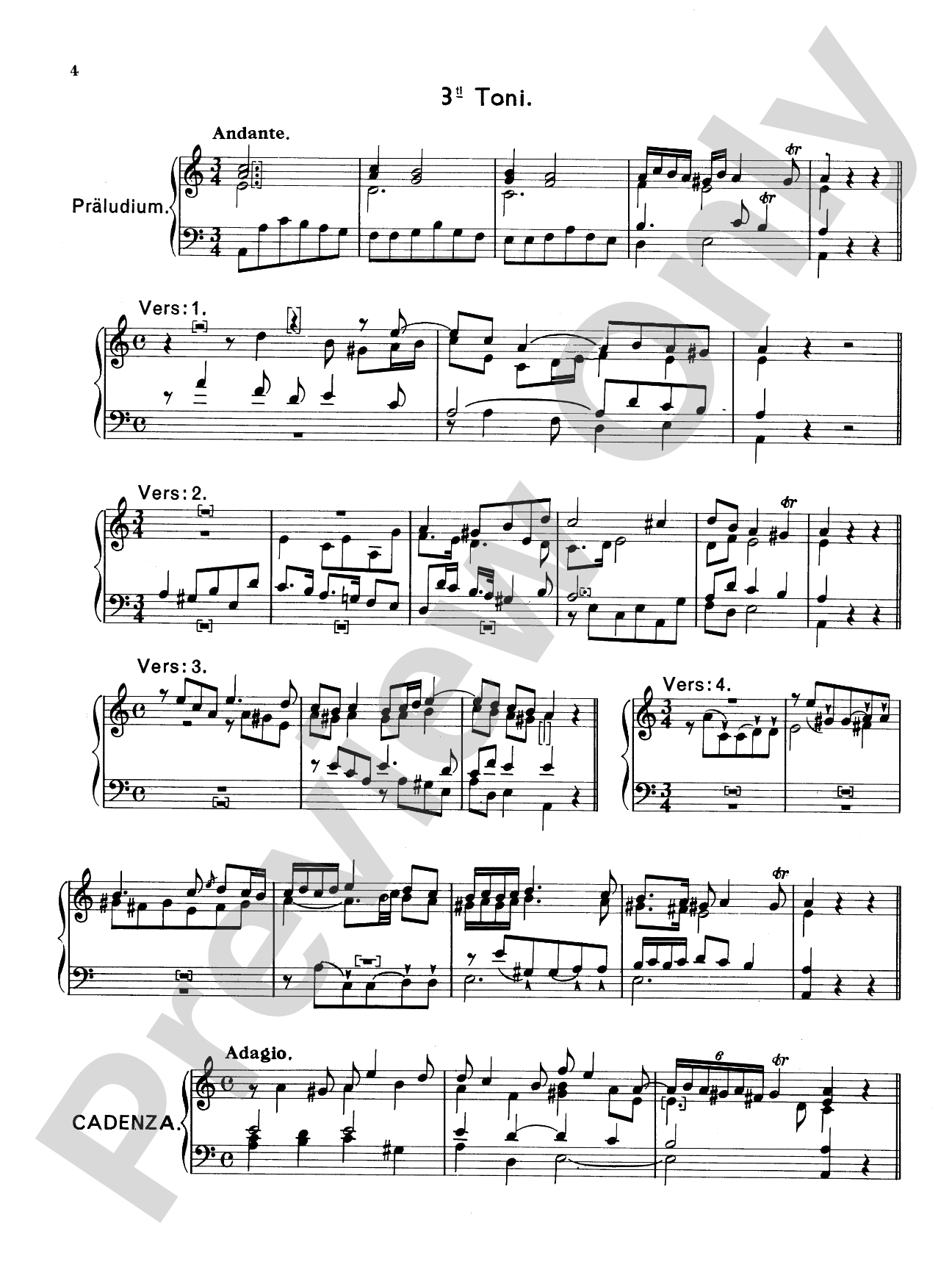
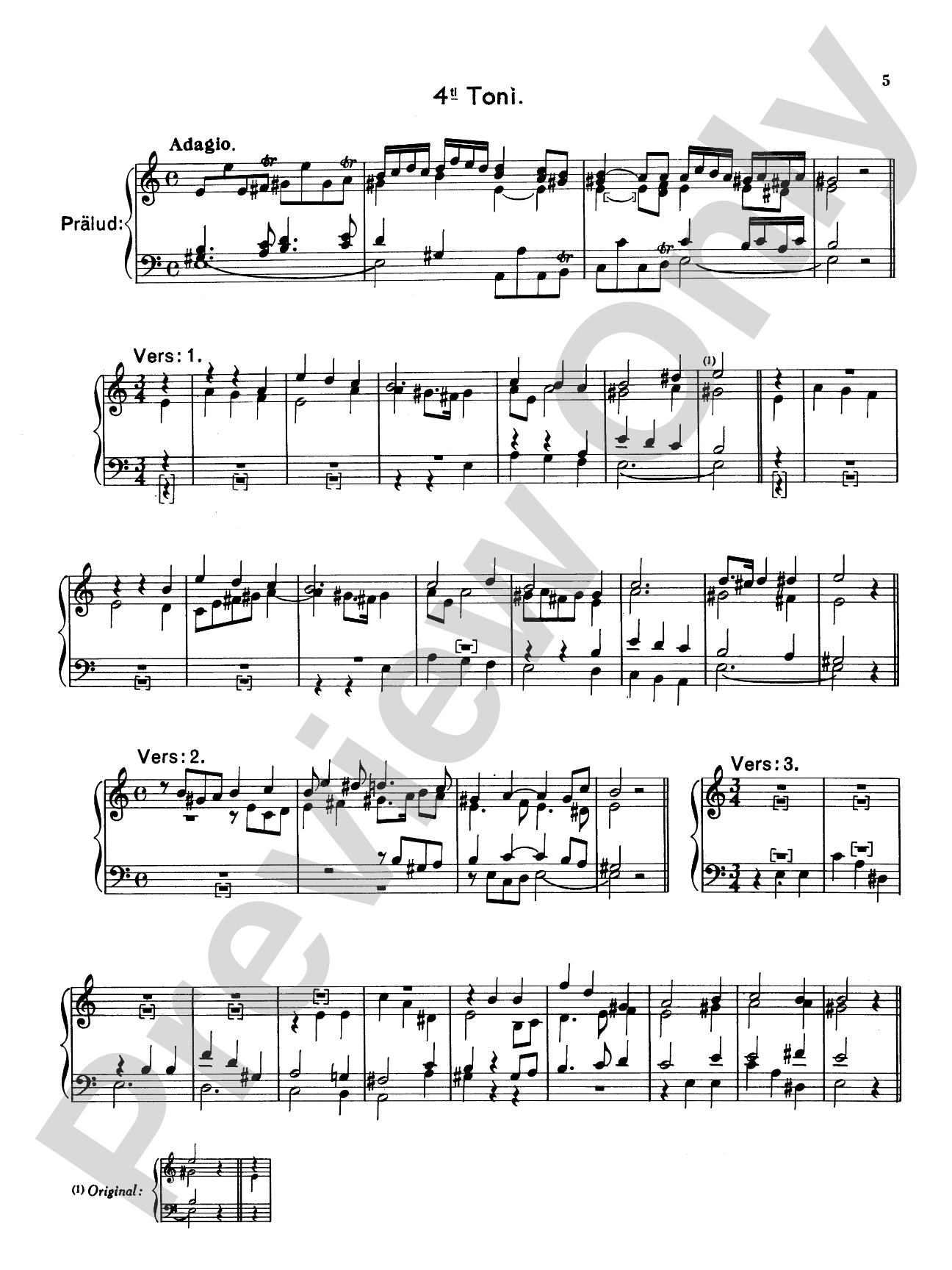
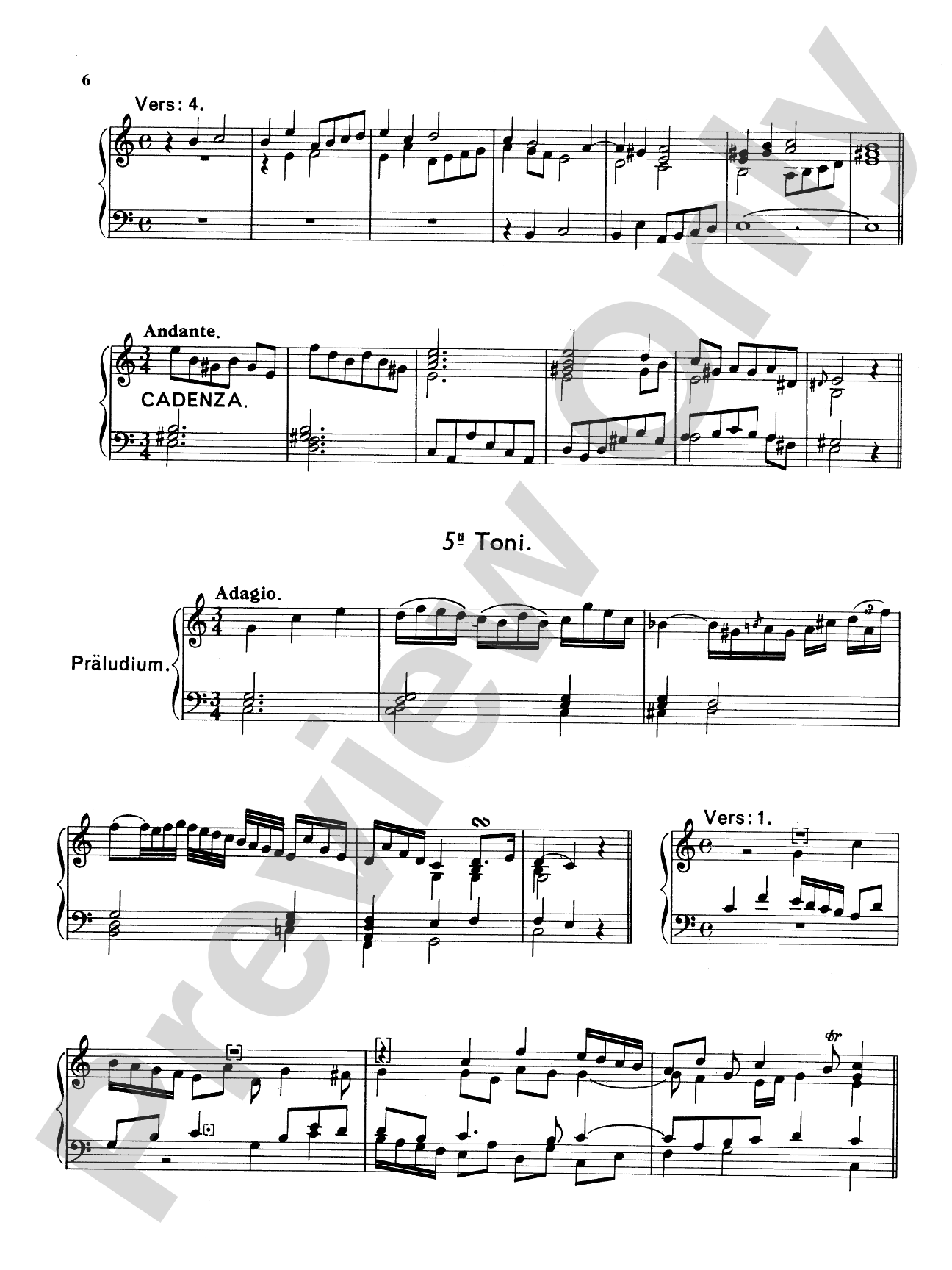
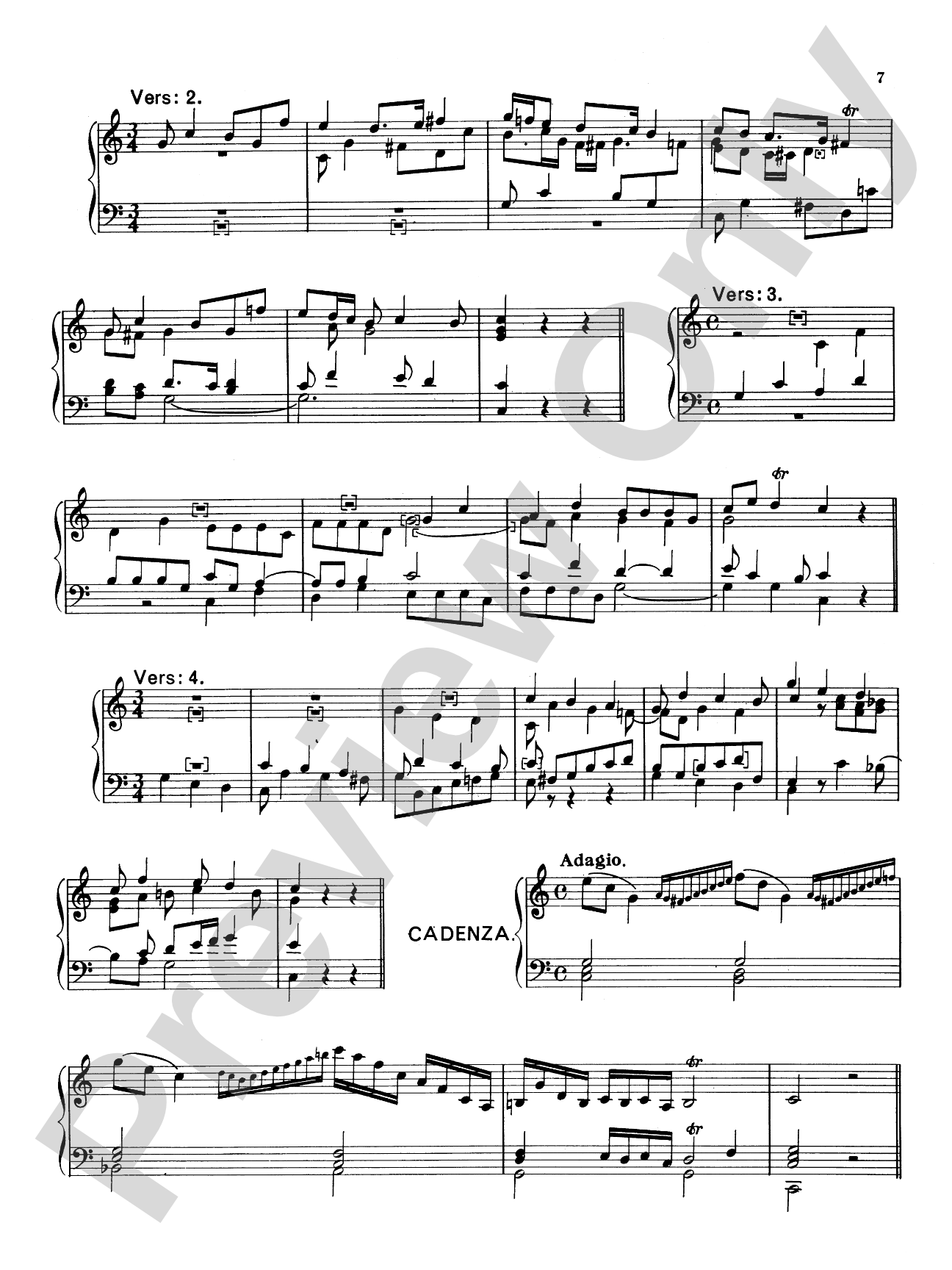
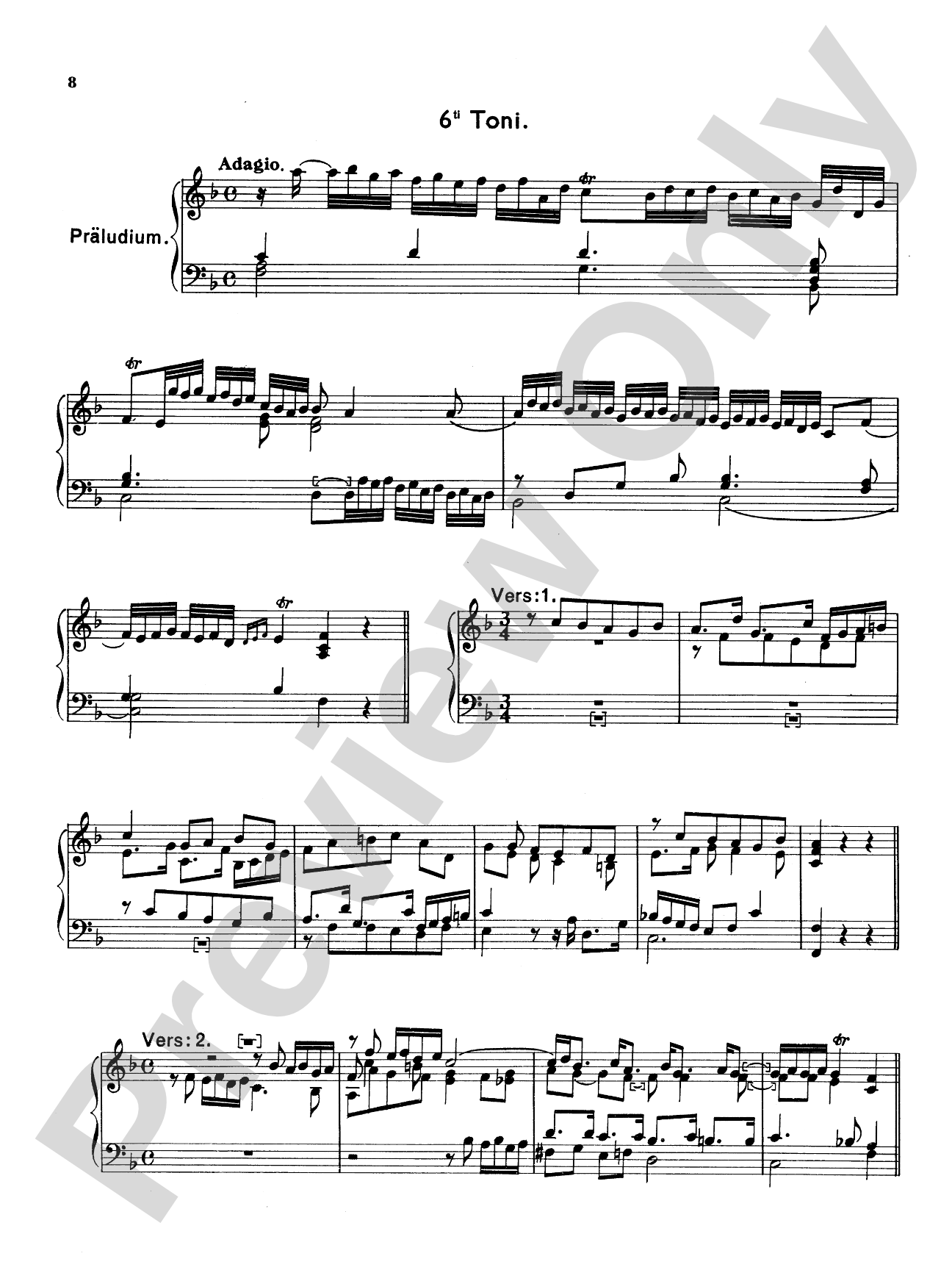
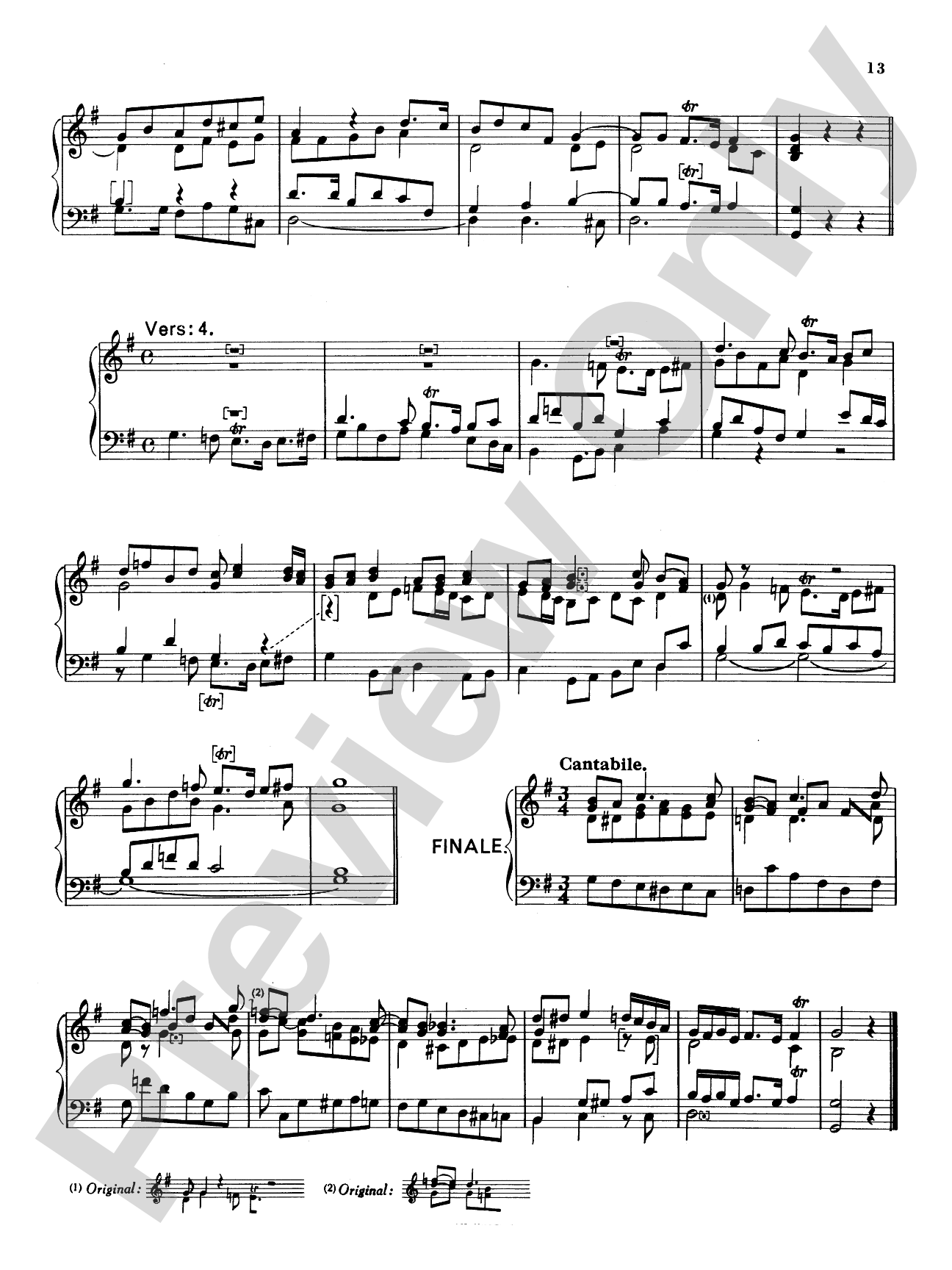
A collection of exercises, for Organ, composed by Michael Haydn.


Don't just read it, hear it, play along with it, and watch your students grow with it. In MakeMusic Cloud, Haydn: Brief Elaborations: Organ Book comes alive with professional accompaniment, adjustable tempo, and built-in practice tools that turn solo practice into real progress.
Open in the Player
Jump straight in and assign it today.
Start Your Free Trial
Open this title and explore the full library in minutes.
Sample Audio
No sample audio found.
Sample Video
No sample videos found.
Additional Details
Series:
Kalmus Edition
Publisher:
Alfred Music
Page Count:
16
SKU:
00-PK-0003157
More about this title
About the Composer: Michael Haydn
Michael Haydn (1737, 1806) spent most of his career in Salzburg, where he served as Kapellmeister and court organist. Though overshadowed by his older brother Joseph, Michael was a prolific and inventive composer who wrote across all the major genres of his time, including over 40 masses, symphonies, and significant keyboard works. His organ music reflects the practical demands of liturgical performance while maintaining the craftsmanship and clarity that defined Classical style.
As a keyboard pedagogue, Michael Haydn understood what organists needed to develop control and musicality at the instrument. His brief elaborations and exercises distill the essentials of Classical organ writing without unnecessary complexity, making them enduring tools for building technique within a musical context.
Why we love this
These exercises distill Classical harmony and keyboard technique into focused, musical studies rather than abstract drills. Working through them builds genuine fluency with voice leading and registration choices that organists face in actual repertoire and service playing.
What to expect
Elegant and purposeful. Haydn's brief elaborations move with the clarity and balance of the Classical style, each one a small harmonic journey that feels complete even in its brevity. The music speaks with understated refinement, more concerned with proportional form and clean voice movement than display.
Who it's for
Organists preparing for service playing, auditions, or graduate-level study will find these exercises valuable for refining harmonic fluency and registration practice. They are equally useful for harpsichord students seeking to strengthen voice-leading awareness in a Classical context.
How to get the most out of it
- Approach registration deliberately, even in brief passages. Each exercise is short enough to permit trying multiple stop combinations, building your intuition for how different combinations color harmonic movement.
- Pay attention to the figured bass or harmonic implications underlying each elaboration. The point is not speed but secure voice leading and voice independence.
- Connect phrases across exercises by observing how Haydn manages transitions and cadential closure. This transfers directly to sight-reading and improvisation at the keyboard.
How to use it
These exercises function best as a daily or weekly practice component rather than recital material. Use them to deepen your interpretive understanding of the Classical organ repertoire and to strengthen improvisation skills for liturgical or concert contexts.
Skills your students will build
- Voice leading across multiple manual and pedal combinations
- Harmonic analysis and chord recognition in figured bass notation
- Organ registration choices for different harmonic textures
- Phrase structure and cadential closure in Classical forms
- Sight-reading fluency with 18th-century keyboard notation