
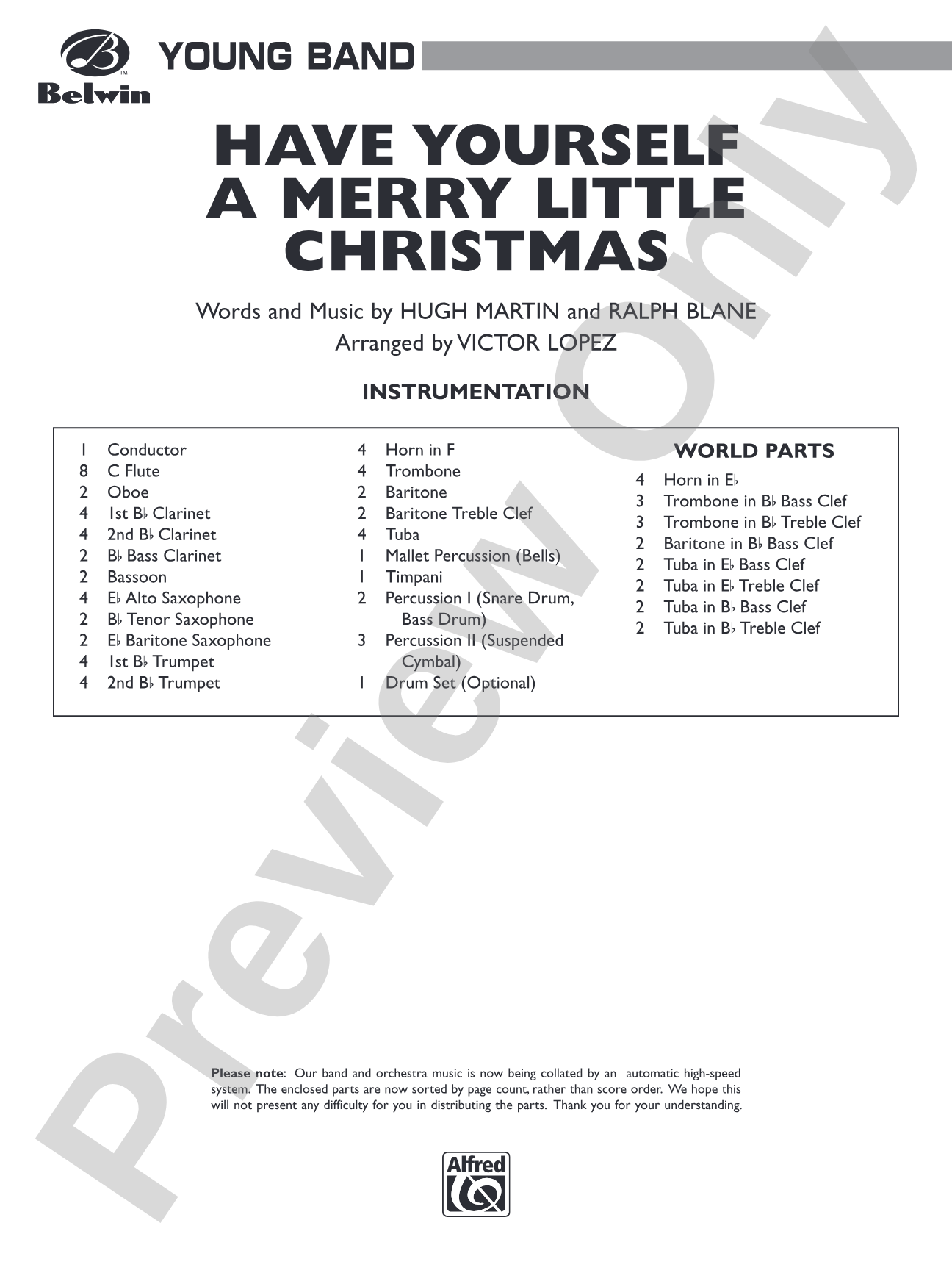

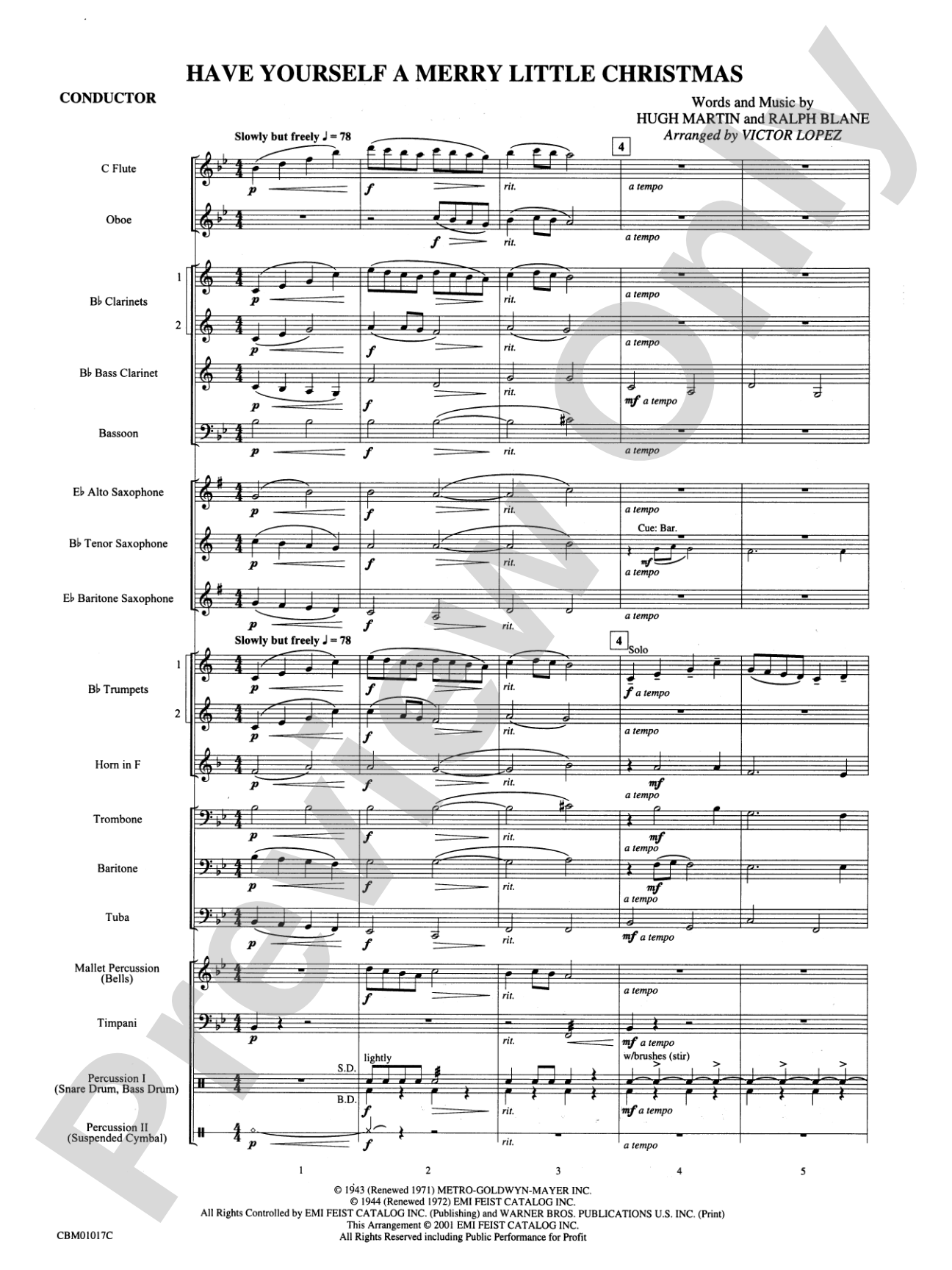
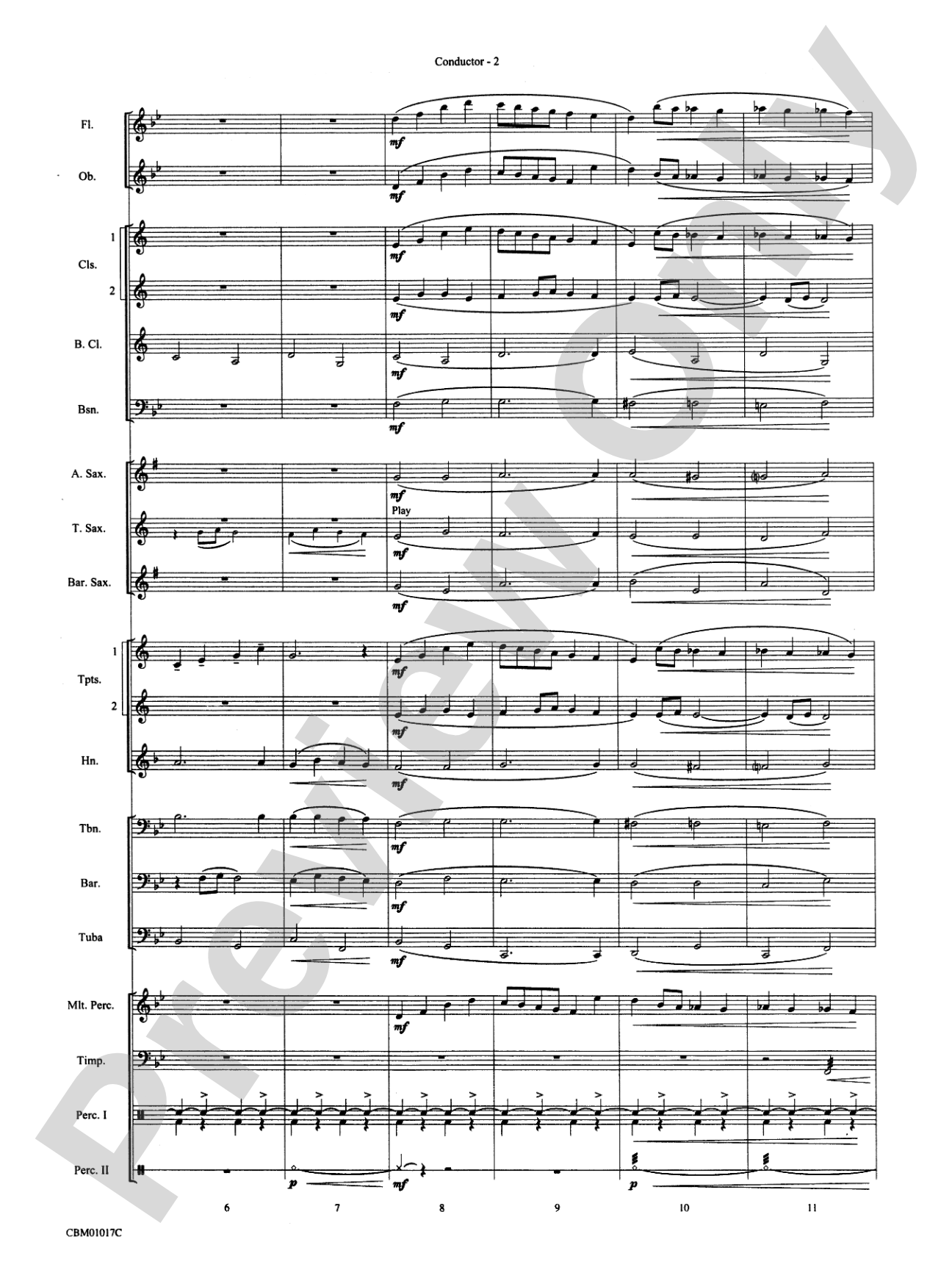
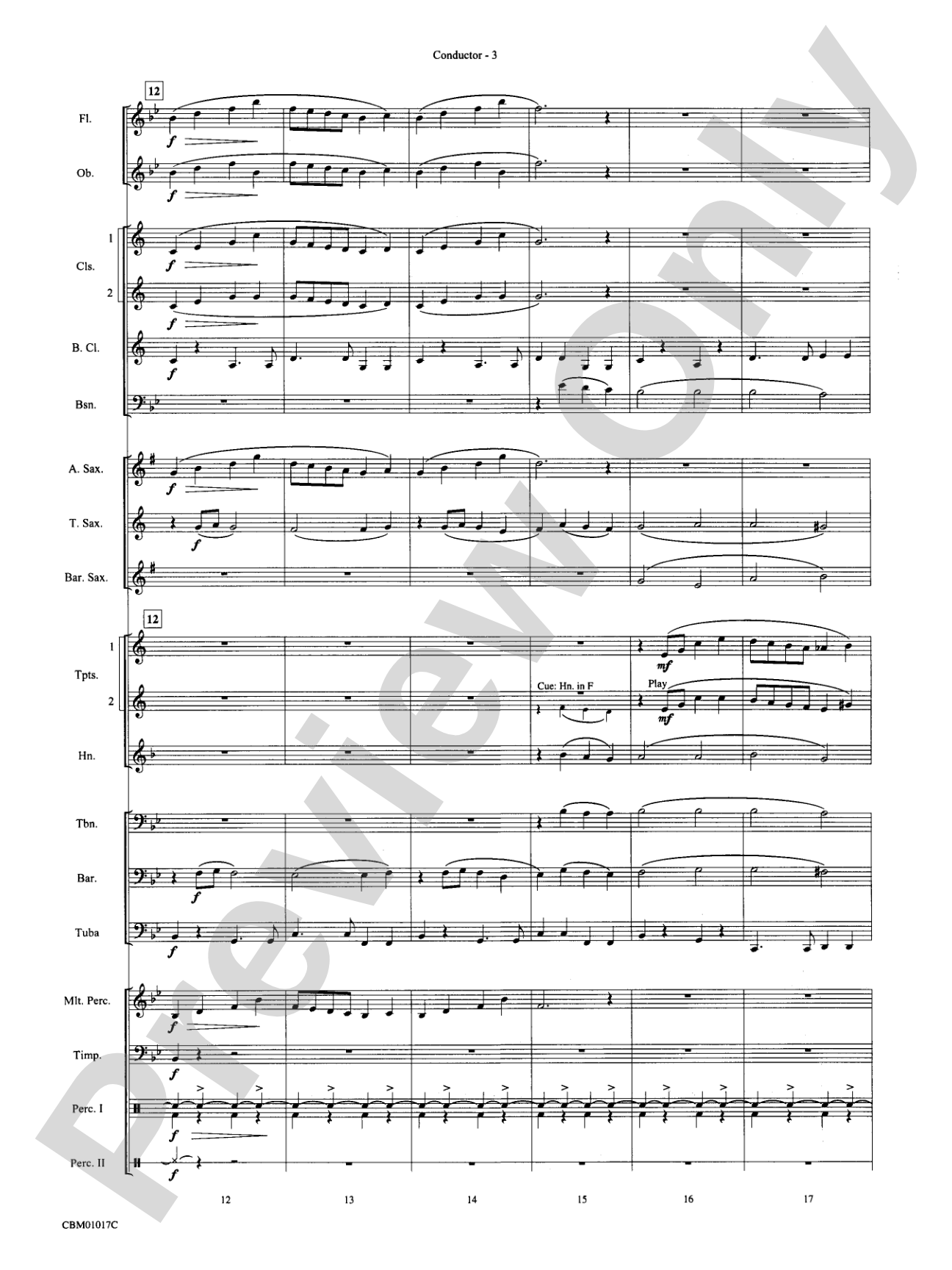
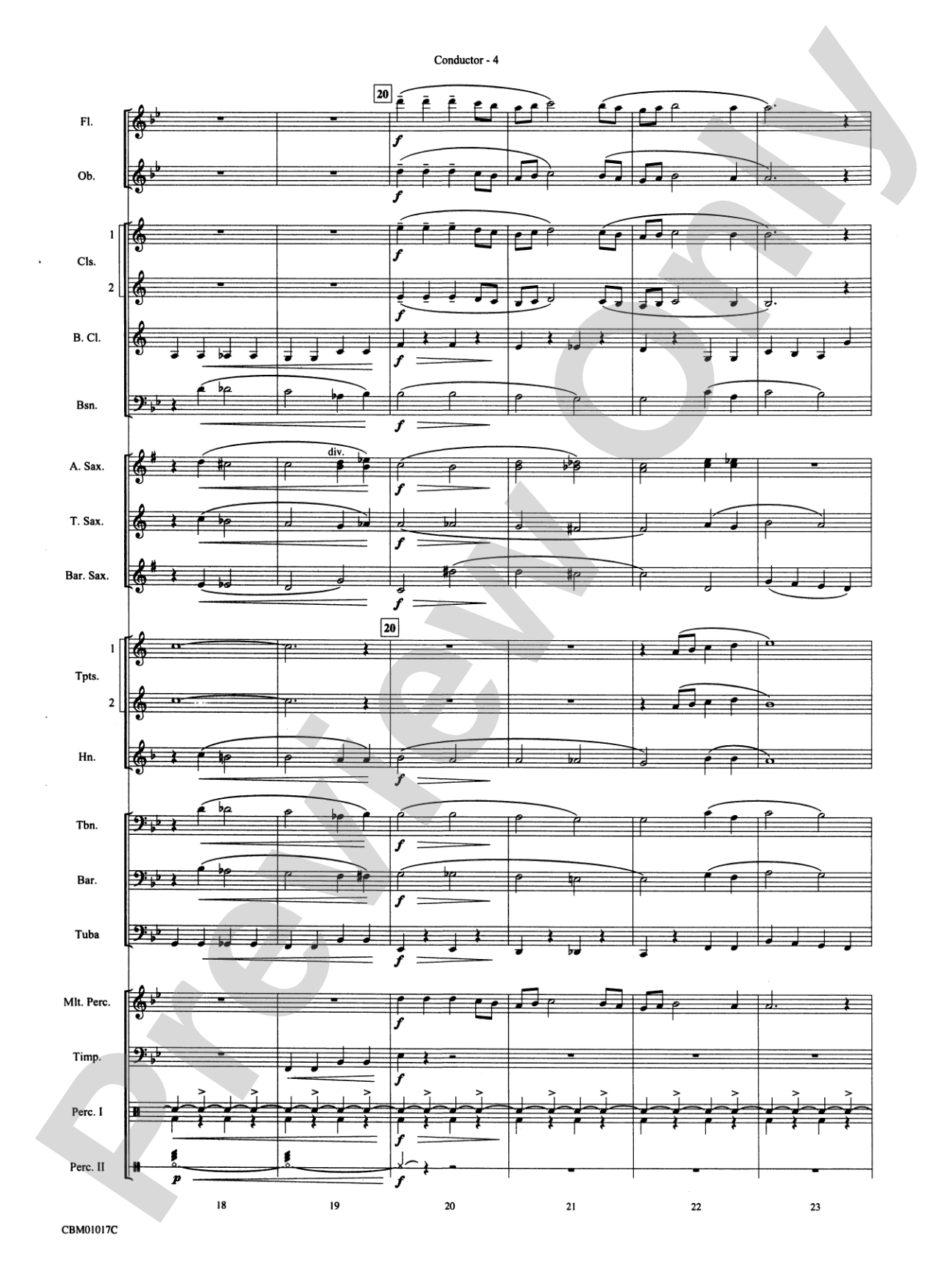
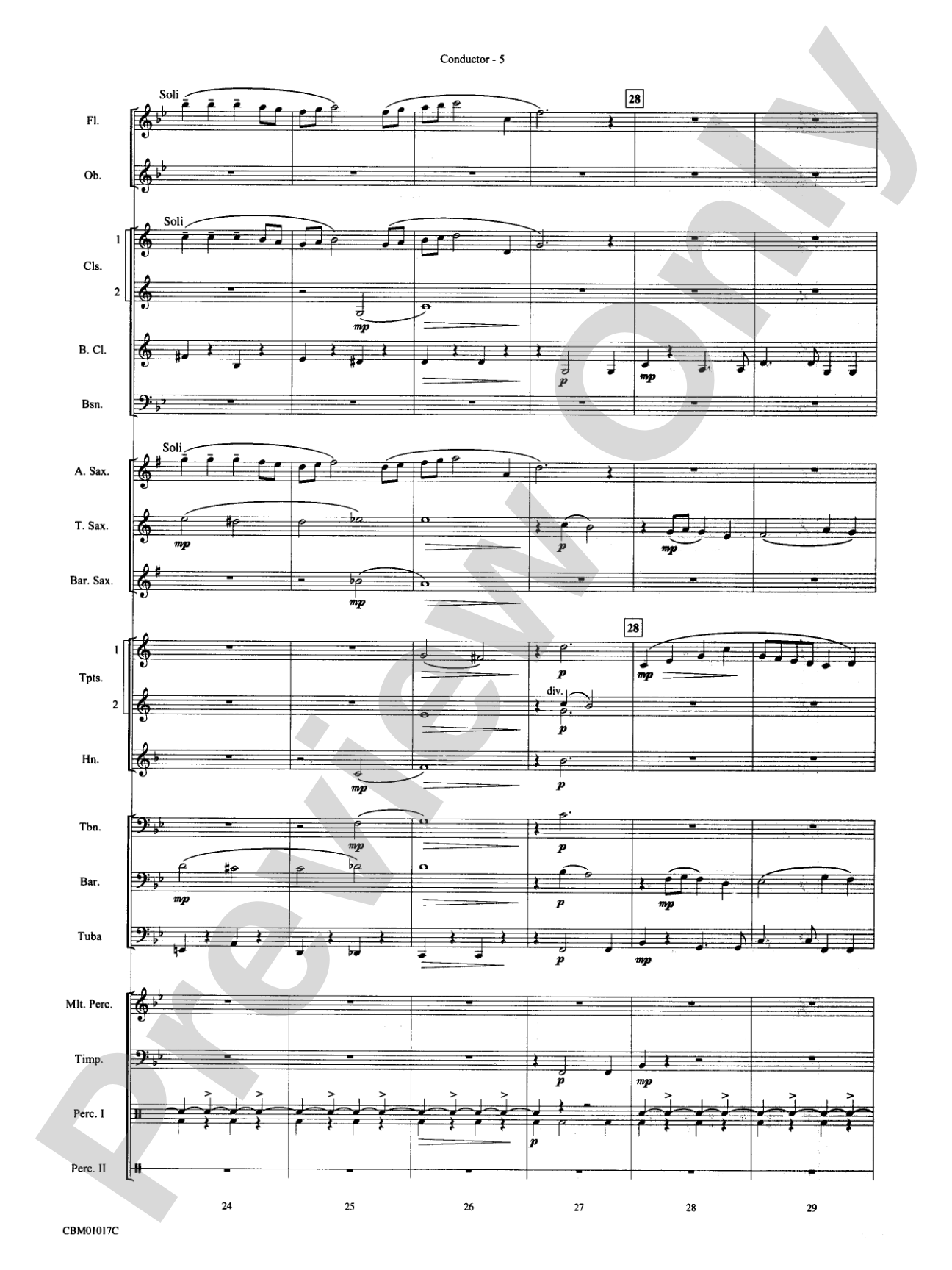
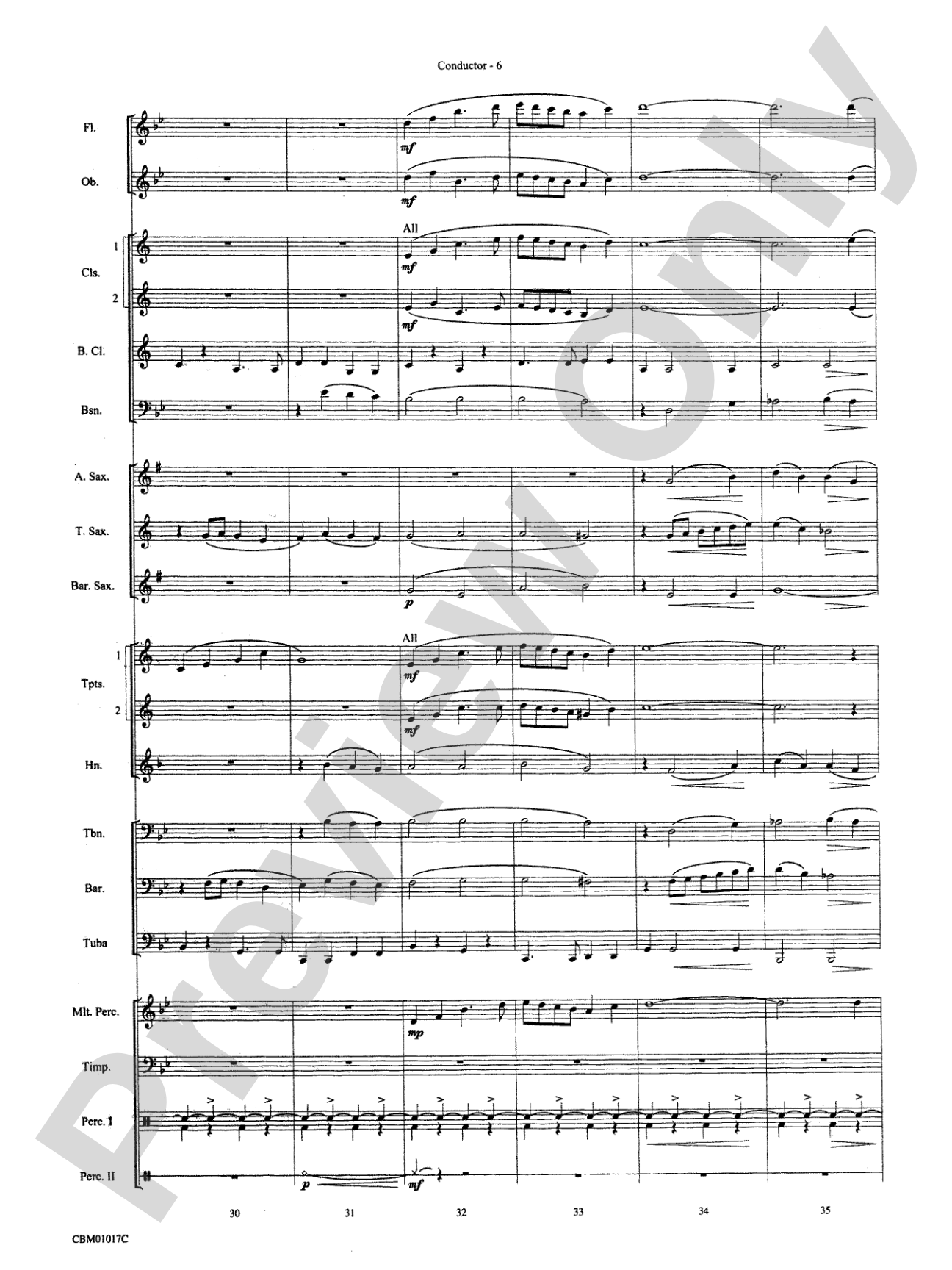
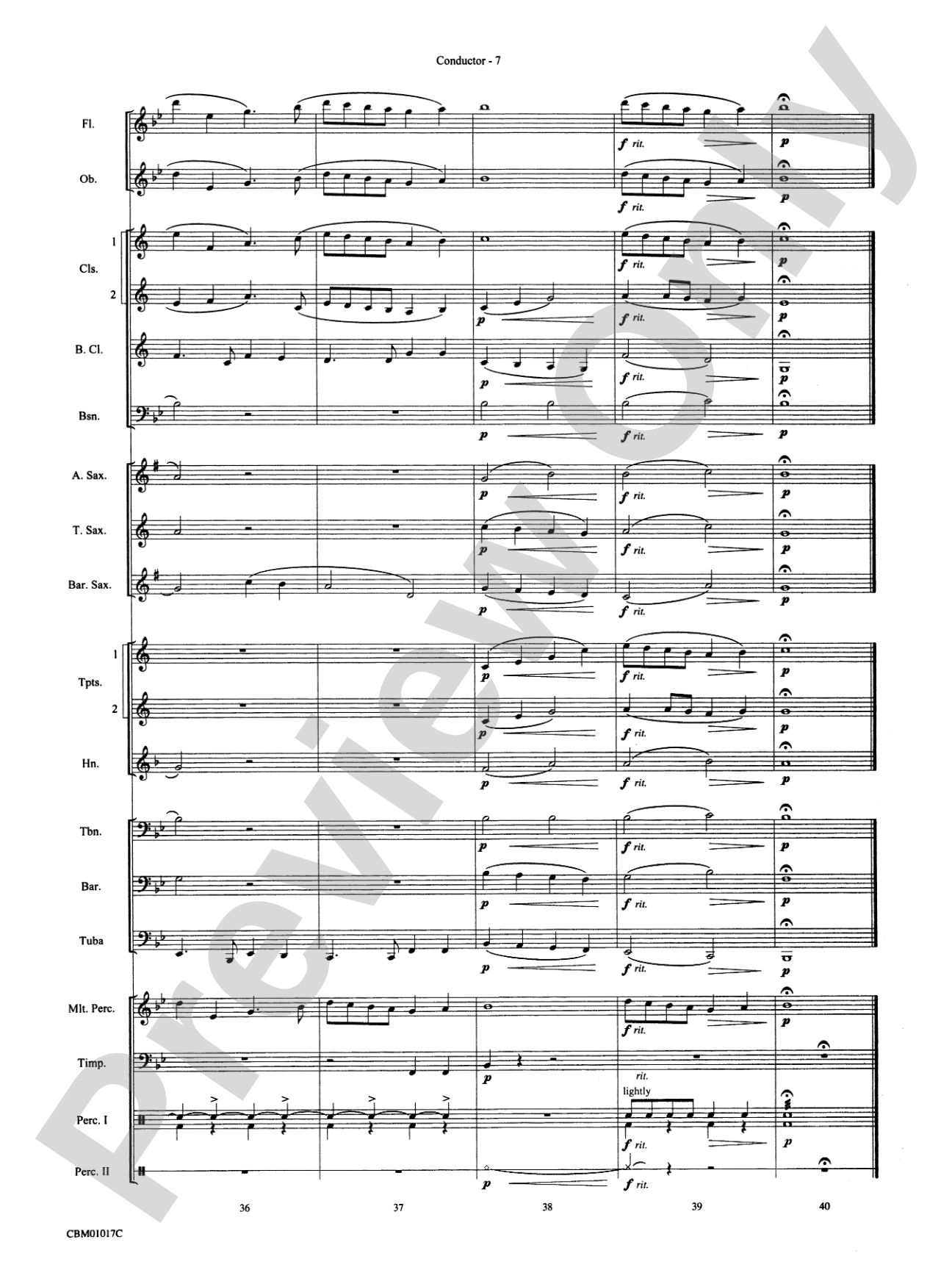




Have Yourself a Merry Little Christmas: Concert Band Conductor Score & Parts
Words and music by Hugh Martin and Ralph Blane / arr. Victor López
Grade: 2 (Easy)
Item: 00-PK-0002350

$62.00
One moment…
Related Items
Have Yourself a Merry Little Christmas: Concert Band Conductor Score & Parts |
$62.00
|
View | |
Have Yourself a Merry Little Christmas: Concert Band Conductor Score |
$7.00
|
View | |
Have Yourself a Merry Little Christmas: Jazz Ensemble Conductor Score & Parts |
$48.00
|
View | |
Have Yourself a Merry Little Christmas: Jazz Ensemble Conductor Score |
$8.00
|
View |
Description
Victor López delivers the perfect holiday treat with this arrangement of "Have Yourself a Merry Little Christmas" for concert band. Sure to be an audience favorite.


Don't just read it, hear it, play along with it, and watch your students grow with it. In MakeMusic Cloud, Have Yourself a Merry Little Christmas: Concert Band Conductor Score & Parts comes alive with professional accompaniment, adjustable tempo, and built-in practice tools that turn solo practice into real progress.
Open in the Player
Jump straight in and assign it today.
Start Your Free Trial
Open this title and explore the full library in minutes.
Sample Audio
No sample audio found.
Sample Video
No sample videos found.
Additional Details
Series:
Pop Young Band
Publisher:
Alfred Music
Page Count:
164
SKU:
00-PK-0002350
More about this title
About the Composer: Hugh Martin
Hugh Martin composed some of the most enduring American standards of the 1940s. Working frequently with lyricist Ralph Blane, Martin crafted songs for major Hollywood musicals including "Meet Me in St. Louis," where "Have Yourself a Merry Little Christmas" first appeared. His gift for melody and theatrical storytelling established him as a cornerstone of the American songwriting tradition.
Martin's work has remained central to holiday programming for generations. His ability to write accessible, emotionally resonant melodies made his songs equally at home in concert halls, film, and community performance spaces. Musicians continue to discover fresh arrangements of his classics, introducing new ensembles and audiences to his distinctive style.
Why we love this
Victor López's Grade 2 arrangement captures the warmth and nostalgia of this beloved standard without demanding technical virtuosity from young players. The orchestration sits comfortably in beginner-to-intermediate range while maintaining the song's emotional core, making it genuinely rewarding to conduct and perform. This is the kind of holiday piece that sounds polished and meaningful in a concert setting rather than thin or patronizing.
What to expect
The arrangement glows with the gentle nostalgia of a midcentury classic, evoking warm interiors and quiet reflection. Straightforward harmonies and a singable melodic line create an intimate quality that resonates with audiences of all ages, transforming a familiar tune into something concert-worthy.
Who it's for
This arrangement serves developing concert bands in middle school, high school, and adult community settings. Directors looking for a musically substantial holiday selection that respects younger players' capabilities while sounding polished in performance will find this essential.
How to get the most out of it
- Balance the melody across your woodwind and brass sections so the tune reads clearly; resist the urge to let any one section dominate even when the written dynamics suggest otherwise.
- Shape the phrasing with gentle dynamic contours within the Grade 2 range. Small swells at phrase endings lift the melody without requiring sudden dynamic shifts.
- Keep the tempo steady and unhurried. This song's sentimentality depends on space and breath, not brisk execution.
- Mark entrance cues clearly in parts and conduct visible preparatory gestures, especially for players with rests. Younger ensembles need confident conducting to lock rhythmic figures together.
How to use it
Anchor your December concert with this as a centerpiece selection. The Grade 2 accessibility means you can balance it alongside more technically demanding pieces in the same program, or build a full holiday set mixing this with other seasonal arrangements. It works equally well as a second-half opener or closer.
Skills your students will build
- Sustaining long phrases with consistent tone and intonation
- Reading and executing basic dynamic shapes (crescendo and diminuendo)
- Balancing ensemble sound across sections
- Entrances and cutoffs with conductor dependence