
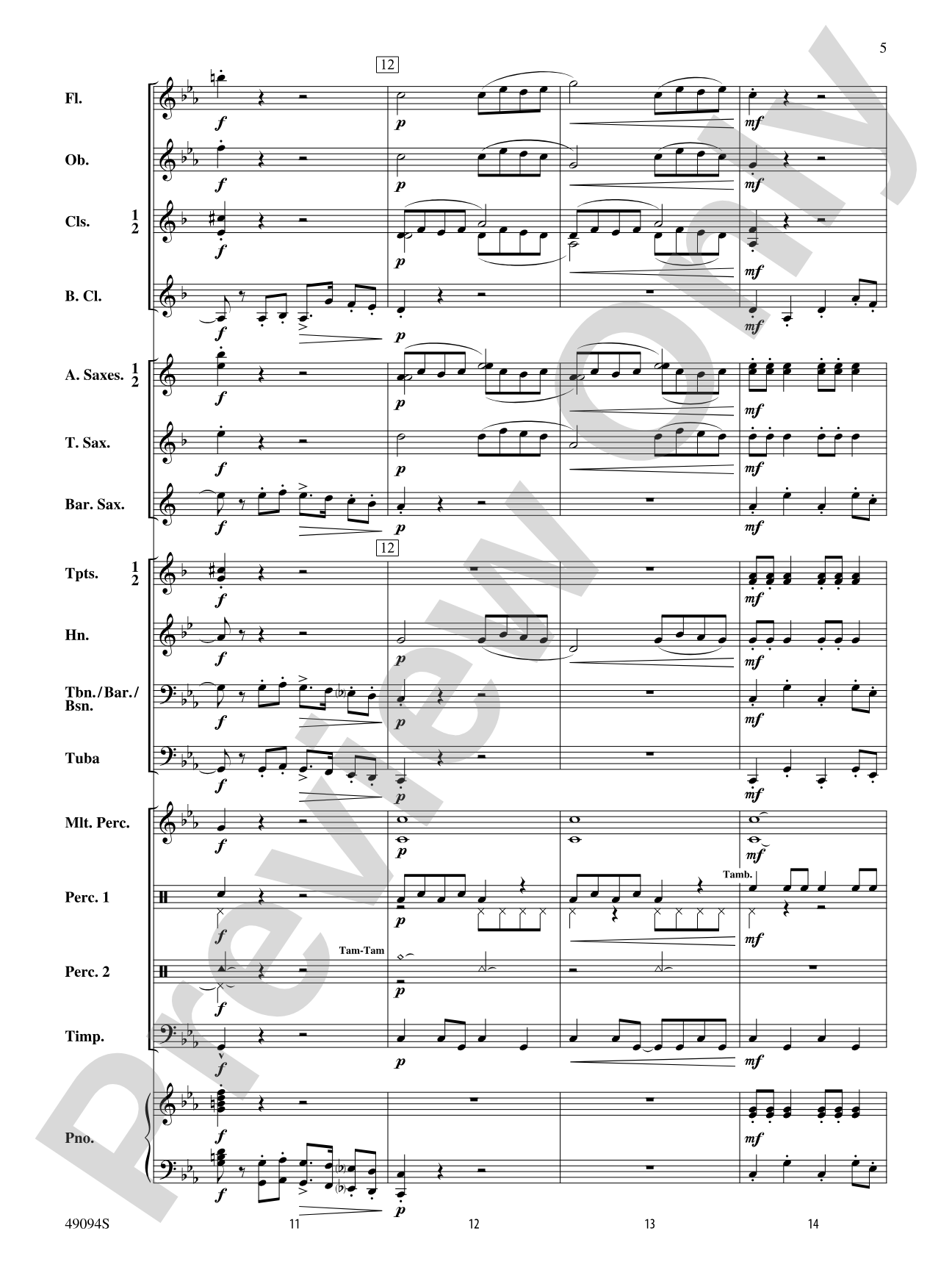
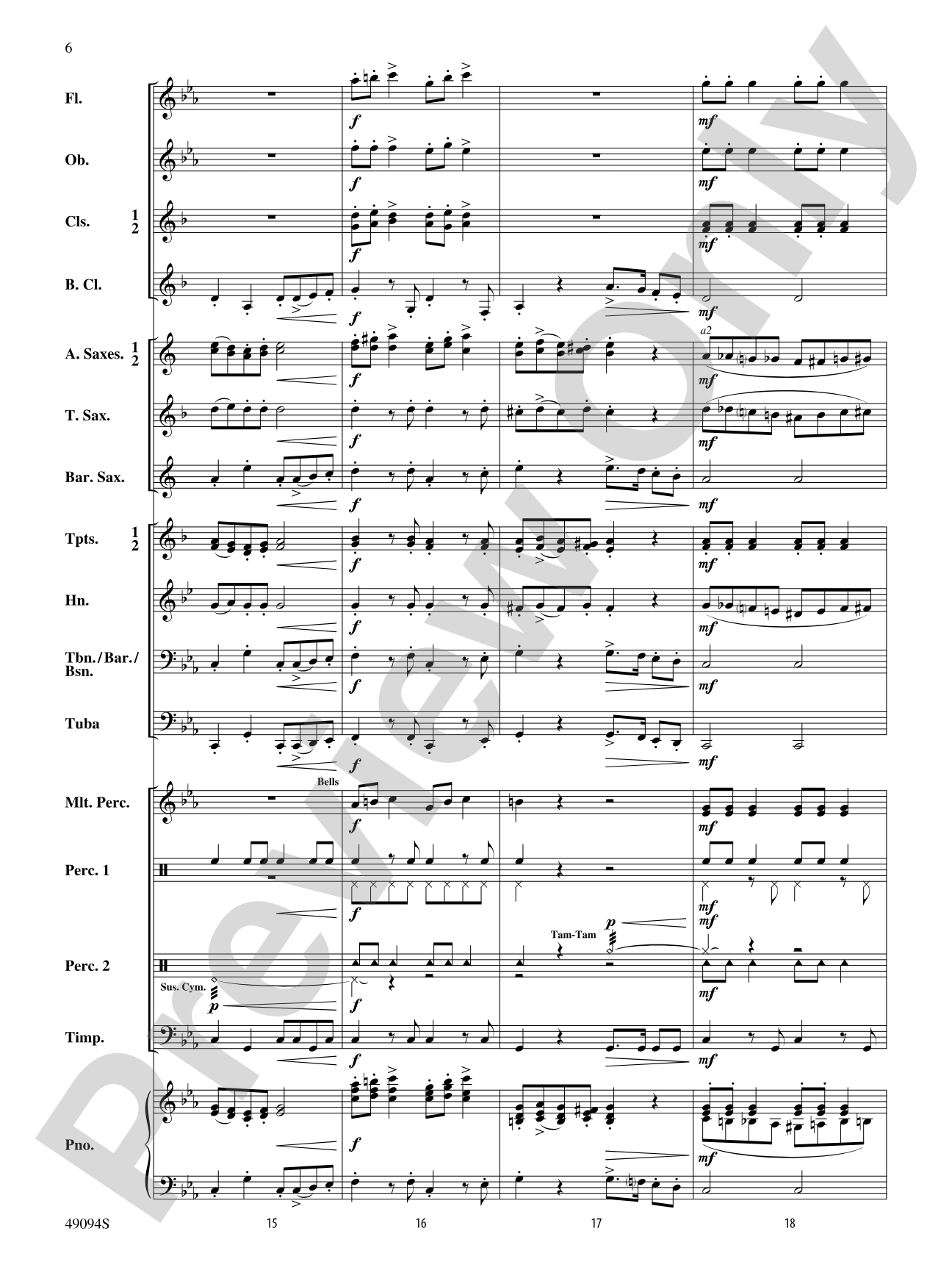
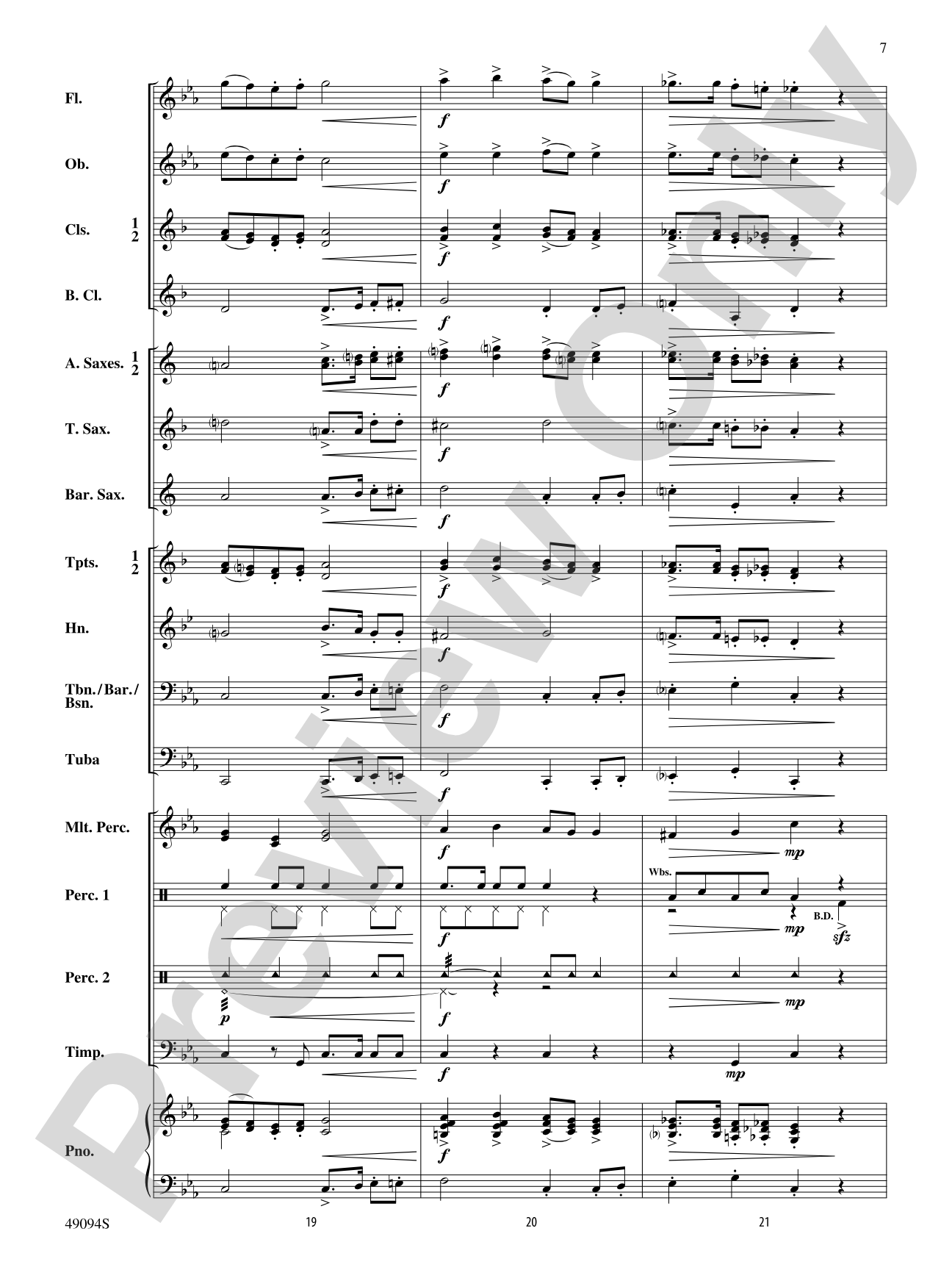
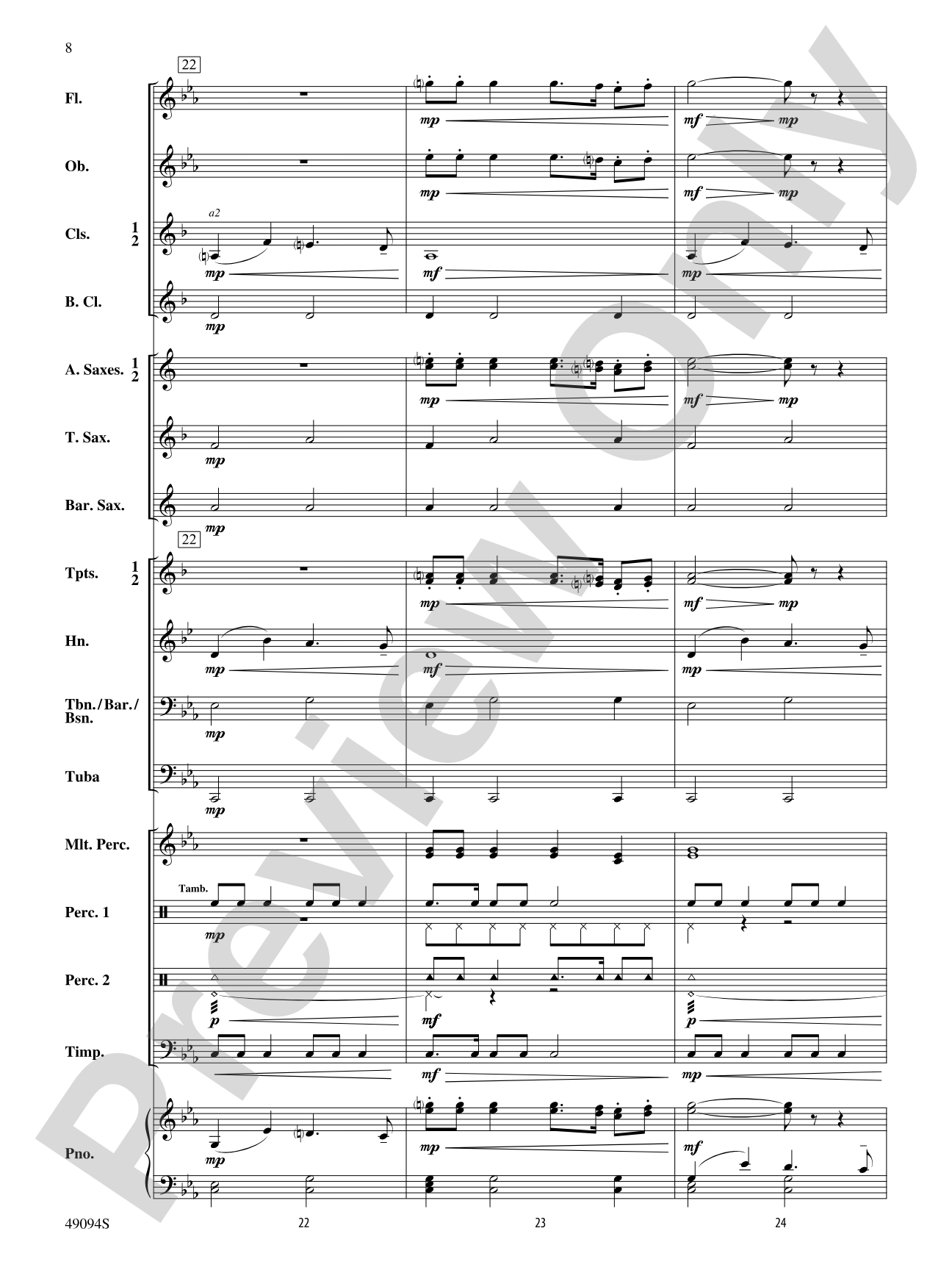
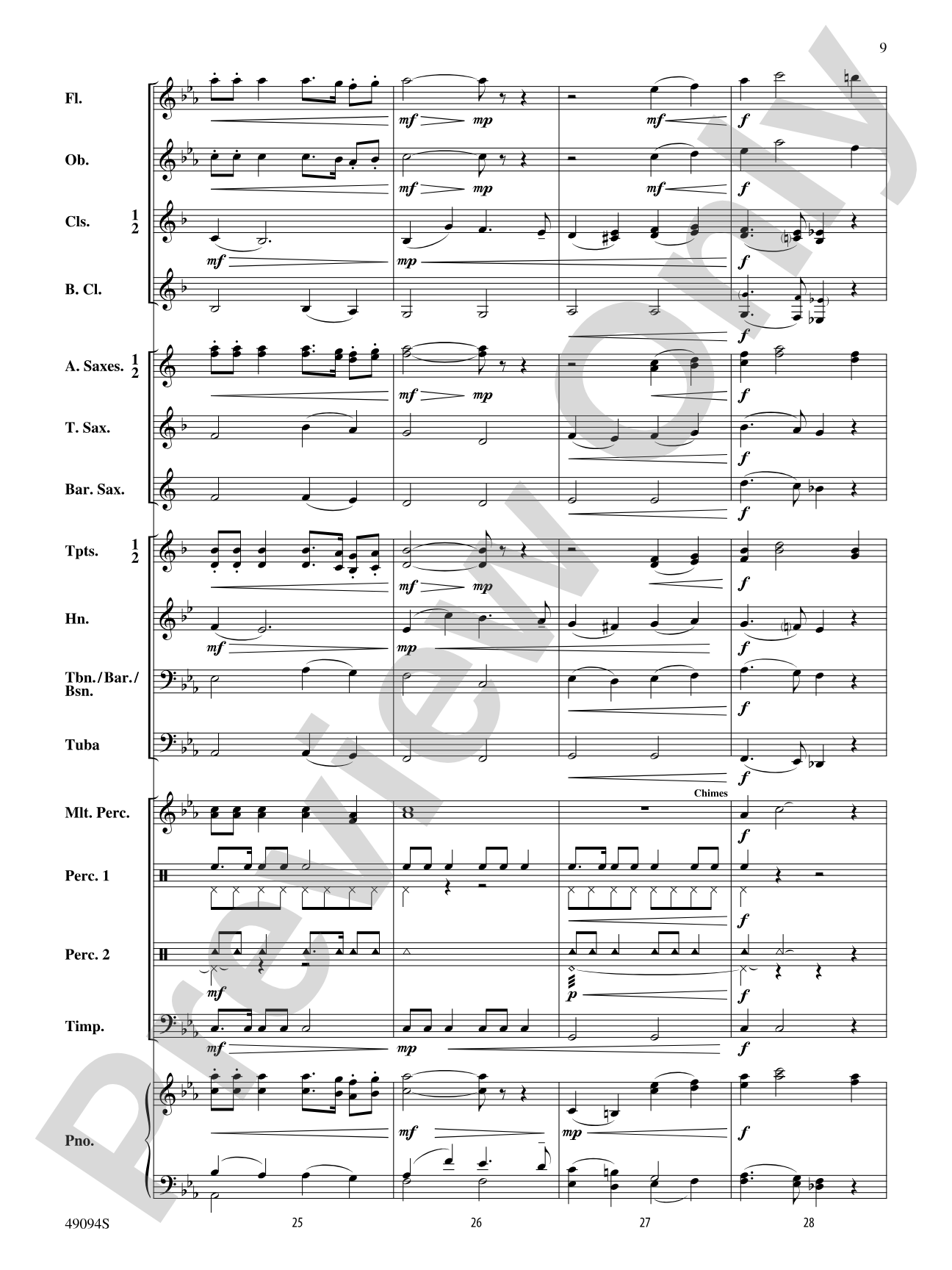
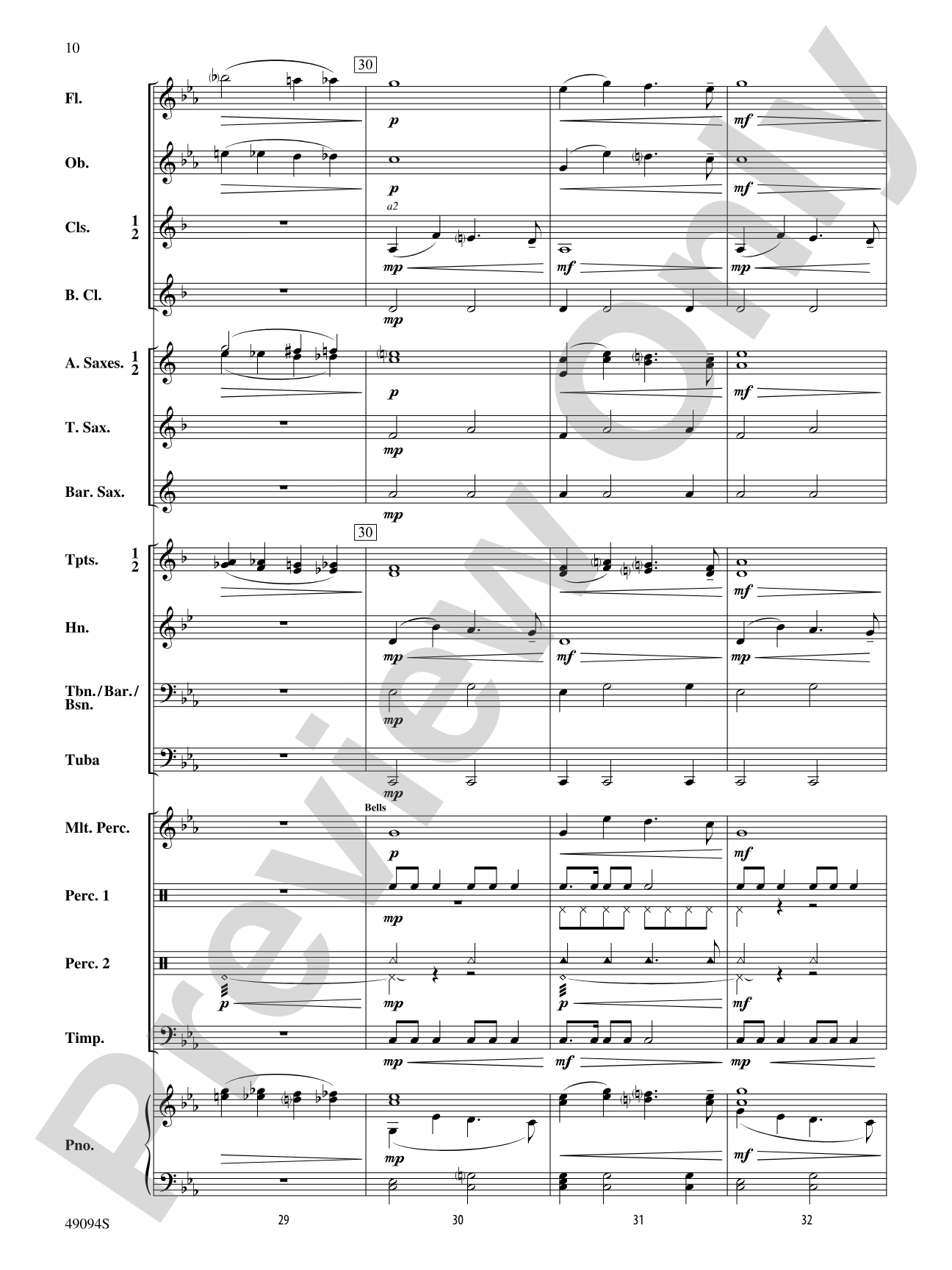
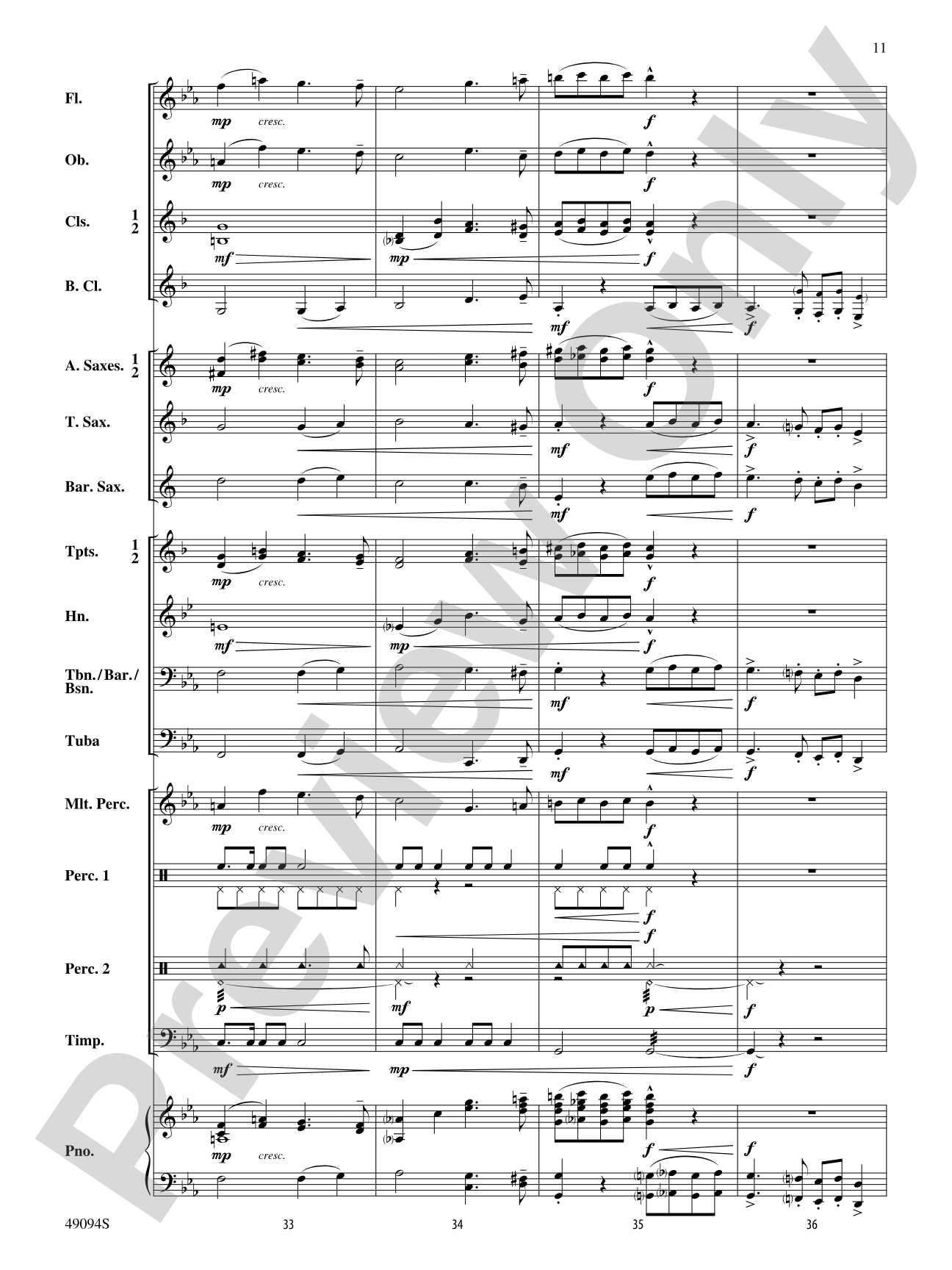
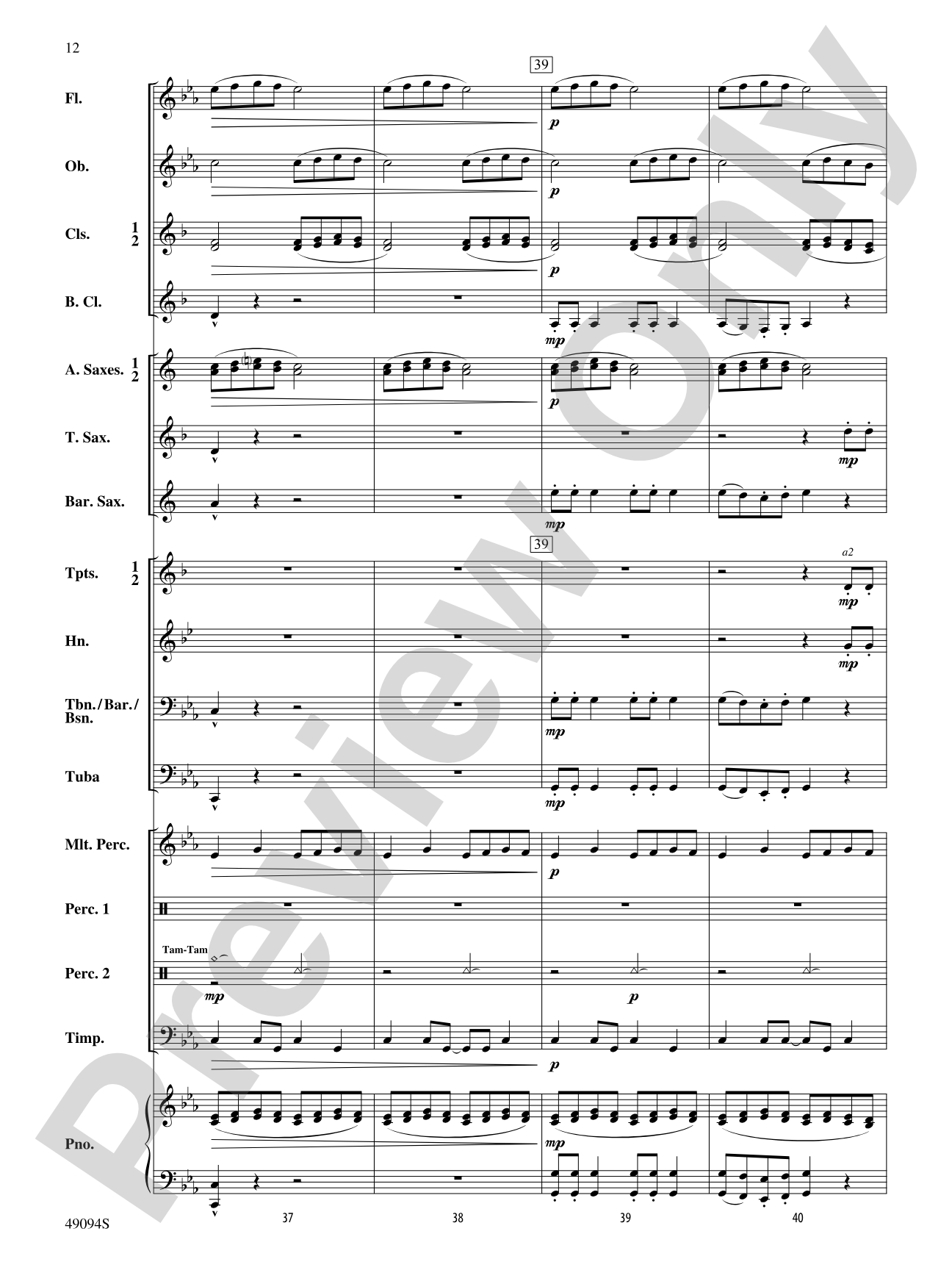
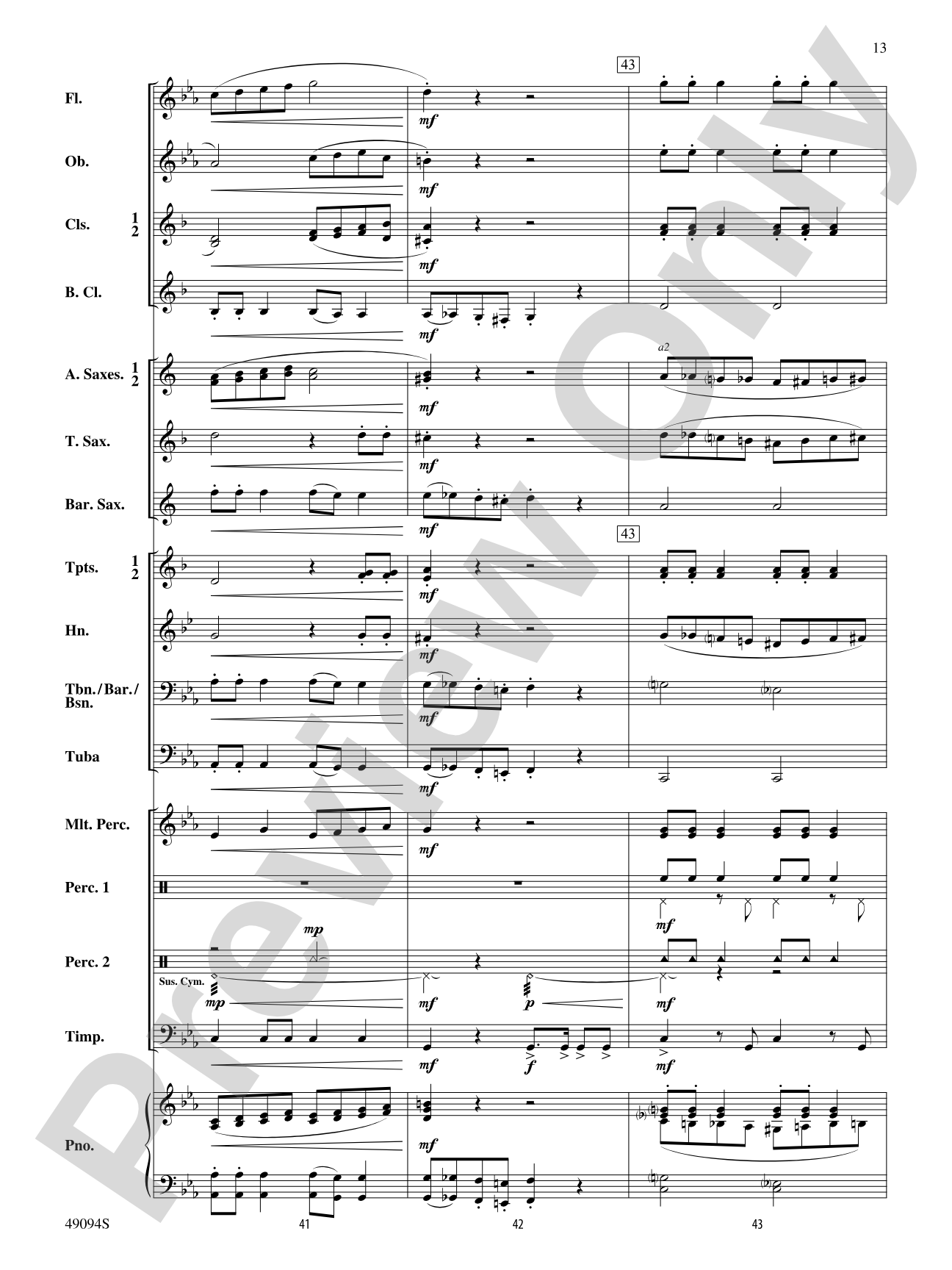
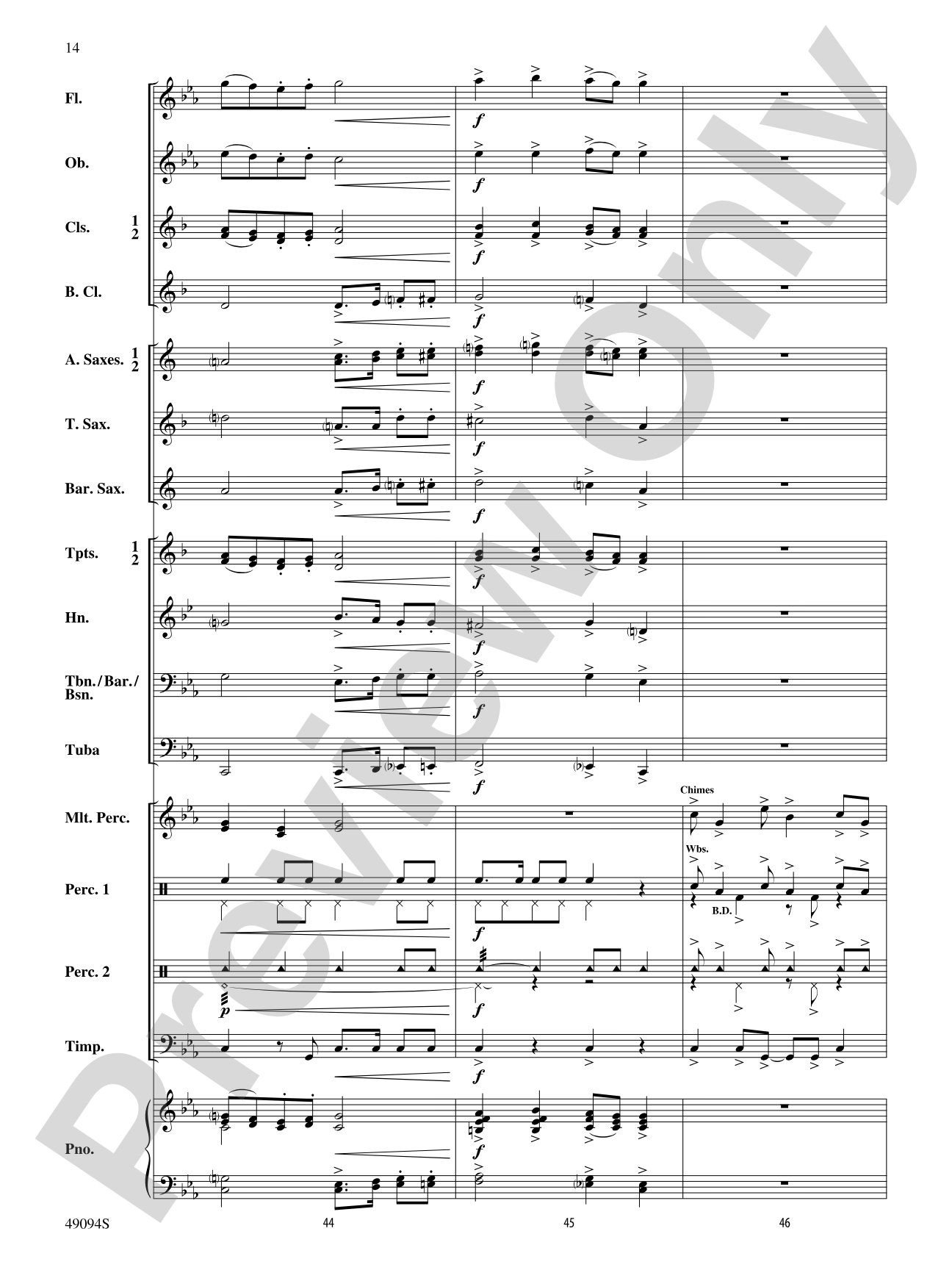
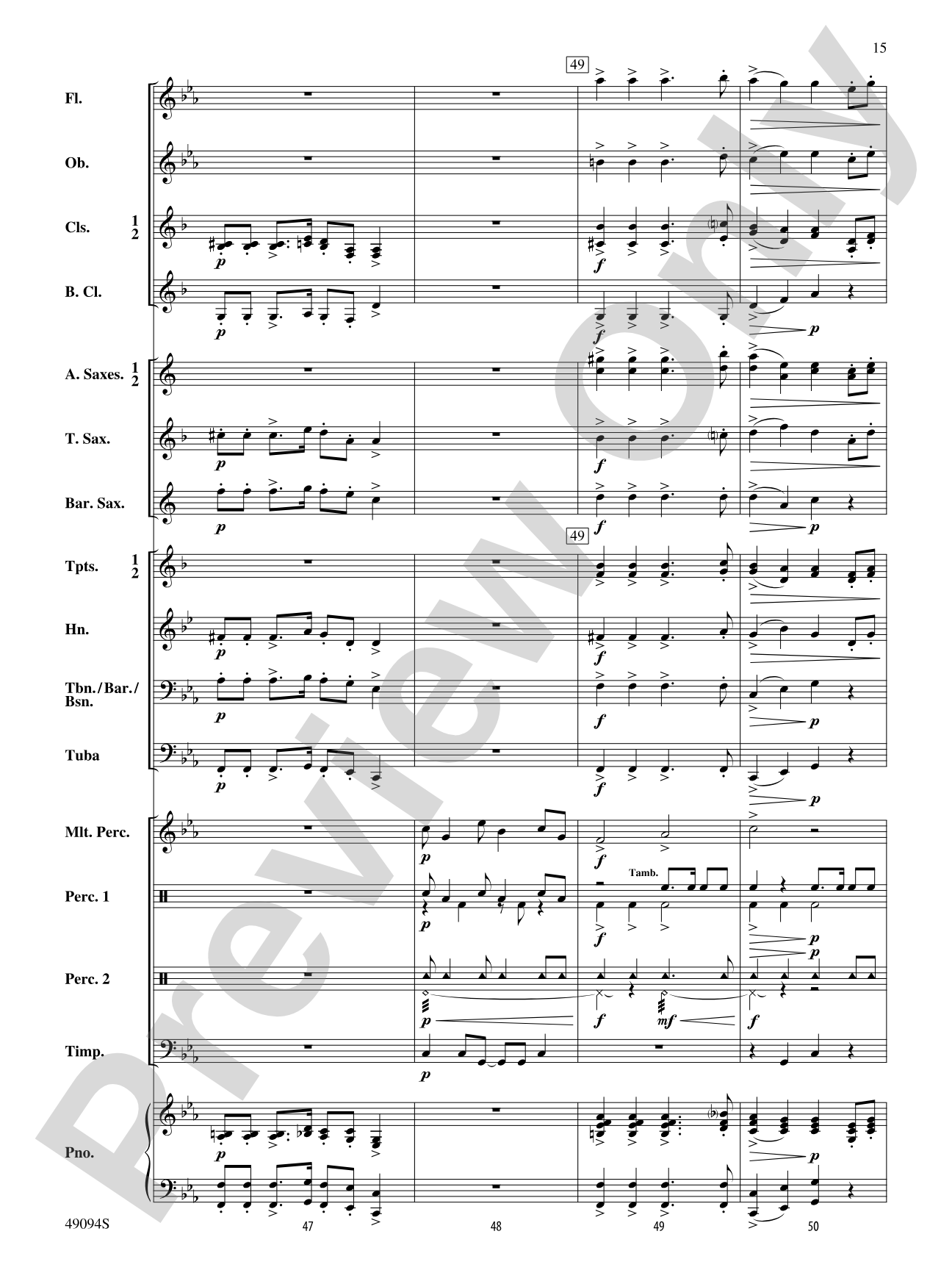
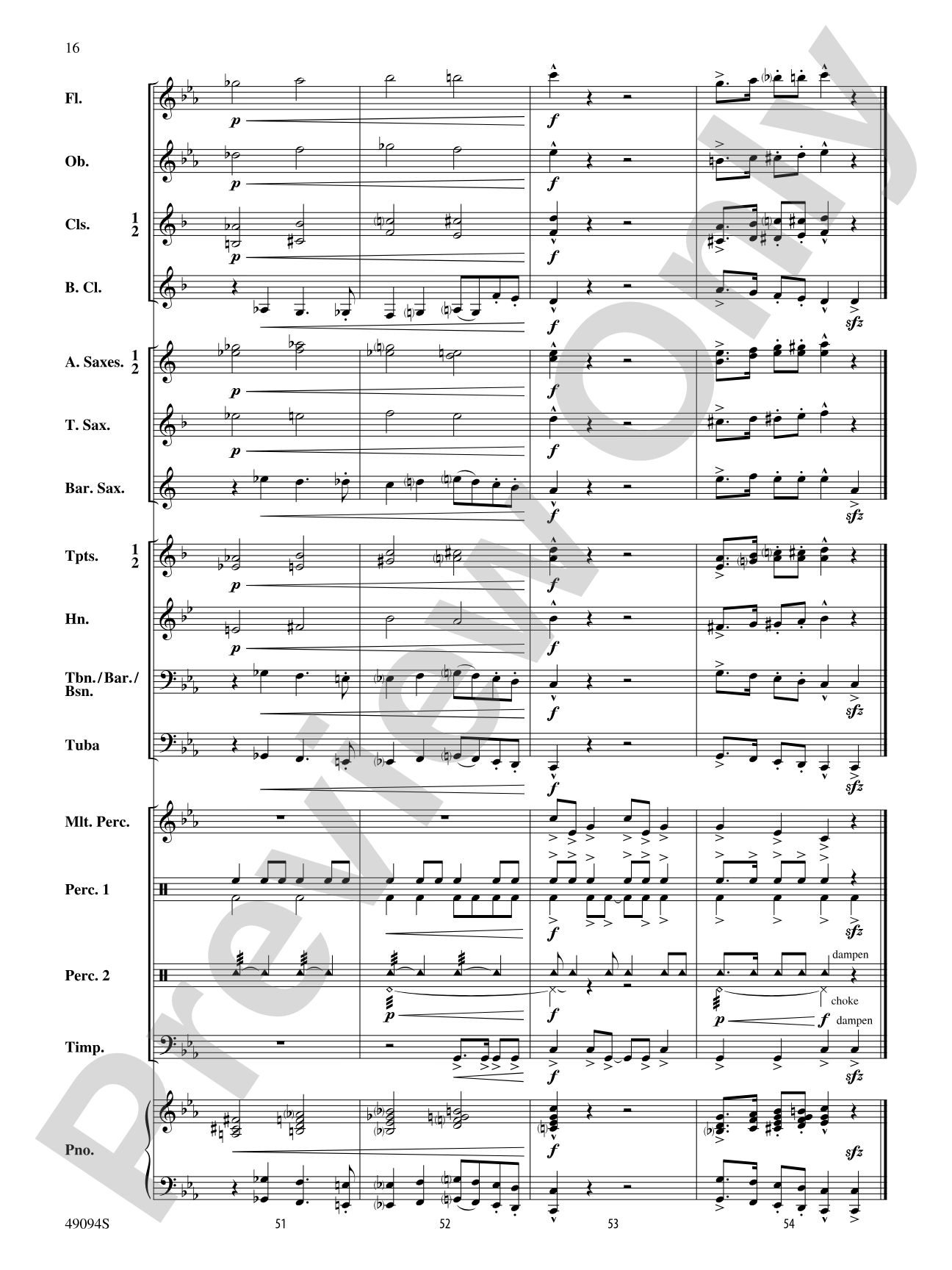

Haunted Sleigh Ride: Score
Based on Jingle Bells
By James Lord Pierpont / arr. Brian Beck
Grade: 2 (Medium Easy)
Item: 00-PR-0006867
$8.00
Pickup currently not available
Description
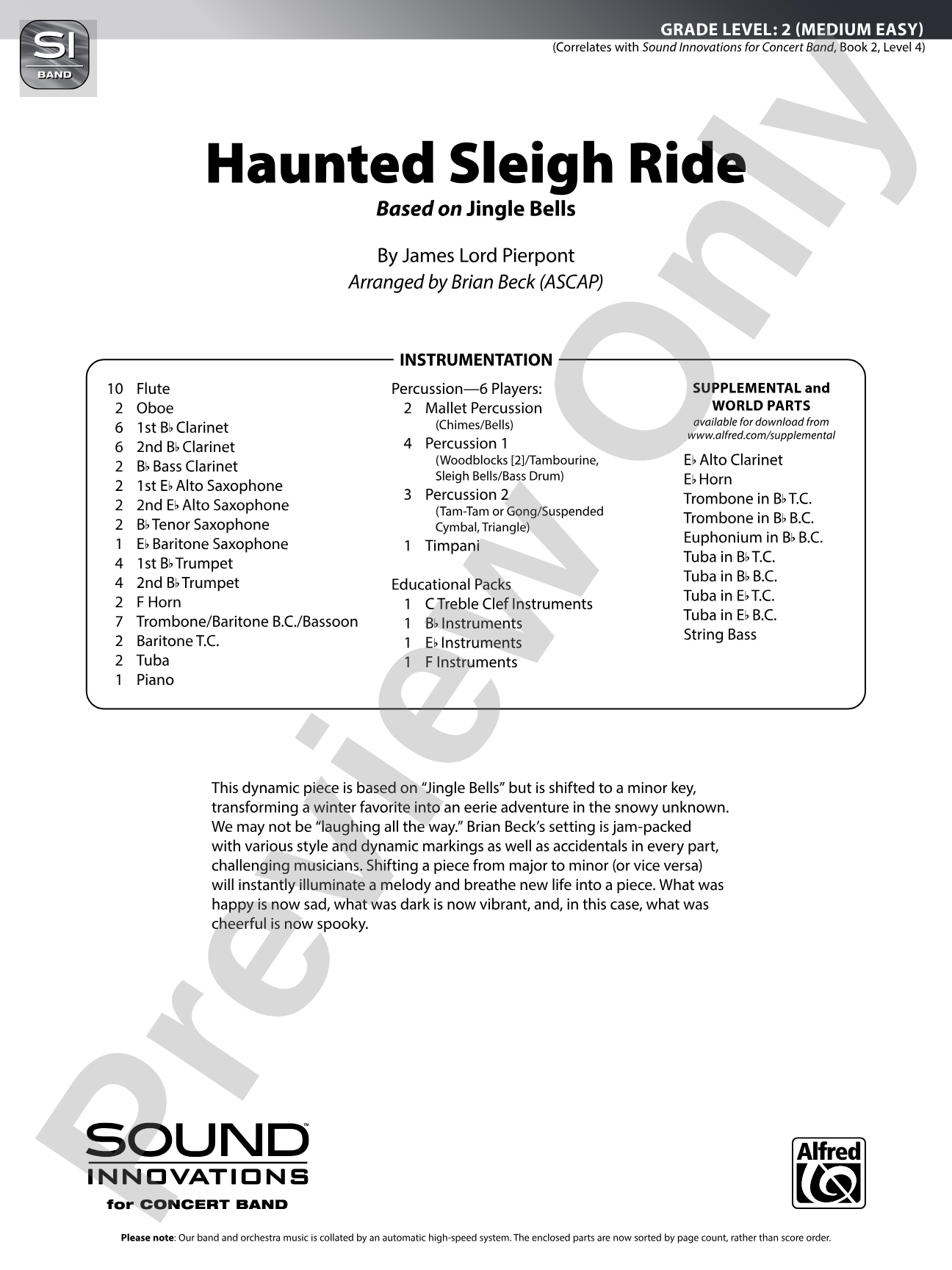
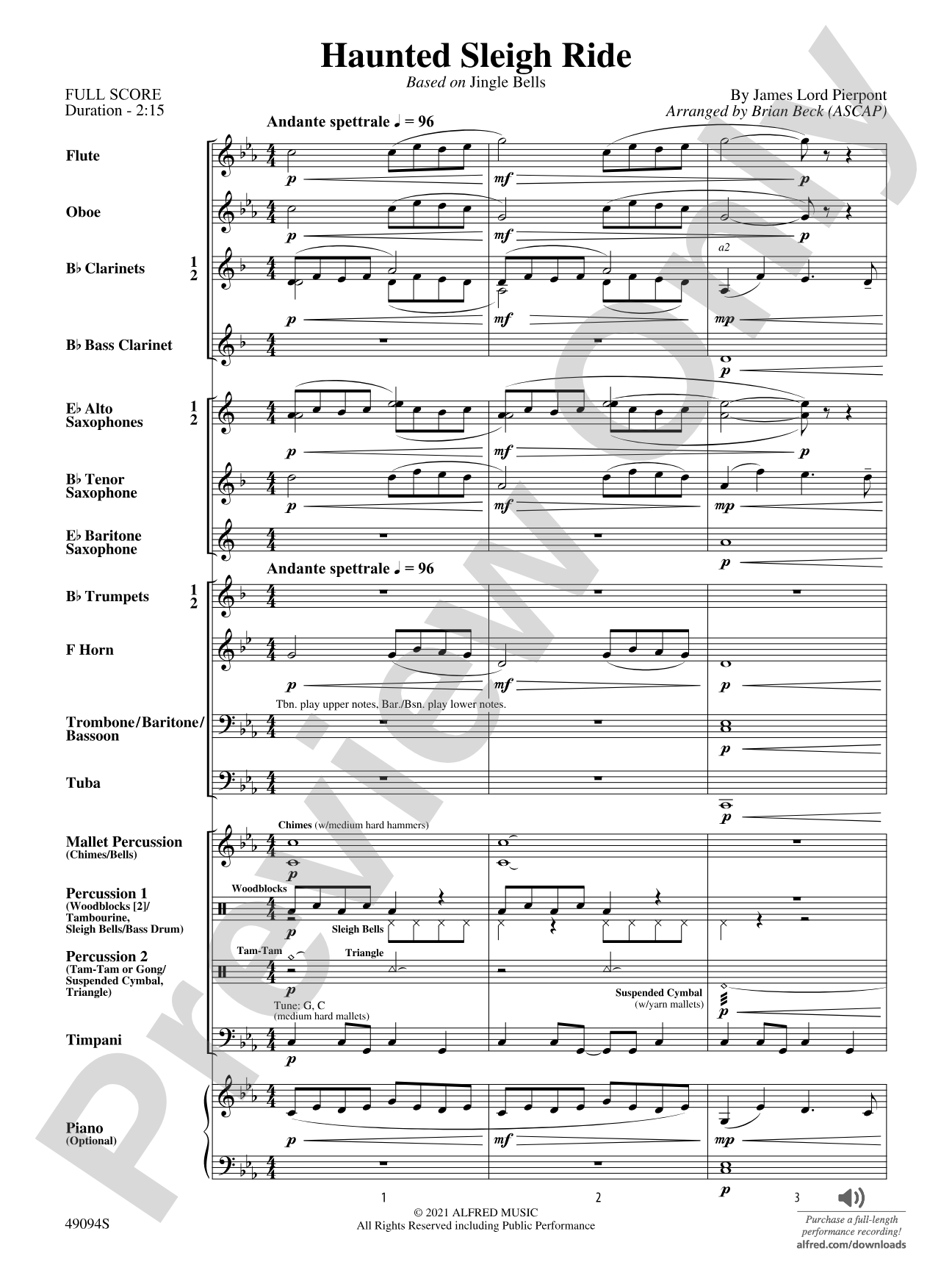
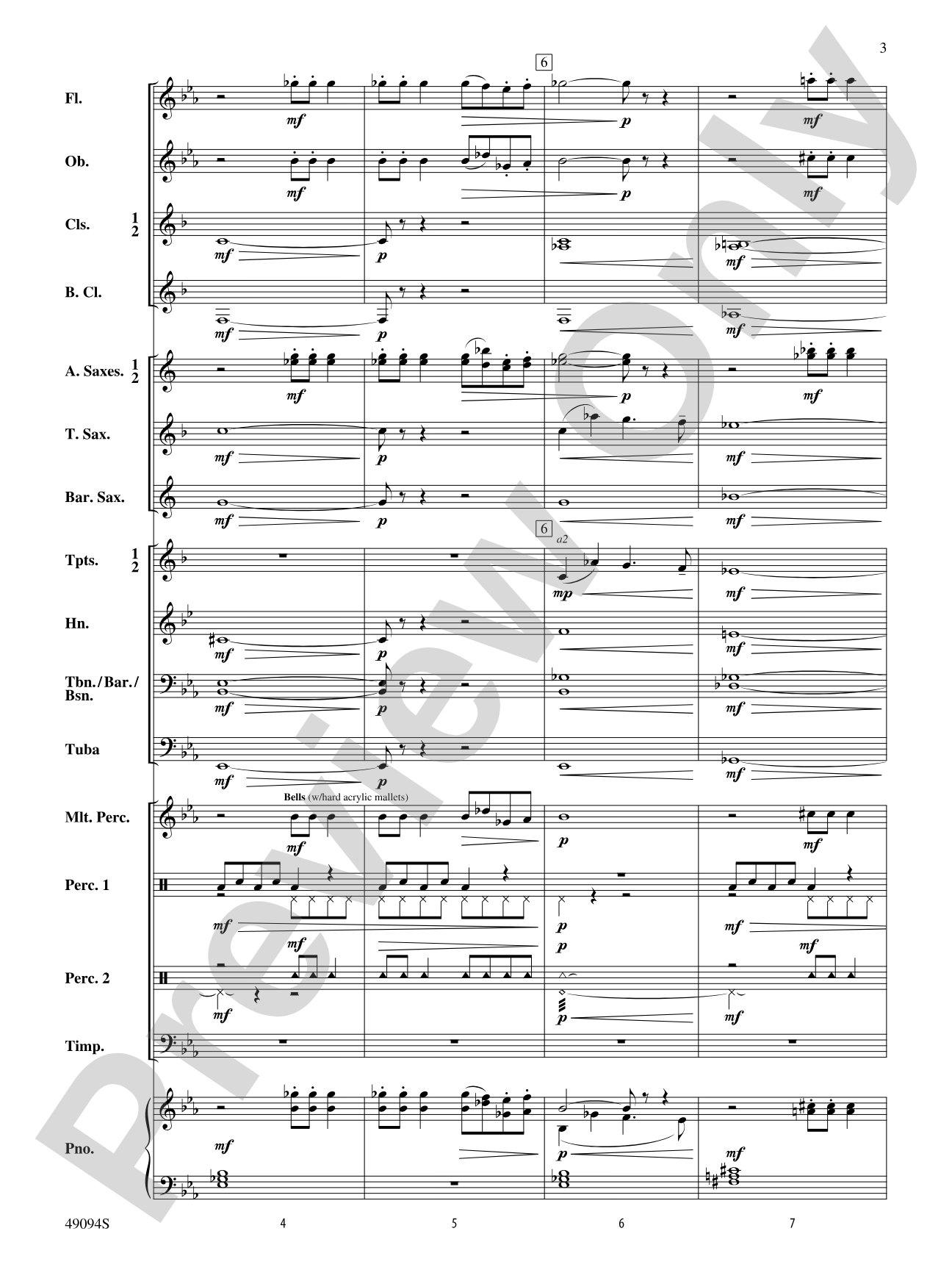
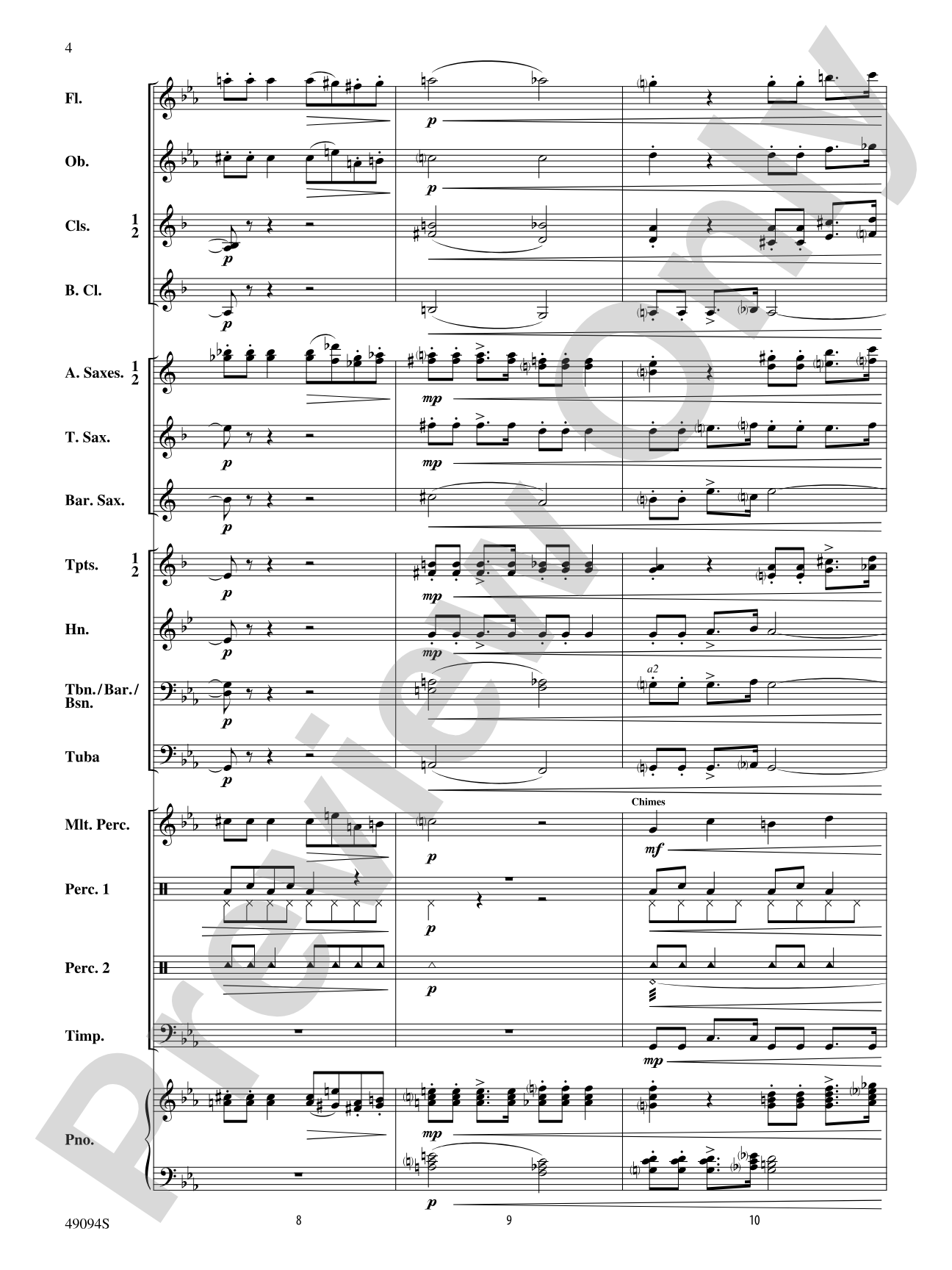
Haunted Sleigh Ride is based on "Jingle Bells" but shifted to a minor key, transforming a winter favorite into an eerie adventure into the snowy unknown. We may not be "laughing all the way." Brian Beck's setting is jam-packed with various style and dynamic markings as well as accidentals in every part, challenging musicians, and engaging audiences. Shifting a piece from major to minor (or vice versa) will instantly illuminate a melody and breathe new life into a piece. What was happy is now sad, what was dark is now vibrant, and, in this case, what was cheerful is now spooky. Correlated to Sound Innovations for Concert Band, Book 2, Level 4. (2:20)


Don't just read it, hear it, play along with it, and watch your students grow with it. In MakeMusic Cloud, Haunted Sleigh Ride: Score comes alive with professional accompaniment, adjustable tempo, and built-in practice tools that turn solo practice into real progress.
Open in the Player
Jump straight in and assign it today.
Start Your Free Trial
Open this title and explore the full library in minutes.
Sample Audio
1
Audio File
--:--
0:00
0:00
Sample Video
Additional Details
Series:
Sound Innovations for Concert Band
Publisher:
Alfred Music
Page Count:
93
SKU:
00-PR-0006867
More about this title
About the Composer: James Lord Pierpont
James Lord Pierpont (1822-1893) composed "Jingle Bells" in 1857, originally titled "The One Horse Open Sleigh." His simple, singable melody became one of the most recognizable winter songs in American culture, enduring across generations and countless arrangements. Pierpont's gift for creating memorable melodies that lodge themselves in the public ear shaped American popular music throughout the 19th century.
Why we love this
Brian Beck's reharmonization transforms a melody students know by heart into something genuinely unsettling, proving how much a minor key shift can do. The dense accidentals and style markings reward careful rehearsal while the familiar underlying tune keeps the piece accessible for a Grade 2 ensemble.
What to expect
A familiar tune reimagined in shadow and frost. The transformation from cheerful sleigh ride to something mysterious and vaguely unsettling creates an almost cinematic tension while maintaining the melody audiences recognize instantly.
Who it's for
Concert bands at the Grade 2 level seeking a holiday piece that challenges ensemble accuracy without exceeding their technical range. Directors programming winter concerts will find this especially valuable when they want something beyond the standard major-key seasonal fare.
How to get the most out of it
- Balance the accidentals so they land cleanly without muddying the harmonic progression; clarify which notes are chromatic alterations and which define the new minor harmonic scheme.
- Shape dynamic contrasts deliberately; the eerie quality emerges from control rather than volume, so distinguish between soft sections and genuine moments of intensity.
- Lean into the title's promise by letting the minor key sound intentional and atmospheric rather than tentative or rushed.
How to use it
Program this as a centerpiece for a winter concert that plays with tone and mood rather than sticking to purely festive material. It pairs well with both traditional holiday pieces and contemporary concert band works, offering audiences a refreshing take on music they thought they knew.
Skills your students will build
- Reading accidentals across all parts in a chromatic harmonic context
- Executing accurate dynamic and style markings that shape phrasing
- Matching intonation when playing parallel chromatic movement
- Recognizing and performing modal shifts within a familiar melodic framework