
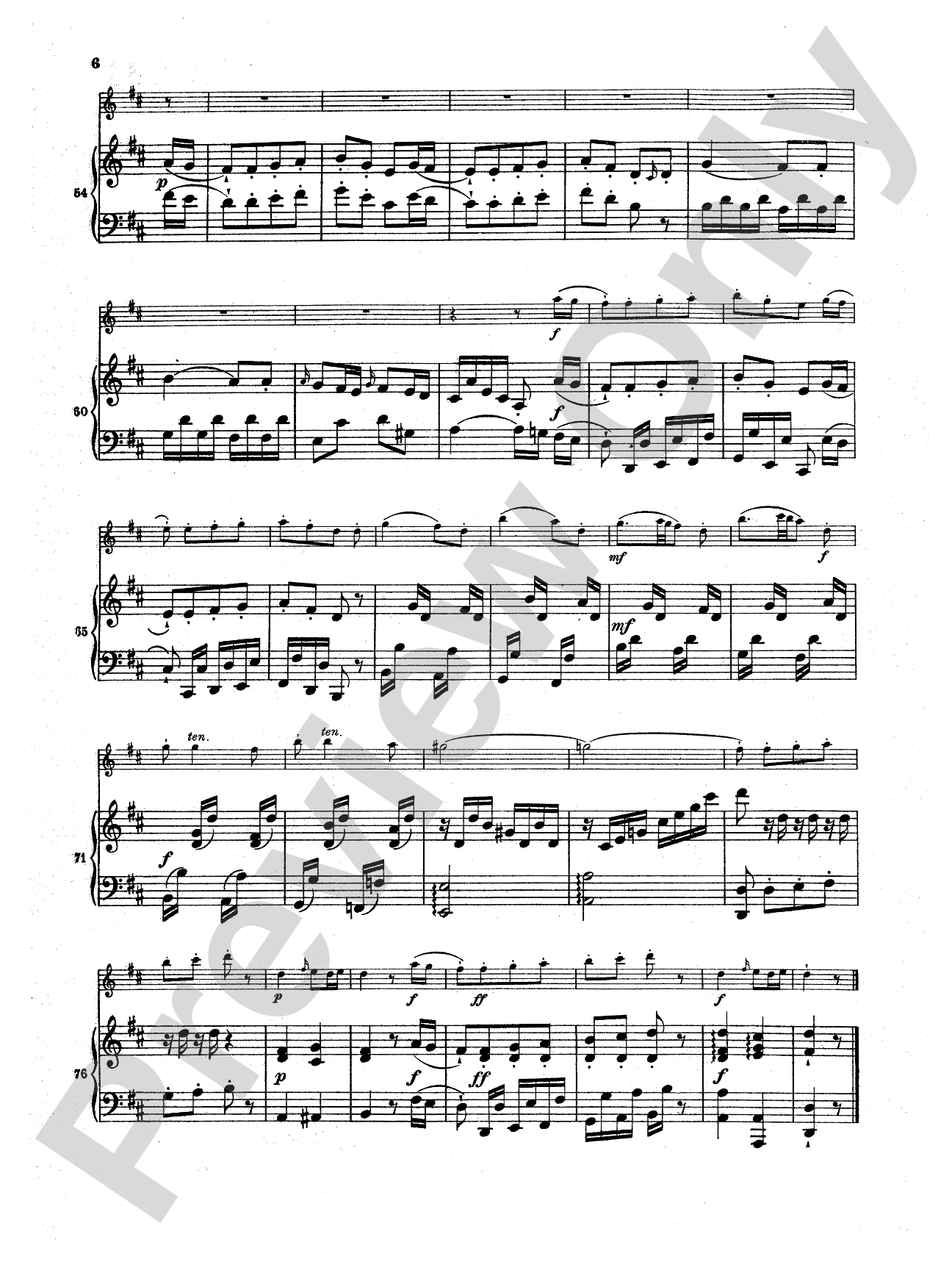

Hässler: Two Sonatas: Flute Part(s)
By Johann Wilhelm Hassler
Item: 00-PK-0003156

$7.99
Pickup currently not available
Buy Extra Parts (Digital PDF Download)
| Product | Price | Quantity |
|---|---|---|
| Hässler: Two Sonatas | $2.99 | |
| Hässler: Two Sonatas | $2.99 |
Parts Added to Cart!
Description
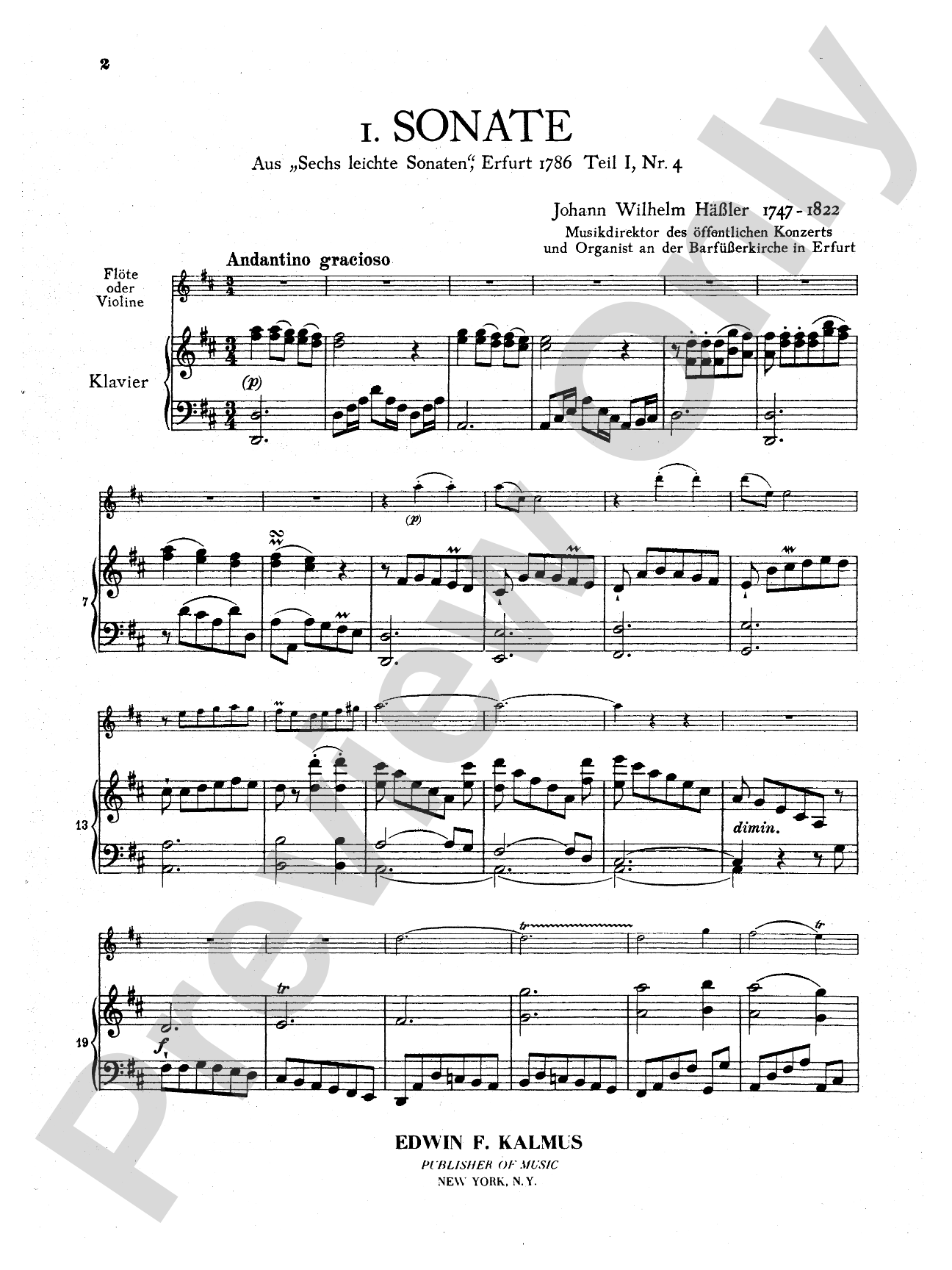
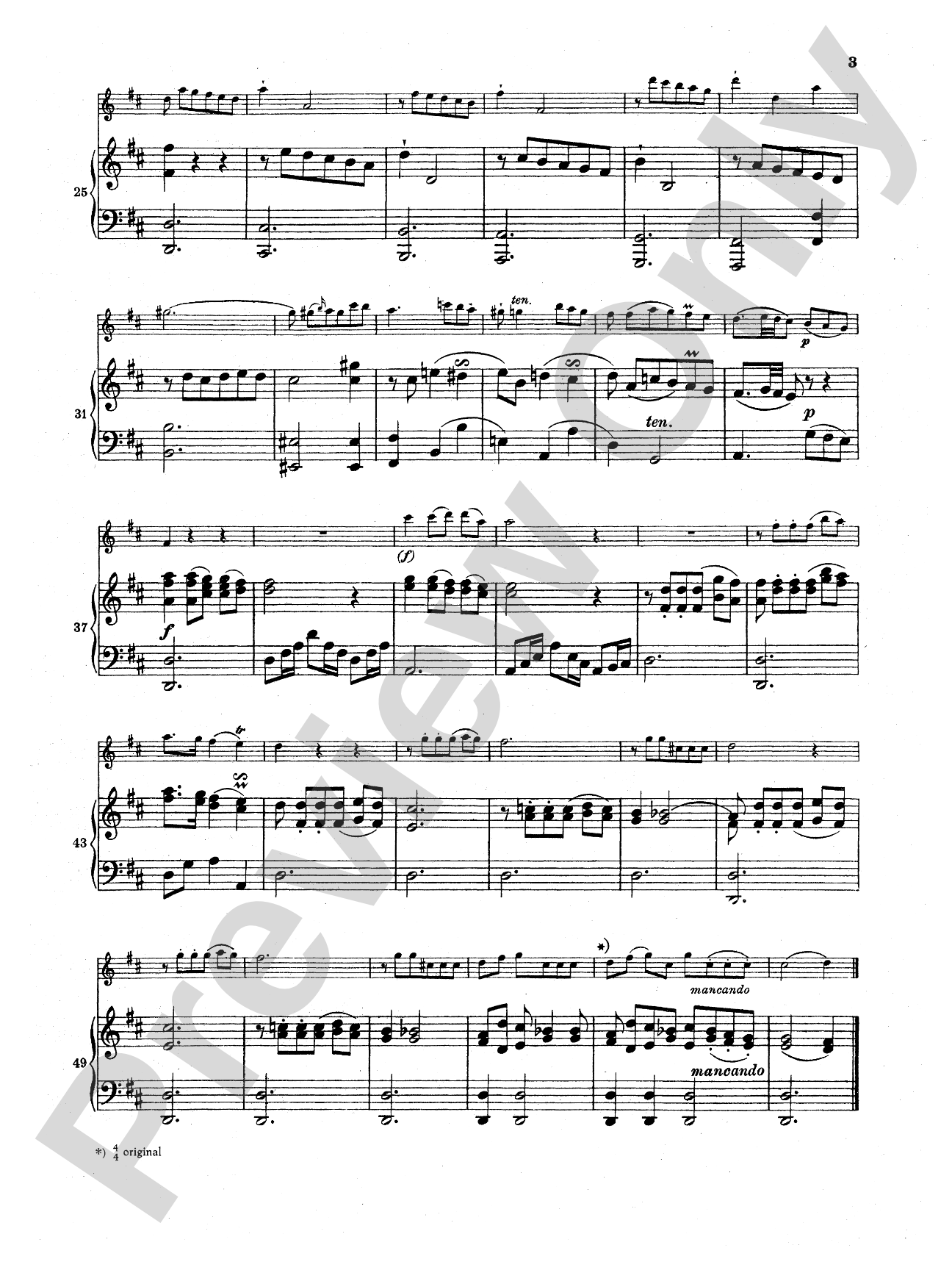
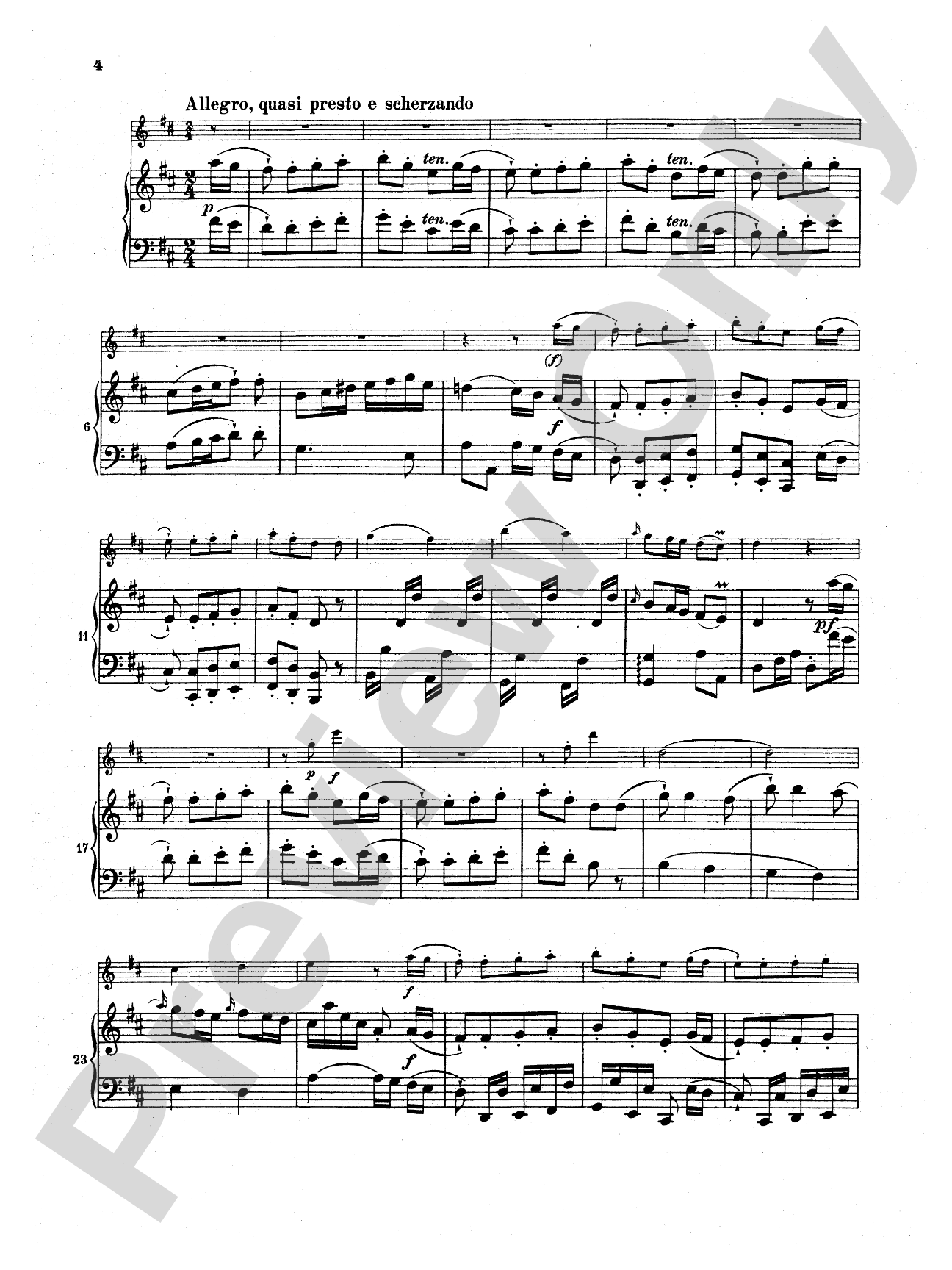
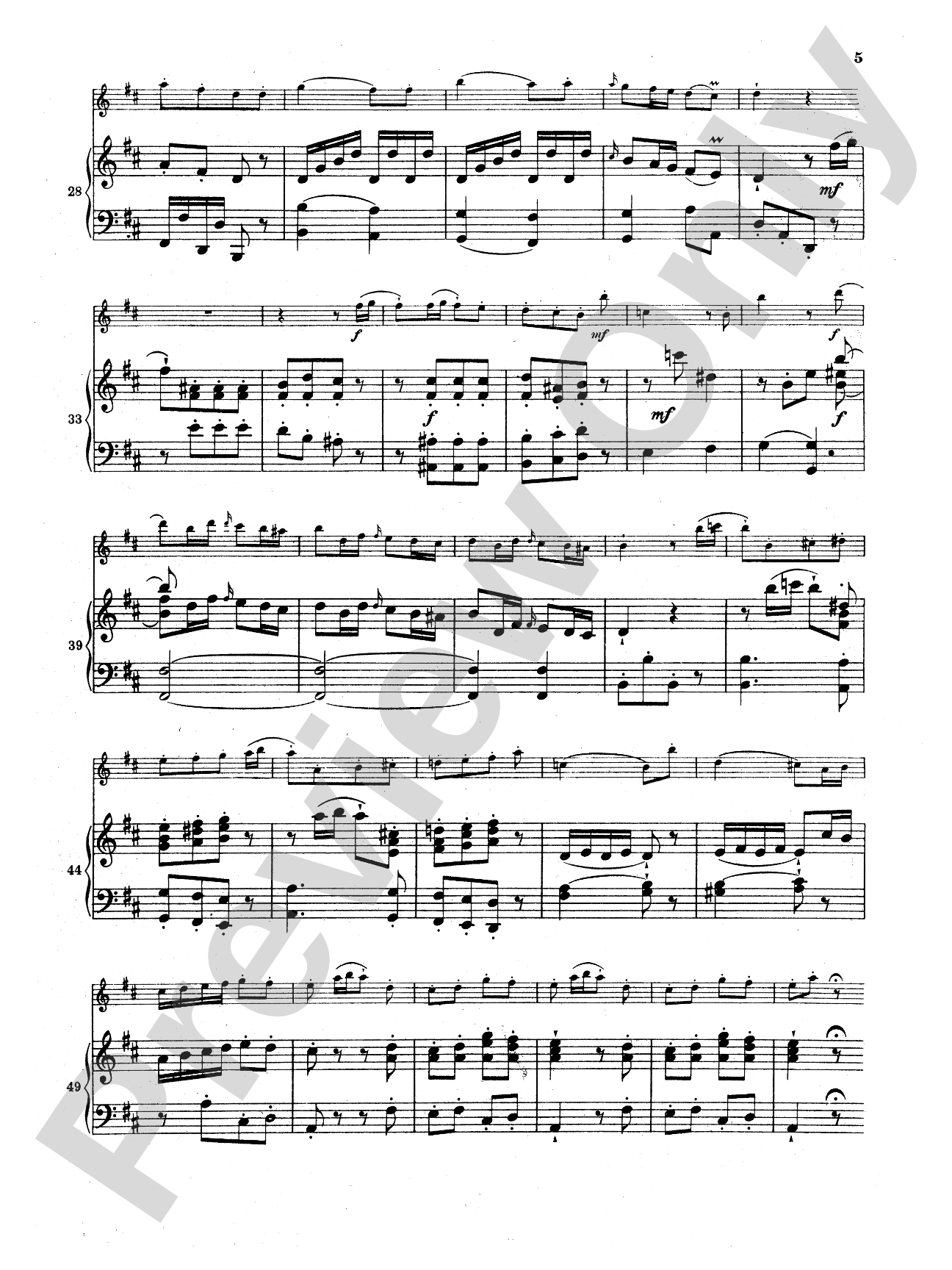
A Flute Solo, composed by Johann Wilhelm Hassler.


Don't just read it, hear it, play along with it, and watch your students grow with it. In MakeMusic Cloud, Hässler: Two Sonatas: Flute Part(s) comes alive with professional accompaniment, adjustable tempo, and built-in practice tools that turn solo practice into real progress.
Open in the Player
Jump straight in and assign it today.
Start Your Free Trial
Open this title and explore the full library in minutes.
Sample Audio
No sample audio found.
Sample Video
No sample videos found.
Additional Details
Series:
Kalmus Edition
Publisher:
Alfred Music
Page Count:
16
SKU:
00-PK-0003156
More about this title
About the Composer: Johann Wilhelm Hässler
Johann Wilhelm Hässler (1747-1822) was a prolific German composer and organist whose career spanned the Classical era. A contemporary of Haydn and Mozart, Hässler composed across multiple genres including keyboard works, chamber music, and sacred music, earning respect throughout Europe for his craftsmanship and compositional fluency. His sonatas remain valuable contributions to the flute repertoire, balancing technical demands with elegant melodic writing characteristic of the period.
Why we love this
Hässler's sonatas sit at a sweet spot for intermediate flutists: they require solid technique and musical maturity without the extreme virtuosity of contemporaneous works. The writing is idiomatic to the flute, with natural passagework and voice-leading that rewards careful attention to phrasing and breath placement.
What to expect
Graceful and conversational, these sonatas speak in the measured, elegant language of the Classical period. There's an underlying sense of formal architecture: clear phrases, balanced dialogue between melody and accompaniment, and a refinement that invites the listener into intimate musical discourse rather than demanding virtuosic display.
Who it's for
Intermediate to advanced flutists who have solid intonation control and technical facility but may be encountering Classical sonata form for the first time. This work suits advanced high school students, college preparatory flutists, and adult amateurs ready to engage with chamber repertoire beyond beginner-level collections.
How to get the most out of it
- Shape the opening melodic lines with clarity and direction. Hässler's themes reward a singing tone and controlled vibrato that lets the phrase architecture emerge.
- Mark your breathing points carefully before ensemble rehearsals. The flute line demands long, sustained phrases, so plan your breaths strategically to avoid cutting off musical continuity.
- Articulation matters here. Classical flute technique calls for crisp articulation in passage work while maintaining legato in lyrical sections; distinguish between these textures clearly.
- Balance your tone across registers. The sonatas move between the lower and upper ranges of the flute, requiring consistent sound production to maintain tonal unity.
How to use it
Program one sonata as a recital centerpiece for an intermediate flutist, or use both back-to-back for a student recital to showcase contrasting moods within Classical style. These sonatas also work effectively in chamber settings with piano accompaniment, offering a bridge between solo repertoire and collaborative ensemble work.
Skills your students will build
- Reading and performing Classical sonata form
- Sustained phrasing across multiple measures with strategic breathing
- Articulation differentiation between legato passages and technical figuration
- Intonation consistency across the full flute range
- Musical interpretation of period-appropriate style and ornamentation