Harvest Waltz for Trombone or Baritone and Piano Cover Image

Harvest Waltz for Trombone or Baritone and Piano: Trombone/ Euphonium, Solo with Piano, Solo with Piano

$5.99 USD
Sale price  $5.99 USD Regular price 
Skip to product information
Harvest Waltz for Trombone or Baritone and Piano Cover Image

Harvest Waltz for Trombone or Baritone and Piano: Trombone/ Euphonium, Solo with Piano, Solo with Piano

By Edmund J. Siennicki

Grade: 1

Item: 36-10540437

$5.99
Shipped

One moment…

Description
A perfect choice for a beginner to take to contest or recital, this work is written for many different instruments. The piano accompaniment can be performed by a first- or second-year private study middle-school level piano student also, making this an ideal piece for one piano student to accompany many different instruments. As it is on state lists for numerous instruments, Harvest Waltz is also found in the Competition Solos, Book 1 created by Floyd Harris and Edmund Siennicki.

Harvest Waltz for Trombone or Baritone and Piano: Trombone/ Euphonium, Solo with Piano, Solo with Piano isn't in MakeMusic Cloud just yet...but it could be. Let us know you'd like to see it, and you'll help shape what comes next. In the meantime, start a free trial and dive into thousands of interactive titles your students can play along with today.

Sample Pages

No sample pages found.

Sample Audio
No sample audio found.
Sample Video
Additional Details
Series: LudwigMasters Brass Series
Publisher: Keiser Productions, Inc.
ISBN10: 1-62-156472-X
ISBN13: 978-1-62-156472-0
UPC: 676737690748
SKU: 36-10540437
Instrumentation: Trombone or Baritone BC and Piano

More about this title

About the Composer: Edmund J. Siennicki
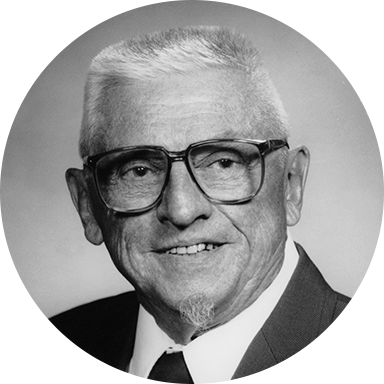
Edmund J. Siennicki

Edmund J. Siennicki grew up in Cleveland, Ohio, where a chance meeting with the legendary pianist Ignacy Jan Paderewski at age 12 sparked a lifelong commitment to musical composition. He earned his Bachelor's degree from Kent State University, where he composed Fight on for KSU, a march still performed at university football games. His graduate studies at Teachers College, Columbia University, included composition work with Herbert Elwell and electronic music study with Sergio Barroso, complemented by consultation with the renowned composer Vincent Persichetti.

Siennicki's professional life balanced performance (bassoon and piano) with a prolific composing career. His works have won prizes in the National School Orchestra composition contests, and he served as composer in residence at the MacDowell Colony twice. With approximately 200 compositions in print and two decades of ASCAP special awards to his name, his teaching spanned Cleveland Junior High Schools as well as faculty positions at Michigan and Kent State University. He remains an active composer and clinician.

Why we love this

Siennicki wrote a solo that genuinely serves its purpose: a contest or recital piece for Grade 1 players that doesn't condescend or stall musical development. The piano part sits at an accessible middle-school level, making this practical for school districts where one student musician can accompany multiple soloists. It's on state contest lists across multiple instruments, which means you're selecting repertoire with built-in curricular relevance and peer recognition.

What to expect

Harvest Waltz captures the buoyant, turning character of its genre without heaviness or technical complexity. The melody sits naturally on the instrument and breathes with the steady three-beat pulse of a traditional waltz.

Who it's for

Trombone or baritone players in their first year or two of solo recital or contest experience who need a piece that sits comfortably in the early beginner range. It also suits the piano student who is ready to accompany but needs a score written with first- or second-year pianists in mind.

How to get the most out of it

  • Balance the melodic line against the piano accompaniment; the waltz rhythm should support rather than overshadow your solo voice.
  • Attend to the harmonic rhythm of the accompaniment to establish secure ensemble contact with your pianist.
  • Shape phrases to reflect the natural character of the waltz, allowing breath or conceptual breaks to feel organic within the meter.

How to use it

Include this on a mixed recital of Grade 1 solos or group it with other contest-bound pieces during a chamber music rehearsal evening. It works equally well as a student's first formal solo performance or as part of a program celebrating early-year musicianship across multiple instruments.

Skills your students will build

  • Sustaining lyrical phrases in three-beat meter
  • Ensemble listening and rhythmic alignment with accompaniment
  • Waltz style and phrasing appropriate to the form
  • Performance confidence in a contest or recital setting

You May Also Like