Harvest Waltz for Tenor Saxophone and Piano Cover Image

Harvest Waltz for Tenor Saxophone and Piano: Tenor Saxophone, Solo with Piano

$5.99 USD
Sale price  $5.99 USD Regular price 
Skip to product information
Harvest Waltz for Tenor Saxophone and Piano Cover Image

Harvest Waltz for Tenor Saxophone and Piano: Tenor Saxophone, Solo with Piano

By Edmund J. Siennicki

Grade: 1

Item: 36-10460437

$5.99
Shipped

One moment…

Description
A perfect choice for a beginner to take to contest or recital, this work is written for many different instruments. The piano accompaniment can be performed by a first- or second-year private study middle-school level piano student also, making this an ideal piece for one piano student to accompany many different instruments. As it is on state lists for numerous instruments, Harvest Waltz is also found in the Competition Solos, Book 1 created by Floyd Harris and Edmund Siennicki.

Harvest Waltz for Tenor Saxophone and Piano: Tenor Saxophone, Solo with Piano isn't in MakeMusic Cloud just yet...but it could be. Let us know you'd like to see it, and you'll help shape what comes next. In the meantime, start a free trial and dive into thousands of interactive titles your students can play along with today.

Sample Pages

No sample pages found.

Sample Audio
No sample audio found.
Sample Video
Additional Details
Series: LudwigMasters Woodwind Series
Publisher: Keiser Productions, Inc.
ISBN10: 1-62-156468-1
ISBN13: 978-1-62-156468-3
UPC: 676737687977
SKU: 36-10460437
Instrumentation: Detailed Instrumentation: Tenor Saxophone and Piano

More about this title

About the Composer: Edmund J. Siennicki
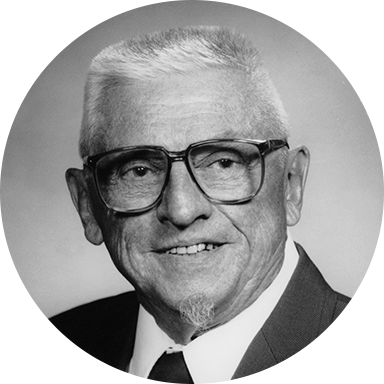
Edmund J. Siennicki

Edmund J. Siennicki (born 1920) grew up in Cleveland, Ohio, where a formative conversation with pianist Ignacy Jan Paderewski at age 12 set the course for his musical life. He earned his Bachelor's degree from Kent State University, where he composed Fight on for KSU, a piece that remains part of the university's football traditions. His graduate studies at Teachers College, Columbia University, included composition with Herbert Elwell, electronic music with Sergio Barroso, and consultation with Vincent Persichetti.

Siennicki built his career as both performer and educator, playing bassoon and piano professionally while teaching primarily in Cleveland junior high schools and later serving on the faculty at Michigan and Kent State University. His compositional output has been substantial and honored, with approximately 200 works in print, multiple prizes from National School Orchestra composition contests, and two residencies at the MacDowell Colony. For two decades, he has received special recognition from ASCAP, and he continues to compose, visit schools, and lead clinics.

Why we love this

This piece solves a practical teaching challenge: you get a legitimate recital or contest work that a first-year or second-year piano student can actually play while your saxophone student performs. The writing sits comfortably for early-level saxophonists without sacrificing musical character, and its presence on state contest lists across multiple instruments means it earns real pedagogical weight in your curriculum.

What to expect

A graceful, old-world waltz with pastoral charm. The piece breathes naturally and unfolds without technical demands that overwhelm either performer, yet it carries genuine musical substance and the kind of straightforward lyricism that audiences recognize and enjoy immediately.

Who it's for

Beginning tenor saxophonists preparing for recitals, festivals, or state solo competitions who need something musically legitimate and technically approachable. Student pianists in their first or second year of private study benefit equally, gaining valuable accompaniment experience while supporting another young musician.

How to get the most out of it

  • Shape the waltz's natural three-beat pulse without rushing. Let the rhythm breathe, particularly in the accompaniment's left-hand figures, so the saxophone line sits easily over it.
  • Coordinate with your pianist on tempo before the rehearsal. Even small tempo adjustments matter when a less-experienced accompanist is learning the part, so lock in a comfortable speed early and stick with it.
  • Balance the melody gently over the accompaniment. Tenor saxophone can overwhelm a student pianist, so use a warm, moderate tone that sits front of center without pushing.

How to use it

Program this in a solo and ensemble recital, or use it as a spring concert opener when you want to highlight collaborative student musicianship. Its presence on contest lists across multiple instruments also makes it a logical choice for adjudicated festival performances where you're placing several woodwind soloists.

Skills your students will build

  • Playing sustained, lyrical phrasing over an active accompaniment
  • Counting and performing in waltz time (3/4) at a steady tempo
  • Balancing volume and tone between soloist and accompanist
  • Interpreting musical phrasing marks and dynamic shaping in a traditional solo form

You May Also Like