Harvest Waltz for Horn and Piano Cover Image

Harvest Waltz for Horn and Piano: Cornet Solo and Piano Book

$5.99 USD
Sale price  $5.99 USD Regular price 
Skip to product information
Harvest Waltz for Horn and Piano Cover Image

Harvest Waltz for Horn and Piano: Cornet Solo and Piano Book

By Edmund J. Siennicki

Grade: 1

Item: 36-10520437

$5.99
Shipped

One moment…

Description
A perfect choice for a beginner to take to contest or recital, this work is written for many different instruments. The piano accompaniment can be performed by a first- or second-year private study middle-school level piano student also, making this an ideal piece for one piano student to accompany many different instruments. As it is on state lists for numerous instruments, Harvest Waltz is also found in the Competition Solos, Book 1 created by Floyd Harris and Edmund Siennicki.

Harvest Waltz for Horn and Piano: Cornet Solo and Piano Book isn't in MakeMusic Cloud just yet...but it could be. Let us know you'd like to see it, and you'll help shape what comes next. In the meantime, start a free trial and dive into thousands of interactive titles your students can play along with today.

Sample Pages

No sample pages found.

Sample Audio
No sample audio found.
Sample Video
Additional Details
Series: LudwigMasters Brass Series
Publisher: Keiser Productions, Inc.
ISBN10: 1-62-156470-3
ISBN13: 978-1-62-156470-6
UPC: 660355118104
SKU: 36-10520437
Instrumentation: Horn and Piano

More about this title

About the Composer: Edmund J. Siennicki
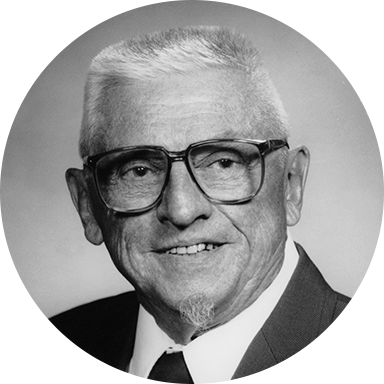
Edmund J. Siennicki

Edmund J. Siennicki was born in Cleveland, Ohio in 1920 and experienced a formative encounter with pianist Ignacy Jan Paderewski at age 12, a meeting that shaped his artistic direction for decades to come. He earned his Bachelor's degree from Kent State University, where he composed the university's fight song still performed at football games today, and later completed his MA at Teachers College, Columbia University. His composition studies included work with Herbert Elwell and Vincent Persichetti, alongside electronic music training with Sergio Barroso.

Siennicki built a distinguished career as both performer and composer, playing bassoon and piano professionally while teaching primarily in Cleveland's junior high schools and serving on faculties at Michigan State and Kent State University. His output numbers approximately 200 published compositions, many of which have won awards in National School Orchestra composition contests. He was appointed composer in residence at the MacDowell Colony twice and has received consecutive ASCAP awards for twenty years. He continues to compose, conduct clinics, and visit schools.

Why we love this

Siennicki wrote this piece with real understanding of beginner contest needs: the horn part sits comfortably in an accessible range while maintaining musical integrity, and the piano accompaniment is genuinely playable by an early-intermediate student. Few pieces at this level allow one piano student to support multiple instruments in a contest setting, making this an efficient choice for directors managing finite studio resources.

What to expect

A gentle, flowing waltz with a character that evokes rural celebration and harvest season. The melody sits naturally on the horn without strain, breathing with the elegance of a traditional dance while remaining entirely within the grasp of a developing musician.

Who it's for

This piece serves beginning horn students preparing for solo competition or recital who need a musically satisfying work that doesn't demand advanced range or complex technique. It's equally valuable for any young brass player in a similar place, since Siennicki composed it to transpose across multiple instruments. The accessible piano part makes it practical for studio teachers working with limited accompanist availability.

How to get the most out of it

  • Emphasize the lyrical quality of the waltz melody by shaping phrases with gentle dynamic swells rather than keeping the line flat.
  • Work with your pianist on balancing the accompaniment so the waltz rhythm supports without overwhelming the solo line.
  • Practice the piece without the piano first to establish secure rhythmic placement and consistent air flow through phrase endings.

How to use it

Include this in a student recital to showcase solo work without requiring advanced programming; its suitability across multiple instruments also makes it useful in family or group recital settings where various students perform the same accompaniment. As a Grade 1 piece on state solo contest lists, it pairs well with a slightly more demanding second selection if you're preparing a student for a two-piece contest format.

Skills your students will build

  • Singing through a complete waltz form with clear phrase architecture
  • Shaping lyrical lines with appropriate dynamic variation
  • Balancing solo line with piano accompaniment in an ensemble context
  • Sustaining consistent tone quality across a moderate range
  • Counting and maintaining accurate waltz rhythm (3/4) at a steady tempo

You May Also Like