Harvest Waltz for Clarinet and Piano Cover Image

Harvest Waltz for Clarinet and Piano: Clarinet, Solo with Piano, Solo with Piano (LUDWIGMASTERS)

$5.99 USD
Sale price  $5.99 USD Regular price 
Skip to product information
Harvest Waltz for Clarinet and Piano Cover Image

Harvest Waltz for Clarinet and Piano: Clarinet, Solo with Piano, Solo with Piano (LUDWIGMASTERS)

By Edmund J. Siennicki

Grade: 1

Item: 36-10440437

$5.99
Shipped

One moment…

Description
A perfect choice for a beginner to take to contest or recital, this work is written for many different instruments. The piano accompaniment can be performed by a first- or second-year private study middle-school level piano student also, making this an ideal piece for one piano student to accompany many different instruments. As it is on state lists for numerous instruments, Harvest Waltz is also found in the Competition Solos, Book 1 created by Floyd Harris and Edmund Siennicki.

Harvest Waltz for Clarinet and Piano: Clarinet, Solo with Piano, Solo with Piano (LUDWIGMASTERS) isn't in MakeMusic Cloud just yet...but it could be. Let us know you'd like to see it, and you'll help shape what comes next. In the meantime, start a free trial and dive into thousands of interactive titles your students can play along with today.

Sample Pages

No sample pages found.

Sample Audio
No sample audio found.
Sample Video
Additional Details
Series: LudwigMasters Woodwind Series
Publisher: Keiser Productions, Inc.
ISBN10: 1-62-156466-5
ISBN13: 978-1-62-156466-9
UPC: 676737685836
SKU: 36-10440437
Instrumentation: Clarinet and Piano

More about this title

About the Composer: Edmund J. Siennicki
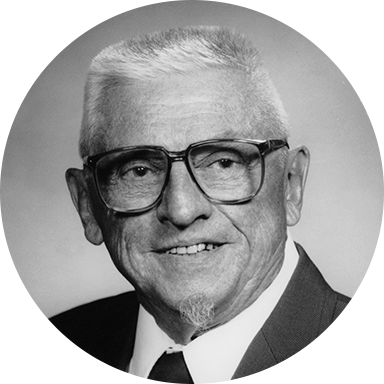
Edmund J. Siennicki

Edmund J. Siennicki's formative years in Cleveland were marked by an encounter that shaped his musical philosophy: at age 12, he met the legendary pianist Ignacy Jan Paderewski, a conversation he carried with him throughout his life. He earned his Bachelor's degree at Kent State University, where he composed the school's fight song, still performed at football games today, and later received the Distinguished Alumnus Award from the School of Music.

As both a composer and performer (bassoon and piano), Siennicki pursued graduate study at Teachers College, Columbia University, and trained under luminaries including Herbert Elwell, Sergio Barroso, and Vincent Persichetti. His compositional output includes roughly 200 published works, many prize winners in national school orchestra competitions. He spent two residencies at the MacDowell Colony and has been recognized with ASCAP awards for two decades. His teaching career centered on Cleveland's junior high schools, though he also held faculty positions at Michigan and Kent State University. He continues composing, visiting schools, and leading clinics.

Why we love this

Siennicki wrote this with contest season in mind and the pragmatic needs of both teacher and student. The piano part sits comfortably for a developing accompanist, which means you're not scrambling to find a qualified musician to support your soloist, and the piece appears on state competition lists across multiple instruments, making it a reliable choice that adjudicators know and respect.

What to expect

The waltz unfolds with warmth and modest charm, the kind of piece that sounds more sophisticated than its technical demands suggest. There's a nostalgic quality to it, like a small-town dance captured in music, honest and unpretentious.

Who it's for

This is for beginning clarinetists preparing for solo competition or recital who need a piece with genuine musical substance, not just technique-building exercises. It's equally valuable for a piano student looking to gain accompanying experience with a manageable but rewarding part.

How to get the most out of it

  • Let the waltz lilt speak for itself; resist the urge to rush the rhythm. The 3/4 meter should feel natural and conversational, not metronomic.
  • Work with your pianist early and often. The accompaniment provides the harmonic foundation that allows your clarinet line to soar, so lock in the tempo together before adding musical details.
  • Shape your phrases through gentle dynamic swells rather than sudden changes. A beginner soloist benefits from understanding how breath placement creates musical architecture.
  • Use the published score as your reference, but listen to how different clarinetists voice the melody. Small choices in articulation can transform the character from bright to lyrical.

How to use it

Include this in a solo showcase or competition set where variety matters. It pairs well alongside faster, more athletic pieces because its lyrical character gives your concert breathing room and demonstrates your clarinetist's ability to sustain a melody with musicality.

Skills your students will build

  • Sustaining tone over longer phrases in 3/4 meter
  • Balancing legato articulation with stylistic waltz phrasing
  • Responding to piano accompaniment and maintaining ensemble flexibility
  • Managing breath placement to shape musical phrases
  • Reading in the treble clef with consistent rhythmic accuracy

You May Also Like