
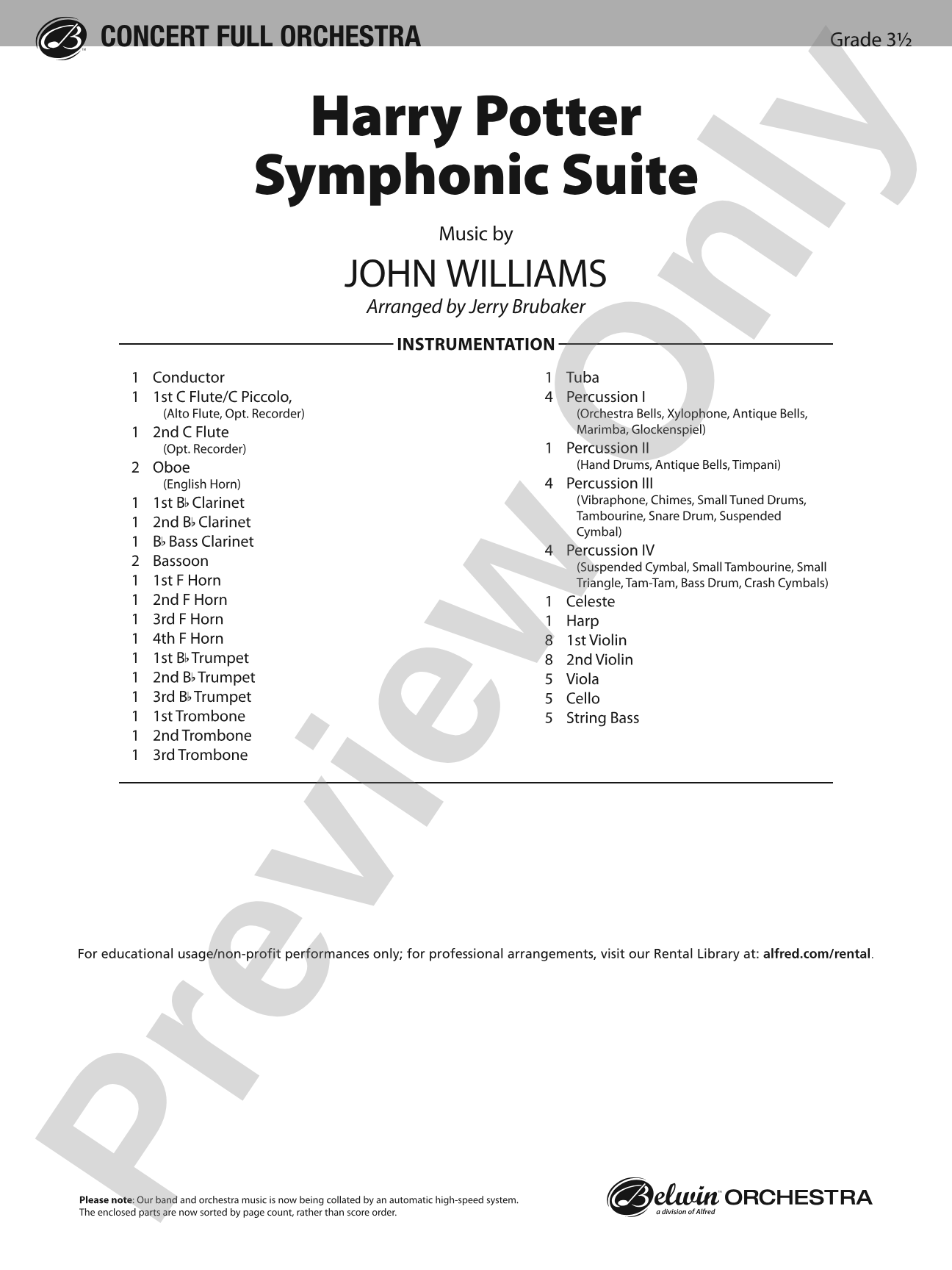

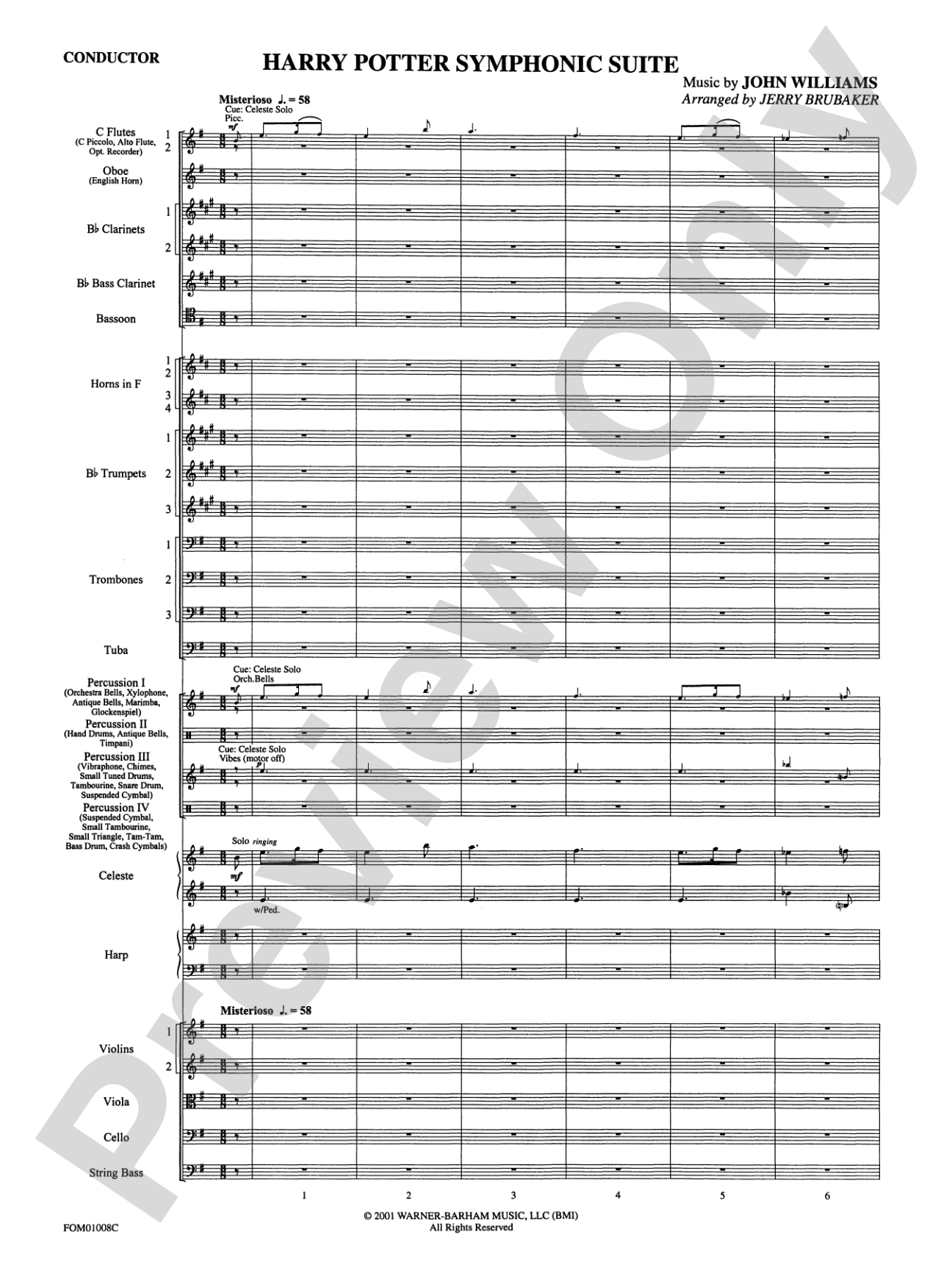
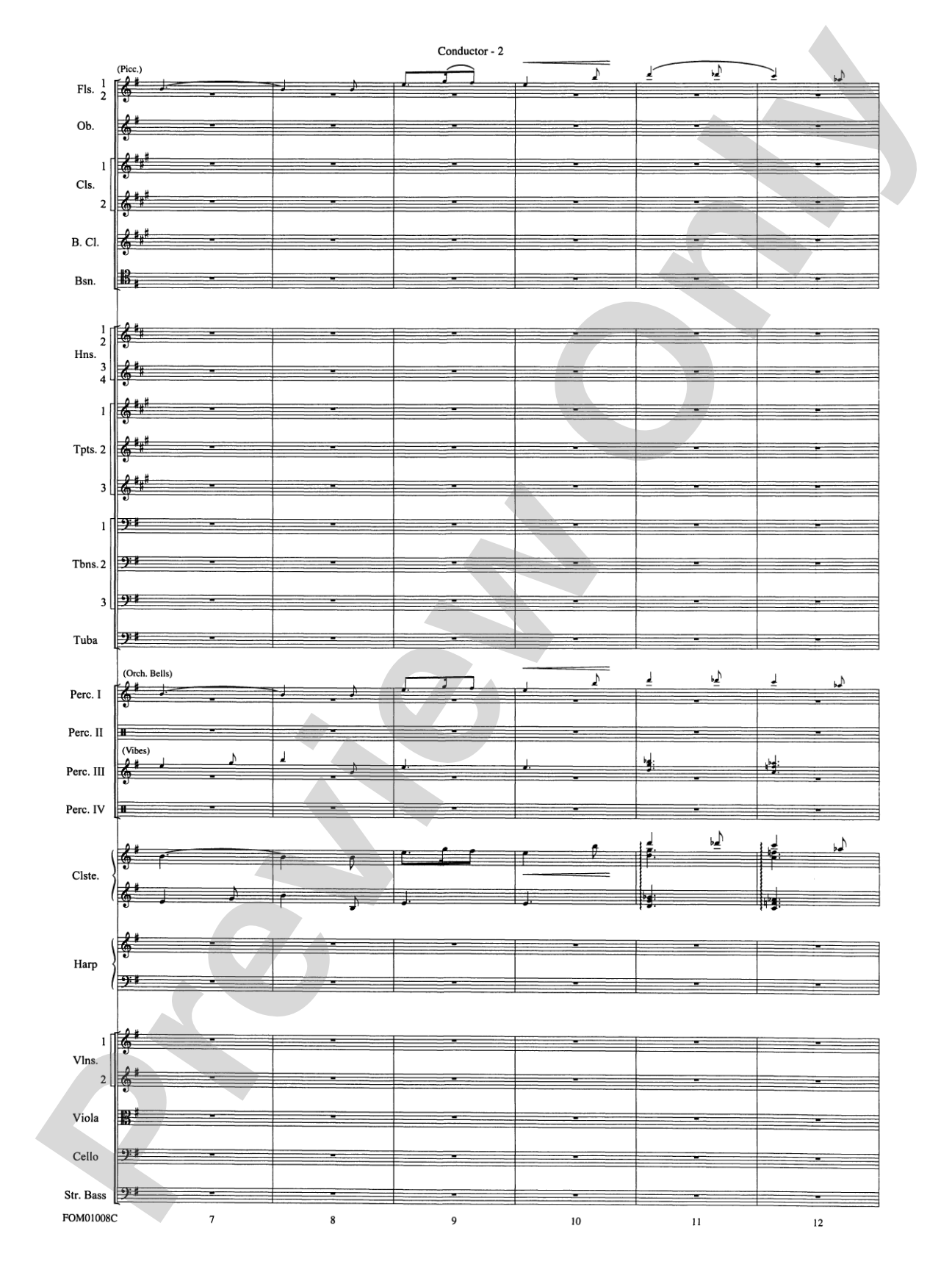
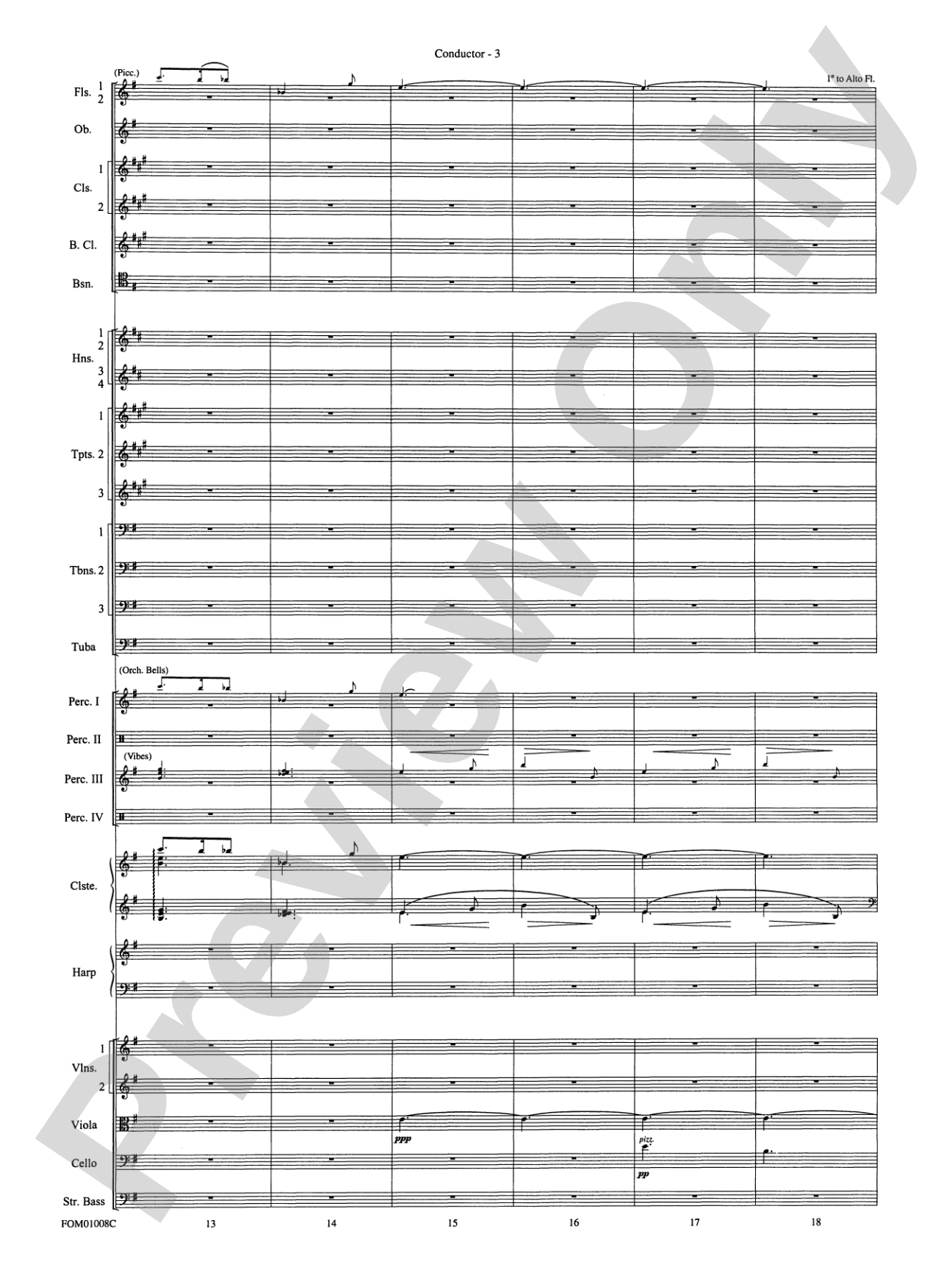
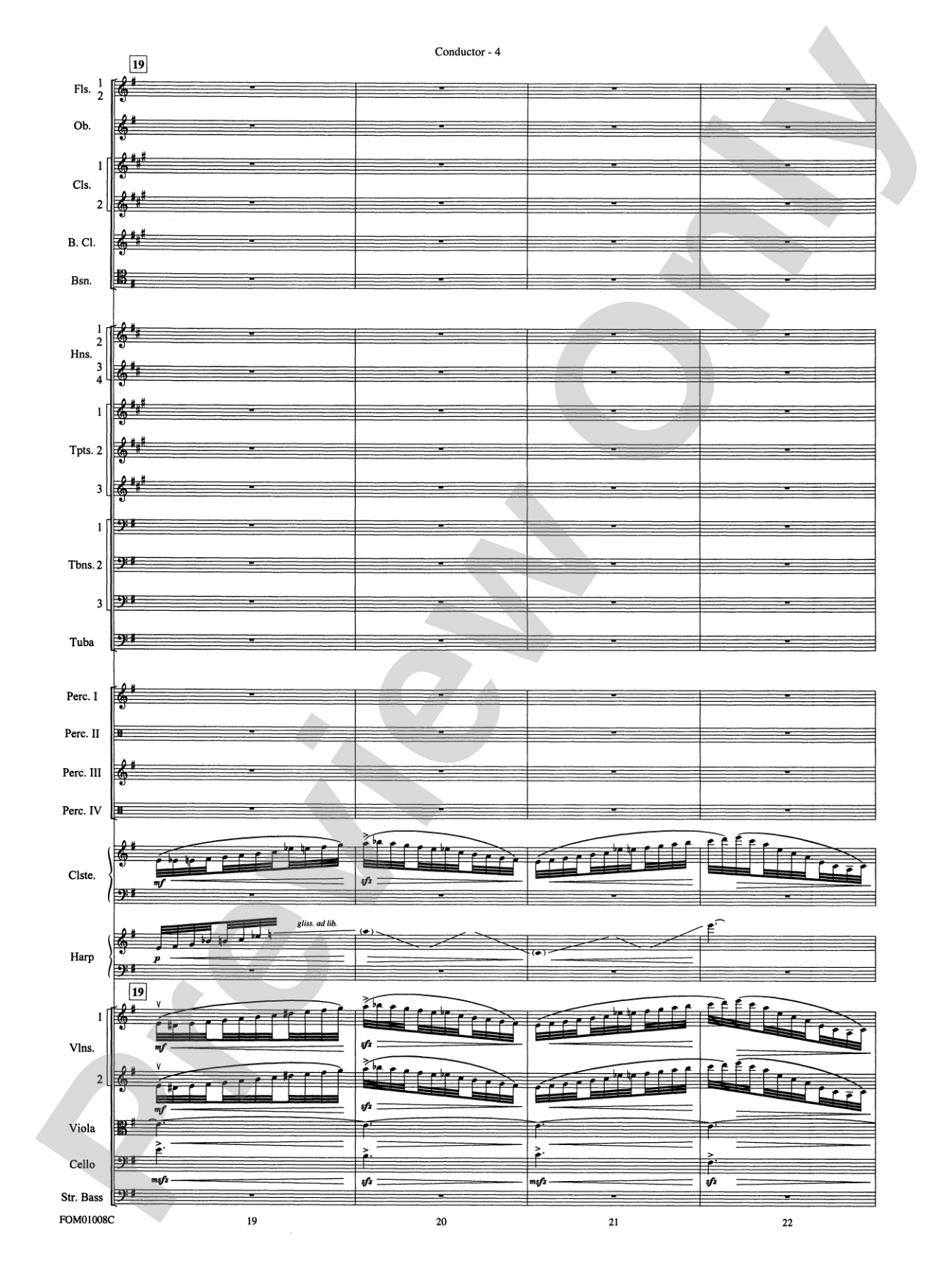
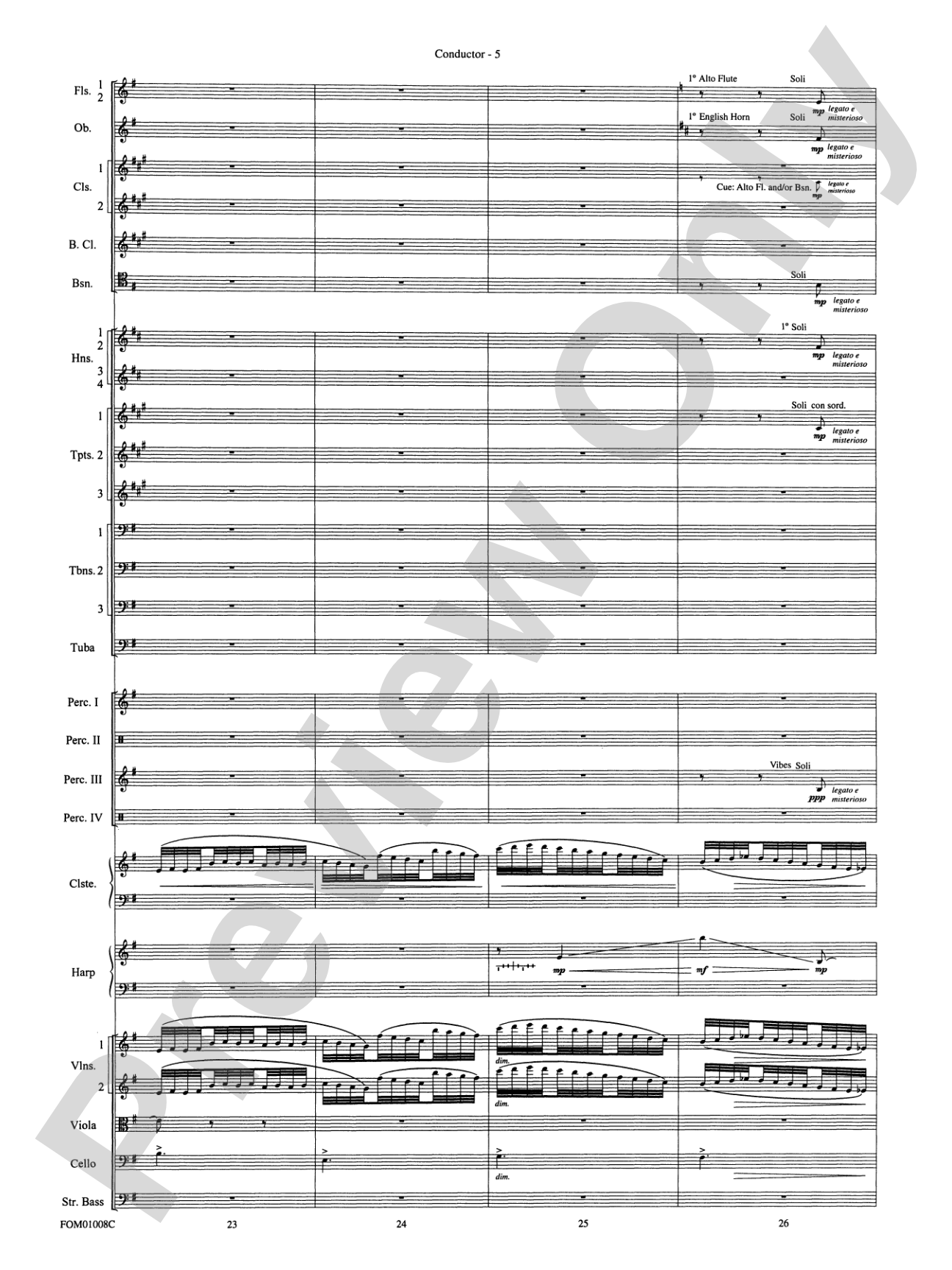
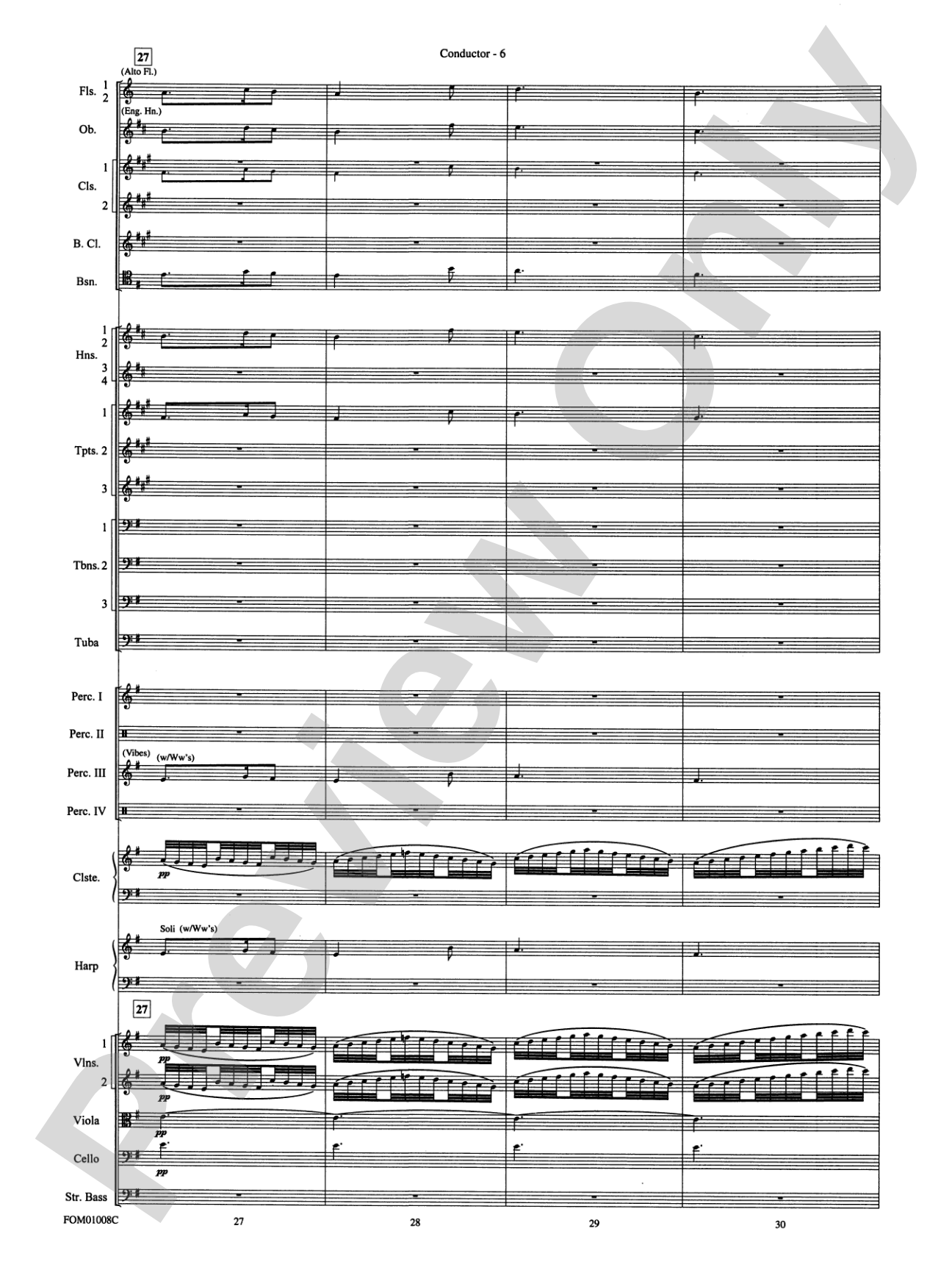
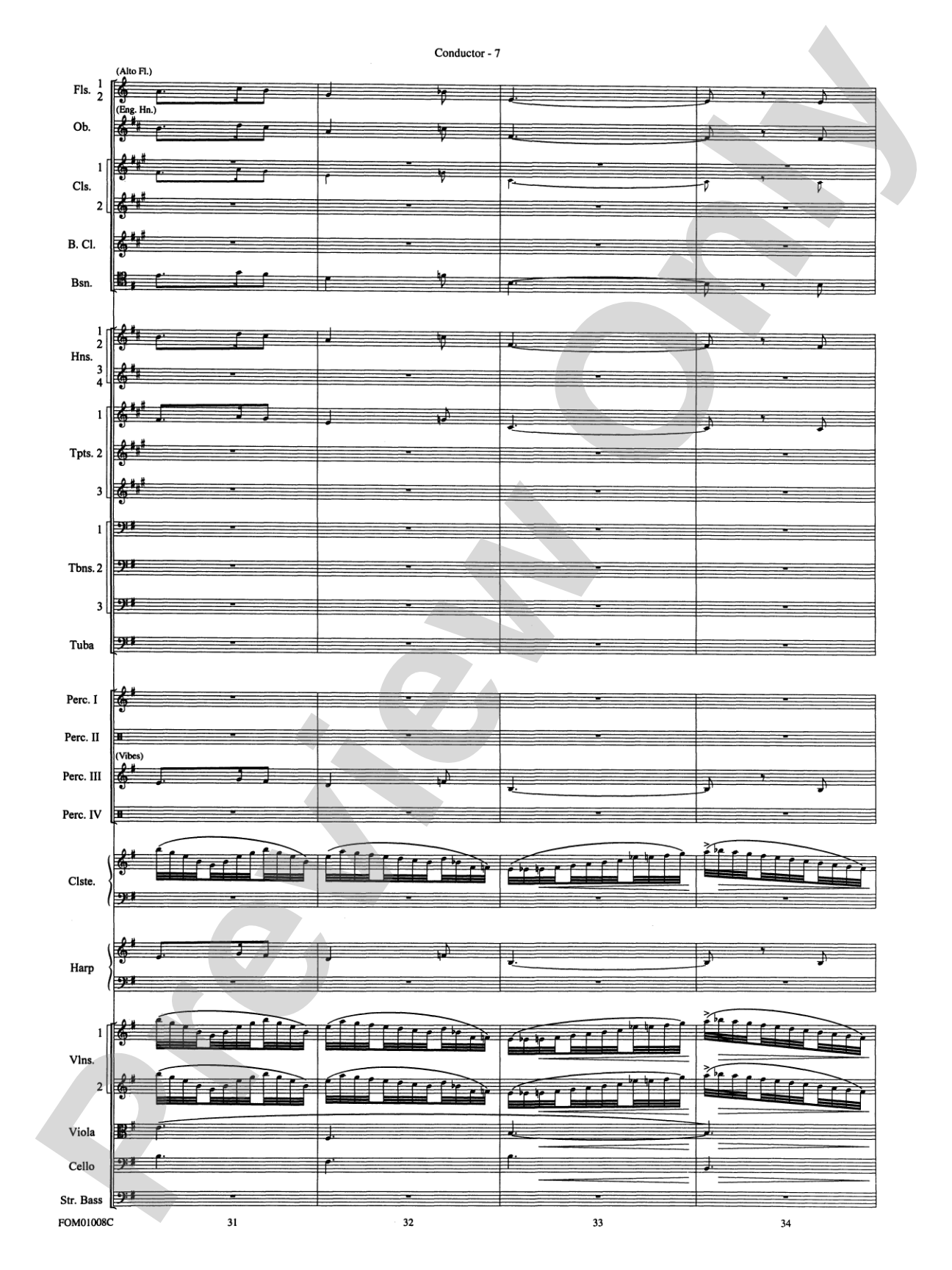
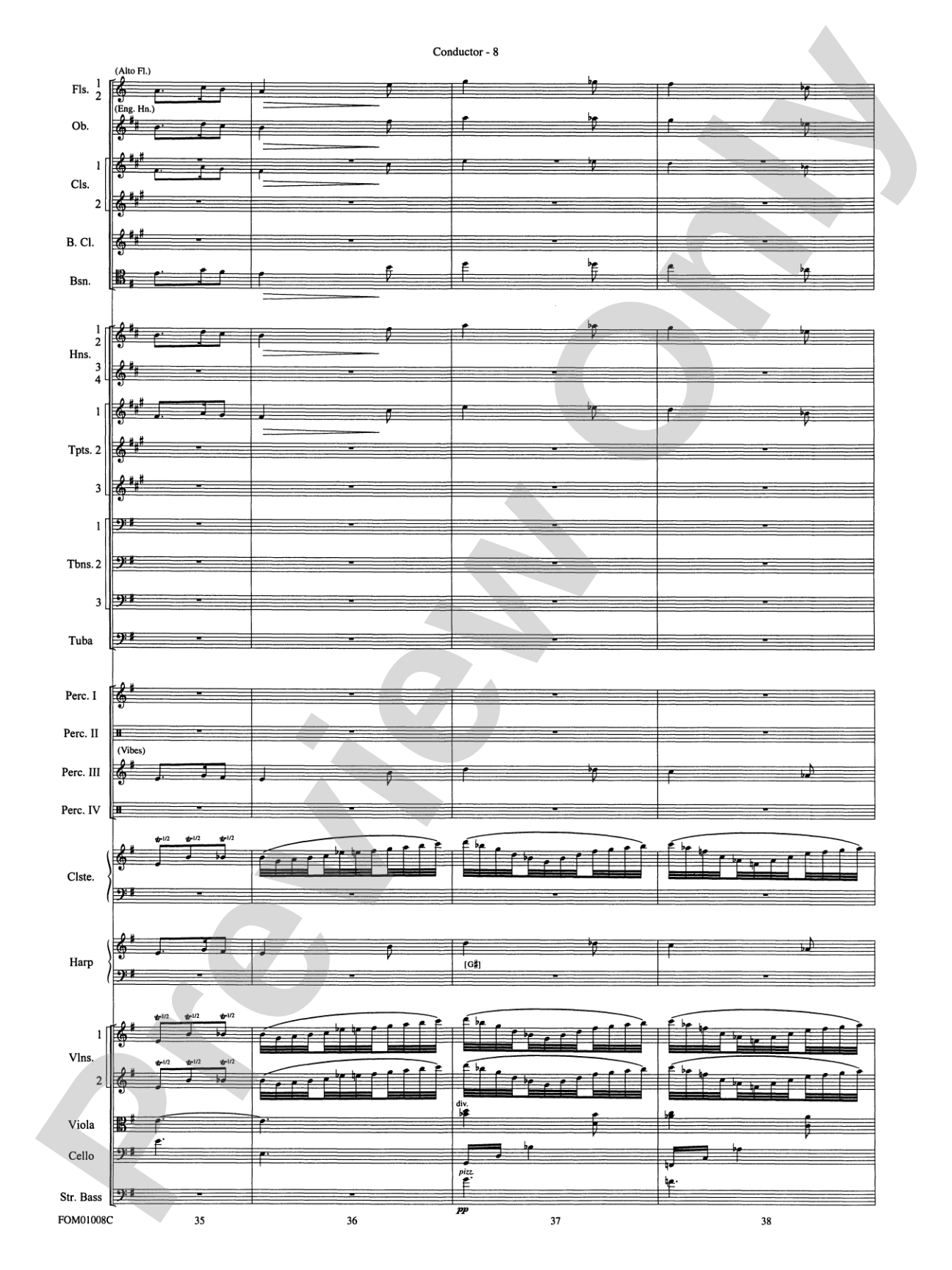
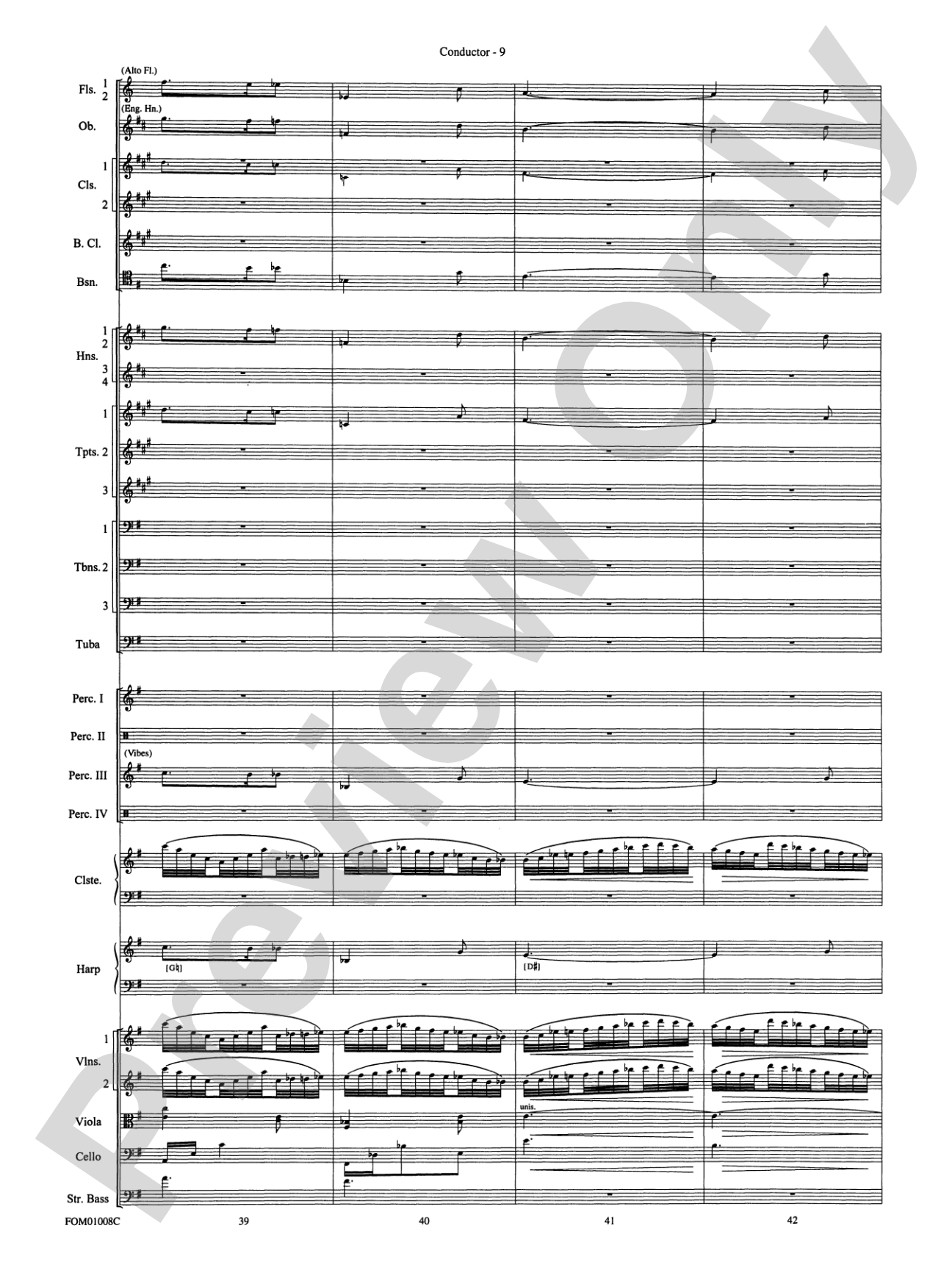
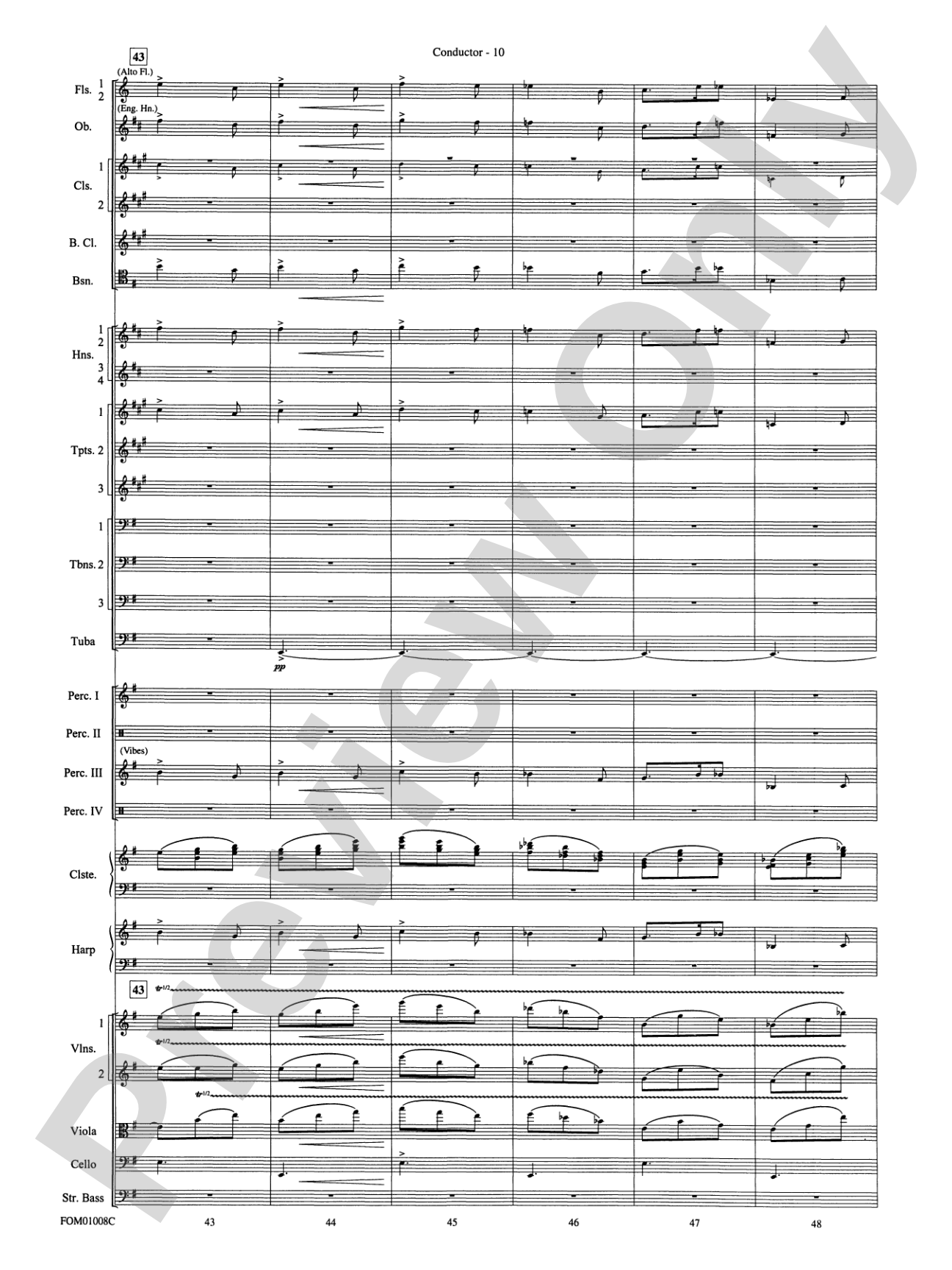
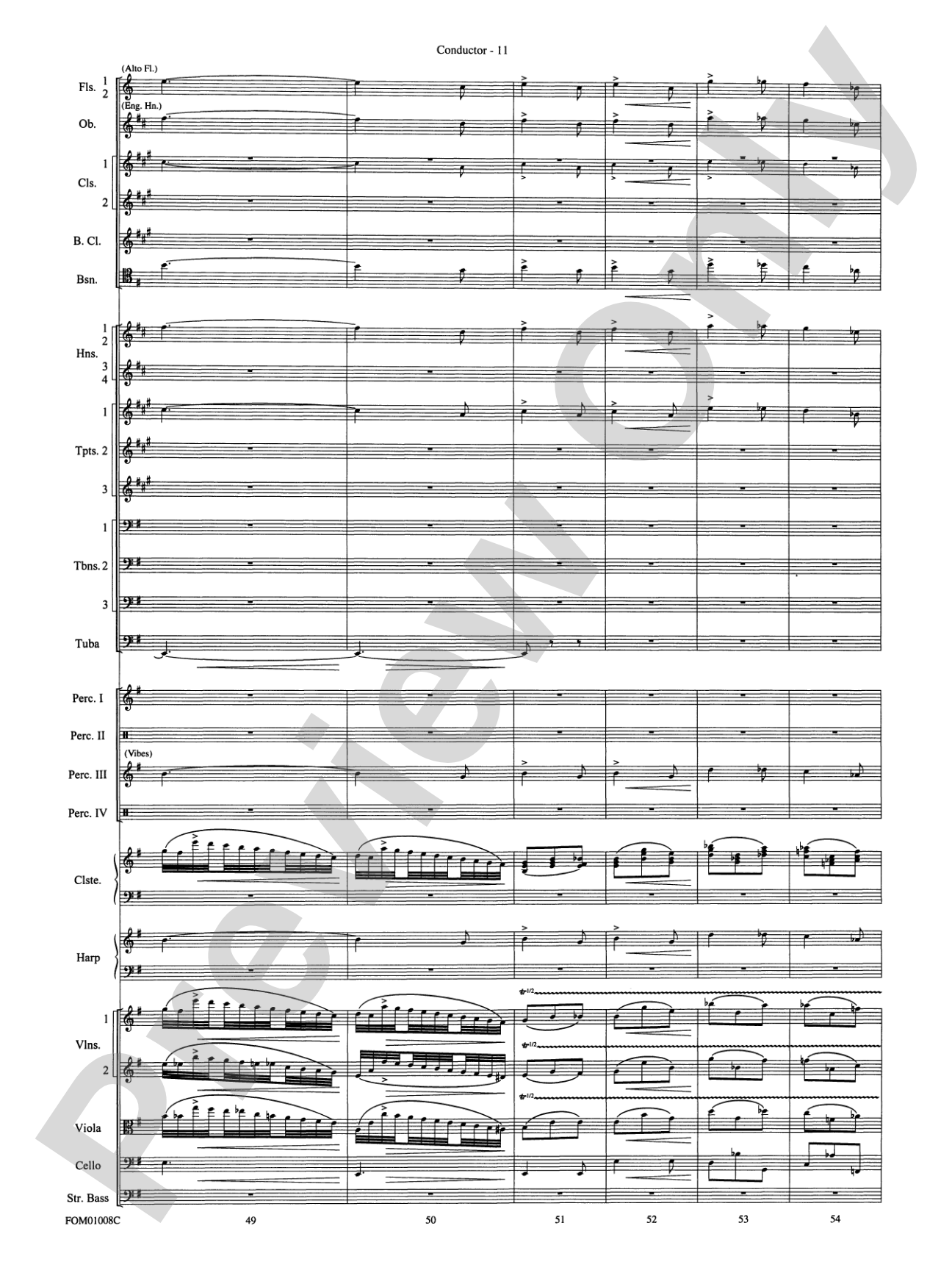
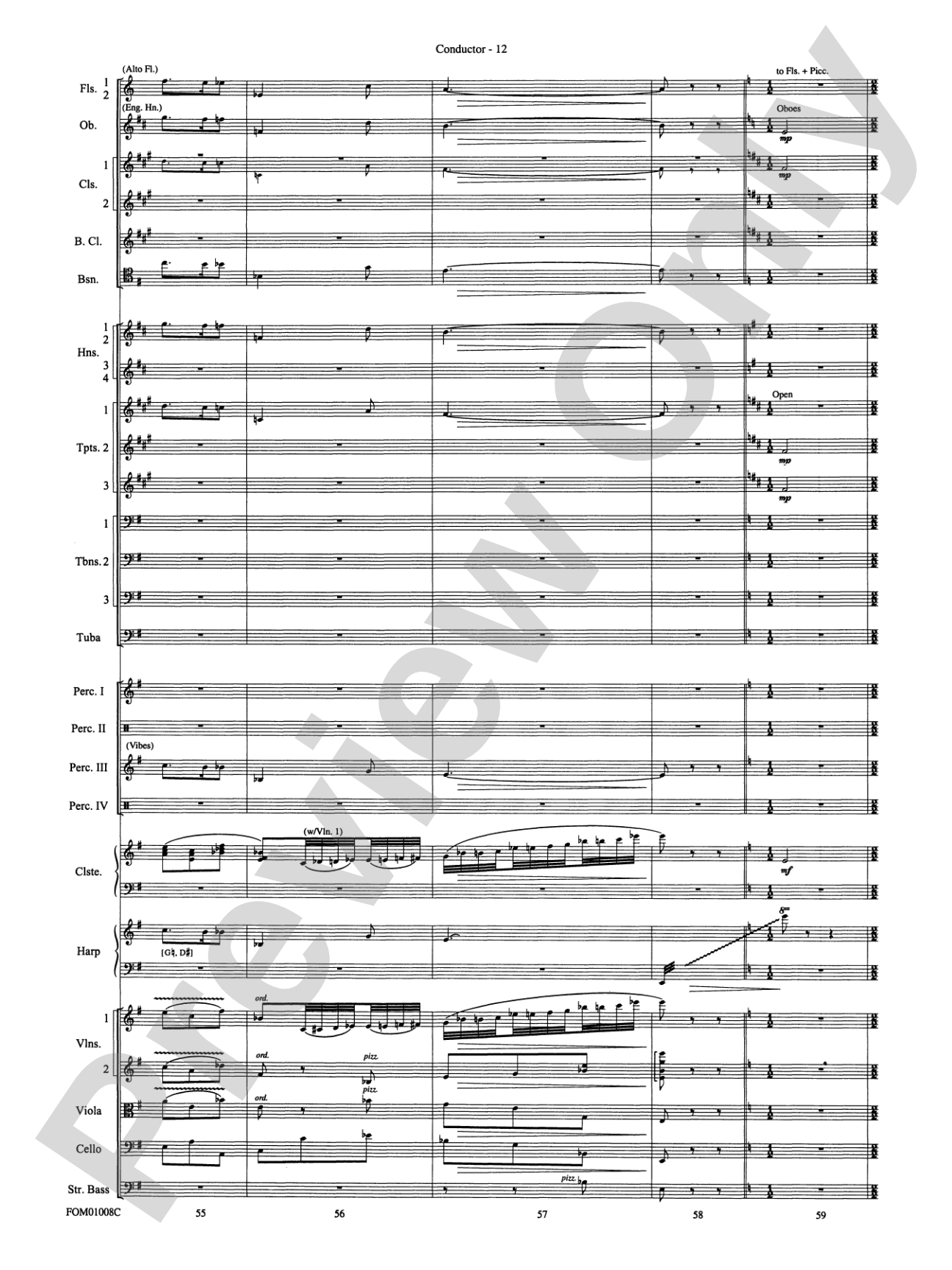
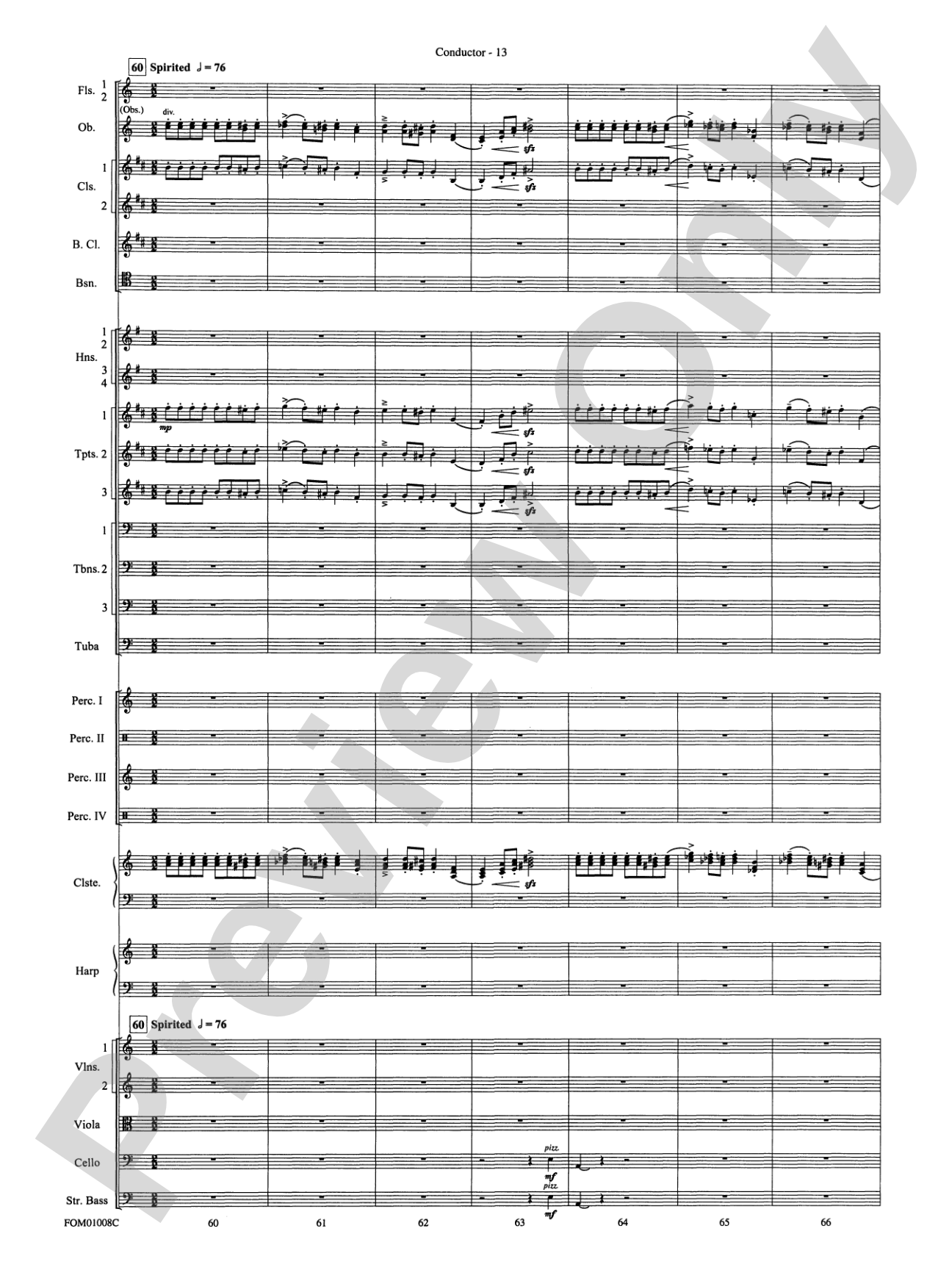
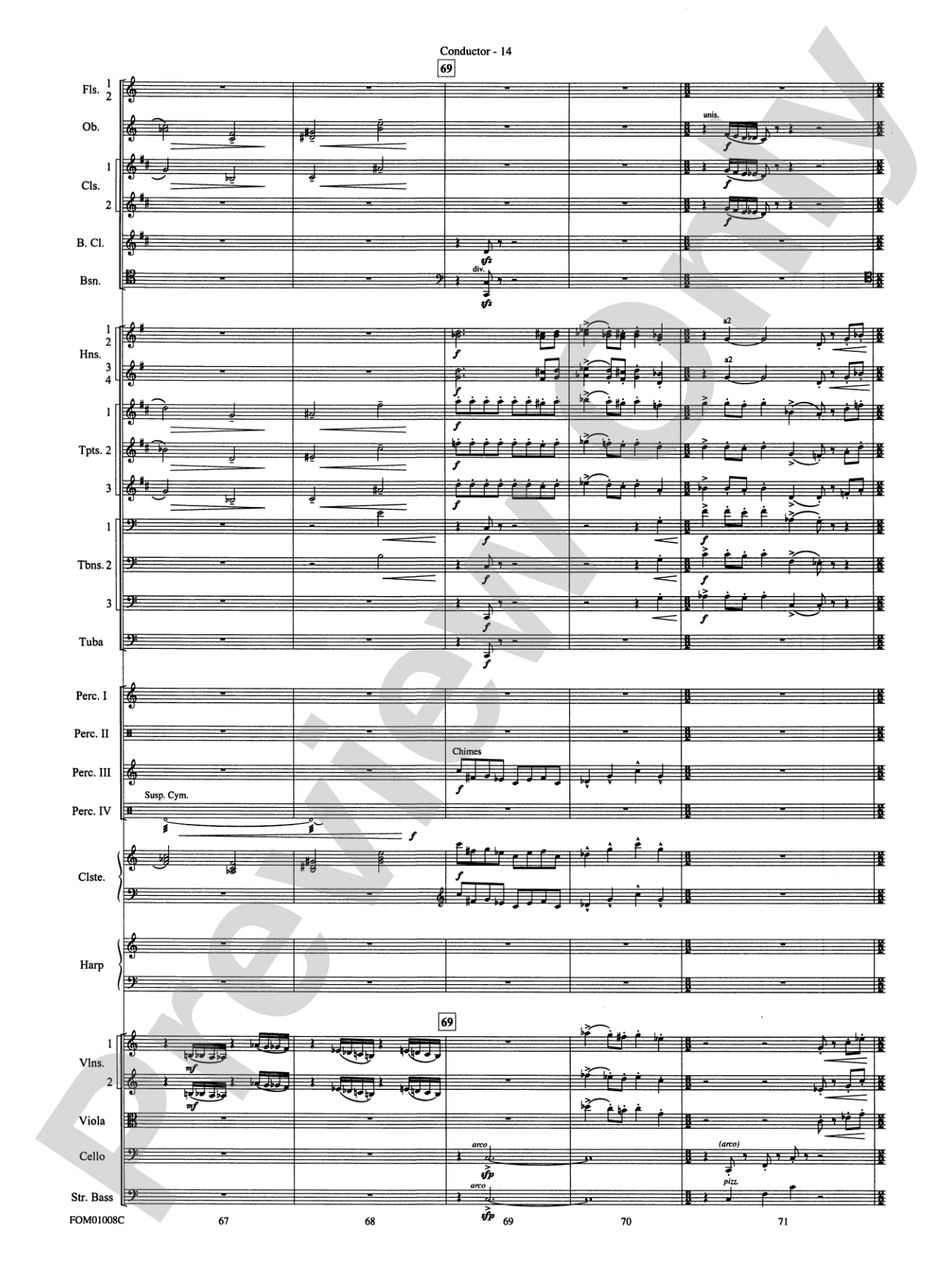
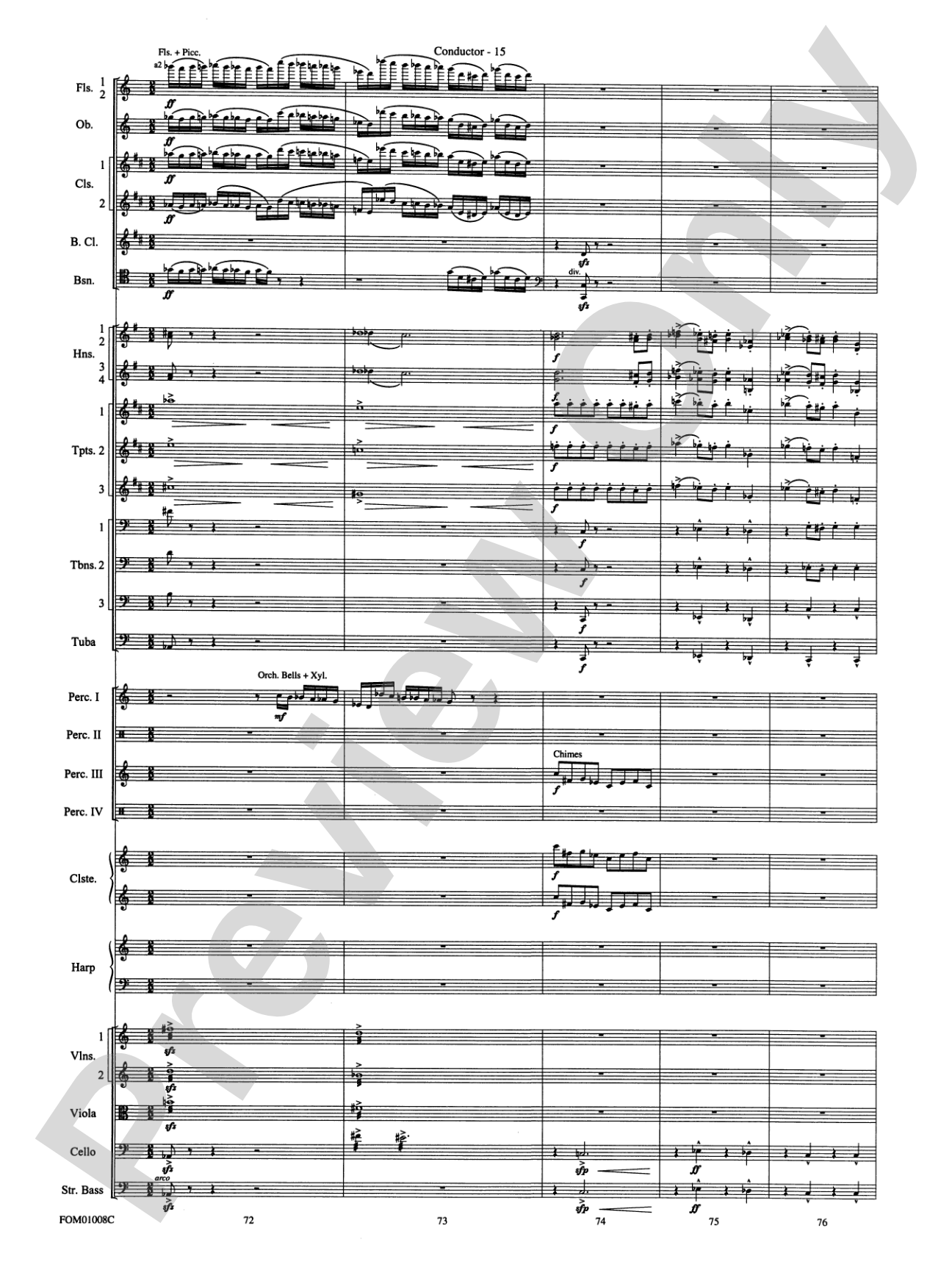
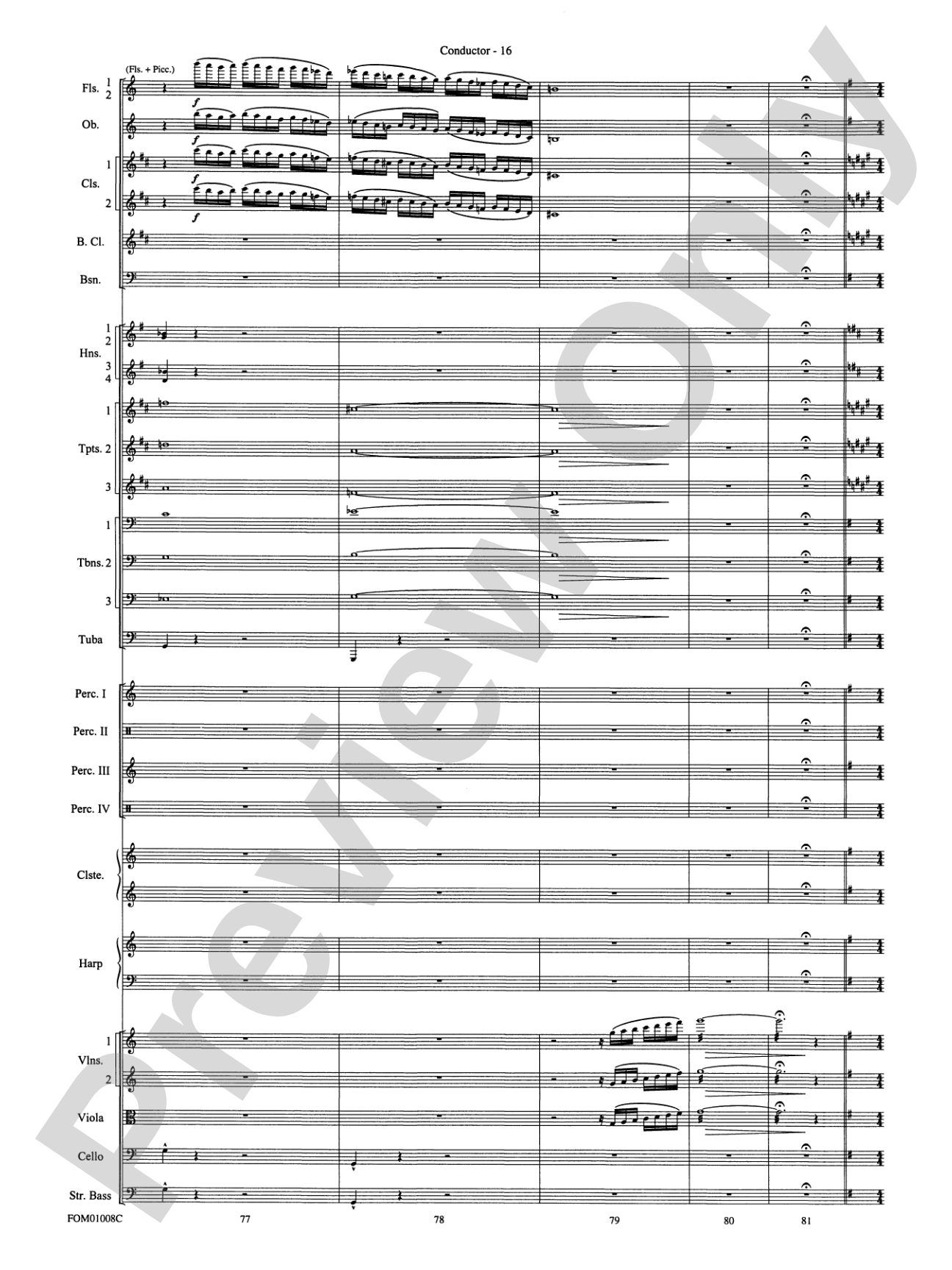
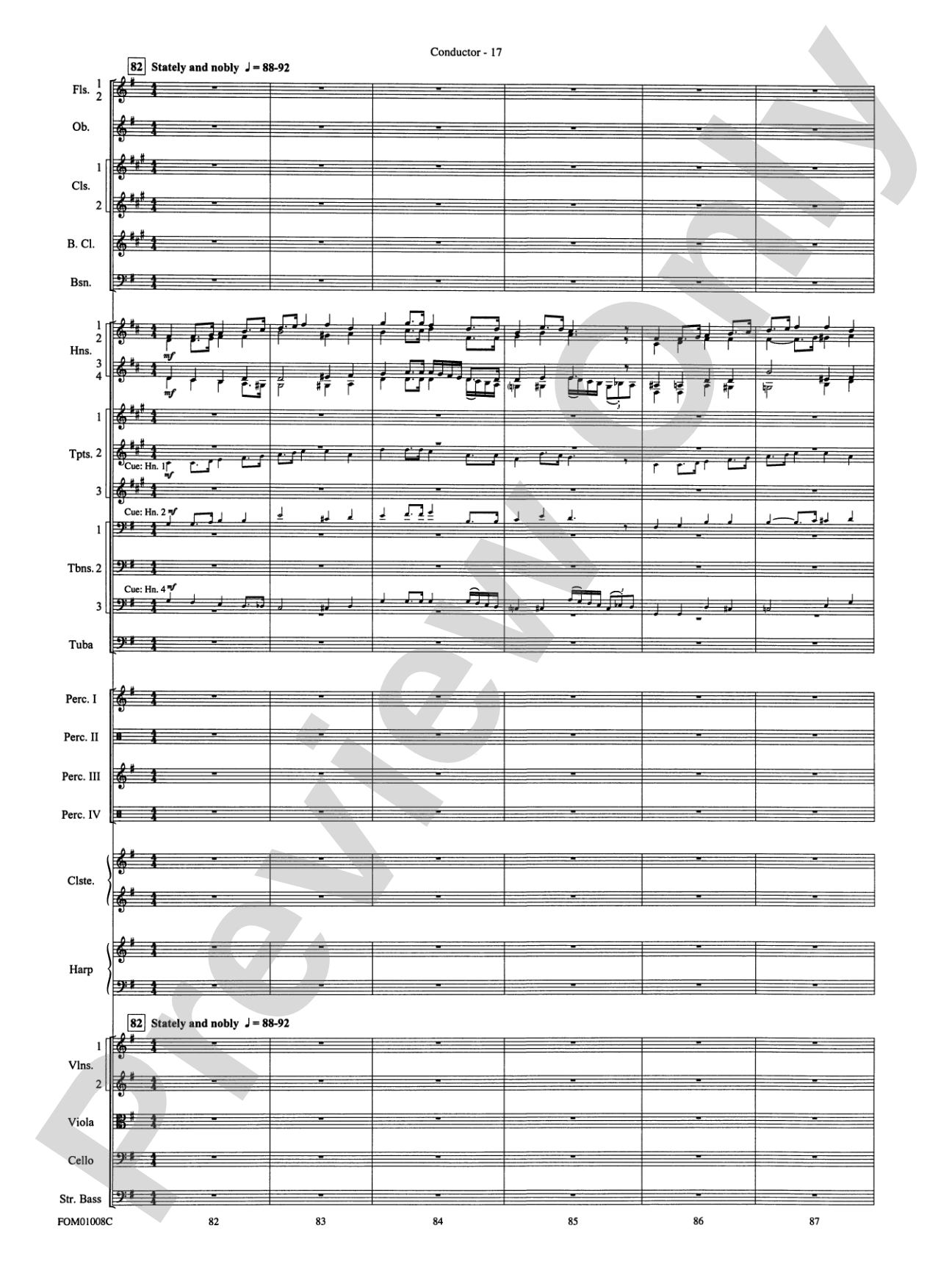
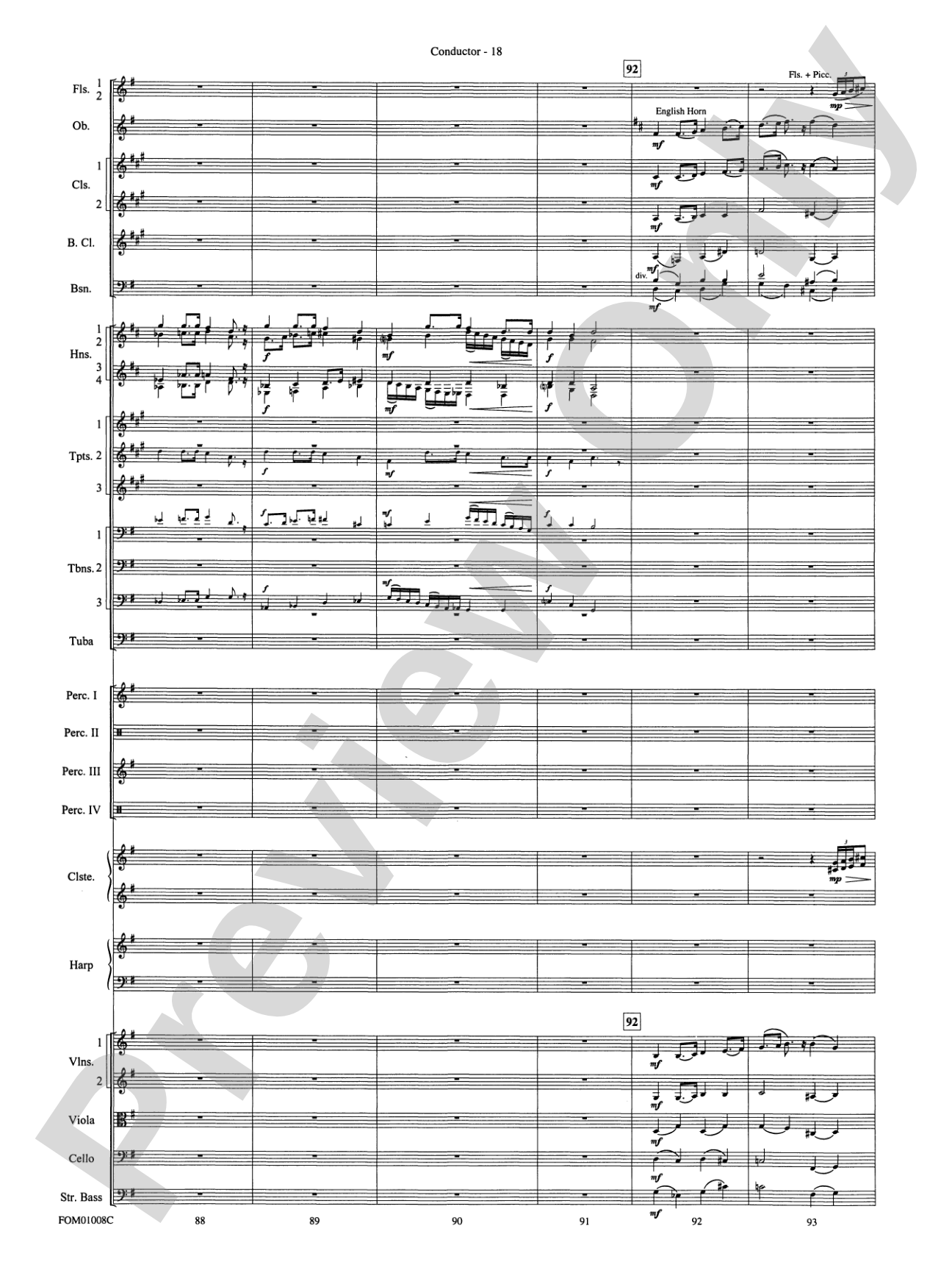
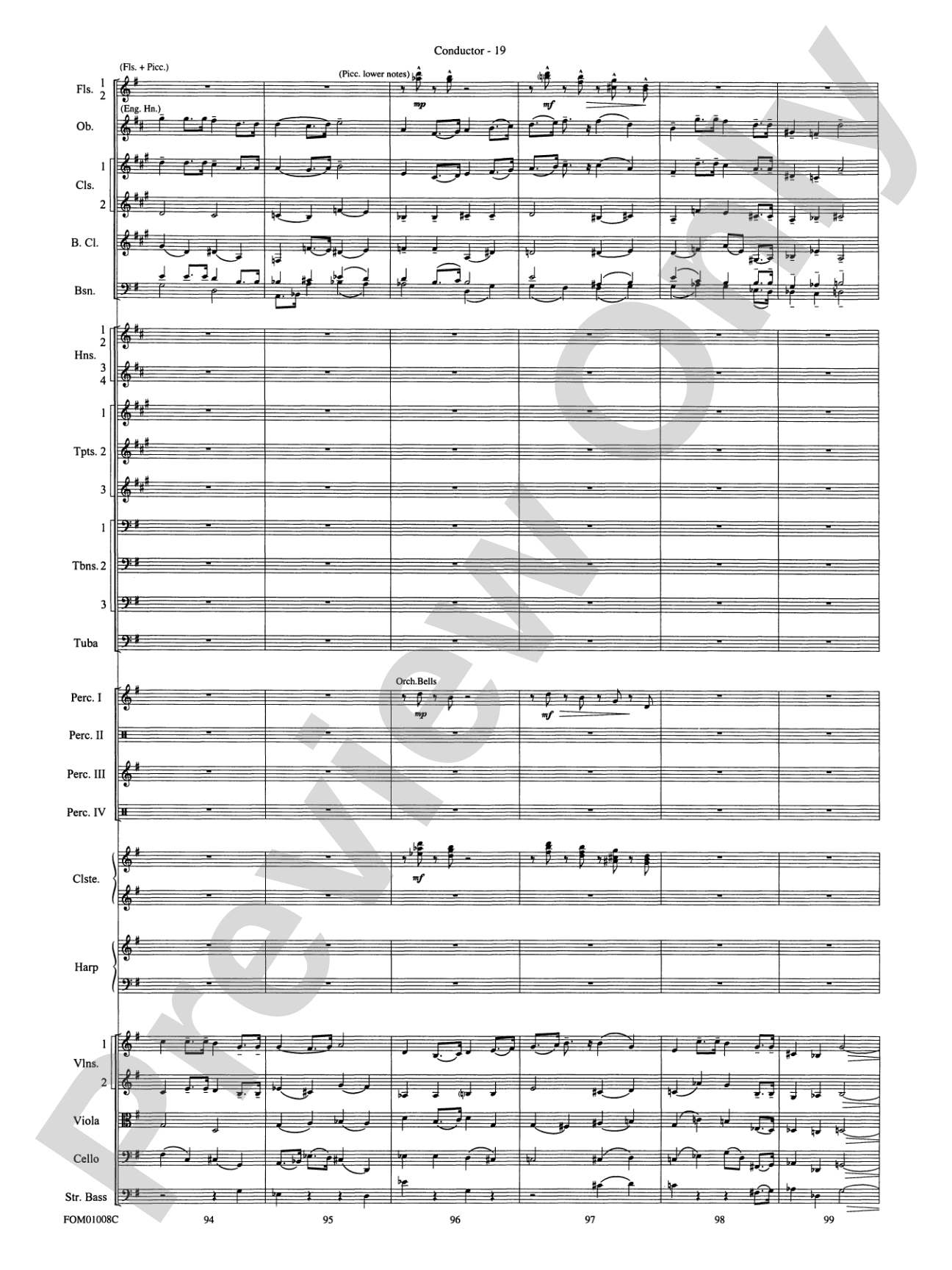
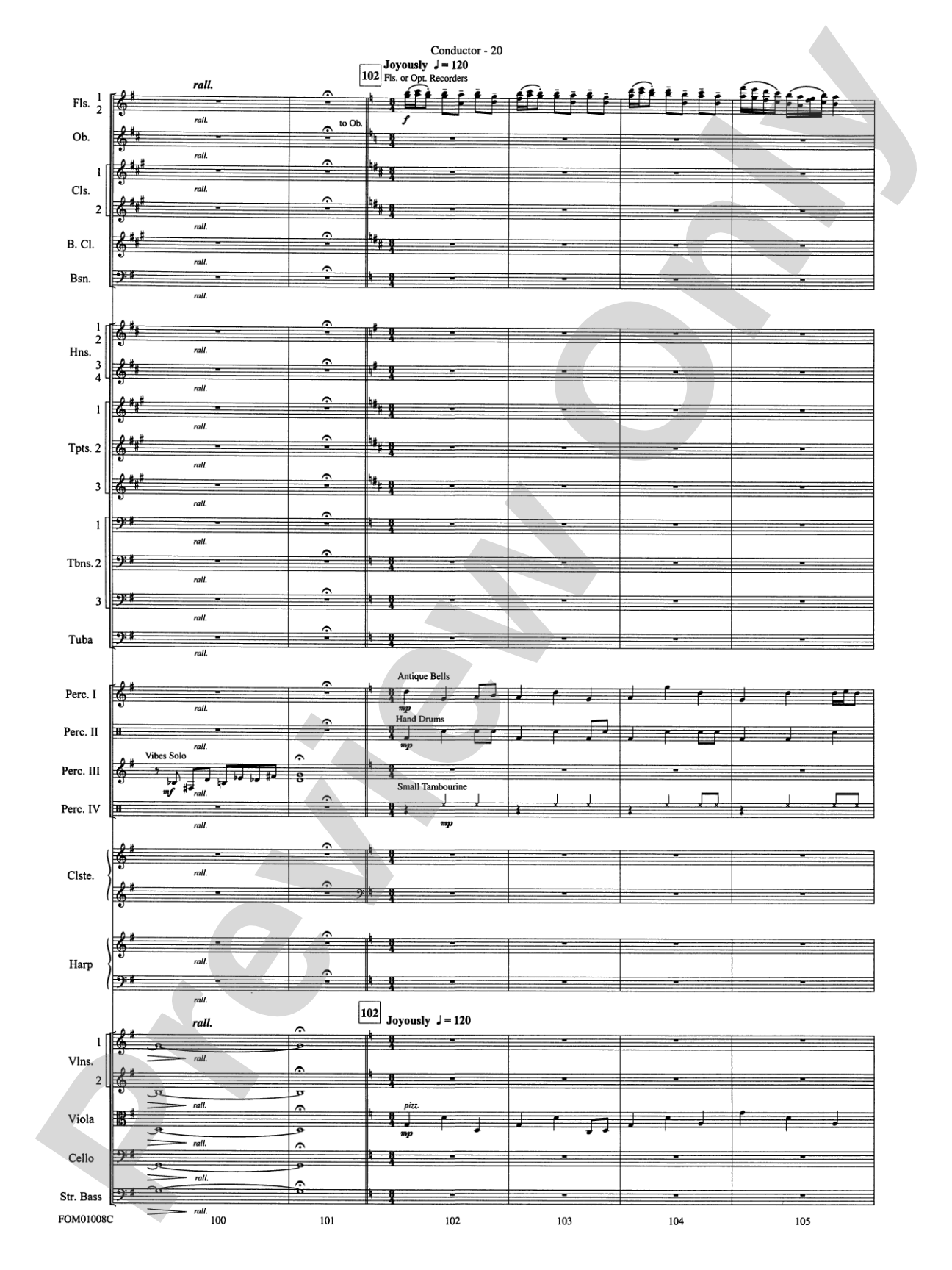
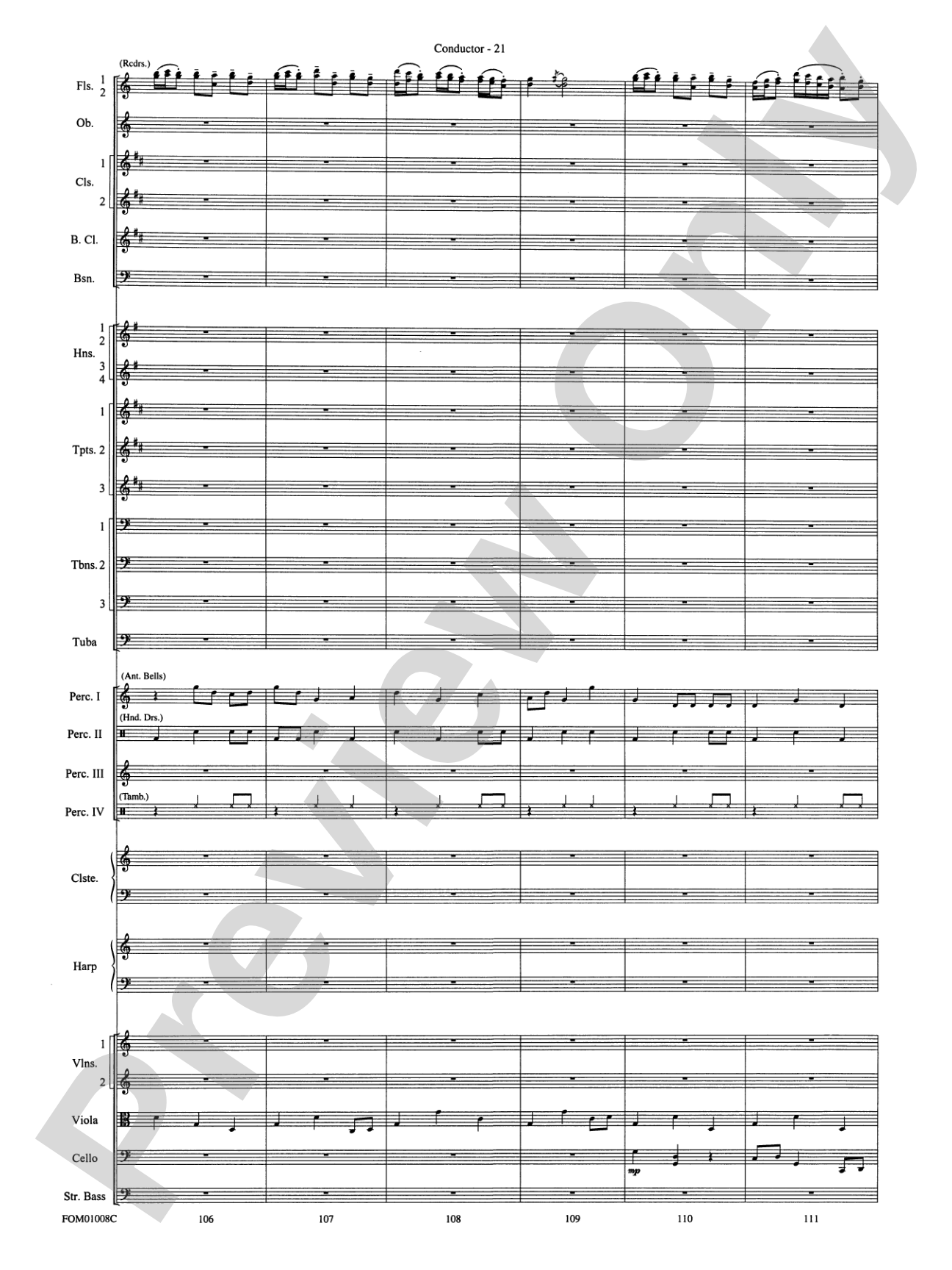
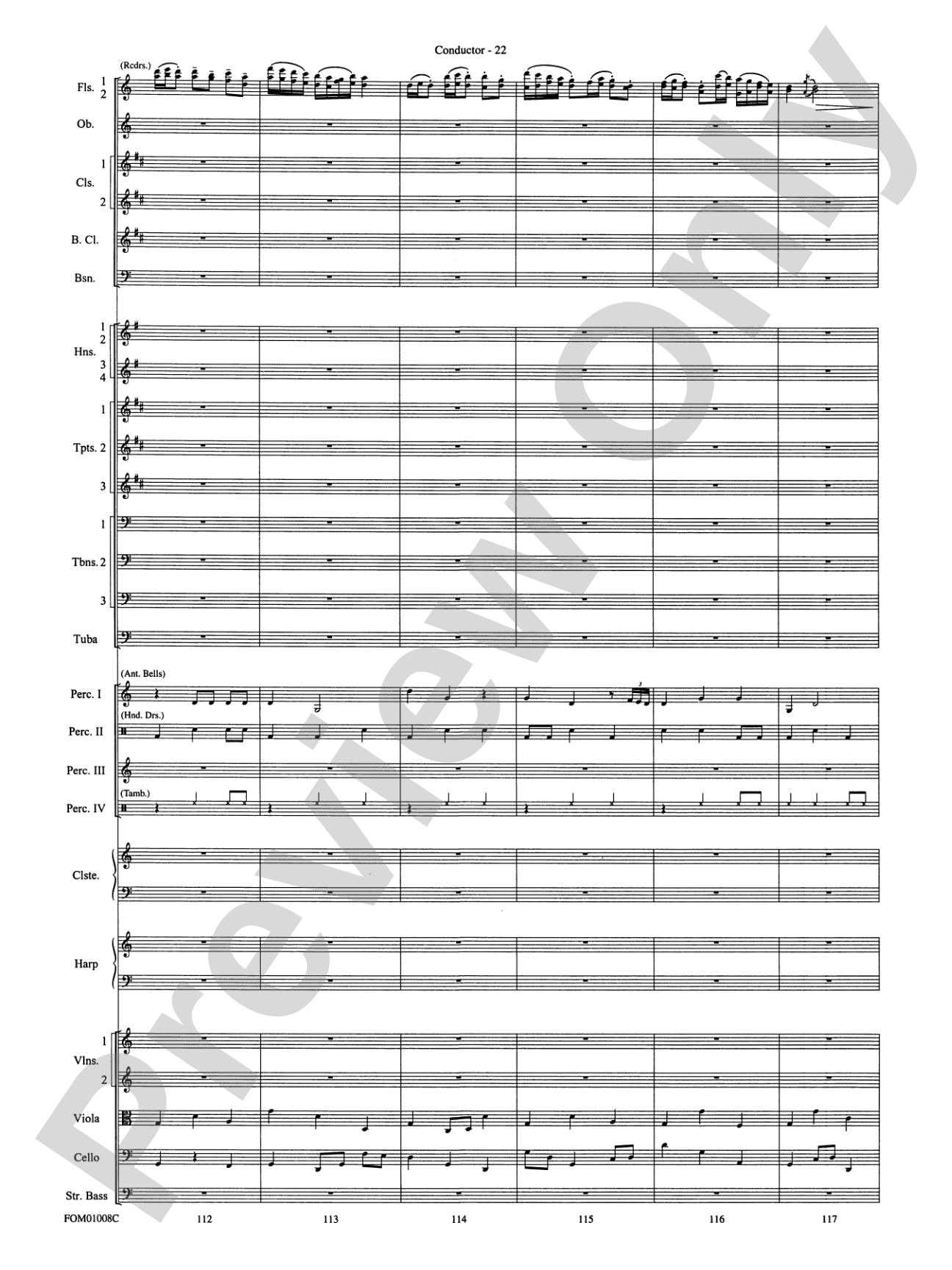
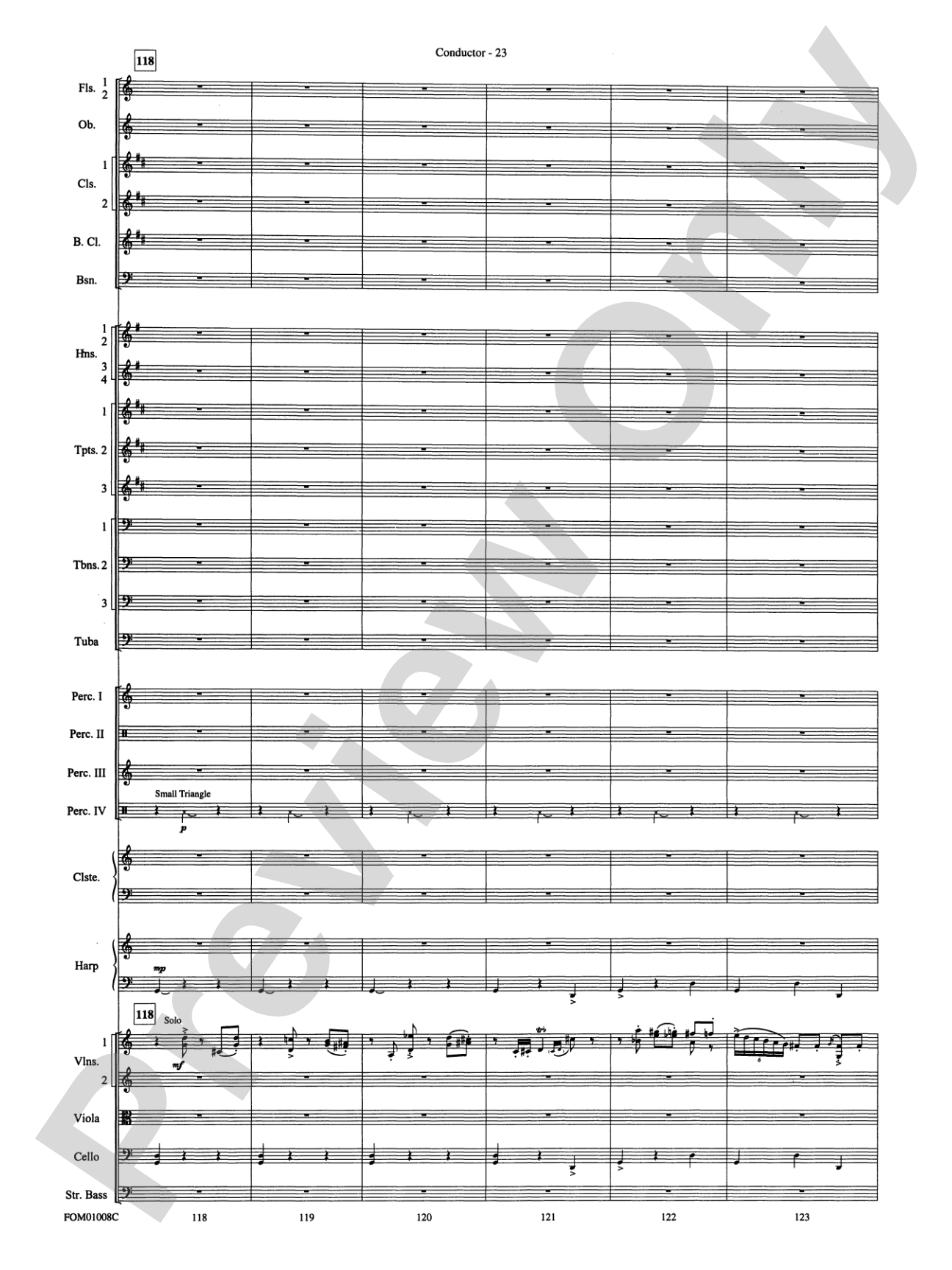
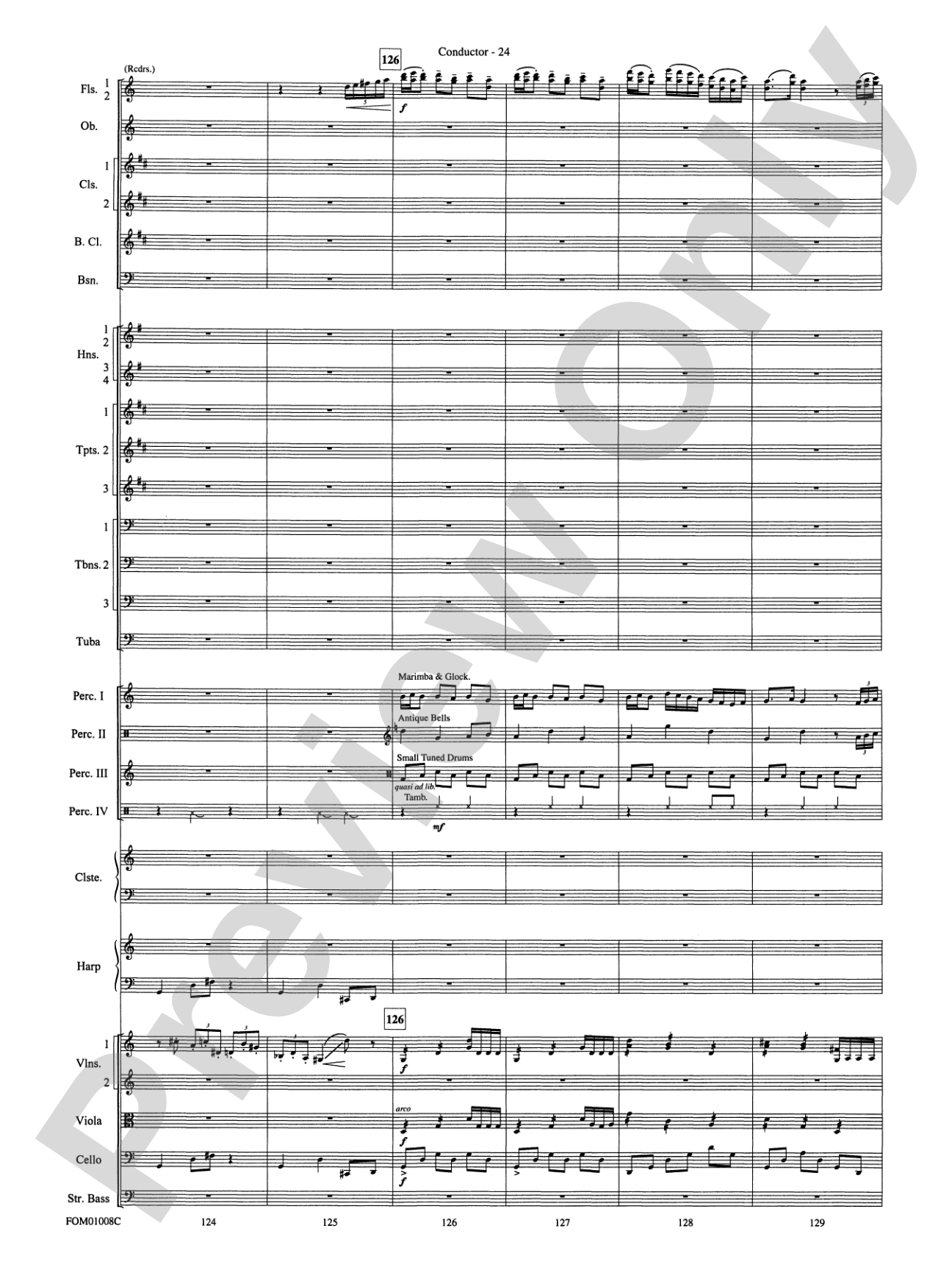
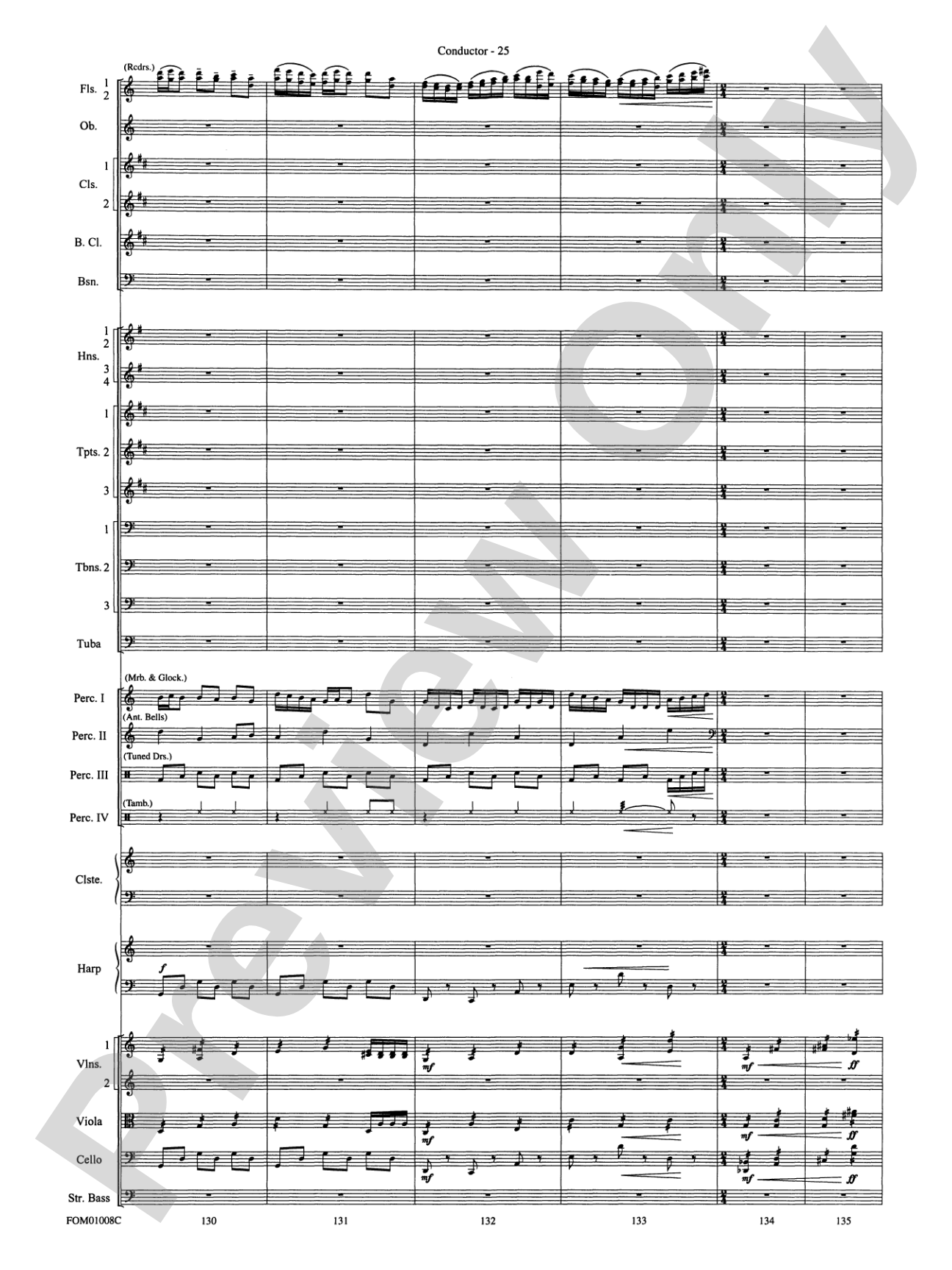
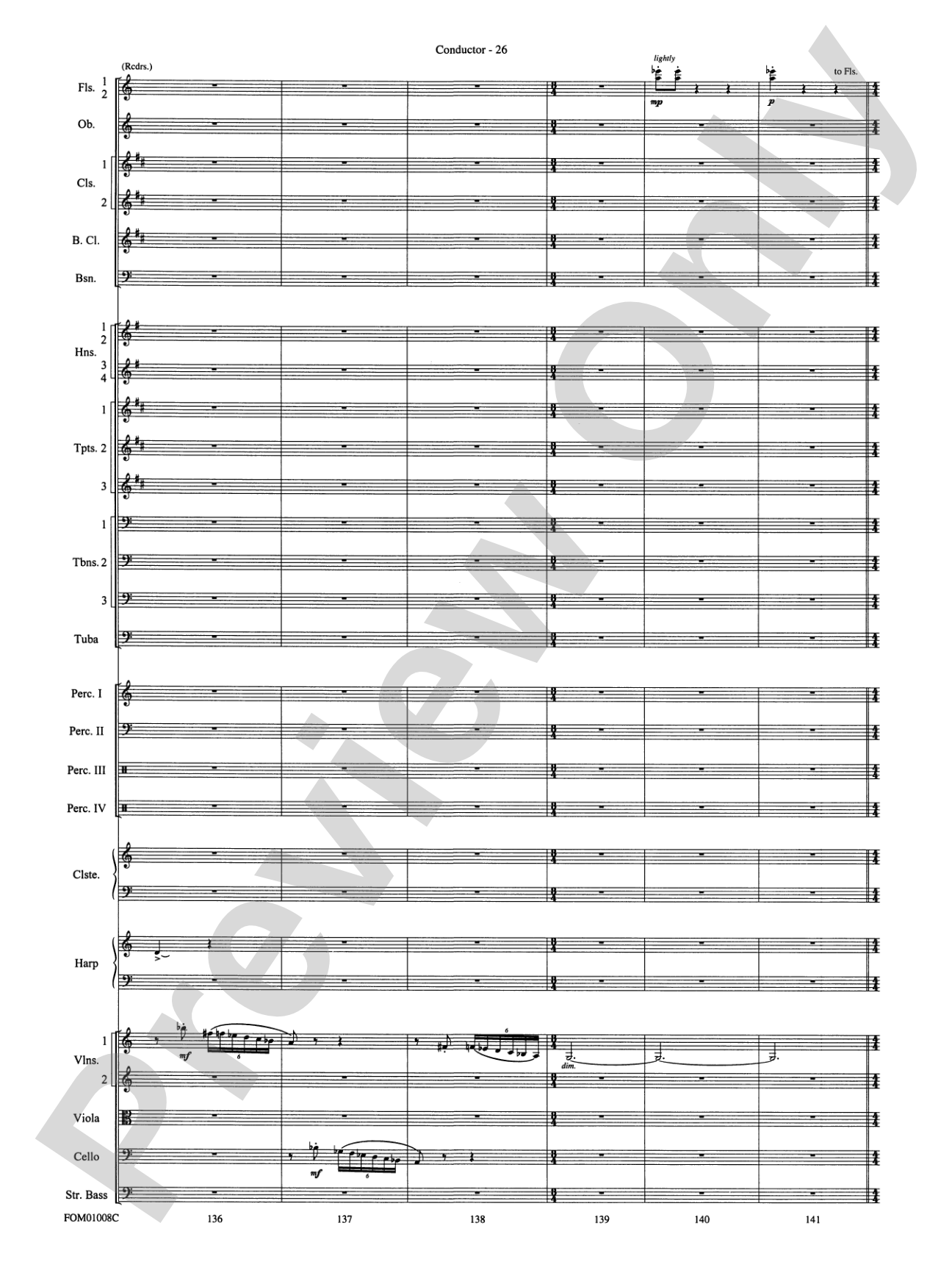
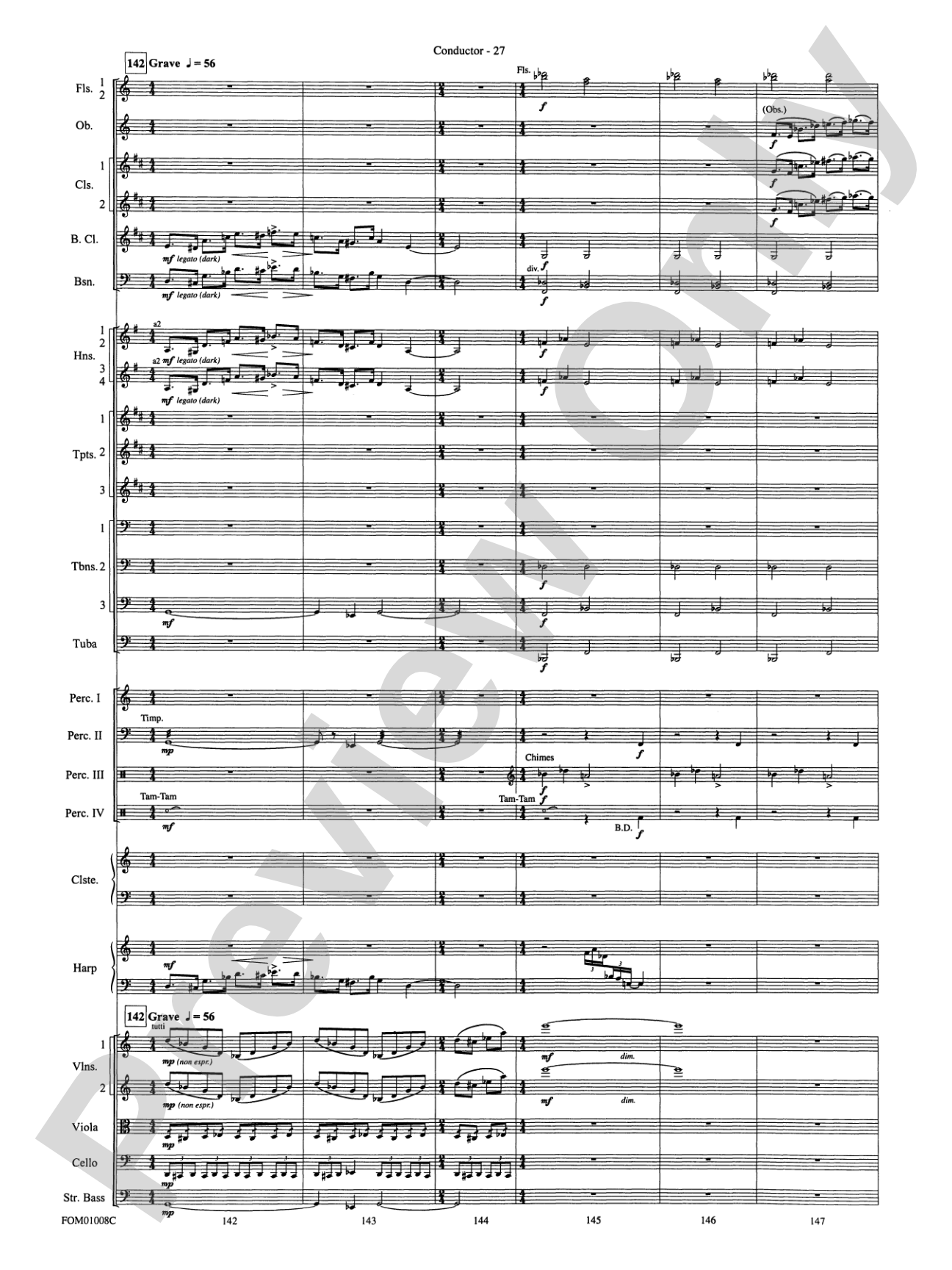
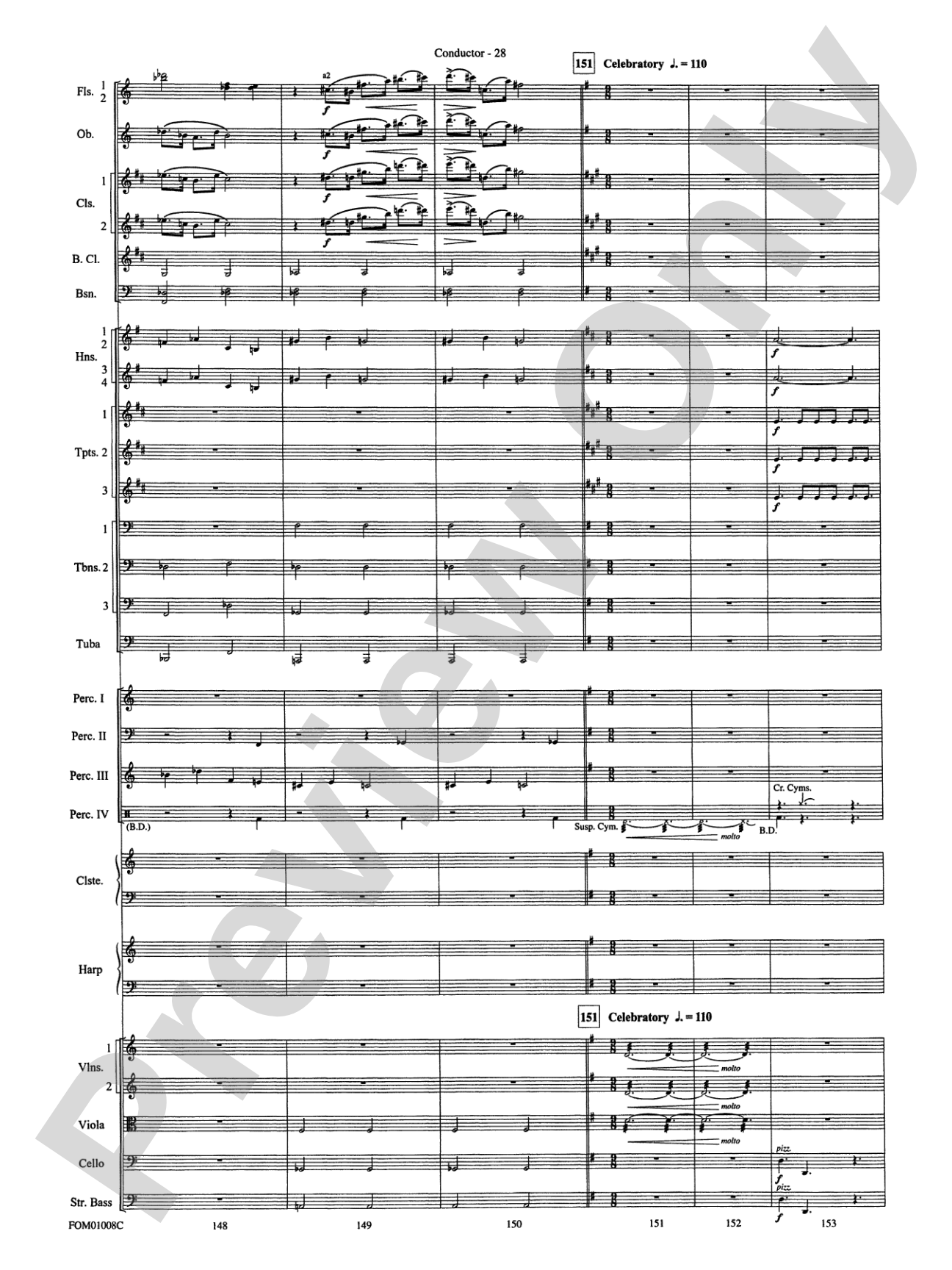
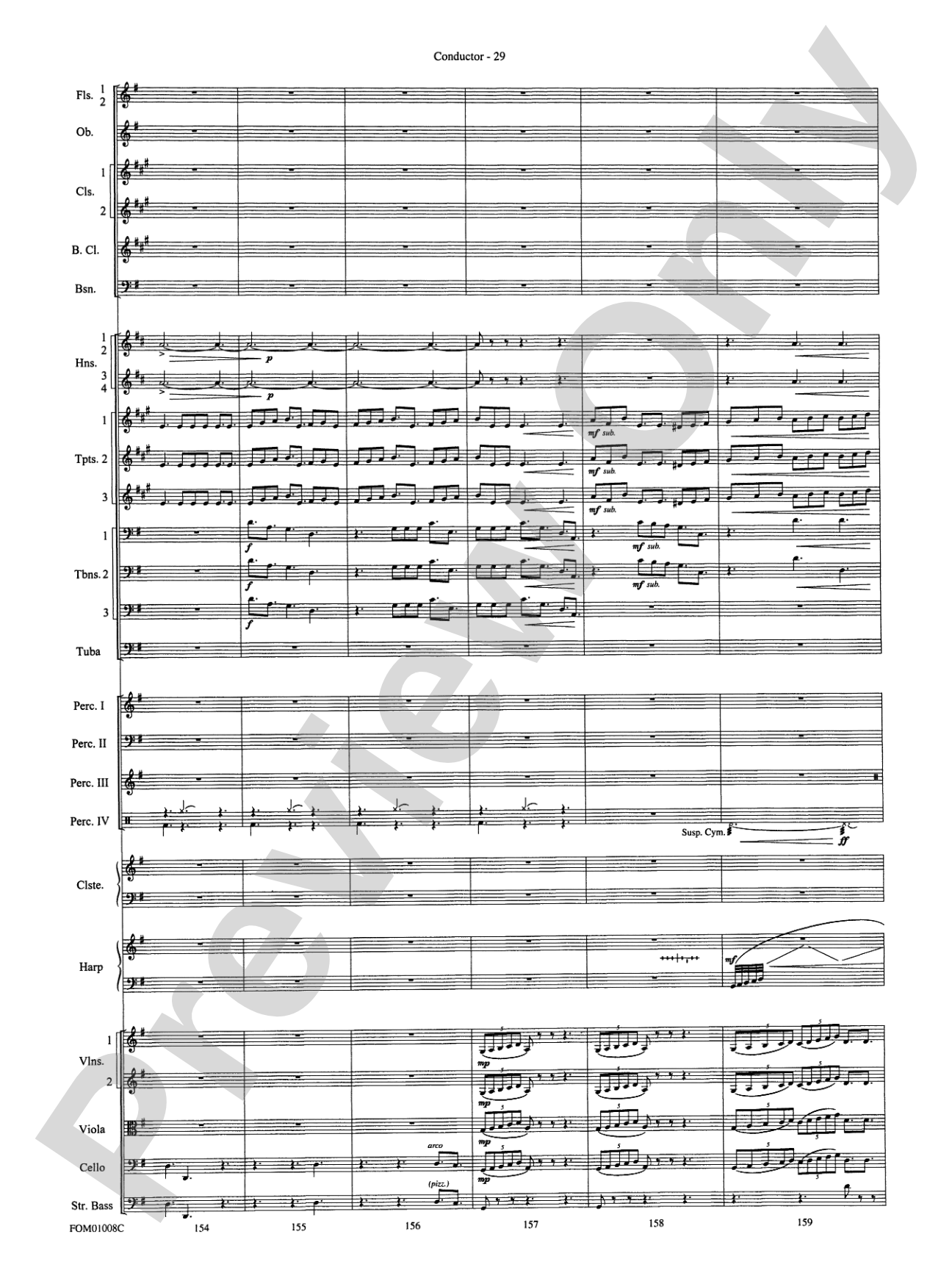
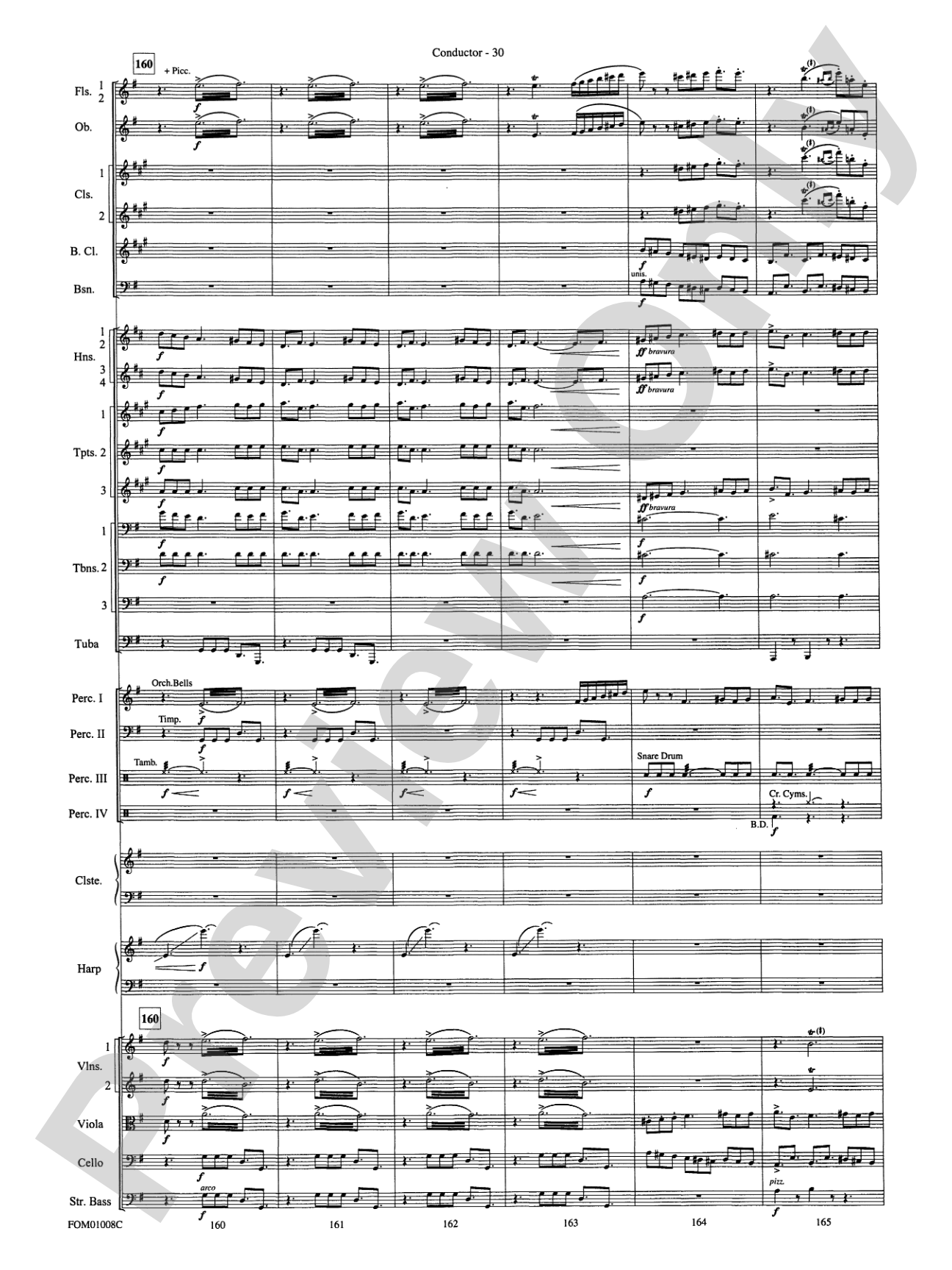
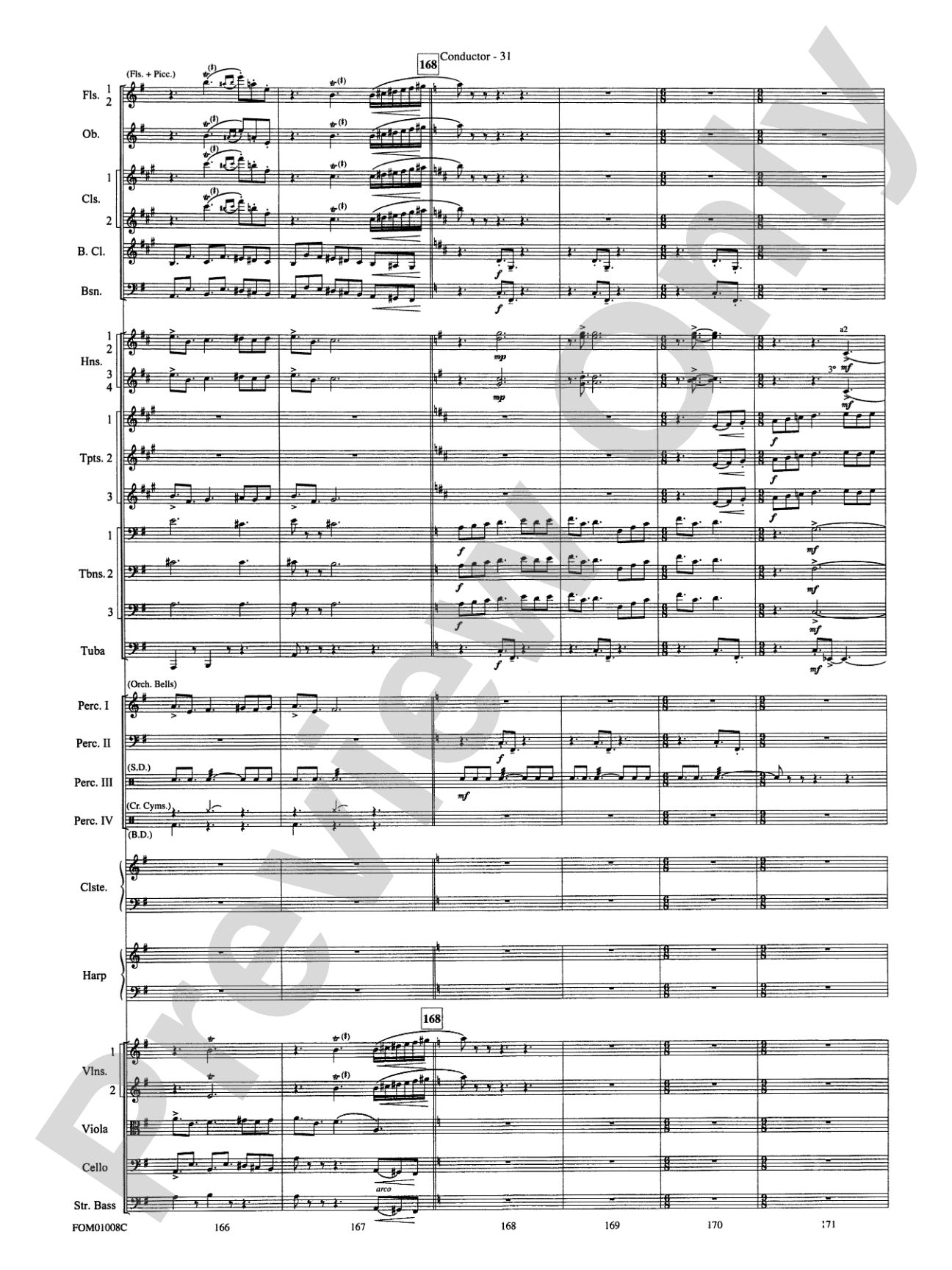
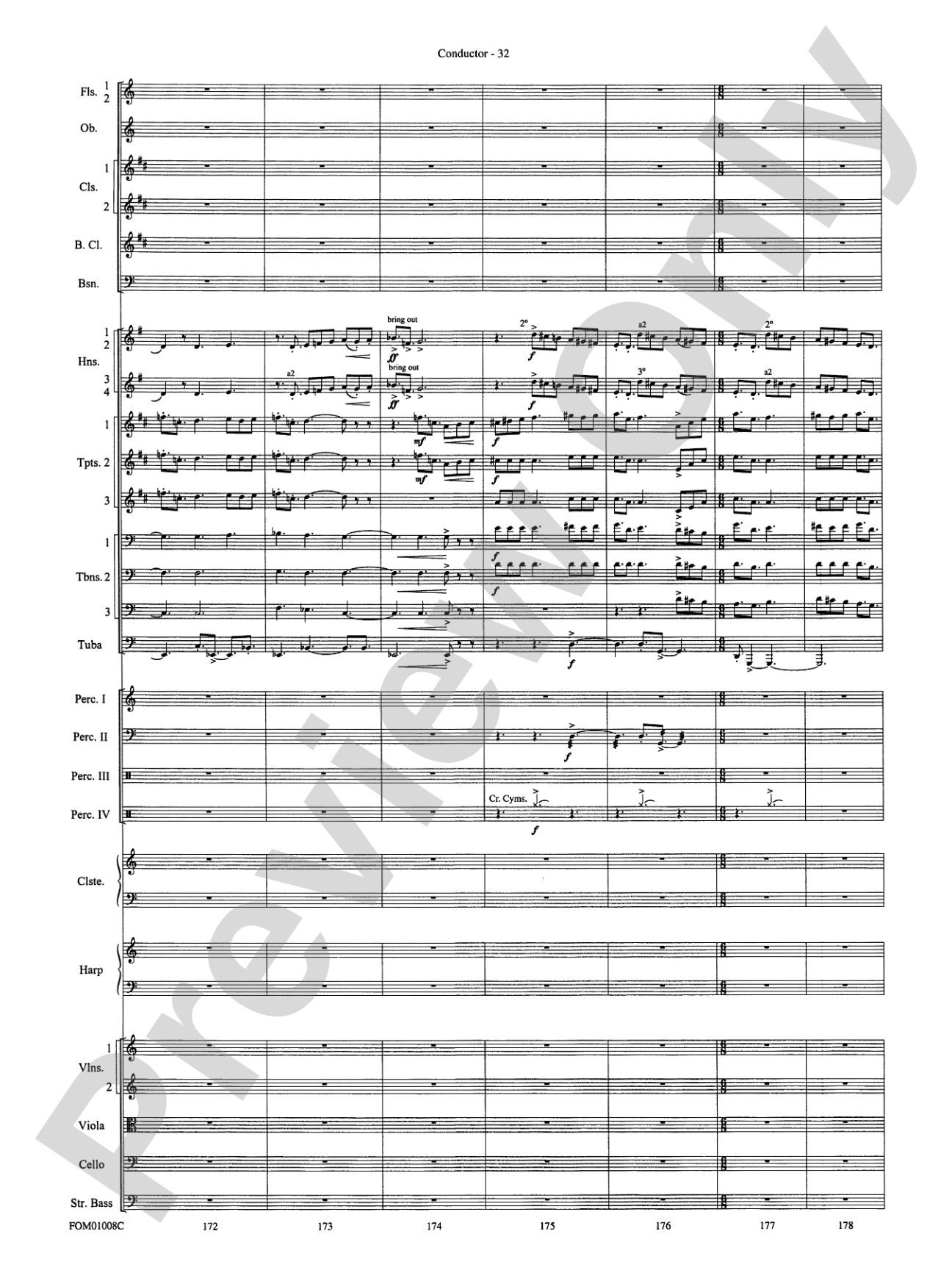
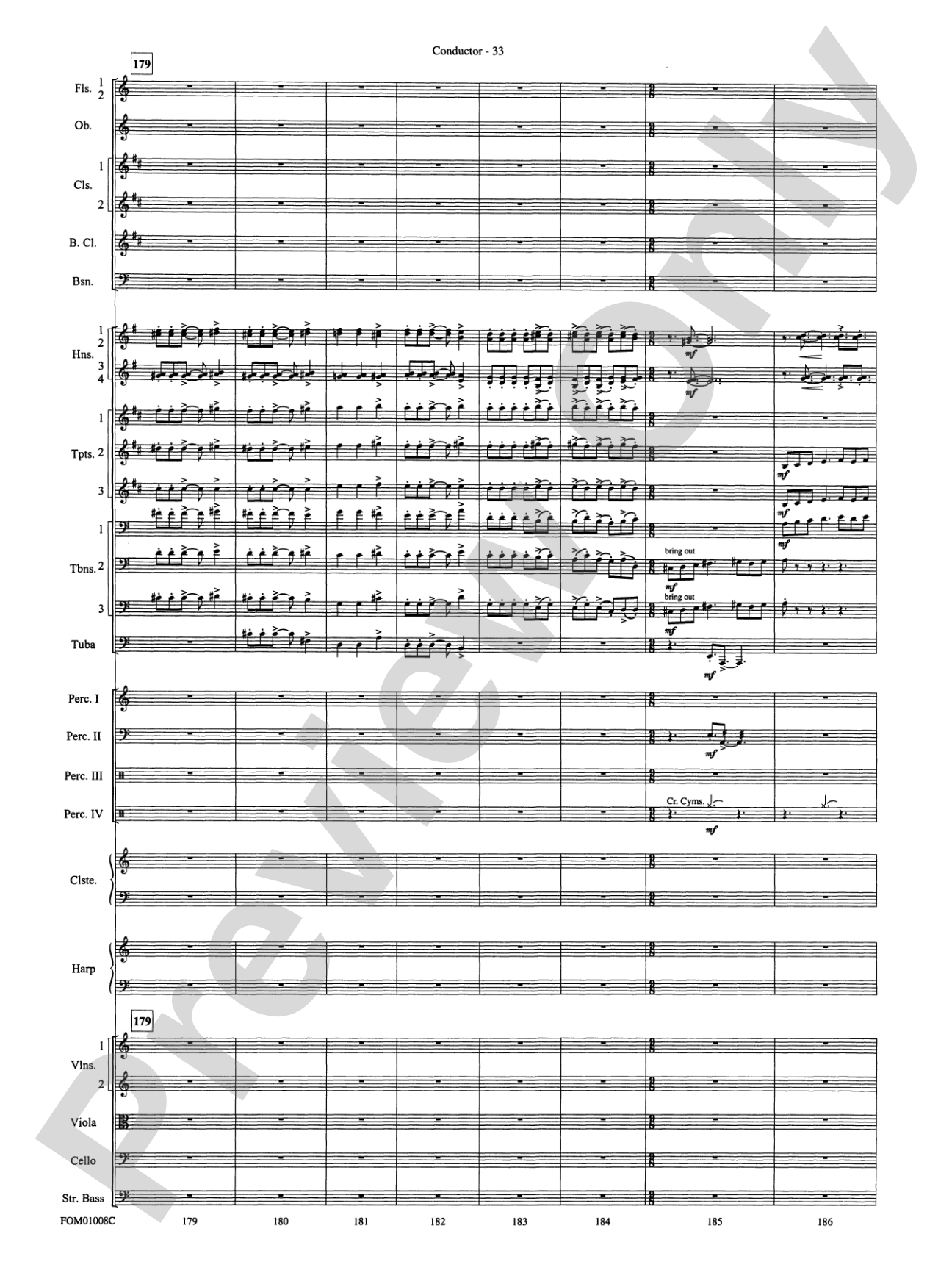
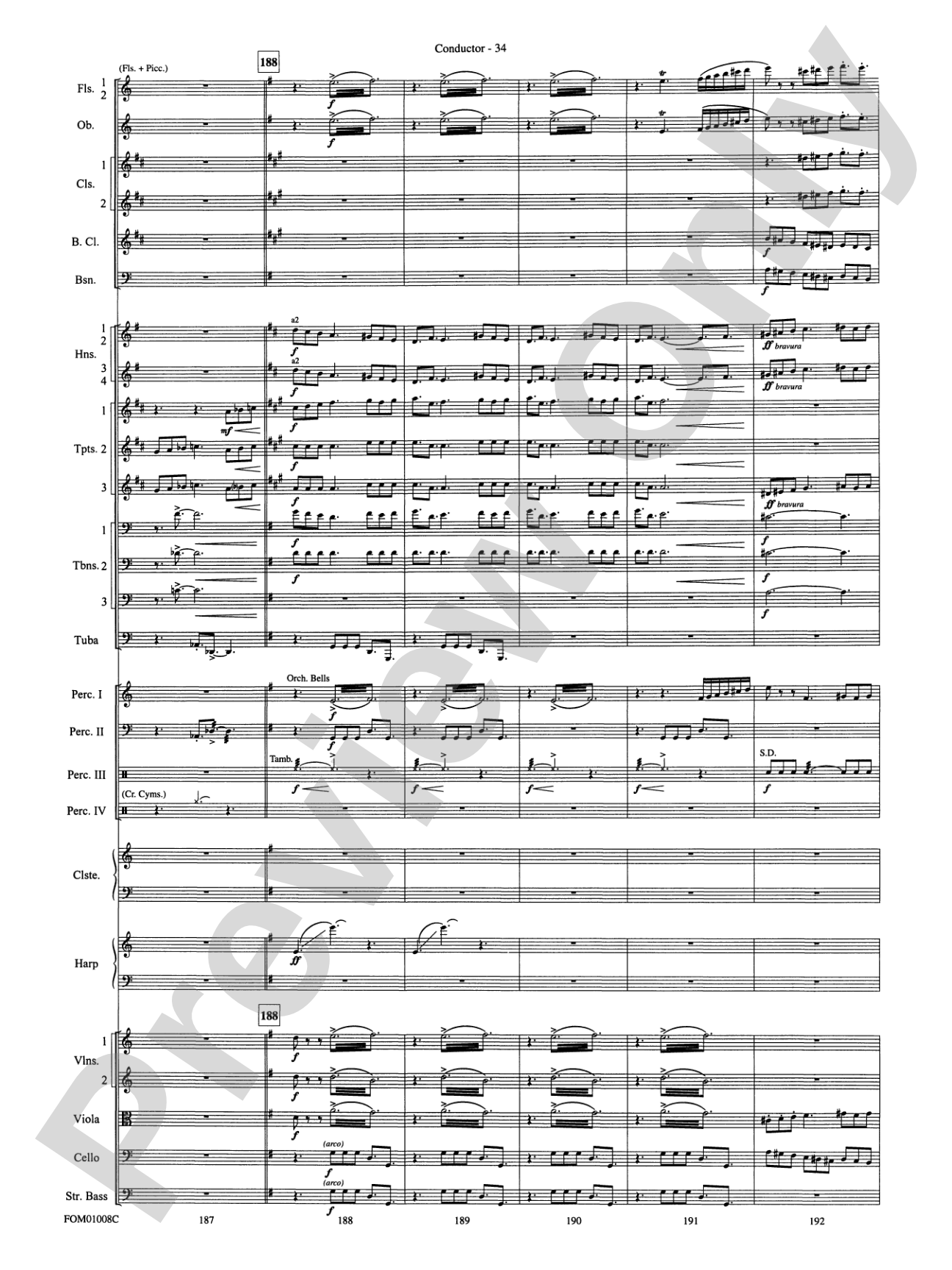
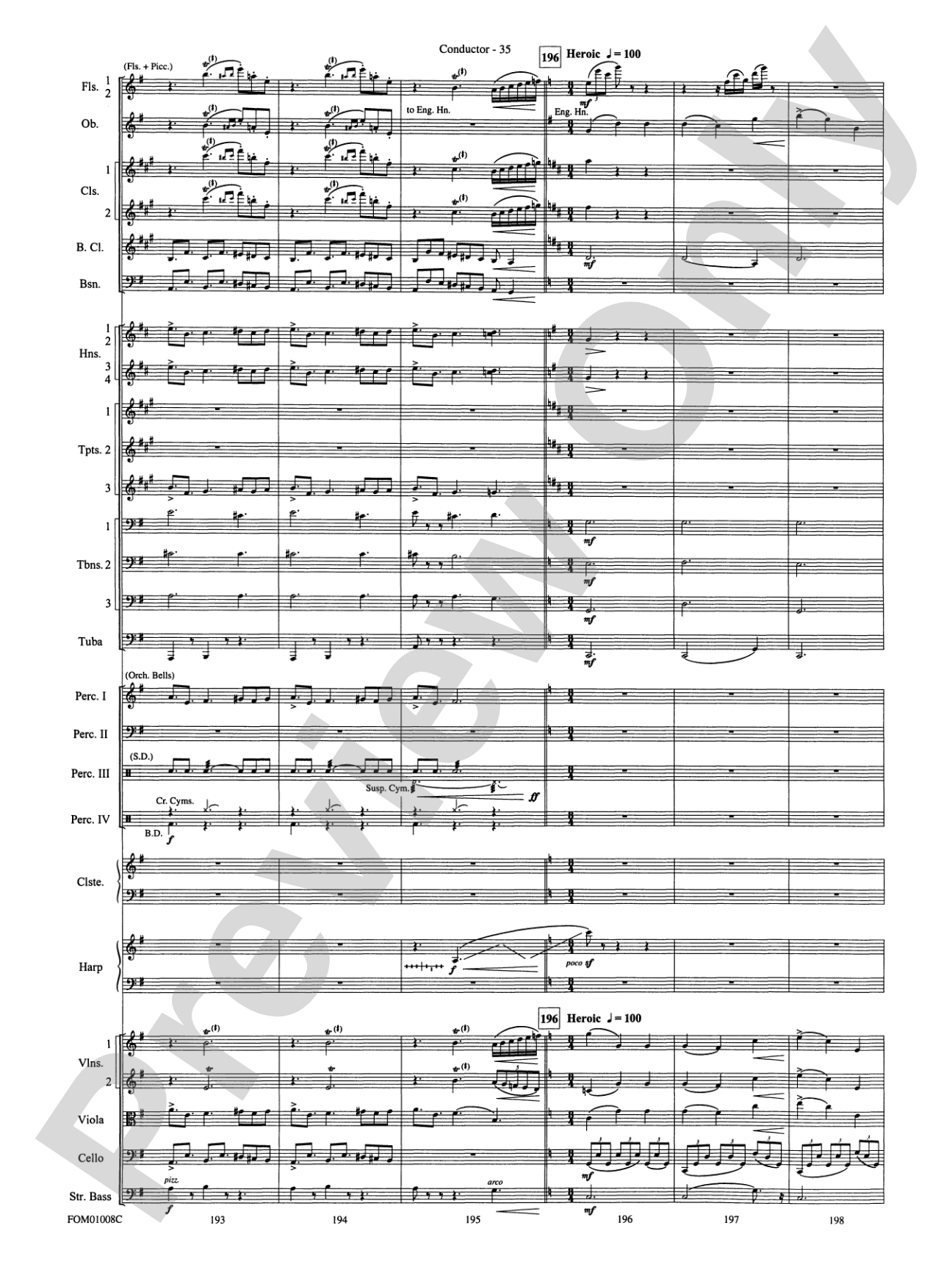
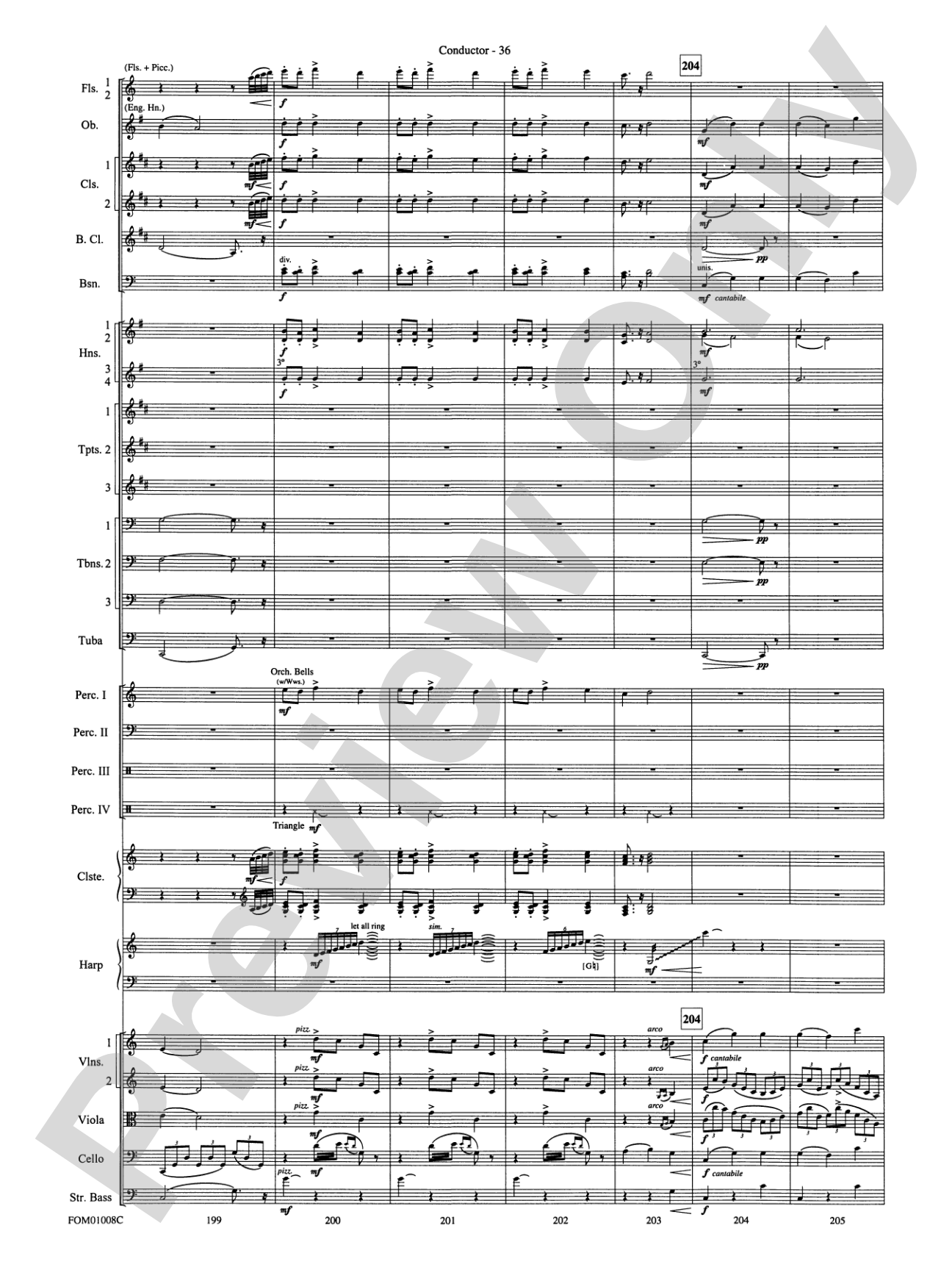
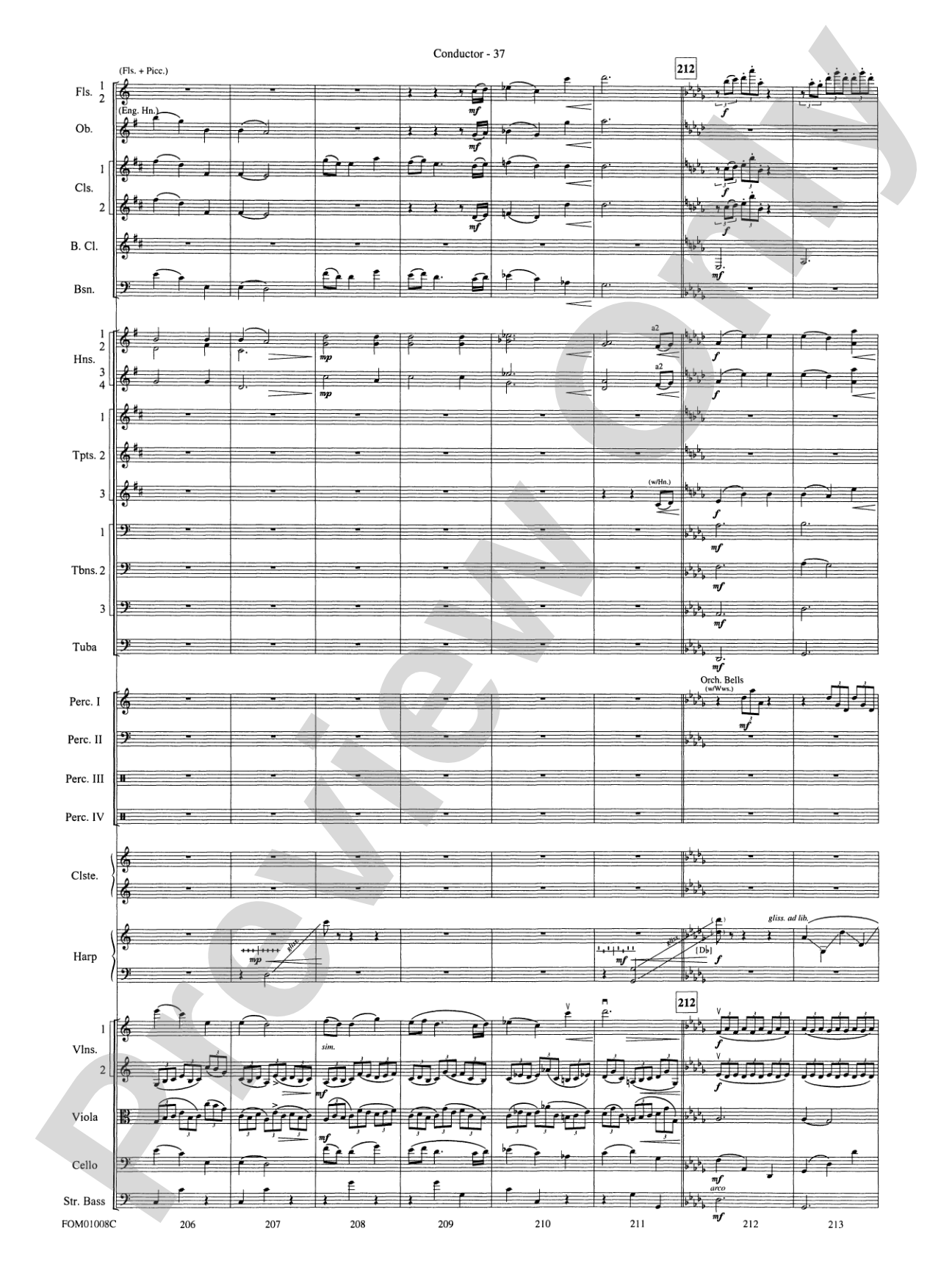
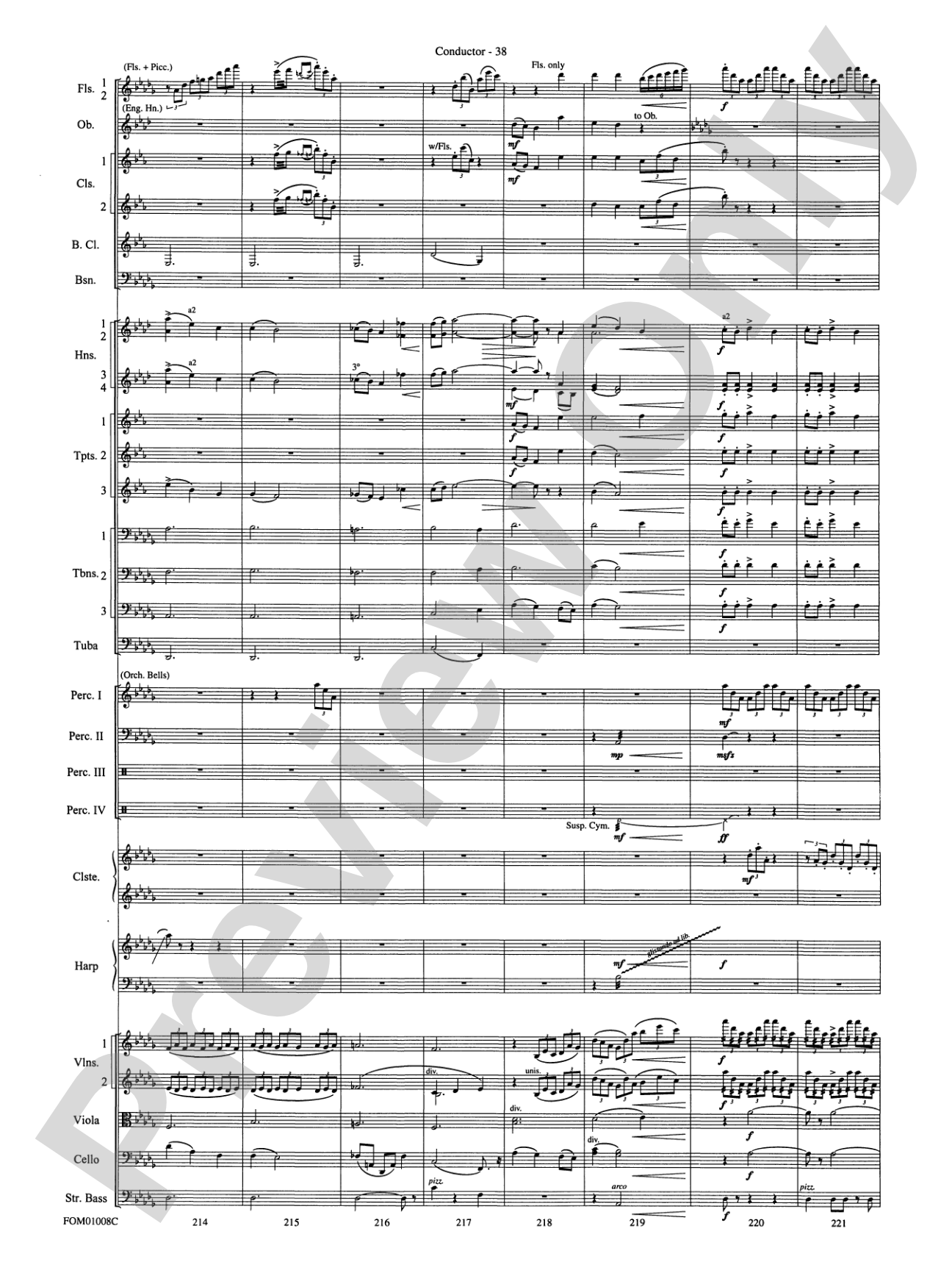
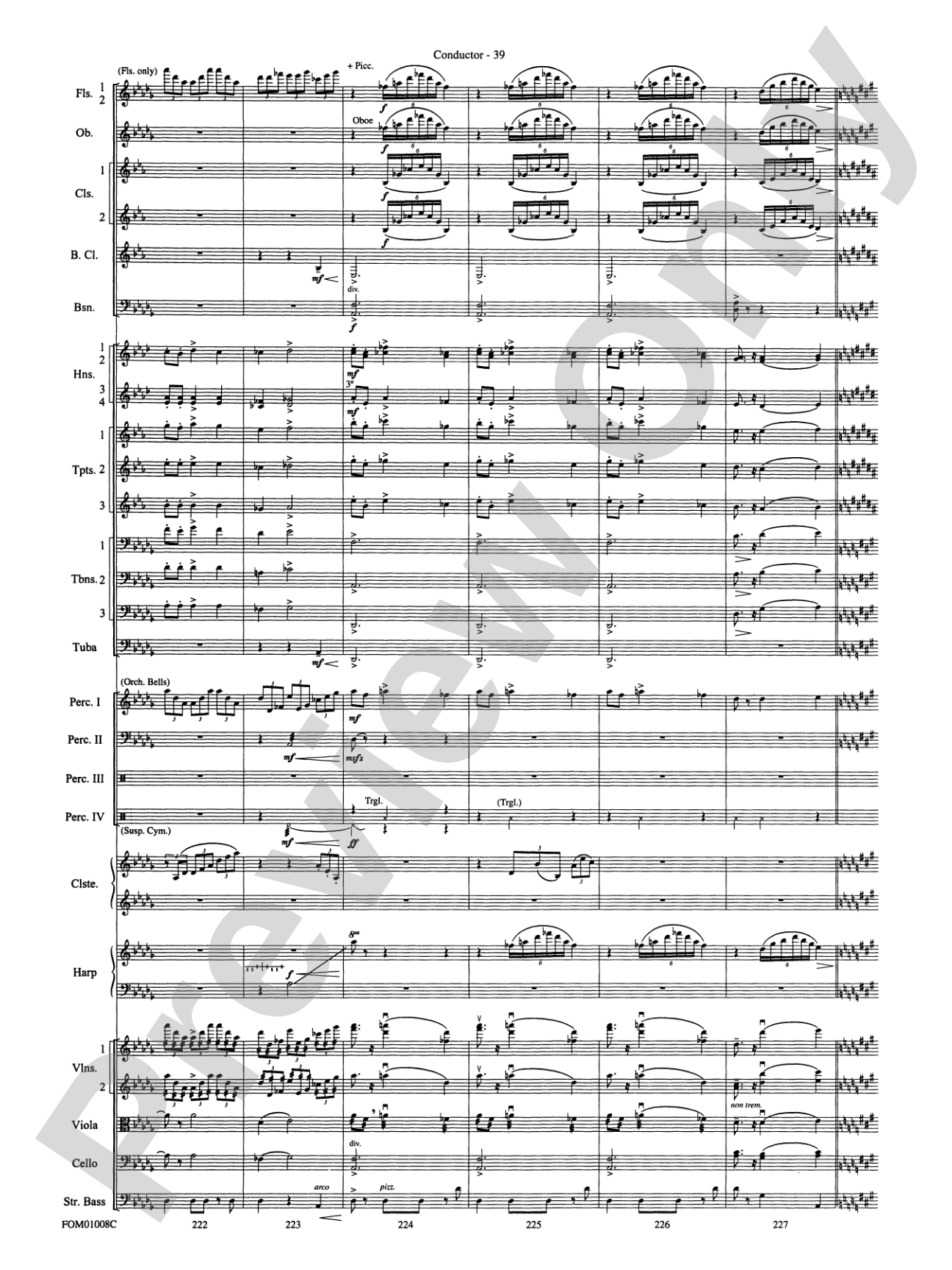
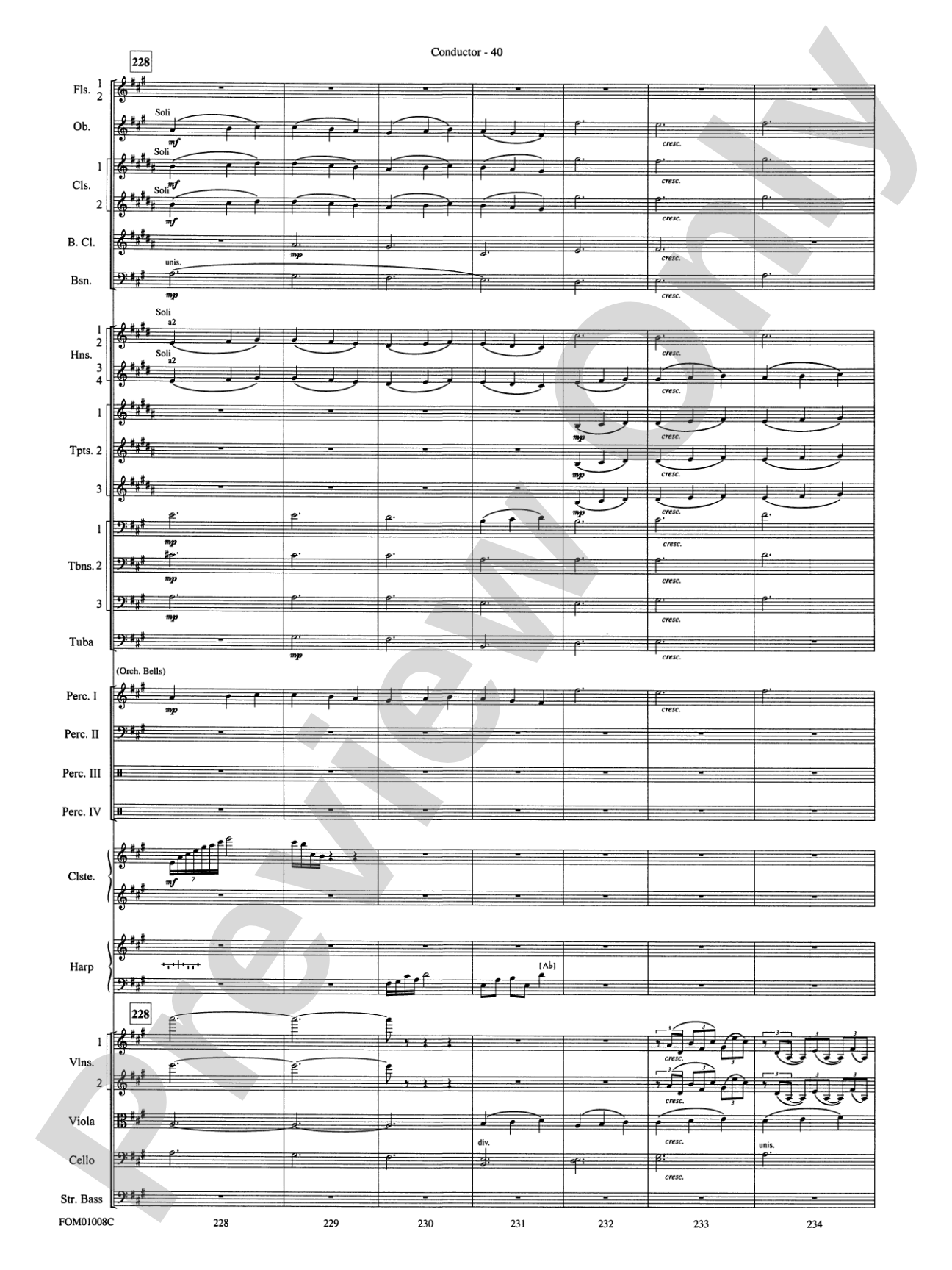
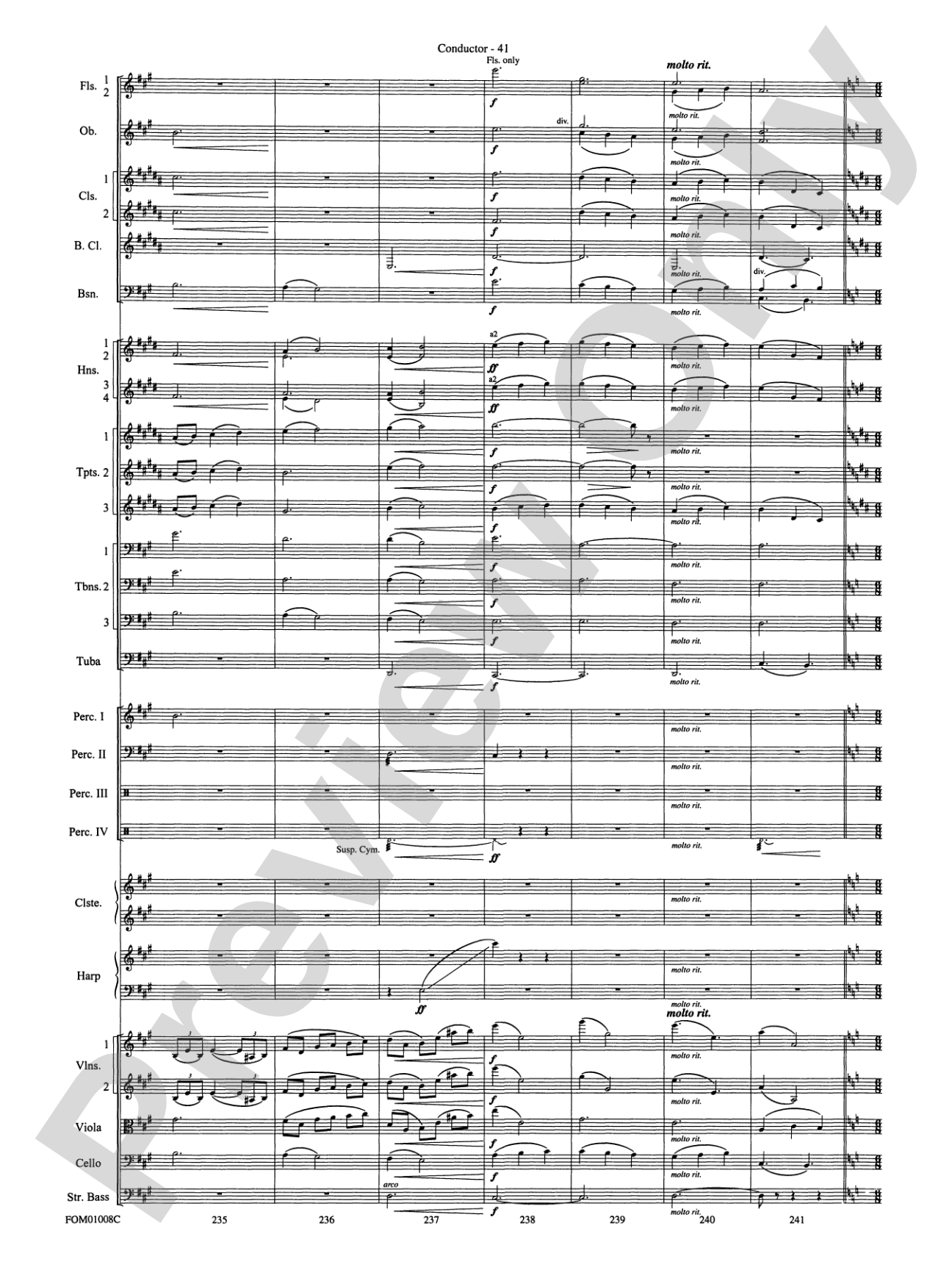
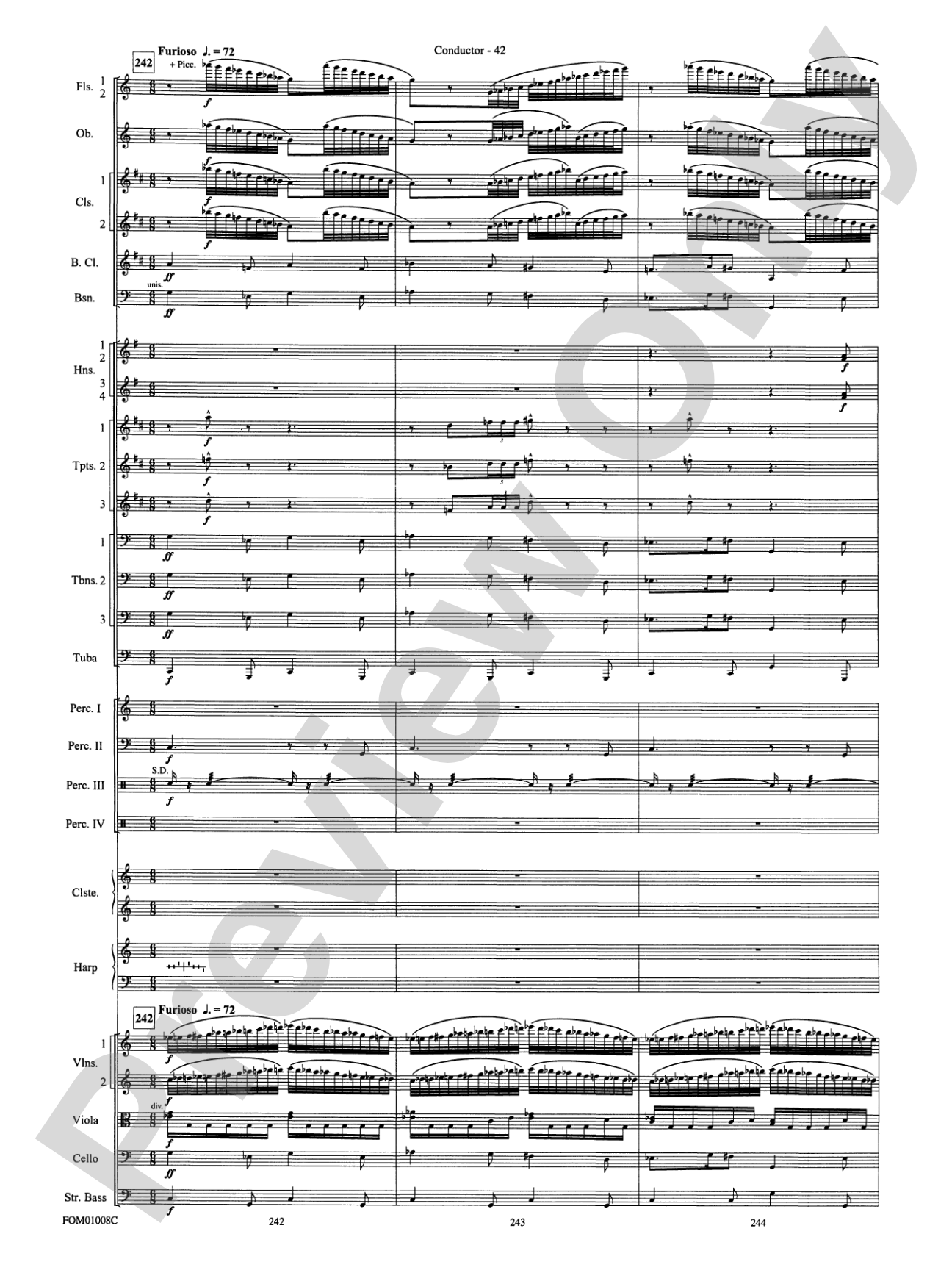
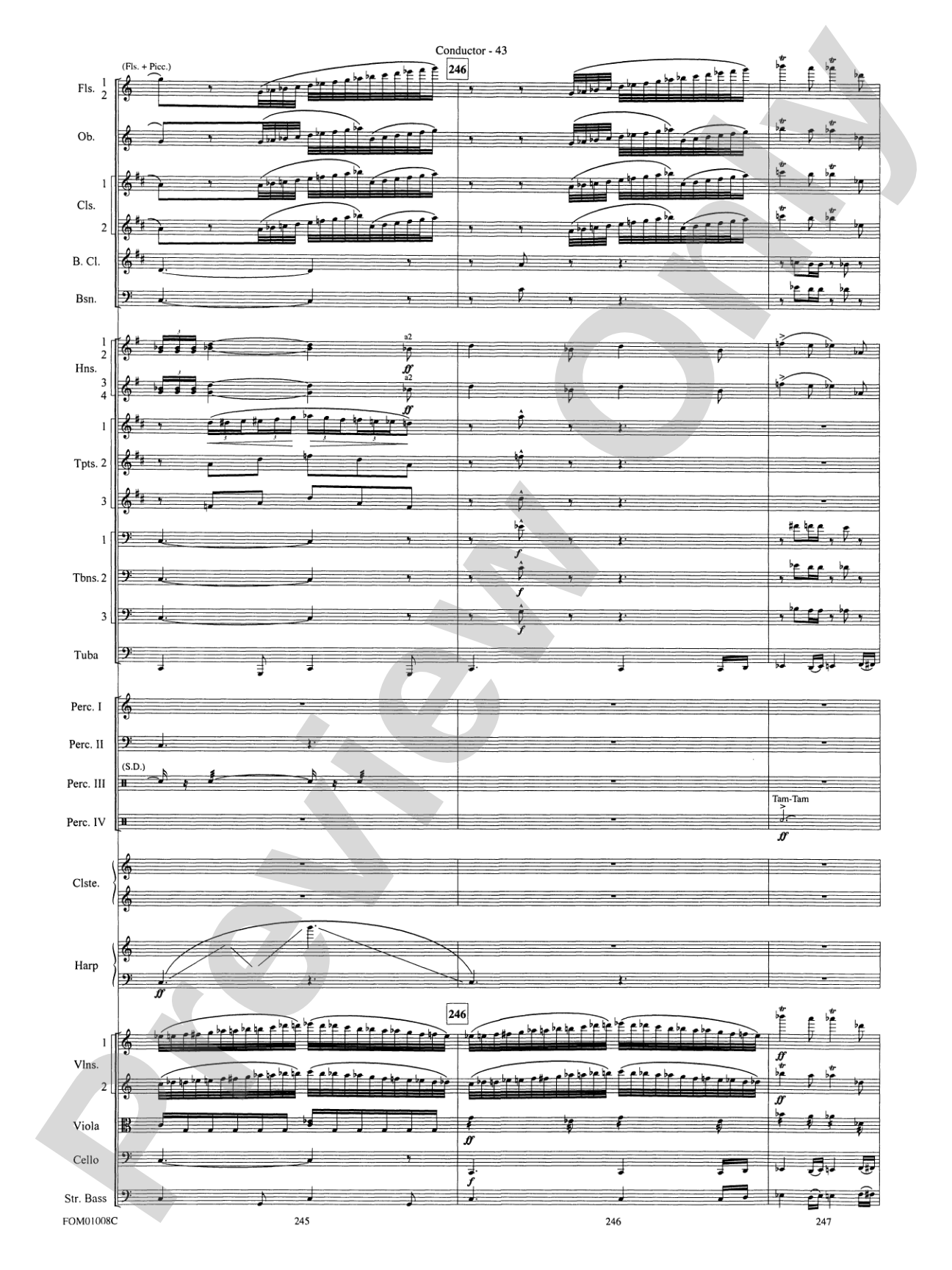
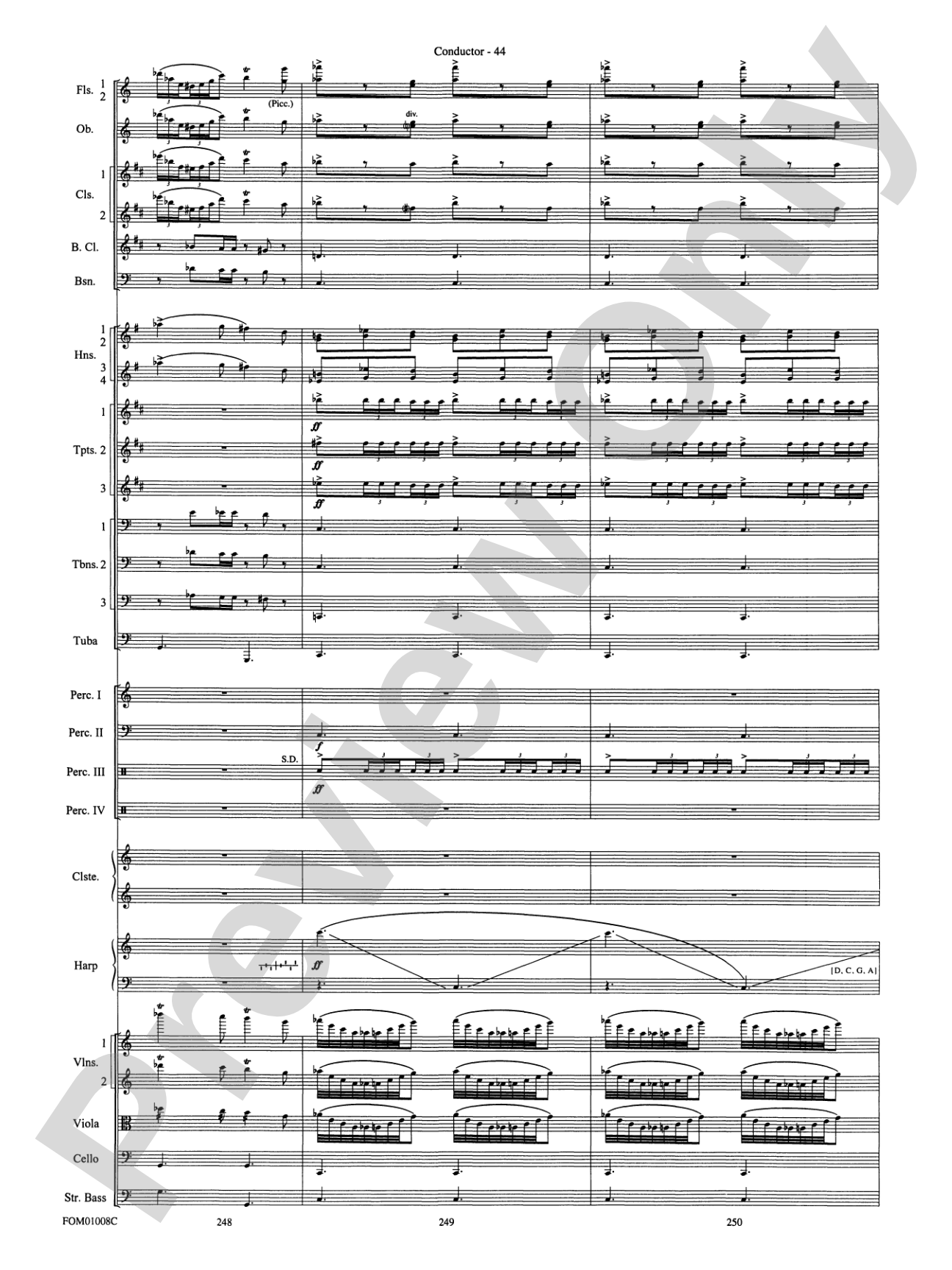
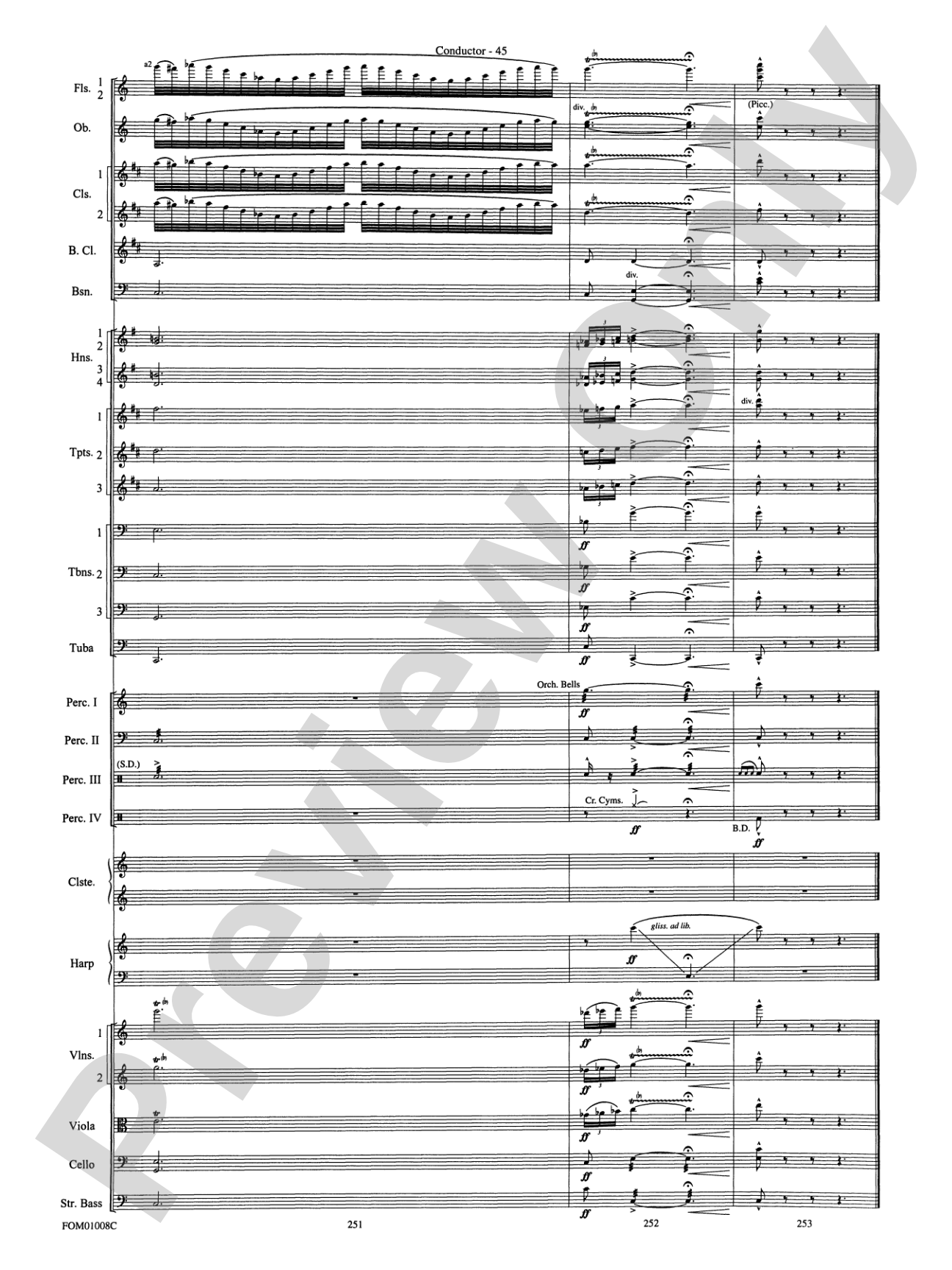


Harry Potter Symphonic Suite: Score
Music by John Williams / arr. Jerry Brubaker
Grade: 3.5
Item: 00-PR-0002340
$12.00
Pickup currently not available
Description
This medley, based on the endearing themes from the box office smash hit Harry Potter and the Sorcerer's Stone, weaves the vivid imagery of the film with varied textures to produce a work that will be loved by all. Wonderful symphonic literature certain to be a hit on any concert program. (7:20)
For educational usage/non-profit performances only; for professional arrangements, visit our rental library at alfred.com/rental.


For educational usage/non-profit performances only; for professional arrangements, visit our rental library at alfred.com/rental.
Don't just read it, hear it, play along with it, and watch your students grow with it. In MakeMusic Cloud, Harry Potter Symphonic Suite: Score comes alive with professional accompaniment, adjustable tempo, and built-in practice tools that turn solo practice into real progress.
Open in the Player
Jump straight in and assign it today.
Start Your Free Trial
Open this title and explore the full library in minutes.
Sample Audio
No sample audio found.
Sample Video
No sample videos found.
Additional Details
Series:
Pop Concert Full Orchestra
Publisher:
Alfred Music
Page Count:
322
SKU:
00-PR-0002340
More about this title
About the Composer: John Williams
John Williams stands as one of the most prolific and celebrated film composers of our time. His gift for crafting memorable melodies that enhance visual storytelling while remaining musically substantial has earned him five Academy Awards and countless Grammy nominations. His orchestral scores have become the soundtrack to multiple generations of moviegoers, and his themes transcend cinema to become concert repertoire in their own right.
In the classroom and concert hall, Williams' music offers something rare: accessibility without compromise. His themes are instantly recognizable and emotionally direct, yet they demand real orchestral craft and nuance from performers. Music educators have long recognized his work as a bridge between popular culture and serious musical study.
Why we love this
Jerry Brubaker's arrangement captures the wonder of the Sorcerer's Stone without oversimplifying the orchestration. At Grade 3.5, it gives solid young orchestras genuine symphonic writing to sink their teeth into, not a dumbed-down cartoon version. This is repertoire that lets students experience what they actually heard in the film while building real conducting and ensemble skills.
What to expect
The suite evokes that first sense of discovery and wonder as Harry enters the wizarding world. Themes shift between whimsy, drama, and triumphant grandeur, giving the orchestra varied emotional terrain to explore. The arrangement preserves the orchestral richness of the film score while remaining playable for young musicians.
Who it's for
This score works for full orchestras at the intermediate to early advanced level who want substantial concert repertoire with immediate appeal. Students recognize the music; directors gain access to a well-crafted orchestration that teaches real musicianship without being a pop arrangement in disguise.
How to get the most out of it
- Work with your concertmaster to establish the character of each thematic section. Williams' themes are highly distinctive, and clarity of melody line across the orchestra determines whether the audience connects with what they're hearing.
- Shape phrases according to the film's pacing. Even though this is concert music, the themes still carry cinematic momentum. Allow transitions to breathe, and don't rush moments designed to build anticipation.
- Balance the brass strategically. With a full orchestration at this grade level, young brass players can easily overwhelm the woodwinds. Mark balance rehearsals that protect the harmonic color underneath the thematic material.
- Invest rehearsal time in the tutti sections. When the entire orchestra plays, intonation and blend become critical. These moments define the symphonic character of the suite.
How to use it
This works beautifully as an opening piece on a concert that mixes classical and contemporary repertoire, or as a full-orchestra feature in a program otherwise dominated by smaller ensembles. Its seven-minute length and popular appeal make it an ideal closer or centerpiece. Many directors also program it near Halloween as a recognizable alternative to traditional spooky selections.
Skills your students will build
- Sustained orchestral balance across mixed sections
- Thematic clarity and phrasing in full ensemble textures
- Tempo flexibility and cinematic sensitivity
- Intonation control in tutti passages
- Reading interconnected parts in a complex score