
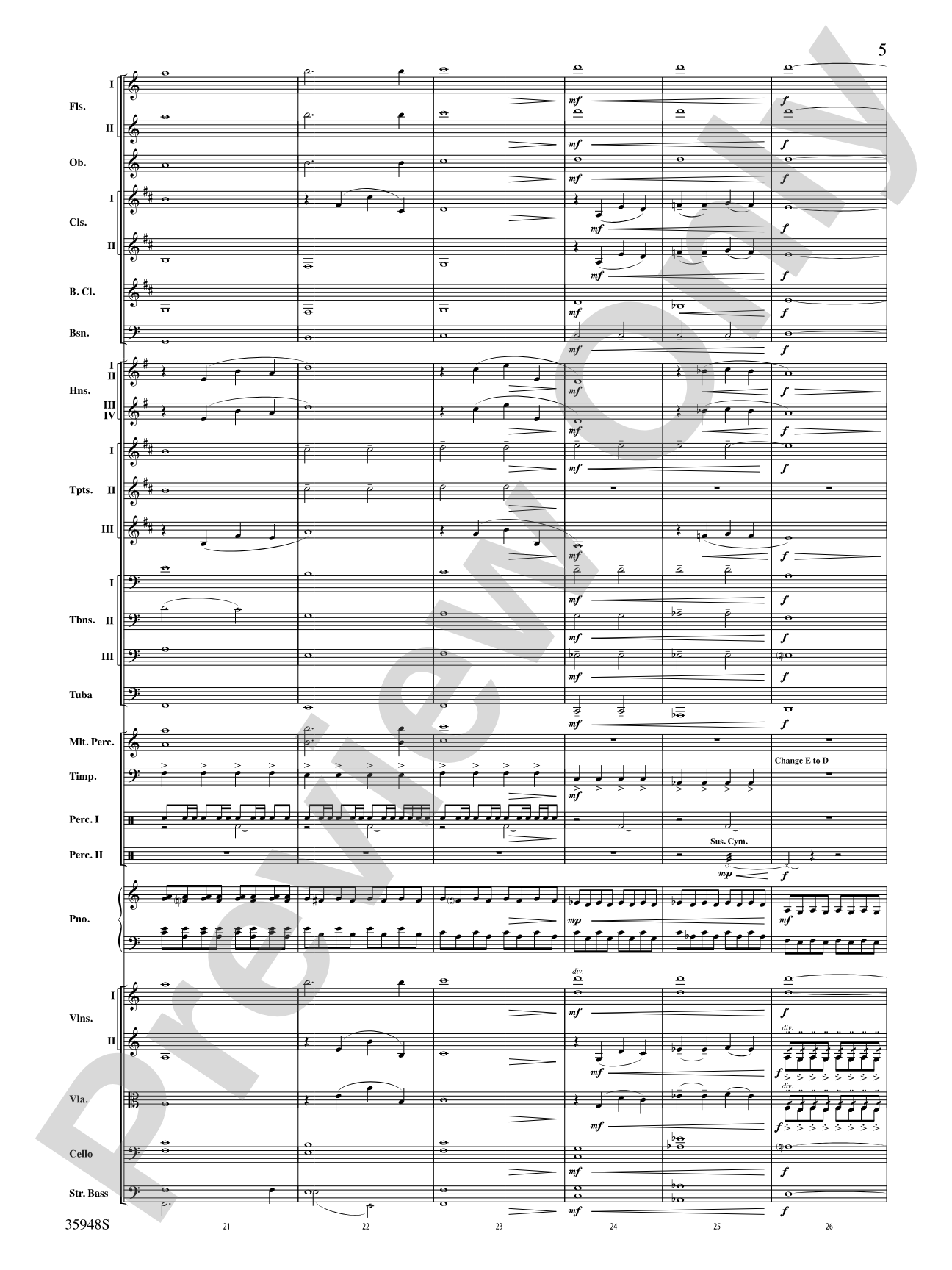
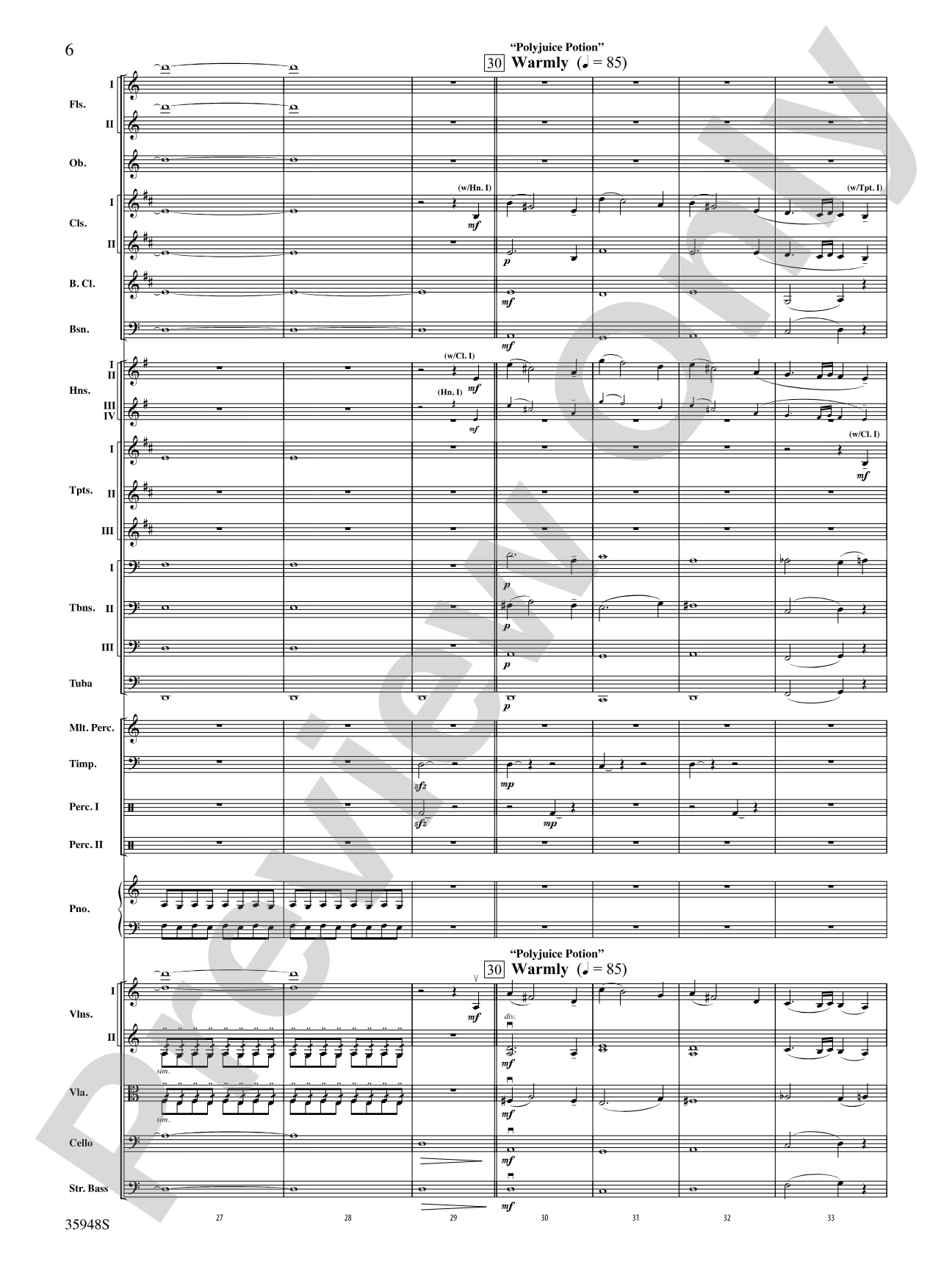
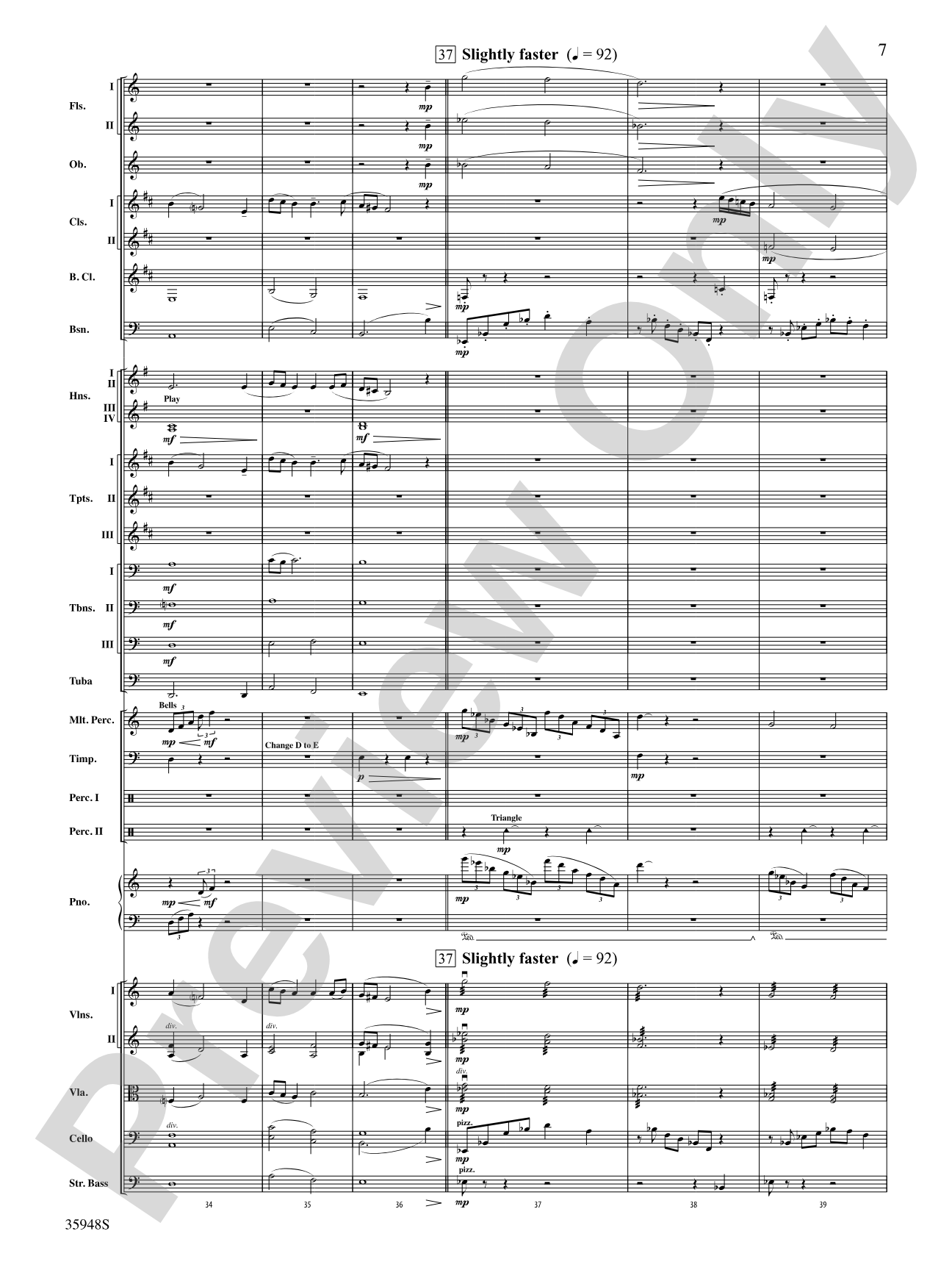
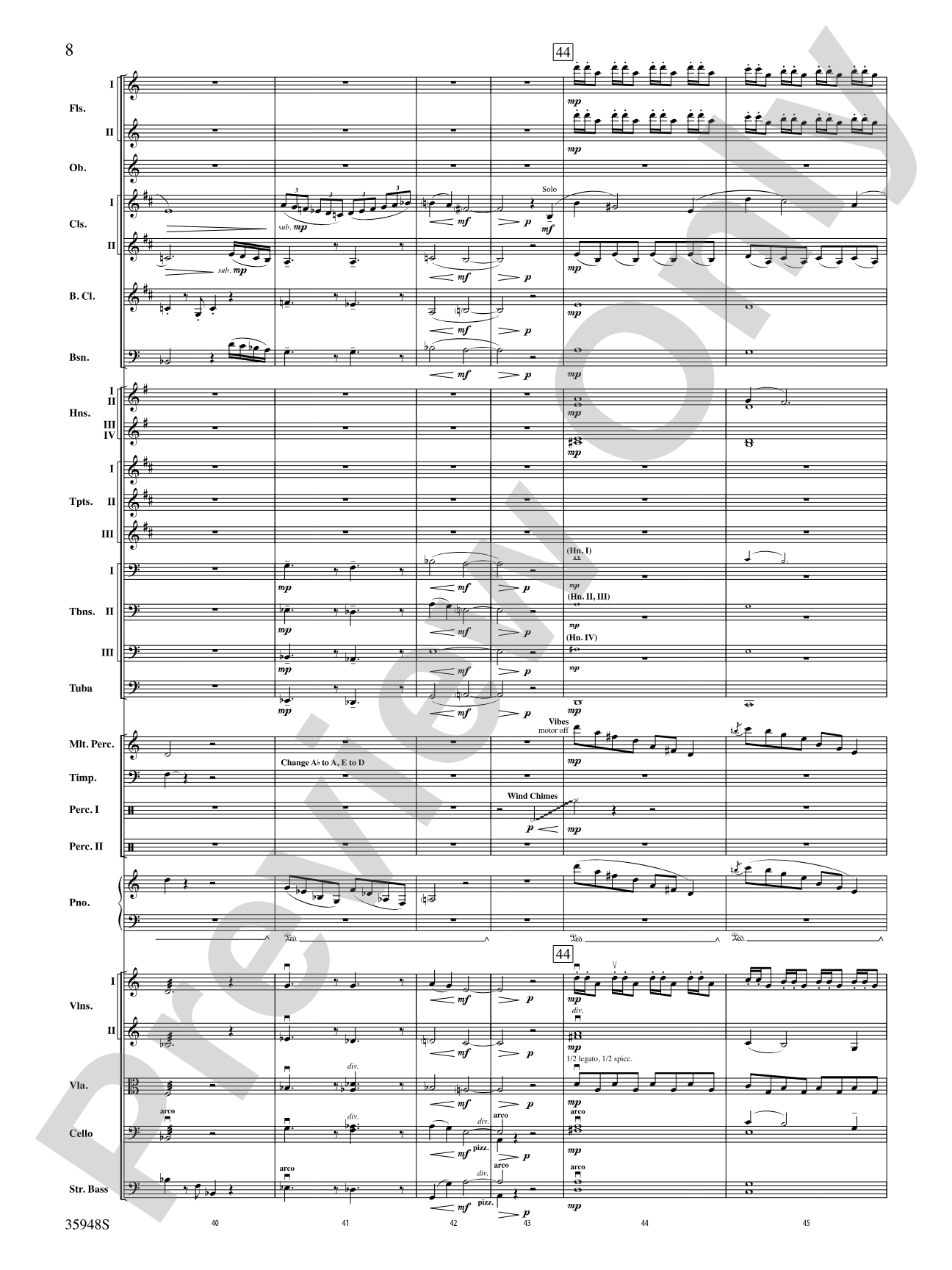
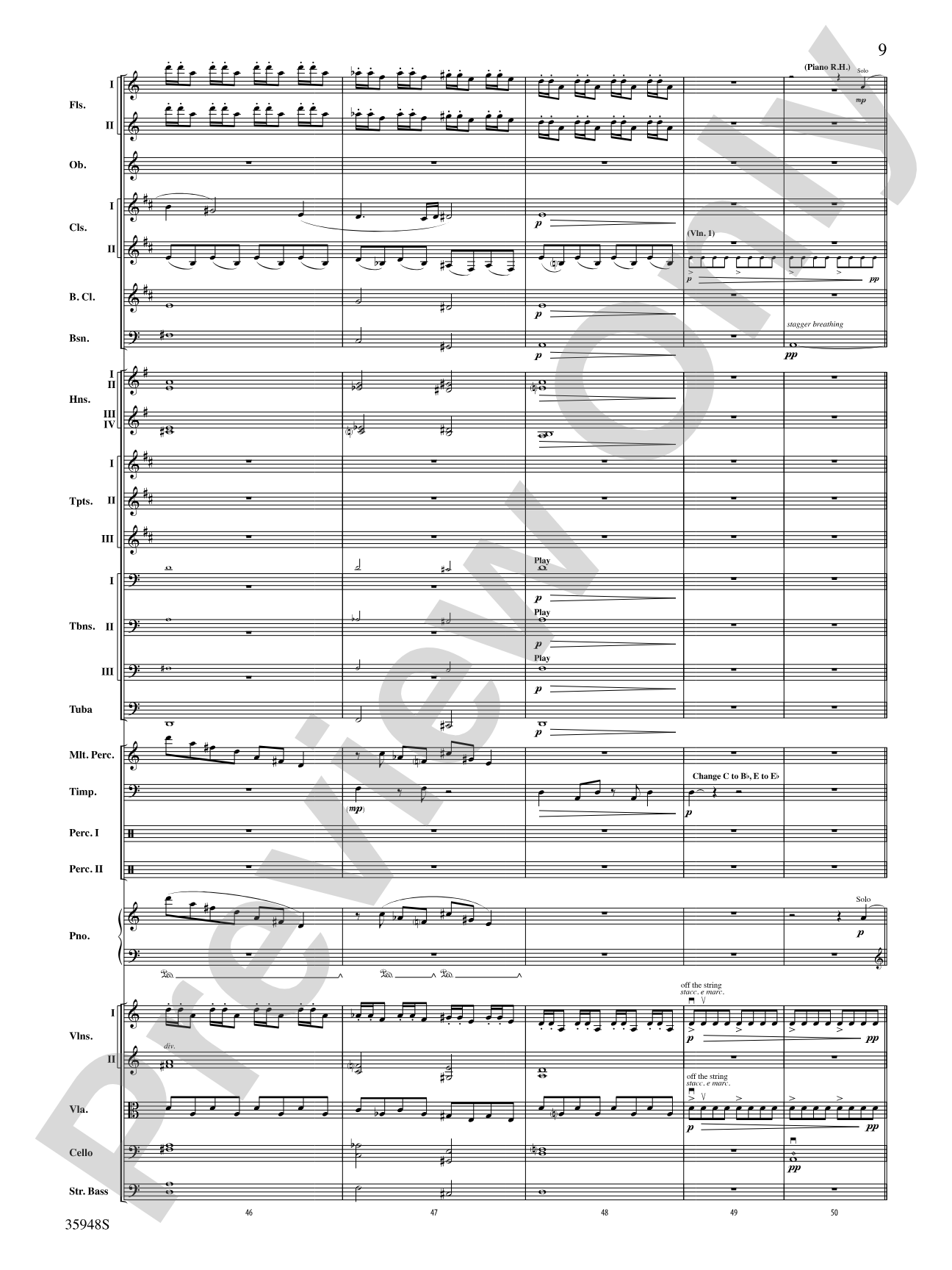
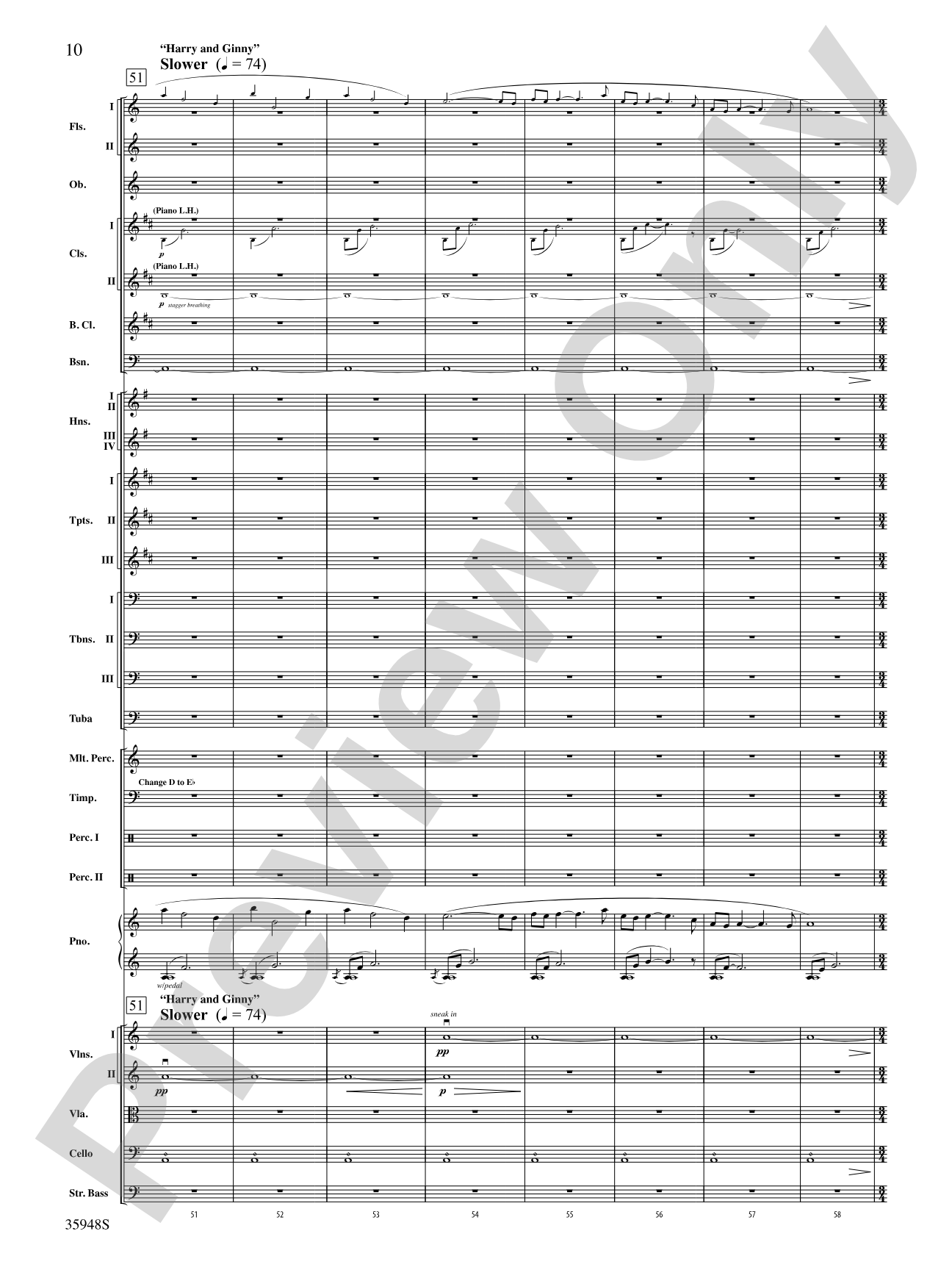
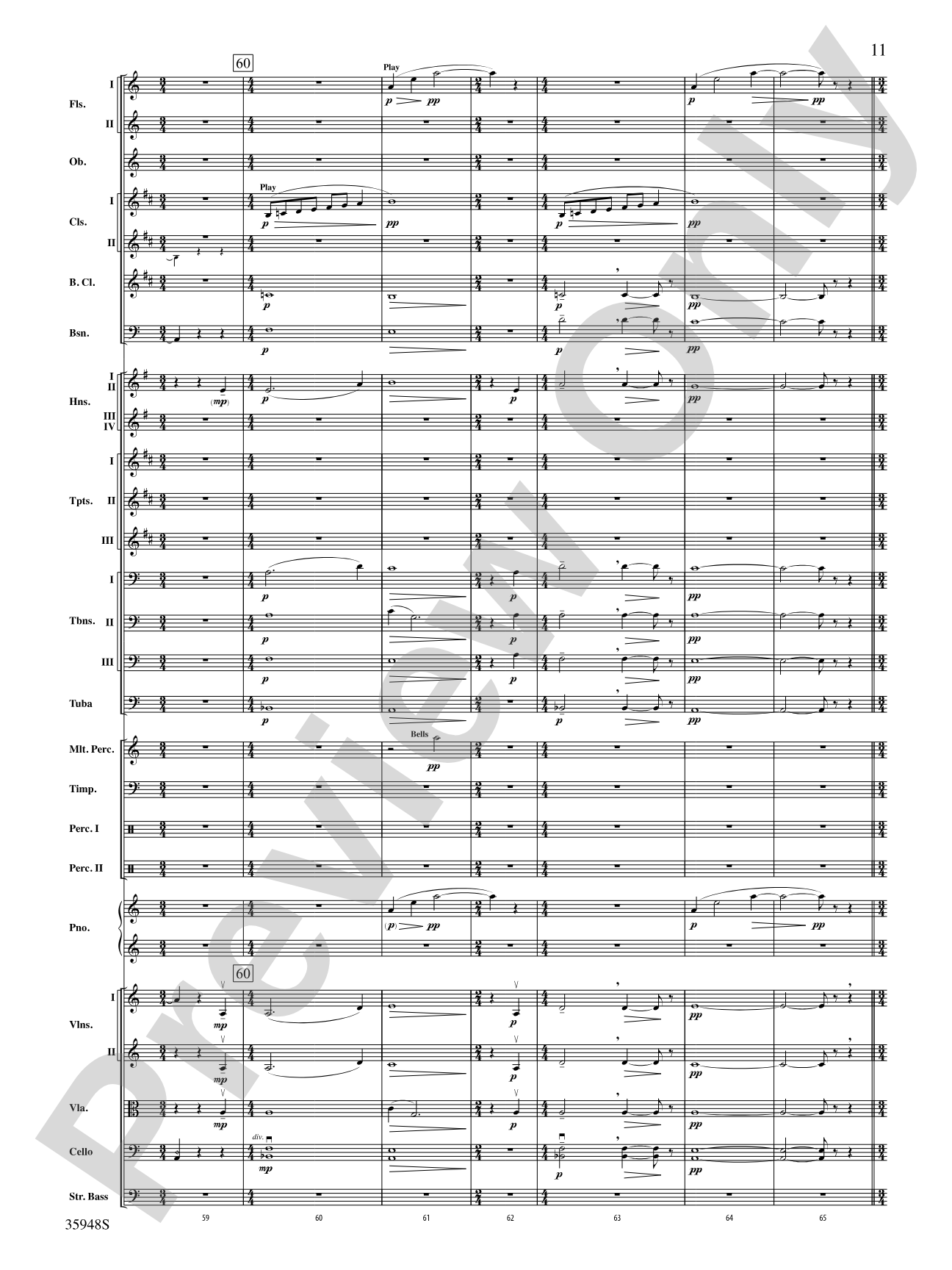
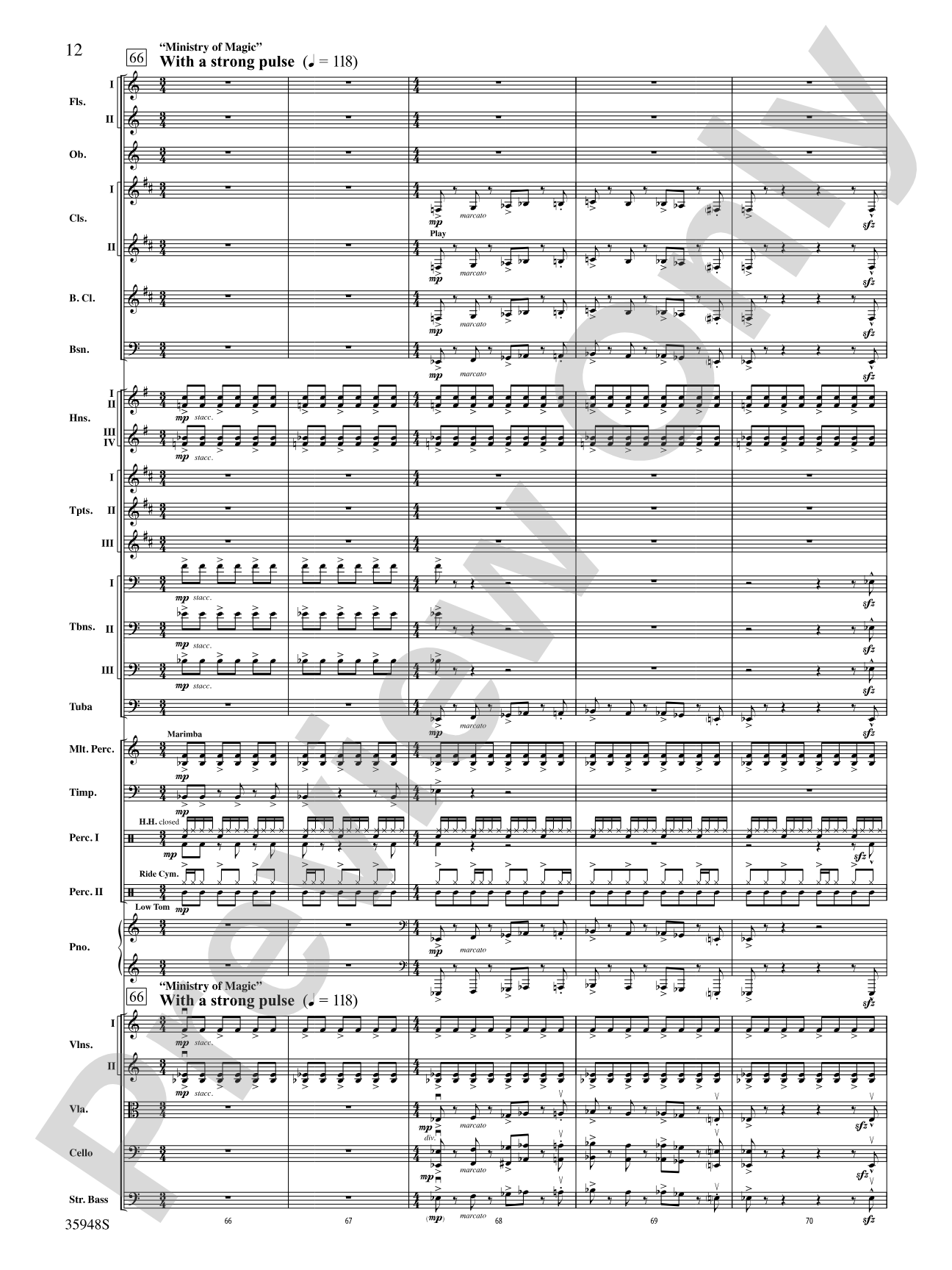
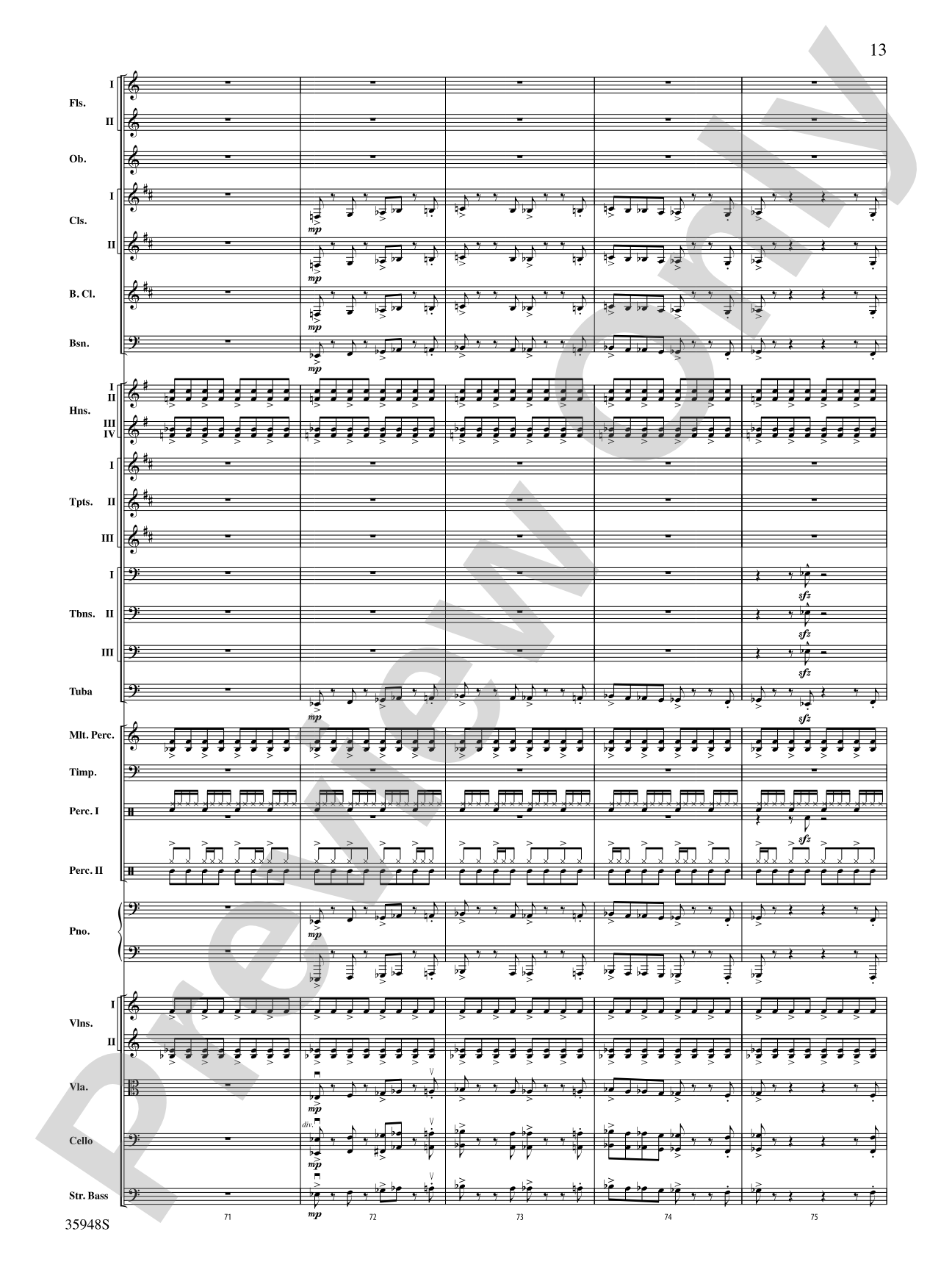
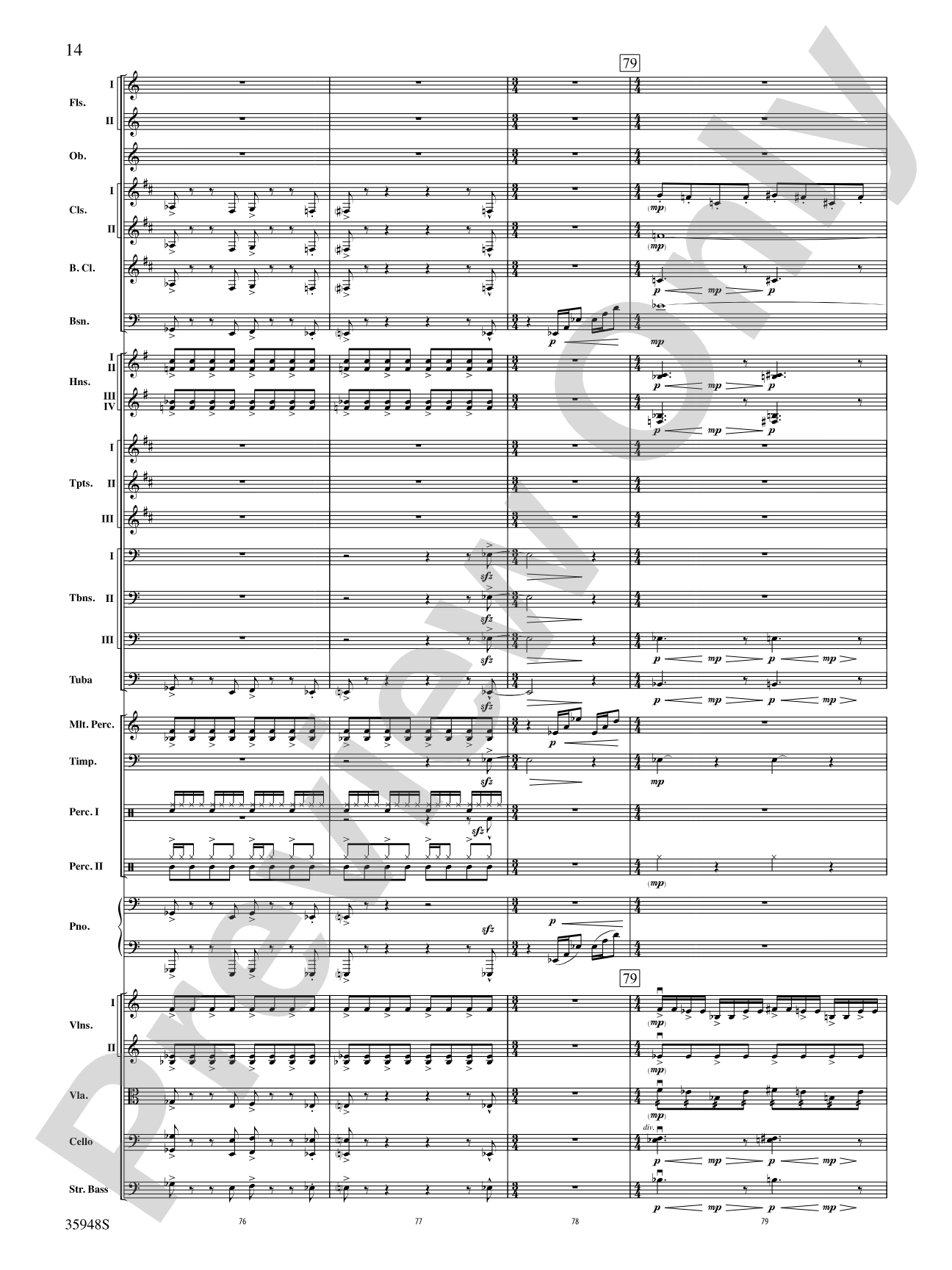
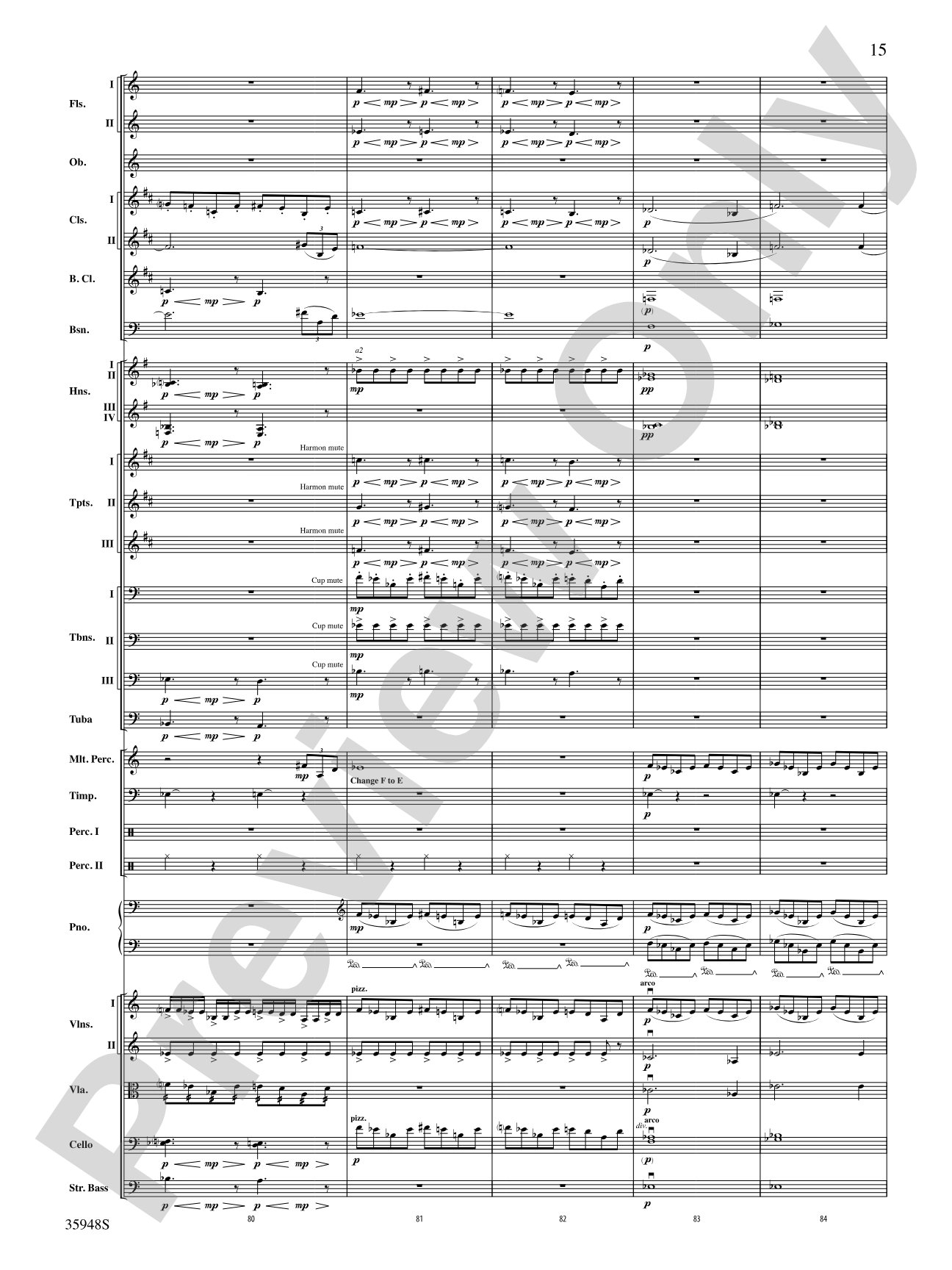
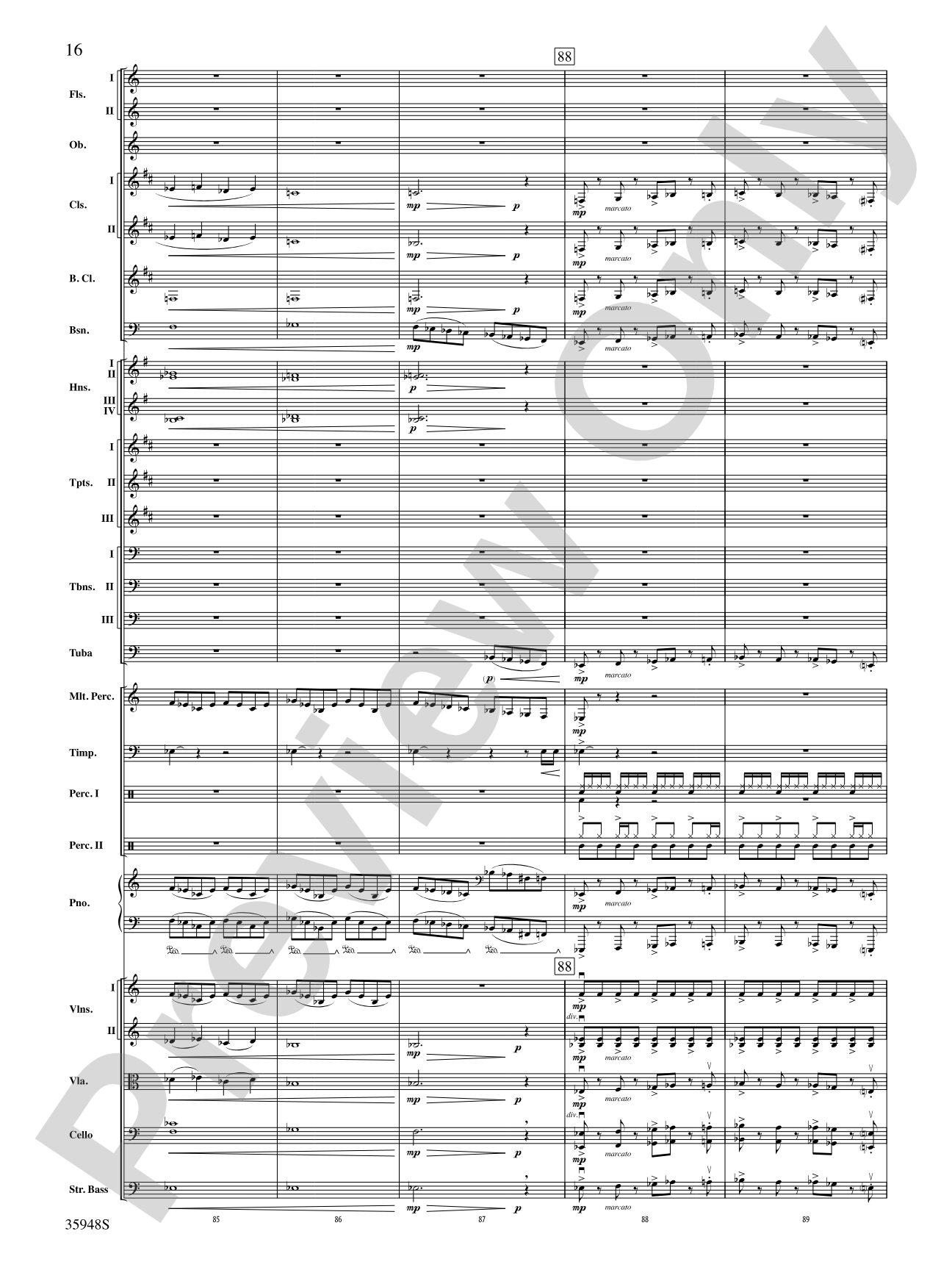
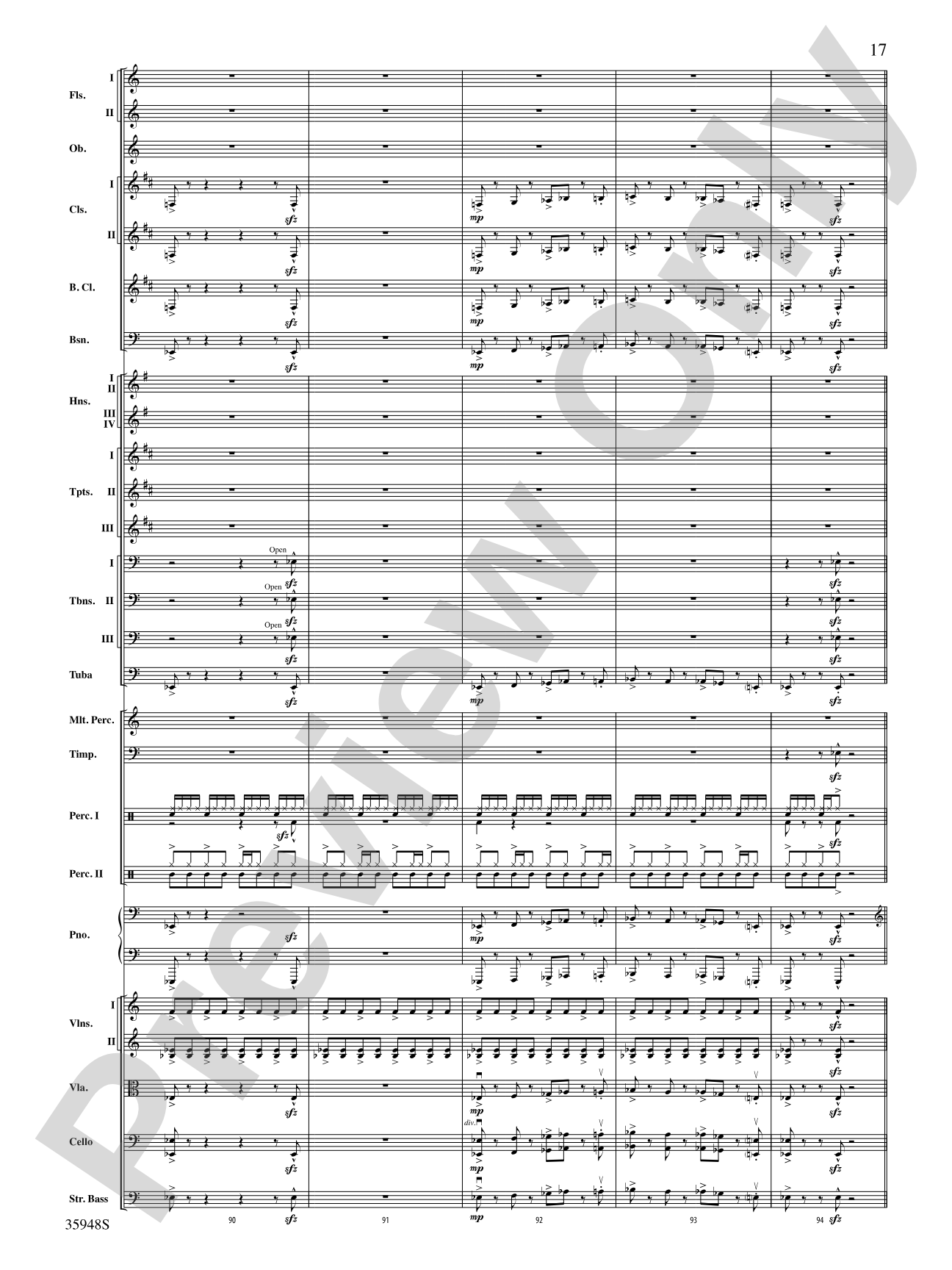
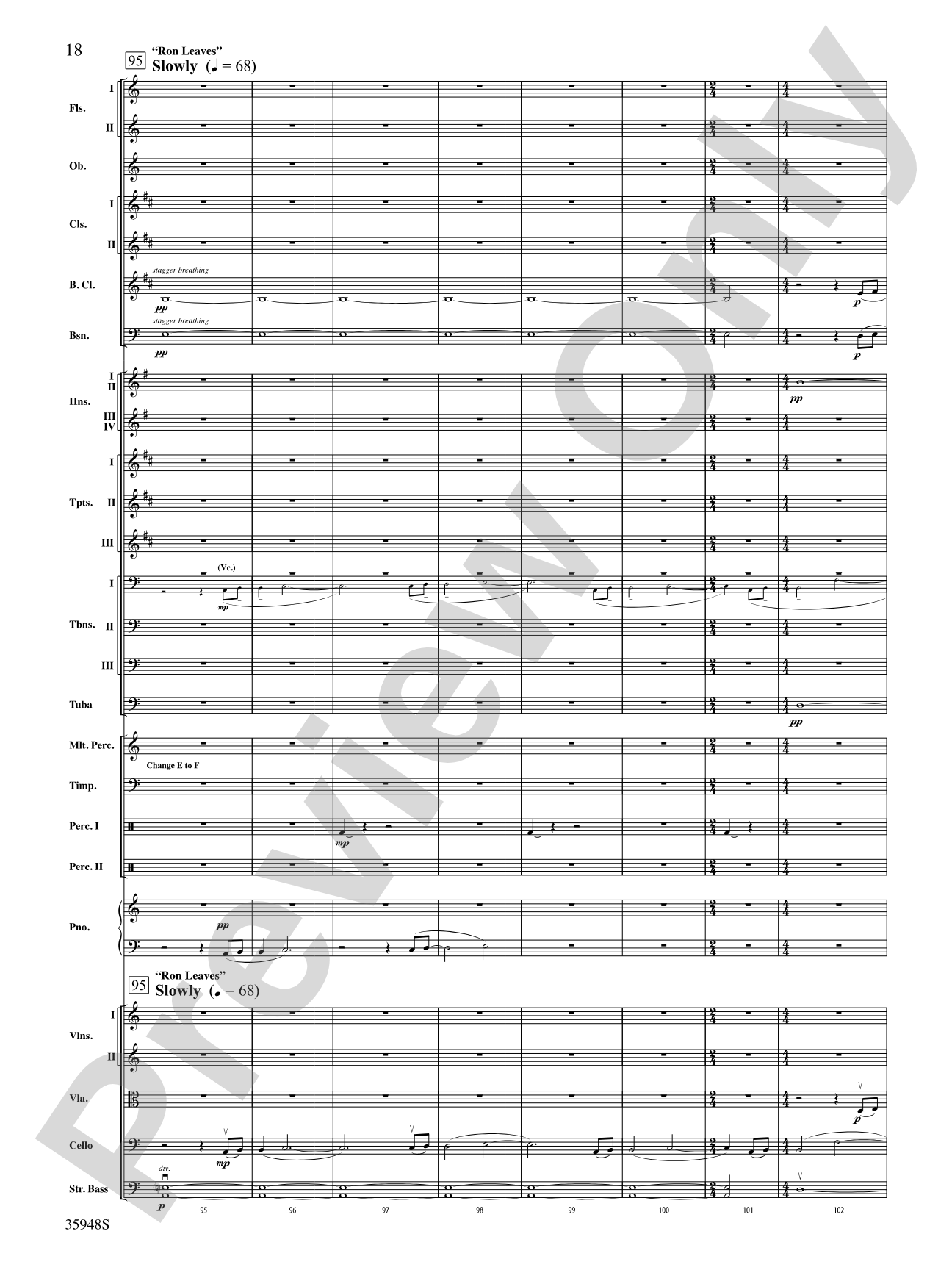
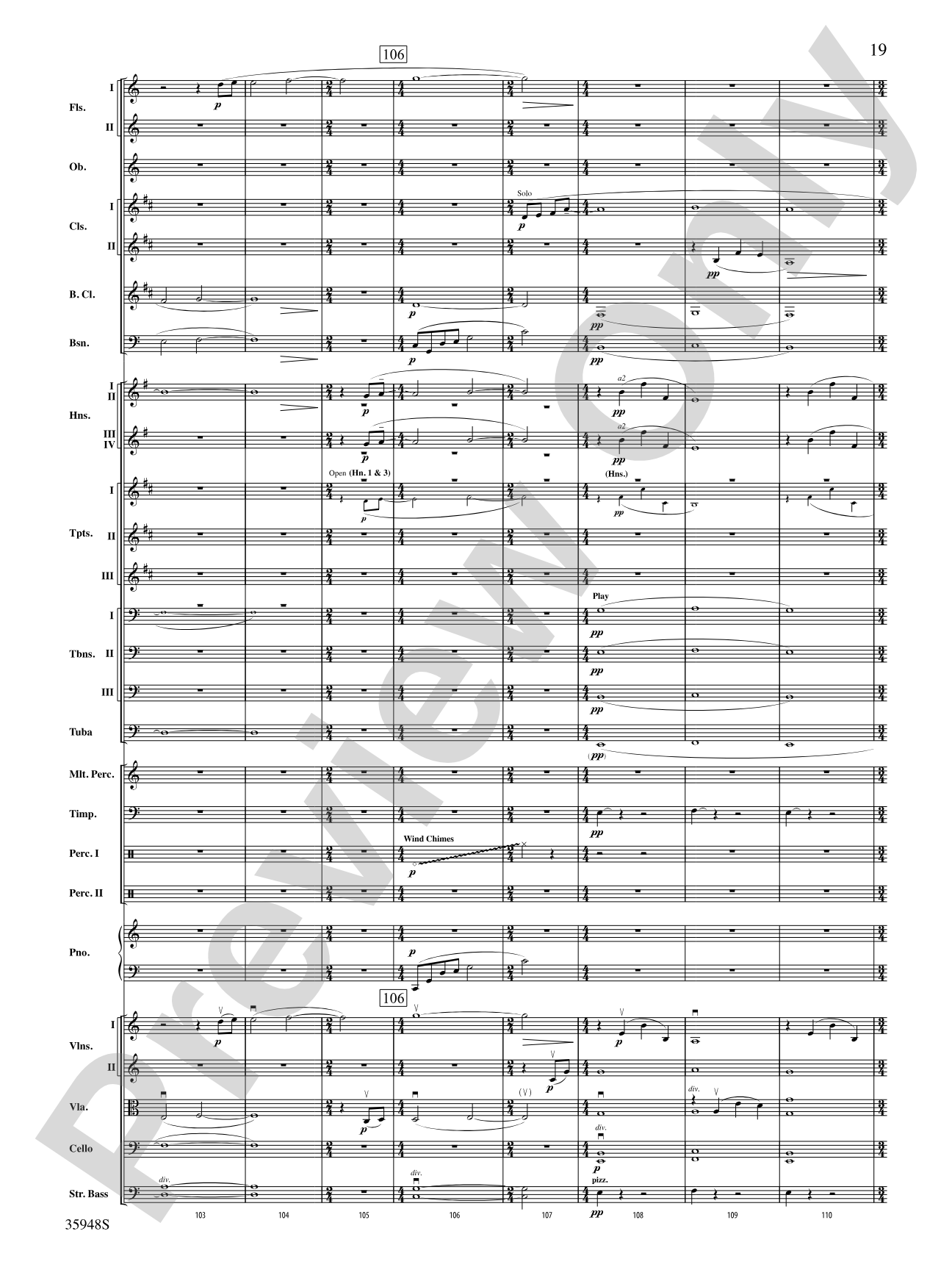
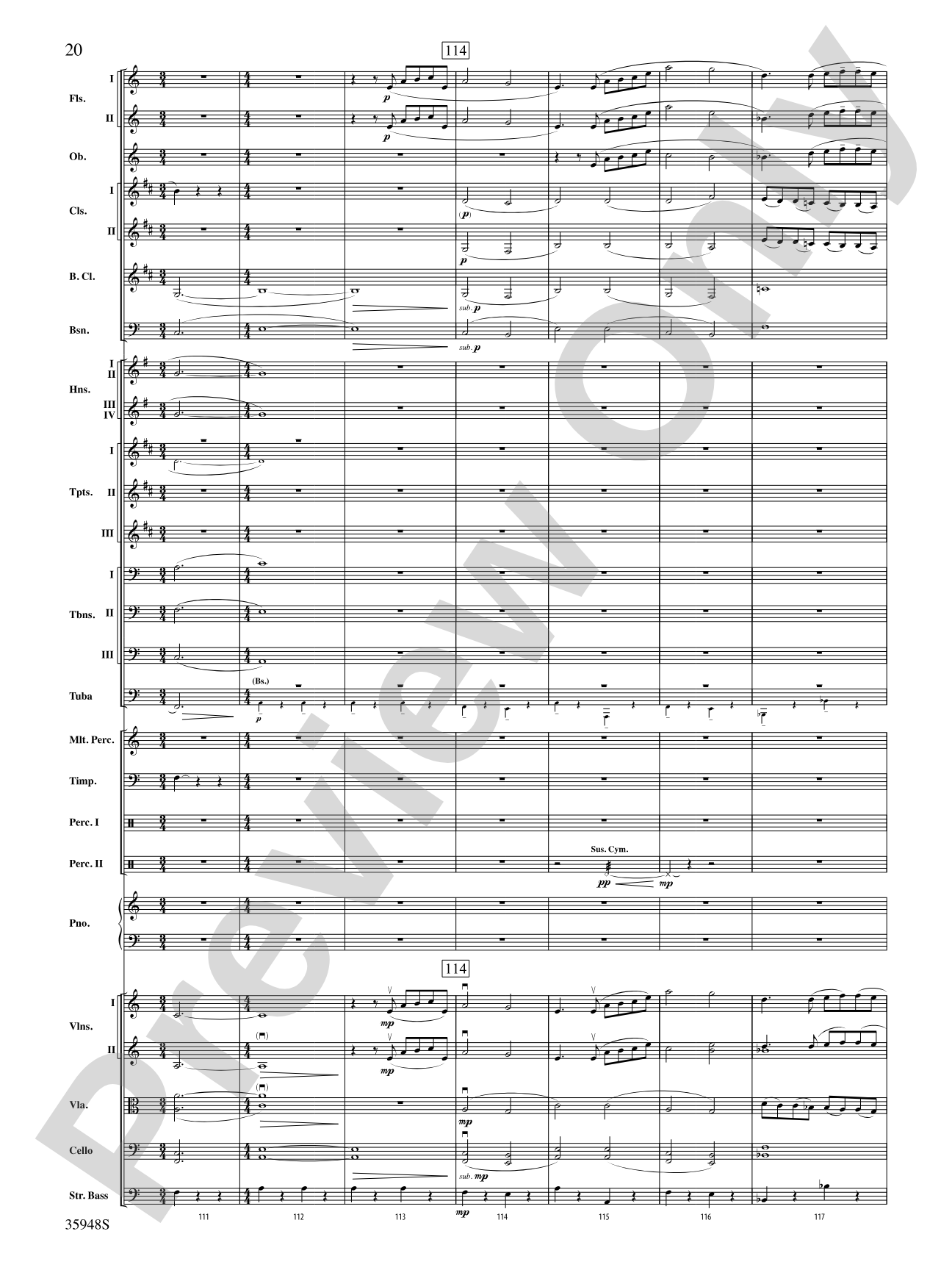
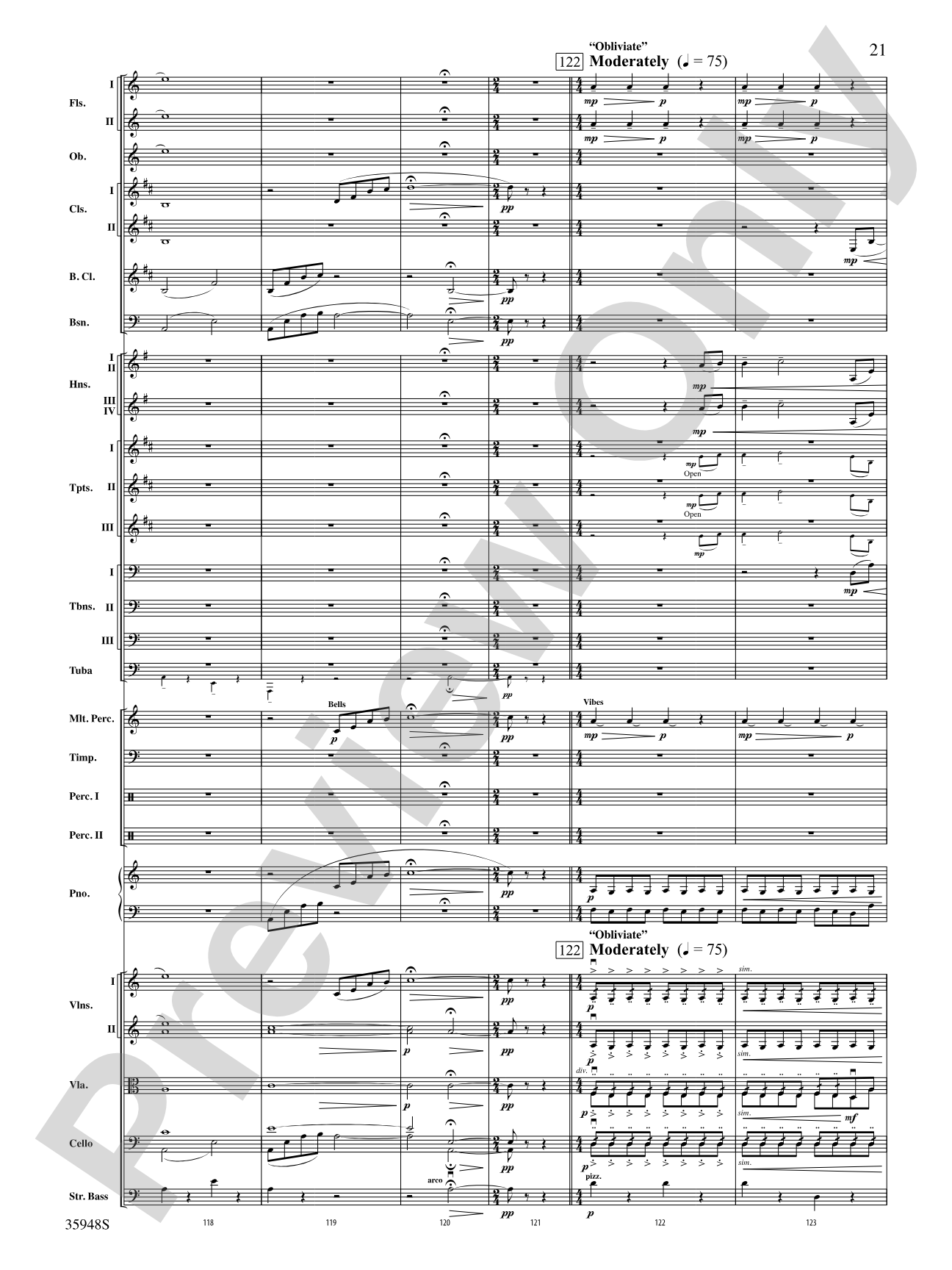
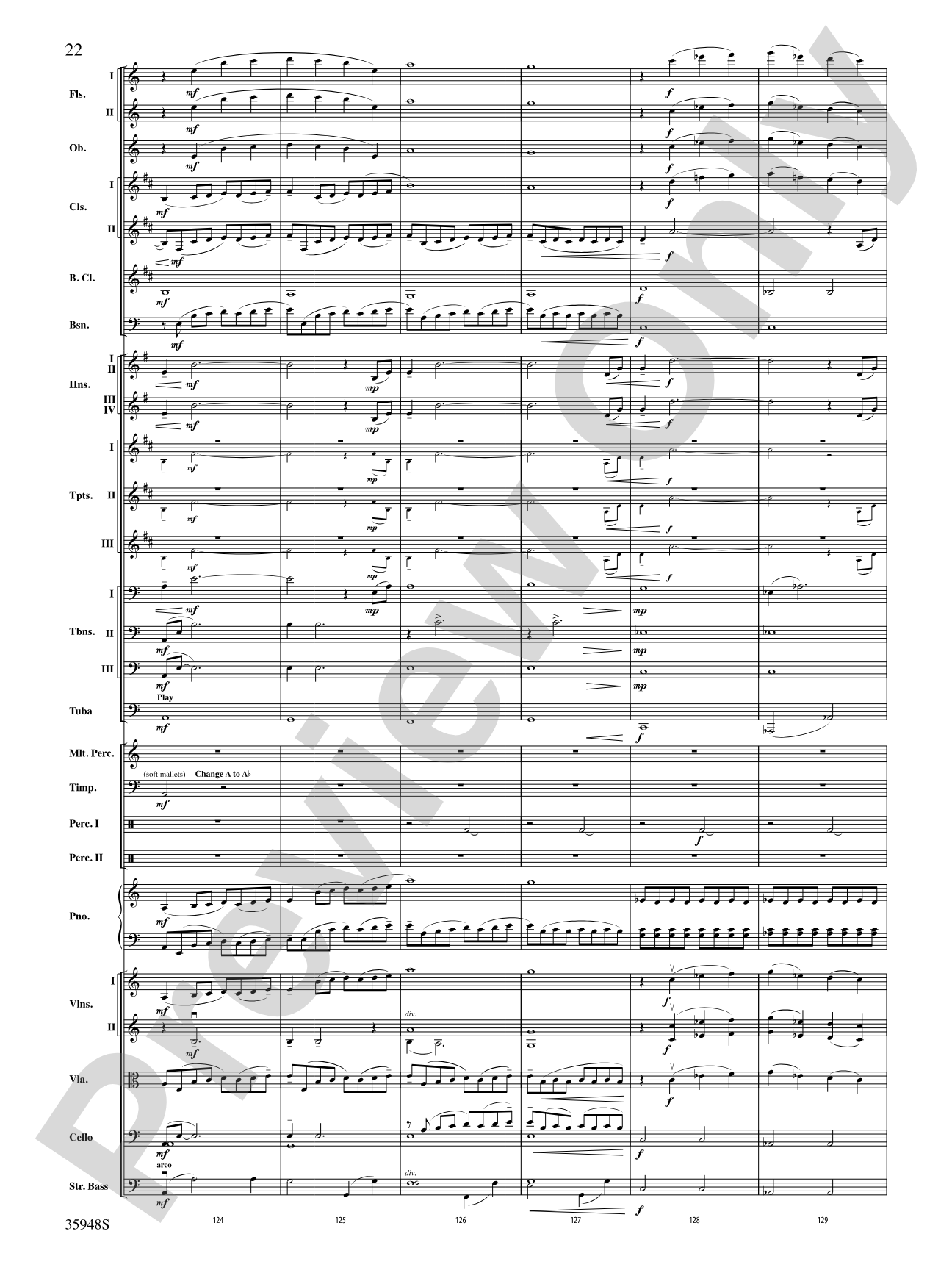
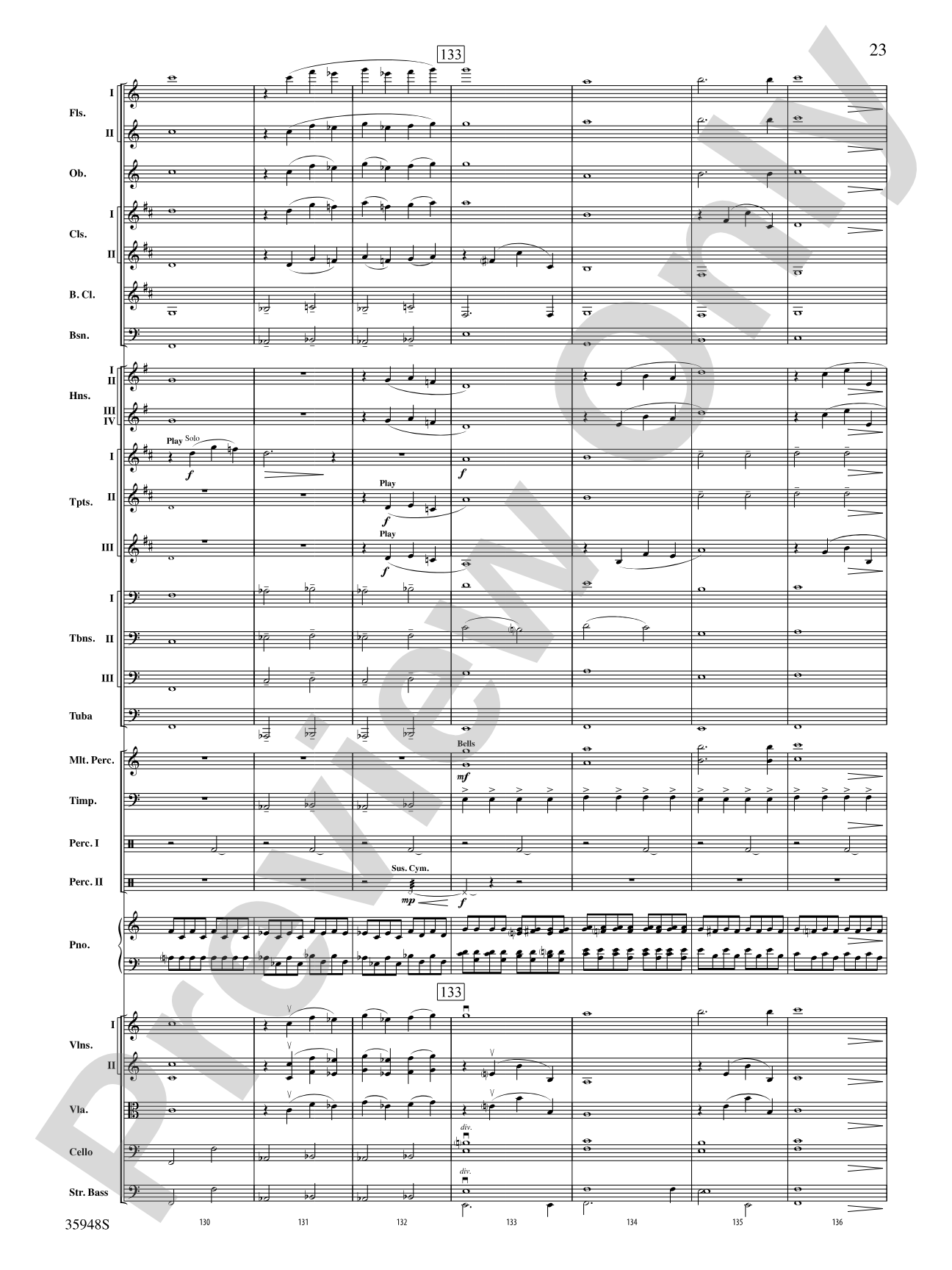
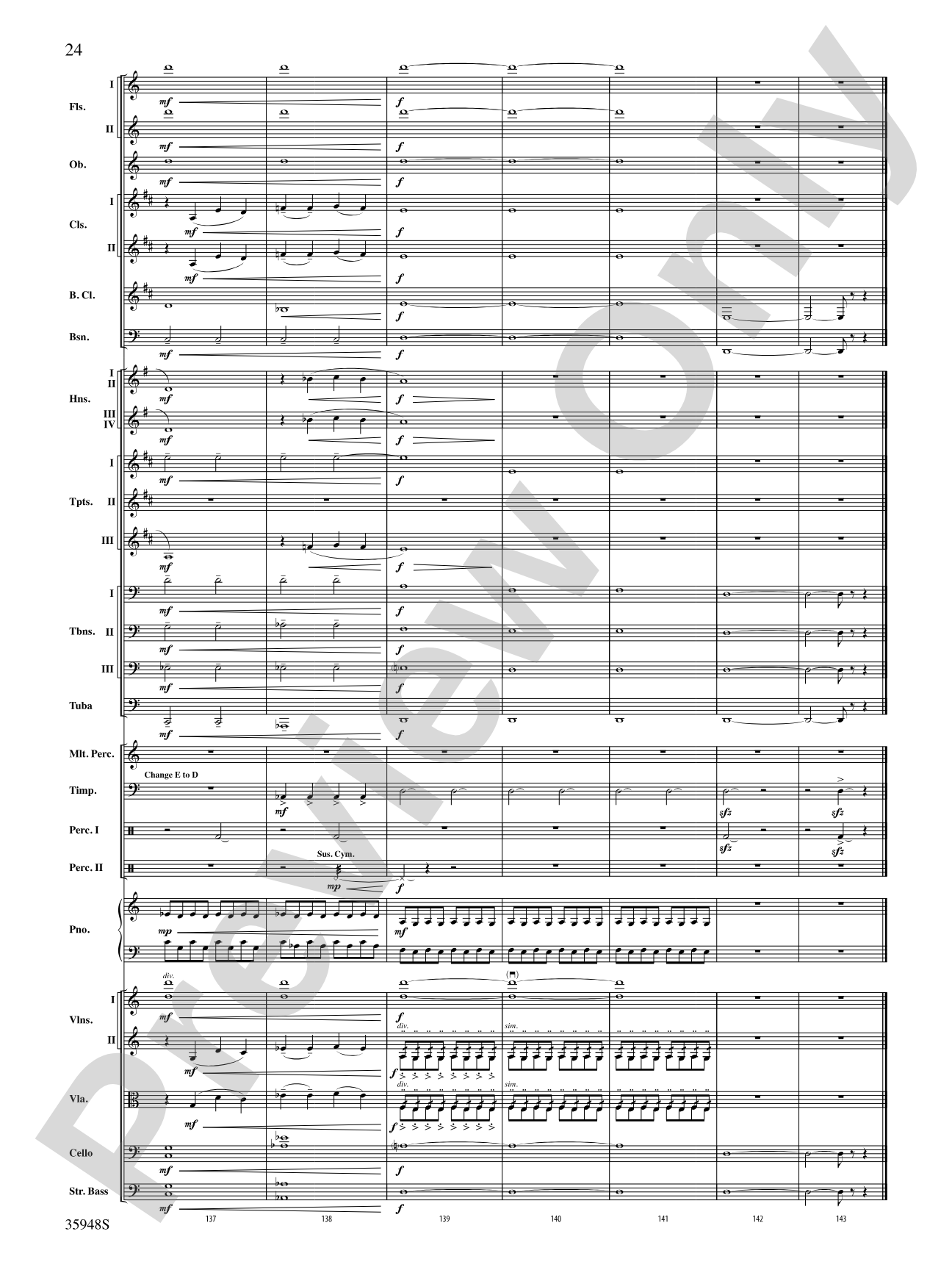

Harry Potter and the Deathly Hallows, Part 1, Suite from: Full Orchestra Conductor Score & Parts
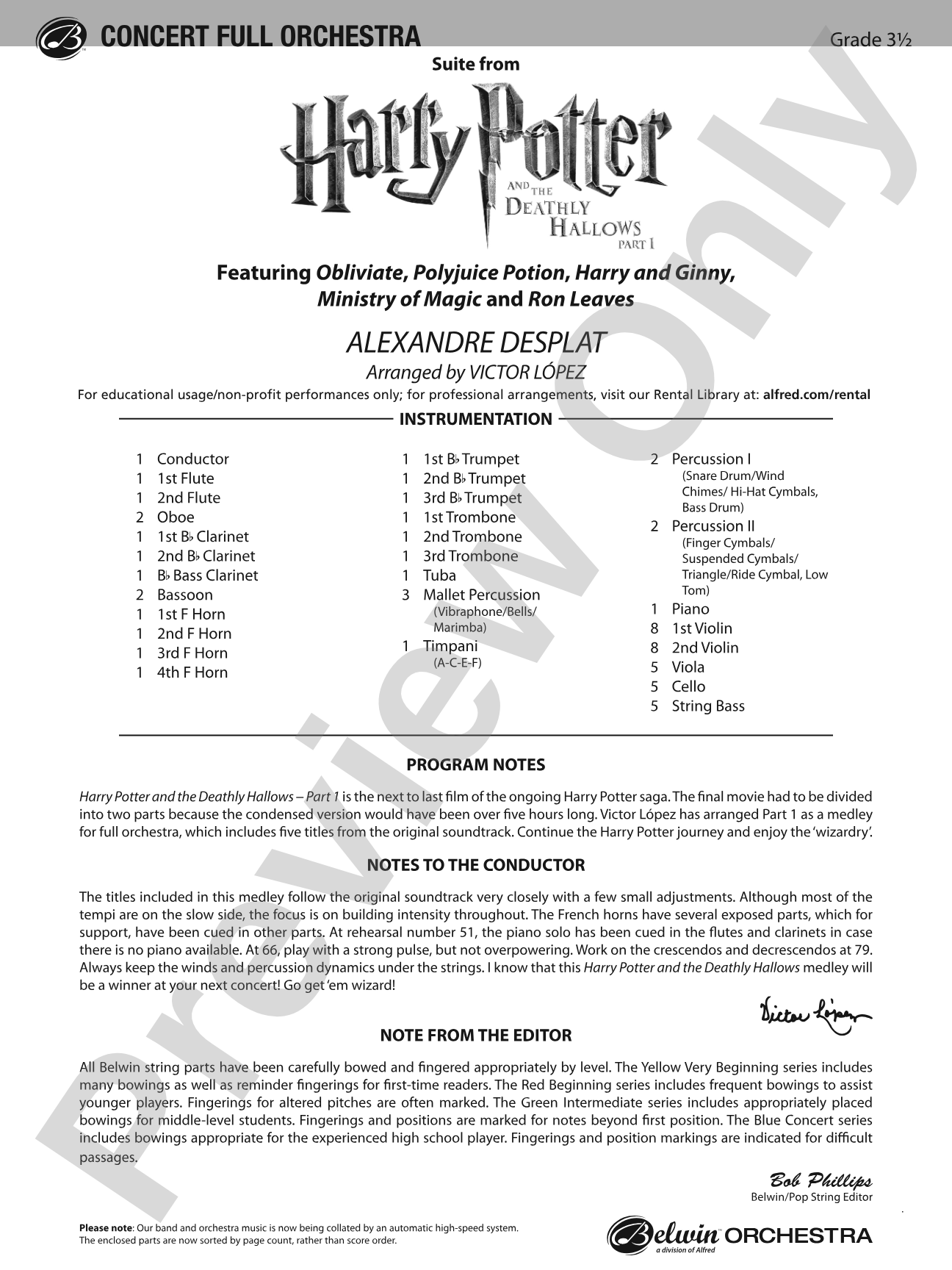
Featuring: Obliviate / Polyjuice Potion / Harry and Ginny / Ministry of Magic / Ron Leaves
By Alexandre Desplat / arr. Victor López
Grade: 3.5
Item: 00-PK-0004737

$72.00
Pickup currently not available
Buy Extra Parts (Digital PDF Download)
Parts Added to Cart!
Description
A fabulous medley to celebrate the next to last movie in the Harry Potter journey! Remaining true to the soundtrack, this piece is perfect for high school orchestras.
For educational usage/non-profit performances only; for professional arrangements, visit our rental library at alfred.com/rental.


For educational usage/non-profit performances only; for professional arrangements, visit our rental library at alfred.com/rental.
Don't just read it, hear it, play along with it, and watch your students grow with it. In MakeMusic Cloud, Harry Potter and the Deathly Hallows, Part 1, Suite from: Full Orchestra Conductor Score & Parts comes alive with professional accompaniment, adjustable tempo, and built-in practice tools that turn solo practice into real progress.
Open in the Player
Jump straight in and assign it today.
Start Your Free Trial
Open this title and explore the full library in minutes.
Sample Audio
1
Audio File
--:--
0:00
0:00
Sample Video
No sample videos found.
Additional Details
Series:
Pop Concert Full Orchestra
Publisher:
Alfred Music
Page Count:
240
SKU:
00-PK-0004737
Instrumentation:
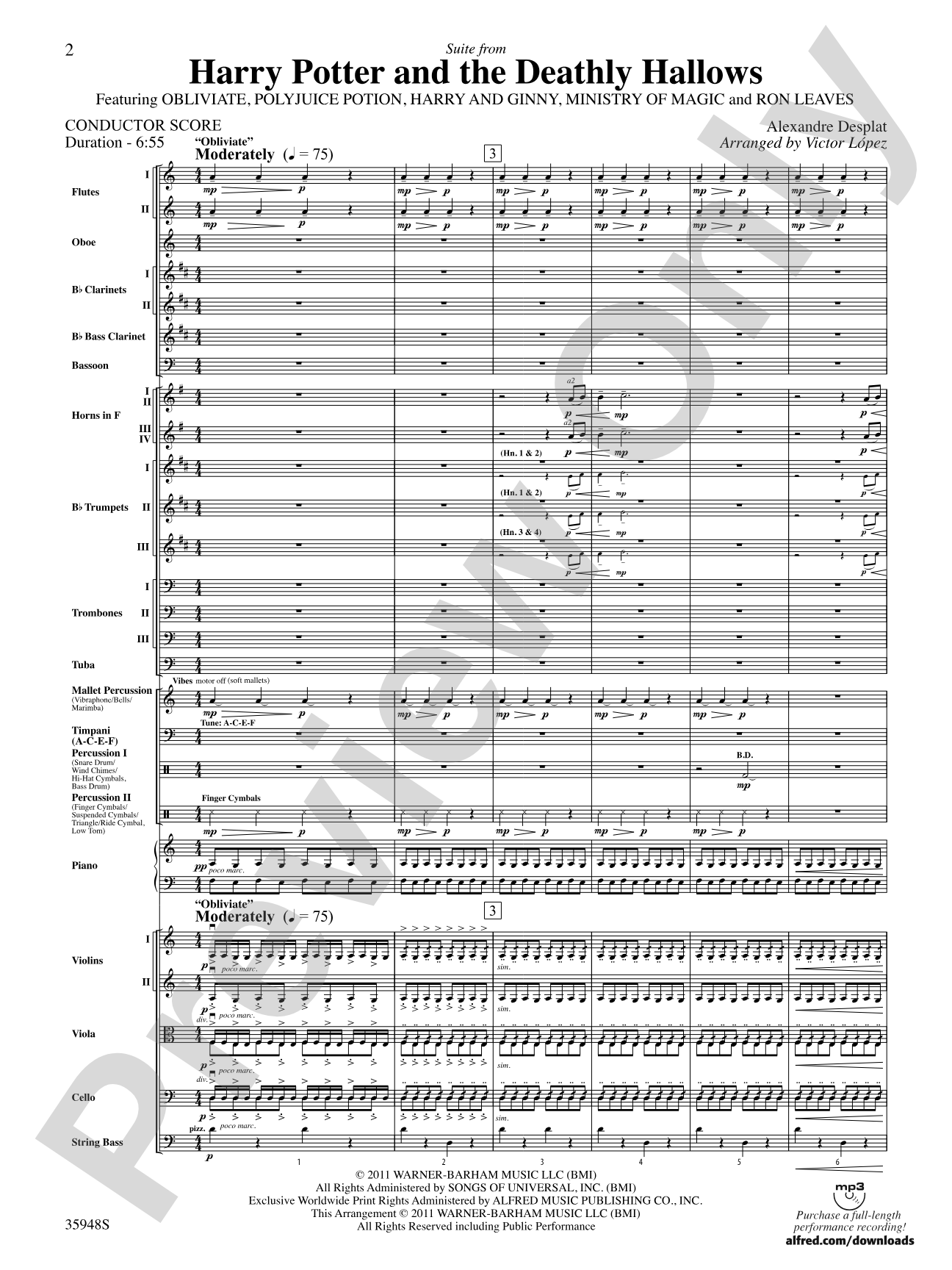
full (Vibraphone/Bells/Marimba, timp, Snare Drum/Wind Chimes/ Hi-Hat Cymbals, Bass Drum, Finger Cymbals/Suspended Cymbals/Triangle/Ride Cymbal, Low Tom, pno)
More about this title
About the Composer: Alexandre Desplat
Alexandre Desplat is a French film composer whose work spans over three decades of cinema, from independent productions to major studio franchises. His compositional voice balances orchestral sophistication with immediate accessibility, making him a natural fit for educational arrangements. Desplat's Harry Potter scores earned him two Academy Award nominations and established him as a master of thematic material that resonates with audiences of all ages while remaining genuinely complex.
Why we love this
Victor López's arrangement captures the dramatic sweep of Desplat's original score without sacrificing playability at the high school level. The orchestration sits comfortably for developing musicians while maintaining the emotional weight that makes this music instantly recognizable to your audience. Programming this suite gives your orchestra a chance to perform film music that students actually want to play.
What to expect
Mysterious, urgent, and grounded in the darker moments of the story. The orchestration ebbs between intimate string writing and full ensemble climaxes, creating a journey that feels cinematic. Desplat's harmonic language lends sophistication to the harmonic progressions without requiring experimental extended techniques.
Who it's for
High school orchestras with solid ensemble balance and secure intonation in both upper and lower strings. This arrangement works for groups comfortable with Grade 3.5 repertoire in full orchestra setting. Whether you're strengthening your program's contemporary film music offerings or planning a concert around popular repertoire, this suite appeals to student musicians and audiences alike.
How to get the most out of it
- Balance the melodic material between first and second violins; both carry important thematic fragments that deserve clarity, especially in unison passages.
- Shape phrases through dynamics rather than tempo changes. Desplat's themes are most effective when the orchestra commits to his marking but sustains forward momentum.
- Bring out the percussion color palette (vibraphone, marimba, bells) without letting it overwhelm the strings. These colors frame the music's texture, not its foundation.
- Coordinate conductor cues with your principal winds. Key moments shift between string and wind sections, and unified preparation prevents hesitation.
How to use it
This works as a standalone feature, a curtain-raiser to a concert built around film music or contemporary composers, or even as a Halloween concert selection given the source material. The 240-page score and parts demand preparation time, so schedule this for a concert cycle where you can give it proper sectional rehearsal focus.
Skills your students will build
- Ensemble balance between sustained string passages and rhythmic orchestral figures
- Reading and executing dynamic nuance across an extended narrative arc
- Coordination of multiple percussion colors (vibraphone, marimba, timpani, cymbals) with melodic instruments
- Phrase shaping through harmonic tension and release rather than dramatic tempo shifts
- Intonation in chromatic passages and sustained harmonies typical of film scoring