
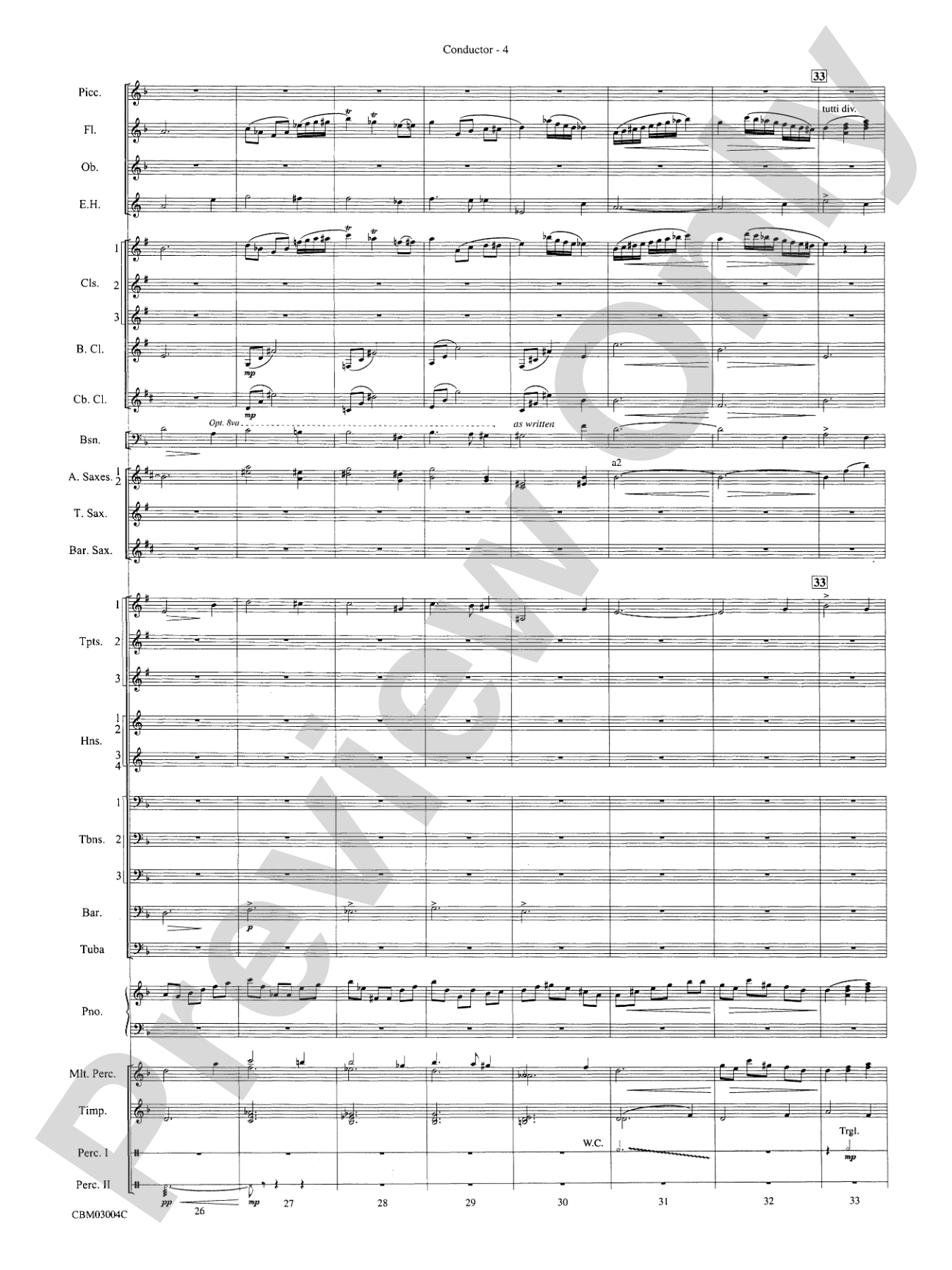
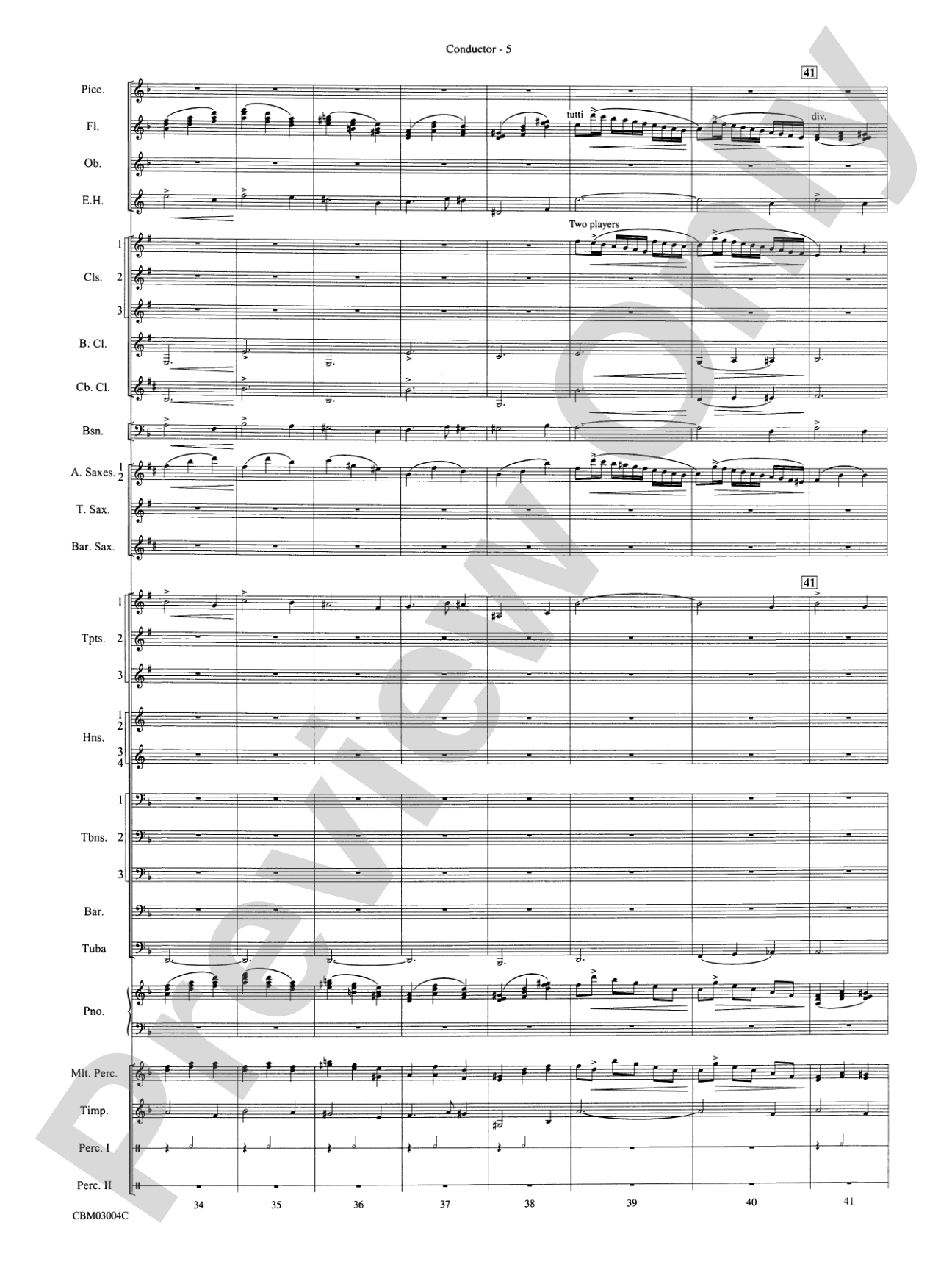
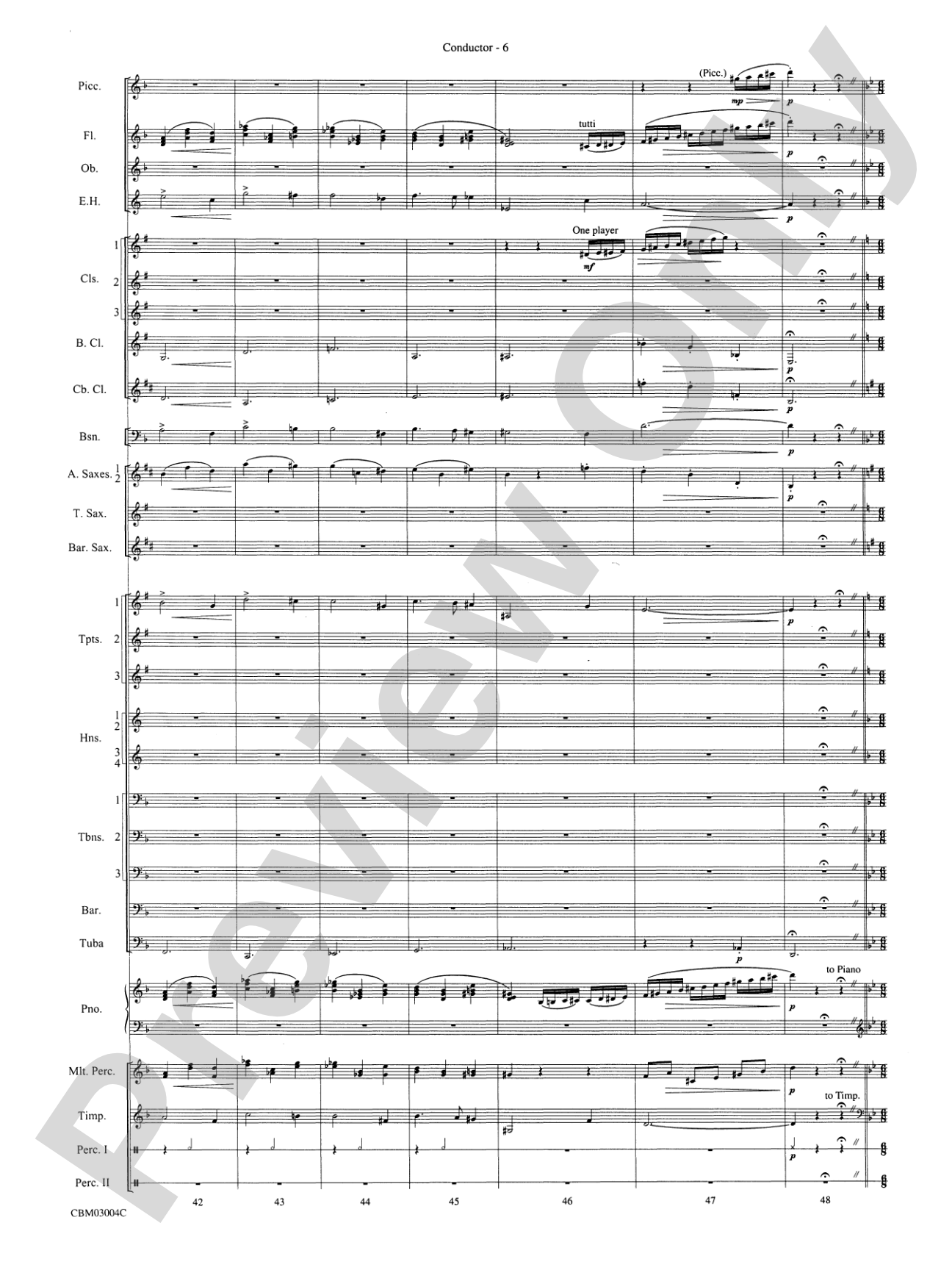
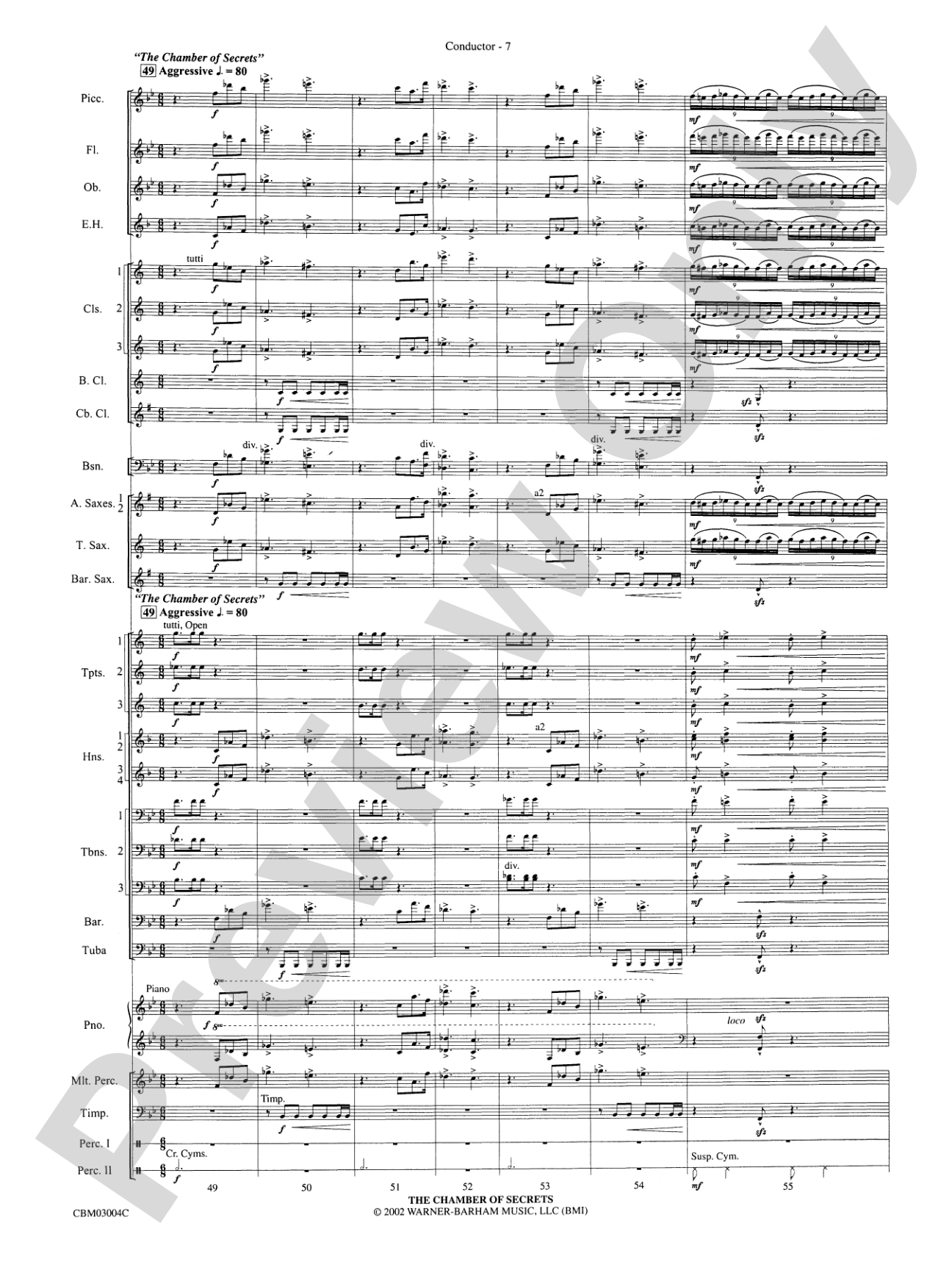
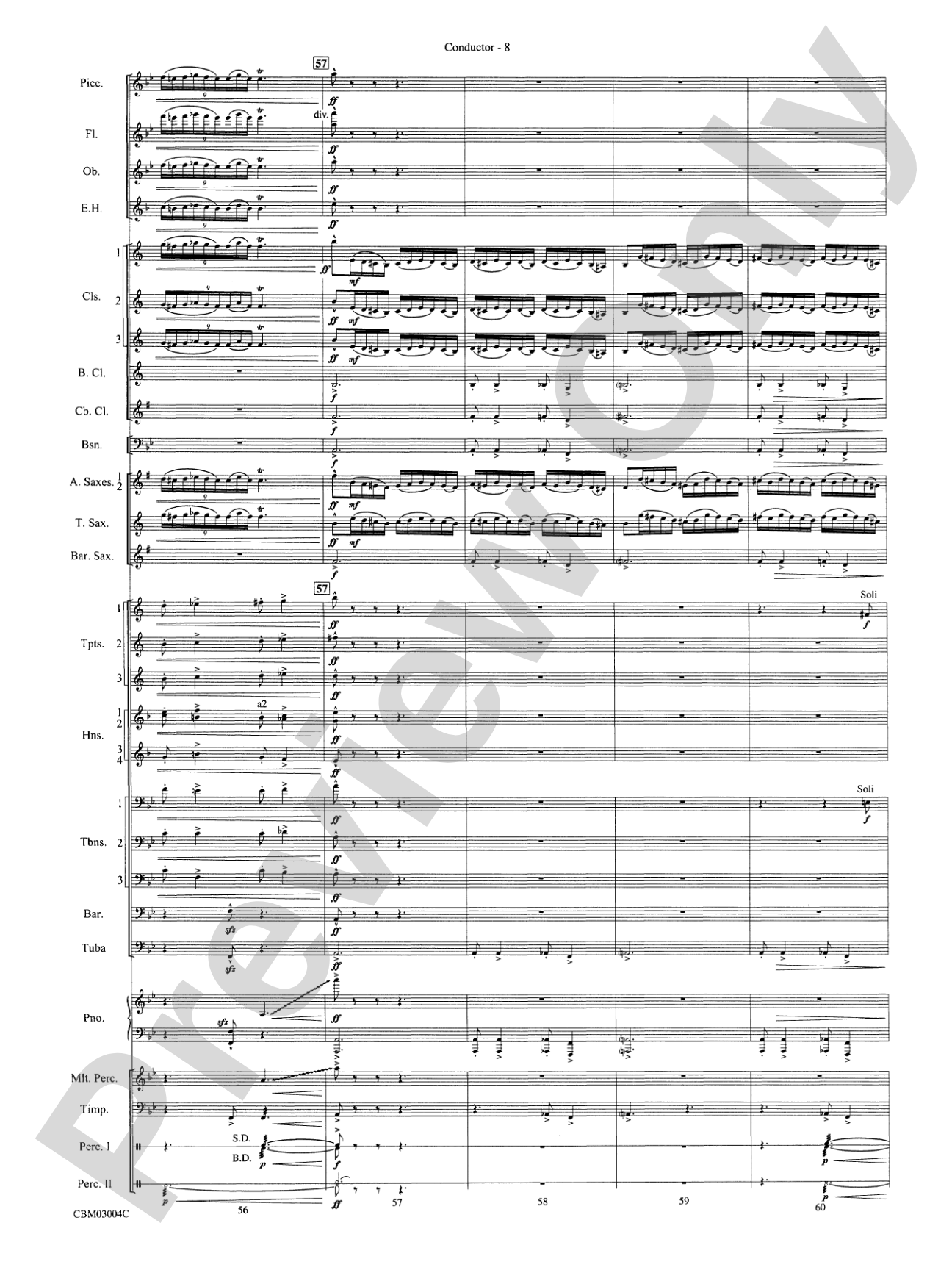
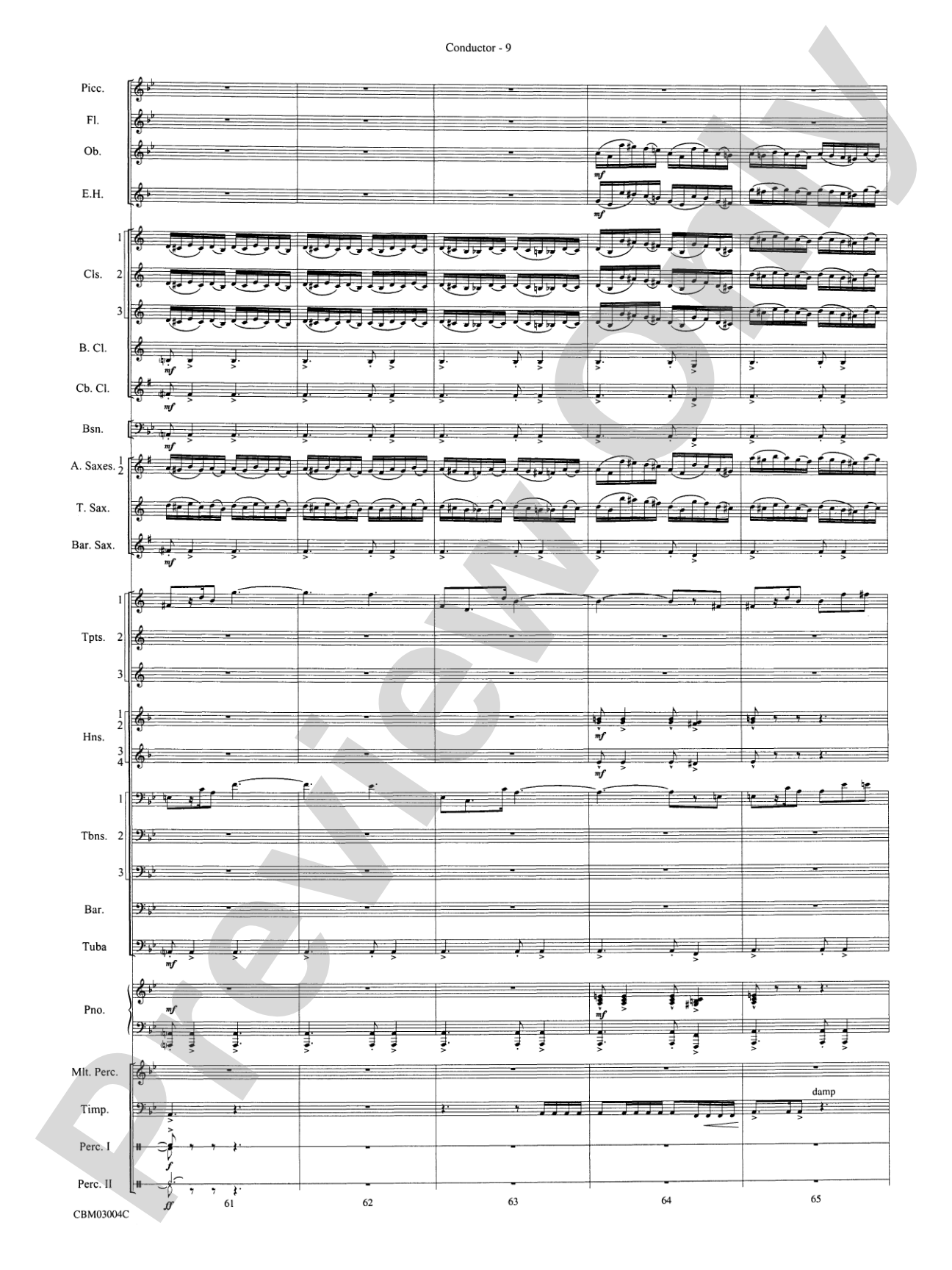
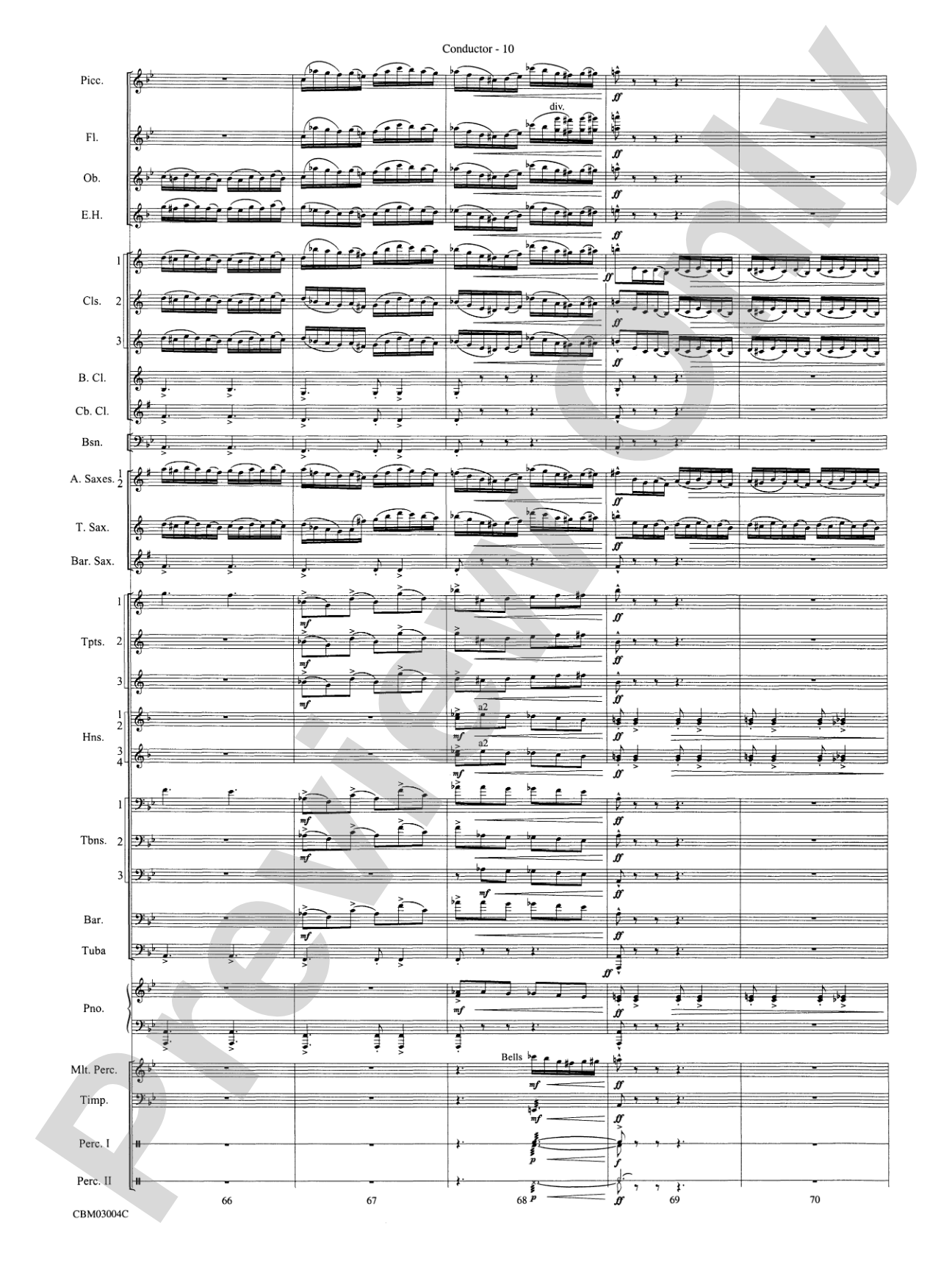
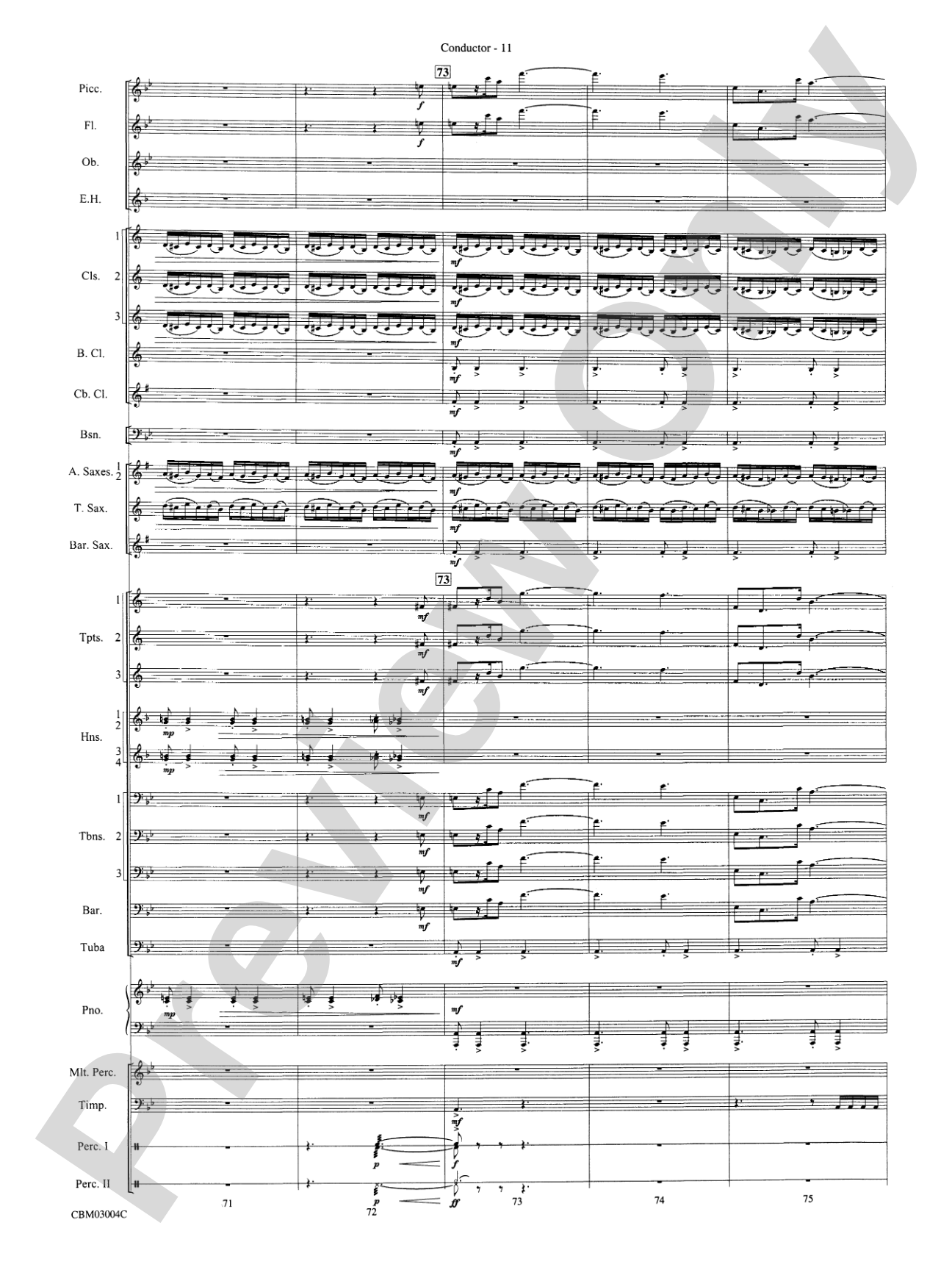
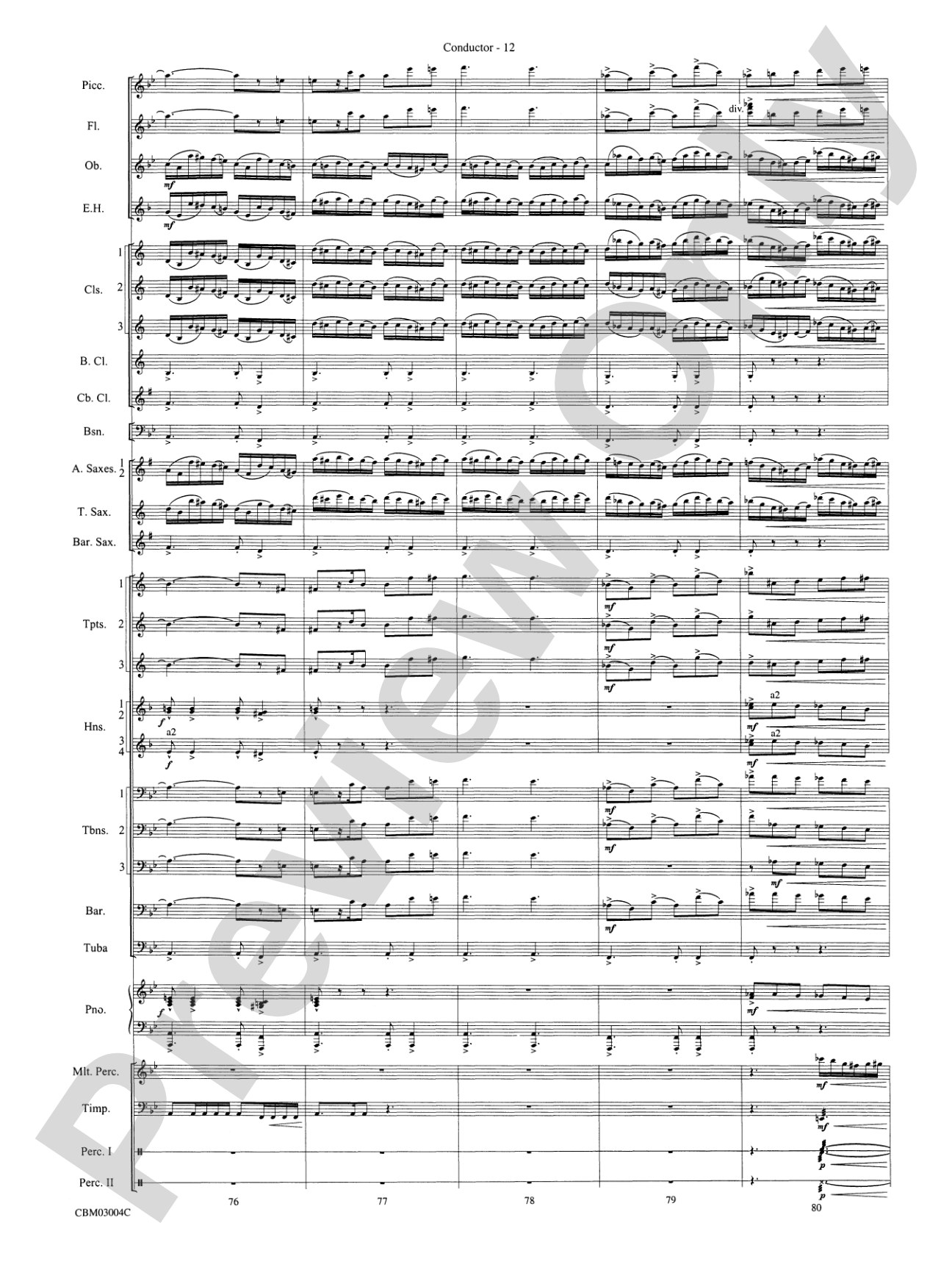
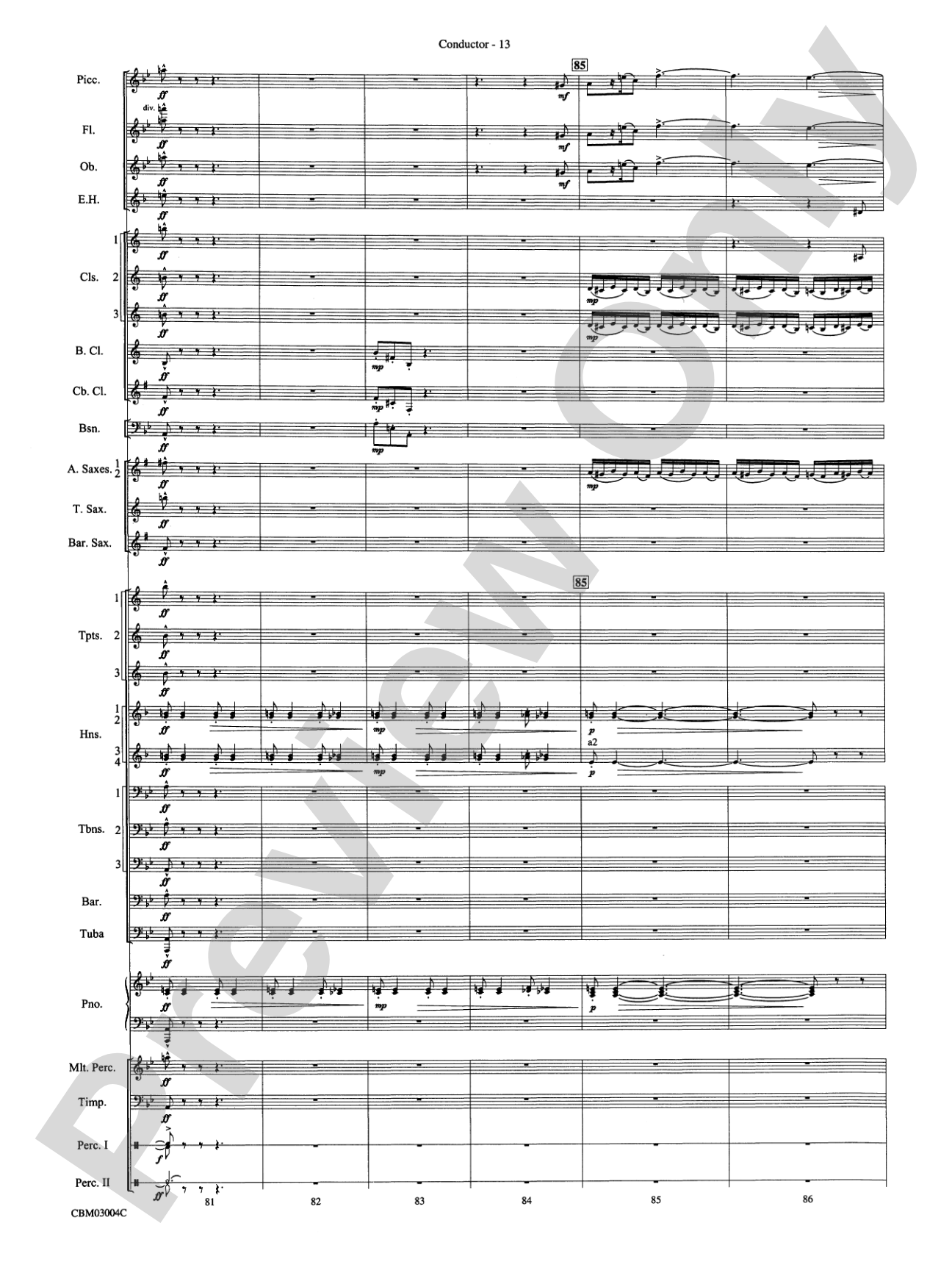
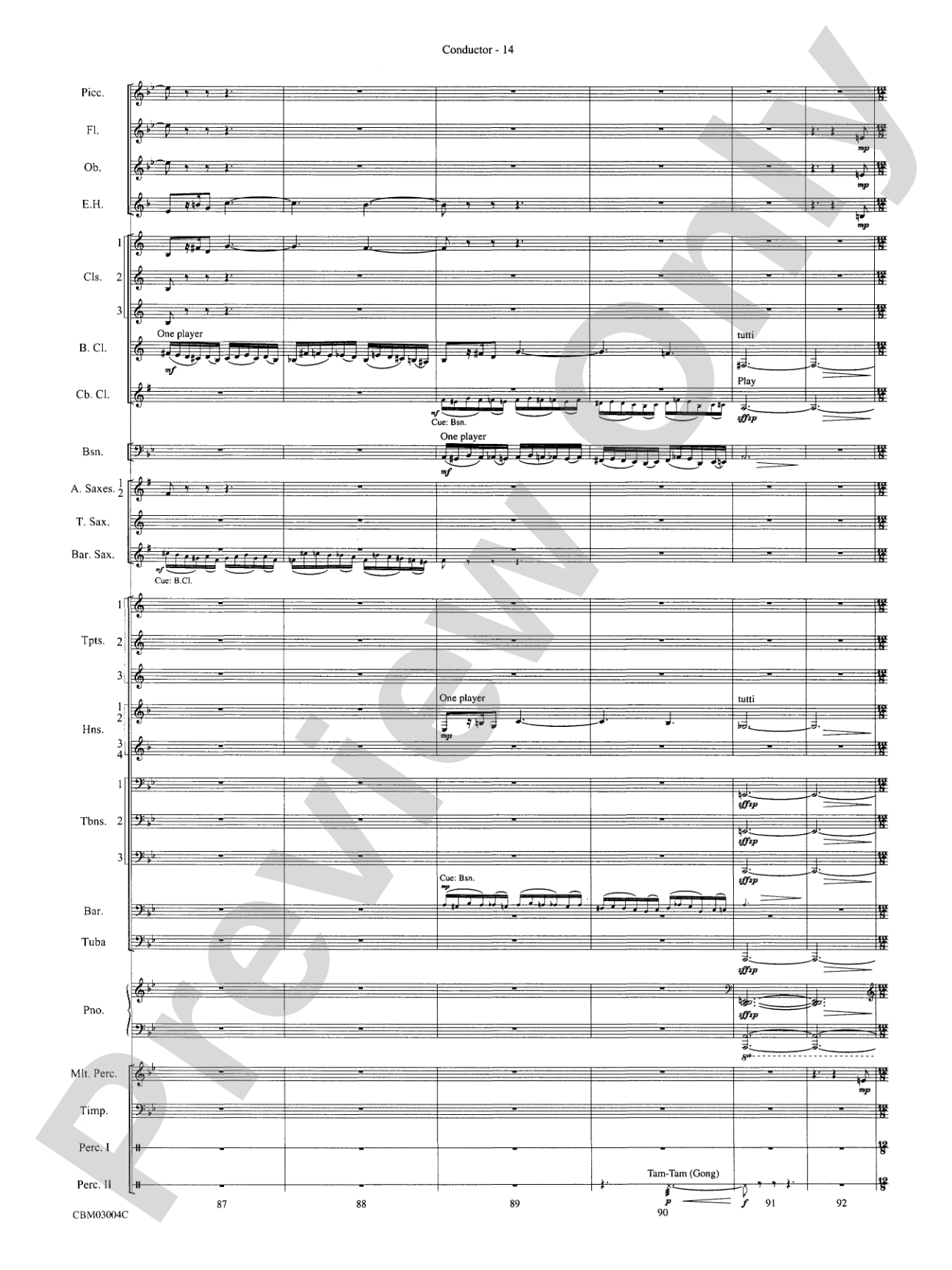
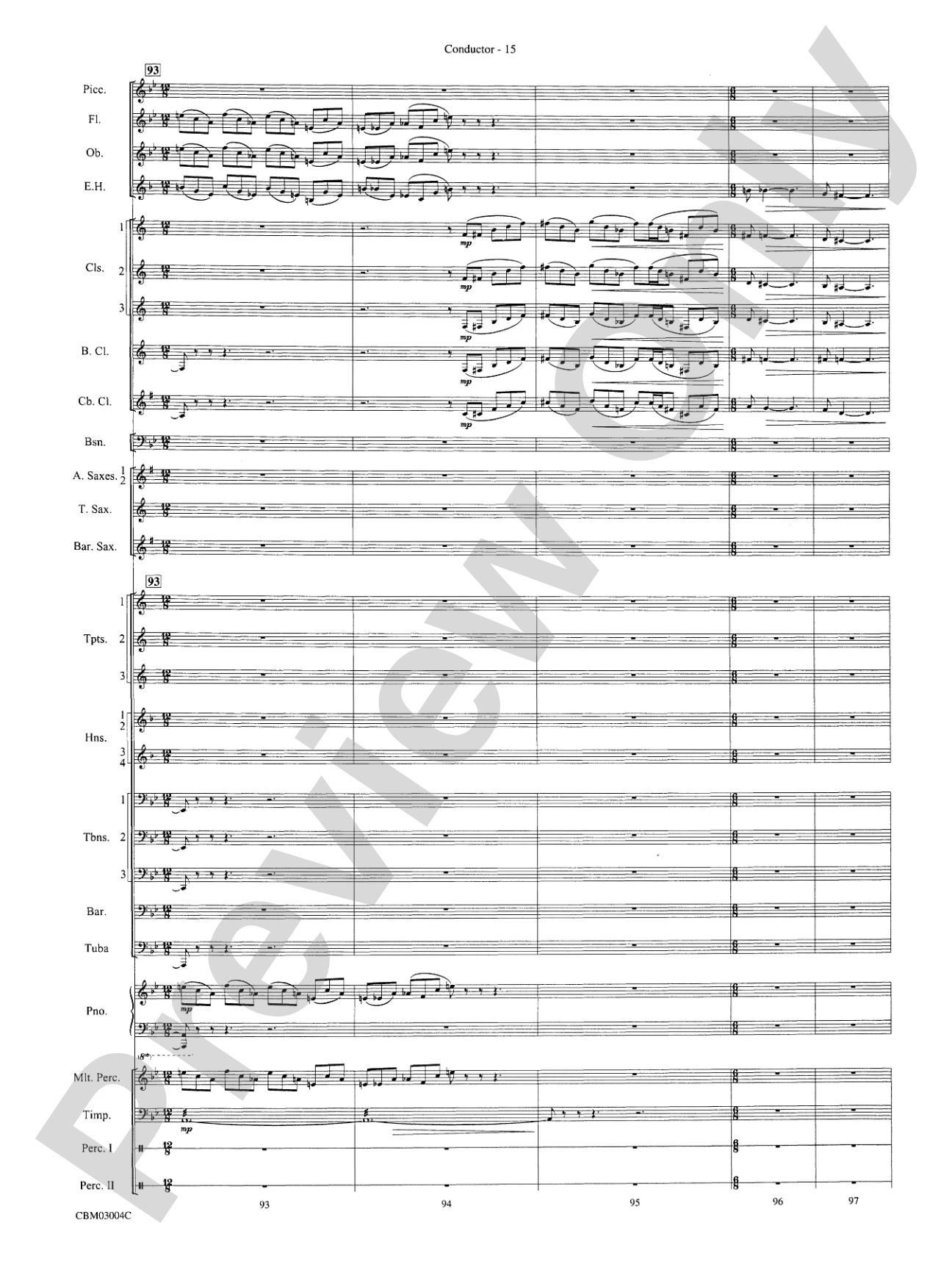
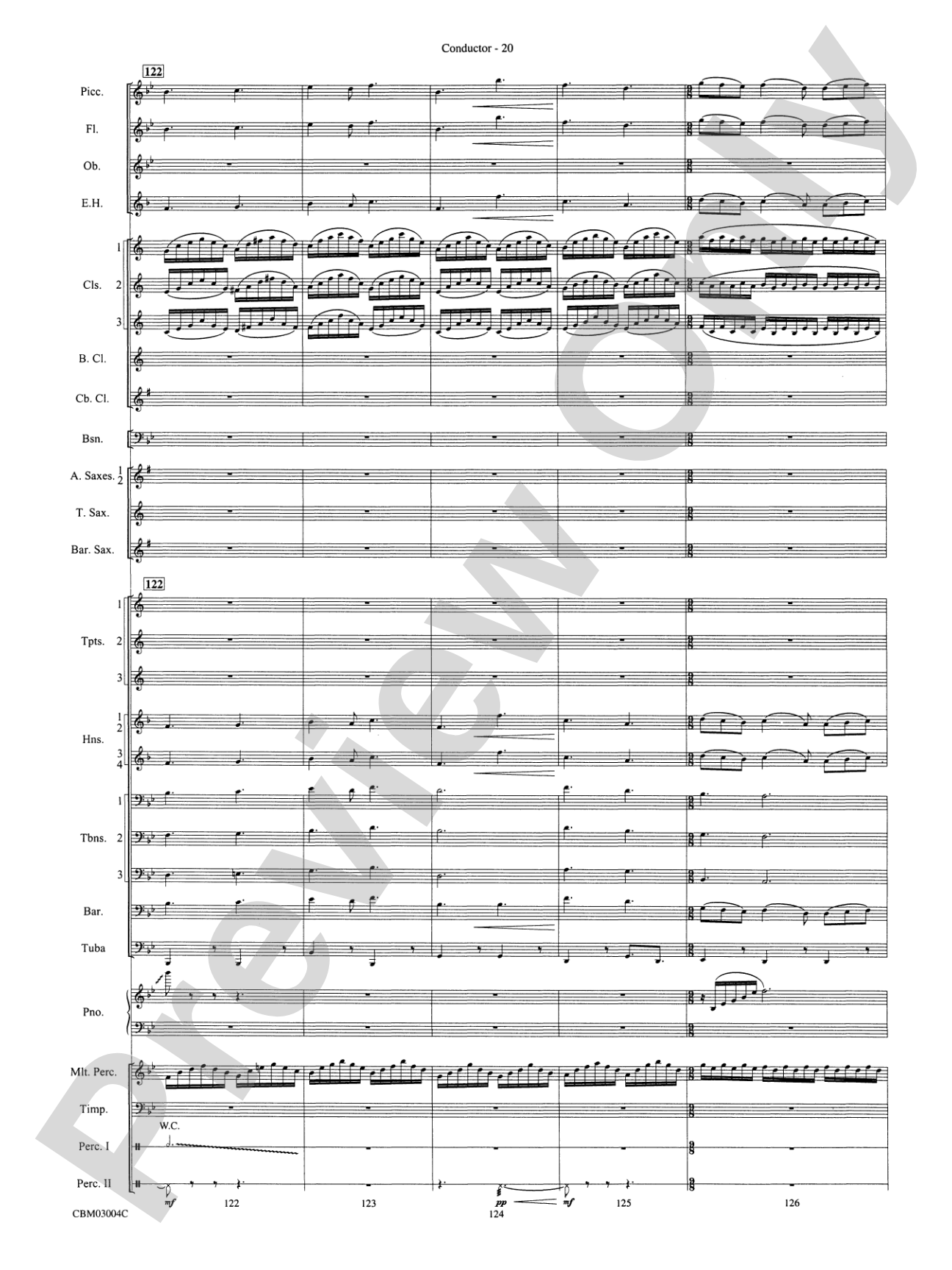
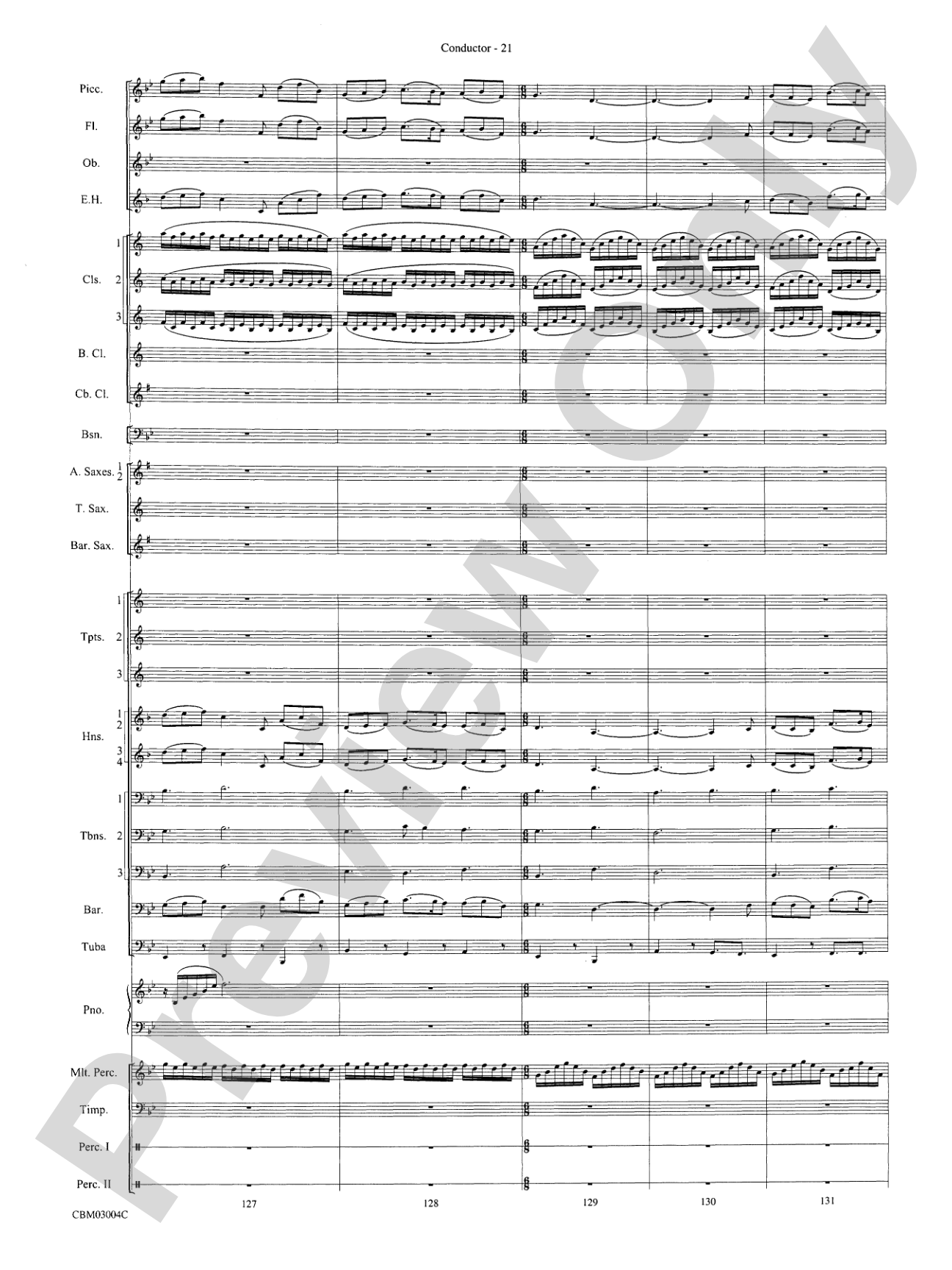
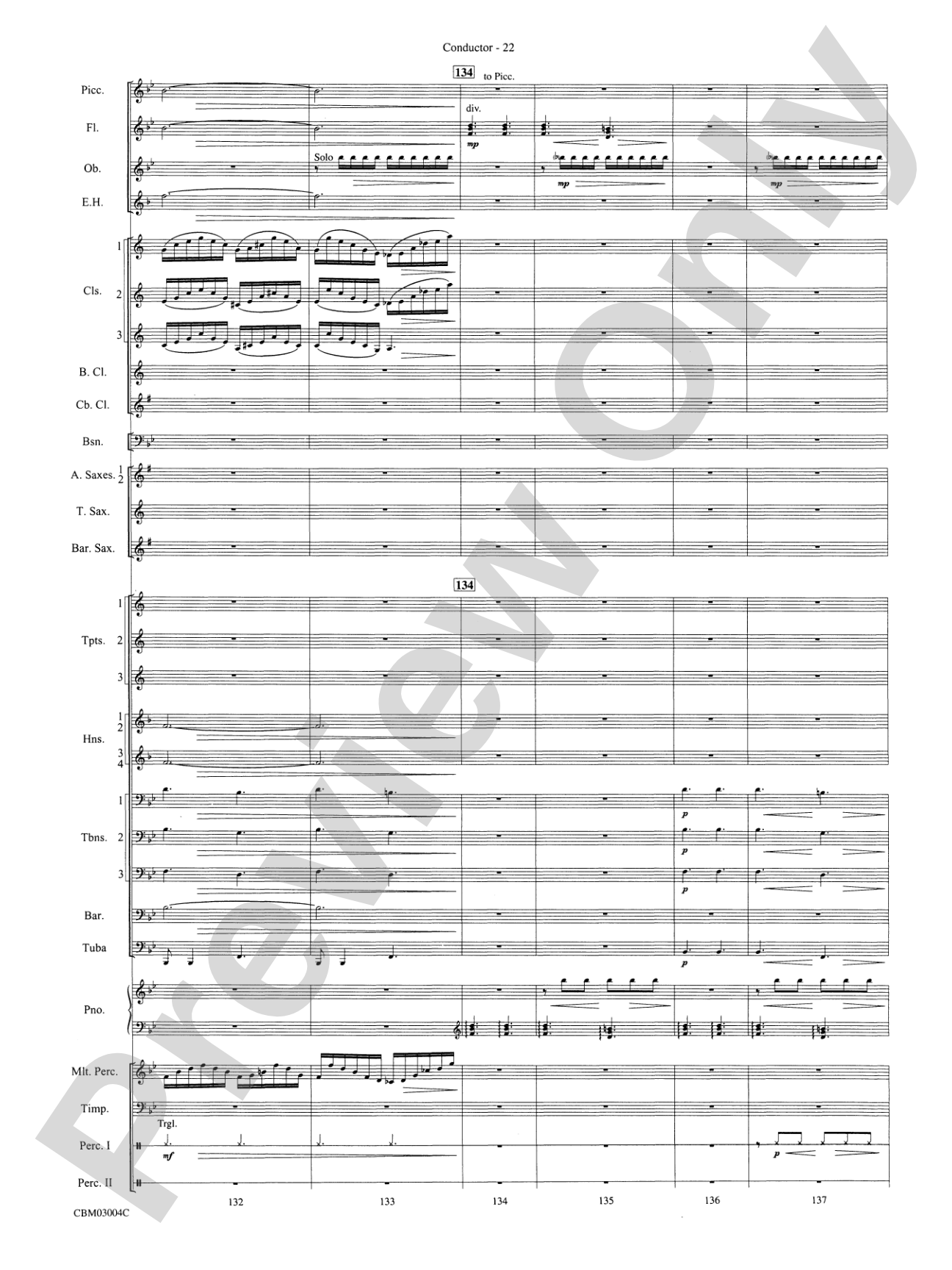
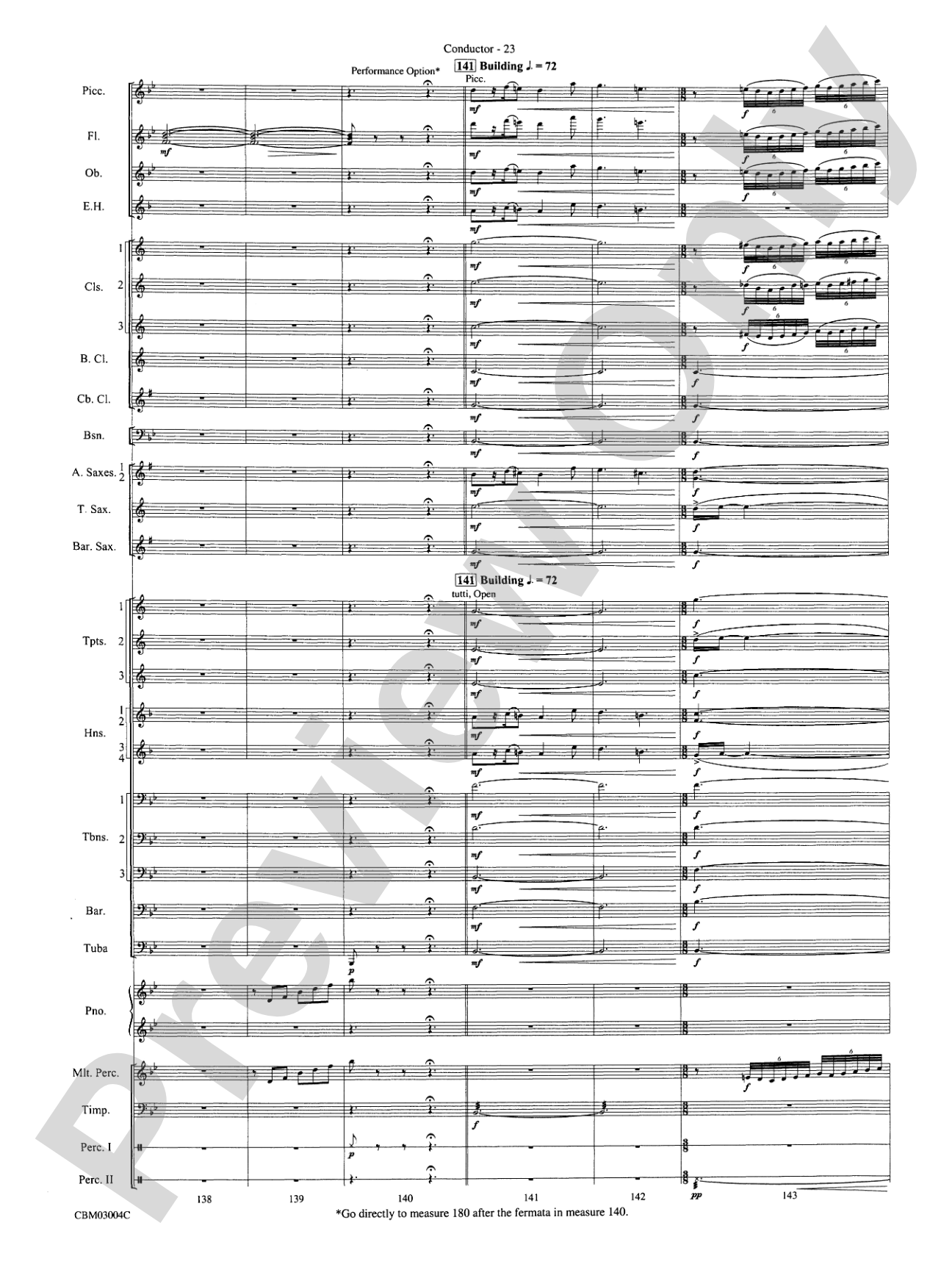
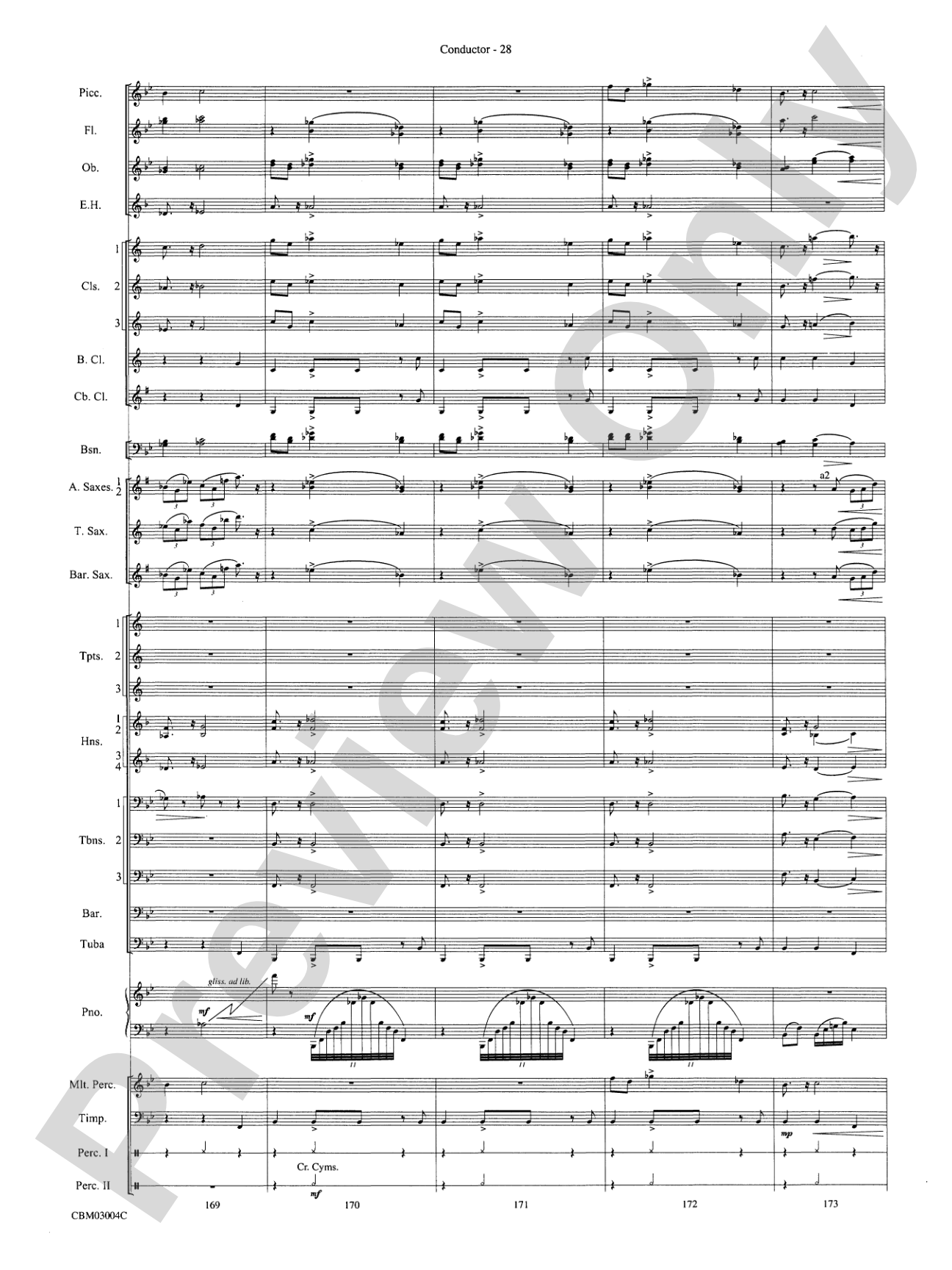
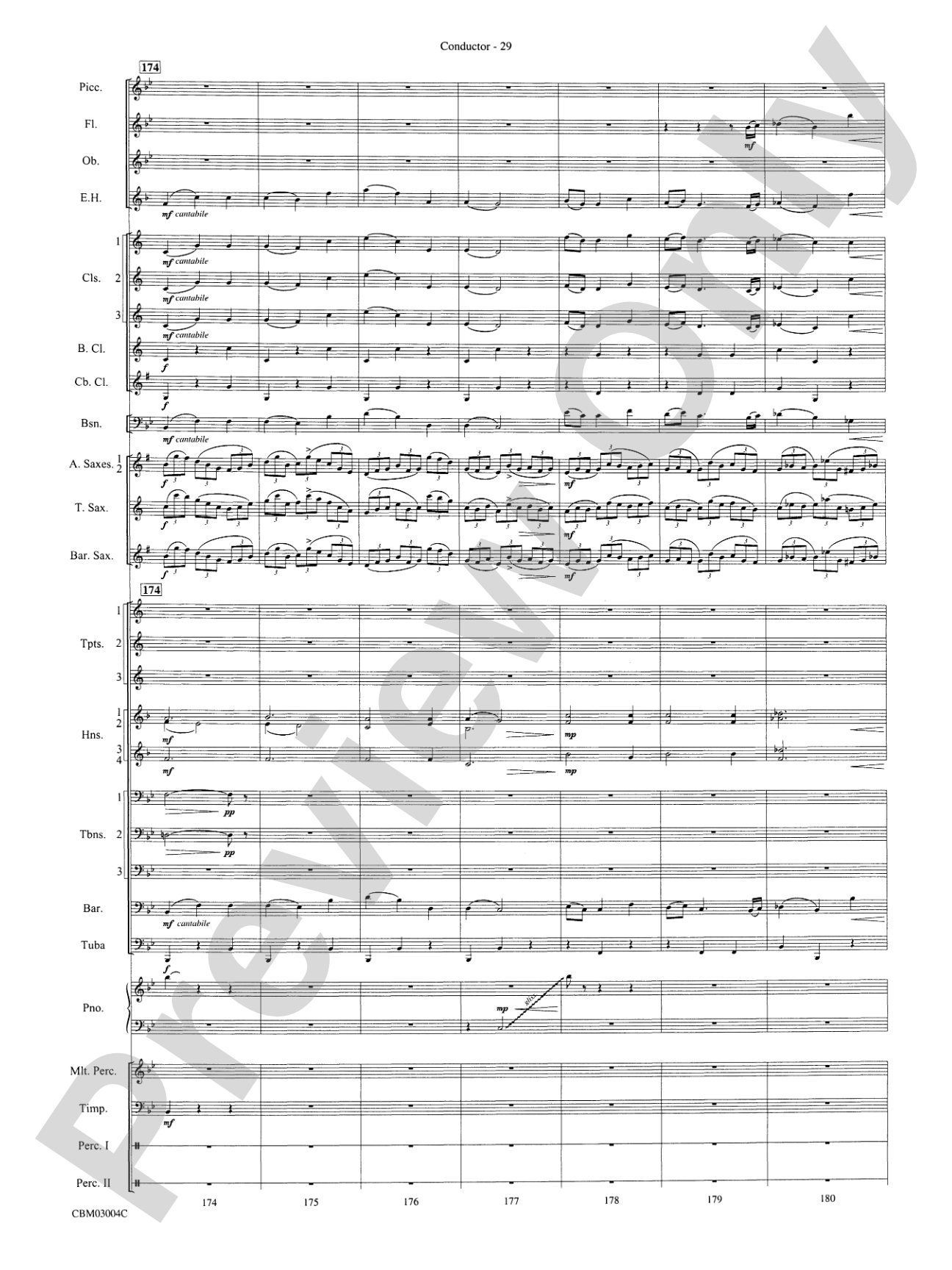
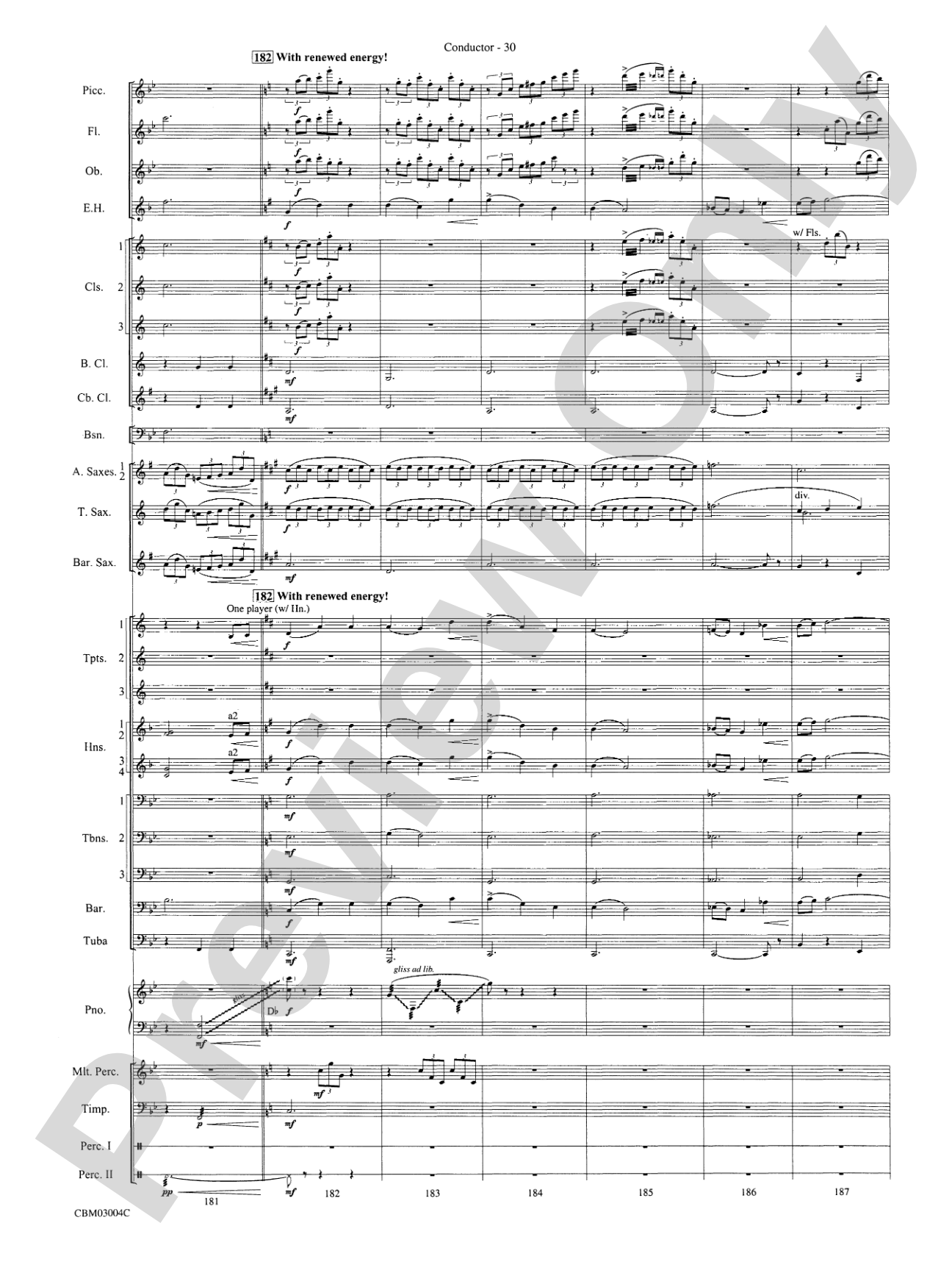
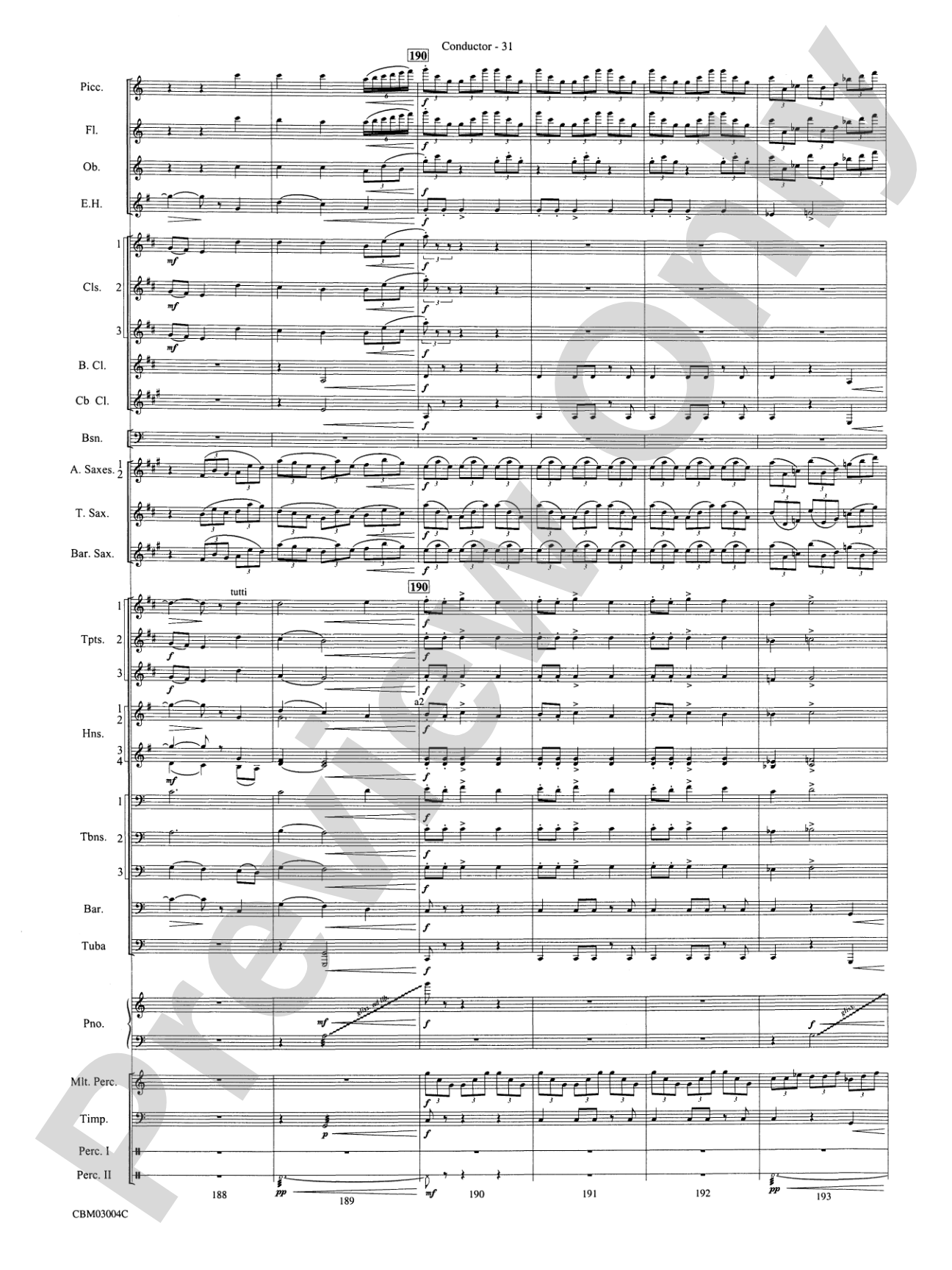
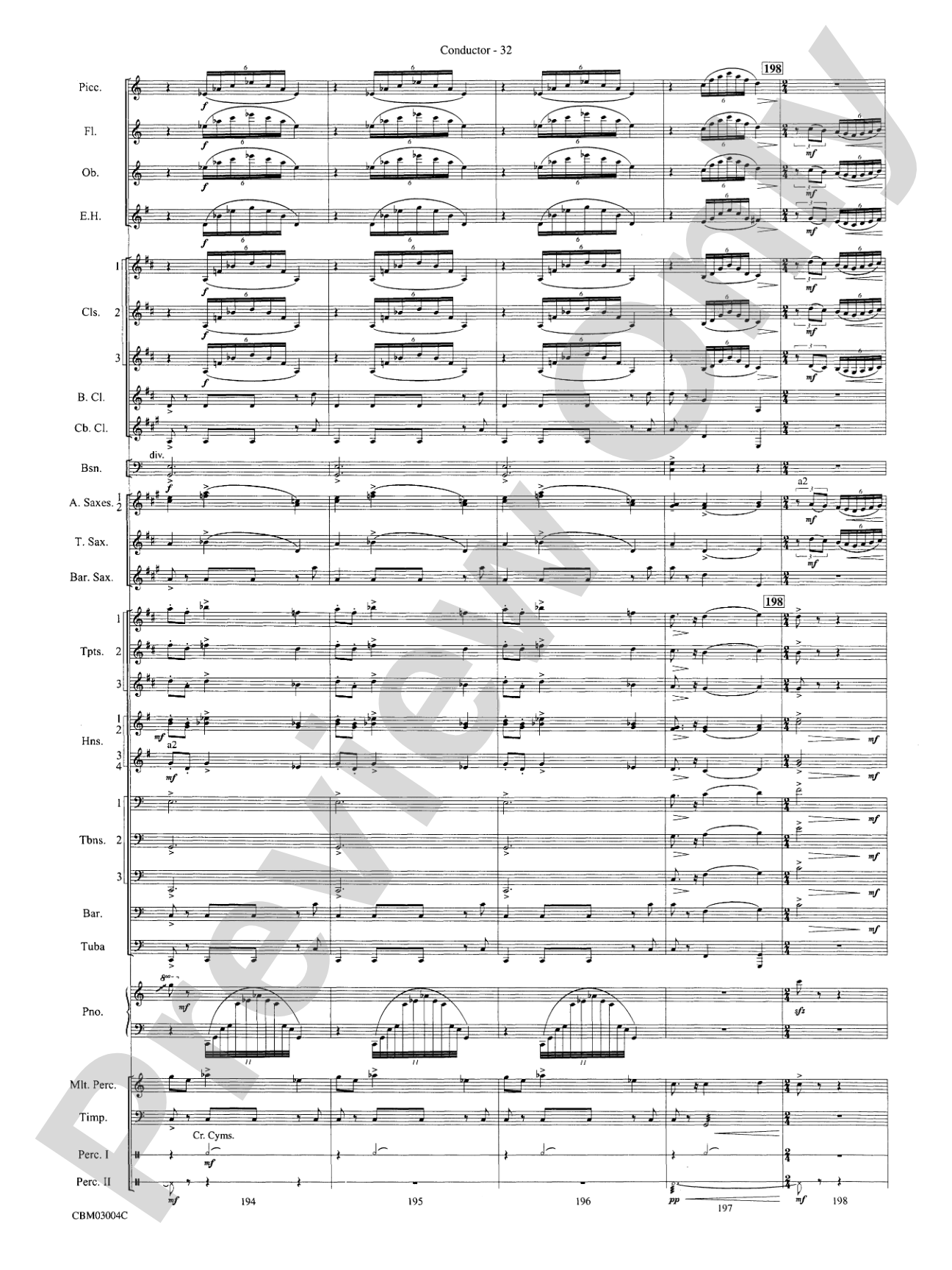
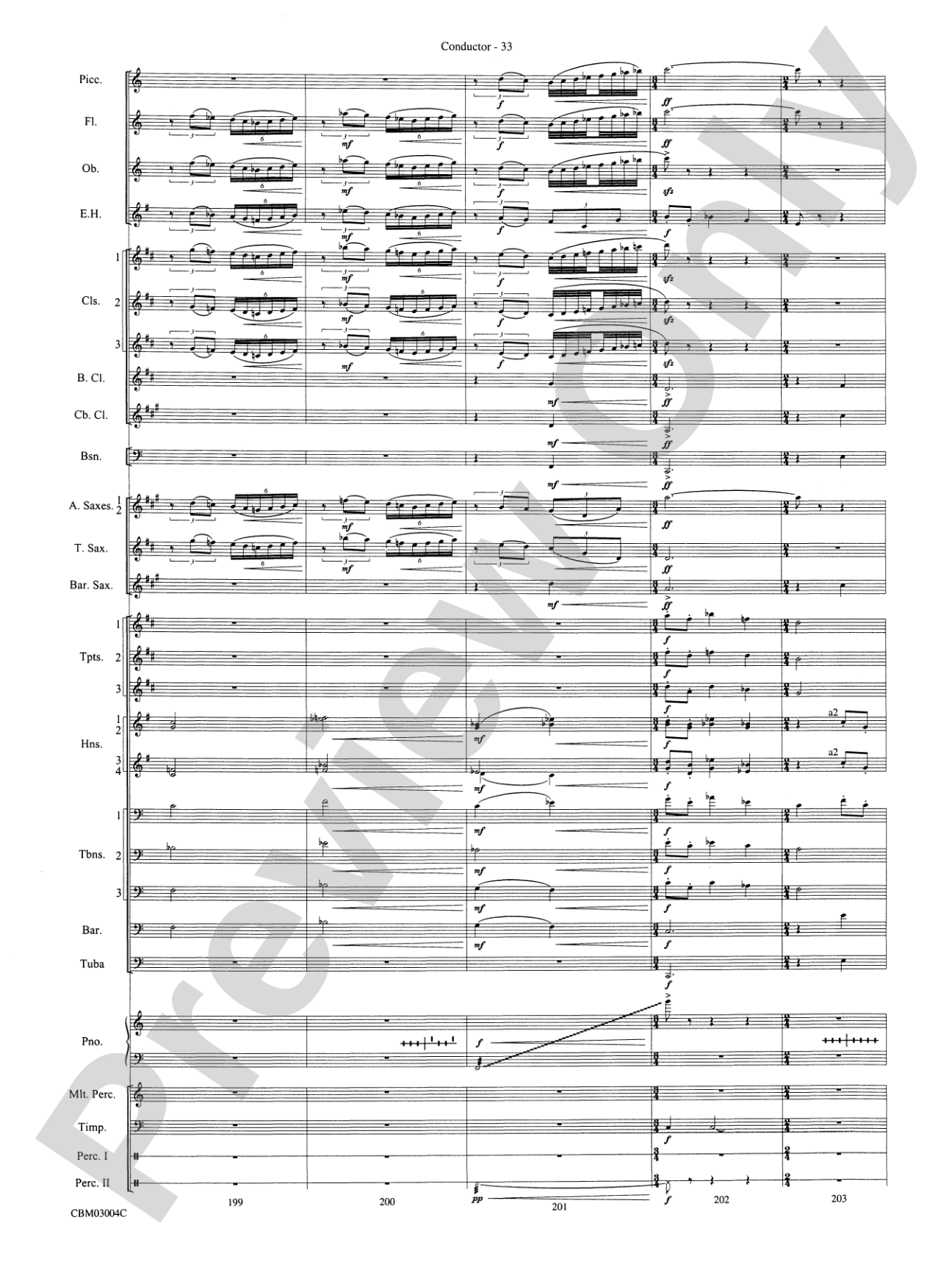
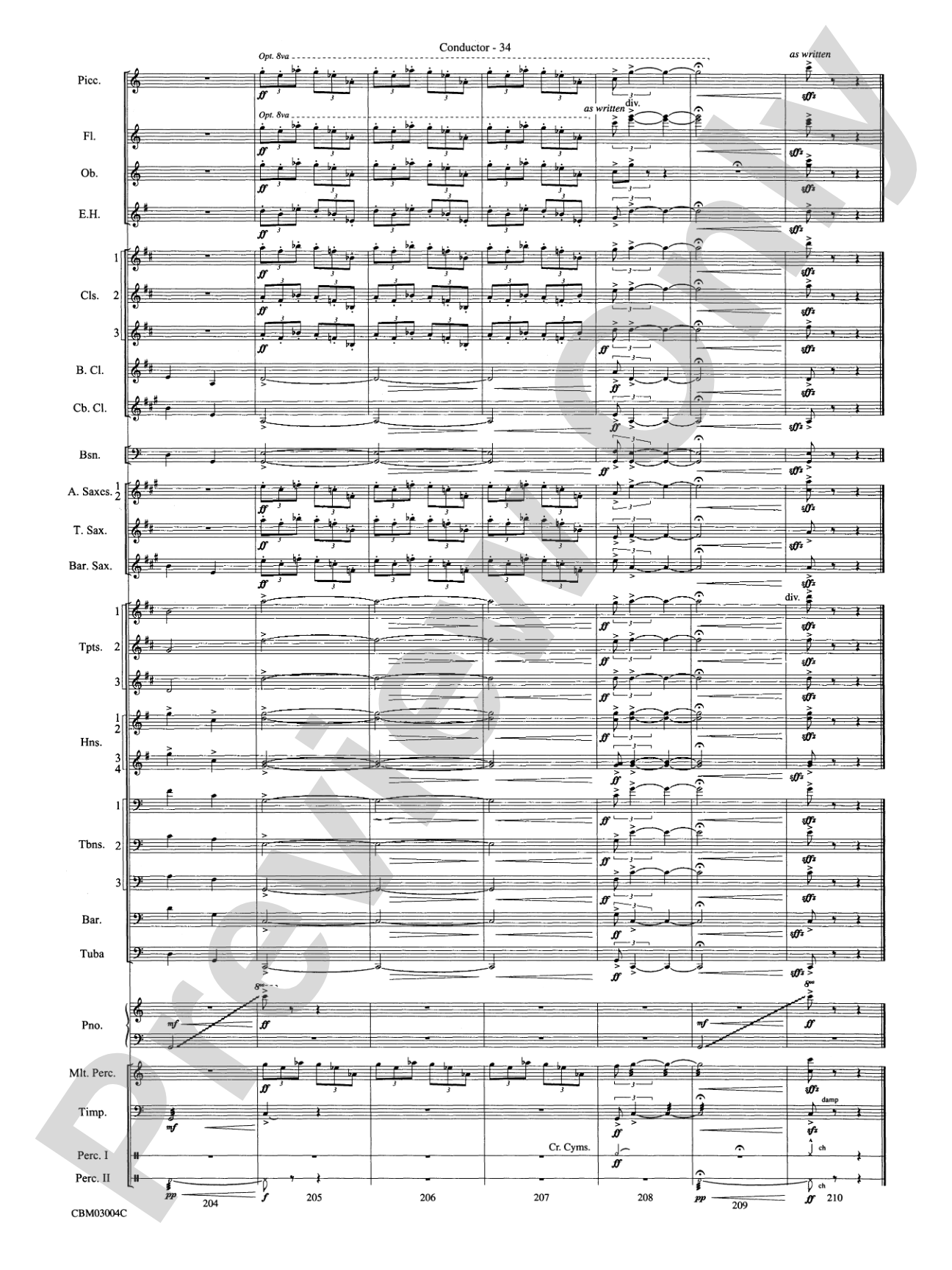


Harry Potter and the Chamber of Secrets, Symphonic Suite from: Concert Band Conductor Score & Parts
Music by John Williams / arr. Robert W. Smith
Grade: 4 (Medium)
Item: 00-PK-0004951

$89.00
Pickup currently not available
Buy Extra Parts (Digital PDF Download)
Parts Added to Cart!
Description
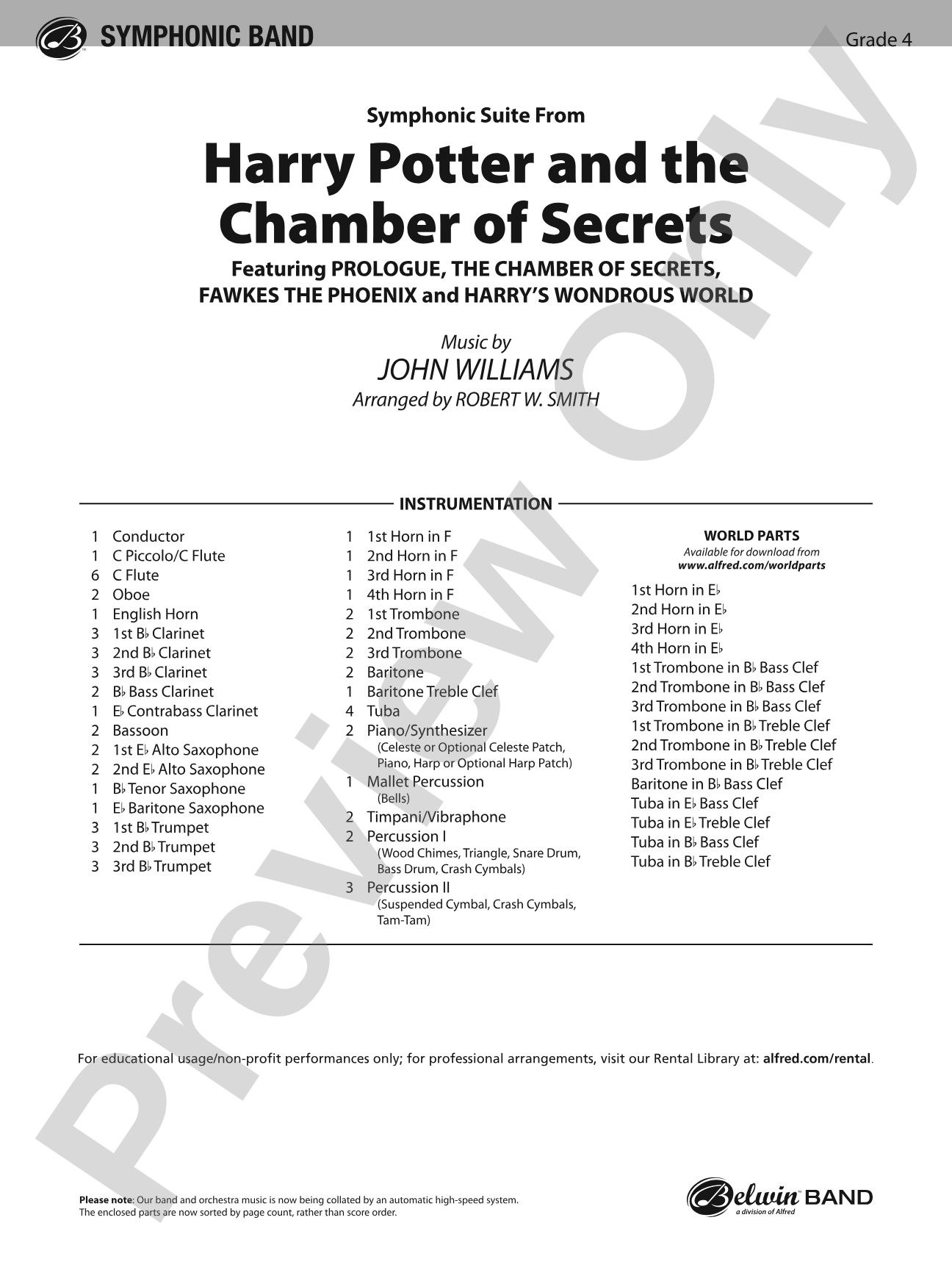
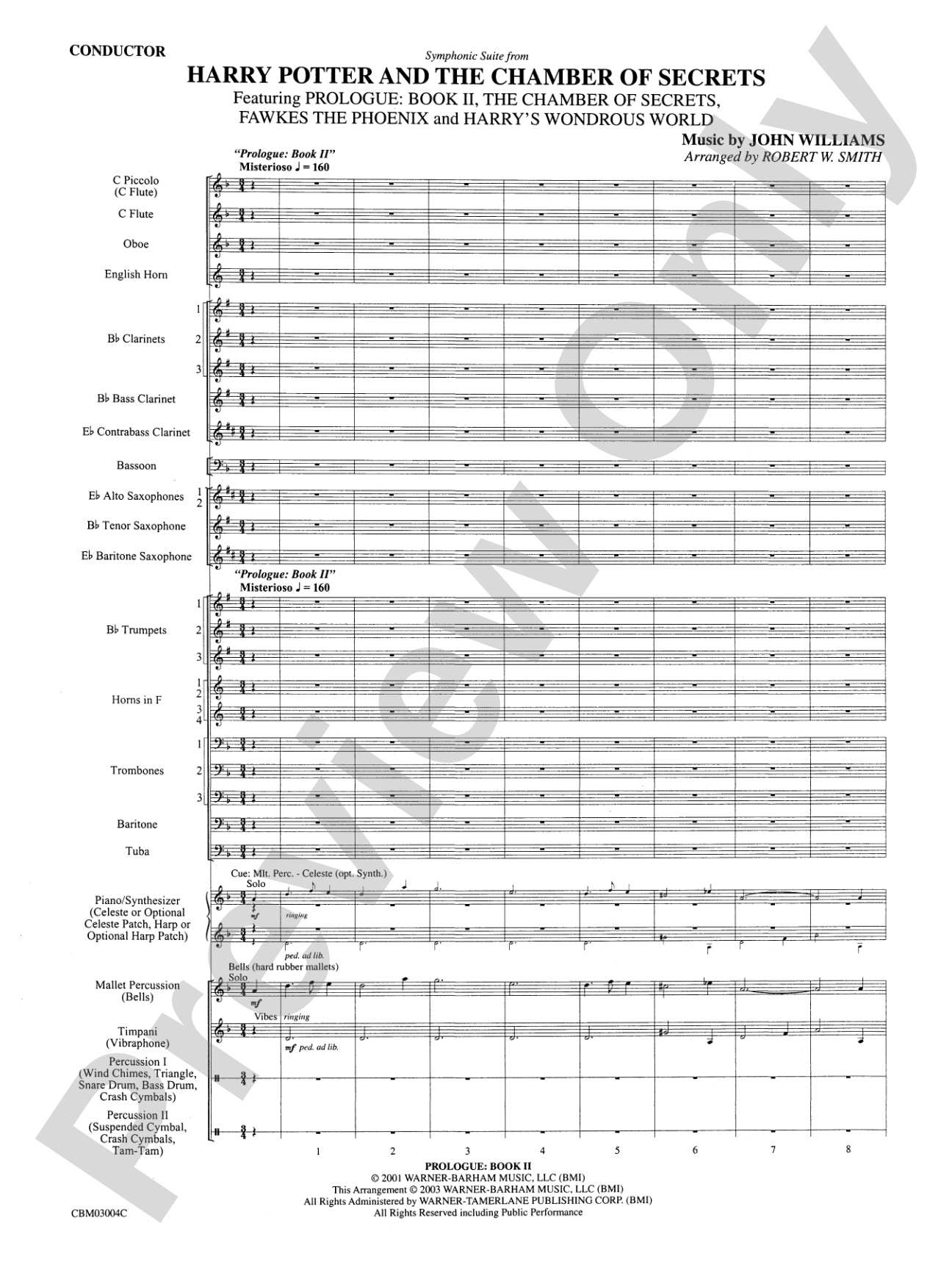
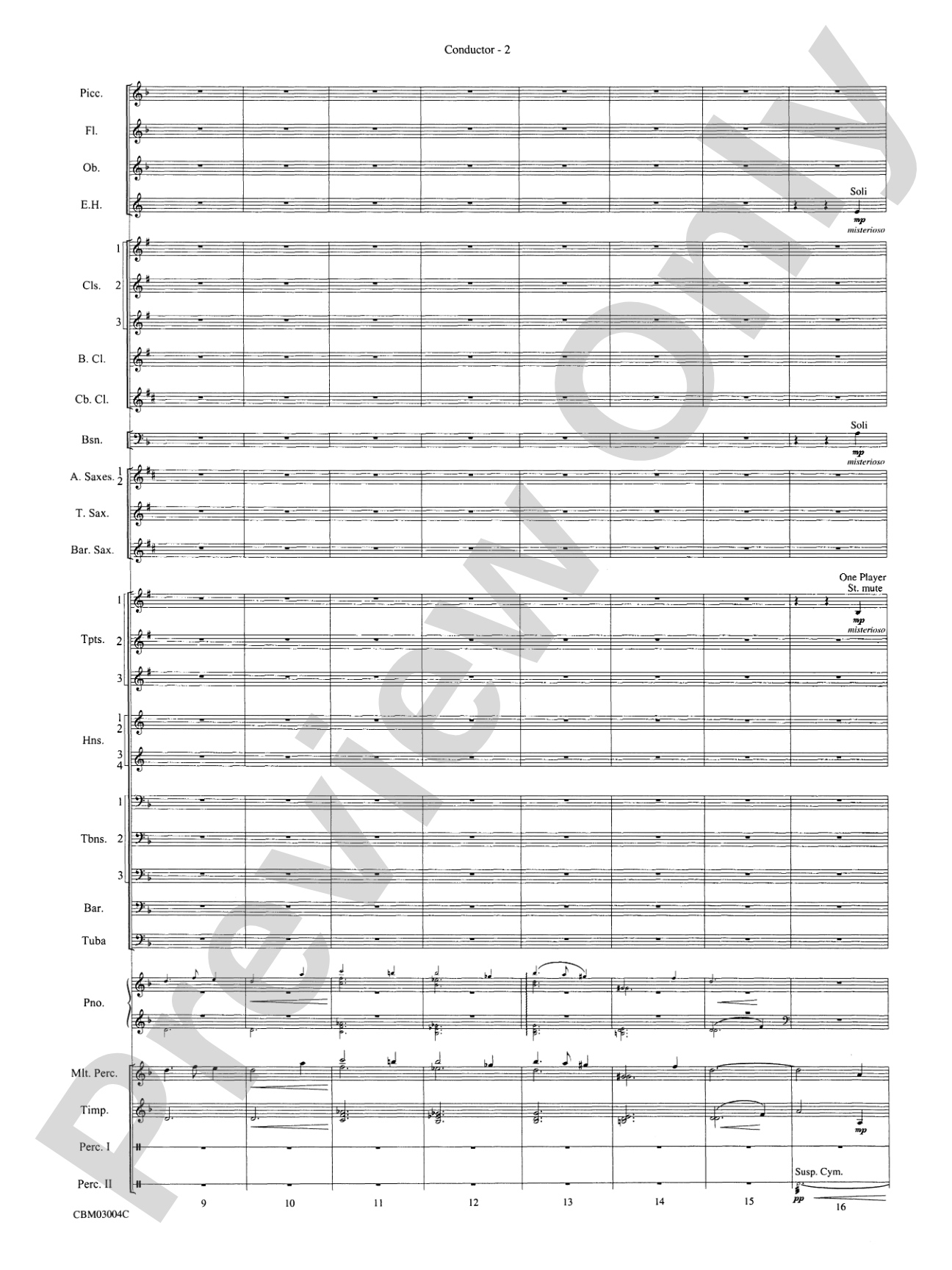
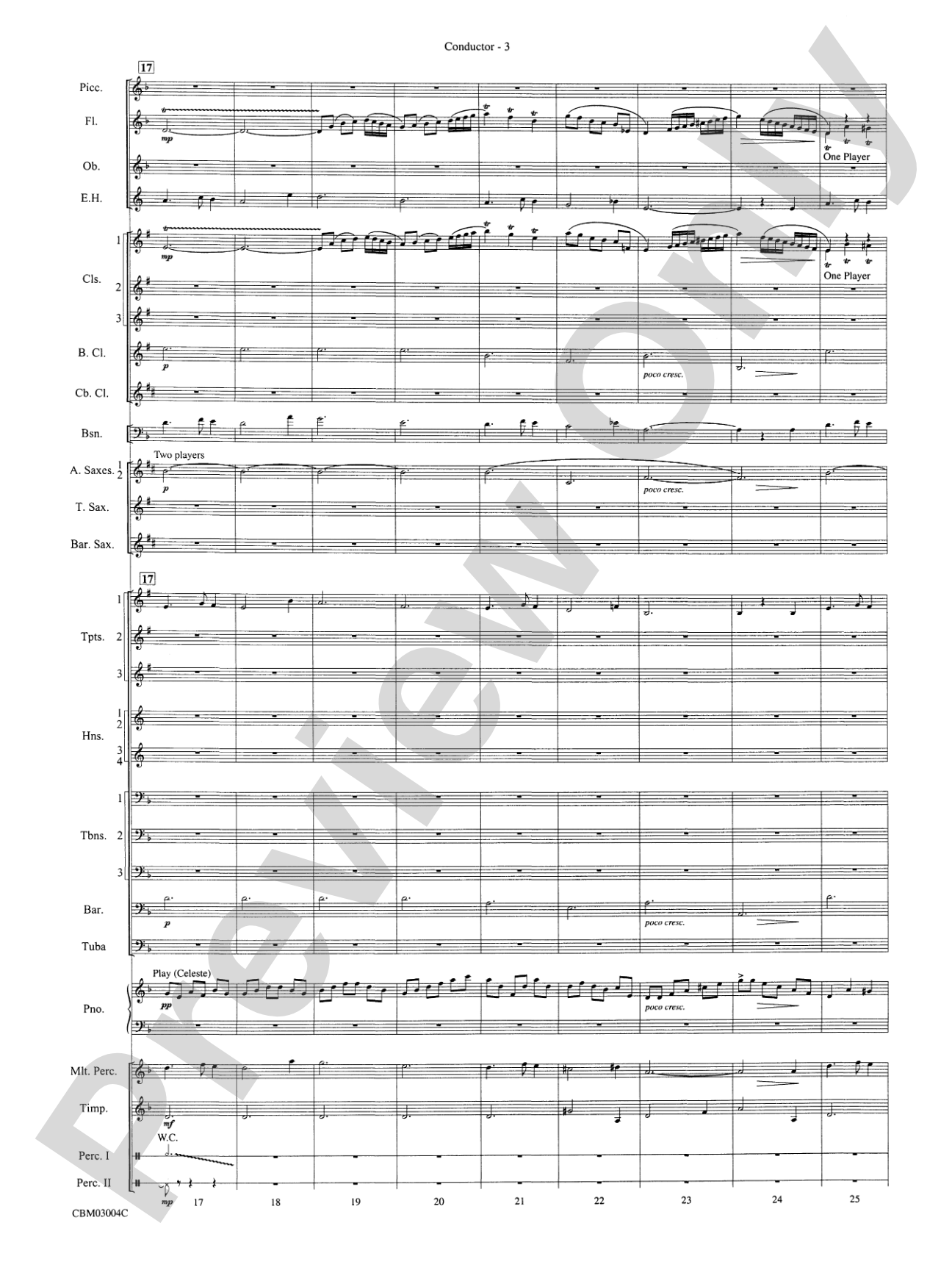
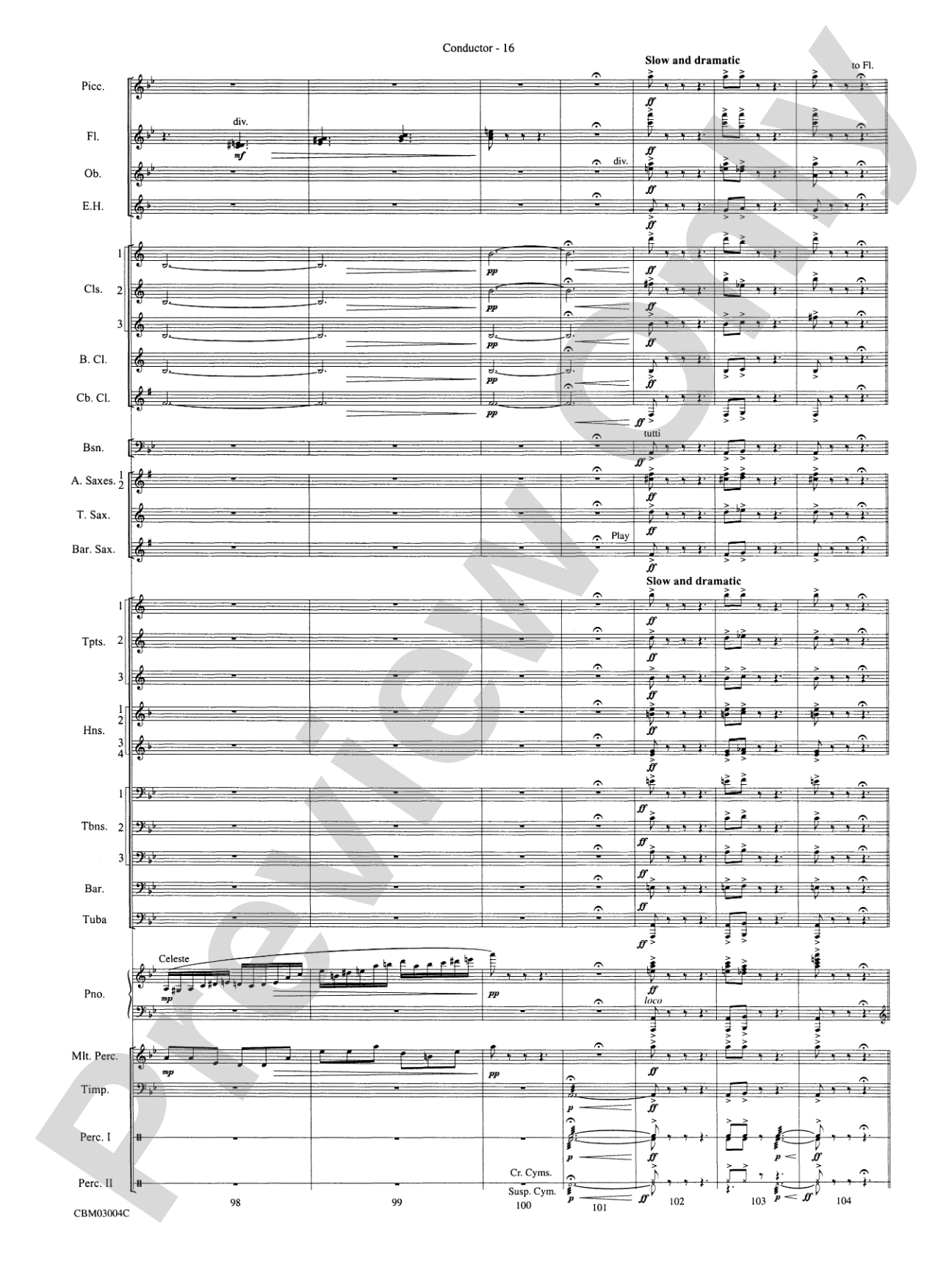
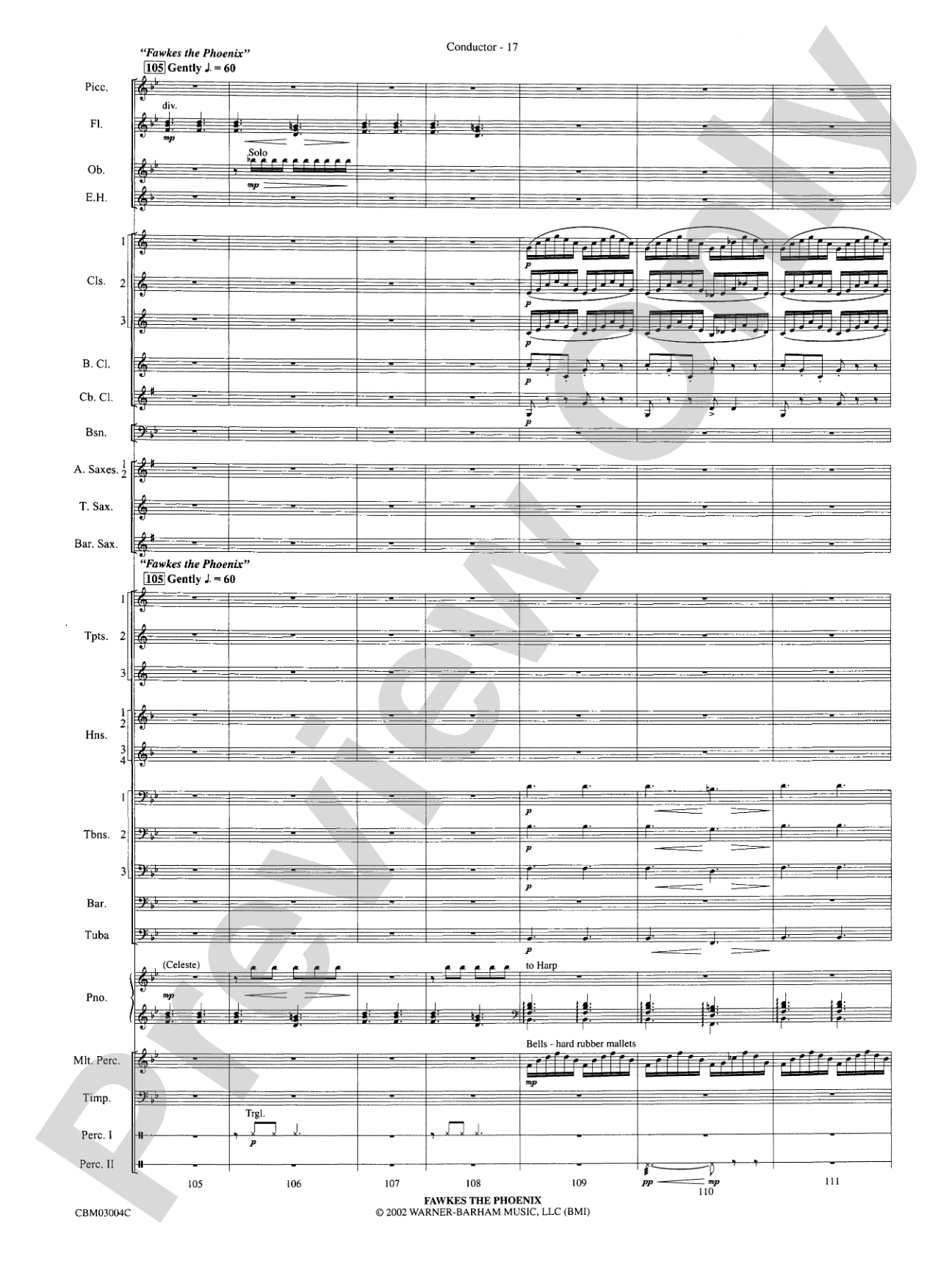
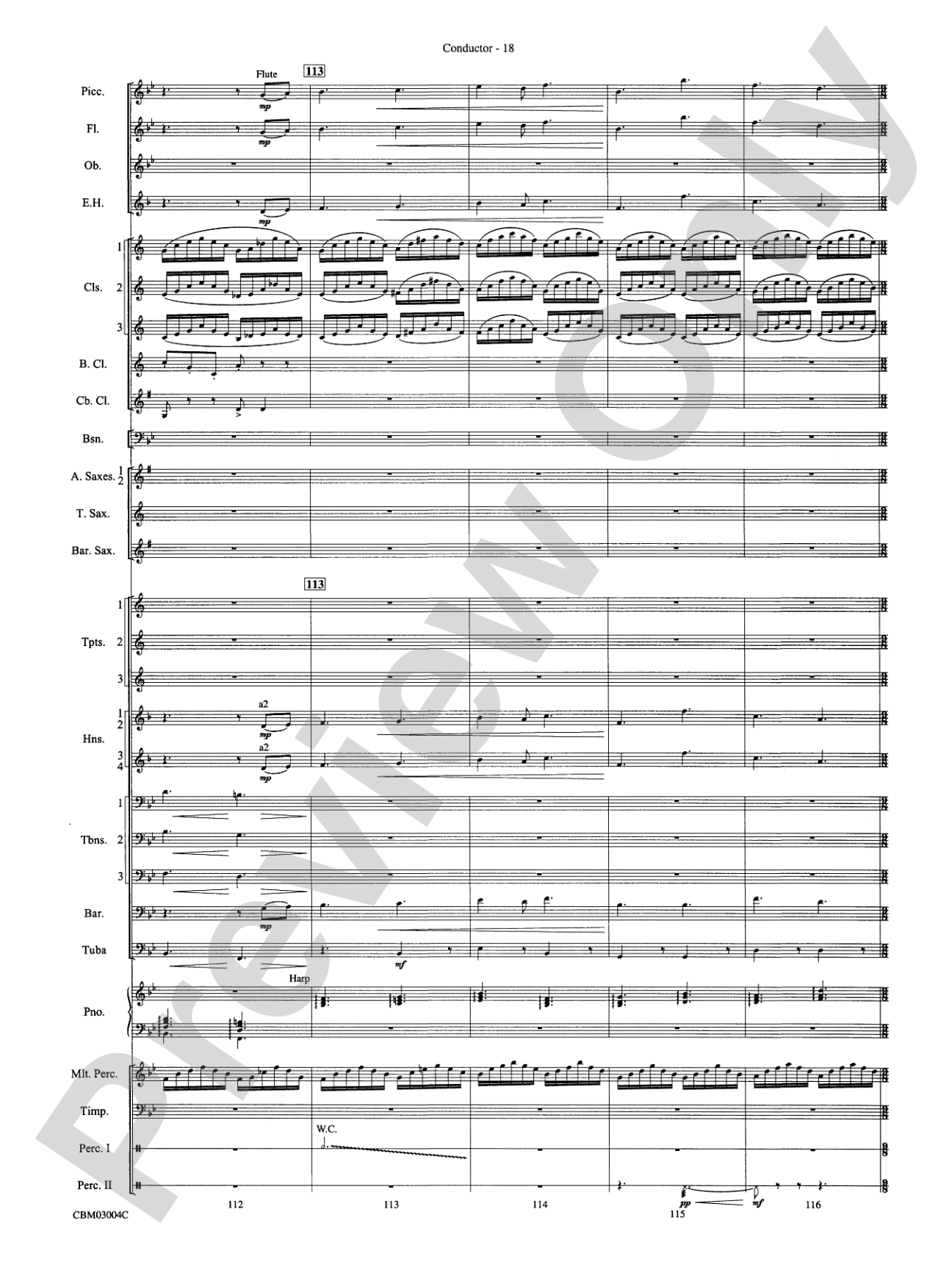
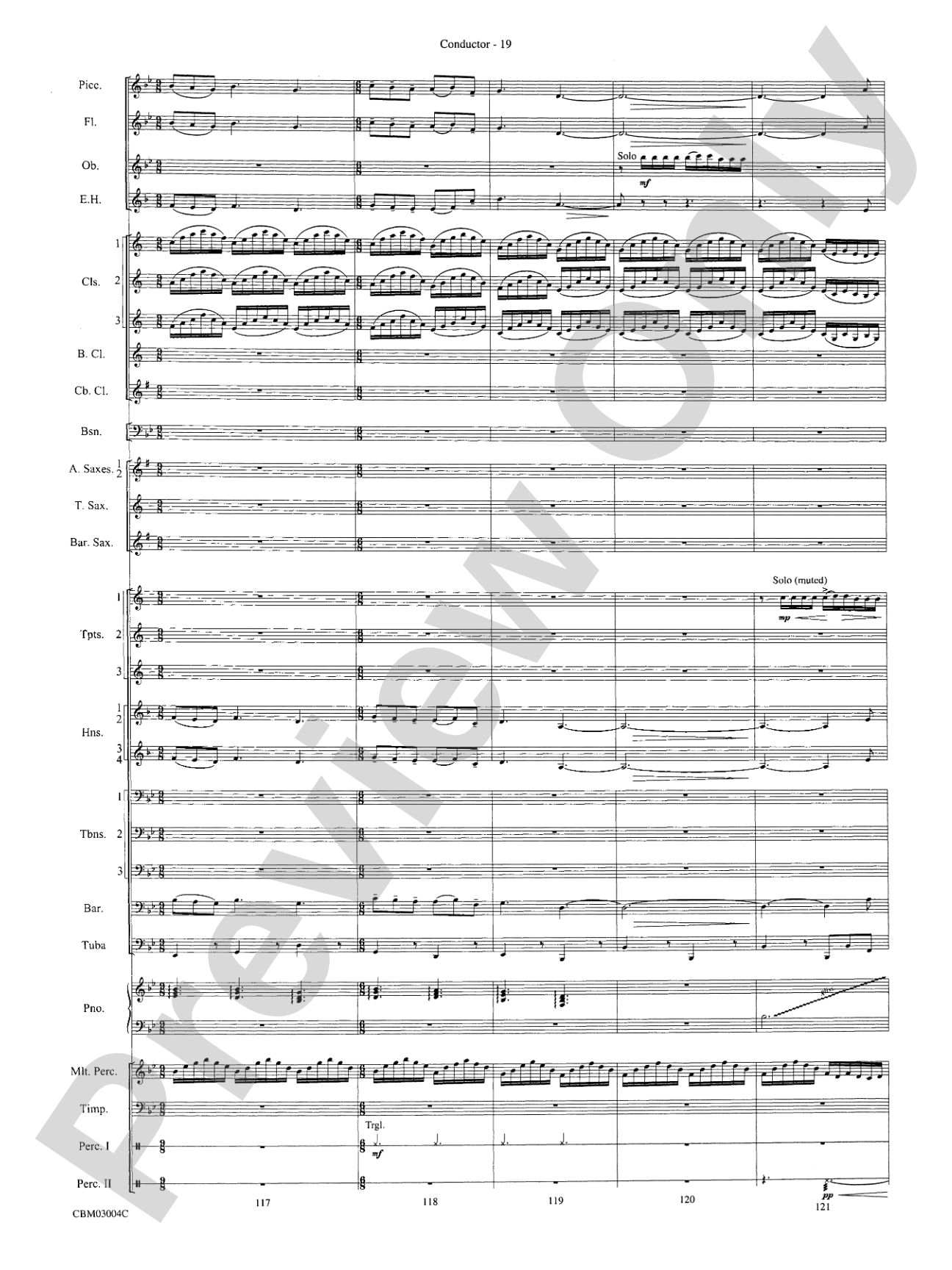
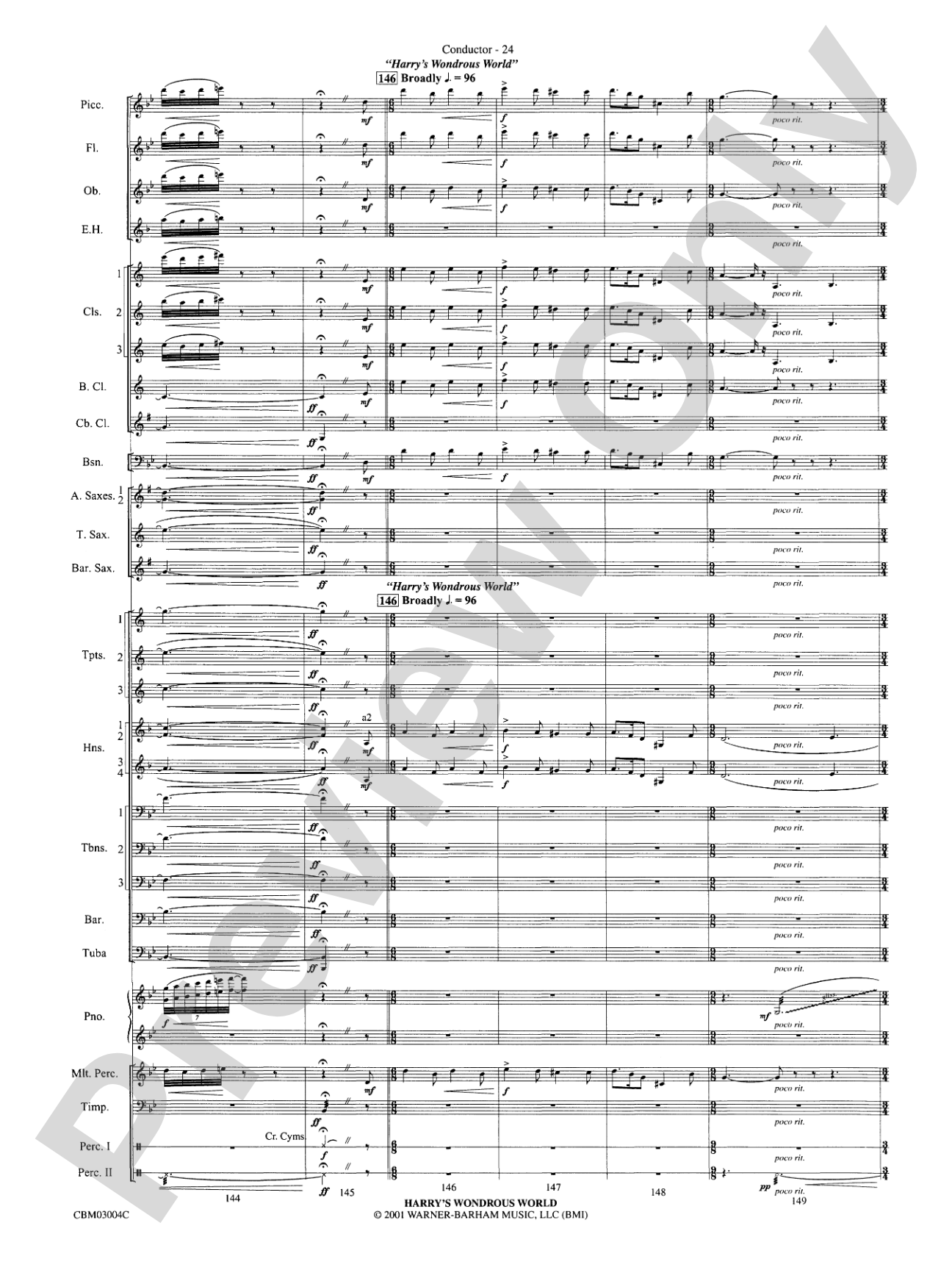
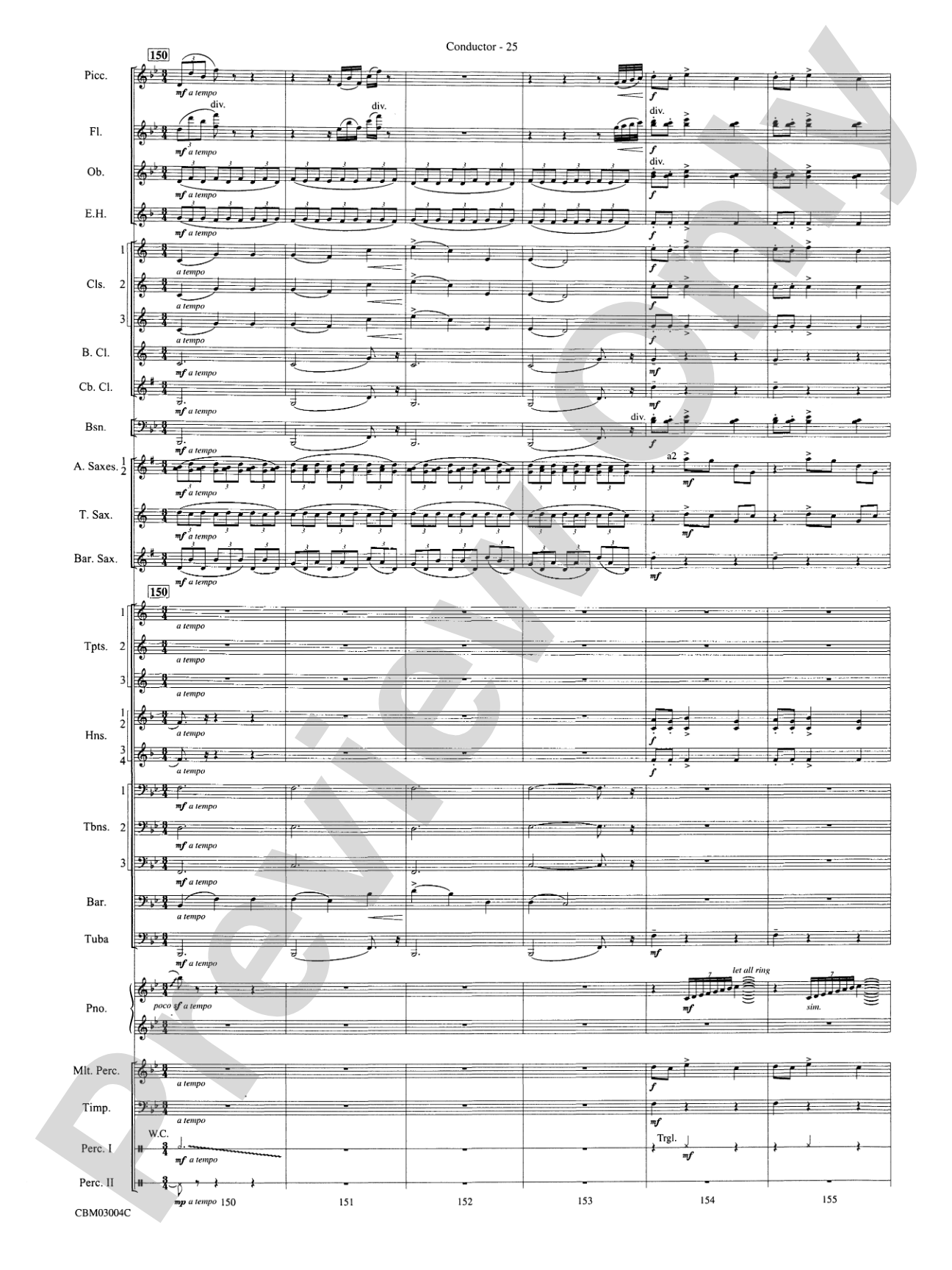
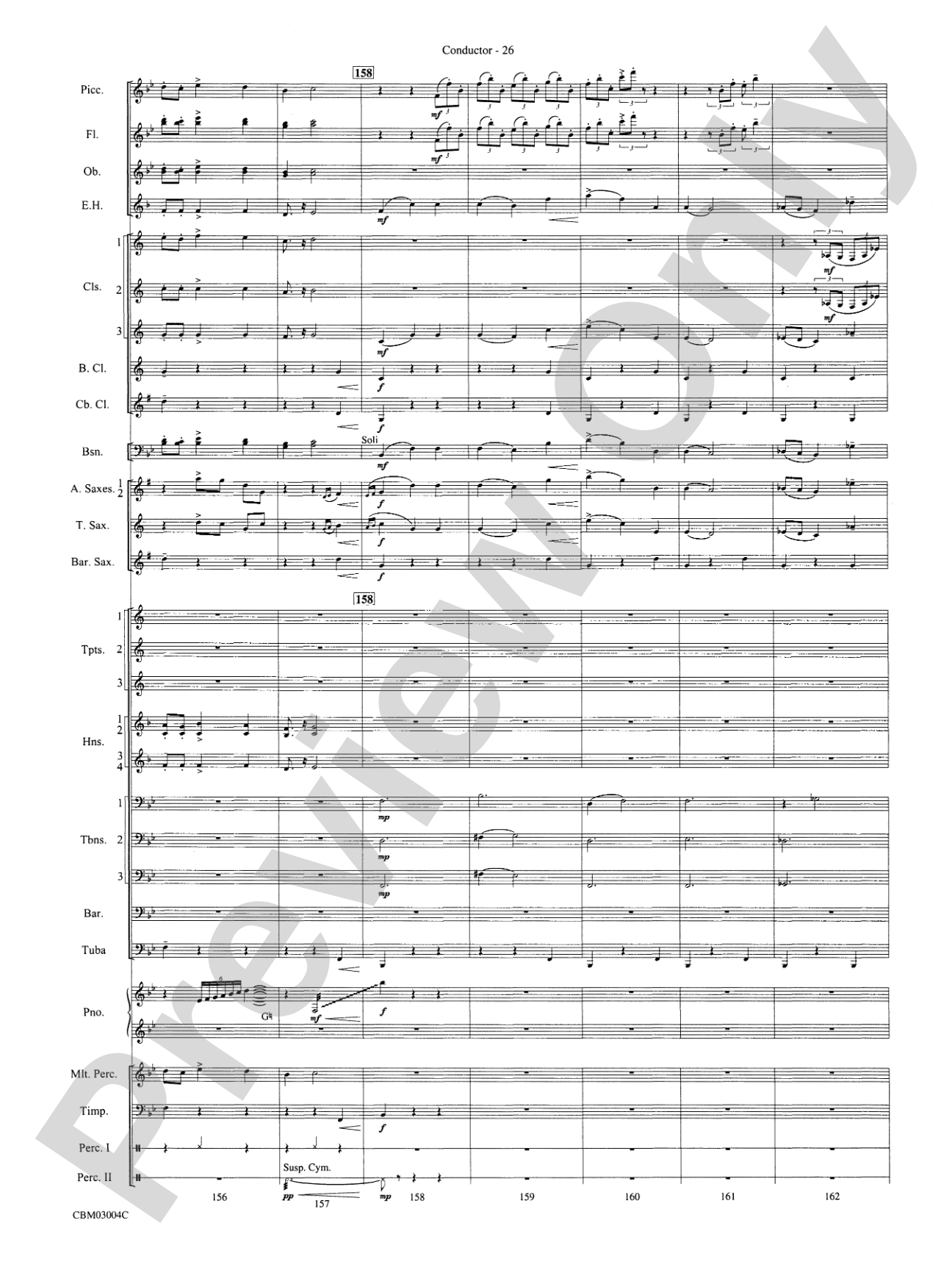
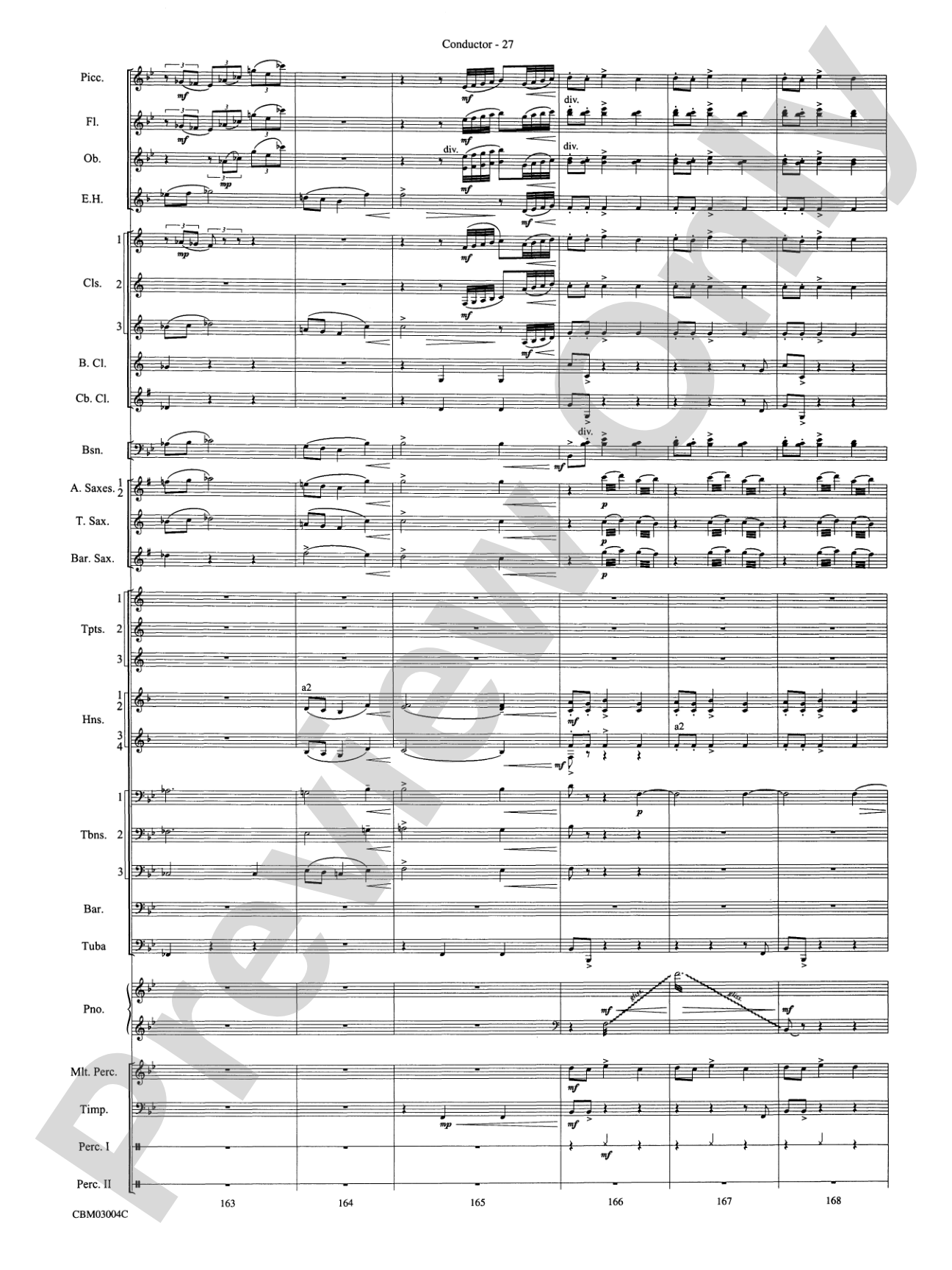
The combination of award-winning composer John Williams and the talents of Robert W. Smith make for exquisite results. A stunning medley of the four most revered themes from the epic film score. The arrangement begins with the familiar "Prologue: Book II." Next is the aggressive theme from "The Chamber of Secrets," followed by "Fawkes the Phoenix," and finally the theme used in both of the first two films, "Harry's Wondrous World." A vivid and dynamic portrayal of the movie, this one will be a real crowd pleaser. (6:05)
For educational usage/non-profit performances only; for professional arrangements, visit our rental library at alfred.com/rental.


For educational usage/non-profit performances only; for professional arrangements, visit our rental library at alfred.com/rental.
Don't just read it, hear it, play along with it, and watch your students grow with it. In MakeMusic Cloud, Harry Potter and the Chamber of Secrets, Symphonic Suite from: Concert Band Conductor Score & Parts comes alive with professional accompaniment, adjustable tempo, and built-in practice tools that turn solo practice into real progress.
Open in the Player
Jump straight in and assign it today.
Start Your Free Trial
Open this title and explore the full library in minutes.
Sample Audio
No sample audio found.
Sample Video
No sample videos found.
Additional Details
Series:
Pop Symphonic Band
Publisher:
Alfred Music
Page Count:
272
SKU:
00-PK-0004951
More about this title
About the Composer: John Williams
John Williams stands as one of the most prolific and celebrated film composers in cinema history. His work across Star Wars, Indiana Jones, Jaws, Schindler's List, and the Harry Potter series demonstrates an unparalleled gift for creating themes that are both immediately memorable and orchestrally sophisticated. His scores have shaped how generations of listeners experience narrative through music, and his melodies have become part of our cultural vocabulary.
For music educators, Williams's output represents a masterclass in orchestration and thematic development. His film scores translate exceptionally well to concert band because they were conceived with full orchestral textures and dramatic arc in mind. Arrangers who adapt his work inherit music that is inherently musical and narratively coherent, making his compositions ideal for both rehearsal engagement and audience connection.
Why we love this
Robert W. Smith's arrangement captures the theatrical sweep of Williams's original score while tailoring it expertly for concert band voices. The four-theme structure gives conductors a built-in arc: mysterious opening, driving intensity, lyrical interlude, and triumphant conclusion. Programs that include this suite benefit from both the immediate appeal of Harry Potter's cultural presence and the genuine musical substance underneath it.
What to expect
This suite moves between moods with cinematic fluency: opening with brooding mystery and whispered magic, intensifying into driving menace, softening into lyrical beauty, and building to triumphant affirmation. The orchestration sparkles with color and draws the listener into the world of Hogwarts through purely musical storytelling.
Who it's for
Concert bands at the Grade 4 level seeking repertoire that combines musical substance with genuine audience engagement. Conductors programming October through December concerts will find this particularly valuable for its Halloween and winter program appeal without sacrificing musical integrity.
How to get the most out of it
- Balance the opening Prologue carefully; the mystery relies on transparent textures in the upper woodwinds and celesta-like articulations in the lower brass.
- Drive the Chamber of Secrets section with rhythmic precision in the percussion and lower reeds. This theme demands energy without rushing.
- Shape the Fawkes the Phoenix melody as a singing line; whether it lands in flute, clarinet, or trumpet, it needs the warmth and phrasing of a vocal solo.
- Weight the final statement of Harry's Wondrous World strategically. The full band entry should feel triumphant but not muddy; clarity of line matters as much as volume.
How to use it
Program this as an anchor piece in a thematic concert exploring music from literature and film, or use it strategically in fall programming when audience familiarity with the Harry Potter universe peaks. At 6:05, it functions as a substantial single work or as a companion piece alongside other contemporary concert band arrangements.
Skills your students will build
- Sustaining clear articulation in fast-moving rhythmic passages (Chamber of Secrets theme)
- Balancing individual melodic lines within dense orchestral textures
- Responding to tempo and dynamic cues that follow cinematic pacing rather than traditional phrase structures
- Executing cross-staff communication between woodwind and brass sections to maintain textural clarity