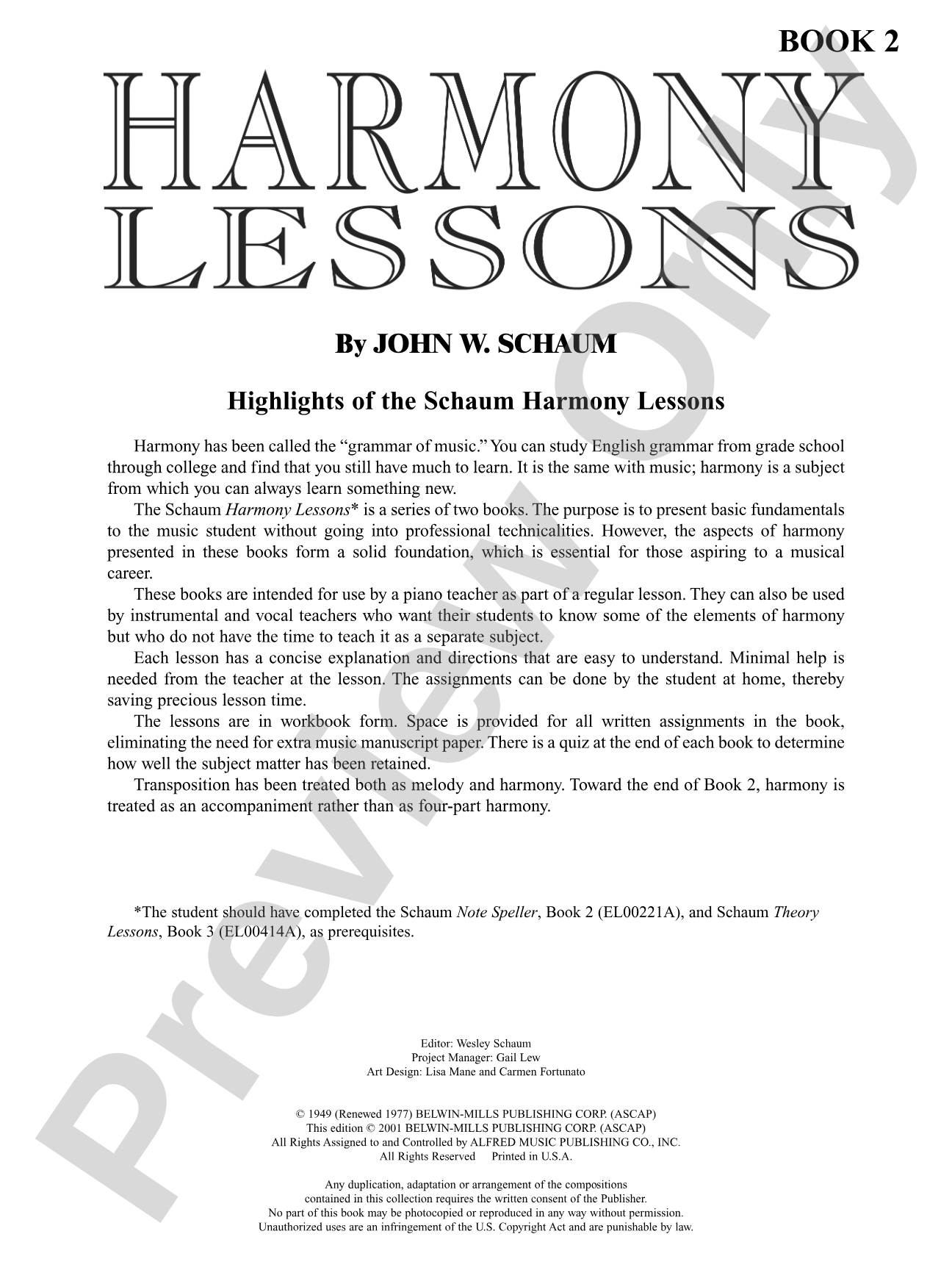
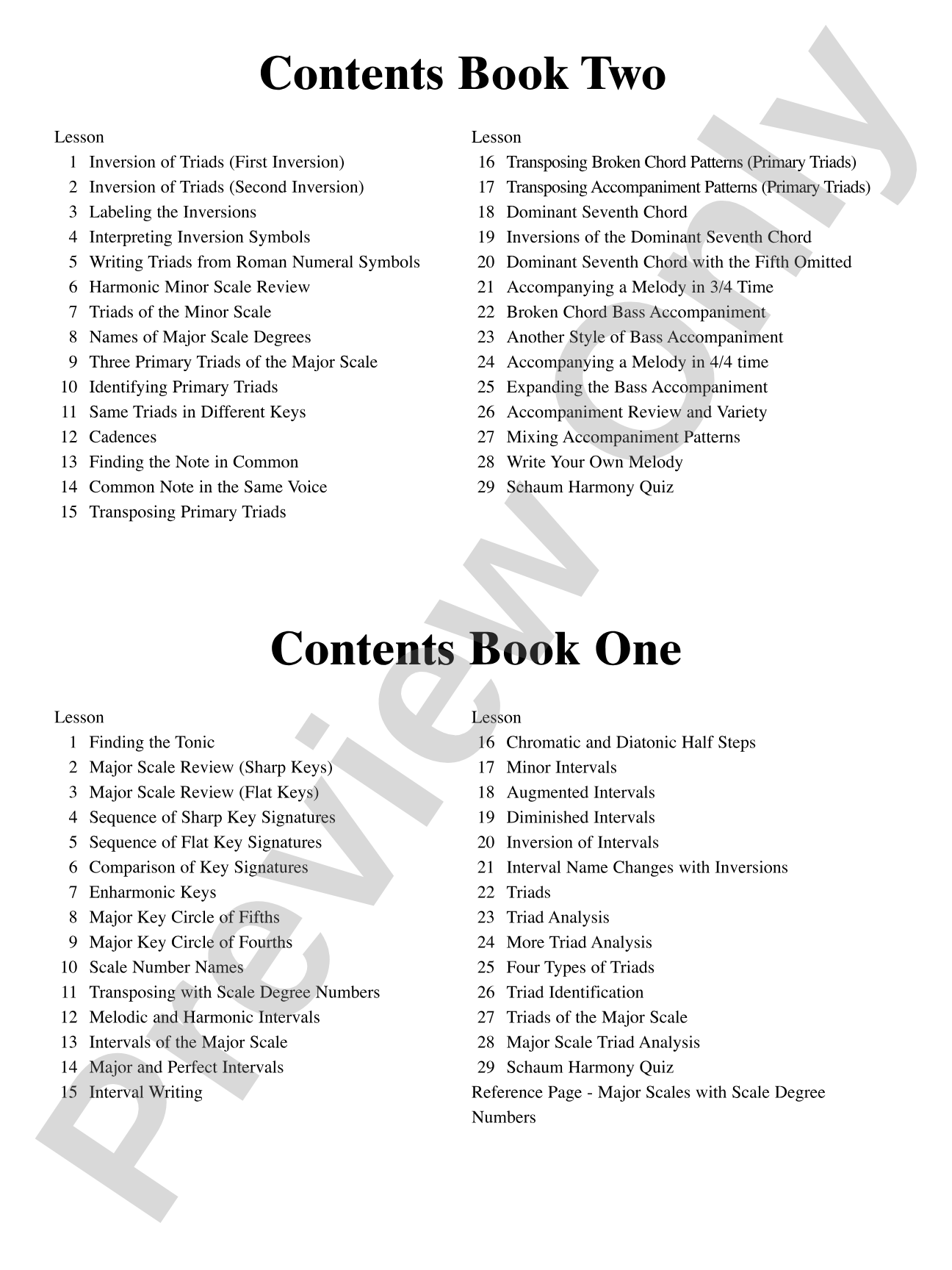
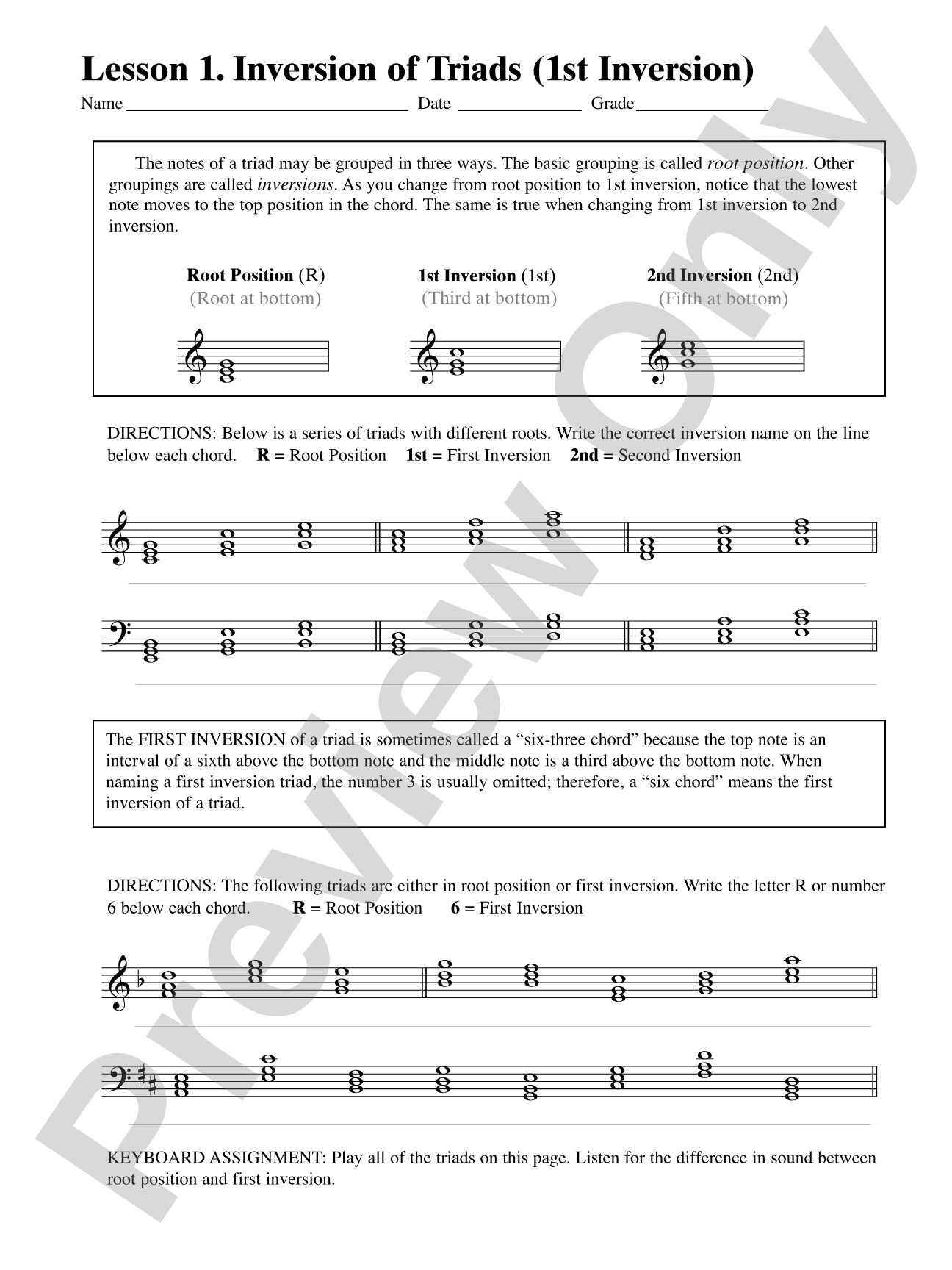
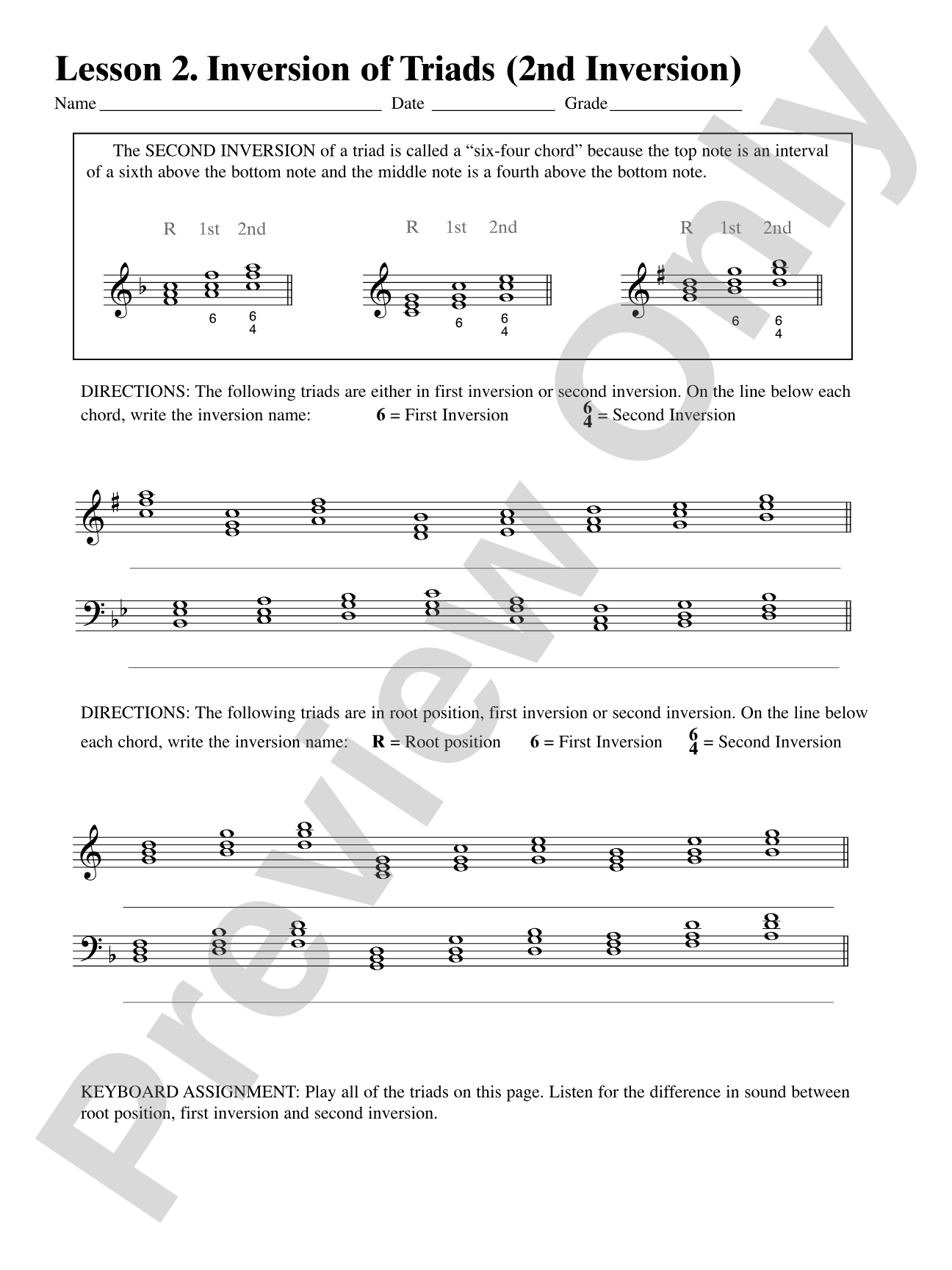
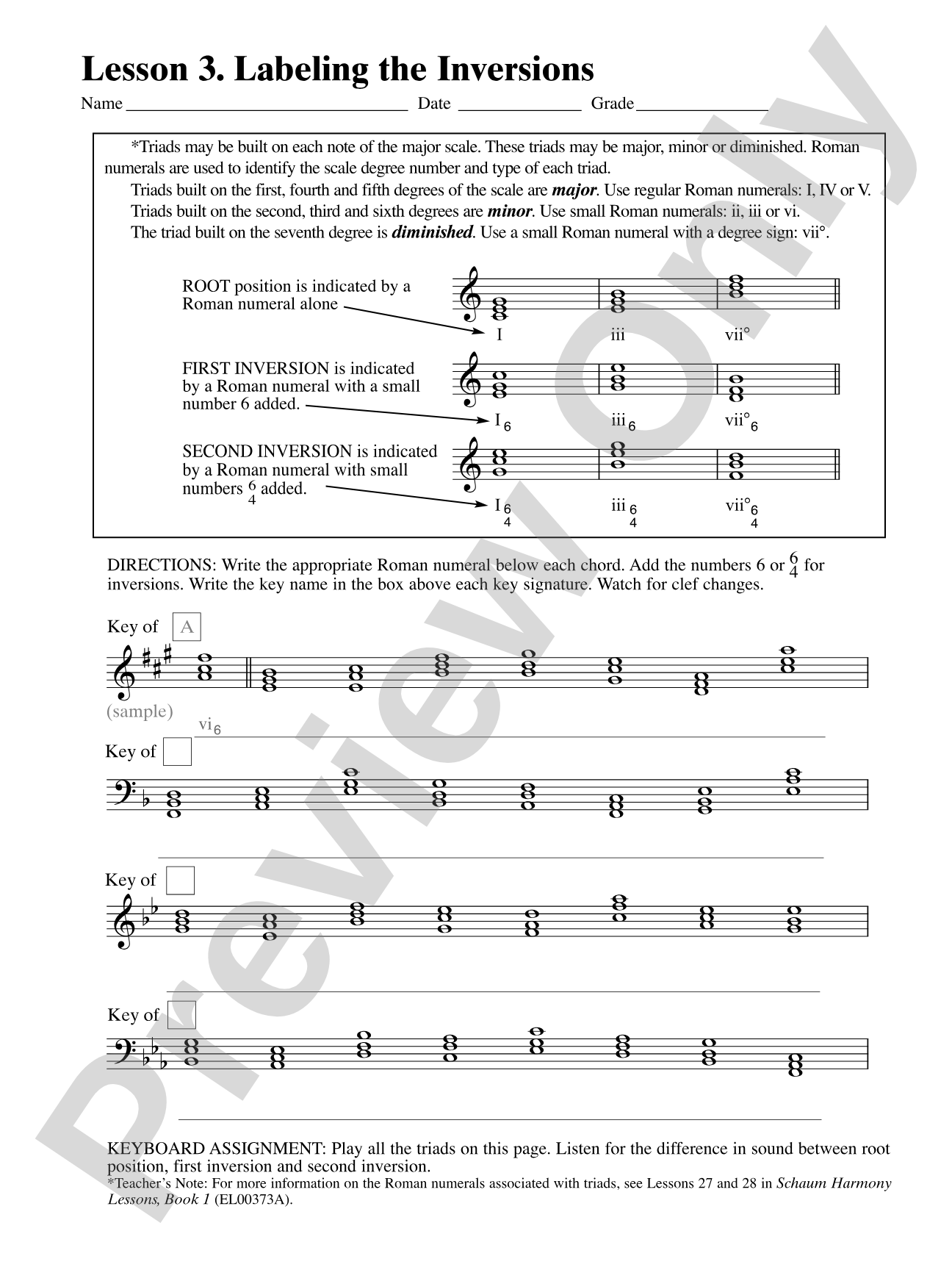
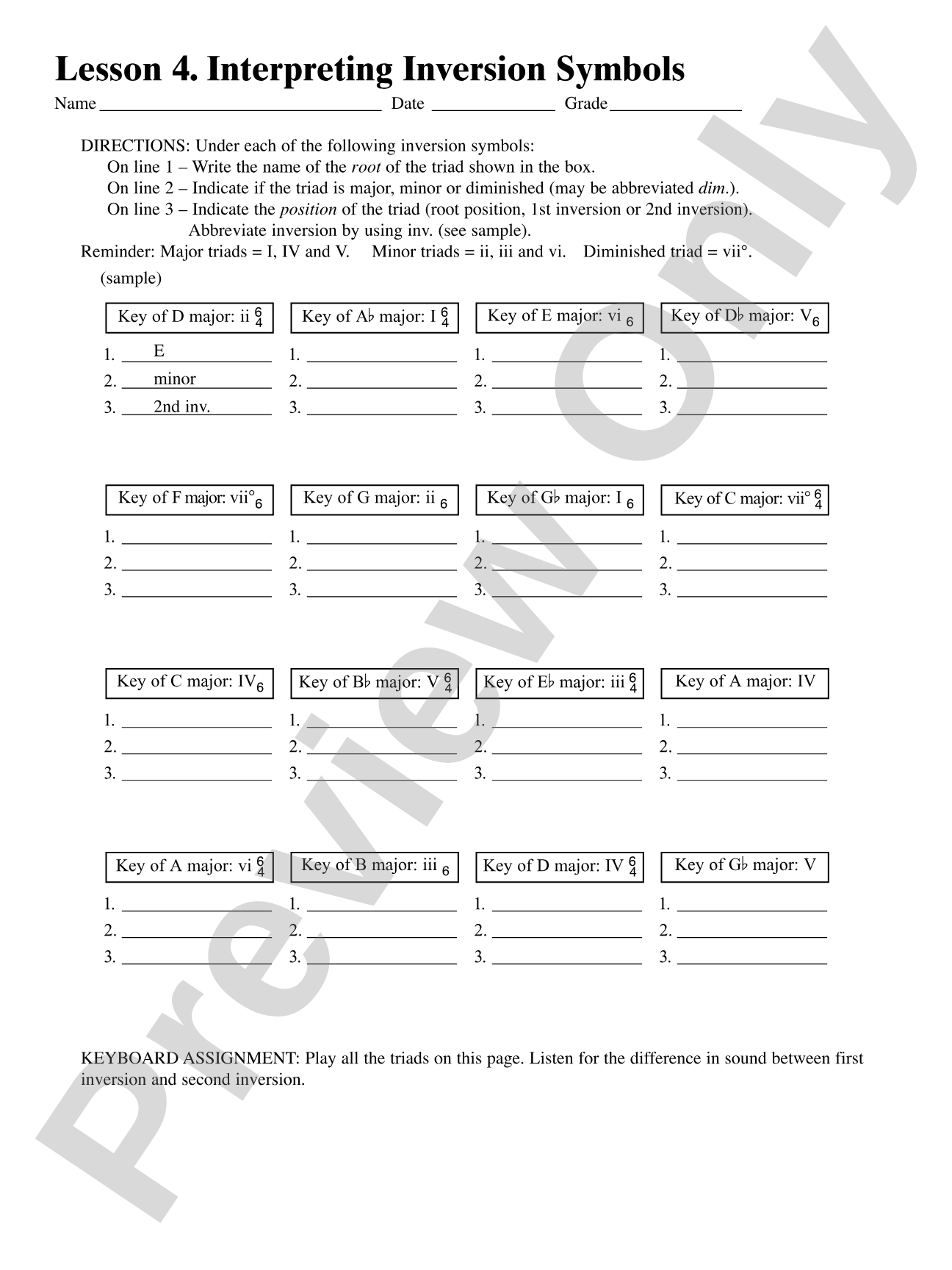
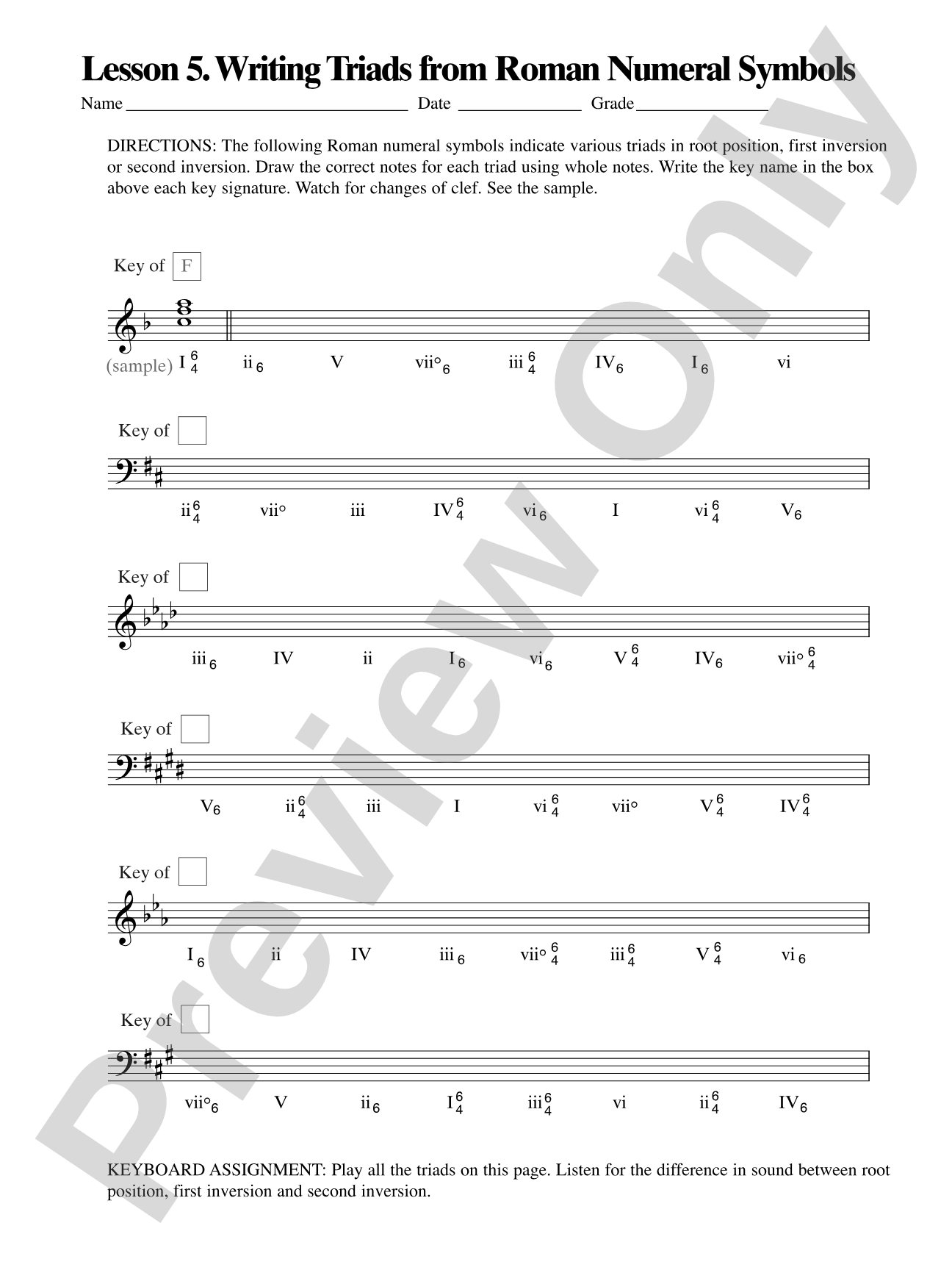
A practical volume that can be used by instrumental and vocal teachers who want their students to know some of the essentials of harmony, but who haven't the time to teach it as a separate subject. Thus, a piano teacher, for example, can teach harmony in conjunction with the regular piano lesson. At the end of Book 2, students will be able to harmonize melodies using a variety of harmonic accompaniment patterns. Also included are exercises in transposition and composition.
Discover MakeMusic Cloud: thousands of interactive titles your students can play along with today.
John W. Schaum revolutionized piano pedagogy by creating materials that seamlessly integrate theory with practical playing. His Schaum Method series has shaped how millions of students learn keyboard fundamentals, balancing accessibility with genuine musicianship from the earliest lessons.
Why we love this
Schaum understood a real constraint of studio teaching: harmony instruction often competes with lesson time rather than deepening it. This book solves that by embedding harmonic concepts directly into the learning sequence, so a student's regular practice becomes their theory foundation. The emphasis on applying harmony through accompaniment patterns and original composition means students aren't memorizing rules in isolation but building genuine musicianship.
What to expect
Practical and grounded. These pages assume a student can play but may never sit down with a formal harmony text. The progression from simple to varied accompaniment patterns creates a sense of expanding capability, while transposition exercises keep the mind active and alert.
Who it's for
Studio piano teachers who want to weave harmony into regular lessons without carving out dedicated theory class time. Instrumental and vocal teachers supporting students who read piano and need to understand accompaniment and harmonic structure. Piano students progressing through the Schaum Method who are ready to move beyond single-note melody into fuller musical textures.
How to get the most out of it
Start with blocked chords before moving to the accompaniment patterns. Students need to hear the harmonic function clearly before rhythm complicates the picture.
Have students sing the melody while playing the harmonization. This strengthens ear training and prevents the accompaniment from overshadowing what matters most.
Use transposition exercises as a quick warm-up across multiple lessons. Shifting keys repeatedly builds facility without feeling like extra work.
Encourage students to compose short 8 or 16 bar melodies using the harmonic vocabulary they've learned. Composition cements ownership of the material in ways exercises alone cannot.
How to use it
Integrate this across a full school year of studio instruction, working through one concept every one to two weeks during regular lesson time. The book pairs naturally with any ongoing repertoire study, enriching a student's understanding of the pieces they're performing. For group piano classes, the exercises in composition offer creative project opportunities that showcase individual student voices.
Skills your students will build
Harmonizing melodies with I, IV, and V chords and their variations
Playing multiple accompaniment textures (blocked, broken, alberti bass patterns)
Transposing melodies and harmonic progressions into new keys
Composing original melodies with chord progressions
Understanding voice leading in basic harmonic progressions
Building harmonic listening skills through ear training with accompaniment
You May Also Like
Scan to Complete Your Purchase
Use your phone's camera to scan the code below
You'll log in on your phone and the order will be added to your account