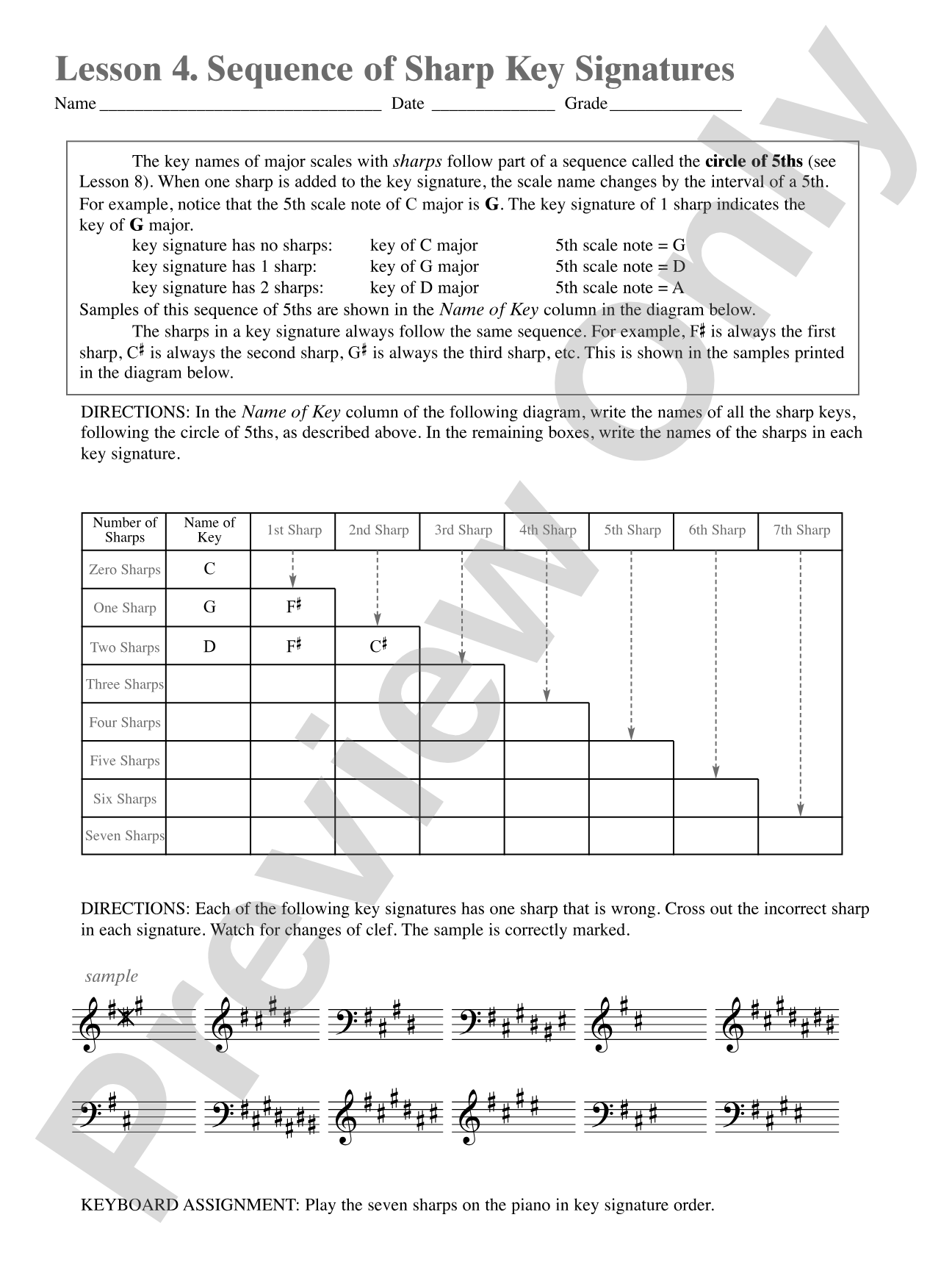
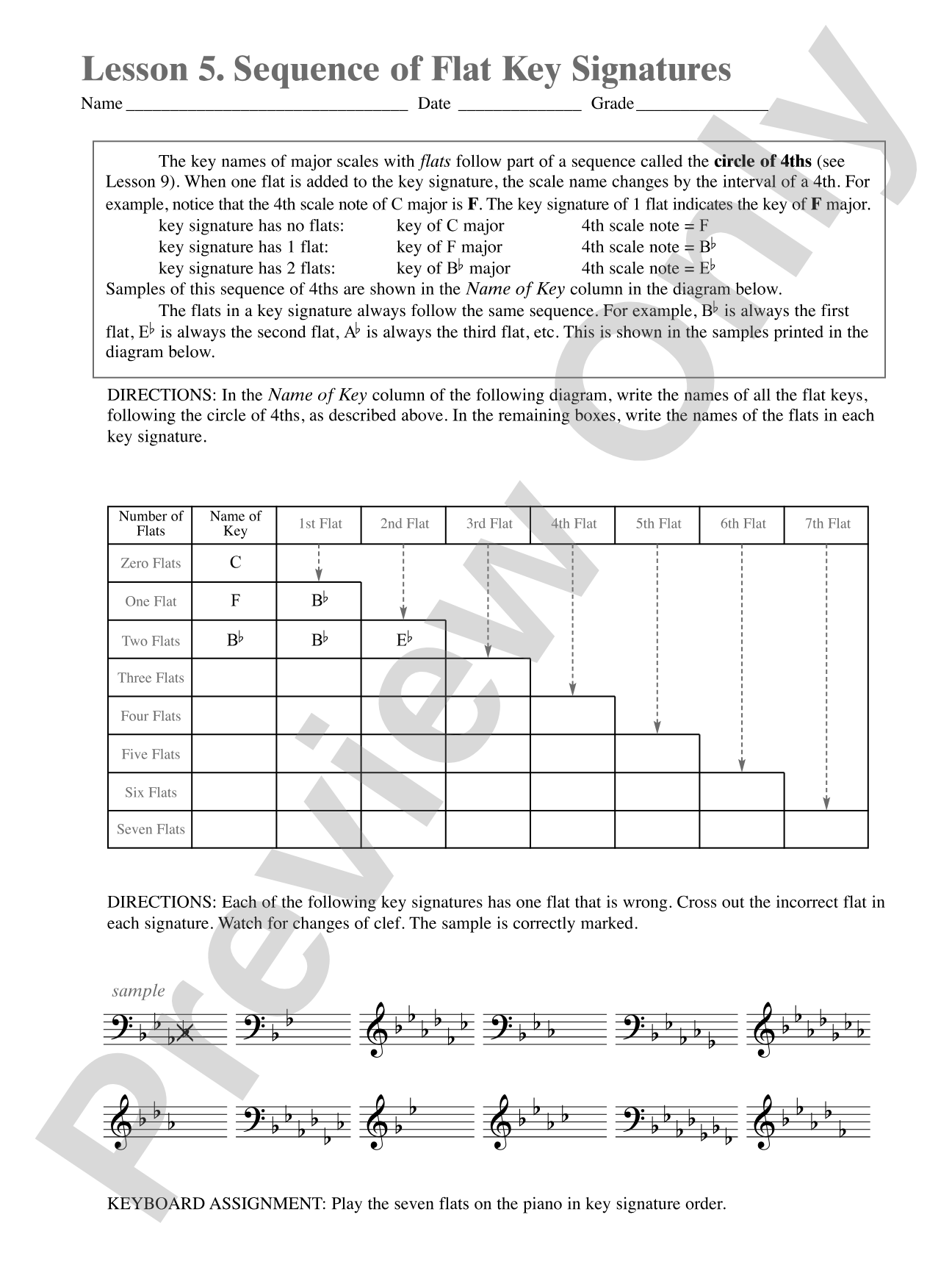
Harmony Lessons, Book 1 (Note Speller 3) Sheet Music Preview

Harmony Lessons, Book 1 (Note Speller 3): Piano

By John W. Schaum

Item: 00-PB-0001896

Digital Download
$8.99
Description
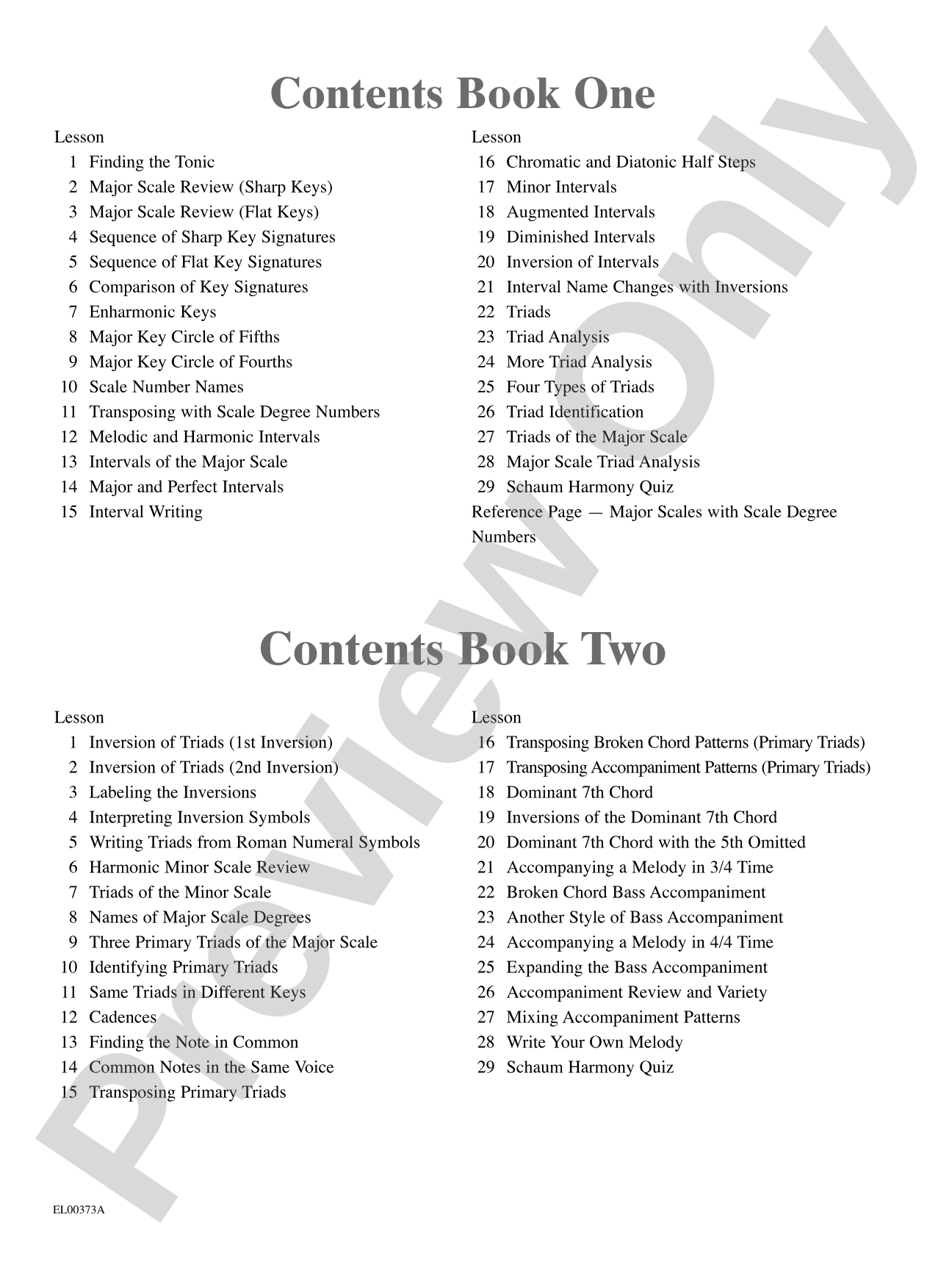
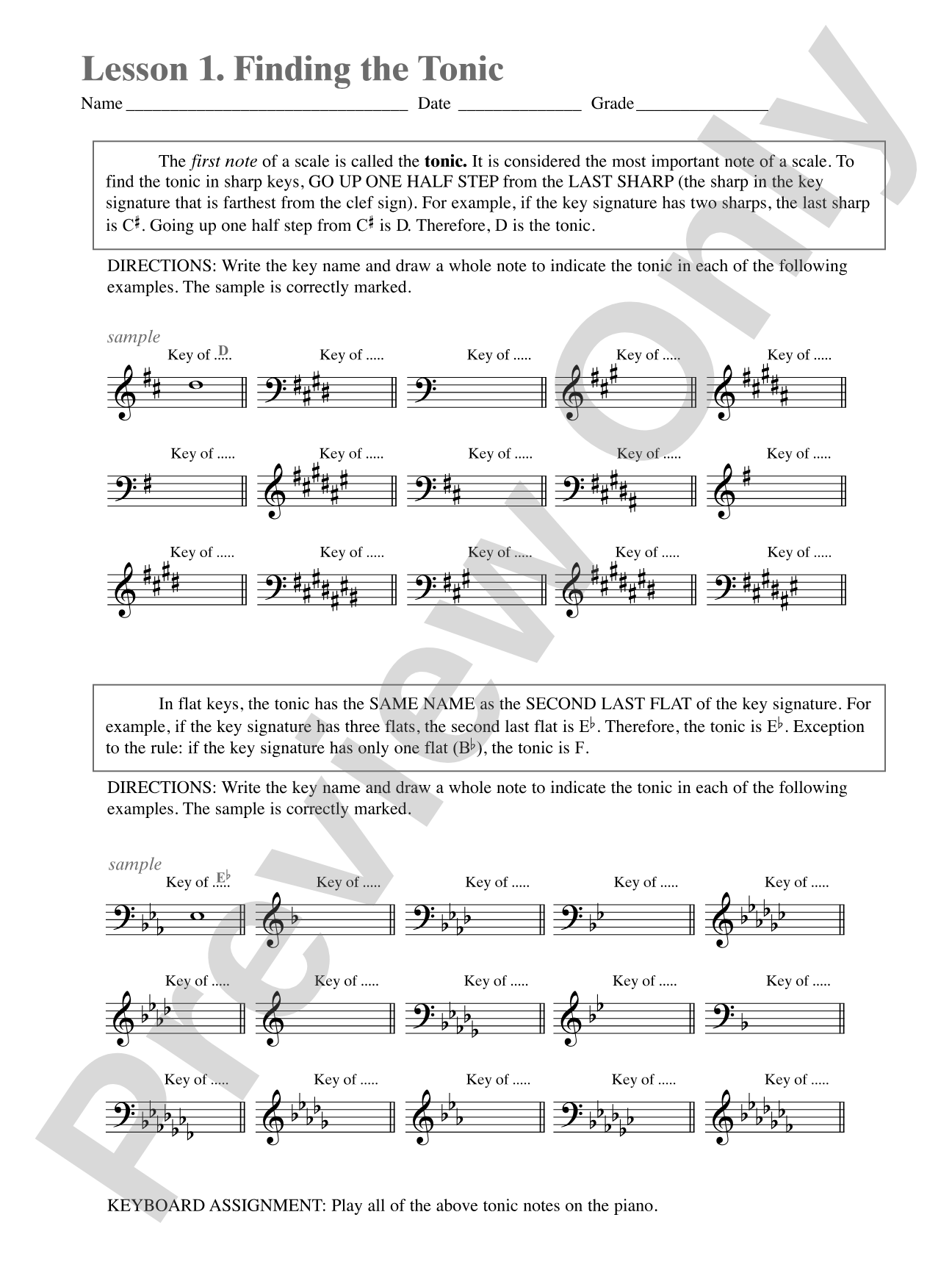
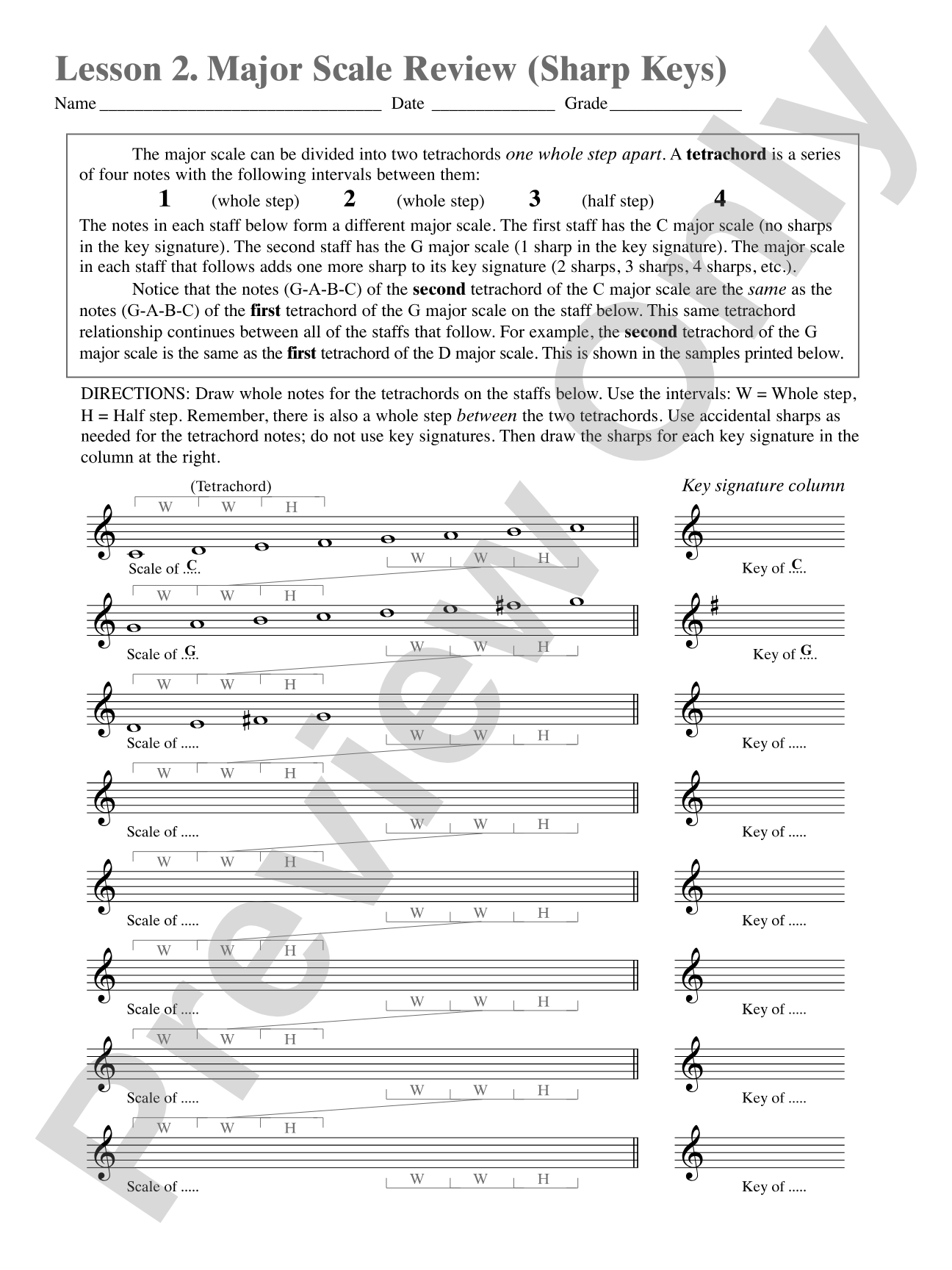
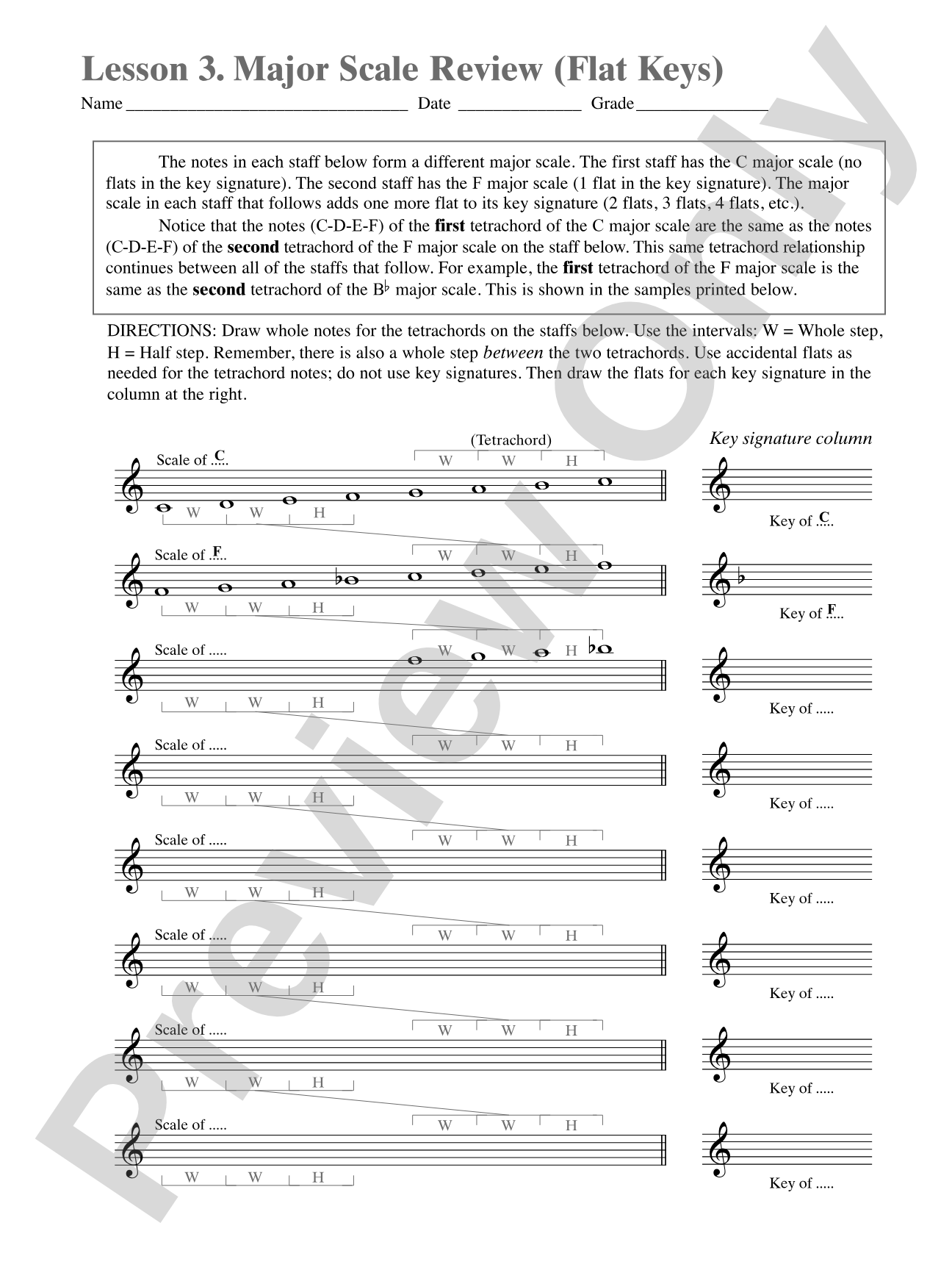
A practical volume to follow the SCHAUM NOTE SPELLER, Book Two. This is a book that can be used by instrumental and vocal teachers who want their students to know some of the essentials of harmony, but who haven't the time to teach it as a separate subject. Thus, a piano teacher, for example, can teach harmony in conjunction with the regular piano lesson. At the end of Book II, we have employed harmony in an accompaniment sense rather than in the traditional four-part harmony way. Transposition has been treated both melodically and harmonically.

Harmony Lessons, Book 1 (Note Speller 3): Piano isn't in MakeMusic Cloud just yet...but it could be. Let us know you'd like to see it, and you'll help shape what comes next. In the meantime, start a free trial and dive into thousands of interactive titles your students can play along with today.

Sample Audio
No sample audio found.
Sample Video
Additional Details
Series: Schaum Method Supplement
Publisher: Alfred Music
Page Count: 32
SKU: 00-PB-0001896

More about this title

About the Composer: John W. Schaum

John W. Schaum revolutionized piano pedagogy by creating method books that balanced musicality with systematic skill development. His Schaum Method became a standard in piano studios across North America, trusted by teachers for its clear progression and thoughtful integration of technique, theory, and repertoire.

Why we love this

Schaum understands the reality of studio teaching: students need harmony knowledge, but standalone theory courses compete for lesson time. This book lets you weave harmonic principles directly into piano study without derailing progress on repertoire and technique. The practical focus on accompaniment and transposition means students apply what they learn immediately.

What to expect

Clear and purposeful. The writing assumes students already read music fluently, so every page moves forward without unnecessary review. Harmonic examples feel grounded in actual musical situations rather than abstract chord progressions.

Who it's for

Piano teachers working with intermediate students who are ready for harmony concepts but whose lesson schedules don't accommodate separate theory study. This book also serves students preparing for music theory placement exams who need a refresher on harmonic function and voice leading.

How to get the most out of it

  • Start with the melodic transposition exercises before moving to harmonic transposition. Students need confidence recognizing patterns before they shift them into new keys.
  • Play through the accompaniment examples yourself first. Your modeling of voice leading and balance sets the standard for what students should hear in their own playing.
  • Use a practice journal alongside this book so students can note which harmonic concepts appeared in pieces they're learning. Connecting theory to repertoire cements retention.

How to use it

Integrate this during the second or third year of piano study, assigning one or two pages per week alongside regular repertoire. The transposition work strengthens improvisation skills, making it especially valuable if students also explore jazz or contemporary styles.

Skills your students will build

  • Recognizing and building triads in root position and inversions
  • Transposing melodies to different keys
  • Transposing harmonic progressions
  • Understanding voice leading in accompaniment patterns
  • Reading and playing block and broken chord accompaniments

You May Also Like