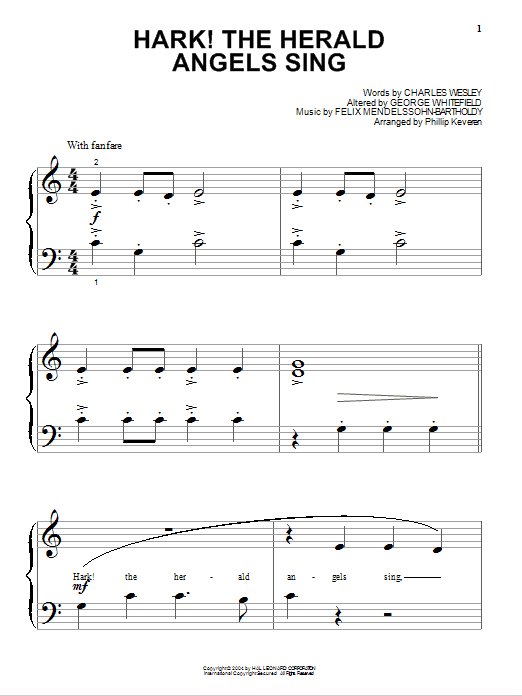
Charles Wesley (1707-1788) was a prolific English hymn writer and the younger brother of John Wesley, founder of Methodism. Over his lifetime, Wesley composed or adapted nearly 6,000 hymn texts, many of which remain central to Christian worship across denominations. His gift for pairing accessible theology with memorable language made complex spiritual ideas available to ordinary worshippers, establishing a template for congregational hymnody that persists today.
Wesley's hymns shaped the musical and devotional landscape of 18th-century England and beyond. His work demonstrates how poetry and melody can work together to create something both intellectually substantive and emotionally resonant. For music educators, Wesley's texts model the craft of matching words to musical phrases, a skill that transfers directly to students' own work with language and melody.