Happy Listening Guide Cover Image

Happy Listening Guide: Book

$6.95 USD
Sale price  $6.95 USD Regular price 
Skip to product information
Happy Listening Guide Cover Image

Happy Listening Guide: Book

By Amy Barlowe

Item: 00-0433

$6.95
Shipped

One moment…

Description
Happy Listening Guide can be used by parents, teachers, and students during either live or recorded performances. A sample listening chart has been provided for convenience so listeners may keep a record of what kind of performance they heard or went to see. The guide also provides four different types of checklists of what to listen and watch for during performances so the student (or parent or teacher) can not only become a good listener, but also a constructive listener. There are pages to keep a record of favorite live or recorded performances and even a page for autographs.

Happy Listening Guide: Book isn't in MakeMusic Cloud just yet...but it could be. Let us know you'd like to see it, and you'll help shape what comes next. In the meantime, start a free trial and dive into thousands of interactive titles your students can play along with today.

Sample Pages

Sample Audio
No sample audio found.
Sample Video
Additional Details
Series: About Suzuki Series
Publisher: Alfred Music
Page Count: 20
ISBN10: 0-87487-433-5
ISBN13: 978-0-87487-433-4
UPC: 029156146592
SKU: 00-0433

More about this title

About the Author: Amy Barlowe
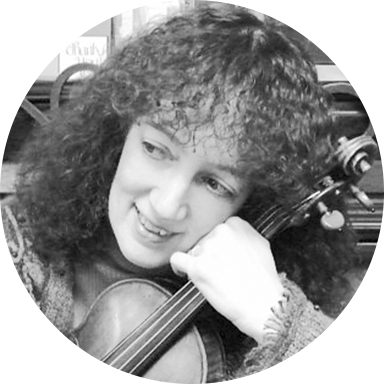
Amy Barlowe

Amy Barlowe is a violinist and composer who studied at Juilliard under Ivan Galamian and Margaret Pardee, earning both her B.M. and M.M. degrees. Her performance career has spanned the United States, Canada, and Mexico, with appearances in major New York concert halls and extensive touring as a chamber musician. She has received the Helena Rubinstein Scholarship and other prestigious awards, and her recordings on the Medici and Azica labels have earned critical praise for their flawless tonal production.

Barlowe has taught violin at Juilliard Pre-College, New York's School for Strings, and Willamette University, and has served on the faculty of the Meadowmount School of Music and the Ohio Conservatory. Beyond performance, she is an active composer and arranger whose works range from chamber music to opera ballet and vocal music, including an arrangement of Schindler's List endorsed by John Williams. Her work as an educator and musician reflects a deep commitment to developing young musicians' artistry and musical understanding.

Why we love this

This book transforms listening from a passive activity into an active, structured skill that students can develop alongside their playing. The variety of checklists and tracking tools keeps young musicians engaged while building the ear and analytical skills that deepen musical understanding. For Suzuki teachers and families especially, this guide reinforces the program's emphasis on developing the whole musician, not just technical facility.

What to expect

Using this guide turns a concert or recording into a voyage of discovery, where you're actively hunting for specific musical details rather than letting the experience wash over you. The checklists and charts create a sense of purpose and focus, transforming casual listening into genuine engagement with the music unfolding around you.

Who it's for

This book serves Suzuki families, teachers, and their students who want to deepen their listening skills and get more from live and recorded performances. Parents will find it especially useful for supporting their child's musical growth between lessons, while teachers can use it in group classes or recommend it as a home resource. It's ideal for any young musician developing the listening habits that sustain a lifelong musical practice.

How to get the most out of it

  • Use the listening chart provided to document performances together as a family or class, making record-keeping a natural part of concert-going.
  • Choose one of the four checklists before attending a performance and focus on what it guides listeners to notice, helping students develop specific listening habits.
  • Work through a checklist while listening to a recording at home, pausing as needed to discuss observations and build comfort with active listening before attending live performances.
  • Keep the autograph page accessible at live performances and festivals, turning this resource into a keepsake that students will treasure.

How to use it

Introduce this resource at the beginning of the school year as part of your Suzuki program orientation, giving families tools to support their child's musical education at home. Teachers can assign specific checklists before recommending or attending group performances, and students can bring completed pages to lessons to discuss what they noticed. The listening charts and record-keeping pages create accountability and reflection, turning concert attendance from an isolated event into part of a coherent learning journey.

Skills your students will build

  • Active listening and focused attention to musical elements
  • Distinguishing between different instrumental and vocal timbres
  • Tracking musical form and structure during performances
  • Developing constructive feedback and observation skills
  • Building concert etiquette and audience awareness

You May Also Like