

Hanon-Schaum, Book Two: Piano
By Charles-Louis Hanon / arr. John W. Schaum
Level: Intermediate
Item: 00-PB-0001077
$6.95
Pickup currently not available
Related Items
Hanon-Schaum, Book Two: Piano Book |
$6.95
|
View |
Description
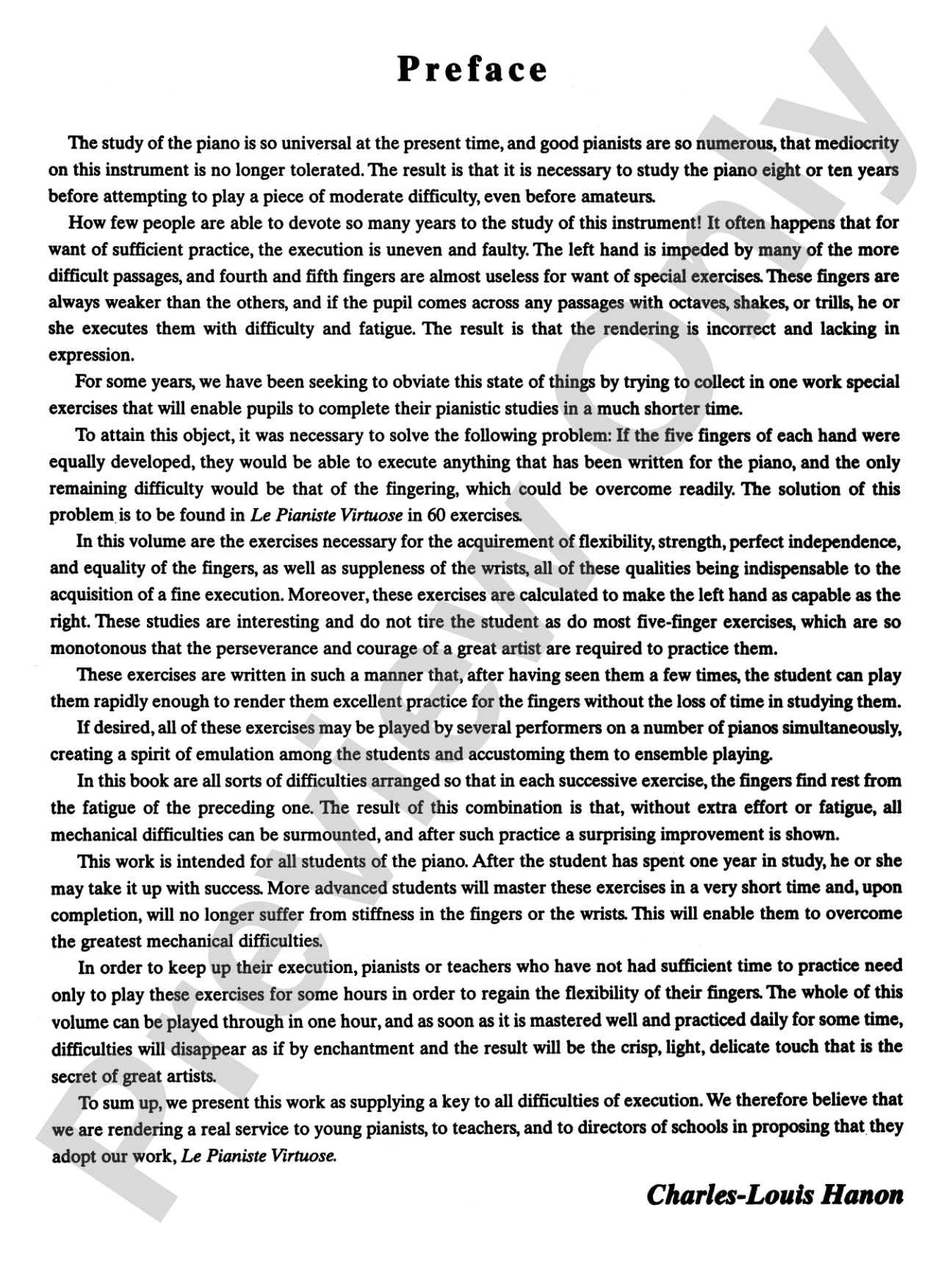
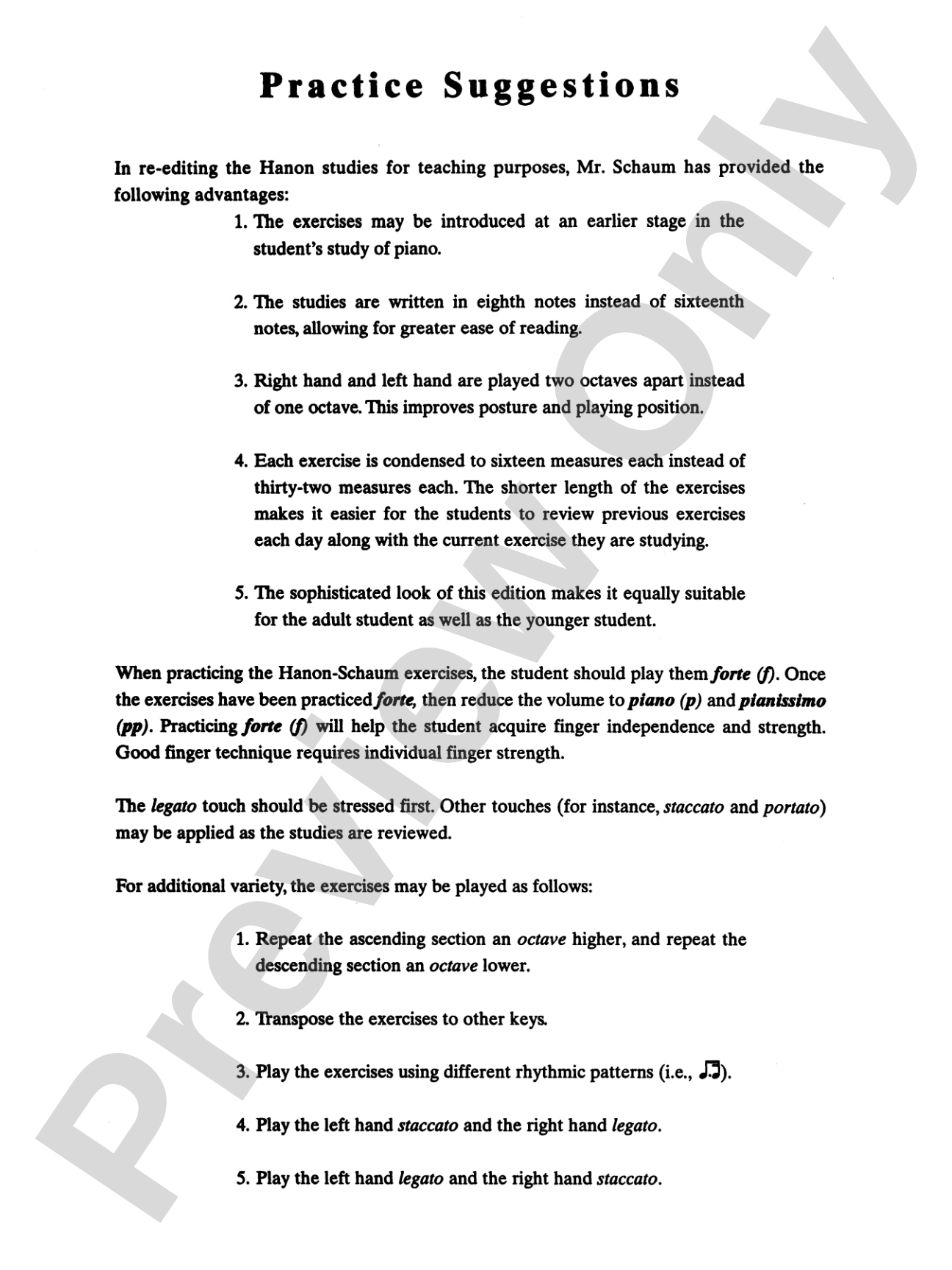
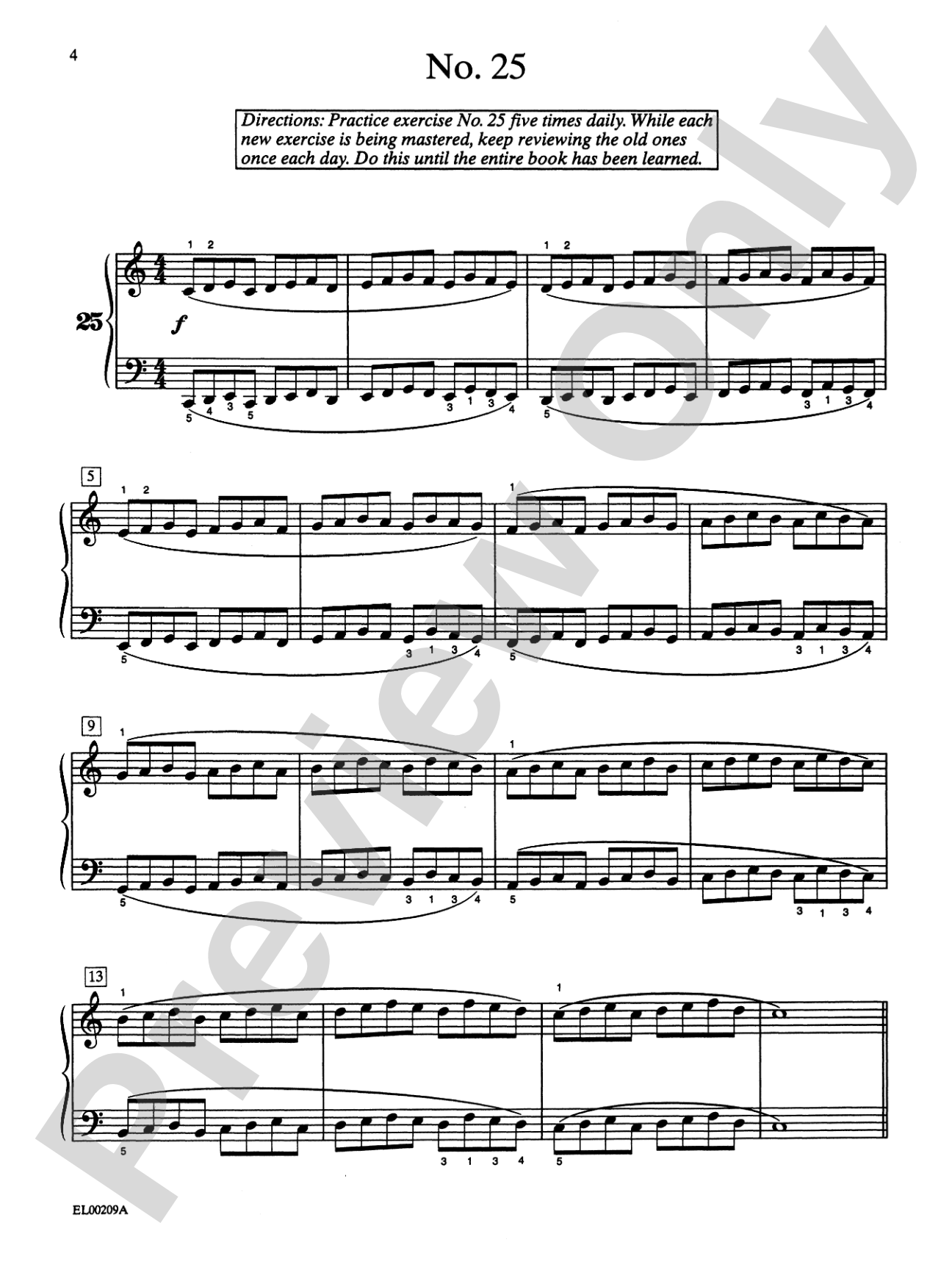
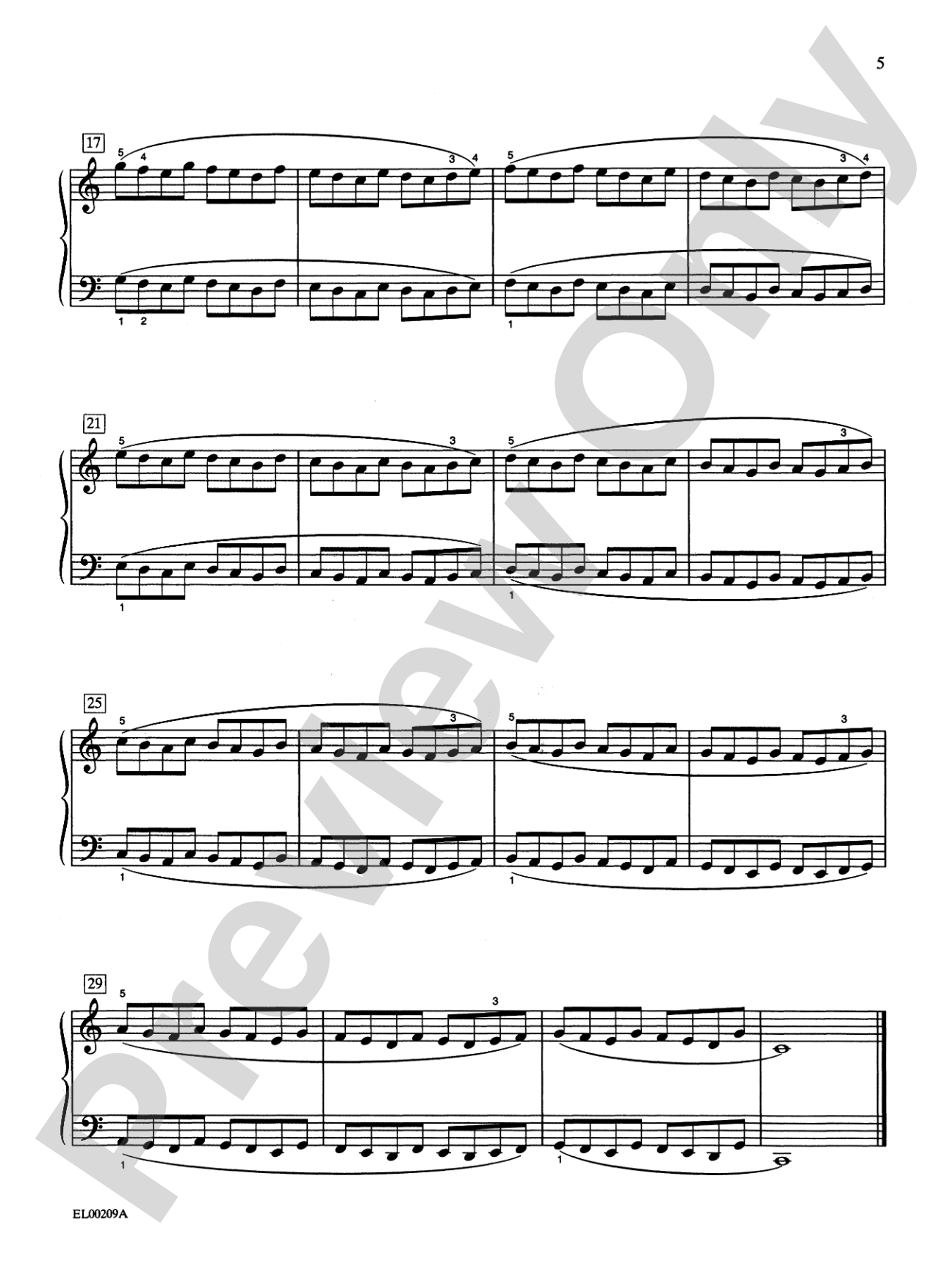
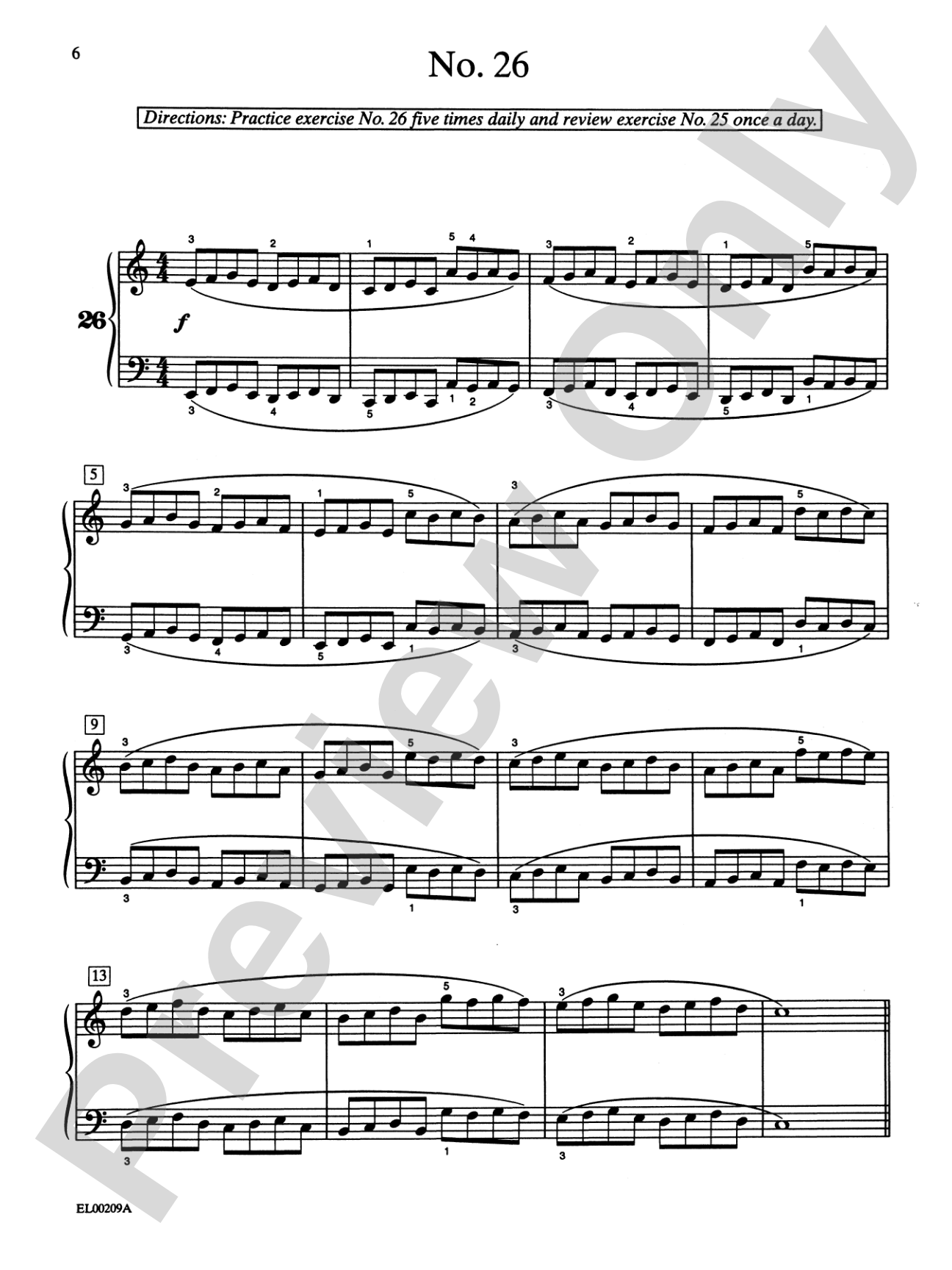
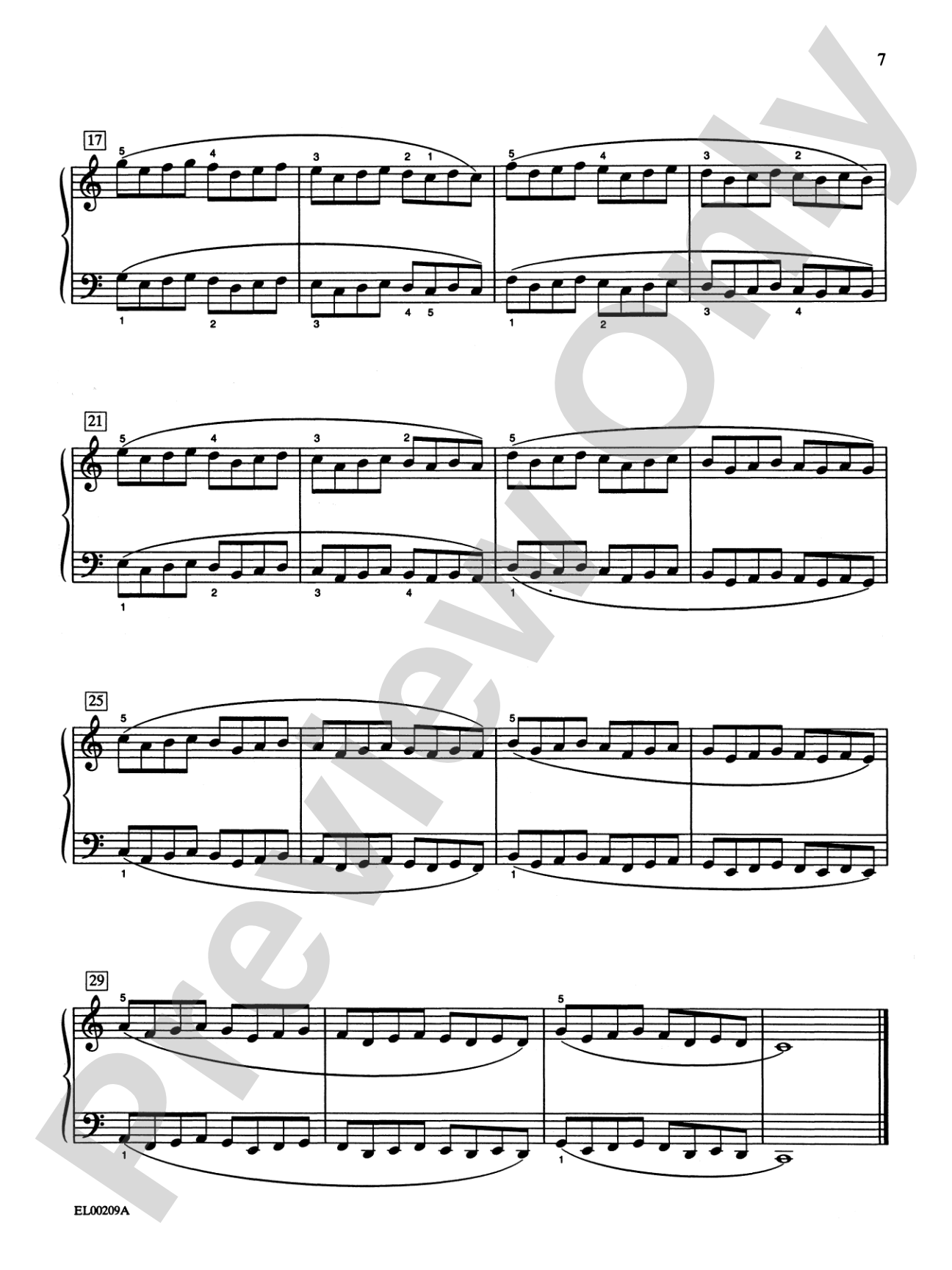
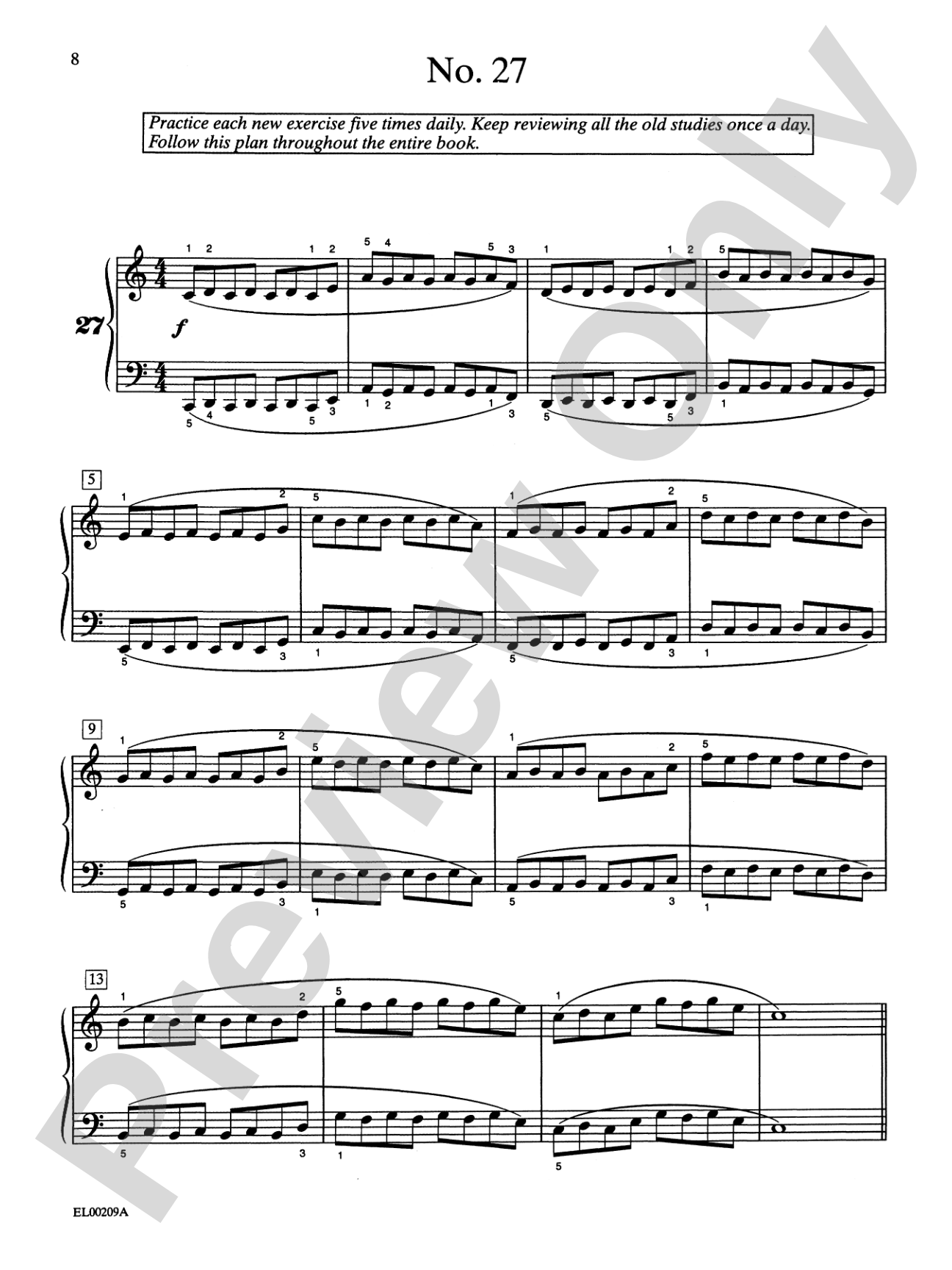
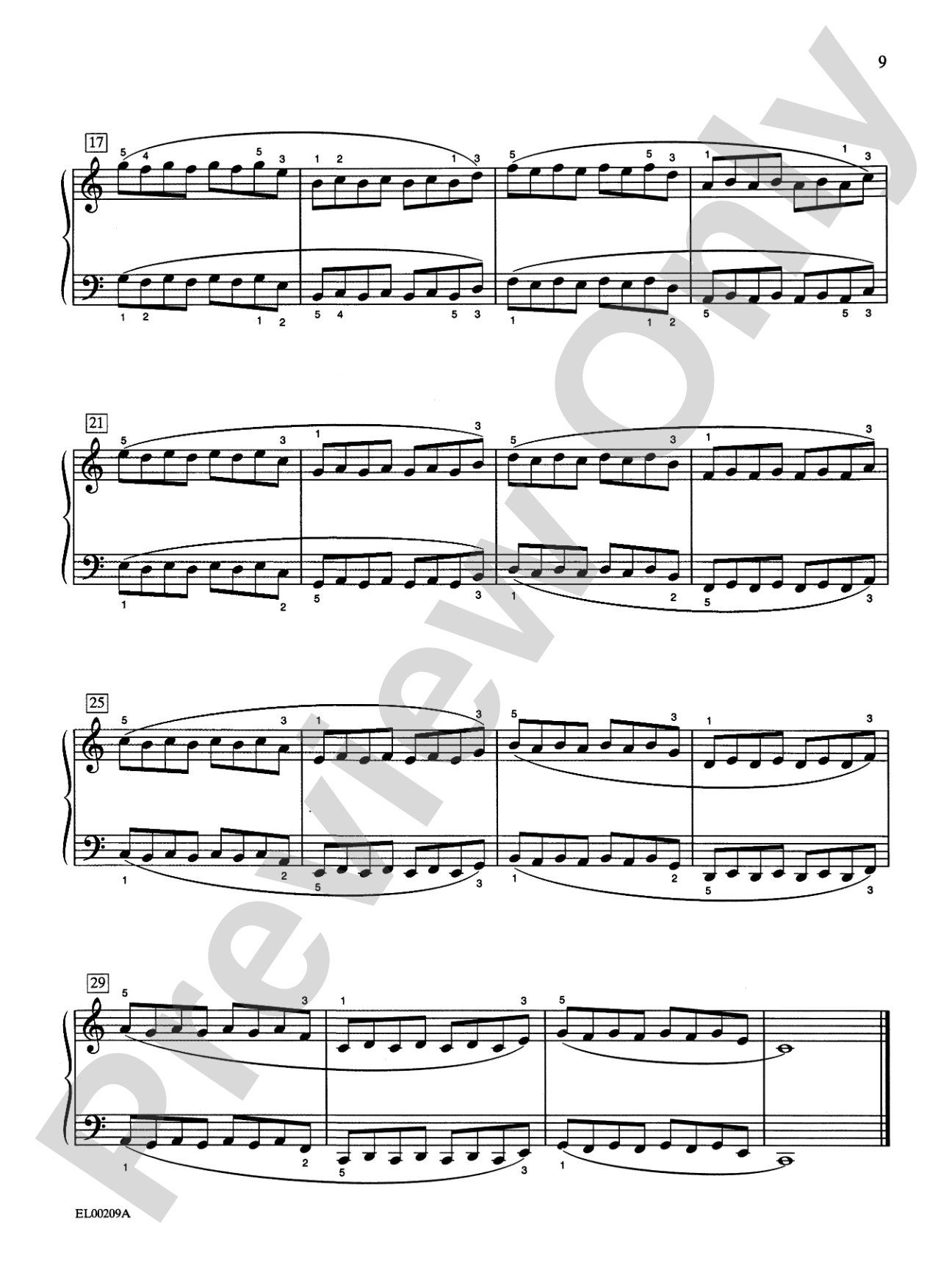
The Virtuoso Pianist first appeared in 1873 and has become one of the standards of piano technique throughout the world. For this edition, Mr. Schaum has used eighth notes instead of sixteenth notes and has indicated hands played two octaves apart for ease in reading. With the modifications indicated by Mr. Schaum, this valuable set of exercises is suitable for elementary students. Mr. Schaum also provides valuable performance suggestions and an informative preface by Charles Hanon.


Hanon-Schaum, Book Two: Piano isn't in MakeMusic Cloud just yet...but it could be. Let us know you'd like to see it, and you'll help shape what comes next. In the meantime, start a free trial and dive into thousands of interactive titles your students can play along with today.
Request This Title
Tell us you want it.
Start Your Free Trial
Explore everything that's ready to play right now.
Sample Audio
No sample audio found.
Sample Video
No sample videos found.
Additional Details
Series:
Schaum Master Composer Series
Publisher:
Alfred Music
Page Count:
40
SKU:
00-PB-0001077
More about this title
About the Composer: Charles-Louis Hanon
Charles-Louis Hanon (1819-1900) was a French pianist and pedagogue whose exercises revolutionized how pianists approached technical development. His collection "The Virtuoso Pianist" emerged from decades of teaching experience and became the most widely used technical resource in piano education by the early 20th century.
Hanon's exercises target the specific mechanical challenges pianists face: finger independence, evenness of touch, velocity control, and endurance. Rather than treating technique as separate from musicality, his work demonstrates that systematic, focused practice builds the foundation for expressive playing. His influence on piano pedagogy remains profound; generations of teachers have relied on his exercises to prepare students for the demands of the repertoire.
Why we love this
Schaum's adaptation makes Hanon's legendary exercises genuinely accessible to intermediate pianists without compromising their effectiveness. By using eighth notes instead of sixteenth notes and spacing hands two octaves apart, he preserves the mechanical and musical benefits while removing unnecessary frustration. You get the technical rigor Hanon is known for, scaled to where your students actually are.
What to expect
Focused and methodical, with the quiet satisfaction of watching technique improve through deliberate, purposeful work. These exercises have the character of musical studies rather than drills, always singable, always pianistic, never monotonous.
Who it's for
Intermediate piano students who need systematic work on finger independence, evenness, and technical control. This edition suits students who have moved beyond elementary methods and are ready for focused technical exercises that also build musicianship.
How to get the most out of it
- Maintain consistent tempo throughout each exercise; the goal is rhythmic evenness as much as technical fluency. Use a metronome and resist the urge to rush the easier passages.
- Shape each hand's line with intention, even in the modified spacing. This isn't mindless repetition; think of each voice as having musical direction.
- Work through the exercises slowly enough that every note lands cleanly. Speed develops naturally once accuracy and independence are secured.
How to use it
Integrate these exercises into weekly practice routines rather than reserve them for recital preparation. Many teachers assign one or two exercises per week alongside repertoire study, so students develop technique in parallel with the pieces they're learning. The 40-page scope makes it ideal for semester-long supplementary work.
Skills your students will build
- Finger independence and dexterity across all five fingers
- Even tone production and consistent touch across both hands
- Hand position stability and proper finger curvature
- Rhythmic precision and tempo control
- Reading fluency in moderate-tempo passages
- Endurance for sustained repetitive practice