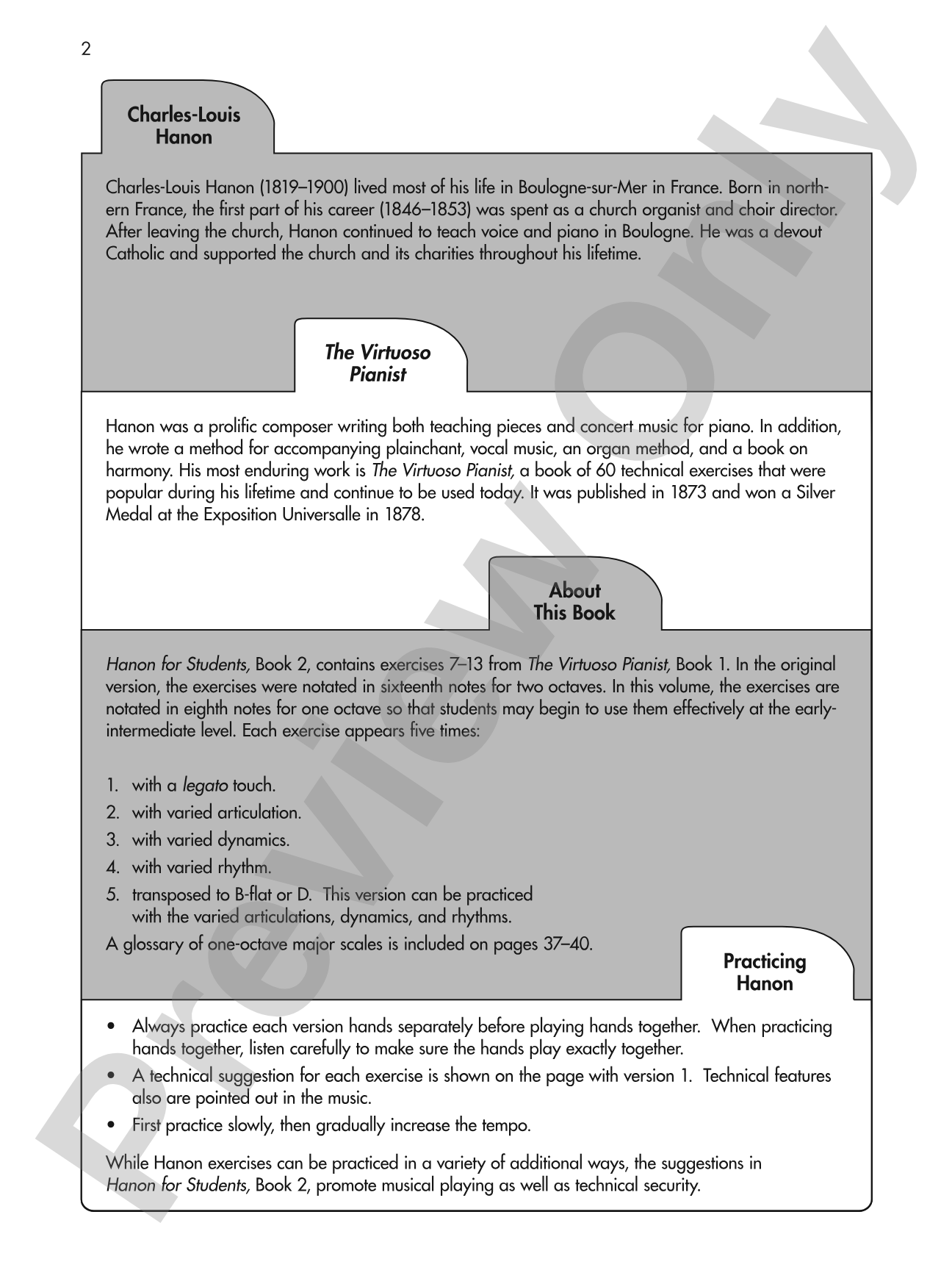
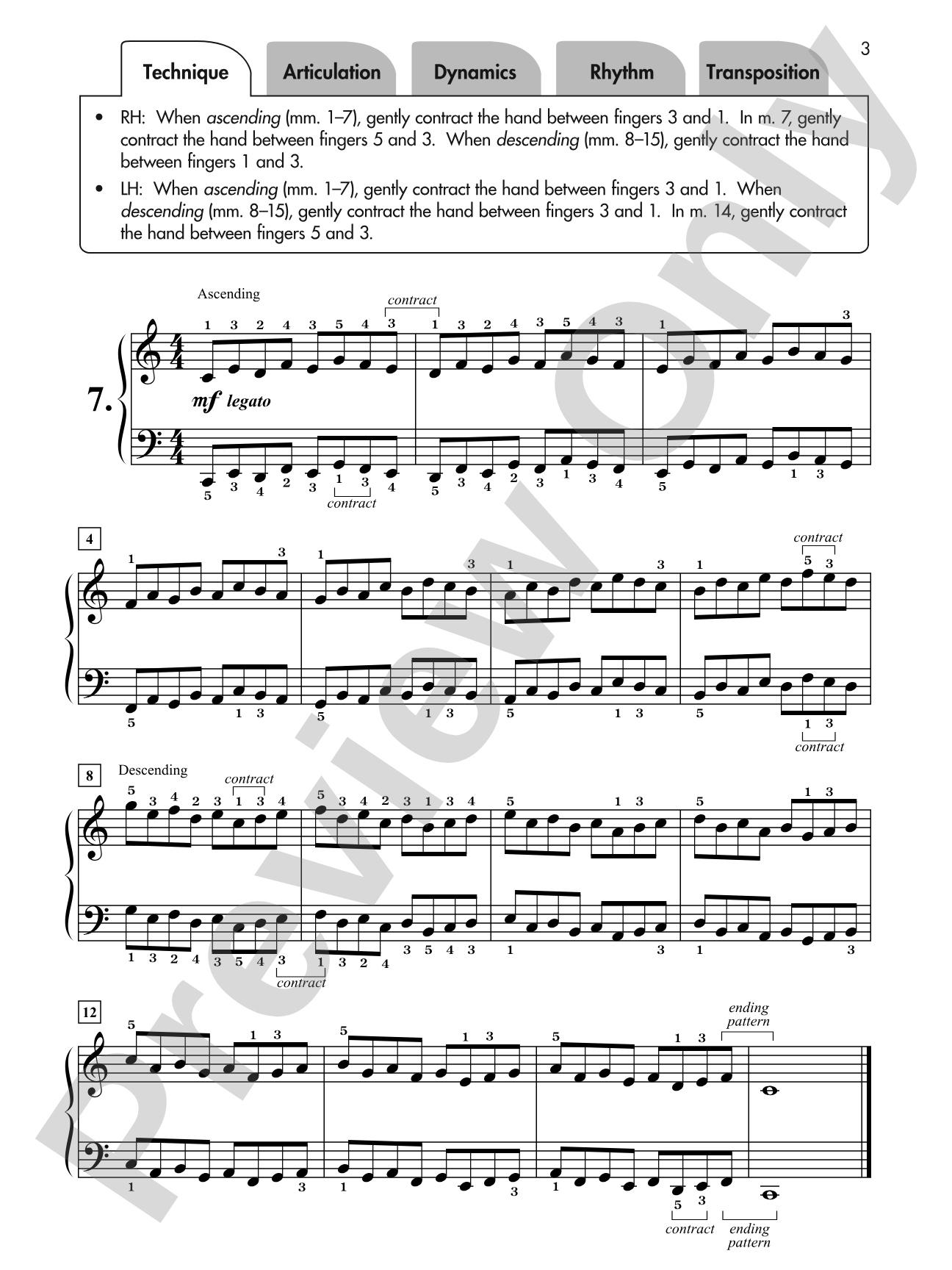
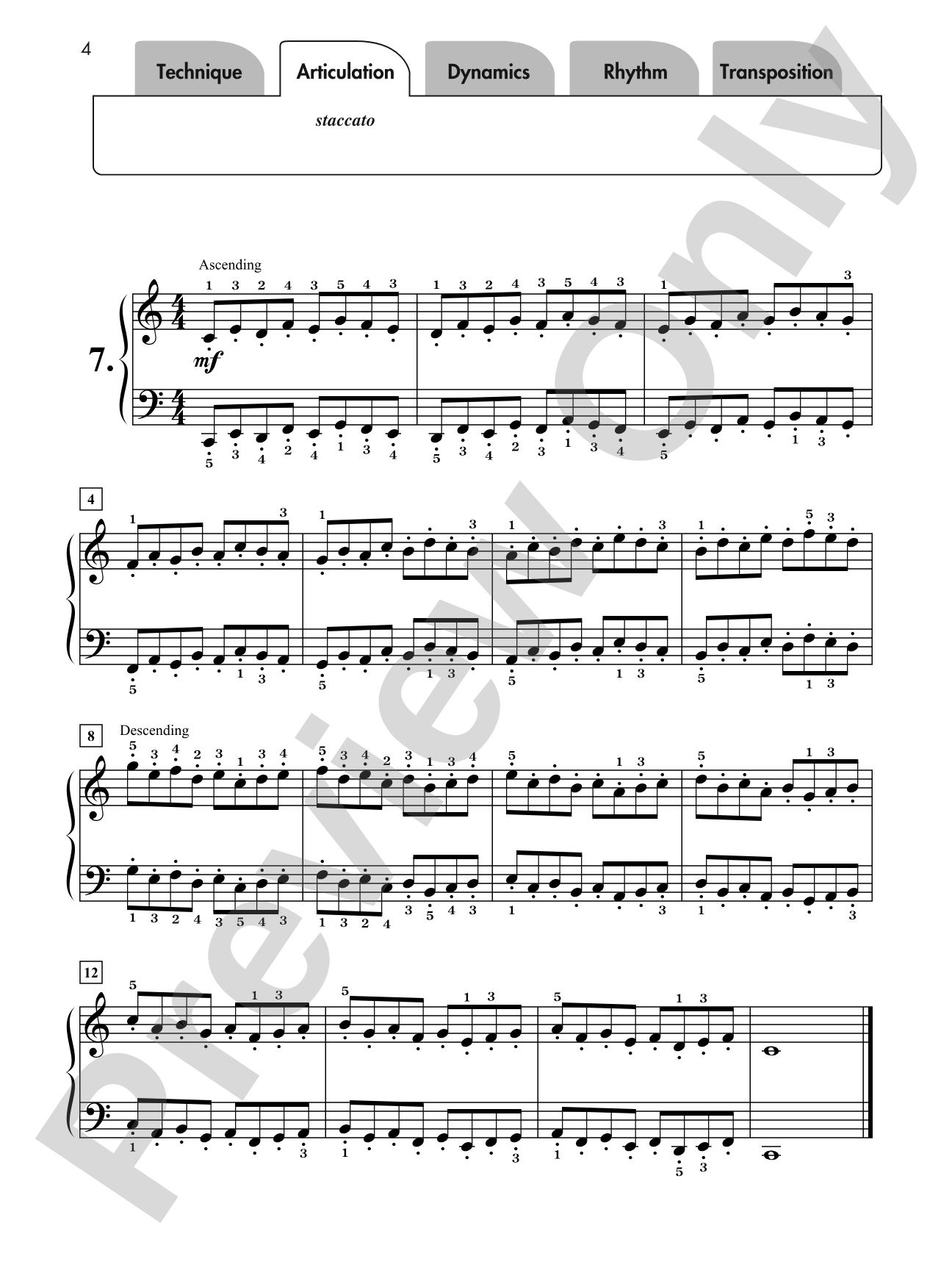
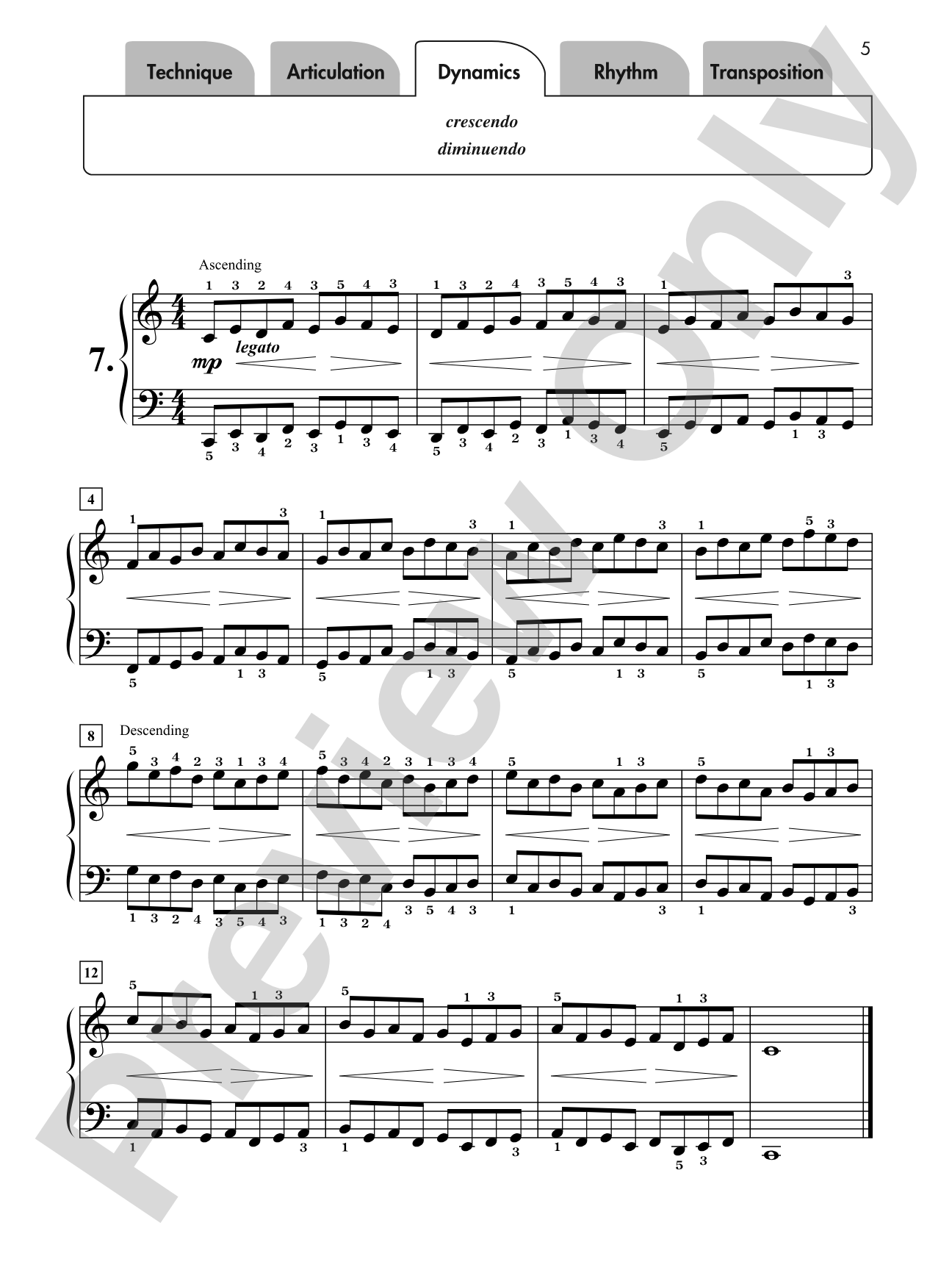
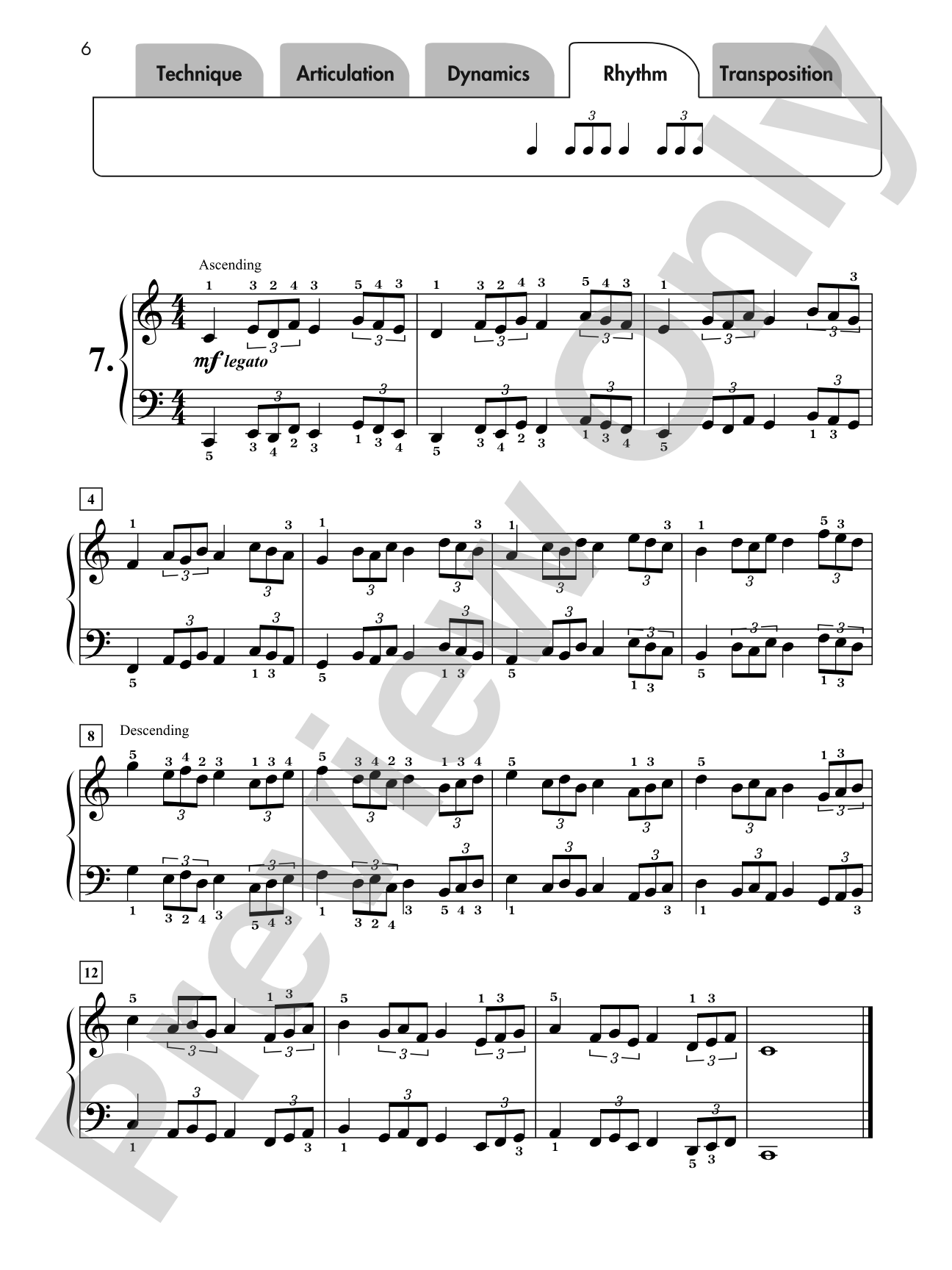
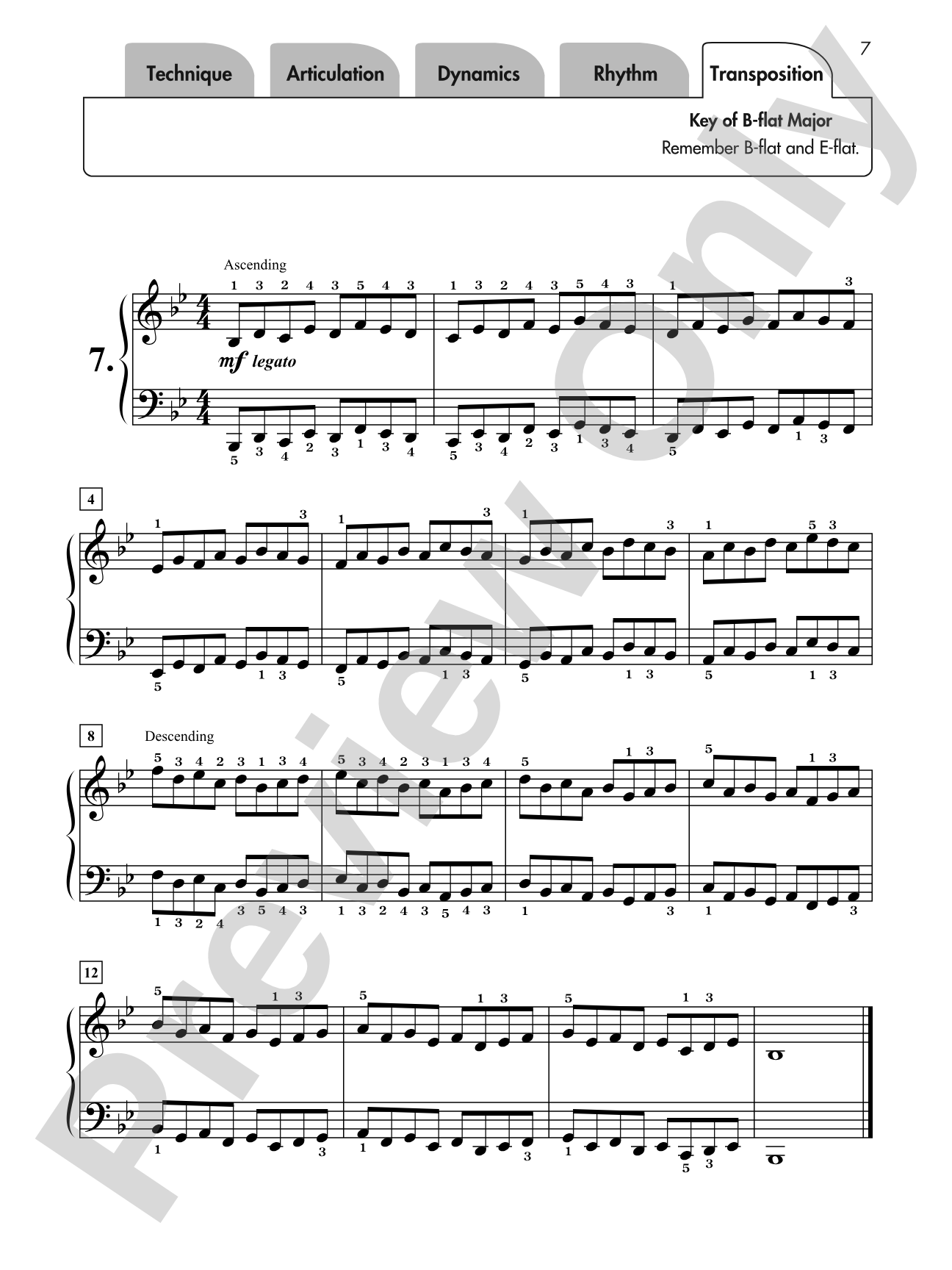
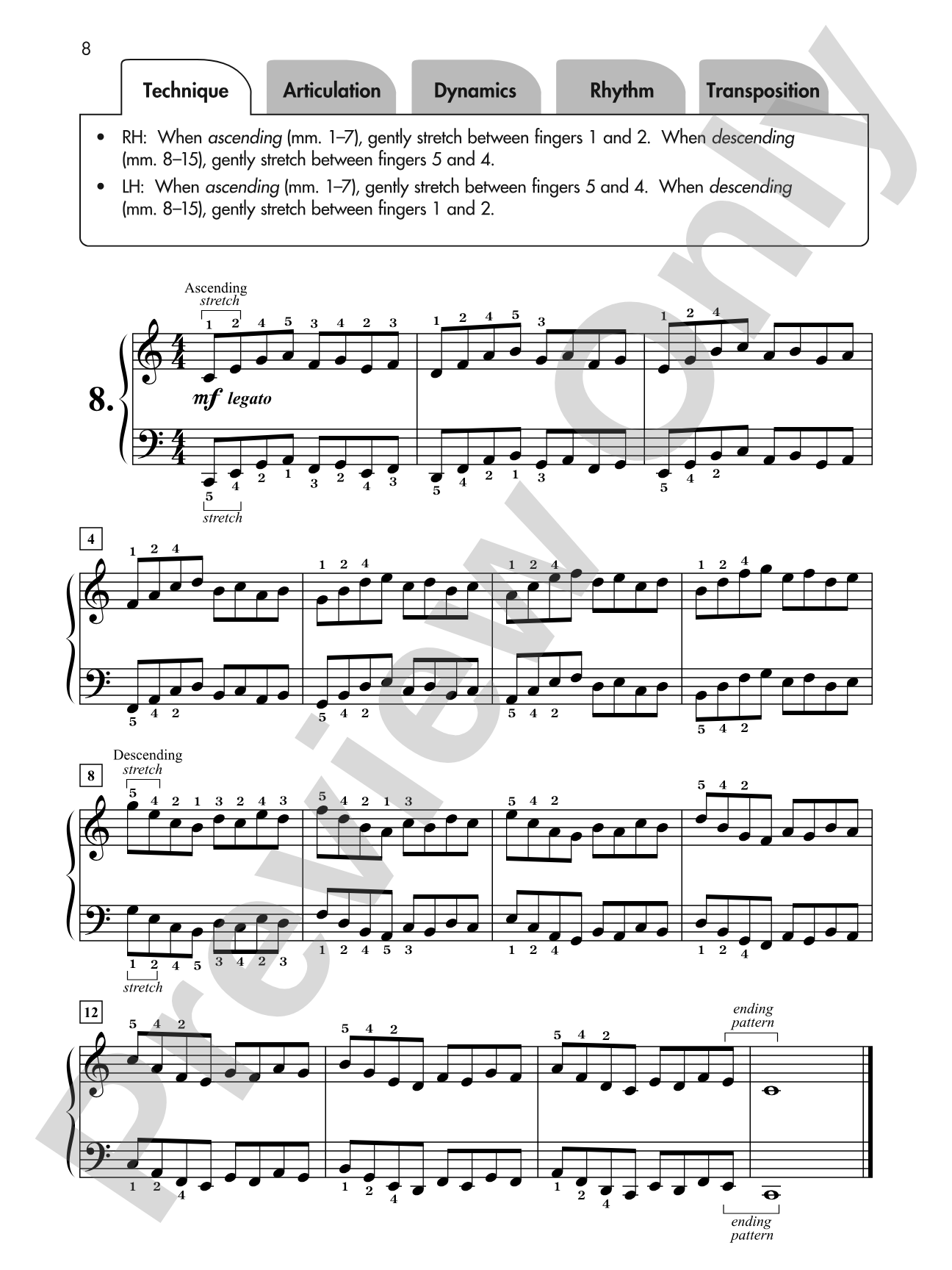
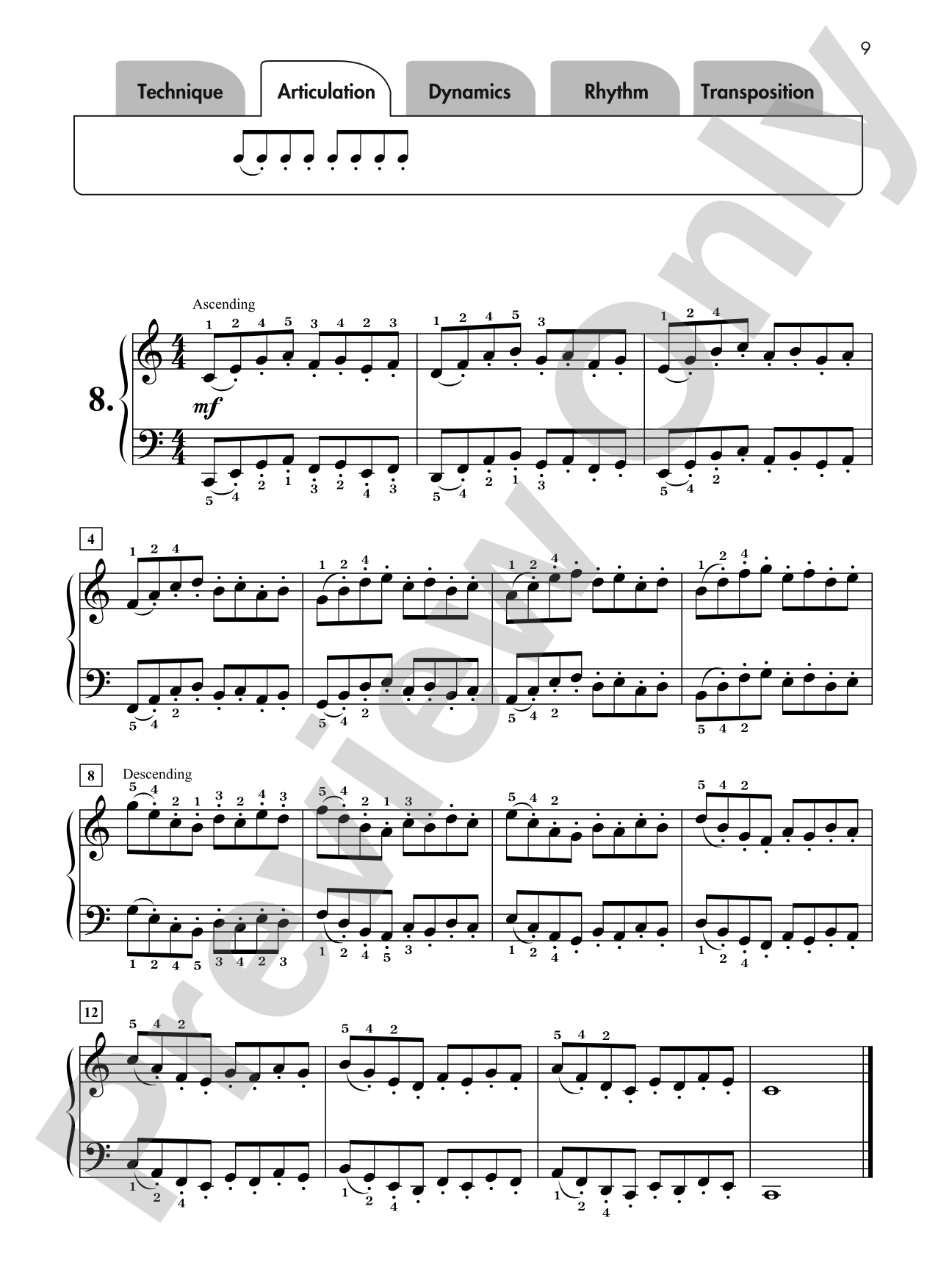
Hanon for Students, Book 2, contains exercises 7--13 from The Virtuoso Pianist, Book 1. The exercises are notated in eighth notes for one octave so that students may begin to use them effectively at the early-intermediate level. Each exercise appears five times to be played with a legato touch, varied articulation, varied dynamics, varied rhythm, and transposed to B-flat or D.
"This new series differs from others in that it encourages thoughtful and musical practicing." -Yiyi Ku, MusicTeachersHelper.com
Discover MakeMusic Cloud: thousands of interactive titles your students can play along with today.
Carl Czerny's The Virtuoso Pianist stands as one of the most systematic approaches to building technical facility at the piano. Written in the nineteenth century, these exercises distill fundamental patterns of finger work, hand position, and coordination into concentrated studies that remain pedagogically sound today.
Yiyi Ku has reimagined Czerny's material for contemporary students by presenting each exercise in multiple musical contexts. Rather than treating technique as separate from musicality, this series asks students to apply the same mechanical patterns with different touches, dynamic shapes, and rhythmic feels, treating exercises as compositional problems to solve with intention.
Why we love this
The repetition of each exercise across five different musical framings transforms what could feel rote into genuine problem-solving. Students aren't just playing the pattern; they're discovering how the same finger work adapts when the musical gesture changes, which builds the kind of flexible technique that actually transfers to repertoire.
What to expect
Clean and purposeful. These exercises have the directness of an etude but without the sprawl; each one distills a specific technical challenge into something manageable. The varied presentations create small moments of discovery as students realize the same notes can feel entirely different under a legato touch versus staccato, or with a whispered dynamic versus a strong one.
Who it's for
Early intermediate pianists working through their first systematic technique book, as well as students returning to fundamentals after time away from the piano. Teachers who want their students thinking musically about scales and finger patterns, not just executing them mechanically.
How to get the most out of it
Begin with legato and lock in consistent hand position before introducing articulation changes. The first presentation establishes muscle memory; variations build on that foundation.
Pay attention to how dynamics shape the phrasing across the five iterations. A crescendo-diminuendo arc often emerges naturally when students think about the musical intention rather than just the mechanics.
Use the transpositions (B-flat and D) as readiness checks. If a student struggles with the transposed version, the original key wasn't yet secure enough for variation work.
Stagger when you introduce varied rhythm. Many students benefit from solid work through legato, articulation, and dynamics before rhythm changes complicate the picture.
How to use it
Assign exercises systematically as part of a student's weekly practice routine rather than in a single sitting. A student might work through exercise 7 in all five forms over two weeks, then move to exercise 8, building consistency while preventing fatigue. This approach integrates naturally into a curriculum where technique and repertoire develop in parallel.
Skills your students will build
Legato touch with sustained finger contact
Articulation control across staccato and varied touches
Dynamic shaping and expressive control over repeated patterns
Rhythmic flexibility and syncopation within scalar patterns
Transposition fluency in nearby keys
Hand position stability across repeated figures
Musical intention applied to mechanical patterns
You May Also Like
Scan to Complete Your Purchase
Use your phone's camera to scan the code below
You'll log in on your phone and the order will be added to your account