
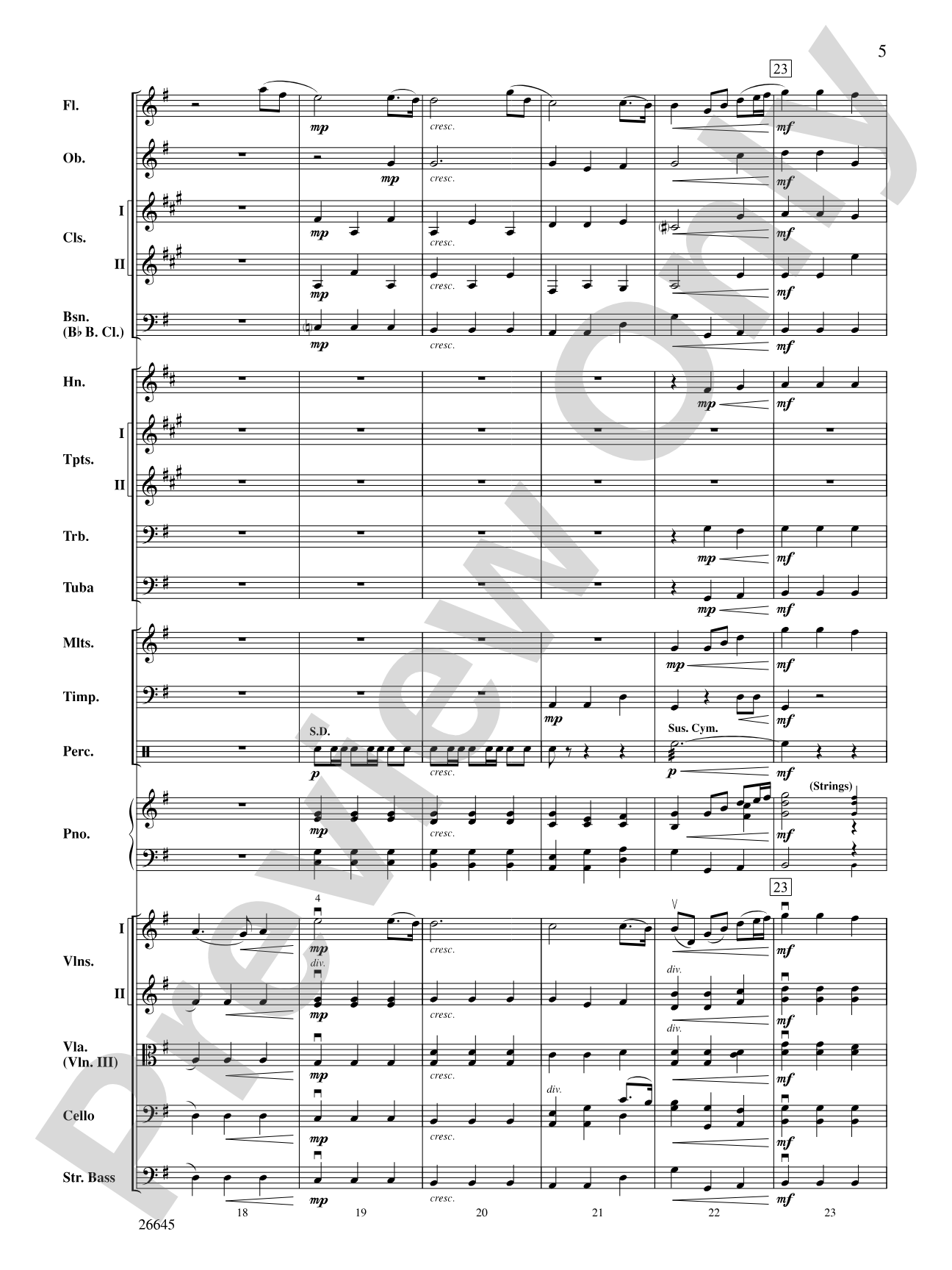
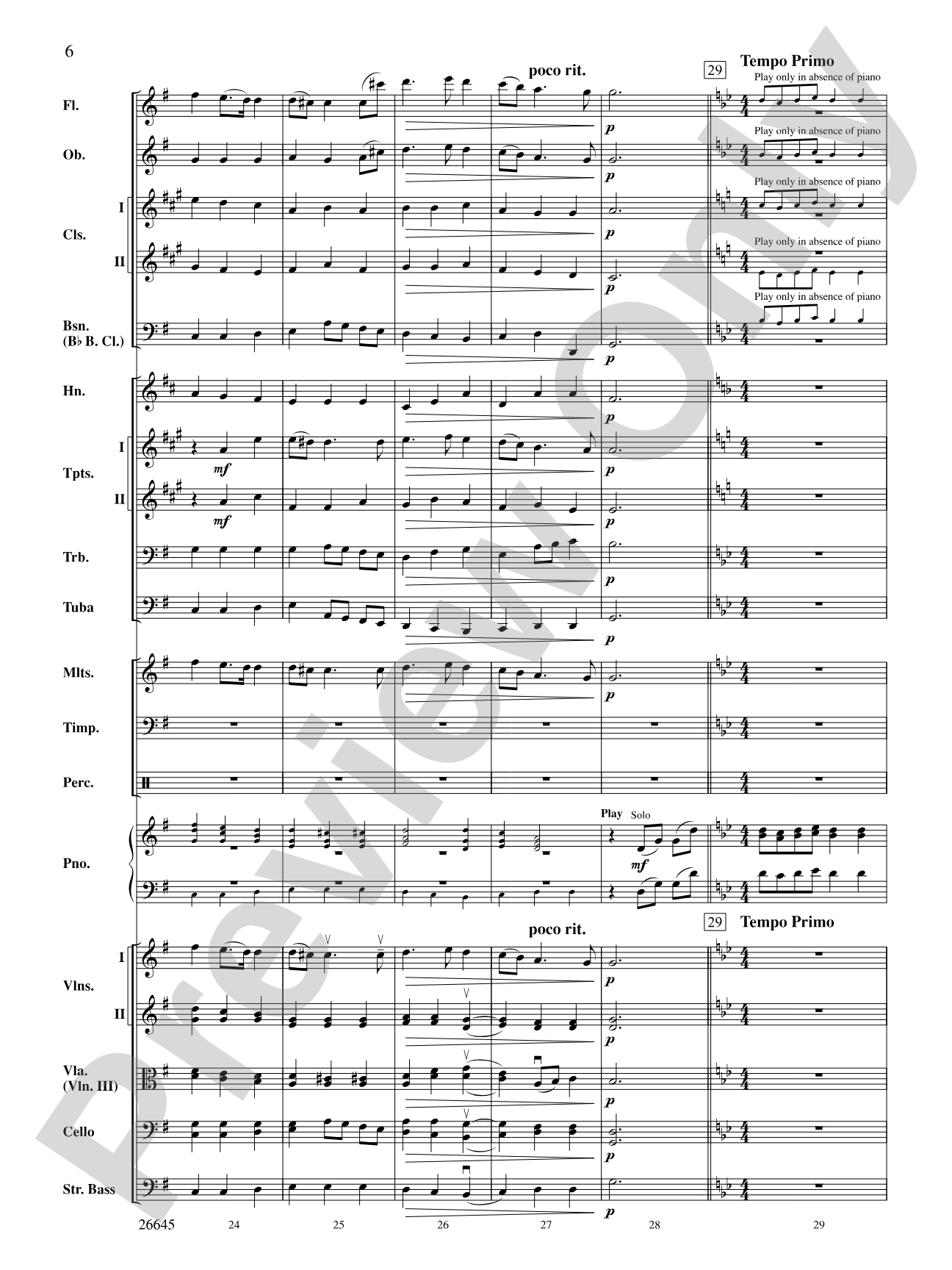
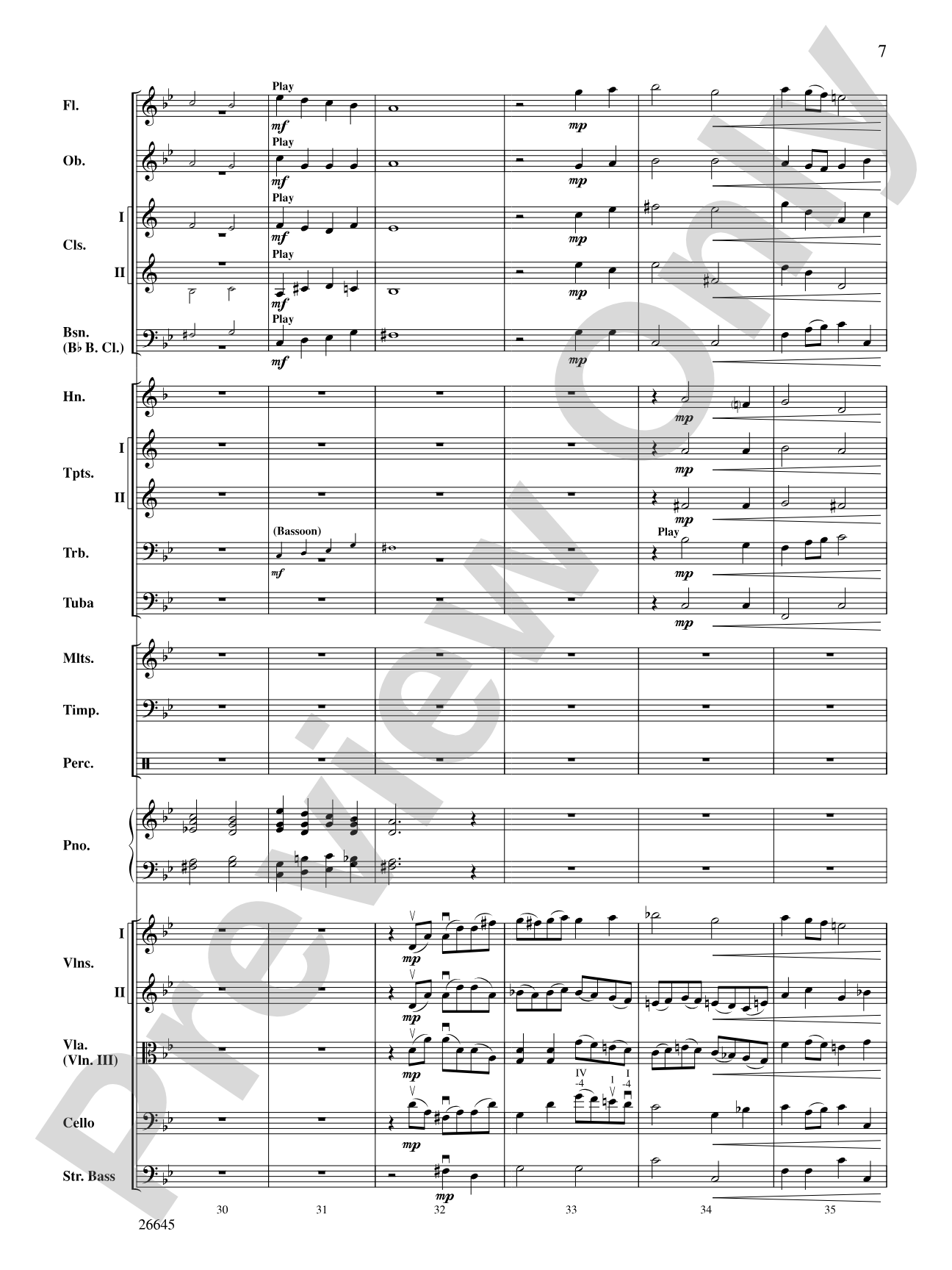
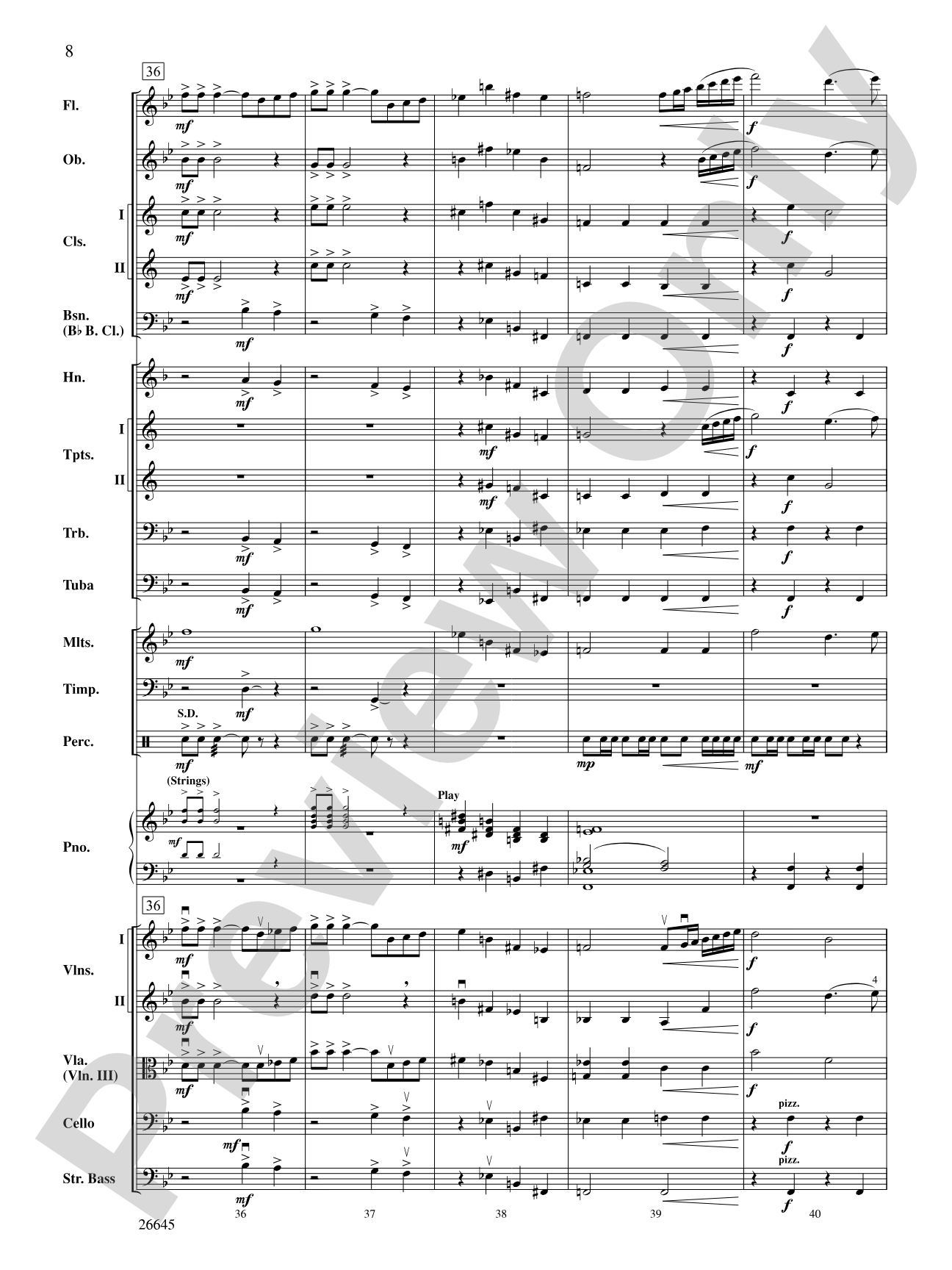
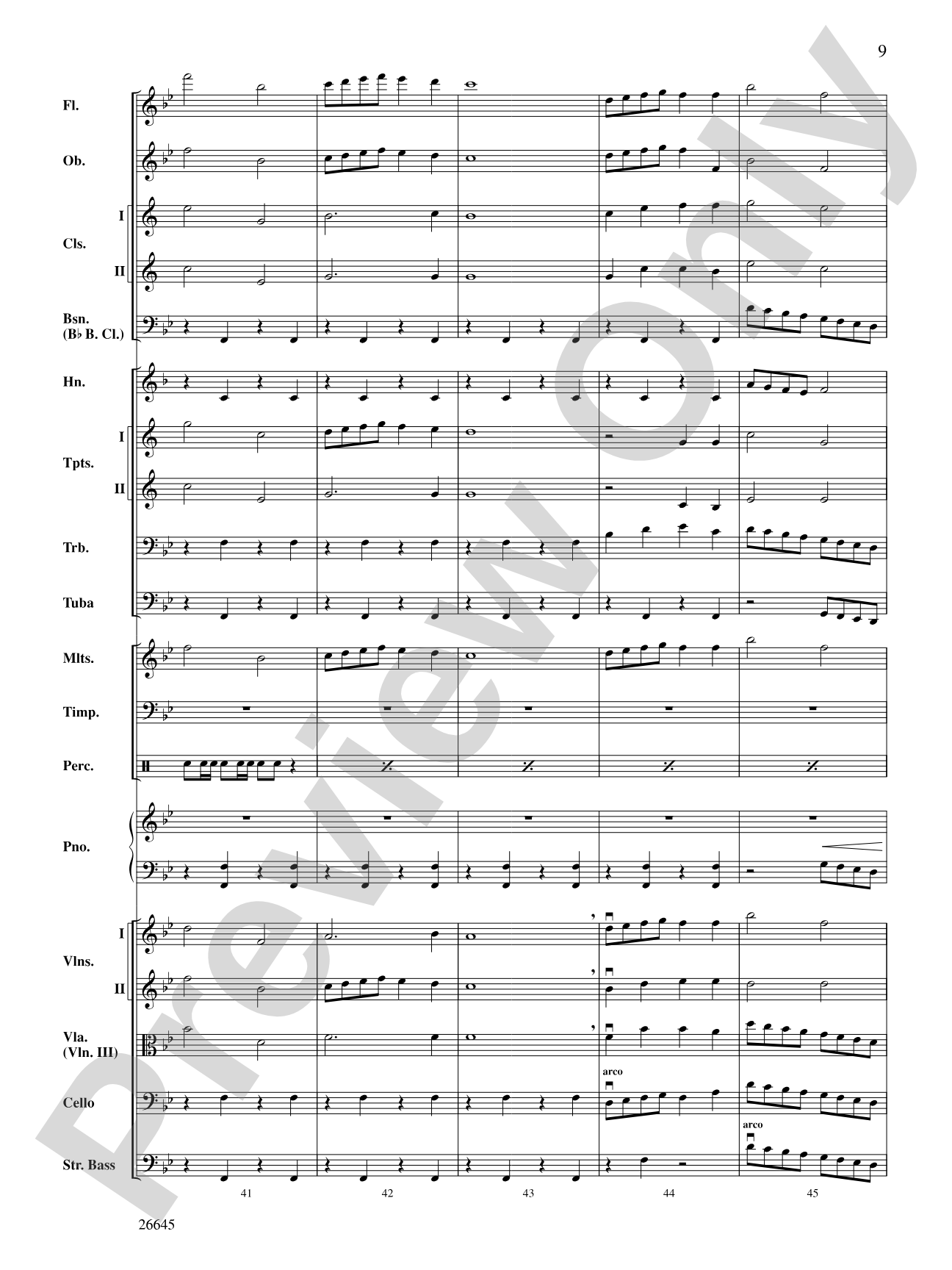
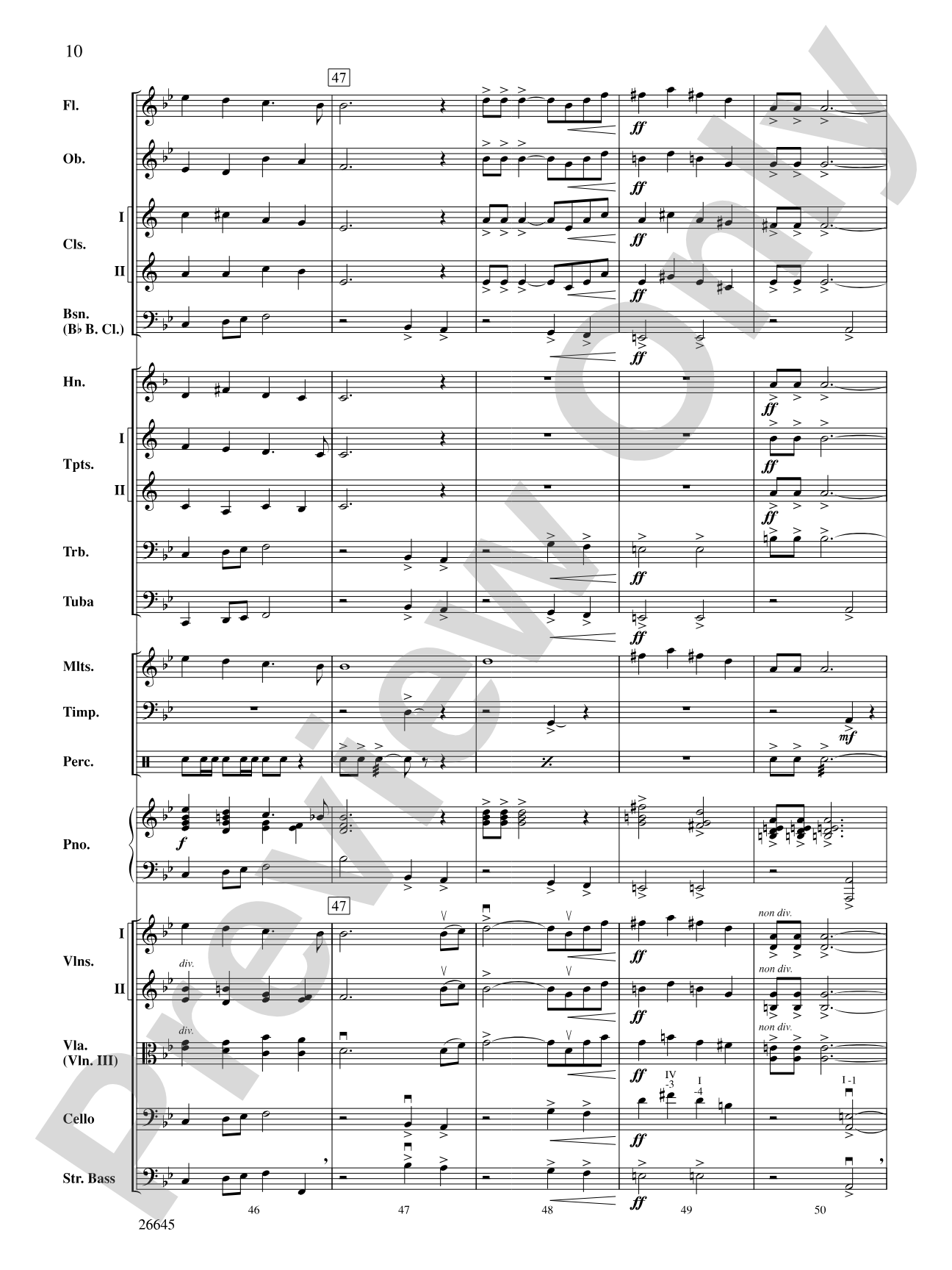
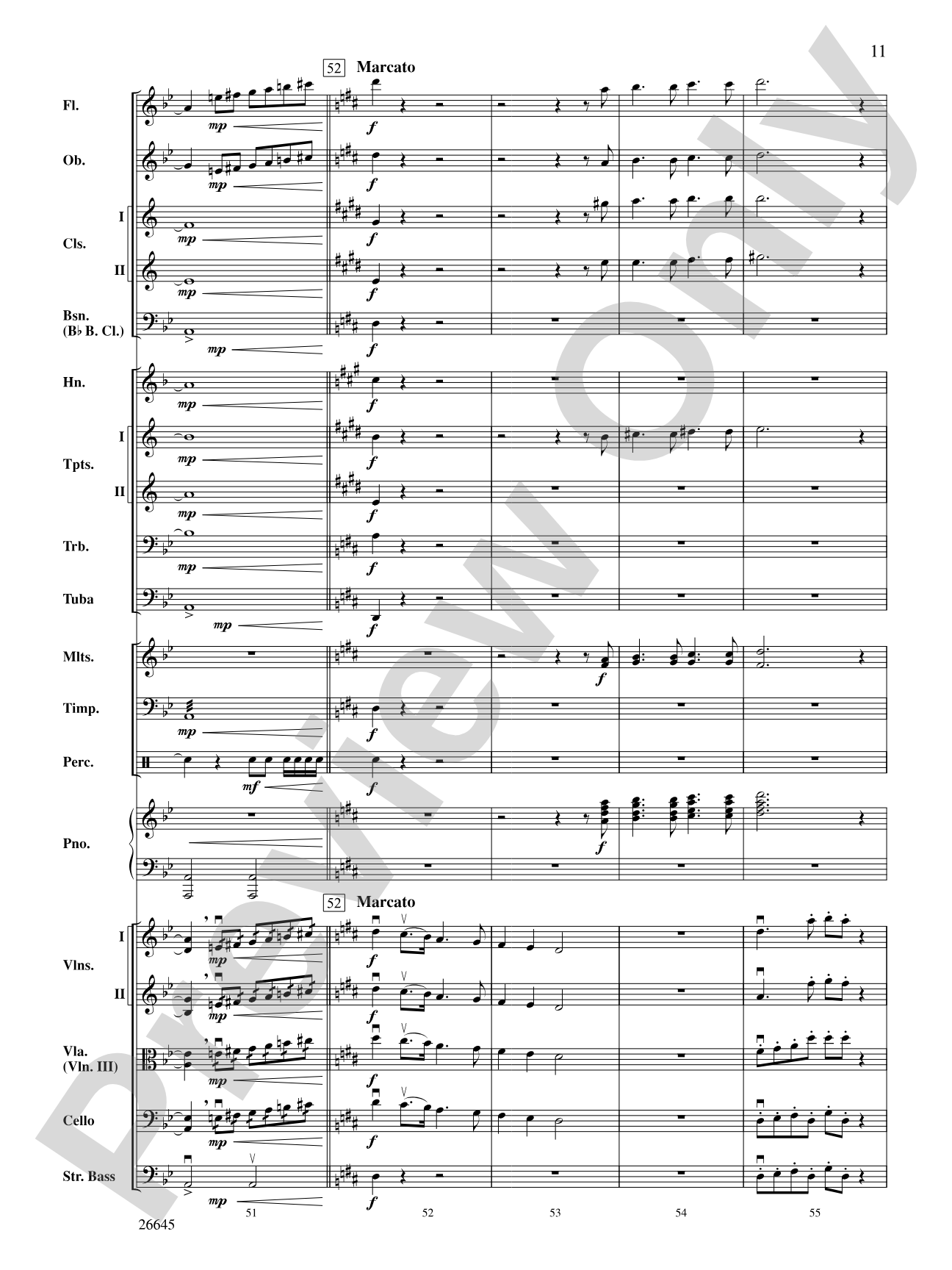
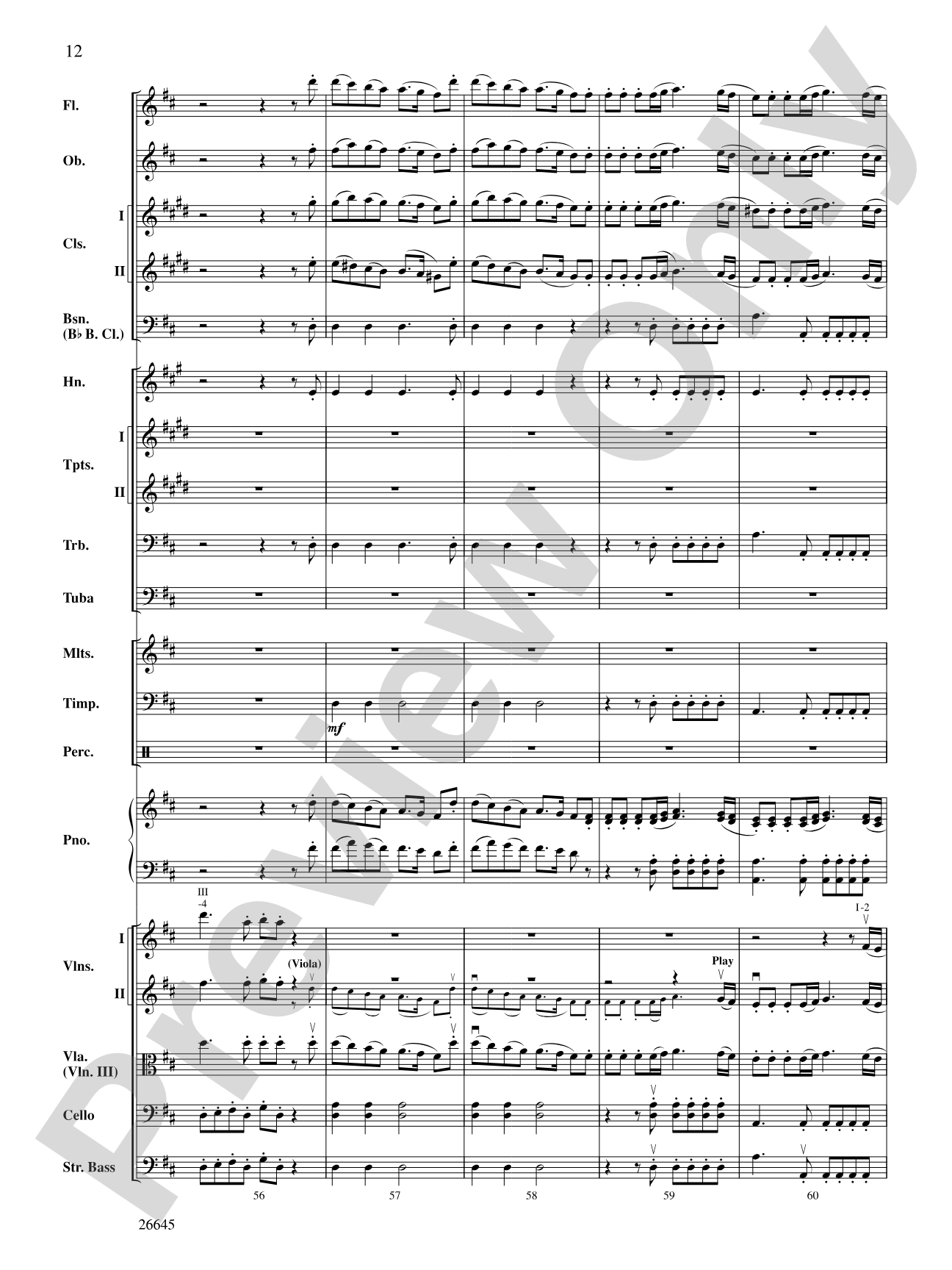
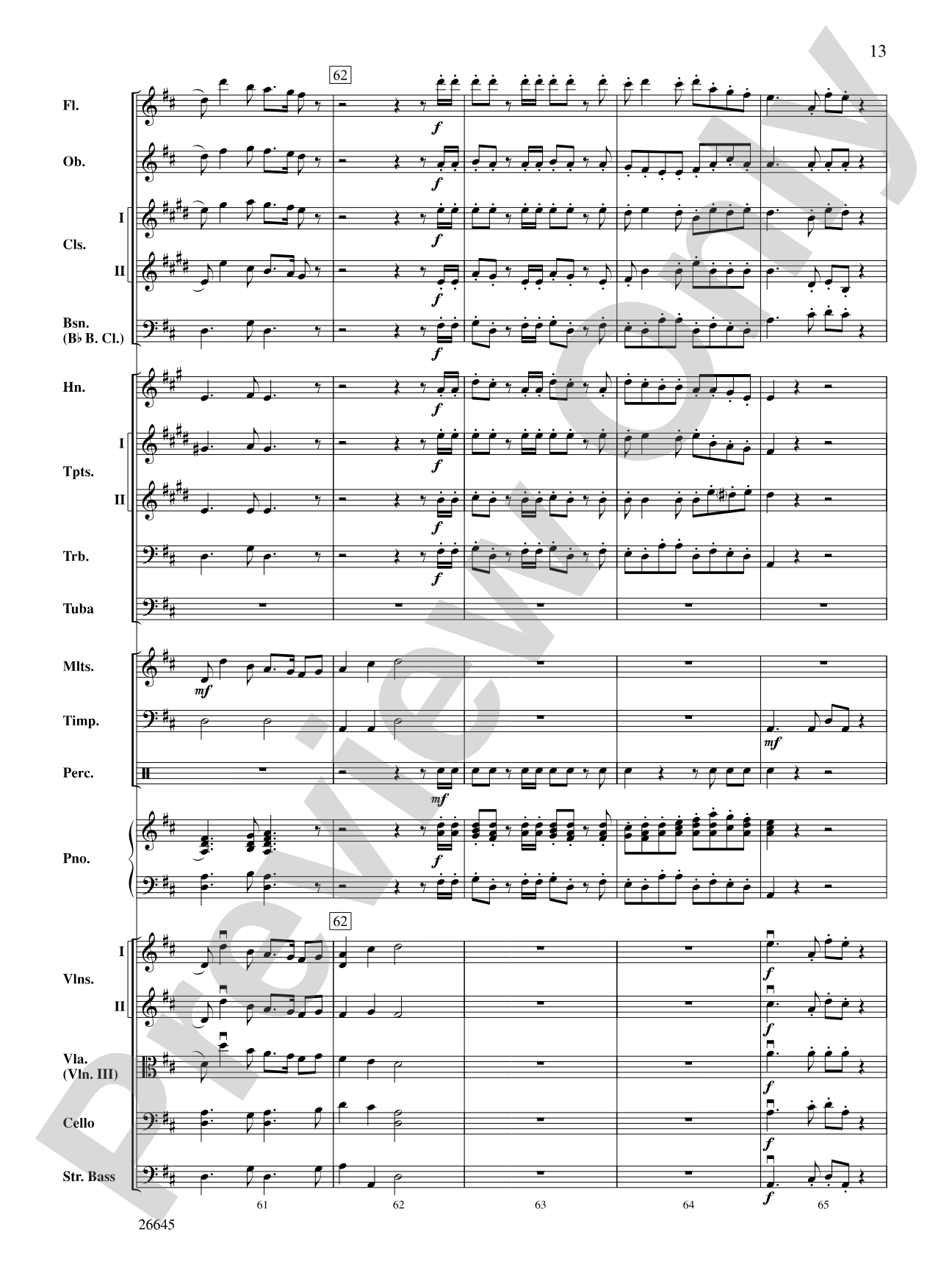
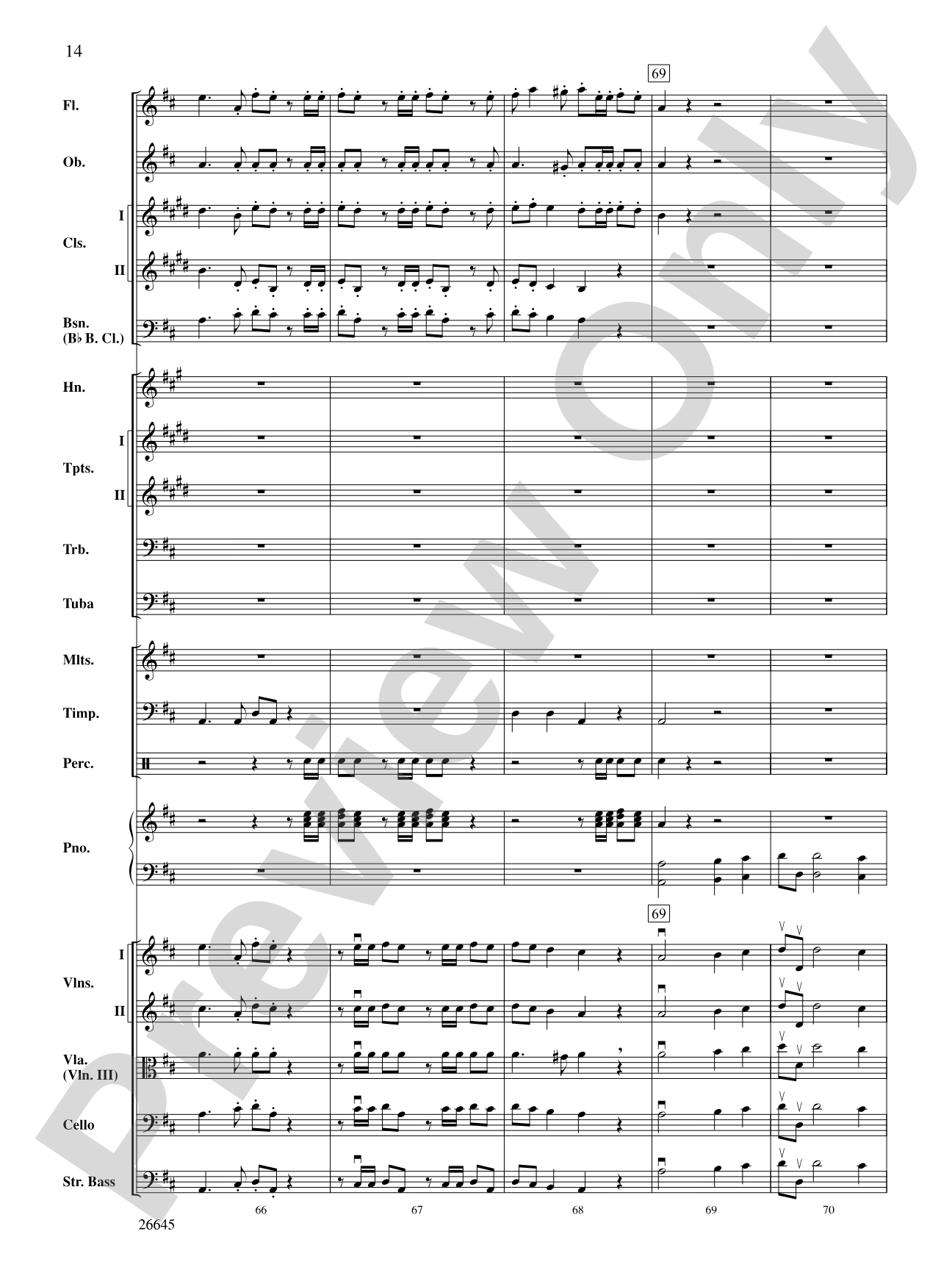
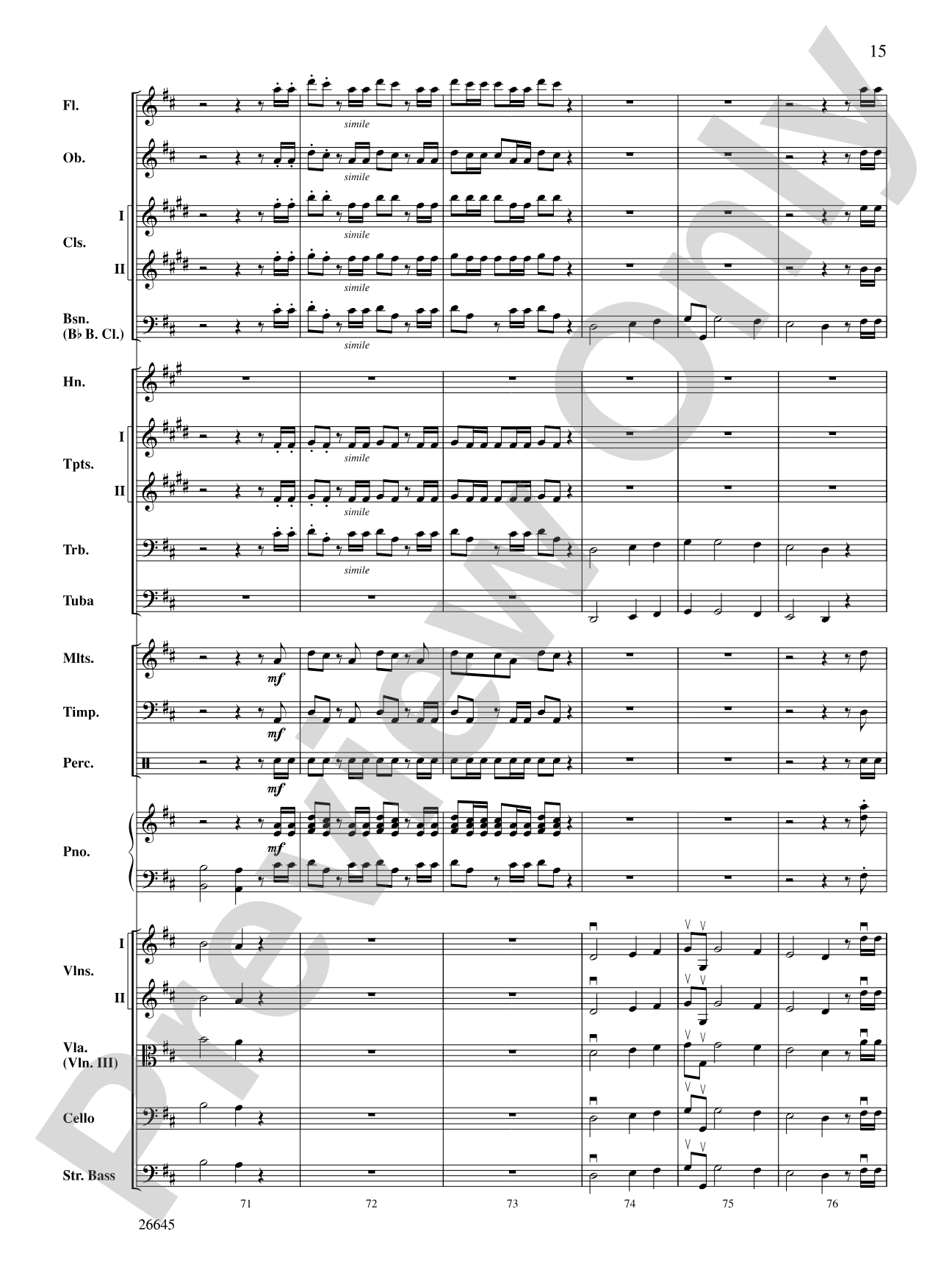
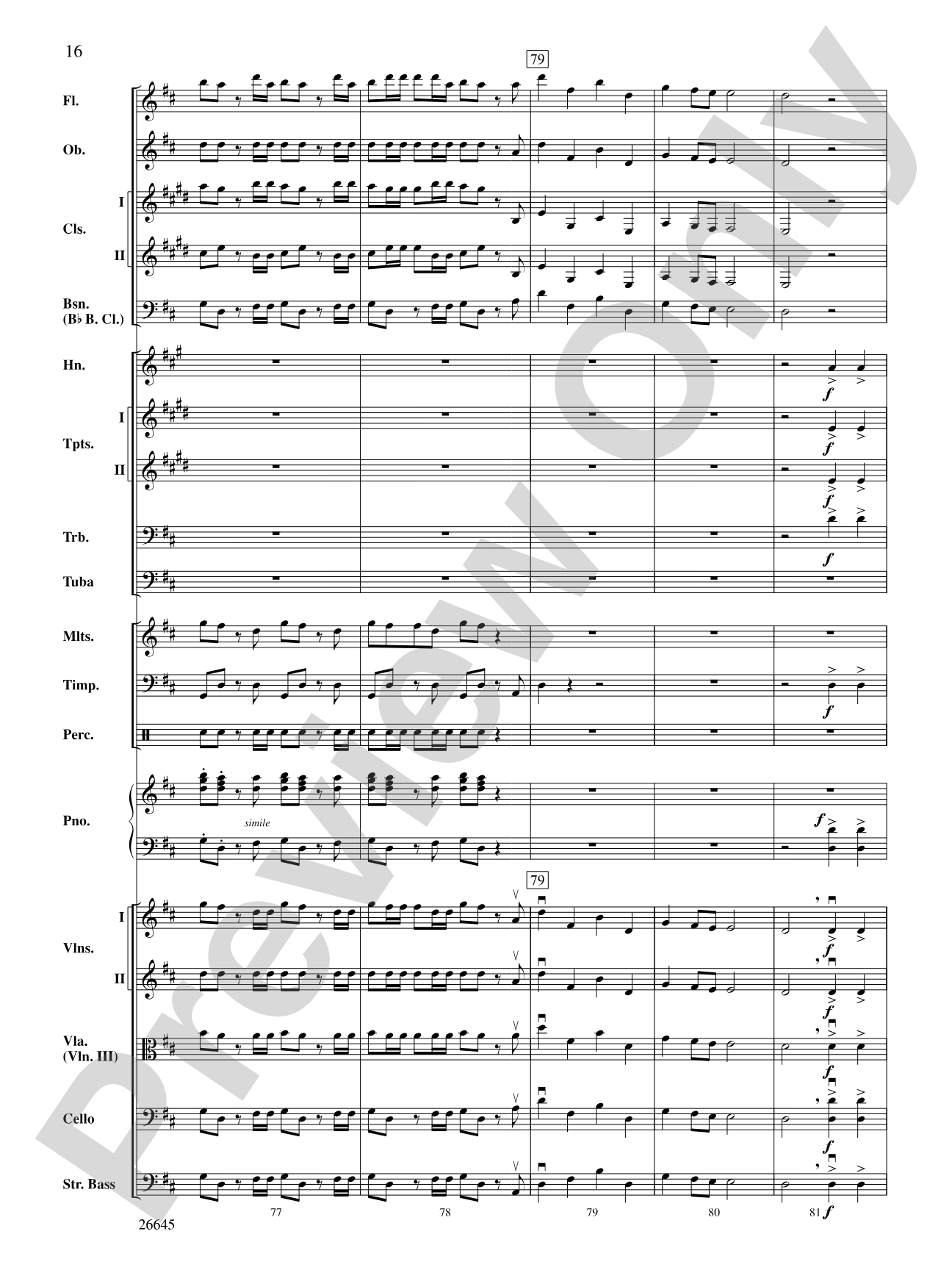
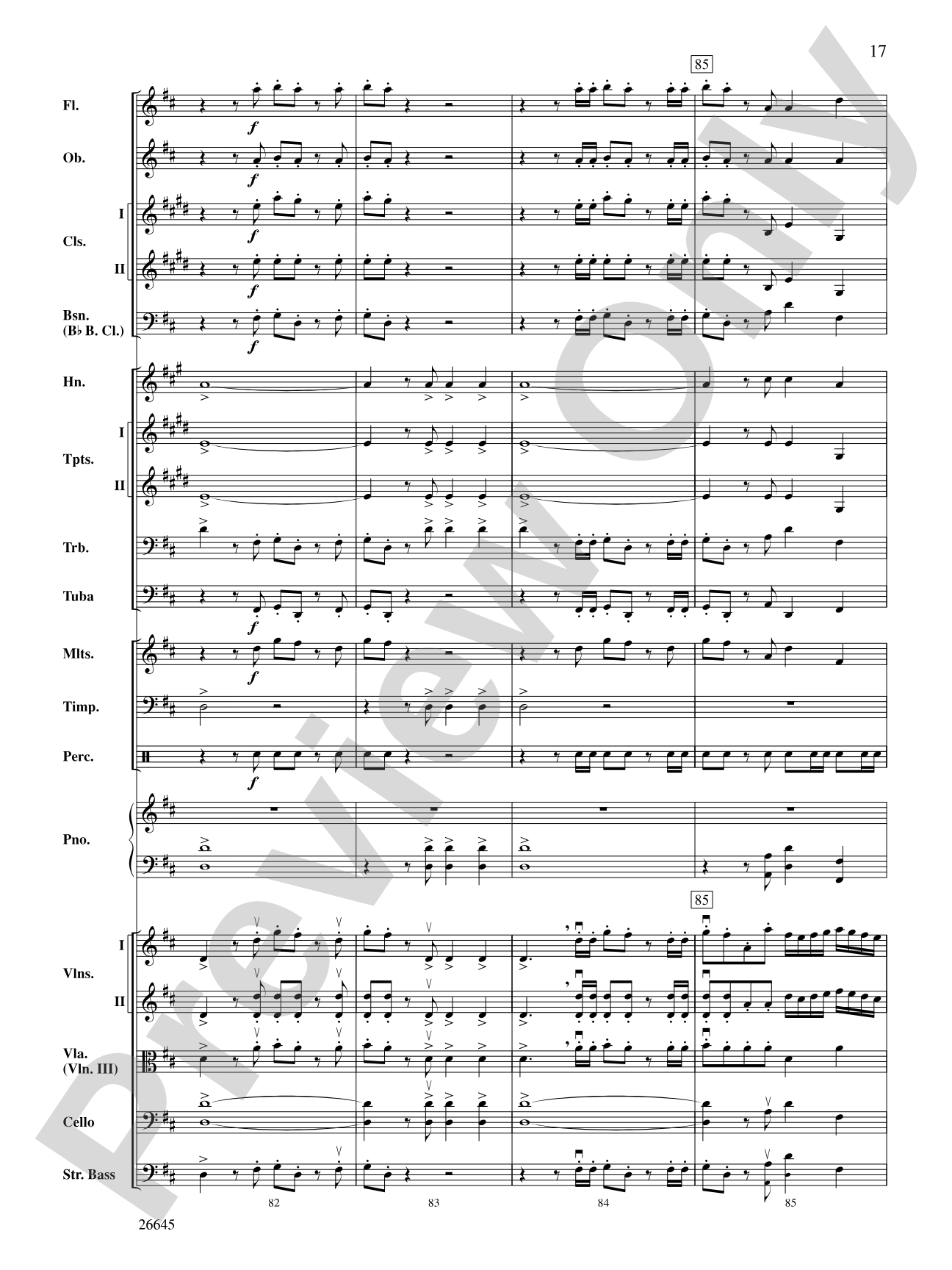
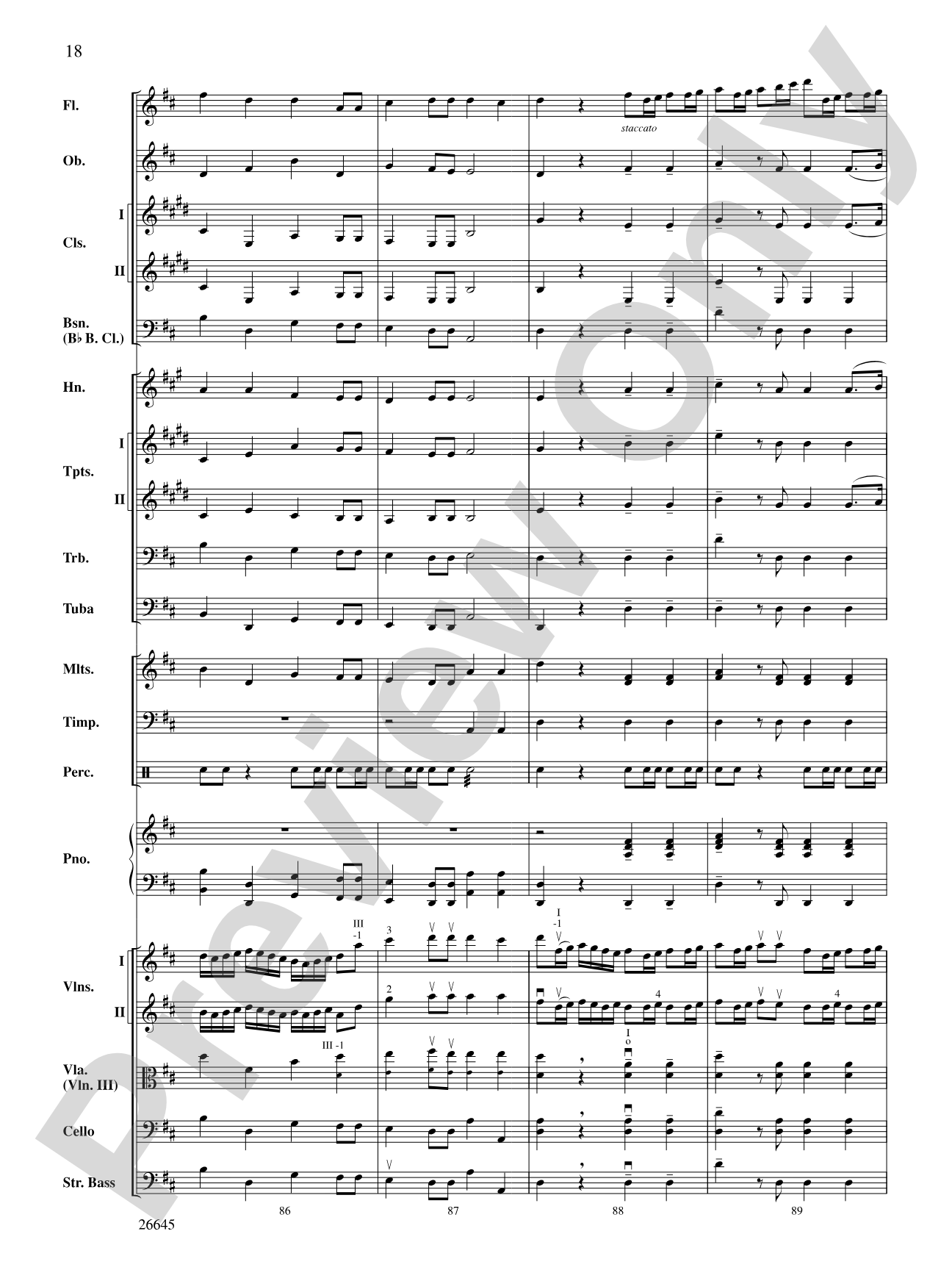
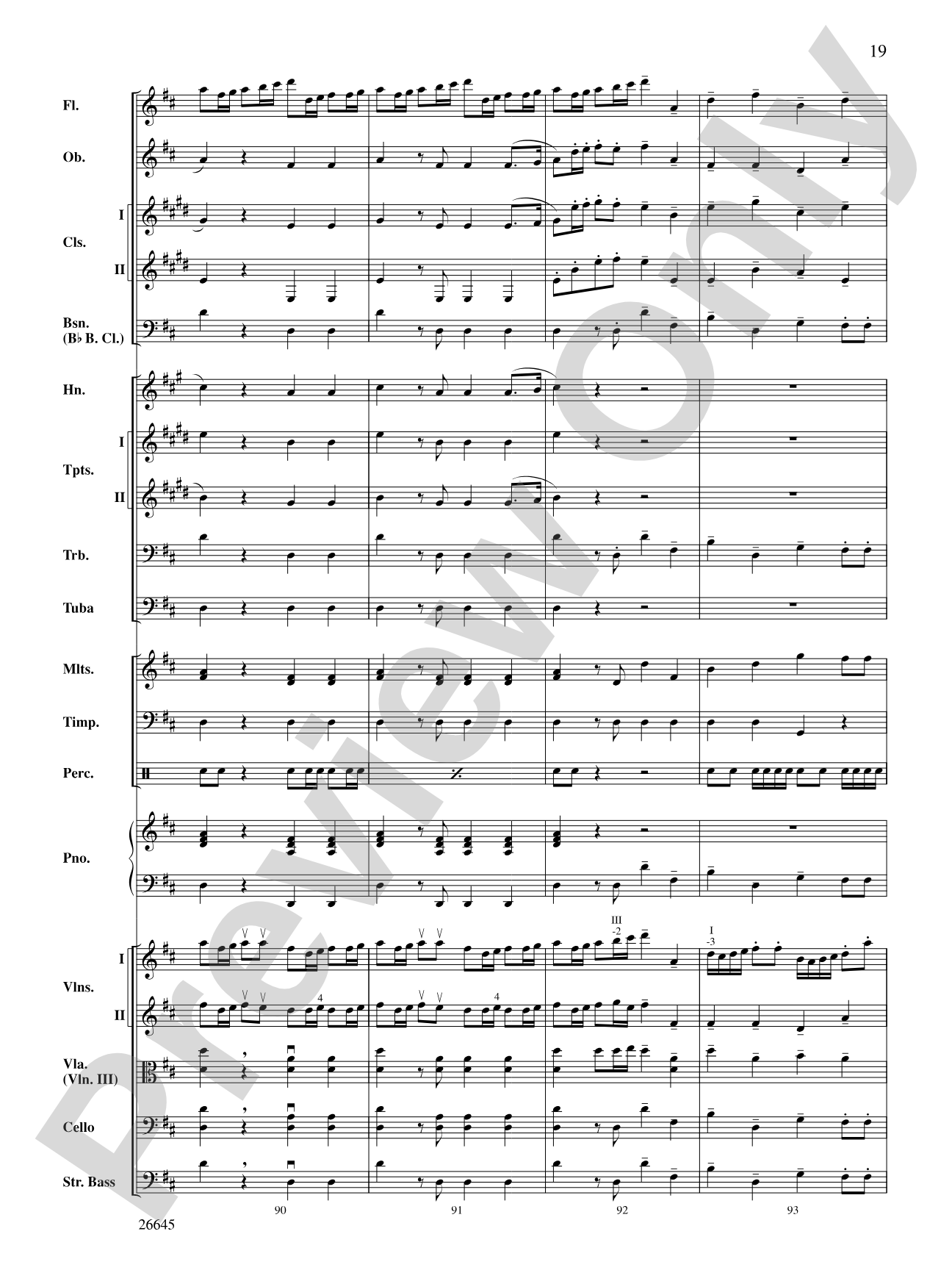
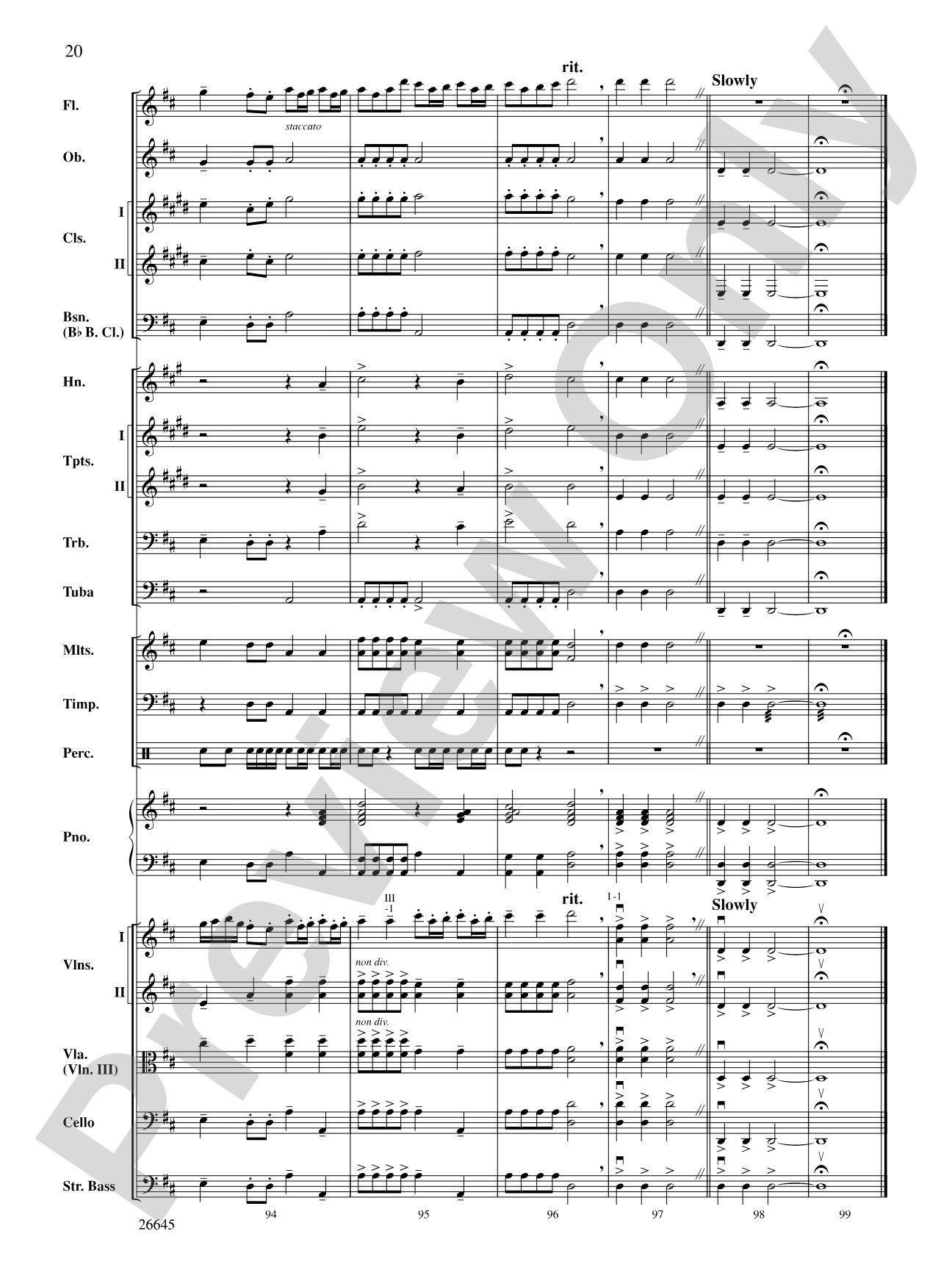

Handelmania: Full Orchestra Conductor Score & Parts
By George Frideric Handel / arr. John Whitney
Grade: 3.5
Item: 00-PK-0001153

$55.00
Pickup currently not available
Buy Extra Parts (Digital PDF Download)
| Product | Price | Quantity |
|---|---|---|
| Handelmania: Score | $10.00 | |
| Handelmania: Flute | $5.99 | |
| Handelmania: Oboe | $5.99 | |
| Handelmania: 1st B-flat Clarinet | $5.99 | |
| Handelmania: 2nd B-flat Clarinet | $5.99 | |
| Handelmania: Bassoon | $5.99 | |
| Handelmania: B-flat Bass Clarinet | $5.99 | |
| Handelmania: 1st F Horn | $5.99 | |
| Handelmania: 1st B-flat Trumpet | $5.99 | |
| Handelmania: 2nd B-flat Trumpet | $5.99 | |
| Handelmania: 1st Trombone | $5.99 | |
| Handelmania: Tuba | $5.99 | |
| Handelmania: Mallets | $5.99 | |
| Handelmania: Timpani | $5.99 | |
| Handelmania: 1st Percussion | $5.99 | |
| Handelmania: Piano Accompaniment | $5.99 | |
| Handelmania: 1st Violin | $5.99 | |
| Handelmania: 2nd Violin | $5.99 | |
| Handelmania: 3rd Violin (Viola [TC]) | $5.99 | |
| Handelmania: Viola | $5.99 | |
| Handelmania: Cello | $5.99 | |
| Handelmania: String Bass | $5.99 |
Parts Added to Cart!
Related Items
Handelmania: Full Orchestra Conductor Score & Parts |
$55.00
|
View |
Description
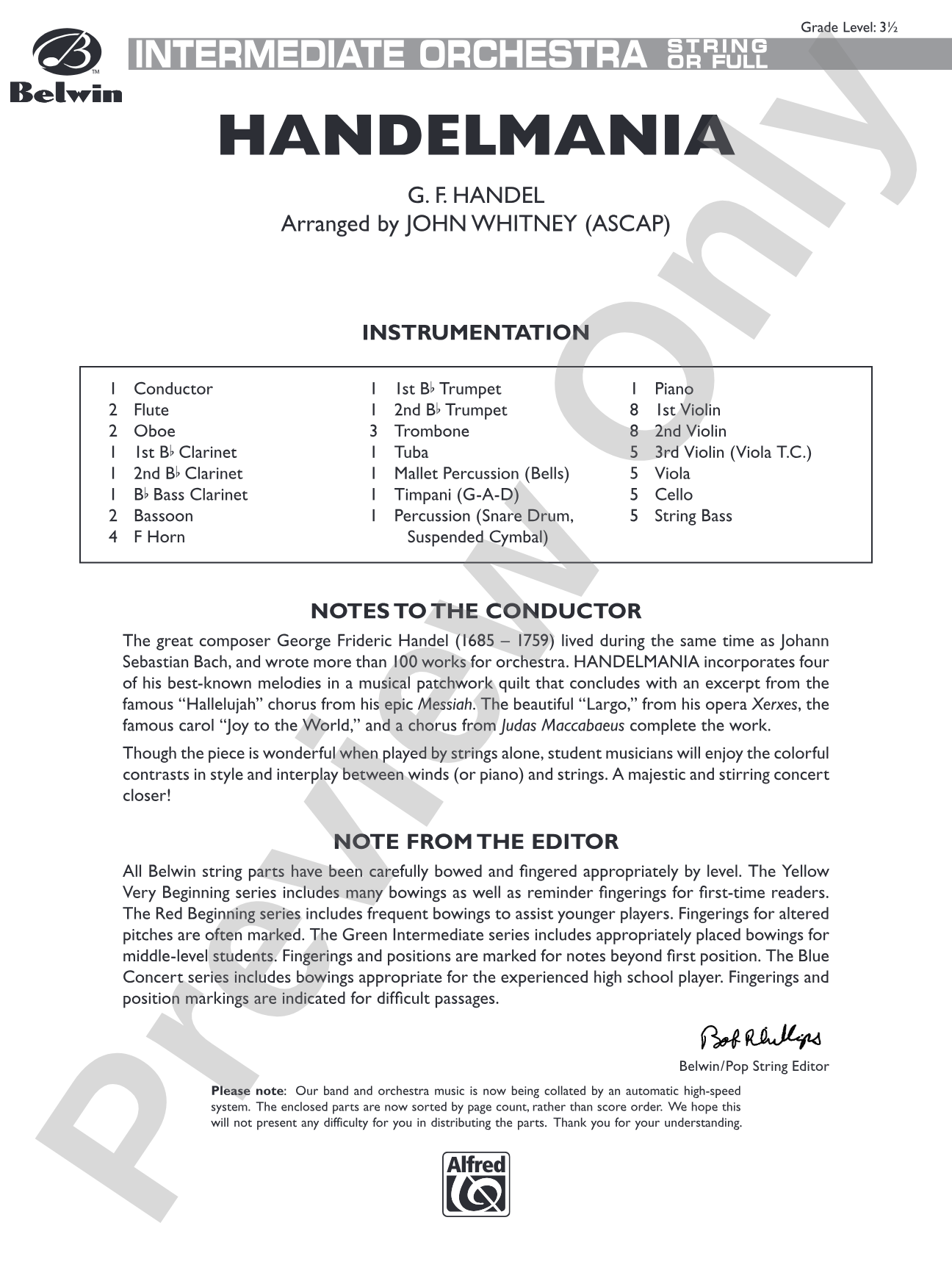
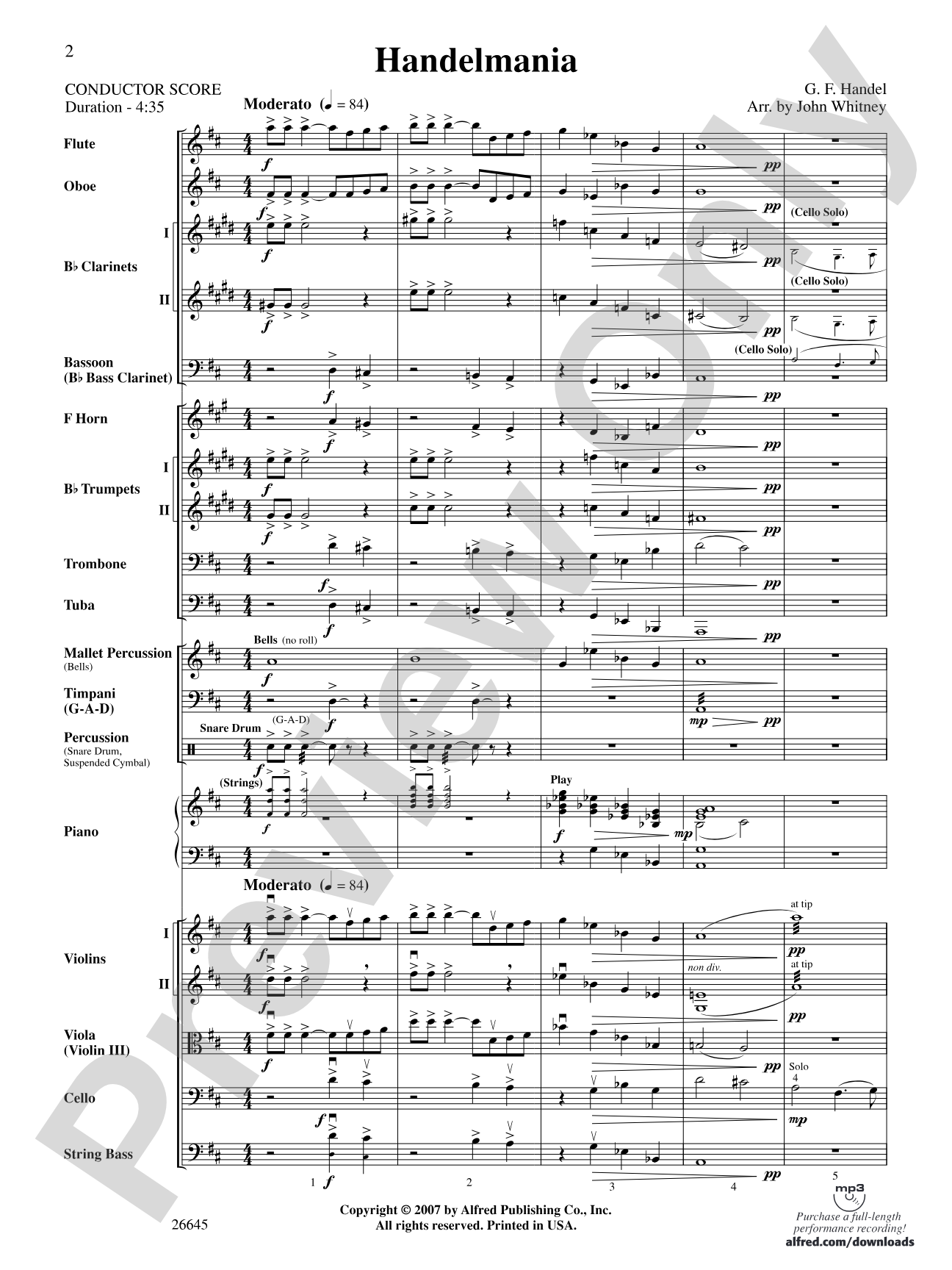
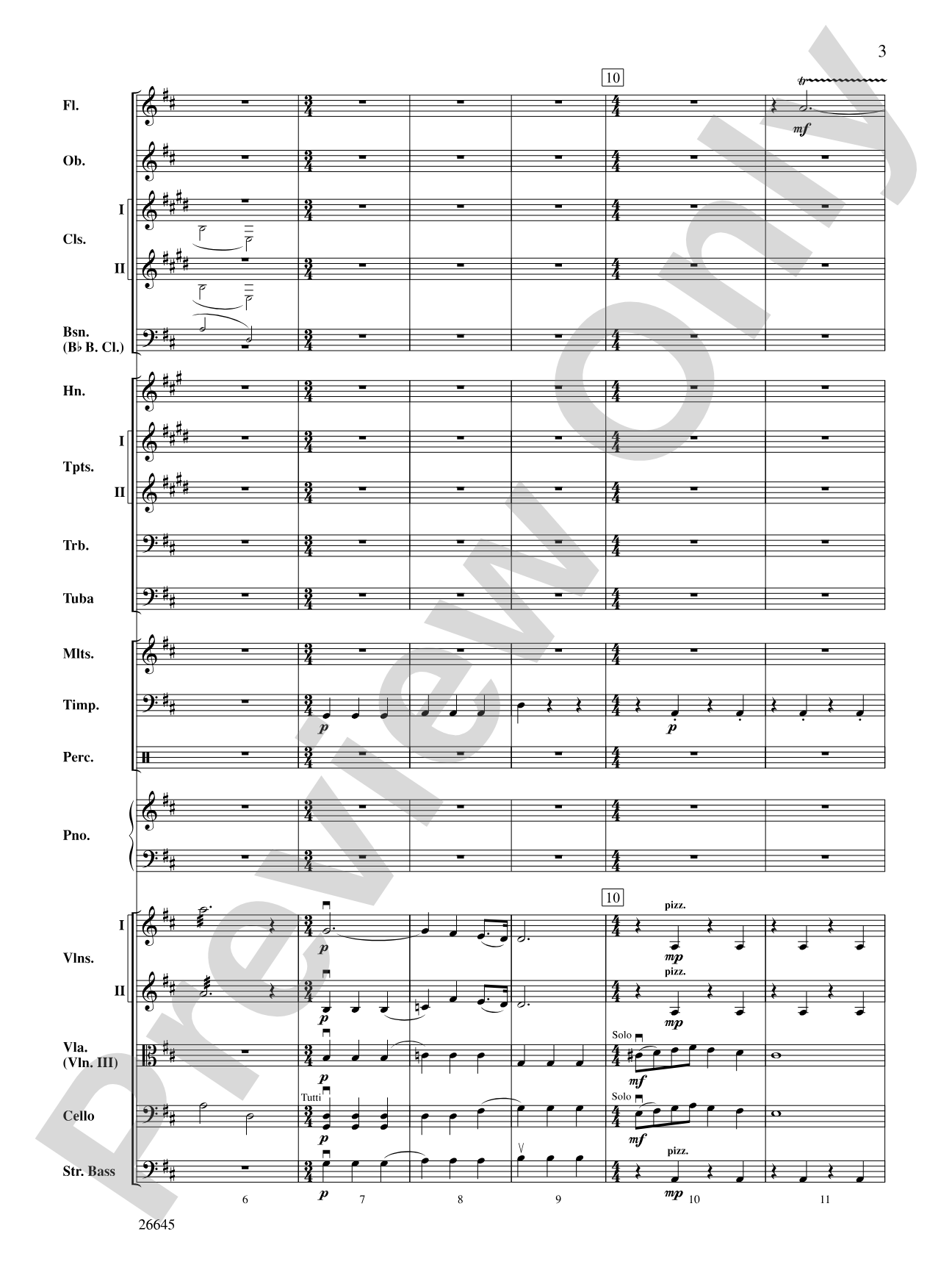
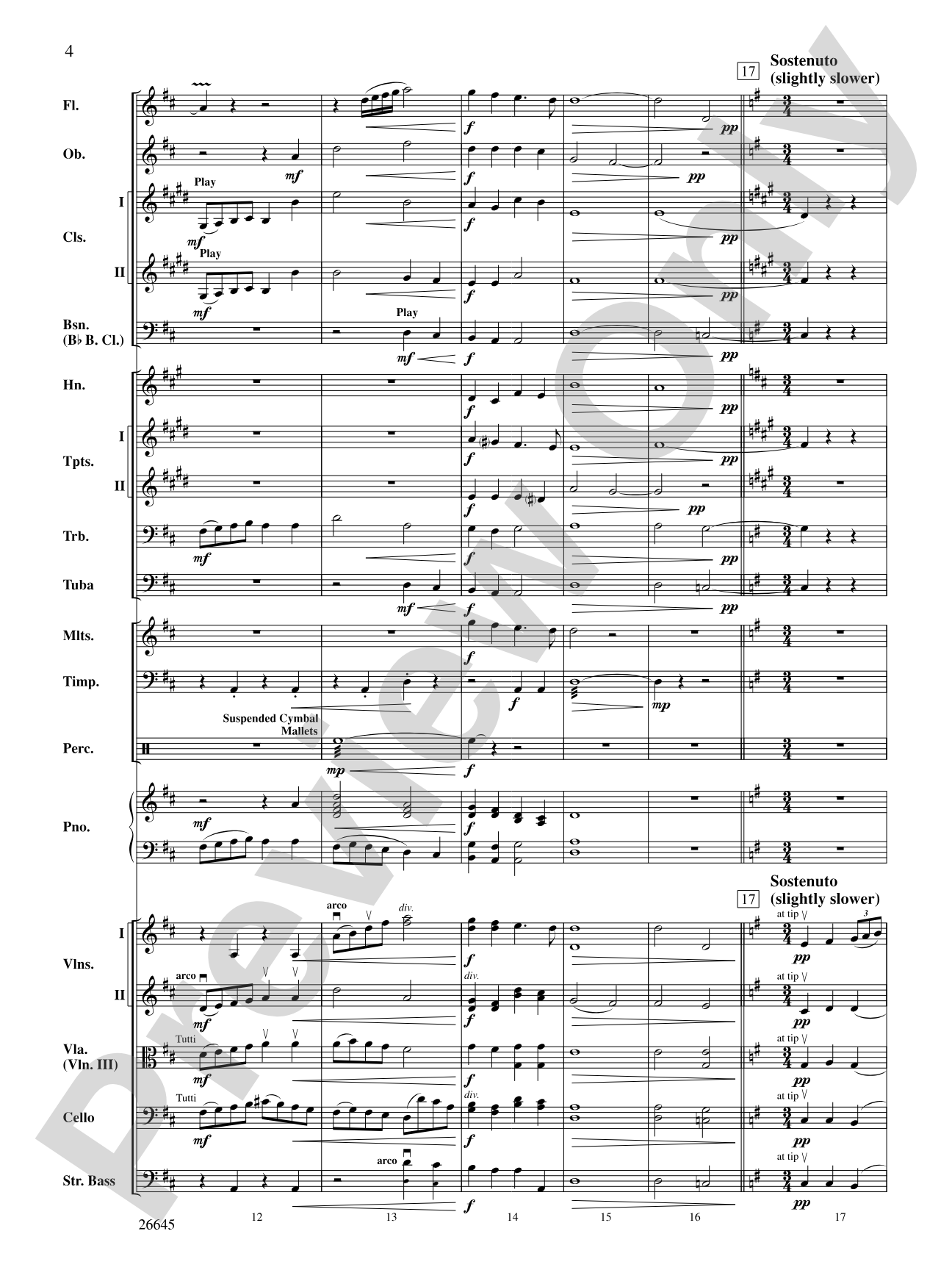
A wonderful patchwork quilt of Handel's well-known melodies that concludes with an excerpt from the famous "Hallelujah" chorus! The beautiful "Largo" from Xerxes, Handel's famous carol "Joy to the World," and a chorus from Judas Maccabaeus complete the work. Include the optional piano or winds to vary the texture of the piece. This title is available in MakeMusic Cloud.


Don't just read it, hear it, play along with it, and watch your students grow with it. In MakeMusic Cloud, Handelmania: Full Orchestra Conductor Score & Parts comes alive with professional accompaniment, adjustable tempo, and built-in practice tools that turn solo practice into real progress.
Open in the Player
Jump straight in and assign it today.
Start Your Free Trial
Open this title and explore the full library in minutes.
Sample Audio
1
Audio File
--:--
0:00
0:00
Sample Video
No sample videos found.
Additional Details
Series:
Belwin Intermediate String/Full Orchestra
Publisher:
Alfred Music
Page Count:
114
SKU:
00-PK-0001153
More about this title
About the Composer: George Frideric Handel
George Frideric Handel (1685, 1759) shaped the musical landscape of Baroque Europe through his mastery of melody, harmonic richness, and dramatic architecture. Born in Halle, Germany, he eventually settled in London, where he became the dominant figure in English musical life, composing operas, oratorios, and instrumental works that balanced intellectual rigor with immediate emotional appeal.
For music educators, Handel represents the goldstandard of singable melody. His gift for writing lines that feel inevitable yet surprising makes his music enduringly effective in the classroom and concert hall. Whether arranging for young orchestras or teaching harmonic function, his works demonstrate how clarity of structure serves expressiveness rather than limiting it.
Why we love this
John Whitney's arrangement threads together some of Handel's most beloved passages into a cohesive work that rewards intermediate orchestras without oversimplifying the source material. The familiar melodies ("Joy to the World," the "Hallelujah" chorus) give students immediate ownership of the piece, while the structural variety and optional instrumental doublings keep rehearsals engaging and offer natural points for sectional focus.
What to expect
A graceful retrospective. The work opens with the serene elegance of the "Largo" from Xerxes, then moves through Handel's most recognizable hymn and choral material, building toward the triumphant declaration of "Hallelujah." The patchwork structure never feels fragmented; instead, each section deepens the listener's engagement with Handel's melodic genius and harmonic clarity.
Who it's for
Intermediate full orchestras seeking a concert or festival showcase that combines accessibility with genuine musical substance. Students benefit from working with Handel's transparent textures and memorable themes while the Grade 3.5 scoring ensures the ensemble can execute both the orchestration and the performance demands.
How to get the most out of it
- Balance the melody across your string and wind sections; Handel's melodies are often stated in full orchestra, so clarity in the principal voices matters more than overall volume.
- Use the optional piano and winds parts strategically. Rather than adding them throughout, introduce them at key junctures to refresh texture and sustain momentum across the full 114 pages.
- The transition into "Hallelujah" is the emotional peak. Slow the tempo slightly before that section and allow a moment of silence or breath before the final excerpt begins.
- Tap into the ceremonial quality of Handel's harmonic progressions. Clarity of attack and sustained tone will let the baroque voice-leading speak; rushing the rhythm flattens the effect.
How to use it
Program this as a finale to a concert that celebrates Baroque or holiday themes, or feature it at a festival where the familiarity of the melodies will resonate with audiences and adjudicators alike. It also works as a bridge piece between a heavier contemporary work and a lighter encore, offering both musical substance and emotional resolution.
Skills your students will build
- Baroque articulation and phrasing in a full orchestral context
- Balancing transparent harmonic textures across multiple instrumental families
- Maintaining rhythmic precision while respecting the dance-like character of Baroque melody
- Executing strategic dynamic contrast across a medley-style arrangement