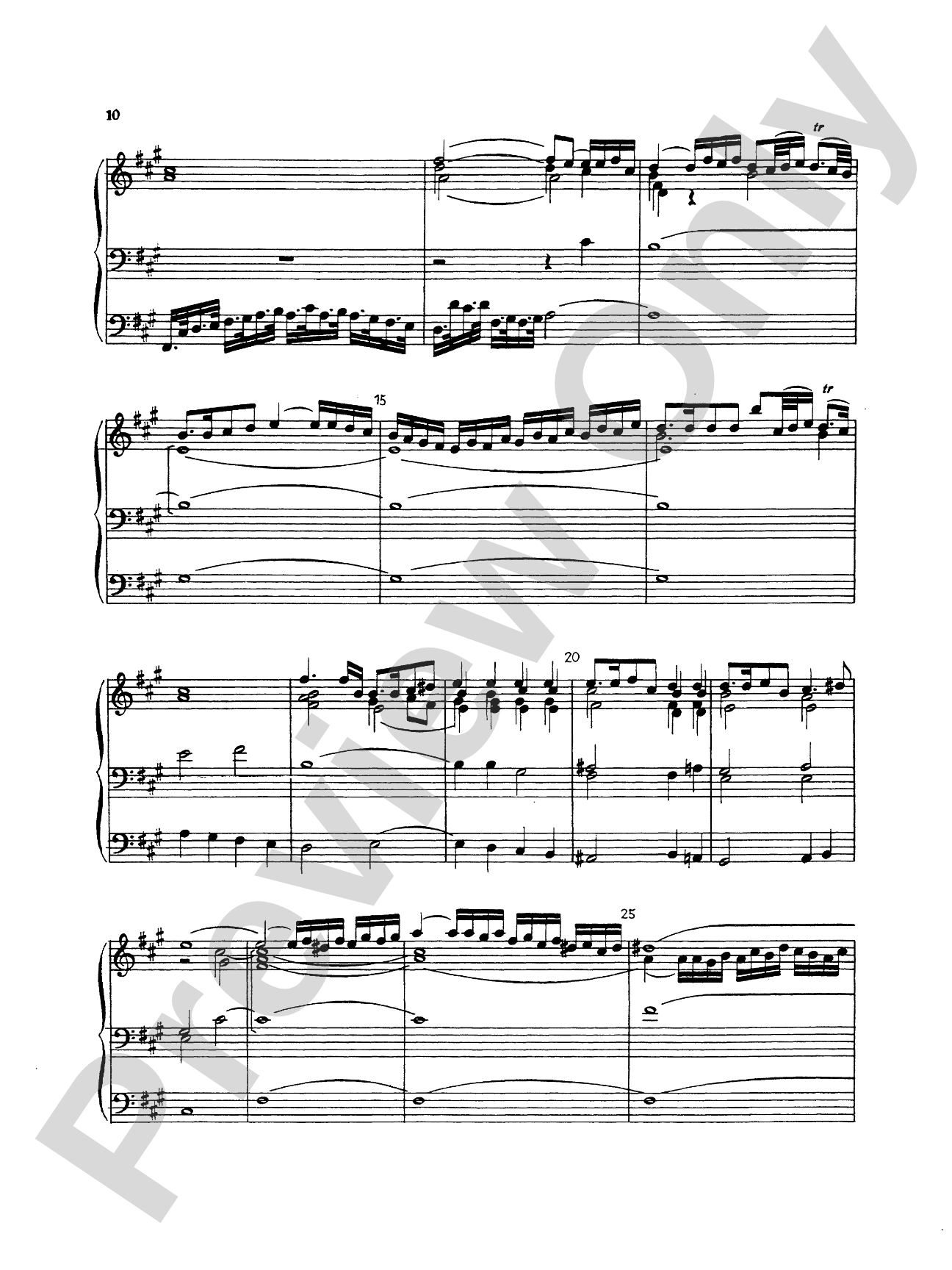
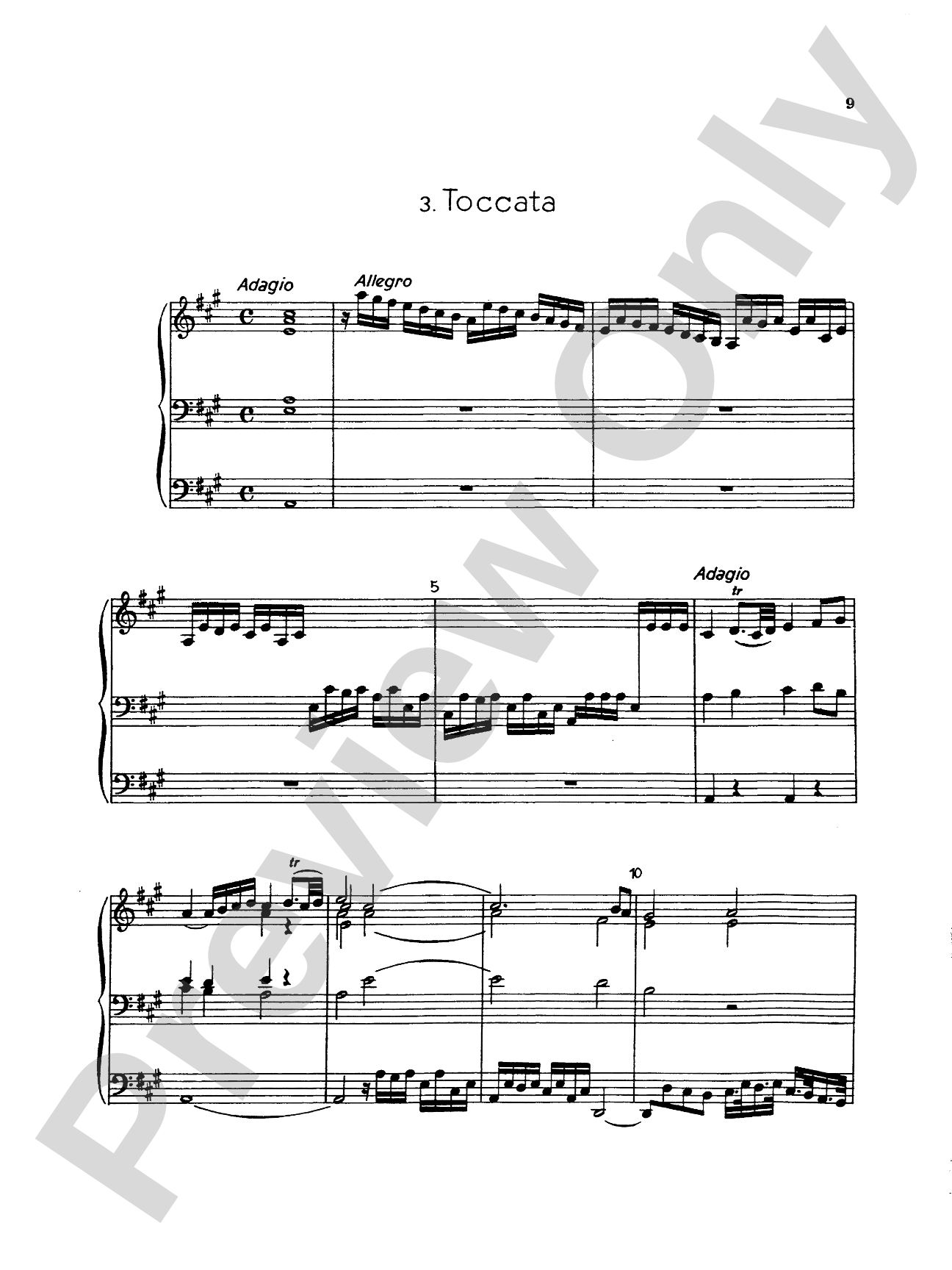
Handel: Two Preludes and Fugues and a Toccata Sheet Music Preview

Handel: Two Preludes and Fugues and a Toccata

By Johann Kuhnau

Item: 00-PC-0011675

Digital Download
$1.99
Description
An organ solo brilliantly compossed by Johann Kuhnau.

Don't just read it, hear it, play along with it, and watch your students grow with it. In MakeMusic Cloud, Handel: Two Preludes and Fugues and a Toccata comes alive with professional accompaniment, adjustable tempo, and built-in practice tools that turn solo practice into real progress.

Sample Audio
No sample audio found.
Sample Video
Additional Details
Series: Kalmus Edition
Publisher: Alfred Music
Page Count: 20
SKU: 00-PC-0011675

More about this title

About the Composer: George Frideric Handel

George Frideric Handel (1685–1759) was a German-born composer who spent most of his career in England, where he became one of the most celebrated musicians of the Baroque era. He mastered virtually every major genre of his time, from opera and oratorio to instrumental music, and his keyboard works showcase the same dramatic flair and structural brilliance that made his larger compositions legendary.

Handel's organ works occupy a special place in his output. Written primarily for performance between acts of his oratorios and as standalone concert pieces, they blend the architectural logic of fugal writing with the virtuosity and showmanship expected of a performer-composer. His command of counterpoint, harmonic invention, and keyboard technique made these works a training ground for organists for centuries.

Why we love this

These three works distill everything that makes Baroque keyboard writing compelling: clear formal structures that student organists can actually track, genuine contrapuntal substance without the academic dryness, and moments of real theatricality. The combination of preludes, fugues, and toccata gives organists exposure to three distinct formal approaches in one collection.

What to expect

These pieces radiate Baroque confidence and clarity. The preludes establish mood through harmonic language and figurative gestures that feel almost improvisatory, the fugues pull you into the satisfying logic of voices weaving in and out, and the toccata shimmers with the kind of keyboard brilliance that reminds you why the organ mattered so much to Baroque composers.

Who it's for

Organists with intermediate to advanced technical facility who are ready to engage seriously with Baroque counterpoint and keyboard idiom. This collection works well for students preparing for recitals, church service playing, or college auditions, and for teachers seeking substantial repertoire that bridges technique-building and performance maturity.

How to get the most out of it

  • Shape the prelude material with a singing tone; Baroque keyboard music rewards melodic clarity over dense registration.
  • Keep fugal subjects crisp and articulate so listeners can follow the contrapuntal lines, especially at entries in different manual divisions.
  • Balance the toccata's virtuosic passages with deliberate control of tempo; rushing the figuration obscures its harmonic function.
  • Use the organ's capacity for textural contrast to distinguish between sections; a change of manual or registration can define form without disrupting the musical line.

How to use it

Open a recital with a prelude to set an elegant tone, slot a fugue into the middle of a mixed-genre program to anchor the Baroque section, or close with the toccata for a virtuosic finish. These works also serve organists regularly in church settings who want substantial, musically rewarding material beyond standard repertoire.

Skills your students will build

  • Reading baroque keyboard texture and understanding manual divisions
  • Tracking contrapuntal lines in fugal writing
  • Interpreting prelude structures and harmonic phrasing in the Baroque style
  • Managing tempo and articulation in toccata figurations
  • Translating notation to organ registrations and performance choices

You May Also Like