
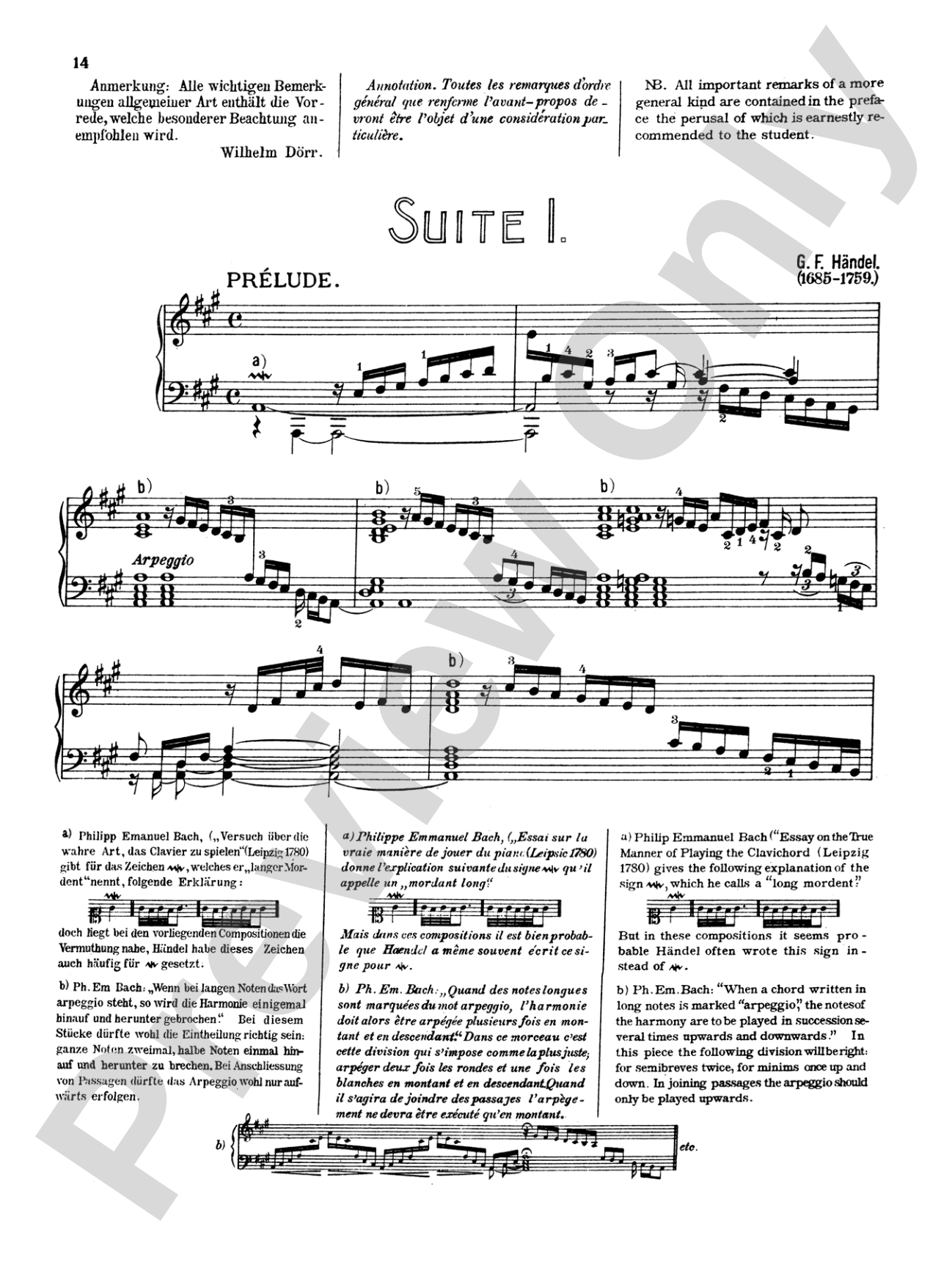
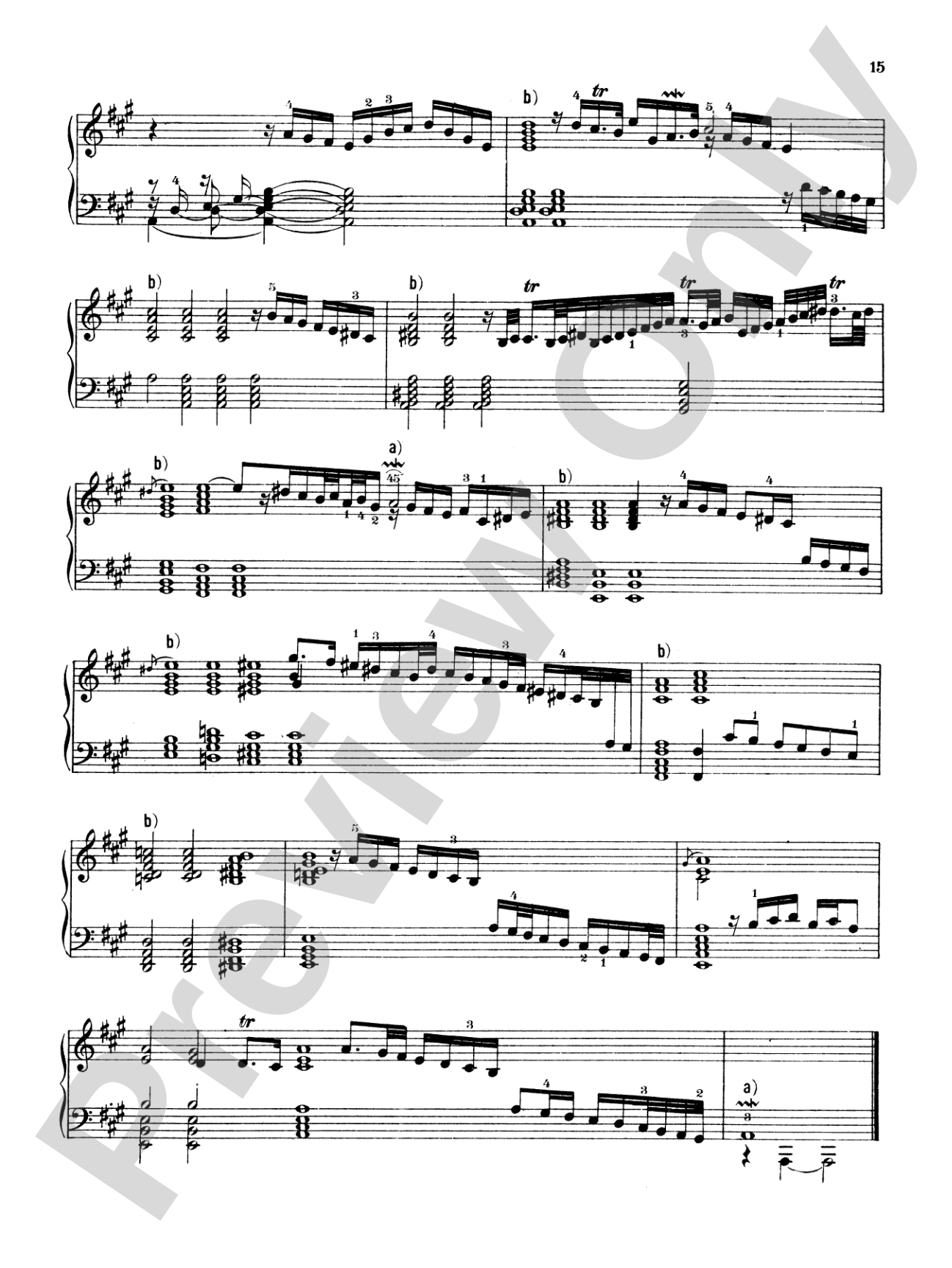
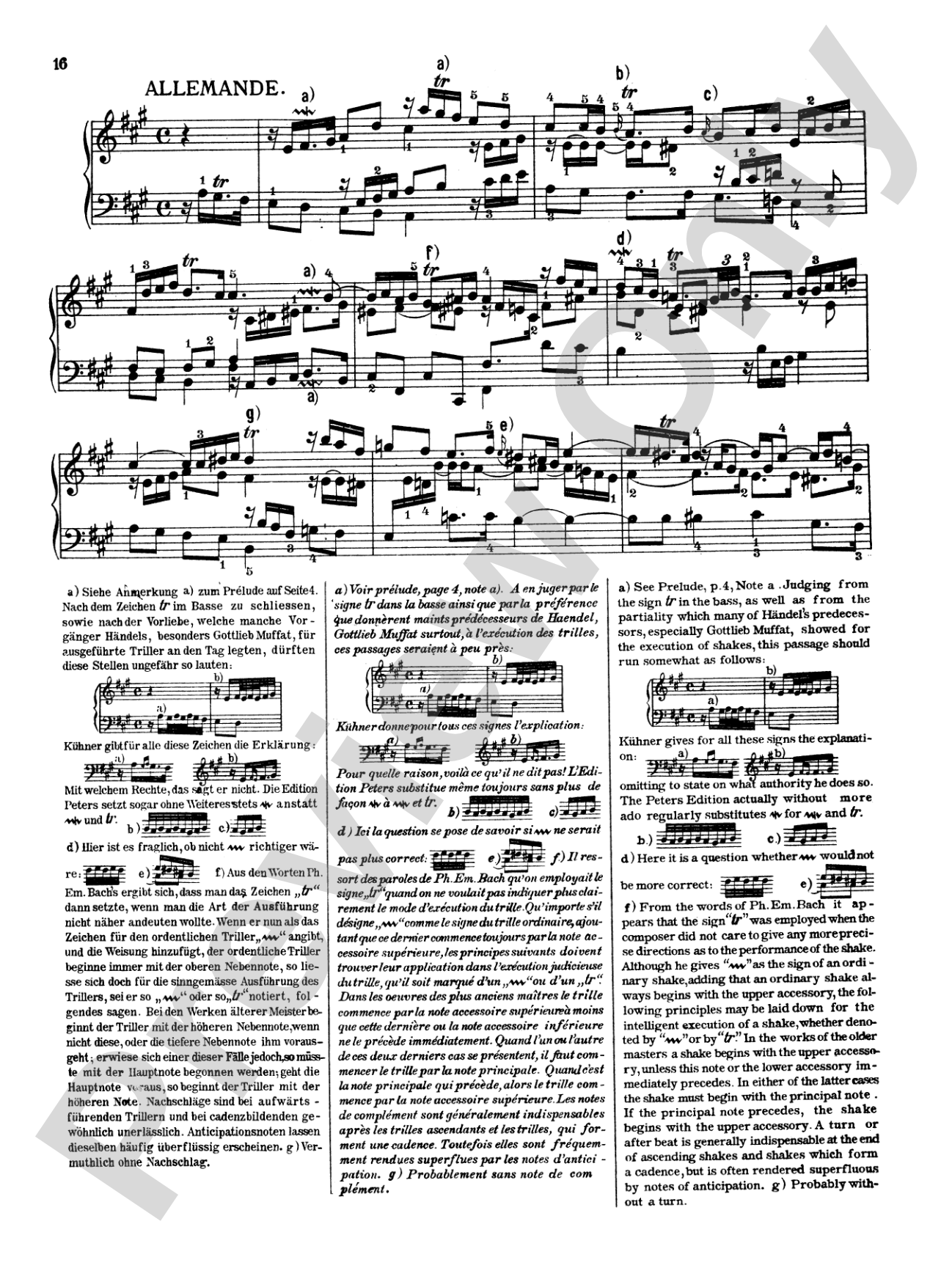
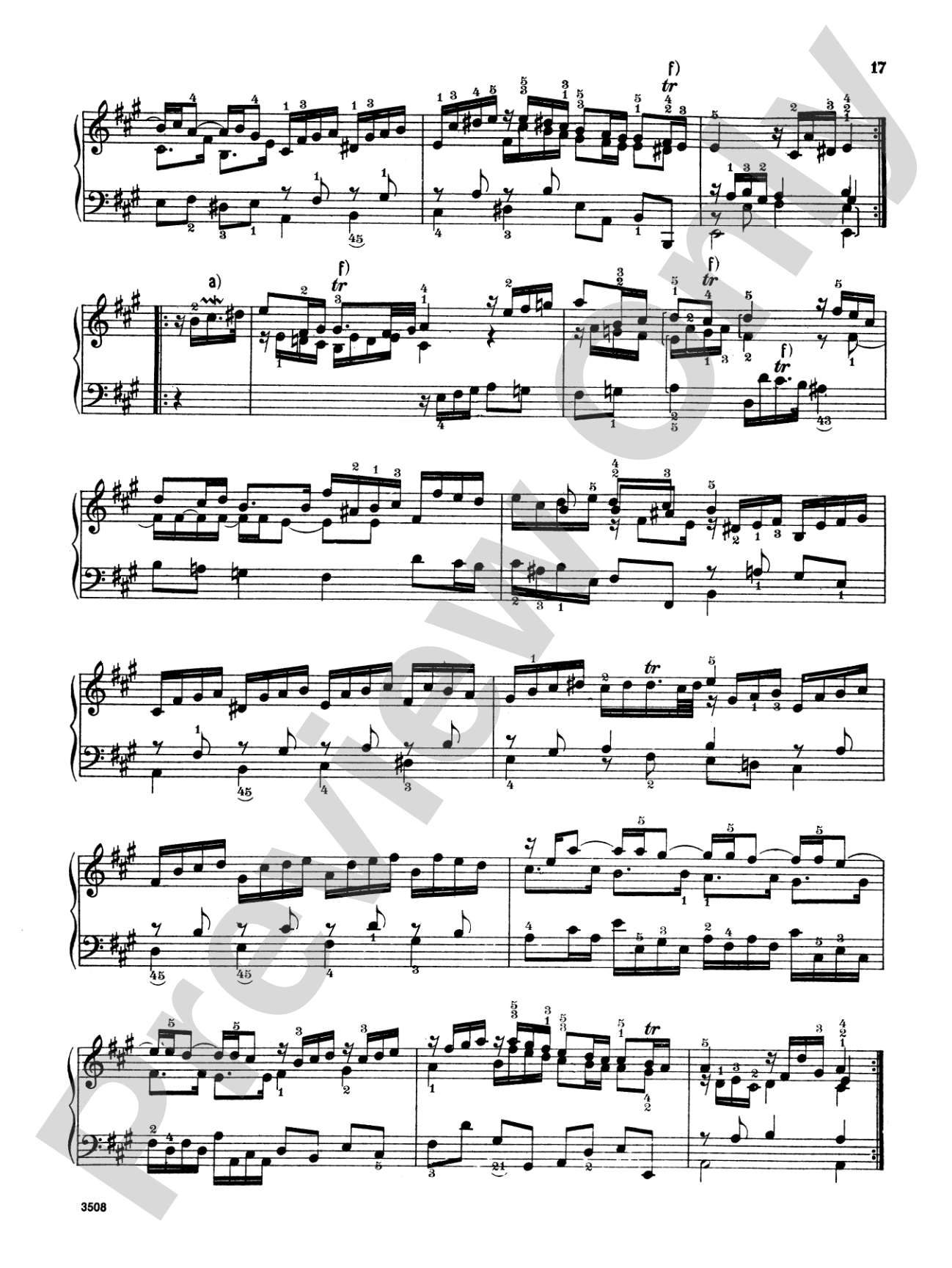
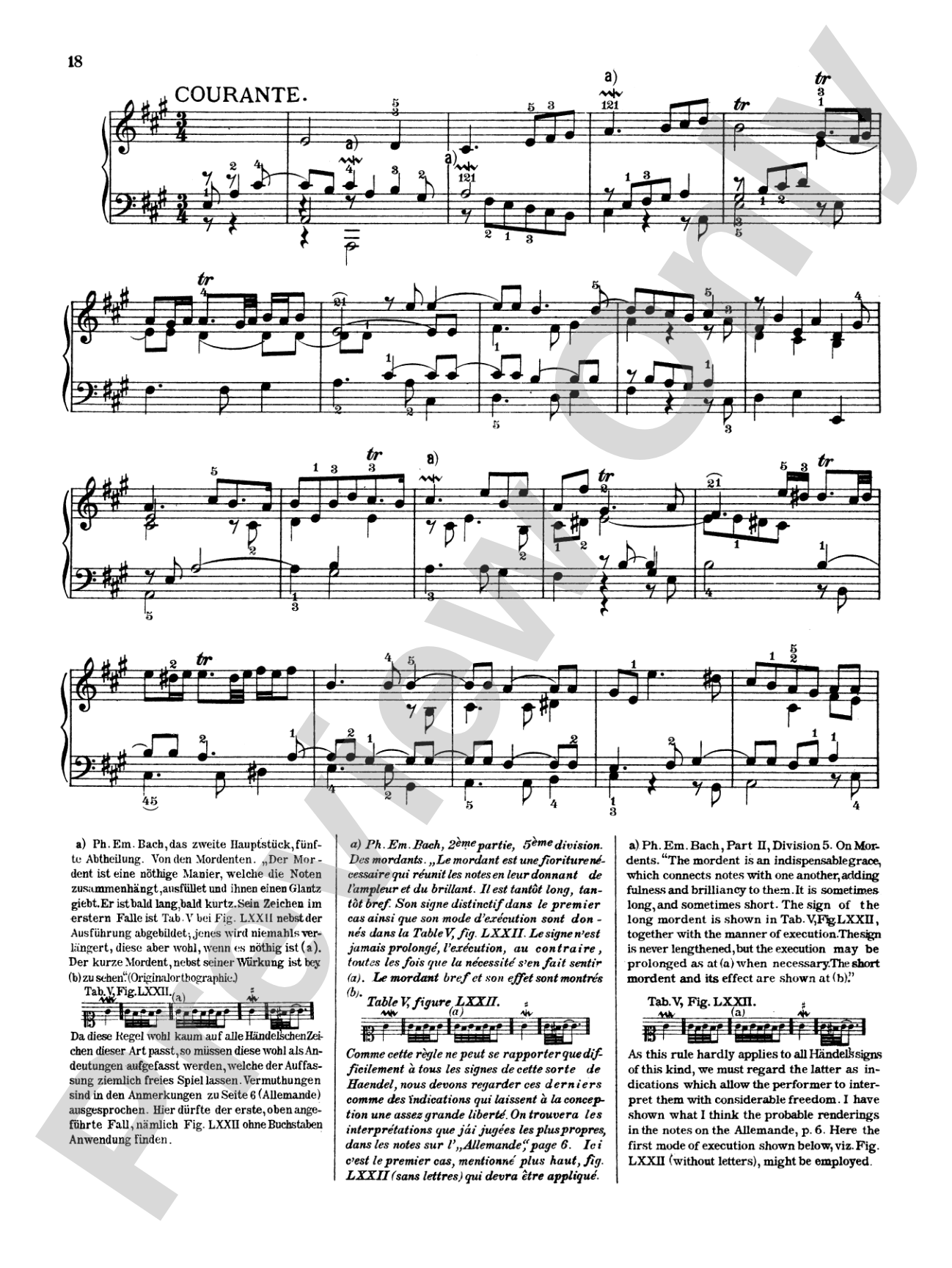
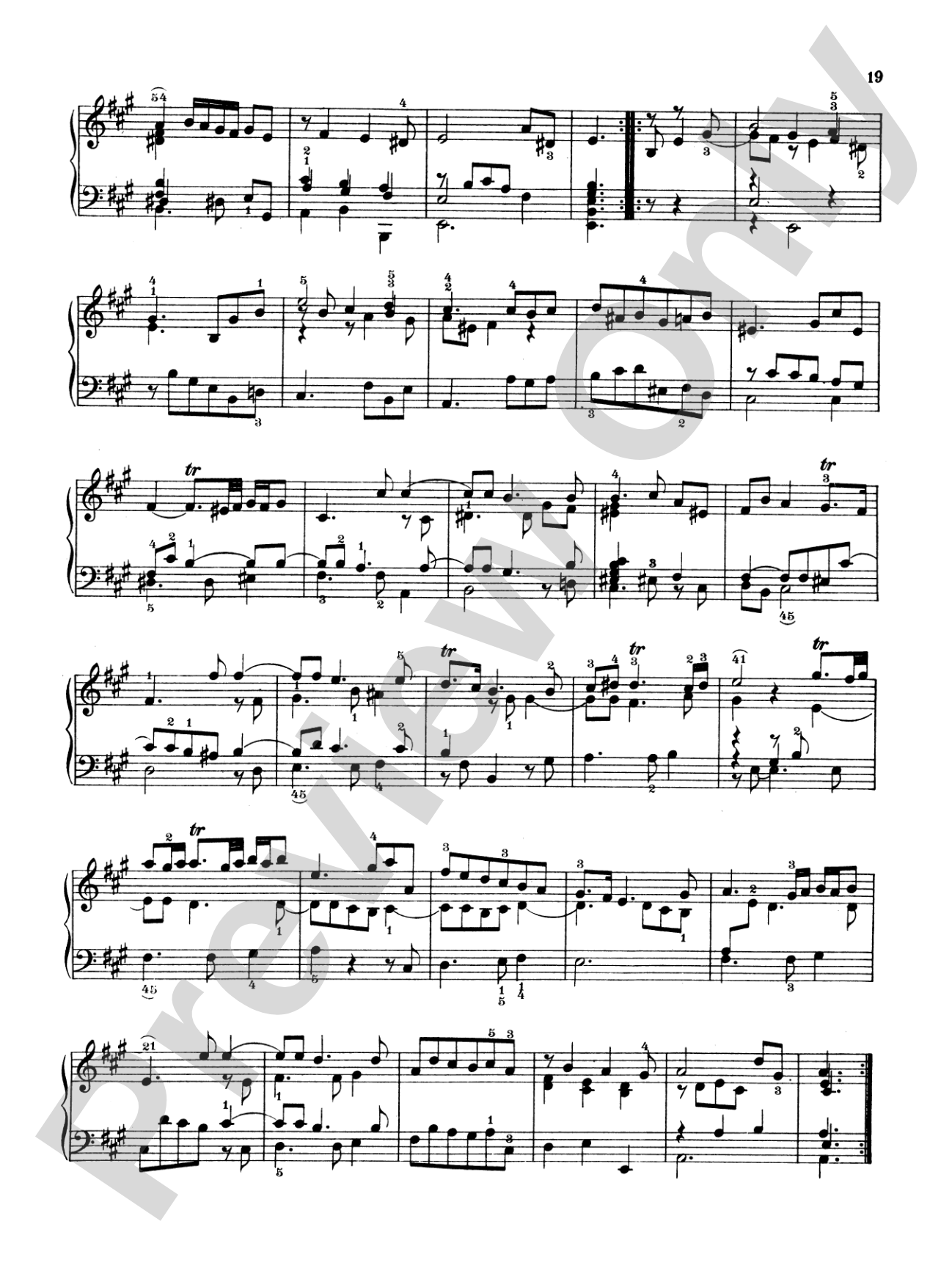
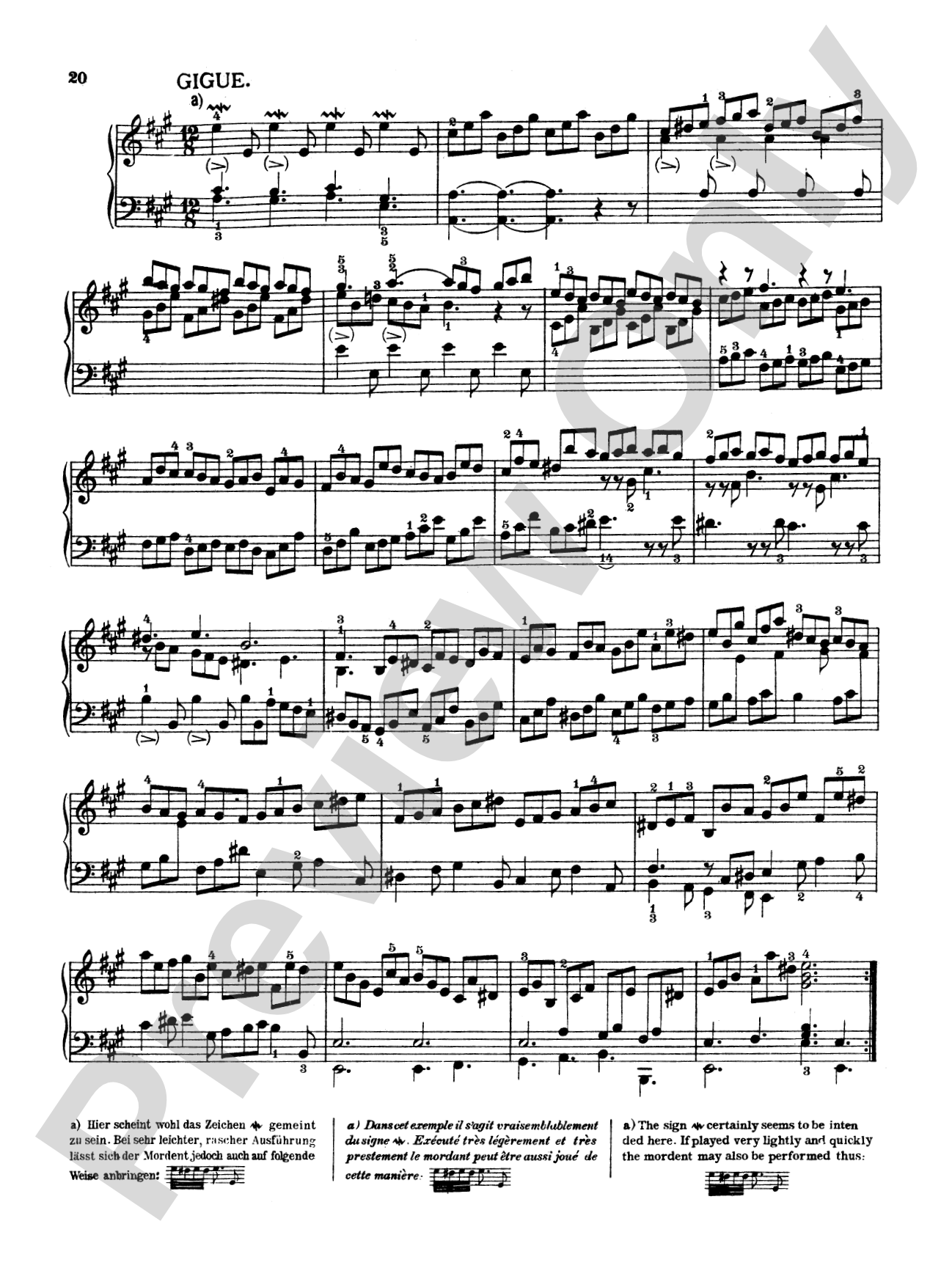
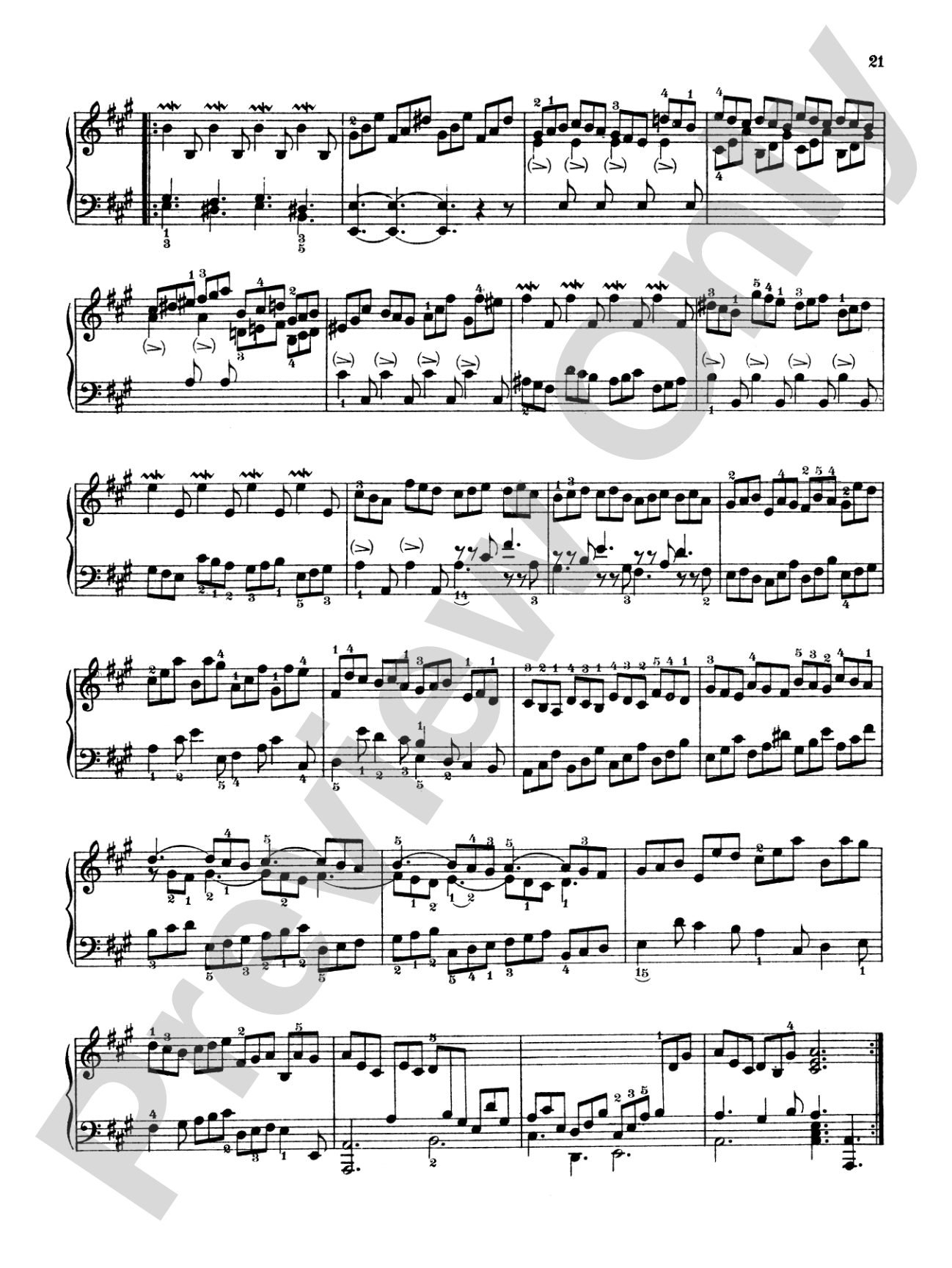

Handel: Suites (Volume I): Piano Book
For Piano
By George Frideric Handel
Item: 00-PK-0003135

$12.99
Pickup currently not available
Buy Extra Parts (Digital PDF Download)
| Product | Price | Quantity |
|---|---|---|
| Handel: Suites (Volume I) | $0.99 | |
| Handel: Suites (Volume I) | $0.99 | |
| Handel: Suites (Volume I) | $0.99 | |
| Handel: Suites (Volume I) | $0.99 | |
| Handel: Suites (Volume I) | $0.99 | |
| Handel: Suites (Volume I) | $0.99 | |
| Handel: Suites (Volume I) | $0.99 | |
| Handel: Suites (Volume I) | $0.99 |
Parts Added to Cart!
Related Items
Suites, Volume I (Nos. 1-8): Piano Book |
$12.95
|
View |
Description
This volume includes a preface by Franz Liszt.


Don't just read it, hear it, play along with it, and watch your students grow with it. In MakeMusic Cloud, Handel: Suites (Volume I): Piano Book comes alive with professional accompaniment, adjustable tempo, and built-in practice tools that turn solo practice into real progress.
Open in the Player
Jump straight in and assign it today.
Start Your Free Trial
Open this title and explore the full library in minutes.
Sample Audio
No sample audio found.
Sample Video
No sample videos found.
Additional Details
Series:
Kalmus Edition
Publisher:
Alfred Music
Page Count:
96
SKU:
00-PK-0003135
More about this title
About the Composer: George Frideric Handel
George Frideric Handel (1685, 1759) was a German-born composer who spent most of his career in England, where he became a central figure in establishing Italian opera and the oratorio as major musical forms. His output was staggering: over 40 operas, 30 oratorios, and hundreds of instrumental works that ranged from intimate chamber pieces to grand ceremonial compositions. Handel's gift for memorable melody and dramatic pacing made his music immediately accessible to audiences while remaining sophisticated enough for serious musicians to study for centuries.
As a keyboard player himself, Handel wrote extensively for harpsichord and organ. His suites showcase the full range of his instrumental writing: dance forms from the French and Italian traditions, contrapuntal writing that rivals Bach's in craftsmanship, and harmonic language that bridges the Renaissance and Classical periods. These works remain essential study material for pianists learning Baroque style and for anyone interested in the roots of keyboard music.
Why we love this
Handel's suites occupy a rare middle ground: substantial enough to develop real musicianship and stylistically informed playing, yet accessible without excessive technical hurdles. The inclusion of Franz Liszt's preface adds pedagogical and historical weight, grounding students in how later Romantic pianists understood and valued this Baroque master's work.
What to expect
These suites unfold with the elegance and structural clarity characteristic of Handel's best work. There is drama within restraint, rhythmic vitality grounded in courtly decorum, and a sense of harmonic inevitability that feels as fresh today as it did three centuries ago. The writing rewards both the ear and the fingers.
Who it's for
Intermediate to advanced pianists ready to engage seriously with Baroque keyboard repertoire. Students preparing for recitals, college auditions, or music history studies benefit from direct exposure to one of the era's defining voices. Teachers seeking substantial, musically mature material that bridges technique and stylistic understanding will find much here.
How to get the most out of it
- Observe the articulation and phrasing implied by Baroque dance structures (allemande, courante, sarabande). Each movement has its own character and tempo proportion; resist treating them as interchangeable.
- Balance clarity of voice leading with forward momentum. Handel's counterpoint requires transparent texture, but Baroque keyboard music still breathes and moves within natural harmonic progressions.
- Pay close attention to any figured bass or editorial suggestions regarding ornamentation. Baroque keyboard performance conventions differ significantly from later styles, and informed choices about trills and other embellishments enhance authenticity.
How to use it
Position these suites as centerpieces in recital programs focused on Baroque keyboard literature, or use individual movements to explore how the same composer wrote for both public audiences and private patrons. They work equally well in master classes on Baroque style or as core repertoire in a piano literature sequence.
Skills your students will build
- Baroque articulation and phrasing conventions
- Voice leading and counterpoint at the keyboard
- Stylistically appropriate ornamentation and embellishment
- Understanding of Baroque dance forms and their structural properties
- Harmonic analysis within functional tonality
- Coordination of multiple melodic lines with clarity and balance