

Handel: Suites and Chaconnes (Volume II)
By George Frideric Handel
Item: 00-PC-0007628
$0.99
Pickup currently not available
Description
Titles:
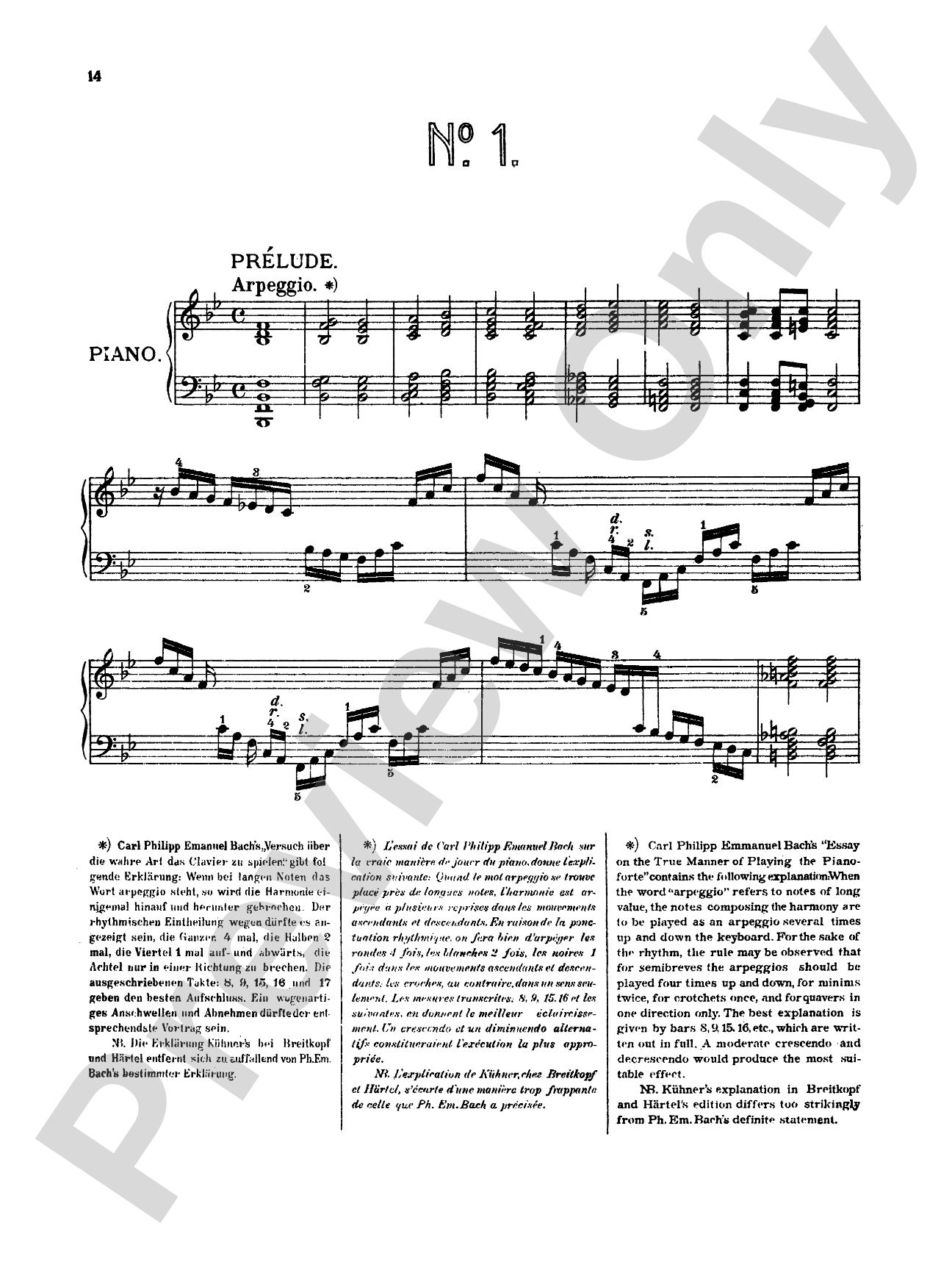
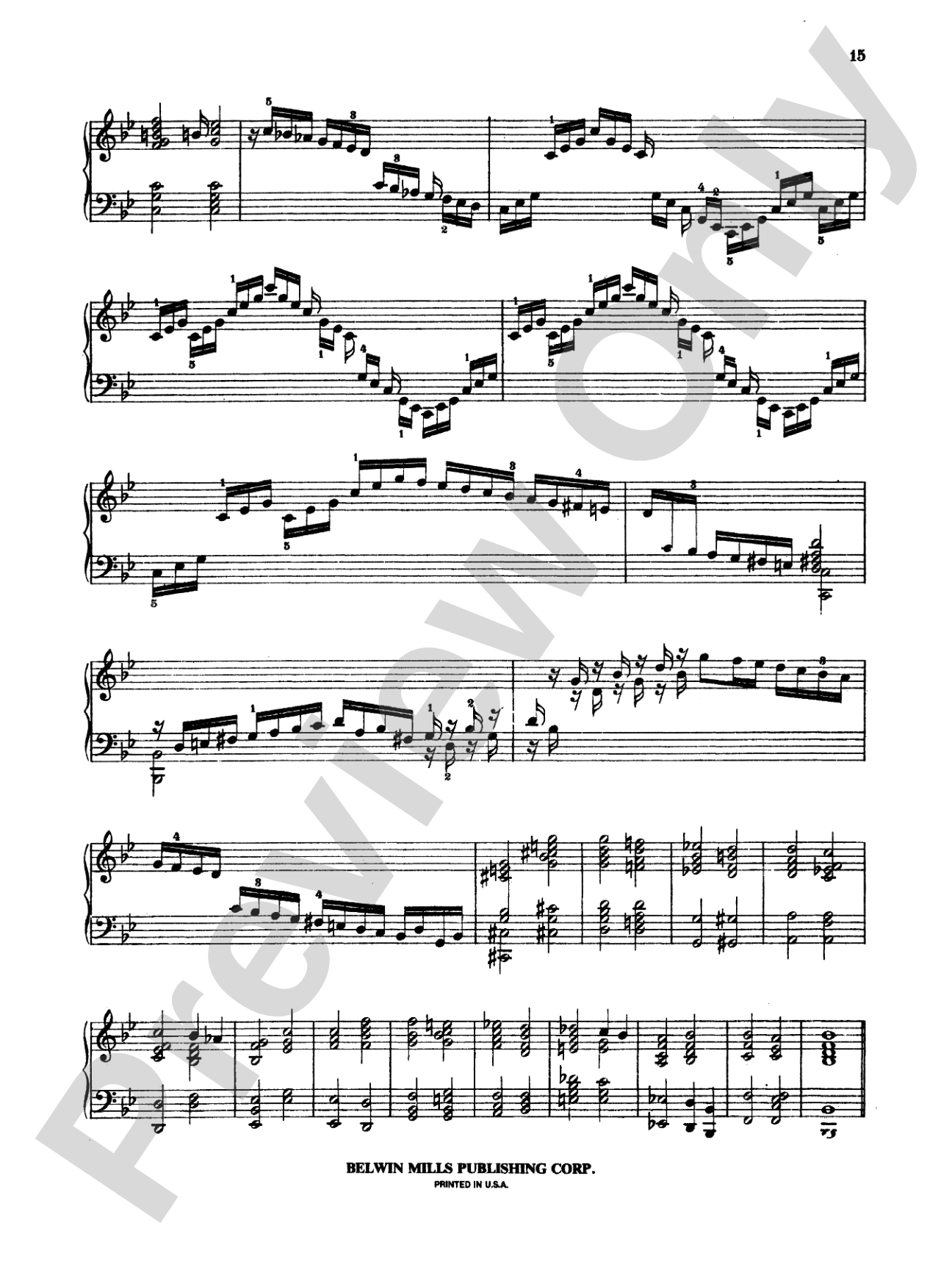
* Suite in B-flat Major (Prelude, Air with Variations, Menuetto)
* Chaconne with Variations in G Major
* Suite in D Minor (Allemande, Allegro, Air, Gigue, Menuetto with Variations)
* Suite in D Minor (Allemande, Courante, Sarabande with Variations, Gigue)
* Suite in E Minor (Allemande, Sarabande, Gigue)
* Suite in G Minor (Allemande, Courante, Gigue)
* Suite in B-Flat Major (Allemande, Courante, Sarabande, Gigue)
* Suite in G Major (Allemande, Allegro, Courante, Aria, Menuetto, Gavotte with Variations, Gigue)
* Chaconne with Variations in G Major


* Suite in B-flat Major (Prelude, Air with Variations, Menuetto)
* Chaconne with Variations in G Major
* Suite in D Minor (Allemande, Allegro, Air, Gigue, Menuetto with Variations)
* Suite in D Minor (Allemande, Courante, Sarabande with Variations, Gigue)
* Suite in E Minor (Allemande, Sarabande, Gigue)
* Suite in G Minor (Allemande, Courante, Gigue)
* Suite in B-Flat Major (Allemande, Courante, Sarabande, Gigue)
* Suite in G Major (Allemande, Allegro, Courante, Aria, Menuetto, Gavotte with Variations, Gigue)
* Chaconne with Variations in G Major
Don't just read it, hear it, play along with it, and watch your students grow with it. In MakeMusic Cloud, Handel: Suites and Chaconnes (Volume II) comes alive with professional accompaniment, adjustable tempo, and built-in practice tools that turn solo practice into real progress.
Open in the Player
Jump straight in and assign it today.
Start Your Free Trial
Open this title and explore the full library in minutes.
Sample Audio
No sample audio found.
Sample Video
No sample videos found.
Additional Details
Series:
Kalmus Edition
Publisher:
Alfred Music
Page Count:
92
SKU:
00-PC-0007628
More about this title
About the Composer: George Frideric Handel
George Frideric Handel (1685-1759) was a German-born composer who spent much of his career in England, where he became a dominant figure in Baroque music. His keyboard works reveal the same dramatic sensibility and structural mastery that made his operas and oratorios legendary, though these suites and chaconnes invite a more intimate kind of listening.
Handel's keyboard output includes both original compositions and arrangements of his own instrumental works. These suites showcase the dance forms and variation techniques central to Baroque keyboard writing, offering pianists a direct window into how a master of dramatic form approached the keyboard itself.
Why we love this
This collection gives pianists access to Handel's keyboard writing at a moment when many students encounter him only through vocal works. The mix of formal dance movements and variation sets demands real interpretive choices about articulation, ornamentation, and pacing; it's repertoire that rewards thoughtful practice and sounds both authoritative and deeply rewarding when played well.
What to expect
Handel's keyboard writing balances formal elegance with underlying dramatic momentum. The suites alternate between stately, measured movements and quicker, figural passages that feel both structured and alive; the chaconnes build intensity through harmonic invention and rhythmic development over a fixed bass pattern, creating a sense of cumulative power.
Who it's for
This book serves intermediate and advanced pianists seeking substantial Baroque keyboard repertoire beyond the standard Bach and Scarlatti canon. It also works for students preparing for Baroque performance practice courses or those building a comprehensive foundation in Handel's compositional language.
How to get the most out of it
- Approach the dance movements (Allemandes, Courantes, Sarabandes, Gigues, Minuettos) with clear rhythmic profiles rather than romantic rubato; Baroque convention values steady pulse and precise articulation of each dance's characteristic rhythm.
- In the variation movements and chaconnes, establish the harmonic ground firmly in the opening statement so that later elaborations land with clarity rather than obscuring the underlying structure.
- Use finger articulation and selective pedaling to shape phrase contours; Baroque keyboard writing often benefits from transparency and separation rather than blended sonorities.
- Research historically informed tempo relationships between paired movements (like allemande and courante in a suite) to understand how Handel conceived their connection.
How to use it
Individual suite movements make excellent recital openers or transitions between larger works, particularly in all-Baroque programs. A complete suite or the chaconne variations can also anchor a student recital focused on Baroque keyboard forms, demonstrating facility with ornamentation, dance conventions, and structural variety.
Skills your students will build
- Baroque ornamentation conventions and execution in keyboard writing
- Recognition and interpretation of Baroque dance forms (Allemande, Courante, Sarabande, Gigue, Menuetto, Gavotte, Air)
- Voice leading and harmonic analysis in variation form
- Ground bass and ostinato accompaniment techniques in chaconne writing
- Articulation and phrasing without the pedal as a primary tool
- Structural understanding of suite organization and movement relationships